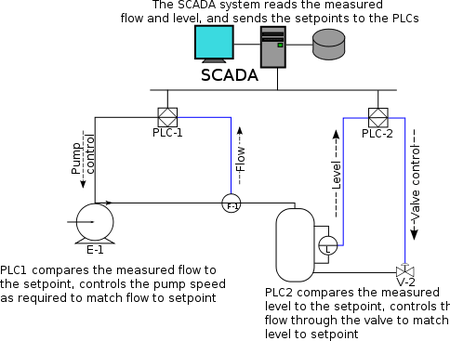
 The vast U.S. network of natural gas and hazardous liquid pipelines is integral to U.S. energy supply and has vital links to other critical infrastructure. While an efficient and fundamentally safe means of transport, this network is vulnerable to cyber attacks. In particular, cyberinfiltration of supervisory control and data acquisition (SCADA) systems could allow successful “hackers” to disrupt pipeline service and cause spills, explosions, or fires—all from remote locations.
In March 2012, the Department of Homeland Security (DHS) reported ongoing cyber intrusions among U.S. natural gas pipeline operators. These intrusions have heightened congressional concern about cybersecurity in the U.S. pipelines sector. The Transportation Security Administration (TSA) is authorized by federal statute to promulgate pipeline physical security and cybersecurity regulations, if necessary, but the agency has not issued such regulations. TSA officials assert that security regulations could be counterproductive because they could establish a general standard below the level of security already in place for many pipelines…. While the pipelines sector has many cybersecurity issues in common with other critical infrastructure sectors, it is somewhat distinct in several ways:
• Pipelines in the United States have been the target of several confirmed terrorist plots and attempted physical attacks since September 11, 2001.
• Changes to pipeline computer networks over the past 20 years, more sophisticated hackers, and the emergence of specialized malicious software have made pipeline SCADA operations increasingly vulnerable to cyber attacks.
• There recently has been a coordinated series of cyber intrusions specifically targeting U.S. pipeline computer systems.
• TSA already has statutory authority to issue cybersecurity regulations for pipelines if the agency chooses to do so, but it may not have the resources to develop, implement, and enforce such regulations if they are mandated….
In March 2012, the Department of Homeland Security (DHS) reported ongoing cyber intrusions among U.S. natural gas pipeline operators. The incidents drew new attention to an Al Qaeda video obtained in 2011 by the Federal Bureau of Investigation (FBI) reportedly calling for “electronic jihad” against U.S. critical infrastructure. These cybersecurity events coupled with serious consequences from recent pipeline accidents have heightened congressional concern about cybersecurity measures in the U.S. pipelines sector.
Excerpt, Paul W. Parfomak, Pipeline Cybersecurity: Federal Policy, CRS Report for Congress, Aug. 16, 2012


 Law-In-Action