
Tag Archives: high sulfur fuel oil

The Price of Banning Dirty Fuels for Ships

A strict sulfur limit for marine fuels is starting in 2020.  US refiners say they have been preparing for the International Maritime Organization’s 0.5% sulfur cap for a dozen years by making billions of dollars of investments to their plants. They also think US oil producers are well positioned to meet new global demand for lower-sulfur fuels.

Despite the industry’s confidence, Gulf Coast refiners are nevertheless skittish about one major wild card.  The January 1, 2020 implementation date comes right in the middle of President Donald Trump’s re-election campaign, and this White House has shown a particular sensitivity to pump prices and their impact on voters.  Trump administration sources told the Wall Street Journal in October that the White House was considering ways to delay the IMO’s 0.5% sulfur cap beyond the long-scheduled January 1, 2020, implementation date. The story alone sent the stock market value of five US refining companies down by a combined $11 billion – hence their skittishness.

Within weeks of the story, trade groups for refiners, oil and gas producers, LNG exporters and steelworkers created the Coalition for American Energy Security to educate White House officials and members of Congress about IMO 2020 and what US industries were already doing to prepare… “The American energy industry is ready to dominate the global market for these new fuels, and timely implementation is critical to achieving that objective.”  said Ken Spain, spokesman for the Coalition for American Energy Security..

Excerpts from Insight from Washington: US refiners worry about White House wild card as IMO 2020 nears, S&P Global The Barrel, Mar. 11, 2019
The 2020 Deadline for Fuel Oil

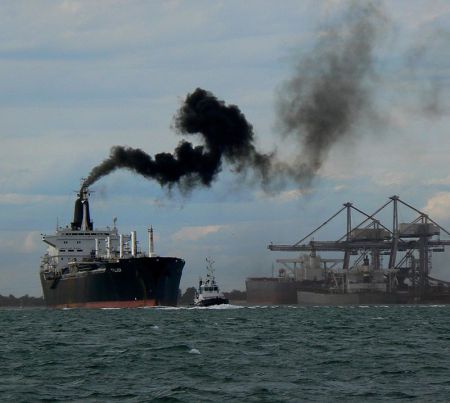
Circle January 2020 on your calendar for what could be a major disruption to the energy market and a jolt to the global economy.The origin of the problem isn’t some oil cartel’s machinations, a looming war or even a technological shift — it is a bureaucratic body that few people have heard of: the International Maritime Organization. Just 30 months from now the cargo vessels that are the lifeblood of global trade will be required to cut the sulfur content in their fuel from 3.5% to 0.5%.

Ships move more than 10 billion tons of cargo a year and do it far more efficiently than road or rail, but it comes at a high cost in terms of overall pollution because ships use fuel oil, which is just about the cheapest, dirtiest stuff to come out of refineries. About 9% of all sulfur dioxide emitted globally comes from ships, contributing to acid rain and many premature deaths annually. Even the new cap is 500 times the sulfur content of most road diesel.

Even with significant investment, refiners may not be ready and ships may have to burn more expensive marine diesel.”Marine diesel affects land diesel which affects jet fuel which affects gasoline,” explains Mr. Tallett. That could cause the prices of those fuels to go up by 10% to 20%.

The only solution may be to simply refine more oil, which means increasing overall demand, to get enough low-sulfur fuel out of the world’s refineries. The International Energy Agency worried about the impact in a February 2017 report, yet it assumes many ships will install marine scrubbers to clean the dirty fuel and that refiners will add units to reduce sulfur content — both expensive propositions.

Excerpts from High Seas are to Deliver a Shock to Energy Sector, Wall Street Journal, June 7, 2017