Tag Archives: Simandou concession

How to Pull off an Economic Coup: China in Guinea

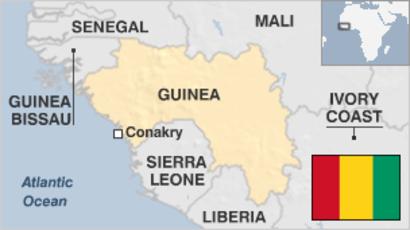
The Simandou mine is a large iron mine located in the Simandou mountain range of southern Guinea, Simandou represents one of the largest iron ore reserves in Guinea and in the world, having estimated reserves of 2.4 billion tonnes of ore grading 65% iron meta. Since November 2019, Simandou is owned by a Chinese consortium: SMB, a joint-venture which includes Winning Shipping, a Singaporean maritime firm, UMS, a Guinean-French logistics company, and Shandong Weiqiao, a big Chinese aluminium producer. The entity, in which Guinea’s government holds a 10% stake, will pay $15bn to develop the site, build a new deepwater port and a 650km railway to link the two.

The successful bid is a coup for SMB, which is barely known outside the west African nation. The private joint-venture keeps its finances close to its chest but Bob Adam, an expert on mining in Guinea, reckons that after taxes, royalties and operating costs smb is making about $800m profit a year. “They are now the most significant economic enterprise in Guinea,” he says—and the only one among the world’s biggest bauxite producers with a direct link to China.

A shift into iron ore presents challenges. Building a port and a railway through the country’s malaria-infested forest will take years and could cost much more than the estimated $10bn. Also, the Boké region has been plagued by riots. Many local residents are angered by lack of access to clean water or health care. But China is keen on Simandou’s high-grade iron ore, which emits less pollution when processed.It also wants to lock in supply

Galvanised:  SMB Winning pays $15bn for rights to Guinea’s iron mountain, Economist, Dec. 7, 2019

.
The Battle for Iron Ore: Guinea

Buried beneath the mist-capped mountains of south-eastern Guinea is one of the world’s biggest deposits of iron ore. Estimated at around 2.2 billion tonnes, the Simandou concession contains almost as much as the entire global iron-ore industry produced in 2013. Thanks to its size and unusually high quality, some experts say that whoever controls Simandou may dominate the world’s iron-ore sector for a generation.

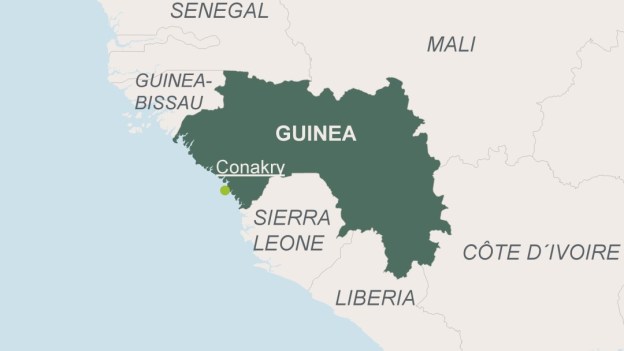
After a decade of wrangling, Guinea has now struck a deal worth $20 billion with Rio Tinto, a British-Australian metals and mining giant, to exploit the southern half of the deposit. This should enable the company to mine 95m tonnes of ore from the jungle-matted mountains every year, creating 45,000 jobs and doubling the west African state’s GDP. Rio Tinto has also agreed to build a deepwater port and a railway line to take the ore 650km (400 miles) to the sea. Guinea’s government hopes it will create a “growth corridor” stretching the length of the country.

Until recently it had looked as though Guinea would gain little from its abundant natural resources, which also include diamonds, bauxite and gold. The dirt-poor country has been a classic case of the “resource curse”: blessed with natural riches but still languishing at the bottom of almost every development index, thanks to corrupt, warmongering rulers.

Days before he died in 2008, Guinea’s then dictator, Lansana Conté, signed over the rights to mine the northern half of Simandou, which Rio Tinto then owned, to an Israeli businessman, Benny Steinmetz, for $160m. Mr Steinmetz soon sold a 51% share on to a big Brazilian mining company, Vale, for $2.5 billion, prompting Mo Ibrahim, a Sudanese-born British telecoms billionaire and philanthropist, to remark, “Are the Guineans who did that deal idiots, or criminals, or both?”

In April 2014 the democratically elected government of President Alpha Condé stripped Mr Steinmetz and Vale of their concession. Mr Steinmetz has begun arbitration proceedings against the government of Guinea; Rio Tinto is suing both Steinmetz and Vale, accusing them of conspiring to steal its rights. The Guinean government has said that Vale may not have known about the various allegations of dishonesty against Mr Steinmetz and is therefore free to bid in the future for the rights to blocks in the Simandou area that have yet to be allocated.

Excerpts, Guinea and its iron ore: Let the people benefit, for once, Economist, June 7, 2014, at 57