 The Maldives archipelago, popular among luxury honeymooners, has become a playing field for geostrategic rivalry as China expands its influence in the Indian Ocean and the U.S. and India push back.
Maldives President Abdulla Yameen Abdul Gayoom, who has steadily swung his country toward Beijing and away from traditional partner New Delhi, has imposed a state of emergency, jailed opponents and clamped down on protests to weaken his opposition, which is led by pro-India ex-President Mohamed Nasheed.
India and the U.S. don’t want Beijing, already dominant in the South China Sea, to entrench itself in these waters. The island nation sits astride shipping lanes that connect China to the oil-supplying countries of the Middle East, via the Strait of Malacca. The location also makes the Maldives vital to Beijing’s Belt and Road plan to develop land and sea trading routes linking China to Europe.
Chinese President Xi Jinping won Mr. Gayoom’s support for the project’s maritime corridor on a visit to the Maldives in 2014, and China began investing in island infrastructure. A Chinese bridge now under construction will connect the capital city, Malé, to a nearby island where its airport is located. A Chinese company is expanding the airport; another has leased an island close by for development. Chinese contractors are building roads and housing units for locals.
Many in the Maldives opposition have raised concerns that Chinese infrastructure loans will turn into “debt traps,” particularly after a major Chinese-financed port in neighboring Sri Lanka passed into Chinese control last year when Colombo couldn’t repay.
U.S. Secretary of State Rex Tillerson…called China’s infrastructure-financing deals an example of “predatory economics” that saddle developing countries with unsustainable debt and could undercut their sovereignty. Mr. Gayoom steered a constitutional amendment through parliament in 2015 allowing foreigners to own land, a change the government said was meant to attract investment and critics in the country said could help Beijing establish a military foothold.
In recent years, China has built a naval base in Djibouti in East Africa; in addition to the port in Sri Lanka, it operates one in Pakistan. A senior Indian navy officer said Chinese submarines and research vessels are visiting the Indian Ocean more frequently.
The Indian military deploys aircraft specialized in anti-submarine warfare to patrol the ocean, and its government is negotiating the purchase of U.S. drones with advanced surveillance features. India also plans to build new attack submarines, and a military upgrade is afoot in its Andaman and Nicobar Islands, whose capital is around 1,200 nautical miles from Malé.
Excerpts from China-India Rivarly Plays out in Maldives, Wall Street Journal, Mar. 6, 2019
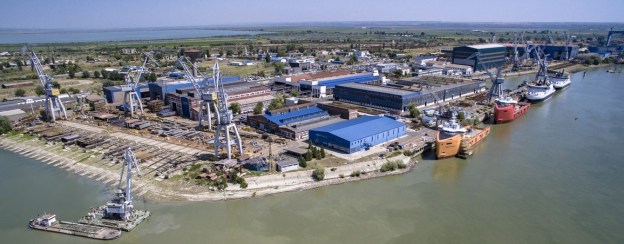
 A Beijing-funded wharf in Vanuatu is big enough to allow powerful warships to dock alongside it, heightening fears the port could be converted into a Chinese naval installation. Fairfax Media inspected the $114 million Luganville wharf and was told US coastguard officials and Marines recently visited the sprawling facility and took a keen interest in its specifications. The Chinese and Vanuatu governments have strenuously denied they have discussed a military base…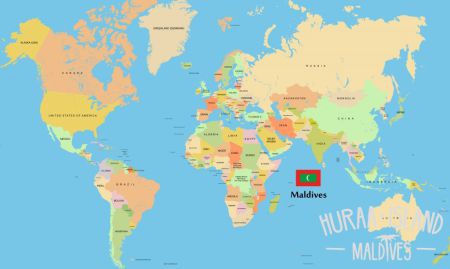
 Law-In-Action