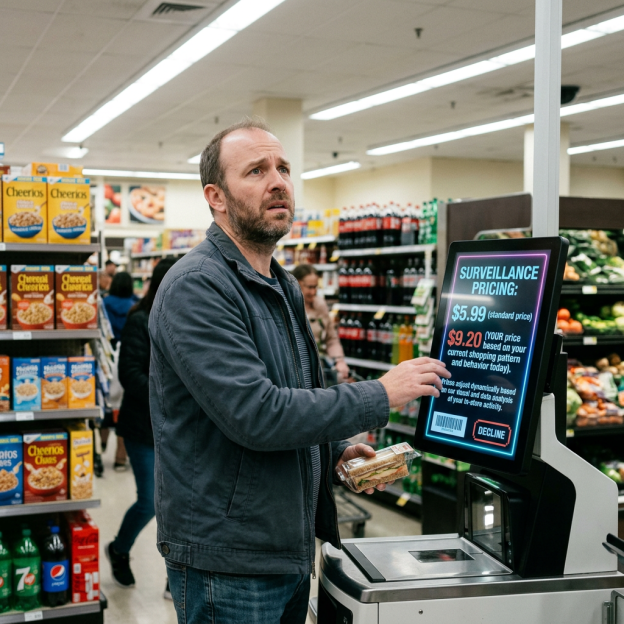
Varying prices down to the individual level has long been the holy grail of marketing, but it has become a politically charged tactic. Companies collect vast amounts of data about consumers, including browsing history, location, device type, purchase patterns, and even how long a cursor hovers over a product. Software that automates price-setting—often driven by AI—can quickly turn that data into tailored pricing… Instacart was revealed to have allowed retailers to use its software to vary prices for individuals across four cities who added the same items simultaneously to their shopping carts. Instacart said the experiment helped retailers understand consumer preferences but scrapped the tests after customer pushback.
The FTC said in its statement on August 19, 2026 that a “food delivery company quoting a higher price to consumers on the basis of data personal to those consumers” would require disclosure. So would ride-share companies that charged a user more based on knowledge that the passenger didn’t have a competing app on their phone. The statement goes on to note that the undisclosed collection or use of personal data for the purpose of personalized pricing could violate the FTC Act, which prohibits unfair or deceptive practices in the marketplace.
Excerpt from Dave Michaels, FTC Warns Retailers on Using Private Consumer Data to Raise Prices, WSJ, Aug. 19, 2026
See also the statement pdf
 Law-In-Action