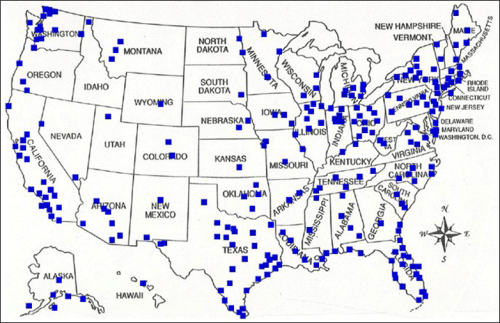
More than 60 auto suppliers in the U.S. today are owned by companies located in China. Those include large manufacturers of air bags, automotive glass, and steering systems. Overall, Chinese companies have amassed ownership stakes in about 5% of 10,000 suppliers in America….In April 2026, more than 50 House Republicans wrote to Treasury Secretary Scott Bessent, Commerce Secretary Howard Lutnick and U.S. Trade Representative Jamieson Greer. They urged the Trump administration to block Chinese automotive and battery companies from manufacturing in the U.S. Their letter warned that Chinese investment in the American auto-supply chain poses risk to domestic industries.
Some car companies have been taking steps to bring some component production home. Tesla started requiring its suppliers to exclude China-made components in the manufacturing of its cars in the U.S….Across the world, Chinese ownership of some of the biggest suppliers in the industry has steadily increased. In 2012, one Chinese company ranked among the top 100 global suppliers, , that number had jumped to 13 suppliers, and it is expected to reach 22 by the end of the decade.
In the U.S., carmakers have become closely tied to the work of Chinese-owned suppliers. Fuyao Glass America, a glass supplier, supplies Detroit’s three and other domestic auto manufacturers. Another company, CATL, is the world’s largest electric-vehicle battery manufacturer. Nexteer, a publicly traded global manufacturer of steering systems and drivelines, is controlled by a Chinese conglomerate and makes parts for top carmakers in the U.S. and China
Excerpt from Ryan Felton, Chinese companies have amassed ownership stakes in about 5% of 10,000 auto suppliers in America, WSJ, May 9, 2026