Monthly Archives: June 2026

Escaping ChinAmerica: the Car Industry

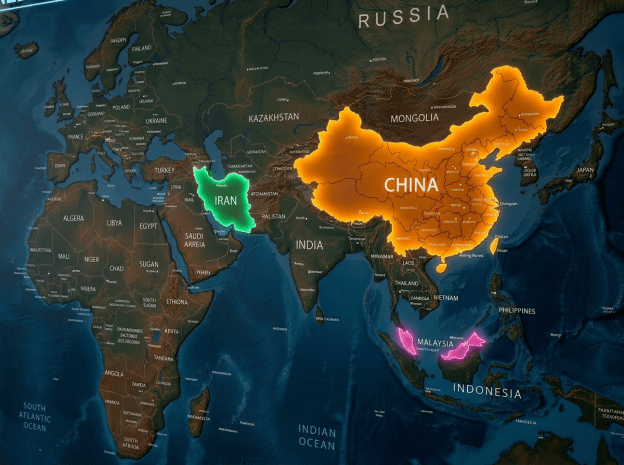
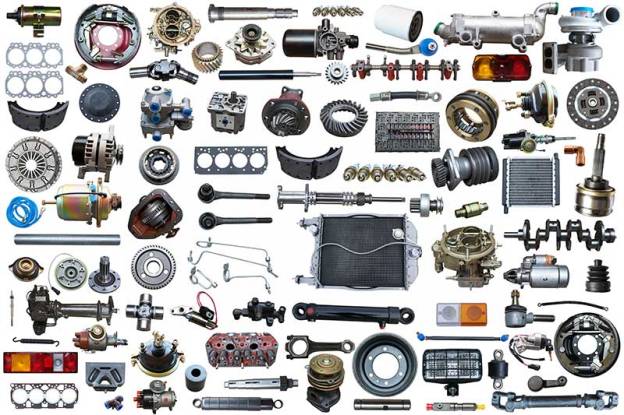
More than 60 auto suppliers in the U.S. today are owned by companies located in China. Those include large manufacturers of air bags, automotive glass, and steering systems. Overall, Chinese companies have amassed ownership stakes in about 5% of 10,000 suppliers in America….In April 2026, more than 50 House Republicans wrote to Treasury Secretary Scott Bessent, Commerce Secretary Howard Lutnick and U.S. Trade Representative Jamieson Greer. They urged the Trump administration to block Chinese automotive and battery companies from manufacturing in the U.S. Their letter warned that Chinese investment in the American auto-supply chain poses risk to domestic industries.

Some car companies have been taking steps to bring some component production home. Tesla started requiring its suppliers to exclude China-made components in the manufacturing of its cars in the U.S….Across the world, Chinese ownership of some of the biggest suppliers in the industry has steadily increased. In 2012, one Chinese company ranked among the top 100 global suppliers, , that number had jumped to 13 suppliers, and it is expected to reach 22 by the end of the decade.

In the U.S., carmakers have become closely tied to the work of Chinese-owned suppliers. Fuyao Glass America, a glass supplier, supplies Detroit’s three and other domestic auto manufacturers. Another company, CATL, is the world’s largest electric-vehicle battery manufacturer. Nexteer, a publicly traded global manufacturer of steering systems and drivelines, is controlled by a Chinese conglomerate and makes parts for top carmakers in the U.S. and China

Excerpt from Ryan Felton, Chinese companies have amassed ownership stakes in about 5% of 10,000 auto suppliers in America, WSJ, May 9, 2026

Three civilians seated on a bench being questioned by a soldier with a clipboard at a military checkpoint, another soldier stands guard.

Sexualized Torture: the Civil Commission Report on the October 7, 2023 Attacks from Gaza against Israel

The Civil Commission Report was published in May 2026, According to the report, Hamas and its collaborators inflicted sexual violence in multiple locations, employing recurring patterns of abuse. The Civil Commission identified at least thirteen patterns of abuse across multiple sites, including: 1) Rape, gang rape, and other forms of sexual assaults; 2) Sexual torture, including intentional burning and mutilation; 3) Deliberate shootings to the head, face and genital area; 4) Killings and executions following or committed in conjunction with sexual violence; 5) Postmortem sexual abuse, humiliation, and desecration of bodies; 6) Forced nudity and exposure; 7) Handcuffing, binding, and restraint of victims; 8) Public displaying and parading of women and children; 9) Abduction of mothers and children; 10) Sexual violence inflicted in the presence or near vicinity of family members; 11) Filming and digital dissemination of sexual violence including use of social media to document, glorify, and amplify the atrocities; 12) Threats of forced marriage; 13) Rape and other forms of sexual violence against boys and men.

Armored steampunk truck with multiple cameras and lights on a rocky mountain road at night.

Who Empowers Mass Surveillance in the United States

In the United States, the rapid acceleration of AI in border-security technology hit a fever pitch over in 2025-26 bringing new competitors into the industry and offering a new vision of what surveillance and border enforcement looks like. The Trump administration has made border security and immigration enforcement its top priority, and vendors have been eager to secure funding and contracts before political winds shift. Paul Allen, president of Airship AI, a surveillance intelligence system, said the administration’s emphasis on securing the border has led companies serving other sectors to begin applying their technologies to border security.

Even Amazon.com is getting in on the border-security game, displaying a tricked-out pickup truck equipped with systems to provide mobile monitoring of people or border threats via drones or other inputs. Representatives said the truck is a prototype of what Amazon could offer DHS. They added that the vehicle hasn’t been deployed to the border yet. The company has a specialized email account set up to recruit DHS business.

Most of the technology on display was autonomous and AI-equipped….Representatives of WilliamsRDM—whose products include solar panels that power covert cameras while disguised as rocks and litter—said the power demands of AI-linked systems are increasing the need for their products.

The government has touted technology as a way to find and apprehend potential smugglers and immigrants who are in the U.S. illegally, saying it is more efficient than human power and, in some cases, less invasive than a physical border wall. Others have cried foul on what they see as dystopian Big Brother surveillance that is being rolled out with little public understanding and oversight.

Excerpt from Elizabeth Findell, Tump’s Border Spending Spurs Boom in AI-Infused Surveillance, WSJ, May 8, 2026