Tag Archives: covid-19 and PPE

Can the United States Drown in Disease? China has the Answer

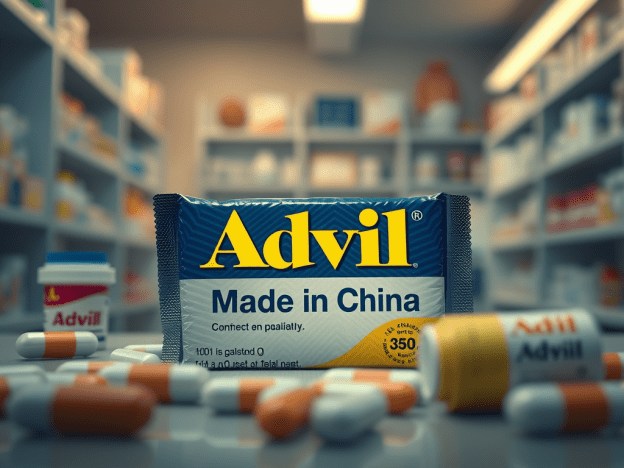
While drugs sold in U.S. pharmacies or over the counter typically don’t say “made in China,” the country often supplies active pharmaceutical ingredients in the drugs or precursor chemicals used to make those active ingredients. Most of the acetaminophen and ibuprofen imported into the U.S. comes from China. Those are the active ingredients in Tylenol and Advil, respectively. China is also a significant producer of antibiotic ingredients. The U.S. imports many branded drugs from Europe, while for generics, it relies heavily on India. Still, a significant amount of the active ingredients used in India-made generics originates in China.

Perhaps aware of the sensitivity of turning medicine into a political tool, China hasn’t often threatened to cut off drug supplies to the U.S. Still, it signaled awareness of its leverage early in the Covid-19 pandemic, when the world faced shortages of masks and personal protection equipment owing to supply disruptions from China. In March 2020, the official Xinhua News Agency said that if China were to restrict exports of medical goods, the “U.S. will be plunged into the vast ocean of coronavirus.”

Excerpt from Yoko Kubota, How China’s Chokehold on Drugs, Chips and More Threatens the U.S., WSJ, Nov.  4, 2025
China-Is-The-Virus: the Secret Propaganda Campaign of the United States

At the height of the COVID-19 pandemic, the U.S. military launched a secret campaign to counter what it perceived as China’s growing influence in the Philippines, a nation hit especially hard by the deadly virus. The clandestine operation has not been previously reported. It aimed to sow doubt about the safety and efficacy of vaccines and other life-saving aid that was being supplied by China, a Reuters investigation found. Through phony internet accounts meant to impersonate Filipinos, the military’s propaganda efforts morphed into an anti-vax campaign. Social media posts decried the quality of face masks, test kits and the first vaccine that would become available in the Philippines – China’s Sinovac inoculation. Reuters identified at least 300 accounts on X, formerly Twitter, that matched descriptions shared by former U.S. military officials familiar with the Philippines operation. Almost all were created in the summer of 2020 and centered on the slogan #Chinaangvirus – Tagalog for China is the virus.

The U.S. military’s anti-vax effort began in the spring of 2020 and expanded beyond Southeast Asia before it was terminated in mid-2021, Reuters determined. Tailoring the propaganda campaign to local audiences across Central Asia and the Middle East, the Pentagon used a combination of fake social media accounts on multiple platforms to spread fear of China’s vaccines among Muslims at a time when the virus was killing tens of thousands of people each day. A key part of the strategy: amplify the disputed contention that, because vaccines sometimes contain pork gelatin, China’s shots could be considered forbidden under Islamic law.

The military program started under former President Donald Trump and continued months into Joe Biden’s presidency, Reuters found – even after alarmed social media executives warned the new administration that the Pentagon had been trafficking in COVID misinformation. The Biden White House issued an edict in spring 2021 banning the anti-vax effort, which also disparaged vaccines produced by other rivals, and the Pentagon initiated an internal review, Reuters found….

Excerpts from CHRIS BING and JOEL SCHECTMAN, Pentagon ran secret anti-vax campaign to undermine China during pandemic, Reuters, June 14, 2024


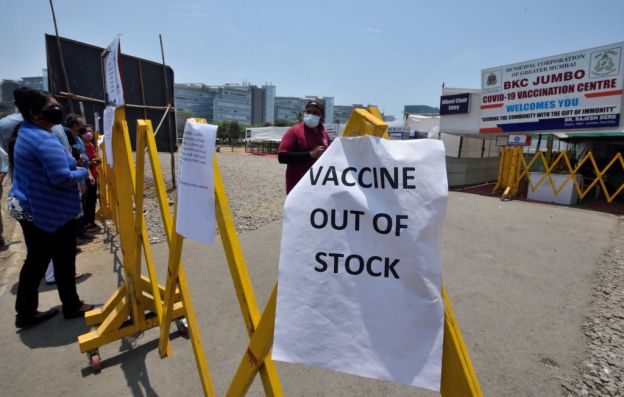
Begging for a Vaccine: the other COVID crisis

On April 16, 2021  Adar Poonawalla, head of the world’s biggest vaccine-maker, the Serum Institute of India (SII), begged President Joe Biden, in a tweet, to ‘lift the embargo of raw material exports out of the us.’… because it would affect the manufacturing of vaccines: AstraZeneca’s, of which SII makes 100m doses a month, and Novavax’s, of which it expects to make 60m-70m doses a month.

That was shortly after the Biden administration announced, on February 5, 2021, plans to use the Defense Production Act (DPA)—a law dating from the 1950s that grants the president broad industrial-mobilization powers—to bolster US vaccine-making. This legislation…has helped American pharmaceutical companies to secure a variety of special materials and equipment, including plastic tubing, raw goods, filters and even paper, that are needed for vaccine production. But firms which export such products point out that the DPA  hinders their ability to sell them abroad. They must seek permission before exporting these goods. That requires time and paperwork. And if the government decides it needs the goods in question to remain in the country, the firms concerned may be barred from exporting them at all… 

To be used in vaccine manufacturing, products have to be approved by regulators. So finding substitutes quickly can be impossible. SII is not alone in its concern. On March 24, 2021  Micheal Martin, Ireland’s prime minister, warned that export bans (and not just from America) would harm global vaccine production. He noted that the Pfizer vaccine involves 280 components from 86 suppliers in 19 countries. Indeed, American export controls particularly harm European vaccine companies, which need special bags from America in which to make their products. At a vaccine supply-chain meeting in March, one such firm complained of 66-week delivery times for the supply of these bags.

Excerpts from A Vaxxing Problem: Covid 19 and the Defense Production Act, Economist, Apr. 24, 2021

Everyone for Themselves: COVID-19 Drug Reserved for U.S.

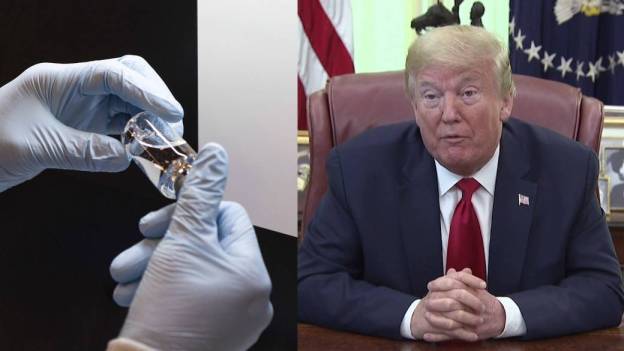
On June 29, 2020 the US Department of Health and Human Services (HHS) announced an agreement to secure large supplies of the drug remdesivir for the United States from Gilead Sciences through September, allowing American hospitals to purchase the drug in amounts allocated by HHS and state health departments….HHS has secured more than 500,000 treatment courses of the drug for American hospitals through September. This represents 100% of Gilead’s projected production for July (94,200 treatment courses), 90% of production in August (174,900 treatment courses), and 90% of production in September (232,800 treatment courses), in addition to an allocation for clinical trials. A treatment course of remdesivir is, on average, 6.25 vials.

Hospitals will receive the product shipped by AmerisourceBergen and will pay no more than Gilead’s Wholesale Acquisition Price (WAC), which amounts to approximately $3,200 per treatment course.

Excerpts from Trump Administration Secures New Supplies of Remdesivir for the United States, June 29, 2020

U.S. Desperation for Face Masks: Wild West or Piracy?

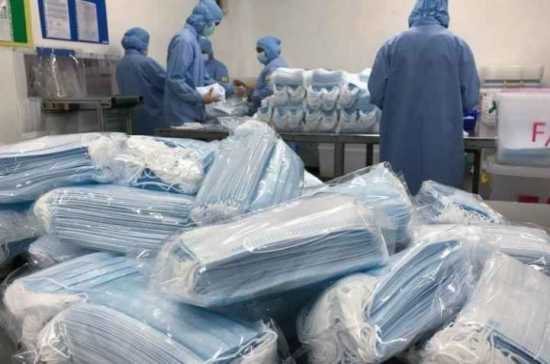
From Europe to South America, U.S. allies are complaining about the superpower’s “Wild West” tactics in outbidding or blocking shipments to buyers who have already signed deals for vital medical supplies. …”Money is irrelevant. They pay any price because they are desperate,” one high-level official in German Chancellor Angela Merkel’s ruling CDU/CSU group told Reuters….In April 5, 2020, US President Trump said he was signing a directive to stop the export of N95 respirator masks, which provide essential protection for health-care workers, and other U.S. medical equipment. Furthermore, 3M, a US company, said that the White House had ordered it to stop all shipments to Canada and Latin America of respirators that it manufactures in the U.S., despite what 3M called “significant humanitarian implications.”

In another case, an order of 200,000 masks bound for Germany was diverted to the U.S….Germany’s Secretary of Interior Andreas Geisel called it an “act of modern piracy.” He stated that: “even in times of global crisis, you shouldn’t use Wild West methods.”

U.S. allies complain of ‘Wild West’ tactics in race for medical supplies, Reuters, April 56, 2020