Two sanctioned oil tankers shut off their transponders early January 2026 and powered to a meetup point, drawing alongside each other in the Sea of Japan. The crew of one of the vessels, known as the Kapitan Kostichev, then emptied 700,000 barrels of Russian crude into the tanks of the other, the Jun Tong, according to ship-tracking service Kpler. The clandestine ship-to-ship transfer, visible via satellite and other shipping data, is a maneuver typical of the shadow fleet, an armada of aging tankers that crisscross the world, smuggling illicit oil for sanctioned nations including Venezuela, Russia and Iran.
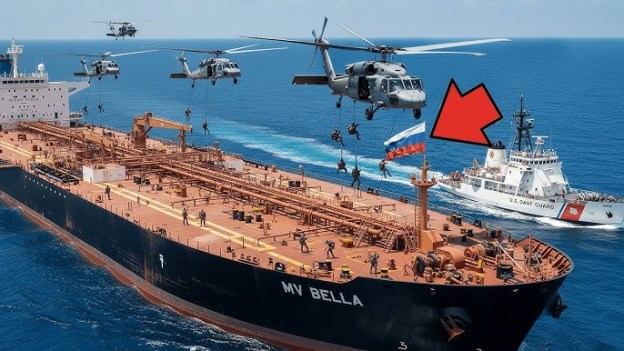
The fleet’s operations came into sharp focus in January 2026 when U.S. Special Forces dropped from helicopters onto the deck of the Russia-flagged Marinera in the Atlantic Ocean south of Iceland. The tanker, which days before was sailing under a false flag and going by the name Bella 1, was escaping Trump administration action against vessels carrying Venezuelan oil. It had a Russian naval escort and wasn’t carrying any oil when it was captured.
There are now more than 1,470 tankers classed as being part of the shadow or dark fleet, according to the ship monitoring website TankerTrackers.com. Their number has swelled since 2022 as Russia has looked for routes around Western sanctions for its war against Ukraine. S&P Global puts their numbers at 940, which represent 17% of tankers currently transporting oil, oil products and chemicals around the world…A shadow tanker often uses a “flag of convenience” provided by smaller, non-Western nations such as Gabon, Comoros or Cameroon…Flag of convenience states been known to offer sweeteners to shipowners, such as cheaper registration fees, lower taxes and less stringent checks.
Excerpt from Rebecca Feng, A Shadow Fleet Smuggles Illicit Oil Across the High Seas. This Is How It Works, Jan. 8, 2025
 Russia’s sale of one-fifth of its state-owned oil company to Qatar and commodities giant Glencore PLC last year had an unusual provision: Moscow and Doha agreed Russia would buy a stake back, people familiar with the matter said. Russian President Vladimir Putin hailed the $11.5 billion sale of the Rosneft stake in December 2016 as a sign of investor confidence in his country. But the people with knowledge of the deal say it functioned as an emergency loan to help Moscow through a budget squeeze.
 Law-In-Action