
Most migrant workers in the Gulf are Asian, but a growing number of East Africans are joining them. Last year 87,000 Ugandans travelled to the Middle East under the government’s “labor externalization” program. About that many Kenyans made similar trips. Official routes to the Gulf are distinct from irregular migration… but they are not risk-free. Returning workers tell stories of racism, abuse and exploitation.
For African governments, exporting workers is easier than creating jobs for them at home. Remittances sent back to Uganda by workers from abroad generate more foreign exchange than coffee, the main export crop. Labor migration is good business for more than 200 recruitment firms, some of which are owned by army officers and close relatives of the president, Yoweri Museveni.
Employers in the Gulf want African labor because it is cheap. Under bilateral agreements a Ugandan maid in Saudi Arabia gets 900 riyals ($240) a month—much more than she could make at home, but less than the 1,500 riyals which most Filipinos earn…For most Africans, the Gulf means two years of drudgery, mixing long hours with grinding isolation. For some it is far worse. Jacky (not her real name) was raped by her boss in Saudi Arabia.
In a survey of Kenyan migrants to the Gulf by the Global Fund to End Modern Slavery, a campaign group, 99% said they had been abused. The most frequent complaints were the confiscation of passports or withholding of wages, but violence and rape were also depressingly common. Last year 28 Ugandans died while working in the Middle East. Activists suspect that some may have been killed by their bosses…The kafala system, prevalent in the Gulf, ties migrant workers to the employers who sponsored their visas. “The minute you leave your workplace without the employer’s permission, you can be deported as a runaway,” says Vani Saraswathi of Migrant-Rights.org, an advocacy group based in the Gulf.
Why then do Ugandans still migrate? Some may be naïve, but many are grimly realistic about their place in the world economy. This pragmatism is evident at a training session in Kampala, where a hundred recruits are learning how to make beds, wash a car and use a microwave.
Excerpts from In the Gulf 99% of Kenyan migrant workers are abused, a poll finds, Economist, Sept. 17, 2022
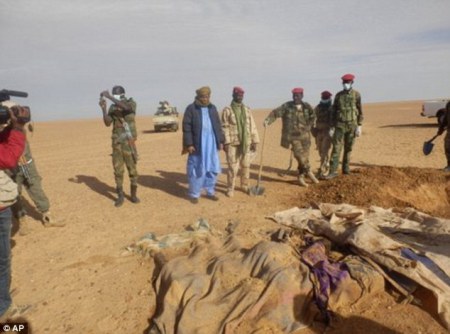
 Growing numbers of African migrants passing through Libya are traded in what they call slave markets before being held for ransom, forced labour or sexual exploitation, according to the UN migration agency.
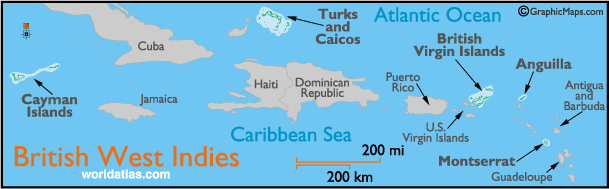
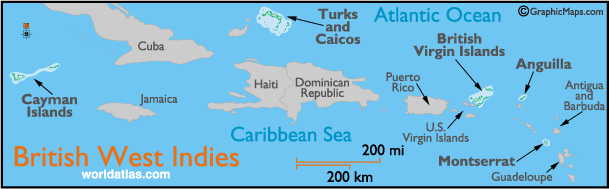 Britain ended its slave trade in 1807, and freed the slaves in its Caribbean colonies by 1838. The British government borrowed £20m, then around 40% of the budget, to meet 47,000 claims for loss of human property. The former slaves got nothing.Close to two centuries on, Caribbean politicians want redress. The Caribbean Community (Caricom) which links former British colonies with Suriname and Haiti, established an official reparations commission in July 2013 and has approached a British legal firm, Leigh Day, for advice…Among the precedents for financial reparations, West Germany and Israel signed a financial agreement in 1952, seven years on from Auschwitz. In June this year, after legal action by Leigh Day, Britain conceded payments averaging £2,600 ($4,000) each for 5,228 now elderly Kenyans who were brutally mistreated during the suppression of the Mau Mau rebellion in the 1950s. Britain’s courts will not now consider claims for atrocities occurring before 1954. Unpicking wrongs from 60 years ago is hard enough.
 Law-In-Action