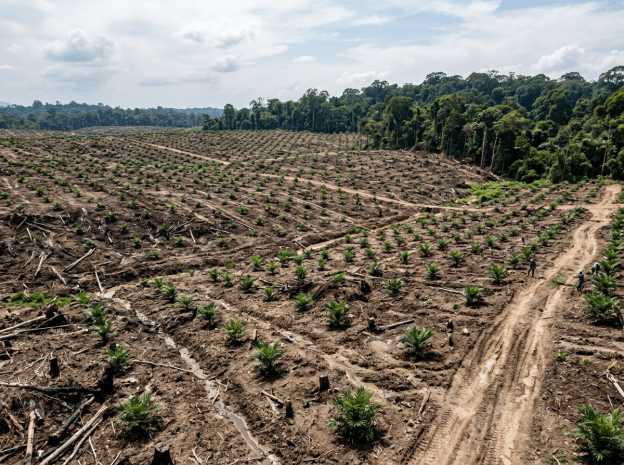
In May 2026, the European Union (EU) published its simplified version of the European Union Deforestation Regulation (DR), which is set to come into force at the end of 2026. The EUDR aims to halt deforestation by stopping the import of palm oil, cocoa, coffee, soy, cattle and timber from land that has been deforested. Together, these commodities account for more than two thirds of global deforestation, according to the EU. But the EU has also entered into a trade agreement with South American countries. The deal with the Mercosur trade bloc could significantly increase exports in some of those same commodities, especially soy and beef, into European markets.
A recent report from Global Canopy, a nonprofit focused on ending deforestation, said the EUDR 313 out of 500 companies that import commodities had taken some steps to address deforestation, including mapping and re-evaluating sources of those key commodities. Improved satellite data has been key in this especially, being able to track where deforestation has taken place and mapping it to commodity supply chains. Companies leading the change included consumer goods giant Procter & Gamble, Dutch snack and spread maker Flora Food Group and Austrian paper and packaging company Mondi Group.
The report also highlighted Swiss food giant Nestlé as another leader. Nestlé said that by the end of 2025 it had assessed some 96.7% of its primary supply chains for meat, palm oil, pulp and paper, soy, sugar, cocoa and coffee as deforestation free….It embarked on a decadelong mapping assessment of its farms, using satellite data, ground visits and third party verification to get to where it is now…
The tracking of cattle has been a real challenge for those trying to stop deforestation, with many cows smuggled between farms before slaughter, obscuring where the animals originated from and if they came from deforested land…
Excerpt from Yusuf Khan, Europe Wants To Stop Deforestation. A New Trade Deal Is Putting That Under Strain, WSJ, May 6, 2026

