Tag Archives: endangered gorillas

Behind Bars: Snakes, Frogs and the Blooming Pet Industry

‘Exotic’ wild animals are becoming ever more desired as pets. This trade  harms many animals but is having a disproportionate impact on reptiles and amphibians. These animals typically attract less funding and attention for conservation and research than do ‘charismatic’ birds and mammals, and are less effectively protected by laws and regulations.  Many are silent in transit, easy to hide in parcels. Some can fetch thousands of dollars. And illegally traded species can be difficult to distinguish from those traded legally.

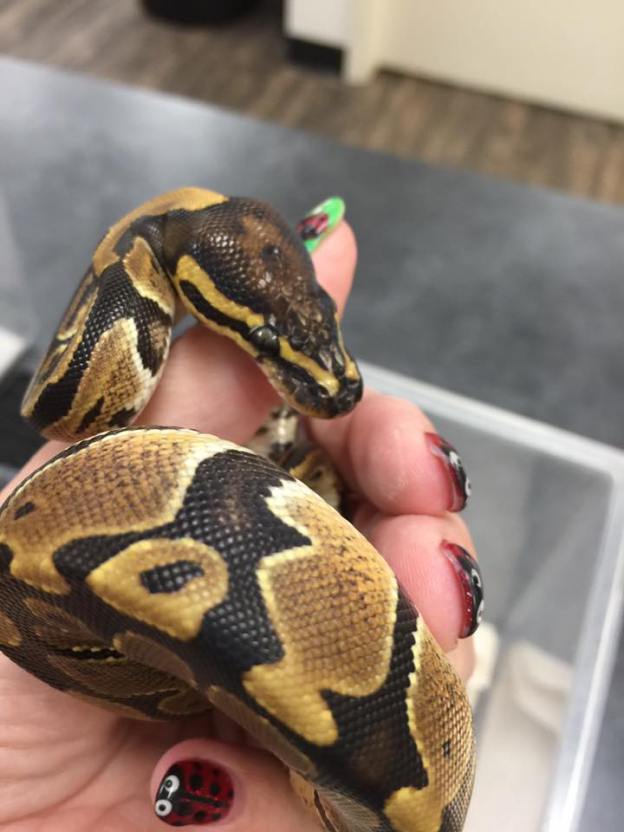
From a niche business in the 1990s, the global reptile and amphibian pet industry has ballooned. The trade in reptiles alone is worth US$2.5 billion today, with millions of reptiles and amphibians imported into North America and Europe from around the world each year. Species such as the ball python and the leopard gecko are now commonly sold in pet shops, marketed as requiring little space and care and serving as the beginning of a lifelong pursuit of rare species by some hobbyists. Influencers promote reptiles and amphibians as cool pets on social media.

But more than 50% of reptiles and 40% of amphibians that are traded as pets and for other purposes have been taken directly from the wild. This practice harms wild populations. The ploughshare tortoisein Madagascar is one of the world’s most endangered tortoises, mainly because of poaching for the pet trade.

Imported animals can also cause problems at their final destination. Some carry undetected pathogens. The salamander chytrid fungus, for example, has caused mass die-offs of native fire salamanders in western Europe after being introduced through the pet trade. And animals that escape can wreak havoc — Burmese pythons, for instance, are associated with declines in bobcat, raccoon and opossum populations in the United States.

What’s more, poor welfare is common. Snakes are often kept in small drawers that prevent climbing, burrowing and other natural behaviors. These conditions are associated with behavioral abnormalities, chronic stress and altered brain development…

At the highest level, the Convention on International Trade in Endangered Species of Wild Fauna and Flora (CITES) regulates trade in thousands of threatened or potentially threatened species. Species included in CITES appendices I and II require specific permits to be traded between countries. Permits are granted only when the exporting country has determined that the trade is legal and that it will not be detrimental to the survival of the wild population. For species in Appendix I, the importing country must also make a sustainability determination and confirm that the import is not for mainly commercial purposes.

However, CITES covers just 1,206 reptile species (9.5% of all reptile species) and 384 amphibian species (4.2% of all amphibian species). Adding species to appendices I and II is a slow and often politicized process that can be undermined by trade interests. New species are listed only after a two-thirds majority of parties to the treaty has agreed to the addition…

At the national level, nearly 90% of UN member states criminalize some offences against wildlife — such as collecting from the wild or exporting protected wildlife without permits. But national legislation typically safeguards only a limited set of species. Because newly discovered reptile and amphibian species are especially sought-after as pets, existing policies struggle to keep up.

Excerpt from Neil M. Vora et al., The pet trade puts reptiles and amphibians at risk: close legal gaps now, Nature, Sept. 14, 2026

Bickering is Easier than Acting: Saving Biodiversity

At the COP15 biodiversity summit in Canada in December 2022, more than 190 countries agreed to the Kunming-Montreal Global Biodiversity Framework, a deal including targets such as nations protecting and restoring 30% of the world’s land and seas by 2030. To ensure that all countries — particularly low- and middle-income nations (LMICs) — can meet these targets, those that signed the deal agreed to establish a trust fund by the end of this year and that, by 2030, wealthy nations should collectively be contributing US$30 billion per year. Disputes have re-emerged, however, on whether the trust fund should be independent or should be established under the auspices of the Global Environment Facility. Because LMICs don’t have an adequate say in how the GEF funds are spent, LMICs want the trust fund to be established as an independent fund.

These tensions could delay the trust fund’s adoption, which was planned for a GEF assembly in August 2023, delaying biodiversity action even more … Meanwhile, the clock is ticking: researchers have estimated that one million species are under threat of habitat loss because of factors such as climate change and agriculture.

Excerpts from Battles over Funding Could Threaten Historic Effort to Save Species, Nature, June 20, 2023
 

Gorillas, Murders and Making $1.50 per day-Congo Rainforest

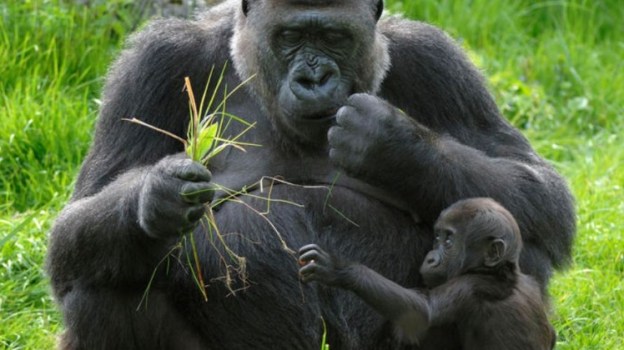
Protecting the forests of Virunga National Park in eastern Democratic Republic of Congo – home to endangered mountain gorillas – could be described as one of the toughest jobs on the planet. In the past 12 months, more than 20 of the park’s staff have been murdered – and last week rebels were accused of killing the Italian ambassador to DR Congo, his security guard and driver in an attack within the park. “The level of sacrifice that’s involved in keeping this work going will always be the hardest thing to deal with,” says Emmanuel de Merode, who is in charge of more than 800 rangers at Virunga, Africa’s oldest and largest national park.


The Virunga park spans 7,800 sq km (3,000 sq miles) and is home to an astonishingly diverse landscape – from active volcanoes and vast lakes to rainforest and mountains.
The park was set up nearly 100 years ago to protect mountain gorillas, of which there are only 1,000 left in the world. It’s a national park which is part of the Congolese state which has been affected by civil war for the most of its recent history.

In  April 2020, 13 rangers were murdered in what park officials described as a “ferociously violent and sustained” attack by an armed group In January 2021, six rangers, patrolling the park’s boundary on foot, were killed in an ambush by militias. All of those who died were aged between 25 and 30.  It’s a national park which is part of the Congolese state which has been affected by civil war…. 

It’s estimated that a dozen or so armed militia groups survive off the park’s resources – poaching or chopping down wood to sell for fuel. DR Congo’s natural resources have been fought over for decades. The country – which is the size of mainland western Europe – has more mineral wealth, with diamonds, oil, cobalt and copper, than anywhere else on the planet. These are some of the elements essential to modern technology, making up key components in electric cars and smartphones.
Virunga is no different. It’s rich in resources underground as well as in nature and wildlife. But the two million people living in the region of the park mainly live on under $1.50 (£1.08) a day. This tussle for survival is not lost on Mr De Merode who sees protecting the park as essentially a social justice issue.

“It’s not a simple problem of protecting gorillas and elephants; it is overcoming an economic problem at the heart of one of the most horrific civil wars in history,” says Merode. 

Excerpt from Vivienne Nunis and Sarah Treanor, DR Congo’s Virunga National Park: The deadly job of protecting gorillas, BBC, Mar. 4, 2021