Tag Archives: industrial waste and carbon sequestration

Defossilization versus Decarbonization: the Chemical Industry

How to replace fossil fuel feedstocks used in making chemicals with alternative carbon sources? Chemicals are essential components required to produce pharmaceuticals, fertilizers, plastics, paints, adhesives, coatings, electronics, cleaning products, and toiletries. Chemicals are made using an initial raw material – known as a feedstock. The vast majority of chemicals are made using fossil feedstocks – oil, natural gas and coal. These feedstocks are then transformed into intermediate chemicals and ultimately downstream consumer products….

The chemical industry cannot fully ‘decarbonize’ – as most chemicals inherently contain carbon atoms that are essential to the material’s structure. Decarbonisation measures such electrification and improved energy efficiency would help to reduce the chemical industry’s emissions. Alongside decarbonization measures, the chemical industry will also have to ‘defossilize’ – by replacing fossil feedstocks with alternative carbon sources to make chemicals….The chemical industry could defossilize by using

–biomass,

–plastic waste and

–carbon dioxide captured from the air

as alternative carbon sources to make chemicals instead of using fossil fuels.

Excerpt from Defossilising the chemical industry

See also: A/HRC/59/42: The imperative of defossilizing our economies – Report of the Special Rapporteur on the promotion and protection of human rights in the context of climate change
How Mining Waste Can Help us Deal with Climate Change

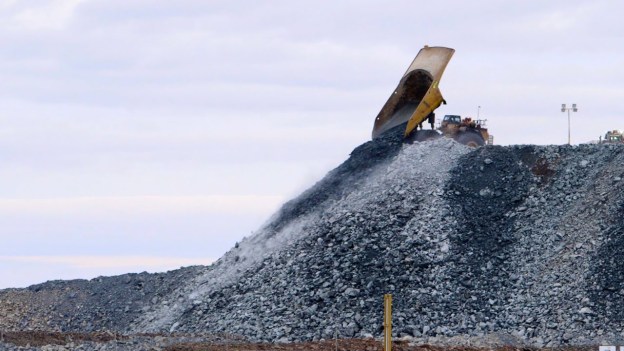
Every year, mining and industrial activity generates billions of tons of slurries, gravel, and other wastes that have a high pH.

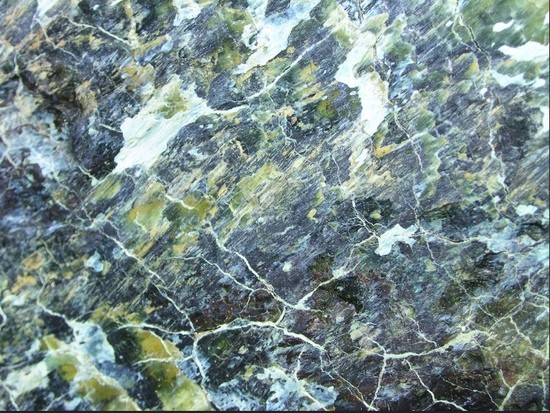
These alkaline wastes, which sit either behind fragile dams or heaped in massive piles, present a threat to people and ecosystems. But these wastes could also help the world avert climate disaster. Reacting these wastes with carbon dioxide (CO2) from the air solidifies them and makes them easier to handle.

At the same time, carrying out this type of an operation on a global scale could trap between 310 million to 4 billion tons of CO2 annually, according to recent surveys. That could provide the world with a much needed means of lowering atmospheric CO2.

But there are major hurdles. Governments will need to offer incentives for mineralization on the massive scale needed to make a dent in atmospheric carbon. And engineers will need to figure out how to harness the wastes while preventing the release of heavy metals and radioactivity locked in the material…

If regulators verified mines and other alkaline waste producers as CO2 sequestration sites…incentives would skyrocket, companies could claim tax benefits, and industry might start to tackle climate change on the grand scale that’s necessary.

Excerpt from Robert F. Service, The Carbon Vault, Science, Sept. 4, 2020