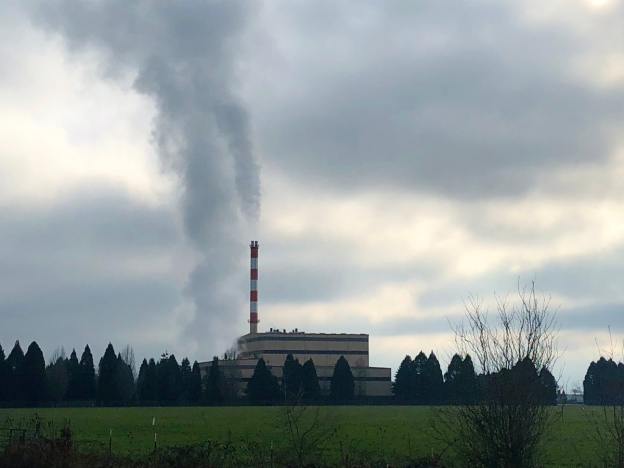
Global waste is expected to hit 3.4 billion tons by 2050 from 2.01 billion tons in 2016, according to the World Bank. As recycling programs encounter challenges and landfills in the U.S. and Europe reach capacity or face regulations making them more expensive, incinerators are becoming the most viable option for many municipalities to deal with much of their garbage. England now burns more municipal waste than it recycles or landfills. China—already the world’s biggest trash burner—is building more incinerators. And incineration companies say, for the first time in years, expansion projects are on the table in the U.S., although the industry faces significant legal and community challenges. Overall, incinerator-plant capacity is forecast to rise 43% globally between 2018 and 2028, according to Ecoprog, a consulting firm…..
Another growth driver is a European Union target for member states to cap the amount of municipal trash they send to landfill at 10% by 2030. Local communities and environmental groups have launched strong opposition to expansion of incineration plans, citing environmental and public-health concerns. Incinerator plants are also called waste-to-energy plants since the heat from burning trash is used to generate electricity, and many governments classify that electricity as renewable energy, a characterization opponents dispute…..But advocates for clean energy…say that while some energy is recovered by burning, recycling or composting garbage would save far greater amounts of energy.
Critics also say cities that own their incinerator plants have little incentive to pursue waste-reduction efforts because the plants are designed to run at full capacity. “Many countries are over-investing in incineration to cut down on landfilling, which will eventually lock them into burning,” said Janek Vähk, development and policy coordinator for Zero Waste Europe.
Excerpts from Saabira Chaudhuri, Trash Burning Ignites as World’s Waste Swells, WSJ, June 10, 2020
 Law-In-Action