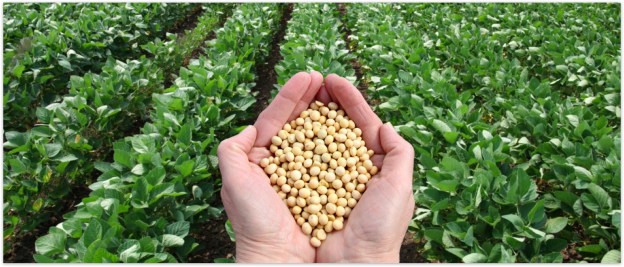
A highly influential organization of pediatricians is facing blowback over advice it published earlier this year urging parents to avoid foods with ingredients from genetically modified organisms (GMOs). Guidelines from the American Academy of Pediatrics (AAP) are a go-to source for practicing pediatricians and for some parents. But critics say the advice ignores a wide body of evidence supporting GMOs’ safety. They add that AAP is raising unfounded fears that will drive parents to assume they must buy only organic products, which by definition are not genetically engineered—an option that’s financially out of reach for many families…
The guidelines, published in Pediatrics in January in 2024, were accompanied by a parent newsletter that included “tips for limiting GMOs on your family plate” and referred to “news stories [that] may shrug off the dangers of GMOs.” The Pediatrics paper, whose senior author is Boston College pediatrician and epidemiologist Philip Landrigan, cautioned about potential health harms, especially to infants and children, of residues in food from the weed killer glyphosate, which is widely used on genetically engineered crops.
The AAP guidelines had an impact almost immediately; by March 2024, Mexico was citing them in a trade dispute with the United States, which is challenging Mexico’s ban on imports of genetically modified corn grown in the U.S. But the Pediatrics paper did not mention that regulators in the U.S. and Europe have judged glyphosate at the levels currently found in food to be safe….
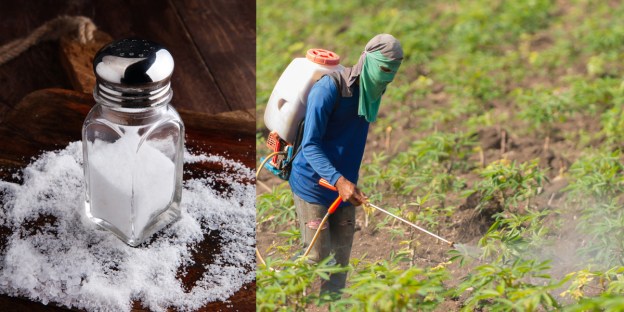
The AAP report authors focus on glyphosate, sold commercially by Bayer as Roundup, because its use has exploded in recent decades: Ninety percent of the corn and 96% of the soybeans planted in the U.S. this year were genetically modified, much of it to be resistant to destruction by glyphosate, which instead kills all the weeds around the crops. The herbicide is often sprayed on genetically modified canola and sugar beets as well. As a result, glyphosate residues are in foods made with ingredients such as high fructose corn syrup, sugar, and canola oil, among them children’s favorites from hot dogs and chicken nuggets to sweetened cereal and potato chips.
The AAP report notes a 2015 finding from an arm of the World Health Organization that glyphosate is “probably carcinogenic to humans.” It also cites one meta-analysis that found an elevated risk of non-Hodgkin lymphoma in people with high exposure to glyphosate from years of applying it to crops.
But the U.S. National Academies of Sciences, Engineering, and Medicine found no evidence of adverse health effects in humans from genetically engineered foods or from glyphosate residues in them. The U.S. Food and Drug Administration tests foods for glyphosate residues and has rarely found levels exceeding those determined safe for consumption by the U.S. Environmental Protection Agency (EPA). Numerous other agencies worldwide have similar positions.
Excerpts from Meredith Wadman, Pediatrics academy accused of ‘fearmongering’ over GMO ingredients in kids’ diets, Science, Sept. 17, 2024
 Law-In-Action