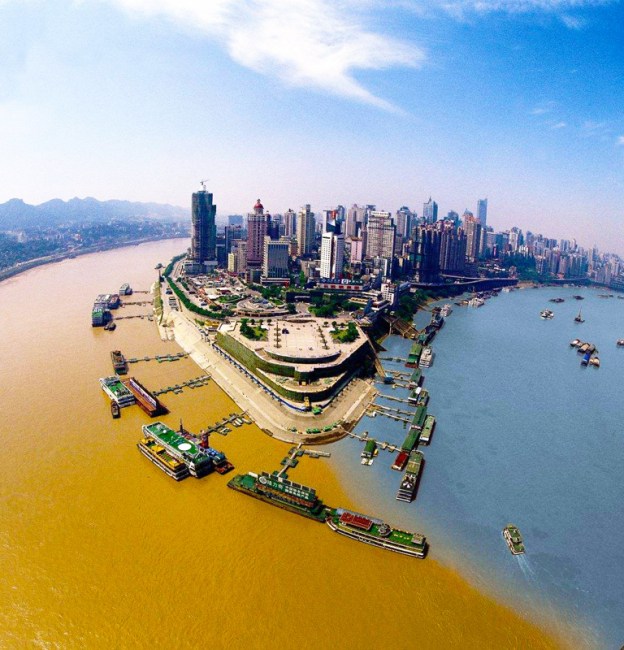
Tag Archives: Yangzi river

When the Fish are Gone: As Bad as it Could Get in the Yangtze River

China imposed a 10-year commercial fishing ban in January 2020  on the Yangtze – the first ever for Asia’s longest river – in a bid to protect its aquatic life.  Facing dwindling fish stocks and declining biodiversity in the 6,300km (3,915-mile) river, the Chinese government decided seasonal moratoriums were not enough. The ban will be applied at 332 conservation sites along the river. It will be extended to cover the main river course and key tributaries by January 1 2021, according to a State Council notice.   Dam-building, pollution, overfishing, river transport and dredging had worsened the situation for the waterway’s aquatic species.  Fishermen using nets with smaller holes and illegal practices such as the use of explosives or electrocution have also contributed to the river’s decline

 President Xi Jinping warned that the Yangtze River had become so depleted that its biodiversity index was as bad as it could get, saying it had reached what could be described as the “no fish” level… Back in 1954, the annual catch from the Yangtze was about 427,000 tonnes, but in recent years it had been less than 100,000 tonnes.
According to an official estimate, about 280,000 fishermen in 10 provinces along the Yangtze River will be affected by the ban. Their 113,000 registered fishing boats will be grounded or destroyed. The government has allocated funds to help those affected find alternative work and provide them with welfare and retraining. To counter illegal fishing, he said river authorities would be equipped with speedboats, drones and video surveillance systems. Fishermen would also be recruited to patrol the river.

Excerpts from China bans fishing in depleted Yangtze River for 10 years to protect aquatic life, South China Morning Post, Jan. 3, 2020
Water Resources,China: Short-Term Fixes

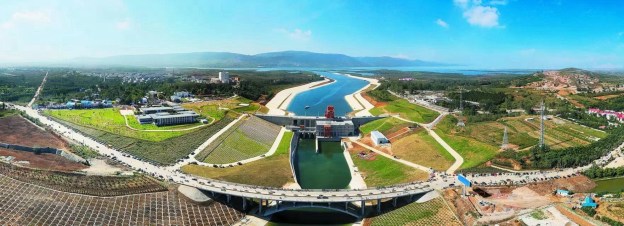
China’s new canal stretches over 1,200km (750 miles) from the Yangzi river north to the capital, Beijing. The new channel is only part of the world’s biggest water-diversion scheme. More than 300,000 people have been kicked out to make way for the channel and the expansion of a reservoir in central China that will feed it. But the government is in a hurry, and has paid their complaints little heed.

China’s leaders see the so-called South-North Water Diversion Project, which has already cost tens of billions of dollars, as crucial to solving a water problem that threatens the country’s development and stability. Grain-growing areas around Beijing have about as much water per person as such arid countries as Niger and Eritrea. Overuse has caused thousands of rivers to disappear. The amount of water available is diminishing fast as the water table drops and rivers dry up; what little is left is often too polluted even for industrial use. The World Bank has said that China’s water crisis costs the country more than 2% of GDP, mostly because of damage to health. T

Yet China’s water problem will remain unsolved. The canal is the second leg of the diversion project; the first, which opened last year in eastern China, brings water from the south along the route of the old Grand Canal, built 1,400 years ago, to the northern plain. Neither will prove more than temporary palliatives as demand continues to soar and pollution remains widespread. China’s water crisis cannot be tackled by showy mega-projects. Misguided policy is as much to blame as a mismatch in supply between the water-rich south and the arid north. A new approach to water management, rather than more concrete, is needed.

The solution is simple: China needs to price its water properly.  The Maoist obsession with food self-sufficiency compounds the problem. The arid northern plain, home to 200m people, produces water-hungry crops such as wheat and corn. Nearly 70% of water consumed in the area is used for agriculture. It is time for China to abandon autarkic thinking and import more food.

China’s water crisis: Grand new canals, Economist, Sept. 27, 2014