‘Exotic’ wild animals are becoming ever more desired as pets. This trade harms many animals but is having a disproportionate impact on reptiles and amphibians. These animals typically attract less funding and attention for conservation and research than do ‘charismatic’ birds and mammals, and are less effectively protected by laws and regulations. Many are silent in transit, easy to hide in parcels. Some can fetch thousands of dollars. And illegally traded species can be difficult to distinguish from those traded legally.
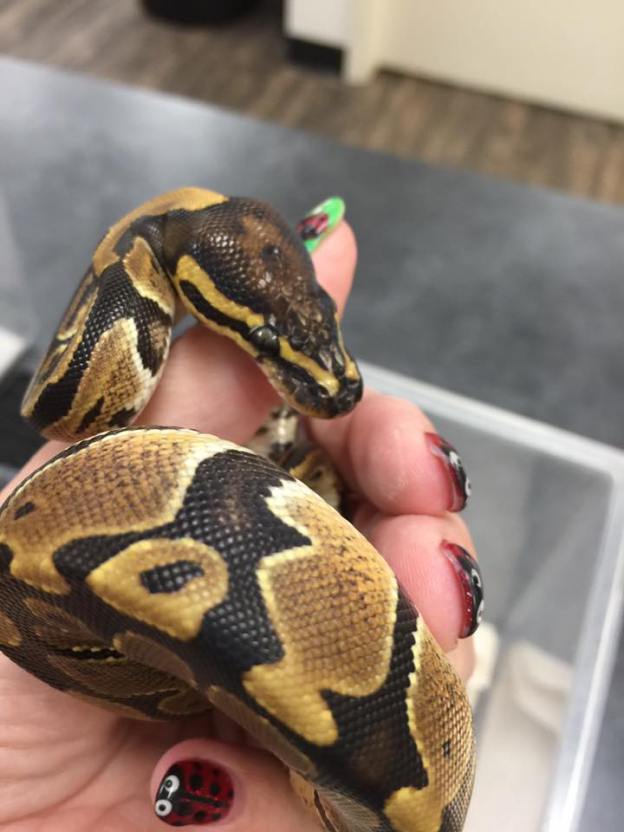
From a niche business in the 1990s, the global reptile and amphibian pet industry has ballooned. The trade in reptiles alone is worth US$2.5 billion today, with millions of reptiles and amphibians imported into North America and Europe from around the world each year. Species such as the ball python and the leopard gecko are now commonly sold in pet shops, marketed as requiring little space and care and serving as the beginning of a lifelong pursuit of rare species by some hobbyists. Influencers promote reptiles and amphibians as cool pets on social media.
But more than 50% of reptiles and 40% of amphibians that are traded as pets and for other purposes have been taken directly from the wild. This practice harms wild populations. The ploughshare tortoisein Madagascar is one of the world’s most endangered tortoises, mainly because of poaching for the pet trade.
Imported animals can also cause problems at their final destination. Some carry undetected pathogens. The salamander chytrid fungus, for example, has caused mass die-offs of native fire salamanders in western Europe after being introduced through the pet trade. And animals that escape can wreak havoc — Burmese pythons, for instance, are associated with declines in bobcat, raccoon and opossum populations in the United States.
What’s more, poor welfare is common. Snakes are often kept in small drawers that prevent climbing, burrowing and other natural behaviors. These conditions are associated with behavioral abnormalities, chronic stress and altered brain development…
At the highest level, the Convention on International Trade in Endangered Species of Wild Fauna and Flora (CITES) regulates trade in thousands of threatened or potentially threatened species. Species included in CITES appendices I and II require specific permits to be traded between countries. Permits are granted only when the exporting country has determined that the trade is legal and that it will not be detrimental to the survival of the wild population. For species in Appendix I, the importing country must also make a sustainability determination and confirm that the import is not for mainly commercial purposes.
However, CITES covers just 1,206 reptile species (9.5% of all reptile species) and 384 amphibian species (4.2% of all amphibian species). Adding species to appendices I and II is a slow and often politicized process that can be undermined by trade interests. New species are listed only after a two-thirds majority of parties to the treaty has agreed to the addition…
At the national level, nearly 90% of UN member states criminalize some offences against wildlife — such as collecting from the wild or exporting protected wildlife without permits. But national legislation typically safeguards only a limited set of species. Because newly discovered reptile and amphibian species are especially sought-after as pets, existing policies struggle to keep up.
Excerpt from Neil M. Vora et al., The pet trade puts reptiles and amphibians at risk: close legal gaps now, Nature, Sept. 14, 2026

