Tag Archives: climate change wind drought

Individual Companies Can be Held Liable for Gross Contribution to Heatwaves

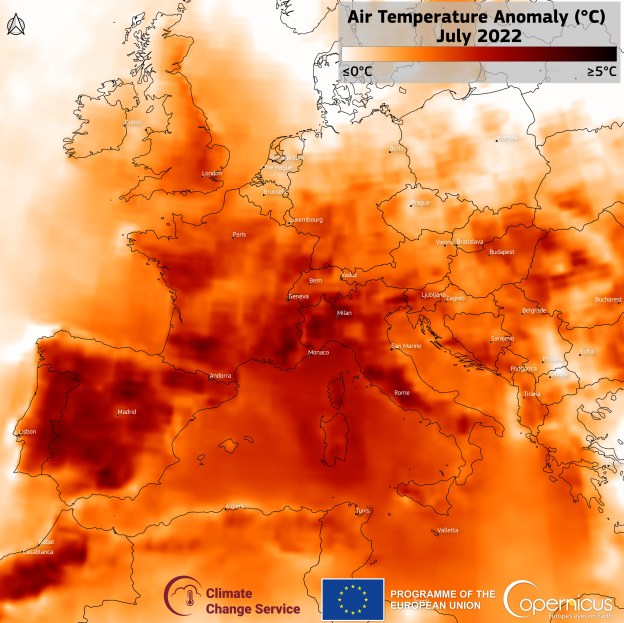
Climate scientists have been attributing storms, droughts and heatwaves to global warming for two decades. Now, they are tracing the chain of responsibility all the way back to the producers of fossil fuels. A study published in Nature in September 2025 shows that around one-quarter of the heatwaves recorded over 2000–23 can be directly linked to greenhouse-gas emissions from individual energy giants…some of whom include (the former Soviet Union, China (coal), Gazprom, Exxon Mobile, Chevron, National Iranian Oil Company, Saudi Aramco, BP, Shell, India (Coal)) The findings could provide fresh evidence to support lawsuits seeking to hold companies accountable for their impacts on the climate.

More than one-quarter of the 213 events recorded would have been “virtually impossible” without human-induced global warming, the study found. The emissions linked to energy companies and other major carbon emitters increased the likelihood of some 53 heatwaves by a factor of more than 10,000.

This is not the first time that climate impacts have been attributed to fossil-fuel producers, but this study go one step further than its predecessors and link individual companies directly to specific heatwaves. Legal experts say it’s a line of evidence that could feed into climate litigation that focuses on specific events, such as the 2021 heatwave that hammered the US Pacific Northwest in 2021. Already, a county government in Oregon has filed a US$52-billion civil lawsuit against fossil-fuel companies for contributing to that event.

Excerpts from Jeff Tollefson, Heatwaves linked to carbon emissions from specific companies, Nature, Sept. 10, 2025
Mapping the Impossible: Extreme Weather Events

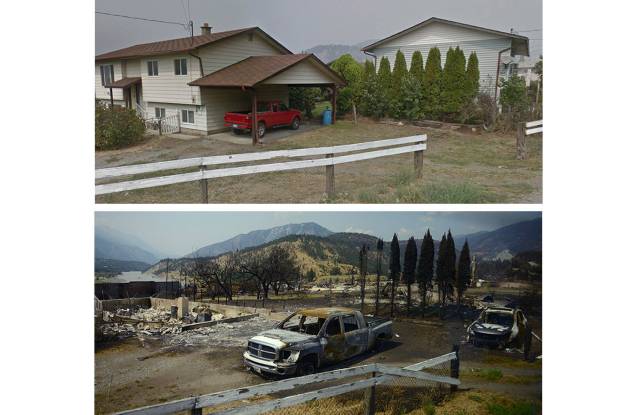
The heatwave that struck parts of North America’s Pacific coast in 2021 propelled temperatures in Lytton, a village in British Columbia, to 49.6°C—4.6° higher than the previous record. On the fourth day of this torment the place erupted in flames and was almost completely destroyed. These events were so out of the ordinary that, in a press conference held some weeks later by climate modelers, they struggled to explain how circumstances had conjured them.

Climatologists reckon the North American heatwave of 2021 was one of the most extreme deviations from meteorological norms ever recorded, anywhere. But others have come close. As the world gets hotter, phenomena once considered rare are becoming common and others, believed impossible, are happening.

This shift in weather patterns has inspired modelers to pay more attention to the tails of the frequency distributions of meteorological possibility which their models generate (see chart), in search of such unprecedented extremes. One recent exercise, led by Erich Fischer at eth Zurich, a technology university in Switzerland, shows how the heatwave that destroyed Lytton could have been foreseen with data available at the time….The approach Dr Fischer used is one of several developed recently. Another, from Britain’s Met Office, is UNSEEN  (Unprecedented Simulation of Extremes with Ensembles)…Researchers in the UK are looking at another sort of extreme event—the risk of “wind droughts” which would wipe out a lot of the country’s wind-turbine-base electricity supply. It would be ironic indeed if Britain’s huge effort to combat climate change in this way were, itself, to fall victim to a changing climate.

The Paris Olympics, to be held in 2024, will take place during that city’s hottest weeks. A group of meteorologists from various French research institutes therefore wondered just how bad a heatwave manifesting itself then might be. Using yet another approach, they found a chance of temperatures being more than 4°C higher than they were during a catastrophic heatwave in 2003, in which tens of thousands died. Since that happened, France has built a “heat plan” which includes an early-warning system and provisions for opening cool spaces if needed.

Excerpts from How to predict record-shattering weather events, Economist, Feb. 11, 2023