Tag Archives: bioterror

Insect Biogeneering as a Biological Weapon: DARPA

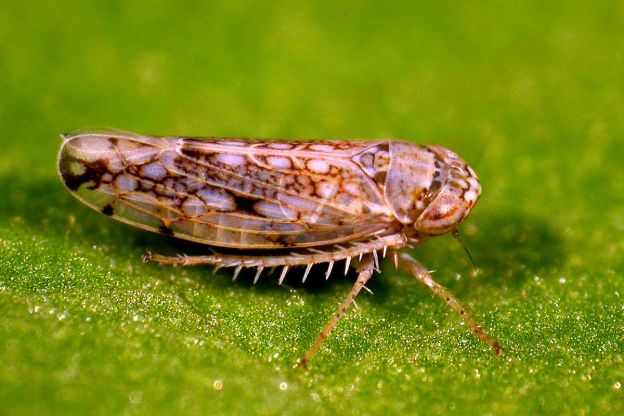
According to Science Magazine, Agricultural genetic technologies typically achieve their agronomic aims by introducing laboratory-generated modifications into target species’ chromosomes. However, the speed and flexibility of this approach are limited, because modified chromosomes must be vertically inherited from one generation to the next. In an effort to remove this limitation, an ongoing research program funded by the U.S. Defense Advanced Research Projects Agency (DARPA) aims to disperse infectious genetically modified viruses that have been engineered to edit crop chromosomes directly in fields [through insects]. This is genetic engineering through horizontal transfer, as opposed to vertical inheritance. The regulatory, biological, economic, and societal implications of dispersing such horizontal environmental genetic alteration agents (HEGAAs)[eg leafhoppers, whiteflies and aphids) into ecosystems are profound. Further, this program stipulates that the means of delivery of these viral HEGAAs into the environment should be insect-based dispersion (Insect Allies Program). In the context of the stated aims of the DARPA program, it is our opinion that the knowledge to be gained from this program appears very limited in its capacity to enhance U.S. agriculture or respond to national emergencies (in either the short or long term). Furthermore, there has been an absence of adequate discussion regarding the major practical and regulatory impediments toward realizing the projected agricultural benefits. As a result, the program may be widely perceived as an effort to develop biological agents for hostile purposes and their means of delivery, which—if true—would constitute a breach of the Biological Weapons Convention (BWC).
Animal Diseases as Biological Weapons

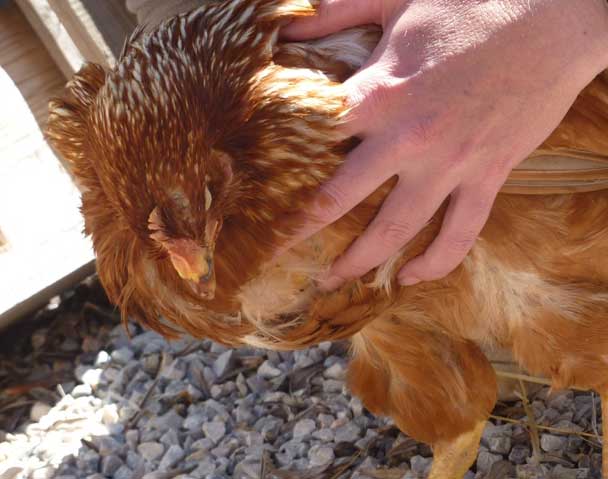
The World Health Organisation (WHO), animal health and national defence officers called for wider international co-operation to avoid the spread of animal diseases that could be used as biological weapons.  Sixty percent of human diseases come from animal agents and 80% of the agents that could be used for bio-terrorism are of animal origin, said Bernard Vallat, director general of the World Organisation for Animal Health (OIE).

“History has shown animal diseases have often been used as weapons before. Advances in genetics can now make them even more harmful. So we are calling for further investment to be made at national level on bio-security,” Vallat said at a conference on biological threat reduction.  Diseases have spread from animals to humans for millennia, with latest examples including the bird flu virus that has killed hundreds of people around the globe.

The OIE and the WHO warned animal disease agents could escape naturally, accidentally but also intentionally from laboratories, to be used as bio-weapons….Security breaches involving animal diseases are not rare.  The Pentagon said in May 2015 and June the US military had sent live samples of anthrax, which can be used as biological weapon, to five countries outside the United States and to dozens of US labs.

Excerpts from Beware of animal diseases as biological weapons, health experts say, Reuters, June 30, 2015

Predator Bacteria for War

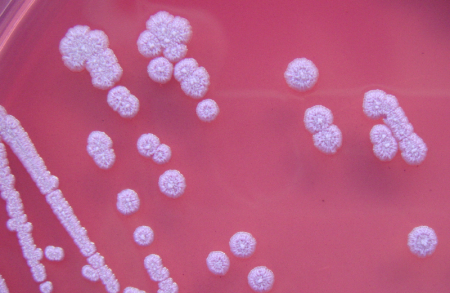
The  Pathogen Predators Program of DARPA would represent a significant departure from conventional antibacterial therapies that rely on small molecule antibiotics. While antibiotics have been remarkably effective in the past, their widespread use has led to the emergence of antibiotic-resistant bacterial infections that are difficult or impossible to treat. In vitro studies have shown that predators such as Bdellovibrio bacteriovorus and Micavibrio aeruginosavorus can prey upon more than one hundred different human pathogens and will also prey on multi-drug resistant bacteria.

The Pathogen Predators program will answer three fundamental questions about bacterial predators:

1) Are predators toxic to recipient (host) organisms?
2) Against what pathogens (prey) are predators effective?
3) Can pathogens develop resistance to predation?

This list [of bacteria that could be killed by predator bacteria] includes NIAID (National Institute of Allergy and Infectious Diseases) Category A and B threats to national security:

NIAID Category A and B
Yersinia pestis (i.e. plague)
Francisella tularensis (i.e. tularemia)
Brucella species
Coxiella burnetii (i.e. Q fever)
Rickettsia prowazekii (i.e.  typhus)
Burkholderia mallei (i.e. glanders)
Burkholderia pseudomallei (i.e. melioidosis)

Source DARRA (pdf)