Tag Archives: climate change and human rights

Individual Companies Can be Held Liable for Gross Contribution to Heatwaves

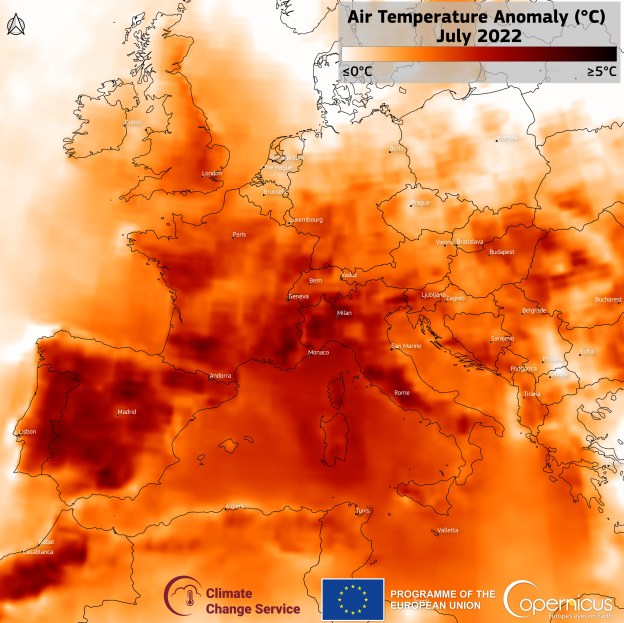
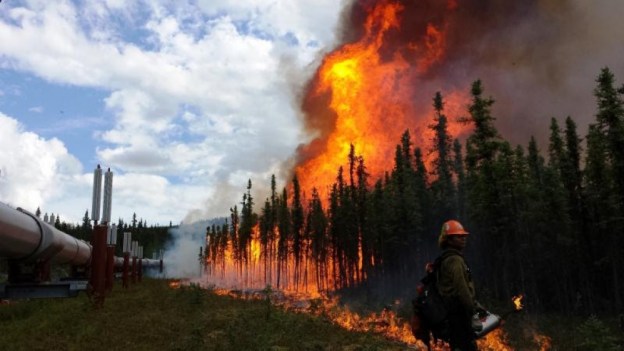
Climate scientists have been attributing storms, droughts and heatwaves to global warming for two decades. Now, they are tracing the chain of responsibility all the way back to the producers of fossil fuels. A study published in Nature in September 2025 shows that around one-quarter of the heatwaves recorded over 2000–23 can be directly linked to greenhouse-gas emissions from individual energy giants…some of whom include (the former Soviet Union, China (coal), Gazprom, Exxon Mobile, Chevron, National Iranian Oil Company, Saudi Aramco, BP, Shell, India (Coal)) The findings could provide fresh evidence to support lawsuits seeking to hold companies accountable for their impacts on the climate.

More than one-quarter of the 213 events recorded would have been “virtually impossible” without human-induced global warming, the study found. The emissions linked to energy companies and other major carbon emitters increased the likelihood of some 53 heatwaves by a factor of more than 10,000.

This is not the first time that climate impacts have been attributed to fossil-fuel producers, but this study go one step further than its predecessors and link individual companies directly to specific heatwaves. Legal experts say it’s a line of evidence that could feed into climate litigation that focuses on specific events, such as the 2021 heatwave that hammered the US Pacific Northwest in 2021. Already, a county government in Oregon has filed a US$52-billion civil lawsuit against fossil-fuel companies for contributing to that event.

Excerpts from Jeff Tollefson, Heatwaves linked to carbon emissions from specific companies, Nature, Sept. 10, 2025
New Climate Lawsuit Against Shell, 2025

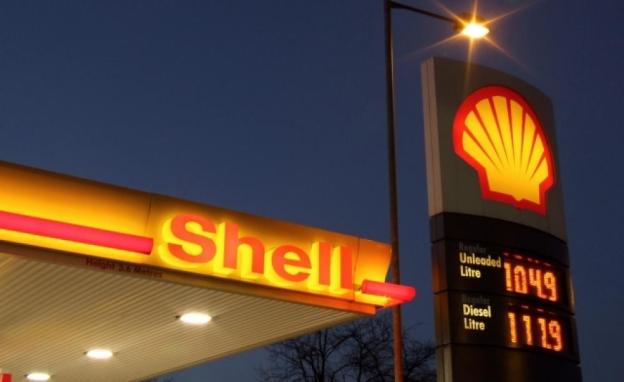
Shell is under intensifying legal scrutiny as environmental organization Milieudefensie, the Dutch branch of Friends of the Earth, announces fresh legal action. The NGO, based in Netherlands, claims that by investing in new oil and gas projects despite a previous court decision requiring emissions reductions, the oil and gas company violated its duty of care under Dutch law. This case could escalate tensions between fossil fuel corporations and climate activists pressing for stricter adherence to international climate goals.

The foundation of this new lawsuit lies in a historic 2021 court decision, upheld in part during a 2023 appeal, which found Shell partially liable for climate change. The appeal acknowledged Shell’s obligation to reduce CO2 emissions, citing its substantial role in contributing to the climate crisis. However, it stopped short of specifying a target percentage for reductions. Milieudefensie now argues that Shell’s ongoing fossil fuel investments clearly violate the legal duties affirmed by that judgment. “Companies like Shell have it within their power to combat the climate problem and therefore have a legal obligation to reduce emissions,” stated the Dutch Court of Appeal.

Shell has stated  that it plans to expand fossil fuel operations, particularly in the sectors of liquefied natural gas and oil production through 2040. This strategy directly conflicts with climate science, which indicates that new fossil fuel development must be halted to limit global warming to 1.5°C.  More than 700 new oil and gas fields are presently under development by Shell, per a thorough report by Milieudefensie and Global Witness. Since May 2021, Shell has finalized investment decisions for 32 new projects, potentially resulting in 972 million tons of CO2 emissions, an amount nearly equivalent to the annual emissions of the entire European Union.

Excerpt from Shell Faces Renewed Legal Pressure on Fossil Fuel Expansion, Zacks, May 14, 2025


Who to Blame for Climate Change? the Carbon Majors

 Whether the damage caused by extreme weather events can be linked to human emissions of greenhouse gases is one of the hottest topics in climate science. And that debate leads directly to another: if this link can be established, who bears the responsibility?  Both of these questions are at the center of an inquiry by the Philippine Commission on Human Rights, whose latest hearings took place in London in November 2018. It is the first time a human-rights commission has heard evidence on whether large emitters violate basic human rights by causing climate change

 Where the hearings become more unusual is in investigating the link between the damage caused by climate change and the behaviour of large industrial companies. This is predicated on recent efforts to trace greenhouse-gas emissions back to large corporate and state-owned producers of fossil fuels and cement, dubbed the “carbon majors”. The latest analysis by cdp (formerly the  Carbon Disclosure Project), a non-governmental organisation that works with companies, cities and states to measure their environmental impact, published in 2017, found that 100 of them had produced just over half of emissions since the Industrial Revolution.

The Philippine hearings will come to a close in December in Manila. The commission does not have the power to compensate victims of typhoons or to sanction emitters of carbon dioxide. According to Roberto Cadiz, one of the commissioners, that isn’t even the point. His wish is to open a dialogue about possible solutions to climate change that includes the industrial emitters. So far, however, only one side of the story is being heard. The emitters have declined to participate.

Excerpts from Climate Change: The Blame Game, Economist, Nov. 17, 2018