Tag Archives: rubber mulch and microplastics

How Microplastics Enter Plants

Plastic production is increasing sharply. This has raised concerns about the effects of microplastics (typically defined as plastic particles smaller than 5 millimetres in diameter) and nanoplastics (smaller plastic particles that are less than 1,000 nanometres in diameter) on human health. These concerns are partly influenced by alarming findings of the presence of microplastics in various human tissues, including the brain and placenta.

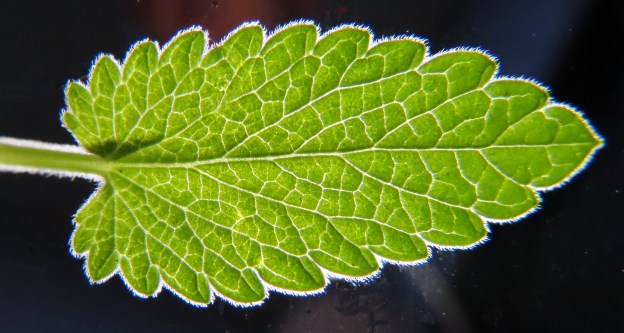
Most attention is focused on soil and water as common sources of plastics that enter the food chain. However, writing in Nature, Li et al. provide strong evidence supporting the air as being a major route for plastics to enter plants. Plants can absorb plastic particles directly from the air. Particles in the air can enter leaves through various pathways, such as through structures on the leaf surface called the stomata and through the cuticle. Stomata are small openings made of cells, and the cuticle is a membrane, covered in insoluble wax, that is well suited for absorbing microplastics…

Microplastics can also travel to and enter the plant’s water- and nutrient-transporting system (called the vascular bundle) and from there reach other tissues… Given that leaves are a key part of the food chain, microplastic particles that accumulate here can easily pass to herbivores and crop leaves, both of which can be directly consumed by humans.

Excerpt from Willie Peijnenburg, Plant Leaves Absorb Microplastics—And They End Up in Our Food, Scientific American, Apr. 18, 2025
What Do We Know about the Plastic Chemicals that Leach into Food?

Countries are currently negotiating a global plastics treaty to end plastic pollution. It is essential that the treaty addresses plastic chemicals because all plastics, from food packaging to car tires, contain thousands of chemicals that can leach into foodstuffs, homes, and the environment. Since many of these chemicals are hazardous, they can damage human health and the environment.

Plastic chemicals comprise all chemicals in plastics, including additives, processing aids, and impurities. A previous report by the United Nations Environment Program (UNEP) and other international institutions identified 13,000 plastic chemicals. The new PlastChem Report shows that there are more plastic chemicals than previously known, with over 16,000 chemicals included in the new PlastChem database that accompanies the report.
Further key findings of the report include:
• At least 4,200 plastic chemicals (or 26%) are of concern because of their high hazards to human health and the environment,
• More than 400 chemicals of concern can be present in each major plastic type, including in food packaging, and all tested plastics leached hazardous chemicals,

The report recommends : Increased transparency on the chemical composition of plastics is essential for closing data gaps, promoting a comprehensive management of plastic chemicals, and creating accountability across plastic value chains. A unified reporting, disclosure of the chemical composition of plastic materials and products as well as a “no data, no market” approach are recommended to ensure that essential
information about plastic chemicals becomes publicly available.

Excerpts from New Report Identifies Plastic Chemicals of Concern and Highlights
Approaches Towards Safer Plastics, Press Release of PlastChem, Mar. 14, 2024

The Curse of Nano-Plastics: Plastics in the Placenta

A flurry of recent studies has found that microplastics are present in virtually everything we consume, from bottled water to meat and plant-based food. Now, University of New Mexico Health Sciences researchers have used a new analytical tool to measure the microplastics present in human placentas. In a study published February 17 in the journal Toxicological Sciences, a team led by Matthew Campen, reported finding microplastics in all 62 of the placenta samples tested, with concentrations ranging from 6.5 to 790 micrograms per gram of tissue.

Although those numbers may seem small (a microgram is a millionth of a gram), Campen is worried about the health effects of a steadily rising volume of microplastics in the environment. For toxicologists, “dose makes the poison,” he said. “If the dose keeps going up, we start to worry. If we’re seeing effects on placentas, then all mammalian life on this planet could be impacted. That’s not good.”…The researchers found the most prevalent polymer in placental tissue was polyethylene, which is used to make plastic bags and bottles. It accounted for 54% of the total plastics. Polyvinyl chloride (better known as PVC) and nylon each represented about 10% of the total, with the remainder consisting of nine other polymers…

Plastic use worldwide has grown exponentially since the early 1950s, producing a metric ton of plastic waste for every person on the planet. About a third of the plastic that has been produced is still in use, but most of the rest has been discarded or sent to landfills, where it starts to break down from exposure to ultraviolet radiation present in sunlight. “That ends up in groundwater, and sometimes it aerosolizes and ends up in our environment,” Garcia said. “We’re not only getting it from ingestion but also through inhalation as well. It not only affects us as humans, but all off our animals – chickens, livestock – and all of our plants. We’re seeing it in everything.”…The concentration of microplastics in placentas is particularly troubling, he said, because the tissue has only been growing for eight months (it starts to form about a month into a pregnancy). “Other organs of your body are accumulating over much longer periods of time.”

Excepts from Michael Haederle,  Microplastics in Every Human Placenta, Feb. 20, 2024

Save Time and Money but Destroy Soil and Oceans

The images of swaths of garbage floating on the oceans’ surface have become a rallying call to address plastic pollution, but there is more to this challenge than meets the eye. While plastics and microplastics – items smaller than 5 mm – accumulate and impact marine environments, much of the problem is rooted in land contamination. Land-based plastic pollution, which often feeds into the oceans, is estimated to be at least four times higher than what is in the oceans, according to a study published in Global Change Biology. 

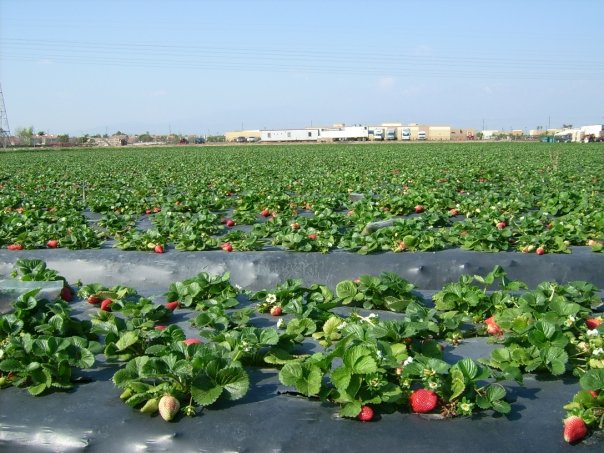
“Soil is the main source of microplastics reaching oceans through soil erosion and surface runoff,”  Plastics settle in soil through disposal in landfills, as well as through the use of plastic-sheets in agriculture or application of microplastic contaminated compost. “Direct disposal of plastics to ocean is relatively less pronounced compared to the transfer of microplastics from land. Microplastics, lighter than soil particles, such as sand, silt and clay, are easily lost to waterways,”…

“We contribute to plastic pollution through indiscriminate disposal of plastics in landfills and use of microbeads in cosmetics and microfibers in textiles. There are efforts to produce biodegradable plastics, which may provide some solution to plastic pollution, but bioplastic may not be the silver bullet to manage plastic pollution.” Commonly used biodegradable bioplastics “retain their mechanical integrity under natural conditions, potentially causing physical harm if they are ingested by marine or terrestrial animals.” “The fate of biodegradable bioplastics in natural and engineered environments could be potentially problematic. Methane is a product of biodegradation in anaerobic environments in landfills.” These bioplastics, furthermore, require high temperatures, controlled aeration and humidity to degrade completely.

Due to their small size, microplastics, especially nanoplastics resulting from the degradation of microplastic, can enter organisms’ internal organs, where they could potentially transfer contaminants attached to them. These can include persistent organic pollutants, like polychlorinated biphenyls (PCBs), as well as trace metals like mercury and lead. The plastics and pollutants that accumulate on or in them enter the food chain and can eventually be transferred to humans, causing growing food safety concerns.

The Joint FAO/IAEA Centre’s laboratories are equipped to research the presence of microplastics in food. “Techniques such as energy dispersive X-ray spectroscopy and infrared and Raman spectroscopy can be applied to screen for plastics in foods, enabling risk assessment and management,” said Andrew Cannavan, Head of the Joint Centre’s Food and Environmental Protection Section. 

Excerpt from Joanne Liou Out of Sight but not out of Mind: IAEA and FAO Launch R&D to Identify Sources, Impacts of Microplastic Pollution in Soil, IAEA Press Release, July 2, 2021