Tag Archives: genetic resources

Bureaucracy Against Biodiversity

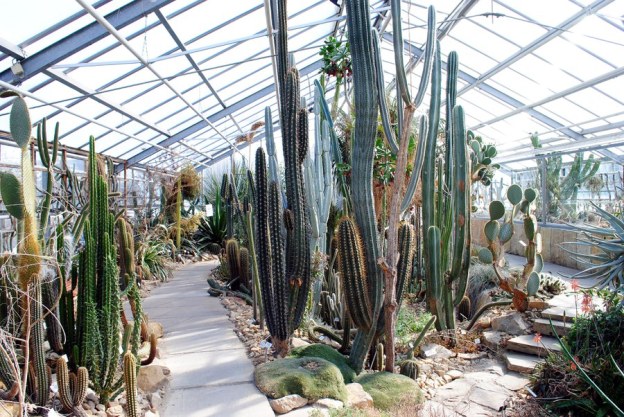
Botanic gardens around the world are struggling to find the space to conserve rare plants and save endangered species. “They can’t all fit,” said Brockington. Cambridge University Botanic Garden, for example, is home to more than 8,000 species. “That’s more than a tropical country like Vietnam, growing in a tiny little acreage of Cambridge.”…Threatened plants must compete for space in botanic gardens with beautiful, famous – but less endangered – flowers, trees and landscapes that will attract visitors and inspire people to learn about gardening and the natural world….The first botanic gardens were founded during the colonial era, and almost all are located in the west. In the past, botanists from these gardens would engage in “extractive, colonial-type practices”, visiting poorer nations to “pull out whatever plants they or their rich patrons were interested in, bring them back and cultivate them,” Brockington said.

In 1993, a United Nations Convention on Biological Diversity attempted to stop this by assigning sovereignty over biodiversity to national governments, enabling states to “own” the genetic material within their geopolitical boundaries…But this is hampering efforts of gardens to collect endangered plants in the wild, and exchange seeds and plant material to protect threatened species from extinction. To maintain diversity and preserve the world’s living collections, plants must be regularly replaced or propagated. But since the convention was introduced in 1993, the number of plants in botanic gardens collected from the wild has halved.

“Political boundaries do not help us share material and collectively steward the world’s most threatened biodiversity,” Brockington said. Brexit, for example, has been “catastrophic” for exchanges of plant material between European botanic gardens, he said. “The bureaucracy of seed exchange can be so costly now, it would be cheaper for our staff to personally fly to somewhere like Sweden, with a legal amount of seed, than send it by post.”…Brockington wants the world’s botanic gardens to collaborate to safeguard plant populations by creating one big “meta collection”, where individual specimens of an endangered wild species are extensively cultivated in multiple institutions.

Excepts from  Donna Ferguson, The risk of extinction is accelerating’: world’s botanic gardens raise alarm with space to protect endangered plants running out, Guardian, Jan. 25, 2025
How to Become Biosecure

A bill approved by the House of Representatives in September 2024 would make it difficult for U.S. drug companies to contract with five major Chinese biotechnology companies. Academic researchers say they, too, would be hampered. The new rules could threaten projects that rely on sequencing in China or involve Chinese scientists who use services or machines from the companies. It would also cut off one source of genome sequencers used in U.S. labs. The Senate is considering a similar measure, raising the odds the rule could become law. “It could have a chilling effect on science,” says Gene Robinson, director of the Carl R. Woese Institute for Genomic Biology at the University of Illinois Urbana-Champaign.

Known as the Biosecure Act, the legislation would prevent federal funds from going to biotech companies linked to five “foreign adversaries”: China, Russia, Iran, North Korea, and Cuba. It bans purchases from five specific Chinese companies—BGI, MGI, WuXi Biologics, Wu Xi AppTec, and Complete Genomics—beginning in 2032. It would also prevent federal funds from going to other organizations that use services and equipment from the companies. The White House Office of Management and Budget would update the list of companies of concern at least once a year.

The act’s proponents argue that the named biotech companies are stealing intellectual property from U.S. biotech equipment makers or are directing health and genetic data to centers affiliated with the Chinese Communist Party (CCP) and other adversaries. “This bill is a necessary step towards protecting Americans’ sensitive health care data from the CCP before these companies become more embedded in the U.S. economy, university systems, and federal contracting base,” said Representative James Comer (R–KY) on the House floor before the bill passed 306 to 81 with broad bipartisan support.

The biggest impact, says Aaron Cummings, a lobbyist with Crowell & Moring, is likely to be felt by U.S. biotech and pharmaceutical companies. Beyond genome sequencing, Chinese firms such as WuXi AppTec provide services that support clinical research, such as manufacturing pharmaceutical ingredients and cell therapies, as well as providing research cell lines. According to a survey released in May by BIO, a biotech industry trade group, 79% of 124 biopharma companies surveyed have at least one Chinese biotech contractor. Academic scientists, for their part, worry they will be forced to sever valuable research collaborations with Chinese scientists at the companies of concern or with academic groups that use their equipment or services.

Excerpts Robert F. Service from Bill Targeting Chinese Firms Worries US Researchers, Science, Sept. 13, 2024


Preserving Seeds that Feed the World: the Svalbard Global Seed Vault

Six hundred miles from the North Pole, on an island the size of West Virginia, at the end of a tunnel bored into a mountain, lies a vault filled with more than 1 million samples of seeds harvested from 6,374 species of plants grown in 249 locations around the globe.The collection, the largest of its kind, is intended to safeguard the genetic diversity of the crops that feed the world.  If disaster wipes out a plant, seeds from the vault could be used to restore the species. If pests, disease or climate change imperil a food source, a resistant trait found among the collection could thwart the threat.

While some countries have their own seed banks—Colorado State University houses one for the U.S.—the Svalbard Global Seed Vault serves as a backup. The vault, built in 2008 at a cost of about $9 million, is owned and maintained by Norway, but its contents belong to the countries and places that provide the samples.  “It works like a safe-deposit box at the bank,” said Cary Fowler, an American agriculturalist who helped found the vault. “Norway owns the facility, but not the boxes of the seeds.”

In 2015, after the International Center for Agricultural Research in the Dry Areas was destroyed in the Syrian civil war, scientists who had fled the country withdrew seeds to regenerate the plants in Lebanon and Morocco.  “It had one of the world’s biggest and best collections of wheat, barley, lentils, chickpeas, faba beans and grass pea,” Dr. Fowler said. “It was the chief supplier of a disease-resistant wheat variety for the Middle East.”  In 2017, the group returned copies of its seeds to the vault.

The 18,540-square-foot seed vault includes three rooms with the capacity to house 4.5 million samples of 500 seeds each—a maximum of 2.25 billion seeds. The environment’s natural temperature remains below freezing year round, but the seeds are stored at a chillier -18 degrees Celsius, or around -0.4 degrees Fahrenheit. They’re expected to last for decades, centuries or perhaps even millennia….

While dwindling diversity might not seem like an imminent threat, four chemical companies now control more than 60% of global proprietary seed sales…That concentration of power, some worry, could lead to less agricultural variety and more genetic uniformity…In the meantime, the seed vault (which doesn’t store genetically modified seeds) will continue to accept deposits in an effort to preserve all of the options it can.

Excerpts from Craven McGinty, Plan to Save World’s Crops Lives in Norwegian Bunker, WSJ,  May 29, 2020

Genetically Modified Crops May Become the Norm: the case of Golden Rice

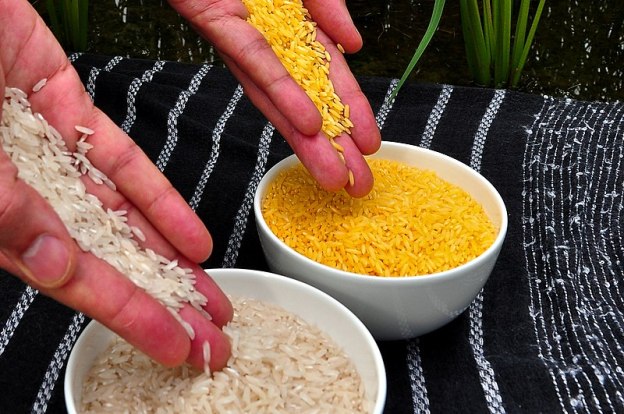
Golden Rice is a genetically modified (GM) crop that could help prevent childhood blindness and deaths in the developing world. Ever since Golden Rice first made headlines nearly 20 years ago, it has been a flashpoint in debates over GM crops. Advocates touted it as an example of their potential benefit to humanity, while opponents of transgenic crops criticized it as a risky and unnecessary approach to improve health in the developing world.

Now, Bangladesh appears about to become the first country to approve Golden Rice for planting..Golden Rice was developed in the late 1990s by German plant scientists Ingo Potrykus and Peter Beyer to combat vitamin A deficiency, the leading cause of childhood blindness. Low levels of vitamin A also contribute to deaths from infectious diseases such as measles. Spinach, sweet potato, and other vegetables supply ample amounts of the vitamin, but in some countries, particularly those where rice is a major part of the diet, vitamin A deficiency is still widespread; in Bangladesh it affects about 21% of children.

To create Golden Rice, Potrykus and Beyer collaborated with agrochemical giant Syngenta to equip the plant with beta-carotene genes from maize. They donated their transgenic plants to public-sector agricultural institutes, paving the way for other researchers to breed the Golden Rice genes into varieties that suit local tastes and growing conditions.

The Golden Rice under review in Bangladesh was created at the International Rice Research Institute (IRRI) in Los Baños, Philippines. Researchers bred the beta-carotene genes into a rice variety named dhan 29…Farmers in Bangladesh quickly adopted an eggplant variety engineered to kill certain insect pests after its 2014 introduction, but that crop offered an immediate benefit: Farmers need fewer insecticides. Golden Rice’s health benefits will emerge more slowly,

Excerpts from Erik Stokstad,  After 20 Years, Golden Rice Nears Approval, Science,  Nov. 22, 2019

Who Owns the Genes in the Seas?

It’s an eye-catching statistic: A single company, the multinational chemical giant BASF, owns nearly half of the patents issued on 13,000 DNA sequences from marine organisms. That number is now helping fuel high-stakes global negotiations on a contentious question: how to fairly regulate the growing exploitation of genes collected in the open ocean, beyond any nation’s jurisdiction.

The negotiations that took place at the UN in September 2018 aim, inter alia, to replace today’s free-for-all scramble for marine genetic resources with a more orderly and perhaps more just regime.  Many developed nations and industry groups are adamant that any new rules should not complicate efforts to discover and patent marine genes that may help create better chemicals, cosmetics, and crops. But many developing nations want rules that will ensure they, too, share in any benefits. Scientists are also watching. A regulatory regime that is too burdensome could have “a negative impact” on scientists engaged in “noncommercial ocean research,” warns Robert Blasiak, a marine policy specialist at the Stockholm Resilience Centre.  It is not the first time nations have wrangled over how to share genetic resources. Under another U.N. pact, the 2010 Nagoya Protocol, 105 countries have agreed to rules to prevent so-called biopiracy: the removal of biological resources—such as plant or animal DNA—from a nation’s habitats without proper permission or compensation.

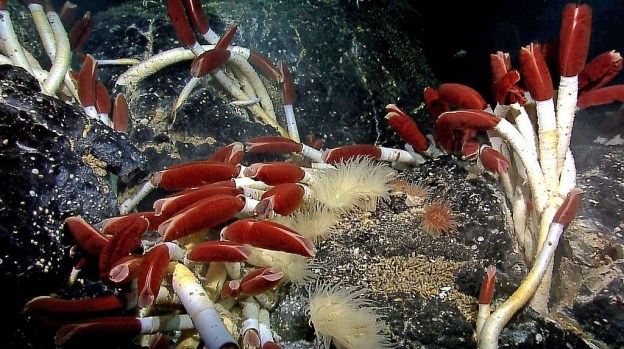
Those rules don’t apply in international waters, which begin 200 nautical miles from shore and are attracting growing interest from researchers and companies searching for valuable genes. The first patent on DNA from a marine organism was granted in 1988 for a sequence from the European eel, which spends part of its life in freshwater. Since then, more than 300 companies, universities, and others have laid claim to sequences from 862 marine species, a team led by Blasiak reported in June in Science Advances. Extremophiles have been especially prized. Genes from worms found in deep-sea hydrothermal vents, for example, encode polymers used in cosmetics. And BASF has patented other worm DNA that the company believes could help improve crop yields. The conglomerate, based in Ludwigshafen, Germany, says it found most of its 5700 sequences in public databases…

It may take years for nations to agree on a marine biodiversity treaty; [A]n “ideological divide” between developing and developed countries has, so far, “led to stalemate” on how to handle marine genetic resources, says Harriet Harden-Davies, a policy expert at the University of Wollongong in Australia.

Most developing nations want to expand the “common heritage” philosophy embedded in the 1982 United Nations Convention on the Law of the Sea, which declares that resources found on or under the seabed, such as minerals, are the “common heritage of mankind.” Applying that principle to genetic resources would promote “solidarity in the preservation and conservation of a good we all share,” South Africa’s negotiating team said in a recent statement. Under such an approach, those who profit from marine genes could, for example, pay into a global fund that would be used to compensate other nations for the use of shared resources, possibly supporting scientific training or conservation.

But developed nations including the United States, Russia, and Japan oppose extending the “common heritage” language, fearing burdensome and unworkable regulations. They argue access to high seas genes should be guaranteed to all nations under the principle of the “freedom of the high seas,” also enshrined in the Law of the Sea. That approach essentially amounts to finders keepers, although countries traditionally have balanced unfettered access with other principles, such as the value of conservation, in developing rules for shipping, fishing, and research in international waters.

The European Union and other parties want to sidestep the debate and seek a middle ground. One influential proposal would allow nations to prospect for high seas genes, but require that they publish the sequences they uncover. Companies could also choose to keep sequences private temporarily, in order to be able to patent them, if they contribute to an international fund that would support marine research by poorer nations. “Researchers all around the world should be put all on a level playing field,” says Arianna Broggiato, a Brussels-based legal adviser for the consultancy eCoast, who co-authored a paper on the concept this year in The International Journal of Marine and Coastal Law.

Exceprts from Eli Kintisch U.N. tackles gene prospecting on the high seas, Science, Sept. 7, 2018

The Costs of Stopping Biopiracy

Botanists think there are up to 80,000 wild species of flowering plant left to discover. But a scarcity of funds hampers efforts to collect them. The UN Convention on Biological Diversity of 1992, ratified by 195 states and the European Union, made things more complicated. It recognised plants as part of countries’ national heritage and outlawed “biopiracy”—profiting from plants without compensating the countries in which they were found.

That made exploiting plants fairer but collecting them harder. Some officials saw a chance to get rich. “Suddenly everyone thought these plants were incredibly valuable,” says Mr Hawtin. Getting permission to go on a collecting trip became nearly impossible. “Anybody could say no to a collecting expedition and very few people could say yes.”

Permits became sine qua non, but in poorer countries the environment ministries that were expected to issue them did not always exist. Collectors might see their applications bounced from one department to another, each unwilling to wield its rubber stamp. “No one wanted to be accused in their local paper of helping the biopirates,” says Mr Hawtin.

Persistent botanists have since earned some governments’ trust. It is now much easier to get approval for expeditions than it was in the 1990s, though often with restrictions on what may be collected. “Things are much better now than they were ten years ago,” says Sandy Knapp, head of the plants division at the Natural History Museum in London. A three-year permit from the Peruvian government allows her to collect specimens of Solanaceae, the family that includes tomatoes, potatoes and aubergines…The Millennium Seed Bank now holds workshops in many countries on collection and conservation techniques. It collaborates on expeditions and produces guidebooks to help locals locate and collect seeds for themselves. Yet some countries persist in imposing self-defeating restrictions. India’s biodiversity law, passed in 2002, makes exporting seeds very difficult and sits poorly with its international obligations. If governments fail to understand the urgency of preserving—and sharing—their biodiversity, there may soon be precious little left to collect.

Excerpts from Botany and bureaucracy: A dying breed, Economist,  Sept. 12, 2015, at 55

Fighting Biopiracy: European Union

The European Union is debating a biopiracy law requiring industry to compensate indigenous people if it makes commercial use of local knowledge such as plant-based medicines.  Under the law – based on the international convention on access to biodiversity, the Nagoya protocol – the pharmaceuticals industry would need the written consent of local or indigenous people before exploring their region’s genetic resources or making use of their traditional know-how. Relevant authorities would have the power to sanction companies which failed to comply, protecting local interests from the predatory attitude of big European companies.

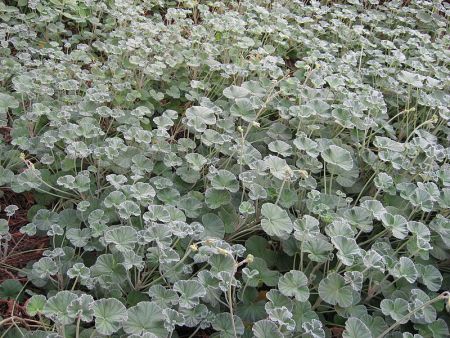
A German pharmaceutical company’s dealings in South Africa [is an example of biopiracy].  Pelargonium sidoides, a variety of geranium known for its antimicrobial and expectorant qualities, has been used traditionally by indigenous communities in South Africa for centuries to treat bronchitis and other respiratory diseases. It also stimulates the nervous system, so has been used in the treatment of AIDS and tuberculosis.  In 2000, the German company Schwabe made significant profits on Umckaloabo, a product derived from the geranium, without compensating local communities. It then filed patents claiming exclusive rights to the medical use of the plant.

But in 2010 the patents were cancelled following appeals from the African Centre for Biosafety in South Africa and the Bern Declaration in Switzerland, calling the patents “an illegitimate and illegal monopolization of genetic resources derived from traditional knowledge and a stark opposition to the Convention on Biodiversity.”…[The] law would help protect biodiversity and ensure that the people from the region are adequately compensated for their resource and their traditional know-how. …The need to ensure the property rights of indigenous populations becomes more pressing as industry looks more and more to plant and animal-based cures to common diseases.Only 16 countries have ratified the Nagoya protocol. The European Union and its 24 of its 27 member states have signed the convention, but are yet to ratify it. When they do, Nagoya should soon reach the 50 states needed for it to come into force…  “The 16 states are countries in the South…

Excerpts, EU ponders biopiracy law to protect indigeneous people, EurActiv, April 26,  2013

See also EU portal on Biodiversity and Benefits Sharing

See also article on Alice v. Schwabe