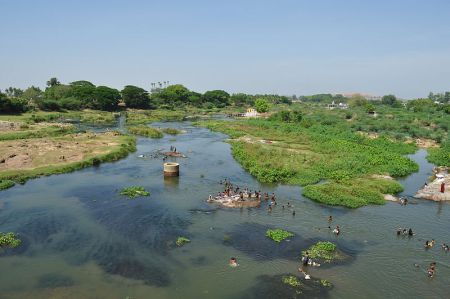
A potent blend of pride, economic nationalism and mounting concern over water security have the world’s two biggest cola brands in a bind in southern India. Shopkeepers in drought-hit Kerala state decided on March 15, 2017 to promote local brands over Coca-Cola Co. and PepsiCo Inc. beverages after counterparts in neighboring Tamil Nadu boycotted the multinational drinks. While retail groups claim the companies are siphoning off groundwater and selling products tainted with pesticides, academics and analysts say the soda giants have become scapegoats for a water crisis that’s become mired in politics and patriotism.
India is one of the most water-challenged nations, and fights over water have erupted between users periodically for decades. Failed monsoon rains over as many as the past three years in some states have parched rivers and dams, forcing farmers, manufacturers and municipal water suppliers to rely more on wells to meet their needs. Problem is, those too are drying up, and that’s hurting farmers, India’s economic mainstay.
“The root cause for the boycott isn’t the multinational companies, but the enduring fight between industrial users and farmers, especially in several drought-hit states,” said P.L. Beena, an associate professor with the Centre for Development Studies in Thiruvananthapuram, Kerala. On top of that, Prime Minister Narendra Modi’s call to companies to “make in India” has given rise to a pro-India push — and, in some cases, an anti-foreigner backlash — that’s supporting local brands….
The latest action means drinks from Coca-Cola and PepsiCo, which together have a 96 percent hold on India’s $4.9 billion soda market, will be kept off the shelves of more than 1 million shops. Vendors would rather lose business than sell the products, said A. M. Vikrama Raja, president of a retailers’ association in Tamil Nadu with about 1.5 million members. The boycott started March 1, 2017 a day before the Madras High Court dismissed a petition seeking a ban on the American soda-makers drawing water from the local Thamirabarani river.
“Instead of foreign sodas, we will promote local beverages,” said T. Naseeruddin, president of a retailers’ group that says it has more than 700,000 retailers in Kerala, which is facing its worst drought in 115 years.
The group stopped short of joining the boycott in Tamil Nadu after a meeting Wednesday with Kerala Chief Minister Pinarayi Vijayan, a spokesman said. Instead, retailers will pursue “sensitization against multinational products” via a state-level conference, and seek a policy response from the state government. India has at least 50 local drink brands, which are typically 20 percent cheaper than the global cola brands, brokerage Kotak Securities Ltd. said in a Feb. 23 report. Manpasand Beverages Ltd., based in Vadodara, Gujarat state’s cultural capital, is “aggressively expanding its reach in Tamil Nadu to take advantage of the ongoing cola ban,”….
Excerpts from PepsiCo, Coca-Cola Fight Patriotism in Parched Indian State, Bloomberg Business Week, Mar. 15, 2017
 Growing numbers of African migrants passing through Libya are traded in what they call slave markets before being held for ransom, forced labour or sexual exploitation, according to the UN migration agency.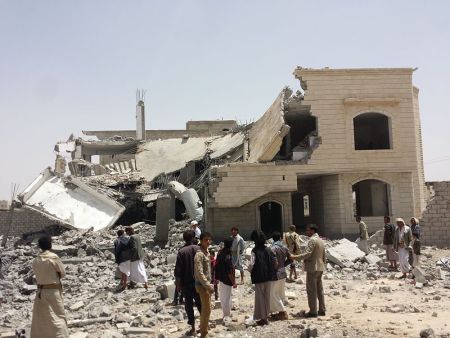

 Since their invention in the 1960s, disposable plastic bags have made lives easier for lazy shoppers the world over. But once used, they become a blight. This is particularly true in poor countries without good systems for disposing of them. They are not only unsightly. Filled with rainwater, they are a boon for malaria-carrying mosquitoes. Dumped in the ocean, they kill fish. They may take hundreds of years to degrade. On March 15th Kenya announced that it will become the second country in Africa to ban them. It follows Rwanda, a country with a dictatorial obsession with cleanliness, which outlawed them in 2008…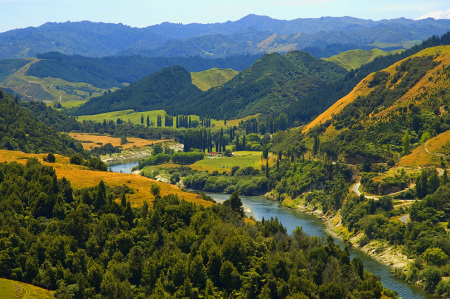
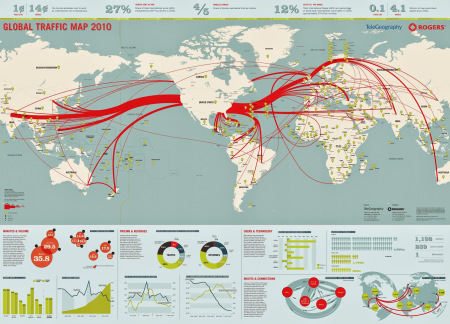
 A real-estate magnate is financing Google’s and Facebook Inc.’s new trans-Pacific internet cable, the first such project that will be majority-owned by a single Chinese company. Wei Junkang, 56, is the main financier of the cable between Los Angeles and Hong Kong, a reflection of growing interest from China’s investors in high-tech industries. It will be the world’s highest-capacity internet link between Asia and the U.S.
 Law-In-Action