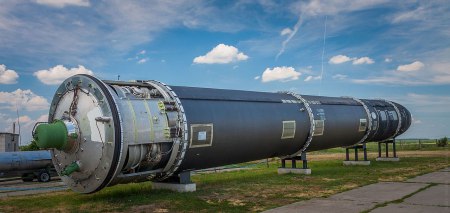
While Ukraine renounced its own possession of nuclear weapons in 1994, many scientists and design bureaus in the country still have the know-how required to manufacture important components of strategic weapons.
China has often been particularly keen of this knowledge, acquiring Ukrainian help in designing their first phased-array radar system. Ukrainian aerospace, tank and naval engineers is also a common phenomenon in China, most notably Valerii Babich, designer of the Varyag aircraft carrier. There are even rumors of “Ukrainetowns” in some Chinese cities founded by the large number of expats hired by Chinese firms. Ukrainian and Russian businessmen even sold Kh-55 nuclear cruise missiles (without the warheads) from Ukrainian stockpiles to China in the 2000s. As China continues to modernize their ICBM fleet, it begs the question: how much help is Ukraine providing, willingly and unwillingly?
This wouldn’t be the first time Ukraine’s ICBM knowhow was possibly exported. In the fall of 2017, Ukraine’s Yuzhnoye Design Bureau, based in Dnipro, was accused of providing rocket engines to North Korea. While Ukrainian media has denied this allegation, there was a definite case of Yushnoye employees who were caught selling the plans on the RS-20 (SS-18 “Satan”) to Chinese missile engineers. Although the Chinese engineers were caught by Ukrainian police, Chinese diplomatic influence resulted in the charges being cleared. This trend has continued, as recently as 2016 when a scientist at Dnipropetrovsk National University left for China with many materials regarding the use of composites and heat-shielding coatings on rocket launchers—which were considered Ukrainian state secrets…
Given all the different vectors through which rocket and missile technology are flowing from Ukraine to China, it’s reasonable to say that Ukraine has provided considerable aid to the Chinese ballistic missile program.
Excerpts, Charlie Gao, Do China’s Nuclear Missiles Have Ukrainian DNA?, The National Interest, June 23


 Amnesty International researchers visited 42 Coalition air strike sites across the ruined city of Raqqa, Syria and interviewed 112 civilian residents who had survived the carnage and lost loved ones. The accounts detailed in the report,
 In 2009, coalition casualties in Afghanistan had as much as doubled in the space of a year. Civilian casualties climbed to 2412. It was 2009. Coalition forces had been there since 2001 with no end and, to this point, no real campaign plan in sight…

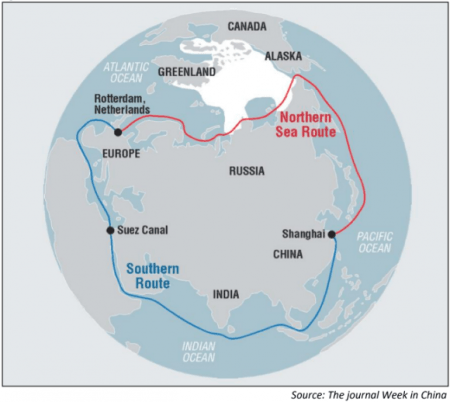
 Mr Xi has been showing a growing interest in Arctic countries. In 2014 he revealed in a speech that China itself wanted to become a “polar great power”..,,In January 2018 the Chinese government published its
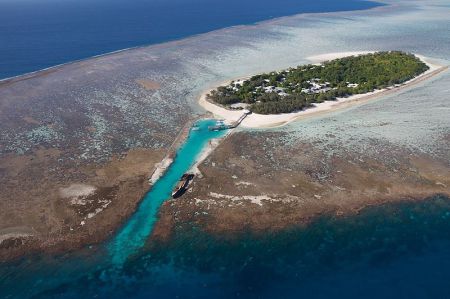
 A Beijing-funded wharf in Vanuatu is big enough to allow powerful warships to dock alongside it, heightening fears the port could be converted into a Chinese naval installation. Fairfax Media inspected the $114 million Luganville wharf and was told US coastguard officials and Marines recently visited the sprawling facility and took a keen interest in its specifications. The Chinese and Vanuatu governments have strenuously denied they have discussed a military base…
 Law-In-Action