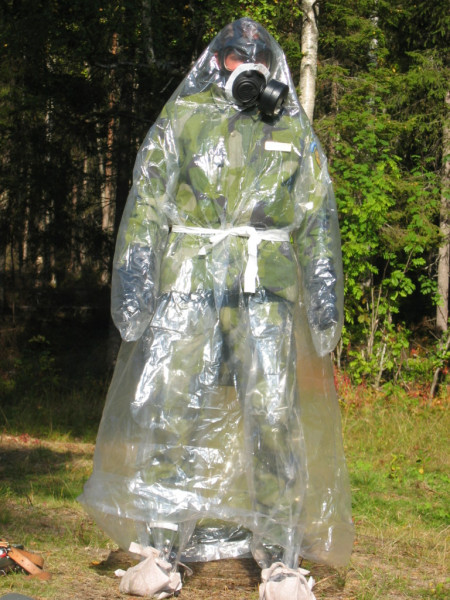
Stark illustrations of the dangers from chemical weapons can be seen in attacks using toxic industrial chemicals and sarin against civilians and combatants in Syria and toxic industrial chemicals in Iraq, as well as more targeted assassination operations in Malaysia and the United Kingdom, employing VX and novichok nerve agents, respectively. . With the parties to the Chemical Weapons Convention (CWC) convening a Review Conference to address such issues beginning 21 November 2018, we highlight important scientific aspects .
The Chemical Weapons Convention (CWC) is a multilateral treaty in effect since 1997 that proscribes the development, production, stockpiling, transfer, and use of chemical weapons “under any circumstances” and requires their destruction within a specified time period. The CWC allows the use of toxic chemicals for a range of industrial, agricultural, research, medical, pharmaceutical, or other peaceful purposes, including law enforcement, as long as the “types and quantities” of chemicals employed are “consistent with such purposes.” …The Organisation for the Prohibition of Chemical Weapons (OPCW), which is the implementing body of the CWC, comprises the 193 State Parties and a Technical Secretariat that provides technical assistance to States, routinely inspects relevant State and commercial industrial facilities, and monitors activities to ensure compliance. It was awarded the Nobel Peace Prize in 2013 for overseeing and facilitating the verified destruction of most of the declared chemical weapons stocks produced in the last century—to date totaling more than 96% (69,750 metric tons) of the declared stockpiles of chemical agents.
Although the CWC includes three schedules of toxic chemicals for the application of verification measures, the scope of the CWC is not constrained to these schedules but by its General Purpose Criterion (GPC), which prohibits misuse of toxic chemicals based on intent rather than on this limited list of chemicals. [This GPC makes it possible to widen the authority of the OPCW. More, specifically issues to consider include]:
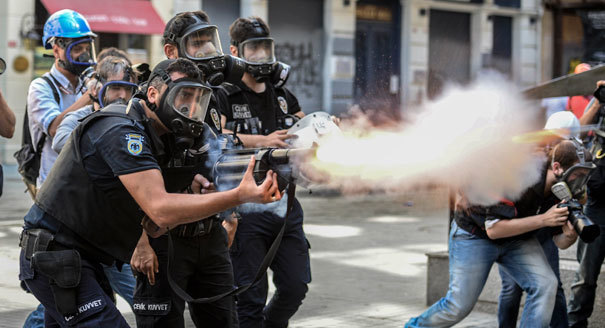
1) Riot control agents (RCAs). The CWC defines RCAs—such as tear gas and pepper spray—as “any chemical not listed” in one of its three schedules that can produce “rapidly in humans sensory irritation or disabling physical effects which disappear within a short time following termination of exposure.”…However, a recurring concern documented by the medical community and human rights monitors has been the widespread misuse of RCAs by police and security forces in excessive quantities, including in hospitals, prisons, homes, and automobiles, where targeted individuals cannot disperse. In such situations, serious injury or death can result from toxic properties of chemicals or from asphyxiation… [It is important to clarify] the nature and scope of “law enforcement” activities and develop guidance as to “types and quantities” of RCAs that can legitimately be used in such circumstances
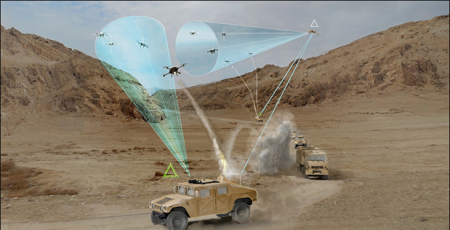
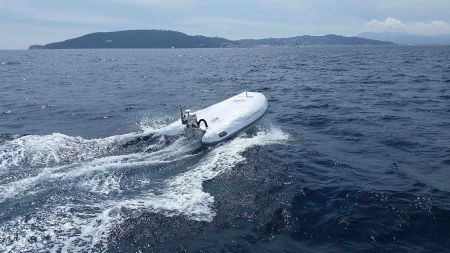
2) Delivery systems… capable of delivering far greater amounts of RCAs (and potentially other toxic chemicals) over wider areas or more extended distances than current standard law enforcement delivery mechanisms, such as handheld sprays, grenades, and single launched projectiles. Such new systems include large-capacity spraying devices, automatic grenade launchers, multibarrel projectile launchers, large-caliber RCA projectiles, and unmanned ground or aerial vehicles capable of carrying spraying devices or projectile launchers. ..
3) Incapacitating chemical agent (ICA) weapons. Although the CWC permits use of appropriate types and quantities of RCAs for law enforcement, certain countries have conducted research into weapons employing other distinct toxic chemicals, so-called ICAs. Not separately defined under the CWC, ICAs can be considered as a range of toxic chemicals—only one of which [3-quinuclidinyl benzilate (BZ) and two of its immediate precursors] is currently scheduled—including anesthetics and other pharmaceutical chemicals that are purportedly intended to act on the body’s core biochemical and physiological systems, notably the central nervous system (CNS), to cause prolonged but nonpermanent disability. Such CNS-acting chemicals can produce unconsciousness, sedation, hallucination, incoherence, disorientation, or paralysis…An aerosolized mixture of two anesthetics—carfentanil and remifentanil—employed by Russian security forces to end the Moscow theatre siege of October 2002 caused the deaths of 125 of the 900 hostages…
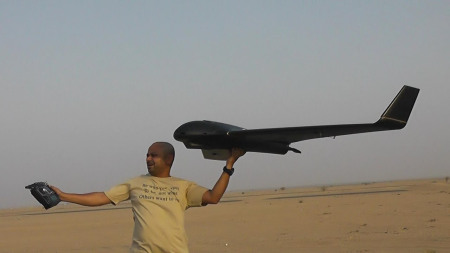
Other chemical production facilities (OCPFs) are chemical plants that do not currently produce, but are capable of manufacturing, chemical warfare agents or precursors. At present, a small fraction of declared OCPFs are selected for verification by the OPCW; the Review Conference should consider authorizing a substantial increase in OCPF inspections per year. …Biological and biologically mediated processes for production of discrete organic chemicals Some products and processes used by the biomanufacturing industry are as relevant to the CWC as those used by other OCPF facilities The OPCW should build on the considerable progress made toward developing a network of designated laboratories for the analysis of biomedical and biological samples. Advances in other fields could also facilitate more effective evidence collection, for example, exploring the potential of unmanned aerial vehicles to support reconnaissance, detection, and chain of custody.
Excerpts from Michael Crowley at al., Preventing Chemical Weapons as Sciences Converge, Science, Nov. 16, 2018


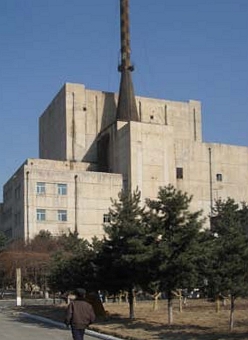
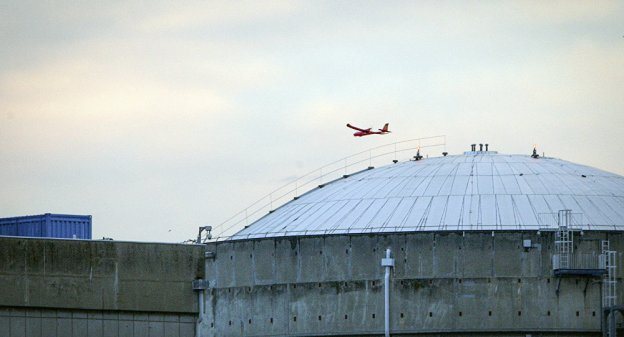
 Greenpeace crashed a drone into the spent-fuel cooling building at the EDF-Bugey nuclear power plant site on July 3, 2018 to demonstrate gaps in the facility’s security. Officials were lucky it was just Greenpeace demonstrating vulnerabilities at the facility, and not a terrorist group intent on attacking the site. This incident highlights why the 2010 US Nuclear Posture Review’s assessment that nuclear terrorism is “today’s most immediate and extreme danger” remains relevant: It underscores the importance of the sustained and persistent six-year effort from 2010 to 2016 to reduce the threat posed by nuclear terrorism, far from the headline nuclear issues of Iran, North Korea, and arms control with Russia…
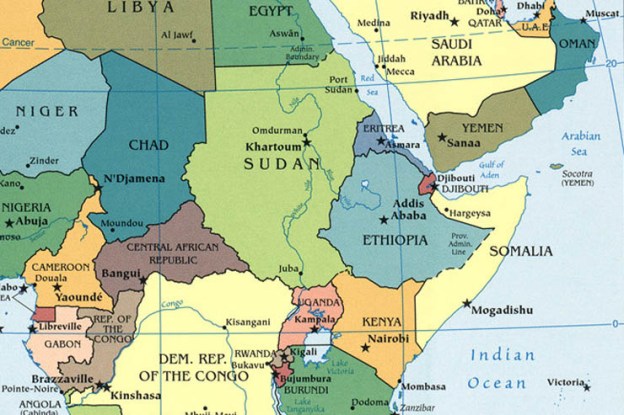
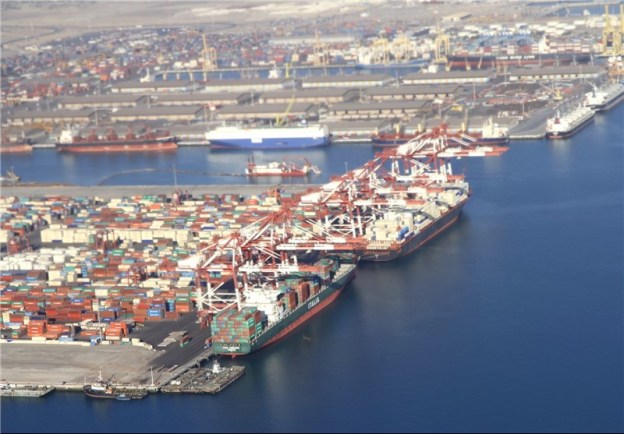
 The rulers of United Arab Emirates (UAE), one of whose components, Dubai, own a majority stake in DP World, one of the world’s largest maritime firms with perations in 40 countries.It is one of several Gulf states trying to gain a strategic foothold in east Africa through ports. Controlling these offers commercial and military advantages but risks exacerbating tensions in the region…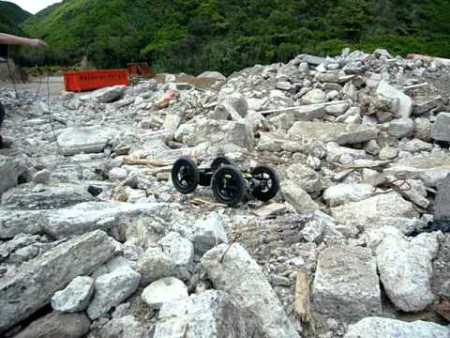
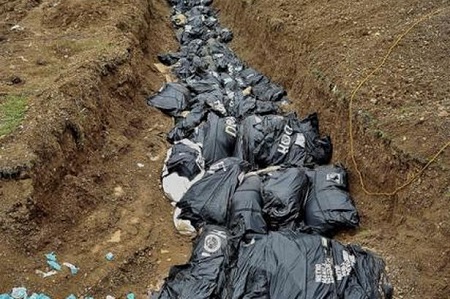
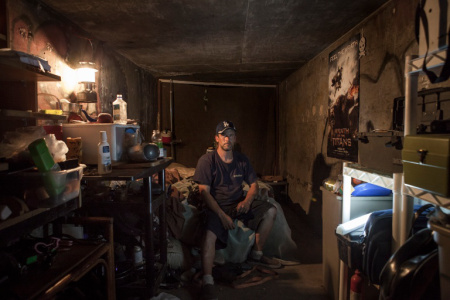
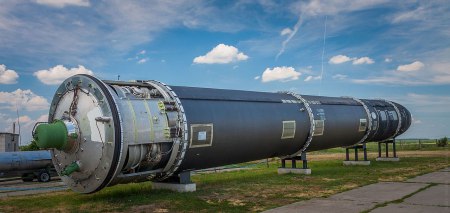
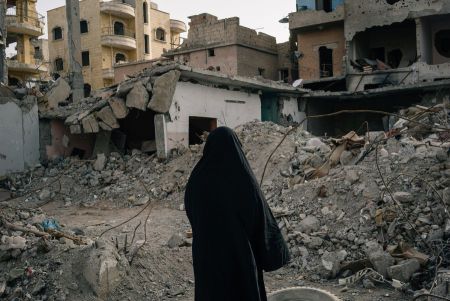
 Amnesty International researchers visited 42 Coalition air strike sites across the ruined city of Raqqa, Syria and interviewed 112 civilian residents who had survived the carnage and lost loved ones. The accounts detailed in the report,
 In 2009, coalition casualties in Afghanistan had as much as doubled in the space of a year. Civilian casualties climbed to 2412. It was 2009. Coalition forces had been there since 2001 with no end and, to this point, no real campaign plan in sight…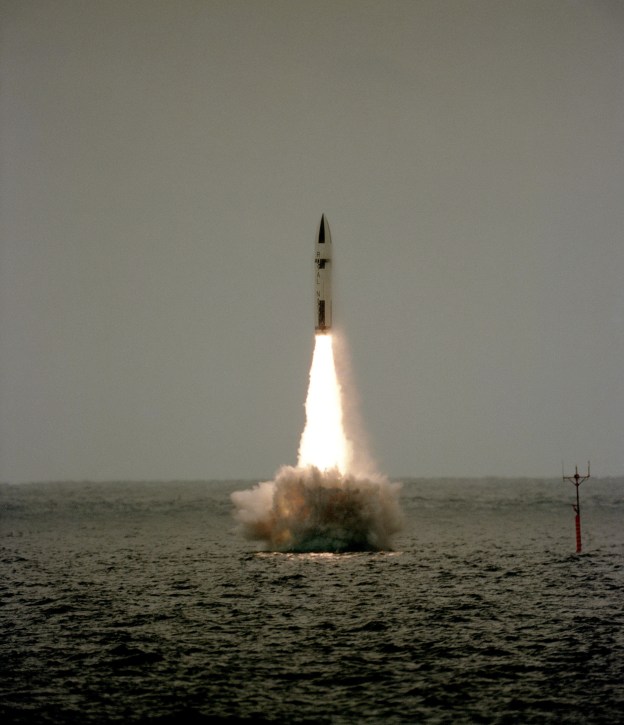
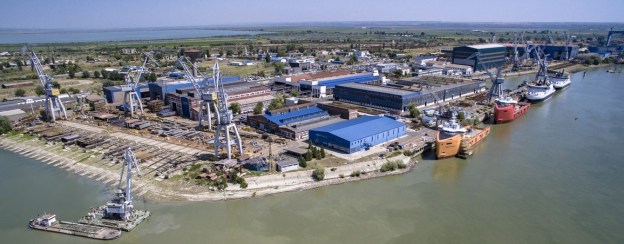
 A Beijing-funded wharf in Vanuatu is big enough to allow powerful warships to dock alongside it, heightening fears the port could be converted into a Chinese naval installation. Fairfax Media inspected the $114 million Luganville wharf and was told US coastguard officials and Marines recently visited the sprawling facility and took a keen interest in its specifications. The Chinese and Vanuatu governments have strenuously denied they have discussed a military base…
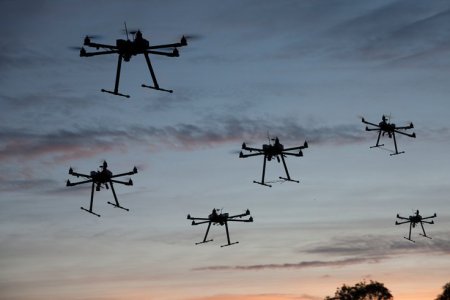
 The head of the U.S. Departement of Homeland Security (DHS) on May 15, 2018 told Congress that the agency needs new legal authority to track threatening drones and disable or destroy them if necessary. “Our enemies are exploring other technologies, too, such as drones, to put our country in danger. ISIS has used armed drones to strike targets in Syria, and we are increasingly concerned that they will try the same tactic on our soil,” she said…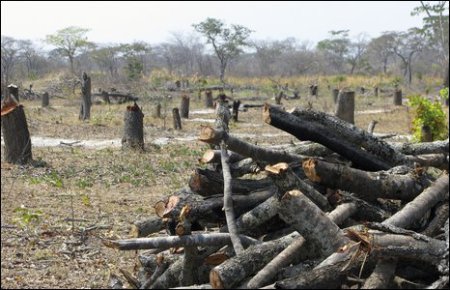
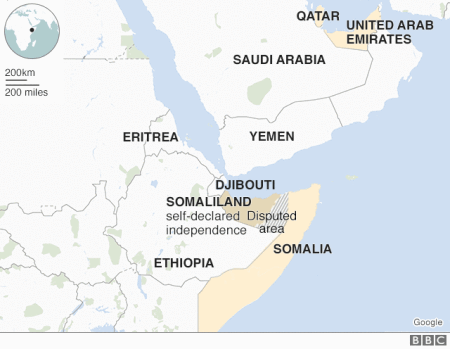
 A battle for access to seaports is underway in one of the world’s unlikeliest places: Somalia, now caught in a regional struggle between Saudi Arabia and the United Arab Emirates on one side with Qatar backed by Turkey on the other. At stake: not just the busy waters off the Somali coast but the future stability of the country itself.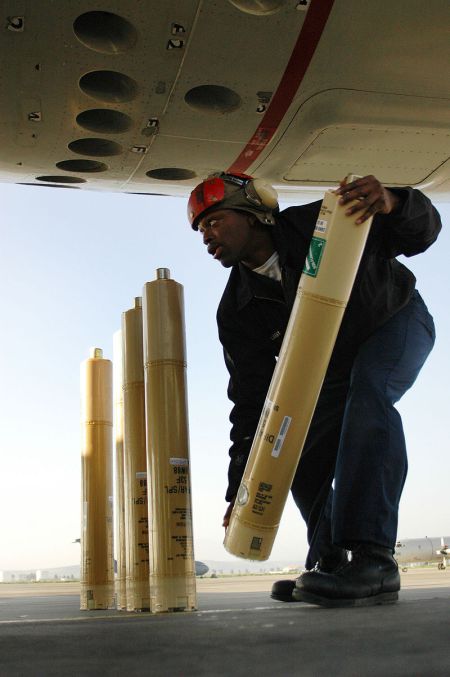
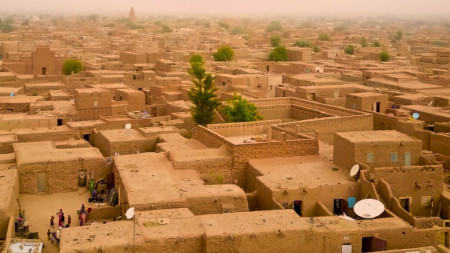
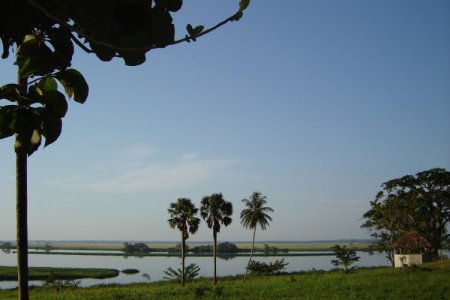

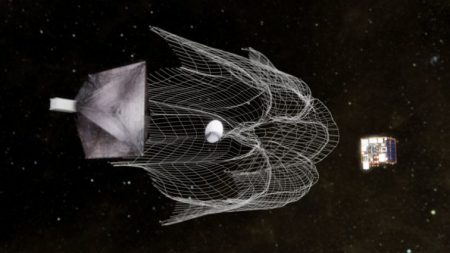
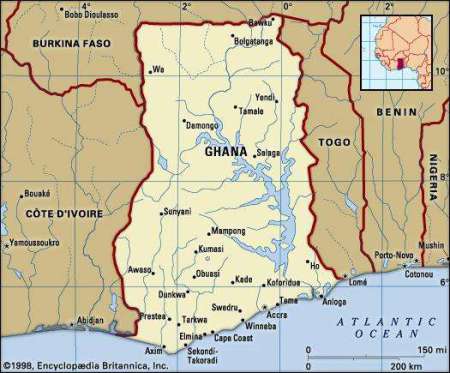
 Ghana’s parliament on March 23, 2018 ratified a deal granting “unimpeded” access to the United States to deploy troops and military equipment in the West African nation in a vote boycotted by the opposition, legislators said.The Ghana-U.S. Military Cooperation agreement requires Ghana to provide unimpeded access to agreed facilities and areas to U.S. forces, their contractors and other related services.
 The activity, hostile action that falls short of–but often precedes–violence, is sometimes referred to as gray zone warfare, the ‘zone’ being a sort of liminal state in between peace and war. The actors that work in it are difficult to identify and their aims hard to predict, by design…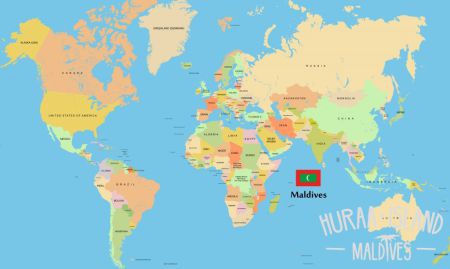
 The Maldives archipelago, popular among luxury honeymooners, has become a playing field for geostrategic rivalry as China expands its influence in the Indian Ocean and the U.S. and India push back.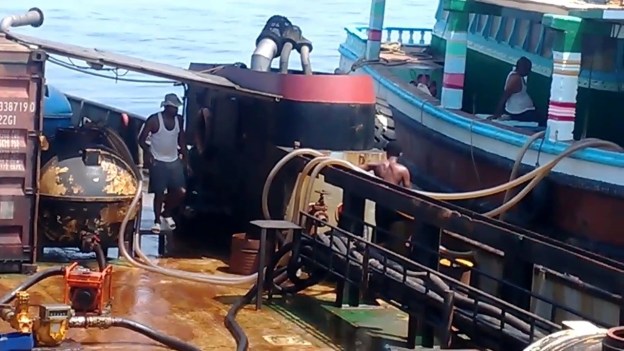
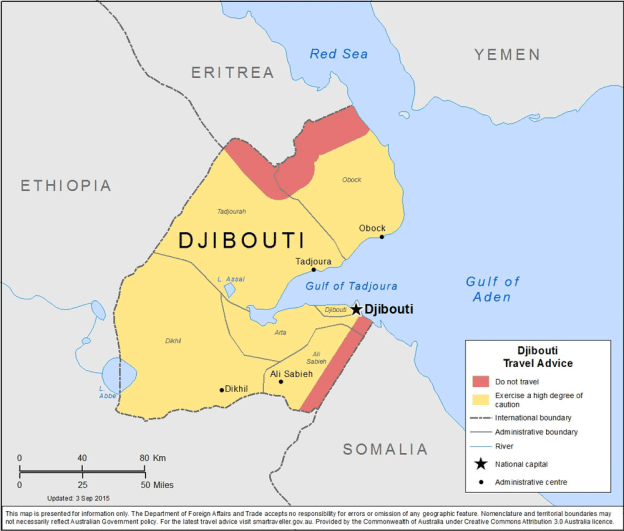
 The top US general for Africa told lawmakers the American military could face “significant” consequences should China take a key port in Djibouti…. In Febuary 2018, Djibouti ended its contract with Dubai’s DP World, one of the world’s biggest port operators, to run the Doraleh Container Terminal, citing failure to resolve a dispute that began in 2012. DP World called the move an illegal seizure of the terminal and said it had begun new arbitration proceedings before the London Court of International Arbitration.
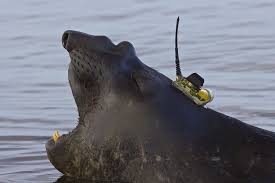
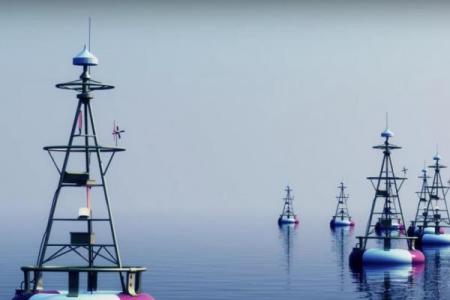
 The world’s vast oceans and seas offer seemingly endless spaces in which adversaries of the United States can maneuver undetected. The U.S. military deploys networks of manned and unmanned platforms and sensors to monitor adversary activity, but the scale of the task is daunting and hardware alone cannot meet every need in the dynamic marine environment. Sea life, however, offers a potential new advantage. Marine organisms are highly attuned to their surroundings—their survival depends on it—and a new program out of DARPA’s Biological Technologies Office aims to tap into [marine animals] natural sensing capabilities to detect and signal when activities of interest occur in strategic waters such as straits and littoral regions.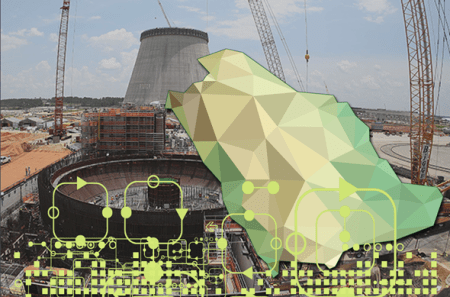
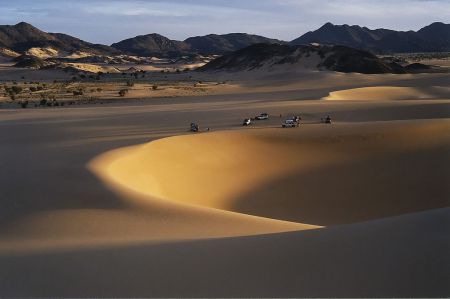
 The African Union on Friday urged Mauritania to make a greater effort to eliminate slavery after the country handed out lenient sentences to a family of slave owners in a landmark conviction….In a statement published online, the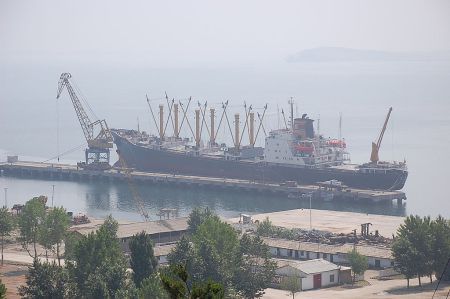
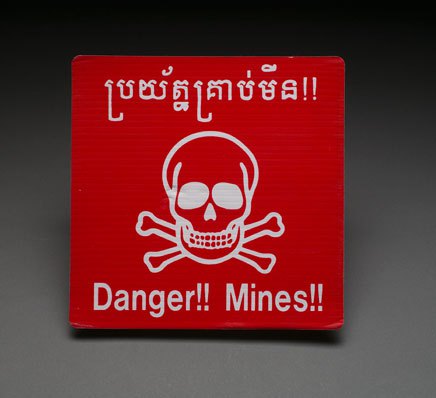
 Mines planted during more than three years of war in Benghazi (2014-2017) are taking a high toll on under-equipped deminers and residents trying to return to districts where protracted battles took place. Military engineers striving to clear the explosives lack mine detectors and are working with basic tools and their bare hands. Their task is painstaking and extremely dangerous: 50 have been killed and 60 wounded, according to a military source.
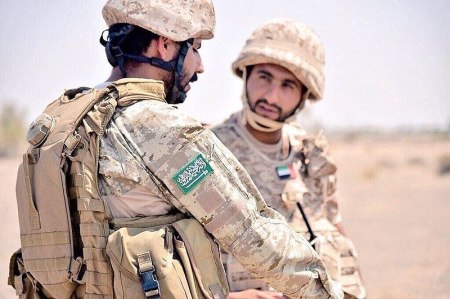
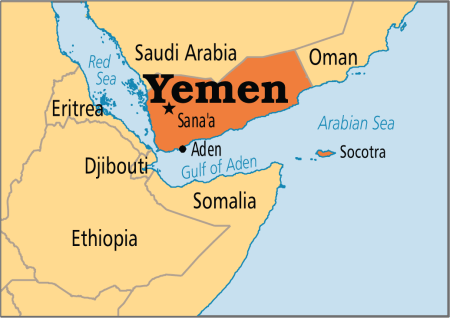
 A withering United Nations report on Yemen’s civil war provides fresh evidence about the extent to which Saudi Arabia and Iran have intervened in the conflict, pursuing their regional proxy war even as Yemen disintegrated into “warring statelets” that would be difficult to reunite. The U.N. panel said there were “strong indications of the supply of arms-related material manufactured in, or emanating from, the Islamic Republic of Iran,” in violation of a U.N. embargo on Yemen.

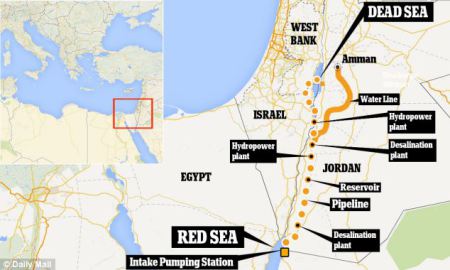
 The Dead Sea is dying. Half a century ago its hyper-salty, super-pungent waters stretched 80km from north to south. That has shrunk to just 48km at its longest point. The water level is falling by more than a meter per year. All but a trickle from its source, the Jordan River, is now used up before it reaches the sea. “It will never disappear, because it has underground supplies, but it will be like a small pond in a very big hole,” says Munqeth Mehyar of EcoPeace, an NGO.
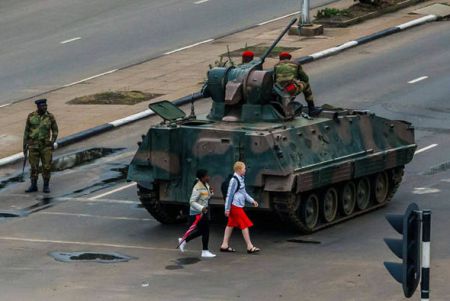
 As the overthrow of despot Robert Mugabe entered a stalemate on November 17, 2017, eyes turned to China — Zimbabwe’s largest foreign investor and a key ally — amid speculation over its role in the military coup.Source in Harare believe the Zimbabwean conflict within the ruling party Zanu PF is involving two rival camps has direct links to China and Russia with both countries trying to control and protect their own economic interests.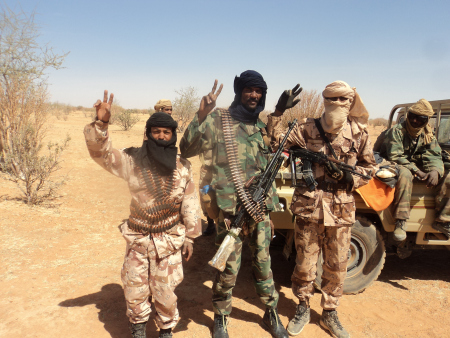
 When Doundou Chefou first took up arms as a youth a decade ago, it was for the same reason as other ethnic Fulani herders along the Niger-Mali border: to protect his livestock. He had nothing against the Republic of Niger, let alone the United States of America. His quarrel was with rival Tuareg cattle raiders.
 Two millivolts is enough to show that someone has seen something even before he knows he has seen it himself. The two millivolts in question are those associated with P300, a fleeting electrical signal produced by a human brain which has just recognised an object it has been seeking. Crucially, this signal is detectable by electrodes in contact with a person’s scalp before he is consciously aware of having recognised anything.

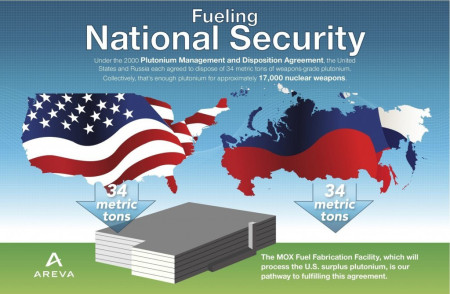
 South Carolina is suing the U.S. government to recover $100 million in fines it says the Department of Energy owes the state for failing to remove one metric ton of plutonium stored there. The lawsuit was filed on August 7, 2017.

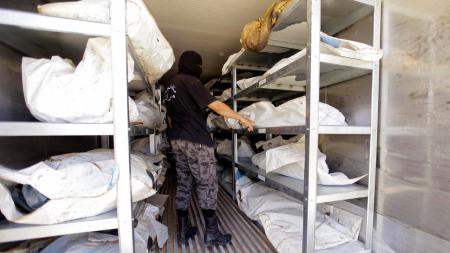
 Seven months after Libyan forces defeated Islamic State in Sirte, hundreds of bodies of foreign militants are still stored in freezers as authorities negotiate with other governments to decide what to do with them, local officials say. The corpses have been shipped to Misrata, a city further to the west whose forces led the fight to defeat Islamic State in Sirte in December 2016.
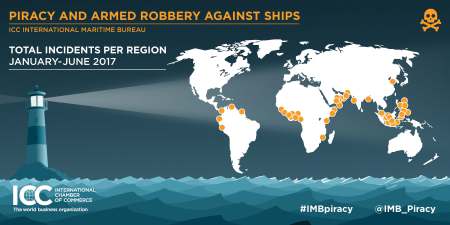

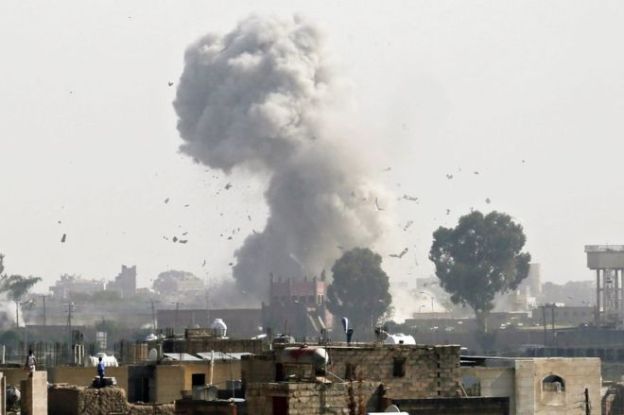

 On June 22nd 2017,

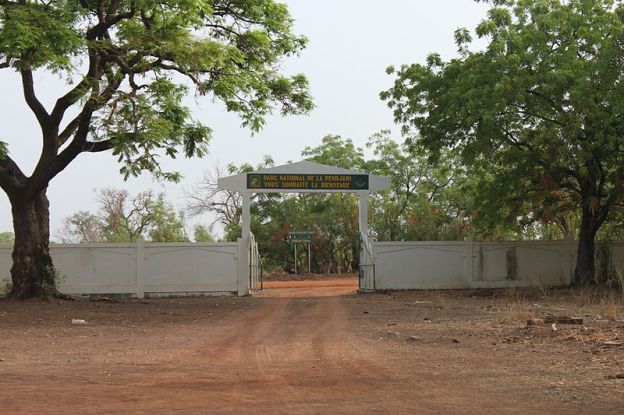


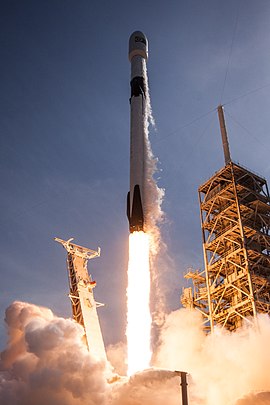
 A SpaceX Falcon rocket lifted off from the Kennedy Space Center in Florida on May , 2017 to boost a classified spy satellite into orbit for the U.S. military, then turned around and touched down at a nearby landing pad.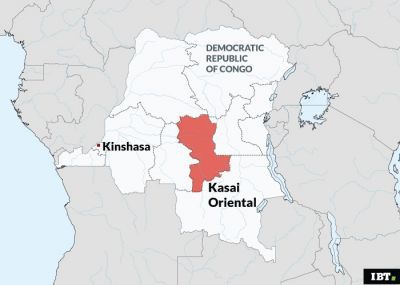
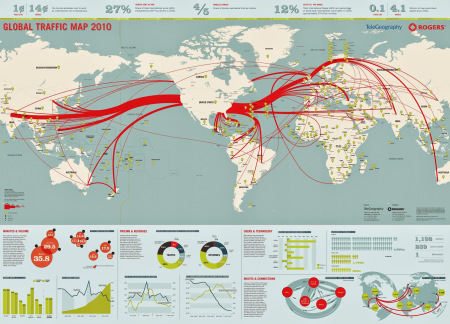
 A real-estate magnate is financing Google’s and Facebook Inc.’s new trans-Pacific internet cable, the first such project that will be majority-owned by a single Chinese company. Wei Junkang, 56, is the main financier of the cable between Los Angeles and Hong Kong, a reflection of growing interest from China’s investors in high-tech industries. It will be the world’s highest-capacity internet link between Asia and the U.S.


 On 7 March 2017, WikiLeaks began its new series of leaks on the U.S. Central Intelligence Agency…code-named “Vault 7” by WikiLeaks..