Elephant ears are leafy vegetables. African locusts are tree-borne legumes. All are standard fare in various parts of Africa. What they also have in common is that they are, from the point of view of plant breeders, orphans. They are neglected by breeders because they are not cash crops. Conversely, they are not cash crops because they are neglected by breeders.
That neglect matters. The cereals which dominate human diets—rice, wheat and maize—have had their yields and nutritional values boosted over the years by scientific breeding programmes. In the modern era of genomics, they have had their DNA scrutinised down to the level of individual base pairs, the molecular letters in which genetic information is written. They are as far removed, nutritionally, from their ancestors of as little as two centuries ago as those ancestors were from the wild plants which begat them. Orphan crops have yet to undergo such a genetic revolution.
Even for adults, a lack of calories and essential nutrients is harmful. For children it can be devastating. Poor childhood nutrition leads to stunting—inadequate bodily development, including the development of the brain. A report published by the World Health Organisation on November 16th, 2017 suggests that almost a third of Africa’s children, nearly 60m of them, are stunted. And stunted children grow into adults unable to achieve their potential. Researchers at the World Bank reckon the effects of stunting have reduced Africa’s GDP by 9-10% from what it would otherwise be.
One way to reduce stunting would be to improve the crops that Africans, particularly those in the countryside, actually eat—in other words, orphan crops. Such improvement is the purpose of two recent, interrelated projects that are now getting into their strides. Both are based in Nairobi and are conducted under the auspices of the World Agroforestry Centre, an international non-governmental research organisation. One is the African Orphan Crops Consortium (AOCC). The other is the African Plant Breeding Academy. The AOCC’s task is to obtain complete sequences of the DNA of 101 neglected food crops…
Breeding and disseminating new crops is a long-winded business, but a DNA-based approach has already shown promise. One scientist who is embracing it is Robert Mwanga of the International Potato Centre. Dr Mwanga was an early proponent of the scientific improvement of African crops. His own work, for which he was awarded the World Food prize in 2016, is on sweet potatoes. The varieties of these root-tubers that were popular in Uganda, his native land, and other parts of Africa in the mid-1980s, when he began his studies, are deficient in vitamin A. A lack of this vitamin damages children’s eyesight and opens them to infection by such things as measles. This is a disease that can kill, and, if it does not, it can cause brain damage. Starting with Asian varieties that had more vitamin A in them, Dr Mwanga bred a dozen strains that are vitamin-A rich and have more dry matter (and thus more calorific value) than African landraces. He then led a campaign to encourage local farmers to adopt his novelties—which they did…
Julia Sibiya of the University of KwaZulu Natal, in Durban, meanwhile, is working on sorghum, another under-studied African crop. She is also working with Dr Achigan-Dako to set up MoBreed, a pan-African collaboration with the self-appointed task of improving ten orphan crops, including Kersting’s groundnut, the African custard apple and fonio, a type of millet.
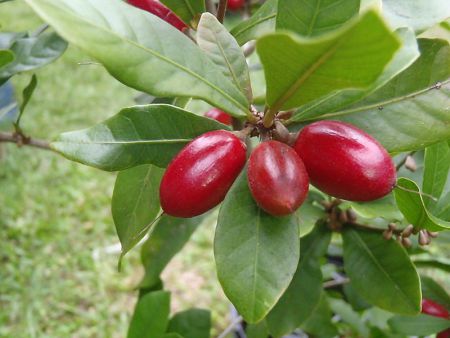
Happiness Oselebe… is even more ambitious. Dr Oselebe works at Ebonyi State University in Nigeria. Not content with improving existing crops, she wants to create a new one by domesticating serendipity berries. These are wild vines that produce a protein 3,000 times as sweet as table sugar. That, she thinks, could be the starting-point not merely for something grown for local consumption, but of an industrial-scale cash crop.
Excerpts from Nutrition and Genetics in Africa, Economist, Nov 25, 2017



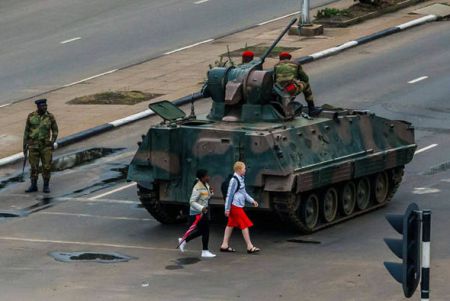
 As the overthrow of despot Robert Mugabe entered a stalemate on November 17, 2017, eyes turned to China — Zimbabwe’s largest foreign investor and a key ally — amid speculation over its role in the military coup.Source in Harare believe the Zimbabwean conflict within the ruling party Zanu PF is involving two rival camps has direct links to China and Russia with both countries trying to control and protect their own economic interests.
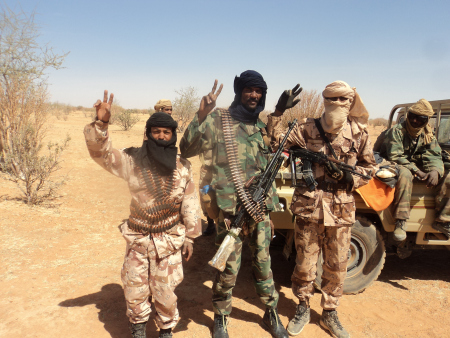
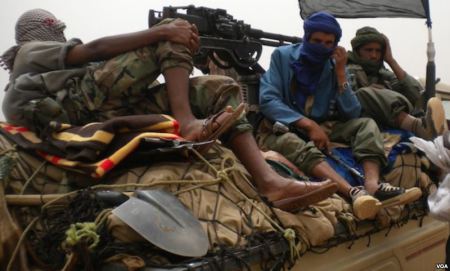
 When Doundou Chefou first took up arms as a youth a decade ago, it was for the same reason as other ethnic Fulani herders along the Niger-Mali border: to protect his livestock. He had nothing against the Republic of Niger, let alone the United States of America. His quarrel was with rival Tuareg cattle raiders.



 Daniel Stiles, a self-styled ape trafficking detective in Kenya, had been scouring Instagram, Facebook and WhatsApp for weeks, looking for pictures of gorillas, chimps or orangutans. He was hoping to chip away at an illicit global trade that has captured or killed tens of thousands of apes and pushed some endangered species to the brink of extinction.
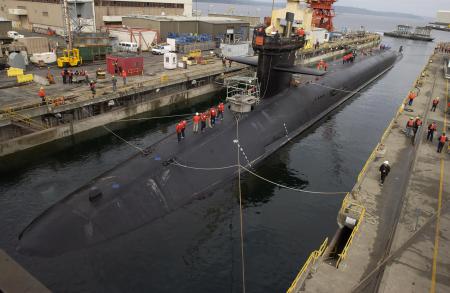

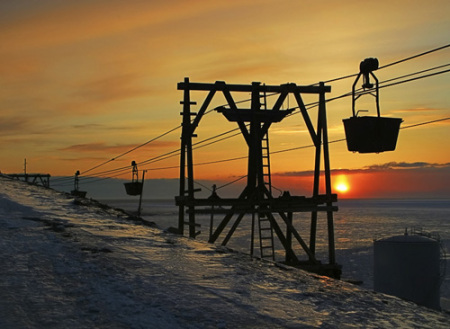
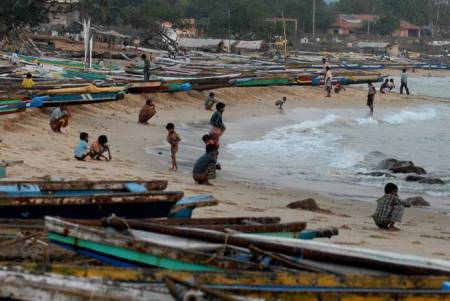
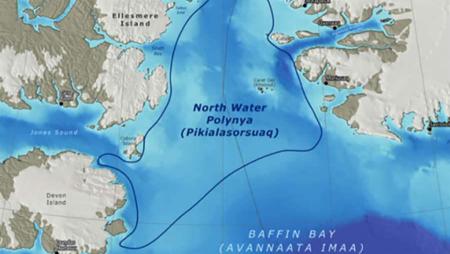
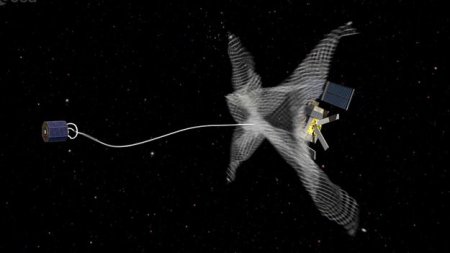
 Europe’s space agency is defending plans to launch two satellites that would drop a rocket stage likely to contain highly toxic fuel in some of the most ecologically sensitive waters of the Canadian Arctic…


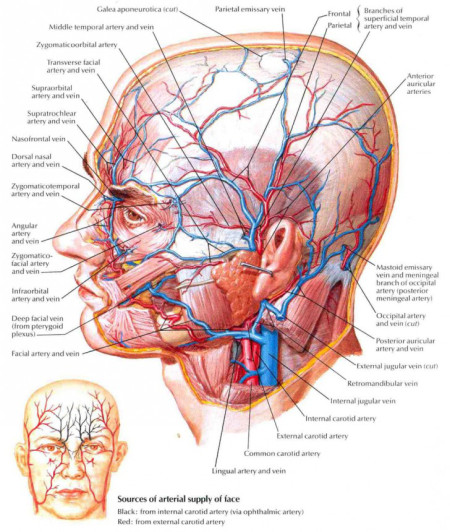
 Two millivolts is enough to show that someone has seen something even before he knows he has seen it himself. The two millivolts in question are those associated with P300, a fleeting electrical signal produced by a human brain which has just recognised an object it has been seeking. Crucially, this signal is detectable by electrodes in contact with a person’s scalp before he is consciously aware of having recognised anything.



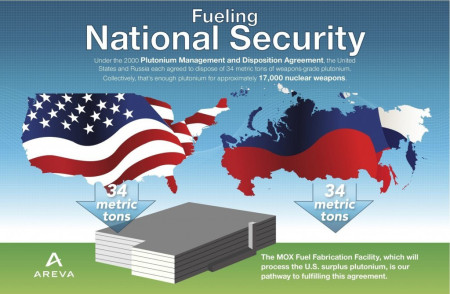
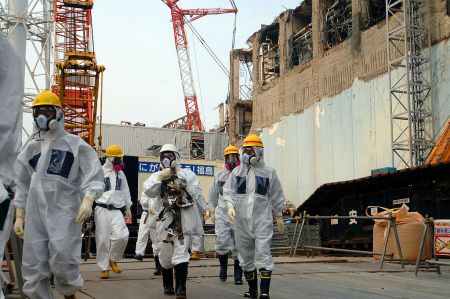
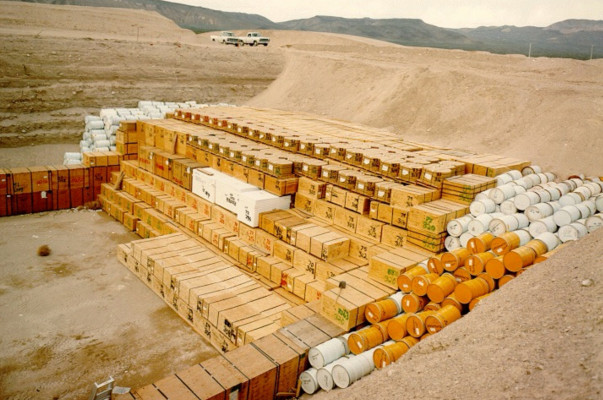
 South Carolina is suing the U.S. government to recover $100 million in fines it says the Department of Energy owes the state for failing to remove one metric ton of plutonium stored there. The lawsuit was filed on August 7, 2017.


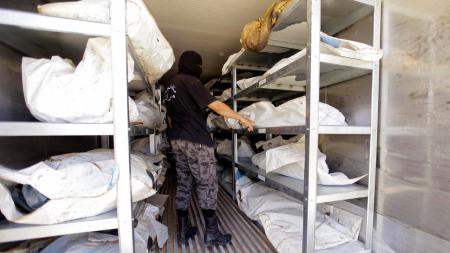
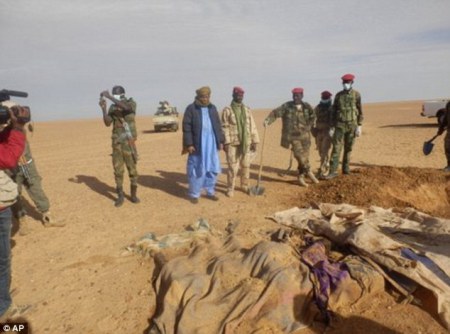
 Seven months after Libyan forces defeated Islamic State in Sirte, hundreds of bodies of foreign militants are still stored in freezers as authorities negotiate with other governments to decide what to do with them, local officials say. The corpses have been shipped to Misrata, a city further to the west whose forces led the fight to defeat Islamic State in Sirte in December 2016.
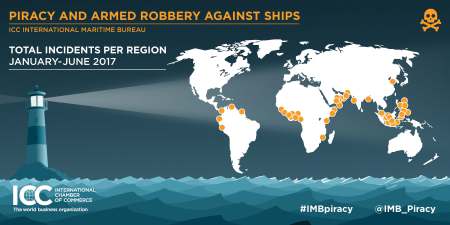
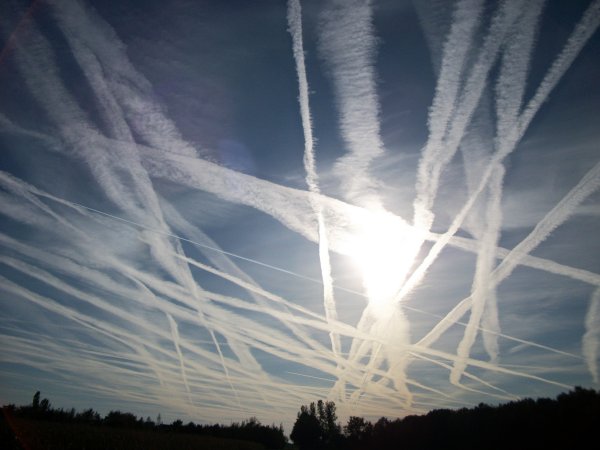

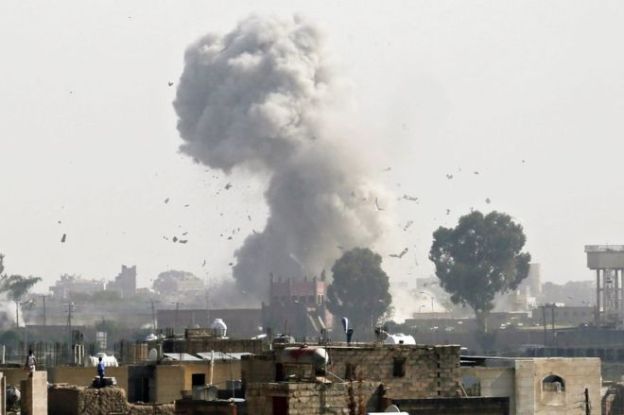

 On June 22nd 2017,

 U.S. District Judge Sue L. Robinson of Delaware on June 21,2017 sided with the federal government in blocking a $367 million merger between EnergySolutions and the radioactive site’s parent company. Waste Control Specialists calls the deal essential for its long-term viability.The details of Robinson’s opinion were sealed.
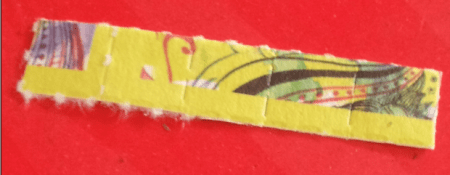
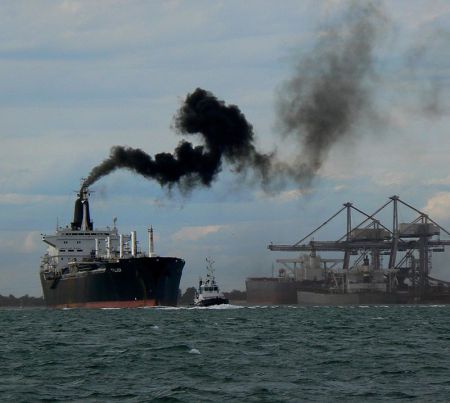

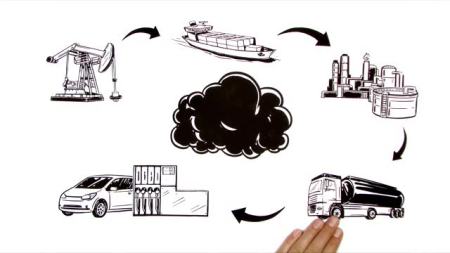
 One day in March 2017, he Rioja Knutsen tanker, filled with liquefied natural gas, was traveling from the U.S. to Portugal. Suddenly, Mexico’s power company lobbed in a higher bid for its cargo. At the Bahamas, the ship abruptly made a starboard turn and headed south. How natural gas is bought and sold in the world’s scattered regional markets for the fuel is changing rapidly. Ships such as the Rioja Knutsen are stitching those regions together and a single global market is emerging. This is already how nearly every other hydrocarbon, from crude oil to obscure petrochemicals, is sold. As gas joins the club, the effects will ripple through energy prices, company profits, the environment and geopolitics.
 Russia’s sale of one-fifth of its state-owned oil company to Qatar and commodities giant Glencore PLC last year had an unusual provision: Moscow and Doha agreed Russia would buy a stake back, people familiar with the matter said. Russian President Vladimir Putin hailed the $11.5 billion sale of the Rosneft stake in December 2016 as a sign of investor confidence in his country. But the people with knowledge of the deal say it functioned as an emergency loan to help Moscow through a budget squeeze.





 A SpaceX Falcon rocket lifted off from the Kennedy Space Center in Florida on May , 2017 to boost a classified spy satellite into orbit for the U.S. military, then turned around and touched down at a nearby landing pad.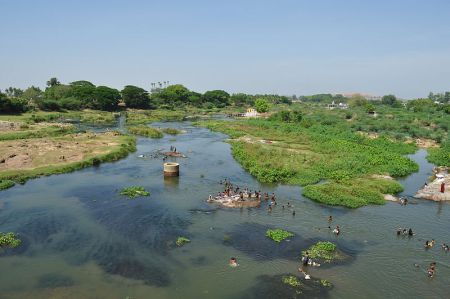
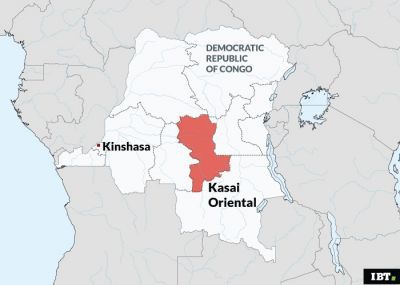
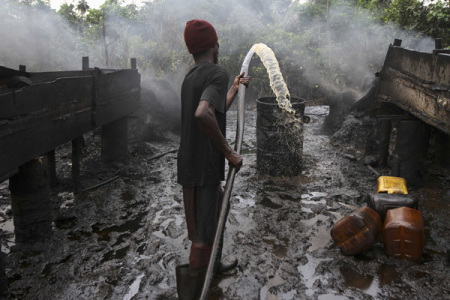
 Growing numbers of African migrants passing through Libya are traded in what they call slave markets before being held for ransom, forced labour or sexual exploitation, according to the UN migration agency.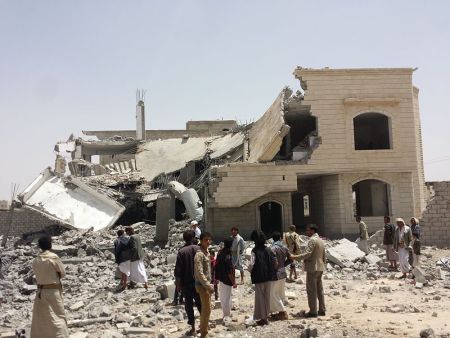

 Since their invention in the 1960s, disposable plastic bags have made lives easier for lazy shoppers the world over. But once used, they become a blight. This is particularly true in poor countries without good systems for disposing of them. They are not only unsightly. Filled with rainwater, they are a boon for malaria-carrying mosquitoes. Dumped in the ocean, they kill fish. They may take hundreds of years to degrade. On March 15th Kenya announced that it will become the second country in Africa to ban them. It follows Rwanda, a country with a dictatorial obsession with cleanliness, which outlawed them in 2008…
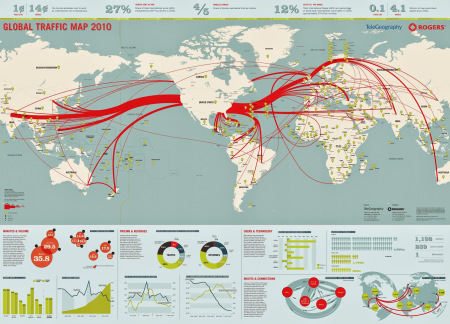
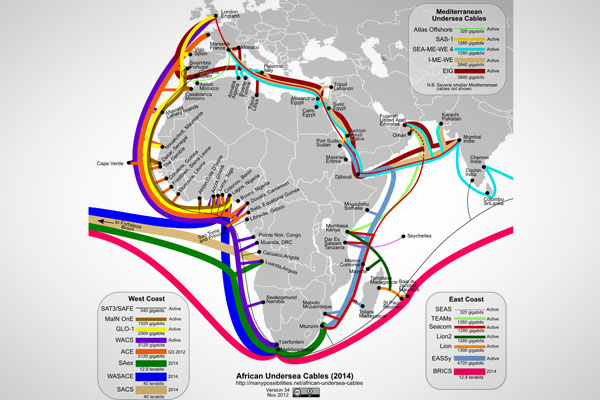
 A real-estate magnate is financing Google’s and Facebook Inc.’s new trans-Pacific internet cable, the first such project that will be majority-owned by a single Chinese company. Wei Junkang, 56, is the main financier of the cable between Los Angeles and Hong Kong, a reflection of growing interest from China’s investors in high-tech industries. It will be the world’s highest-capacity internet link between Asia and the U.S.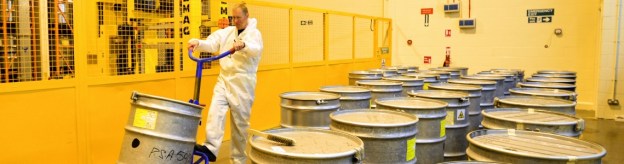
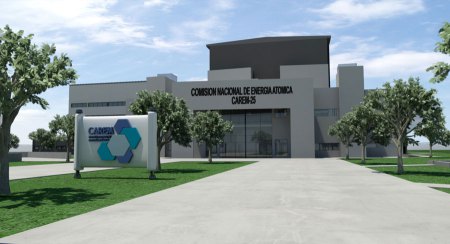
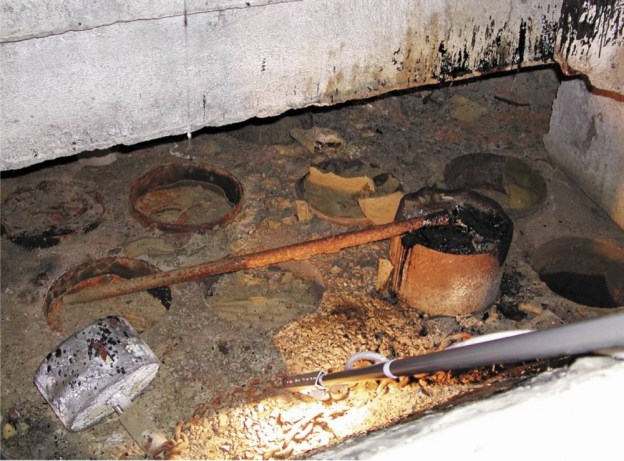
 Several options are available to immobilise waste resulting from nuclear fuel reprocessing. One of these is vitrification – a mature technology which has been used for high-level nuclear waste immobilization for over 50 years…Argentina is considering vitrification as a viable option for dealing with its high-level nuclear waste. The Argentine National Programme for Radioactive Waste Management aims to build capacities to implement vitrification processes for radioactive waste….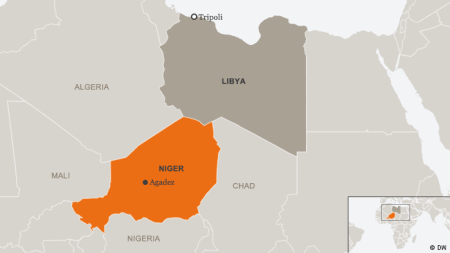

 On 7 March 2017, WikiLeaks began its new series of leaks on the U.S. Central Intelligence Agency…code-named “Vault 7” by WikiLeaks..