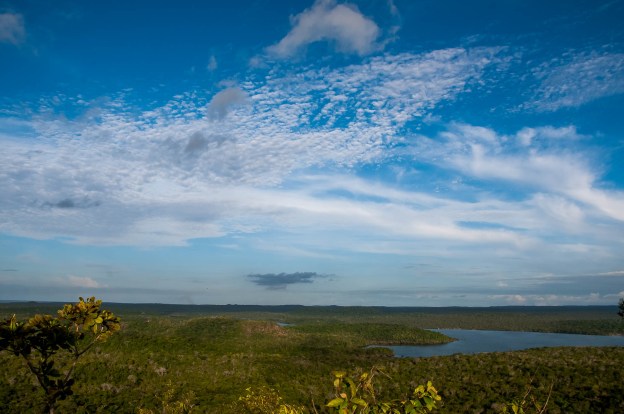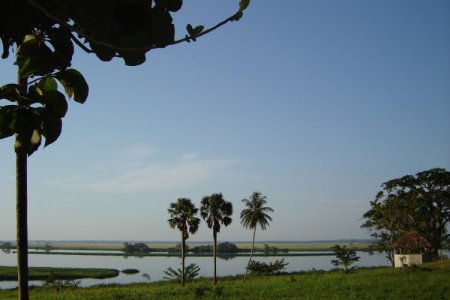
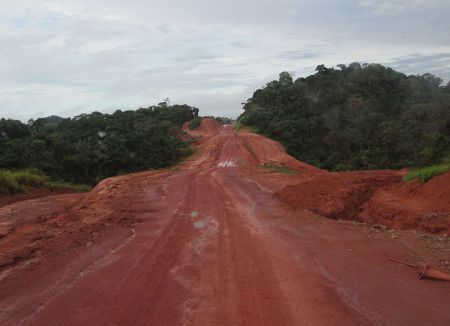
Inongo is the provincial capital of the Mai-Ndombe Province, a 13-million-hectare area located some 650 km northeast of Kinshasa, Demoractic Republic of Conglo, DRC.
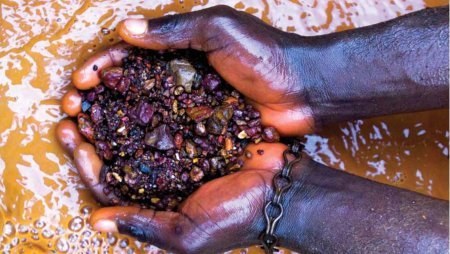
The forests of Mai-Ndombe… are rich in rare and precious woods (red wood, black wood, blue wood, tola, kambala, lifake, among others). It is also home to about 7,500 bonobos, an endangered primate…The forests constitute a vital platform providing livelihoods for some 73,000 indigenous individuals, mostly Batwa (Pygmies), who live here alongside the province’s 1.8 million population, many of whom with no secure land rights. Recent studies also have revealed that the province – and indeed the forests – boasts significant reserves of diamond of precious metals nickel, copper, oil and coal, and vast quantities of uranium lying deep inside the Lake Mai-Ndombe.
In an effort to save these precious forests, the World Bank in 2016 approved DRC’s REDD+ programmes aimed at reducing greenhouse gas emissions and fight forest’s deforestation and degradation, which it would fund to the tune of 90 million dollars annually. The projects, which are currently estimated at 20, have since transformed the Mai-Ndombe Province into a testing ground for international climate schemes. And as part of the projects, indigenous and other local people caring for the forests and depending on them for their livelihoods were supposed to be rewarded for their efforts.
However, Marine Gauthier, a Paris-based expert who authored a report on the sorry state of the Mai-Ndombe forest, seems to have found serious flaws in these ambitious programmes. The report, released a few days before the International Day of Forests on March 21, 2018 by the Rights and Resources’ Initiative (RRI), cited weak recognition of communities’ land rights, and recommended that key prerequisites should be addressed before any other REDD+ funds are invested. In the interim, it said, REDD+ investments should be put on hold…..
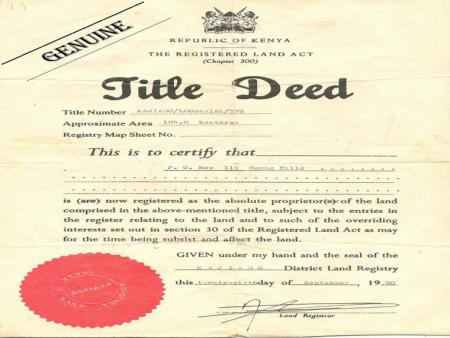
Under the DRC’s 2014 Forest Code, indigenous people and local communities have the legal right to own forest covering an area of up to 50,000 hectares.Thirteen communities in the territories of Mushie and Bolobo in the Mai-Ndombe province have since asked for formal title of a total of 65,308 hectares of land, reports said, adding that only 300 hectares have been legally recognised for each community – a total of only 3,900 hectares.
Pretoria-based Donnenfeld added: “My guess is that the government is more interested in selling these resources to multinationals than it in seeing it benefit the community….Gauthier pointed out that…“REDD+ opens the door to more land-grabbing by external stakeholders appealed…. Local communities’ land rights should be recognised through existing legal possibilities such as local community forest concessions so that they can keep protecting the forest, hence achieving REDD+ objectives.”
Excerpts from DR Congo’s Mai-Ndombe Forest ‘Savaged’ As Landless Communities Struggle, IPS, Apr. 17, 2018



 Most deforestation takes place in poor countries. In richer places, trees tend to multiply. Australia is an unhappy exception. Land clearance is rampant along its eastern coast, as farmers take advantage of lax laws to make room for cattle to feed Asia. WWF, a charity, now ranks Australia alongside Borneo and the Congo Basin as one of the world’s 11 worst “fronts” for deforestation.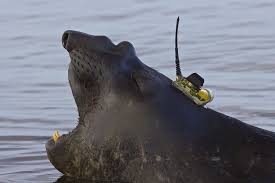
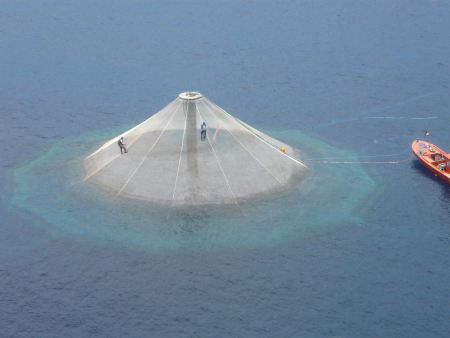
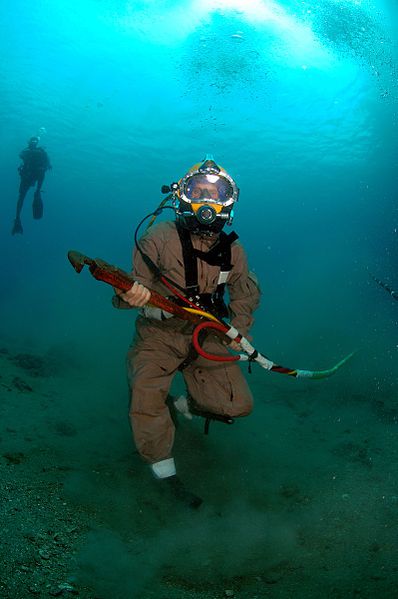
 The world’s vast oceans and seas offer seemingly endless spaces in which adversaries of the United States can maneuver undetected. The U.S. military deploys networks of manned and unmanned platforms and sensors to monitor adversary activity, but the scale of the task is daunting and hardware alone cannot meet every need in the dynamic marine environment. Sea life, however, offers a potential new advantage. Marine organisms are highly attuned to their surroundings—their survival depends on it—and a new program out of DARPA’s Biological Technologies Office aims to tap into [marine animals] natural sensing capabilities to detect and signal when activities of interest occur in strategic waters such as straits and littoral regions.

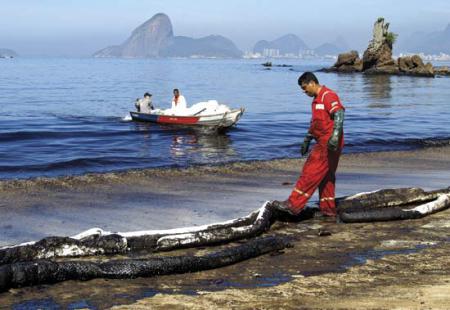
 The oil spill that hit the Fujairah coast on January 25, 2018 was the result of tankers illegally cleaning out their holds. That is according to the general manager of Fujairah port (UAE), Capt Mousa Murad, who has called for 24-hour monitoring of ships to tackle the issue. “The recent oil spills have been caused by tank cleaning by passing ships,” Capt Murad told The National on Tuesday. “Especially when tankers change from [carrying] one product to another,” he said, implying that the spills are made up of residue cleaned from within the tanks. He said the oil “comes from international waters and could hit Dibba, Fujairah or Khor Fakkan.”…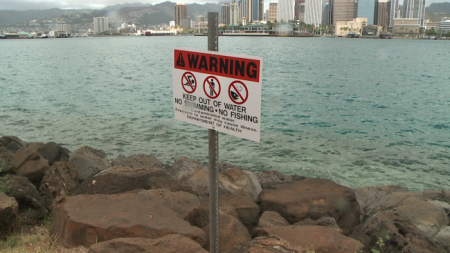
 Cesspools—holes in the ground where untreated human waste is deposited—have become a crisis in Hawaii, threatening the state’s drinking water, its coral reefs and the famous beaches that are the lifeblood of its tourist economy. Sewage from cesspools is seeping into some of Hawaii’s ocean waters, where it has been blamed for infections suffered by surfers and snorkelers. It is also entering the drinking water in part of the state, pushing nitrate levels close to the legal limit.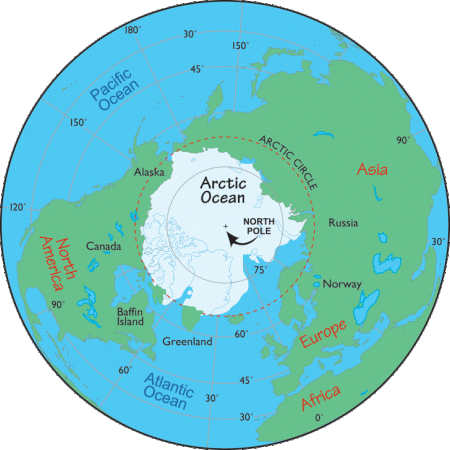
 China on January 25, 2018 outlined its ambitions to extend President Xi Jinping’s signature Belt and Road Initiative to the Arctic by developing shipping lanes opened up by global warming. Releasing its first official Arctic policy white paper, China said it would encourage enterprises to build infrastructure and conduct commercial trial voyages, paving the way for Arctic shipping routes that would form a “Polar Silk Road”…China, despite being a non-Arctic state, is increasingly active in the polar region and became an observer member of the Arctic Council in 2013.



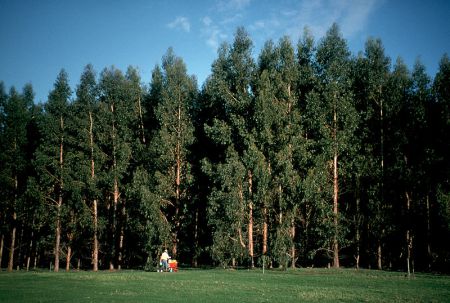
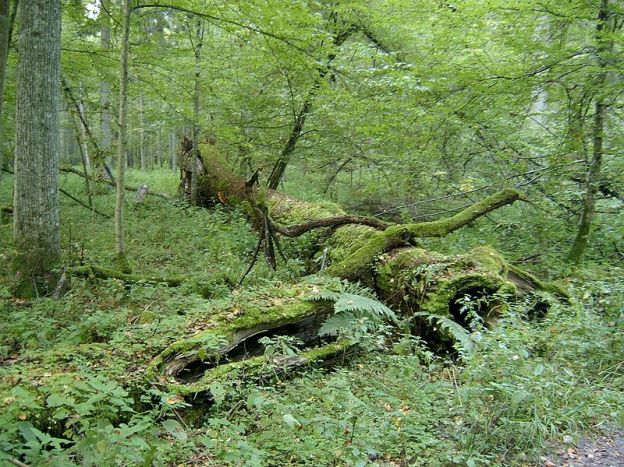
 In the 1920s, when Ireland became independent, it was thought to have just 220,000 acres (90,000 hectares) of woods, covering about 1% of the land. Once-extensive forests had been shrinking for centuries…In 2017, though, almost 11% of Ireland is covered with forest, and an unknown additional amount by small woods and scattered trees. The government’s target is to cover 18% of the land area with forests by 2046. Ireland is behind schedule. Still, about 6,000 hectares of new forest ought to be planted this year, while almost none will be lost. It is part of a broad trend: the foresting of the West.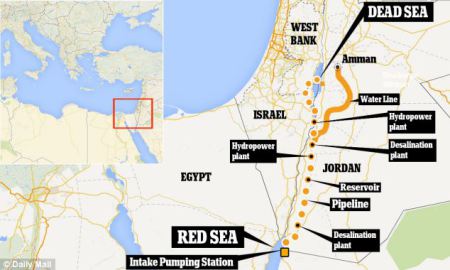
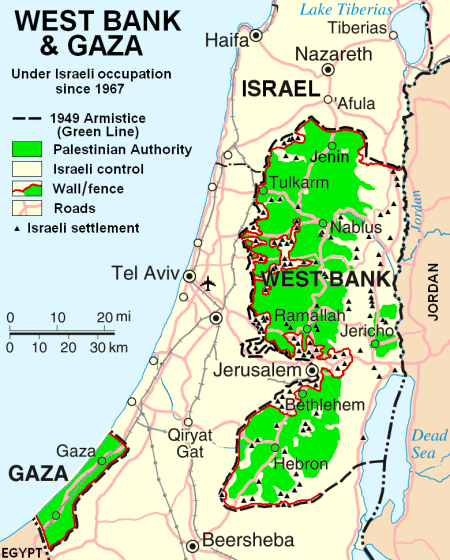
 The Dead Sea is dying. Half a century ago its hyper-salty, super-pungent waters stretched 80km from north to south. That has shrunk to just 48km at its longest point. The water level is falling by more than a meter per year. All but a trickle from its source, the Jordan River, is now used up before it reaches the sea. “It will never disappear, because it has underground supplies, but it will be like a small pond in a very big hole,” says Munqeth Mehyar of EcoPeace, an NGO.






 Daniel Stiles, a self-styled ape trafficking detective in Kenya, had been scouring Instagram, Facebook and WhatsApp for weeks, looking for pictures of gorillas, chimps or orangutans. He was hoping to chip away at an illicit global trade that has captured or killed tens of thousands of apes and pushed some endangered species to the brink of extinction.
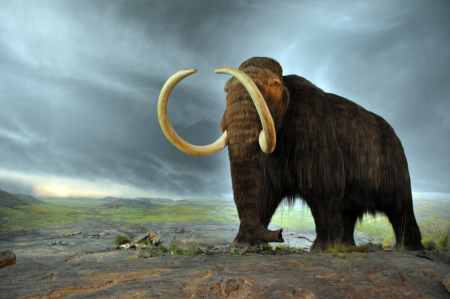
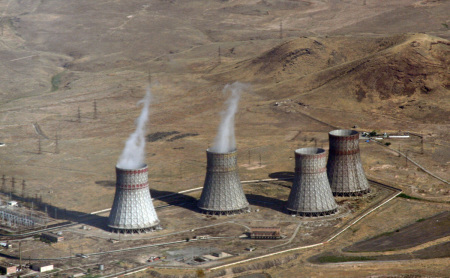
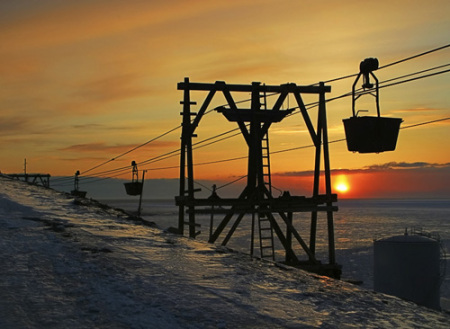

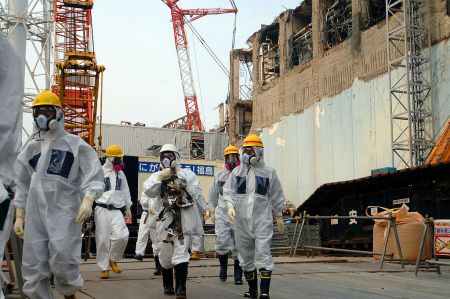
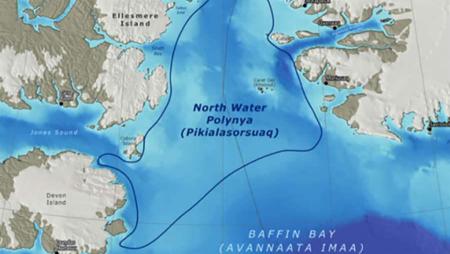
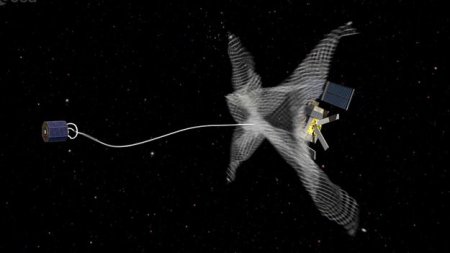
 Europe’s space agency is defending plans to launch two satellites that would drop a rocket stage likely to contain highly toxic fuel in some of the most ecologically sensitive waters of the Canadian Arctic…
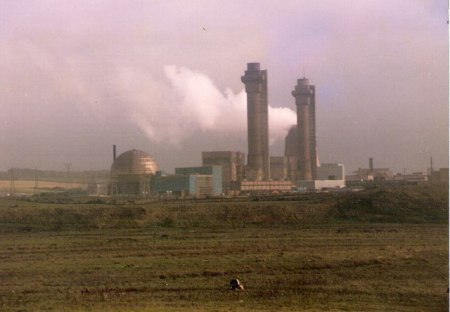


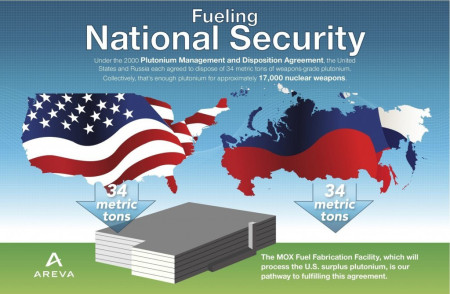
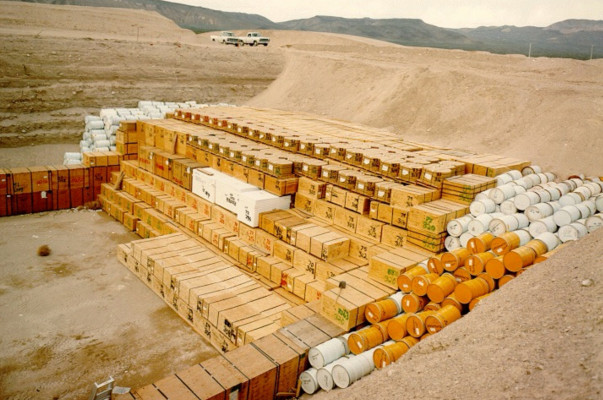
 South Carolina is suing the U.S. government to recover $100 million in fines it says the Department of Energy owes the state for failing to remove one metric ton of plutonium stored there. The lawsuit was filed on August 7, 2017.

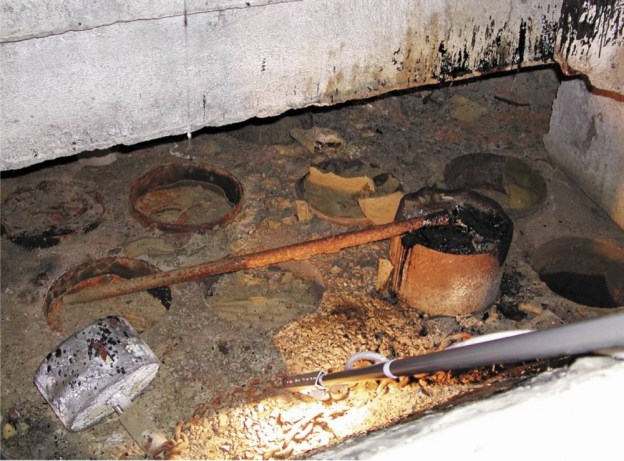

 U.S. District Judge Sue L. Robinson of Delaware on June 21,2017 sided with the federal government in blocking a $367 million merger between EnergySolutions and the radioactive site’s parent company. Waste Control Specialists calls the deal essential for its long-term viability.The details of Robinson’s opinion were sealed.



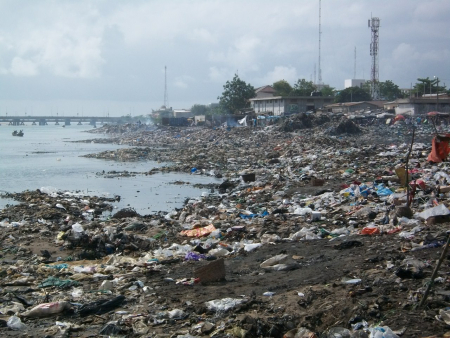
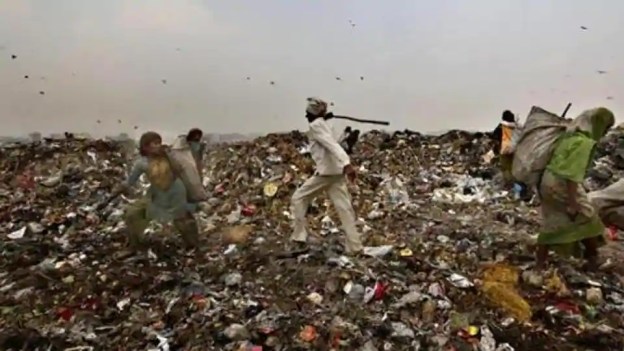
 Since their invention in the 1960s, disposable plastic bags have made lives easier for lazy shoppers the world over. But once used, they become a blight. This is particularly true in poor countries without good systems for disposing of them. They are not only unsightly. Filled with rainwater, they are a boon for malaria-carrying mosquitoes. Dumped in the ocean, they kill fish. They may take hundreds of years to degrade. On March 15th Kenya announced that it will become the second country in Africa to ban them. It follows Rwanda, a country with a dictatorial obsession with cleanliness, which outlawed them in 2008…
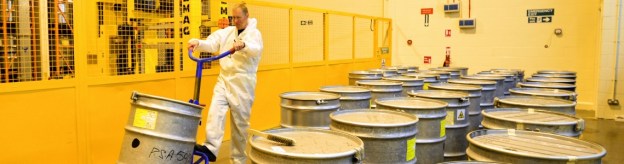
 Several options are available to immobilise waste resulting from nuclear fuel reprocessing. One of these is vitrification – a mature technology which has been used for high-level nuclear waste immobilization for over 50 years…Argentina is considering vitrification as a viable option for dealing with its high-level nuclear waste. The Argentine National Programme for Radioactive Waste Management aims to build capacities to implement vitrification processes for radioactive waste….