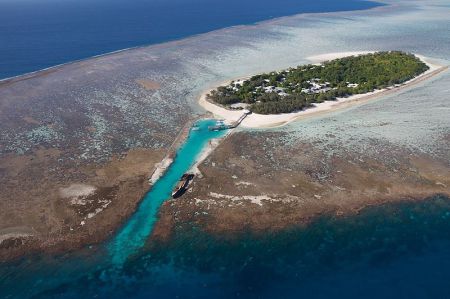
By some estimates, half of the world’s coral has been lost since the 1980s. Corals are delicate animals, and are succumbing to pollution and sediment from coastal construction. Also to blame are sewage, farmland run-off and fishing, all of which favour the growth of the big, fleshy algae that are corals’ main competitors for space. (The first two encourage algal growth and the third removes animals that eat those algae.) But the biggest killer is warming seawater. Ocean heatwaves in 2015, 2016 and 2017 finished off an astonishing 20% of the coral on Earth. This is troubling, for countless critters depend on coral reefs for their survival. Indeed, such reefs, which take up just a thousandth of the ocean floor, are home, for at least part of their life cycles, to a quarter of marine species. Losing those reefs would cause huge disruption to the ocean’s ecosystem. So researchers are looking for ways to stop this happening.
A growing number of scientists reckon that an entirely different approach to saving coral is needed. If oceans are changing faster than coral can adapt via the normal processes of evolution, why not, these researchers argue, work out ways to speed up such evolution One way to do this would be selective breeding. Most species of coral spawn on just one or two nights a year, a process regulated by the lunar cycle, the time of sunset and the temperature of the water. The sperm and eggs released during spawning meet and unite, and the results grow into larvae that search for places where they can settle down and metamorphose into the stone-encased sea-anemone-like polyps that are the adult form. In the wild, the meeting of sperm and egg is random. Some researchers, however, are trying to load the dice. By starting with wild specimens that have survived a period of heat which killed their neighbours, they hope to breed heat resistance into the offspring.
This is the tack taken, for example, by Christian Voolstra of the Red Sea Research Centre in Thuwal, Saudi Arabia. He describes it as “making sure super papa and super mama meet and reproduce”. Corals bred in this way at the Hawaii Institute of Marine Biology, on Oahu, survive in water that is warm enough to kill offspring resulting from normal, random reproduction.
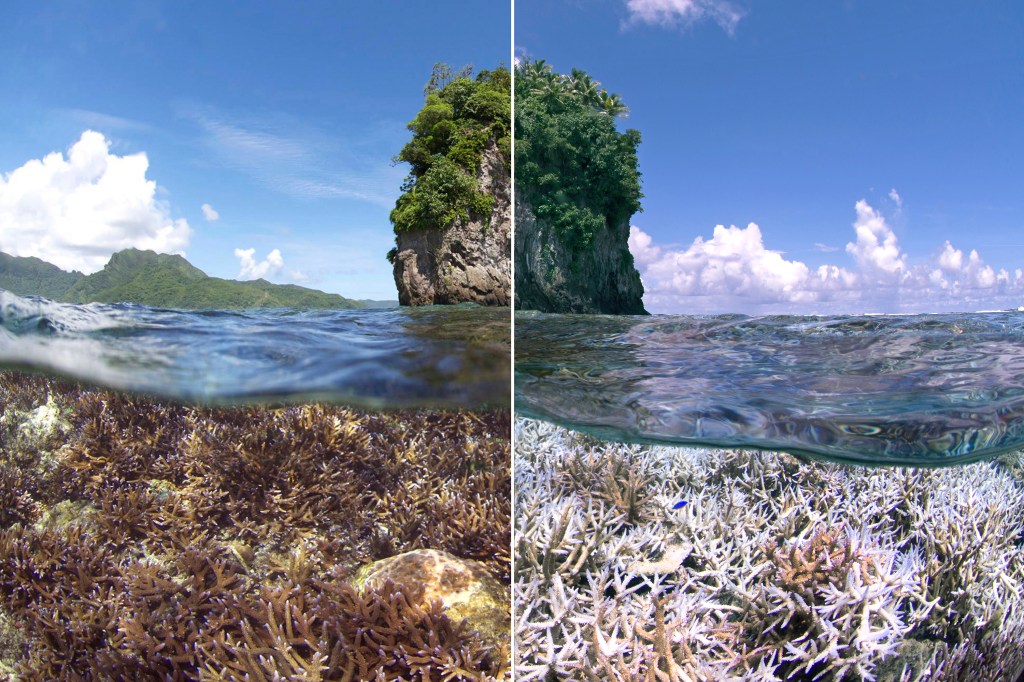
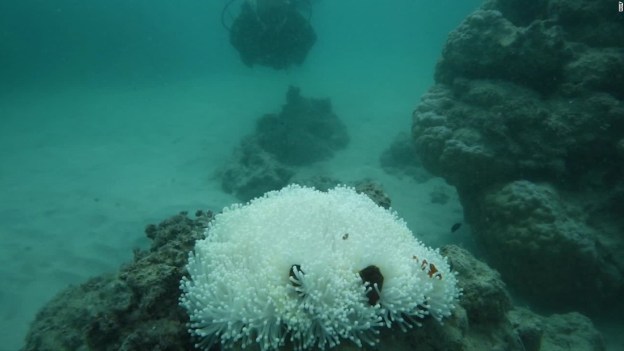
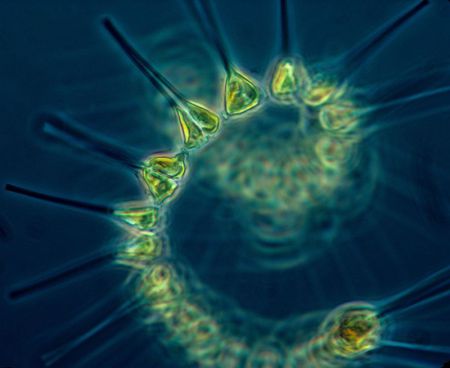
The reason corals die when the surrounding water gets too hot is that the microscopic algae and bacteria which live on and in their tissue, and are their main food sources, are sensitive to small changes in temperature. When stressed by heat these symbionts start producing dangerous oxidants. This causes the polyps to eject them, to ensure short-term survival. The reef thus turns ghostly white—a process called bleaching. Bleached coral is not dead. But unless the temperature then drops, the polyps will not readmit the algae and bacteria, and so, eventually, they do die.
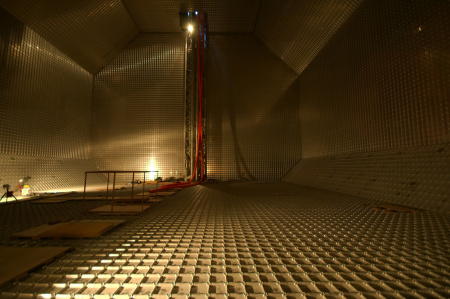
Polyps that survive one such ordeal will, however, fare better if temperatures rise again. The second time around they have acclimatised to the change. Some species, indeed, can pass this resilience on to their offspring by a process called intergenerational epigenesis. The Hawaii Institute’s efforts to develop hardier corals thus include administering a near-death experience to them. Ruth Gates, the institute’s director, says the goal is to create reefs “designed to withstand the future”. The institute’s first such reef will probably be grown inside Biosphere 2, an enclosed ecosystem run by the University of Arizona.
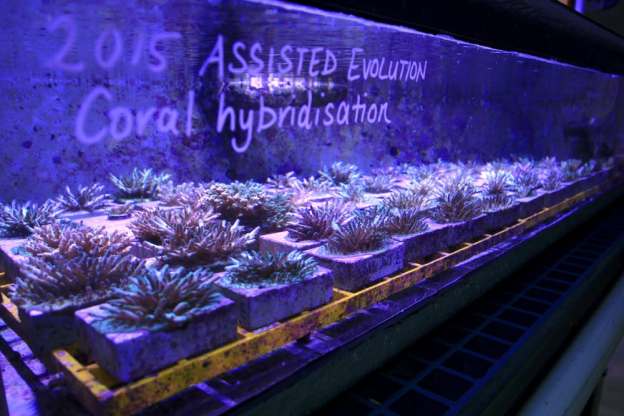
Another approach, taken by the Australian Institute of Marine Science (AIMS) in Queensland, is to crossbreed corals from different places, to create hybrid vigour. The results of such crosses are unpredictable, but some survive heat greater than either of their parents could cope with.
The artificial breeding of corals is, though, constrained by their cyclical breeding habits, so researchers at the Florida Aquarium, on Tampa Bay, are trying to speed the process up. The operators of the aquarium’s “coral ark” nursery stagger lighting and temperature patterns to fool the animals into releasing their gametes on a day of the researchers’ choosing. This also permits the co-mingling of sperm and eggs that would not normally meet, thus allowing new varieties to be created. According to Scott Graves, the aquarium’s boss, half a dozen such varieties show most promise of heat resistance, but the team is generating thousands more, “just like a seed bank”, as a backup.
A coral’s fate is tied so closely to the algae and bacteria which live in its tissues that, as Dr Gates puts it, it is best to think of the whole thing as “a consortium of organisms”. This is why scientists at AIMS are keen also to produce algae that withstand higher temperatures without releasing the oxidants that lead coral to kick them out. They are doing so using a process which Madeleine van Oppen, a researcher at the institute, calls “directed laboratory evolution”. In the past few years her team have grown more than 80 generations of algae, repeatedly culling those organisms most susceptible to heat stress and also to acidification, another curse of a world with more carbon dioxide around than previously. The resulting algae release fewer toxins and photosynthesise better in warm water than do their wild brethren..
[A]fter the trauma of bleaching, polyps do extend a preferential welcome to algae that have greater levels of heat tolerance. His team are thus now using special lights to bleach corals. Polyps “stress hardened” in this way will be planted on wild reefs in coming months…
This raises the question of whether the genomes of coral, algae and bacteria might be edited for greater robustness. According to Dr Voolstra, more than ten laboratories around the world are trying to do so. His own team has successfully inserted genetic material into about 30 larvae of a coral called Acropora millepora. Editing corals’ heat thresholds in this way is, he reckons, about five years away.
Whether they are created by selective breeding or genetic engineering, supercorals, the thinking goes, would not need to be placed on reefs in astronomical numbers… That thought, however, does not please everybody. Some object in principle to the idea of releasing human-modified creatures into the wild, or feel that amelioration of this sort is a distraction from the business of reducing carbon-dioxide emissions. Others have pragmatic concerns—that corals bred to survive warming seas might suffer handicapping trade-offs. So regulators have been cautious. The Great Barrier Reef Marine Park Authority, for example, will probably require that the hybrid organisms AIMS hopes to test in the open reef are removed before they begin spawning. …[T]he alternative, of doing nothing, is the equivalent of “ just throwing our hands up in the air and saying, ‘OK, we’re prepared now not to have coral’.” For the world’s oceans, that loss would be catastrophic.
Excerpts from Accelerating Evolution: Refreshing Reefs, Economist, Mar. 17, 2018, at 75

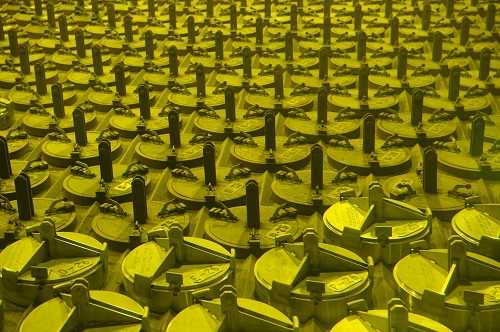
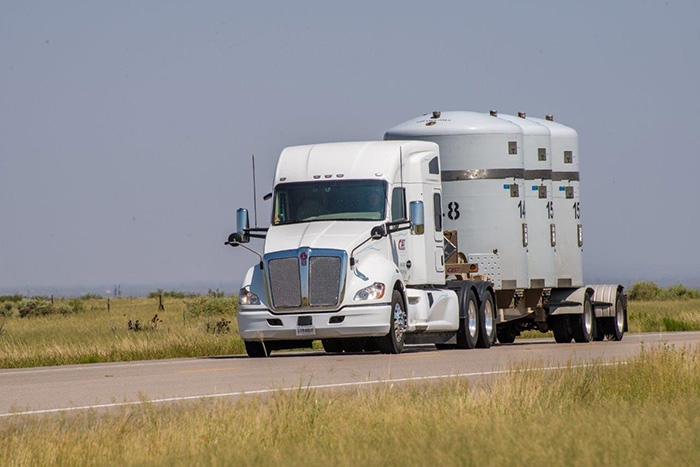
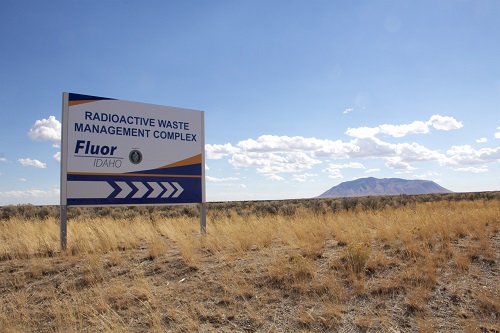






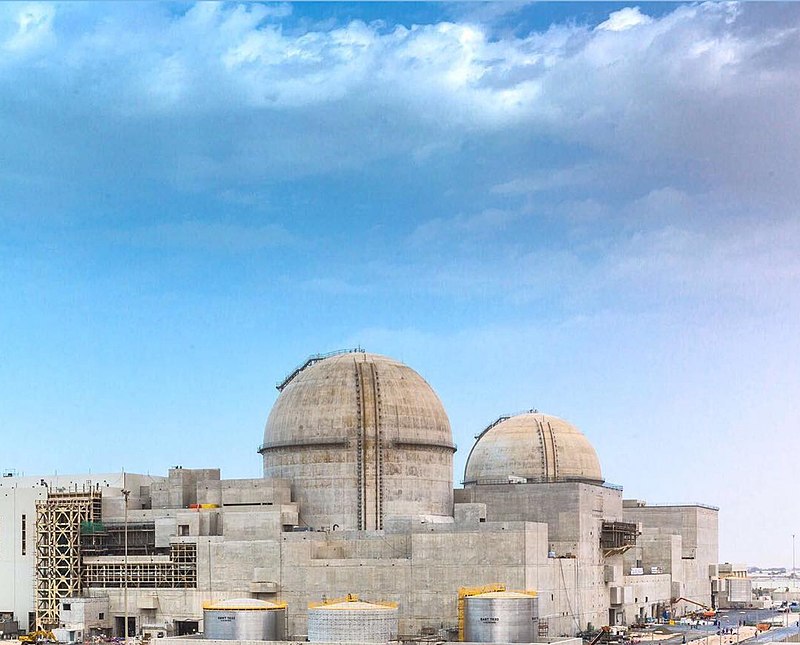
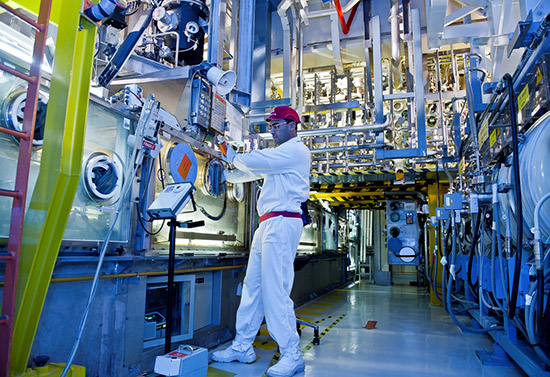
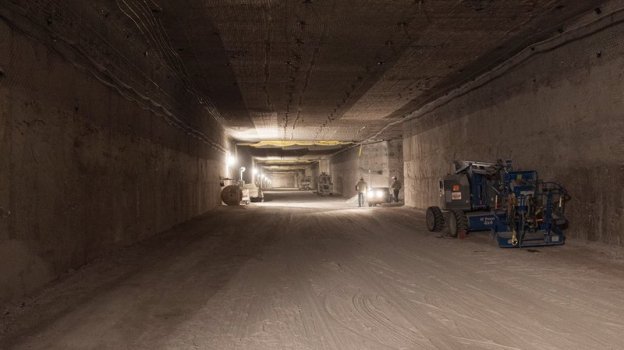





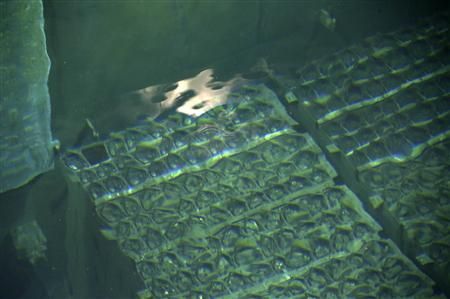












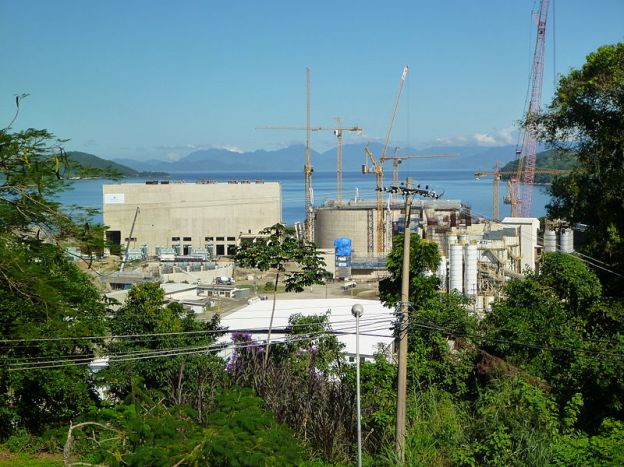
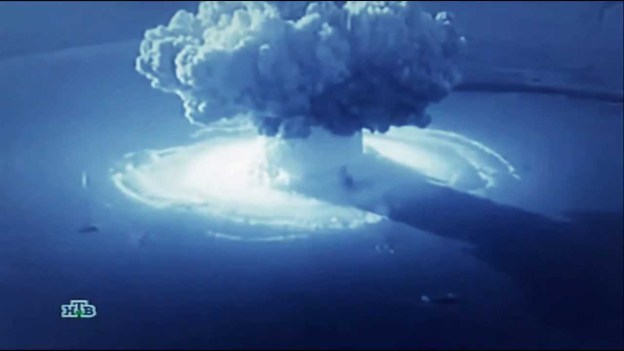
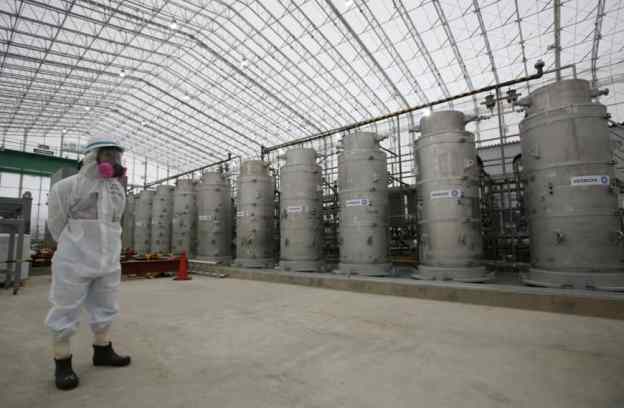

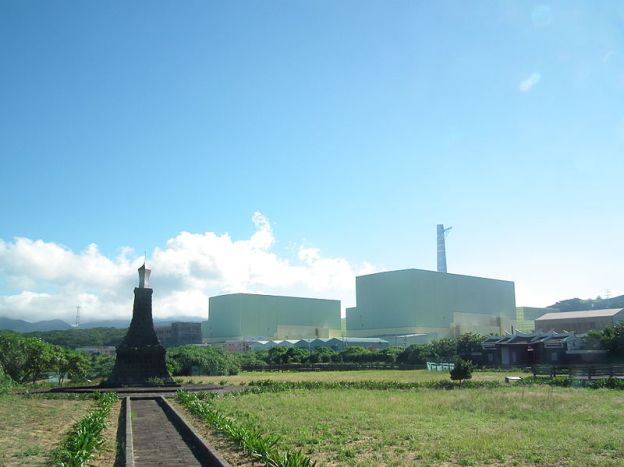
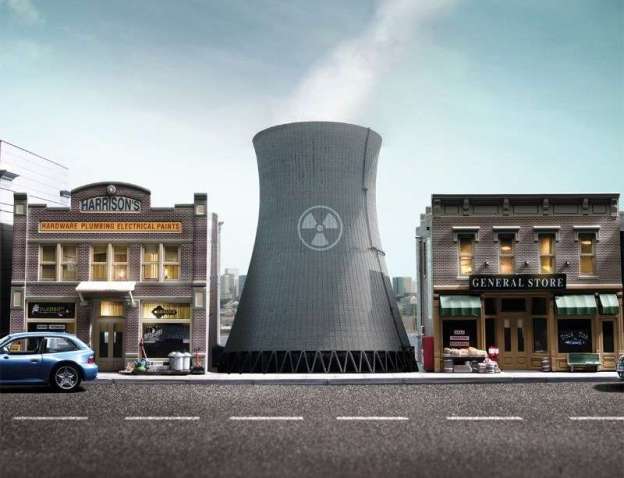

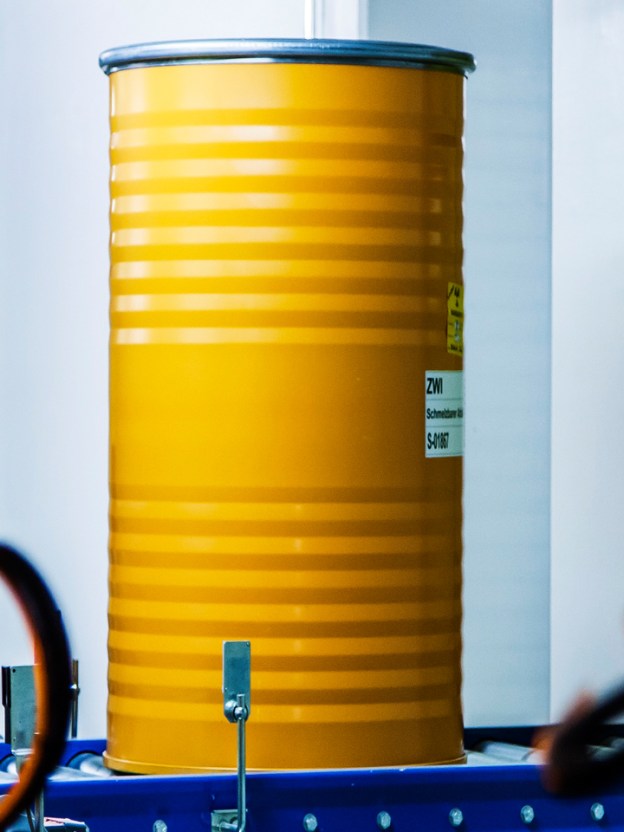






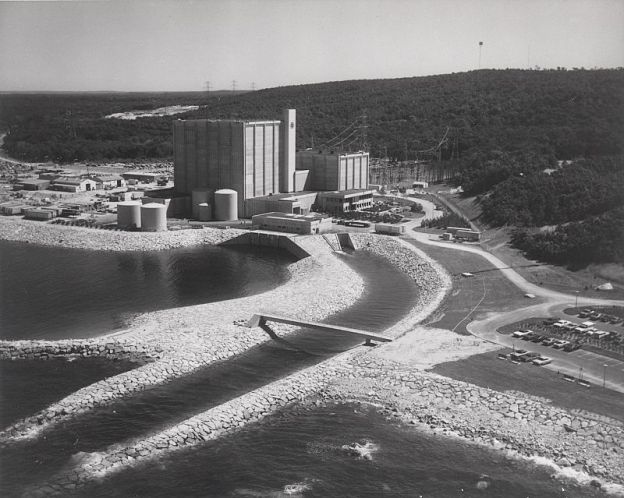

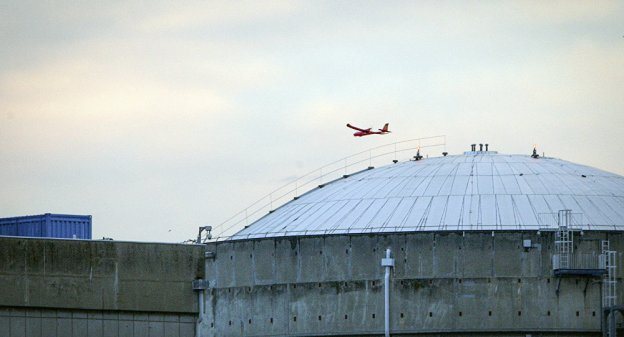
 Greenpeace crashed a drone into the spent-fuel cooling building at the EDF-Bugey nuclear power plant site on July 3, 2018 to demonstrate gaps in the facility’s security. Officials were lucky it was just Greenpeace demonstrating vulnerabilities at the facility, and not a terrorist group intent on attacking the site. This incident highlights why the 2010 US Nuclear Posture Review’s assessment that nuclear terrorism is “today’s most immediate and extreme danger” remains relevant: It underscores the importance of the sustained and persistent six-year effort from 2010 to 2016 to reduce the threat posed by nuclear terrorism, far from the headline nuclear issues of Iran, North Korea, and arms control with Russia…
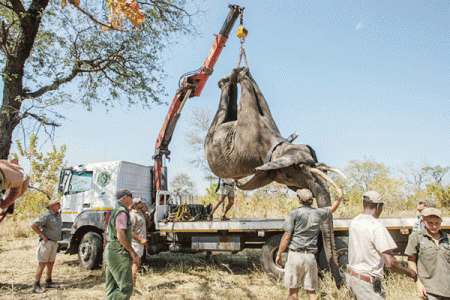

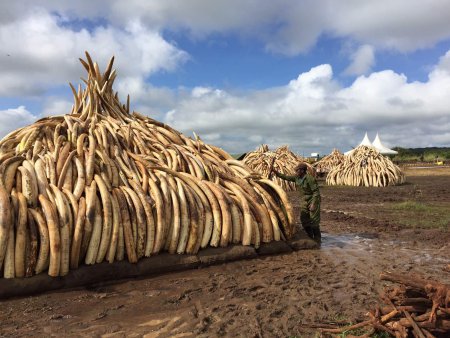
 In spite of a ban, illegal ivory trading still flourishes in the European Union, as traders use a loophole allowing exchange of very old pieces, an Oxford University study sponsored by a campaign group found.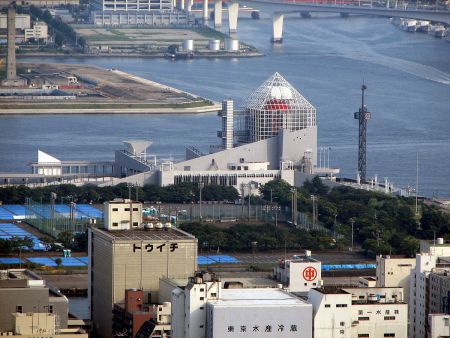
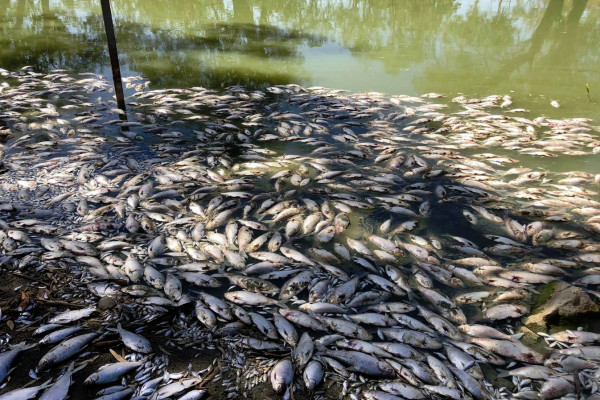
 Radioactive cesium from the crippled Fukushima No. 1 nuclear power plant continued to flow into Tokyo Bay for five years after the disaster unfolded in March 2011, according to a researcher. Hideo Yamazaki, a former professor of environmental analysis at Kindai University, led the study on hazardous materials that spewed from the nuclear plant after it was hit by the Great East Japan Earthquake and tsunami on March 11, 2011.
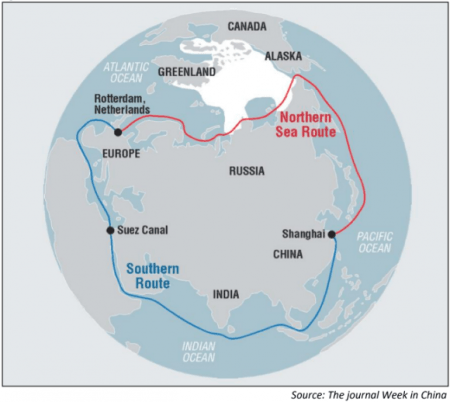
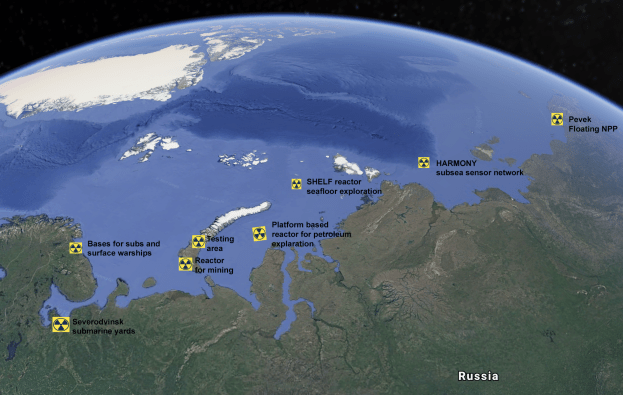
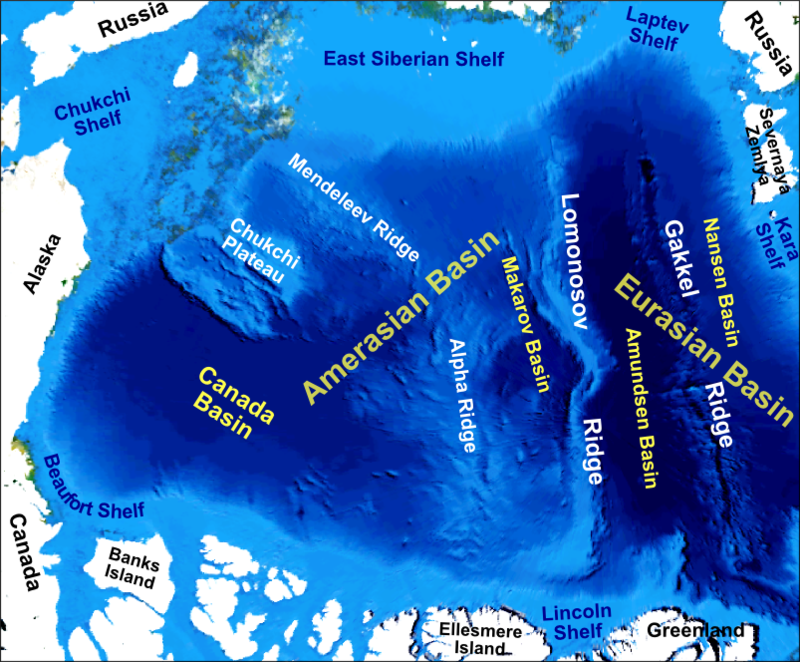
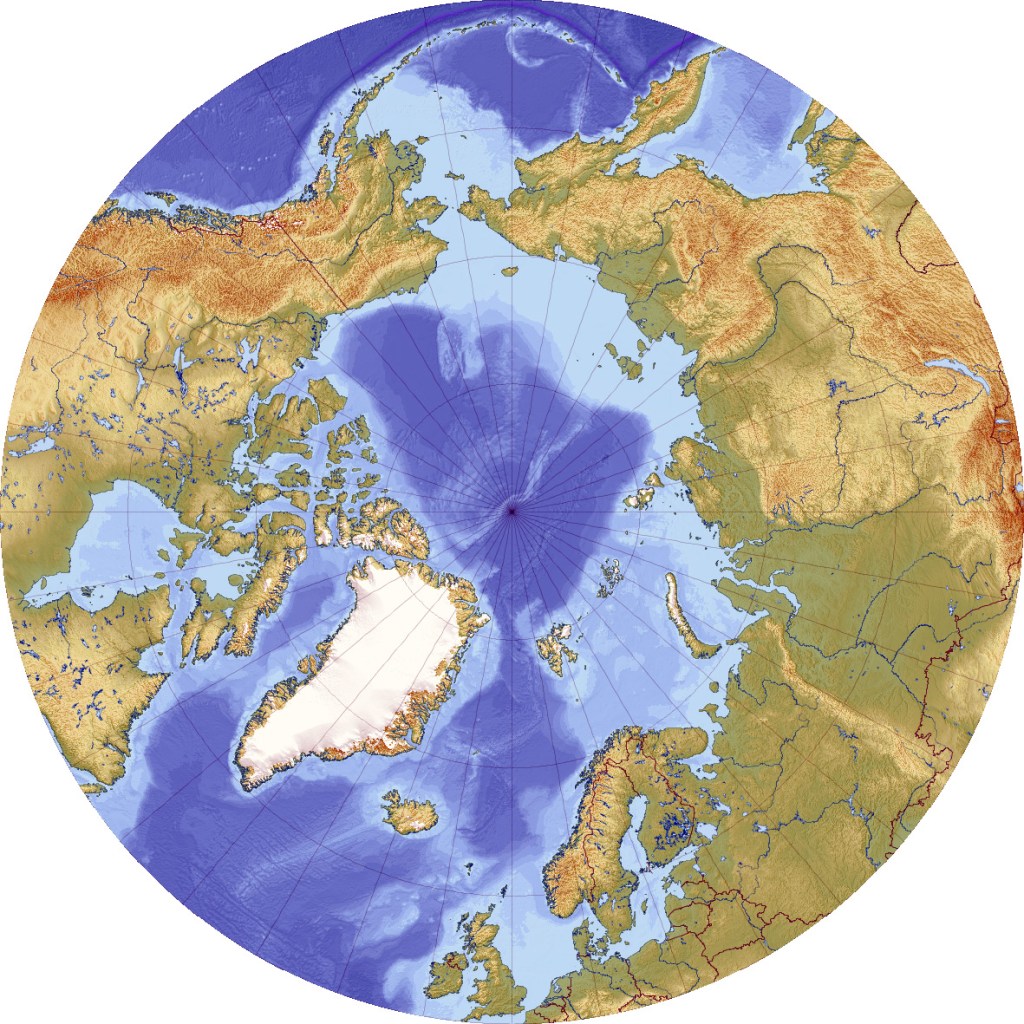
 Mr Xi has been showing a growing interest in Arctic countries. In 2014 he revealed in a speech that China itself wanted to become a “polar great power”..,,In January 2018 the Chinese government published its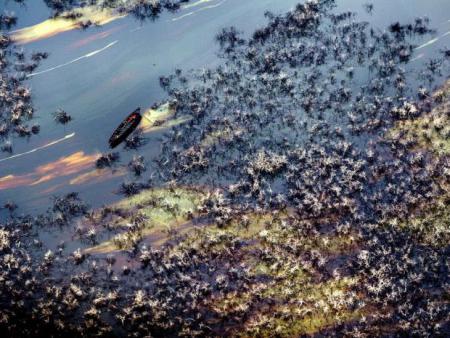
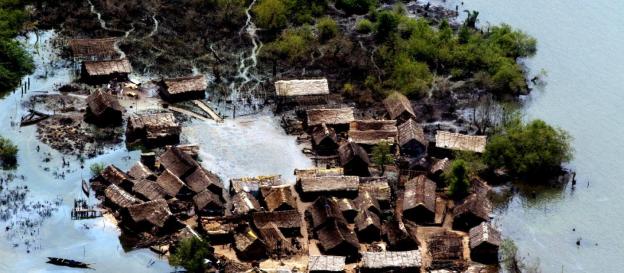
 May 2018: The environmental damage around the site of two Royal Dutch Shell oil spills in Nigeria a decade ago has worsened significantly after years of delay to cleanup efforts, according to a report that the oil giant has been accused of trying to shield from public view. The spills from a ruptured Shell pipeline spewed thousands of barrels of oil over parts of the Bodo fishing community in the crude-rich Niger Delta. Although the company in 2015 reached an out-of-court settlement with the local community, admitting to liability and agreeing
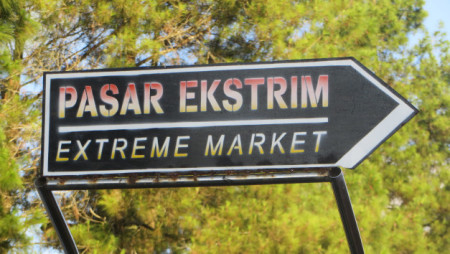
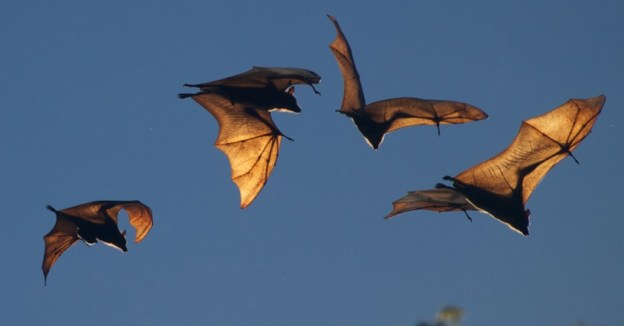
 Tomohon, in the highlands of North Sulawesi, Indonesia is …the “extreme market”. There is certainly something extreme about the serried carcasses, blackened by blow torches to burn off the fur, the faces charred in a rictus grin. The pasar extrim speaks to Sulawesi’s striking biogeography. The Indonesian island straddles the boundary between Asiatic and Australian species—and boasts an extraordinary number of species found nowhere else. But the market also symbolises how Asia’s amazing biodiversity is under threat. Most of the species on sale in Tomohon have seen populations crash because of overhunting (habitat destruction has played a part too)…
 When sub-Saharan Africa comes up in discussions of climate change, it is almost invariably in the context of adapting to the consequences, such as worsening droughts. That makes sense. The region is responsible for just 7.1% of the world’s greenhouse-gas emissions, despite being home to 14% of its people. Most African countries do not emit much carbon dioxide. Yet there are some notable exceptions.
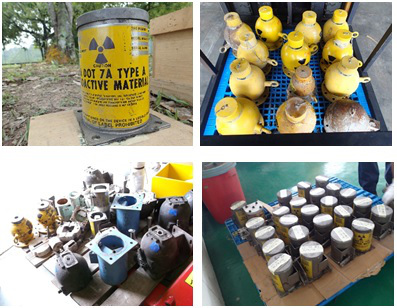
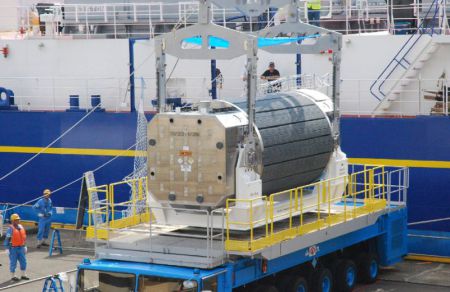
 The International Atomic Energy Agency (IAEA) has helped remove 27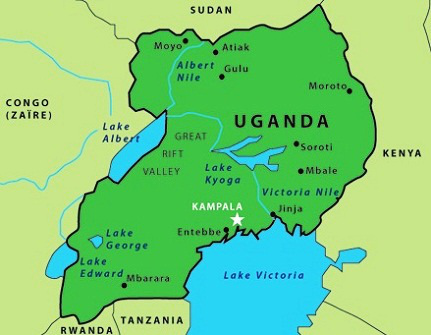
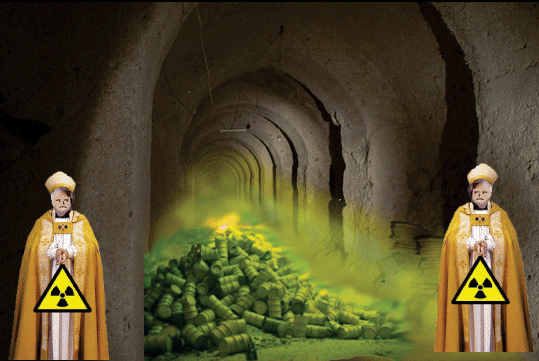
 Mukono- Residents of Kitoba village in Mukono District have opposed plans by the Uganda Atomic Energy Council (AEC) to construct a nuclear and atomic waste site in the area. The residents fear the dump for non-functional atomic equipment, including X-rays and cancer machines, will compromise their safety. Already, the residents at Canaan Sites are suspicious of a container that has been standing on the 11.5 acres of land acquired by the AEC in 2011.