 In the 1920s, when Ireland became independent, it was thought to have just 220,000 acres (90,000 hectares) of woods, covering about 1% of the land. Once-extensive forests had been shrinking for centuries…In 2017, though, almost 11% of Ireland is covered with forest, and an unknown additional amount by small woods and scattered trees. The government’s target is to cover 18% of the land area with forests by 2046. Ireland is behind schedule. Still, about 6,000 hectares of new forest ought to be planted this year, while almost none will be lost. It is part of a broad trend: the foresting of the West.
Trees are spreading in almost every European country. Because many of these forests are young, the quantity of wood in them is growing faster than their extent. Europe’s planted forests put on a little more than 1.1m cubic metres of wood per day. For comparison, the iron in the Eiffel Tower is about 930 cubic metres. Russia’s forests spread more slowly in percentage terms between 2005 and 2015, but, because Russia is so big, more than in the entire European Union in absolute terms. Forests now occupy a third of America’s land, having grown by 2% in the past decade. They are even expanding in Australia, following a long decline.
Deforestation in South America and Africa rightly gets most of conservationists’ attention. That loss is huge—equivalent to about 4.8m hectares a year, which far outweighs gains elsewhere. Yet the foresting of rich countries is still one of the world’s great land-use changes. It seems just as unstoppable as the deforestation of poorer places. It has plenty of critics, too.
The growth of forests is partly a result of changes to food markets. As the best farming areas have become more productive, and as rich countries have imported more of their food, marginal land has become unusable for ordinary agriculture…Forests are also growing because governments have favored them through laws and subsidies….Since the 1990s environmental considerations have weighed more heavily. Forests are increasingly valued as sponges for heavy rain, as wildlife habitats and as carbon sinks…
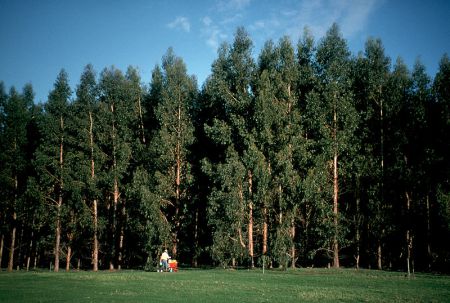
Planted forests are far from universally popular, though. Between June and October 2017, forest fires in Spain and Portugal killed more than 100 people and darkened Europe’s skies. The fires were partly blamed on the spread of non-native trees, especially eucalyptus. That Australian import, which was planted with support from the World Bank, among others, grows so quickly that trees can be harvested for pulp when less than ten years old. It also burns readily, scattering embers far afield. Portugal’s government has begun to restrict planting, in an effort to prevent the country from turning into what one green group calls “Eucalyptugal”.
The eucalyptus tree is a scapegoat for a bigger problem, argues Marc Castellnou, a fire analyst in Spain. The real trouble is that forests in Portugal and Spain have expanded quickly, with little thought for the consequences. Well-managed eucalyptus plantations are not the biggest danger—much worse are ill-managed ones with lots of underbrush and fallen wood, and the impromptu forests that grow on abandoned farms. The fires that get going in such forests jump to the treetops and burn so energetically that they cannot be stopped.
In Ireland, the criticisms are different. The country’s default tree is the sitka spruce, a fast-growing, damp-tolerant conifer from America’s Pacific Northwest. Spruce plantations are said to be devoid of life—vertical deserts of dark green. They are accused of wrecking rural communities and driving farmers off the land….
The first charge is false. Mark Wilson of the British Trust for Ornithology says that conifer plantations support more bird life per hectare than farmland, largely because they harbour more insects. Inevitably, some birds benefit more than others. The march of conifers across Britain and Ireland has increased the numbers of pine-loving birds such as siskins and crossbills. Conifers are also loved by crows—which is less obviously good, because crows raid the nests of rare birds such as curlews.
The second accusation, that trees push out other kinds of agriculture, is only partly true. Forestry subsidies and regulations have indeed distorted Ireland’s land market.
Excerpts from The Foresting of the West, Economist, Dec. 2, 2017,at 51
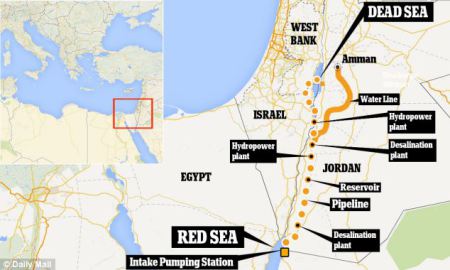
 The Dead Sea is dying. Half a century ago its hyper-salty, super-pungent waters stretched 80km from north to south. That has shrunk to just 48km at its longest point. The water level is falling by more than a meter per year. All but a trickle from its source, the Jordan River, is now used up before it reaches the sea. “It will never disappear, because it has underground supplies, but it will be like a small pond in a very big hole,” says Munqeth Mehyar of EcoPeace, an NGO.



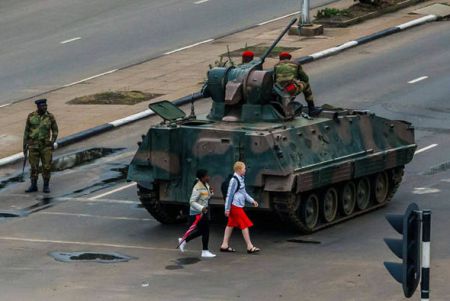
 As the overthrow of despot Robert Mugabe entered a stalemate on November 17, 2017, eyes turned to China — Zimbabwe’s largest foreign investor and a key ally — amid speculation over its role in the military coup.Source in Harare believe the Zimbabwean conflict within the ruling party Zanu PF is involving two rival camps has direct links to China and Russia with both countries trying to control and protect their own economic interests.
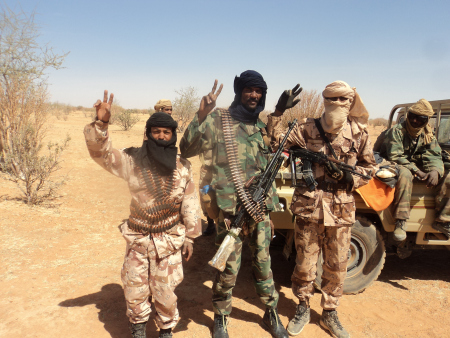
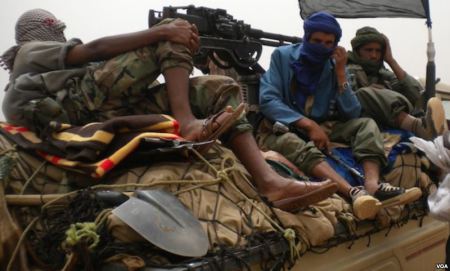
 When Doundou Chefou first took up arms as a youth a decade ago, it was for the same reason as other ethnic Fulani herders along the Niger-Mali border: to protect his livestock. He had nothing against the Republic of Niger, let alone the United States of America. His quarrel was with rival Tuareg cattle raiders.



 Daniel Stiles, a self-styled ape trafficking detective in Kenya, had been scouring Instagram, Facebook and WhatsApp for weeks, looking for pictures of gorillas, chimps or orangutans. He was hoping to chip away at an illicit global trade that has captured or killed tens of thousands of apes and pushed some endangered species to the brink of extinction.
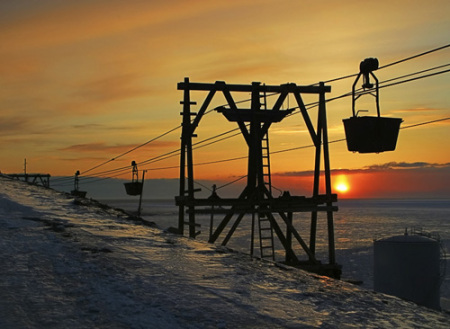
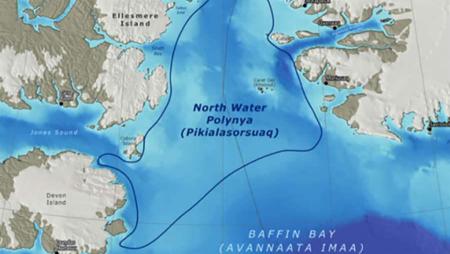
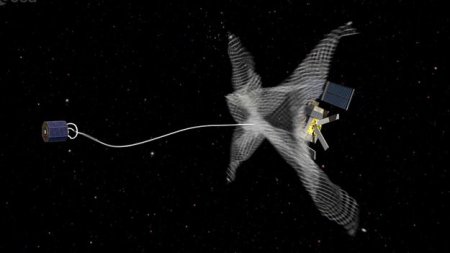
 Europe’s space agency is defending plans to launch two satellites that would drop a rocket stage likely to contain highly toxic fuel in some of the most ecologically sensitive waters of the Canadian Arctic…
 Two millivolts is enough to show that someone has seen something even before he knows he has seen it himself. The two millivolts in question are those associated with P300, a fleeting electrical signal produced by a human brain which has just recognised an object it has been seeking. Crucially, this signal is detectable by electrodes in contact with a person’s scalp before he is consciously aware of having recognised anything.
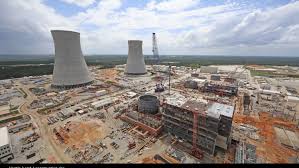



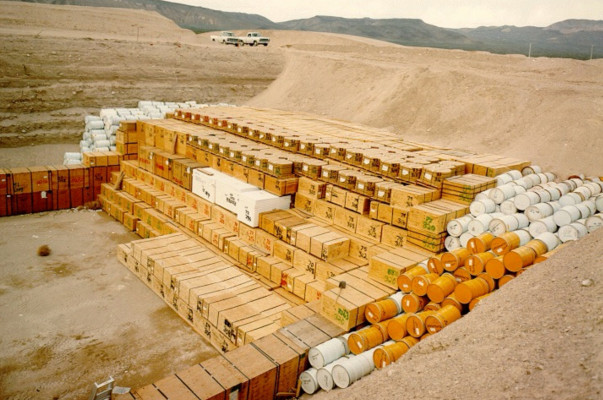
 South Carolina is suing the U.S. government to recover $100 million in fines it says the Department of Energy owes the state for failing to remove one metric ton of plutonium stored there. The lawsuit was filed on August 7, 2017.


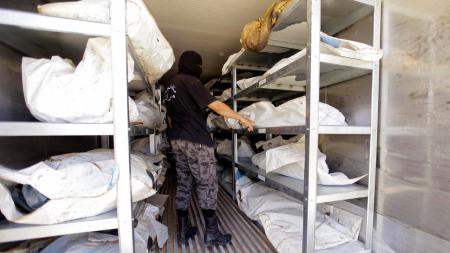
 Seven months after Libyan forces defeated Islamic State in Sirte, hundreds of bodies of foreign militants are still stored in freezers as authorities negotiate with other governments to decide what to do with them, local officials say. The corpses have been shipped to Misrata, a city further to the west whose forces led the fight to defeat Islamic State in Sirte in December 2016.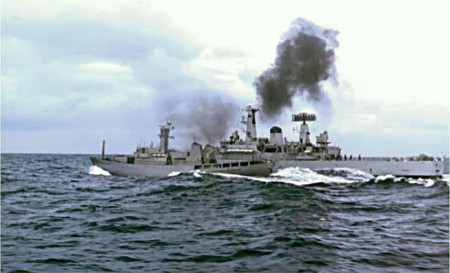


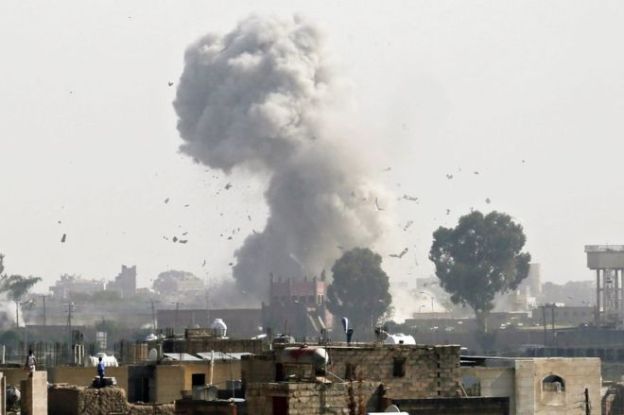

 On June 22nd 2017,

 U.S. District Judge Sue L. Robinson of Delaware on June 21,2017 sided with the federal government in blocking a $367 million merger between EnergySolutions and the radioactive site’s parent company. Waste Control Specialists calls the deal essential for its long-term viability.The details of Robinson’s opinion were sealed.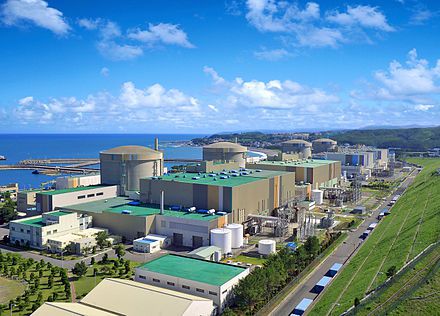
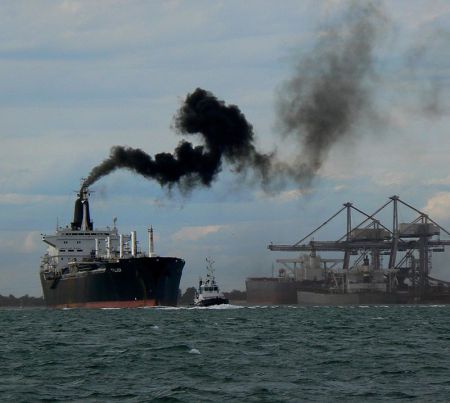
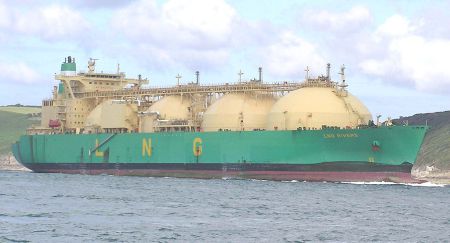
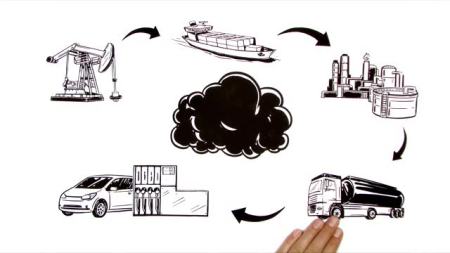
 One day in March 2017, he Rioja Knutsen tanker, filled with liquefied natural gas, was traveling from the U.S. to Portugal. Suddenly, Mexico’s power company lobbed in a higher bid for its cargo. At the Bahamas, the ship abruptly made a starboard turn and headed south. How natural gas is bought and sold in the world’s scattered regional markets for the fuel is changing rapidly. Ships such as the Rioja Knutsen are stitching those regions together and a single global market is emerging. This is already how nearly every other hydrocarbon, from crude oil to obscure petrochemicals, is sold. As gas joins the club, the effects will ripple through energy prices, company profits, the environment and geopolitics.
 Russia’s sale of one-fifth of its state-owned oil company to Qatar and commodities giant Glencore PLC last year had an unusual provision: Moscow and Doha agreed Russia would buy a stake back, people familiar with the matter said. Russian President Vladimir Putin hailed the $11.5 billion sale of the Rosneft stake in December 2016 as a sign of investor confidence in his country. But the people with knowledge of the deal say it functioned as an emergency loan to help Moscow through a budget squeeze.




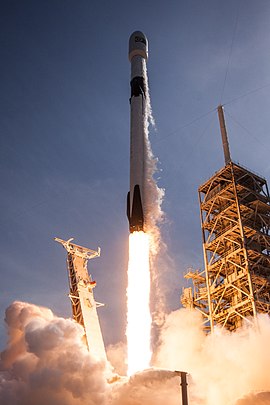
 A SpaceX Falcon rocket lifted off from the Kennedy Space Center in Florida on May , 2017 to boost a classified spy satellite into orbit for the U.S. military, then turned around and touched down at a nearby landing pad.
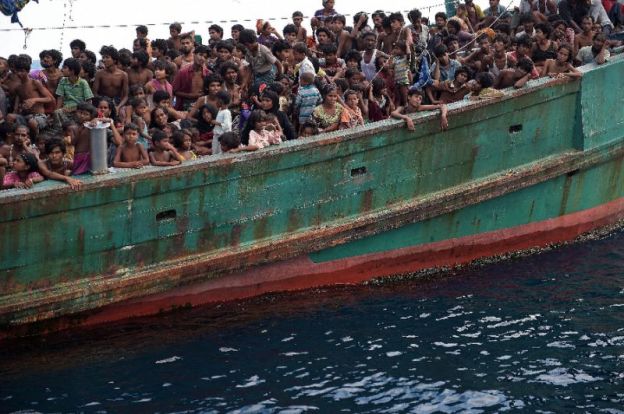
 Growing numbers of African migrants passing through Libya are traded in what they call slave markets before being held for ransom, forced labour or sexual exploitation, according to the UN migration agency.

 Since their invention in the 1960s, disposable plastic bags have made lives easier for lazy shoppers the world over. But once used, they become a blight. This is particularly true in poor countries without good systems for disposing of them. They are not only unsightly. Filled with rainwater, they are a boon for malaria-carrying mosquitoes. Dumped in the ocean, they kill fish. They may take hundreds of years to degrade. On March 15th Kenya announced that it will become the second country in Africa to ban them. It follows Rwanda, a country with a dictatorial obsession with cleanliness, which outlawed them in 2008…
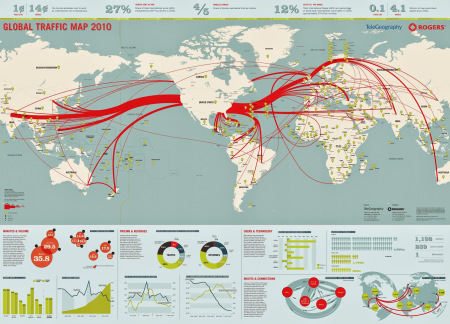
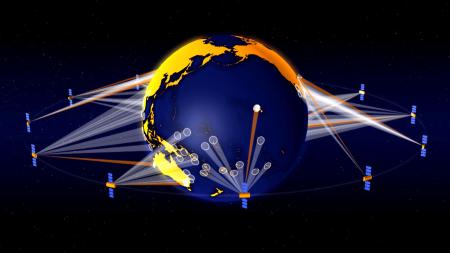
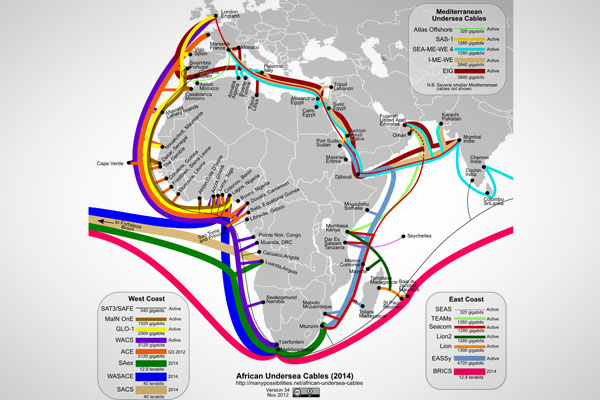
 A real-estate magnate is financing Google’s and Facebook Inc.’s new trans-Pacific internet cable, the first such project that will be majority-owned by a single Chinese company. Wei Junkang, 56, is the main financier of the cable between Los Angeles and Hong Kong, a reflection of growing interest from China’s investors in high-tech industries. It will be the world’s highest-capacity internet link between Asia and the U.S.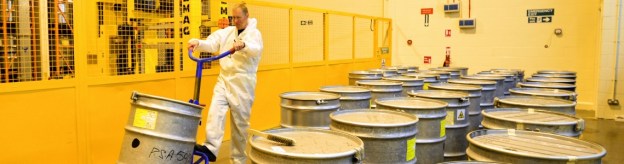
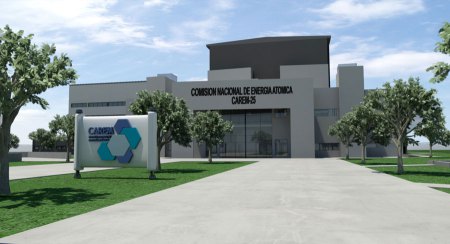
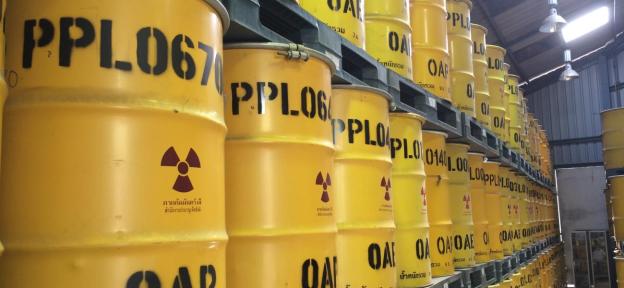
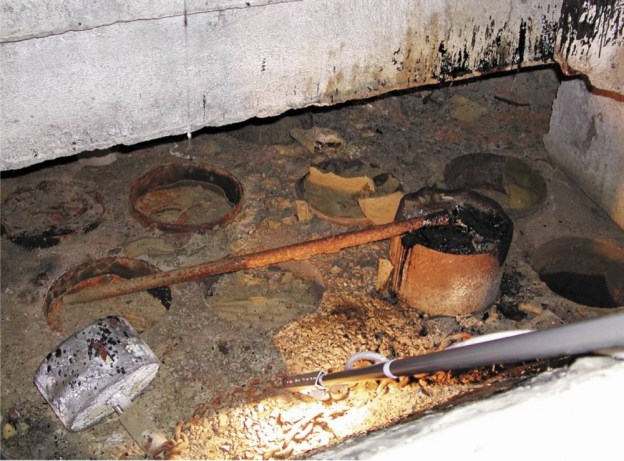
 Several options are available to immobilise waste resulting from nuclear fuel reprocessing. One of these is vitrification – a mature technology which has been used for high-level nuclear waste immobilization for over 50 years…Argentina is considering vitrification as a viable option for dealing with its high-level nuclear waste. The Argentine National Programme for Radioactive Waste Management aims to build capacities to implement vitrification processes for radioactive waste….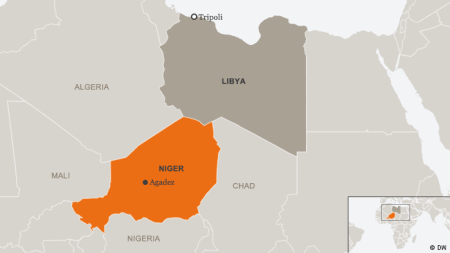

 On 7 March 2017, WikiLeaks began its new series of leaks on the U.S. Central Intelligence Agency…code-named “Vault 7” by WikiLeaks..