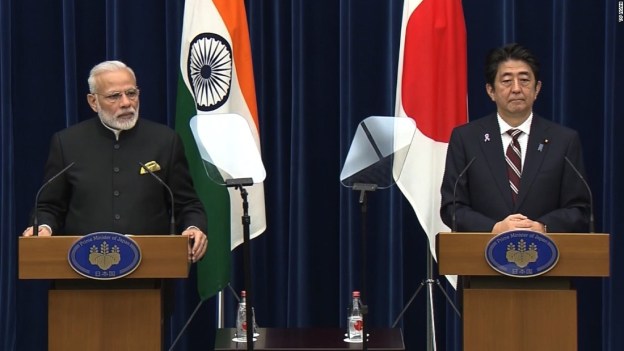
Six years after they began negotiating, India and Japan finally signed on November 2016 a landmark nuclear agreement opening the doors for India to commission nuclear reactors by global entities and possibly boosting India’s claim for membership of the Nuclear Suppliers Group (NSG). The deal is significant in view of the reservations of Japan, the only country to have been attacked by nuclear weapons, and for India’s efforts to diversify the sources of equipment and technology it will need to boost nuclear power generation.
The completion of the nuclear deal comes as the NSG is meeting in Vienna to discuss, among other issues, if non-NPT (nuclear non-proliferation Treaty) countries like India can enter this exclusive grouping. ..
[T]he Japan nuclear deal had a number of similarities with the US deal. However, while the US deal was done in four stages, the Japan pact compressed all four stages – a 123 agreement, reprocessing, administrative arrangements and NSG – into one. In addition, Jaishankar said, Japan’s own concerns meant that nuclear safety and security received bigger space in this deal.
Japan, like the US, has built in a clause that it would cease cooperation if India conducted nuclear tests… India had taken on certain non-proliferation commitments in September 2008 while applying for the NSG waiver. India stood by these, and these have been the basis for its application to membership of the NSG….
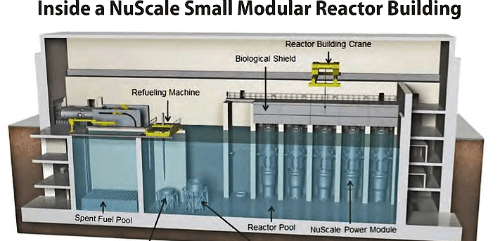
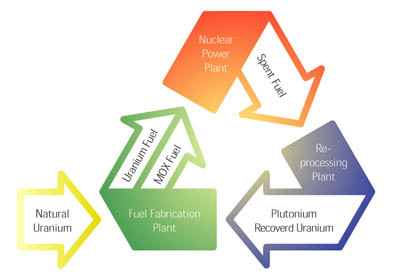
Although India signed a nuclear deal with the US, it needed a similar deal with Japan to actually realise the deal. India commissioned six EPR reactors from Areva and another four from Toshiba-Westinghouse. Both companies use Japanese components which would not be forthcoming in the absence of a nuclear deal with Japan. In particular, Japan Steel Works is the global leader for manufacture of the reactor vessel, which is a core component.
Excerpts from India, Japan sign landmark civil nuclear deal, Times of India, Nov. 12, 2016






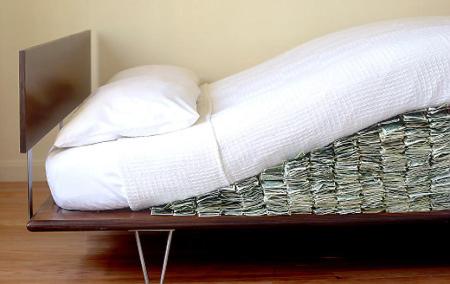

 Authorities in Switzerland are in talks to arrange the return to Nigeria of $300 million confiscated from the family of its former military ruler, Sani Abacha, Nigeria’s foreign minister said. The corruption watchdog Transparency International has accused Abacha of stealing up to $5 billion of public money during his five years running the oil-rich nation, from 1993 until his death in 1998. Foreign Minister Geoffrey Onyeama said $700 million had already been repatriated from Switzerland, adding that he met Swiss representatives last week for further talks. “They have also now recovered, in the same context, another $300 million of which there is ongoing discussion to have that repatriated as well,” he told journalists on Monday.