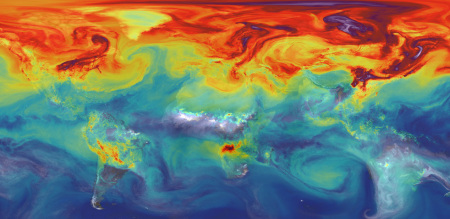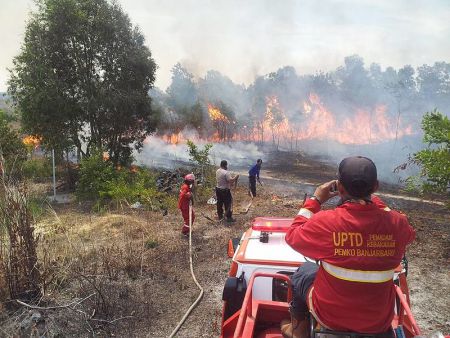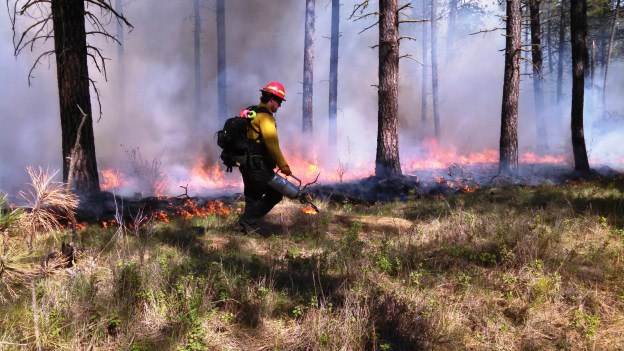
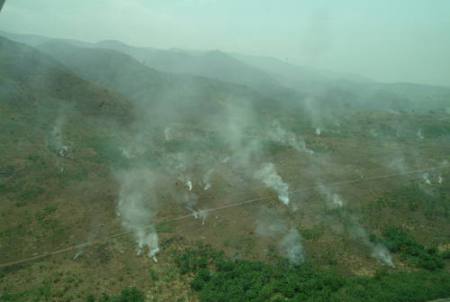
BBC has used satellite data to assess the severity of fires in Brazil, Indonesia, Siberia and Central Africa. It has concluded that although fires in 2019 have wrought significant damage to the environment, they have been worse in the past. More than 35,000 fires have been detected so far in 2019 in East Asia spreading smoky haze to Malaysia, Singapore, the south of Thailand and the Philippines, causing a significant deterioration in air quality. But this is substantially fewer than many other years including those, such as 2015, exacerbated by the El Nino effect which brought unusually dry weather.

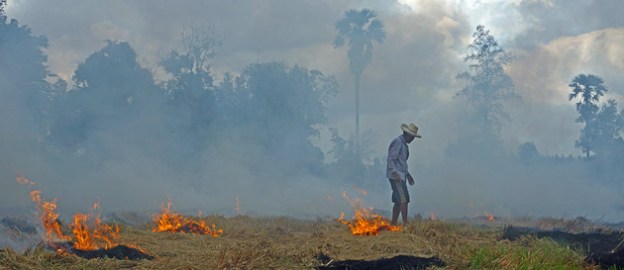
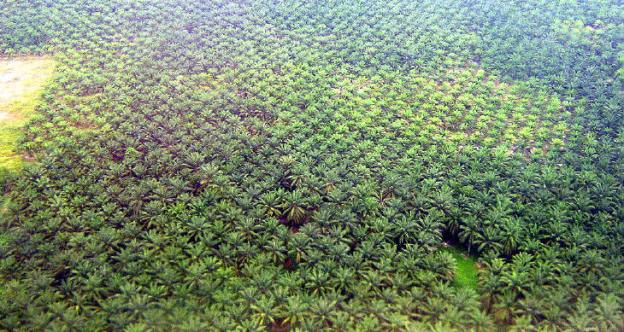
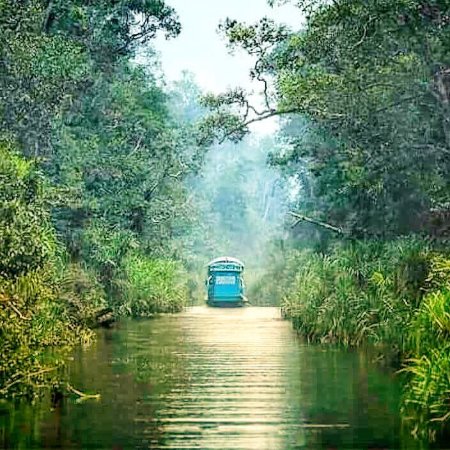
In Indonesia, peatland is set alight by corporations and small-scale farmers to clear land for palm oil, pulp and paper plantations, and can spread into protected forested areas. The problem has accelerated in recent years as more land has been cleared for expanding plantations for the lucrative palm oil trade. Old palm trees on plantations that no longer bear fruit are often set on fire to be replaced by younger ones.

The number of recorded fires in Brazil rose significantly in 2019, but there were more in most years in the period 2002 to 2010. There is a similar pattern for other areas of Brazilian forestry that are not part of the Amazon basin. For 2019, we have data up to the end of August, and the overall area burnt for those eight months is 45,000 sq km. This has already surpassed all the area burnt in 2018, but appears unlikely to reach the peaks seen in the previous decade… “Fire signals an end of the deforestation process,” says Dr Michelle Kalamandeen, a tropical ecologist on the Amazon rainforest. “Those large giant rainforest trees that we often associate with the Amazon are chopped down, left to dry and then fire is used as a tool for clearing the land to prepare for pasture, crops or even illegal mining.”
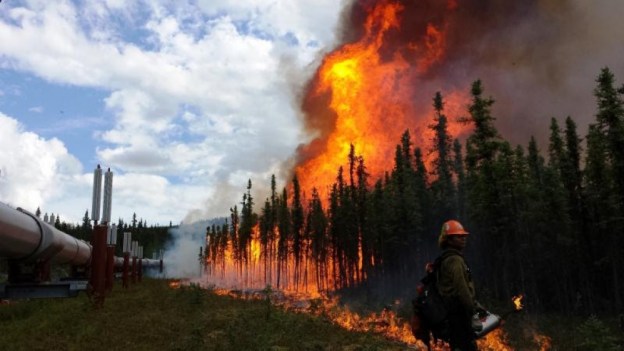
The environmental campaign group Greenpeace has called the fires that have engulfed the Russian region of Siberia this year one of the worst outbreaks this century. The cloud of smoke generated was reported to have been the size of all the European Union countries combined. Forest fires in Siberia are common in the summer, but record-breaking temperatures and strong winds have made the situation particularly bad. Russia’s Federal Forestry Agency says more than 10 million hectares (100,000 sq km) have been affected since the start of 2019, already exceeding the total of 8.6 million for the whole of 2018…. Drawing on data for the number of fires, it is clear that there have been other bad years, notably in 2003.

Nasa satellites have identified thousands of fires in Angola, Zambia and DR Congo.However, these have not reached record levels. “I don’t think there’s any evidence that the fires we’re seeing in Africa are worse than we’ve seen in recent years,” Denis McClean, of the UN Disaster Risk Reduction agency, told the BBC. According to data analysed by Global Forest Watch, fires in DR Congo and Zambia are just above average for the season but have been higher in past years. In Angola, however, fires have been reported at close to record levels this year.
Some have drawn comparisons with the situation in the Amazon, but the fires in sub-Saharan Africa are different. Take DR Congo – most fires are being recorded in settled parts of the country’s southern, drier forest and savannah areas, and so far not in tropical rainforest. Experts say it is difficult to know what is causing these fires, which are seasonal. Many are likely to be on grassland, woodland or savannah in poor farming communities. “Fires are very important landscape management tools and are used to clear land for planting crops,” says Lauren Williams, a specialist in Central and West African forests at the World Resources Institute.
Excerpts from Jack Goodman & Olga RobinsonIndonesia haze: Are forest fires as bad as they seem?, BBC, Sept. 19, 2019. For more details and data see BBC






















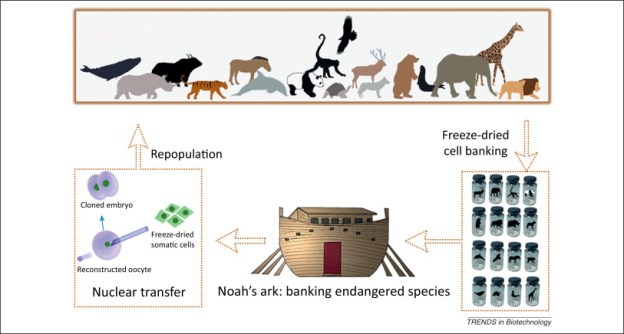

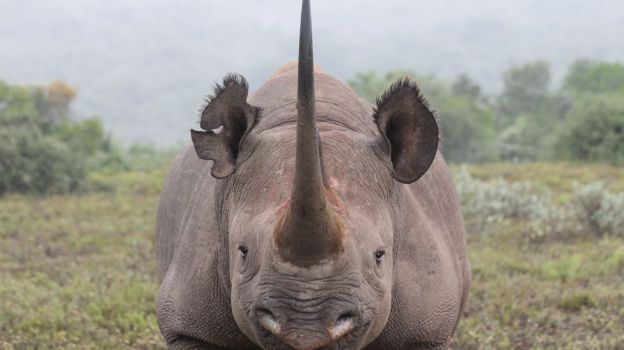
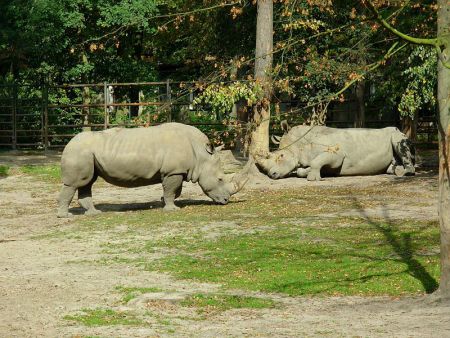
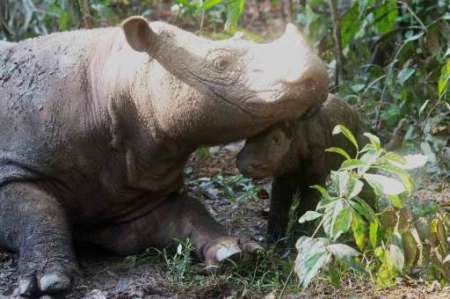
 SUDAN, the last male northern white rhinoceros on Earth, died in March 2018. He is survived by two females, Najin and her daughter Fatu, who live in a conservancy in Kenya. This pair are thus the only remaining members of the world’s most endangered subspecies of mammal. But all might not yet be lost. Thomas Hildebrandt of the Leibniz Institute for Zoo and Wildlife Research, in Berlin, in collaboration with Avantea, a biotechnology company in Cremona, Italy, is proposing heroic measures to keep the subspecies alive. In a paper published in Nature, he and his colleagues say that they have created, by in vitro fertilisation (IVF), apparently viable hybrid embryos of northern white rhinos and their cousins from the south. This, they hope, will pave the way for the creation of pure northern-white embryos.
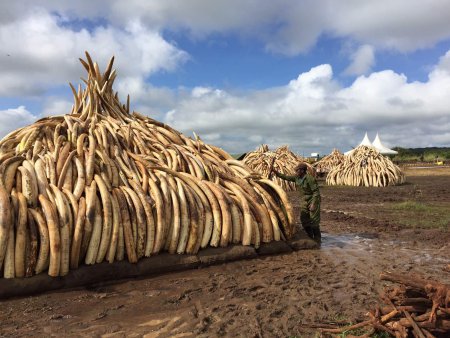
 In spite of a ban, illegal ivory trading still flourishes in the European Union, as traders use a loophole allowing exchange of very old pieces, an Oxford University study sponsored by a campaign group found.
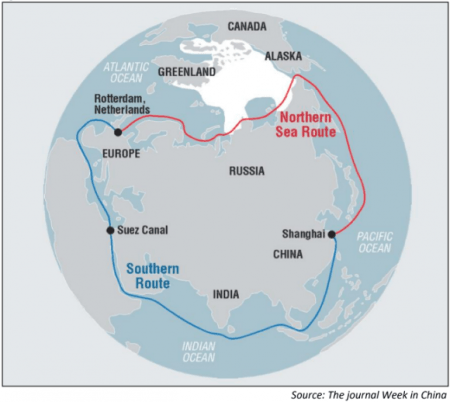
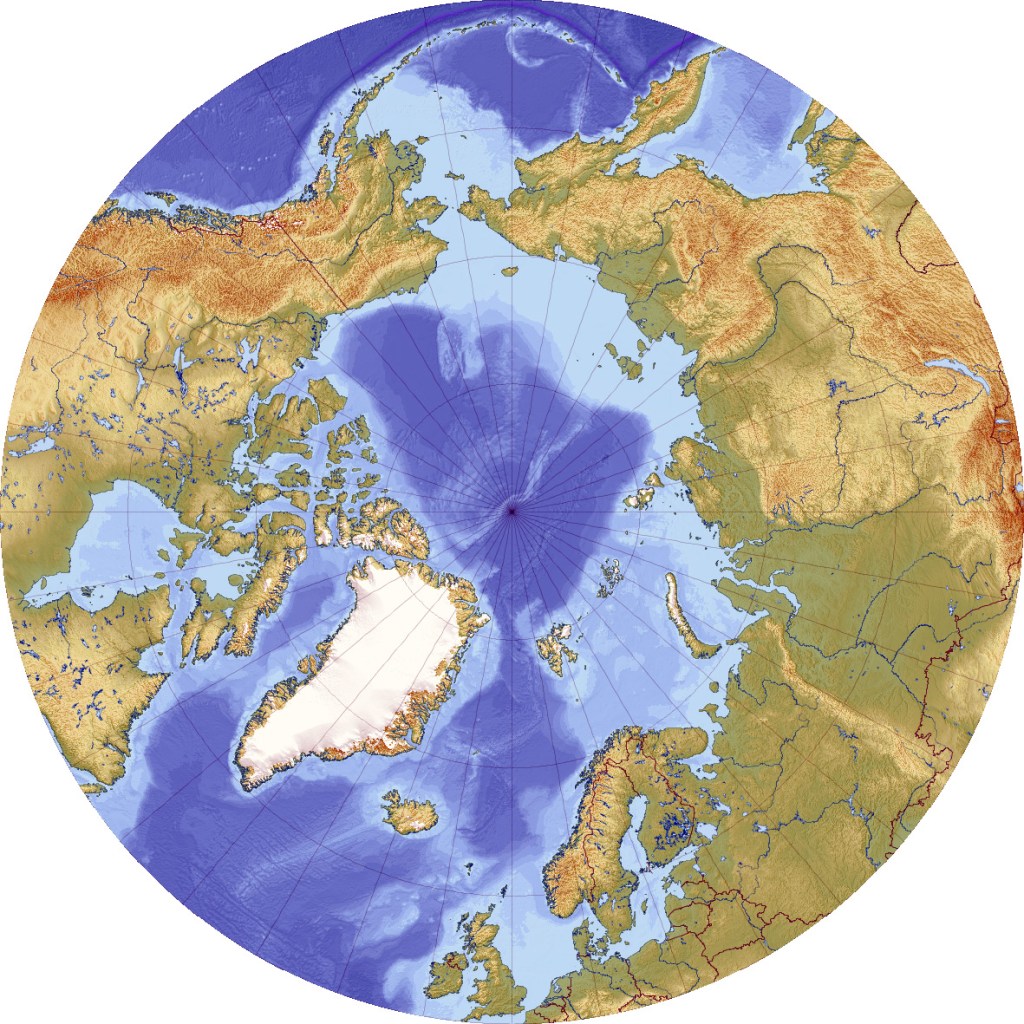
 Mr Xi has been showing a growing interest in Arctic countries. In 2014 he revealed in a speech that China itself wanted to become a “polar great power”..,,In January 2018 the Chinese government published its
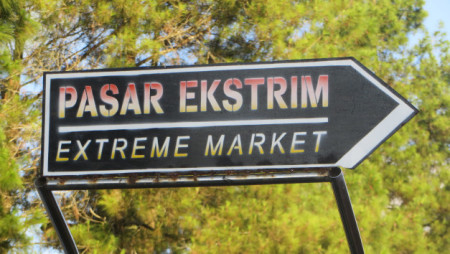
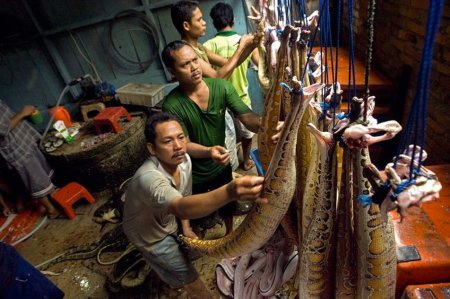
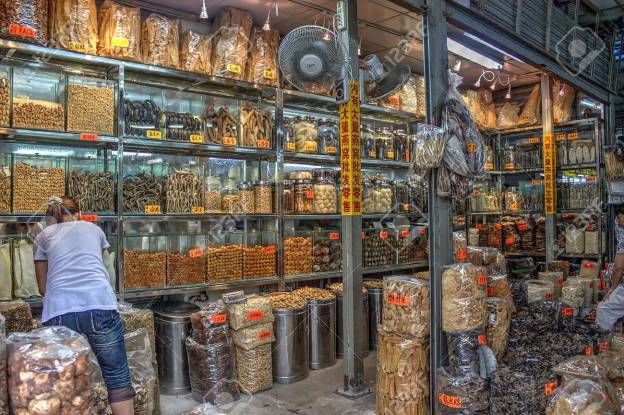
 Tomohon, in the highlands of North Sulawesi, Indonesia is …the “extreme market”. There is certainly something extreme about the serried carcasses, blackened by blow torches to burn off the fur, the faces charred in a rictus grin. The pasar extrim speaks to Sulawesi’s striking biogeography. The Indonesian island straddles the boundary between Asiatic and Australian species—and boasts an extraordinary number of species found nowhere else. But the market also symbolises how Asia’s amazing biodiversity is under threat. Most of the species on sale in Tomohon have seen populations crash because of overhunting (habitat destruction has played a part too)…
 When sub-Saharan Africa comes up in discussions of climate change, it is almost invariably in the context of adapting to the consequences, such as worsening droughts. That makes sense. The region is responsible for just 7.1% of the world’s greenhouse-gas emissions, despite being home to 14% of its people. Most African countries do not emit much carbon dioxide. Yet there are some notable exceptions.
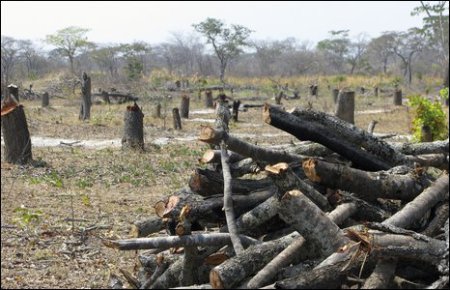


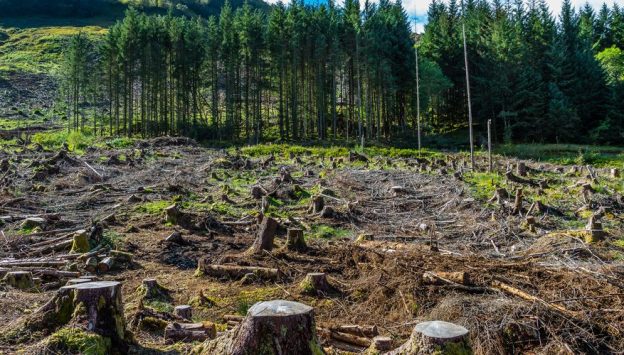
 Most deforestation takes place in poor countries. In richer places, trees tend to multiply. Australia is an unhappy exception. Land clearance is rampant along its eastern coast, as farmers take advantage of lax laws to make room for cattle to feed Asia. WWF, a charity, now ranks Australia alongside Borneo and the Congo Basin as one of the world’s 11 worst “fronts” for deforestation.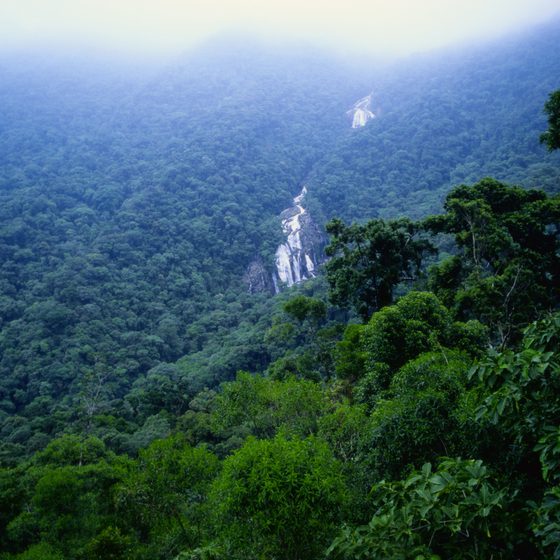

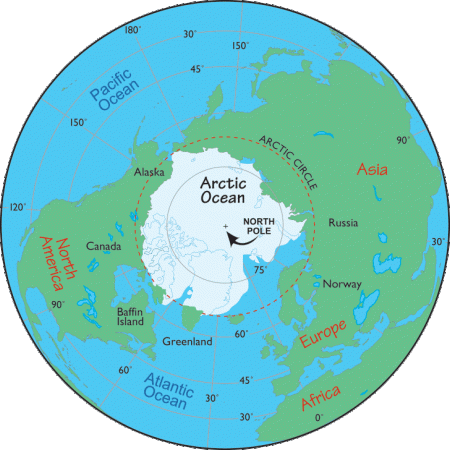
 China on January 25, 2018 outlined its ambitions to extend President Xi Jinping’s signature Belt and Road Initiative to the Arctic by developing shipping lanes opened up by global warming. Releasing its first official Arctic policy white paper, China said it would encourage enterprises to build infrastructure and conduct commercial trial voyages, paving the way for Arctic shipping routes that would form a “Polar Silk Road”…China, despite being a non-Arctic state, is increasingly active in the polar region and became an observer member of the Arctic Council in 2013.
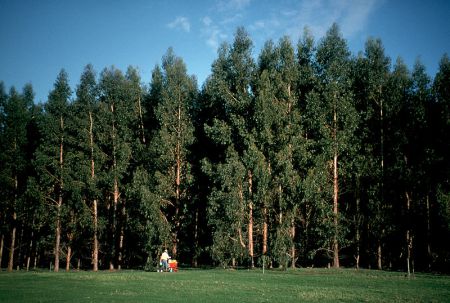
 In the 1920s, when Ireland became independent, it was thought to have just 220,000 acres (90,000 hectares) of woods, covering about 1% of the land. Once-extensive forests had been shrinking for centuries…In 2017, though, almost 11% of Ireland is covered with forest, and an unknown additional amount by small woods and scattered trees. The government’s target is to cover 18% of the land area with forests by 2046. Ireland is behind schedule. Still, about 6,000 hectares of new forest ought to be planted this year, while almost none will be lost. It is part of a broad trend: the foresting of the West.




 Daniel Stiles, a self-styled ape trafficking detective in Kenya, had been scouring Instagram, Facebook and WhatsApp for weeks, looking for pictures of gorillas, chimps or orangutans. He was hoping to chip away at an illicit global trade that has captured or killed tens of thousands of apes and pushed some endangered species to the brink of extinction.
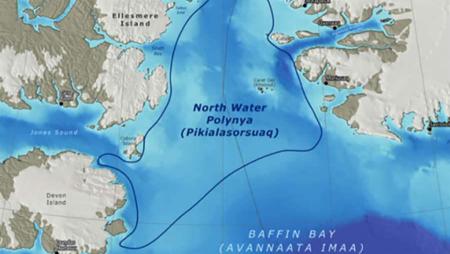
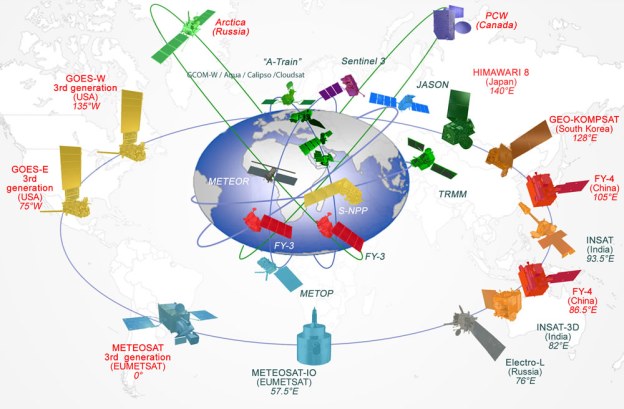
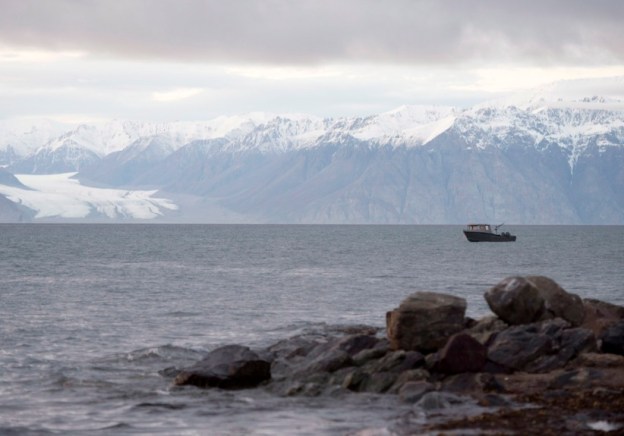
 Europe’s space agency is defending plans to launch two satellites that would drop a rocket stage likely to contain highly toxic fuel in some of the most ecologically sensitive waters of the Canadian Arctic…