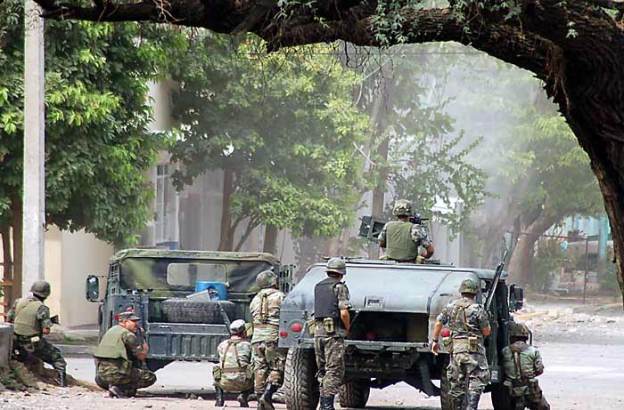
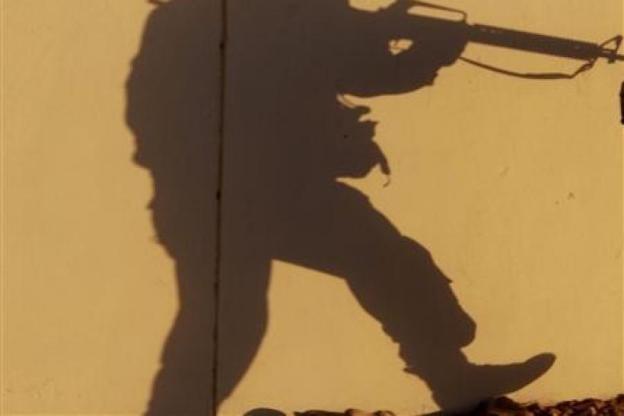
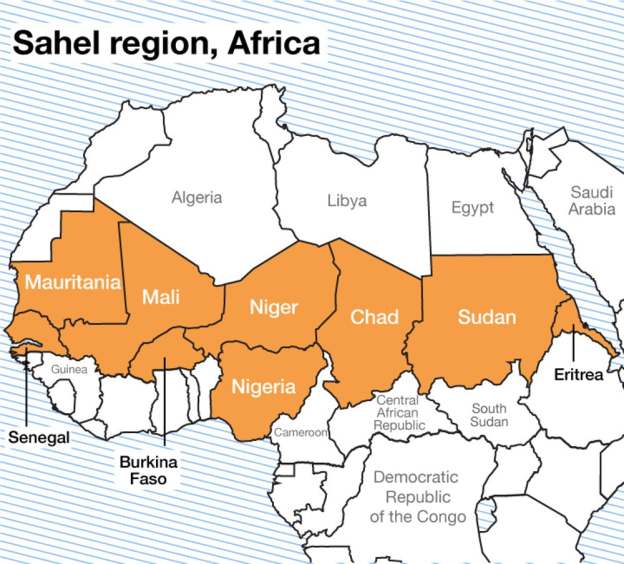
U.S. special forces who accompanied Niger’s military at a meeting of village leaders in Tongo Tongo on Oct. 4, 2017were working in the country’s treacherous western borderlands, a region of shifting tribal allegiances, opaque motives and ethnic grudges going back decades, all feeding into a growing jihadi problem. Four Americans and five Nigerien troops died after leaving Tongo Tongo and being ambushed and heavily outgunned by fighters armed with automatic weapons and rocket-propelled grenades. The militants are believed to be from a Malian-led militia, Islamic State in the Greater Sahel, which declared allegiance to the overall militant organization in 2015.
One error appears to have been downplaying the danger. The Tillaberi and Tahoua regions in western Niger have been under a state of emergency since March 2017, as Niger has confronted the Islamic State offshoot, led by Malian extremist Abu Walid Sahrawi. U.S. forces have been present in the region to advise and assist Nigerien forces.
The United Nations has cataloged 46 attacks by extremists in western Niger since February 2016, including a February 2017 attack that killed 15 Nigerien soldiers and one a year ago that killed 22 Nigerien forces at a refugee camp.,,
Niger’s interior minister, Mohamed Bazoum, said intelligence failures were to blame for the nine deaths. He said Islamic State in the Greater Sahel is more entrenched in local communities than are government forces.
Adam Sandor, an analyst on violent extremism in the Sahel at the University of Ottawa, said….“Essentially, the attackers are believed to have been scoping out and planning the attack and must have a knowledge of local communities in the area. Local communities most likely shared with them the information regarding the Nigerien Armed Forces operating with foreigners or military advisors in this space,” he said. Leaders of Tongo Tongo village have been arrested, amid suspicions they were delaying the departure of the Nigerien and U.S. forces to pave the way for the attackers.
America has 6,000 troops in 50 countries across the continent, according to the Department of Defense, although many of the missions are charged with guarding U.S. embassies. The counter-terrorism deployments include an estimated 1,000 special operations forces, many posted in high-risk locations such as Somalia, Mali and Nigeria. An estimated 800 troops are in Niger. The U.S. also operates a string of drone bases throughout Africa, including one in Niger.
The Shabab is the deadliest of Africa’s terrorist groups and is believed to be responsible for the country’s worst terrorist attack: At least 358 people were killed Oct. 14, 2017 and 56 are still missing. The attack came weeks after a U.S. drone strike killed 10 civilians, including three children, in Bariire, west of Mogadishu. The U.S. has carried out at least 60 drone strikes in Somalia since January 2017, according to the Bureau of Investigative Journalism, killing up to 510 people, including at least 38 civilians. The Shabab has killed 2,745 people in 2017, carrying out 987 of the continent’s 1,827 incidents of violent extremism in the first nine months of the year, according to the analytical group African Center for Strategic Studies.
The Shabab also has a presence in Kenya, where it launches regular attacks, including the 2013 Westgate shopping mall massacre that killed at least 67 people, and the 2015 Garissa University College attack, where 147 people — mainly university students — were killed. The terrorist group is believed to have a presence across East Africa.
Boko Haram, operating in Nigeria, Cameroon, Chad and southeastern Niger, was responsible for 2,232 deaths in the first nine months of the year, according to the Bureau of Investigative Journalism.
In Mali, myriad armed extremists operate, including Islamic State in the Greater Sahel and its rival the Group for the Support of Islam and Muslims, formed in March 2017 from several Al Qaeda-linked extremist groups, including Al Qaeda in the Islamic Maghreb. In 2012, Islamist militias took over half of the country before the French military drove them out of major cities.
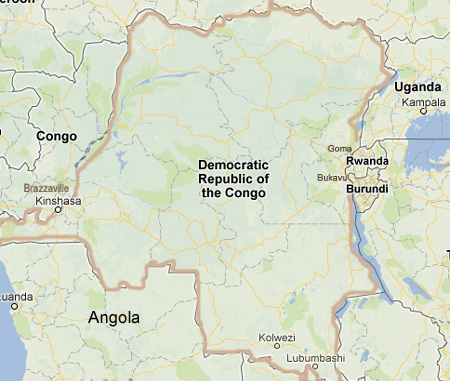
The militias range freely across rural areas, crossing borders at will, launching operations in Mauritania, Ivory Coast and Burkina Faso, including attacks on hotels and resorts popular with foreigners. In the Democratic Republic of Congo, where myriad rebel groups vie for control over mineral resources, a new organization emerged recently declaring fealty to Islamic State. By comparison, Niger is one of the more stable countries in the region, making it the U.S. choice for a drone base being built outside Agadez, in central Niger, that will launch strikes across the region.
The Tongo Tongo attack has focused attention on Sahel leader Sahrawi…. He has a history of swapping sides and financing his operations through kidnappings. He has recruited fighters from among the Fulani nomads in western Niger, exploiting ethnic rivalries with the Daoussahak people in the region, some of whom have formed a militia called the National Movement for the Liberation of Azawad. Both Niger and France have used the group as a proxy force to fight Islamic State in the Great Sahel, deepening ethnic animosities.
Excerpts from After Niger attack, a look at clandestine jihadis posing a growing danger to U.S. forces in Africa, L.A. Times, Oct. 21, 2017


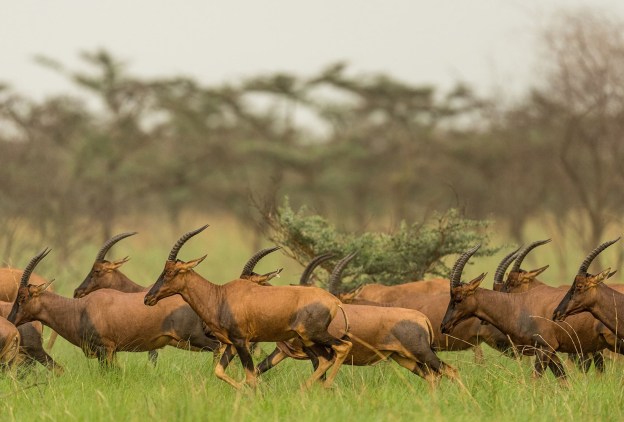

















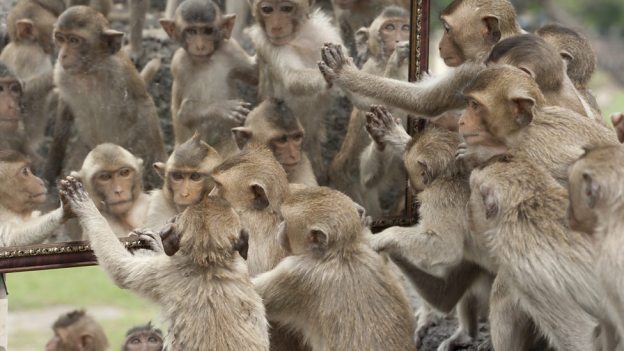



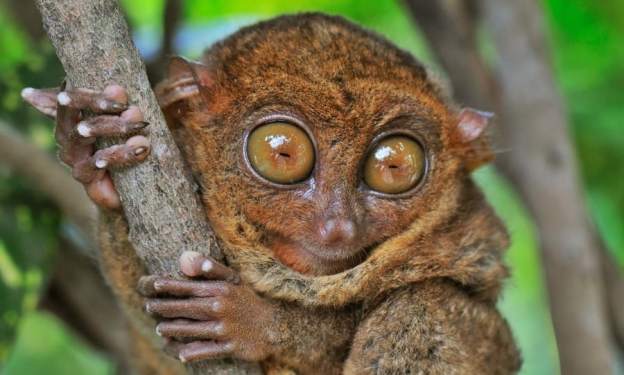



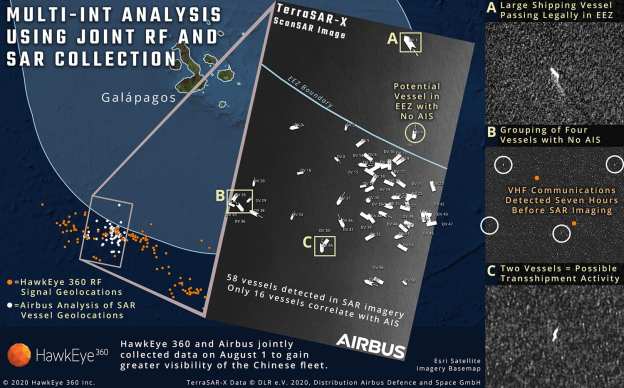

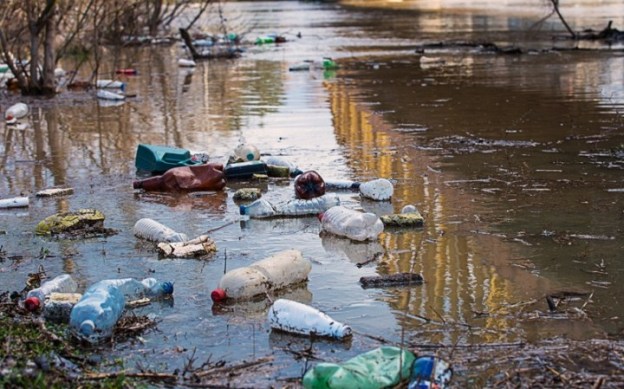
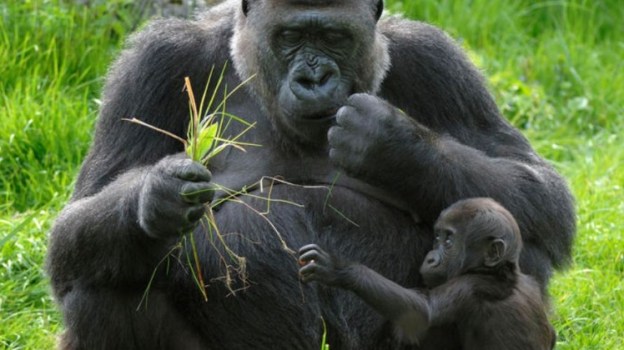
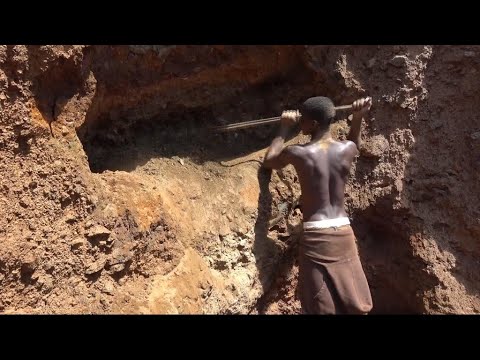

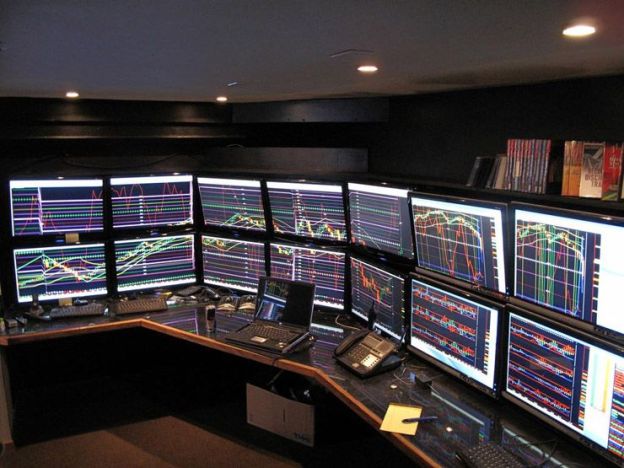
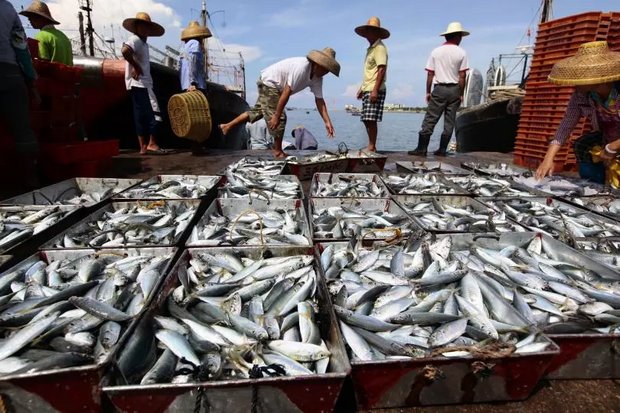
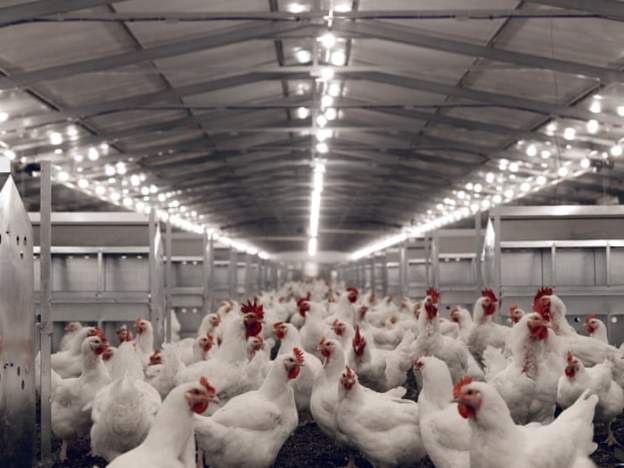
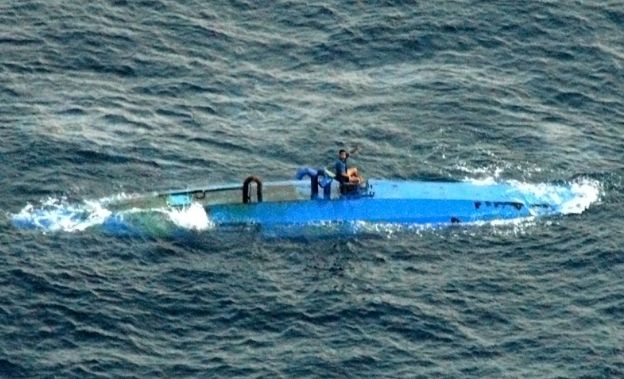

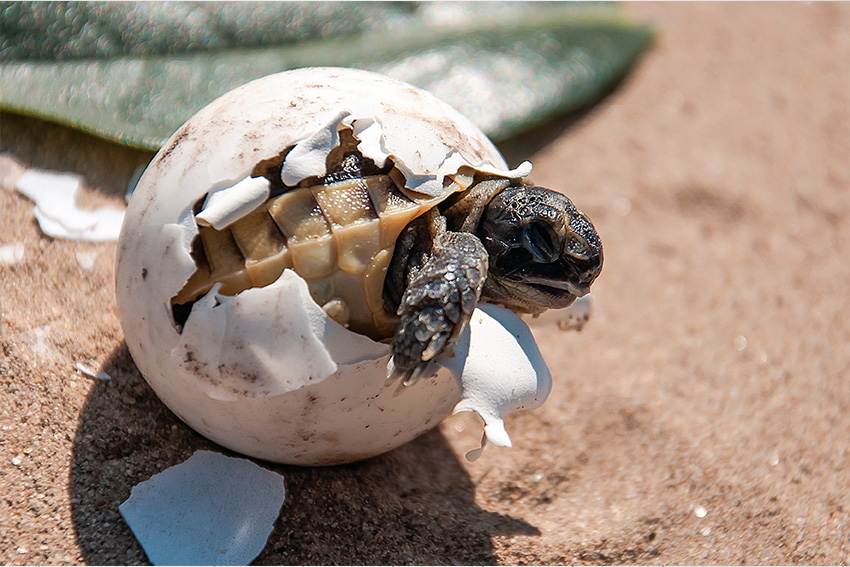

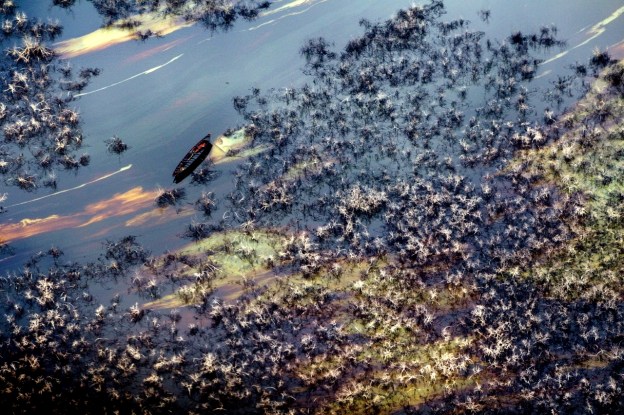
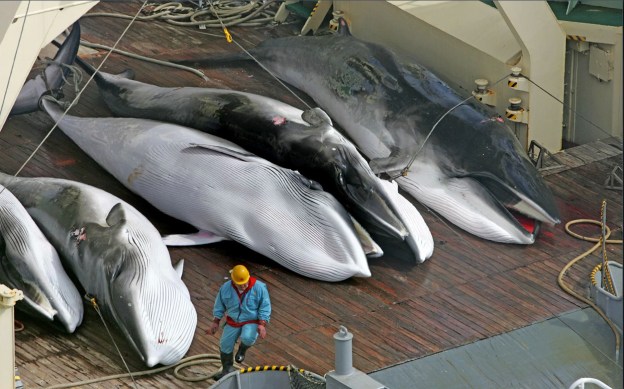
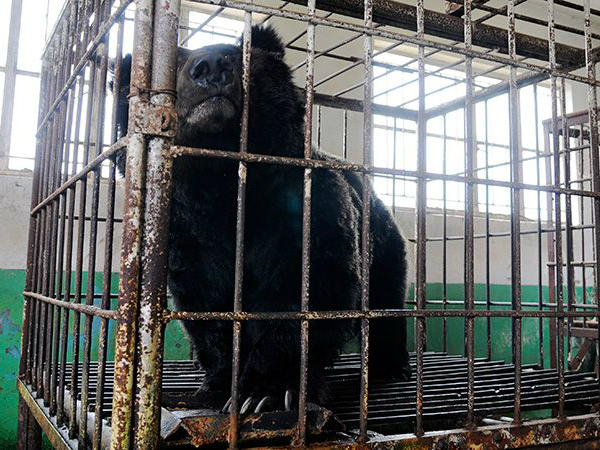

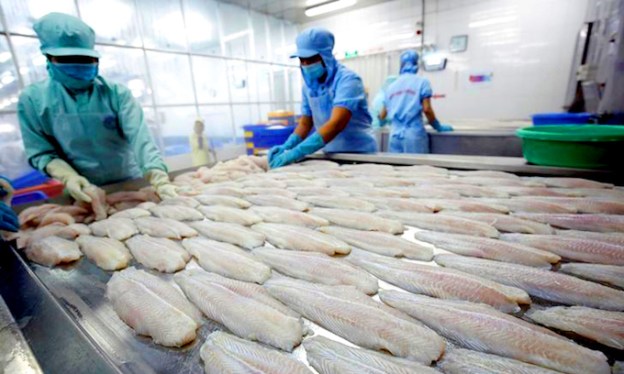
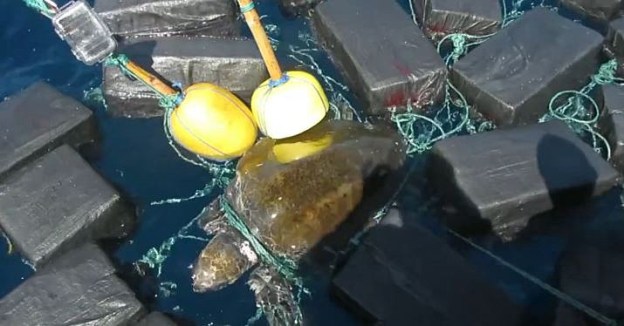
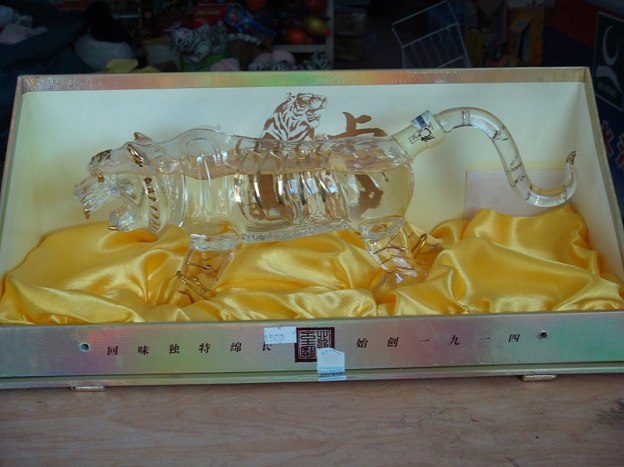

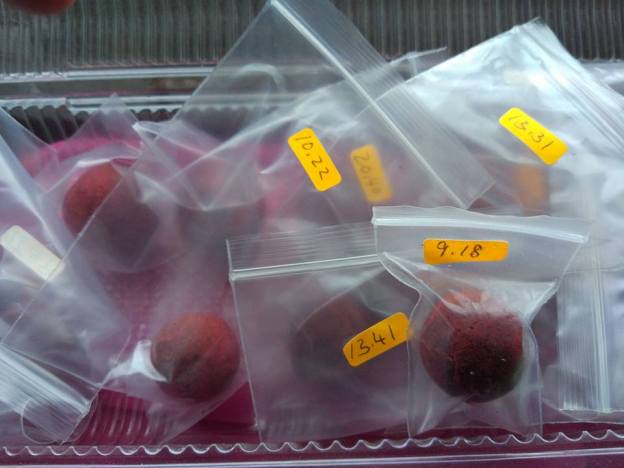
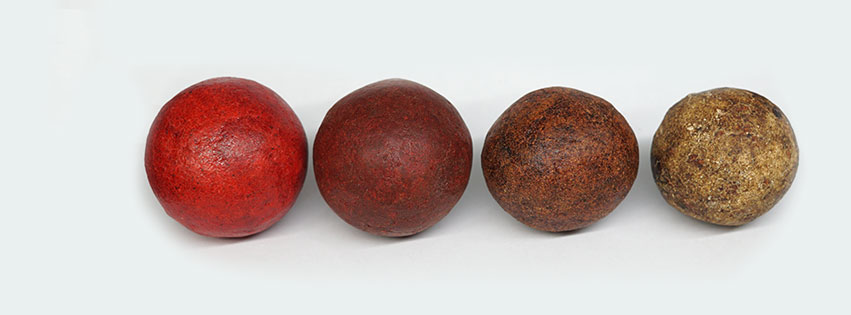
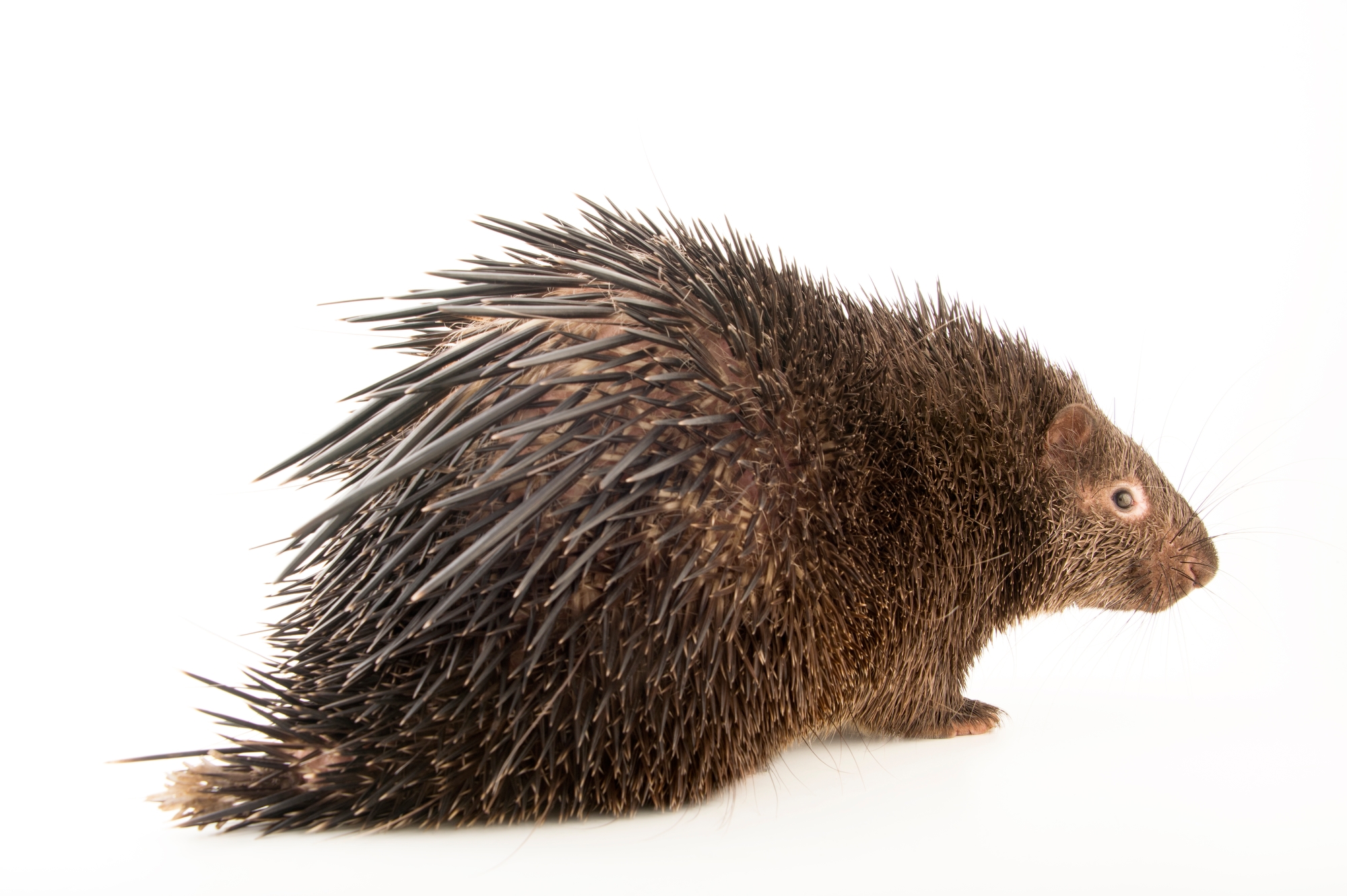
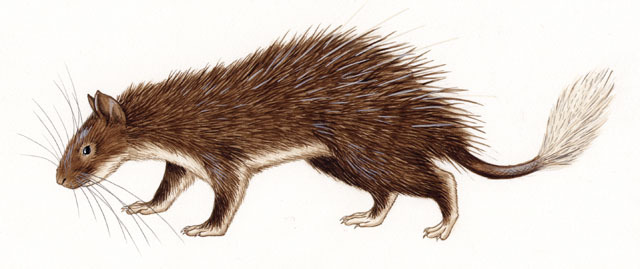
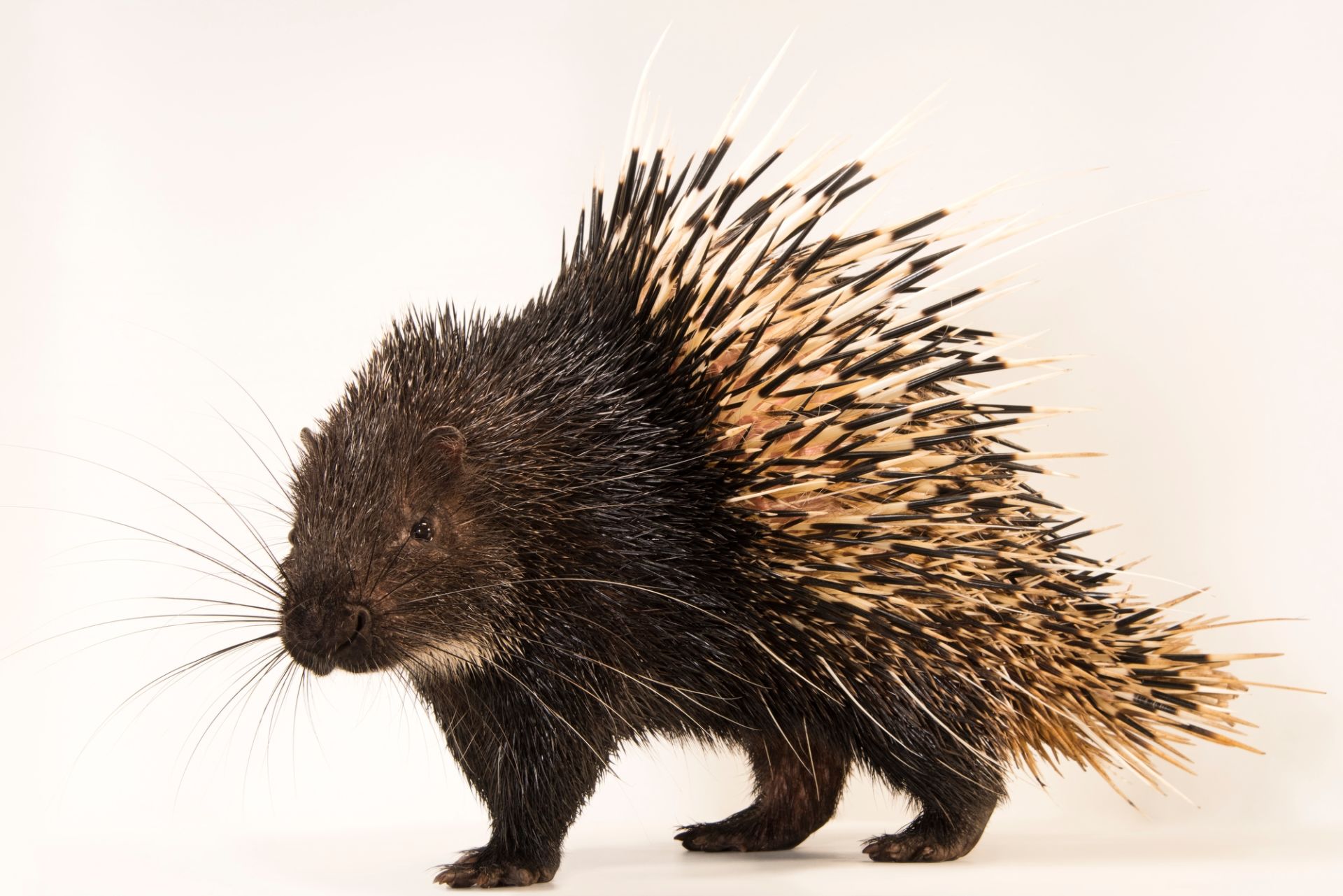


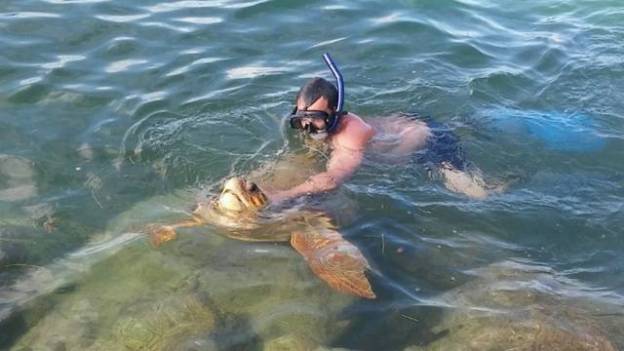
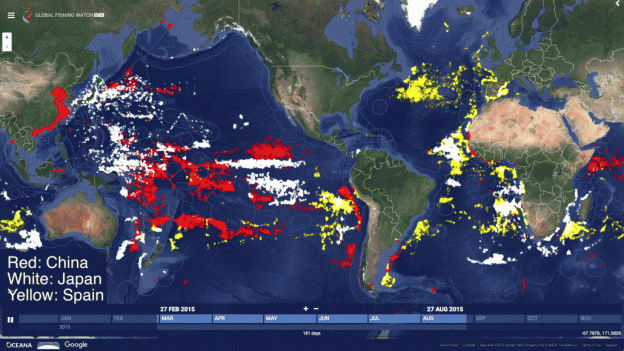
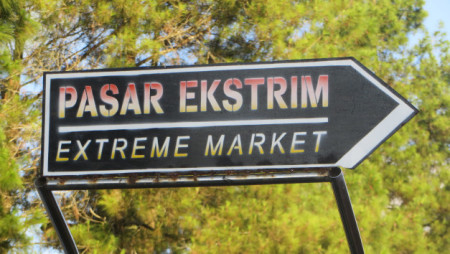
 Tomohon, in the highlands of North Sulawesi, Indonesia is …the “extreme market”. There is certainly something extreme about the serried carcasses, blackened by blow torches to burn off the fur, the faces charred in a rictus grin. The pasar extrim speaks to Sulawesi’s striking biogeography. The Indonesian island straddles the boundary between Asiatic and Australian species—and boasts an extraordinary number of species found nowhere else. But the market also symbolises how Asia’s amazing biodiversity is under threat. Most of the species on sale in Tomohon have seen populations crash because of overhunting (habitat destruction has played a part too)…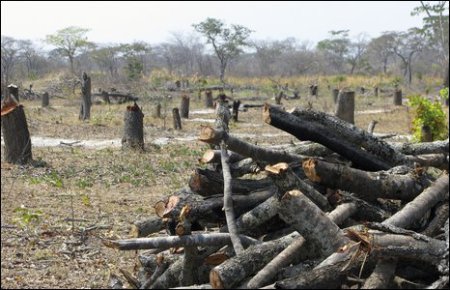

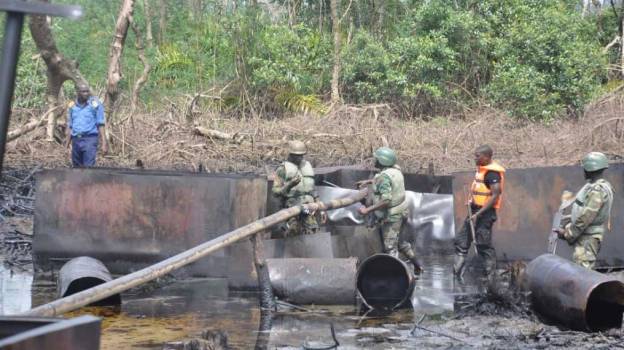
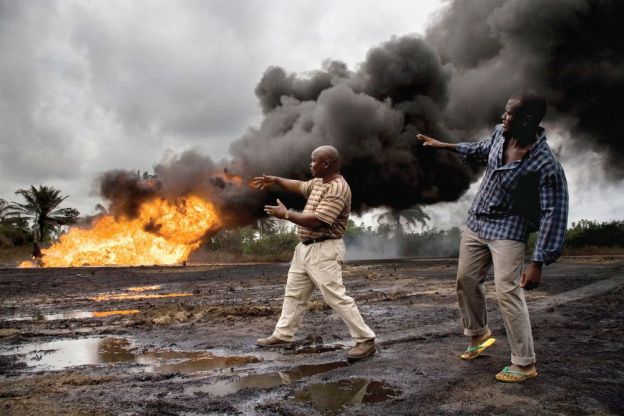
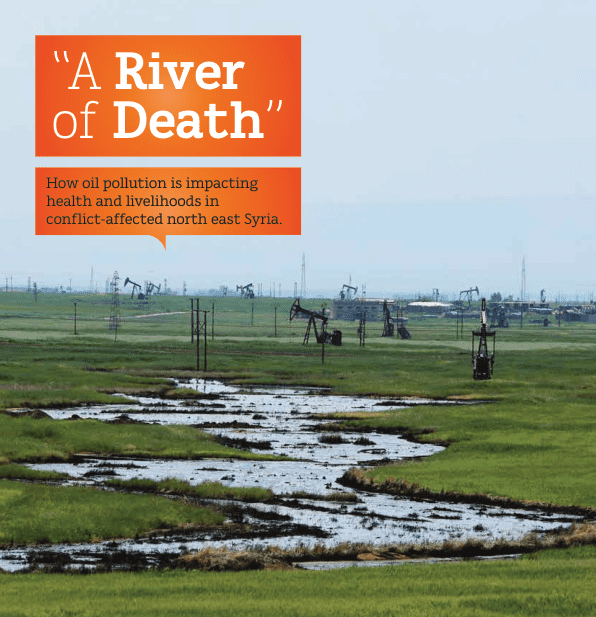
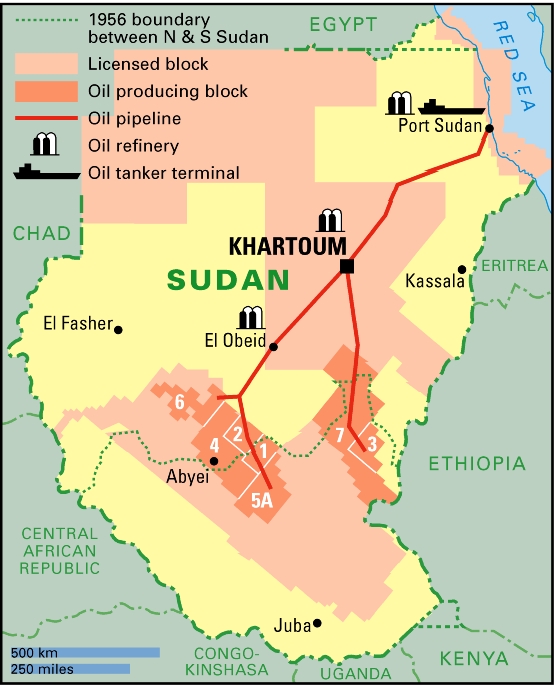
 Nigeria has long ignited interest from oil firms, but it can be a dangerously combustible environment when it comes to the risk of corruption. Two firms caught up in scandals are Royal Dutch Shell and Eni, Italy’s state-backed energy group.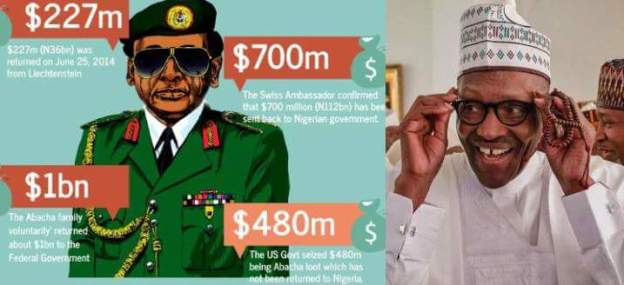
 Nigeria and Switzerland signed a memorandum of understanding on March 26, 2018 to pave the way for the return of illegally acquired assets…Switzerland said in December 2017 that it would return to Nigeria around $321 million in assets seized from the family of former military ruler Sani Abacha via a deal signed with the World Bank…[T]he memorandum of understanding was ratified between Nigeria, Switzerland and the International Development Association, (IDA), the World Bank’s fund for the world’s poorest countries.
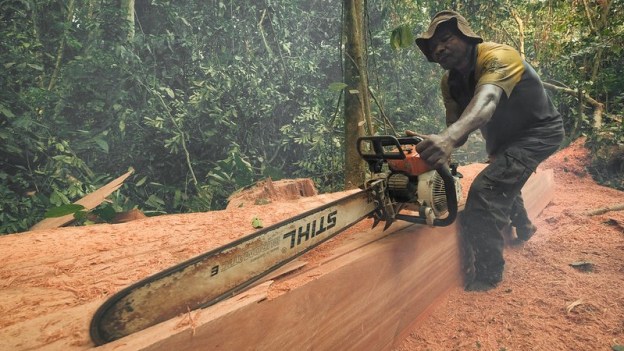
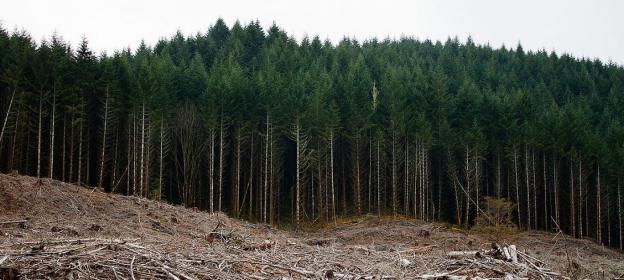
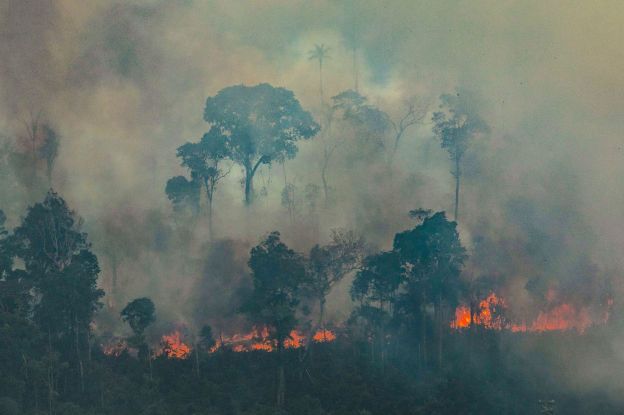
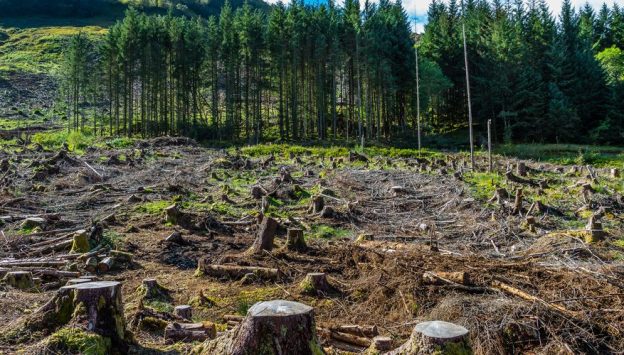
 Most deforestation takes place in poor countries. In richer places, trees tend to multiply. Australia is an unhappy exception. Land clearance is rampant along its eastern coast, as farmers take advantage of lax laws to make room for cattle to feed Asia. WWF, a charity, now ranks Australia alongside Borneo and the Congo Basin as one of the world’s 11 worst “fronts” for deforestation.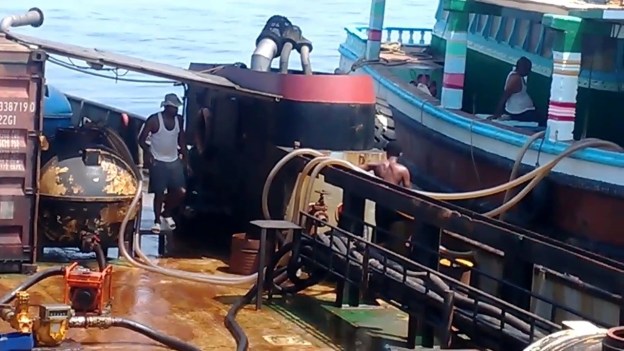
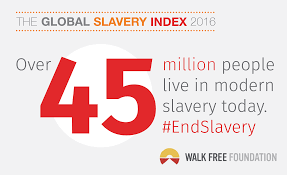
 The African Union on Friday urged Mauritania to make a greater effort to eliminate slavery after the country handed out lenient sentences to a family of slave owners in a landmark conviction….In a statement published online, the

 Daniel Stiles, a self-styled ape trafficking detective in Kenya, had been scouring Instagram, Facebook and WhatsApp for weeks, looking for pictures of gorillas, chimps or orangutans. He was hoping to chip away at an illicit global trade that has captured or killed tens of thousands of apes and pushed some endangered species to the brink of extinction.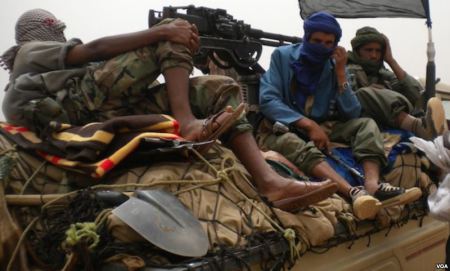
 Law-In-Action