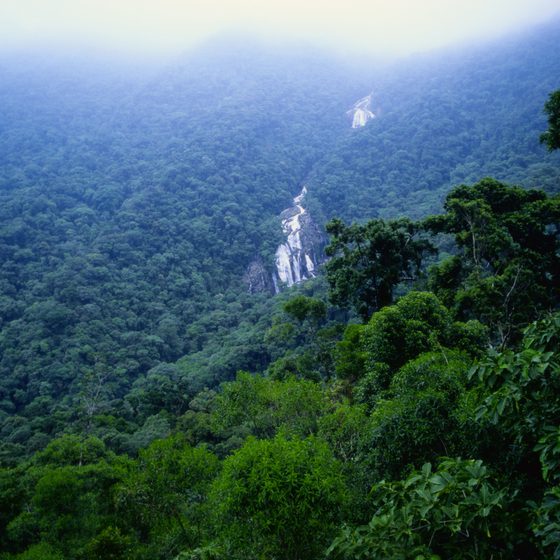
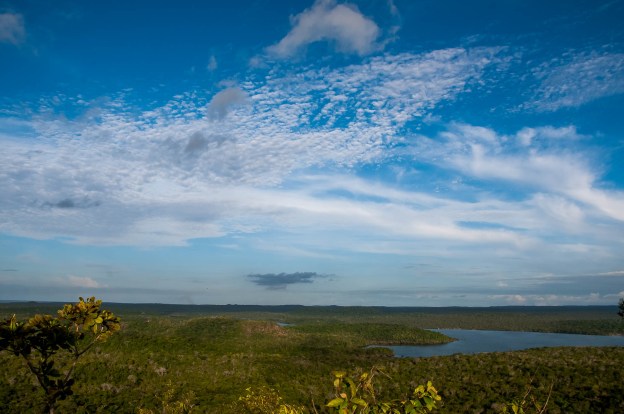
Amazon generates approximately half of its own rainfall by recycling moisture 5 to 6 times as airmasses move from the Atlantic across the basin to the west. From the start, the demonstration of the hydrological cycle of the Amazon raised the question of how much deforestation would be required to cause this hydrolological cycle to degrade to the point of being unable to support rain forest ecosystems.
High levels of evaporation and transpiration that forests produce throughout the year contribute to a wetter atmospheric boundary layer than would be the case with non-forest.This surface-atmosphere coupling is more important where large-scale factors for rainfall formation are weaker, such as in central and eastern Amazonia. Near the Andes, the impact of at least modest deforestation is less dramatic because the general ascending motion of airmasses in this area induces high levels of rainfall in addition to that expected from local evaporation and transpiration.
Where might the tipping point be for deforestation-generated degradation of the hydrological cycle? The very first model to examine this question showed that at about 40% deforestation, central, southern and eastern Amazonia would experience diminished rainfall and a lengthier dry season, predicting a shift to savanna vegetation to the east.
Moisture from the Amazon is important to rainfall and human wellbeing because it contributes to winter rainfall for parts of the La Plata basin, especially southern Paraguay, southern Brazil, Uruguay and central-eastern Argentina; in other regions, the moisture passes over the area, but does not precipitate out. Although the amount contributing to rainfall in southeastern Brazil is smaller than in other areas, even small amounts can be a welcome addition to urban reservoirs…
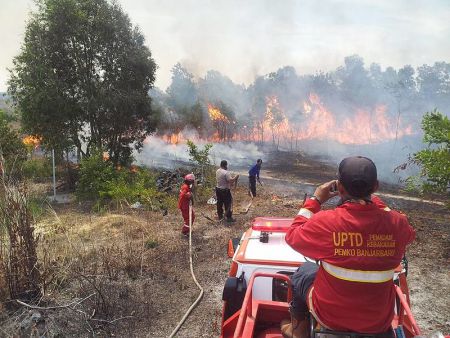
In recent decades, new forcing factors have impinged on the hydrological cycle: climate change and widespread use of fire to eliminate felled trees and clear weedy vegetation. Many studies show that in the absence of other contributing factors, 4° Celsius of global warming would be the tipping point to degraded savannas in most of the central, southern, and eastern Amazon. Widespread use of fire leads to drying of surrounding forest and greater vulnerability to fire in the subsequent year.
We believe that negative synergies between deforestation, climate change, and widespread use of fire indicate a tipping point for the Amazon system to flip to non-forest ecosystems in eastern, southern and central Amazonia at 20-25% deforestation.
We believe that the sensible course is not only to strictly curb further deforestation, but also to build back a margin of safety against the Amazon tipping point, by reducing the deforested area to less than 20%, for the commonsense reason that there is no point in discovering the precise tipping point by tipping it. At the 2015 Paris Conference of the Parties, Brazil committed to 12 million ha of reforestation by 2030. Much or most of this reforestation should be in southern and eastern Amazonia.
Excerpts from Amazon Tipping Point by Thomas E. Lovejoy and Carlos Nobre, Sciences Advances, Feb. 21, 2018


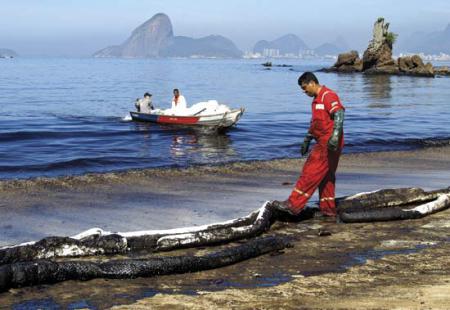
 The oil spill that hit the Fujairah coast on January 25, 2018 was the result of tankers illegally cleaning out their holds. That is according to the general manager of Fujairah port (UAE), Capt Mousa Murad, who has called for 24-hour monitoring of ships to tackle the issue. “The recent oil spills have been caused by tank cleaning by passing ships,” Capt Murad told The National on Tuesday. “Especially when tankers change from [carrying] one product to another,” he said, implying that the spills are made up of residue cleaned from within the tanks. He said the oil “comes from international waters and could hit Dibba, Fujairah or Khor Fakkan.”…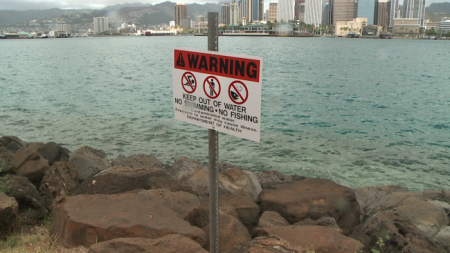
 Cesspools—holes in the ground where untreated human waste is deposited—have become a crisis in Hawaii, threatening the state’s drinking water, its coral reefs and the famous beaches that are the lifeblood of its tourist economy. Sewage from cesspools is seeping into some of Hawaii’s ocean waters, where it has been blamed for infections suffered by surfers and snorkelers. It is also entering the drinking water in part of the state, pushing nitrate levels close to the legal limit.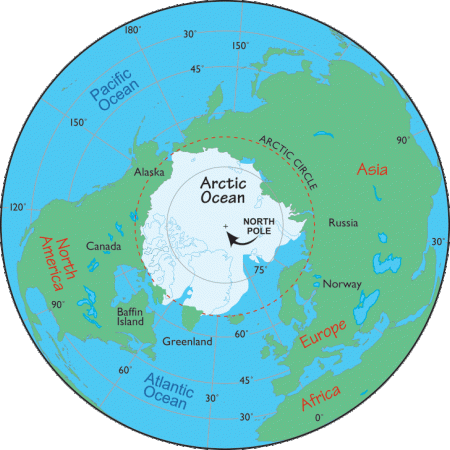
 China on January 25, 2018 outlined its ambitions to extend President Xi Jinping’s signature Belt and Road Initiative to the Arctic by developing shipping lanes opened up by global warming. Releasing its first official Arctic policy white paper, China said it would encourage enterprises to build infrastructure and conduct commercial trial voyages, paving the way for Arctic shipping routes that would form a “Polar Silk Road”…China, despite being a non-Arctic state, is increasingly active in the polar region and became an observer member of the Arctic Council in 2013.



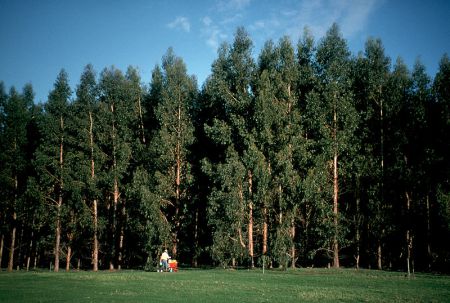
 In the 1920s, when Ireland became independent, it was thought to have just 220,000 acres (90,000 hectares) of woods, covering about 1% of the land. Once-extensive forests had been shrinking for centuries…In 2017, though, almost 11% of Ireland is covered with forest, and an unknown additional amount by small woods and scattered trees. The government’s target is to cover 18% of the land area with forests by 2046. Ireland is behind schedule. Still, about 6,000 hectares of new forest ought to be planted this year, while almost none will be lost. It is part of a broad trend: the foresting of the West.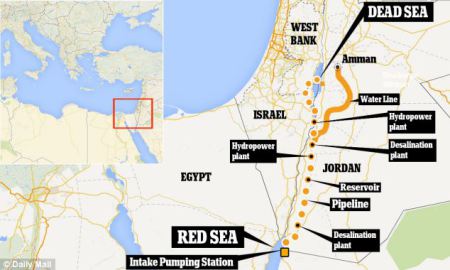
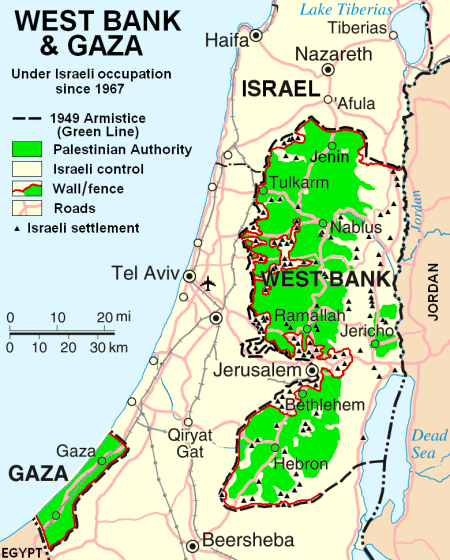
 The Dead Sea is dying. Half a century ago its hyper-salty, super-pungent waters stretched 80km from north to south. That has shrunk to just 48km at its longest point. The water level is falling by more than a meter per year. All but a trickle from its source, the Jordan River, is now used up before it reaches the sea. “It will never disappear, because it has underground supplies, but it will be like a small pond in a very big hole,” says Munqeth Mehyar of EcoPeace, an NGO.






 Daniel Stiles, a self-styled ape trafficking detective in Kenya, had been scouring Instagram, Facebook and WhatsApp for weeks, looking for pictures of gorillas, chimps or orangutans. He was hoping to chip away at an illicit global trade that has captured or killed tens of thousands of apes and pushed some endangered species to the brink of extinction.
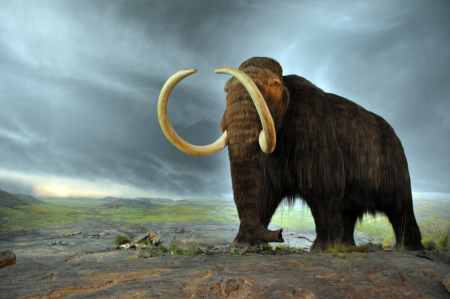
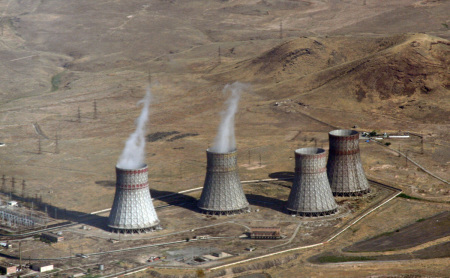
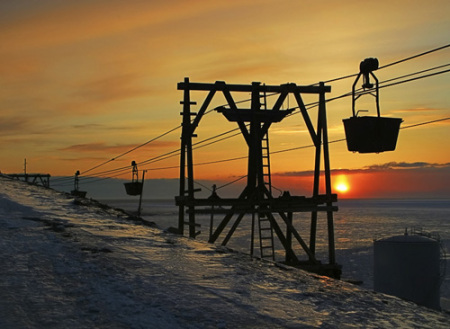

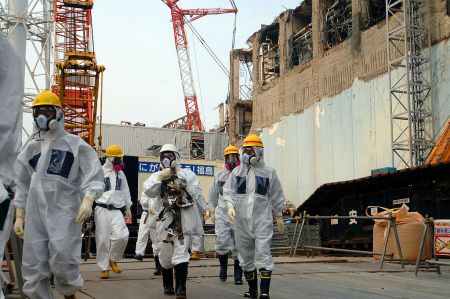
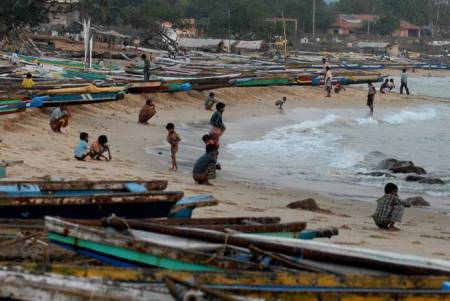
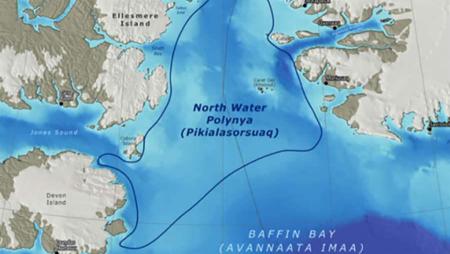
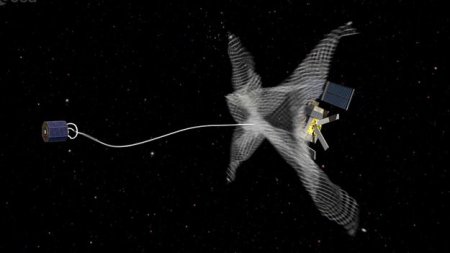
 Europe’s space agency is defending plans to launch two satellites that would drop a rocket stage likely to contain highly toxic fuel in some of the most ecologically sensitive waters of the Canadian Arctic…
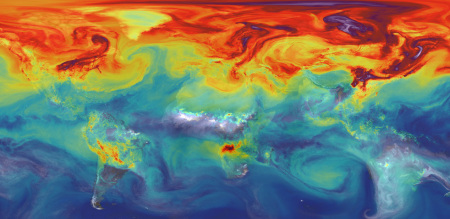
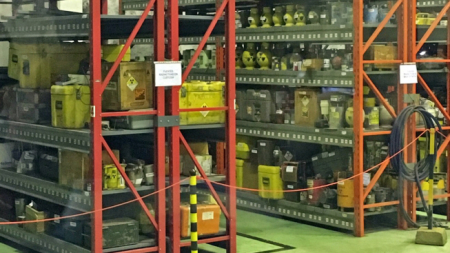
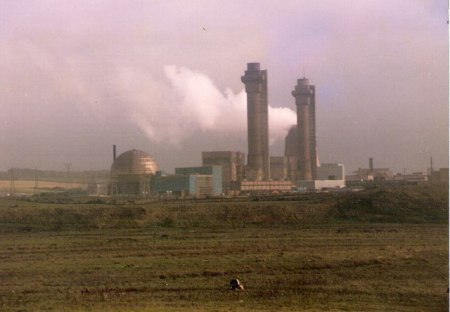
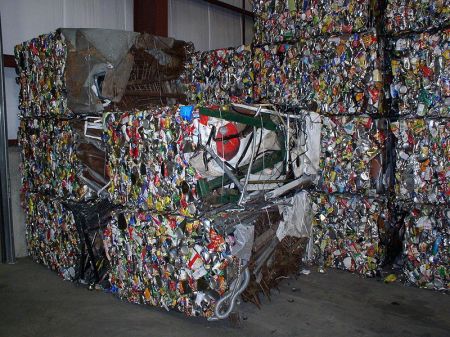
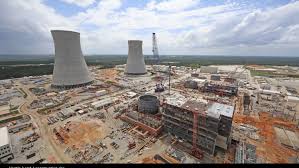


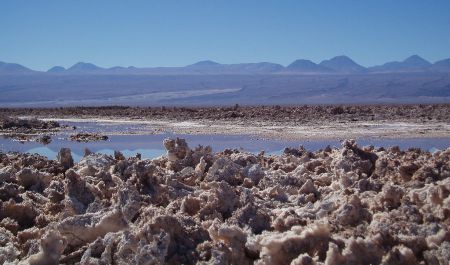
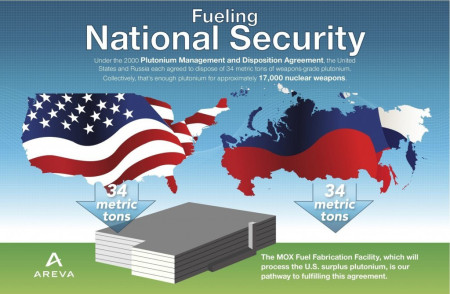
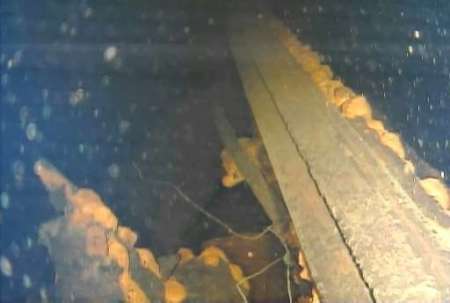
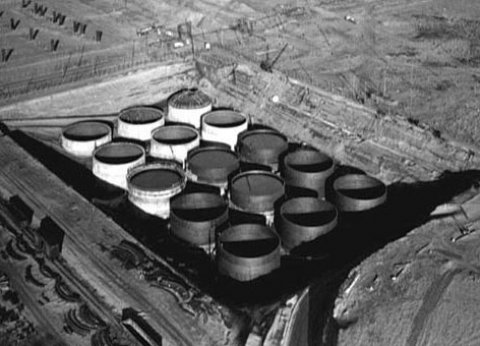
 South Carolina is suing the U.S. government to recover $100 million in fines it says the Department of Energy owes the state for failing to remove one metric ton of plutonium stored there. The lawsuit was filed on August 7, 2017.
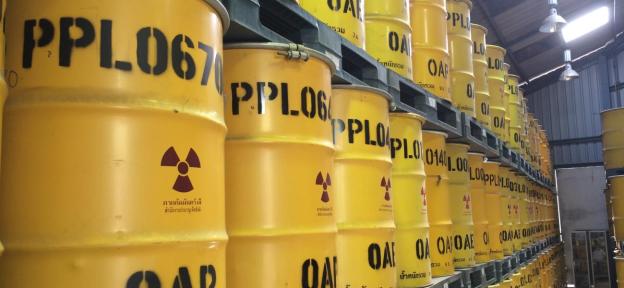


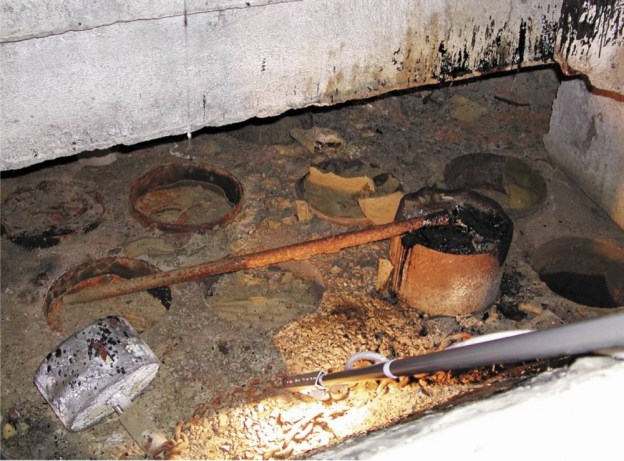

 U.S. District Judge Sue L. Robinson of Delaware on June 21,2017 sided with the federal government in blocking a $367 million merger between EnergySolutions and the radioactive site’s parent company. Waste Control Specialists calls the deal essential for its long-term viability.The details of Robinson’s opinion were sealed.
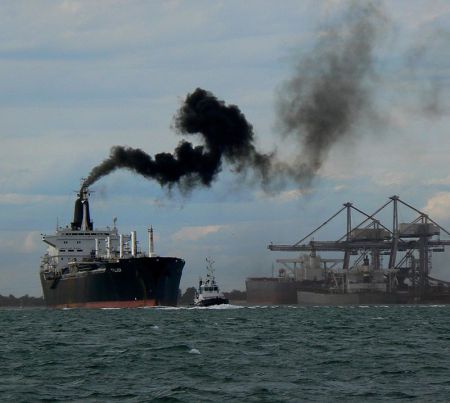


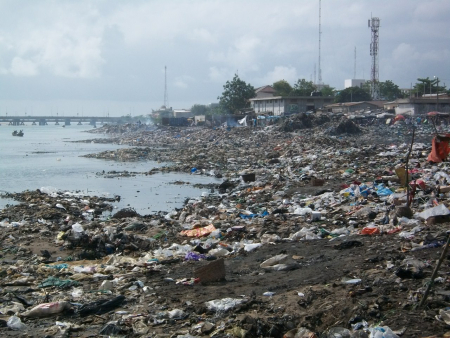
 Since their invention in the 1960s, disposable plastic bags have made lives easier for lazy shoppers the world over. But once used, they become a blight. This is particularly true in poor countries without good systems for disposing of them. They are not only unsightly. Filled with rainwater, they are a boon for malaria-carrying mosquitoes. Dumped in the ocean, they kill fish. They may take hundreds of years to degrade. On March 15th Kenya announced that it will become the second country in Africa to ban them. It follows Rwanda, a country with a dictatorial obsession with cleanliness, which outlawed them in 2008…
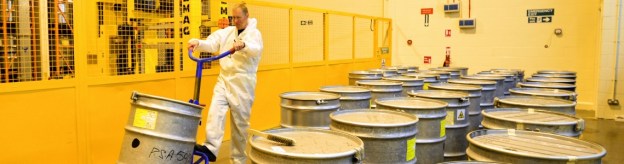
 Several options are available to immobilise waste resulting from nuclear fuel reprocessing. One of these is vitrification – a mature technology which has been used for high-level nuclear waste immobilization for over 50 years…Argentina is considering vitrification as a viable option for dealing with its high-level nuclear waste. The Argentine National Programme for Radioactive Waste Management aims to build capacities to implement vitrification processes for radioactive waste….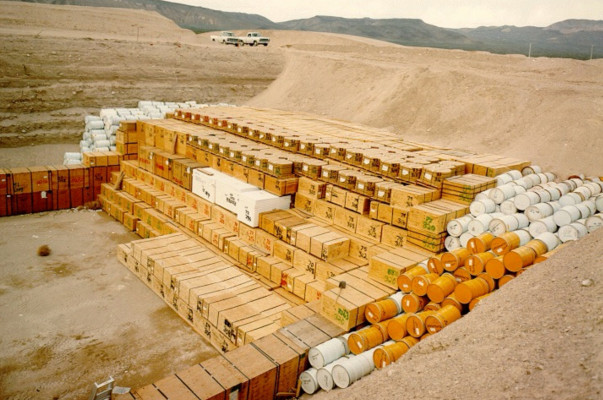



















 Law-In-Action