Category Archives: climate change

First Pollute: Then, Fire the Clouds to Make Rain

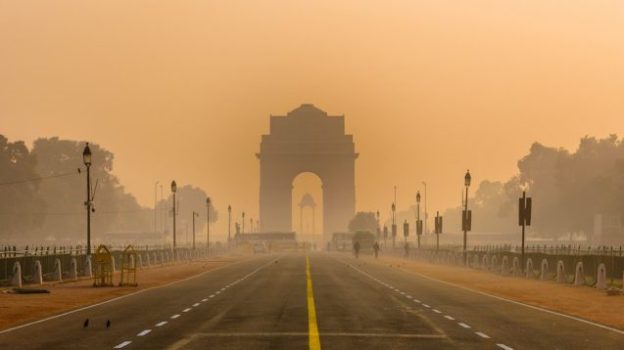
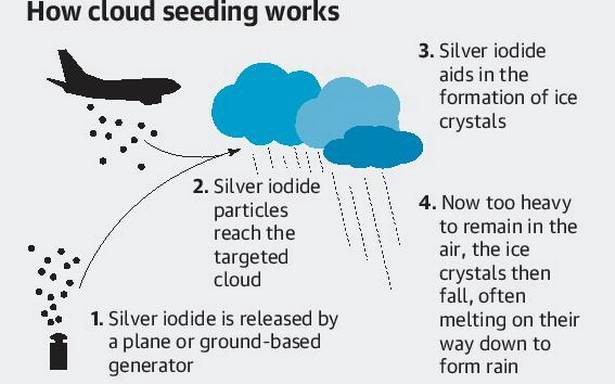
Authorities in Indian capital Delhi unsuccessfully carried out in October 2025 a cloud seeding trial, which is the technique of altering clouds to make rain, to tackle the city’s worsening air pollution.

[What is Cloud Seeding?] Cloud seeding is done by firing small particles – usually silver iodide – into clouds to produce rain. The technique is used around the world, but experts doubt its efficacy as a long-term air pollution control measure. A team of the Indian Institute of Technology (IIT) Kanpur and the Delhi government carried out the trial over several neighbourhoods, as thick smog enveloped the city. But the attempt – the first in 53 years – was “not completely successful” due to the lack of moisture in the air. As a result, Delhi’s Air Quality Index (AQI) – which measures the level of PM 2.5 or fine particulate matter in the air that can clog lungs – is still hovering between 300 and 400, which is nearly 20 times the acceptable limit…

Delhi’s first cloud-seeding experiment was carried out in 1957, followed by another attempt in 1972, according to the Indian Institute of Tropical Meteorology. While those experiments were aimed at drought management, this was the first indigenous effort at cloud seeding to control pollution.

China has boasted about its success to manage rains before hosting the Olympics, with Beijing using rockets, cannons and drones to do cloud seeding. However, in the United Arab Emirates, questions over the technique were raised, following floods in Dubai in 2024.

Excerpt from Abhishek Dey, Why Delhi’s experiment to fix toxic smog with artificial rain failed, BBC, Oct. 29, 2025

First French Village to Relocate due to Climate Change

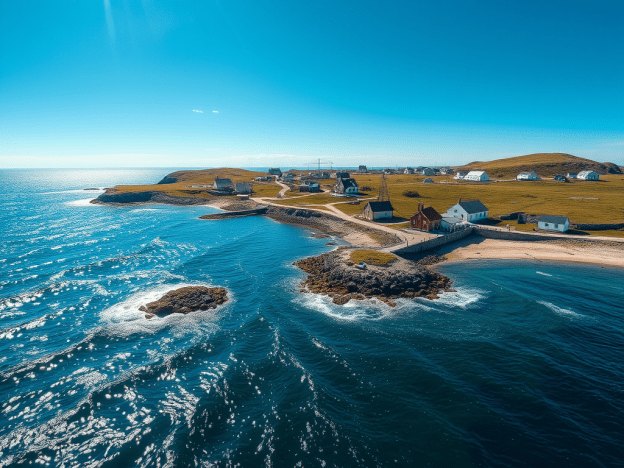
[T]he village of Miquelon sits only 2 meters above sea level on the archipelago of Saint-Pierre and Miquelon. Situated off the Canadian coast to the south of Newfoundland, it is an “overseas collectivity” of France, and the country’s last foothold in North America…’

But it was not until 2022 that the local government started thinking in earnest about relocating after the village narrowly missed being hit by Hurricane Fiona, one of the most expensive weather events ever in Canada. The move, when it is complete, will give Miquelon the unenviable title of the first French village to relocate because of the climate emergency. ..For now, relocation is voluntary, and nearly 50 people have signed up to move…At the same time, workers started to extend Miquelon’s water and electricity supplies to the new site. The goal is to keep the two sites connected as people move across the bridge between them.

Even though the signs of the climate crisis are obvious on the island – the ocean is slowly eating away at the isthmus that connects the parts of the island – many believe they have more time…

Excerpt from Sara Hashemi, How do you move a village? Residents of France’s last outpost in North America try to outrun the sea, Guardian, Oct. 28, 2025

Transparency against Free Speech? Exxon v. California, the Climate Risks

Exxon Mobil says rules requiring it to disclose climate risks infringe on the company’s right to free speech. The oil-and-gas giant made the argument in a suit filed October 24, 2025 (pdf) against the state of California, which is rolling out requirements for businesses to report ton their greenhouse gas emissions and climate-related financial risks. Exxon Mobil asked the court to halt the rules, arguing that they would violate free speech protections by forcing the business to use frameworks that put “disproportionate blame on large companies” such as the energy producer itself. The rules would require Exxon Mobil “to serve as a mouthpiece for ideas with which it disagrees,” the company said in the complaint, which was submitted to the U.S. District Court for the Eastern District of California.

The California regulations were set up by state laws SB 253 and SB 261: the Climate Corporate Data Accountability Act and the Climate-Related Financial Act. The first requires companies to disclose their greenhouse gas emissions, while the second mandates disclosures of climate-related financial risks.

The rules are specific to California but their oversight reaches businesses across the globe. Under SB 253, companies doing business in the state with an annual total revenue exceeding $1 billion, be they public or private, will have to disclose their greenhouse gas emissions—the ones from their immediate operations, such as electricity intake, and those from their… supply chain. Even if they are based elsewhere in the U.S. or overseas, the rules will apply.

The climate risk reporting rule, SB 261, will affect more companies. It requires public and private firms doing business in California with annual revenue of more than $500 million to disclose climate-related financial risks, along with the measures they are taking to mitigate and adapt to such risks, starting Jan. 1, 2026

Companies are also preparing for coming climate reporting rules in Europe known as the Corporate Sustainability Due Diligence Directive.

Excerpt from Clara Hudson, Exxon Mobil Sues California Over Looming Climate Disclosure Rules, WSJ, Oct. 27, 2025

Emit all the Carbon You Want; But Please! Don’t Greenwash

A French court, October 23, 2025 ruled oil and gas giant TotalEnergies had engaged in “misleading commercial practices” by overstating its climate pledges—the first such ruling worldwide against a major oil company for climate misinformation. The ruling is the first conviction in the world against an oil company, and a great win against greenwashing the act of claiming to be more environmentally responsible than in reality.

Find here a machine-translated pdf of ruling.

While United States Hibernated, China Salivated

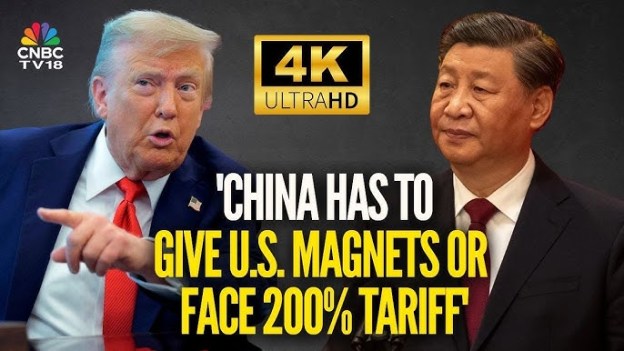
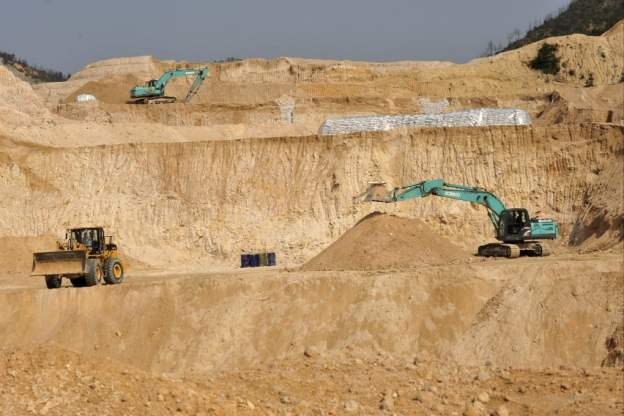
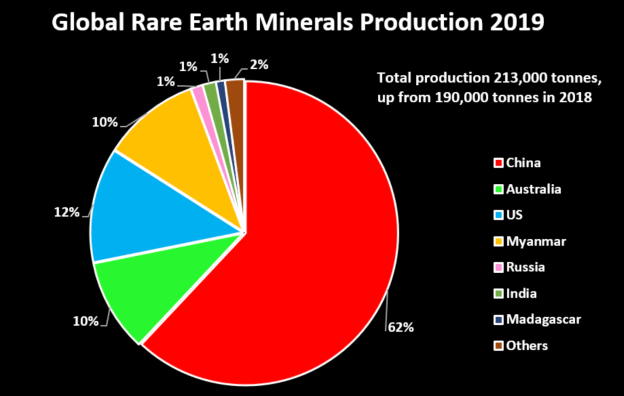
When China tightened restrictions on rare-earth exports in October 2025, stunning the United States, it was the latest reminder of Beijing’s control over an industry vital to the world economy. China’s dominance was decades in the making. Since the 1990s, China has used aggressive tactics to build up and maintain its lock over rare-earth minerals, which are essential to making magnets needed for cars, wind turbines, jet fighters and other products. Beijing provided financial support to the country’s leading companies, encouraged them to snap up rare-earth assets abroad, and passed laws preventing foreign companies from buying rare-earth mines in China. It eventually consolidated its domestic industry from hundreds of businesses into a few giant players, giving it further leverage over prices…

In 1995, Chinese state-linked companies received U.S. government approval to buy the rare-earth materials and magnet business started by General Motors, called Magnequench. In the following years, the Chinese ownership shut down all its rare-earth plants in the U.S. and shipped the equipment to China. Top American engineers were offered opportunities to go to China and set up new plants there.  “There were some colleagues that were dead set against it, saying they would never help China learn our technology,” said one magnet expert who ultimately agreed to go to China. “When I arrived, I could not believe what I was seeing. The number of new factories being built, and the rate at which they were being built, was mind-blowing,” he said….  By the mid-2000s, the U.S. rare-earth industry had been all but wiped out. Mountain Pass, America’s major rare-earth mine, had been shut down, as had virtually all American facilities that processed rare earths and turned them into magnets. China produced around 97% of the world’s rare earths, giving it what was effectively a global monopoly…

By 2021, the U.S. government was growing more worried about China’s ability to weaponize rare earths, causing prices to jump. Washington began offering large-scale funding for new rare-earth plants, including a refinery in Texas to be built by Lynas, an Australian rare-earth company. But in 2021, the Association of China Rare Earth Industry issued a warning: to China’s leadership If Beijing wanted to maintain “China’s absolute dominant position,” the country needed to relax state production quotas. Beijing responded in 2022 by pushing up output by 25%, the most in years, with another large increase the following year. Prices tanked, hitting the bottom lines of Western producers and leading some to unload assets…Beijing also introduced new measures preventing the transfer of its rare-earth processing technology abroad.

Excerpt from Jon Emont, How China Took Over the World’s Rare-Earths Industry, WSJ. Oct. 19, 2025

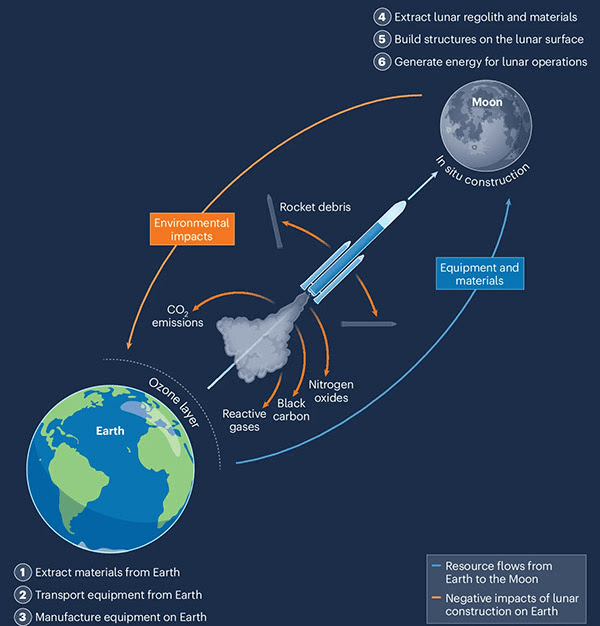
Building on the Moon: the Environmental Impact

The Environmental Burden of Building on the Moon

A Pipe Dream: Carbon Capture and Storage

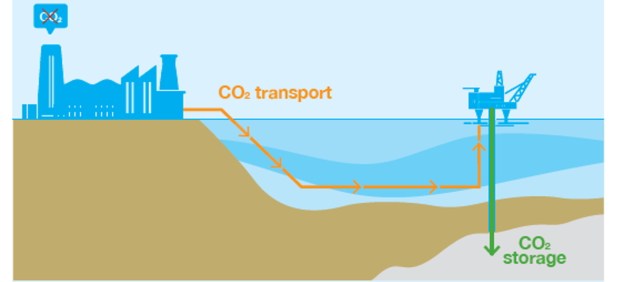
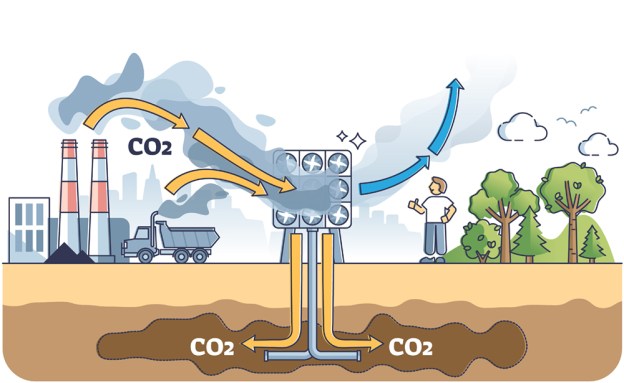
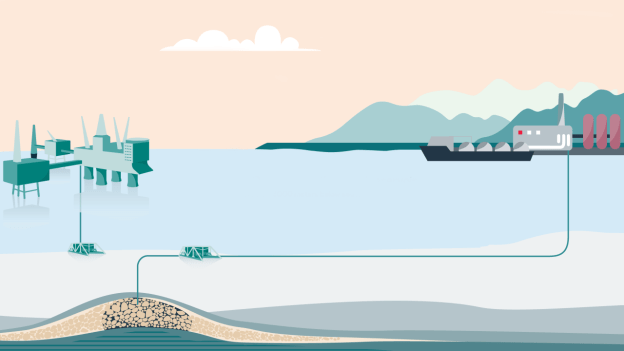
Drawing down carbon from the air and stashing it in underground rock formations has been framed as an essential way to slow and reverse global warming. But new research published in the journal Nature finds there are far fewer suitable places to do this than previously thought.

After screening out “risky” areas, like those that are vulnerable to earthquakes, a team of researchers from Europe and the U.S. found that the Earth can only safely store about 1,460 gigatons of injected carbon in its sedimentary basins. This is an order of magnitude less than previous estimates… 

Carbon storage “can no longer be considered an unlimited solution to bring our climate back to a safe level,” one of the study’s co-authors, Joeri Rogelj, said in a statement. “Geological storage space needs to be thought of as a scarce resource that should be managed responsibly to allow a safe climate future for humanity.” Rogelj is director of research at the Grantham Institute on climate change and the environment at Imperial College London.

Carbon storage refers to the injection of carbon dioxide into underground reservoirs where it theoretically can’t contribute to climate change.

According to the study’s authors, no previous global or regional estimate of the Earth’s technical carbon storage potential has taken into account key risk factors that would make some areas undesirable for storage. Starting from an estimate of all potentially available storage sites, their analysis cuts out areas that are too shallow, too deep, and too prone to earthquakes, as well as environmentally protected areas and areas near where people live. This reduces the total available capacity for carbon storage from 11,780 gigatons to just 1,460 gigatons of CO2, 70 percent of it on land and 30 percent on the seafloor.

They also noted some geographical disparities in the potential for carbon storage: While some historical climate polluters such as the U.S. and Canada have lots of space to safely stash carbon, others in Europe don’t. If those countries intend to make carbon storage a significant piece of their climate mitigation plans, they will likely have to look for locations in countries that have done little to contribute to climate change, potentially in Africa.

Except  from Joseph Winters, How much carbon can we safely store underground? Much less than previously thought, Yale Climate Connections, Sept. 10, 2025

Clouds! and Climate Change

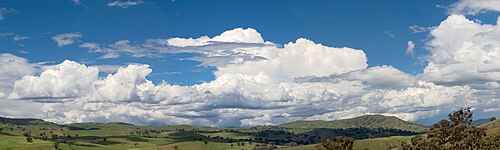
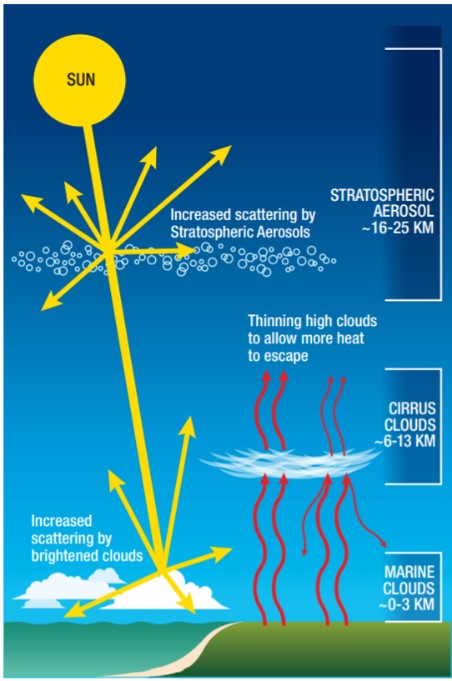
Clouds are not just poetic. They’re pivotal in helping to regulate Earth’s temperature. And their influence on the climate is evolving in ways we’re only beginning to understand.

How exactly cloud cover will shift in a warming world is anyone’s guess; it’s one of the largest sources of uncertainty in climate science. But it should also be everyone’s concern. What happens to our clouds as the planet warms is so important that we need a renaissance in the study of clouds.

Excerpt from Gavin Pretor-Pinney, We Take Clouds for Granted, NYT, Sept. 10, 2025

Read here his beautiful essay!

For more, see Cloud Appreciation Society

Another Laughingstock: Carbon Offsets

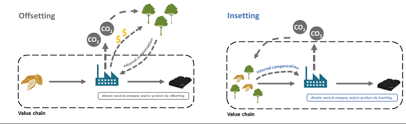
Carbon credits feature prominently in corporate climate strategies and have sparked public debate about their potential to delay companies’ internal decarbonisation. While industry reports claim that credit purchasers decarbonize faster, rigorous evidence is missing. This study (see below) provides an in-depth analysis of 89 multinational companies’ historical emission reductions and climate target ambitions. Based on self-reported environmental data and more than 400 sustainability reports, we find no significant difference between the climate strategies of companies that purchased credits and those that did not. Voluntary offsetting is not a central part of most companies’ climate strategies, and many pass credit costs directly onto their customers. While the companies within our sample retired one-fourth of all carbon credits in 2022, the top five offsetters’ expenditures on voluntary emission offsetting are, on average, only 1 percent relative to their capital expenditures.

Abstract from Niklas Stolz &  Benedict S. Probst, The negligible role of carbon offsetting in corporate climate strategies, Nature Communications,  Sept. 10, 2025

Individual Companies Can be Held Liable for Gross Contribution to Heatwaves

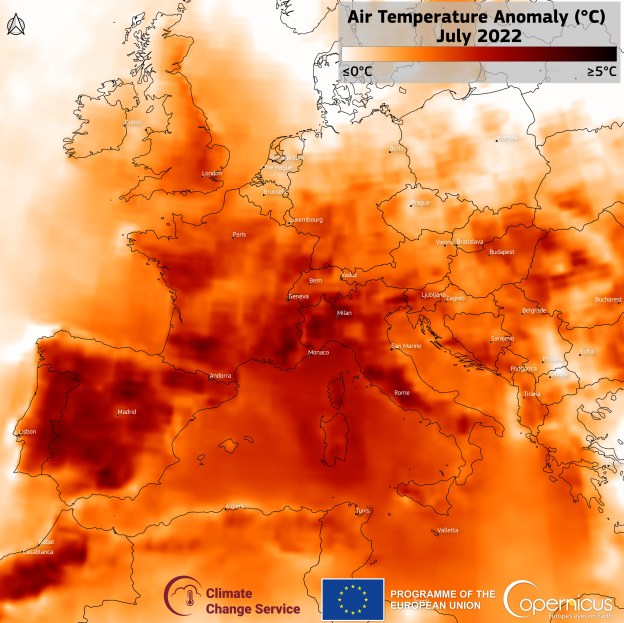
Climate scientists have been attributing storms, droughts and heatwaves to global warming for two decades. Now, they are tracing the chain of responsibility all the way back to the producers of fossil fuels. A study published in Nature in September 2025 shows that around one-quarter of the heatwaves recorded over 2000–23 can be directly linked to greenhouse-gas emissions from individual energy giants…some of whom include (the former Soviet Union, China (coal), Gazprom, Exxon Mobile, Chevron, National Iranian Oil Company, Saudi Aramco, BP, Shell, India (Coal)) The findings could provide fresh evidence to support lawsuits seeking to hold companies accountable for their impacts on the climate.

More than one-quarter of the 213 events recorded would have been “virtually impossible” without human-induced global warming, the study found. The emissions linked to energy companies and other major carbon emitters increased the likelihood of some 53 heatwaves by a factor of more than 10,000.

This is not the first time that climate impacts have been attributed to fossil-fuel producers, but this study go one step further than its predecessors and link individual companies directly to specific heatwaves. Legal experts say it’s a line of evidence that could feed into climate litigation that focuses on specific events, such as the 2021 heatwave that hammered the US Pacific Northwest in 2021. Already, a county government in Oregon has filed a US$52-billion civil lawsuit against fossil-fuel companies for contributing to that event.

Excerpts from Jeff Tollefson, Heatwaves linked to carbon emissions from specific companies, Nature, Sept. 10, 2025

AI Eats Up Crazy Amounts of Electricity

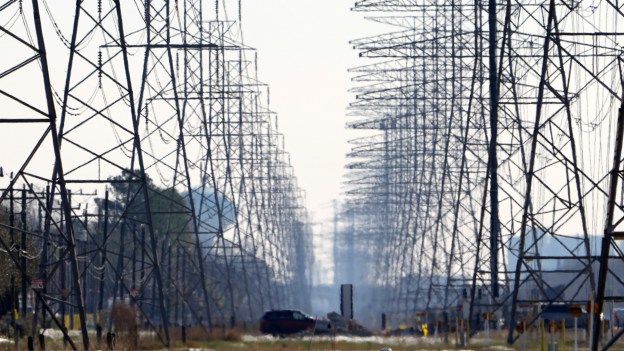
Global demand for AI is ramping up rapidly. Electricity demand from data centers worldwide is set to more than double by 2030 to about 945 terawatt-hours, which is more than Japan’s total electricity consumption, according to the International Energy Agency. “A single AI-focused data center can use as much electricity as a small city and as much water as a large neighborhood,” according to the Union of Concerned Scientists….A data center that fuels AI can consume as much electricity as 100,000 households, but the largest ones that haven’t been completed yet could consume 20 times as much. It’s a particular problem in the U.S., with data centers making up nearly half of its electricity demand growth over the next five years, according to the IEA.

There’s also been heightened concern recently about the amount of water that is required to cool electrical equipment in data centers. Just a few weeks ago, French company Mistral AI released a report detailing the environmental footprint of training its language model Mistral Large 2, including the amount of water it consumes. The water consumption from generating one page of text is 0.05 liter, enough to grow a small radish, the report says…

Excerpt from Clara Hudson, Google Wants You to Know the Environmental Cost of Quizzing Its AI. WSJ, Aug. 21, 2025

Laughingstock: The Net-Zero Banking Alliance

The Net-Zero Banking Alliance (NZBA) said in August 2025 that it was pausing operations and initiating a vote to decide on whether to continue working as a membership-based alliance or operate as a framework initiative…The move by the NZBA to suspend activities comes after numerous banks from the U.S. and Europe left the alliance. Those banks said that being part of such an organization was no longer necessary and that their business practices now incorporated the ESG principles learned over the past five years…Shortly after President Trump’s electoral win, major banks including JPMorgan, Citi and Morgan Stanley exited the alliance that they had proudly been a member of for years. The departure of the banks came as many faced strong pressure from the Trump administration and Republican attorneys generals to oppose climate groups and ESG investing more generally…

A sister organization, the Net Zero Asset Managers initiative was also set up, with a similar remit but instead focused on the activities of asset managers. It suspended activities in January 2025 after a wave of departures from the likes of BlackRock and Vanguard…. BlackRock, State Street and Vanguard were sued in November2024 by Texas Attorney General Ken Paxton, who alleged that the asset managers were violating antitrust law by being part of alliances like the NZAM initiative, which worked to move investments away from fossil fuels, especially coal. Paxton said this raised energy costs for consumers by not providing the full remit of energy sources.

In August 2025, a federal-district court judge denied the asset manager’s motion to dismiss the case, allowing litigation to continue under Texas and federal antitrust laws. “Today’s victory represents a major step in holding them accountable. I will continue fighting to protect Texas and defend America’s energy independence from this unlawful conspiracy,” Paxton said…

Excerpt from Yusuf Khan,, Net-Zero Banking Alliance Suspends Activities Amid Wave of Departures, WSJ, Aug. 27, 2025

International Environmental Law: Fairness, Effectiveness and World Order

Second Edition (2025) will be out in October 2025

Check my blog on the Cambridge website

Fifty Years of International Environmental Law: Looking Back and Looking Ahead

Climate Change Can Wait: China’s Greed for Oil

China’s thirst for oil drove global demand for decades…Chinese officials have long worried that the U.S. and its allies could hamstring the nation’s economy by choking off its supply of foreign oil. So China has poured hundreds of billions of dollars into weaning itself off the imported stuff by reviving domestic production and swiftly building the world’s leading electric-vehicle industry. “The energy rice bowl must be held in our own hands,” Chinese leader Xi Jinping has said.

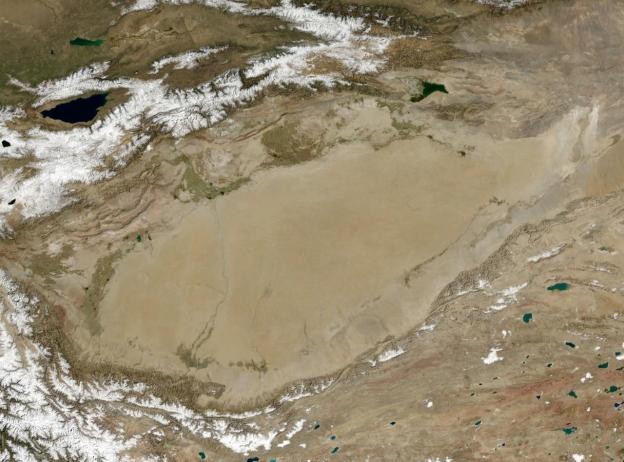
In a remote corner of China. the Tarim Basin, called the “sea of death” for its harsh conditions, oil workers are trying to coax more crude out of the ground by drilling holes as deep as Mt. Everest is high. State-owned PetroChina reported $38 billion of capital expenditures in 2024, nearly as much as Exxon Mobil’s and Chevron’s combined. China’s desire for energy independence dates all the way back to former leader Mao Zedong, who once dispatched tens of thousands of workers to search for oil in China’s northeast to ensure China wouldn’t be dependent on imports…

In July 2018, Xi personally ordered state-owned companies to revive domestic oil production to safeguard national security. Three state-owned oil majors invested an additional $10 billion the following year in exploration and production. They zeroed in on offshore areas such as the South China Sea and the Bohai Sea off the country’s northeast coast, as well as remote reserves near China’s western border with Kyrgyzstan, in a region called the Tarim Basin

In the deserts of the Tarim Basin crews are exploring some of the nation’s deepest reserves. Summer temperatures can top 120 degrees, and in the winter they can hit minus 20. Such ultradeep exploration is expensive, with some wells costing three times as much as shallower traditional wells, a Chinese oil executive told state media.  In 2023, Xi held a video call with Tarim Basin oil workers, praising their “indispensable contributions” to the nation. About 5% of China’s total oil and gas output in 2024 came from the basin’s deep reservoirs, a number Chinese oil executives intend to increase.

As of May 2024, PetroChina’s parent company, China National Petroleum, said it had drilled 193 wells in the Tarim Oilfield at least 5 miles deep. In the U.S., many wells are a mile or two deep.

Excerpt from Brian Spegele, How China Curbed Its Oil Addiction—and Blunted a U.S. Pressure Point, WSJ, July 21,2025

Green Frenzy Is Not Environmental Protection

Since 1960, Singapore has reclaimed around 150 square kilometres of land from the sea. In part, this is to meet demand for homes: around 80% of Singaporeans live in government-provided housing, nicknamed HDBs, after the Housing and Development Board, and many of those are in high-density skyscrapers. Singapore is the third most densely populated territory in the world, after Macau and the city-state of Monaco. Alongside this, the country’s economic success is buttressed by being the world’s busiest port outside China, hosting more than 3.11 billion tonnes in traffic in 2024.

This urban development and economic success has come at a cost for the natural environment: where once there was jungle, there is now city. Singapore has lost almost all of its primary rainforest, except for a small tract of land in the Central Catchment Nature Reserve, which sits in the middle of the island and is part of one of the two main water catchment areas. Although some of the country’s remaining non-primary rainforests, including in the Central Catchment, are protected from development, their long-term fate is a concern for environmentalists…

In a bid to achieve its sustainability goals, the government has pledged to plant one million trees by 2030 and transplant 100,000 corals into its marine waters, which NParks said in 2024 would take at least 10 years to complete. Neither project is without controversy. “Nobody is tracking how many trees we are cutting down while we are planting a million trees,”…“How about those century-old trees that are being cut down for development?”… Academics and civil-society groups say that they cannot access the same data that are available to government agencies…

Excerpts from Jack Leeming, Singapore’s fight to save its green spaces from development, Nature, May 28, 2025

De-Chinafication of Rare Earths: an Uphill Battle

China mines some 70% of the world’s rare earths, the 17 metallic elements primarily used in magnets needed for civilian and military technologies. But its 90% share of processing for rare earths mined around the world is what really concerns officials from other countries working to secure their supply.

“China is a formidable competitor,” said Ramón Barúa, chief executive of Canada’s Aclara Resources, which is opening a rare-earths mine in Brazil to supply a processing plant it plans to build in the U.S. Aclara said it plans by August to decide where in the U.S. to build its plant for separating rare-earths deposits into individual elements. Aclara signed an agreement in 2024 to supply rare earths to VAC, a German company that is building a factory in South Carolina with $94 million in Pentagon funding to make magnets for clients including General Motors…

Brazil has the world’s second-largest rare-earth reserves after China, some 21 million tons, according to the U.S. Geological Survey. That represents more than a fifth of known global reserves—and more than 10 times those in the U.S…Despite its huge reserves, Brazil has been a small player in rare earths because of its complex mining regulations and the difficulty of attracting financing from companies willing to confront entrenched Chinese competitors. Costs to mine and process Brazilian rare earths are estimated to be around three times China’s, meaning Western buyers would likely pay a substantial premium for Brazilian minerals. Only a few companies outside China have mastered rare-earth processing, and the learning curve is steep

Brazil’s first big rare-earths mine opened in 2024 by a US private equity company some 90 miles west of the town of Nova Roma…but the mine is contracted to ship most of its production to China !…Aclara plans to invest some $600 million to complete work on a larger plant next to the mine in Nova Roma to start full production in 2028.

Excerpt from Samantha Pearson, Rare-Earths Plants Are Popping Up Outside China, WSJ, May 18, 2025

Are Banks Responsible for Climate Change? the Lawsuit Against ING

Friends of the Earth Netherlands, together with 30,000 co-plaintiffs, have started a lawsuit against ING to bring the bank’s climate goals in line with the Paris Agreement…Milieudefensie is demanding that ING halves its emissions in 2030 and ceases financing companies that still develop new oil and gas projects…Milieudefensie has gathered almost 10,000 pages of evidence that substantiate the harmful effects of ING’s policy. ..Nicky van Dijk, research coordinator, adds: “ING’s own annual report states that ING is currently financing fossil fuel energy with 30 billion euro… 

Excerpt from Milieudefensie and more than 30,000 co-plaintiffs take ING to court, Milieudefensie Press Release, Mar. 28, 2025

To Pollute is to Own: U.S. and Greenland

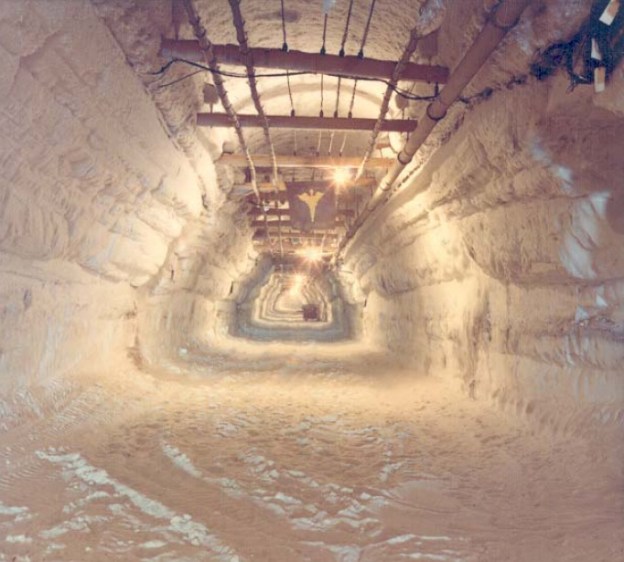
 NASA scientists discovered in 2024 remnants of Camp Century, a Cold War-era U.S. military base, under Greenland’s ice sheet. Project Iceworm, a clandestine Pentagon plan, aimed to build nuclear-missile launch sites beneath the Arctic ice. The underground site, which was designed to store 600 medium-range ballistic missiles, reveals the extent of U.S. involvement in Greenland going back over half a century. 

Camp Century, as the outpost was called, was partially constructed in 1959, and abandoned in 1967 after the ice sheet was deemed too unstable to support the proposed missile-launch network. Over the years, ice accumulated and the facility is now buried under at least 100 feet of ice…

The presence of U.S. nuclear weapons has historically been a source of friction with Denmark. The U.S. military at the time didn’t disclose Camp Century’s nuclear-related purpose to Copenhagen, a self-declared nuclear-free zone…In 1968, a nuclear-armed B-52 bomber crashed near the Thule Air Base, causing the payload to rupture and disperse, leading to radioactive contamination of the sea ice. The incident led to public controversy in Denmark, as did the revelation that the U.S. stored nuclear weapons at the Thule Air Base without informing Copenhagen or Greenland.

Excerpt from Sune Engel, The U.S. Nuclear Base Hidden Under Greenland’s Ice, WSJ, May 14, 2025

New Climate Lawsuit Against Shell, 2025

Shell is under intensifying legal scrutiny as environmental organization Milieudefensie, the Dutch branch of Friends of the Earth, announces fresh legal action. The NGO, based in Netherlands, claims that by investing in new oil and gas projects despite a previous court decision requiring emissions reductions, the oil and gas company violated its duty of care under Dutch law. This case could escalate tensions between fossil fuel corporations and climate activists pressing for stricter adherence to international climate goals.

The foundation of this new lawsuit lies in a historic 2021 court decision, upheld in part during a 2023 appeal, which found Shell partially liable for climate change. The appeal acknowledged Shell’s obligation to reduce CO2 emissions, citing its substantial role in contributing to the climate crisis. However, it stopped short of specifying a target percentage for reductions. Milieudefensie now argues that Shell’s ongoing fossil fuel investments clearly violate the legal duties affirmed by that judgment. “Companies like Shell have it within their power to combat the climate problem and therefore have a legal obligation to reduce emissions,” stated the Dutch Court of Appeal.

Shell has stated  that it plans to expand fossil fuel operations, particularly in the sectors of liquefied natural gas and oil production through 2040. This strategy directly conflicts with climate science, which indicates that new fossil fuel development must be halted to limit global warming to 1.5°C.  More than 700 new oil and gas fields are presently under development by Shell, per a thorough report by Milieudefensie and Global Witness. Since May 2021, Shell has finalized investment decisions for 32 new projects, potentially resulting in 972 million tons of CO2 emissions, an amount nearly equivalent to the annual emissions of the entire European Union.

Excerpt from Shell Faces Renewed Legal Pressure on Fossil Fuel Expansion, Zacks, May 14, 2025


Mines and the Meaning of Eternity

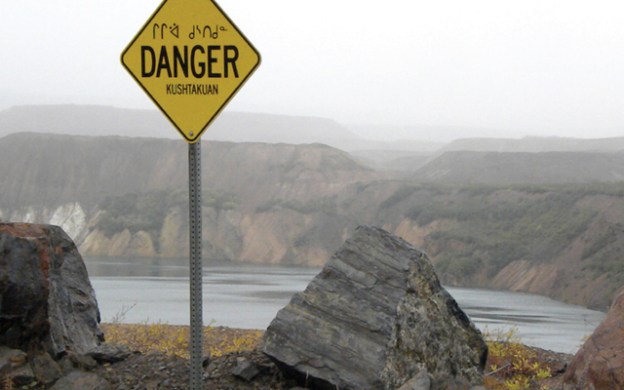
There are 237,000 metric tons of arsenic trioxide locked in the subterranean caverns of Giant Mine on the edge of Yellowknife, an unwanted byproduct from what was once one of the largest gold mines in Canada’s Northwest Territories. Consider that it only takes 140 milligrams of arsenic trioxide to kill a person; there’s enough of the poison here to kill 1.7 trillion people. The local indigenous people refer to the arsenic as a sleeping monster. Company and government officials hoped the arsenic would remain frozen underground forever. But mining operations and climate change caused the permafrost to melt, raising fears in the city of 20,000 people that toxic material could mix with the runoff and slither into the nearby waters of Great Slave Lake, the world’s 10th-largest freshwater body. From there, it could snake 1,000 miles along the Mackenzie River to the Beaufort Sea in the Arctic Ocean, poisoning the wildlife, the land and the water along its path.

The gold mine was one of the largest in Canada’s Northwest Territories, producing 7.6 million ounces of gold between 1948 and 2004—and leaving behind a toxic legacy.
But extracting minerals from the North carries high, and enduring, risks and costs. Current estimates put the cost of cleaning up Giant Mine at $3.2 billion, making it the most expensive mine remediation in Canadian history. The last owner, Royal Oak Mines, went bankrupt and left the bill to the government…

Canada’s government estimates there are roughly 24,000 contaminated sites across the country, which will cost 10 billion Canadian dollars—or $7.25 billion—to clean up. “Mining is a necessary evil. Fundamentally, it’s a license to pollute,” said David Livingstone, former chairman of the Giant Mine Oversight Board, an independent advisory body that monitors the Giant Mine cleanup. 

The arsenic at Giant Mine is the legacy of five decades of gold mining. Between 1948 and 2004, the mine produced 7.6 million ounces of gold, worth roughly $20 billion at today’s prices. There was so much gold that local indigenous people named Yellowknife “Somba K’e,” which means Money Place…But the precious metal was embedded in arsenopyrite, a mineral containing iron, sulfur and arsenic. To get to the gold, miners had to roast the rock, a process that also transformed the once-stable arsenic into toxic gas.

In the early years, miners ejected the arsenic out of a smokestack, believing the poison would be diluted in the air. Instead, the smoke condensed and fell to earth as a fine dust. It collected in the water and on the land. Cows and other livestock sickened and died. In 1951, an indigenous toddler died after eating arsenic-laden snow. After that, miners collected the dust and pumped it back underground, theorizing the arsenic would remain frozen in permafrost. For decades, the system worked. But the Canadian North is warming at a rate four times faster than the rest of the world, and the once-frozen ground is thawing.  Water is trickling into Giant Mine, a potentially catastrophic situation because the highly soluble arsenic trioxide could get carried into Baker Creek.
The creek runs through the mine site, and then into Yellowknife Bay in Great Slave Lake.
The headwaters for the Mackenzie River originate at Great Slave Lake. The river travels more than 1,000 miles to the Beaufort Sea in the Arctic Ocean…

Today, maintenance of the mine is an ongoing task. Waste materials, called tailings, are kept in large reservoirs around the mine. To stop dust contaminated with arsenic and cyanide from flying downwind, workers spray the tailings with a chemical mix called Rhino Snot, a blue-green dust suppressant developed by the U.S. military. But there are still times when wind carries dust southeast toward Ndilǫ, an indigenous community located on the west side of Great Slave Lake’s Yellowknife Bay, less than 2 miles from the mine as the crow flies. When the clouds of dust descend, the Yellowknives Dene council calls residents to warn them to shut their windows and stay indoors, said Ndilǫ Chief Fred Sangris, one of two chiefs of the Yellowknives Dene. “We tell them the mine is coming,” he said.

Sangris is so angry about what Giant Mine has done to the Dene’s traditional hunting grounds that he can’t even look at it. “It’s a poison place,” he said. “It’s a place to avoid.”…“They say forever, and they mean 100 years,” he said. “They don’t know what forever is.” 

Excerpt from Vipal Monga et al., Deep in an Abandoned Gold Mine, a Toxic Legacy Lurks, WSJ, May 5, 2025

Indigenous Peoples against Netflix and Meta: Northern Kenya Rangelands Carbon Project

The Northern Kenya Rangelands Carbon Project managed by the Northern Rangelands Trust, a Kenyan nonprofit, is the world’s largest soil-carbon plan, its boosters say. Launched in 2012, it was designed to preserve some 4.7 million acres of grasslands to lock in carbon on land communally owned by the Maasai, Borana and other pastoralist groups, which is part of a network of protected areas hosting threatened species such as cheetahs, black rhinos and… giraffes.

On May 13, 2025, an international nonprofit , Verra, that certifies carbon credits suspended approval for the project, adding to the questions about the credibility of similar carbon-capture projects and whether they actually benefit the people who live off the land….A spokesperson for the group, Verra, said credits are now on hold as it reviews the program after a long-running dispute between the conservationists who created the rangelands project and local herders, who say the project disrupts grazing patterns built over the course of centuries…

The dispute reached a flashpoint in 2021, when 165 pastoralists from two conservation areas sued the Northern Rangelands Trust in Kenyan court for allegedly using their land without consent. The plaintiffs accused the trust of creating the conservancies—which acted as the herders’ representatives in the carbon deal—through pressure and intimidation rather than informed consent. The court ruled in their favor in January 2025.

Lawyers and rights groups representing pastoralists say the ruling, which applies to one of the biggest conservancies, invalidates around 20% of the entire project’s credits. They say credits in around half of the project’s 14 wildlife conservancies could be vulnerable to similar lawsuits. That could leave big corporations holding invalid offsets and open to charges from rights groups that they overstate their commitment to environmentally friendly practices.

The trust has sold over six million carbon credits, worth between $42 million and $90 million depending on market prices, to buyers including Netflix and Facebook parent Meta. Tech companies use credits to offset emissions from their energy-intensive operations, such as producing movies, running data centers to stream video, powering social media and training cutting-edge artificial-intelligence models, as well as from employee travel. Meta became carbon neutral—that is, it purchased enough credits to compensate for all of its emissions—in 2020, and Netflix followed suit two years later.

Excerpts from Caroline Kimeu, Netflix and Meta’s Carbon Credits Snared in Dispute With Maasai Herders, WSJ, May 13, 2025

See also Kenya: Landmark court ruling delivers devastating blow to flagship carbon offset project

The Scramble for Congo 21st Century Style

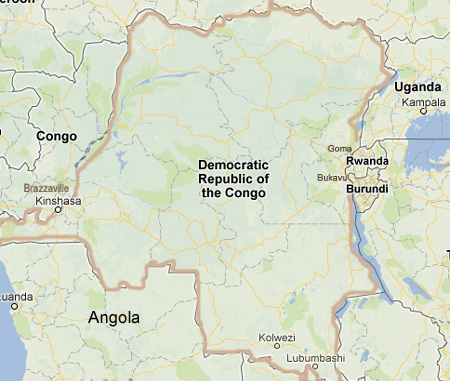
During the 19th century’s Scramble for Africa, European countries raced to secure territory and wealth across the continent. Now, African powers are grabbing resources from a neighbor crippled by infighting and ill-equipped to defend itself. Caught in the middle is the Democratic Republic of Congo, a country the size of Western Europe whose forests conceal a wealth of gold, diamonds and coltan, a key component in smartphones and computers. These mineral riches are turning what was already a region plagued by militia violence into a battleground, as Rwanda and its local allies seize coltan supplies while Uganda and its proxies move to take over gold mines to the northeast, according to United Nations and Ugandan officials…Ugandan President Yoweri Museveni and Rwandan President Paul Kagame are pouring troops and weapons into Congo, while their Congolese allies, who control strategic border crossings, secure smuggling routes to move more minerals to the global markets.

In 2024, Rwanda-backed M23 rebels seized the coltan-mining town of Rubaya, where fighters bring in around $800,000 each month by taxing traders. Rebel fighters have doubled diggers’ wages to encourage them to keep working, and they rely on forced labor to widen roads to accommodate trucks transporting coltan into Rwanda along with gold. According to the U.N., some 4,000 Rwandan soldiers are fighting inside Congo, a report that Rwandan authorities have denied.

Excerpt from While War Rages, Congo’s Neighbors Smuggle Out Its Gold and Mineral Wealth, WSJ, Apr. 7, 2025

Mining the Seabed: By hook or by crook

The Trump administration is reportedly considering an executive order that would accelerate deep-sea mining in international waters by allowing companies to bypass a United Nations-backed review process. The order would affirm the United States’ right to extract critical minerals from the ocean floor, enabling companies to seek permits directly from the National Oceanic and Atmospheric Administration (NOAA).

The International Seabed Authority (ISA), established in 1982 under the UN Convention on the Law of the Sea (UNCLOS)—which the U.S. has not ratified—has spent years developing regulations for deep-sea mining.  In 2021, the island nation of Nauru sponsored Canada’s The Metals Company (TMC) to begin deep-sea mining, forcing the ISA to draft rules before any company could start extracting minerals in international waters. The 36-member ISA council has since met repeatedly to finalize regulations. In March 2025, officials gathered in Jamaica to review hundreds of proposed amendments to a 256-page draft mining code, but the session ended without a resolution.

Frustrated by the ISA’s slow progress, TMC in March 2025 formally urged the Trump administration to issue deep-sea mining permits, arguing that “commercial industry is not welcome at the ISA.” “The Authority is being influenced by a faction of States allied with environmental NGOs who see the deep-sea mining industry as their ‘last green trophy,’” TMC chairman and chief executive, Gerard Barron. “They have worked tirelessly to continuously delay the adoption of the Exploitation Regulations with the explicit intent of killing commercial industry.”

Governments interested in developing deep-sea mining within their territorial waters — typically 200 nautical miles from shore — include the Cook Islands, Norway and Japan.

Proponents of seabed mining contend that its environmental impact is lower than land-based extraction. Critics warn that the long-term consequences remain uncertain and advocate for further research before large-scale operations begin.

Excerpt from Cecilia Jamasmie, Trump eyes executive order to fast-track deep-sea mining, Mining.com, Apr. 1, 2025

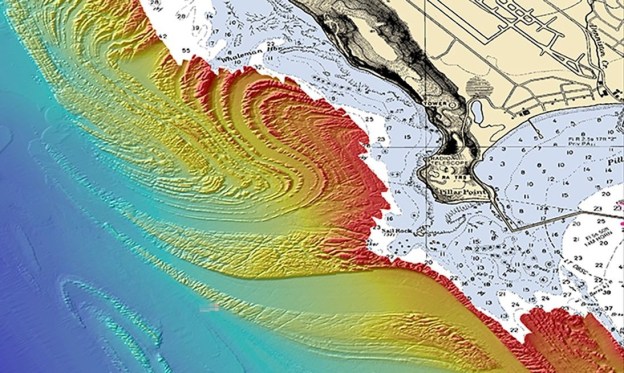
Mapping the Seafloor: Why Is It Important for War?

China’s fleet has triggered protests from Japan, India and others, but that hasn’t stopped Beijing from launching long missions to map the sea floor. The data they obtain has numerous applications, from science to the emerging industry of deep-sea mining, but it is the Chinese government’s commandeering of civilian research for military use that threatens American allies.

India’s navy drove a Chinese research ship away in 2019, but more have returned. In recent weeks, two of China’s most advanced research vessels, the Xiang Yang Hong 01 and the newer Dong Fang Hong 3 have conducted lawnmower-style sweeps across vast stretches of the eastern Indian Ocean.

Chinese civilian vessels are pursuing expeditions around the world—there are as many as a dozen or so active at any given time. The data they gather, including on currents, temperature and salinity, can have an array of applications. Detailed scanning of the seabed, for instance, can provide information about the visibility of naval mines and the accuracy of sonar.  The surveys can also help determine what minerals could be extracted…Recent missions have spurred complaints by at least half a dozen governments. China says its marine research activities fully comply with the United Nations Convention on the Law of the Sea, the international treaty that established the legal regime for the world’s oceans….

The U.S. Navy also carries out maritime surveys for military purposes…. Under the U.N. convention, coastal states have jurisdiction over research in their exclusive economic zones, which extend 200 miles from the coast. The U.S., which recognizes but hasn’t ratified the convention, argues that military surveys are exempt and U.S. Navy oceanographic ships regularly conduct studies near China. China appears to be moving closer to the American stance, “as they’re doing more oceanographic research without the permission of coastal states.”

Excerpts from Austin Ramzy, China Is Mapping the Seabed to Unlock New Edge in Warfare, WSJ, Mar. 12, 2025

Will Bacteria Save the Earth?

Microorganisms have shaped Earth for almost four billion years. At least a trillion microbial species sustain the biosphere — for instance, by producing oxygen or sequestering carbon. Microbes thrive in extreme environments and use diverse energy sources, from methane to metals. And they can catalyse complex reactions under ambient temperatures and pressures with remarkable efficiency.

And bacteria or fungi are already being used to produce materials, fuels and fertilizers in ways that reduce energy consumption and the use of fossil-fuel feedstocks, as well as to clean up waste water and contaminants…For instance, a start-up firm called Carbios, based in Clermont-Ferrand, France, has developed a modified bacterial enzyme that breaks down and recycles polyethylene terephthalate (PET), one of the most common single-use plastics. Another company — Oil Spill Eater International in Dallas, Texas — uses microbes to clean up oil spills, and large waste-management corporations in North America are using bacteria called methanotrophs to convert the methane produced from landfill (a more potent greenhouse gas than CO2) into ethanol, biofuels, polymers, biodegradable plastics and industrial chemicals….The company Floating Island International in Shepherd, Montana, is even building artificial floating islands on lakes and reservoirs that have been polluted by excessive nutrient run-off, so that methane-metabolizing microbes (which colonize the underside of the islands) can remove methane originating from lake sediments. The goal in this case is to transform inland lakes and reservoirs from net methane sources into carbon sinks…

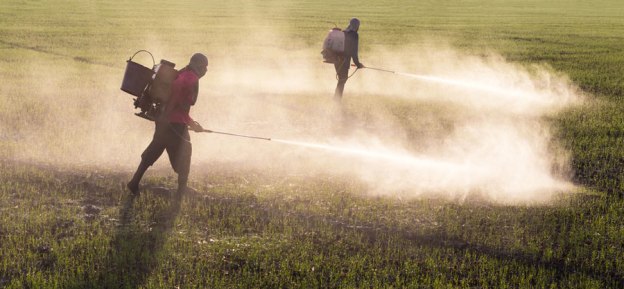
Finally, microbes could be used to make food production less reliant on chemical fertilizers and so more sustainable. Many bacteria and archaea can be used to produce nitrogen fertilizer with much lower greenhouse-gas emissions than synthetic fertilizers…Several companies are now selling biofertilizers, which are formulations containing bacteria called rhizobia or other microbes that can increase the availability of nutrients to plants. A growing number of microbial biopesticides are also offering food producers a way to control crop pests without harming human or animal health or releasing greenhouse gases into the atmosphere8..

Many solutions, such as using bacteria to degrade crude oil or plastics, have been shown to be effective and safe in a laboratory setting. Yet scaling up their use to the levels needed to reduce global emissions or global biodiversity loss could lead to unforeseen complications. Certain safeguards — designing bacteria that can persist in an ecosystem for only a short time or that can exist under only specific environmental conditions — are already being developed and applied. 

Excerpts from Rino Rappuoli, et al., Microbes can capture carbon and degrade plastic — why aren’t we using them more?, Nature, Mar. 25, 2025

The Nuclear Waste Problem of Power-Hungry AI

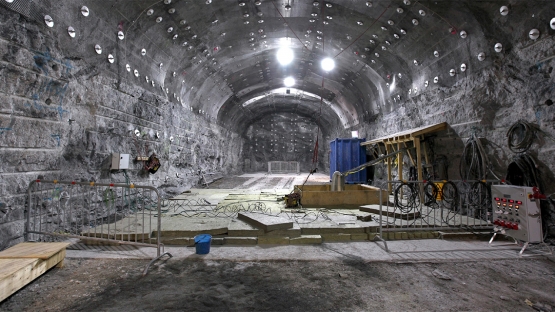
A nuclear power renaissance—driven in part by power-hungry AI data centers—has revived a thorny problem: what to do with the radioactive waste left behind. Already, more than 90,000 metric tons of spent nuclear fuel is being stored at sites in 39 states. These include 73 commercial nuclear power plants and more than three dozen university and government facilities, according to a 2024 report by the Pacific Northwest National Laboratory…Meanwhile, nuclear reactors continue to provide almost 20% of U.S. electricity and produce about 2,000 metric tons of waste each year. As additional plants become available to meet the demands of data centers, industrial plants, homes and electric vehicles, the waste pile is poised to grow even more.  The US first new reactors in three decades were completed last year in Georgia. Plans are in the works to reopen closed reactors in Michigan, Iowa, Pennsylvania and South Carolina…

France generates 70% of its electricity from nuclear energy, recycles about 96% of its waste into new fuel and stores the remainder in a centralized cooling pool in Normandy. French officials expect to start construction in 2027 on a permanent underground repository in northeastern France to open by 2035.  In November 2025, Canadian officials selected a permanent site for nuclear waste to be dug out of bedrock in northwestern Ontario. But U.S. efforts stalled decades ago, when a $15 billion project to build a permanent, underground storage facility at Yucca Mountain, Nevada, was halted amid opposition by elected officials in the state. The Yucca Mountain failure cast a shadow over efforts to build a permanent disposal site, according to interviews with nuclear experts, policymakers and elected officials. 

Excerpts Eric Niiler, Nuclear Power’s Revival Is Here. What Do You Do With All the Radioactive Waste?, WSJ, Mar. 5, 2025

The Conquest of Greenland–Not for the Faint Heart

Teeming with underground riches, Greenland might set the scene for a modern gold rush. President Trump, for one, covets Greenland’s deposits of critical minerals, some of the largest in the Western Hemisphere. But as the visiting Australian company, Energy Transition Minerals, has discovered, securing them is a daunting task. 

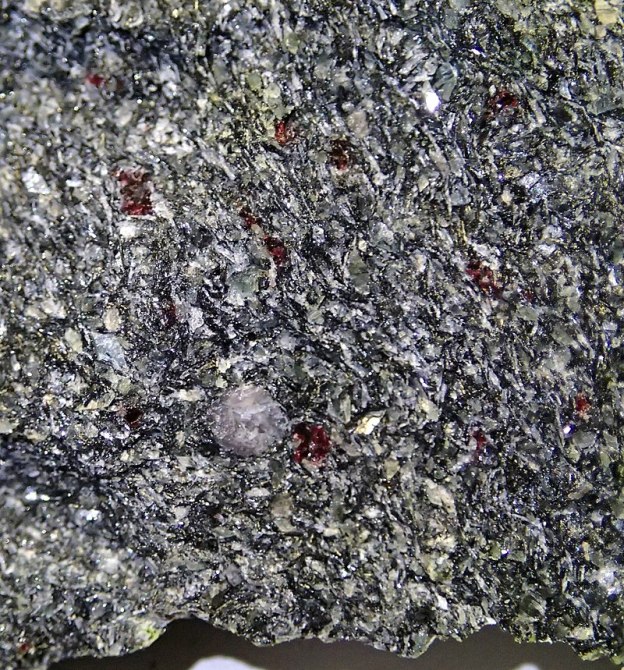
Kvanefjeld, the site of the billion-year-old solidified magma in the mountains above the town of Narsaq, contains an estimated 1 billion tons of minerals, enough to potentially transform the global market for rare-earth elements, used in such things as electric vehicles, jet fighters, wind turbines and headphones. 

Mining companies in Greenland operate in one of the most challenging environments in the world because of the Danish territory’s sparse infrastructure, hostile weather and a tricky political climate. Mining here is expensive, and few investors are willing to pay for it given the uncertainties.   Despite its extraordinary mineral wealth, Greenland has only two active mines: a gold mine in commissioning phase and a mine producing anorthosite, used in fiberglass, paints and other construction materials…“Investing in Greenland is not for the faint of heart,” said Brian Hanrahan, chief executive officer of Lumina Sustainable Materials, which operates the anorthosite mine on the west coast of Greenland. “The local logistics are incredibly complex.” Building a mine involves high startup costs, and has to be done from scratch in rugged terrain. Greenland is nearly one-fourth the size of the U.S., and about 80% of it is covered by ice, with deep fjords and ice sheets up to a mile thick. There are no roads between settlements, and shipping is treacherous because of floating ice off the coast.

Bureaucracy is a hindrance, too. The process of granting licenses to foreign companies to mine is lengthy and cumbersome. While applying for licenses, companies need to keep employees on payroll with benefits. With a population of 57,000, Greenland’s labor market is tight…Extracting Greenland’s minerals is about more than profit; it is about resource control. Western governments are eager to break China’s dominance of the global market for rare earths and other minerals, which it could wield as a weapon in a trade war…“Greenland is host to some of the largest rare-earth resources known to exist globally, which have potential to supply virtually all the foreseeable needs of North America and Europe for decades to come,” said Ryan Castilloux, managing director of Adamas Intelligence… ‘

But when directors from Energy Transition Minerals visited Narsaq in February 2025, they were met near the icy helipad by protesters in brightly colored vests emblazoned with a logo spelling “Uranium? No, Thank You” in Greenlandic…Many among the Inuit population of Narsaq are concerned about contamination of drinking water, plants and wildlife. “We live off nature as our forefathers have done for generations. We will be forced to move,” said Avaaraq Bendtsen, a 25-year-old archaeology student. “Think about the indigenous people as well. This is our land. It is our mountain.”

Excerpts from Sune Engel Rasmussen, Greenland Has the Makings of a Mining Boom. So Where Is Everyone?, WSJ, Mar. 4, 2025

Bureaucracy Against Biodiversity

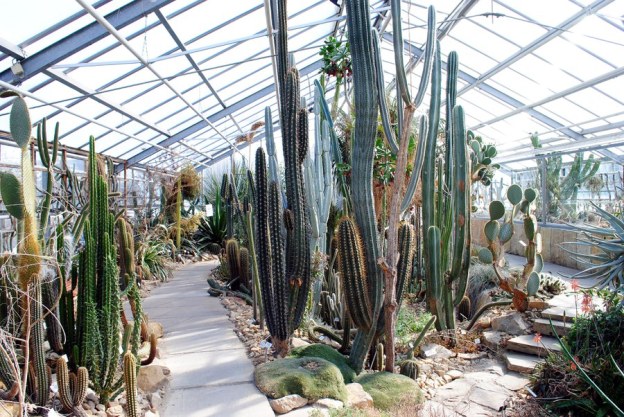
Botanic gardens around the world are struggling to find the space to conserve rare plants and save endangered species. “They can’t all fit,” said Brockington. Cambridge University Botanic Garden, for example, is home to more than 8,000 species. “That’s more than a tropical country like Vietnam, growing in a tiny little acreage of Cambridge.”…Threatened plants must compete for space in botanic gardens with beautiful, famous – but less endangered – flowers, trees and landscapes that will attract visitors and inspire people to learn about gardening and the natural world….The first botanic gardens were founded during the colonial era, and almost all are located in the west. In the past, botanists from these gardens would engage in “extractive, colonial-type practices”, visiting poorer nations to “pull out whatever plants they or their rich patrons were interested in, bring them back and cultivate them,” Brockington said.

In 1993, a United Nations Convention on Biological Diversity attempted to stop this by assigning sovereignty over biodiversity to national governments, enabling states to “own” the genetic material within their geopolitical boundaries…But this is hampering efforts of gardens to collect endangered plants in the wild, and exchange seeds and plant material to protect threatened species from extinction. To maintain diversity and preserve the world’s living collections, plants must be regularly replaced or propagated. But since the convention was introduced in 1993, the number of plants in botanic gardens collected from the wild has halved.

“Political boundaries do not help us share material and collectively steward the world’s most threatened biodiversity,” Brockington said. Brexit, for example, has been “catastrophic” for exchanges of plant material between European botanic gardens, he said. “The bureaucracy of seed exchange can be so costly now, it would be cheaper for our staff to personally fly to somewhere like Sweden, with a legal amount of seed, than send it by post.”…Brockington wants the world’s botanic gardens to collaborate to safeguard plant populations by creating one big “meta collection”, where individual specimens of an endangered wild species are extensively cultivated in multiple institutions.

Excepts from  Donna Ferguson, The risk of extinction is accelerating’: world’s botanic gardens raise alarm with space to protect endangered plants running out, Guardian, Jan. 25, 2025

Appalling Human Rights Violations in South Africa Mining Sector

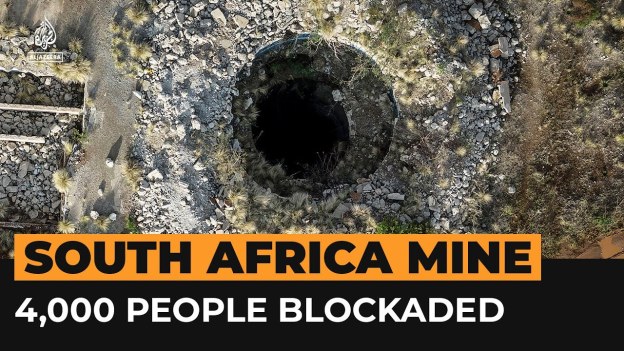
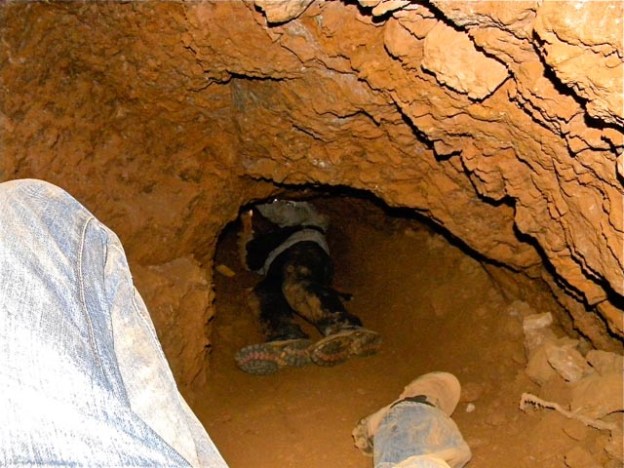
With hundreds of miners trapped below ground without food or water, two men from down the road volunteered to venture where no police, government officials or professional rescuers were willing to go.

On their first descent into the shaft this week, Mandla Charles and Mzwandile Mkwayi, wearing white hardhats, headlamps and T-shirts, stepped out of a red cage dangling on a cable from a crane on the surface 4,200 feet above them. Their lights illuminated a sea of emaciated faces, men crowded into a chamber who were crying and pleading to be saved from the pitch black of the abandoned Buffelsfontein gold mine. The miners’ lights had burned out weeks or months earlier. The volunteers made more than 30 round trips underground over the next three days, bringing up 246 living prospectors and the remains of 78 more. The cage, designed to hold six people in close confinement, lifted as many as 13 men to the surface on some trips.

“I can’t explain the smell down there,” Charles, 38, told The Wall Street Journal at the mine entrance in Stilfontein, 100 miles southwest of Johannesburg. “They told us they were eating human flesh and cockroaches. They had lost hope.” The rescue mission, which concluded January 16,2025 when no more survivors could be found, ended a monthslong standoff between miners who had been illegally digging for gold and a government determined to force them to the surface. The miners had been holed up since the police cut off their supplies of food and water in August 2024. 

For about five months, the informal workers were trapped underground as police tried to “smoke them out,” in the words of Khumbudzo Ntshavheni, minister in the South African presidency. The operation was part of the police’s “Close the Hole” plan to combat illegal mining, which has reached crisis levels here. A staggering 42% unemployment rate in South Africa has led to high levels of chronic poverty, leaving many men with little choice but to clamber down gold shafts closed by some of the world’s biggest mining companies, in order to feed their families. The zama zamas are often the lowest-level workers for larger criminal gangs that ultimately sell the gold abroad.

Excerpts from Alexandra Wexler, Hundreds of Miners Were Trapped for Months—Until an Extraordinary Two-Man Rescue Mission, WSJ, Jan. 17, 2025

Ousting Indigenous Peoples is a Brutal Way to Protect the Environment

The government of Tanzania claims that the Maasai, the indigenous people of Tanzania,  present a threat to the ecosystem of the Serengeti National Park. The government says the seminomadic cattle farmers are a threat to the savannas and watering holes in an area that sustains the country’s money-spinning safari resorts and hunting reserves and, more recently, a swath of new carbon-credit projects.

To protect these areas, President Samia Suluhu Hassan’s government has outlawed human settlement there and begun evicting some of the more than 110,000 Maasai from the Ngorongoro Conservation Area—the vast zone of grass-, wood- and wetlands adjacent to the Serengeti that the Maasai have used for both herding and tourism for the past 65 years.

The area includes the famous Ngorongoro Crater, the world’s largest, fully-intact caldera and home of one of Africa’s densest populations of zebras, gazelles and other large mammals…The government argues that the number of Maasai living in Ngorongoro has expanded from just 8,000 in 1959, outpacing Tanzania’s overall population growth. The herders, along with their cattle, are overwhelming the area’s fragile ecosystem, it says. Similar warnings have been issued by the United Nations Educational, Scientific and Cultural Organization, or Unesco, which declared the Ngorongoro Conservation Area a World Heritage site in 1979.


But for the Maasai, the evictions are endangering a centuries-old way of life they say is much closer to nature than the rest of rapidly urbanizing Tanzania. They accuse the government of giving priority to revenue from foreign tourists, investors and conservation groups over the lives and livelihoods of some of its own citizens. ..Experts and activists focused on the rights of indigenous people say the Maasai are the latest group caught in the murky intersection of tourism, biodiversity protection and global climate goals. Similar conservation-related evictions have also targeted indigenous communities in the Brazilian Amazon and the Nouabalé-Ndoki rainforest in the Republic of Congo.

Revenue from tourism jumped 40% to $3.5 billion in 2023, about 17% of Tanzania’s gross domestic product, and according to government projections could reach $6 billion by 2025. The government has already set aside swaths of land around the Ngorongoro Crater previously reserved for the Maasai for the construction of a China-funded geological park, where tourists and researchers can explore fossils, rock paintings and other archaeological artifacts dating as far back as 4 million years ago. To the south of the Ngorongoro Conservation Area, a local company called Carbon Tanzania is selling carbon credits linked to about 273,000 acres of land that the Maasai have also used for grazing and limited cultivation. The project restricts the cutting down of trees but allows cultivation in some zones…

One of the most violent standoffs between the Maasai and Tanzanian authorities took place in mid-2022 in the grassy plains of Loliondo, about 100 miles west of Serengeti. Heavily armed police and rangers stormed Maasai villages, fired tear gas and live rounds, and bulldozed hundreds of houses as they sought to seize some 37,000 acres of land for a new game reserve. One police officer was killed by an arrow shot by the Maasai, authorities said. Many Maasai were wounded in the clashes, and thousands fled into neighboring Kenya to seek medical treatment. Dozens of others were arrested. After the mayhem in Loliondo, authorities appeared to have opted for a more tactical approach in neighboring Ngorongoro, closing down schools, water sources and hospitals to force residents out of homes, Maasai activists say.

Excerpts from Nicholas Bariyo, The Safaris and Carbon-Credit Projects Threatening the Serengeti’s Maasai, WSJ, Dec. 22, 2024

Environmental Victories of 2024

End of Fossil Fuels? The year 2024 r saw some extraordinary breakthroughs for climate and nature. The UK closed its last coal-fired power plant in 2024….As countries aim to rapidly decarbonise their economies, many former fossil fuel power plants are proving to be promising sites for industrial-scale batteries.…Renewable energy sources are growing rapidly around the world. In the US, wind energy generation hit a record in April 2024, exceeding coal-fired generation….By the end of this decade, renewable energy sources are set to meet almost half of all electricity.  The lion’s share of this growth comes from just one country:

The rivers, mountains, waves and whales given legal personhood
Back in 2021, the Ecuadorian government issued a landmark ruling stating that mining in its Los Cedros cloud forest violated the rights of nature. Another ruling in Ecuador stated that pollution had violated the rights of the Machángara River that runs through the capital, Quito. Beyond Ecuador, a growing number of natural features and spaces were granted legal personhood in 2024. In New Zealand, the peaks of Egmont National Park – renamed Te Papakura o Taranaki – were recognised as ancestral mountains and jointly became a legal person, known as Te Kāhui Tupua.] In Brazil, part of the ocean was given legal personhood – with the coastal city of Linhares recognising its waves as living beings, granting them the right to existence, regeneration and restoration. Meanwhile, a new treaty formed by Pacific Indigenous leaders saw whales and dolphins officially recognised as “legal persons”.

New ocean protections for the Azores
The North Atlantic saw a new marine protected area (MPA) announced by the Azores. When established, it will be the largest in the region, spanning 30% of the sea around the Portuguese archipelago. Half of the 111,000 sq miles (287,000 sq km) protected area will be “fully protected”, with no fishing or other natural resource extraction, according to the initiative behind the MPA. The other half will be “highly protected”.
The area contains nine hydrothermal vents, 28 species of marine mammals and 560 species of fish, among many others. 

Deforestation in the Brazilian Amazon
dropped to a nine-year low in 2024, falling by more than 30% in the 12 months to July, 2024 according to data released by Brazil’s national space research institute, INPE. nt

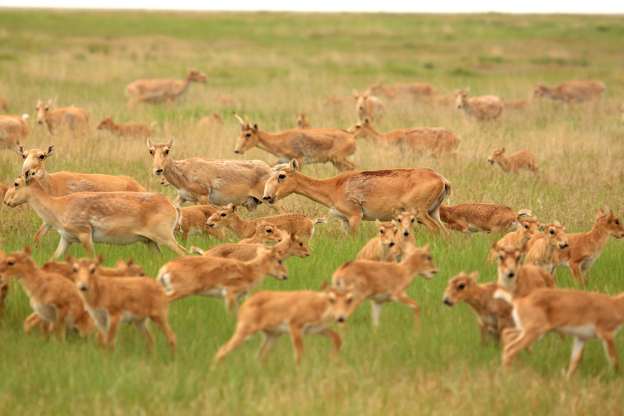
The Altyn Dala Conservation Initiative saved the critically endangered in the Golden Steppe grassland from extinction. The project used careful, science-based monitoring, tagging and habitat protection and restoration to ensure the best recovery for the Saiga Antelope, which numbered just 20,000 in 2003. Today, 2.86 million of the antelope roam the Golden Steppe, and it has been moved from “critically endangered” to “near threatened” status on the International Union for Conservation of Nature’s Red List.

After a 100-year hiatus, salmon were spotted in Oregon’s Klamath River basin, following an historic dam removal further downstream in the California stretch of the Klamath. In August 2024, the final of four dams were removed – in what was America’s biggest dam removal project – following pressure from environmentalists and tribes.

Excerpts from Isabelle Gerretsen et al., Seven quiet breakthroughs for climate and nature in 2024 you might have missed, BBC, Dec. 16, 2024

Colossal Efforts to Bring Back Species on the Brink of Extinction

Colossal Biosciences, the world’s first de-extinction company, announced on October 1, 2024 the formation of The Colossal Foundation…The Foundation is launching with three core programmatic focuses.

Saving today’s at-risk species: Colossal Foundation plans to build a model for integrating cutting-edge biotechnology with conservation efforts to bring back species that have been driven to the brink of extinction. The long term goal is to create a toolkit approach to simplify genetic rescue for conservationists. Initial projects include efforts focused on the Vaquita, Northern White and Sumatran Rhinos, Red Wolf, Northern Quoll, Ivory Billed Woodpecker, and Pink Pigeon.

R&D for Conservation: Colossal will partner to fund and deploy technologies that leverage artificial intelligence…Current projects include the Colossal drone-based anomaly detection system used by Save the Elephants, a vaquita acoustic monitoring program, and an AI-enabled orphaned elephant monitoring system leveraged by Elephant Havens in Botswana.

Ensuring Tomorrow’s Biodiversity: Developing a distributed genetic repository of species (a biobank) which can act as an insurance policy against unforeseen threats to biodiversity and provide a safety net for species facing extinction. The focus will be on those species closest to extinction to ensure their genetic diversity is not lost and the potential to bring them back, should the worst happen, remains. 

Vaquitas, a porpoise endemic to the Sea of Cortez/Gulf of California in Baja California, Mexico and the smallest of all living cetaceans, is on the brink of extinction. As of May 2023, only between 10 and 13 vaquitas remain. The loss of the vaquita could be a harbinger of further declines in the Gulf’s marine ecosystems, and the extinction of the vaquita would represent a cultural and symbolic loss. Colossal, in partnership with the Vaquita Monitoring Group and in support of the Mexican government’s La Comisión Nacional de Áreas Naturales Protegidas (CONANP) believes that there are low-impact technical solutions that can be used to safely biobank the existing animals while also helping to grow the vaquita population. …

Fewer than 80 Sumatran rhinos survive in tiny fragmented populations across the Indonesian islands of Sumatra and Borneo…Colossal Foundation will  supporting the Indonesian government’s work to breed Sumatran rhinos under their national conservation breeding program…in collaboration with Global Experts on the advance Assisted Reproductive Technology (a-ART) and Biobank program for the species…

The Colossal BioVault is an initiative, in partnership with Re:wild and others, to collect the primary materials needed to prevent extinction. By collecting tissue samples of the world’s most imperiled species in the Colossal BioVault, the Foundation intends to preserve and store biodiversity. 

Excerpts from Colossal Launches The Colossal Foundation, Business Wire, Oct. 1, 2024

The Quick and Dirty AI Boom

Nowhere else on Earth has been physically reshaped by artificial intelligence as quickly as the Malaysian state of Johor. Three years ago, this region next to Singapore was a tech-industry backwater. Palm-oil plantations dotted the wetlands. Now rising next to those tropical trees 100 miles from the equator are cavernous rectangular buildings that, all together, make up one of the world’s biggest AI construction projects…

TikTok’s Chinese parent company, ByteDance, is spending $350 million on data centers in Johor. Microsoft just bought a 123-acre plot not far away for $95 million. Asset manager Blackstone recently paid $16 billion to buy AirTrunk, a data-center operator with Asia-wide locations including a Johor facility spanning an area the size of 19 football fields. Oracle last week announced a $6.5 billion investment in Malaysia’s data-center sector, though it didn’t specify where. In all, investments in data centers in Johor, which can be used for both AI and more conventional cloud computing, will reach $3.8 billion this year, estimates regional bank Maybank.

To understand how one of the first boomtowns of the AI era sprouted at the southern tip of the Malay Peninsula, consider the infrastructure behind AI. Tech giants want to train chatbots, driverless cars and other AI technology as quickly as possible. They do so in data centers with thousands of computer chips, which require a lot of power, as well as water for cooling…Northern Virginia became the world’s biggest data-center market because of available power, water and land. But supply is running low. Tech companies can’t build data centers fast enough in the U.S. alone. Enter Johor. It has plentiful land and power—largely from coal—and enough water. Malaysia enjoys generally friendly relations with the U.S. and China, reducing political risk for companies from the rival nations. The other important factor: location. Across the border is Singapore, which has one of the world’s densest intersections of undersea internet cables. Those are modern-age highways, enabling tech companies to sling mountains of data around the world.

Excerpt from Stu Woo, One of the Biggest AI Boomtowns Is Rising in a Tech-Industry Backwater, WSJ, Oct.  8, 2024

The Communist Chinese Party and the Protection of the Ocean Seabed

A disagreement between deep-sea miner The Metals Company (TMC) and researchers over a new scientific study is threatening efforts to mine the ocean bed for metals critical to supporting the green-energy transition. A study in the journal Nature Geoscience suggested that deep-sea nodules, which contain metals such as nickel critical for electric-vehicle batteries, produce oxygen despite the absence of light at the bottom of the ocean. The researchers making the claim called for further studies into how oxygen is produced on the ocean floor while environmental groups called for a halt to disrupting the seafloor and mining of nodules. TMC and some scientists are questioning the claim and accusing the lead authors of the study of plagiarism… The study comes at a time of troubled waters for the deep-sea mining industry, with political uncertainty and TMC struggling for new sources of investment.

In the U.S., the outlook for the industry has improved recently. On the corporate side, both Tesla and General Motors shareholders have said they wouldn’t back a moratorium on deep-sea mining. Ocean-floor minerals are seen as key to making electric-vehicle batteries because of the presence of cobalt, nickel and manganese in nodules. In Washington in September 2024, a House hearing was held on the subject of deep-sea and critical minerals, as many see the metals found on the ocean floor as important for defense purposes. In a meeting co-chaired by Democrat Kathy Castor of Florida and Republican Robert Wittman of Virginia as part of the Select Committee on the Chinese Communist Party, Barron made the case for deep-sea nodules to become part of the U.S.’s critical mineral supply chain.

Meanwhile, industry leaders have gathered in the Cook Islands in September 2024 where a conference on deep-sea mining is taking place. The Pacific nation is home to thousands of tons of nodules, which are also rich in copper.

Excerpts from Yusuf Khan, Deep-Sea Mining Hits Crunch Point Amid Academic Battle Over Ocean-Floor Resources, WSJ, Sept 24, 2024

Can a Wind Turbine Accident Be Worse than a Oil Spill?

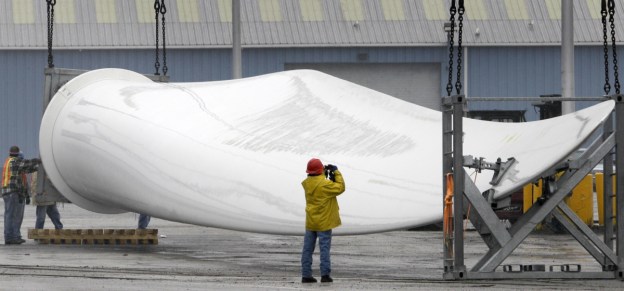
The operations of offshore wind farm, Vineyard Wind 1, were halted in July 2024 after part of a blade on one of the offshore turbines broke off and fell into the ocean. The offshore wind farm is about 15 miles south of Martha’s Vineyard, and debris from the blade has washed up on Nantucket’s southern-facing beaches, as well as Tuckernuck and Muskeget islands. The turbine the blade was attached to, designated AW 38, was in its commissioning phase and was still undergoing testing. No employees, contractors or fishing vessels were in the vicinity of the turbine at the time. The beaches on Nantucket were closed to swimming on Tuesday as large quantities of insulation foam and non-toxic pieces of fiberglass washed ashore.

Excerpt from, Heather McCarron, Wind turbine blade 15 miles off Martha’s Vineyard breaks, pieces fall into ocean, Cape Cod Times, July 18, 2024

Corporate Greed and the Grid: How AI Fell For Nuclear Power

The owners of roughly a third of U.S. nuclear-power plants are in talks with tech companies to provide electricity to new data centers needed to meet the demands of an artificial-intelligence boom.  Among them, Amazon Web Services is nearing a deal for electricity supplied directly from a nuclear plant on the East Coast with Constellation Energy, the largest owner of U.S. nuclear-power plants, according to people familiar with the matter. In a separate deal in March, the Amazon.com subsidiary purchased a nuclear-powered data center in Pennsylvania for $650 million…

Instead of adding new green energy to meet their soaring power needs, tech companies would be effectively diverting existing electricity resources. That could raise prices for other customers and hold back emission-cutting goals…The nuclear-tech marriage is fueling tensions over economic development, grid reliability, cost and climate goals in states including Connecticut, Maryland, New Jersey and Pennsylvania. Amazon’s deal in Pennsylvania set off alarm bells for Patrick Cicero, the state’s consumer advocate. Cicero said he is concerned about cost and reliability if “massive consumers of energy kind of get first dibs.” It is unclear if the state currently has the regulatory authority to intervene in such deals, he said. “Never before could anyone say to a nuclear-power plant, we’ll take all the energy you can give us,” said Cicero.

Excerpts from Jennifer Hiller, Tech Industry Wants to Lock Up Nuclear Power for AI, WSJ, July 1, 2024

The Dangers of Manic Oil Production

In a desolate stretch of desert spanning West Texas and New Mexico, drillers are pumping more crude than Kuwait. The oil production is so frenzied that huge swaths of land are literally sinking and heaving. The land has subsided by as much as 11 inches since 2015 in a prime portion of the Permian Basin, as drillers extract huge amounts of oil and water, according to a Wall Street Journal analysis of satellite data. In other areas where drillers dispose of wastewater in underground wells, the land has lifted by as much as 5 inches over the same period. Alongside crude, oil-and-gas companies are extracting gargantuan amounts of subterranean water—in the Delaware, between five and six barrels of water are produced, on average, for every barrel of oil. To dispose of it, they inject billions of barrels of putrid wastewater into underground disposal wells.

The constant extraction and injection of liquids has wrought complex geologic changes, which are raising concerns among local communities long supportive of oil and gas. Earthquakes linked to water disposal have rattled residents and prompted state regulators to step in. Some researchers worry that wastewater might end up contaminating scarce drinking-water supplies

Excerpts from Benoit Morenne and Andrew Mollica, Permian Oil Extraction Lifts and Sinks Land, WSJ, Apr. 29, 2024

Stealing Land from the Ocean: An Engineered Way to Address Climate Change

The Maldives is an 820-kilometre-long chain of nearly 1,200 islands dotting the Indian Ocean. The nation has become one of the most popular luxury tourism destinations in the world because of its Instagrammable beaches and its advertising slogan: “the sunny side of life”. But the Maldives is also one of the countries most vulnerable to sea-level rise. With 80% of its land less than one meter  above sea level, some scientists predict that the islands could be completely submerged by 2100. In an effort to keep the country above water and thriving, the government is adopting a strategy used by many nations around the globe: land reclamation...


Dutch planners are often considered the founders of land reclamation, with a history of water engineering going back some 800 years. Over the centuries, land-forming projects have shaped some of the world’s major cities, including Singapore, London, New York and Miami. In recent decades, most of the reclaimed land has been in East Asia. In China, Shanghai has reclaimed 350 square kilometres  — more than three times the size of Paris — over the past few decades. Colombo has added 100 km2 in just 4 years, and 65 km2 of Mumbai is reclaimed. A study on twenty-first-century coastal-land reclamation found that of 135 large coastal cities with populations of more than one million people, 75% had reclaimed land.

With projects stretching back to 1997, the Maldives is a veteran of large-scale land reclamation…Although the nation’s territory covers 90,000 km2, more than 99% of it is ocean. The Maldives’ 1,200 islands are all atolls — rings of coral reef that surround lagoons. When the government decides to reclaim land, it takes sand from the lagoons using boats outfitted with suction pipes, which collect sand and coral debris from the ocean floor like giant vacuum cleaners. The boat then deposits the material in a different spot, either inside or outside the atoll, to form new land. Sometimes reclamation projects fill in the entire lagoon…. [However, these projects] destroy coral reefs and seagrass meadows and harm the fishing and tourism industries…’

“Islands can’t occur anywhere,” says Virginie Duvat, a coastal geographer at La Rochelle University in France, who has studied the effects of land reclamation in the Maldives. “If you put an island where there was naturally no island, you create vulnerable land and you will necessarily have to build strong engineered structures, breakwaters and sea walls,” she says…In a 2019 study4, Duvat and Alexandre Magnan, a geographer at the Institute for Sustainable Development and International Relations — Sciences Po in Paris, assessed the scale of coastal changes that humans had made to 107 inhabited islands in the Maldives between 2004–06 and 2014–16. On almost half the islands, the researchers found significant degradation in the reefs’ abilities to weaken waves and provide natural sources of sediments. One-fifth of the islands had almost entirely or entirely “lost their natural capacity to respond and adjust to ocean climate-related pressures”, the researchers say. “It means that a decision you have taken one day to rely on reclaimed land will necessarily cause you to invest more money,” says Duvat. “You are locked into the engineered path for decades and decades and potentially the rest of the century.”=

Excerpts from Jesse Chase-Lubitz, The Maldives is racing to create new land. Why are so many people concerned?, Nature, Apr. 24, 2024

Will the 4 Waves of Sanctions Stop Russia?

Supercooled gas has quickly become one of the world’s most important energy sources—and a flashpoint between Russia and the U.S. Nowhere is that contest more apparent than in Russia’s Arctic north. An enormous new coastal facility is being built there to produce liquefied natural gas, a key project for Russian President Vladimir Putin. The U.S. is using a barrage of sanctions to cripple the initiative, known as Arctic LNG 2. These have stopped Russia from taking delivery of specialized, colossal tankers that it needs to transport the gas, and made it hard to build alternative vessels domestically. “Our role is to ensure Arctic LNG 2 is dead in the water,” Geoffrey Pyatt, the U.S. assistant secretary of state for energy resources, told a conference in Switzerland in April 2024.

Globally, LNG is ascendant. Demand is buoyant as governments ditch dirtier coal and the uptake of power-hungry artificial intelligence accelerates. Supply is surging too, and players such as industry heavyweight Qatar have major expansion plans. For Russia’s part, Putin aims to more than triple LNG exports in the coming years. His goal: Bring in more money to fund the war in Ukraine and offset a decline in Russia’s traditional business of exporting gas via pipelines. ..

About 32 million metric tons a year of capacity are under construction, according to Rystad Energy, a consulting firm, on top of an existing 29 million tons. In December 2023, the first of three liquefaction plants, known in the industry as trains, was completed at Arctic LNG 2, and the facility began producing LNG. The milestone, despite U.S. sanctions, was lauded as a win for Moscow by analysts and Russian officials. A few months later, however, victory looks less certain.

Exports were supposed to begin in the first quarter of 2024, according to Russia’s energy minister. But the custom-built ships that Novatek, the Russian energy giant behind the project, needs to break through frozen parts of the Arctic Ocean haven’t been delivered.

Hanwha Ocean, a South Korean shipbuilder, said it has canceled plans to build three vessels for Arctic LNG 2 for sanctions-related reasons. Mitsui O.S.K. Lines, a Japanese shipping company, has said it also won’t provide vessels to Arctic LNG 2 despite having planned to charter three carriers. Without ships, Novatek can’t export any gas. As a result, LNG output has ground to a halt, and the facility is mostly recirculating already-produced gas, according to people familiar with the plant. Novatek didn’t respond to a request for comment.

France’s TotalEnergies, which holds 10% of Arctic LNG 2, declared a force majeure earlier this year, indicating it can’t supply customers due to circumstances beyond its control. Total said it was complying with sanctions and doesn’t plan to deliver gas from the project this year.

In total, the U.S. has hit Russia’s fledgling LNG industry with four waves of sanctions since September. It has targeted operating companies for the Arctic LNG 2 project, storage vessels, shipping companies it suspected were seeking to buy specialized carriers for the project, and companies working on a second facility near the Baltic Sea.

Excerpts from Anna Hirtenstein, The U.S. Is Trying to Cripple Russia’s Vast Arctic LNG Project, WSJ, Apr. 14, 2024

The Real Price for ‘Green’ Energy

Civilization would not exist were it not for miners. Every year the world’s oldest industry supplies hundreds of megatons of the primary metals and minerals that are essential to all subsequent industries—from medical devices to kitchen appliances, aircraft, toys, power plants, computers and cars. Hence it’s consequential when the governments of Europe and the U.S. implement policies requiring that global mining expand, and soon, by 400% to 7,000%. Those policies are meant to force a transition away from the oil, natural gas and coal that supply 80% of global energy. But it’s an unavoidable fact that building the favored transition machines—wind turbines, solar panels, electric cars—will require astonishing quantities of minerals to produce the same amount of energy.

The other challenge involves people. Mining has always been as much about people as it has about geology, technology and money. In “The War Below: Lithium, Copper, and the Global Battle to Power Our Lives,” Ernest Scheyder highlights the myriad difficulties faced by the people who build mines, as well as those hurt by or opposed to them. As Mr. Scheyder notes, mining is “dirty work.” That’s no invective; it’s just reality…He focuses on the social and political dynamics that accompany big mining projects because, as he writes, there’s “no way around the fact that mines are gargantuan creations that maim the Earth’s surface.” He makes clear that his goal isn’t to question the need for more mines but to understand “whether these lands should be dug up in an attempt to defuse climate change,” especially when some lands are considered sacred by their neighbors and inhabitants.

Excerpts, ‘Mark P. Mills, The War Below’ Review: Digging for Minerals, WSJ, Mar. 3, 2024

Oil Companies Never Die: the advantage of geothermal energy

Oil-and-gas companies are accelerating investments in geothermal energy, betting the technologies that fueled the shale revolution can turn the budding industry into a large producer of clean power… Many of these companies are using the same technology employed by frackers, but instead of searching for oil and gas, they are looking for underground heat. The new geothermal industry is the result of a surprising confluence of interests among the oil-and-gas, technology and green power industries. The heat that the drillers find underground can be used to generate a steady, round-the-clock supply of carbon-free electricity, which is coveted by tech companies for their power-hungry data centers. 

Finding pockets of underground heat is relatively easy in places with lots of geothermal activity, including parts of the U.S., Indonesia and New Zealand. When the heat is deeper in the earth, it is more difficult and more expensive to find. Those constraints have kept the sector’s share of U.S. electricity generation at less than 1%. …Oil companies understand subsurface geology, have experience building infrastructure projects and have cash available to deploy. That is why Chevron is joining with other companies and pursuing geothermal pilot projects in Japan, Indonesia and the U.S.

Excerpts from Amrith Ramkumar, Frackers Are Now Drilling for Clean Power, WSJ, Feb. 29, 2024

Can We Save the Giant Kelp?

At a salmon farm in Tasmania Australia is an experiment that researchers hope can save an entire ecosystem from warming oceans. Beneath the waves, scientists are growing several types of giant kelp—which in the wild can grow up to 175 feet tall—on rope to track which ones can thrive in hotter conditions. Rising water temperatures, more frequent marine heat waves and invasive sea urchins have already destroyed some 95% of the giant kelp forests in Tasmania, scientists say. The island south of Australia’s mainland is a global hot spot for ocean warming, with sea temperatures in the island’s east rising faster than the global average, a dynamic that has already wreaked havoc on some marine species in a place where fishing remains a key industry.

In Tasmania, scientists are conducting experiments to identify heat-tolerant giant kelp, plan to use artificial intelligence and genetic analysis to better understand why some types fare better than others, and will then have to figure out a way to plant them in the wild without it costing a fortune. Eventually, they could use the genetic information to breed kelp to be even more heat tolerant…But success is far from guaranteed. Running lab tests on kelp can be tricky, given the great size the plants can reach. Efforts to control the invasive long-spined sea urchins, including with government subsidies that encourage fishermen to catch them, could fail. Marine heat waves could increase beyond the ability of any kelp to cope. Scientists also still aren’t sure to what extent genetic factors allow giant kelp to survive in warmer water, or whether environmental factors—such as nutrient and light availability—are more important.

Excerpts from Mike Cherney, Inside the Quest for a Super Kelp That Can Survive Hotter, WSJ, Feb. 22, 2024

Fraud and Manipulation in Voluntary Carbon Markets

The $2 billion voluntary carbon-offsets market has suffered allegations that many credits don’t deliver the emissions cuts they promise, but multiple efforts to rebuild credibility face an uphill battle. In 2023 the US Commodity Futures Trading Commission said it would make policing carbon offsets a priority. Nestlé decided to leave the market and standard setters published guidelines that few existing buyers would meet…“The offset industry’s inability to self-regulate has produced a slow-moving crisis,” said Danny Cullenward, research fellow at the Institute for Carbon Removal Law and Policy at American University. “Companies are asking whether the marketing benefits are worth the legal risks.”

Morgan Stanley estimated in February 2023 that that carbon offsets could be a $100 billion market by 2030. However, over the past year the market’s credibility has suffered after a series of allegations that credits aren’t delivering on their emissions-reduction promises. It has left many companies with cold feet.

Each carbon credit is supposed to equal one metric ton of carbon dioxide avoided or removed from the atmosphere. Removal credits usually fund restoration projects such as tree planting, while the most common offset or avoidance credits fund energy-efficiency projects, renewable energy or protect forests. These so-called voluntary credits are separate and usually cheaper than government-regulated carbon trading that polluters pay for in the European Union and elsewhere. There are also some voluntary credits for mechanically removing CO2 directly from the air, which are currently much more expensive.

0In June 2023, the CFTC— the US federal regulator of derivatives—created an environmental task force focused on rooting out fraud in carbon markets. Earlier that month, the agency called for whistleblowers to expose misconduct. “As carbon credit markets continue to grow, we will act to foster the integrity of these markets by fighting fraud and manipulation,” CFTC Enforcement Director Ian McGinley said.

Excerpts from Dieter Holger, Rebuilding Trust in Carbon Offsets Faces Uphill Battle, WSJ, July 12, 2023

From Lunatic to Feasible? Getting Rid of Carbon by Storing it into the Earth

The boom in carbon removal, whether from the air , what is called direct air capture (DAC) or from industrial point sources , what is called carbon capture and storage (CCS), cannot come fast enough. The UN-backed Intergovernmental Panel on Climate Change (IPPC) assumes that if Earth is to have a chance of warming by less than 2°C above pre-industrial levels, renewables, electric vehicles and other emissions reductions are not enough. Carbon Capture and Storage (CCS)and sources of “negative emissions” such as DAC must play a part. The US Department of Energy calculates that America’s climate targets require capturing and storing between 400m and 1.8bn tonsof CO2 annually by 2050, up from 20m tons today. ..

For years DAC and CCS projects were regarded as technically plausible, perhaps, but uneconomical but carbon capture, utilization and storage (CCUS) may attract $150bn in investments globally this decade. A factor behind the recent flurry of carbon-removal activity is government action. One obvious way to promote the industry would be to make carbon polluters pay a high enough fee for every ton of carbon they emit that it would be in their interest to pay carbon removers to mop it all up, either at the source or from the atmosphere….The emerging view among technologists, investors and buyers is that carbon removal will develop like waste management did decades ago—as an initially costly endeavor that needs public support to get off the ground but can in time turn profitable…

Maybe the biggest sign that the carbon-removal business has legs is its embrace by the oil industry. Occidental is keen on DAC. ExxonMobil says it will spend $17bn from 2022 to 2027 on “lower-emissions investments”, with a slug going to CCA…Equinor and Wintershall, a German oil-and-gas firm, have already secured licenses to stash carbon captured from German industry in North Sea sites. Hugo Dijkgraaf, Wintershall’s technology chief, thinks his firm can abate up to 30m tons of CO2 per year by 2040. The idea, he says, is to turn “from an oil-and-gas company into a gas-and-carbon-management company”.

Excerpts from Can Carbon Removal Become a Trillion-Dollar Business?, Economist, May 27, 2023

The Environmental Harm Caused by the Energy Transition

In the electric-vehicle business, the quandary is known as the nickel pickle. To make batteries for EVs, companies need to mine and refine large amounts of nickel. The process of getting the mineral out of the ground and turning it into battery-ready substances, though, is particularly environmentally unfriendly. Reaching the nickel means cutting down swaths of rainforest. Refining it is a carbon-intensive process that involves extreme heat and high pressure, producing waste slurry that’s hard to dispose of. The nickel issue reflects a larger contradiction within the EV industry: Though electric vehicles are designed to be less damaging to the environment in the long term than conventional cars, the process of building them carries substantial environmental harm.

The challenge is playing out across Indonesia’s mineral-rich islands, by far the world’s largest source of nickel. These deposits aren’t deep underground but lie close to the surface, under stretches of overlapping forests. Getting to the nickel is easy and inexpensive, but only after the forests are cleared.  One Indonesian mine, known as Hengjaya, obtained permits five years ago to expand its operations into a forested area nearly three times the size of New York City’s Central Park. The mine’s Australian owner, Nickel Industries, said that rainforest clearing in 2021 caused greenhouse gas emissions equivalent to 56,000 tons of carbon-dioxide. That’s roughly equal to driving 12,000 conventional cars for a year, according to calculations by The Wall Street Journal based on U.S. Environmental Protection Agency data. “Unfortunately, land clearing is required for all open-cast mining processes, including our operations,” said the firm’s sustainability manager…. The negative impact is offset, he said, by nickel’s use in environmentally friendly batteries…Auto executives worried about having enough nickel to meet rapidly growing demand for EVs. They had moved away from cobalt, another battery component, after human-rights groups and journalists reported on widespread child labor in cobalt operations and dangerous conditions faced by miners in the Democratic Republic of Congo. Automakers tweaked their batteries to reduce cobalt by adding more nickel…

The nickel rush has created pressing new environmental concerns. The HPAL process used to process nickel pioneered by Chinese companies involves dousing nickel ore in sulfuric acid and heating it to more than 400 degrees Fahrenheit at enormous pressures. Producing nickel this way is nearly twice as carbon-intensive as mining and processing sulfide nickel found in Canada and Russia. Another way of processing laterite ore that often uses coal-powered furnaces is six times as carbon-intensive, according to the International Energy Agency. Companies also face questions about how to get rid of the processing waste. It is difficult to safely sequester in tropical countries because frequent earthquakes and heavy rains destabilize soil, which can cause waste dams to collapse. A 2018 Indonesian law allowed companies to obtain permits to discard mineral processing waste into the ocean….

China’s domination of Indonesian nickel processing poses risks for Western electric-vehicle companies at a time of fraying relations between Washington and Beijing. Last year, the U.S. government declared nickel a critical mineral whose supply is vulnerable to disruption, with very limited nickel production operations in the U.S.

Excerpts from Jon Emont, EV Makers Confront the ‘Nickel Pickle’, WSJ, June 5, 2023

Bickering is Easier than Acting: Saving Biodiversity

At the COP15 biodiversity summit in Canada in December 2022, more than 190 countries agreed to the Kunming-Montreal Global Biodiversity Framework, a deal including targets such as nations protecting and restoring 30% of the world’s land and seas by 2030. To ensure that all countries — particularly low- and middle-income nations (LMICs) — can meet these targets, those that signed the deal agreed to establish a trust fund by the end of this year and that, by 2030, wealthy nations should collectively be contributing US$30 billion per year. Disputes have re-emerged, however, on whether the trust fund should be independent or should be established under the auspices of the Global Environment Facility. Because LMICs don’t have an adequate say in how the GEF funds are spent, LMICs want the trust fund to be established as an independent fund.

These tensions could delay the trust fund’s adoption, which was planned for a GEF assembly in August 2023, delaying biodiversity action even more … Meanwhile, the clock is ticking: researchers have estimated that one million species are under threat of habitat loss because of factors such as climate change and agriculture.

Excerpts from Battles over Funding Could Threaten Historic Effort to Save Species, Nature, June 20, 2023
 

Saving the Climate by Fouling the Oceans

The Norwegian government in June 2023 opened the door for deep-sea mining in its waters, despite opposition from environmental groups and a growing list of nation states arguing to ban the practice.  The government said it was proposing parts of the Norwegian continental shelf be opened for deep sea mining and other commercial seabed mineral activities…Companies and countries are scouring the planet to find and secure additional sources of metals and minerals critical for the energy transition, including cobalt, manganese and nickel.  To date deep-sea mining has focused on the extraction of seabed nodules—tennis-ball sized pieces of rock which contain manganese, cobalt and nickel, all of which are used in electric-vehicle batteries

So far much of the attention has centered on the Clarion Clipperton Zone in the Pacific Ocean: An area of water between Mexico and Hawaii that contains millions of tons of nodules.  In Norway however, the focus will be on seabed crusts on the country’s continental shelf. The target crusts contain copper, zinc and cobalt, as well as some rare-earth elements, according to the Norwegian Petroleum Directorate…

Countries including France and Germany have called for moratoriums on deep-sea mining, while in May 2023 a report found that when researching the pacific seabed, 90% of the more than 5,000 marine creatures found living in the Clarion Clipperton Zone were new species. Companies including Maersk and Lockheed Martin have also been divesting their deep-sea mining investments. 

Excerpts from Yusuf Khan, Norway Opens Door for Deep-Sea Mining of Copper and Other Critical Materials, WSJ, June 20, 2023

Dirty Air: the Lack of Cross-Border Cooperation

An airshed is a geographical area where local topography and meteorology limit the dispersion of pollutants away from the area. Research and practice has shown that regulating pollution by taking into account airsheds, rather the arbitrary boundaries of cities and towns, can be a cost-effective way of fighting pollution.

Managing air pollution by taking into account the airsheds has done successfully in Europe and China, whose capital was once as synonymous with smog as New Delhi, India, is today. Beijing’s air is now cleaner chiefly thanks to the creation in 2013 of a powerful airshed-wide authority responsible for the capital, the city of Tianjin and 26 adjacent prefectures. In 2017 pm2.5 levels in Beijing were half those of the previous year.

India is trying to follow this example in and around Delhi. In 2021 it launched a pollution-control agency, called the Commission for Air Quality Management, with responsibility for a 55,000-square-km area, encompassing the capital and parts of Haryana, Rajasthan and Uttar Pradesh… Yet a decisive way to deal with air pollution in India will require a major expansion of this approach, according to the World  Bank.

The World Bank has identified six regional airsheds of South Asia. They are vast areas, covering multiple urban, provincial and national jurisdictions. Significantly, four of the six cross national borders. One stretches from eastern Iran into western Afghanistan and southern Pakistan; another covers much of northern India and western Bangladesh. According to the World Bank’s modelling, the more coordinated the pollution controls adopted in these airsheds, the more cost-effective and beneficial they would be.

The ideal scenario, it suggests, would be for authorities within a given airshed to co-operate, across national borders, on data-sharing and policy formulation, while each working towards a locally determined target. This would allow them to prioritize relatively easy or low-cost forms of pollution control—such as regulating brick kilns—over more difficult or expensive sorts, such as closing coal-fired power stations. The World Bank reckons that in this scenario South Asian life expectancies would rise, infant mortality would drop and health-care expenditure would fall. For a cost of $5.7bn, it estimates the approach could bring economic benefits worth $52.5bn by 2030.

The idea of Bangladesh, India and Pakistan—let alone Afghanistan and Iran—working together to such an extent… might almost seem absurd. South Asia is one of the most unneighborly, least-integrated regions in the world. It is haunted by a history of war and mutual suspicion. Its cross-border linkages are meagre. Trade within the region is just 5% of its members’ total trade…

Excerpts from, South Asia’s Filthy Air: Choked and Gasping, Economist, Feb. 18, 2023.

The Shameful Mismanagement of the Murray-Darling River: Australia

Millions of fish have died in the Darling River near his town, Menindee, in outback New South Wales, Australia in March 2023. After days under the sun, their bodies had started to “break up…transforming the river that locals rely on for drinking and showering into an ecological wasteland. Authorities have said the mass death was caused by a lack of oxygen in the water, called hypoxia, a result of recent floods and a heat wave. But furious locals say the true root of the problem is the overuse of Australia’s biggest and most vital river system.

The disaster is the latest episode in a long-running battle over the Murray Darling Basin, a vast network of lakes and rivers stretching across four states in eastern Australia, which sustains much of the country’s agriculture and dozens of communities along its banks. In an arid country where social, economic and environmental interests clash whenever water runs scarce, the issue has pitted states against each other, and riverside communities against farms upstream.

The 2019 fish deaths happened during a drought and the 2023 fish deaths happened after a flood, said Richard Kingsford, the director of the Center for Ecosystem Science at the University of New South Wales. But, he said, the long-term causes were the same both times: “There’s not enough water in the river, and the whole system is engineered so that escape routes are closed.” Over-extraction means parts of the river run dry more often, he said, and the small and medium-sized floods that used to periodically clear away organic debris have all but disappeared. That means when a big flood hits, that debris is all swept into the river, where it breaks down and deoxygenates the water. That, combined with the construction of weirs that have prevented the fish from swimming to better-oxygenated water, has made this disaster worse, he said….

The New South Wales fisheries and water management bodies, by contrast, both attribute the disaster to weather-related causes…

After many of the fish had already sunk to the bottom of the river, the cleanup started with workers in small boats removing floating carcasses with hand-held nets. Authorities said this will be followed by machinery that will drag nets through the river to scoop up sunken fish….

Excerpts from Yan Zhuang, A River Choking on Fish Corpses, and a Community Full of Anger, NYT, Mar. 24, 2023

Economic Consequences of Falling Asleep on Wheel: the Geopolitics of Energy Transition

American officials see Africa as helping to solve two problems. The first is a global shortfall in the minerals that will be needed if the world is to meet its climate goals.The second problem, at least for the West, is China’s outsized influence on supply chains. China refines 68% of the world’s nickel, 40% of copper, 59% of lithium and 73% of cobalt, according to a report in July by the Brookings Institution, an American think-tank. “China has had free rein for 15 years while the rest of the world was sleeping,” says Brian Menell, chief executive of TechMet, a minerals firm.

America views cobalt, which is used in batteries, as a cautionary tale. In Congo, the source of about 70% of global production, Chinese entities owned or had stakes in 15 of 19 cobalt-producing mines as of 2020. America’s decision to allow a US firm to sell one of Congo’s largest copper-cobalt mines to a Chinese one in 2020 is seen in Washington as an enormous act of stupidity. It is little comfort that battery-makers are trying to use less cobalt, in part because of concerns about operating in Congo. “We cannot allow China to become an OPEC of one in critical minerals,” says an American official, referring to the oil cartel.

It is possible to identify three strands in America’s approach. The first is a multilateral effort involving Western allies. In June, Jose Fernandez, America’s under-secretary of state for economic growth, energy, and the environment, launched the Minerals Security Partnership, whose 13 members include all the G-7 countries and the EU. Many of these countries are also looking to secure more scarce rocks. Britain launched a “critical minerals strategy” in July 2022 and later this month the European Commission will propose a Critical Raw Materials Act.

A second strand in America’s approach involves its development agencies “de-risking” projects as they have done in, say, agriculture or the power sector. As well as the us Export-Import Bank, which offers trade-financing, there is the International Development Finance Corporation (DFC)... Another potential success is a memorandum of understanding signed by America, Congo and Zambia in January. America says it will help Africa’s two largest copper exporters do more than just sell the metal in its elemental state. Under it, America agreed to help the two African countries build supply chains to process their raw minerals into battery precursors for electric vehicles.

Excerpts from How America plans to break China’s grip on African minerals, Economist,  Mar. 4, 2023

Pledge and Renege: Drilling for Oil in the Alaska Arctic

The Biden administration approved the massive Willow oil-drilling project in the Alaskan Arctic in March 2023 over the objections of environmentalists and many Democrats who wanted the project scuttled. The green light means Houston-based ConocoPhillips can start construction on its roughly $7 billion project in Alaska’s National Petroleum Reserve, which the company expects will produce about 180,000 barrels of oil a day at its peak—equivalent to about 40% of Alaska’s current crude production…The Bureau of Land Management (BLM) has estimated that oil and gas extracted from its recommended version of the Willow project would generate more than 270 million metric tons of carbon dioxide over the project’s lifetime. 

The approval paves the way for ConocoPhillips to build an airstrip, more than 430 miles of ice roads and nearly 270 miles of individual pipelines, among other infrastructure, according to the BLM’s environmental review of the project… 

The company, which is the largest crude producer in Alaska, sits on abundant reserves in the state. As of the end of 2021, it owned about 1.6 million net undeveloped acres in the state, according to ConocoPhillips. Approval of the project means that ConocoPhillips now has a hub from which to further expand into Alaska… The initial build-out from Willow will allow ConocoPhillips to develop more wells and infrastructure in the coming years, he said. “It will be in many ways the gift that keeps on giving…”

Excerpts from Benoît Morenne, Biden Administration Approves Willow Oil-Drilling Project in Alaskan Arctic, WSJ, Mar. 13, 2023

Pollution as an Entitlement of the Rich

The East African Crude Oil Pipeline, a 900-mile pipeline between Uganda and Tanzania at the Murchison Falls National Park, is about to be built. The $10 billion project has become a flashpoint in the global battle against climate change, as some African governments with unexplored natural resources seek to resist a global push to limit investment in new fossil-fuel projects.

Opponents such as the U.S.-based Climate Accountability Institute, France’s Friends of the Earth and the European Parliament say the pipeline, which needs to be heated to 50 degrees Celsius (122 degrees Fahrenheit) to keep Uganda’s waxy crude liquid, would produce 34.3 million tons in annual greenhouse-gas emissions… But the governments of Uganda and Tanzania are arguing that they can’t afford not to exploit their natural resources while the world still runs on fossil fuels. It is unfair, they say, to ask poor countries to safeguard global carbon sinks and nature reserves that rich Western countries, which are responsible for most historic emissions, destroyed long ago in pursuit of their own economic development.

Nothing will stop this project,” Uganda’s President Yoweri Museveni, said from the garden of his official residence in Kampala. “We shall not accept any pressure from anybody. We know what we are doing.” TotalEnergies SE and China’s Cnooc Ltd. are involved in the project. Fitch Solutions estimates that Uganda could earn as much as $2 billion a year in taxes and royalties from the 230,000 barrels-a-day fields and the pipeline, a significant bump to the $4.5 billion it currently collects in domestic taxes.

Uganda’s neighbor, the Democratic Republic of Congo, has faced criticism, including from the Biden administration, over its plans to auction off oil-and-gas drilling sites inside its famed Virunga National Park, home to some of the world’s last remaining mountain gorillas, and peatland and rainforest areas that absorb carbon. Further south, the government of Namibia is under pressure from the United Nations to put a stop to exploratory oil drilling in the Okavango Delta, a UNESCO World Heritage site. 

The moves aren’t confined to Africa. In Mexico, President Andrés Manuel López Obrador has bet big on fossil energy. He is building a large oil refinery, the first one in the country since 1979, which is expected to start production in July, and ramped up public investment in oil exploration and production. In response to criticism from the U.S. and environmental groups, Mr. López Obrador has said that climate change became a fashionable topic among rich countries and accused some them of being hypocritical for defending reducing gas emissions while at the same time boosting oil output.

In the case of the East African Crude Oil Pipeline, more than a dozen international banks and insurers—including HSBC, Barclays and major French lenders that have helped finance previous TotalEnergies projects—have publicly said they won’t support it. ..TotalEnergies says it is confident it can raise the financing necessary to build the pipeline, with South Africa’s Standard Bank, the Industrial and Commercial Bank of China and Japan’s Sumitomo Mitsui Bank acting as lead arrangers for the project loans. People familiar with the project say the participating banks are asking for higher interest rates, which has helped raise the cost of the pipeline to $5 billion from $3.5 billion.

Some officials in poorer countries say such restrictions on developing new oil infrastructure in poor countries exacerbate global inequities, by allowing countries that already have the necessary infrastructure to profit from their fossil-fuel reserves, while potential newcomers are locked out. Uganda, like other African countries, saw protests over record-high fuel prices last year, while Tanzania’s government introduced a costly fuel subsidy to cushion the hit on households and businesses.

Excerpts from Ncholas Bariyom Uganda, Other African Nations Push for Fossil-Fuel Projects, WSJ, Feb. 22, 2023

Mapping the Impossible: Extreme Weather Events

The heatwave that struck parts of North America’s Pacific coast in 2021 propelled temperatures in Lytton, a village in British Columbia, to 49.6°C—4.6° higher than the previous record. On the fourth day of this torment the place erupted in flames and was almost completely destroyed. These events were so out of the ordinary that, in a press conference held some weeks later by climate modelers, they struggled to explain how circumstances had conjured them.

Climatologists reckon the North American heatwave of 2021 was one of the most extreme deviations from meteorological norms ever recorded, anywhere. But others have come close. As the world gets hotter, phenomena once considered rare are becoming common and others, believed impossible, are happening.

This shift in weather patterns has inspired modelers to pay more attention to the tails of the frequency distributions of meteorological possibility which their models generate (see chart), in search of such unprecedented extremes. One recent exercise, led by Erich Fischer at eth Zurich, a technology university in Switzerland, shows how the heatwave that destroyed Lytton could have been foreseen with data available at the time….The approach Dr Fischer used is one of several developed recently. Another, from Britain’s Met Office, is UNSEEN  (Unprecedented Simulation of Extremes with Ensembles)…Researchers in the UK are looking at another sort of extreme event—the risk of “wind droughts” which would wipe out a lot of the country’s wind-turbine-base electricity supply. It would be ironic indeed if Britain’s huge effort to combat climate change in this way were, itself, to fall victim to a changing climate.

The Paris Olympics, to be held in 2024, will take place during that city’s hottest weeks. A group of meteorologists from various French research institutes therefore wondered just how bad a heatwave manifesting itself then might be. Using yet another approach, they found a chance of temperatures being more than 4°C higher than they were during a catastrophic heatwave in 2003, in which tens of thousands died. Since that happened, France has built a “heat plan” which includes an early-warning system and provisions for opening cool spaces if needed.

Excerpts from How to predict record-shattering weather events, Economist, Feb. 11, 2023

Mining the Earth to Save it

The rush to secure green-energy metals is bringing new life to one of the world’s oldest mining hubs. Like the United States, Europe is worried that it is too reliant on China for supplies of once-obscure natural resources, such as lithium and rare-earth metals, that are seen as climate-friendly successors to oil and gas…. 

On both sides of the Atlantic, one of the best answers to long-simmering worries about green-energy security is to look north…, for example, to the “Canadian Shield,” a vast band of rock encircling Hudson Bay. The “Baltic Shield” that stretches across Scandinavia to western Russia is similarly mineral-rich. It helps explain why Sweden in particular has such a long mining heritage. In the mid-17th century, the country’s “Great Copper Mountain” near Falun provided two-thirds of the world’s copper. Even today, 80% of iron ore mined in the EU comes from a site near the Arctic town of Kiruna that Swedish state operator LKAB has exploited for well over a century.

The energy transition is an opportunity for Sweden’s mining complex. LKAB said in January 2023 that it had identified Europe’s largest body of rare-earth metals close to its existing Kiruna operation…Digging up the planet to save it is an awkward pitch. The only way for miners to counter accusations that they are adding to the problem they want to solve is by decarbonizing operations. Here Sweden is again helped by the geology of the Baltic Shield, whose river valleys are favorable for green-energy production. Roughly 45% of the country’s electricity comes from hydroelectric power, with much of the remainder provided by nuclear and wind. It is also cheap, particularly in the Arctic, where many mines are located. Against a favorable geopolitical backdrop, the biggest risk for investors is political. Mines, which can bring a lot of noise and relatively few jobs to an area, don’t tend to be popular locally.

There is a reason the West relies on autocracies for a lot of its oil.

Excerpts from Stephen Wilmot, For Mining EV Metals, the Arctic Is Hot, WSJ, Feb. 14, 2023

Space-based Solar Power: Endless Sunshine to a Fried Earth

In recent years, space agencies from all over the world have launched studies looking at the feasibility of constructing orbiting solar power plants. Such projects would be challenging to pull off, but as the world’s attempts to curb climate change continue to fail, such moonshot endeavors may become necessary.

Solar power plants in space, exposed to constant sunshine with no clouds or air limiting the efficiency of their photovoltaic arrays, could have a place in this future emissions-free infrastructure. But these structures, beaming energy to Earth in the form of microwaves, would be quite difficult to build and maintain…

A space solar power plant would have to be much larger than anything flown in space before. The orbiting solar power plant will have to be enormous, and not just to collect enough sunlight to make itself worthwhile. The main driver for the enormous size is not the amount of power but the need to focus the microwaves that will carry the energy through Earth’s atmosphere into a reasonably sized beam that could be received on the ground by a reasonably sized rectenna. These focusing antenna would have to be 1 mile (1.6 kilometers) or more wide, simply because of the “physics you are dealing with. Compare this with the International Space Station, at 357 feet (108 meters) long the largest space structure constructed in orbit to date…

In every case, building a space-based solar power plant would require hundreds of rocket launches (which would pollute the atmosphere depending on what type of rocket would be used), and advanced robotics systems capable of putting all the constituent modules together in space. This robotic construction is probably the biggest stumbling block to making this science fiction vision a reality.

Converting electricity into microwaves and back is currently awfully inefficient
Airbus, which recently conducted a small-scale demonstration converting electricity generated by photovoltaic panels into microwaves and beaming it wirelessly to a receiving station across a 118-foot (36 m) distance, says that one of the biggest obstacles for feasible space-based solar power is the efficiency of the conversion process… Some worry that microwave beams in space could be turned into weapons of mass destruction and used by evil actors to fry humans on the ground with invisible radiation.

A spaced-space solar plant transmits energy collected from the sun to a rectenna on earth by using a laser microwave beam. Image from wikipediia

The vast orbiting structure of flat interweaving photovoltaic panels would be constantly battered by micrometeorites, running a risk of not only sustaining substantial damage during operations, but also of generating huge amounts of space debris in the process. For the lifecycle of the station, you have to design it in a way that it can be maintained and repaired continuously…

And what about the whole thing once it reaches the end of its life, perhaps after a few decades of power generation?  It is assumed that, by the time we may have space-based solar power plants, we are most likely going to see quite a bit of permanent infrastructure on the moon. Space tugs that don’t exist yet could then move the aged plant to the moon, where its materials could be recycled and repurposed for another use…We could also have some kind of recycling center on the moon to process some of the material..

Excerpts from Tereza Pultarovanal, Can space-based solar power really work? Here are the pros and cons, Space.com, Dec. 23, 2022

Reversing Industrialization: the Future of Plants?

Is it possible that the microbiomes of ancestors of our crops can be used to “rewild” microbiomes of current crops reinstating their diverse microbiota that were lost through domestication and industrialization processes, including including the (over)use of antibiotics, pesticides, and fertilizers?

Similar to reversing industrialization-associated changes in human gut microbiota , plant microbiome rewilding builds on the premise that wild ancestors harbor microbial genera with specific traits that are not found (or are strongly depleted) in the microbiome of modern crops. To date, however, it is unknown for most plant species whether (and which) microbial genera and functions were lost during plant domestication, and to what extent rewilding can enhance the health and sustainability of modern crops. In animal systems, the effectiveness of rewilding approaches is intensely debated , and similar discussions are needed for crop rewilding approaches.

Plant domestication is one of the most important accomplishments in human history, helping drive the transition from a nomadic to a sedentary lifestyle. Through stepwise processes, crop plants acquired a suite of new traits, including larger seeds, determinate growth, photoperiod sensitivity, and reduced levels of bitter substances. Although this led to a more continuous food supply, domestication caused a reduction in plant genetic diversity because only desired alleles were spread, while genomic regions next to the target genes suffered selective sweeps (6). This so-called “domestication syndrome” decreased the ability of crops to withstand pests and diseases

Excerpts from JOS M. RAAIJMAKERS AND E. TOBY KIERM, Microbiota of crop ancestors may offer a way to enhance sustainable food production, Science, Nov. 11, 2022

Bacteria Can Rescue World One Building at a Time

Concrete is one of the world’s most important materials. But making the cement that binds it generates about 8% of anthropogenic carbon-dioxide emissions. This is not just because of the heat involved. That could, in principle, be supplied in environmentally friendly ways. It is, rather, embedded in the very chemistry of the process. The heat is applied to limestone, to break up its principal constituent, calcium carbonate, into calcium oxide (cement’s crucial ingredient) and CO2…

Intriguingly, this may be an area where microbes can come to the rescue….One proposal is to recruit the services of chlorophyll-laden, photosynthezing organisms called cyanobacteria. That has allowed Prometheus Materials, a firm in Colorado, to develop a cement-making process in which the energy comes not from heat but light—something easily generated from electricity that has, in turn, been provided by renewable sources. Moreover, and perhaps more importantly, photosynthesis subtracts CO2 from the atmosphere rather than adding it.

Applications for biocement extend beyond conventional construction, too. America’s Department of Defense, for one, has shown interest. Its aim is to be able to build things in remote areas without having to hump in cement and other materials. That would be doubly valuable if the territory through which the humping would otherwise be happening were hostile. Indeed, it was the Defense Department that catalyzed the formation of Prometheus, by awarding the team at the University of Colorado which later founded the firm a grant of $1.8m back in 2017.

The department is also, in the guise of the Defense Advanced Research Projects Agency (DARPA) and the Air Force Research Laboratory, collaborating with Biomason to develop biocement sprays that can turn sand or loose soil into runways. Michael Dosier, Biomason’s chief technologist (and the boss’s husband), says the hardening involved could require less than 72 hours.

Kathleen Hicks, America’s deputy secretary of defense, during a talk at the DARPA Forward conference, outlined a goal that is literally out of this world: an ability to spray a bacterial liquid on lunar or Martian regolith, in order to “grow a landing pad”.

Excerpts Green Construction: Building with Bacteria, Economist,  Nov. 26, 2022

Geo-engineering Wars and Termination Shock

What if a country experiencing the bad effects of climate change—crop failures, perhaps, or serious flooding—were to begin, unilaterally and perhaps quietly, to try to modify the climate? Such a project, reckons DARPA, a research arm of America’s defence department, is possible. But it could trigger chaos, and not just of the meteorological sort. The agency, the overall objectives of which include preventing “strategic surprise”, has therefore recently begun to pay for research into how such an event might happen, and how to react to it.

DARPA’s assumption is that any attempt at unilateral geoengineering would use a technique called stratospheric aerosol injection (SAI). This would employ aircraft to disperse sulfuric acid, or its precursor sulfur dioxide, into the upper atmosphere, to form tiny sulfate particles that would reflect sunlight back into space. This would probably work (big volcanic eruptions, which do something similar, have a measurable effect on global temperatures). The costs, though, could be considerable—and not just directly in dollars.

A poorly designed SAI program might break down ozone, a form of oxygen that shields organisms, people included, from harmful ultraviolet radiation. Patterns of precipitation would also change, for cooler air absorbs less moisture, and these effects would undoubtedly vary from region to region. Another problem is the acid rain that would result.

Perhaps most pertinent, though, is that SAI would serve only to mask the effects of greenhouse gases rather than ending them. That brings the risk of “termination shock”, for the injected sulfate is constantly washed out of the atmosphere in rain and snow. The closure of and SAI program, particularly a long-lasting one, might thus cause a sudden heat jolt more difficult to deal with than the existing, gradual, warming.

That is one reason why Joshua Elliott, head of DARPA’s AI-assisted Climate Tipping-point Modelling (ACTM) program, says “we do not want to be caught flat-footed”. Modelling how Earth’s various climactic subsystems might react to SAI is no easy matter. Dr Elliott, however, reckons that better computer simulations would help. They might even, he says, eventually highlight “signatures” in climate data that would suggest that such geoengineering is afoot.

Nor is the risk of someone doing something stupid a fantasy. In 2019 Massimo Tavoni, a game theorist at Milan Polytechnic who is unaffiliated with DARPA organized six games played by 144 students. Participants were given a variety of ideal climate outcomes and allowed to spend toy money they were given on geoengineering projects to achieve them…Some players tried to counter efforts at cooling which they deemed excessive with attempts to warm the planet, resulting in a chaotic outcome that Dr Tavoni calls “geoengineering wars”. In the end, he says, “everybody loses.”…

DARPA is also developing “early warning” code to detect people undertaking geoengineering mischief on the sly, and testing it by running pairs of parallel simulations, one of which has been tweaked to reflect an SAI program being under way…SAI could even, conceivably, be undertaken by “self-authorizing” billionaires.

Areas which suffer most from rising temperatures would have greater incentives to take the plunge…including Algeria, Australia, Bangladesh, Egypt, India, Indonesia, Libya, Pakistan, Saudi Arabia and Thailand.

Excerpts from America’s defense department is looking for rogue geoengineers, Economist, Nov. 5, 2022

Taming the Apocalypse Horsemen: Steel Cement Chemicals

Heavy industry has long seemed irredeemably carbon-intensive. Reducing iron ore to make steel, heating limestone to produce cement and using steam to crack hydrocarbons into their component molecules all require a lot of energy. On top of that, the chemical processes involved give off lots of additional carbon dioxide. Cutting all those emissions, experts believed, was either technically unfeasible or prohibitively expensive.

Both the economics and the technology are at last looking more favorable. Europe is introducing tougher emissions targets, carbon prices are rising and consumers are showing a greater willingness to pay more for greener products. Several European countries have crafted strategies for hydrogen, the most promising replacement for fossil fuels in many industrial processes. Germany is launching the Hydrogen Intermediary Network Company, a global trading hub for hydrogen and hydrogen-derived products. Most important, low-carbon technologies are finally coming of age. The need for many companies to replenish their ageing assets offers a “fast-forward mechanism”, says Per-Anders Enkvist of Material Economics…Decarbonising industry has turned from mission impossible to “mission possible”, says Adair Turner of the Energy Transitions Commission, a think-tank.

In July 2022 the board of Salzgitter, a German steel company, gave the nod to a €723m project called SALCOS that will swap its conventional blast furnaces for direct-reduction plants by 2033 (it will use some natural gas until it can secure enough hydrogen). Other big European steel producers, including ArcelorMittal and Thyssenkrupp, have similar plans.

HeidelbergCement, the world’s fourth-largest manufacturer of the cement has launched half a dozen low-carbon projects in Europe. They include a carbon capture storage (CCS) facility in the Norwegian city of Brevik and the world’s first carbon-neutral cement plant on the Swedish island of Gotland…The chemicals industry faces the biggest challenge. Although powering steam crackers with electricity instead of natural gas is straightforward in principle, it is no cakewalk in practice, given the limited supply of low-carbon electricity. Moreover, the chemicals business breathes hydrocarbons, from which many of its 30,000 or so products are derived. Even so, it is not giving up. BASF, a chemicals colossus, is working with two rivals, SABIC and Linde, to develop an electrically heated steam cracker for its town-sized factory in Ludwigshafen. It wants to make its site in Antwerp net-zero by 2030. 

A few dozen pilot projects—even large ones—do not amount to a green transition. The hard part is scaling them up.  However, the first movers will be able to  set the standards and grabbing a slice of potentially lucrative businesses such as software to control hydrogen- and steelmaking equipment. 

Excerpts from Green-dustrialization, Economist, Sept. 24, 2022

What is your Extinction-Risk Footprint?

A new study quantifies how the consumption habits of people in 188 countries, through trade and supply networks, ultimately imperil more than 5,000 threatened and near-threatened terrestrial species of amphibians, mammals and birds on the International Union for the Conservation of Nature (IUCN) Red List of Threatened Species. For the study, recently published in Scientific Reports, researchers used a metric called the extinction-risk footprint. The team found that 76 countries are net “importers” of this footprint, meaning they drive demand for products that contribute to the decline of endangered species abroad. Top among them are the U.S., Japan, France, Germany and the U.K. Another 16 countries—with Madagascar, Tanzania and Sri Lanka leading the list—are designated as net “exporters,” meaning their extinction-risk footprint is driven more by consumption habits in other countries. In the remaining 96 countries, domestic consumption is the most significant driver of extinction risk within those nations.

African trees logged in gorilla habitat, for example, could end up as flooring in Asia.  Other species highlighted in the study include the Malagasy giant jumping rat, a mammal that can jump 40 inches high and is found only in Madagascar. Demand for food and drinks in Europe contributes to 11 percent of this animal’s extinction-risk footprint through habitat loss caused by expanding agriculture. Tobacco, coffee and tea consumption in the U.S. accounts for 3 percent of the extinction-risk footprint for Honduras’s Nombre de Dios streamside frog, an amphibian that suffers from logging and deforestation related to agriculture.

Excerpt from Susan Cosier, How Countries ‘Import’ and ‘Export’ Extinction Risk Around the World, Scientific American, May 31, 2022

Regulators are Smart but Smugglers are Smarter

In a move cheered by climate activists, the European Union began in 2015 to restrict the production and import of gases known as hydrofluorocarbons (HFCs). HFCs are widely used in refrigeration, air-conditioning and manufacturing, but they are also potent greenhouse gases. The first big shortages hit in early 2018. Prices across Europe multiplied sixfold or even more. The EU wanted to push HFC users to adopt pricey, climate-friendlier alternatives. It thought that the engineered shortage would do the trick.

But prices are still not much higher than before the crunch. The reason: HFCs were being smuggled into the EU. The trafficking is still going on. The Environmental Investigation Agency, a watchdog based in London that has dispatched researchers to pose as buyers in Romania, estimates that a quarter of all HFCs  in the EU are contraband. A body formed by chemical companies, the European FluoroCarbons Technical Committee (EFCTC), says the proportion may be as high as a third.

Such estimates are rough. But they have not been plucked from thin air. Much can be inferred, for example, by examining officially registered trade flows. Data from Turkish sources show that in 2020 more than four times as much HFC tonnage left Turkey bound for the EU than the latter reported as imported. This suggests that plenty of tanks and canisters holding HFCs enter on the sly.

The smuggling has hit some firms particularly hard. To supply greener alternatives to HFCs, Chemours, an American firm, spent around $500m on r&d and production facilities. But with illegal imports continuing to hold down HFC prices, demand for alternatives has been “stagnating” and even declining…

This has miffed America. In a report last year on barriers to trade, Katherine Tai, the American trade representative, wrote that the eu’s “insufficient oversight and enforcement” of its HFC caps is hurting American chemical firms, not to mention the climate. European officials, for their part, point to the difficulty of preventing profitable

When prices first soared, a car boot could be filled in Ukraine with canisters of an HFC blend called R404A that would sell, hours later, for ten times as much in Poland. Margins have since shrunk as legions have got in on the action. But contraband HFCs are still so valuable that canisters are sometimes given space on boats trafficking migrants from north Africa to Europe…The black market is now dominated by crime syndicates that move large volumes, says the European Anti-Fraud Office (OLAF). Most of the contraband seems to come from China, Russia, Turkey and Ukraine.

Excerpts from HFC Smuggling: Free as Air, Economist, Feb. 26, 2022

How Forests Create Clouds and Cool the Earth

Tropical forests have a crucial role in cooling Earth’s surface by extracting carbon dioxide from the air. But only two-thirds of their cooling power comes from their ability to suck in CO2 and store it. The other one-third comes from their ability to create clouds, humidify the air and release cooling chemicals. This is a larger contribution than expected for these ‘biophysical effects’ says Bronson Griscom, a forest climate scientist.

The analysis, published in Frontiers in Forests and Global Change in March 2022, could enable scientists to improve their climate models, while helping governments to devise better conservation and climate strategies. The findings underscore growing concerns about rampant deforestation across the tropics. Scientists warn that one-third of the world’s tropical forests have been mown down in the past few centuries, and another one-third has been degraded by logging and development. This, when combined with climate change, could transform vast swathes of forest into grasslands

Trees in the tropics provide shade, but they also act as giant humidifiers by pulling water from the ground and emitting it from their leaves, which helps to cool the surrounding area in a way similar to sweating, Griscom says. “If you go into a forest, it immediately is a considerably cooler environment,” he says.

This transpiration, in turn, creates the right conditions for clouds, which like snow and ice in the Arctic, can reflect sunlight higher into the atmosphere and further cool the surroundings. Trees also release organic compounds — for example, pine-scented terpenes — that react with other chemicals in the atmosphere to sometimes create a net cooling effect… When they considered only the biophysical effects, the researchers found that the world’s forests collectively cool the surface of the planet by around 0.5 °C.

Threats to tropical rainforests are dangerous not only for the global climate, but also for communities that neighbour the forests, Lawrence says. She and her colleagues found that the cooling caused by biophysical effects was especially significant locally. Having a rainforest nearby can help to protect an area’s agriculture and cities from heatwaves, Lawrence says. “Every tenth of a degree matters in limiting extreme weather. And where you have forests, the extremes are minimized.”

Excerpts from Freda Kreier, Tropical forests have big climate benefits beyond carbon storage, Nature, 

Unleashing Hydropower without Wasteful Disasters

After years of fighting, Native American tribes, environmentalists and the hydroelectric power industry say they have reached a deal on a proposed legislative package that could boost clean energy as well as river conservation. The compromise deal, which would require approval from Congress, is the result of four years of talks between groups that have long been courtroom and policy adversaries because of disagreements involving vanishing fish populations and changes to river ecosystems. Concerns over climate change have helped them find common ground to potentially expand hydroelectric power, a carbon-free energy source, they said.

The deal seeks to grant approvals to add hydroelectric power to some existing dams in as little as two years, while speeding the approval of off-river pumped-storage projects, which store surplus energy for later use, in as little as three years. Another key component would give tribes, instead of the Department of the Interior, authority on the conditions put on permits for things like the protection of tribal cultural resources or fish passage.

Groups supporting the package include the National Hydropower Association, American Rivers, the Skokomish Tribe, Upper Skagit Indian Tribe and the Union of Concerned Scientists. “Our respective constituencies have battled each other to a draw for generations,” said Malcolm Woolf, the National Hydropower Association’s chief executive.

Hydroelectric power makes up about 7% of the U.S. electricity mix. Around 281 hydro-generating facilities, making up roughly one-third of non-federally owned generation, are up for re-licensing by 2030. The re-licensing process usually takes more than seven years and new projects take almost as long, a regulatory environment that has been likened to nuclear power approvals. Republican Sen. John Barrasso of Wyoming, ranking member of the Senate Energy and Natural Resources Committee, called the current permitting process for hydropower “a wasteful disaster” because of its yearslong timelines. “I look forward to seeing the agreement various stakeholders have reached,” he said Friday.

The proposal would amend the Federal Power Act, first passed in 1920.

Excerpts from Jennifer Hille, Tribes, Industry Groups Reach Deal to Boost U.S. Hydroelectric Power, WSJ, Apr. 4, 2022

Loving Oil in Any Way, Shape or Form — Damn Climate Change!

Many oil assets are ending up in the hands of private-equity (PE) firms. In the past two years alone these bought $60bn-worth of oil, gas and coal assets, through 500 transactions… Some have been multibillion-dollar deals, with giants such as Blackstone, Carlyle and KKR carving out huge oilfields, coal-fired power plants or gas grids from energy groups, miners and utilities. Many other deals, sealed by smaller rivals, get little publicity. This sits uncomfortably with the credo of many pension funds, universities and other investors in private funds, 1,485 of which, representing $39trn in assets, have pledged to divest fossil fuels. But few seem ready to leave juicy returns on the table.

As demand for oil and gas persists while dwindling investment in production limits supply, prices are rising again, boosting producers’ profits….And discounts imposed on “brown” assets by the stock market, linked to sustainability factors rather than financial… create even more pockets of opportunity…The Economist has looked at 8 PE firms that have closed fossil-fuel deals in 2020-2021 The investors in some of their latest energy-flavored vehicles include 53 pension funds, 23 universities and 32 foundations. Many are from America, such as Teacher Retirement System of Texas, the University of San Francisco and the Pritzker Traubert Foundation, but that is partly because more institutions based there disclose pe commitments. The list also features Britain’s West Yorkshire Pension Fund and China Life. Over time, some investors may decide to opt out of funding their portion of fossil-fuel deals.

But a third, yet more opaque class stands ready to step in: state-owned firms and sovereign funds operating in the shadows. Last month Saudi Aramco, the Kingdom’s national oil company, acquired a 30% stake in a refinery in Poland, and Somoil, an Angolan group, bought offshore oil assets from France’s Total. In 2020 Singapore’s GIC was part of the group that paid $10bn for a stake in an Emirati pipeline.

Excerpts from Who buys the dirty energy assets public companies no longer want?, Economist, Feb. 12, 2022

The Sacrificial Lambs of Green Energy

Lithium Americas, a Canadian company, has plans to build a mine and processing plant at Thacker Pass, near the southern tip of the caldera in Nevada. It would be America’s biggest lithium mine. Ranchers and farmers in nearby Orovada, a town of about 120 people, worry that the mine will threaten their water supply and air quality. Native American tribes in the region say they were not properly consulted before the Bureau of Land Management (BLM), a federal agency that manages America’s vast public lands, decided to permit the project. Tribes also allege that a massacre of their ancestors took place at Thacker Pass in 1865…

The fight over Thacker Pass is not surprising. President Joe Biden wants half of all cars sold in 2030 to be electric, and to reach net-zero emissions by 2050. These ambitious climate targets mean that battles over where and how to mine are coming to mineral-rich communities around the country. America is in need of cobalt, copper and lithium, among other things, which are used in batteries and other clean-energy technologies. As with past commodity booms, large deposits of many of these materials are found in America’s western states . America, of course, is not the only country racing to secure access to such materials. As countries pledge to go carbon-free, global demand for critical minerals is set to soar. The International Energy Agency, a forecaster, estimates that by 2040 demand for lithium could increase by more than 40 times relative to 2020. Demand for cobalt and nickel could grow by about 20 times in the same period.

Beyond its green goals, America is also intent on diversifying mineral supplies away from China and Russia (big producer of nickel), which—by virtue of its natural bounty and muscular industrial policy—has become a raw-materials juggernaut… The green transition has also turned the pursuit of critical minerals into a great-power competition not unlike the search for gold or oil in eras past. Mining for lithium, the Department of Energy (DOE) says, is not only a means of fighting climate change but also a matter of national security.

Westerners have seen all this before, and are wary of new mines…The economic history of the American West is a story of boom and bust. When a commodity bubble burst, boomtowns were abandoned. The legacy of those busts still plagues the region. In 2020 the Government Accountability Office estimated that there could be at least 530,000 abandoned hardrock-mine features, such as tunnels or waste piles, on federal lands. At least 89,000 of those could pose a safety or environmental hazard. Most of America’s abandoned hardrock mines are in 13 states west of the Mississippi River…

Is it possible to secure critical minerals while avoiding the mistakes of previous booms? America’s debates over how to use its public lands, and to whom those lands belong, are notoriously unruly. Conservationists, energy companies, ranchers and tribal nations all feel some sense of ownership. Total harmony is unlikely. But there are ways to lessen the animosity.

Start with environmental concerns. Mining is a dirty business, but development and conservation can coexist. In 2020 Stanford University helped broker a national agreement between the hydropower industry and conservation groups to increase safety and efficiency at existing dams while removing dams that are harming the environment….Many worry that permitting new development on land sacred to tribes will be yet another example of America’s exploitation of indigenous peoples in pursuit of land and natural resources. msci, a consultancy, reckons that 97% of America’s nickel reserves, 89% of copper, 79% of lithium and 68% of cobalt are found within 35 miles of Native American reservations.

TThe BLM is supposed to consult tribes about policies that may affect the tribes but the  consultation process is broken. Often it consists of sending tribes a letter notifying them of a mining or drilling proposal.

Lithium Americas has offered to build the town a new school, one that will be farther away from a road that the firm will use to transport sulphur. Sitting in her truck outside a petrol station that doubles as Orovada’s local watering hole, Ms Amato recalled one group member’s response to the offer: “If all I’m going to get is a kick in the ass, because we’re getting the mine regardless, then I may as well get a kick in the ass and a brand new school.”

Excerpt from America’s Next Mining Boom: Between a Rock and a Hard Place, Economist, Feb. 19, 2022

Ending the Plastic Paradise?

Heads of State, Ministers of environment and other representatives from 175 nations endorsed a historic resolution at the UN Environment Assembly (UNEA-5) on March 2, 2022: “End Plastic Pollution: Towards an internationally legally binding instrument.” The resolution addresses the full lifecycle of plastic, including its production, design and disposal. 

The resolution…establishes an Intergovernmental Negotiating Committee (INC), which will begin its work in 2022, with the ambition of completing a draft global legally binding agreement by the end of 2024…The UN Environment Programme (UNEP) will convene a forum by the end of 2022 that is open to all stakeholders in conjunction with the first session of the INC, to share knowledge and best practices in different parts of the world.

Plastic production soared from 2 million tonnes in 1950 to 348 million tonnes in 2017, becoming a global industry valued at US$522.6 billion, and it is expected to double in capacity by 2040. 

Exposure to plastics can harm human health, potentially affecting fertility, hormonal, metabolic and neurological activity, and open burning of plastics contributes to air pollution. By 2050 greenhouse gas emissions associated with plastic production, use and disposal would account for 15 per cent of allowed emissions, under the goal of limiting global warming to 1.5°C (34.7°F). More than 800 marine and coastal species are affected by this pollution through ingestion, entanglement, and other dangers.

Some 11 million tonnes of plastic waste flow annually into oceans. This may triple by 2040. A shift to a circular economy can reduce the volume of plastics entering oceans by over 80 per cent by 2040; reduce virgin plastic production by 55 per cent; save governments US$70 billion by 2040; reduce greenhouse gas emissions by 25 per cent; and create 700,000 additional jobs – mainly in the global south.

Excerpts from ,Historic day in the campaign to beat plastic pollution: Nations commit to develop a legally binding agreement, UNEP Press Release, Mar.  2, 202

How to Make Carbon-Negative Chemicals

Bacteria engineered to turn carbon dioxide into compounds used in paint remover and hand sanitiser could offer a carbon-negative way of manufacturing industrial chemicals.

Michael Köpke at LanzaTech in Illinois and his colleagues searched through strains of an ethanol-producing bacterium, Clostridium autoethanogenum, to identify enzymes that would allow the microbes to instead create acetone, which is used to make paint and nail polish remover. Then they combined the genes for these enzymes into one organism. They repeated the process for isopropanol, which is used as a disinfectant.

The engineered bacteria ferment carbon dioxide from the air to produce the chemicals. “You can imagine the process similar to brewing beer,” says Köpke. “But instead of using a yeast strain that eats sugar to make alcohol, we have a microbe that can eat carbon dioxide.” After scaling up the initial experiments by a factor of 60, the team found that the process locks in roughly 1.78 kilograms of carbon per kilogram of acetone produced, and 1.17 kg per kg of isopropanol. These chemicals are normally made using fossil fuels, emitting 2.55 kg and 1.85 kg of carbon dioxide per kg of acetone and isopropanol respectively.

This equates to up to a 160 per cent decrease in greenhouse gas emissions, if this method were to be broadly adopted, say the researchers. The technique could also be made more sustainable by using waste gas from other industrial processes, such as steel manufacturing.

Excerpt from Chen Ly, Engineered bacteria produce chemicals with negative carbon emissions, New Scientist, Feb. 21, 2022

The Super Polluters: methane

Methane is a colorless, odorless greenhouse gas that makes up the bulk of the natural gas burned to heat homes, cook food and generate electricity. It is also the second largest driver of global warming after carbon dioxide, responsible for at least one-quarter of the rise in global average temperatures since the Industrial Revolution. Once emitted, methane molecules degrade in around a decade so they do not pile up in the atmosphere in the same way as carbon dioxide, which can persist for hundreds of years.

Slashing methane emissions, therefore, could help reduce the overall atmospheric volume of greenhouse gases and slow the pace of global warming in the near term. Patching up leaky oil-and-gas infrastructure, responsible for 22% of all man-made methane emissions, would help meet those goals. This has led to efforts to quantify methane leaks…

Two-thirds of the ultra-emitting events of methane were co-located with oil and gas production sites and pipelines; the rest came from coal production, agricultural or waste-management facilities. Accounting for 1.3m tonnes of methane per year, Turkmenistan is a ultra emitter of methane…followed by Russia, the United States, Iran, Kazakhstan and Algeria…

At the United Nations COP26 climate negotiations, held in November 2021 in Glasgow, leaders of more than 100 countries made a pact to reduce global emissions of methane by 30% by 2030. The cheapest, most cost-effective way of doing this will be to patch up oil-and-gas infrastructure, starting with the ultra-emitters…

Excerpts from Climate Change: Methane Mission, Economist, Feb. 5, 2022

The Heavy Toll of Nuclear Waste Inheritance

After decades of prevarication, Sweden decided on a final storage plan for its nuclear waste, becoming only the second country in the world after Finland to take such a step. Permission was granted in January 2022 to build a facility to package and store spent nuclear fuel at a coastal site near the Forsmark nuclear power plant, about an hour’s drive north of the capital. 

The decision is significant because it confirms Sweden’s position as a global leader in the storage of nuclear waste. Finland is the only other country to decide on such a plan and is building a storage facility at Olkiluoto, across the Gulf of Bothnia from Forsmark. Like the Forsmark project, the Finnish plan was based on a process developed by Swedish researchers. 

The method — referred to as KBS3 — will see the spent nuclear fuel stored in copper containers surrounded by bentonite clay and placed in 500 tunnels that will be 500 meters under the ground. The aim is to keep the radioactive waste isolated for at least 100,000 years….But there has been criticism of the KBS3 method over recent years, including by researchers who have suggested that copper may not be as resistant to corrosion as the method assumes, meaning the risk of leaks could be higher than expected. 

The approval of the Forsmark site is a big step forward in a long-running saga.  Since the 1970s, Swedish authorities — like their counterparts in nuclear-power-dependent states the world over — have been seeking a solution for the final storage of nuclear waste, scouring the country for suitable sites while also tasking researchers to develop safe methods.  But it took until 2011 for an application to be made by the company SKB — a nuclear waste manager owned by Swedish nuclear power producers — for planning permission at Forsmark. Since then, lengthy consultations have been held with interested parties, from scientists to residents in Östhammar municipality where Forsmark is located. The process became more politically divisive as the Green Party, which quit the government in November 2021, said the process was being rushed and more time was needed for research. 

According to the Environmental Minister Strandhäll:  “Today we have the knowledge and technology which means we don’t need to pass this responsibility onto our children and grandchildren,” she said. “This is a responsibility the government needs to take now.” 

Excerpts from  CHARLIE DUXBUR, Sweden approves nuclear waste storage site, http://www.politico.eu, Jan. 27, 2021

The Curious Case of Larry Fink, BlackRock: He Stays, They Go

Few private citizens wield more power in America today than Larry Fink, the chief executive of BlackRock in pushing companies to embrace climate-friendly policies, that has made him a lightning rod. The firm he runs manages some $10 trillion for pension funds, endowments, governments, companies and individuals, equal to more than 10% of the world’s gross domestic product in 2020. As steward for millions of investors, BlackRock wields vast shareholder voting power, which it uses either to back managements or to prod them in new directions.

Today, Mr. Fink is telling CEOs that companies must prepare for a scale back of fossil fuels, and that the private sector should work with governments to do so. He warns of the disruption climate change could cause both the economy and financial markets, but sees historic investment opportunity in the energy shift. It’s a point he has made to conferences in Davos, Venice, Riyadh and Glasgow over the past year. Mr. Fink’s power, combined with his advocacy on a hot-button issue, has made him a flashpoint for activists, politicians and unions, both those who think BlackRock isn’t doing enough and others who say it’s doing too much…

U.S. government officials have called on Mr. Fink to help them cope with crises—the pandemic-rattled financial markets in March 2020, and, during the 2008 financial meltdown. “Treasury Secretaries and finance ministers come and go,” said David Rubenstein, the co-founder of the private-equity firm Carlyle Group Inc. “They work for someone else who can fire them tomorrow and have to build what others want them to. When you are the CEO of the biggest asset manager, you don’t have to do that.”

Excerpts from Dawn Lim Follow, Larry Fink Wants to Save the World (and Make Money Doing It), Jan. 6, 2022

Lunatics or Climate Fixers?

The ocean has already absorbed nearly one-third of the carbon emissions from human activities, and scientists hope it can shoulder even more of the burden. Ocean Iron fertilization is among the cheapest options. Ocean fertilization is a form of geoengineering  that involves adding iron to the upper layers of the ocean to stimulate phytoplankton activity  in an attempt to remove carbon from the atmosphere and, thus, abate global warming.

Photosynthetic plankton act like tropical rainforests, sucking CO2 from the atmosphere. Their populations are often limited by a scarcity of iron, which sifts into the ocean in windblown dust from deserts, in volcanic ash, and even from underwater hydrothermal vents. Extra iron would stimulate a bloom, the thinking goes, causing plankton to take up extra carbon. The carbon would sink into the depths in the form of dead plankton, or the feces or bodies of organisms that eat them. In theory, the carbon would be entombed for centuries.

Ocean scientists contended in 2021 that ocean fertilization  experiments were a priority and called for the United States to spend up to $290 million on even larger ones that would spread 100 tons of iron across 1000 square kilometers of ocean. Already, researchers next year plan to pour iron across a patch of the Arabian Sea (Center for Climate Repair at the University of Cambridge.)

But skeptics note that a recent survey of 13 past fertilization experiments found only one that increased carbon levels deep in the ocean. That track record is one reason why making iron fertilization a research priority is “barking mad,” says Wil Burns, an ocean law expert at Northwestern University. Stephanie Henson, a marine biogeochemist at the United Kingdom’s National Oceanography Centre, also worries about surprise consequences of the approach, likening it to the catastrophic introduction of rabbits to Australia ecology. “You could just imagine something like that happening in the oceans completely by accident.”

Excerpts from Warren Cornwall, To Draw Carbon, Ocean Fertilization Gets Another Look, Science, Dec. 17, 2021

The Other Middle East Crisis: Rivers are Drying

Protests in the Iranian city of Isfahan erupted in November 2021 due to a severe shortage of water, as the region continues to suffer from a year of low rainfall and drought. Thousands of farmers and others who supported them took to the streets in Isfahan in central Iran, expressing their dissatisfaction at the water shortages and urging the government to solve the crisis. They shouted “let Isfahan breathe again, revive Zayandeh Rud,” referring to the dried river which supplies their crops with water.

The drying up of the Zayandeh Rud river has not only been caused by drought, however, but also by the government’s diversion of water from the river to supply other areas and with a pipeline supplying water to Yazd province also having been damaged. Those incidences have contributed to the farms being left dry and the famers’ livelihoods being threatened.

The water shortages and the drying of the river come at a time when the region is suffering from a similar shortage, as rainfall has been low and temperatures have increased to make it one of the hottest and driest years recorded. ..Neighboring Iraq and Syria have also been expressed concern over the shortage of water this year… In November 201, a major reservoir in Syria also dried up completely, and was similarly due to a combination of climatic and structural causes.

Excerpts from Protests over water shortages erupt in Iran, as river dries up, Middle East Monitor, Nov. 21, 2021

Israel’s Preemptive Attacks on Chemical Weapons, Syria

Israel twice struck chemical weapons facilities in Syria between 2020 and 2021 in a campaign to prevent Syria from renewing chemical weapons production…Syria’s government denies using chemical arms. In 2013 it promised to surrender its chemical weapons, which it says it has done.

On June 8, 2021, Israeli jets hit three military targets near the cities of Damascus and Homs, all linked to Syria’s former chemical weapons program. In March 2020, Israel targeted a villa and compound tied with the procurement of a chemical that can be used in nerve agents. Whether Israel’s attacks were fully successful in disrupting Syria’s plans is unclear. Israeli officials intended the strikes to be preemptive, knocking out the country’s production capabilities before actual weapons could be made…

Excerpts from Israel hit chemical weapons facilities in Syria over past two years, Reuters, Dec. 13, 2021

Why Crabs and Mussels Love Plastic Pollution

The “Great Pacific Garbage Patch,” is considered the world’s largest accumulation of ocean plastic. It’s so massive, in fact, that researchers found it has been colonized by species — hundreds of miles away from their natural home. The research, published in the journal Nature, found that species usually confined to coastal areas — including crabs, mussels and barnacles — have latched onto, and unexpectedly survived on, massive patches of ocean plastic.  As suitable habitat made of plastics now exists in the open ocean, coastal organisms can both survive at sea for years and reproduce, leading to self-sustaining coastal communities on the high seas!

But the mingling of the neuston and coastal species is “likely recent,” researchers said, and was caused largely because of the accumulation of “long-lived plastic rafts” that have been growing since the middle of the 20th century. Just by itself, the Great Pacific Garbage Patch, located between California and Hawai’i, is estimated to have at least 79,000 tons of plastic within a 1.6 million-square-kilometer area. There are at least four other similar patches throughout the world’s oceans. Researchers expect that plastic waste is going to “exponentially increase,” and by 2050, there will be 25,000 million metric tons of plastic waste.  

For lead author Linsey Haram, the research shows that physical harm to larger marine species should not be the only concern when it comes to pollution and plastic waste. “The issues of plastic go beyond just ingestion and entanglement,” Haram said in a statement. “It’s creating opportunities for coastal species’ biogeography to greatly expand beyond what we previously thought was possible.” 

But that expansion could come at a cost. “Coastal species are directly competing with these oceanic rafters,” Haram said. “They’re competing for space. They’re competing for resources. And those interactions are very poorly understood.” There is also a possibility that expansions of these plastic communities could cause problems with invasive species. A lot of plastic found in the Great Pacific Garbage Patch, for example, is debris from the 2011 Tohoku tsunami in Japan, which carried organisms from Japan to North America. Over time, researchers believe, these communities could act as reservoirs that will provide opportunities for coastal species to invade new ecosystems. 

There are still many questions researchers say need to be answered about these new plastic-living communities — like how common they are and if they can exist outside the Great Pacific Garbage Patch — but the discovery could change ocean ecosystems on a global scale, especially as climate change exacerbates the situation. 

Excerpts from LI COHEN, There’s so much plastic floating on the ocean surface, it’s spawning new marine communities, CBS News, Dec. 2, 2021
BY LI COHEN

The Limits of Green Energy: Wind Blades of Wood and Plastic

What does the deforestation of balsa wood in Ecuador’s Amazon region have to do with wind power generation in Europe? There is a perverse link between the two: a drive for renewable energy has boosted global demand for a prized species of wood that grows in the world’s largest rainforest. As Europe and China increase the construction of blades for wind turbines, balsa trees are being felled to accelerate an energy transition driven by the need to decarbonize the global economy.

In the indigenous territories of the Ecuadorian Amazon, people began to notice an uptick in international demand for balsa wood from 2018 onwards. Balsa is very flexible but tough at the same time, and offers a light yet durable option for long-term wind power production. The typical blades of a wind turbine are currently around 80 meters long, and the new generation of blades can extend up to 100 meters. That means about 150 cubic meters of wood are required to build a single unit, according to calculations by the United States National Renewable Energy Laboratory.

Ecuador is the world’s main exporter of balsa wood, holding 75% of the global market. Major players include Plantabal S.A. in Guayaquil, which has around 10,000 hectares dedicated to the cultivation of balsa wood destined for export. With the boom in demand starting in 2018, this company and many others struggled to cope with the quantity of international orders. This increase has led directly to the deforestation of the Amazon. Irregular and illegal logging has proliferated by those who have reacted to the scarcity of wood grown for timber by chopping down the virgin balsa that grows on the islands and riverbanks of the Amazon

The impact on the indigenous people who live in the area has been as devastating as mining, oil and rubber were in their day…The Amazon’s defenders are calling for the wind turbine industry to implement strict measures to determine the origin of the wood used in turbine blades, and to prevent market pressure leading to deforestation. Ultimately, they say, balsa wood should be replaced by other materials…

In 2019, Ecuador’s balsa exports were worth almost €195 million, 30% more than the previous record from 2015. In the first 11 months of 2020, this jumped to €696 million.

Wind turbine blades are mainly made from polymethacrylamide (PMI) foam, balsa wood and polyethylene terephthalate (PET) foam…But The Spanish-German company Siemens-Gamesa..has  introduced blade designs using PET only, other competitors soon followed. Wood Mackenzie, a consultancy firm, forecasts that this “will increase from 20% in 2018 to more than 55% in 2023, while demand for balsa will remain stable…”

Today’s blades also present a problem for recycling. The first generation of wind turbines are reaching the end of their lives, and thousands will need to be dismantled… “But the blades represent a challenge due to their composite materials, as their recycling requires very specific processes…

Excerpts from How the wind power boom is driving deforestation in the Amazon, ElPais, Nov. 26, 2021

Exchanging Nature for Crushing Debt

In 2020 tourism in Belized dried up, growth contracted sharply and public debt jumped from just under 100% GDO in 2019 to over 125%. That forced Belize,  into a debt restructuring…As part of the deal, concluded on November 5th, 2021 Belize bought back its only international bond, a $553m, at 55 cents on the dollar. It funded that with $364m of fresh money, arranged by The Nature Conservancy, an NGO, which is insured by the International Development Finance Corp, an American agency. The transaction is backed by the proceeds of a “blue bond” arranged by Credit Suisse, a bank. The payback is due over 19 years. It is called a blue bond because Belize has pledged to invest a large chunk of the savings into looking after the ocean. That includes funding a $23m endowment to support future marine-conservation projects and promising to protect 30% of its waters by 2026…

Debt-for-nature swaps are nothing new. Lenders have been offering highly indebted countries concessions in return for environmental commitments for decades. But these transactions have historically involved debt owed to rich countries, not commercial bondholders. As Lee Buchheit, a lawyer who specialises in sovereign-debt restructurings, points out, they were “negligible in size”. In total, the value of debt-for-climate and nature-swap agreements between 1985 and 2015 came to just $2.6bn, according to the United Nations Development Programme. Of the 39 debtor nations that benefited from the swaps, only 12 negotiated debts of over $30m. “It was really an exercise in public relations,” Mr Buchheit says….

Other poor countries are trying to move in the same direction. At the COP26 climate summit in Glasgow Ecuador’s president Guillermo Lasso proposed enlarging the country’s Galapagos nature reserve through a debt-for-nature swap…Yet no amount of creative dealmaking can distract from the grim truth: many emerging markets still suffer from crushing debts.

Excerpts from Debt-for Nature Swaps: Reef relief, Economist, Nov. 13, 2021

No Matter What they Say-Nobody Likes Nuclear Waste

The first stage of the process has been under way since November 2020 for the town of Suttsu and the village of Kamoenai assessing two municipalities in Hokkaido for their suitability to host a final disposal facility for high-level radioactive waste from nuclear power plants.  Under the government’s plan, the first-stage surveys take two years and will be followed by the second phase… which will include geophysical exploration, geological reconnaissance surveys and drilling surveys. Already stories about divisions and conflict over the surveys are emerging from the local communities.

The mayoral election of Suttsu in October 2021, for example, turned into a bitter and divisive political battle over the issue between the incumbent who decided to apply for the first-phase survey and a challenger who ran on opposition to the project. Some of the neighboring municipalities have enacted an ordinance to ban the entry of radioactive materials. Both the Hokkaido prefectural government and most of the local administrations around the two municipalities have declined to accept state subsidies related to the surveys. These actions have been driven by the fear that accepting the surveys will set in motion an unstoppable process leading to a permanent repository for nuclear waste.

The NUMO (Nuclear Waste Management Organization of Japan) and the METI (Ministry of Economy, Trade and Industry)  have jointly held more than 100 meetings to explain the plan to local communities across the nation. Even though they have continued calling for localities to volunteer, no local governments except for the two in Hokkaido have responded.

Excerpts from Entire nation should share in disposal of spent nuke fuel, Asahi Shimbun, Nov. 22, 2021

The Right to Know from Space

Rebuilding an entire planet’s energy system is a big job…The most basic problem is knowing what, exactly, you are trying to rebuild. Academic-research groups, think-tanks, charities and other concerned organizations try to keep track of the world’s wind turbines, solar-power plants, fossil-fueled power stations, cement factories and so on. To this end, they rely heavily on data from national governments and big companies, but these are often incomplete. The most comprehensive database covering American solar-power installations, for instance, is thought to miss around a fifth of the photovoltaic panels actually installed on the ground.

In a paper published in Nature, a team of researchers demonstrate another way to keep tabs on the green-energy revolution. Dr Kruitwagen and his colleagues have put together an inventory of almost 69,000 big solar-power stations (defined as those with a rated capacity of 10kw of electricity or more) all over the world—more than four times as many as were previously listed in public databases. This new inventory includes their locations, the date they entered service and a rough estimate of their generating capacity…

Pictures came from two sets of satellites, Sentinel-2 and SPOT, run by the European Space Agency and Airbus respectively. These peer down on the world, recording visible light and also the infrared and ultraviolet parts of the spectrum. The images amounted to around 550 terabytes of data, spanning the period between 2016 and 2018. That is enough to fill more than a hundred desktop hard drives. Sifting through this many pictures by eye would have been impractical. That is where the second technological trend comes in. Dr Kruitwagen and his colleagues trained a machine-learning system to spot the solar panels for them.

More generally, Dr Kruitwagen hopes that his eye-in-the-sky approach—which, despite the planetary scale of the project, cost only around $15,000 in cloud-computing time—could presage more accurate estimates of other bits of climate-related infrastructure, such as fossil-fuel power stations, cement plants and terminals for ships carrying liquefied natural gas. The eventual result could be the assembly of a publicly available, computer-generated inventory of every significant bit of energy infrastructure on Earth. Quite apart from such a model’s commercial and academic value, he says, an informed public would be one better able to hold politicians’ feet to the fire. 

Excerpt from Solar-cell census: An accurate tally of the world’s solar-power stations, Economist, Oct. 30, 2021

A Breach Too Far: 413 PPM

The abundance of heat-trapping greenhouse gases in the atmosphere once again reached a new record in 2021, with the annual rate of increase above the 2011-2020 average. That trend has continued in 2021, according to the World Meteorological Organization (WMO) Greenhouse Gas Bulletin.

Concentration of carbon dioxide (CO2), the most important greenhouse gas, reached 413.2 parts per million in 2020 and is 149% of the pre-industrial level. Methane (CH4) is 262% and nitrous oxide (N2O)  is 123% of the levels in 1750 when human activities started disrupting Earth’s natural equilibrium.

Roughly half of the CO2 emitted by human activities today remains in the atmosphere. The other half is taken up by oceans and land ecosystems. The Bulletin flagged concern that the ability of land ecosystems and oceans to act as “sinks” may become less effective in future, thus reducing their ability to absorb carbon dioxide and act as a buffer against larger temperature increase…Such changes are already happening, for example, transition of the part of Amazonia from a carbon sink to a carbon source

The Bulletin shows that from 1990 to 2020, radiative forcing – the warming effect on our climate – by long-lived greenhouse gases increased by 47%, with CO2 accounting for about 80% of this increase…The amount of CO2 in the atmosphere breached the milestone of 400 parts per million in 2015. And just five years later, it exceeded 413 ppm. 

“Carbon dioxide remains in the atmosphere for centuries and in the ocean for even longer. The last time the Earth experienced a comparable concentration of CO2 was 3-5 million years ago, when the temperature was 2-3°C warmer and sea level was 10-20 meters higher than now. But there weren’t 7.8 billion people then,” said Prof. Taalas.

Excerpt from Greenhouse Gas Bulletin: Another Year Another Record, WMO, Oct. 25, 2021

Repairing Damaged Coral Reefs

Rather than blocking waves, as a sea wall does, a reef slows them, dissipating their energy before they reach land. One estimate, from the University of California, Santa Cruz and the Pacific Coastal and Marine Science Centre, suggests natural reefs prevent $1.8bn a year of flood damage in America alone.

While natural reefs take centuries to grow, hybrid versions can be conjured up in months. The idea began with Wolf Hilbertz, an architect with an interest in marine biology. In the 1970s Hilbertz developed a technique that uses submerged electrodes to run electrical currents through seawater. This precipitates calcium carbonate and magnesium hydroxide out of the seawater, forming limestone similar to that of natural reefs. The artificial reef can become the substrate upon which a natural coral ecosystem develops…Later work with Thomas Goreau, a marine biologist, produced both a catchy name—“Biorock”—and the idea of using the stuff as the basis of coral reefs, and, in particular, for repairing damaged reefs.

In 1996 the Global Coral Reef Alliance, a charity, began using Biorock for reef repairs by growing a six-metre structure in the Maldives. Other repairs have followed in Indonesia, Jamaica and Mexico. The Pemuteran Coral Reef Restoration Project, in Bali, is more than 300 metres long and includes dozens of “nurseries” in which Biorock acts as nuclei for the natural extension of the reef….DARPA a research agency run by America’s Department of Defense, also sees hybrid reefs as a means of coastal defence—in this case protecting the country’s seaside military installations. Lori Adornato, head of DARPA’s “Reefense” project, says the goal is a hybrid reef-type system which will be maintenance-free and self-repairing. Reefense therefore involves not only creating reefs and measuring their effectiveness, but also attracting and fostering appropriate organisms to sustain the reefs’ health, ensuring they can survive even when natural reefs are suffering.

Excerpts from Ocean Reefs: Hybrid Vigor, Economist, Sept. 11, 2021

How to Relocate a Whole Nation

Small island states will not, most likely, be swallowed by the sea… In research published in 2010, Paul Kench measured the size of 27 atolls over a period of decades and found that while 14% had shrunk and a couple had disappeared, 43% stayed the same size and another 43% became bigger. Many of the ring-shaped coral reefs have been able to adapt to sea-level rise, changing shape as sediment is eroded and pushed around. Tuvalu’s land surface, for instance, increased by 3% between 1971 and 2014 despite a rise in the local sea level of 4mm a year, twice the global average for that period…

But there are other, more immediate effects of climate change that threaten the lives and livelihoods of the citizens of these countries. They are less arresting, harder to explain and, as in the changing shape and size of islands, sometimes counterintuitive. But the upshot is the same: the countries may soon become uninhabitable.

One is “king tides”, high tides that briefly but entirely inundate the narrow strips of low-lying land that comprise most atoll, are becoming more frequent. The saltwater can kill crops such as banana and papaya and seeps into groundwater, making it unfit to drink

There are also ways to keep islands habitable: Kiribati plans to dredge its lagoons and use the sand to raise the surrounding islands higher above the sea. Tuvalu has embarked on a land-reclamation project. But the spectre of climate change makes it harder to drum up investment for such schemes. “I am trying to change the minds of the many people who say, ‘We cannot invest in your country, you’re finished’,” says Kiribati’s Mr Tito.

The depressing long-term solution may be to move. The Marshall Islands hopes to renegotiate its post-colonial “Compact of Free Association” with America, which expires in 2023, to ensure a permanent right of residence in the United States for all Marshallese. Tuvalu has no such option. Maina Talia, a climate activist, thinks that the government should take Fiji up on its offer of a home where Tuvaluans could practice the same culture rather than “be dumped somewhere in Sydney’‘.

Earlier this year, the government of Tuvalu, which until recently insisted that there would be no Plan B, established a new un initiative. Its aim is to work with “like-minded countries” to figure out how and where such countries could be relocated, how they could continue to function ex-situ, and whether they could still lay claim to vast exclusive economic zones if their land disappeared under water.

Relocating a country would raise other big questions, too, for both the international system and the way in which people think about statehood. “How to prepare to move a nation in dignity, that has never been done before,” says Kamal Amakrane, a migration expert whose ideas helped spark the UN initiative. 

Excerpt from Moving story: Pacific countries face more complex problems than sinking, Economist, August 7, 2021

The Northern Frontier: Who’s Taking Advantage of Climate Change?

Owing to climate change…the share of boreal land that can support farming could increase from 8% to 41% in Sweden. It could increase from 51% to 83% in Finland. Efforts to farm these areas will alarm people who value boreal forests for their own sake. And cutting down such forests and ploughing up the soils that lie beneath them will release carbon. But the climatic effects are not as simple as they might seem. Northern forests absorb more heat from the sun than open farmland does, because snow-covered farmland reflects light back into space…

The fact that felling boreal forests may not worsen climate change, though, says nothing about the degree to which it could affect biodiversity, ecosystem services or the lives of forest dwellers, particularly indigenous ones.

Some governments are already keen to capitalize on climate change. Russia’s has long talked of higher temperatures as a boon. President Vladimir Putin once boasted that they would enable Russians to spend less money on fur coats and grow more grain. In 2020 a “national action plan” on climate change outlined ways in which the country could “use the advantages” of it, including expanding farming. Since 2015 Russia has become the world’s largest producer of wheat, chiefly because of higher temperatures.

Russia’s government has started leasing thousands of square kilometers of land in the country’s far east to Chinese, South Korean and Japanese investors. Much of the land, which was once unproductive, is now used to grow soybeans. Most are imported by China, helping the country reduce its reliance on imports from America. Sergey Levin, Russia’s deputy minister of agriculture, has predicted that soya exports from its far-eastern farmlands may reach $600m by 2024. That would be nearly five times what they were in 2017. The government of Newfoundland and Labrador, a province on the north-eastern tip of Canada, is also trying to promote the expansion of agriculture into lands covered by forests…

All told, the northern expansion of farmland will only go some way towards mitigating the damage climate change may do to agriculture. The societies that will benefit from it are mostly already wealthy. Poor places, which rely much more heavily on income from exporting agricultural produce, will suffer.

Excerpts from Farming’s New Frontiers: Agriculture, Economist, August 28, 2021

When the Cat’s Away the Mice Pollute

Police don’t share schedules of planned raids. Yet America’s Environmental Protection Agency (EPA) does not seem convinced of the value of surprise in deterring bad behavior. Every year it publishes a list of dates, spaced at six-day intervals, on which it will require state and local agencies to provide data on concentrations of harmful fine particulate matter (pm2.5), such as soot or cement dust…

A new paper by Eric Zou of the University of Oregon makes use of satellite images to spy on polluters at times when they think no one is watching. NASA, America’s space agency, publishes data on the concentration of aerosol particles—ranging from natural dust to man-made toxins—all around the world, as seen from space. For every day in 2001-13, Mr Zou compiled these readings in the vicinity of each of America’s 1,200 air-monitoring sites.

Although some stations provided data continuously, 30-50% of them sent reports only once every six days. For these sites, Mr Zou studied how aerosol levels varied based on whether data would be reported. Sure enough, the air was consistently cleaner in these areas on monitoring days than it was the rest of the time, by a margin of 1.6%. Reporting schedules were almost certainly the cause….The size of this “pollution gap” differed by region. It was biggest in parts of Appalachia and the Midwest with lots of mining, and in the northern Mountain West, where paper and lumber mills are common.

The magnitude of the gap also depended on the cost of being caught. Every year, the EPA produces a list of counties whose average air quality falls below minimum standards. The punishments for inclusion are costly: factories become subject to burdensome clean-technology requirements, and local governments can be fined. When firms risked facing sanctions, they seemed to game the system more aggressively. In counties that exceeded the pm2.5 limit in a given month, the pollution gap in the following month swelled to 7%. In all other cases, it was just 1.2%….

Excerpts from Poorly devised regulation lets firms pollute with abandon: We Were Expecting you, Economist, Sept. 4, 2021

How to Suck Carbon and Convert it to Rocks

The Orca carbon-capture plant, just outside Reykjavik in Iceland, has switched on its fans and began sucking carbon dioxide from the air since September 2021. The sound was subtle—a bit like a gurgling stream. But the plant’s creators hope it will mark a big shift in humanity’s interaction with the climate. Orca is, for now, the largest installation in the infant “direct air capture” industry, which aims to remove CO2 from the atmosphere. When sealed underground such CO2 counts as “negative emissions”—an essential but underdeveloped method for tackling global warming.

Thus, the full operation extracts CO2 from air and turns it to rock. Trials have shown that Icelandic basalts can sequester CO2 in solid rock within two years. Power comes from a nearby geothermal power station….One catch is volume. Orca will capture 4,000 tonnes of carbon dioxide a year, out of around 35bn tonnes produced by burning fossil fuels. Another is cost. It costs Orca somewhere between $600-800 to sequester one tonne of carbon dioxide, and the firm sells offset packages online for around $1,200 per tonne. The company thinks it can cut costs ten-fold through economies of scale. But there appears to be no shortage of customers willing to pay the current, elevated price. Even as Orca’s fans revved up, roughly two-thirds of its lifetime offering of carbon removals had already been sold. Clients include corporations seeking to offset a portion of their emissions, such as Microsoft, Swiss Re as well as over 8,000 private individuals.

Climeworks is not alone in having spotted the opportunity. Using different chemistry, Carbon Engineering, a Canadian company, is gearing up to switch on its own carbon-scrubbing facilities. It will take more than these pioneer engineers and financiers to build a gigatonne-sized industry. But the fans are turning. 

Excerpts from Removing carbon dioxide from the air: The world’s biggest carbon-removal plant switches on, Economist, Sept. 18, 2021

The $22 Trillion Global Carbon Market

Two of the world’s biggest oil companies, Royal Dutch Shell  and BP already have significant carbon-emissions trading arms, thanks to a relatively well-developed carbon market in Europe. Big carbon emitters such as steel producers receive emission allowances, and can buy more to stay under European emissions guidelines. Companies that fall below those limits can sell their excess carbon-emissions allowances.

Carbon traders get in the middle of those transactions, seeking to profit from even small moves in the price of carbon and sometimes betting on the direction of prices. The value of the world’s carbon markets—including Europe and smaller markets in places such as California and New Zealand—grew 23% last year to €238 billion, equivalent to $281 billion.

That is small compared with the world’s multitrillion-dollar oil markets and to other heavily traded energy markets, such as natural gas or electricity. But growth potential exists, the industry says. Wood Mackenzie, an energy consulting firm, estimates a global carbon market could be worth $22 trillion by 2050… An experienced carbon trader’s base salary can be roughly $150,000 to $200,000, although a lot of compensation occurs via bonuses, traders said…. BP’s overall annual trading profits were between $3.5 billion and $4 billion during the past two years, according to a person familiar with the matter.

Excerpts from Sarah McFarlane, Energy Traders See Big Money in Carbon-Emissions Markets, WSJ, Sept. 9, 2021

Measuring Methane Emissions

The American gas industry faces growing pressure from investors and customers to prove that its fuel has a lower-carbon provenance to sell it around the world. That has led the top U.S. gas producer, EQ , and the top exporter, Cheniere Energy to team up and track the emissions from wells that feed major shipping terminals. The companies are trying to collect reliable data on releases of methane—a potent greenhouse gas increasingly attracting scrutiny for its contributions to climate change—and demonstrate they can reduce these emissions over time.

“What we’re trying to really do is build the trust up to the end user that our measurements are correct,” said David Khani, EQT’s chief financial officer. “Let’s put our money where our mouth is.” Natural gas has boomed world-wide over the past few decades as countries moved to supplant dirtier fossil fuels such as coal and oil. It has long been touted as a bridge to a lower-carbon future. But while gas burns cleaner than coal, gas operations leak methane, which has a more potent effect on atmospheric warming than carbon dioxide, though it makes up a smaller percentage of total greenhouse gas emissions.

Investors, policy makers and buyers of liquefied natural gas, known as LNG, are rethinking the fuel’s role in their energy mix …Those concerns, pronounced in Europe and increasingly in Asia, are a problem for LNG shippers, as some of their customers signal plans to ease gas consumption over time…Nearly every industry now faces some pressure to reduce its carbon footprint, as investors focus more on ESG—or environmental, social and governance—issues and push companies for trustworthy emissions data. But the pressure has become particularly acute for oil-and-gas companies, whose main products contribute directly to climate change.

The companies and researchers plan to test drones, specialized cameras that can see methane gas, and other technologies across about 100 wells in the Marcellus Shale in the northeast U.S., the Haynesville Shale of East Texas and Louisiana, and the Permian Basin of West Texas and New Mexico. EQT has said it would spend $20 million over the next few years to replace leaky pneumatic devices, which help move fluids from wells to production facilities and water tanks, with electric-drive valves, executives said. They expect that will cut about 80% of the company’s methane emissions. The company also began exclusively using electric-powered hydraulic fracturing equipment last year.

Excerpts from Collin Eaton Frackers, Shippers Eye Natural-Gas Leaks as Climate Change Concerns Mount, WSJ, Aug. 13, 2021

Amazon Deforestation: Putting a Number on Climate Damage

In April 2021, the Brazilian Federal Public Prosecutor’s Office filed a public civil action against a rural landowner, seeking the landowner’s accountability for alleged illegal deforestation connected to breeding cattle in the Amazon….Aside from demanding compensation for environmental damages, collective damages, as well as compensation due to the profits illegally obtained in the logging process, the prosecutor required that the defendant pay compensation for climate damages resulting from the deforestation, something until now unwitnessed in cases of this sort in Brazil. N

By employing a carbon calculator software developed by IPAM, the Amazonian Research Institute, the Prosecutor’s Office calculated how much carbon was expected to have been released into the atmosphere per hectare of deforestation in that particular area. With that information, knowing the extension of the deforestation and using the carbon pricing practiced by the Amazon Fund, the Prosecutor’s Office came to the conclusion that the defendant was liable for a BRL 44.7 million compensation for climate damages.

Excerpts from Climate litigation in Brazil: new strategy from prosecutors on climate litigation against private entities, Mayer/Brown, June 21, 2021

The Dirty Secrets of Clean Energy

Solar panel installations are surging in the U.S. and Europe as Western countries seek to cut their reliance on fossil fuels. But the West faces a conundrum…: Most of them are produced with energy from carbon-dioxide-belching, coal-burning plants in China.

Concerns are mounting in the U.S. and Europe that the solar industry’s reliance on Chinese coal will create a big increase in emissions in the coming years as manufacturers rapidly scale up production of solar panels to meet demand. That would make the solar industry one of the world’s most prolific polluters, analysts say, undermining some of the emissions reductions achieved from widespread adoption. For years, China’s low-cost, coal-fired electricity has given the country’s solar-panel manufacturers a competitive advantage, allowing them to dominate global markets.

Chinese factories supply more than three-quarters of the world’s polysilicon, an essential component in most solar panels, according to industry analyst Johannes Bernreuter…Producing a solar panel in China creates around twice as much carbon dioxide as making it in Europe, said Fengqi You, professor of energy systems engineering at Cornell University.

Some Western governments and corporations are attempting to shift the solar industry away from coal…These policies would also help rebuild the West’s solar industry, which has withered under competition from higher-polluting Chinese producers, Western executives say…China has pushed down the price of panels so sharply that solar power is now less expensive than electricity generated from fossil fuels in many markets around the world. Imports of the solar cells that make up the panels are also flooding into the U.S. and Europe. Those shipments are either coming directly from China or contain key components made in China. “If China didn’t have access to coal, then solar power wouldn’t be cheap now,” said Robbie Andrew, a senior researcher at the Center for International Climate Research in Oslo. “Is it OK that we’ve had this huge bulge of carbon emissions from China because it allowed them to develop all these technologies really cheaply? We might not know that for another 30 to 40 years.”

Excerpts from Matthew Dalton, Behind the Rise of U.S. Solar Power, a Mountain of Chinese Coal, July 31, 2021

The Trillion Dollar Mess: Taking Down the Oil Infrastructure

Some of the world’s largest oil companies have been ordered to pay part of a $7.2 billion tab to retire hundreds of aging wells in the Gulf of Mexico that they used to own, capping a case that legal experts say is a harbinger of future battles over cleanup costs.

A federal judge ruled last month that Fieldwood Energy a privately held company that currently controls the old wells and had sought bankruptcy protection, could pass on hundreds of millions of dollars in environmental liabilities to prior owners and insurers of the wells as part of its reorganization plan. Exxon Mobil,  BP, Hess , Royal Dutch Shell and insurance companies had objected to the plan. The dispute, litigated for months in federal bankruptcy court in Houston, centered over who should bear the enormous costs of capping and abandoning wells, primarily in the shallow waters of the Gulf of Mexico where an oil spill could wreak havoc. The companies could still appeal the ruling…

Jason Bordoff, founding director of Columbia University’s Center for Global Energy Policy said that the expenses to decommission oil-and-gas infrastructure world-wide will in the trillions of dollars. “Who bears the costs?” he said. “There will be people who want to pass the buck.”

BP and Shell have pledged to reduce their carbon emissions to zero by 2050. To accomplish that, those companies will have to sell off some oil-and-gas wells to get their related emissions off their books, say energy analysts. But such asset sales present huge risks for big oil companies because many of the buyers are smaller, privately held firms, like Fieldwood, which may not have the financial wherewithal to bear cleanup costs, Ms. Usoro said. This was Fieldwood’s second bankruptcy in two years.

These smaller companies buy the wells for pennies on the dollar and assume the cleanup expenses in the hope that they can reduce the assets’ cost structure and squeeze out the remaining barrels of oil profitably. “I’ve always questioned this business model,” said Ms. Usoro. “Are these guys able to take care of the end of life?”

Excerpts Christopher M. Matthews, Oil Companies Are Ordered to Help Cover $7.2 Billion Cleanup Bill in Gulf of Mexico, WSJ, July 6, 2021

From Natural Landmark to an Oil Spill Wasteland

Mohammad Abubakar, Minister of Environment  disclosed in July 2021 that Nigeria recorded 4,919 oil spills between 2015 to March 2021 and lost 4.5 trillion barrels of oil to theft in four years.

Mr Abubakar disclosed this at a Town Hall meeting in Abuja, organised by the Ministry of Information and Culture, on protecting oil and gas infrastructure. “The operational maintenance is 106, while sabotage is 3,628 and yet to be determined 70, giving the total number of oil spills on the environment to 235,206 barrels of oil. This is very colossal to the environment.

“Several statistics have emphasised Nigeria as the most notorious country in the world for oil spills, loosing roughly 400,000 barrels per day. “The second country is followed by Mexico that has reported only 5,000 to 10,000 barrel only per day, thus a difference of about 3, 900 per cent.

“Attack on oil facilities has become the innovation that replaced agitations in the Niger Delta region against perceived poor governance and neglect of the area.

Excerpts from Nigeria Records 4,919 Oil Spills in 6 Years, 4.5trn Barrels Stolen in 4 Years, AllAfrica.com, July 6, 2021

Green Con Artists and their Moneyed Followers

Green investing has grown so fast that there is a flood of money chasing a limited number of viable companies that produce renewable energy, electric cars and the like. Some money managers are stretching the definition of green in how they deploy investors’ funds. Now billions of dollars earmarked for sustainable investment are going to companies with questionable environmental credentials and, in some cases, huge business risks. They include a Chinese incinerator company, an animal-waste processor that recently settled a state lawsuit over its emissions and a self-driving-truck technology company.

One way to stretch the definition is to fund companies that supply products for the green economy, even if they harm the environment to do so. In 2020 an investment company professing a “strong commitment to sustainability” merged with the operator of an open-pit rare-earth mine in California at a $1.5 billion valuation. Although the mine has a history of environmental problems and has to bury low-level radioactive uranium waste, the company says it qualifies as green because rare earths are important for electric cars and because it doesn’t do as much harm as overseas rivals operating under looser regulations…

When it comes to green companies, “there just isn’t enough” to absorb investor demand…In response, MSCI has looked at other ways to rank companies for environmentally minded investors, for example ranking “the greenest within a dirty industry”….

Of all the industries seeking green money, deep-sea mining may be facing the harshest environmental headwinds. Biologists, oceanographers and the famous environmentalist David Attenborough have been calling for a yearslong halt of all deep-sea mining projects. A World Bank report warned of the risk of “irreversible damage to the environment and harm to the public” from seabed mining and urged caution. More than 300 deep-sea scientists released a statement today calling for a ban on all seabed mining until at least 2030. In late March 2021, Google, battery maker Samsung SDI Co., BMW AG and heavy truck maker Volvo Group announced that they wouldn’t buy metals from deep-sea mining.

[However the The Metals Company (TMC) claims that deep seabed mining is green].

Excerpts from Justin Scheck et al, Environmental Investing Frenzy Stretches Meaning of ‘Green’, WSJ, June 24, 2021

How to Remove Carbon from 30 Million Cars Every Single Year

Gabon is the first country in Africa to receive results-based payments for reduced emissions from deforestation and forest degradation. The first payment is part of the breakthrough agreement between Gabon and the multi-donor UN-hosted Central African Forest Initiative’s (CAFI) in 2019 for a total of $150 million over ten years.

At a high-level event organised on Tuesday, Sveinung Rotevatn, Norway’s Minister of Climate and Environment said on behalf of CAFI: “This is the first time an African country has been rewarded for reducing forest-related emissions at the national level.  It is extremely important that Gabon has taken this first step. The country has demonstrated that with strong vision, dedication and drive, emissions reductions can be achieved in the Congo Basin forest.” Gabon is leading the way in maintaining its status of High Forest Cover Low Deforestation (HFLD) country. ..

Gabon has preserved much of its pristine rainforest since the early 2000s in creating 13 national parks, one of which is listed UNESCO World Heritage Site. Its forests absorb a total of 140 million tons of CO2 every year, the equivalent of removing 30 million cars from the road globally.

Gabon has also made significant advances in sustainable management of its timber resources outside the parks, with an ambition to ensure that all forest concessions are FSC-certified. Forest spans over 88% of its territory, and deforestation rates have been consistently low (less than 0.08%) since 1990. Gabon’s forests house pristine wildlife and megafauna including 60% of the remaining forest elephants, sometimes called the “architects” or “gardeners” of the forest for their roles in maintaining healthy ecosystems and recently listed as critically endangered.

Excerpt from Gabon receives first payment for reducing CO2 emissions under historic CAFI agreement, Central African Forest Initiative, June 22, 2021

Fossil-Free in 2026

Norrland (in Sweden) abounds in hydropower. Power that is cheap and—crucially—green, along with bargain land and proximity to iron ore, is sparking an improbable industrial revolution, based on hydrogen, “green” steel and batteries. SSAB, a steelmaker, is poised to deliver its first consignment of “eco-steel” from a hydrogen-fuelled pilot plant in Lulea, a northern city. 

Traditionally, to make steel, iron ore must be melted at high temperatures and reduced from iron oxide to iron, a process that typically involves burning fossil fuels, releasing huge amounts of carbon dioxide. Replacing them with hydrogen eliminates more than 98% of the carbon dioxide normally released. The hydrogen is made by electrolysing water, using electricity produced by hydro-power. This approach involves almost no carbon-dioxide emissions at all…..

Northern Sweden’s steelmaking leaps are being emulated elsewhere in Europe, in response to similar environmental pressures which will only increase if, as looks very likely, Germany’s Greens enter government after the election in September 2021. Europe produces a still significant 16% of the world’s steel. Big producers in Germany and Poland, where the industry is mostly coal-based and very dirty, are nervy. Even neighbouring Norway is in danger of losing out. It too has the gift of rich renewable-energy resources, but underinvestment means there may soon not be enough of this green electricity to meet the demands of both households and industry.

Excerpts from Green steel: Plentiful renewable energy is opening up a new industrial frontier, Economist, May 15, 2021

Can We Change Path? Saving Forests and Cutting Carbon

No ecosystem is more important in mitigating the effects of climate change than tropical rainforest. And South-East Asia is home to the world’s third-biggest patch of it, behind the Amazon and Congo basins. Even though humans release carbon from these forests through logging, clear-felling for agriculture and other disruptions, some are so vast and fecund that the growth of the plants within them absorbs even more from the atmosphere. The Congo basin, for instance, locks up 600m tonnes of carbon a year more than it releases, according to the World Resources Institute (WRI), an international NGO that is equivalent to about a third of emissions from all American transport.

In contrast, such is the extent of clearing for plantations in South-East Asia’s rainforests, which run from Myanmar to Indonesia, that over the past 20 years they have turned from a growing carbon sink to a significant source of emissions—nearly 500m tonnes a year. Indonesia and Malaysia, home to the biggest expanses of pristine forest, have lost more than a third of it this century. Cambodia, Laos and Myanmar, relative newcomers to deforestation, are making up for lost time.

The Global Forest Watch, which uses satellite data to track tree cover, loss of virgin forest in Indonesia and Malaysia has slowed for the fourth year in row—a contrast with other parts of the world…The Leaf Coalition, backed by America, Britain and Norway, along with such corporate giants as Amazon, Airbnb, and Unilever, aims to create an international marketplace in which carbon credits can be sold for deforestation avoided. An initial $1bn has been pledged to reward countries for protecting forests. South-East Asia could be a big beneficiary,

Admittedly, curbing deforestation has been a cherished but elusive goal of climate campaigners for ages. A big un initiative to that end, called REDD+, was launched a decade ago, with Indonesia notably due for help. It never achieved its potential. Projects for conservation must jump through many hoops before approval. The risk is often that a patch of forest here may be preserved at the expense of another patch there. Projects are hard to monitor. The price set for carbon under the scheme, $5 a tonne, has been too low to overcome these hurdles.

The Leaf Initiative would double the price of carbon, making conservation more attractive. Whereas buyers of carbon credits under REDD+ pocketed profits from a rise in carbon prices, windfalls will now go to the country that sold the credits. Standards of monitoring are much improved. Crucially, the scheme will involve bigger units of land than previous efforts, the so-called jurisdictional approach. That reduces the risk of deforestation simply being displaced from a protected patch to an unprotected one.

Excerpts from Banyan: There is hope for South-East Asia’s beleaguered tropical forests, Economist, May 1, 2021

Addicted to Weather Modification: Make it Rain Now

Attempts to modify the weather can be dangerous. They require pilots to head into the kind of clouds they would normally avoid. But officials claim that China’s efforts to trigger or boost precipitation by scattering chemicals in the sky, which began in the 1950s, have been hugely successful. Today the country spends at least $200m a year on the programme. In 2018 about 50,000 people were involved in it, most of them part-time or seasonal staff working from small offices in rural areas.

Among the 50 or so countries where cloud-seeding is practiced, China is the most enthusiastic promoter of it….Officials claim it can help to put out wildfires and reduce air pollution. State media report that cloud-seeding brings down about 50bn cubic metres of extra rain or snow across the country each year—equal to about 8% of total water demand. Officials in Beijing claim that in the parched capital, seeding can boost rainfall by 15%…

Recent advances in radar and computer modelling have made rigorous tests more possible. Scientists now generally agree that cloud-seeding can slightly augment snowfall from specific types of cloud that form on the slopes of mountains. Some of China’s weather-modification projects take place in such environments. But elsewhere, despite the lack of convincing proof that it works, farmers still want the government to try. And the government likes getting credit when rain does fall. Cloud-seeding creates employment in poor rural places, in particular for army veterans who believe that the government owes them a job.

Only a few of China’s rainmakers use planes. More commonly, they fire silver iodide into the sky from artillery pieces. But that can be dangerous, too. Locals are often advised to keep an eye out for unexploded shells, which occasionally land on people’s homes….

Excerpts from No silver lining: Cloud-seeding will not solve China’s water shortages, Economist, Mar. 27, 2021

How Air Pollution Infiltrates the Seas

A global effort to curb pollution from the heavy fuel oil burned by most big ships appears to be encouraging water pollution instead. A 2020 regulation aimed at cutting sulfur emissions from ship exhaust is prompting many owners to install scrubbing systems that capture pollutants in water and then dump some or all of the waste into the sea.

Some 4 300 scrubber-equipped ships are already releasing at least 10 gigatons of such wastewater each year, often in ports and sometimes near sensitive coral reefs…. The shipping industry says pollutants in the waste don’t exceed national and international limits, and that there’s no evidence of harm. But some researchers fear scrubber water, which includes toxic metals such as copper and carcinogenic compounds called polycyclic aromatic hydrocarbons, poses a rapidly growing threat, and they want to see such systems outlawed.

The emerging debate is the result of a 2020 regulation put into place by the International Maritime Organization (IMO), an arm of the United Nations that works with 174 member states to develop common rules for international shipping. By banning the use of sulfur-heavy fuel oil, the rule intended to reduce pollutants that contribute to acid rain and smog. IMO estimated the rule would slash sulfur emissions by 77% and prevent tens of thousands of premature deaths from air pollution in ports and coastal communities.

But cleaner fuel can cost up to 50% more than the sulfur-rich kind, and the rule allows ship owners to continue to burn the cheaper fuel if they install scrubbers. In 2015, fewer than 250 ships had scrubbers (often to comply with local regulations); last year, that number grew to more than 4300, according to industry figures.

A scrubber system sends exhaust through a meters-tall metal cylinder, where it is sprayed with seawater or freshwater, depending on the type, at rates comparable to gushing fire hydrants, to capture pollutants. In the most popular systems, called open loop scrubbers, seawater is discharged to the ocean after little or no treatment. Other systems retain sludge for disposal on land and release much smaller (but more concentrated) amounts while at sea….Researchers are particularly worried about discharges in areas that IMO has designated as ecologically sensitive. The Great Barrier Reef, for example, receives about 32 million tons of scrubber effluent per year because it’s near a major shipping route for coal. Ships also release scrubber water around the Galápagos Islands….

Ports see substantial discharges, too. Cruise ships dominate those releases, contributing some 96% of discharges in seven of the 10 most discharge-rich ports. Cruise ships typically need to burn fuel in port to continue to operate their casinos, heated pools, air conditioning, and other amenities. Most ports have shallow water, so pollutants are less diluted and can accumulate more rapidly….

Researchers, who are participating in a €7.5 million European effort to study shipping pollution called EMERGE, would like to study how scrubber water affects fish larvae.

But shippers have become hesitant to share samples and data with scientists. “We’re reluctant to give it to organizations which we know have already an established agenda,” says Mike Kaczmarek, chairman of the Clean Shipping Alliance 2020

The ultimate solution is to require ships to use the cleanest fuel, called marine gas oil. In the meantime, 16 countries as well as some localities have banned the most common scrubbers.

Excerpts from Erik StokstadShipping rule cleans the air but dirties the water, Science, May 13, 2021

The International Council on Clean Transportation (ICCT) study, released on April 9, 2021

The Coin Curse: Bitcoin, Dogecoin and Carbon

Environmentalists…fret about how much energy bitcoin uses. In a paper in Nature Communications, a group of academics…examine bitcoin’s energy use in China. They conclude that, in the absence of legal curbs, bitcoin could by 2024 become a “non-negligible” barrier to China’s efforts to decarbonize its economy.

Bitcoin’s hunger for energy stems from its design. It forgoes centralised record-keeping in favour of a “blockchain”, a transaction database that is distributed among users. The blockchain is maintained by “miners”, who validate transactions by competing to crack mathematical puzzles with solutions that are hard to find but easy to check. Each successfully mined block of transactions generates a reward, currently 6.25 bitcoins ($357,000).

The system varies the difficulty of the puzzles to ensure that one new block is created, on average, every ten minutes. High bitcoin prices make it worthwhile to spend more computing power—and therefore electricity—chasing mining rewards…

Despite the currency’s democratic ambitions, mining is concentrated among a handful of professional operators. About 70% takes place in China. Scientists have concluded that, without regulation, Chinese bitcoin mining could consume around as much energy as Italy or Saudi Arabia by 2024. Annual carbon emissions, at 130m tonnes, would approach those of Nigeria. Such numbers should be taken with a good deal of salt. Bitcoin’s energy use depends crucially on its price, which swings wildly…

But the general picture—that bitcoin is a dirty business—fits with other research. One oft-cited model, which uses publicly available blockchain data, reckons its global energy consumption is already equal to that of Kazakhstan, and that its carbon footprint matches Hong Kong’s.

Excerpts from The dirty truth: Totting up bitcoin’s environmental costs, Economist, Apr. 10, 2021

Dumping Carbon in the Seabed

Oil companies have for decades made money by extracting carbon from the ground. Now they are trying to make money putting it back. Energy giants such as Exxon Mobil and Royal Dutch Shell are pushing carbon capture and storage (CCS)—where carbon is gathered and buried underground—as part of a drive to reduce both their own and their customers’ emissions. Executives say the service could become a new source of income when the industry is grappling with how to adapt to a lower-carbon economy.

Oil companies have long captured carbon from their operations, albeit mostly to produce more oil. Now they want to retool that skill as a service they can sell to heavy-polluting industries like cement and steel, burying their carbon in the ground indefinitely for a fee, rather than releasing it into the atmosphere. Yet critics question the environmental benefits and high cost of such projects.

In 2021, Shell, Total and Equinor launched a joint venture to store carbon in a rock formation thousands of feet beneath the seabed off the coast of Norway. The state-backed Northern Lights project is set to be the first time companies outside the oil industry will be able to pay to have their carbon gathered and stored. Most carbon-storage projects rely on government funding. Norway is covering about 80% of the $1.6 billion cost of the Northern Lights project, with the rest split equally between Shell, Equinor and Total.

Exxon has said it plans to form a new business unit to commercialize carbon capture and storage, forecasting it could become a $2 trillion market by 2040. Chevron has formed partnerships on storage projects, while BP is codeveloping storage projects in the U.K. and Australia. Oil executives’ sales pitch to carbon-intensive companies: We will provide your energy, then take back the carbon to minimize your footprint. Carbon capture and storage iss becoming a business rather than just a solution. 

The U.S. offers companies a tax credit of as much as $50 a metric ton of carbon captured, while the U.K., Norway and Australia have collectively committed billions of dollars of funding for carbon-capture projects. But There are  concerns about whether storage sites could leak carbon. In Europe, public resistance to land-based storage has led to the use of aquifers and depleted gas fields in the North Sea….In the Norway project, carbon will be transported by ship around the bottom of the country before being pumped offshore via a 68-mile pipeline and then injected into an aquifer under the seabed. BP is working on a similar concept for a project it will operate in northeast England, where carbon will be collected from a gas-power plant and various industrial sites, then stored under the North Sea. “We’ll capture the carbon, we’ll take it offshore, we’ll stuff it underground,” BP Chief Executive Bernard Looney recently said of the project. “Taking the carbon back is what I like to describe it as.”

Excerpts from Sarah McFarlane, Oil Giants Turn to Carbon Storage, Apr. 20, 2021

Chasing Super-Polluters

A constellation of satellites will be flown this decade to try to pinpoint significant releases of climate-changing gases, in particular carbon dioxide and methane. The initiative is being led by an American non-profit organisation called Carbon Mapper.
It will use technology developed by the US space agency over the past decade.
The satellites – 20 or so – will be built and flown by San Francisco’s Planet company.
Planet operates today the largest fleet of Earth-observing spacecraft.

There are already quite a few satellites in the sky that monitor greenhouse gases, but the capability is far from perfect. Most of these spacecraft can sense the likes of methane over very large areas but have poor resolution at the local level, at the scale, say, of a leaking pipeline. And those systems that can capture this detail will lack the wide-area coverage and the timely return to a particular location. The Carbon Mapper project wants to fix this either-or-situation by flying multiple high-resolution (30m) sensors that can deliver a daily view, or better.

They will look for super-emitters – the actors responsible for large releases of greenhouse gases. These would include oil and gas infrastructure, or perhaps poorly managed landfills and large dairy factory facilities.

Often these emitters want to know they have a problem but just don’t have the data to take action. “What we’ve learned is that decision support systems that focus just at the level of nation states, or countries, are necessary but not sufficient. We really need to get down to the scale of individual facilities, and even individual pieces of equipment, if we’re going to have an impact across civil society,” explained Riley Duren, Carbon Mapper’s CEO and a research scientist at the University of Arizona…The aim is to put the satellite data in the hands of everyone, and with the necessary tools also to be able to understand and use that information….

Excerpt from Jonathan Amos Carbon Mapper satellite network to find super-emitters, Reuters, April 16, 2021

The Leaky Oil Pipelines on Our Seafloor

Federal officials aren’t adequately monitoring the integrity of 8,600 miles of active oil-and-gas pipelines on the Gulf of Mexico’s seafloor, and for decades have allowed the industry to abandon old pipelines with little oversight, a new report to Congress shows. The Government Accountability Office report faults the Interior Department’s offshore oil-safety regulator’s reliance on surface observations and pressure sensors, rather than  subsea inspection, to monitor for leaks.

The report urges the regulator, the Bureau of Safety and Environmental Enforcement (BSEE), to resume work on a long-stalled update to pipeline rules. BSEE currently requires monthly inspections of pipeline routes in the Gulf by helicopter or marine vessel, to look for oil sheens or gas bubbles on the surface to determine whether a pipeline is leaking. By comparison, the bureau’s Pacific office requires subsea pipeline inspections, in part because of seismic concerns, on its much smaller network of 200 miles of active pipelines.

The GAO also found that BSEE and its predecessors allowed the oil industry to leave thousands of miles of decommissioned pipelines on the seafloor rather than incur the cost of raising them back to the surface. Federal regulations allow BSEE to permit operators to decommission pipelines in place, cleaning and burying them in the seabed. The GAO found that the agency doesn’t ensure standards are followed, even as it allowed 97% of the miles of decommissioned pipelines taken out of active use in the Gulf since the 1960s—nearly 18,000 miles—to remain in place.

BSEE also has failed to fully consider whether decommissioned pipelines represent a hazard to navigation and commercial fishing, like trawlers that can be damaged by snagging equipment on undersea pipelines, the report said. Eighty-nine trawlers reported damage from snagging on oil-and-gas equipment between 2015 and 2019, the report found.

BSEE’s failure to inspect decommissioned pipelines also means officials don’t have a complete record of which equipment has been properly cleaned and buried, or whether hurricanes and underwater landslides have moved buried pipelines, potentially creating navigation hazards and environmental damage. A buried 9-mile pipeline segment was swept 4,000 feet out of place by Hurricane Katrina, the report said.

BSEE also allowed oil producers to leave in place some 250 decommissioned “umbilical lines” that carry electricity and hydraulic power to subsea equipment, the report said, over objections of some Interior officials who were concerned that these lines often contain hazardous chemicals that could leak over time as the equipment degrades.

Excerpt from Ted Mann, U.S. Needs to Better Monitor Oil, Gas Pipelines in Gulf of Mexico, Report Says, WSJ, Apr. 19, 2021

Better than Gods: Can We Master the Climate?

Given the urgency of the risks posed by climate change, the U.S. should pursue a research program for solar geoengineering — in coordination with other nations, subject to governance, and alongside a robust portfolio of climate mitigation and adaptation policies, says a 2021 report from the National Academies of Sciences, Engineering, and Medicine. The report emphasizes that solar geoengineering is not a substitute for reducing greenhouse gas emissions.
 
Solar geoengineering refers to strategies designed to cool Earth either by adding small reflective particles to the upper atmosphere, by increasing reflective cloud cover in the lower atmosphere, or by thinning high-altitude clouds that can absorb heat. While such strategies have the potential to reduce global temperatures and thereby ameliorate some of the risks posed by climate change, they could also introduce an array of unknown or negative consequences

Scientific understanding of many aspects of solar geoengineering technologies remains limited, including how they could affect weather extremes, agriculture, natural ecosystems, or human health. There currently is no coordinated national effort for solar geoengineering research. The report recommends a comprehensive plan for governing solar geoengineering research, designed to ensure it moves forward in a socially responsible manner. Researchers should follow a code of conduct, for example, and research should be catalogued in a public registry, be subject to regular program assessment and review, and allow for public engagement.

Deliberate outdoor experiments that involve releasing substances into the atmosphere should be considered only when they can provide critical observations that cannot be provided by laboratory study, modeling, or experiments of opportunity — such as volcanic eruptions. Outdoor experiments should be subject to appropriate governance including permitting and impact assessments, says the report…The report says the U.S. Global Change Research Program (USGCRP) should lead the effort to establish and coordinate a solar geoengineering research program across federal agencies and scientific disciplines, with funding in the range of $100 million-$200 million over the first five years. USGCRP would enable oversight and governance of research activities, including ensuring peer review, coordinating budget proposals and requests, periodically assessing progress, and defining program goals. Funding should be set aside specifically for implementation of governance and public engagement efforts.

Excerpts from New Report Says U.S. Should Cautiously Pursue Solar Geoengineering Research to Better Understand Options for Responding to Climate Change Risks, National Academies of Sciences, Engineering, and Medicine Press Release, Mar. 25, 2021

Facing the Unprecedented: Nuclear Waste Burial in China

China is building a massive underground laboratory to research disposal technologies for high-level radioactive waste, the most dangerous byproduct of nuclear technology and applications. This is meant to pave the way for a repository that can handle the disposal of at least a century’s worth of such materials for tens of thousands of years, the lab’s chief designer told China Daily in an exclusive interview.

The lab will be situated in granite up to 560 meters below ground in the Beishan region of Gansu province, said Wang Ju, vice-president of the Beijing Research Institute of Uranium Geology. The underground lab was listed as one of China’s major scientific construction projects in the 13th Five-Year Plan (2016-20).

Its surface facilities will cover 247 hectares, with 2.39 hectares of gross floor space. The underground complex will have a total structural volume of 514,200 square cubic meters, along with 13.4 kilometers of tunnels, he added. The lab is estimated to cost over 2.72 billion yuan ($422 million) and take seven years to build. It is designed to operate for 50 years, and if its research proves successful and the site is suitable, a long-term underground repository for high-level waste will be built near the lab by 2050

According to the 14th Five-Year Plan (2021-25), China seeks to cut carbon emissions by optimizing its energy consumption structure and raising its proportion of nonfossil energy. This includes building a new generation of coastal nuclear plants,… small-scale reactors and offshore floating reactors.. As of 2020, China had 49 nuclear reactors in operation, making it the world’s third-largest nuclear energy producer, behind the United States and France. There are 16 nuclear reactors in construction in China, the most in the world, according to the World Nuclear Association.

Excerpts from Zhang Zhihao, Construction of radioactive waste disposal lab underway, China Daily, Apr. 8, 2021


A Lethal Combination: Rusty Tanks and Melting Ice in the Artic

A mining firm has paid a record $2bn fine over a huge oil spill that caused one of Russia’s worst environmental disasters. Norilsk Nickel, the world’s leading nickel and palladium producer, said it had paid the fine on March 10, 2021.The fuel spill in May 2021 saw 21,000 tonnes of diesel pour from one of the company’s storage tanks into rivers and lakes in Russia’s Arctic north…The penalty is the biggest ever issued for environmental damage in Russia, officials say.

How did the spill happen? The diesel oil began leaking on May 29, 2020. It is thought to have originated from a rusty storage tank at Norilsk Nickel’s power plant in Siberia.
Investigators believe the tank near Norilsk sank because of melting permafrost which weakened its supports. The Arctic had seen weeks of unusually warm weather – widely believed to be a symptom of global warming – prior to the disaster. The oil contaminated the Ambarnaya river and surrounding subsoil before drifting about 20km (12 miles) north of Norilsk. It then entered Lake Pyasino, which flows to the Kara Sea in the Arctic Ocean. In total, the oil contaminated a 350 sq km (135 sq mile) area…

The clean-up could cost $1.5bn and take between five and 10 years…Norilsk is already a well-known pollution hotspot, because of contamination from the industry that dominates the city.

Excerpt from Norilsk Nickel: Mining firm pays record $2bn fine over Arctic oil spill, BBC, Mar. 10, 2021

Planting Trees Can be Bad for the Planet

Some scientists argue that deforestation is not always harmful for the planet. Christopher A. Williams, a professor at Clark University’s Graduate School of Geography (Worcester, Massachusetts), says that instead of warming up the Earth, deforestation can actually cool it down. (See Climate impacts of U.S. forest loss span net warming to net cooling, Feb. 2021) But some experts are concerned that Williams’ work is likely to be misconstrued as permission to continue deforesting, which is not his intention.

It’s widely accepted that our existing forests are vital carbon sinks, and the best course of action is to stop deforestation, while rewilding and reforesting areas already lost. Deforestation contributes to climate change, can cause wildfires, desertification, soil erosion and most of all – releases huge amounts of carbon dioxide which causes global warming.

While the above may be true, Williams’ new research argues that there are two factors we are not acknowledging: the significance of location and something known as ‘the albedo effect’. Put simply, ‘the albedo effect’ is the process in which forests retain heat. Forests tend to be darker than other surfaces, which means they absorb more sunlight and hold onto heat, explains Williams. As a result, some scientists believe that deforestation gets rid of unwanted heat which is contributing to global warming.

“We found that in some parts of the country like the Intermountain West, more forest actually leads to a hotter planet when we consider the full climate impacts from both carbon and albedo effects,” says Professor Williams. He adds that it is important to consider the albedo effect of forests alongside their well-known carbon storage when aiming to cool the planet.

The team discovered that for approximately one quarter of the US, forest loss causes a persistent net cooling because the albedo effect outweighs the carbon effect.  “It is all about putting the right trees in the right place,” explains Williams, “and studies like ours can help identify where the potential for cooling is greatest.”

For instance, loss of forests east of the Mississippi River caused planetary warming, while forest loss in the Intermountain and Rocky Mountain West led to a net cooling. “If we fail to consider both the carbon and the albedo effects, large-scale tree-planting initiatives, such as Canada’s 2Billion Trees Initiative and The Nature Conservancy’s Plant a Billion Trees campaign, could end up placing trees in locations that are counterproductive for cooling the climate system,” he says.

Maeve Campbell, DEFORESTATION COULD BE COOLING THE PLANET DOWN, Euronews, SAY SCIENTISTS, Feb. 17,2021

How Soil Can Fight Pollution

Soil biodiversity is essential for most of the ecosystem services and functions that soils
provide and perform. Soil microbes (i.e., bacteria, fungi) and microfauna (i.e., protozoa
and nematodes) transform organic and inorganic compounds into available forms. These transformations are critical for nutrient cycling and availability, for plants, and other species growth, for cycling of soil organic matter and carbon sequestration, and for the filtration, degradation, and immobilization of contaminants in water and soil.

An important part of the food web is represented by mesofauna, such as springtails and mites, which accelerate litter decomposition and enhance nutrient cycling and availability (especially nitrogen), and predators of smaller soil organisms.

Soil macro, and megafauna such as earthworms, ants, termites, and some mammals act as ecosystem engineers that modify soil porosity, water and gas transport, and bind soil particles together into stable aggregates that hold the soil in place and thus reduce erosion.

Soil biodiversity can mitigate threats to ecosystem services, for instance by acting as a powerful tool in bioremediation of contaminated soils. Biostimulation and bioaugmentation are environmentally sound strategies that contribute to the filtration, degradation, and immobilization of target contaminants. Furthermore, the integral use of organisms such as microbes (bioaugmentation), plants (phytoremediation) and earthworms (vermiremediation) as a bioremediation strategy in hydrocarbon-contaminated soils has proven to be a viable alternative for increasing hydrocarbon removal. On the other hand, soil macrofauna, such as earthworms, termites, and ants, play an important role in improving soil structure and aggregation, which can improve resistance to soil erosion caused by wind and water.

Excerpt from FAO, State of Knowledge of Soil Biodiversity, Report 2020

The Great Green Wall and its Past Mistakes

The Great Green Wall  aims to transform the lives of some 100 million people by planting a mosaic of trees, shrubs, and grasses along a corridor stretching some 8000 kilometers across Africa by 2030. Since the African Union first launched the Great Green Wall in 2007, the initiative has struggled to make headway. Made up of local efforts across 11 countries, it has reached just 16% of its overall goal to vegetate 150 million hectares.

But in January 2021, the project—which analysts estimate will cost at least $30 billion—got a major boost: a pledge of $14 billion in funding over the next 5 years from a coalition of international development banks and governments. The money is meant to accelerate the effort to sustain livelihoods, conserve biodiversity, and combat desertification and climate change, French President Emmanuel Macron said in announcing the pledges on January 11, 2021.

Environmental restoration and community development specialists welcomed the news. But many are also apprehensive. In recent years, research by ecologists, economists, and social scientists has shown that many forestry projects around the world have failed because they didn’t adequately address fundamental social and ecological issues…Many efforts, particularly those not led by local communities, stumble. Newly planted trees can die of neglect when planners don’t engage communities from the start in discussions about which species to plant, as well as whether residents are willing and able to provide the water, fertilizer, and protection from grazing animals that saplings need. Farmers are often busy and have their own priorities; they “will not … manage trees that they do not value.” …

Elvis Paul Tangem, who coordinates the Great Green Wall Initiative for the African Union Commission, agrees. He says promises to plant huge numbers of trees at low cost, for example at $1 per seedling, can distract from the real challenge. “You can plant a tree for $1,” he says, “but you cannot grow a tree for $1.”

Excerpt from Rachel CernanskyNew funds could help grow Africa’s Great Green Wall. But can the massive forestry effort learn from past mistakes?, Science, Feb. 11, 2021

Green-Shaming ExxonMobil

ExxonMobil’s shareholders concerned about greenery are angered by ExxonMobil’s continued carbon-cuddling. Those who care more about greenbacks are irked by its capital indiscipline. Right now, both are pushing in the same direction.

D.E. Shaw, a big hedge fund, is urging ExxonMobil to spend more wisely… More eye-catchingly, Engine No.1, a newish fund with a stake of just 0.02%, is trying to green-shame Mr Woods with a mantra as straightforward as ExxonMobil’s: if the company continues on its current course, and demand shifts quickly to cleaner energy, it risks terminal decline. The fund has launched a proxy battle by proposing four new directors; the current board, it complains, is long on blue-chip corporate credentials but short on energy expertise. Engine No.1’s agitation for a shake-up has won backing from, among others, Calstrs, which manages $283bn on behalf of California’s public-sector workers.

Most important, the tone from ExxonMobil’s three biggest institutional shareholders—BlackRock, Vanguard and State Street—has also shifted…In a recent letter to clients, Larry Fink, boss of BlackRock, talked of greener stocks enjoying a “sustainability premium” and dirty ones jeopardising portfolios’ long-term returns. He hinted that his firm—the world’s largest asset manager—might divest from firms that failed to appreciate the “tectonic shift” taking place. Vanguard, too, has called out ExxonMobil for flawed governance…

Excerpt from Schumpeter: The Long Squeeze, Economist, Feb. 6, 2021

Natural Capital and Human Well-Being

What is the contribution of nature to the economy?… The breathable air, drinkable water and tolerable temperatures that allow humans to do everything they do, and the complex ecosystems that maintain them, tend to be taken for granted. Professor Dasgupta’s review on the Economics of Biodiversity does not seek to play on the heartstrings with tales of starving polar bears. Rather, it makes the hard-headed case that services provided by nature are an indispensable input to economic activity. Some of these services are relatively easy to discern: fish stocks, say, in the open ocean. Others are far less visible: such as the complex ecosystems within soil that recycle nutrients, purify water and absorb atmospheric carbon. These are unfamiliar topics for economists, so the review seeks to provide a “grammar” through which they can be analysed.

The report features its own illustrative production function, which includes nature. The environment appears once as a source of flows of extractable resources (like fish or timber). But it also shows up more broadly as a stock of “natural” capital. The inclusion of natural capital enables an analysis of the sustainability of current rates of economic growth. As people produce GDP, they extract resources from nature and dump waste back into it. If this extraction and dumping exceeds nature’s capacity to repair itself, the stock of natural capital shrinks and with it the flow of valuable environmental services. Between 1992 and 2014, according to a report published by the UN, the value of produced capital (such as machines and buildings) roughly doubled and that of human capital (workers and their skills) rose by 13%, while the estimated value of natural capital declined by nearly 40%. The demands humans currently place on nature, in terms of resource extraction and the dumping of harmful waste, are roughly equivalent to the sustainable output of 1.6 Earths (of which, alas, there is only the one)…Indeed, Professor Dasgupta argues that economists should acknowledge that there are in fact limits to growth. As the efficiency with which we make use of Earth’s finite bounty is bounded (by the laws of physics), there is necessarily some maximum sustainable level of GDP…

Professor Dasgupta hints at this problem by appealing to the “sacredness” of nature, in addition to his mathematical models and analytical arguments.

Excerpts from How should economists think about biodiversity?, Economist, Feb. 6, 2021

Who Will Rule the Arctic?


Rosatom joined the Arctic Economic Council*in February 2021. Rosatom is a Russian state-owned corporation supplying about 20% of the country’s electricity. The corporation mainly holds assets in nuclear power and machine engineering and construction. In 2018, the Russian government appointed Rosatom to manage the Northern Sea Route (NSR). The NSR grants direct access to the Arctic, a region of increasing importance for Russia due to its abundance of fossil fuels. Moreover, due to climate changes, the extraction of natural resources, oil and gas are easier than ever before.

Since Russia’s handover of NSR’s management, Rosatom’s emphasis on the use of nuclear power for shipping, infrastructure development and fossil fuel extraction is likely to become more prevalent in the Arctic region. Rosatom already operate the world’s first floating nuclear power plant in the Siberian port of Pevek and is the only company in the world operating a fleet of civilian nuclear-powered icebreakers…The company has numerous plans up its sleeves, among them to expand the fleet of heavy-duty nuclear icebreakers to a minimum of nine by 2035.

*Other members of the Arctic Economic Council.

Excerpt from Polina Leganger Bronder, Rosatom joins Arctic Economic Council, BarentsObserver, Feb. 8, 2021

Living in the World of Tesla: Cobalt, Congo and China

 A 20% rise in the price of cobalt since the beginning of 2021 shows how the rush to build more electric vehicles is stressing global supply chains. 

A majority of the world’s cobalt is mined in the Democratic Republic of the Congo in central Africa. It typically is carried overland to South Africa, shipped out from the port of Durban, South Africa, and processed in China before the material goes to battery makers—meaning the supply chain has several choke points that make it vulnerable to disruption…

Car and battery makers have been looking for more control over their cobalt supply and ways to avoid the metal altogether. Honda Motor Co. last year formed an alliance with a leading Chinese car-battery maker, Contemporary Amperex Technology Ltd. , hoping that CATL’s supply-chain clout would help stabilize Honda’s battery supply..

Meanwhile, China plays a critical role even though it doesn’t have significant reserves of cobalt itself. Chinese companies control more than 40% of Congo’s cobalt-mining capacity, according to an estimate by Roskill, the London research firm…China’s ambassador to Congo was quoted in state media last year as saying more than 80 Chinese enterprises have invested in Congo and created nearly 50,000 local jobs…

To break China’s stronghold, auto makers and suppliers are trying to recycle more cobalt from old batteries and exploring other nations for alternative supplies of the material.  Another reason to look for alternatives is instability in Congo and continuing ethical concerns about miners working in sometimes-harsh conditions with rudimentary tools and no safety equipment.

Excerpt from Yang Jie, EV Surge Sends Cobalt Prices Soaring, WSJ, Jan. 23, 2021

How to Find the True Cost of Water

At current rates of consumption, the demand for water worldwide will be 40% greater than its supply by 2030, according to the UN. Portfolio managers are realizing that physical, reputational and regulatory water risk could hurt their investments, particularly in thirsty industries such as food, mining, textiles and utilities.

One worry is that shocks to supply could drown or dry out a company’s assets. In recent years Coca-Cola has been forced to close plants in India because of drought. In 2019 floods in America’s Midwest caused disruptions at the facilities of two food giants, Cargill and Tyson Foods. A survey by CDP, a non-profit firm, found that 783 big listed companies had faced a total of $40bn of water-related losses in 2018.

Another concern is that the price a company pays for water could rocket. The market price of water does not reflect the environmental and social costs of using it. Government subsidies also mean that companies often do not pay for its true cost. As aquifers are depleted, though, subsidies could become more costly and unpopular, forcing governments to retract them. S&P Global Trucost, a data provider, reckons that if Fortune 500 companies paid the true cost of water, based on estimates of scarcity, rather than current prices, their profit margins would shrink by a tenth. Margins for food, drink and tobacco firms would fall by three-quarters.

Disclosures of water risk are even patchier than those of greenhouse-gas emissions…Established names like Bloomberg and S&P Global are plugging the gap, as are startups. The result is that investors can approach management armed with data rather than questions. “We are getting rid of the black box that companies hide in.” 

Ceres, a non-profit firm, scores businesses on everything from direct water management to risks in the supply chain. Those seeking more detail can use visual tools, such as Bloomberg’s “maps” function, which plots a company’s facilities over a heat map based on water stress. (California is the same color as swathes of sub-Saharan Africa; far-eastern Russia looks a lot like western Europe.) Firms like Aquantix go further, and try to predict the financial cost of water risk.

The accuracy of such forecasts is not yet proven. For Andrew Mason of Aberdeen Standard Investments, though, they are still useful. They show companies that investors care about water risk and encourage them to share data. “This is where carbon was ten or 15 years ago,” he says.

Excerpt from An expanding pool: Investors start to pay attention to water risk, Economist, Jan. 9, 2021

The New Lepers: Oil in Ecuador and Arctic Drilling

Some of Europe’s largest banks are phasing out trading services for the export of oil from the Ecuadorean Amazon, a move that reflects the growing focus of global banks on climate change and their shift away from increasingly risky fossil fuels.

On January 25, 2021, Switzerland’s Credit Suisse Group AG and Holland’s ING said that they were excluding new transactions related to exports of Ecuador’s Amazonian oil from their trading activities, citing climate change and concerns for the Amazon rainforest and its Indigenous people. France’s BNP Paribas SA, the largest bank in the eurozone and one of the region’s trading powerhouses, said in December 2020 that it would immediately exclude from its trading activities the seaborne exports of oil from the Esmeraldas region in Ecuador under its latest environmental finance policies.

Ecuador isn’t one of the world’s top oil producers, but petroleum exports are a key contributor to the country’s economy. Petroecuador, the nation’s state-owned oil company, didn’t respond to requests for comment.  The banks’ flight from Amazonian crude follows last year’s crash in oil prices and growing fears of so-called stranded assets, which are fossil fuels that lose value due to the world’s transition to cleaner forms of energy…

Banks are also facing calls from environmentalists and Indigenous peoples to limit their involvement in fossil fuels. In Ecuador, a campaign by activists and Indigenous people spurred ING and Credit Suisse to reduce their exposure to the Amazonian oil trade. The nonprofits Stand.earth and Amazon Watch published a report in 2020 that called out banks—including ING, Credit Suisse and BNP Paribas—for their financing of Amazonian crude…

Banks and insurers are also cutting ties with Arctic oil drilling. This month, Axis Capital Holdings joined fellow insurers AXA and Swiss Re in pledging not to underwrite any new oil-and-gas drilling in the Arctic Wildlife Refuge in Alaska.  The six biggest U.S. banks— Citigroup Inc., Bank of America Corp. , Goldman Sachs Group Inc., JPMorgan Chase & Co., Morgan Stanley and Wells Fargo & Co.—have also said they would end funding for new drilling and exploration projects in the Arctic.

Excerpts from Dieter Holger & Pietro Lombardi, European Banks Quit Ecuador’s Amazonian Oil Trade, WSJ, Jan. 25, 2021

How Germany and China Saved the World from Fossil Fuels

In 2020, 132bn watts of new solar generating capacity were installed around the world; in many places solar panels are now by far the cheapest way to produce electricity. This transformation… was the result of a decisive shift in German government policy happening to coincide with China becoming the dominant force in global manufacturing.

By 2012 Germany had paid out more than €200bn in subsidies for solar energy production. It had also changed the world. Between 2004 and 2010 the global market for solar panels grew 30-fold as investors in Germany and the other countries which followed its lead piled in… By 2012 the price of a panel was a sixth what it had been in 2004, and it has gone on falling ever since… In sunny places new solar-power installations are significantly cheaper than generating electricity from fossil fuels. Installed capacity is now 776gw, more than 100 times what it was in 2004.

That does not mean Germany got exactly what it wanted. Solar power is not the decentralised, communal source of self-sufficient energy the Greens dreamed of; its provision is dominated by large industrial installations. And the panels on those installations are not made by the German companies the Social Democrats wanted to support: Chinese manufacturers trounced them…But they do provide the world with a zero-carbon energy source cheaper than fossil fuels, and there is room for many more of them…

The industry boasts no giants comparable to those in aircraft manufacture or pharmaceuticals, let alone computing; no solar company has a market capitalization of more than $10bn, and no solar CEO is in danger of being recognized on the street. It is a commodity business in which the commodity’s price moves in only one direction and everyone works on very thin margins. Good for the planet—but hardly a gold mine. 

Excerpt from How governments spurred the rise of solar power, Economist Technology Quarterly, Jan 9, 2021 

The Geo-Economics of Rare Earth Minerals

Greenland is rich in rare-earth minerals, and the superpowers want them…These 17 elements are used in  all things electronic. The renewable-energy revolution will also rely on them for power storage and transmission. On the darker side, weapons—including nuclear ones—need them too.

A new open-pit mine at the top of Kuannersuit, a cloud-rimmed mountain near the settlement of Narsaq in the south of Greenland may be rich in rare earth. So believes Greenland Minerals, an Australia-based company, which has been angling for the excavation rights for the past decade.

Greenland’s environment ministry has given a tentative go-ahead. A majority of parliamentarians have already declared themselves in favor of digging. In early February 2020, the townsfolk of Narsaq will hear representations from the island’s government. In Greenland, Urani Naamik (“No to Uranium”), a community lobby, has strong support. Nobody wants (mildly) radioactive dust, an inevitable by-product of mining. Many worry about the waste—a sludge of chemicals and discarded rock fragments—that mining would leave on top of the mountain.

The bigger long-term issue is who gets the mine’s spoils. Shenghe, a Chinese conglomerate, is the largest shareholder in Greenland Minerals. The Danish government, in a frenzy of Atlanticism, earlier managed to stop Chinese companies from investing in the expansion of two airports on the island. Will it preserve Greenland’s rare earths for NATO?

Cloud mining: In search of Greenland’s rare earths, Economist, Jan. 16, 2021, at 41

The Coral Reefs of the High Seas

While the terms “coral reef” and “high seas” are rarely combined in the same sentence, reef-building corals are found in Areas Beyond National Jurisdiction (ABNJ), the high seas. A study that has been published in the Frontiers in Marine Science identified 116 coral reefs in the Atlantic and Pacific Ocean, most of them located outside Marine Protected Areas (MPAs).

There is currently no comprehensive legal framework for the establishment of MPAs in ABNJ. Rather, initiatives to protect critical habitats on the high seas remain scattered throughout the legal mandates of organizations with different management purposes…. Yet, high seas MPAs are possible…. For example, the member countries of the Convention for the Protection of the Marine Environment of the North-East Atlantic (OSPAR) and the Convention on the Conservation of Antarctic Marine Life (CCAMLR) have established MPAs in ABNJ of the North Atlantic and Southern Ocean, respectively While these MPAs provide important advances in protecting biodiversity on the high seas, they still only cover a very small portion of the international ocean. 

David Wagner et al., Coral Reefs of the High Seas: Hidden Biodiversity Hotspots in Need of Protection, Frontiers in Marine Science, Sept. 14, 2020

See also Coral Reefs on the High Seas Coalition

Climate Change Unlikely to Kill Amazon Rainforest

The current Earth system models used for climate predictions show that the Amazon rainforest is very sensitive to water stress. Since the air in the future is predicted to get warmer and drier with climate change, translating to increased water stress, this could have large implications not just for the forest’s survival, but also for its storage of CO2. If the forest is not able to survive in its current capacity, climate change could greatly accelerate.

Columbia Engineering researchers decided to investigate whether this was true, whether these forests are really as sensitive to water stress as what the models have been showing. In a study published in Science Advances, they report their discovery that these models have been largely over-estimating water stress in tropical forests.

The team found that, while models show that increases in air dryness greatly diminish photosynthesis rates in certain regions of the Amazon rainforest, the observational data results show the opposite: in certain very wet regions, the forests instead even increase photosynthesis rates in response to drier air…[In fact] As the trees become stressed, they generate more efficient leaves that can more than compensate for water stress.”…

“So much of the scientific research coming out these days is that with climate change, our current ecosystems might not be able to survive, potentially leading to the acceleration of global warming due to feedbacks,” Gentine added. “It was nice to see that maybe some of our estimates of approaching mortality in the Amazon rainforest may not be quite as dire as we previously thought.”

Excerpts from Some Amazon Rainforest Regions More Resistant to Climate Change than Previously Thought, Columbia Engineering, Nov. 20, 2020

Banning Gasoline Cars: Better than subsidies and taxes

More than a dozen countries say they will prohibit sales of petrol-fueled cars by a certain date. On September 23rd, 2020,  Gavin Newsom, California’s governor, pledged to end sales of non-electric cars by 2035. Such bans may look like window-dressing, and that could yet in some instances prove to be the case. But in the right circumstances, they can be both effective and efficient at cutting carbon.

Fully electric vehicles are not yet a perfect substitute for petrol-consuming alternatives. They are often more expensive, depreciate faster, and have a lower range of travel and more limited supporting infrastructure, like charging stations or properly equipped mechanics. But the number of available electric models is growing, and performance gaps are closing. A recent analysis concludes that in such conditions—when electric vehicles are good but not perfect substitutes for petrol-guzzlers—a ban on the production of petrol-fueled cars is a much less inefficient way to reduce emissions than you might think.

If electric vehicles were in every way as satisfactory as alternatives, it would take little or no policy incentive to flip the market from petrol-powered cars to electric ones. If, on the other hand, electric cars were not a good substitute at all, the cost of pushing consumers towards battery-powered vehicles would not be worth the savings from reduced emissions. Somewhere in between those extremes, both electric and petrol-powered cars may continue to be produced in the absence of any emissions-reducing policy even though it would be preferable, given the costs of climate change, for the market to flip entirely from the old technology to the new. Ideally, the authors reckon, this inefficiency would be rectified by a carbon tax, which would induce a complete transition to electric vehicles. If a tax were politically impossible to implement, though, a production ban would achieve the same end only slightly less efficiently—at a loss of about 3% of the annual social cost of petrol-vehicle emissions, or about $19bn over 70 years… A shove may work as well as a nudge. 

Excerpts from Outright bans can sometimes be a good way to fight climate change, Economist, Oct. 3, 2020

To Steal To Survive: the Illegal Lumberjacks of the Amazon

The Amata logging company was supposed to represent an answer to the thorny problem of how countries like Brazil can take advantage of the Amazon rainforest without widespread deforestation.  But after spending tens of millions of dollars since 2010 to run a 178-square-mile concession in the rainforest to produce timber sustainably, Amata pulled out in April 2020. The reason: uncontrolled wildcat loggers who invaded Amata’s land, illegally toppling and stealing trees.

Amata’s executives in São Paulo said that instead of promoting and protecting legal businesses, Mr. Bolsonaro’s administration did next to nothing to control the illegal loggers who invaded the concession in the western state of Rondônia. “It’s a conflict area,” Amata Chief Executive Ana Bastos said of the land granted to the company. “Those lumberjacks steal our lumber to survive. If we try to stop them, they will fight back. It will be an eternal conflict.”

Since they pay no taxes and make no effort to protect certain species or invest in restoration, illegal loggers can charge $431 per square meter of lumber, compared with $1,511 per square meter of legally logged timber, concession operators said.  “It is like having a regular, taxpaying shop competing with lots of tax-free peddlers right in front of your door,” said Jonas Perutti, owner of Lumbering Industrial Madeflona Ltda., which also operates concessions in the Amazon…

“The organized crime that funds illegal activity in the Amazon—including deforestation, land grabbing, lumber theft and mining—remains strong and active,” said Carlos Nobre, a Brazilian climate scientist. “It seems [the criminals] aren’t frightened by the government’s zero-tolerance rhetoric or don’t believe it’s serious.”…

Wildcat loggers are among the Amazon’s poorest residents, and many feel they have an ally in Mr. Bolsonaro,[Brazil’s President]…“There’s much corruption in law enforcement, and consumers don’t care if the wood they are buying is legal or not,” said Oberdan Perondi, a co-owner of a concession that is five times as large as Amata’s and also competes with illegal loggers.

Excerpt from Paulo Trevisani and Juan Forer, Brazil Wanted to Harvest the Amazon Responsibly. Illicit Loggers Axed the Plan, WSJ, Oct. 28, 2020

The Plight of Electric Cars: Cobalt Batteries and Mining

About 60% of the world’s cobalt is found in Congo, scattered across the copperbelt that stretches east into Zambia. The people of Kawama, Gongo grumble that too much land has been sold to mining firms. “We used to dig freely,” says Gerard Kaumba, a miner. “But now the government has sold all the hills.” There are still some sites where miners can turn up and dig, but they have to sell to whoever owns the concession. A sweltering day’s work might earn you $7. Many people have found they can make more at night, pilfering cobalt from industrial mines.

Glencore, a commodities giant with two mines in Congo, reckons that some 2,000 people sneak into its pits every day. Other companies have even more robbers to contend with. In 2019 Congolese soldiers chased thieves out of a mine owned by China Molybdenum where, it was reckoned, 10,000-odd people were then illegally digging. Sneaking into Glencore’s mines is hardest, says a Kawaman, as its guards do not collude with thieves—and often chase them away with dogs.

Congo’s industrial miners are not all angels.  Gécamines, the state-owned company, has enriched crooked politicians for half a century. Global Witness, a watchdog based in London, says Congo’s treasury lost $750m of mining revenues to graft between 2013 and 2015. ENRC, which has mines in Congo, has faced allegations of corruption and an investigation by Britain’s Serious Fraud Office (it denies wrongdoing). So has Glencore, which has worked with Dan Gertler, an Israeli billionaire. Mr Gertler, a close friend of a former Congolese president, Joseph Kabila, is under American sanctions… 

While big firms rake in millions, many of the little guys languish in jail. The prison in Kolwezi, the largest city in the mining region, is crammed with men caught stealing copper and cobalt. More than a hundred inmates occupy one stinking room, sitting in rows on the ground, each wedged between another’s legs. Prissoners are allowed to use the toilet only once a day, so they often urinate in their clothes

Excerpt from Cobalt blues: In Congo the little guys are jailed for stealing minerals. Economist, Oct. 17, 2020

The Unbankables: Fossil-Fuel Companies

Defenders of the oil-and-gas industry in Washington are fighting back against big banks who want to stop financing new Arctic-drilling projects, fearing it could be a harbinger of an unbankable future for fossil-fuel companies. Five of the six largest U.S. banks— Citigroup, Goldman Sachs,  JPMorgan Chase, Morgan Stanley, and Wells Fargo have pledged over the past year to end funding for new drilling and exploration projects in the Arctic.  Alaska Sen. Dan Sullivan has been lobbying the Trump administration to examine whether the federal government can prevent banks from cutting off financing.

“That these banks would discriminate against one of the most important sectors of the U.S. economy is absurd,” Mr. Sullivan said in an interview. “I thought it was important to push back.” The American Petroleum Institute, one of industry’s most influential lobbying groups, has said it is working with the Trump administration on the issue, which it called a “bad precedent.” API, Mr. Sullivan and others have also suggested the White House should examine whether it could cut off the banks’ access to funding under coronavirus relief packages.

Wall Street has been pulling back from the oil-and-gas industry after years of dismal returns from it and is under increasing pressure from environmentalists and others to limit fossil-fuel lending. While broader market conditions during the coronavirus pandemic this year have dried up capital for new exploration, some analysts have said a lack of bank financing could deter drilling in the Arctic National Wildlife Refuge, which the administration opened to exploration in August 2020…

Capital flight remains one of the primary risks facing the oil industry, according to Moody’s Corp. If the world were to accelerate a transition to renewable sources of energy, oil-and-gas reserves could become uneconomic and turn into a credit liability for producers, making it difficult to access longer-maturity loans, Moody’s said.

Alaska’s economy is almost entirely dependent on the fossil-fuel industry, which has historically funded about 90% of the state’s general fund through tax revenues. Energy executives worry the pledges that banks are making could spread to other regions and parts of the industry as pressure mounts from environmental groups, and companies face the prospect of tighter government regulations. This week, JPMorgan pledged to push clients to align with the Paris climate accord and work toward global net zero-emissions by 2050.

“If it is successful, why would they stop with the Arctic?” said wildcatter Bill Armstrong, founder of Armstrong Oil & Gas Inc., which has discovered more than 3 billion barrels of oil in Alaska. “A lot of misguided people are trying to make oil and gas the new tobacco.

Excerpt from Christopher M. Matthews and Orla McCaffrey, Banks’ Arctic Financing Retreat Rattles Oil Industry, WSJ, Oct. 9 2020

When Restoration Is Eradication: Palmyra Atoll

On the Palmyra Atoll in the central Pacific Ocean, conservation biologists are in the midst of a massive, unprecedented experiment. They are trying to rid this remote island of all but a few coconut palms. The gangly tree is an icon of idyllic tropical islands, but also an aggressive invasive species that crowds out native plants and animals. By removing 99% of Palmyra’s millions of palms, biologists hope to create more room on the atoll’s three dozen islets for indigenous forests and seabirds, including the world’s second largest colony of red-footed boobies…

Red footed booby

Ripping out the palms has long been on the list of restoration projects on Palmyra. First, however, managers decided to attack another invader, black rats, which likely arrived on ships during World War II. With no predators, rats multiplied into the tens of thousands. They ate the seeds and gnawed the saplings of native trees and attacked seabird colonies, including those of sooty terns, which nest on the ground. Rats are the key suspects behind the absence on Palmyra of eight other species of ground or burrow-nesting birds, including shearwaters and petrels, all found on central Pacific islands that have remained rat-free. The first attempt to eradicate the rats in 2002 failed, partly because Palmyra’s abundant land crabs out-competed the rodents for the poisonous bait. The crabs’ physiology allowed them to eat the poison—the anticoagulant brodifacoum—without ill effect.

The second effort was successful only after [researchers] radio-collared rats and discovered that the rodents liked to hang out in the crowns of coconut palms. The crowns became a convenient platform for stashing cotton gauze sacks of poison bait, delivered by workers firing slingshots or dangling from helicopters. Crabs do not reach the palm tops.

Once rats were exterminated in 2011, researchers watched with delight as native tree saplings began to spring from the forest floor. There were also happy surprises. Scientists discovered two additional species of land crabs that had likely gone undetected because voracious rats suppressed their numbers. And researchers realized they were no longer being bitten by Asian tiger mosquitoes, a pest that attacks during the day and can carry dengue and yellow fever. It appears the mosquitoes depended on rats rather than humans or birds for blood meals…

Excerpts from Ridding Paradise of Palms, Science, Aug. 28, 2020, at 1047

Electrical Bacteria as Ecosystem Engineers

Electric bacteria join cells end to end to build electrical cables able to carry current up to 5 centimetres through mud. The adaptation, never seen before in a microbe, allows these so-called cable bacteria to overcome a major challenge facing many organisms that live in mud: a lack of oxygen. Its absence would normally keep bacteria from metabolizing compounds, such as hydrogen sulfide, as food. But the cables, by linking the microbes to sediments richer in oxygen, allow them to carry out the reaction long distance…

The more researchers have looked for “electrified” mud, the more they have found it, in both saltwater and fresh. They have also identified a second kind of mud-loving electric microbe: nanowire bacteria, individual cells that grow protein structures capable of moving electrons over shorter distances. These nanowire microbes live seemingly everywhere—including in the human mouth… Scientists are pursuing practical applications, exploring the potential of cable and nanowire bacteria to battle pollution and power electronic devices…

The Center for Electromicrobiology was established in 2017 by the Danish government. Among the challenges the center is tackling is mass producing the microbes in culture…Cultured bacteria would also make it easier to isolate the cable’s wires and test potential applications for bioremediation and biotechnology…

Electrical bacteria are everywhere. In 2014, for example, scientists found cable bacteria in three very different habitats in the North Sea: an intertidal salt marsh, a seafloor basin where oxygen levels drop to near zero at some times of the year, and a submerged mud plain just off the coast…Elsewhere, researchers have found DNA evidence of cable bacteria in deep, oxygen-poor ocean basins, hydrothermal vent areas, and cold seeps, as well as mangrove and tidal flats in both temperate and subtropical regions.

Nanowire bacteria are even more broadly distributed. Researchers have found them in soils, rice paddies, the deep subsurface, and even sewage treatment plants, as well as freshwater and marine sediments. They may exist wherever biofilms form, and the ubiquity of biofilms provides further evidence of the big role these bacteria may play in nature.

The microbes also alter the properties of mud, says Sairah Malkin, an ecologist at the University of Maryland Center for Environmental Science. “They are particularly efficient … ecosystem engineers.” Cable bacteria “grow like wildfire,” she says; on intertidal oyster reefs, she has found, a single cubic centimeter of mud can contain 2859 meters of cables, which cements particles in place, possibly making sediment more stable for marine organisms.

Excerpts from Elizabeth Pennisi, The Mud is Electric: Bacteria that Conduct Electricity are transforming the way we see sediments, Science, Aug. 21, 2020, at 902

Buy Carbon Stored in Trees and Leave it There

For much of human history, the way to make money from a tree was to chop it down. Now, with companies rushing to offset their carbon emissions, there is value in leaving them standing. The good news for trees is that the going rate for intact forests has become competitive with what mills pay for logs in corners of Alaska and Appalachia, the Adirondacks and up toward Acadia. That is spurring landowners to make century-long conservation deals with fossil-fuel companies, which help the latter comply with regulatory demands to reduce their carbon emissions.

For now, California is the only U.S. state with a so-called cap-and-trade system that aims to reduce greenhouse gasses by making it more expensive over time for firms operating in the state to pollute. Preserving trees is rewarded with carbon-offset credits, a climate-change currency that companies can purchase and apply toward a tiny portion of their tab. But lately, big energy companies, betting that the idea will spread, are looking to preserve vast tracts of forest beyond what they need for California, as part of a burgeoning, speculative market in so-called voluntary offsets.

One of the most enthusiastic, BP PLC, has already bought more than 40 million California offset credits since 2016 at a cost of hundreds of millions of dollars. In 2019, the energy giant invested $5 million in Pennsylvania’s Finite Carbon, a pioneer in the business of helping landowners create and sell credits. The investment is aimed at helping Finite hire more foresters, begin using satellites to measure biomass and drum up more credits for use in the voluntary market.  BP has asked Finite to produce voluntary credits ASAP so they can be available for its own carbon ledger and to trade among other companies eager to improve their emissions math. As part of its shift into non-fossil-fuel markets, BP expects to trade offset credits the way it presently does oil and gas.“The investment is to grow a new market,” said Nacho Gimenez, a managing director at the oil company’s venture-capital arm. “BP wants to live in this space.”

Skeptics contend the practice does little to reduce greenhouse gases: that the trees are already sequestering carbon and shouldn’t be counted to let companies off the hook for emissions. They argue that a lot of forest protected by offsets wasn’t at high risk of being clear-cut, because doing so isn’t the usual business of its owners, like land trusts, or because the timber was remote or otherwise not particularly valuable.

If other governments join California and institute cap-and-trade markets, voluntary offsets could shoot up in value. It could be like holding hot tech shares ahead of an overbought IPO. Like unlisted stock, voluntary credits trade infrequently and in a wide price range, lately averaging about $6 a ton, Mr. Carney said. California credits changed hands at an average of $14.15 in 2019 and were up to $15 before the coronavirus lockdown drove them lower. They have lately traded for about $13.

These days, voluntary offsets are mostly good for meeting companies’ self-set carbon-reduction goals. BP is targeting carbon neutrality by 2050. Between operations and the burning of its oil-and-gas output by motorists and power plants, the British company says it is annually responsible for 415 million metric tons of carbon emissions.

Excerpts from Emissions Rules Turn Saving Trees into Big Business, WSJ, Aug. 24, 2020

The Green Climate Fund and COVID-19

 The Green Climate Fund has promised developing nations it will ramp up efforts to help them tackle climate challenges as they strive to recover from the coronavirus pandemic, approving $879 million in backing for 15 new projects around the world…The Green Climate Fund (GCF) was set up under U.N. climate talks in 2010 to help developing nations tackle global warming, and started allocating money in 2015….

Small island states have criticised the pace and size of GCF assistance…Fiji’s U.N. Ambassador Satyendra Prasad said COVID-19 risked worsening the already high debt burden of small island nations, as tourism dived…The GCF  approved in August 2020 three new projects for island nations, including strengthening buildings to withstand hurricanes in Antigua and Barbuda, and installing solar power systems on farmland on Fiji’s Ovalau island.

It also gave the green light to payments rewarding reductions in deforestation in Colombia and Indonesia between 2014 and 2016. But more than 80 green groups opposed such funding. They said deforestation had since spiked and countries should not be rewarded for “paper reductions” in carbon emissions calculated from favourable baselines…. [T]he fund should take a hard look at whether the forest emission reductions it is paying for would be permanent.  It should also ensure the funding protects and benefits forest communities and indigenous people…

Other new projects included one for zero-deforestation cocoa production in Ivory Coast, providing rural villages in Senegal and Afghanistan with solar mini-grids, and conserving biodiversity on Indian Ocean islands.  The fund said initiatives like these would create jobs and support a green recovery from the coronavirus crisis.

Excerpts from Climate fund for poor nations vows to drive green COVID recovery, Reuters, Aug. 22, 2020

Forest Infernos and Food Self-Sufficiency

The Mega-Rice Project (MRP) — the conversion of 10,000 square km of peat forest into rice paddies — that was adopted in Indonesia in 1997, was a mega-failure. It produced hardly any rice because the peaty soil lacks the requisite minerals. Instead of spurring farming, the draining of the waterlogged forest with a 6,000km network of canals fuelled fire…. It was the biggest environmental disaster in Indonesia’s history.  Burning peat in 1997 on Kalimantan and the nearby island of Sumatra generated the equivalent of 13-40% of the average annual global emissions from fossil fuels. The MRP was abandoned in 1999 but its legacy endures in the infernos that have ravaged Kalimantan almost every year since.

As work begins in 2020 on the new plantation, is history poised to repeat itself? The government says it has learned from the past. Nazir Foead of the Peatland Restoration Agency says that tractors will steer clear of what remains of Central Kalimantan’s pristine peatlands…but the rest is covered in “shallow peat”, no more than 50cm deep, and so can be cultivated without cataclysm, he says.  Environmentalists are not convinced… Smouldering swamps belch vast amounts of carbon. In 2019, the fires that swept Indonesia emitted 22% more carbon than the conflagration in the Amazon rainforest did. 

But the government argues it must go ahead with the plantation, and quickly, in case covid-19 brings about food shortages… For decades the political elites “have been chasing this ideal of food self-sufficiency”, says Jenny Goldstein of Cornell University. Prabowo Subianto, the defence minister, is one of its greatest champions.

Excerpts from For Peat’s Sake: Indonesia’s Environment, Economist, Aug. 15, 2020

Water Conflicts: Who Owns the Nile River

The Grand Ethiopian Renaissance Dam is a giant edifice that would span the Blue Nile, the main tributary of the Nile river.  Half a century in the making, the hydro-electric dam is Africa’s largest, with a reservoir able to hold 74bn cubic metres of water, more than the volume of the entire Blue Nile. Once filled it should produce 6,000 megawatts of electricity, double Ethiopia’s current power supply. Millions of people could be connected to the grid for the first time. More than an engineering project, it is a source of national pride.

For Egypt, however, it seems a source of national danger. Over 90% of the country’s 100m people live along the Nile or in its vast delta. The river, long seen as an Egyptian birthright, supplies most of their water. They fear the dam will choke it off. Pro-regime pundits, not known for their subtlety, have urged the army to blow it up….Ethiopia wants to start filling the reservoir during this summer’s rainy season. On June 26th, 2020 after another round of talks, Egypt, Ethiopia and Sudan pledged to reach a deal within two weeks. Ethiopia agreed not to start filling the dam during that period.

Diplomats say most of the issues are resolved. But the outstanding one is big: how to handle a drought. Egypt wants Ethiopia to promise to release certain amounts of water to top up the Nile. But Ethiopia is loth to “owe” water to downstream countries or to drain the reservoir so much that electric output suffers. It wants a broader deal between all riparian states, including those on the White Nile, which flows out of Lake Victoria down through Uganda and Sudan.

Even if talks fail and Ethiopia starts filling without a deal, Egyptians will not find their taps dry. There is enough water in the reservoir behind Egypt’s Aswan High Dam to make up for any shortfall this year. But the mood in both countries is toxic. Egyptians have cast Ethiopia as a thief bent on drying up their country. In Ethiopia, meanwhile, Egypt is portrayed as a neocolonial power trampling on national sovereignty. The outcome of the talks will have political consequences in both countries, and perhaps push them to the brink of conflict—at a time when Egypt is already contemplating involvement in a war in Libya.

Ethiopia’s grand dam became a reality and a national obsession under Meles Zenawi, the longtime prime minister who ruled until 2012. His political masterstroke was asking Ethiopians to finance it through donations and the purchase of low-denomination bonds…. Most contributed voluntarily, but there was always an element of coercion. Civil servants had to donate a month’s salary at the start. Local banks and other businesses were expected to buy bonds worth millions of birr. ….

Excerpts from The Grand Ethiopian Renaissance Dam: Showdown on the Nile, Economist, July 4, 2020

.

An Impossible Made Possible: the Green Energy Revolution

Since the cost of renewable energy can now be competitive with fossil fuels. Government, corporate and consumer interests finally seem to be aligning.  The stock market has noticed. After years of underperformance, indexes that track clean-energy stocks bottomed out in late 2018. The S&P Global Clean Energy index, which covers 30 big utilities and green-technology stocks, is now up 37% over two years, including dividends, compared with 18% for the S&P 500.

This year’s Covid crisis will delay some renewable projects, but could speed up the energy transition in other ways. Alternative-energy spending has held up much better than spending on oil and gas. Globally, clean-energy investment is now expected to account for half of total investment in the entire energy sector this year, according to UBS.  Moreover, the crisis has pushed governments to spend money, including on renewable technologies. The massive stimulus plan announced by the European Union last month is decidedly green. The German government increased electric-car subsidies as part of its pandemic-related stimulus package rather than rolling out a 2009-style “cash-for-clunkers” program. China’s plans include clean-energy incentives, too.

Solar and wind are now mature technologies that provide predictable long-term returns. Big lithium-ion batteries, such as those that power Teslas, are industrializing rapidly. More speculatively, hydrogen is a promising green fuel for hard-to-decarbonize sectors such as long-haul transport, aviation, steel and cement.  Many big companies—the likes of Royal Dutch Shell, Air Liquide and Toyota —have green initiatives worth many hundreds of millions of dollars. They are, however, a relatively small part of these large businesses, some of whose other assets may be rendered obsolete by the energy transition… Early-stage electric-truck maker Nikola jumped on its market debut this month to a valuation at one point exceeding that of Ford.

Investors might be better off looking at the established specialists in between. Vestas is the world’s leading manufacturer of wind turbines. Orsted, another Danish company, has made the transition from oil-and-gas producer to wind-energy supplier and aspires to be the first green-energy supermajor. More speculatively, Canadian company Ballard has three decades of experience making hydrogen fuel cells.

Rochelle Toplensky, Green Energy Is Finally Going Mainstream, WSJ, June 24, 2020

The $4 Trillion Blackmail: The Amazon is Ours not Brazil’s

More than two dozen financial institutions around the world are demanding the Brazilian government rein in surging deforestation, which they said has created “widespread uncertainty about the conditions for investing in or providing financial services to Brazil”. The call for action, delivered in a letter to the Brazilian government on June 23, 2020, comes as concerns grow that investors may begin to divest from Latin America’s largest economy if Jair Bolsonaro’s administration fails to curb environmental destruction. “As financial institutions, who have a fiduciary duty to act in the best long-term interests of our beneficiaries, we recognise the crucial role that tropical forests play in tackling climate change, protecting biodiversity and ensuring ecosystem services,” said the letter, signed by 29 financial institutions managing more than $3.7tn in total assets.

“Considering increasing deforestation rates in Brazil, we are concerned that companies exposed to potential deforestation in their Brazilian operations and supply chains will face increasing difficulty accessing international markets. Brazilian sovereign bonds are also likely to be deemed high risk if deforestation continues.” Deforestation in the Amazon rainforest has surged in Brazil since the election of Mr Bolsonaro, a rightwing former army captain, who supports opening the protected lands to commercial activity. In the first four months of 2020, an area twice the size of New York City was razed as illegal loggers and wildcat gold miners

Investors said they are particularly concerned about Brazil’s meatpacking industry, which risks being shut out of international markets over its alleged role in deforestation. Brazil’s JBS has been repeatedly accused by environmentalists of buying cows from deforested lands in the Amazon. In May 2020 more than 40 European companies, including Tesco and Marks and Spencer, warned they would boycott Brazilian products if the government did not act on deforestation. 

Excerpts from Investors warn Brazil to stop Amazon destruction, FT, June 23, 2020

Leave No Oil Under-Ground: OPEC against US Frackers

In 2014-16, the OPEC waged a failed price war to wipe out American frackers. Since then the cartel and its partners, led by Russia, have propped up oil prices enough to sustain shale, but not enough to support many members’ domestic budgets. In March 2020 Saudi Arabia urged Russia to slash output; Russia refused, loth to let Americans free-ride on OPEC-supported prices. The ensuing price war was spectacularly ill-timed, as it coincided with the biggest drop in oil demand on record.  The desire to chasten American frackers remains, though. OPEC controls about 70% of the world’s oil reserves, more than its 40% market share would suggest… If the world’s appetite for oil shrinks due to changing habits, cleaner technology or greener regulations, countries with vast reserves risk having to leave oil below ground. 

Excerpts from Crude Oil: After the Fall, Economist, June, 13, 2020

Praying for Renewable Energy

In the wake of the Fukushima nuclear disaster in 2011, Fukushima prefecture itself pledged to get all its power from renewable sources by 2040.  The hoped-for transformation, however, has been “slow and almost invisible.”…Renewable generation has grown from 10% of the power supply in 2010 to 17% in 2018, almost half of which comes from old hydropower schemes. Most nuclear plants, which provided more than a quarter of the country’s power before the 2011 disaster, have been shut down… But for the most part they have been replaced not by wind turbines and solar panels but by power stations that burn coal and natural gas. The current government wants nuclear plants to provide at least 20% of electricity by 2030. It also wants coal’s share of generation to grow, and has approved plans to build 22 new coal-fired plants over the next five years. The target for renewables, by contrast, is 22-24%, below the current global average, and far lower than in many European countries.

Geography and geology provide part of the answer. Japan is densely populated and mountainous. That makes solar and onshore wind farms costlier to build than in places with lots of flat, empty land. The sea floor drops away more steeply off Japan’s coasts than it does in places where offshore wind has boomed, such as the North Sea. And although geothermal power holds promise, the most suitable sites tend to be in national parks or near privately owned hot springs.

Government policies also help stifle the growth of renewable energy. Since the end of the second world war, privately owned, vertically integrated regional utilities have dominated the electricity market. These ten behemoths provide stable power within their regions, but do little to co-ordinate supply and demand across their borders…The limited transmission between regions makes it even harder than usual to cope with intermittent generation from wind turbines and solar panels. It also reduces competition, which suits the incumbent utilities just fine…Recent reforms have attempted to promote renewables both directly and indirectly…The “feed-in tariff”, obliging utilities to pay a generous fixed price for certain forms of renewable energy—a policy that has prompted investors to pile into solar and wind in other countries. In 2016, the government fully liberalised the retail electricity market. It has also set up new regulatory bodies to promote transmission between regions and to police energy markets. In April 2020 a law came into force that requires utilities to run their generation, transmission and distribution units as separate businesses. These reforms constitute a policy of “radical incrementalism”.

Critics say the steps have been too incremental and not radical enough. Utilities continue to make it time-consuming and costly for new entrants to get access to the grid, imposing rules that are “not fair for newcomers”, according to Takahashi Hiroshi of Tsuru University. Existing power plants are favoured over new facilities, and the share of renewables is limited, on the ground that their intermittency threatens the grid’s stability.

But even if the government is timid, investors can still make a difference…. Several of Japan’s big multinationals have pledged to switch to clean power on a scale and schedule that put the government’s targets to shame. Environmental activism has made banks and businesses wary of investments in coal. Even big utilities have come to see business opportunities in renewables, especially in the government’s imminent auction of sites for offshore wind plants. Two of them, Tohoku Electric Power and Tokyo Electric Power (TEPCO), have announced plans this year to issue “green bonds” to finance renewables projects. In March 2020, TEPCO established a joint venture with Orsted, a Danish oil firm that has become a pioneer in offshore wind. 

Exceprts from Renewable Energy in Japan: No Mill Will, Economist, June 13, 2020

Amazon Rainforest: Source of Food for Vegans, Meat-Lovers

In the first four months of 2020 an estimated 1,202 square km (464 square miles) were cleared in the Brazilian Amazon, 55% more than during the same period in 2019, which was the worst year in a decade…Less attention has been paid to the role of big firms like JBS and Cargill, global intermediaries for beef and soya, the commodities that drive deforestation.  The companies do not chop down trees themselves. Rather, they are middlemen in complex supply chains that deal in soya and beef produced on deforested land. The process begins when speculators, who tend to operate outside the law, buy or seize land, sell the timber, graze cattle on it for several years and then sell it to a soya farmer. Land in the Amazon is five to ten times more valuable once it is deforested, says Daniel Nepstad, an ecologist. Not chopping down trees would have a large opportunity cost. In 2009 Mr Nepstad estimated that cost (in terms of forgone beef and soy output) would be $275bn over 30 years, about 16% of that year’s GDP.

Under pressure from public opinion, the big firms have made attempts to control the problem. In 2009, a damning report from Greenpeace led JBS, Marfrig and Minerva, meat giants which together handle two-thirds of Brazil’s exports, to pledge to stop buying from suppliers that deforest illegally. (The forest code allows owners to clear 20% of their land.) JBS, which sources from an area in the Amazon larger than Germany, says it has blocked 9,000 suppliers, using satellites to detect clearing.

The problem is especially acute in ranching, which accounts for roughly 80% of deforestation in the Amazon, nearly all of it illegal. “Cows move around,” explains Paulo Pianez of Marfrig. Every fattening farm the big meatpackers buy from has, on average, 23 of its own suppliers. Current monitoring doesn’t cover ranchers who breed and graze cattle, so it misses 85-90% of deforestation. Rogue fattening farms can also “launder” cattle by moving them to lawful farms—perhaps their own—right before selling them. A new Greenpeace report alleges that through this mechanism JBS, Marfrig and Minerva ended up selling beef from farms that deforested a protected Amazon reserve on the border between Brazil and Bolivia. They said they had not known about any illegality.

One reason that soya giants seem more serious than meat producers about reducing deforestation a network of investors concerned about sustainability, is that most soya is exported. The EU is the second-top destination after China. But companies struggle to get people to pay more for a “hidden commodity”… But few people will pay extra for chicken made with sustainable soya, which explains why just 2-3% is certified deforestation-free. ….Four-fifths of Brazilian beef, by contrast, is eaten in Brazil. Exports go mostly to China, Russia and the Middle East, where feeding people is a higher priority than saving trees. Investors, for their part, see beef firms as unsexy businesses with thin margins

According to soya growers, multinational firms failed to raise $250m to launch a fund for compensating farmers who retain woodland. “They demand, demand, demand, but don’t offer anything in return,” complains Ricardo Arioli….

Reducing deforestation will require consensus on tricky issues like the fate of tens of thousands of poor settlers on public lands in the Amazon, where half of deforestation takes place….

Excerpts from The AmazonL Of Chainshaws and Supply Chains, Economist, JUne 13, 2020

Preserving Seeds that Feed the World: the Svalbard Global Seed Vault

Six hundred miles from the North Pole, on an island the size of West Virginia, at the end of a tunnel bored into a mountain, lies a vault filled with more than 1 million samples of seeds harvested from 6,374 species of plants grown in 249 locations around the globe.The collection, the largest of its kind, is intended to safeguard the genetic diversity of the crops that feed the world.  If disaster wipes out a plant, seeds from the vault could be used to restore the species. If pests, disease or climate change imperil a food source, a resistant trait found among the collection could thwart the threat.

While some countries have their own seed banks—Colorado State University houses one for the U.S.—the Svalbard Global Seed Vault serves as a backup. The vault, built in 2008 at a cost of about $9 million, is owned and maintained by Norway, but its contents belong to the countries and places that provide the samples.  “It works like a safe-deposit box at the bank,” said Cary Fowler, an American agriculturalist who helped found the vault. “Norway owns the facility, but not the boxes of the seeds.”

In 2015, after the International Center for Agricultural Research in the Dry Areas was destroyed in the Syrian civil war, scientists who had fled the country withdrew seeds to regenerate the plants in Lebanon and Morocco.  “It had one of the world’s biggest and best collections of wheat, barley, lentils, chickpeas, faba beans and grass pea,” Dr. Fowler said. “It was the chief supplier of a disease-resistant wheat variety for the Middle East.”  In 2017, the group returned copies of its seeds to the vault.

The 18,540-square-foot seed vault includes three rooms with the capacity to house 4.5 million samples of 500 seeds each—a maximum of 2.25 billion seeds. The environment’s natural temperature remains below freezing year round, but the seeds are stored at a chillier -18 degrees Celsius, or around -0.4 degrees Fahrenheit. They’re expected to last for decades, centuries or perhaps even millennia….

While dwindling diversity might not seem like an imminent threat, four chemical companies now control more than 60% of global proprietary seed sales…That concentration of power, some worry, could lead to less agricultural variety and more genetic uniformity…In the meantime, the seed vault (which doesn’t store genetically modified seeds) will continue to accept deposits in an effort to preserve all of the options it can.

Excerpts from Craven McGinty, Plan to Save World’s Crops Lives in Norwegian Bunker, WSJ,  May 29, 2020

Choking the Water: Dams, Dams and More Dams

Since Tibet is part of China, Chinese engineers have been making the most of that potential. They have built big dams not only on rivers like the Yellow and the Yangzi, which flow across China to the Pacific, but also on others, like the Brahmaputra and the Mekong, which pass through several more countries on their way to the sea.

China has every right to do so. Countries lucky enough to control the sources of big rivers often make use of the water for hydropower or irrigation before it sloshes away across a border. But If the countries nearest the source of water, like China,  suck up too much of the flow, or even simply stop silt flowing down or fish swimming up by building dams, the consequences in the lower reaches of the river can be grim: parched crops, collapsed fisheries, salty farmland.

Tension and recrimination have been the order of the day for China and its neighbours… In part, this is because a river like the Mekong does not contain enough water to go round. China has already built 11 dams across the main river (never mind its tributaries) and has plans for eight more; the downstream states have built two and are contemplating seven more. Last year, during a drought, the river ran so low that Cambodia had to turn off a big hydropower plant. Even when rainfall is normal, the altered flow and diminished siltation are causing saltwater to intrude into the Mekong delta, which is the breadbasket of Vietnam, and depleting the fish stocks that provide the only protein for millions of poor Cambodians.

China has long resisted any formal commitment to curb its construction of dams or to guarantee downstream countries a minimum allocation of water. It will not even join the Mekong River Commission, a body intended to help riparian countries resolve water-sharing disputes…

China has not signed any agreements about managing the Mekong with the other countries it flows through, so is not obliged to share a particular amount of water with them, nor even provide data on the flow or any warning about the operations of its dams. It does provide the Mekong River Commission with a trickle of information about water levels and planned releases from dams, which helps with flood-control lower down the river

Excerps from Water Torture: Hydropower in Asia, Economist, May 16, 2020; Torrent to Tickle: the Mekong, Economist, May 16, 2020

The Game of Chicken in the Melting Arctic

In 2018 the NATO alliance, joined by Sweden and Finland, held Trident Juncture, its largest exercise since the end of the cold war, in Norway. That involved the first deployment of an American aircraft-carrier in the Arctic Circle for three decades. Western warships have been frequent visitors since. On May 1, 2020 a “surface action group” of two American destroyers, a nuclear submarine, support ship and long-range maritime patrol aircraft, plus a British frigate, practised their submarine hunting skills in the Norwegian Sea.

Such drills are not unusual. But on May 4, 2020 some of those ships broke off and sailed further north into the Barents Sea, along with a third destroyer. Although American and British submarines routinely skulk around the area, to spy on Russian facilities and exercises covertly, surface ships have not done so in a generation. On May 7, 2020 Russia’s navy greeted the unwelcome visitors by announcing that it too would be conducting exercises in the Barents Sea—live-fire ones, in fact. On May 8, 2020… the NATO vessels departed.

It is a significant move. The deployment of destroyers which carry missile-defence systems and land-attack cruise missiles is especially assertive. After all, the area is the heart of Russian naval power, including the country’s submarine-based nuclear weapons. Russia’s Northern Fleet is based at Severomorsk on the Kola peninsula, to the east of Norway’s uppermost fringes.

Western navies are eager to show that covid-19 has not blunted their swords, at a time when America and France have each lost an aircraft-carrier to the virus. But their interest in the high north predates the pandemic. One purpose of the foray into the Barents Sea was “to assert freedom of navigation”, said America’s navy. Russia has been imposing rules on ships that wish to transit the Northern Sea Route (NSR), an Arctic passage between the Atlantic and Pacific that is becoming increasingly navigable as global warming melts ice-sheets . America scoffs at these demands, insisting that foreign warships have the right to pass innocently through territorial waters under the law of the sea. Although last week’s exercise did not enter the NSR, it may hint at a willingness to do so in the future.

On top of that, the Arctic is a growing factor in NATO defence policy. Russia has beefed up its Northern Fleet in recent years…Russian submarine activity is at its highest level since the cold war…Ten subs reportedly surged into the north Atlantic in October 2019  to test whether they could elude detection….Russia’s new subs are quiet and well-armed. As a result, NATO’s “acoustic edge”—its ability to detect subs at longer ranges than Russia—“has narrowed dramatically.”

Russia primarily uses its attack submarines to defend a “bastion”, the area in the Barents Sea and Sea of Okhotsk where its own nuclear-armed ballistic-missile submarines patrol.  A separate Russian naval force known as the Main Directorate of Deep-Sea Research (GUGI, in its Russian acronym) might also target the thicket of cables that cross the Atlantic.

The challenge is a familiar one. For much of the cold war, NATO allies sought to bottle up the Soviet fleet in the Arctic by establishing a picket across the so-called GIUK gap, a transit route between Greenland, Iceland and Britain that was strung with undersea listening posts….The gap is now back in fashion and NATO is reinvesting in anti-submarine capabilities after decades of neglect. America has stepped up flights of P8 submarine hunting aircraft from Iceland, and Britain and Norway are establishing P8 squadrons of their own. The aim is to track and hold at risk Russian nuclear subs as early as possible, because even a single one in the Atlantic could cause problems across a large swathe of ocean.

GIUK (Greenland, Iceland, UK) gap. Image from wikipedia.

But a defensive perimeter may not be enough. A new generation of Russian ship-based missiles could strike NATO ships or territory from far north of the GIUK gap, perhaps even from the safety of home ports. “This technological development represents a dramatically new and challenging threat to NATO forces…. Similar concerns led the Reagan administration to adopt a more offensive naval posture, sending forces above the gap and into the maritime bastion of the Soviet Union. 

Excerpts from Naval Strategy: Northern Fights, Economist, May 16, 2020

Builiding a Nuclear War Chest: the US Uranium Reserve

The US electricity production from nuclear plants hit at an all-time high in 2019… generating more than 809 billion kilowatt-hours of electricity, which is enough to power more than 66 million homes.  Yet, despite operating the largest fleet of reactors in the world at the highest level in the industry, US ability to produce domestic nuclear fuel is on the verge of a collapse.  

Uranium miners are eager for work, the United States’s only uranium conversion plant is idle due to poor market conditions, and its inability to compete with foreign state-owned enterprises (most notably from China and Russia) is not only threatening US energy security but weakening the ability to influence the peaceful uses of nuclear around the world. Restoring America’s Competitive Nuclear Energy Advantage was recently released by the U.S. Department of Energy (DOE) to preserve and grow the entire U.S. nuclear enterprise…. The first immediate step in this plan calls for DOE to establish a uranium reserve.   Under the Uranium Reserve program, the DOE Office of Nuclear Energy (NE) would buy uranium directly from domestic mines and contract for uranium conversion services. The new stockpile is expected to support the operation of at least two US uranium mines, reestablish active conversion capabilities, and ensure a backup supply of uranium for nuclear power operators in the event of a market disruption [such as that caused the COVID-19 pandemic]. 

NE will initiate a competitive procurement process for establishing the Uranium Reserve program within 2021.  Uranium production in the United States has been on a steady decline since the early 1980s as U.S. nuclear power plant operators replaced domestic uranium production with less expensive imports. State-owned foreign competitors, operating in different economic and regulatory environments, have also undercut prices, making it virtually impossible for U.S. producers to compete on a level-playing field.  As a result, 90% of the uranium fuel used today in U.S. reactors is produced by foreign countries.

Establishing the Uranium Reserve program is exactly what United States needs at this crucial time to de-risk its nuclear fuel supply. It will create jobs that support the U.S. economy and strengthen domestic mining and conversion services….The next 5-7 years will be a whirlwind of nuclear innovation as new fuels and reactors will be deployed across the United States.

Excerpts  from USA plans revival of uranium sector, World Nuclear News, May 12, 2020.  See also Building a Uranium Reserve: The First Step in Preserving the U.S. Nuclear Fuel Cycle, US Office of Nuclear Energy, May 11, 2020.

Will Saudi Arabia Own the United States?

In the coronavirus pandemic’s financial fallout, Saudi Arabia’s $300 billion sovereign-wealth fund has emerged as one of the world’s biggest bargain hunters, taking minority stakes worth billions of dollars in American corporations.  Saudi Arabia’s Public Investment Fund  (PIF)  in the first quarter of 2020 bought shares valued at about half a billion dollars each in Facebook, Walt Disney,  Marriott International,  and Cisco Systems.  The fund bought financial stocks, investing $522 million in Citigroup, and $488 million in Bank of America while also spending $714 million on a stake in Boeing…Crown Prince Mohammed bin Salman, the kingdom’s day-to-day ruler, tasked the sovereign-wealth fund in 2015 with diversifying the country’s economy away from oil by investing in companies and industries untethered to hydrocarbons.

PIF’s recent buying spree highlights a bold strategy of piling into global stocks even as the novel coronavirus and a crash in oil prices mean that Saudi Arabia’s financial position is now the most precarious in a decade. The Saudi government in May 2020 tripled its value-added tax rate and cut subsidies to state employees as it contends with lower oil revenue and an economy weakening under coronavirus lockdown.

Many of the stocks that PIF has targeted are trading at historic lows, bruised by the fallout from the coronavirus and rock-bottom oil prices that have battered stocks of energy companies in 2020. Teh PIF bought in 2020 undisclosed stakes in a bevy of energy companies, including Equinor (Norway), Royal Dutch Shell, Total (France) and Eni (France). The PIF invested $484 million in Shell, $222 million in Total and previously unreported stakes of $828 million in BP $481 million in Suncor Energy and $408 million in Canadian Natural Resources.

It also purchased shares valued at roughly $80 million each in: Warren Buffett’s Berkshire Hathaway; chipmakers Broadcom and Qualcom ; IBM; drugmaker Pfizer;  Starbucks; railroad company Union Pacific; outsourcer Automatic Data Processing; and Booking.com….On top of the stakes in public companies, PIF is also awaiting regulatory approval for a roughly £300 million ($363 million) buyout of U.K. Premier League soccer team Newcastle United.

Excerpts from Rory Jones and Summer Said, Saudi Sovereign-Wealth Fund Buys Stakes in Facebook, Boeing, Cisco Systems, WSJ, May 18, 2020

Wasted Energy: Methane Leakage in Permian Basin


The methane over the Permian Basin emitted by oil companies’ gas venting and flaring is double previous estimates, and represents a leakage rate about 60% higher than the national average from oil and gas fields, according to the research, which was publishe in the journal Science Advances. Methane is the primary component of natural gas. It also is a powerful driver of climate change that is 34 times more potent than carbon dioxide at warming the atmosphere over the span of a century. Eliminating methane pollution is essential to preventing the globe from warming more than 2 degrees Celsius (3.6 degrees Fahrenheit)—the primary target of the Paris climate accord, scientists say.

The researchers used satellite data gathered in 2018 and 2019 to measure and model methane escaping from gas fields in the Permian Basin, which stretches across public and private land in west Texas and southeastern New Mexico. The leaking and flaring of methane had a market value of nearly $250 million in April 2020.

Methane pollution is common in shale oil and gas fields such as those in the Permian Basin because energy companies vent and burn off excess natural gas when there are insufficient pipelines and processing equipment to bring the gas to market. About 30% of U.S. oil production occurs in the Permian Basin, and high levels of methane pollution have been recorded there in the past. Industry groups such as the Texas Methane and Flaring Coalition have criticized previous methane emission research. The coalition has repeatedly said (Environmental Defense Fund) EDF’s earlier Permian pollution data were exaggerated and flawed.

The Texas Railroad Commission, which regulates the oil and gas industry in Texas, allows companies to flare and vent their excess gas. The commission didn’t respond to a request for comment.

The use of satellites to measure methane is a different approach than the methods used by federal agencies, including the EPA, which base their estimates on expected leakage rates at oil and gas production equipment on the ground. A “top-down” approach to measuring methane using aircraft or satellite data almost always reveals higher levels of methane emissions than the EPA’s “bottom-up” approach.

Excerpts from Permian Oil Fields Leak Enough Methane for 7 Million Homes, Bloomberg Law, Apr. 22, 2020,

Oceans Restored: the 2050 Deadline

A study published in Nature on April 2, 2020 claims that marine ecosystems could recover in just 30 years because of the growing success of conservation efforts and the ocean’s remarkable resilience. Some of these conservation efforts include the increase in Marine Protected Areas (MPAs) from less than 1 percent in 2000 to almost 8 percent today and the restoration of key habitats such as seagrass beds and mangroves

One great success is the restoration of humpback whales that migrate between Antarctica and eastern Australia. Their numbers have rebounded from a few hundred in 1968 to more than 40,000 today. Sea otters in Western Canada have also jumped from dozens in 1980 to thousands. Green turtles in Japan, grey seals and cormorants in the Baltic and elephant seals in the United States have all also made remarkable comebacks. However, “If we don’t tackle climate change and raise the ambition and immediacy of these efforts, we risk wasting our efforts,” Duarte, one of the authors of the study, told BBC News. The initial price tag on all this is hefty: $10 to $20 billion a year until the 2050 recovery date.

Excerpts from Oceans Can Recover by 2050, Study Shows, EcoWatch, Apr. 2, 2020

Hunting Down Polluters from Space

When scanning for emissions from a mud volcano in western Turkmenistan in January 2019, a satellite called Claire came across a large plume of methane drifting across the landscape. … The company operating the satellite, GHGSAT passed details via diplomats to officials in Turkmenistan, and after a few months the leaks stopped. This largely unknown incident illustrates two things: that satellites can play an important role in spotting leaks of greenhouse gases and, rather worryingly, that the extent of such leaks is often greatly underestimated. The data from Claire suggested the leak in Turkmenistan had been a big one…142,000 tonnes of methane. This made the Turkmenistani leak far bigger than the 97,000 tonnes of methane discharged over four months by a notorious blowout at a natural-gas storage facility in Aliso Canyon, California, in 2015, which is reckoned to have been the worst natural-gas leak yet recorded in America. There have been other big leaks, too…

The reason for concern is that although methane, the main constituent of natural gas, does not linger in the atmosphere for anywhere near as long as carbon dioxide does, it is a far more potent heat-trapping agent. About a quarter of man-made global warming is thought to be caused by methane. And between a fifth and a third of the methane involved is contributed by the oil and gas industry. Methane can be detected spectroscopically. Like other gases, it absorbs light at characteristic frequencies. With a spectrometer mounted on a satellite it is possible to analyse light reflected from Earth for signs of the gas. As with the satellites that carry them, spectrometers come in many shapes and sizes. Tropomi can also detect the spectral signs of other polluting gases, such as nitrogen dioxide, sulphur dioxide and carbon monoxide.

Other methane-hunting satellites are coming. These include one due for launch in 2022 by Methanesat, an affiliate of the Environmental Defence Fund, an American non-profit organisation. The 350kg satellite will cost $88m to build and put into orbit. It will scan an area of land 200km wide with a resolution of 1km by 1km. According to Methanesat, it will be the most sensitive to emission levels yet, being able to detect methane concentrations as low as two parts-per-billion. Data collected by the satellite will be publicly available.

Excerpts from The Methane Hunters, Economist, Feb. 1 2020

What Shrimp and Beef Have in Common? carbon footprint

Shrimp farms tend to occupy coastal land that used to be covered in mangroves. Draining mangrove swamps to make way for aquaculture is even more harmful to the atmosphere than felling rainforest to provide pasture for cattle. A study conducted in 2017 by cifor, a research institute, found that in both these instances, by far the biggest contribution to the carbon footprint of the resulting beef or shrimp came from the clearing of the land. As a result, CIFOR concluded, a kilo of farmed shrimp was responsible for almost four times the greenhouse-gas emissions of a kilo of beef

Eating wild shrimp is not much better: catches are declining around the world as a result of overfishing. Trawlers can pull as much as 20kg of by-catch from the sea for every kilo of shrimp. And reports abound of the appalling treatment of workers on shrimp-fishing vessels, including human-trafficking and child labour. When UN investigators interviewed a sample of Cambodians who had escaped virtual slavery on Thai fishing boats, 59% of them reported seeing fellow crew-members murdered by the captain.


Most of the world’s shrimp and prawns come from Asia. The continent accounts for 85% of the farmed sort and 74% of the wild catch. Global sales were around $45bn in 2018 and are thought to be growing by about 5% a year. But the industry is controversial, not just because of its part in global warming. Razing mangroves also leaves coastal regions vulnerable to flooding. Many shrimp farms are unsanitary; ponds often have to be abandoned after a few years because of problems with disease and pollution.

All this has given one Singaporean company a brain wave. “Farmed shrimps are often bred in overcrowded conditions and literally swimming in sewage water. We want to disrupt that—to empower farmers with technology that is cleaner and more efficient,” says Sandhya Sriram, one of the founders of Shiok Meats. The firm aims to grow artificial shrimp, much as some Western firms are seeking to create beef without cows. The process involves propagating shrimp cells in a nutrient-rich solution. Ms Sriram likens it to a brewery, disdaining the phrase “lab-grown”….The hitch is that producing shrimp in this way currently costs $5,000 a kilo.

Excerpts from How artificial shrimps could change the world, Economist, Feb. 28, 2020

Human and Environmental Costs of Low-Carbon Technologies

Substantial amounts of raw materials will be required to build new low-carbon energy devices and infrastructure.  Such materials include cobalt, copper, lithium, cadmium, and rare earth elements (REEs)—needed for technologies such as solar photovoltaics, batteries, electric vehicle (EV) motors, wind turbines, fuel cells, and nuclear reactors…  A majority of the world’s cobalt is mined in the Democratic Republic of Congo (DRC), a country struggling to recover from years of armed conflict…Owing to a lack of preventative strategies and measures such as drilling with water and proper exhaust ventilation, many cobalt miners have extremely high levels of toxic metals in their body and are at risk of developing respiratory illness, heart disease, or cancer.

In addition, mining frequently results in severe environmental impacts and community dislocation. Moreover, metal production itself is energy intensive and difficult to decarbonize. Mining for copper,and mining for lithium has been criticized in Chile for depleting local groundwater resources across the Atacama Desert, destroying fragile ecosystems, and converting meadows and lagoons into salt flats. The extraction, crushing, refining, and processing of cadmium can pose risks such as groundwater or food contamination or worker exposure to hazardous chemicals. REE extraction in China has resulted  threatens rural groundwater aquifers as well as rivers and streams.

Although large-scale mining is often economically efficient, it has limited employment potential, only set to worsen with the recent arrival of fully automated mines. Even where there is relative political stability and stricter regulatory regimes in place, there can still be serious environmental failures, as exemplified by the recent global rise in dam failures at settling ponds for mine tailings. The level of distrust of extractive industries has even led to countrywide moratoria on all new mining projects, such as in El Salvador and the Philippines.

Traditional labor-intensive mechanisms of mining that involve less mechanization are called artisanal and small-scale mining (ASM). Although ASM is not immune from poor governance or environmental harm, it provides livelihood potential for at least 40 million people worldwide…. It is also usually more strongly embedded in local and national economies than foreign-owned, large-scale mining, with a greater level of value retained and distributed within the country. Diversifying mineral supply chains to allow for greater coexistence of small- and large-scale operations is needed. Yet, efforts to incorporate artisanal miners into the formal economy have often resulted in a scarcity of permits awarded, exorbitant costs for miners to legalize their operations, and extremely lengthy and bureaucratic processes for registration….There needs to be a focus on policies that recognize ASM’s livelihood potential in areas of extreme poverty. The recent decision of the London Metals Exchange to have a policy of “nondiscrimination” toward ASM is a positive sign in this regard.

A great deal of attention has focused on fostering transparency and accountability of mineral mining by means of voluntary traceability or even “ethical minerals” schemes. International groups, including Amnesty International, the United Nations, and the Organisation for Economic Co-operation and Development, have all called on mining companies to ensure that supply chains are not sourced from mines that involve illegal labor and/or child labor.

Traceability schemes, however, may be impossible to fully enforce in practice and could, in the extreme, merely become an exercise in public relations rather than improved governance and outcomes for miners…. Paramount among these is an acknowledgment that traceability schemes offer a largely technical solution to profoundly political problems and that these political issues cannot be circumvented or ignored if meaningful solutions for workers are to be found. Traceability schemes ultimately will have value if the market and consumers trust their authenticity and there are few potential opportunities for leakage in the system…

Extended producer responsibility (EPR) is a framework that stipulates that producers are responsible for the entire lifespan of a product, including at the end of its usefulness. EPR would, in particular, shift responsibility for collecting the valuable resource streams and materials inside used electronics from users or waste managers to the companies that produce the devices. EPR holds producers responsible for their products at the end of their useful life and encourages durability, extended product lifetimes, and designs that are easy to reuse, repair, or recover materials from. A successful EPR program known as PV Cycle has been in place in Europe for photovoltaics for about a decade and has helped drive a new market in used photovoltaics that has seen 30,000 metric tons of material recycled.

Benjamin K. Sovacool et al., Sustainable minerals and metals for a low-carbon future, Science, Jan. 3, 2020

540 Katrina Oil Spills Equal an Exxon Valdez Disaster

The federal agency overseeing oil and gas operations in the Gulf of Mexico after hurricane Katrina reported that more than 400 pipelines and 100 drilling platforms were damaged. The U.S. Coast Guard, the first responder for oil spills, received 540 separate reports of spills into Louisiana waters. Officials estimated that, taken together, those leaks released the same amount of oil that the highly publicized 1989 Exxon Valdez disaster spilled into Alaska’s Prince William Sound — about 10.8 million gallons…

While hurricanes gain speed due to the effects of climate change, the push for oil leasing in the Gulf of Mexico shows no sign of slowing down. In 2014, the Obama administration opened up 40 million new acres in the Gulf for oil and gas development. Four years later, the Trump administration announced plans to open up most of the rest, in what would be the largest expansion of offshore oil and gas drilling in U.S. history. Many of these 76 million acres are to be offered at reduced royalty rates to encourage additional near-shore drilling in Louisiana waters…

“In the Gulf, storms are predicted to be less frequent but more intense when they do come,” said Sunshine Van Bael, an ecologist at Tulane University who evaluated damage to marsh ecosystems from the BP oil spill. “One thing that storms do is, if oil has been buried underneath the marsh because it wasn’t rehabilitated, a storm could come along and whip that back up to the surface. So, the aftereffects of the oil spills might be greater [with climate change] since the storms are predicted to be more intense.”…

In 2009, a class-action lawsuit against Murphy Oil Corp. ended in a settlement requiring the company to pay $330 million to 6,200 claimants, including owners of about 1,800 homes in St. Bernard Parish. The damage occurred when one of Murphy’s storage tanks floated off its foundation during Katrina and dumped over a million gallons of crude oil into a square-mile segment of Meraux and Chalmette….

To date, more than $19 million has been paid out from the federal Oil Spill Liability Trust Fund to reimburse at least two oil companies for costs they incurred cleaning up oil they spilled during Katrina…

“We don’t normally penalize [companies] for act of God events,” Greg Langley of the Department of Environmental Quality said. “We just get right to remediation.”

Excerpts from Joan Meiners, How Oil Companies Avoided Environmental Accountability After 10.8 Million Gallons Spill, ProPublica, Dec. 27, 2019

How Sand Extraction Damages Ecosystems

The world uses nearly 50bn tonnes of sand and gravel a year—almost twice as much as a decade ago. No other natural resource is extracted and traded on such an epic scale, bar water. Demand is greatest in Asia, where cities are growing fast (sand is the biggest ingredient in concrete, asphalt and glass). China got through more cement between 2011 and 2013 than America did in the entire 20th century (the use of cement is highly correlated with that of sand).

Since the 1960s Singapore—the world’s largest importer of sand—has expanded its territory by almost a quarter, mainly by dumping it into the sea. The OECD thinks the construction industry’s demand for sand and gravel will double over the next 40 years. Little wonder then that the price of sand is rocketing. In Vietnam in 2017 it quadrupled in just one year.

In the popular imagination, sand is synonymous with limitlessness. In reality it is a scarce commodity, for which builders are now scrabbling. Not just any old grains will do. The United Arab Emirates is carpeted in dunes, but imports sand nonetheless because the kind buffeted by desert winds is too fine to be made into cement. Sand shaped by water is coarser and so binds better. Extraction from coastlines and rivers is therefore surging. But according to the United Nations Environment Programme (UNEP), Asians are scooping up sand faster than it can naturally replenish itself. In Indonesia some two dozen small islands have vanished since 2005. Vietnam expects to run out of sand this year.

All this has an environmental cost. Removing sand from riverbeds deprives fish of places to live, feed and spawn. It is thought to have contributed to the extinction of the Yangzi river dolphin. Moreover, according to WWF, a conservation group, as much as 90% of the sediment that once flowed through the Mekong, Yangzi and Ganges rivers is trapped behind dams or purloined by miners, thereby robbing their deltas both of the nutrients that make them fecund and of the replenishment that counters coastal erosion. As sea levels rise with climate change, saltwater is surging up rivers in Australia, Cambodia, Sri Lanka and Vietnam, among other places, and crop yields are falling in the areas affected. Vietnam’s agriculture ministry has warned that seawater may travel as far as 110km up the Mekong this winter. The last time that happened, in 2016, 1,600 square kilometres of land were ruined, resulting in losses of $237m. Locals have already reported seeing dead fish floating on the water.

 
Curbing sand-mining is difficult because so much of it is unregulated. Only about two-fifths of the sand extracted worldwide every year is thought to be traded legally, according to the Global Initiative Against Transnational Organised Crime. In Shanghai miners on the Yangzi evade the authorities by hacking transponders, which broadcast the positions of ships, and cloning their co-ordinates. It is preferable, of course, to co-opt officials. Ministers in several state governments in India have been accused of abetting or protecting illegal sand-mining. “Everybody has their finger in the pie,” says Sumaira Abdulali of Awaaz Foundation, a charity in Mumbai. She says she has been attacked twice for her efforts to stop the diggers.

Excerpts from Bring me a nightmare: Sand-Mining, Economist, Jan. 18, 2019

The Eco-Villain of the 2020s: Moving

[E]ven “green” transport risks becoming a villain… Transport has been the only sector in which greenhouse-gas emissions have consistently risen both in the U.S. and in the European Union… Road, aviation, waterborne and rail transportation put together now account for eight metric gigatons of carbon-dioxide equivalents, which is 24% of global greenhouse-gas emissions, according to the International Energy Agency. In the U.S. this figure rises to 34%….To be consistent with the existing Paris Agreement goals, transport emissions need to peak around 2020 and then fall around 70% relative to 2015 levels, estimates by the International Energy Agency show.

In theory, electric and plug-in hybrid vehicles chart a clear path to lower emissions. Even once the costs of making the batteries and generating the electricity that feeds them is taken into account, most estimates suggest that they emit roughly half as much greenhouse gases as a gasoline car. But recent experience proves that consumer tastes can easily sabotage steps toward sustainability: In the U.S., rising demand for pickup trucks has offset any gain from electric vehicles. And faster economic development in emerging nations will inevitably mean higher emissions, even if each vehicle pollutes less.

In China and India, the number of motorized vehicles per person quintupled and tripled, respectively, between 2007 and 2017, according to U.S. Department of Energy data. Catching up with U.S. levels of motorization—which admittedly are very high—both countries would need two billion extra vehicles. Even if 100% of those were electric, they would add more emissions on their own than the total level allowed by the Paris goals.

Greenhouse gases coming from aviation also keep surging despite the fact that planes are becoming increasingly fuel efficient because air traffic growth has surged. Furthermore, while environmental policies have tended to focus on passenger transport, this misses a big chunk of the picture, because almost half of transportation emissions now come from freight.

Adoption of rail, a cleaner alternative, isn’t picking up. Meanwhile ocean freight, which is by far the most efficient form of transport per ton mile, faces a reckoning from new rules that take effect in January 2020 because it relies on the dirtiest fuel to be so economical.

Excerpts from  Jon Sindreu, In the Green Transition, Transportation Is the Next Big Baddie, WSJ, Dec. 23, 2019

The Privilege of Polluting v. Decarbonization

The Paris climate agreement of 2015 calls for the Earth’s temperature to increase by no more than 2°C over pre-industrial levels, and ideally by as little as 1.5°C. Already, temperatures are 1°C above the pre-industrial, and they continue to climb, driven for the most part by CO2 emissions of 43bn tonnes a year. To stand a good chance of scraping under the 2°C target, let alone the 1.5°C target, just by curtailing greenhouse-gas emissions would require cuts far more stringent than the large emitting nations are currently offering.

Recognising this, the agreement envisages a future in which, as well as hugely reducing the amount of CO2 put into the atmosphere, nations also take a fair bit out. Scenarios looked at by the Intergovernmental Panel on Climate Change (IPCC) last year required between 100bn and 1trn tonnes of CO2 to be removed from the atmosphere by the end of the century if the Paris goals were to be reached; the median value was 730bn tonnes–that is, more than ten years of global emissions…

If you increase the amount of vegetation on the planet, you can suck down a certain amount of the excess CO2 from the atmosphere. Growing forests, or improving farmland, is often a good idea for other reasons, and can certainly store some carbon. But it is not a particularly reliable way of doing so. Forests can be cut back down, or burned—and they might also die off if, overall, mitigation efforts fail to keep the climate cool enough for their liking. …But the biggest problem with using new or restored forests as carbon stores is how big they have to be to make a serious difference. The area covered by new or restored forests in some of the ipcc scenarios was the size of Russia. And even such a heroic effort would only absorb on the order of 200bn tonnes of CO2 ; less than many consider necessary.

The world has about 2,500 coal-fired power stations, and thousands more gas-fired stations, steel plants, cement works and other installations that produce industrial amounts of CO2. Just 19 of them offer some level of Carbon Capture and Storage (CCS), according to the Global Carbon Capture and Storage Institute (GCSI), an advocacy group. All told, roughly 40m tonnes of CO2 are being captured from industrial sources every year—around 0.1% of emissions.

Why so little? There are no fundamental technological hurdles; but the heavy industrial kit needed to do CCS at scale costs a lot. If CO2 emitters had to pay for the privilege of emitting to the tune, say, of $100 a tonne, there would be a lot more interest in the technology, which would bring down its cost. In the absence of such a price, there are very few incentives or penalties to encourage such investment. The greens who lobby for action on the climate do not, for the most part, want to support CCS. They see it as a way for fossil-fuel companies to seem to be part of the solution while staying in business, a prospect they hate. Electricity generators have seen the remarkable drop in the price of wind and solar and invested accordingly.

Equinor, formerly Statoil, a Norwegian oil company, has long pumped CO2 into a spent field in the North Sea, both to prove the technology and to avoid the stiff carbon tax which Norway levies on emissions from the hydrocarbon industry. As a condition on its lease to develop the Gorgon natural-gas field off the coast of Australia, Chevron was required to strip the CO2 out of the gas and store it. The resultant project is, at 4m tonnes a year, bigger than any other not used for EOR. But at the same time, what the Gorgon project stores in a year, the world emits in an hour.

In Europe, the idea has caught on that the costs of operating big CO2 reservoirs like Gorgon’s will need to be shared between many carbon sources. This is prompting a trend towards clusters that could share the storage infrastructure. Equinor, Shell and Total, two more oil companies, are proposing to turn CCS into a service industry in Norway. For a fee they will collect CO2 from its producers and ship it to Bergen before pushing it out through a pipeline to offshore injection points. In September Equinor announced that it had seven potential customers, including Air Liquide, an industrial-gas provider, and ArcelorMittal, a steelmaker.

Similar projects for filling up the emptied gasfields of the North Sea are seeking government support in the Netherlands, where Rotterdam’s port authority is championing the idea, and in Britain, where the main movers are heavy industries in the north, including Drax.

The European Union has also recently announced financial support for CCS, in the form of a roughly €10bn innovation fund aimed at CC S, renewables and energy storage. The fund’s purpose is not to decarbonise fossil-fuel energy, but rather to focus on CCS development for the difficult-to-decarbonise industries such as steel and cement.

Excerpts from, The Chronic Complexity of Carbon Capture, Economist, Dec. 7, 2019

The Carbon-Neutral Europe and its Climate Bank

The European Union (EU) Green Deal, a  24-page document reads like a list of vows to transform Europe into a living demonstration of how a vast economy can both prosper and prioritise the health of the planet. It covers everything from housing and food to biodiversity, batteries, decarbonised steel, air pollution and, crucially, how the EU will spread its vision beyond its borders to the wider world….The plan is large on ambition, but in many places frustratingly vague on detail.

Top billing goes to a pledge to make Europe carbon-neutral by 2050….Current policies on renewable energy and energy efficiency should already help to achieve 45-48% cuts by 2030. Green NGOs  would like to see the EU sweat a bit more and strive for 65% cuts by 2030, which is what models suggest is needed if the bloc is to do its share to limit global warming to 1.5-2ºC.

All this green ambition comes at a price. The commission estimates that an additional €175bn-€290bn ($192bn-$320bn) of investment will be needed each year to meet its net-zero goals. Much of this will come from private investors. One way they will be encouraged to pitch in is with new financial regulations. On December 5th, 2019 EU negotiators struck a provisional agreement on what financial products are deemed “green”. Next year large European companies will be forced to disclose more information about their impacts on the environment, including carbon emissions. These measures, the thinking goes, will give clearer signals to markets and help money flow into worthy investments.

Another lever is the European Investment Bank, a development bank with about €550bn on its balance-sheet, which is to be transformed into a climate bank. Already it has pledged to phase out financing fossil fuels by 2021. By 2025 Werner Hoyer, its boss, wants 50% of its lending to go to green projects, up from 28% today, and the rest to go to investments aligned with climate-change goals. Some of that money will flow into a “just transition” fund, worth €100bn over seven years. Job losses are an unavoidable consequence of decarbonising Europe’s economy; the coal industry alone employs around 250,000 people, mainly in eastern Europe. The fund will try to ease some of this pain, and the political opposition it provokes.

The Green Deal goes beyond the scope of previous climate policies. One area it enters with gusto is trade. Under the commission’s proposals, the eu will simply refuse to strike new trade deals with countries that fail to comply with the Paris agreement’s requirement that signatories must increase the scale of their decarbonisation pledges, known as “nationally determined contributions” or NDCs, every five years. That would mean no new deals with America while Donald Trump is president; it is set to drop out of the Paris agreement late in 2020. And, because the first round of enhanced ndcs is due next year, it would put pressure on countries that are dragging their feet on these, of which there are dozens—including China and India.

The deal also sketches out plans for a carbon border-adjustment levy. Under the eu’s emission-trading scheme, large industries pay a fee of about €25 for every tonne of carbon dioxide they emit. Other regions have similar schemes with different carbon prices. A border-adjustment mechanism would level the playing field.

Excerpts from, The EU’s Green Deal, Economist, Dec. 2019

The Fight for the Remnant Trees of Europe

For 120 years RWE has been one of Europe’s biggest emitters of carbon dioxide. The German utility cleared almost all of Hambacher forest, a once-vast wood in western Germany, to mine lignite, an especially filthy fossil fuel, which it burned to generate electricity. What is left of “Hambi” has become a symbol of the anti-coal movement, occupied by activists camping in 80-odd tree houses.  RWE is under fire even where it does not operate. A Peruvian farmer has sued it in a German court for its contribution to climate change that led to the melting of an Andean glacier, which threatens to flood his home. He lost but is appealing.

Peruvian farmer who sued RWE

But  in September 2019, the EU agreed to a €43bn ($47.5bn) asset swap between RWE and its rival E.ON. It turns E.ON into Europe’s largest power-grid operator by assets and RWE into the world’s second-biggest producer of offshore wind power and Europe’s third-biggest producer of renewable energy. [RWE] has vowed to become carbon neutral by 2040

Of the eu’s 28 members, 18 have pledged to emit no net carbon by 2050. Germany says it will stop using coal by 2038 and stump up €40bn to ease the transition.   RWE is demanding a chunk of the transition pot. It still runs three lignite mines, which directly employ 9,900 people and indirectly support another 20,000 jobs in the Rhine region….  [To complicate matters further], in October 2019 a court ordered a halt to the clearing of its remaining 200 hectares of the forest…RWE says the forest could be left as it is—but at a price. It may cost the company €1.5bn or so to find an alternative to a planned expansion of an open-pit mine at Hambach.
Excerpts from  RWE: After Hambi, Economist, Nov. 23, at 59

Genetically Modified Crops May Become the Norm: the case of Golden Rice

Golden Rice is a genetically modified (GM) crop that could help prevent childhood blindness and deaths in the developing world. Ever since Golden Rice first made headlines nearly 20 years ago, it has been a flashpoint in debates over GM crops. Advocates touted it as an example of their potential benefit to humanity, while opponents of transgenic crops criticized it as a risky and unnecessary approach to improve health in the developing world.

Now, Bangladesh appears about to become the first country to approve Golden Rice for planting..Golden Rice was developed in the late 1990s by German plant scientists Ingo Potrykus and Peter Beyer to combat vitamin A deficiency, the leading cause of childhood blindness. Low levels of vitamin A also contribute to deaths from infectious diseases such as measles. Spinach, sweet potato, and other vegetables supply ample amounts of the vitamin, but in some countries, particularly those where rice is a major part of the diet, vitamin A deficiency is still widespread; in Bangladesh it affects about 21% of children.

To create Golden Rice, Potrykus and Beyer collaborated with agrochemical giant Syngenta to equip the plant with beta-carotene genes from maize. They donated their transgenic plants to public-sector agricultural institutes, paving the way for other researchers to breed the Golden Rice genes into varieties that suit local tastes and growing conditions.

The Golden Rice under review in Bangladesh was created at the International Rice Research Institute (IRRI) in Los Baños, Philippines. Researchers bred the beta-carotene genes into a rice variety named dhan 29…Farmers in Bangladesh quickly adopted an eggplant variety engineered to kill certain insect pests after its 2014 introduction, but that crop offered an immediate benefit: Farmers need fewer insecticides. Golden Rice’s health benefits will emerge more slowly,

Excerpts from Erik Stokstad,  After 20 Years, Golden Rice Nears Approval, Science,  Nov. 22, 2019

How to Own a Foreign Country: the Strategy of Gulf States in Egypt and Sudan

Nile has become a battleground. Countries that sit upriver and wealthy Gulf states are starting to use the Nile more than ever for water and electricity. That means less water for the 250 million-plus small farmers, herders and city dwellers in the Nile basin.  Dams funded by foreign countries including China and oil-rich neighbors like Saudi Arabia and other Gulf states are tapping the river to irrigate industrial farms and generate electricity. Crops grown using Nile water are increasingly shipped out of Africa to the Middle East, often to feed livestock such as dairy cows

Exporting crops to feed foreign animals while borrowing money to import wheat is “almost insane,” Sudan’s new prime minister, Abdalla Hamdok, said in an interview. “It’s exporting water, basically. We could be growing wheat and getting rid of half our import bill,” he said. Mr. Hamdok’s predecessor, dictator Omar al-Bashir, is in prison after an uprising sparked by rising prices for food….

The most dramatic change to the Nile in decades is rising in Ethiopia, where the Blue Nile originates. Ethiopia, which has one of the world’s fastest-growing economies, turned to China to help finance the $4.2 billion Grand Ethiopian Renaissance Dam project to generate electricity. While the dam, located just miles from the Sudan border, won’t supply water for farms and cities, its massive reservoir will affect the flow of water.

Downstream, Egypt is worried that Ethiopia will try to quickly fill the reservoir beginning in 2020. The issue is “a matter of life and death for the nation,” Egyptian President Abdel Fattah Al Sisi said in televised remarks in 2017. “No one can touch Egypt’s share of water.” A spokesman for Ethiopia’s Ministry of Foreign Affairs said in a September press conference that “any move that does not respect Ethiopia’s sovereignty and its right to use the Nile dam has no acceptance.”  Sharing of the Nile’s waters has long been governed by international treaties, with Egypt claiming the vast majority. Since Ethiopia wasn’t included in those treaties, it was never provided an allotment of water. Ethiopia’s massive dam has thrown a wrench into past agreements…

Sudan is stuck in the middle. Much of the water that flows through the country is already allocated. “Sudan actually doesn’t have that much free water available,” says Harry Verhoeven, author of “Water, Civilisation and Power in Sudan.”  By early 2015, Saudi Arabia doubled its investment in Sudan’s agriculture sector to $13 billion, equaling about one-third of all foreign investment in Sudanese industry….The contrast between verdant export crops watered by the Nile and parched villages was visible in the area where protests started in December 2019, during a nationwide wheat shortage.   The protesters were angry about food prices, poor job prospects, social strictures and Sudan’s moribund economy, Mr. Alsir says. “We’re surrounded by farms,” he says. “But we’re not getting any of it.

Past a rocky expanse next to the village flows a deep canal, green with weeds, dug a decade ago by a Saudi-owned company called Tala Investment Co. It runs from the Nile about 10 miles to Tala’s farm, which leases its land from the government.  Tala grows crops for export and maximizes profits using Sudan’s “cheap manpower,” the company’s website says….The alfalfa is shipped 400 miles overland to Port Sudan and then across a nearly 200-mile stretch of the Red Sea to Jeddah in Saudi Arabia, then is used for animal feed….

The Aswan dam  In Egypt is primarily used to generate electricity. But a sprawling desert farm, the Toshka project to the west, taps the reservoir. That is where Saudi Arabia and the U.A.E. have made some of their biggest agricultural investments in Egypt in the past decade.  The strategy there is straightforward, says Turki Faisal Al Rasheed, founder of Saudi agriculture company Golden Grass Inc., which has explored purchasing farms in Egypt and Sudan. “When you talk about buying land, you’re not really buying land,” he says. “You’re buying water.”

Even with all that water dedicated to growing crops, Egypt  is rapidly outstripping its resources.  This is because he country’s population is forecast to grow 20% to 120 million by 2030, and to 150 million by 2050.  Access to water in Egypt is increasingly uncertain. The country’s annual per capita water use dipped below 24,000 cubic feet in recent years and is expected to fall below 18,000 cubic feet by 2030, a level defined as “absolute water scarcity,” according to the United Nations. The comparable figure in the U.S. is 100,000 cubic feet, enough to fill an Olympic swimming pool.  Saudi Arabia and the U.A.E. control about 383,000 acres of land in Egypt, an expanse nearly twice the size of New York City, according to Land Matrix. The main crops are corn, potatoes, wheat, alfalfa, barley and fruit such as grapes that are exported back home.

Mr. Sisi is now looking for new places to grow food. In 2015 he launched a program to expand arable land by more than 1.5 million acres in the country, part of which will tap into the Nubian aquifer, an irreplaceable ancient store of water beneath the Sahara. Saudi and U.A.E. companies have bid for lands in the project, according to the New Egyptian Countryside Development Co., which is managing the project.  Mr. Al Rasheed, the Saudi farm owner in Egypt, says that for him and others from the Gulf, farming along the Nile is about building regional influence as much as ensuring food supplies. “Food is the ultimate power,” he says.


Excerpts from Justin Scheck &Scott Patterson, ‘Food Is the Ultimate Power’: Parched Countries Tap the Nile River Through Farms, WSJ, Nov. 25, 2019