Category Archives: climate change

Scrubbing Sulfur Pollution

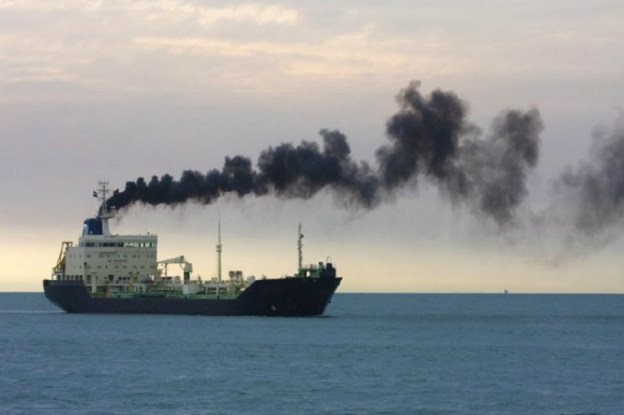
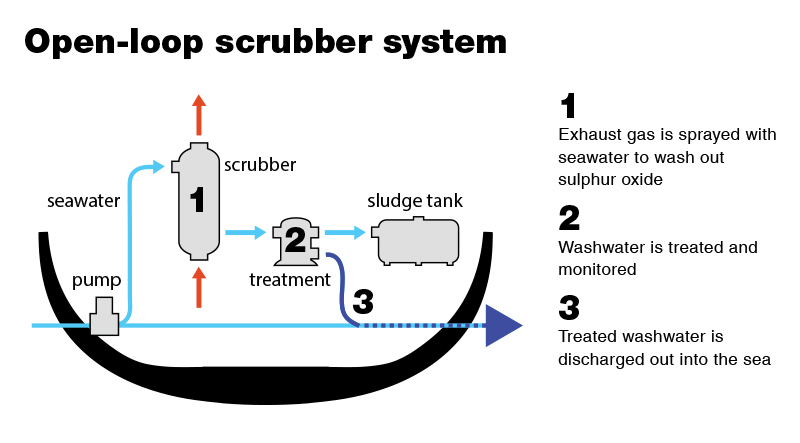
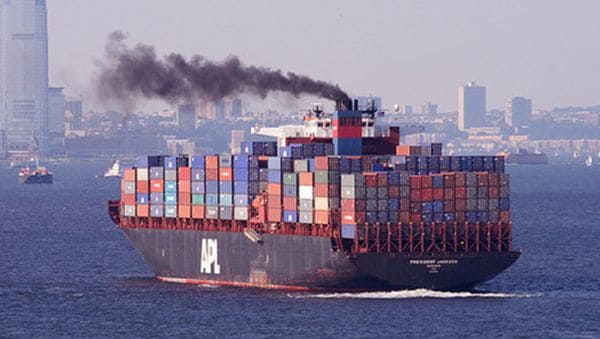
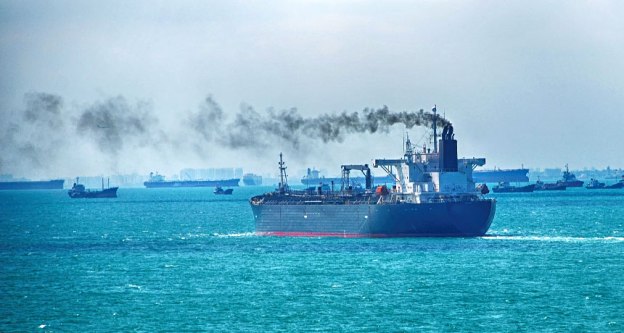
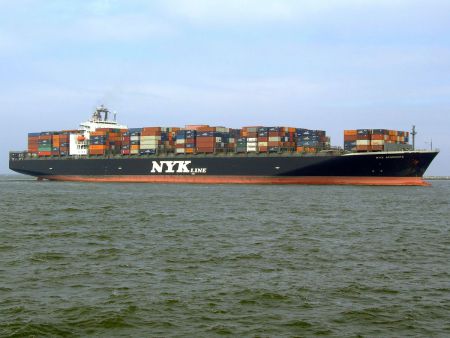
From January 2020, the United Nations International Maritime Organization (IMO) will ban ships from using fuels with a sulphur content above 0.5%, compared with 3.5% now.The rules herald the biggest leap in how ships are powered since they switched from burning coal to oil over a century ago, but vessels will still be allowed to use higher-sulphur fuel if fitted with cleaning devices called scrubbers.  Closed-loop scrubbers keep most of the water used for sulphur removal onboard for disposal at port. Open-loop systems, however, remove sulphur coming through a ship’s smokestack with water that can then be pumped overboard.

Years of studies have examined whether open-loop scrubbers introduce into waterways acidic sulphur harmful to marine life, cancer-causing hydrocarbons, nitrates leading to algal blooms and metals that impair organ function and cause birth defects.  The results have largely been inconclusive and the IMO itself has encouraged further study into the environmental impact of scrubbers.

The stated aim of the new IMO measures is to improve human health..  A study in the journal Nature last year found ship emissions with current sulphur levels caused about 400,000 premature deaths from lung cancer and cardiovascular disease as well as around 14 million childhood asthma cases every year.

Singapore and Fujairah in the United Arab Emirates have banned the use of open-loop scrubbers from the start of next year. China is also set to extend a ban on scrubber discharge to more coastal regions. 

Excerpts from Noah Browning, Going overboard? Shipping rules seen shifting pollution from air to sea, Reuters, Oct. 21, 2019

Greening the Mining Industry

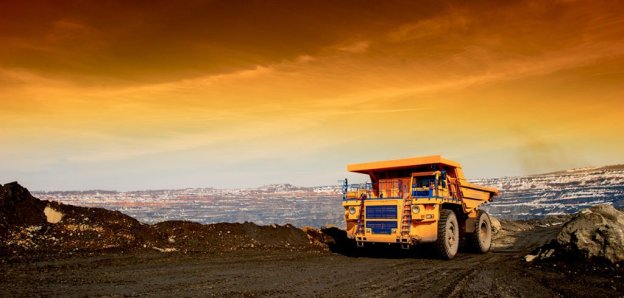
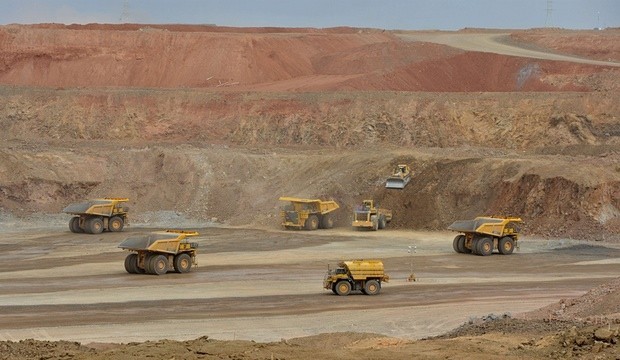
An Australian regulator recently told Peabody Energy Glencore they couldn’t export coal from a new mine to countries that haven’t signed the Paris climate agreement. Two other Australian coal projects were scuttled in 2019, partly out of concern about greenhouse-gas emissions overseas.  Investors, too, are growing inquisitive about miners’ records on their customer emissions—partly out of fear about potential liability. Miners are responding by increasing carbon-impact disclosure, forming alliances with buyers and investing in technology to cut emissions from steel mills and power plants.  BHP  has said its scope 3 emissions—pollution mostly created when customers transport and use the commodities it produces—are almost 40 times greater than those generated at its own operations.

In the oil industry, facing similar pressures, there is friction among large companies over whether to commit to reducing greenhouse-gas emissions from products such as gasoline—in big part because emissions vary hugely depending on the vehicle…

Threats to miners’ business go beyond pushback on new projects. Consumer brands could stop buying commodities they consider too dirty, experts say. Many are already innovating with recycled materials.

In July 2019, BHP pledged to spend $400 million over five years to develop technologies that can reduce emissions both from its operations and its customers’.  “We won’t stop at the mine gate,” BHP Chief Executive Andrew Mackenzie said. …Rio Tinto is also drawing up scenarios for decarbonizing the steel industry. Success could materially affect the value of its core iron-ore business, it said.  Meantime, miners are touting their role in the shift to a low-carbon economy by producing commodities such as copper and nickel for wind turbines and electric vehicles.

Excerpts from Rhiannon Hoyle, Miners’ New Worry: Other People’s Pollution, WSJ, Oct. 9, 2019

Bio-Energy and Food Security

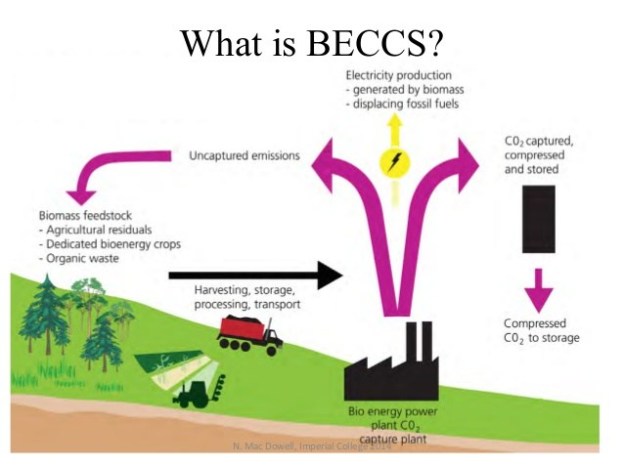
In the effort to keep the planet from reaching dangerous temperatures, a hybrid approach called BECCS (bioenergy with carbon capture and storage) has a seductive appeal. Crops suck carbon dioxide (CO2) from the atmosphere, power plants burn the biomass to generate electricity, and the emissions are captured in a smokestack and pumped underground for long-term storage. Energy is generated even as CO2 is removed: an irresistible win-win. But, the United Nations’s climate panel sounded a warning about creating vast bioenergy plantations, which could jeopardize food production, water supplies, and land rights for poor farmers.

In an earlier special report in October 2018, IPCC called for holding the rise in global average temperatures to no more than 1.5°C above preindustrial conditions to avoid the worst consequences of climate change. It emphasized that cutting emissions won’t be enough to reach that goal. Replacing coal with renewable energy, and significantly cutting oil and natural gas, would still leave gigatons of excess carbon in the atmosphere. BECCS could remove it, computer models suggested, if several million square kilometers—an area the size of India—were devoted to energy crops.

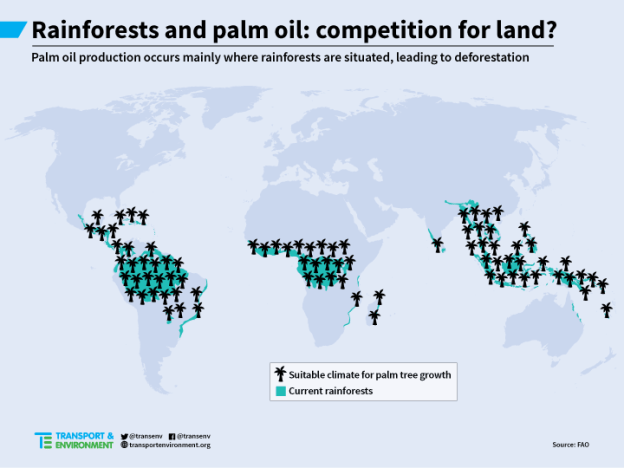
But the 2019 IPCC report examines the consequences of deploying BECCS on that vast scale and concludes it could “greatly increase” the demand for agricultural land. The pressure on conventional crops could compromise food security, as happened in 2007 when rising U.S. corn ethanol production contributed to a spike in food prices. (In Mexico, the price of tortillas, a staple for the poor, rose 69% between 2005 and 2011.) The bioenergy plantations could also take a toll on biodiversity—as is happening in Southeast Asia, where plantations producing palm oil for biodiesel as well as food are displacing diverse tropical forest. And they could suck up scarce water, especially in drylands, where irrigation of crops might deplete local supplies, the IPCC report says.

Industrial bioenergy crops can lead to the same kinds of problems as intensive food production, such as the contamination of water from excess fertilizer. Scaling up bioenergy in developing countries can also exacerbate social problems like the loss of land by small farmers.

Excerpts from Erik Stokstad, Bioenergy plantations could fight climate change—but threaten food crops, U.N. panel warns, Science, Aug. 8, 2019

The Disappearing Birds

North America’s birds are disappearing from the skies at a rate that’s shocking even to ornithologists. Since the 1970s, the continent has lost 3 billion birds, nearly 30% of the total, and even common birds such as sparrows and blackbirds are in decline, U.S. and Canadian researchers reported in the September 2019 Issue of Science Magazine…  Five  years ago, PM Rosenberg a conservation biologist decided to take a broader look at what is happening in North America’s skies.

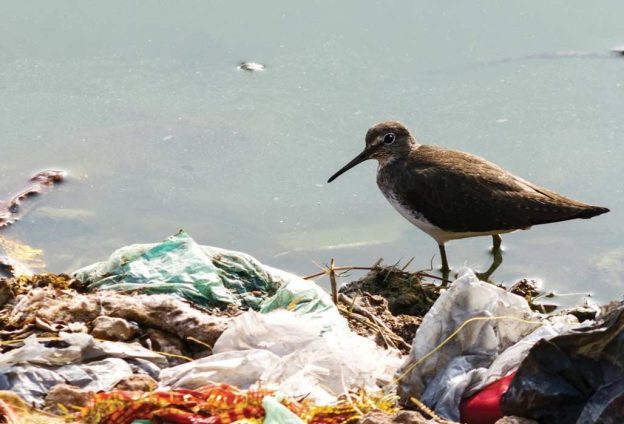
“I frankly thought it was going to be kind of a wash,” Rosenberg says. He expected rarer species would be disappearing but common species would be on the rise, compensating for the losses, because they tend to be generalists, and more resilient. Indeed, waterfowl and raptors are thriving, thanks to habitat restoration and other conservation efforts. But the declines in many other species, particularly those living along shorelines and in grasslands, far exceeded those gains, Rosenberg and his colleagues report. Grassland birds have declined by 53% since 1970—a loss of 700 million adults in the 31 species studied, including meadowlarks and northern bobwhites. Shorebirds such as sanderlings and plovers are down by about one-third, the team says. Habitat loss may be to blame.

The familiar birds that flock by the thousands in suburbs were not exempt. “There’s an erosion of the numbers of common birds,” Rosenberg says. His team determined that 19 common species have each lost more than 50 million birds since 1970. Twelve groups, including sparrows, warblers, finches, and blackbirds, were particularly hard hit. Even introduced species that have thrived in North America, such as starlings and house sparrows, are losing ground.  “When you lose a common species, the impact will be much more massive on the ecosystem and ecosystem services,” says Gerardo Ceballos, an ecologist and conservation biologist at the National Autonomous University of Mexico in Mexico City. “It’s showing the magnitude of the problem.”

Some of the causes may be subtle. Last week, toxicologists described how low doses of neonicotinoids—a common pesticide—made migrating sparrows lose weight and delay their migration, which hurts their chances of surviving and reproducing. Climate change, habitat loss, shifts in food webs, and even cats may all be adding to the problem, and not just for birds. 

Weather radar data revealed similarly steep declines. Radar detects not just rain, but also insect swarms and flocks of birds, which stand out at night, when birds usually migrate. “We don’t see individual birds, it’s more like a big blob moving through airspace,” explains Cornell migration ecologist Adriaan Dokter. He converted “blobs” from 143 radar stations into biomass. Between 2007 and 2017, that biomass declined 13%, the Science paper reports. The greatest decline was in birds migrating up the eastern United States….

Excerpts from Elizabeth Pennisi, Billions of North American Birds Have Vanished,  Science, Sept. 20, 2019

A Cure Worse than the Disease? Biofuels in Planes

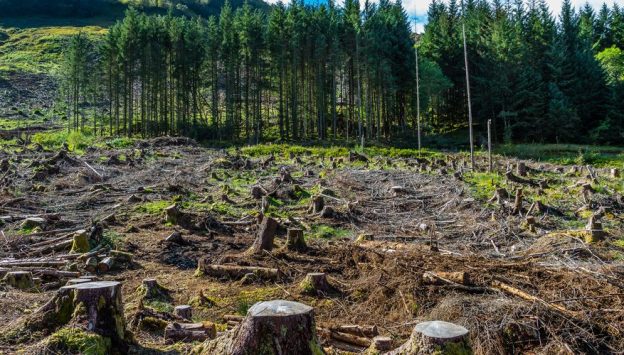
The 2019 report by the Rainforest Foundation Norway RFN is called ‘Destination Deforestation’ and reviewed the role of the aviation industry in contributing to the climate crisis, concluding that there’s a high risk that increased use of palm and soy-based biofuel in planes will lead to increased deforestation.

Finland, the world’s largest producers of renewable diesel and the only EU country that gives additional incentives for the use of palm oil products to manufacture biofuel, could spearhead the race towards deforestation, as areas of rainforest in countries like Indonesia or in South America are cleared to plant crops that will later be used to produce the fuel.  RFN says that meeting the aviation industry’s own climate-change targets to reduce emissions could result in 3.2 million hectares of tropical forest lost, an area larger than Belgium.

Researchers at Rainforest Foundation Norway believe the Finnish incentives for (Palm Fatty Acid Distillate) PFAD-based biofuels are likely to contribute to this deforestation, since Finland’s state-owned oil company Neste produces half of the world’s renewable diesel.  “Finland continues to treat the palm oil by-product PFAD as a waste, eligible for additional incentives. In addition, Finland is home to Neste, the world’s largest producer of hydrotreated biodiesel, and uses PFAD as a raw material. Therefore, Finland’s program could contribute to the massive deforestation discussed in our report” he explains.

With Finland left isolated as the only EU country to pay producers to use waste-classified PFAD in biofuel production, Rainforest Foundation Norway cautions that the country risks becoming a dumping ground for unsustainable raw material….“As long as PFAD is classified as ‘waste’, it enjoys huge incentives from the state. Biofuels made out of PFAD are completely exempt from carbon dioxide tax in Finland. Additionally, PFAD’s emissions can be discounted, and it is not subject to the same sustainability criteria as other raw materials.

With ‘flight shame’ gaining more momentum across the world, the aviation industry is desperate to find ways to make flying compatible with climate goals. While replacing fossil fuels with renewables sounds like a great idea, the sustainability of biofuels is highly dependent on the raw materials used to produce them…The most common aviation biofuels, Hydrogenated Esters and Fatty Acids (HEFA) fuels are produced from vegetable oils and animal fats. While the use of waste oils and other recycled materials is possible, the most viable raw materials for HEFA jet fuels are food crops.  “The cheapest and most readily available raw materials for HEFA jet fuel are palm oil and soy oil, which are closely linked to tropical deforestation” Ranum says.  The experts suggest that aiming to reduce emissions by increasing demand for palm and soy oil is a cure worse than the disease.

Elias Huuhtan, Report: Finland’s push to use biofuel could cause ‘massive deforestation, https://newsnowfinland.fi/ , Oct. 7, 2019

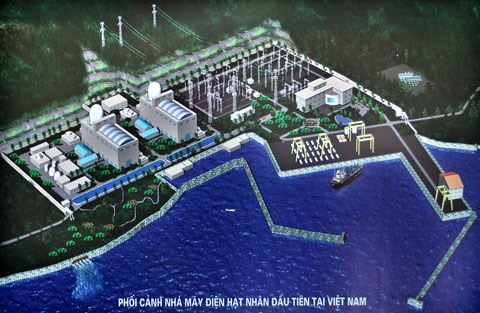
Can Nuclear Power Beat Climate Change?

The 2019 World Nuclear Industry Status Report (WNISR2019) assesses the status and trends of the international nuclear industry and analyzes the potential role of nuclear power as an option to combat climate change. Eight interdisciplinary experts from six countries, including four university professors and the Rocky Mountain Institute’s co-founder and chairman emeritus, have contributed to the report.

While the number of operating reactors has increased over the past year by four to 417 as of mid-2019, it remains significantly below historic peak of 438 in 2002.  Nuclear construction has been shrinking over the past five years with 46 units underway as of mid-2019, compared to 68 reactors in 2013 and 234 in 1979. The number of annual construction starts have fallen from 15 in the pre-Fukushima year (2010) to five in 2018 and, so far, one in 2019. The historic peak was in 1976 with 44 construction starts, more than the total in the past seven years.

WNISR project coordinator and publisher Mycle Schneider stated: “There can be no doubt: the renewal rate of nuclear power plants is too slow to guarantee the survival of the technology. The world is experiencing an undeclared ‘organic’ nuclear phaseout.”  Consequently, as of mid-2019, for the first time the average age of the world nuclear reactor fleet exceeds 30 years.

However, renewables continue to outpace nuclear power in virtually all categories. A record 165 gigawatts (GW) of renewables were added to the world’s power grids in 2018; the nuclear operating capacity increased by 9 GW. Globally, wind power output grew by 29% in 2018, solar by 13%, nuclear by 2.4%. Compared to a decade ago, nonhydro renewables generated over 1,900 TWh more power, exceeding coal and natural gas, while nuclear produced less.

What does all this mean for the potential role of nuclear power to combat climate change? WNISR2019 provides a new focus chapter on the question. Diana Ürge-Vorsatz, Professor at the Central European University and Vice-Chair of the Intergovernmental Panel on Climate Change (IPCC) Working Group III, notes in her Foreword to WNISR2019 that several IPCC scenarios that reach the 1.5°C temperature target rely heavily on nuclear power and that “these scenarios raise the question whether the nuclear industry will actually be able to deliver the magnitude of new power that is required in these scenarios in a cost-effective and timely manner.”

Over the past decade, levelized cost estimates for utility-scale solar dropped by 88%, wind by 69%, while nuclear increased by 23%. New solar plants can compete with existing coal fired plants in India, wind turbines alone generate more electricity than nuclear reactors in India and China. But new nuclear plants are also much slower to build than all other options, e.g. the nine reactors started up in 2018 took an average of 10.9 years to be completed. In other words, nuclear power is an option that is more expensive and slower to implement than alternatives and therefore is not effective in the effort to battle the climate emergency, rather it is counterproductive, as the funds are then not available for more effective options.

Excerpts from WNISR2019 Assesses Climate Change and the Nuclear Power Option, Sept. 24, 2019

Zero Radioactive Leakage: China Experiments with Nuclear Waste Disposal

China has chosen a site for an underground laboratory to research the disposal of highly radioactive waste, the country’s nuclear safety watchdog said in September 2019.
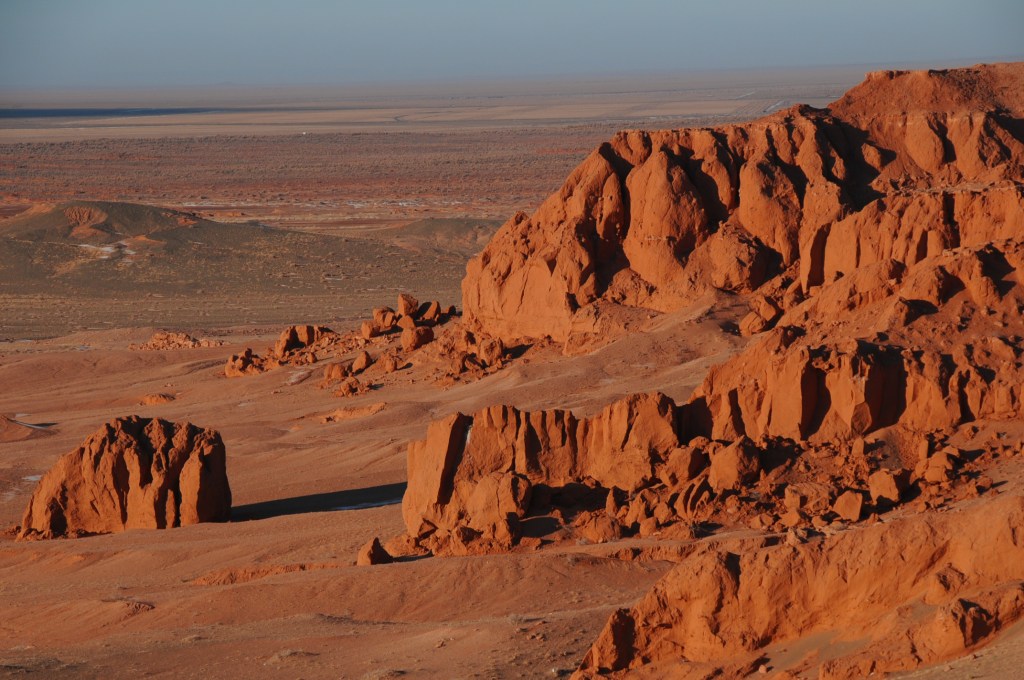
Officials said work would soon begin on building the Beishan Underground Research Laboratory 400 metres (1,312 feet) underground in the northwestern province of Gansu, in the middle of the Gobi desert.

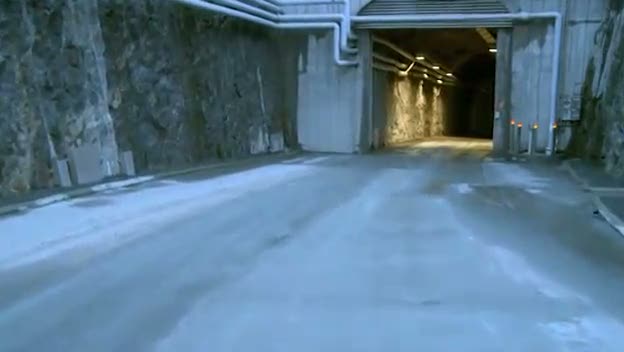
(a) Enttrance Beishan Underground Research Laboratory
(b) Ramp Beishan Underground Research Laboratory

Liu Hua, head of the National Nuclear Safety Administration, said work would be carried out to determine whether it was possible to build a repository for high-level nuclear waste deep underground….Once the laboratory is built, scientists and engineers will start experiments to confirm whether it will make a viable underground storage facility…

Gobi desert

Lei Yian, an associate professor at Peking University’s school of physics, said there was no absolute guarantee that the repositories would be safe when they came into operation.
Leakage has happened in [repositories] in the US and the former Soviet Union … It’s a difficult problem worldwide,” he said. “If China can solve it, then it will have solved a global problem.”
China is also building more facilities to dispose of low and intermediate-level waste. Officials said new plants were being built in Zhejiang, Fujian and Shandong, three coastal provinces that lack disposal facilities.

Excerpts from Echo Xie , China earmarks site to store nuclear waste deep underground,  South China Morning Post, Sept 5, 2019

How to Manage Water Like Money and Fail: Australia

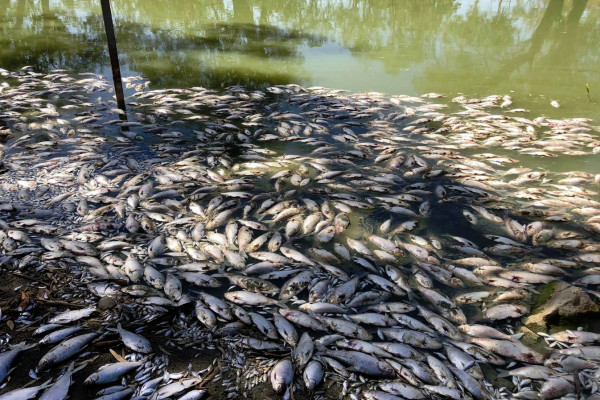
Australia’s Darling River…provided fresh water to farmers seeking to tame Australia’s rugged interior.  No longer. The Darling River hasn’t flowed for eight months, with long stretches completely dried up. A million fish died there in January 2019.  Kangaroos, lizards and birds became sick or died after drinking from toxic pools of stagnant water.  Australia’s water-trading market is drawing blame. The problems with the system, created more than a decade ago, have arisen as similar programs are being considered in the U.S.

Water crises are unfolding across the world as surging populations, industrial-scale farming and hotter temperatures deplete supplies.  Australia thought it had the answer: a cap-and-trade system that would create incentives to use water efficiently and effectively in the world’s driest inhabited continent. But the architects of water trading didn’t anticipate that treating water as a commodity would encourage theft and hoarding.   A report produced for a state resources regulator found the current situation on the Darling was caused by too much water being extracted from the river by a handful of big farmers. Just four license holders control 75% of the water extracted from the Barwon-Darling river system.

The national government, concerned that its water-trading experiment hasn’t turned out as intended, in August 2019 requested an inquiry by the country’s antitrust regulator into water trading.  Anticorruption authorities are investigating instances of possible fraud, water theft and deal making for water licenses. In one case, known as Watergate, a former agriculture minister allegedly oversaw the purchase of a water license at a record price from a Cayman Islands company co-founded by the current energy minister. The former agriculture minister said he was following departmental advice and had no role in determining the price or the vendor. The energy minister said he is no longer involved with the company and received no financial benefit from the deal.

Since 2007, Australia has allowed not only farmers but also investors who want to profit from trading to buy and sell water shares. The water market is now valued at some $20 billion.    But making water valuable had unintended consequences in some places. “Once you create something of real value, you should expect people to attempt to steal it and search for ways to cheat,” says Mike Young, a University of Adelaide professor. “It’s not rocket science. Manage water like money, and you are there.”  Big water users have stolen billions of liters of water from rivers and lakes, according to local media investigations and Australian officials, often by pumping it secretly and at night from remote locations that aren’t metered. A new water regulator set up in New South Wales investigated more than 300 tips of alleged water thefts in its first six months of operation.  In 2018, authorities charged a group of cotton farmers with stealing water, including one that pleaded guilty to pumping enough illegally to fill dozens of Olympic-size swimming pools.  Another problem is that water trading gives farmers an incentive to capture more rain and floodwater, and then hoard it, typically by building storage tanks or lining dirt ditches with concrete. That enables them to collect rain before it seeps into the earth or rivers.

The subsequent water shortages, combined with trading by dedicated water funds and corporate farmers, have driven up prices. Water in Australia’s main agricultural region, the Murray-Darling river basin, now trades at about $420 per megaliter, or one million liters, compared with as low as $7 in previous years.  David Littleproud, Australia’s water-resources minister, says 14% of water licenses are now owned by investors. “Is that really the intent of what we want this market to be?” he asks. “Water is a precious commodity.”

Excerpts from Rachel Pannett , The U.S. Wants to Adopt a Cap-and-Trade Plan for Water That Isn’t Working, WSJ, Sept. 4, 2019

How to Change the World: Take Seeds to Space and Irradiate them with Cosmic Rays

With 19% of the world’s population but only 7% of its arable land, China is in a bind: how to feed its growing and increasingly affluent population while protecting its natural resources. The country’s agricultural scientists have made growing use of nuclear and isotopic techniques in crop production over the last decades. In cooperation with the IAEA and the Food and Agriculture Organization of the United Nations (FAO), they are now helping experts from Asia and beyond in the development of new crop varieties, using irradiation.

While in many countries, nuclear research in agriculture is carried out by nuclear agencies that work independently from the country’s agriculture research establishment, in China the use of nuclear techniques in agriculture is integrated into the work of the Chinese Academy of Agricultural Sciences (CAAS) and provincial academies of agricultural sciences. This ensures that the findings are put to use immediately.

And indeed, the second most widely used wheat mutant variety in China, Luyuan 502, was developed by CAAS’s Institute of Crop Sciences and the Institute of Shandong Academy of Agricultural Sciences, using space-induced mutation breeding. It has a yield that is 11% higher than the traditional variety and is also more tolerant to drought and main diseases.  It has been planted on over 3.6 million hectares – almost as large as Switzerland. It is one of 11 wheat varieties developed for improved salt and drought tolerance, grain quality and yield.

Through close cooperation with the IAEA and FAO, China has released over 1,000 mutant crop varieties in the past 60 years, and varieties developed in China account for a fourth of mutants listed currently in the IAEA/FAO’s database of mutant varieties produced worldwide.

The Institute uses heavy ion beam accelerators, cosmic rays and gamma rays along with chemicals to induce mutations in a wide variety of crops, including wheat, rice, maize, soybean and vegetables….Indonesia’s nuclear agency, BATAN, and CAAS are looking for ways to collaborate on plant mutation breeding

Space-induced mutation breeding
 
Irradiation causes mutation, which generates random genetic variations, resulting in mutant plants with new and useful traits. Mutation breeding does not involve gene transformation, but rather uses a plant’s own genetic components and mimics the natural process of spontaneous mutation, the motor of evolution. By using radiation, scientists can significantly shorten the time it takes to breed new and improved plant varieties.

Space-induced mutation breeding, also called space mutagenesis, involves taking the seeds to space, where cosmic rays are stronger, and these rays are used to induce mutation.  Satellites, space shuttles and high-altitude balloons are used to carry out the experiments. One advantage of this method is that the risk of damaging the plants are lower than when using gamma irradiation on earth.

Excerpts from How Nuclear Techniques Help Feed China, IAEA, Apr. 4, 2019

Modernize or Die: Bio-Engineered Food

China is betting that CRISP technology*can transform the country’s food supply.  China also expanded its efforts beyond its borders in 2017, when the state-owned company ChemChina bought Switzerland-based Syngenta—one of the world’s four largest agribusinesses, which has a large R&D team working with CRISPR—for $43 billion. That was the most China has ever spent on acquiring a foreign company, and it created an intimate relationship between government, industry, and academia—a “sort of a ménage à trois” that ultimately could funnel intellectual property from university labs into the company, says plant geneticist Zachary Lippman of Cold Spring Harbor Laboratory in New York.

Chinese leaders “want to strategically invest in genome editing, and [by that] I mean, catch up,” says Zhang Bei, who heads a team of 50 scientists at the Syngenta Beijing Innovation Center…China may one day need CRISPR-modified plants to provide enough food for its massive population….    China needs to resolve how it will regulate CRISPR-engineered crops—a divisive issue in many countries. In a 2018 decision that rocked big agriculture, a European court ruled that such crops are genetically modified organisms (GMOs) that need strict regulation. In contrast, the U.S. Department of Agriculture (USDA) exempts genome-edited plants from regulations covering GMOs as long as they were produced not by transferring DNA from other species, but by inducing mutations that could have occurred naturally or through conventional breeding.  Chinese consumers are wary of GM food. The country strictly limits the import of GM crops, and the only GM food it grows are papayas for domestic consumption. But for CRISPR, many plant researchers around assume China will follow in the United States’s footsteps…

For Corteva, Syngenta, and the other two big ag companies—BASF and Bayer (which acquired Monsanto last year)—the long game is to use CRISPR to develop better versions of their serious moneymakers, the “elite” varieties of a wide range of crops that have big commercial markets. They sell dozens of kinds of elite corn seeds—for example, inbred strains that consistently have high yields or reliable resistance to herbicides. Creating the genetic purity needed for an elite variety typically takes traditional breeding of many generations of plants, and CRISPR is seen as the cleanest way to improve them quickly. The earlier methods of engineering a plant can lead to unwanted genomic changes that must be laboriously culled…

Syngenta sees CRISPR-modified corn as a big opportunity in China, which grows more hectares of corn than any other crop. Yields per hectare are only 60% of those in the United States because corn ear worms often weaken Chinese crops. A fungus thrives in the weakened plants, producing a toxin that makes the resultant ears unfit for animal feed. As a result, China must import a great deal of corn. (According to USDA, 82% of U.S.-grown corn has been engineered to have a bacterial gene that makes it resistant to ear worms.)…“Syngenta is putting a lot of emphasis to grow in China to become the leading seed company. The China market as a whole, if it modernizes as the U.S. has modernized, can be as big as the U.S. market.”

Jon Cohen, To feed its 1.4 billion, China bets big on genome editing of crops, Science Magazine, Aug. 2, 2019

* Genome editing (also called gene editing) is a group of technologies that give scientists the ability to change an organism’s DNA. These technologies allow genetic material to be added, removed, or altered at particular locations in the genome. Several approaches to genome editing have been developed. A recent one is known as CRISPR-Cas9.

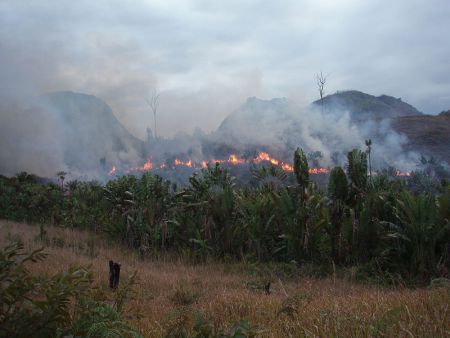
Forest Fires in Africa Feed the Amazon Rainforest

The world’s largest rainforest and a crucial store of carbon dioxide gets most of its phosphorous, an important nutrient, from an unexpected source: fires in Africa.  Strange as it may seem, we thought that the Amazon got much of its phosphorus from dust whipped up from the Sahara Desert and transported across the Atlantic on the wind.

Cassandra Gaston at the University of Miami, US, and her colleagues had set out to quantify the effect of the phosphorous in Saharan dust on the Amazon’s growth. To do this, they collected and analysed particles caught in filters from a hilltop in French Guiana, at the northern edge of the Amazon Basin. But at the same time, they used satellites to track smoke from fires in Africa — both people burning wood and natural forest fires — drifting Westwards across the ocean. It turned out that the arrival of patches of smoke coincided with high levels of phosphorous being detected in the filters.  Gaston and her team then estimated how much of the phosphorus deposited on the Amazon Basin comes from African biomass burning. They found that, in Spring, smoke from the fires was responsible for most of the nutrient entering the Amazon Basin. …The findings suggest that people burning wood and other materials in Africa might have an impact on how much the Amazon grows and therefore how much carbon it stores in future.

Excerpt from The Amazon rainforest depends on fires in Africa for a vital nutrient, New Scientist, July 29, 2019

What 200 Million Irradiated Mosquitoes Can Do

In July 2019, a combination of the nuclear sterile insect technique (SIT) with the incompatible insect technique (IIT) has led to the successful suppression of mosquito populations, a promising step in the control of mosquitoes that carry dengue, the Zika virus and many other devastating diseases. The results of the recent pilot trial in Guangzhou, China, carried out with the support of the IAEA in cooperation with the Food and Agriculture Organization of the United Nations (FAO), were published in Nature on 17 July 2019.

SIT is an environmentally-friendly insect pest control method involving the mass-rearing and sterilization of a target pest using radiation, followed by the systematic area-wide release of sterile males by air over defined areas. The sterile males mate with wild females, resulting in no offspring and a declining pest population over time. IIT involves exposing the mosquitoes to the Wolbachia bacteria. The bacteria partially sterilizes the mosquitoes, which means less radiation is needed for complete sterilization. This in turn better preserves the sterilized males’ competitiveness for mating.

The main obstacle in scaling up the use of SIT against various species of mosquitoes has been overcoming several technical challenges with producing and releasing enough sterile males to overwhelm the wild population. 

For example, the researchers used racks to rear over 500 000 mosquitoes per week that were constructed based on models developed at the Joint FAO/IAEA Division’s laboratories near Vienna, Austria. A specialized irradiator for treating batches of 150 000 mosquito pupae was also developed and validated with close collaboration between the Joint FAO/IAEA Division and the researchers…The results of this pilot trial, using SIT in combination with the IIT, demonstrate the successful near-elimination of field populations of the world’s most invasive mosquito species, Aedes albopictus (Asian tiger mosquito). The two-year trial (2016-2017) covered a 32.5-hectare area on two relatively isolated islands in the Pearl River in Guangzhou. It involved the release of about 200 million irradiated mass-reared adult male mosquitoes exposed to Wolbachia bacteria

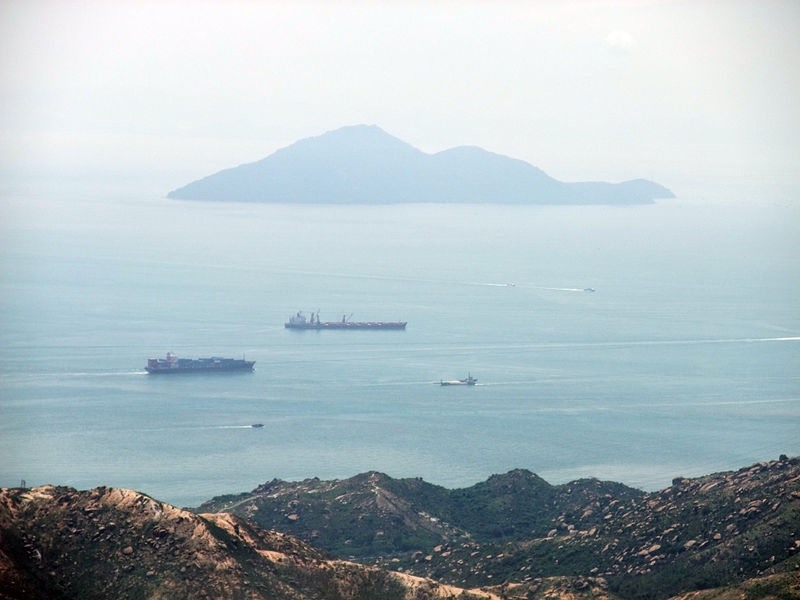
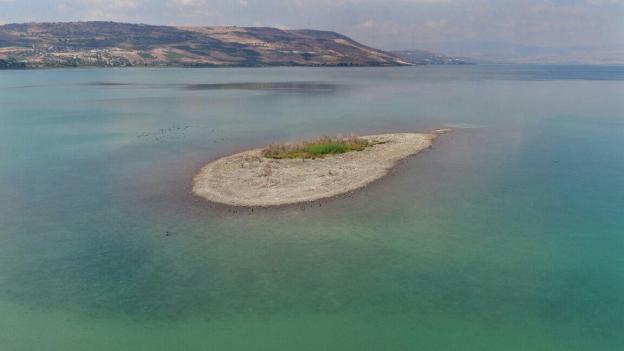
Nei Lingding island, China (view from Hong Kong)

Experts in China plan to test the technology in larger urban areas in the near future using sterile male mosquitoes from a mass-rearing facility in Guangzhou, said Zhiyong Xi, Director of Sun Yat-sen University-Michigan State University’s Joint Center of Vector Control for Tropical Diseases and Professor at Michigan State University in the United States

Excerpts from Miklos Gaspar & Jeremy Bouye, Mosquito Population Successfully Suppressed Through Pilot Study Using Nuclear Technique in China, IAEA Press Release, July 18, 2019
 

Not Sharing, even a Glass of Water: the Water Crisis in India

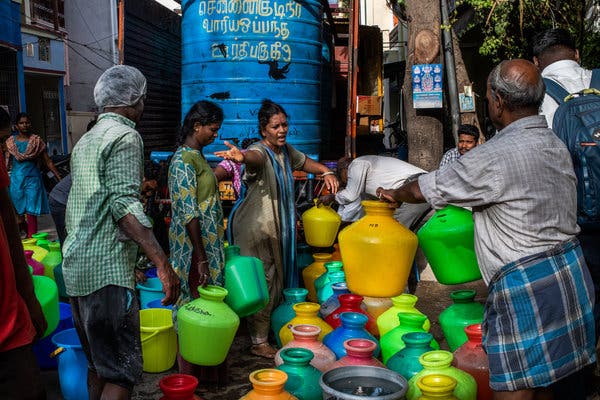
The southern city of Chennai—India’s fifth largest with a population of around 10 million—has been meeting only two-thirds of its water needs for weeks, the product of years of drought and decades of failure to manage the region’s water resources.   Residents have been scrambling around the clock to get water—spending hours chasing government tankers or paying private companies to deliver water.  Recent light rains broke a 200-day streak without rain. But the first month of India’s annual monsoon brought one-third less rain than the 50-year average, the driest June in five years, according to the India Meteorological Department.

The acute water shortage in one of India’s largest cities has been building for decades through a mix of population growth, poor planning and increasingly erratic monsoon rains….

The situation in Chennai reflects a larger water crisis spreading across India. Half the country’s population—600 million people—live in areas where water resources are highly or extremely stressed. About 100 million people living in 21 of India’s biggest cities may see their groundwater exhausted by the end of next year, according to a 2018 study by NITI Aayog, an Indian government policy think tank.  By 2030, demand for water will be double the country’s supply, the report said. And the impact will go far beyond the areas actually affected by water shortages: Almost one-third of the country’s agricultural output comes from areas most affected by water shortages…

The scarcity has led to clashes between neighbors. “No one is ready to share even a glass of water,” she said.

Excerpts from Vibhuti Agarwal and Krishna Pokhare Indians Hunt Through the Night for Water as a Megacity Runs Dry, WSJ, July 6, 2018

Who Owns the Riches of the Melting North Pole

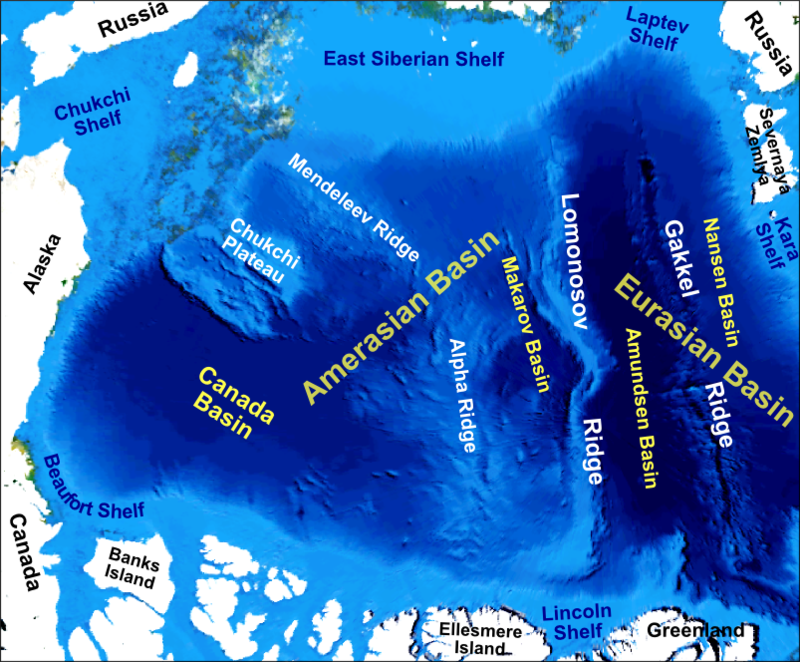
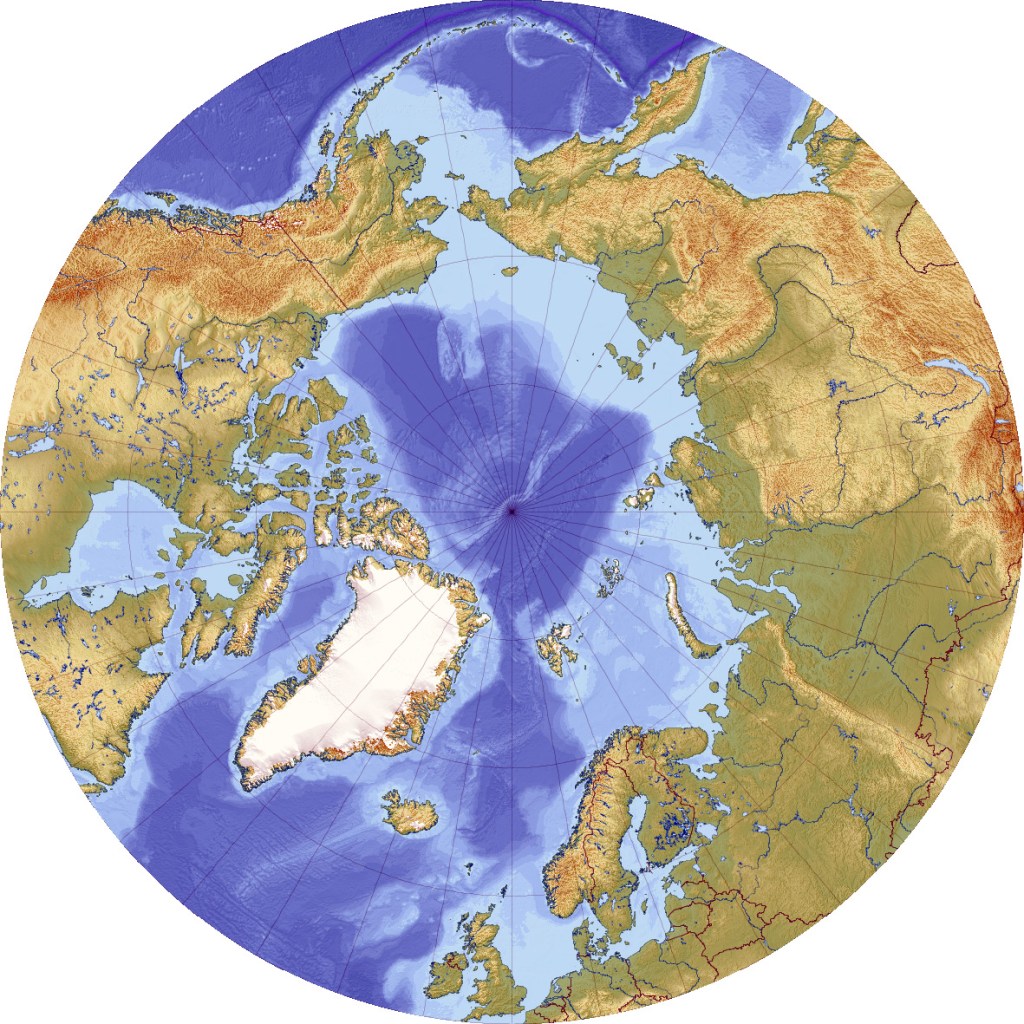
A competition for the North Pole heated up in May 2019, as Canada became the third country to claim—based on extensive scientific data—that it should have sovereignty over a large swath of the Arctic Ocean, including the pole. Canada’s bid, submitted to the United Nations’s Commission on the Limits of the Continental Shelf (CLCS), joins competing claims from Russia and Denmark. Like theirs, it is motivated by the prospect of mineral riches: the large oil reserves believed to lie under the Arctic Ocean, which will become more accessible as the polar ice retreats. And all three claims, along with dozens of similar claims in other oceans, rest on extensive seafloor mapping, which has proved to be a boon to science…

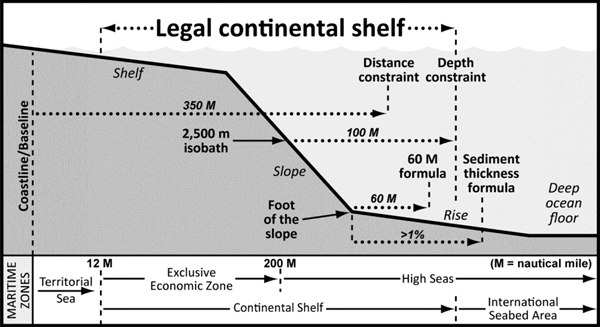
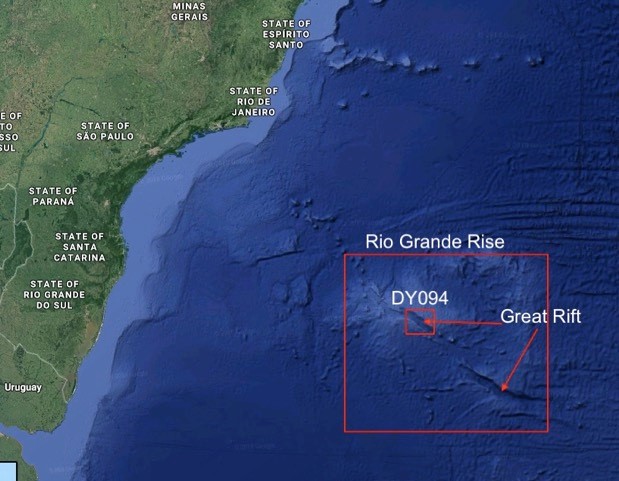
Coastal nations have sovereign rights over an exclusive economic zone (EEZ), extending by definition 200 nautical miles (370 kilometers) out from their coastline. But the 1982 United Nations Convention on the Law of the Sea opened up the possibility of expanding that zone if a country can convince CLCS that its continental shelf extends beyond the EEZ’s limits…..Most of the 84 submissions so far were driven by the prospect of oil and gas, although advances in deep-sea mining technology have added new reasons to apply. Brazil, for example, filed an application in December 2018 that included the Rio Grande Rise, a deep-ocean mountain range 1500 kilometers southeast of Rio De Janeiro that’s covered in cobalt-rich ferromanganese crusts.

The Rio Grande Rise, Brazil

To make a claim, a country has to submit detailed data on the shape of the sea floor and on its sediment, which is thicker on the shelf than in the deep ocean. …CLCS, composed of 21 scientists in fields such as geology and hydrography who are elected by member states, has accepted 24 of the 28 claims it has finished evaluating, some partially or with caveats; in several cases, it has asked for follow-up submissions with more data. Australia was the first country to succeed, adding 2.5 million square kilometers to its territory in 2008. New Zealand gained undersea territory six times larger than its terrestrial area. But CLCS only judges the merit of each individual scientific claim; it has no authority to decide boundaries when claims overlap. To do that, countries have to turn to diplomatic channels once the science is settled.

The three claims on the North Pole revolve around the Lomonosov Ridge, an underwater mountain system that runs from Ellesmere Island in Canada’s Qikiqtaaluk region to the New Siberian Islands of Russia, passing the North Pole. Both countries claim the ridge is geologically connected to their continent, whereas Denmark says it is also tied to Greenland, a Danish territory. As the ridge is thought to be continental crust, the territorial extensions could be extensive)

Lomonosov Ridge, Amerasian Basin

Tensions flared when Russia planted a titanium flag on the sea floor beneath the North Pole in 2007, after CLCS rejected its first claim, saying more data were needed. The Canadian foreign minister at the time likened the move to the land grabs of early European colonizers. Not that the North Pole has any material value: “The oil potential there is zip,” says geologist Henry Dick of the Woods Hole Oceanographic Institution in Massachusetts. “The real fight is over the Amerasian Basin” where large amounts of oil are thought to be locked up…

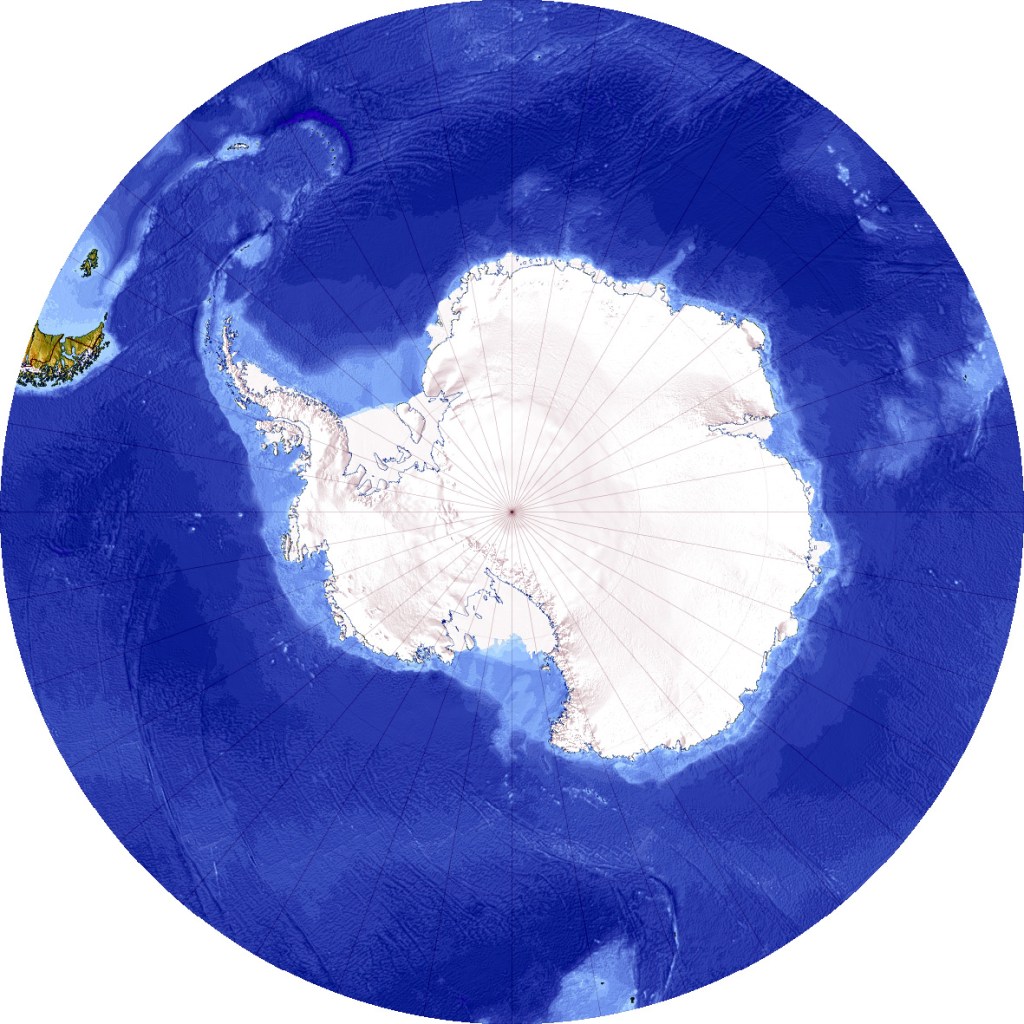
There’s also a proposal to make the North Pole international, like Antarctica (South Pole), as a sign of peace, says Oran Young, a political scientist at the University of California, Santa Barbara. “It seems a very sensible idea.”

Richard Kemeny, Fight for the Arctic Ocean is a boon for science, June 21, 2019

Taking Pride in Nuclear Waste: Finland and Sweden

The site for Posiva’s repository at Eurajoki for the disposal of Finland’s high-level radioactive waste (used nuclear fuel), near the Olkiluoto nuclear power plant, was selected in 2000. The Finnish parliament approved the the repository project the following year in 2001… The government granted a construction licence for the project in November 2015 and construction work on the repository started iin 2016.  Posiva’s plan is for used nuclear fuel to be packed inside copper-steel canisters at an above-ground encapsulation plant, from where they will be transferred into the underground tunnels of the repository, located at a depth of 400-450 meters, and further into deposition holes lined with a bentonite buffer. Operation of the repository is expected to begin in 2023. The cost estimate of this large-scale construction project totals about EUR500 million (USD570 million), the company said.

Posiva  announced on June 25, 2019  the start of construction of the used fuel encapsulation plant. Janne Mokka, Posiva’s President, noted, “In Finland, full lifecycle management of nuclear fuel is a precondition for the production of climate-friendly nuclear electricity. Posiva will execute the final disposal of the spent fuel of its owners’ Olkiluoto and Loviisa nuclear power plants responsibly.”

Sweden is planning a similar used fuel encapsulation and disposal facility using the same storage method. Under its current timetable, national radioactive waste management company Svensk Kärnbränslehantering AB plans to start construction of the used fuel repository and the encapsulation plant sometime early in the 2020s and they will take about 10 years to complete.

Exceprts from Work starts on Finnish fuel encapsulation plant, World Nuclear News, June 25, 2019

See also documentary “Into Eternity” (YouTube)

Hunting Down Polluters: Repairing the Ozone Layer

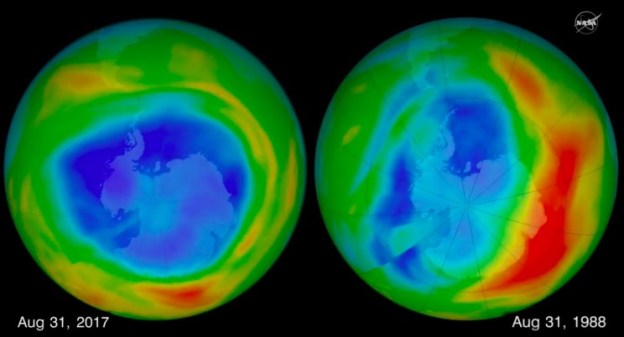
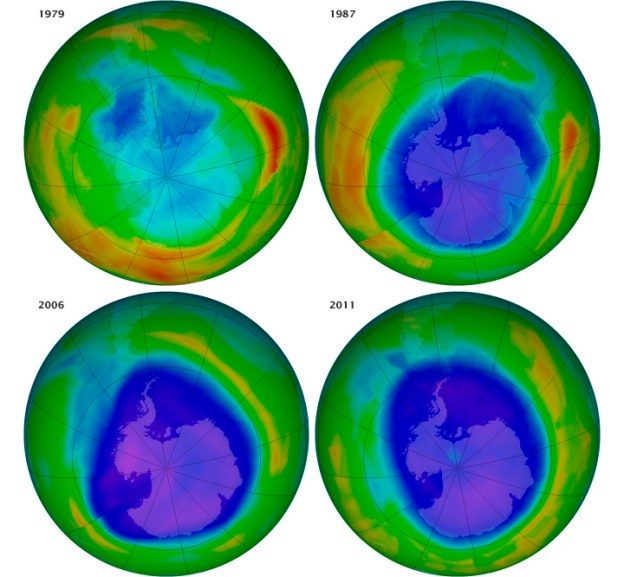
CFC-11 is also known as trichlorofluoromethane, and is one of a number of chloroflurocarbon (CFC) chemicals that were initially developed as refrigerants during the 1930s. However, it took many decades for scientists to discover that when CFCs break down in the atmosphere, they release chlorine atoms that are able to rapidly destroy the ozone layer which protects us from ultraviolet light. A gaping hole in the ozone layer over Antarctica was discovered in the mid 1980s.  The international community agreed the Montreal Protocol in 1987, which banned most of the offending chemicals. Recent research suggests that the hole in the Northern Hemisphere could be fully fixed by the 2030s and Antarctica by the 2060s.

CFC-11 was the second most abundant CFCs and was initially seen to be declining as expected.However in 2018 a team of researchers monitoring the atmosphere found that the rate of decline had slowed by about 50% after 2012.  Further detective work in China by the Environmental Investigation Agency in 2018 seemed to indicate that the country was indeed the source. They found that the illegal chemical was used in the majority of the polyurethane insulation produced by firms they contacted.One seller of CFC-11 estimated that 70% of China’s domestic sales used the illegal gas. The reason was quite simple – CFC-11 is better quality and much cheaper than the alternatives.

This new paper seems to confirm beyond any reasonable doubt that some 40-60% of the increase in emissions is coming from provinces in eastern China.  Using what are termed “top-down” measurements from air monitoring stations in South Korea and Japan, the researchers were able to show that since 2012 CFC-11 has increased from production sites in eastern China.They calculated that there was a 110% rise in emissions from these parts of China for the years 2014-2017 compared to the period between 2008-2012.

“If we look at these extra emissions that we’ve identified from eastern China, it equates to about 35 million tonnes of CO2 being emitted into the atmosphere every year, that’s equivalent to about 10% of UK emissions, or similar to the whole of London.”  The Chinese say they have already started to clamp down on production by what they term “rogue manufacturers”. In  November 2018, several suspects were arrested in Henan province, in possession of 30 tonnes of CFC-11.

Excerpts from Matt McGrath,  Ozone layer: Banned CFCs traced to China say scientists, BBC, May 22, 2019

How Companies Buy Social License: the ExxonMobil Example

The Mobil Foundation sought to use its tax-exempt grants to shape American laws and regulations on issues ranging from the climate crisis to toxic chemicals – with the explicit goal of benefiting Mobil, documents obtained by the Guardian newspaper show.  Recipients of Mobil Foundation grants included Ivy League universities, branches of the National Academies and well-known civic organizations and environmental researchers.  Benefits for Mobil included – in the foundation’s words – funding “a counterpoint to so-called ‘public interest’ groups”, helping Mobil obtain “early access” to scientific research, and offering the oil giant’s executives a forum to “challenge the US Environmental Protection Agency (EPA) behind-the-scenes”….

A third page reveals Mobil Foundation’s efforts to expand its audience inside environmental circles via a grant for the Environmental Law Institute, a half-century-old organization offering environmental law research and education to lawyers and judges.  “Institute publications are widely read in the environmental community and are helpful in communicating industry’s concerns to such organizations,” the entry says. “Mobil Foundation grants will enhance environmental organizations’ views of Mobil, enable us to reach through ELI activities many groups that we do not communicate with, and enable Mobil to participate in their dialogue groups.”

The documents also show Mobil Foundation closely examining the work of individual researchers at dozens of colleges and universities as they made their funding decisions, listing ways that foundation grants would help shape research interests to benefit Mobil, help the company recruit future employees, or help combat environmental and safety regulations that Mobil considered costly.  “It should be a wake-up call for university leaders, because what it says is that fossil fuel funding is not free,” said Geoffrey Supran, a postdoctoral researcher at Harvard and MIT.  “When you take it, you pay with your university’s social license,” Supran said. “You pay by helping facilitate these companies’ political and public relations tactics.”

In some cases, the foundation described how volunteer-staffed not-for-profits had saved Mobil money by doing work that would have otherwise been performed by Mobil’s paid staff, like cleaning birds coated in oil following a Mobil spill.  In 1987, the International Bird Rescue Research Center’s “rapid response and assistance to Mobil’s West Coast pipeline at a spill in Lebec, CA not only defused a potential public relations problem”, Mobil Foundation said, “but saved substantial costs by not requiring our department to fly cross country to respond”.d of trustees at the Woods Hole Oceanographic Institution (recipient of listed donations totalling over $200,000 from Mobil) and a part of UN efforts to study climate change.

Wise ultimately co-authored two UN Intergovernmental Panel on Climate Change reports, serving as a lead author on one. One report chapter Wise co-authored prominently recommended, among other things, burning natural gas (an ExxonMobil product) instead of coal as a way to combat climate change.

Excerpts from How Mobil pushed its oil agenda through ‘charitable giving’, Guardian, June 12, 2019

A Nuclear Leaking Grave

The Bravo test, the testiong of a nuclear bomb on March 1, 1954, in the Bikini Atoll of the Marshall Islands resulted in an explosion that was 2½ times larger than expected. Radioactive ash dropped more than 7,000 square miles from the bomb site, caking the nearby inhabited islands.  “Within hours, the atoll was covered with a fine, white, powder-like substance,” the Marshall Islands health minister would later testify, according to the Atomic Heritage Foundation. “No one knew it was radioactive fallout. The children played in the ‘snow.’ They ate it.”

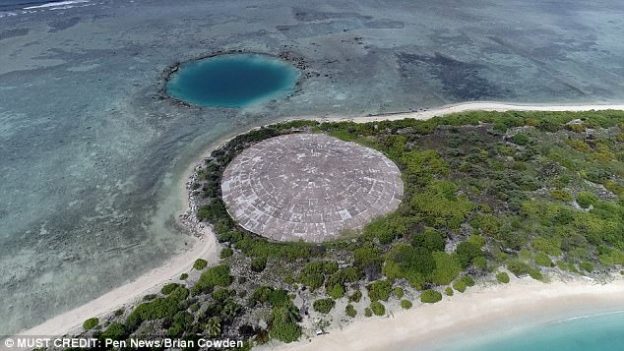
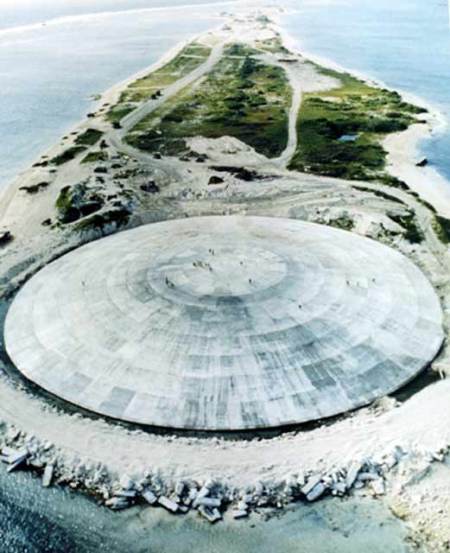
The 1954 explosion was part of nuclear tests conducted as the American military lurched into the nuclear age. From 1946 o 1958, 67 U.S. nuclear tests were conducted in the Marshall islands….From 1977 to 1980, loose waste and top soil debris scraped off from six different islands in the Enewetak Atoll was transported to Runit island and was mixed with concrete and buried in nuclear blast crater. 4,000 US servicemen were involved in the cleanup that took three years to complete. The waste-filled crater was finally entombed in concrete.  The Runit Dome, also called locally “The Tomb”, is a 46 cm (18 in) thick dome of concrete at sea level, encapsulating an estimated 73,000 m3 (95,000 cu yd) of radioactive debris, including some plutonium-239. …The structure, however, was never meant to last. Today, due to disrepair and rising sea tides, it is dangerously vulnerable. A strong storm could breach the dome, releasing the deadly legacy of America’s nuclear might….

Cracks have reportedly started to appear in the dome. Part of the threat is that the crater was never properly lined, meaning that rising seawater could breach the structural integrity. “The bottom of the dome is just what was left behind by the nuclear weapons explosion,” Michael Gerrard, the chair of Columbia University’s Earth Institute, told the ABC. “It’s permeable soil. There was no effort to line it. And therefore, the seawater is inside the dome. 

According to Guterres, UN Secretary General, who refers to Runit Dome as nuclear coffin: The Pacific was victimized in the past as we all know, The consequences of these have been quite dramatic, in relation to health, in relation to the poisoning of waters in some areas.”

Excerpts from Kyle Swenson , The U.S. put nuclear waste under a dome on a Pacific island. Now it’s cracking open, Washington Post, May 20, 2019 and Wikipedia

How to Strengthen the Immune System of Plants: biodiversity

In the past 150 years, the concentration of carbon dioxide in the atmosphere has risen from 280 parts per million (ppm) to 410 ppm. For farmers this is mixed news. Any change in familiar weather patterns caused by the atmospheric warming this rise is bringing is bound to be disruptive. But more carbon dioxide means more fuel for photosynthesis and therefore enhanced growth—sometimes by as much as 40%. And for those in temperate zones, rising temperatures may bring milder weather and a longer growing season. (In the tropics the effects are not so likely to be benign.) What is not clear, though, and not much investigated, is how rising CO2 levels will affect the relation between crops and the diseases that affect them…

Plant biology is altered substantially by a range of environmental factors. This makes it difficult to predict what effect a changing climate will have on particular bits of agriculture. Carbon dioxide is a case in point. It enhances growth of many plants but,  it also shifts the defences to favour some types of disease over others.

To make matters even more complicated, evidence is mounting that changes in temperature and water availability also shift plant immune responses. André Velásquez and Sheng Yang He, at Michigan State University, wrote an extensive review on the warfare between plants and diseases in Current Biology in 2018. They noted that though some valuable crops, such as potatoes and rice, experience less disease as moisture levels increase, this is not the case for most plants. High humidity, in general, favours the spread of botanical diseases. The same can be said for temperature—with some diseases, like papaya ringspot virus, thriving in rising temperatures while others, for example potato cyst, are weakened.

The problems are daunting, then, but there is a way to try to solve them… Genes which grant resistance to diseases that might become severe in the future need to be tracked down. Modern crops have been streamlined by artificial selection to be excellent at growing today. This means that they have the genes they need to flourish when faced with the challenges expected from current conditions, but nothing more. Such crops are thus vulnerable to changes in their environment.  One way to find genes that may alter this state of affairs is to look to crops’ wild relatives. Uncossetted by farmers, these plants must survive disease by themselves—and have been fitted out by evolution with genes to do so. Borrowing their dna makes sense. But that means collecting and cataloguing them. This is being done, but not fast enough. The International Centre for Tropical Agriculture, a charity which works in the area, reckons that about 30% of the wild relatives of modern crops are unrepresented in gene banks, and almost all of the rest are underrepresented….

[This is becuase] most countries are, rightly, protective of their genetic patrimony. If money is to be made by incorporating genes from their plants into crops, they want to have a share of it. It is therefore incumbent on rich countries to abide by rules that enable poor ones to participate in seed collecting without losing out financially. Poor, plant-rich countries are in any case those whose farmers are most likely to be hurt by global warming. It would be ironic if that were made worse because genes from those countries’ plants were unavailable to future-proof the world’s crops.

Excerpts from Blocking the Road to Rusty Death: Climate Change and Crop Disease, Economist,  Apr. 20, 2019

5,000 Eyes in the Sky: environmental monitoring

The most advanced satellite to ever launch from Africa will soon be patrolling South Africa’s coastal waters to crack down on oil spills and illegal dumping.  Data from another satellite, this one collecting images from the Texas portion of a sprawling oil and gas region known as the Permian Basin, recently delivered shocking news: Operators there are burning off nearly twice as much natural gas as they’ve been reporting to state officials.

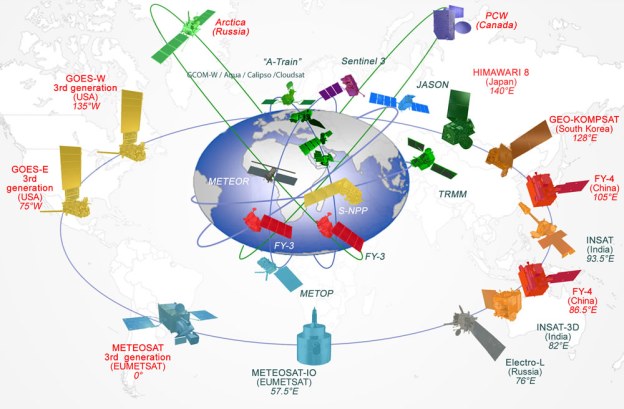
With some 5,000 satellites now orbiting our planet on any given day…. They will help create a constantly innovating industry that will revolutionize environmental monitoring of our planet and hold polluters accountable…

A recent study by Environmental Defense Fund focused on natural gas flares from the wells in the Permian Basin, located in Western Texas and southeastern New Mexico. Our analysis proved that the region’s pollution problem was much larger than companies had revealed.  A second study about offshore gas flaring in the Gulf of Mexico, published by a group of scientists in the Geophysical Research Letters, showed that operators there burn off a whopping 40% of the natural gas they produce.

Soon a new satellite will be launching that is specifically designed not just to locate, but accurately measure methane emissions from human-made sources, starting with the global oil and gas industry.  MethaneSAT, a new EDF affiliate unveiled in 2018, will launch a future where sensors in space will find and measure pollution that today goes undetected. This compact orbital platform will map and quantify methane emissions from oil and gas operations almost anywhere on the planet at least weekly.

Excerpts from Mark Brownstein, These pollution-spotting satellites are just a taste of what’s to come, EDF, Apr. 4, 2019

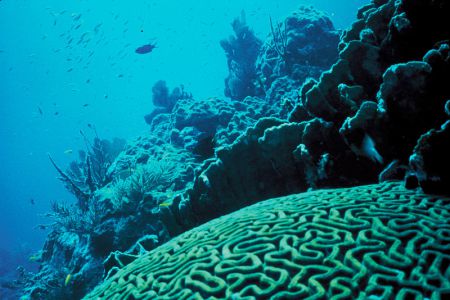
Assisted Evolution: Engineering Coral Reefs

Imagine ecologists cultivating whole new breeds of trees to restock a devastated wilderness…. Coral conservation has traditionally focused on minimizing damage from insults such as water pollution, invasive starfish, and destructive fishing or tourism. In the Caribbean, some conservationists have worked to “replant” damaged coral. But Gates and Van Oppen [two scientists]  have something more intrusive in mind. They want to try to alter the genetics of coral or the microbes that live on it. They dubb the effort “assisted evolution.”

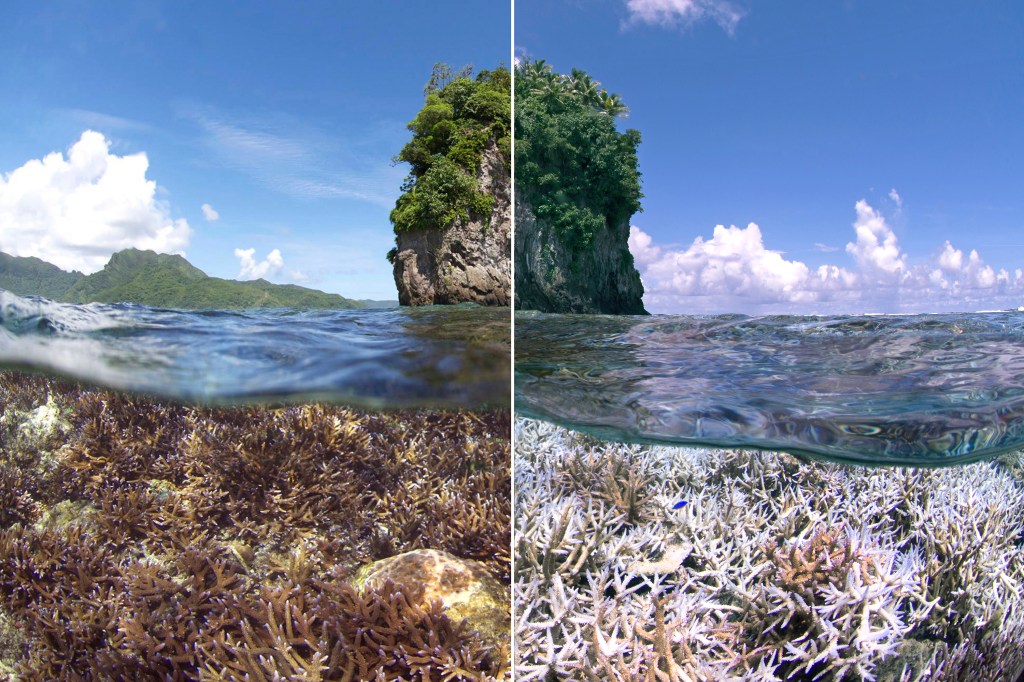
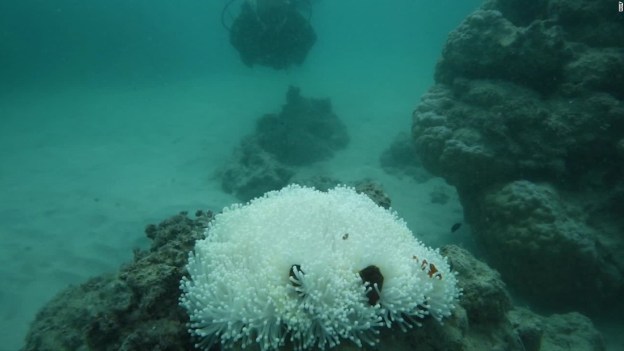
Coral’s most remarkable characteristic—being an animal that is part plant—is also its Achilles’ heel in a hotter world. Normally, coral polyps—the individual coral organisms, which resemble a sea anemone the size of a pinhead—live in harmony with their algal partners, which help feed the polyps and give corals their bright colors. But during heat waves, the relationship sours. Overheated polyps perceive the algae as an irritant and eject them like unwanted squatters. The coral is left bleached, bone-white and starving. If the heat persists, the coral won’t take in new algae and can die.  The bond between coral and algae is complicated, however, and still not fully understood. Just 25 years ago, for example, researchers believed that coral housed just one variety of symbiotic algae. Now, they have identified hundreds. And they are just beginning to examine the role played by the coral’s microbiome, the menagerie of bacteria that inhabit a coral polyp.

Coral bleaching right.

But the complexity also offers multiple paths for scientists trying to forge a less fragile bond between coral and algae. Today, four major lines of research exist: One involves cross-breeding corals to create heat-tolerant varieties, either by mixing strains within a species or by crossing two species that would not normally interbreed. The second enlists genetic engineering techniques to tweak coral or algae. A third tries to rapidly evolve hardier strains of coral and algae by rearing them for generations in overheated lab conditions. A fourth approach, the newest, seeks to manipulate the coral’s microbiome…

In 2018, Cleves [scientist] became the first to report successfully using the CRISPR-Cas9 gene-editing tool on coral. CRISPR is often touted as a method for making genetically modified species. But Cleves says he isn’t interested in creating new kinds of coral. Rather, he sees CRISPR as a tool for deciphering the inner workings of coral DNA by knocking out, or disabling, genes one by one. He hopes to identify genes that might serve as “master switches” controlling how coral copes with heat and stress—knowledge that could help researchers quickly identify corals in the wild or in the laboratory that are already adapted to heat.

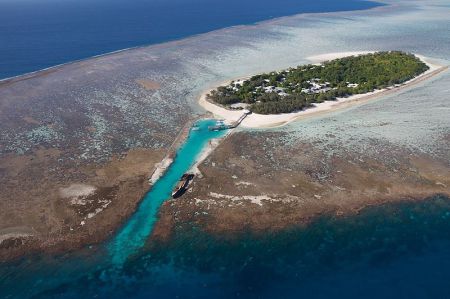
Either way, such efforts to re-engineer coral reefs make people such as David Wachenfeld, chief scientist for the Great Barrier Reef Marine Park Authority here, uneasy. The authority is supposed to protect the reef and regulate activities there. In the past, that meant a hands-off approach. Now, he concedes that “it is almost inconceivable that we’re not going to need these tools.” But, he adds, “That doesn’t mean I’m happy about any of this. This is crisis management.”

He ticks off a list of potential difficulties. Scientists focused on breeding heat-loving coral have to avoid weakening other key traits, such as coping with cold. Introducing a new coral on the scale needed to make a dent on a network of 2900 reefs spanning an area half the size of Texas is a daunting challenge. Even in its damaged state, the Great Barrier Reef still contains hundreds of millions of corals—enough to swamp the genetic impact of new coral species…

Could some kind of “super coral,” as some researchers have dubbed them, also run amok in delicate coral ecosystems.

Excerpts from  The Reef Builders, Science, Mar. 22, 2019

The Unquenchable Thirst for Oil

Demand for oil is rising and the energy industry, in America and globally, is planning multi-trillion-dollar investments to satisfy it. No firm embodies this strategy better than ExxonMobil, the giant that rivals admire and green activists love to hate. As our briefing explains, it plans to pump 25% more oil and gas in 2025 than in 2017. If the rest of the industry pursues even modest growth, the consequence for the climate could be disastrous.

To date politicians, particularly in America, have been reluctant to legislate for bold restrictions on carbon. That is in part thanks to ExxonMobil’s attempts to obstruct efforts to mitigate climate change. …ExxonMobil’s policies on climate change remain marred by inconsistencies. In October the company said it was giving $1m, spread over two years, to a group advocating a carbon tax. ExxonMobil maintains that a carbon tax is a transparent and fair way to limit emissions. But the sum is less than a tenth of its federal lobbying spending in 2018. Moreover, the carbon tax it favours would include protection for oil companies from climate lawsuits.

The firm is also working to reduce leaks of methane, a powerful greenhouse gas, from its wells, pipelines and refineries. However the American Petroleum Institute  (API) has been a main force urging Mr Trump’s administration to ease regulations on methane emissions. The API’s other efforts include lobbying against incentives for electric cars.  ExxonMobil is not alone in trying to sway the climate debate in its direction either. Shell, Total and BP are all members of the API. Marathon Petroleum, a refiner, reportedly campaigned to ease Barack Obama’s fuel-economy standards. BP spent $13m to help block a proposal for a carbon tax in Washington state in November. The Western States Petroleum Association, whose membership includes ExxonMobil and Shell, also lobbied to defeat that tax.

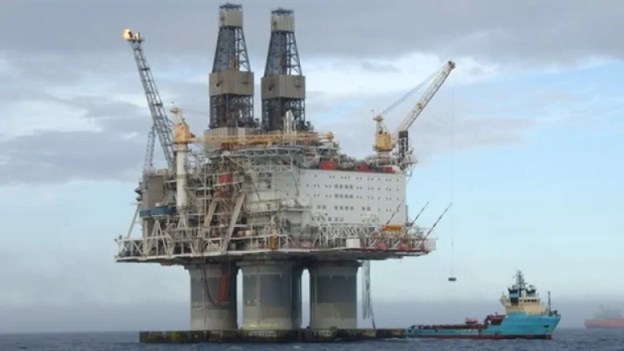
While oil companies plan to grow, trends in cleaner energy are moving in the wrong direction. Investments in renewables fell as a share of the total in 2017 for the first time in three years, as spending on oil and gas climbed. In 2018 carbon emissions in America grew by 3.4% as economic activity picked up, even as coal fell out of favour. Mr Woods maintains that any change to the energy supply will be gradual. “I don’t think people can readily understand just how large the energy system is, and the size of that energy system will take time to evolve,” he argues… Out at sea, ExxonMobil is working to increase production. By next year an underwater web of pipes will connect wells on the seabed to a vast vessel. From there the oil will be transferred to smaller tankers, then to the vast infrastructure that can refine and transport it until it reaches consumers in the form of fertiliser, plastic bottles, polyester or, most likely, petrol. From beneath the ocean floor to your car’s tank, for about the price of a gallon of milk.

Excerpts from  Crude Awakening, Economist,  Feb. 9, 2019; Bigger Oil, Economist,  Feb. 9, 2019

An Umbrella for the Sun: Geo-Engineering

The idea of cooling the climate with stratospheric sunshades that would shield the planet from the sun’s warming rays moved up the international agenda in March 2019, with mixed results. On the one hand, new research suggested that it is theoretically possible to fine-tune such a shield without some of its potentially damaging consequences. Publication of this work coincided with a proposal at the biennial UN Environment Assembly (UNEA), held in Nairobi, Kenya, for an expert review of such geoengineering methods. This was the highest-level discussion of the topic so far. On the other hand, the more than 170 nations involved could not arrive at a consensus. In a fitting illustration of the heat surrounding geoengineering, the proposal was withdrawn at the eleventh hour.

Under the Paris Agreement, governments have pledged to keep average global warming to “well below” 2°C above pre-industrial levels and to try to limit maximum warming to 1.5°C. Many see these targets as wishful thinking: the planet is already roughly 1°C warmer than it was in pre-industrial times, global greenhouse gas emissions are still on the rise and national pledges to cut them fall short of what is needed to hit the 2°C target, let alone 1.5°C.

Faced with this, some think there is a need to turn down the global thermostat using geoengineering. This encompasses a range of possibilities, including technologies that suck carbon dioxide out of the atmosphere and others that block incoming solar energy….  The unea resolution was tabled by Switzerland, and by the start of the week it had received support from most governments. It called for an expert review of the science of geoengineering,…Among the most controversial but also effective and affordable geoengineering options are planetary sunshades. By using high-flying aircraft, for instance, to spray a fine mist of mineral or man-made particles into the upper stratosphere, a portion of the sun’s incoming energy could be bounced back out into space before it gets a chance to warm the planet.  But there are challenges. Stratospheric particles eventually fall back to Earth in rain, so the effect is short-lived. A sunshade would need to be continually resupplied, which is one reason for an international governance framework. If a sunshade were allowed to dissipate while atmospheric CO2 concentrations remained high, global temperatures would rapidly shoot up, with devastating consequences in some regions of the world.  Another problem is the effect of solar geoengineering on the water cycle. Over the past decade, several studies have suggested that sunshades could disproportionately affect rainfall, bringing drought to some regions. But that argument may be oversimplified, according to the new study published in Nature Climate Change .

Position of Sunshade Relative to Earth, Moon and Sun from
http://mycgenie.seao2.info/pubs/Irvine_and_Ridgwell_2009.pdf

Switzerland’s proposal to study geo-engineering was blocked at the UNEA…Several delegates told the Economist that America and Saudi Arabia opposed the Swiss proposal to review geoengineering, preferring the issue to be assessed by the Intergovernmental Panel on Climate Change (IPCC), which is due to include something about the technologies in its next big report, expected in 2021. ..But the Swiss proposal was for a more comprehensive appraisal and one that would be delivered more quickly, by August 2020…. Indeed, there are concerns that some geoengineering methods could be unilaterally deployed by one or more nations, to the possible detriment of others.  The Americans, some said, did not appear to want to make room for conversations, let alone make decisions, about a framework for geoengineering that could restrict their future options.

Excerpts from  Sunny with Overcast Features: Geoengineering, Economist, Mar. 16, 2019

Islands are not Disappearing. They Just Suffer

Every so often comes news of islands just up and disappearing. Eight in Micronesia. Five in the Solomon Islands. One off the coast of Hokkaido, Japan. Yet there’s also been a crop of studies and researchers, led by coastal geomorphologist Paul Kench from Simon Fraser University, saying that island nations such as Tuvalu (long a poster child for the existential threat of sea level rise) not only aren’t disappearing—they’re actually growing. So how do we make sense of this? Are the low-lying islands we know today doomed? Or are we seeing some other process at work? The answer is that a million complicated things are happening all at once, and it provides a window into how hard it is to talk about what’s currently happening to the planet….

Tuvalu not sinking. Growing.

One big culprit that comes up when we talk about disappearing islands is sea level rise, of course. The Sea level was, for a few thousand years up to around the late 19th century, pretty constant, on average. Since the late 1800s, it’s been steadily rising. On average.We keep saying “on average” because sea level changes are not the same in all places. In fact, in a lot of places, the sea level is dropping.… The single largest cause of global sea level rise, right now, isn’t melting glaciers, but the phenomenon called thermal expansion.  Thermal expansion is the tendency of matter, including sea water, to change its volume in response to a change in temperature… Global temperatures have risen by about 1.4 degrees Fahrenheit since 1880, with most of that in the last half-century. And that means the water already in the ocean is getting bigger…

Yes, all of this is going to have a major impact on any low-lying land the world over. But the researchers I talked to for this story don’t necessarily think that islands are disappearing right now at a higher rate than they were in past centuries. Of the independent island nations most at risk of disappearing, Tuvalu is near the top of the list. But a 2018 Paul Kench study of all 101 islands—all small and low-lying—that make up Tuvalu reported that there’s no consistency in what is happening there at all. About three quarters of the islands actually grew in size, to one quarter that shrank, over the past 40 years. Overall, during this time period, Tuvalu grew almost three percent. This is not to say that Tuvalu isn’t in a period of intense crisis right now, because the country certainly is. But disappearing—which is a very specific thing—might not be the cause of that crisis, at least not today…. [It is imporant] to  realize that the impacts of the direction that global climate is headed in are simply not going to be the same everywhere.

Paul Kench’s work—which ran counter to the narrative that the days of the low-lying, habitable islands that we know are gone—angered some, who see it as unhelpful to the very real plight of Tuvalu and other South Pacific island nations. But Kench notes that the mere disappearance of some islands shouldn’t be the whole story. Those harsher and more frequent storms send waves of salt water inland—sometimes over entire islands, sometimes into fields, or into fragile island freshwater sources. Homes and infrastructure are at risk, as are the unusual plant, insect, and bird species found on small islands and nowhere else. Scientists are already exploring simply moving endemic species to more stable islands.

Excerpts from DAN NOSOWITZ, How Alarming Is It That Islands Are Just Disappearing? Atlas Obscura, Mar. 2019

Olkiluoto 3 Nuclear Plant is Ready: 2005-2020

Finland’s Radiation and Nuclear Safety Authority (Stuk) yesterday informed the government it sees no reason why an operating licence for the first-of-a-kind nuclear plant EPR at Olkiluoto 3 should not be granted to utility Teollisuuden Voima Oyj (TVO).]…The Areva-Siemens consortium began construction of Olkiluoto 3 – the first-of-a-kind EPR – in 2005 under a turnkey contract signed with TVO in late 2003. Completion of the reactor was originally scheduled for 2009, but the project has suffered various delays and setbacks. Under the latest schedule, fuel will now be loaded into the reactor core in June 2019, with grid connection to take place in October 2019, and the start of regular electricity generation scheduled for January 2020.

In December 2018, unit 1 of the Taishan plant in China’s Guangdong province became the first EPR to enter commercial operation. Taishan 2 is scheduled to begin commercial operation in 2019. The loading of fuel into the core of the Flamanville EPR in France is expected towards the end of this year. Two EPR units are also under construction at the Hinkley Point C project in Somerset, UK.

Excerpts from Regulator concludes Finnish EPR can operate safely, Nuclear News, Feb. 2019

From Savior to Villain: Biofuel from Palm Oil

Globally, average palm oil yields have been more or less stagnant for the last 20  years, so the required increase in palm oil production to meet the  growing demand for biofuels  has come from deforestation and peat destruction in Indonesia.  Without fundamental changes in governance, we can expect at least a third of new palm oil  area to require peat drainage, and a half to result in deforestation.

Currently, biofuel policy results in 10.7  million tonnes of palm oil demand.  If the current biofuel policy continues we expect by 2030:
• 67 million tonnes palm oil demand due to biofuel policy.
• 4.5 million hectares deforestation.
• 2.9 million hectares peat loss.
• 7 billion tonnes of CO2 emissions over 20 years, more than total annual U.S. GHG emissions.
It must always be remembered that the primary purpose of biofuel policy in the EU and many  other countries is climate change mitigation. Fuel consumers in the European Union, Norway  and elsewhere cannot be asked to continue indefinitely to pay to support vegetable oil based
alternative fuels
that exacerbate rather than mitigate climate change.

The use of palm oil-based biofuel should be  reduced and ideally phased out entirely.  In Europe, the use of biodiesel other than that produced from approved waste or  by-product feedstocks should be reduced or eliminated.
In the United States, palm oil biodiesel should continue to be restricted from generating  advanced RINs under the Renewable Fuel Standard. Indonesia should reassess the relationship between biofuel mandate, and its  international climate commitments, and refocus its biofuel programme on advanced biofuels from wastes and residues. The aviation industry should focus on the development of advanced aviation biofuels  from wastes and residues, rather than hydrotreated fats and oils.

Excerpts from Dr Chris Malins,  Driving deforestation: The impact of expanding palm oil demand through biofuel policy, January 2018

In Feb. 28, 2019, Norway’s $1 trillion sovereign wealth fund, the world’s largest, pulled out of more than 33 palm oil companies over deforestation risks.

100 Ways to Finance Criminal Cartels Logging Forests

The report – Green Carbon, Black Trade (2012) – by UNEP and INTERPOL focuses on illegal logging and its impacts on the lives and livelihoods of often some of the poorest people in the world set aside the environmental damage. It underlines how criminals are combining old fashioned methods such as bribes with high tech methods such as computer hacking of government web sites to obtain transportation and other permits. The report spotlights the increasingly sophisticated tactics being deployed to launder illegal logs through a web of palm oil plantations, road networks and saw mills. Indeed it clearly spells out that illegal logging is not on the decline, rather it is becoming more advanced as cartels become better organized including shifting their illegal activities in order to avoid national or local police efforts. By some estimates, 15 per cent to 30 per cent of the volume of wood traded globally has been obtained illegally…

The much heralded decline of illegal logging in the mid- 2000s in some tropical regions was widely attributed to a short-term law enforcement effort. However, long-term trends in illegal logging and trade have shown that this was temporary, and illegal logging continues. More importantly, an apparent decline in illegal logging is due to more advanced laundering operations masking criminal activities, and notnecessarily due to an overall decline in illegal logging. In many cases a tripling in the volumes of timber “originating” from plantations in the five years following the law enforcement crack-down on illegal logging has come partly from cover operations by criminals to legalize and launder illegal logging operations….

Much of the laundering of illegal timber is only possible due to large flows of funding from investors based in Asia, the EU and the US, including investments through pension funds. As funds are made available to establish plantations operations to launder illegal timber and obtain permits illegally or pass bribes, investments, collusive corruption and tax fraud combined with low risk and high demand, make it a highly profitable illegal business, with revenues up to 5–10 fold higher than legal practices for all parties involved. This also undermines subsidized alternative livelihood incentives available in several countries.

[It is important to discourage] the use of timber from these regions and introducing a rating og companies based on the likelihood of their involvement in illegal practices to discourage investors and stock markets from funding them.

Excerpts from Nellemann, C., INTERPOL Environmental Crime Programme (eds). 2012.Green Carbon, Black Trade Illegal Logging, Tax Fraud and Laundering in the Worlds Tropical Forests. A Rapid Response Assessment United Nations Environment Programme

Radical New Potatoes

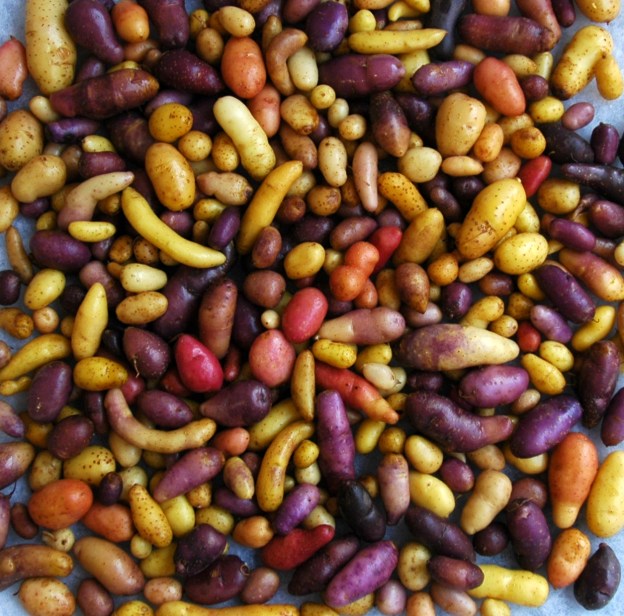
Potatoes are already a staple for 1.3 billion people… but unlike other major crops, however, the potato has not had a breeding breakthrough of the kind that helped dramatically boost yields during the Green Revolution of the 1950s and 1960s. The reason is that creating a new potato variety is slow and difficult, even by the patient standards of plant breeders…Readying a new potato variety for farm fields can take a decade or more.  Many countries continue to plant popular potato varieties that have remained essentially unchanged for decades. But new approaches, including genetic engineering, promise to add more options. Potato breeders are particularly excited about a radical new way of creating better varieties. This system, called hybrid diploid breeding, could cut the time required by more than half, make it easier to combine traits in one variety, and allow farmers to plant seeds instead of bulky chunks of tuber

Solynta Hybrid Potato Seeds

To breed a better potato, it helps to have plenty of genetic raw material on hand. But the world’s gene banks aren’t fully stocked with the richest source of valuable genes: the 107 potato species that grow in the wild. Habitat loss threatens many populations of those plants. In a bid to preserve that wild diversity before it vanishes, collectors have made their biggest push ever, part of a $50 million program coordinated by the Crop Trust, an intergovernmental organization based in Bonn, Germany.

The Crop Trust has provided grants and training to collectors around the world. The effort on wild potatoes, which wraps up this month, has yielded a collection representing 39 species from six nations: Peru, Brazil, Ecuador, Guatemala, Costa Rica, and Chile. Zorrilla’s team alone found 31 species in Peru, including one for which no seeds had ever been collected. They plan to continue to search for four other species still missing from gene banks. “We will not stop,” she says. The plants are being stored in each nation’s gene bank, CIP, and the Millennium Seed Bank at the Royal Botanic Gardens, Kew, in the United Kingdom. The stored seeds will be available to potato breeders worldwide.

THE HARDEST PART comes next: getting desirable genes from wild species into cultivated potatoes….Other researchers are skirting the limitations of traditional breeding by using genetic engineering. CIP’s Marc Ghislain and colleagues, for example, have directly added genes to already successful potato varieties without altering the plants in any other way—an approach not possible with traditional breeding. They took three genes for resistance to late blight from wild relatives and added them to varieties of potato popular in East Africa.

Potato Blight , a disease affecting potatoes

The engineered varieties have proved successful in 3 years of field tests in Uganda and are undergoing final studies for regulators. Transgenic potatoes that resist late blight have already been commercialized in the United States and Canada….

Pim Lindhout has been plotting a revolution that would do away with much of that tedium and complexity. As head of R&D for Solynta, a startup company founded in 2006, he and his colleagues have been developing a new way to breed potatoes….Breeders reduce the complexity either by using species with only two sets of chromosomes (known as diploids) or by manipulating domesticated potatoes to cut the number of chromosomes in half. With persistence, diploid potatoes can be inbred. In 2011, Lindhout published the first report of inbred diploid lines that are vigorous and productive. More recently, Jansky and colleagues also created inbred diploid lines.

Such diploid inbred plants are at the heart of Solynta’s strategy to revolutionize potato breeding. Other firms, including large seed companies, are also working to develop hybrid potatoes. HZPC in Joure, the Netherlands, has begun field trials in Tanzania and in several countries in Asia.

Excerpt from Erik Stokstad, The new potato, Science, Feb. 8, 2019

Can Gucci Save the Steppes of Mongolia?

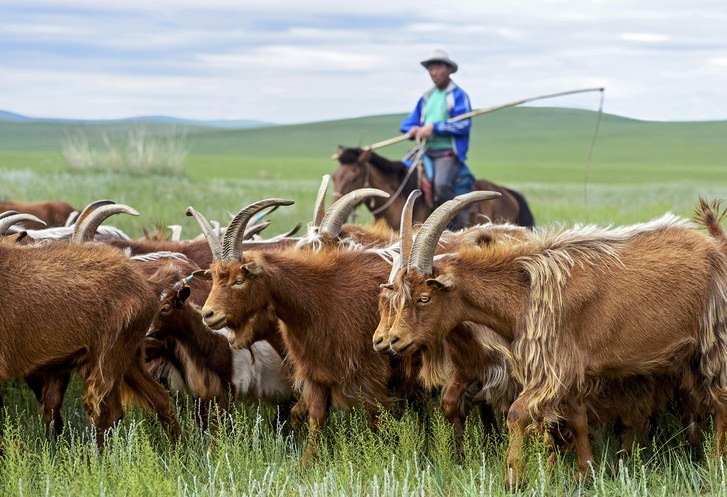
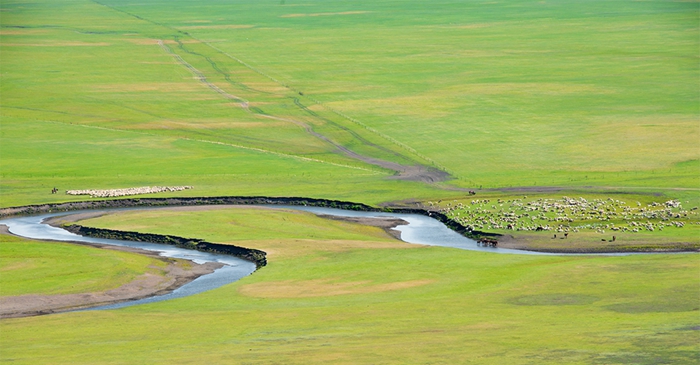
 Essential to the identity and economy of Mongolia—more than half of the country’s 3 million people live there—the grasslands are under increasing threat from overgrazing and climate change. Multiple studies over the past decade have shown that the once lush Mongolian steppe, an expanse twice the size of Texas that is one of the world’s largest remaining grasslands, is slowly turning into a desert. An estimated 70% of all the grazing lands in the country are considered degraded to some degree…. 

The collective here of a little more than 100 families is at the center of an unusual effort, run by the Wildlife Conservation Society (WCS), to turn space-based maps of the grasslands into a tool for making grazing more sustainable. Supported by the world’s largest mining company and a luxury apparel giant, the pilot effort uses data gathered by NASA and Stanford University in Palo Alto, California, to help herders find places where the vegetation is healthy enough to sustain their voracious herds.

 Meanwhile, development, especially mining, has exponentially increased water usage. Twelve percent of rivers and 21% of lakes have dried up entirely. An increasing number of people, vehicles, and heavy equipment put additional stress on the land.  But one factor stands out: overgrazing, which, according to a 2013 study by researchers at Oregon State University in Corvallis, has caused 80% of the recent decline in vegetation on the grasslands.

Mongolia is now the world’s second-largest cashmere producer, after China. Goats, which account for more than half of all grazing animals on the grasslands, can be more lucrative than other livestock, but they’re also much more destructive than the sheep they’ve replaced because they eat roots and the flowers that seed new grasses=s.

WCS’s Sustainable Cashmere project may offer part of the solution. The project, whose budget the organizers won’t disclose, is funded by mining giant Rio Tinto, which runs a massive copper mine not far away, and Kering, the French luxury apparel giant that owns Gucci, Balenciaga, and other brands that need cashmere. Both aim to help offset their impact on the Mongolian environment, a requirement of Rio’s mining agreement and part of Kering’s corporate social responsibility program.

Excerpts Kathleen McLaughlin, Saving the steppes, Science, Feb. 1, 2019

Enclosure of the Commons: High Seas

Sunken coral islands, floating rainforests, giant undersea volcanoes or even spires of rock resembling sunken cities: none of these sites can be inscribed on the World Heritage List because they are found in the High Seas, outside of any national jurisdiction. A report launched today by UNESCO’s World Heritage Centre and International Union for Conservation of Nature (IUCN) explores the different ways the World Heritage Convention may one day apply to these wonders of the open ocean, which covers more than half the planet.  Titled World Heritage in the High Seas: An Idea Whose Time has Come, the reportpresents five sites that illustrate different ecosystems, from biodiversity-rich areas to the natural phenomena that can only be found in the depths of the ocean. Each of these sites could be recognized as having outstanding universal value, a key principle of the World Heritage Convention, where spectacular qualities of certain sites are seen to transcend national boundaries.

The five sites discussed are: the Costa Rica Thermal Dome (Pacific Ocean), a unique oceanic oasis, which provides critical habitat for a thriving marine life, including many endangered species; the White Shark Café (Pacific Ocean), the only known gathering point for white sharks in the north Pacific; the Sargasso Sea (Atlantic Ocean), home to an iconic ecosystem built around a concentration of floating algae; the Lost City Hydrothermal Field (Atlantic Ocean), an 800 meter-deep area dominated by carbonate monoliths up to 60 meters high; and the Atlantis Bank, a sunken fossil island in the subtropical waters of the Indian Ocean…

Although these sites are far from our shores, they are not safe from threats, whether it be climate change, deep seabed mining, navigation or plastic pollution…The report explores three ways in which the protection of the Convention could be expanded to protect these zones in the high seas.

How to Kill One Million Fish: Murray-Darling

But it took a viral video posted on 8 January 2019 to drive home the ecological catastrophe that was unfolding in the Murray-Darling river system in Australia. In the footage, Rob McBride and Dick Arnold, identified as local residents, stand knee-deep among floating fish carcasses in the Darling River, near the town of Menindee. They scoff at authorities’ claims that the fish die-off is a result of the drought. Holding up an enormous, dead Murray cod, a freshwater predator he says is 100 years old, McBride says: “This has nothing to do with drought, this is a manmade disaster.” Arnold, sputtering with rage, adds: “You have to be bloody disgusted with yourselves, you politicians and cotton growers.”

Scientists say McBride probably overestimated the age of the fish. But they agree that the massive die-off was not the result of drought. “It’s about taking too much water upstream [to irrigate farms] so there is not enough for downstream users and the fish,” says Quentin Grafton, an economist specializing in water issues at Australian National University (ANU) in Canberra. The Australia Institute, a Canberra-based think tank, blamed “policy failure and mismanagement” in a 19 January 2019 report, but called drought a catalyst.

Excessive water use has left river flows too low to flush nutrients from farm runoff through the system, leading to large algal blooms, researchers say. A cold snap then killed the blooms, and bacteria feeding on the dead algae sucked oxygen out of the water,   This wasn’t supposed to happen. In 2012, the national government adopted the Murray-Darling Basin Plan, touted as a “historic” deal to ensure that enough water remained in the rivers to keep the ecosystem healthy even after farmers and households took their share.

In 2008, the federal government created the Murray-Darling Basin Authority to wrestle with the problem. In 2010, a study commissioned by the authority concluded that farmers and consumers would have to cut their use of river water by at least 3000 but preferably by 7600 gigaliters annually to ensure the health of the ecosystem. Farmers, who saw their livelihoods threatened, tossed the report into bonfires.  The final plan, adopted as national law in 2012, called for returning just 2750 gigaliters to the rivers, in part by buying water rights back from users. “It was a political compromise that has never been scientifically reviewed,” Williams says, adding that “climate change was never considered in the plan, which was a dreadful oversight.”..

Grafton says there are also suspicions of widespread water theft; up to 75% of the water taken by irrigators in the northern part of the system is not metered. Farmers are also now recapturing the runoff from irrigated fields that used to flow back into streams, and are increasing their use of ground water, leaving even less water in the system, says Mike Young, an environmental policy specialist at the University of Adelaide in Australia.

In February 2018, such issues prompted a group of 12 academics, including scientists and policy experts, to issue the Murray-Darling Declaration. It called for independent economic and scientific audits of completed and planned water recovery schemes to determine their effects on stream flows. The group, which included Williams and Grafton, also urged the creation of an independent, expert body to provide advice on basin water management. Young, who wasn’t on the declaration, wants to go further and give that body the power to manage the basin’s water, the way central banks manage a country’s money supply, using stream levels to determine weekly irrigation allocations and to set minimum flow levels for every river.

Excerpts from Dennis Normile, Massive fish die-off sparks outcry in Australia, Science, Jan. 22, 2019.

How to Discover an Illegal Logger

Tropical forests nearly the size of India are set to be destroyed by 2050 if current trends continue causing species loss, displacement and a major increase in climate-changing greenhouse gas emissions.  Prior to the launch of the Global Land Analysis and Discovery (GLAD) alerts, researchers would have to manually track images of logging in specific areas.

The new process, developed by scientists at the University of Maryland and Google, uses an algorithm to analyze weekly updates of satellite images and sends automatic notifications about new logging activity.”This is a game changer,” said Matt Finer from the Amazon Conservation Association, an environmental group.

His organization tracks illegal logging in Peru, sending images of deforestation to policymakers, environmentalists and government officials to try and protect the Amazon rainforest.  In the past, he would rely on tips from local people about encroachment by loggers, then look at older satellite images to try and corroborate the claims.

“With this new data we can focus on getting actionable information to policy makers,” Finer told the Thomson Reuters Foundation.  “We have seen how powerful these images can be,” he said, citing a case where his group brought pictures of illegal gold miners cutting down trees to the Peruvian government, who then removed the miners.

Excerpt from  CHRIS ARSENAULT, New satellite program aims to cut down illegal logging in real time, Reuters, Mar. 2, 2016

Caring for the Third Pole

The Tibetan Plateau and its surrounding mountains [the Himalayas], often termed the Third Pole, contain more ice than anywhere outside the Arctic and Antarctic. This region is also the source of the nine largest rivers in Asia, providing fresh water, food, and other ecosystem services to more than 1.5 billion people…In recent decades, air temperature at the Third Pole has warmed significantly faster than the global average…Meanwhile, intensive anthropogenic activities, such as overgrazing, deforestation, urbanization, and expansion of infrastructure projects such as construction of roads, dams, and electrical grids, are causing widespread landcover changes within the region.

Together, these changes are altering the Third Pole’s biogeochemical cycles and pushing the fragile ecosystem toward degradation and possible collapse, which would cause irreversible harm on a regional and global scale. To avoid this, all nations must meet the standards laid out in the Paris Agreement. At the regional level, we strongly urge the relevant nations (including Afghanistan, Bhutan, China, India, Kyrgyzstan, Myanmar, Nepal, Pakistan, and Tajikistan) to cooperate in addressing these impending threats through systematic changes to management policies. Rapid and unprecedented coordination will be necessary, including a regional cooperation treaty and formation of a cross-border biodiversity conservation plan for the Third Pole region. Meanwhile, any infrastructure projects undertaken must be environmentally sustainable, and a practicable grazing management policy should be adopted.

Excerpts from Jie Liu, Protect Third Pole’s Fragile Ecosystem, Science,  Dec. 21, 2018

Climate Change: the Costs of Deep Decarbonization

Nuclear is already the largest source of low-carbon energy in the United States and Europe and the second-largest source worldwide (after hydropower). In the September 2018 report of the MIT Energy Initiative, The Future of Nuclear Energy in a Carbon-Constrained World shows that extending the life of the existing fleet of nuclear reactors worldwide is the least costly approach to avoiding an increase of carbon emissions in the power sector. Yet, some countries have prioritized closing nuclear plants, and other countries have policies that undermine the financial viability of their plants. Fortunately, there are signs that this situation is changing. In the United States, Illinois, New Jersey, and New York have taken steps to preserve their nuclear plants as part of a larger decarbonization strategy. In Taiwan, voters rejected a plan to end the use of nuclear energy. In France, decisions on nuclear plant closures must account for the impact on decarbonization commitments. In the United Kingdom, the government’s decarbonization policy entails replacing old nuclear plants with new ones. Strong actions are needed also in Belgium, Japan, South Korea, Spain, and Switzerland, where the existing nuclear fleet is seriously at risk of being phased out.

What about the existing electricity sector in developed countries—can it become fully decarbonized? In the United States, China, and Europe, the most effective and least costly path is a combination of variable renewable energy technologies—those that fluctuate with time of day or season (such as solar or wind energy), and low-carbon dispatchable sources (whose power output to the grid can be controlled on demand). Some options, such as hydropower and geothermal energy, are geographically limited. Other options, such as battery storage, are not affordable at the scale needed to balance variable energy demand through long periods of low wind and sun or through seasonal fluctuations, although that could change in the coming decades.

Nuclear energy is one low-carbon dispatchable option that is virtually unlimited and available now. Excluding nuclear power could double or triple the average cost of electricity for deep decarbonization scenarios because of the enormous overcapacity of solar energy, wind energy, and batteries that would be required to meet demand in the absence of a dispatchable low-carbon energy source.  One obstacle is that the cost of new nuclear plants has escalated, especially in the first-of-a-kind units currently being deployed in the United States and Western Europe. This may limit the role of nuclear power in a low-carbon portfolio and raise the cost of deep decarbonization. The good news is that the cost of new nuclear plants can be reduced through…modular construction shifting  labor from construction sites to productive factories and shipyards…and seismic isolation to protect the plant against earthquakes, which simplifies the structural design of the plant.

Excerpts from John Parsons, A fresh look at nuclear energy, Science, Jan. 2019

Making a Fortune from Climate Change

Eleven years ago Dharsono Hartono, a former JPMorgan Chase & Co. banker, spotted what he thought was a new way to make a fortune: climate change.The plan was to snap up rainforest in Borneo, preserve it from logging and sell carbon credits to big polluting companies in the developed world. The earth’s temperature was rising, and this was a way to profit by confronting the problem.  Investors around the world have poured money into assets like once-frozen farmland in Canada and groundwater basins in California, betting that warming temperatures will raise their value.  Another bet has been on what some investors hope will be the most profitable outcome of a warming climate: government regulation of carbon emissions. Those who correctly anticipate future government responses to climate change are likely to reap profits.

Mr. Hartono went in big. His company’s rain forest, a humid and swampy expanse home to orangutans and clouded leopards, is twice the size of New York City and has one of the largest carbon stores of any such project in the world.  Mr. Hartono has sold just 20% of his credits to environmentally conscious corporations voluntarily buying credits, and has lost around $20 million, burning through $5 million to $10 million a year in recent years. Other investors in Indonesia and Latin America who made similar bets, including one backed by Australian bank Macquarie Group , failed to sell credits and abandoned their rain-forest projects…

Only after actor Harrison Ford visited the project to shoot a documentary on climate change, and raised the issue with Indonesia’s forestry minister, did final approval come for most of the concession in October 2013. For an initial payment of around $3 million to the Indonesian government, Mr. Hartono’s company gained the rights to the forestland for 60 years.  By then, however, some environmentalists were questioning private carbon-selling projects like Mr. Hartono’s. They argued that buying up and preserving rain forest to sell credits wouldn’t decrease net deforestation, since palm-oil barons would simply work around the few protected plots in the forest.  U.S. legislation that would have put a price on carbon failed during the Obama administration. The European Union’s carbon market doesn’t include tropical forests amid worry that low-cost credits generated there would make it affordable to pollute…

The Paris climate accords are expected to lead to an international carbon market after 2020, where countries that exceed emissions targets can purchase offset credits from countries that reduce emissions beyond their targets, potentially opening up new opportunities for Mr. Hartono.

Excerpts fom One Man’s Money Draining Bet on Climate Change, WSJ, Dec. 27, 2018

How the Shipping Industry Gets its Way: pollution from ships

Do not give the regulated power over the regulators, unless you want consumers to lose out and producers to game the system. ..That lesson has been learned in many places around the world. National regulators are increasingly independent of the firms they regulate. But international ones still have further to go—and none further than the specialised agencies of the United Nations, such as the International Maritime Organisation (IMO) for shipping where the interests of the shipping industry are upheld d in several ways. The first is the distribution of voting rights between countries. At the IMO, for example, Panama and Liberia, with populations of just 4m and 4.8m respectively, can automatically get seats on its decision-making body as they have the world’s biggest merchant fleets.

The second is the assignment of those voting rights by individual countries. Remarkably, many governments have handed voting rights to private-sector firms… At the IMO least 17 countries have assigned their voting rights to flag registries operated by private firms, reckons Transparency International, an anti-corruption group; that adds up to about a tenth of delegates. At an IMO environmental-committee meeting in 2017, almost a third of countries were represented, at least in part, by business interests.

The third way in which producer interests are protected is through a spectacular lack of transparency. The agenda of the IMO’s council in November 2018 in London is available only to those with a password. Journalists are forbidden to report what delegates say or how they vote. There are no rules on the suitability or conflict of interests of delegates. In 2014 St Lucia appointed a Saudi billionaire without previous shipping experience as its IMO representative; a court in London judged in 2016 that the appointment was obtained in order to gain diplomatic immunity against divorce proceedings. There are no limits on the amount of gifts that can be showered on representatives. Goodies put on top of desks at an IMO assembly meeting last year were so heavy that they broke 137 sets of headphones underneath.

Such swampiness matters. The IMO is responsible for limiting emissions from ships, which were excluded from the Paris climate deal.   Some countries are interested in reform. At the imo council meeting this week Australia proposed allowing journalists to report on its meetings as a first step. The Marshall Islands has taken back some of its votes from the private firm that runs its flag registry. But more radical change is needed. Countries should send civil servants, not private actors, as their representatives. The un’s rules on conflicts of interest should be imposed. And voting rights should be allocated with the interests of consumers in mind. These lessons have been widely absorbed within borders. They ought to cross them, too

Excerpts from UN Regulatory Bodies: Agency Problems, Economist, Nov. 24, 2018, at 15

Who to Blame for Climate Change? the Carbon Majors

 Whether the damage caused by extreme weather events can be linked to human emissions of greenhouse gases is one of the hottest topics in climate science. And that debate leads directly to another: if this link can be established, who bears the responsibility?  Both of these questions are at the center of an inquiry by the Philippine Commission on Human Rights, whose latest hearings took place in London in November 2018. It is the first time a human-rights commission has heard evidence on whether large emitters violate basic human rights by causing climate change

 Where the hearings become more unusual is in investigating the link between the damage caused by climate change and the behaviour of large industrial companies. This is predicated on recent efforts to trace greenhouse-gas emissions back to large corporate and state-owned producers of fossil fuels and cement, dubbed the “carbon majors”. The latest analysis by cdp (formerly the  Carbon Disclosure Project), a non-governmental organisation that works with companies, cities and states to measure their environmental impact, published in 2017, found that 100 of them had produced just over half of emissions since the Industrial Revolution.

The Philippine hearings will come to a close in December in Manila. The commission does not have the power to compensate victims of typhoons or to sanction emitters of carbon dioxide. According to Roberto Cadiz, one of the commissioners, that isn’t even the point. His wish is to open a dialogue about possible solutions to climate change that includes the industrial emitters. So far, however, only one side of the story is being heard. The emitters have declined to participate.

Excerpts from Climate Change: The Blame Game, Economist, Nov. 17, 2018

Saving the Sea of Galilee

The water level of the Sea of Galilee, on which Jesus supposedly walked, is a national obsession in Israel. Newspapers report its rise and fall next to the weather forecast. Lately the sea, which is actually a freshwater lake, has been falling. It is now a quarter empty. Small islands have emerged above its shrinking surface. 

For the past five years Israel has experienced its worst drought in nearly a century. That has reduced the flow of the Jordan river and other streams that feed into the Sea of Galilee. Less turnover in the lake’s water is leading to increased salinity and the spread of cyanobacteria (sometimes called “blue-green algae”, despite not being algae). As the pressure from fresh water eases, it allows in more salt water from subterranean streams. Climate change is expected to exacerbate these problems, perhaps one day making the lake water undrinkable.

Israel can probably cope. For most of its history the Sea of Galilee was its largest source of drinking water. But over the past decade the country has invested heavily in desalination plants and projects that allow it to reclaim effluents and brackish water. Since 2016 well over half of the water consumed by households, farms and industry has been “man-made”. Less than 70m cubic metres of water will be pumped out of the Sea of Galilee this year for consumption, down from 400m in the past. Some 50m will go to Jordan, which is also suffering from a severe drought.

In Jun 2018e the Israeli government authorised a billion-shekel ($270m) plan to pump desalinated sea water, mostly from the Mediterranean, into the Sea of Galilee. Work on a new pipeline began last month. A freshwater lake has never been replenished in this way, but the scientists monitoring the plan believe it will work similarly to rainfall and will not harm the lake’s unique ecosystem.  By 2020 the new pipeline is expected to pump enough desalinated water into the Sea of Galilee to stabilise its level. 

Excerpts from The Sea of Galilee: Walking on Desalinated Water, Economist,  Dec. 1, 2018

Meddling with Nature: Is it Right? Is it Fair?

Many envisioned environmental applications of newly developed gene-editing techniques such as CRISPR might provide profound benefits for ecosystems and society. But depending on the type and scale of the edit, gene-edited organisms intentionally released into the environment could also deliver off-target mutations, evolutionary resistance, ecological disturbance, and extinctions. Hence, there are ongoing conversations about the responsible application of CRISPR, especially relative to the limitations of current global governance structures to safeguard its use,   Largely missing from these conversations is attention to local communities in decision-making. Most policy discussions are instead occurring at the national or international level even though local communities will be the first to feel the context-dependent impacts of any release. ..

CRISPR gene editing and other related genetic technologies are groundbreaking in their ability to precisely and inexpensively alter the genome of any species. CRISPR-based gene drives hold particular import because they are designed to rapidly spread genetic changes—including detrimental traits such as infertility—through populations of sexually reproducing organisms, to potentially reach every member of a species. Villages in Burkina Faso are weighing the release of gene drive–bearing mosquitoes that could suppress malaria. Nantucket Island residents in the United States are considering the release of genetically engineered white-footed mice to deplete Lyme disease reservoirs. New Zealand communities are discussing the possibility of using genetic methods to eliminate exotic predators.

But what if a gene drive designed to suppress an invasive species escaped its release site and spread to a native population? Or if a coral species gene edited to better adapt to environmental stressors dominated reef ecosystems at the expense of a diversity of naturally evolving coral species and the fish that depend on them ? The gravity of these potential outcomes begs the question: Should humans even be meddling with the DNA of wild organisms? The absence of generally agreed on answers can be used to support calls for moratoria on developing and releasing genetically altered organisms, especially those with gene drives (6).

However, the promising benefits of environmental gene editing cannot be dismissed. Gene drives may provide a long-sought-after tool to control vectors of infectious disease and save millions of human lives. Projects to conserve ecosystems or promote species resilience are often intended to repair human-inflicted environmental damage. Put simply, either using this technology irresponsibly or not using it at all could prove damaging to humans, our welfare, and our planet.

At the international level, the Convention on Biological Diversity (CBD) has enlisted an expert technical panel to, in part, update its Cartagena Protocol (of which the United States is not a party) that oversees transboundary transport of living modified organisms to accommodate gene drive–bearing organisms. The International Union for the Conservation of Nature (IUCN) is also developing policy to address the release of gene-edited organisms. Although the CBD and the IUCN offer fora to engage diverse public feedback, a role largely fulfilled by civil society groups, none of these agencies currently use the broad and open deliberative process we advocate….

Different societal views about the human relationship to nature will therefore shape decision-making. Local community knowledge and perspectives must therefore be engaged to address these context-dependent, value-based considerations.  A special emphasis on local communities is also a matter of justice because the first and most closely affected individuals deserve a strong voice in the decision-making process…Compounding this challenge is that these decisions cannot be made in isolation. Organisms released into local environments may cross regional and even international borders. Hence, respect for and consideration of local knowledge and value systems are necessary, but insufficient, to anticipate the potentially ramifying global implications of environmental release of gene-edited organisms. What is needed is an approach that places great weight on local perspectives within a larger global vision…

The needs of ecosystems could also be given voice to inform deliberative outcomes through custodial human proxies. Inspired by legislative precedent set by New Zealand, in which the Whanganui River was granted legal “personhood,” human representatives, nominated by both an international body like the IUCN and the local community, would be responsible for upholding the health and interests of the ecosystems in question. Proposed gene-editing strategies would be placed in the larger context of alternative approaches to address the public health or environmental issue in question…

An online registry for all projects intending to release genetically engineered organisms into the environment must be created. Currently, no central database exists for environmental gene-editing applications or for decision-making outcomes associated with their deployment, and this potentially puts the global community at risk…A global coordination task force would be charged with coordinating multiple communities, nations, and regions to ensure successful deliberative outcomes. As a hypothetical example, genetic strategies to eliminate invasive possums from New Zealand must include representatives from Australia, the country likely to be affected should animals be transported outside the intended range. Similarly, the African Union is currently deliberating appropriate governance of gene drive–bearing mosquitoes to combat malaria on a regional scale. 

Excerpts from Natalie Kofl et al.,  Editing nature: Local roots of global governance, Science Magazine, Nov. 2, 2018

Cleaning Up Dirty Shipping

Making shipping cleaner is made more urgent by the decision of the International Maritime Organisation (IMO), the United Nations body responsible for the world’s shipping, to reduce the amount of sulphur allowed in bunker fuel from 3.5% to 0.5% by 2020. Sulphur is nasty stuff. When burned, it forms sulphates, which cause acid rain and pollute the air. A paper published in February 2017 in Nature Communications, by Mikhail Sofiev of the Finnish Meteorological Institute, found that the imo’s new rule could stop between 139,000 and 396,000 premature deaths a year.

The trouble is that sulphates also scatter sunlight and help to form and thicken clouds, which reflect solar radiation away from Earth. As a result, shipping is thought to reduce rather than increase man-made global warming—by 7% throughout the 20th century, according to one study. Dr Sofiev’s research showed that this cooling effect could fall by 80% after 2020, with the new low-sulphur standard in place…

The obvious way to offset the loss of sulphur-related cooling is by steep cuts to shipping’s planet-cooking carbon-dioxide emissions. The IMO wants these to fall by half, compared with 2008 levels, by 2050, regardless of how many vessels then ply the seas. But unlike desulphurisation, which is both imminent and legally binding, the CO2 target looks fuzzy and lacks any enforcement mechanism. An attempt to begin fleshing it out, at a meeting of  IMO member states which concluded in London on October 26, 2018 foundered.

One way to cut fuel consumption is to reduce drag by redesigning hulls and propellers. This is happening. In the past five or so years many ships’ propellers have been fitted with tip fins analogous to the turbulence-reducing upturned winglets on aeroplanes.  Further percentage points can be shaved away by smoothing hulls. This means, in particular, stopping barnacles and other creatures growing on them. Tin-based antifouling paints are now banned as toxic to sea life, so paintmakers are returning to an 18th-century solution to the fouling problem—copper.   Hulls can be scraped smooth, too, but restrictions on littering waters with paint chips and species from foreign parts have made such cleaning problematic. This may change, though, thanks to an underwater drone described by its Norwegian maker, ecosubsea, as “a cross between a vacuum cleaner and a lawnmower”. Rather than scour hulls with a metal brush, ecosubsea’s robots blast water at an angle almost parallel with the hull’s surface, which mostly spares paint from abrasion but hits marine growth perpendicularly, and thus hard. 

Many have hopes of returning to wind propulsion, and engineers have devised various modern versions of the sail. None has yet succeeded. A system developed by SkySails, a firm in Hamburg, for example, relied on kites to pull ships along. It was installed on five ships from 2008-11, but proved fiddly to use and maintain…

Some hope to cut marine emissions by employing batteries and electric motors. For transoceanic shipping this looks a long-shot. But local shipping might benefit. Norway, for instance, has started to introduce battery-powered ferries. And a Dutch company called Port-Liner is building electric canal barges for transporting shipping containers. The technology is expensive. Without taxpayer subsidy it would hardly be a runner—a fact also true of the Norwegian ferries.

The problem of shifting emissions around rather than eliminating them also applies to the idea of powering ocean-going vessels using fuel-cells. These generate electricity by reacting hydrogen and oxygen together. Given that electric propulsion more usually disguises emissions than eliminates them, some suggest the most practical approach to reducing shipping’s contribution to global warming is to switch to low-carbon fuel systems rather than conducting a futile search for no-carbon fuels. One alternative is diesel-electric propulsion.  Liquefied natural gas (lng) is another option. 

Excerpts  from Marine Technology of the Future: In Need for a Cean Up, Economist,  Nov. 3, 2018, at 75

The New Oil – Lithum

As demand heats up for lithium, a group of companies are hastening efforts to shine a light into the long-opaque market for the battery material that metal-industry cheerleaders call the “new oil.” … Auto makers, battery companies, and smartphone and laptop providers have been racing to lock down supplies of lithium from major producers such as Albemarle Corp of United States, the world’s biggest miner of lithium by volume, and Chilean company Sociedad Quimica y Minera de Chile, the No. 2 producer. Some of the world’s notable lithium users include Apple Inc., Samsung Electronics Co. and TeslaInc.

The surge in demand has sparked efforts to bring transparency to prices for lithium. …Because lithium isn’t traded on any exchange—unlike gold or silver, for instance—buyers have long been at a disadvantage in negotiations with producers, according to market watchers. In opaque markets, producers often have greater access to information about fast-moving market dynamics, such as unintended mine outages or suddenly sagging demand. That is especially the case with lithium, a metal mined by a relatively small group of big suppliers in countries from Chile to Australia…Big lithium miners “may say they support transparency, but they really don’t,” said Chris Berry, founder of New York commodity consultant House Mountain Partners. “Keeping prices secret between themselves and their end users is good for them.”

Excerpts  from Scott Patterson Lithium Boom Raises Question: What Is Its Price? WSJ,  Nov. 27, 2018

A Case for Nuclear Energy: Taiwan

Taiwanese voters have rejected the island’s policy to phase out nuclear energy. In a referendum held on Saturday, 59% of voters supported overturning legislation enacted last year that would end all use of nuclear power by 2025.

Taiwan’s three nuclear reactors provided 8.3% of its electricity in 2017, according to the Ministry of Economic Affairs. The Democratic Progressive Party (DPP), which controls both the presidency and the legislature, had hoped to take nuclear power out of the mix by increasing the share of renewable sources in power generation to 20% by 2025; 50% would come from liquefied natural gas (LNG) and 30% from coal. But pro-nuclear advocates gathered more than 290,000 valid signatures in favor of a referendum on removing the nuclear phaseout clause from the books—enough for the referendum to proceed.  Science spoke with Min Lee, a nuclear engineering professor at National Tsing Hua University in Hsinchu, Taiwan, and one of the referendum’s co-organizers.

Q: Why do you think Taiwan cannot make it without nuclear power?

A: The government says we are going to have 20% renewable energy. I don’t think we can make it, because Taiwan is a highly populated island, and for renewable energy you need large pieces of land. But even if we succeed, what are you going to use for the remaining 80%? Coal is considered a highly polluted fuel; people don’t like coal at all. That leaves only LNG. But Taiwan is an island, so we have to rely on ships, LNG terminals, and a big tank to store LNG. It’s not safe. If anything happened, we could easily be left without gas and we could face the problem of power shortages. And the price of LNG is not stable—it fluctuates a lot—so the price of electricity is not going to be stable.

Q: Hundreds of academics wrote a letter urging the public to vote “no” on your referendum. They argued nuclear power is unsafe and there is no long-term solution to nuclear waste. How would you respond?

A: I think nuclear power is safe, even after the Three Mile Island accident, Chernobyl, and Fukushima. The Three Mile Island accident happened 40 years ago [in Pennsylvania]; the nuclear industry really made a lot of changes since then. The Chernobyl reactor [in what is now Ukraine] used a different design than the light-water reactor designs we use in Taiwan; what happened in Chernobyl will not happen here. As to the nuclear power plant in Fukushima, [Japan,] it was not damaged by the earthquake, it was the tsunami. The Tokyo Electric Power Company really did not pay enough attention to plant safety related to the tsunami. And we don’t think nuclear power plants in Taiwan could be hit by a tsunami of the same magnitude because the height of a tsunami is maximal if seismic faults are parallel to the coast, as they were in Fukushima. Faults near Taiwan are instead at an angle to the coast.

Talking about nuclear waste, there is low-level and high-level waste. We really do not have much high-level nuclear waste, we only have spent fuel, but it is all on-site. We can have interim storage for spent fuel in a dry cask. So, it’s not a problem either.

Excerpts from Andrew Silver , Meet the engineering professor who got Taiwanese voters to support nuclear power, Sience Magazine, Nov. 27, 2018

Crabs in Radioactive Seas: Kara Sea

The Soviet Union during the 1960s and 70s dumped several hundred containers with solid radioactive waste in the Blagopoluchie Bay in Novaya Zemlya. Back then, these waters were covered with ice overwhelming parts of the year.  Today, that is quickly changing. The bay located in the northern part of the Russian Arctic archipelago is now ice-free increasing parts of the year. With the retreating ice follow new species.

Researchers from the Russian Shirshov Institute of Oceanology have comprehensively studied the eco system of the bay for several years. Among their key findings is a quickly growing number of snow crabs. In this year’s research expedition to the remote waters, the researchers were overwhelmed by the numbers. According to the institute, the crab invasion can be described «as avalanche».

The number of crabs in the area is now estimated to almost 14,000 per hectare, the institute informs. With the help of underwater photo and video footage, the researchers have studied how the crab expansion is leading to a other reduction in other marine life on the sea bottom.    A further spread in the other parts of the Kara Sea is imminent, and the Russian Fisheries Agency (Rosrybolovstvo) believe that the Kara Sea will ultimately become an area with commercial crab fishing.

But Kara seas is a major nuclear waste dump…No major leakage from the radioactive materials have so far been registered.  Soviet authorities are believed to have dumped about 17,000 containers with solid radioactive wastes in Arctic waters and primarily in the Kara Sea. More than 900 containers are located on the bottom of the Blagopoluchie Bay. Also a number of reactor compartments were dumped, as well as three nuclear subs and other nuclear materials.

Exceprts from Atle Staalesen, Arctic crab invasion comes to nuclear waste graveyard, the Barents Observer, Nov. 26, 2018

Nuclear Priesthood: the future of nuclear waste

As  the world increasingly buries its nuclear waste, a growing number of experts are trying to come up with a way to warn future generations of what, exactly, will be lying under their feet.    Deciding where to create nuclear waste storage sites, demarcating them clearly and then writing it all down seems like the obvious solution. After all, mankind started writing down its history 5,500 years ago and the likelihood of us stopping to do so seems slim.   But the question then becomes: what should we write this crucial piece of information on?  Stone and paper deteriorate. USB sticks and servers do, too.  Some government entities, like ANDRA, the French National Agency in charge of managing radioactive waste, have started to record their archive on permanent paper.  Also known as acid-free paper due to its composition, it can remain chemically and physically stable for a long period of time — unlike traditional paper, which starts to yellow and decay over time when exposed to light or heat.

The agency has also built sapphire discs, made out of sapphire and etched with platinum on one side. These can contain up to 40,000 pages of pictures and text and could, theoretically, last for some two million years.   Language, after all, is a living, changing entity. That’s why it took us decades to decode Egyptian hieroglyphs and why you might have gotten a headache reading Shakespeare’s Old English masterpieces in class. So who’s to say that French scientists 1,000 years from now will be able to understand la langue de Moliere’s current form?  The OECD’s Nuclear Energy Agency (NEA) has since created a working group whose task it is to set the best practices on Radioactive Waste Repository Metadata Management so that all the information is not only stored properly but is also easily accessible as national nuclear waste programmes evolve…

In a report, the researchers led by Thomas Sebeok of the University of Indiana recommended the creation of a nuclear priesthood, inspired by the Catholic Church, which would relay information down the generations through “a mixture of iconic, indexical and symbolic elements” and “a high degree of redundancy of messages.”..

The problem with art, explained Peter Galison, professor of the History of Science and of Physics at Harvard University and author of the Containment documentary, is that if a message is too artistic, then it might not be properly understood as different people may have different interpretations of it….For instance, you know for sure what the skull pictogram means. If you’re thinking death, you’re right. Yet this symbol, Blanquer said, “comes from alchemists.”  “The skull represents Adam and the crossing bones the promise of resurrection,” he revealed. So in the span of just a few centuries this particular pictogram has evolved from meaning resurrection to meaning death.

As waste can be buried either near or deep under the surface, the signal should be seen both above but also under the ground. The researchers employed by the US Department of Energy in the mid-1980s (who came up with the nuclear priesthood, remember!), had also envisioned different monuments to get the point across: fields of pikes, threatening statues of thunderbolts, or enormous blocs of granite positioned into a tight grid….
The Finnish project of Onkalo took the problem completely differently: what if we came up with a way that would allow us to simply not tell future generations?  Its solution? Digging a deep geological repository for spent nuclear fuel.  “The entire concept of Posiva (the company which manages the project), is that 100 to 120 years after it’s been closed, the site will not be signalled. The 500 meters to the storage site in the geological layer will be filled with rock and the entire thing will be isolated and invisible in the natural landscape.”

Excerpts from What will a nuclear waste warning look like in 100,000 years’ time?, Euronews, Nov. 16, 2018

Restoring Species: ocean iron fertilization

Thought-Provoking Article by Randall S. Abate, Florida Agricultural and Mechanical University,Ocean iron fertilization (OIF) is a new and controversial climate change mitigation strategy that seeks to increase the carbon-absorbing capacity of ocean waters by depositing significant quantities of iron dust into the marine environment to stimulate the growth of phytoplankton blooms. The photosynthetic processes of these blooms absorb carbon from the atmosphere and sequester it to the ocean floor. OIF has been criticized on several grounds. including the foreseeable and unforeseeable adverse consequences it may cause to the marine environment….

Notwithstanding these challenges, OIF recently has produced a valuable benefit unrelated to its carbon sequestration purpose. In 2012, the Haida indigenous community in Canada conducted an OIF experiment that sought to restore its decimated supply of Pacific Northwest salmon stocks, upon which the Haida community relies for subsistence and self- determination. The experiment significantly increased salmon stocks within the span of one year. This Article addresses whether indigenous communities like the Haida in the U.S. Pacific Northwest region could assert a legal right to employ such a strategy in the future to help restore and maintain a cultural food source that has been depleted in part due to climate change impacts. 

Recommended Citation
Randall S. Abate, Ocean Iron Fertilization and Indigenous Peoples’ Right to Food: Leveraging International and Domestic Law Protections to Enhance Access to Salmon in the Pacific Northwest, 20 UCLA J. Int’l L. & For. Aff. 45 (2016).

See also the Haida Salmon Restoration Corporation

The Water Barons of Australia

Australia has one of the world’s most sophisticated water-trading systems, and officials in other water-challenged places—notably California and China—are drawing on its experience to manage what the World Bank has called world’s “most precious resource.”  The system here, set up after a catastrophic drought in the 2000s saw the country’s most important river system almost run dry, aims to make sure each gallon of river water goes to higher-value activities.

But the return of severe drought to an area of eastern Australia more than twice the size of Texas is testing the system…Putting a price on water is politically unacceptable in many countries, where access to lakes and rivers is considered a basic right and water is often allocated under administrative rules instead of by markets.

Many water markets that do exist only allow landowners to buy and sell water rights. Australia since 2007 has allowed anyone to trade water parcels, putting supply under the influence of market forces in a system now valued at about $21 billion. Water may be freely bought and sold by irrigators, farmers, water brokers or investors through four exchanges—H2OX, Waterfind, Water Exchange and Ruralco—which allow real-time pricing…

As Australia rewrote the rules of its water market over the last decade to deal with its own drought crises, many farmers chose to sell their water licenses and rely on one-off purchases to keep farming.  The tactic worked until winter rains failed to arrive this year, turning fertile areas into dust bowls. Where a megaliter of water in June last year, before the drought took hold, cost around 3,000 Australian dollars (U.S. $2,166), the price is now closer to A$5,000, according to Aither Water, an advisory firm. The high cost has left smaller farmers praying for rain…

Australia’s drought is splitting agriculture-producing regions into those who have water and those who don’t.  Large investors—including Canadian and U.S. funds—bought high-price water licenses to set up agribusiness ventures in profitable almonds, cotton and citrus, with an eye to growing Asian markets. Others have set up dedicated water investment funds, with prices at the highest levels seen since the drought last decade.

In a country where boom-and-bust cycles, through drought and flood, have historically made water a political flashpoint, some rural Australian lawmakers and farmers want the government to divert water to help parched farms…In August 2018, Victoria state auctioned 20 gigaliters of water that had been earmarked for the environment, putting it on the market for dairy and fruit regions around Cohuna…Some water traders and environmentalists criticized the move as political interference—and said it risked undermining the water market by giving priority to farmers and disrupting forward trades and planning by other irrigators….Euan Friday, a water manager for farm and water investment company Kilter Rural, said the market is doing what it is supposed to do, and warned that the country’s fragile rivers—much smaller than the major rivers of North America—would be facing a dire situation without it. Supported by Australian pension funds, Kilter Rural has invested $130 million in buying water rights and redeveloping farmland.

Excerpt from Australia Model Water Market Struggles with Drought, WSJ, Nov. 8, 2018

Ozone Layer Recovery Success

The study, “Scientific Assessment of Ozone Depletion: 2018”, is the latest in a series of reports, released every four years, which monitor the recovery of ozone in the stratosphere, a layer that protects life on Earth from harmful layers of ultraviolet rays from the sun.  It shows that the concentration of ozone-depleting substances continues to decrease, leading to an improvement in the layer since the previous assessment carried out in 2014.

Ozone in parts of the stratosphere has recovered at a rate of 1-3 percent since 2000 and, at projected rates, Northern Hemisphere and mid-latitude ozone is scheduled to heal completely by the 2030s, followed by the Southern Hemisphere in the 2050s and polar regions by 2060.

This is due to internationally agreed actions carried out under the historic Montreal Protocol, which came into being over 30 years ago in response to the revelation that chlorofluorocarbons (CFCs) and other ozone-depleting substances – used in aerosols, cooling and refrigeration systems, and many other items – were tearing a hole in the ozone layer and allowing dangerous ultraviolet radiation to flood through.

Next year, the Protocol is set to be strengthened with the ratification of the Kigali Amendment, which calls for the future use of powerful climate-warming gases in refrigerators, air conditioners and related products to be slashed…The writers of the report found that, if the Kigali Amendment is fully implemented, the world can avoid up to 0.4 percent of global warming this century, meaning that it will play a major role in keeping the global temperature rise below 2°C.

Excerpts from Healing of ozone layer gives hope for climate action: UN report, UN News, Nov. 5, 2018

Revival of Nuclear Industry – Japan

Japan prepares to  reopen Shikoku Electric Power’s Ikata nuclear plant, nestled next to Japan’s inland sea at the base of the verdant Sadamisaki peninsula. Nearly eight years after an earthquake and tsunami triggered nuclear meltdowns at Tokyo Electric Power’s Fukushima Daiichi plant, the battered industry is making a quiet and somewhat unexpected return in Japan.

Ikata is a poster child for that recovery. In September 2018, a court reversed a decision that had idled Shikoku Electric’s sole nuclear reactor for about a year, paving the way for the operator to re-open the facility last week.  Regional utilities like Shikoku Electric have aggressively fought a string of lawsuits since 2011, hiring veteran lawyers to beef up their legal teams. At the same time, they wooed towns where nuclear plants are based, visiting with residents door to door while the government kept up a stream of generous subsidies for local projects.

Thanks in large part to this strategy, Japan is on track to have nine reactors running in the near future…That is a far cry from the 54 running before 2011 – all of which were idled after the Fukushima disaster – but more than analysts and experts expected, considering it seemed at the time like the end of the road for the country’s nuclear industry…

The quiet revival of Japan’s nuclear industry is most tangible in rural areas like Ikata, which are home to the bulk of the country’s nuclear plants…The town, with 9,500 residents, relies on nuclear power for a third of its annual revenue. Since 1974, Ikata has received more than 101.7 billion yen ($908.4 million) in such payments.  These funds literally built the town; Ikata’s roads, schools, hospitals, fire stations and even five traditional “taiko” drums for festivals were all paid for with subsidies.  The town and utility’s mutual dependence stretch back decades.

Excerpts from  Mari Saito, Treading carefully, Japan’s nuclear industry makes a comeback, Reuters, Nov. 1, 2018


Cryopreservation of Endangered Species

In paper in 2018 in Nature Plants, researchers at the Royal Botanic Gardens, Kew, detail for the first time the scale of threatened species that are unable to be conserved in seed banks. The paper reveals that when looking at threatened species, 36 per cent of ‘critically endangered species produce recalcitrant seeds . This means they can’t tolerate the drying process and therefore cannot be frozen, the key process they need to go through to be safely ‘banked’.

In the paper, Kew scientist Dr. John Dickie, former Kew scientist Dr. Sarah Wyse, and former Director of Science at Kew Prof. Kathy Willis, found that other threatened categories and global tree species list also contain high proportions of species that are unbankable including 35% of ‘vulnerable’ species, 27% of ‘endangered’ species and 33% of all tree species.

Among these species are important UK heritage trees such as oaks, horse chestnuts and sweet chestnuts, as well as worldwide food staples like avocado, cacao, and mango. This latest research reveals that the scale of plants unable to be conserved in seed banks is much higher for threatened species. The issue is particularly severe for tree species, especially those in tropical moist forests where a half of the canopy tree species can be unsuitable for banking…

Currently, seed banking is the most commonly practiced way of conserving plantsoutside of their natural habitats. Seed banking works as an ‘insurance policy’ against the extinction of plants in the world—especially for those that are rare, endemic and economically important—so that they can be protected and utilised for the future.

[The scientists proposed]cryopreservation—a form of preservation using liquid nitrogen which offers a potential long-term storage solution for recalcitrant seeds. In seed banks, seeds are dried and frozen at -20°C whereas cryopreservation involves removing the embryo from the seed and then using liquid nitrogen to freeze it at a much colder temperature of -196°C…As well as allowing ‘unbankable’ species to be stored, cryopreservation also helps to extend the lifespans of orthodox seeds that otherwise have storage lives that are too short at -20°C.

Excerpts from Seed banking not an option for over a third of threatened species
November 2, 2018, Royal Botanic Gardens, Kew

Fishing in the Arctic: Banned

The Agreement to Prevent Unregulated High Seas Fisheries in the Central Arctic Ocean (CAO) in Ilulissat, Greenland was adopted on October 3, 2018.  The historic agreement represents a collaborative and precautionary approach by ten countries to the management of high seas fish stocks in the Central Arctic Ocean. The agreement covers approximately 2.8 million square kilometers, an area roughly the size of the Mediterranean Sea.

Ice has traditionally covered the high seas of the central Arctic Ocean year-round. Recently, the melting of Arctic sea ice has left large areas of the high seas uncovered for much of the year. The Agreement bars unregulated fishing in the high seas of the central Arctic Ocean for 16 years and establishes a joint program of scientific research and monitoring to gain a better understanding of Arctic Ocean ecosystems. It also authorizes vessels to conduct commercial fishing in the CAO only after international mechanisms are in place to manage any such fishing. This effort marks the first time an international agreement of this magnitude has been proactively reached before any commercial fishing has taken place in a high seas area.

Signatories include the United States, Canada, the Kingdom of Denmark, the European Union, Iceland, Japan, the Republic of Korea, the Kingdom of Norway, the People’s Republic of China, and the Russian Federation.

Excerpt from U.S. Signs Agreement to Prevent Unregulated Commercial Fishing on the High Seas of the Central Arctic Ocean, NOAA Press Release, Oct. 3, 2018

Nuclear Waste Above Sea Level: Pilgrim

Pilgrim Nuclear Power Station (PNPS) is the only nuclear power plant operating in Massachusetts. …On October 13, 2015, plant owners announced that it would close by June 1, 2019, citing “market conditions and increased costs,” which would have included tens of millions of dollars of necessary safety upgrades.

Up to 2015,all of the nuclear reactor fuel rods from the Pilgrim Nuclear Power Station were submerged in a deep pool of water, which was running out of space.  In 2015, the company started to use casks to store the waste. Cask storage is used at many nuclear plants in the United States to deal with excess nuclear reactor waste. The casks, 18 feet tall and 11 feet wide, are designed to withstand a truck bomb or a tornado-borne projectile moving at 360 miles per hour.

The plant in 2018 had 17 steel-reinforced concrete cylinders filled with the radioactive waste on a concrete pad about 25 feet above sea level and about 200 feet from shore.  It announced it was planning to move these 360,000-pound casks to a new pad on an existing parking lot that’s about 75 feet above mean sea level and 700 feet from shore to avoid risks associated with sea-level rise due to climate change.

Insect Biogeneering as a Biological Weapon: DARPA

According to Science Magazine, Agricultural genetic technologies typically achieve their agronomic aims by introducing laboratory-generated modifications into target species’ chromosomes. However, the speed and flexibility of this approach are limited, because modified chromosomes must be vertically inherited from one generation to the next. In an effort to remove this limitation, an ongoing research program funded by the U.S. Defense Advanced Research Projects Agency (DARPA) aims to disperse infectious genetically modified viruses that have been engineered to edit crop chromosomes directly in fields [through insects]. This is genetic engineering through horizontal transfer, as opposed to vertical inheritance. The regulatory, biological, economic, and societal implications of dispersing such horizontal environmental genetic alteration agents (HEGAAs)[eg leafhoppers, whiteflies and aphids) into ecosystems are profound. Further, this program stipulates that the means of delivery of these viral HEGAAs into the environment should be insect-based dispersion (Insect Allies Program). In the context of the stated aims of the DARPA program, it is our opinion that the knowledge to be gained from this program appears very limited in its capacity to enhance U.S. agriculture or respond to national emergencies (in either the short or long term). Furthermore, there has been an absence of adequate discussion regarding the major practical and regulatory impediments toward realizing the projected agricultural benefits. As a result, the program may be widely perceived as an effort to develop biological agents for hostile purposes and their means of delivery, which—if true—would constitute a breach of the Biological Weapons Convention (BWC).

What to Do with Radioactive Pools

More than 60,000 tons of highly radioactive spent nuclear fuel is stored on the shores of four of the five Great Lakes at the Border between United States and Canada — in some cases, mere yards from the waterline — in still-growing stockpiles…It remains on the shorelines because there’s still nowhere else to put it…

The nuclear power industry and its federal regulator, the U.S. Nuclear Regulatory Commission, point to spent nuclear fuel’s safe on-site storage over decades. But the remote possibility of a worst-case scenario release — from a natural disaster, a major accident, or an act of terrorism — could cause unthinkable consequences for the Great Lakes region.   Scientific research has shown a radioactive cloud from a spent fuel pool fire would span hundreds of miles, and force the evacuation of millions of residents in Detroit, Chicago, Cleveland, Toronto or other population centers, depending on where the accident occurred and wind patterns.

For five years, Michigan residents, lawmakers, environmental groups and others around the Midwest have, loudly and nearly unanimously, opposed a planned Canadian underground repository for low-to-medium radioactive waste at Kincardine, Ontario, near the shores of Lake Huron. Meanwhile, spent nuclear fuel, vastly more radioactive, sits not far from the shores of  four Great Lakes — Michigan, Huron, Erie and Ontario — at 15 currently operating or former nuclear power plant sites on the U.S. side. In Michigan, that includes Fermi 2; the Donald C. Cook nuclear plant in Berrien County; the Palisades nuclear plant in Van Buren County, and the former Big Rock Point nuclear plant in Charlevoix County, which ceased operation in 1997 and where now only casks of spent nuclear fuel remain.

Neither the U.S. nor the Canadian government has constructed a central collection site for the spent nuclear fuel. It’s not just a problem in the Great Lakes region — more than 88,000 tons of spent nuclear fuel, an amount that is rising, is stored at 121 U.S. locations across 39 states.

Spent nuclear fuel isn’t only radioactive, it continues to generate heat. It requires storage in pools with circulating water for typically five years before it can be moved into so-called dry-cask storage — concrete-and-steel obelisks where spent fuel rods receive continued cooling by circulating air.In practice, however, because of the high costs associated with transferring waste from wet pools to dry casks, nuclear plants have kept decades worth of spent fuel in wet storage. Plant officials instead “re-rack” the pools, reconfiguring them to add more and more spent fuel, well beyond the capacities for which the pools were originally designed.

Only in recent years have nuclear plants stepped up the transition to dry cask storage because there’s no room left in the wet pools. Still, about two-thirds of on-site spent nuclear fuel remains in wet pools in the U.S….That’s a safety concern, critics contend. A catastrophe or act of terrorism that drains a spent fuel pool could cause rising temperatures that could eventually cause zirconium cladding — special brackets that hold the spent fuel rods in bundles — to catch fire.  Such a disaster could be worse than a meltdown in a nuclear reactor, as spent nuclear fuel is typically stored with nowhere near the fortified containment of a reactor core.

At Fukushima…what almost happened — at the plant’s Unit 4 spent-fuel pool that gives nuclear watchdogs nightmares.  A hydrogen explosion four days into the disaster left the building housing the Unit 4 spent-fuel pool in ruins. The pool was seven stories up in a crumbling, inaccessible building.  It “was so radioactive, you couldn’t put people up there,” von Hippel said. “For about a month after Fukushima, people didn’t know how much water was in the pool. They were shooting water up there haphazardly with a hose, trying to drop it by helicopter.”  Two weeks after the earthquake and tsunami, the Japanese Atomic Energy Commission secretly conducted a worst-case scenario study of the ongoing disaster. The biggest fear that emerged: that a self-sustaining fire would start in the Unit 4 spent fuel pool, spreading to the nearby, damaged reactors. That, they found, would release radiation requiring evacuations as far away as 150 miles, to the outskirts of Tokyo and its more than 13.4 million residents. “That was the devil’s scenario that was on my mind,” Chief Cabinet Secretary Yukio Edano said during a special commission’s 2014 investigation of the accident.“Common sense dictated that, if that came to pass, then it was the end of Tokyo.”   What kept the spent fuel rods covered with water in Unit 4 was a miraculous twist of fate: The explosion had jarred open a gate that typically separated the Unit 4 spent fuel pool from an adjacent reactor pool.  “Leakage through the gate seals was essential for keeping the fuel in the Unit 4 pool covered with water,” a 2016 report on the Fukushima accident by the U.S. National Academies of Sciences, Engineering and Medicine concluded. “Had there been no water in the reactor well, there could well have been severe damage to the stored fuel and substantial releases of radioactive material to the environment.”

The U.S. nuclear industry sees Fukushima differently — in some ways as a success story.  “At Fukushima, you not only had a tsunami, you blew up the buildings … and you still did not drain the pool,” said Rod McCullum, senior director for fuel and decommissioning at the Nuclear Energy Institute, the trade association for nuclear utilities in the U.S.  “Those pools and those casks withstood explosions and earthquakes and tsunamis, all on the same day.”  A scenario where a fire can occur by the draining of water from a spent-fuel pool “has never been demonstrated,” McCullum said. He noted safety measures added in the U.S. since Fukushima include the ability to provide extra pumps and water supplies, in minutes or hours, should a spent fuel pool become breached and lose water — even if the disaster required that the resources be brought in by air from farther away….

Because nuclear power is much more widely used in Canada — the province of Ontario alone has 20 nuclear reactors at three plants — it also generates much more nuclear waste.  In Ontario, nearly 52,000 tons of spent nuclear fuel is stored on-site at nuclear plants along Lakes Huron and Ontario.“There’s a huge amount of high-level, radioactive waste stored right along the water,” said Edwards, the president of the nonprofit Canadian Coalition for Nuclear Responsibility  Like the U.S., Canada is seeking a long-term storage solution that will involve a central underground repository. Unlike the U.S., the Canadian government is seeking willing hosts, promising jobs and economic activity. …Even if a central repository is one day approved, another complication arises — how to get two generations of the most dangerous industrial waste man has ever created from sites all over the country to one point….

Germany, in the 1980s, tried using an abandoned salt and potash mine to store barrels of nuclear waste over 30 years, the Asse II mine.  It’s now prompting a cleanup that may take 30 years and cost nearly $12 billion U.S. dollars. The government has disputed the contention of workers at the mine that they were exposed to excessive levels of radiation, causing an unusual number of cancers….Nuclear power is projected to drop as a percentage of the world’s power generation mix from 10 percent in 2017 to just 5.6 percent by 2050, a report issued by the International Atomic Energy Agency this summer found…

If central repository solutions aren’t found, within years, the re-licensing of some early dry-cask storage facilities will come into play, as they meet a lifespan they were never expected to reach. “The age of nuclear power is winding down, but the age of nuclear waste is just beginning,” Edwards said.

Excerpts from Keith Matheny, 60,000 tons of dangerous radioactive waste sits on Great Lakes shores, Detroit Free Press, Oct. 19, 2018

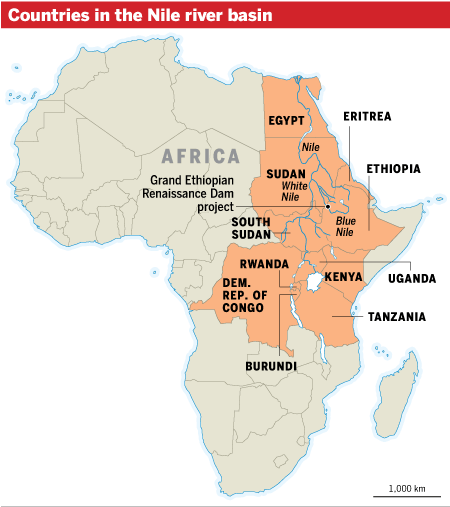
Flowering the Sahara

The installation of large-scale wind and solar power generation facilities in the Sahara could cause more local rainfall, particularly in the neighboring Sahel region. This effect,  could increase coverage by vegetation, creating a positive feedback that would further increase rainfall.

Wind and solar farms offer a major pathway to clean, renewable energies. However, these farms would significantly change land surface properties, and, if sufficiently large, the farms may lead to unintended climate consequences. In this study, we used a climate model with dynamic vegetation to show that large-scale installations of wind and solar farms covering the Sahara lead to a local temperature increase and more than a twofold precipitation increase, especially in the Sahel, through increased surface friction and reduced albedo. The resulting increase in vegetation further enhances precipitation, creating a positive albedo–precipitation–vegetation feedback that contributes ~80% of the precipitation increase for wind farms…

This highlights that, in addition to avoiding anthropogenic greenhouse gas emissions from fossil fuels and the resulting warming, wind and solar energy could have other unexpected beneficial climate impacts when deployed at a large scale in the Sahara, where conditions are especially favorable for these impacts. Efforts to build such large-scale wind and solar farms for electricity generation may still face many technological (e.g., transmission, efficiency), socioeconomic (e.g., cost, politics), and environmental challenges, but this goal has become increasingly achievable and cost-effective

Exceprts from Yan Li, Climate model shows large-scale wind and solar farms in the Sahara increase rain and vegetation, Science, Sept. 7, 2018

Mini-Green Grids

A forested village in Jharkhand state, eastern India, Narotoli is home mainly to adherents of Sarna, a nature-worshipping tribal religion. In more ways than one, it has long been off-grid… In 2018, it became one of the last in India to benefit from a push by Narendra Modi, the prime minister, to supply electricity to all the country’s villages. But the national power lines are so “reliably unreliable”, says an Indian executive, that they might as well be washing lines.

In 2016, before the national grid arrived, however, Mlinda, a social enterprise, had set up a “mini-grid”, a bank of batteries charged by solar panels and hooked up to homes, to guarantee round-the-clock power independent of the national network.  The power generated by the plant is expensive (though it costs less than villagers often pay for alternatives such as kerosene for lighting and diesel for irrigation pumps). The worry is that demand for electricity may not be enough to justify the installation cost. …But Mlinda and other mini-grid installers see them as more than a way to satisfy existing demand for electricity: they are a way to catalyse development. The installers advise villagers on irrigation, farming and marketing to help them develop businesses that require reliable electricity, which in turn justifies the expense of installation.

Vijay Bhaskar of Mlinda says a big mistake in development has been to assume that, once people are hooked up to electricity, businesses will automatically flourish. People have to be taught how to make the most of power, he says. “Bringing energy is the easy part. The hard part is finding productive ways to make use of it.”  According to one British expert, “mini-grid operators are not sellers of kilowatt-hours; they are stimulators of rural development.” Jaideep Mukherjee, the boss of Smart Power India, an NGO supported by the Rockefeller Foundation, says their job is to “demonstrate the benefits, train and then propagate”.

An independent study for Mlinda found that GDP per person in eight villages with mini-grids rose by 10.6% on average over the first 13 months, compared with 4.6% in a group of similar villages without them.  Mini-grids are being set up at the rate of just 100 or so a year, from Myanmar to Mozambique. But the International Energy Agency (IEA), a forecaster, says hundreds of thousands of them could connect 440m people by 2030, with the right policies and about $300bn of investment.

African countries used to focus almost exclusively on expanding national electricity networks. Now some, including Nigeria and Togo, have started to prioritise mini-grids. ..

Most mini-grids are green, unlike diesel, kerosene and coal- and gas-fired electricity. That is a welcome feature, though not the main aim, since the contribution of places like Narotoli to global warming is minuscule.

Excerpts from Mini-girds and development: Empowering Villages, Economist, July 14, 2018, at 61

Running out of Beaches: sand miners and builders

For a place that depends on sun-and-sand-seeking tourists, Fort Lauderdale, Florida has a big problem: Its beaches are disappearing.  The Florida city has been fighting a defensive battle against nature for decades. The sand that lines its shores is constantly being swept out to sea by wind, waves and tides. In the natural course of things, that sand would be replenished by grains carried by the Atlantic’s southward-moving currents. That’s what used to happen. Today, however, so many marinas, jetties and breakwaters have been built along the Atlantic coast that the flow of incoming sand has been blocked. The natural erosion continues, but the natural replenishment does not.

For many years, Broward County, in which Fort Lauderdale sits, solved its vanishing-beach problem by replacing the sand with grains dredged up from the nearby ocean floor. Nearly 12 million cubic yards of underwater grains have been stripped off the sea bottom and thrown onto the county’s shores. But by now, virtually all of the accessible undersea sand has been used up.  The same goes for Miami Beach, Palm Beach and many other beach-dependent Florida towns. In fact, according to the state’s Department of Environmental Protection, nearly half of the state’s beaches have suffered “critical erosion.” Florida isn’t an anomaly. Beaches are disappearing all across America and around the world, from South Africa to Japan to Western Europe. A 2017 study by the U.S. Geological Survey warned that unless something is done, as much as two-thirds of Southern California’s beaches may be completely eroded by 2100…

Massive coastal development blocks the flow of ocean-borne sand. In many countries, including the U.S., river dams also cut off sand that used to feed beaches. The widespread practice of dredging up river sand to use for making concrete makes the problem worse. Researchers at the South African Institute of International Affairs believe that sand mining has slashed by one-third the flow of river sand that feeds the beaches of Durban, South Africa; and in the San Francisco Bay, environmentalists warn that massive sand dredging may be starving nearby beaches.

In some places, outlaw sand miners are hauling away the beach itself. In Morocco, Algeria, Russian-occupied Crimea and elsewhere, illegal miners have stripped entire beaches for construction sand, leaving behind rocky moonscapes. Smugglers in Malaysia, Indonesia and Cambodia load beach sand onto small barges in the night to sell in Singapore.

Having thwarted the natural processes that used to feed beaches, people are now replacing them with artificial ones. The easiest and cheapest method is to suck up grains from offshore and blast them onto the beach through massive pipes. But having run out of offshore sand, many towns in southern Florida are left with no choice but to dig their sand from inland quarries and haul it to the coast one roaring, diesel-spewing truck at a time. Tourists and locals hate the noise and traffic, and county officials hate the extra cost, which can be easily double that of dredged sand. Desperate officials are even talking about importing sand from the Bahamas.

The costs add up fast. The price of renourishing a beach can reach $10 million per mile. Broward County alone has spent more than $100 million replenishing its beaches in a multiyear project launched in 2015. More than a few places, such as Atlantic City, have already racked up tabs of well over $100 million by themselves. All told, nearly $9 billion has been spent in the U.S. in recent decades on artificially rebuilding hundreds of miles of beach, according to researchers at Western Carolina University. Florida accounted for about a quarter of the total. Almost all of the costs are covered by taxpayers.

Dredging up ocean sand clouds the water with stirred-up grains and muck. Suspended in the water, those particles can block life-giving sunlight from reaching coral reefs. And when the grains settle, they can suffocate the reefs and whatever creatures are living on them.  Moreover, beach sands are themselves home to a multitude of creatures. Besides the obvious ones—clams, crabs, birds, plants—they shelter all kinds of nematodes, flatworms, bacteria and other organisms so small that they live on the surface of individual sand grains. Despite their tiny size, these creatures play an important role in the ecosystem, breaking down organic matter and providing food for other creatures. Dumping thousands of tons of imported sand on top of these organisms can obliterate whole colonies of them.

Beaches are bulwarks that can protect lives and property from storms and rising seas in our climatically imperiled world….The U.S.’s densely populated eastern seaboard is already getting a taste of what that means. When Hurricane Sandy hit in 2012, it killed 159 people and damaged or destroyed at least 650,000 homes. The storm struckhardest in areas where beaches had eroded, leaving little or no buffer between cities and the raging wind and waves. On the other hand, according to the U.S. Army Corps of Engineers, renourished beaches in New York and New Jersey prevented an estimated $1.3 billion in damages that Sandy otherwise would have inflicted.

Excerpts from Vince Beiser, The Battle for our Beaches, Wall Street Journal, July 19, 2018
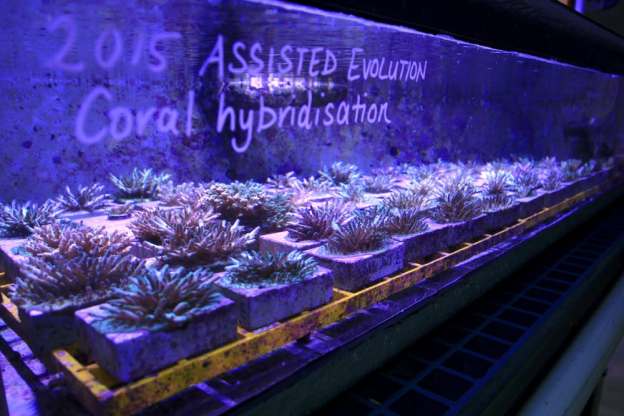
See also The World in a Grain

A Resurrection Story: the Great Barrier Reef

Great Barrier Reef, which runs for 2,300km along the coast of Queensland, is one of the icons of environmentalism. Conservationists constantly worry that human activity, particularly greenhouse-gas-induced global warming, will harm or even destroy it….Reef-forming corals prefer shallow water so, as the world’s sea levels have yo-yoed during the Ice Ages, the barrier reef has come and gone. The details of this have just been revealed in a paper published in Nature Geoscience by Jody Webster of the University of Sydney and her colleagues…. They discovered that it has died and then been reborn five times during the past 30,000 years. Two early reefs were destroyed by exposure as sea levels fell. Three more recent ones were overwhelmed by water too deep for them to live in, and also smothered by sediment from the mainland. The current reef is therefore the sixth of the period.

The barrier reef’s ability to resurrect itself is encouraging. But whether it could rise from the dead a sixth time is moot. The threat now is different. It is called bleaching and involves the tiny animals, known as polyps, which are the living part of a reef, ejecting their symbiotic algae. These algae provide much of a polyp’s food, but also generate toxins if the temperature gets too high, in which case the polyp throws them out. That causes the coral to lose its colour.  Polyps can tolerate occasional bleaching, but if it goes on too long, then they die. In the short term, therefore, global warming really does look a serious threat to the reef. It would, no doubt, return if and when the sea temperature dropped again. But when that would be, who knows?

Excerpts from Conservation: A Great Survivor, Economist, June 2, 2018, at 78

A Glimmer of Hope: protected areas

Globally, one-third of protected land is under intense pressure from road building, grazing, urbanization, and other human activities, according to a new study in the 18 May 2018 issue of Science…Nations around the world have committed to preserving biodiversity under the Convention on Biological Diversity (CBD), through protected status designations ranging from nature reserves with strict controls on human impact to regions where people can extract natural resources in a sustainable way. This study suggests that many of these nations are failing to meet their conservation goals.

James Watson, a researcher at the Wildlife Conservation Society and an author of the study, noted that 111 nations currently claim they have meet their obligations under the CBD based on the extent of their protected areas. “But if you only counted the land in protected areas that are not degraded, which play a role in conserving biodiversity, 77 of these nations don’t meet the bar. And it’s a low bar.”

Watson and a team of researchers decided to take advantage of a recently released human footprint map to look at the degradation of protected areas. “The results are quite staggering,” said Watson. “We found that 2.3 million square miles — twice the size of Alaska — was impacted by road building, grazing, logging, roads and urbanization. That is 32.8% of all protected land — the land set aside by nations for the purpose of biodiversity conservation — that] is highly degraded.”  Regions that were found to be particularly burdened by human activity include western Europe and southern Asia.

In terms of protected land that is free of any measurable human pressure, 42% could be classified as such; however, many of these areas are within remote regions of high-latitude nations, such as Russia and Canada.

Some conservation efforts have been fruitful, though. “We did see glimmers of hope,” said Watson…. (e.g., the Keo Seima Wildlife Sanctuary in Cambodia, and Niassa Reserve in Mozambique)

Protected areas designated after 1993 have a lower level of intense human pressure within their borders than those previously designated, the authors found. They suggest this may indicate that more recently designated areas were targeted as protected spaces because they were recognized as being under low human pressure.

Exceprts from Michelle Hampson, One-Third of World’s Protected Areas under Intense Human Pressure, American Association for the Advancement of Scicence,  May 16, 2018
Fish, Gas and Minerals: the Arctic

Mr Xi has been showing a growing interest in Arctic countries. In 2014 he revealed in a speech that China itself wanted to become a “polar great power”..,,In January 2018 the Chinese government published its first policy document outlining its Arctic strategy.

China is also keen to tap into the Arctic resources that will become easier to exploit as the ice cap retreats. They include fish, minerals, oil and gas. The region could hold a quarter of the world’s as-yet-undiscovered hydrocarbons, according to the United States Geological Survey. Chinese firms are interested in mining zinc, uranium and rare earths in Greenland.

As the ice melts, it may become more feasible for cargo ships to sail through Arctic waters. China is excited by this possibility (its media speak of an “ice silk road”). In the coming decades such routes could cut several thousand kilometres off journeys between Shanghai and Europe. Sending ships through the Arctic could also help to revive port cities in China’s north-eastern rustbelt… China is thinking of building ports and other infrastructure in the Arctic to facilitate shipping. State-linked firms in China talk of building an Arctic railway across Finland.

Chinese analysts believe that using Arctic routes would help China strategically, too. It could reduce the need to ship goods through the Malacca Strait, a choke-point connecting the Pacific and Indian oceans. Much of China’s global shipping passes through the strait. It worries endlessly about the strait’s vulnerability to blockade—for example, should war break out with America.

There are no heated territorial disputes in the Arctic, but there are sensitivities, including Canada’s claim to the North-West Passage, a trans-Arctic waterway that America regards as international—ie, belonging to no single state.

Plenty of non-Arctic countries, including European ones, have similar dreams. But China is “by far the outlier” in terms of the amount of money it has pledged or already poured into the region, says Marc Lanteigne of Massey University in New Zealand. Its biggest investments have been in Russia, including a gas plant that began operating in Siberia in December 2017. Russia was once deeply cynical about China’s intentions. But since the crisis in Ukraine it has had to look east for investment in its Arctic regions.

The interest shown by Chinese firms could be good news for many Arctic communities. Few other investors have shown themselves willing to stomach the high costs and slow pay-offs involved in developing the far north…. The main concern of Arctic countries is that China’s ambitions will result in a gradual rewiring of the region’s politics in ways that give China more influence in determining how the Arctic is managed. Greenland is a place to watch. Political elites there favour independence from Denmark but resist taking the plunge because the island’s economy is so dependent on Danish support. The prospect of Chinese investment could change that. Should Greenland become independent, China could use its clout there to help further its own interests at meetings of Arctic states, in the same way that it uses its influence over Cambodia and Laos to prevent the Association of South-East Asian Nations from criticising Chinese behaviour in their neighbourhood.

Excerpts from The Arctic: A Silk Road through Ice, Economist, Apr. 14, 2018, at 37

The Unquenchable Thirst: water mismanagement

Most of the drinking water consumed in Beijing has travelled 1,432km (895 miles), roughly the distance from New York to Orlando, Florida. Its journey begins in a remote and hilly part of central China at the Danjiangkou reservoir, on the bottom of which lies the drowned city of Junzhou. The water gushes north by canal and pipeline, crosses the Yellow river by burrowing under it, and arrives, 15 days later, in the water-treatment plants of Beijing. Two-thirds of the city’s tap water and a third of its total supply now comes from Danjiangkou.

This winter and spring, the reservoir was the capital’s lifeline. No rain or snow fell in Beijing between October 23rd 2017 and March 17th 2018—by far the longest drought on record. Yet the city suffered no supply disruptions, unlike Shanxi province to the west, where local governments rationed water. The central government is exultant, since the project which irrigates Beijing was built at vast cost and against some opposition.

The South-to-North Water Diversion Project—to give the structure its proper name—is the most expensive infrastructure enterprise in the world. It is the largest transfer of water between river basins in history, and China’s main response to its worst environmental threat, which is (despite all the pollution) lack of water.

The route between Beijing and Danjiangkou, which lies on a tributary of the Yangzi, opened in 2014. An eastern route opened in 2013 using the ancient Grand Canal between Hangzhou and the capital. (Jaw-dropping hydrological achievements are a feature of Chinese history.) A third link is planned on the Tibetan plateau, but since that area is prone to earthquakes and landslides, it has been postponed indefinitely…

Downstream from Danjiangkou, pollution has proved intractable. By diverting water from the Yangzi, the project has made the river more sluggish. It has become less able to wash away contaminants and unable to sustain wetlands, which act as sponges and reduce flooding. To compensate for water taken from their rivers, local governments are also building dams wherever they can to divert it back again. Shaanxi province, for example, is damming the Han river to transfer water to its depleted river Wei….Worst of all, the project diverts not only water but money and attention from China’s real water problem: waste and pollution.

Excerpts from Water: Massive Diversion, Economist, Apr. 7, 2018
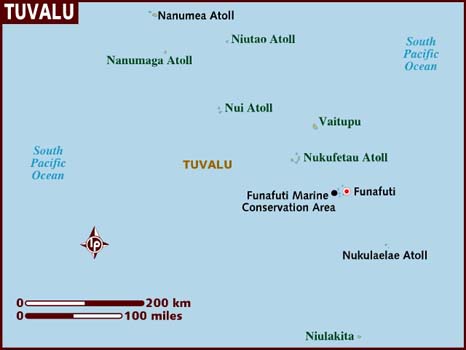
Furthest from their Minds: greenhouse gases in Afirca

When sub-Saharan Africa comes up in discussions of climate change, it is almost invariably in the context of adapting to the consequences, such as worsening droughts. That makes sense. The region is responsible for just 7.1% of the world’s greenhouse-gas emissions, despite being home to 14% of its people. Most African countries do not emit much carbon dioxide. Yet there are some notable exceptions.

Start with coal-rich South Africa, which belches out more carbon dioxide than Britain, despite having 10m fewer people and an economy one-eighth the size. Like nearly all of its power plants, many of its vehicles depend on coal, which is used to make the country’s petrol (a technique that helped the old apartheid regime cope with sanctions). A petrochemical complex in the town of Secunda owned by Sasol, a big energy and chemicals firm, is one of the world’s largest localised sources of greenhouse gases.  Zambia is another exception. It burns so much vegetation that its land-use-related emissions surpass those of Brazil, a notorious—and much larger—deforester.

South Africa and Zambia may be extreme examples, but they are not the region’s only big emitters . Nigerian households and businesses rely on dirty diesel generators for 14GW of power, more than the country’s installed capacity of 10GW. Subsistence farmers from Angola to Kenya use slash-and-burn techniques to fertilise fields with ash and to make charcoal, which nearly 1bn Africans use to cook. This, plus the breakneck growth of extractive industries, explains why African forests are disappearing at a rate of 0.5% a year, faster than in South America. Because trees sequester carbon, cutting them counts as emissions in climate accounting.

Other African countries are following South Africa’s lead and embracing coal…A new coal-fired power plant ….Lamu in Kenya is one of many Chinese-backed coal projects in Africa…Africa’s sunny skies and long, blustery coastlines offer near-limitless solar- and wind-energy potential. But what African economies need now are “spinning reserves”, which can respond quickly to volatile demand, says Josh Agenbroad of the Rocky Mountain Institute, a think-tank in Colorado. Fossil fuels deliver this; renewables do not…. Several countries are intrigued by hybrid plants where most electricity is generated by solar panels, but diesel provides the spinning reserves…

Excerpts from  Africa and Climate Change: A Burning Issue, Economist,  Apr. 21, 2018, at 41.

Congo, China and Battery Minerals

The demand of cobalt is bound to increase because of the batteries needed to power  electric vehicles (EVs).  Each battery uses about 10kg of cobalt. It is widely known that more than half of the world’s cobalt reserves and production are in one dangerously unstable country, the Democratic Republic of Congo. What is less well known is that four-fifths of the cobalt sulphates and oxides used to make the all-important cathodes for lithium-ion batteries are refined in China. (Much of the other 20% is processed in Finland, but its raw material, too, comes from a mine in Congo, majority-owned by a Chinese firm, China Molybdenum.)

On March 14t, 2018 concerns about China’s grip on Congo’s cobalt production deepened when GEM, a Chinese battery maker, said it would acquire a third of the cobalt shipped by Glencore, the world’s biggest producer of the metal, between 2018 and 2020—equivalent to almost half of the world’s 110,000-tonne production in 2017. This is likely to add momentum to a rally that has pushed the price of cobalt up from an average of $26,500 a tonne in 2016 to above $90,000 a tonne
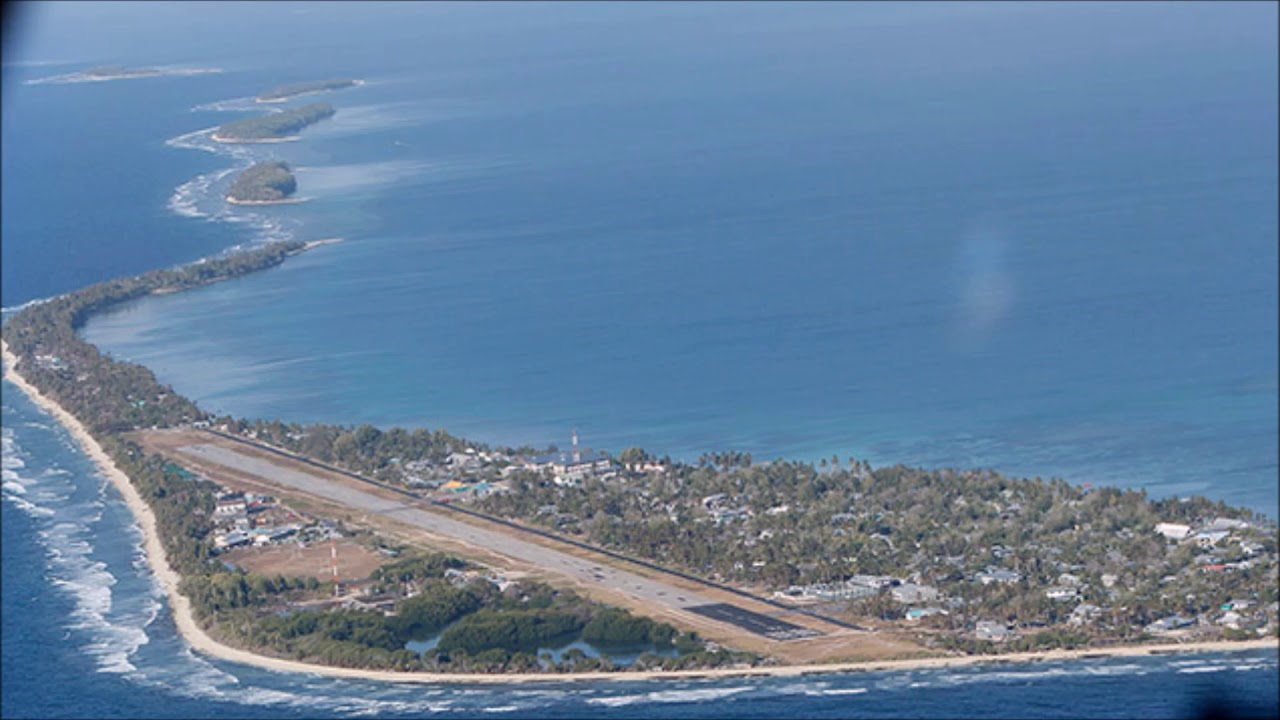
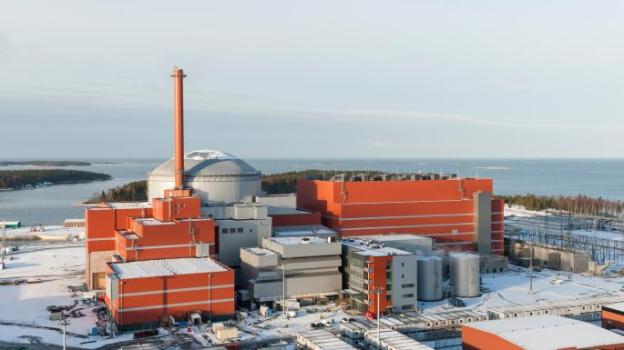
South Korean and Japanese tech firms and it’s a big concern of theirs that so much of the world’s cobalt sulphate comes from China. Memories are still fresh of a maritime squabble in 2010, during which China restricted exports of rare-earth metals vital to Japanese tech firms. China produces about 85% of the world’s rare earths.

Few analysts expect the cobalt market to soften soon. Production in Congo is likely to increase in the next few years, but some investment may be deterred by a recent five-fold leap in royalties on cobalt. Investment elsewhere is limited because cobalt is almost always mined alongside copper or nickel. Even at current prices, the quantities needed are not enough to justify production for cobalt alone.

But demand could explode if EVs surge in popularity… the use of cobalt for EVs could jump from 9,000 tonnes in 2017 to 107,000 tonnes in 2026.  The resulting higher prices would eventually unlock new sources of supply. But already non-Chinese battery manufacturers are looking for ways to protect themselves from potential shortages. Their best answer to date is nickel.

The materials most commonly used for cathodes in EV batteries are a combination of nickel, manganese and cobalt known as NMC, and one of nickel, cobalt and aluminium known as NCA. As cobalt has become pricier and scarcer, some battery makers have produced cobalt-lite cathodes by raising the nickel content—to as much as eight times the amount of cobalt. This allows the battery to run longer on a single charge, but makes it harder to manufacture and more prone to burst into flames. The trick is to get the balance right.

Strangely, nickel has not had anything like cobalt’s price rise. Nor do the Chinese appear to covet it… Nickel prices plummeted from $29,000 a tonne in 2011 to below $10,000 a tonne 2017…. But by 2025 McKinsey expects EV-related nickel demand to rise 16-fold to 550,000 tonnes.

In theory, the best way to ensure sufficient supplies of both nickel and cobalt would be for prices to rise enough to make mining them together more profitable. But that would mean more expensive batteries, and thus electric vehicles.

Excerpts from The Scramble for Battery Minerals, Economist, Mar. 24, 2018
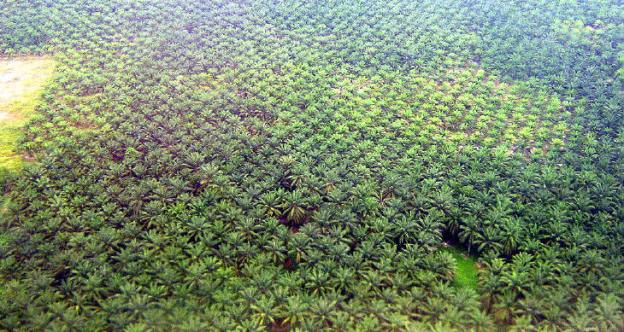
The Super-Corals

By some estimates, half of the world’s coral has been lost since the 1980s. Corals are delicate animals, and are succumbing to pollution and sediment from coastal construction. Also to blame are sewage, farmland run-off and fishing, all of which favour the growth of the big, fleshy algae that are corals’ main competitors for space. (The first two encourage algal growth and the third removes animals that eat those algae.) But the biggest killer is warming seawater. Ocean heatwaves in 2015, 2016 and 2017 finished off an astonishing 20% of the coral on Earth. This is troubling, for countless critters depend on coral reefs for their survival. Indeed, such reefs, which take up just a thousandth of the ocean floor, are home, for at least part of their life cycles, to a quarter of marine species. Losing those reefs would cause huge disruption to the ocean’s ecosystem. So researchers are looking for ways to stop this happening.

A growing number of scientists reckon that an entirely different approach to saving coral is needed. If oceans are changing faster than coral can adapt via the normal processes of evolution, why not, these researchers argue, work out ways to speed up such evolution  One way to do this would be selective breeding. Most species of coral spawn on just one or two nights a year, a process regulated by the lunar cycle, the time of sunset and the temperature of the water. The sperm and eggs released during spawning meet and unite, and the results grow into larvae that search for places where they can settle down and metamorphose into the stone-encased sea-anemone-like polyps that are the adult form. In the wild, the meeting of sperm and egg is random. Some researchers, however, are trying to load the dice. By starting with wild specimens that have survived a period of heat which killed their neighbours, they hope to breed heat resistance into the offspring.

This is the tack taken, for example, by Christian Voolstra of the Red Sea Research Centre in Thuwal, Saudi Arabia. He describes it as “making sure super papa and super mama meet and reproduce”. Corals bred in this way at the Hawaii Institute of Marine Biology, on Oahu, survive in water that is warm enough to kill offspring resulting from normal, random reproduction.

The reason corals die when the surrounding water gets too hot is that the microscopic algae and bacteria which live on and in their tissue, and are their main food sources, are sensitive to small changes in temperature. When stressed by heat these symbionts start producing dangerous oxidants. This causes the polyps to eject them, to ensure short-term survival. The reef thus turns ghostly white—a process called bleaching. Bleached coral is not dead. But unless the temperature then drops, the polyps will not readmit the algae and bacteria, and so, eventually, they do die.

Polyps that survive one such ordeal will, however, fare better if temperatures rise again. The second time around they have acclimatised to the change. Some species, indeed, can pass this resilience on to their offspring by a process called intergenerational epigenesis. The Hawaii Institute’s efforts to develop hardier corals thus include administering a near-death experience to them. Ruth Gates, the institute’s director, says the goal is to create reefs “designed to withstand the future”. The institute’s first such reef will probably be grown inside Biosphere 2, an enclosed ecosystem run by the University of Arizona.

Another approach, taken by the Australian Institute of Marine Science (AIMS) in Queensland, is to crossbreed corals from different places, to create hybrid vigour. The results of such crosses are unpredictable, but some survive heat greater than either of their parents could cope with.

The artificial breeding of corals is, though, constrained by their cyclical breeding habits, so researchers at the Florida Aquarium, on Tampa Bay, are trying to speed the process up. The operators of the aquarium’s “coral ark” nursery stagger lighting and temperature patterns to fool the animals into releasing their gametes on a day of the researchers’ choosing. This also permits the co-mingling of sperm and eggs that would not normally meet, thus allowing new varieties to be created. According to Scott Graves, the aquarium’s boss, half a dozen such varieties show most promise of heat resistance, but the team is generating thousands more, “just like a seed bank”, as a backup.

A coral’s fate is tied so closely to the algae and bacteria which live in its tissues that, as Dr Gates puts it, it is best to think of the whole thing as “a consortium of organisms”. This is why scientists at AIMS are keen also to produce algae that withstand higher temperatures without releasing the oxidants that lead coral to kick them out. They are doing so using a process which Madeleine van Oppen, a researcher at the institute, calls “directed laboratory evolution”. In the past few years her team have grown more than 80 generations of algae, repeatedly culling those organisms most susceptible to heat stress and also to acidification, another curse of a world with more carbon dioxide around than previously. The resulting algae release fewer toxins and photosynthesise better in warm water than do their wild brethren..

[A]fter the trauma of bleaching, polyps do extend a preferential welcome to algae that have greater levels of heat tolerance. His team are thus now using special lights to bleach corals. Polyps “stress hardened” in this way will be planted on wild reefs in coming months…

This raises the question of whether the genomes of coral, algae and bacteria might be edited for greater robustness. According to Dr Voolstra, more than ten laboratories around the world are trying to do so. His own team has successfully inserted genetic material into about 30 larvae of a coral called Acropora millepora. Editing corals’ heat thresholds in this way is, he reckons, about five years away.

Whether they are created by selective breeding or genetic engineering, supercorals, the thinking goes, would not need to be placed on reefs in astronomical numbers… That thought, however, does not please everybody. Some object in principle to the idea of releasing human-modified creatures into the wild, or feel that amelioration of this sort is a distraction from the business of reducing carbon-dioxide emissions. Others have pragmatic concerns—that corals bred to survive warming seas might suffer handicapping trade-offs. So regulators have been cautious. The Great Barrier Reef Marine Park Authority, for example, will probably require that the hybrid organisms AIMS hopes to test in the open reef are removed before they begin spawning. …[T]he alternative, of doing nothing, is the equivalent of “ just throwing our hands up in the air and saying, ‘OK, we’re prepared now not to have coral’.” For the world’s oceans, that loss would be catastrophic.

Excerpts from Accelerating Evolution: Refreshing Reefs, Economist, Mar. 17, 2018, at 75

Sailing the Seas Pollution Free

The shipping industry made a historic step toward cleaner air on April 13, 2018 with a deal to cut greenhouse gas emissions by half by 2050 compared to 2008…  Shipping and aviation were excluded from the Paris climate agreement adopted under a United Nations framework in 2015, with governments entrusting the International Maritime Organization (IMO) to come up with a consensus on carbon reduction measures from ocean going vessels.

The aviation sector reached a deal on carbon emissions in 2016, but it took shipping much longer as ocean carriers and regulators considered measures such as the adoption of clean-burning fuels or electric propulsion, slower sailing speeds and hull design improvements at a cost of hundreds of billions of dollars.  The deal puts the agreement into force world-wide, with no other action needed by the regulatory body. The final pact was a compromise between groups and countries including the European Union, China, and other Asia and Pacific nations that pushed for reductions in emissions by as much as 70% and the U.S., Argentina, Brazil and Saudi Arabia, among others, that pushed for lower targets.

Of the 173 IMO-member states, only the U.S. and Saudi Arabia, objected to the draft IMO agreement…Shipping contributes about 3% of total annual carbon dioxide (similar to an economy the size of Germany), or CO2, world-wide emissions, about the same as an economy the size of Germany, according to an IMO study. But vessel emissions are projected to increase by between 50% and 250% by 2050 as global trade grows and carriers add capacity without any action to intervene.  The IMO reductions would aim to cut carbon emissions to half the 2008 carbon dioxide levels.

The emission cuts will also affect thousands of exporters world-wide. Brazil, for example, exports large amounts of iron ore to China and fears strong caps will push up freight rates, helping rival Australia, whose iron exports sail half the distance to China.  Slow steaming, in which ships purposely throttle back to slower speeds, is also an anathema for countries exporting perishable goods like cherries from Chile and meat from Argentina.  Some countries with big shipping registries like the low-lying Marshall Islands, that want to stop the effects of climate change, led the call for strong cuts…

Excerpt from Shipping Regulators Reach Deal to Cut Carbon Emissions, Wall Street Journal,  Apr. 13, 2018

See also who is lobbying who on climate

A Slow-Burning Tragedy

Charcoal is one of the biggest informal businesses in Africa. It is the fuel of choice for the continent’s fast-growing urban poor, who, in the absence of electricity or gas, use it to cook and heat water. According to the UN, Africa accounted for three-fifths of the world’s production in 2012—and this is the only region where the business is growing. It is, however, a slow-burning environmental disaster.

In Nyakweri forest, Kenya, the trees are ancient and rare. Samwel Naikada, a local activist, points at a blackened stump in a clearing cut by burners. It is perhaps 400 years old, he says. The effect of burning trees spreads far. During the dry season, the forest is a refuge for amorous elephants who come in from the plains nearby to breed. The trees store water, which is useful in such a parched region. It not only keeps the Mara river flowing—a draw for the tourists who provide most of the county government’s revenue. It also allows the Masai people to graze their cows and grow crops. “You cannot separate the Masai Mara and this forest,” says Mr Naikada….

Nyakweri is hardly the only forest at risk. The Mau forest, Kenya’s largest, which lies farther north in the Rift Valley, has also been hit by illegal logging. Protests against charcoal traders (!) broke out earlier this year, after rivers that usually flow throughout the dry season started to run dry. In late February a trader’s car was reportedly burned in Mwingi, in central Kenya, by a group of youngsters who demanded to see the trader’s permits. At the end of February 2018 the government announced an emergency 90-day ban on all logging, driving up retail prices of charcoal by 500%, to as much as 5,000 shillings a bag in some cities.

The problems caused by the charcoal trade have spread beyond Kenya. In southern Somalia, al-Shabab, a jihadist group, funds itself partly through the taxes it levies on the sale of charcoal (sometimes with the help of Kenyan soldiers, who take bribes for allowing the shipments out of a Somali port that Kenya controls). The logging also adds to desertification, which, in turn, causes conflict across the Sahel, an arid belt below the Sahara. It forces nomadic herders to range farther south with their animals, where they often clash with farmers over the most fertile land.

In the power vacuum of the eastern Democratic Republic of Congo, rampant charcoal logging has destroyed huge swathes of Virunga National Park. That threatens the rare gorillas which tourists currently pay as much as $400 a day to view, even as it fuels the conflict.

In theory, charcoal burning need not be so destructive. In Kenya the burners are meant to get a licence. To do so, they have to show they are replacing the trees they are cutting down and that they are using modern kilns that convert the trees efficiently into fuel. But, admits Clement Ngoriareng, an official at the Kenya Forest Service (KFS), the rules are laxly enforced. Some suspect that powerful politicians stymie efforts to police burners.

Excerpts from A Very Black Market: Illegal Charcoal, Economist, Mar. 31, 2018

Choked by Hyacinths: Lake Victoria

The report, Freshwater biodiversity in the Lake Victoria Basin (2018), assesses the global extinction risk of 651 freshwater species, including fishes, molluscs, dragonflies, crabs, shrimps and aquatic plants native to East Africa’s Lake Victoria Basin, finding that 20% of these are threatened with extinction. Of the freshwater species assessed, 204 are endemic to the Lake Victoria Basin and three-quarters (76%) of these endemics are at risk of extinction.

The African Lungfish (Protopterus aethiopicus), for example, is declining in the Lake Victoria Basin largely due to overfishing, poor fishing practices and environmental degradation as wetlands are converted to agricultural land. The lungfish is considered a delicacy for some local communities and is an important local medicinal product, used to boost the immune system and treat alcoholism. The lungfish is also traded at market, making it important to the local economy.

Lake Victoria is the world’s second largest freshwater lake by surface area. Its catchment area includes parts of Kenya, Tanzania, Uganda, Burundi and Rwanda. Also referred to as ‘Darwin’s Dreampond’, Lake Victoria is known for its high levels of unique biodiversity. The Lake Victoria Basin harbours immense natural resources including fisheries, forests, wetlands and rangelands….

Pollution from industrial and agricultural sources, over-harvesting of resources and land clearance are among the primary threats to biodiversity in this region. Invasive species also present an important threat to native biodiversity in the basin, affecting 31% of all species and 73% of threatened species. The purple flowered Water Hyacinth (Eichhornia crassipes) was accidentally introduced to Lake Victoria from South America in the 1980s, and at its peak covered close to 10% of the lake surface in dense floating mats. These mats reduce the oxygen and nutrient availability in the water column, which negatively affects native biodiversity. Opportunities for harvesting and exploiting the Water Hyacinth, for example by using the species as fuel in bio-digesters for energy production, are under investigation.

Excerpts from Livelihoods at risk as freshwater species in Africa’s largest lake face extinction – IUCN Report, IUCN Report, Apr. 30, 2018

Nuclear Waste and Nuclear Energy, Uganda

Mukono- Residents of Kitoba village in Mukono District have opposed plans by the Uganda Atomic Energy Council (AEC) to construct a nuclear and atomic waste site in the area.  The residents fear the dump for non-functional atomic equipment, including X-rays and cancer machines, will compromise their safety.  Already, the residents at Canaan Sites are suspicious of a container that has been standing on the 11.5 acres of land acquired by the AEC in 2011.

But AEC executive secretary Deogratias Luwalira told the residents that the Energy ministry acquired the land to implement a five-year master plan.
He told the residents at Kichwa Primary School in Mpoma during a community awareness meeting on that the Energy ministry acquired the land to build AEC headquarters, staff accommodation, laboratories, atomic/nuclear storage facility, and sports fields.

“The equipment to be kept here has no safety hazards. The store will have a safety case that will be operated in a safe manner,” Mr Luwalira said.
He said radioactive wastes are currently scattered in different parts of the country and needed to be secured in one central location…

In the meantime, Uganda plans to be the first African nation to develop nuclear power, see IAEA gives node as Uganda pushes for nuclear power use (jan. 2018)

Excerpts Mukono rejects radioactive waste site, http://www.monitor.co.ug/, Apr. 10, 2018

The Balding Forests of Australia

Most deforestation takes place in poor countries. In richer places, trees tend to multiply. Australia is an unhappy exception. Land clearance is rampant along its eastern coast, as farmers take advantage of lax laws to make room for cattle to feed Asia. WWF, a charity, now ranks Australia alongside Borneo and the Congo Basin as one of the world’s 11 worst “fronts” for deforestation.
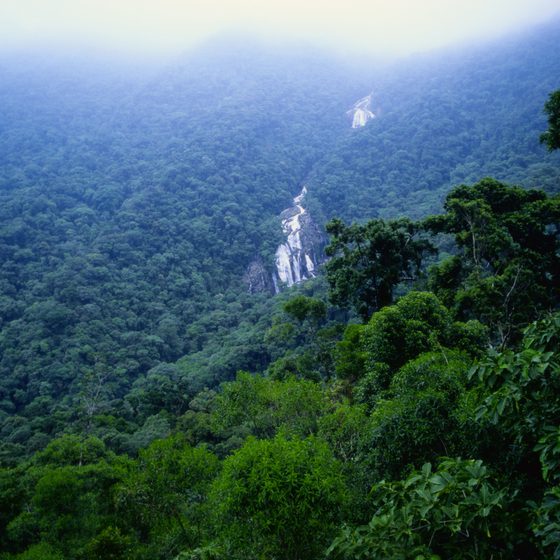

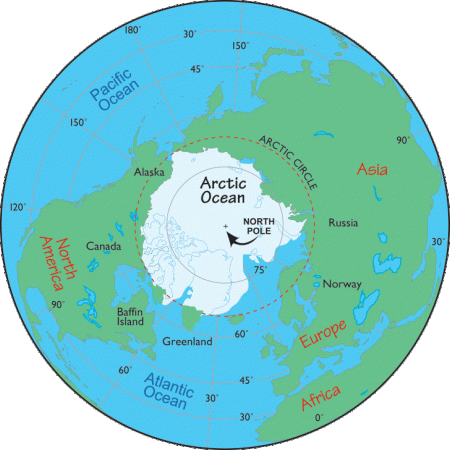
The worst damage occurs in the north-eastern state of Queensland, which has more trees left to fell than places to the south, where agriculture is more established… Its bulldozers are at present busier than they have been for a decade. They erased 395,000 hectares of forest, including huge tracts of ancient vegetation, between 2015 and 2016—the equivalent of 1,000 rugby pitches a day. As a share of its forested area, Queensland is mowing down trees twice as fast as Brazil.

Australia has lost almost half its native forest since British colonialists arrived, and much of what remains is degraded. For a time, it seemed that the clear-cutting might come to an end: in the early 2000s several state governments passed bills to reduce deforestation. But in the past decade these have been wound back in every state. Queensland’s land clearance has more than doubled since conservatives loosened its forestry law in 2013, allowing farmers to “thin” trees by up to 75% without a permit. Neighbouring New South Wales recently enacted a similar rule.

Conservationists blame powerful agricultural lobbies. These retort that controls on land clearance push up food prices and cost jobs. Family farmers lament that trees obstruct the big machinery needed to keep their land productive. … In 2014 a landowner in New South Wales murdered an environment officer who was investigating illegal bulldozing. (Authorities in the state are examining at least 300 cases of illegal tree-clearing.)

Yet clearing land eventually hurts farmers too because, without trees, soil erodes and grows saltier. Deforestation releases carbon dioxide into the atmosphere, spurring global warming, and reduces regional rainfall…. Loss of habitat has brought many species, including the koala, to the brink of extinction.

Chainsaw massacre: Deforestation in Australia, Economist, Feb. 24, 2018

Deforestation Tolerance: Amazon

Amazon generates approximately half of its own rainfall by recycling moisture 5 to 6 times as airmasses move from the Atlantic across the basin to the west.  From the start, the demonstration of the hydrological cycle of the Amazon raised the question of how much deforestation would be required to cause this hydrolological cycle to degrade to the point of being unable to support rain forest ecosystems.

High levels of evaporation and transpiration that forests produce throughout the year contribute to a wetter atmospheric boundary layer than would be the case with non-forest.This surface-atmosphere coupling is more important where large-scale factors for rainfall formation are weaker, such as in central and eastern Amazonia. Near the Andes, the impact of at least modest deforestation is less dramatic because the general ascending motion of airmasses in this area induces high levels of rainfall in addition to that expected from local evaporation and transpiration.

Where might the tipping point be for deforestation-generated degradation of the hydrological cycle? The very first model to examine this question  showed that at about 40% deforestation, central, southern and eastern Amazonia would experience diminished rainfall and a lengthier dry season, predicting a shift to savanna vegetation to the east.

Moisture from the Amazon is important to rainfall and human wellbeing because it contributes to winter rainfall for parts of the La Plata basin, especially southern Paraguay, southern Brazil, Uruguay and central-eastern Argentina; in other regions, the moisture passes over the area, but does not precipitate out. Although the amount contributing to rainfall in southeastern Brazil is smaller than in other areas, even small amounts can be a welcome addition to urban reservoirs…

In recent decades, new forcing factors have impinged on the hydrological cycle: climate change and widespread use of fire to eliminate felled trees and clear weedy vegetation. Many studies show that in the absence of other contributing factors, 4° Celsius of global warming would be the tipping point to degraded savannas in most of the central, southern, and eastern Amazon. Widespread use of fire leads to drying of surrounding forest and greater vulnerability to fire in the subsequent year.

We believe that negative synergies between deforestation, climate change, and widespread use of fire indicate a tipping point for the Amazon system to flip to non-forest ecosystems in eastern, southern and central Amazonia at 20-25% deforestation.

We believe that the sensible course is not only to strictly curb further deforestation, but also to build back a margin of safety against the Amazon tipping point, by reducing the deforested area to less than 20%, for the commonsense reason that there is no point in discovering the precise tipping point by tipping it. At the 2015 Paris Conference of the Parties, Brazil committed to 12 million ha of reforestation by 2030. Much or most of this reforestation should be in southern and eastern Amazonia.

Excerpts from Amazon Tipping Point  by Thomas E. Lovejoy and Carlos Nobre, Sciences Advances,  Feb. 21, 2018

An Earth Bank of Codes: who owns what in the biological world

A project with the scale and sweep of the original Human Genome Project…should be to gather DNA sequences from specimens of all complex life on Earth. They decided to call it the Earth BioGenome Project (EBP).

At around the same time as this meeting, a Peruvian entrepreneur living in São Paulo, Brazil, was formulating an audacious plan of his own. Juan Carlos Castilla Rubio wanted to shift the economy of the Amazon basin away from industries such as mining, logging and ranching, and towards one based on exploiting the region’s living organisms and the biological information they embody. At least twice in the past—with the businesses of rubber-tree plantations, and of blood-pressure drugs called ACE inhibitors, which are derived from snake venom—Amazonian organisms have helped create industries worth billions of dollars. ….

For the shift he had in mind to happen, though, he reasoned that both those who live in the Amazon basin and those who govern it would have to share in the profits of this putative new economy. And one part of ensuring this happened would be to devise a way to stop a repetition of what occurred with rubber and ACE inhibitors—namely, their appropriation by foreign firms, without royalties or tax revenues accruing to the locals.

Such thinking is not unique to Mr Castilla. An international agreement called the Nagoya protocol already gives legal rights to the country of origin of exploited biological material. What is unique, or at least unusual, about Mr Castilla’s approach, though, is that he also understands how regulations intended to enforce such rights can get in the way of the research needed to turn knowledge into profit. To that end he has been putting his mind to the question of how to create an open library of the Amazon’s biological data (particularly DNA sequences) in a way that can also track who does what with those data, and automatically distribute part of any commercial value that results from such activities to the country of origin. He calls his idea the Amazon Bank of Codes.

Now, under the auspices of the World Economic Forum’s annual meeting at Davos, a Swiss ski resort, these two ideas have come together. On January 23, 2018 it was announced that the EBP will help collect the data to be stored in the code bank. The EBP’s stated goal is to sequence, within a decade, the genomes of all 1.5m known species of eukaryotes. ..That is an ambitious timetable. The first part would require deciphering more than eight genomes a day; the second almost 140; the third, about 1,000. For comparison, the number of eukaryotic genomes sequenced so far is about 2,500…

Big sequencing centres like BGI in China, the Rockefeller University’s Genomic Resource Centre in America, and the Sanger Institute in Britain, as well as a host of smaller operations, are all eager for their share of this pot. For the later, cruder, stages of the project Complete Genomics, a Californian startup bought by BGI, thinks it can bring the cost of a rough-and-ready sequence down to $100. A hand-held sequencer made by Oxford Nanopore, a British company, may be able to match that and also make the technology portable…..It is an effort in danger of running into the Nagoya protocol. Permission will have to be sought from every government whose territory is sampled. That will be a bureaucratic nightmare. Indeed, John Kress of the Smithsonian, another of the EBP’s founders, says many previous sequencing ventures have foundered on the rock of such permission. And that is why those running the EBP are so keen to recruit Mr Castilla and his code bank.

The idea of the code bank is to build a database of biological information using a blockchain. Though blockchains are best known as the technology that underpins bitcoin and other crypto-currencies, they have other uses. In particular, they can be employed to create “smart contracts” that monitor and execute themselves. To obtain access to Mr Castilla’s code bank would mean entering into such a contract, which would track how the knowledge thus tapped was subsequently used. If such use was commercial, a payment would be transferred automatically to the designated owners of the downloaded data. Mr Castilla hopes for a proof-of-principle demonstration of his platform to be ready within a few months.

In theory, smart contracts of this sort would give governments wary of biopiracy peace of mind, while also encouraging people to experiment with the data. And genomic data are, in Mr Castilla’s vision, just the start. He sees the Amazon Bank of Codes eventually encompassing all manner of biological compounds—snake venoms of the sort used to create ACE inhibitors, for example—or even behavioural characteristics like the congestion-free movement of army-ant colonies, which has inspired algorithms for co-ordinating fleets of self-driving cars. His eventual goal is to venture beyond the Amazon itself, and combine his planned repository with similar ones in other parts of the world, creating an Earth Bank of Codes.

[I]f the EBP succeeds, be able to use the evolutionary connections between genomes to devise a definitive version of the tree of eukaryotic life. That would offer biologists what the periodic table offers chemists, namely a clear framework within which to operate. Mr Castilla, for his part, would have rewritten the rules of international trade by bringing the raw material of biotechnology into an orderly pattern of ownership. If, as many suspect, biology proves to be to future industries what physics and chemistry have been to industries past, that would be a feat of lasting value.

Excerpts from Genomics, Sequencing the World, Economist, Jan. 27, 2018

The Arctic through China’s Eyes

China on  January 25, 2018 outlined its ambitions to extend President Xi Jinping’s signature Belt and Road Initiative to the Arctic by developing shipping lanes opened up by global warming.  Releasing its first official Arctic policy white paper, China said it would encourage enterprises to build infrastructure and conduct commercial trial voyages, paving the way for Arctic shipping routes that would form a “Polar Silk Road”…China, despite being a non-Arctic state, is increasingly active in the polar region and became an observer member of the Arctic Council in 2013.
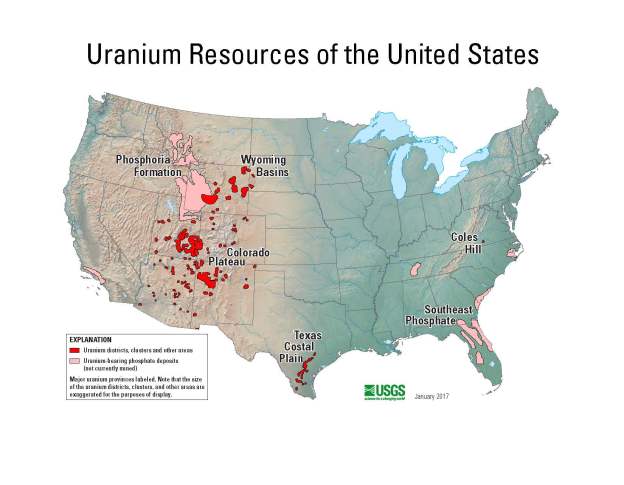

Among its increasing interests in the region is its major stake in Russia’s Yamal liquefied natural gas project which is expected to supply China with four million tonnes of LNG a year.

Shipping through the Northern Sea Route would shave almost 20 days off the regular time using the traditional route through the Suez Canal. COSCO Shipping has also previously sailed vessels through the Arctic’s northeast passage.

China’s increasing prominence in the region has prompted concerns from Arctic states over its long-term strategic objectives, including possible military deployment…The white paper said China also eyes development of oil, gas, mineral resources and other non-fossil energies, fishing and tourism in the region. China’s Belt and Road initiative aims to connect China to Europe, the Middle East and beyond via massive infrastructure projects across dozens of countries…

Excerpts from China unveils vision for ‘Polar Silk Road’ across Arctic, Reuters, Jan. 25, 2018

The Right to Drinkable Water and Uranium Mining in the USA

[T]he uranium mining industry in the United States is renewing a push into the areas adjacent to Navajo Nation, Utah: the Grand Canyon watershed to the west, where a new uranium mine is preparing to open, and the Bears Ears National Monument to the north.

The Trump administration is set to shrink Bears Ears National Monument by 85 percent in February 2018, potentially opening more than a million acres to mining, drilling and other industrial activity….[T]here were more than 300 uranium mining claims inside the monument, according to data from Utah’s Bureau of Land Management (B.L.M.) office that was reviewed by The New York Times.  The vast majority of those claims fall neatly outside the new boundaries of Bears Ears set by the [Trump] administration. And an examination of local B.L.M. records, including those not yet entered into the agency’s land and mineral use authorizations database, shows that about a third of the claims are linked to Energy Fuels, a Canadian uranium producer. Energy Fuels also owns the Grand Canyon mine, where groundwater has already flooded the main shaft.

Energy Fuels, together with other mining groups, lobbied extensively for a reduction of Bears Ears, preparing maps that marked the areas it wanted removed from the monument and distributing them during a visit to the monument by Mr. Zinke, Energy Secretary,  in May 2017.

The Uranium Producers of America, an industry group, is pushing the Environmental Protection Agency to withdraw regulations proposed by the Obama administration to strengthen groundwater protections at uranium mines. Mining groups have also waged a six-year legal battle against a moratorium on new uranium mining on more than a million acres of land adjacent to the Grand Canyon…

Supporters of the mining say that a revival of domestic uranium production, which has declined by 90 percent since 1980 amid slumping prices and foreign competition, will make the United States a larger player in the global uranium market.  It would expand the country’s energy independence, they say, and give a lift to nuclear power, still a pillar of carbon-free power generation. Canada, Kazakhstan, Australia, Russia and a few other countries now supply most of America’s nuclear fuel.

The dwindling domestic market was thrust into the spotlight by the contentious 2010 decision under the Obama administrationthat allowed Russia’s nuclear agency to buy Uranium One, a company that has amassed production facilities in the United States. The Justice Department is examining allegations that donations to the Clinton Foundation were tied to that decision.

“If we consider nuclear a clean energy, if people are serious about that, domestic uranium has to be in the equation,” said Jon J. Indall, a lawyer for Uranium Producers of America. “But the proposed regulations would have had a devastating impact on our industry.” “Countries like Kazakhstan, they’re not under the same environmental standards. We want a level playing field.”…

In Sanders, Arizona, hundreds of people were exposed to potentially dangerous levels of uranium in their drinking water for years, until testing by a doctoral researcher at Northern Arizona University named Tommy Rock exposed the contamination.  “I was shocked,” Mr. Rock said. “I wasn’t expecting that reading at all.”

Mr. Rock and other scientists say they suspect a link to the 1979 breach of a wastewater pond at a uranium mill in Church Rock, N.M., now a Superfund site. That accident is considered the single largest release of radioactive material in American history, surpassing the crisis at Three Mile Island.

It wasn’t until 2003, however, that testing by state regulators picked up uranium levels in Sanders’s tap water. Still, the community was not told. Erin Jordan, a spokeswoman for the Arizona Department of Environmental Quality, said the department had urged the now-defunct local water company for years to address the contamination, but it had been up to that company to notify its customers….The town’s school district, whose wells were also contaminated with uranium, received little state or federal assistance. It shut off its water fountains and handed out bottled water to its 800 elementary and middle-school students.  “I still don’t trust the water,” said Shanon Sangster, who still sends her 10-year-old daughter, Shania, to school with bottled water. “It’s like we are all scarred by it, by the uranium.”

Excerpts from HIROKO TABUCHIJAN,  Uranium Miners Pushed Hard for a Comeback. They Got Their Wish,  NY Times, Jan. 13, 2018

Air, Water, Waste and Death

The UN Environment and WHO have agreed a new, wide-ranging collaboration to accelerate action to curb environmental health risks that cause an estimated 12.6 million deaths a year.

On January 10, 2018 in Nairobi, Mr Erik Solheim, head of UN Environment, and Dr Tedros Adhanom Ghebreyesus, Director-General of WHO, signed an agreement to step up joint actions to combat air pollution, climate change and antimicrobial resistance, as well as improve coordination on waste and chemicals management, water quality, and food and nutrition issues. The collaboration also includes joint management of the BreatheLife advocacy campaign to reduce air pollution for multiple climate, environment and health benefits

“Our health is directly related to the health of the environment we live in. Together, air, water and chemical hazards kill more than 12.6 million people a year. This must not continue,” said WHO’s Tedros.  He added: “Most of these deaths occur in developing countries in Asia, Africa and Latin America where environmental pollution takes its biggest health toll.”

Excerpts from, UN Environment and WHO agree to major collaboration on environmental health risks, Press Release, Jan. 10, 2017

Turning Oceans into Muck

Oxygen is critical to the health of the planet. It affects the cycles of carbon, nitrogen and other key elements, and is a fundamental requirement for marine life from the seashore to the greatest depths of the ocean. Nevertheless, deoxygenation is worsening in the coastal and open ocean. This is mainly the result of human activities that are increasing global temperatures (CO2-induced warming) and increasing loads of nutrients from agriculture, sewage, and industrial waste, including pollution from power generation from fossil fuels and biomass.

Facts: During the past 50 years the area of low oxygen water in the open ocean has increased by 4.5 million km2. The world’ oceans are now losing approximately  1 gigaton of oxygen each year. The Millennium Ecosystem Assessment released by the UN in 2005 reported that nitrogen containing compounds (e.g. sewage, fertilizers) release into the oceans grew 80 percent from 1860 to 1990.  Increasing temperatures will reduce the capacity of the ocean to hold oxygen in the future. Oxygen deficiency is predicted to worsen in estuaries, coastal areas and oxygen minimum zones in the open ocean. The ocean’s capacity to produce oxygen will be reduced in the future.
Habitat loss is expected to worsen, leading to vertical and horizontal migration of species.

Oxygen deficiency will alter biogeochemical cycles and food webs. Lower oxygen concentrations are projected to result in a decrease in reproductive capacity and biodiversity loss. There are important local decreases of commercially important species and aquaculture production. Harmful Algal Blooms will be exacerbated from nutrients released in bottom waters due to hypoxia (e.g. in the Baltic Sea).Reduced ocean oxygen concentrations will lead to an increase in greenhouse gas emissions, thereby initiating feedbacks on climate change.

Excerpts from UNESCO, Jan. 2018

View Extensive Abstract

Background paper (pdf)

Global Ocean Oxygen Network: Through the participation of high level scientists from across the world, the IOC expert group, the Global Ocean Oxygen Network GO2NE, established in 2016, is committed to providing a global and multidisciplinary view of deoxygenation, with a focus on understanding its multiple aspects and impacts.

Red-Dead: water crisis in the Middle East

The Dead Sea is dying. Half a century ago its hyper-salty, super-pungent waters stretched 80km from north to south. That has shrunk to just 48km at its longest point. The water level is falling by more than a meter per year. All but a trickle from its source, the Jordan River, is now used up before it reaches the sea. “It will never disappear, because it has underground supplies, but it will be like a small pond in a very big hole,” says Munqeth Mehyar of EcoPeace, an NGO.
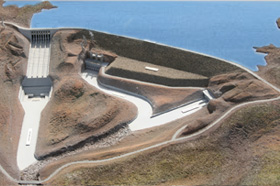
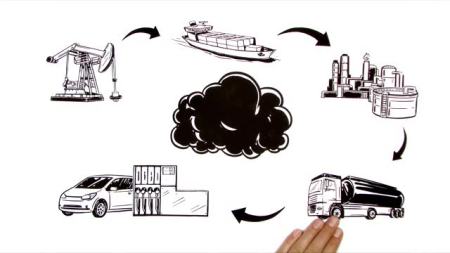
Until the summer of 2017 Israel and Jordan, which share the sea, were trying to slow the decline. The “Red-Dead project”, as it is called, would desalinate seawater at the Jordanian port of Aqaba and pump 200m cubic metres of leftover brine into the Dead Sea each year. That would not be enough to stabilise the sea, which needs at least 800m cubic metres to stay at current levels. Still, it would help—and the project has a much more important benefit.
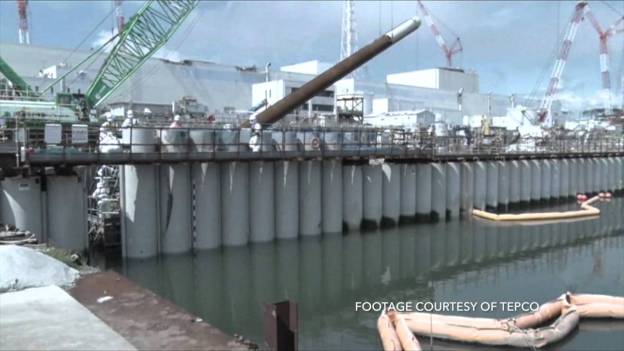
The World Bank defines water scarcity as less than 1,000 cubic metres per person annually. Jordan can provide less than 15% of that. The Aqaba plant would send fresh water to southern towns in both Jordan and Israel. In return for its share, Israel agreed to pump an equal amount to parched northern Jordan, where most of the population lives.

But the project was now on hold due a dispute between Jordan and Israel. On July 23rd, 2017 a Jordanian teenager delivering furniture to the Israeli embassy stabbed a security guard. The guard opened fire, killing both his assailant and an innocent bystander….

Jordan is already one of the world’s most arid countries. Climate change will make matters worse. By the end of the century, say scientists from Stanford University, Jordan could be 4°C hotter, with about a third less rain. It needs to rationalise water consumption. And Israel, which wants a stable neighbour to its east, has an interest in getting water projects back on track.

Excerpts from Jordan’s Water Crisis: Diplomatic Drought: Economist, Dec. 2, 2017

Exploiting Chaos: water management in the Middle East

A water crisis rooted in wasteful irrigation, climate change and dam-building is imperiling [the wetlands of Iraq] again.

A weakened flow into the Tigris and Euphrates rivers means that salt water from the Persian Gulf can now seep upstream into the marshes. This, coupled with farming run-off that has boosted salinity,threatens wetland wildlife, vegetation and the local Marsh Arabs who have depended on them for millennia.  The problem is partly home-made. Iraq’s irrigation methods are often wasteful, and the equipment tends to be rickety. Many farmers rely on thirsty crops such as rice. Politicians have in the past secured extra water for their upstream districts at the marshes’ expense. Reform-minded technocrats are forced to contend with deep-rooted corruption, the distracting and costly fight against the Islamic State (IS) group, and low oil prices, all of which have drained state coffers.

But other problems lie beyond Iraq’s control. For decades dams built in Syria, Turkey and Iran have swallowed up the waters of the Tigris, Euphrates and other rivers feeding the marshes. New dams due to open in Turkey, including the 1,200-megawatt Ilisu Dam, could further restrict the flow of the Tigris.

Talks over these dams have been inconclusive, partly because the Syrian and Iraqi states barely function and partly because IS has controlled swathes of the Euphrates. Turkey may be tempted to exploit its upstream position.

Climate change is taking its toll, too. Last summer temperatures of about 54°C were recorded in southern Iraq, among the hottest ever.

If only Iran, Iraq, Syria and Turkey would share their waters as amicably as the Danube countries do… Dam levels should be calibrated during wet and dry years to ensure steadier flows. Iraqi officials might also ponder novel solutions, he says, such as renting storage at the Ilisu Dam for use when needed. Yet stronger countries have exploited their advantages rather than seek compromise

Excerpts from Iraq’s Wetlands: Drying Up Again,  Economist,  Sept. 16, 2017

Cut or Pay up: Net Negative Carbon Emissions

Sweden’s parliament passed a law in June which obliges the country to have “no net emissions” of greenhouse gases into the atmosphere by 2045. The clue is in the wording. This does not mean that three decades from now Swedes must emit no planet-heating substances; even if all their electricity came from renewables and they only drove Teslas, they would presumably still want to fly in aeroplanes, or use cement and fertiliser, the making of which releases plenty of carbon dioxide. Indeed, the law only requires gross emissions to drop by 85% compared with 1990 levels. But it demands that remaining carbon sources are offset with new carbon sinks. In other words greenhouse gases will need to be extracted from the air

[I]f the global temperature is to have a good chance of not rising more than 2ºC above its pre-industrial level, as stipulated in the Paris climate agreement of 2015, worldwide emissions must similarly hit “net zero” no later than 2090. After that, emissions must go “net negative”, with more carbon removed from the stock than is emitted…

To keep the temperature below a certain level means keeping within a certain “carbon budget”—allowing only so much to accumulate, and no more. Once you have spent that budget, you have to balance all new emissions with removals. If you overspend it…you have a brief opportunity to put things right by taking out more than you are putting in…

Climate scientists like Mr Henderson have been discussing negative-emissions technologies (NETs) with economists and policy wonks since the 1990s. [But] NETs were conspicuous by their absence from the agenda of the annual UN climate jamboree which ended in Bonn on November 17th 2017.

 Reforesting logged areas or “afforesting” previously treeless ones presents no great technical challenges. More controversially, they also tend to invoke “bioenergy with carbon capture and storage” (BECCS). In BECCS, power stations fuelled by crops that can be burned to make energy have their carbon-dioxide emissions injected into deep geological strata, rather than released into the atmosphere….

The Carbon Capture and Storage (CCS)  technologies that exist today, under development by companies such as Global Thermostat in America, Carbon Engineering in Canada or Climeworks of Switzerland, remain pricey. In 2011 a review by the American Physical Society to which Ms Wilcox contributed put extraction costs above $600 per tonne, compared with an average estimate of $60-250 for BECCS…

Much of the gas captured by Climeworks and other pure NETs firms (as opposed to fossil-fuel CCS) is sold to makers of fizzy drinks or greenhouses to help plants grow. It is hard to imagine that market growing far beyond today’s total of 10m tonnes. And in neither case is the gas stored indefinitely. It is either burped out by consumers of carbonated drinks or otherwise exuded by eaters of greenhouse-grown produce…..

One way to create a market for NETs would be for governments to put a price on carbon. Where they have done so, the technologies have been adopted. Take Norway, which in 1991 told oil firms drilling in the North Sea to capture carbon dioxide from their operations or pay up. This cost is now around $50 per tonne emitted; in one field, called Sleipner, the firms have found ways to pump it back underground for less than that. A broader carbon price—either a tax or tradable emissions permits—would promote negative emissions elsewhere, too…

Another concern is the impact on politicians and the dangers of moral hazard. NETs allow politicians to go easy on emission cuts now in the hope that a quick fix will appear in the future.

Excerpt from Sucking up Carbon, Combating Climate Change, Economist,  Nov. 18, 2017

Cash or CleanUp? life in the oil polluted swampland

Nearly a decade after two catastrophic oil spills in the Niger Delta, a comprehensive clean-up has been launched in 2017 in the southern Nigerian region.

Earlier this month, crews of young men equipped with high pressure hoses began to attack the crude oil blighting the creeks and mangrove swamps where they live.  Workers from Bodo in Rivers State are beginning a three-year project that claims to mark a new approach to cleaning up the delta, the vast polluted swampland pumping the oil vital to Africa’s largest economy.

Four hundred workers will clear dead foliage and spilled oil before planting new mangroves. Where they are working is small but organisers hope the anti-pollution drive can be repeated elsewhere in the delta.

Unlike clean-up operations run routinely by oil giant Royal Dutch Shell, this one is backed by local communities and teams of scientists who will take samples of water, mud and soil in each area to measure progress and determine the best cleaning method.  Funded by Shell and its joint venture partners, the clean-up is the culmination of years of legal wrangling and international pressure to overcome animosity and mutual suspicion that have divided locals, government and oil companies.

Shell declined to say how much it was spending, while leaders see it as a glimmer of hope in a benighted land where many wells are not safe to drink from and fishing and farming are devastated.

“The Niger Delta is at a crossroads,” said Inemo Samiama, chairman of the Bodo Mediation Initiative (BMI), managing the clean-up. “We have a lot of polluted sites. We need something we can refer to, some shining example.”

The work of BMI covers 10 sq km, a fraction of the 70,000 sq km Delta.  As workers walk through gnarled, dead mangrove roots in protective gear and masks, oil seeps into their footprints – remnants of spills for which Royal Dutch Shell admitted responsibility. Despite the optimism, environmentalists point out at BMI’s work rate, it will take 21,000 years to clean the entire delta and that’s not including the 10 years of legal battles it took to make it happen.  Communities in eight other Delta states are unhappy they have no clean-up plan, fuelling the resentment underpinning militant movements that hit production last year and helped tip Nigeria into its first recession in 25 years.  One group, the Niger Delta Avengers, has threatened a return to violence. They say government is not keeping its promises to clean up the delta and provide more jobs, money and infrastructure.

Bodo received support from British law firm Leigh Day, which negotiated a 55 million pound pollution settlement with Shell in 2015. Leigh Day said it agreed to freeze a separate case to force a clean-up via British courts in order to give the BMI a chance.  Ogoni, the wider area in which Bodo sits, was the subject of a 2011 UN Environment Programme report warning of catastrophic pollution in the soil and water.

King Emere Godwin Bebe Okpabi of the Ogale community is on the board of a wider Ogoni clean-up effort and is optimistic its own clean-up, due to start next year, will work. But he fears it will not be replicated elsewhere without another marathon battle in the London courts.“The only place you get legal success is the international courts,” he said.

Under Nigerian law, oil companies must begin cleaning up any spill within 24 hours. But the remoteness of spills and lax enforcement mean this rarely happens.  Ferdinand Giadom, a lecturer at the University of Port Harcourt and technical advisor to the Bodo cleanup, said communities often block clean-ups in the hopes of cash settlements. Even in Bodo, works were delayed by two years due to local infighting.

Shell said most oil spilled last year was due to sabotage or theft for illegal refining. It also said communities block access to sites, making cleaning more difficult.

Excerpts from Anger on the margins of historic clean-up in Nigeria’s Delta, Reuters, Nov. 9,  2017

Fixing the Earth: De-Extinction

Is extinction forever? Efforts are under way to use gene editing and other tools of biotechnology to “recreate” extinct species such as the woolly mammoth and the passenger pigeon. Could such “de-extinction” initiatives aid conservation by reviving species lost to habitat destruction and climate change?…. These are some of the questions addressed in Recreating the Wild: De-extinction, Technology, and the Ethics of Conservation, a new special report of the Hastings Center Report.

Advances in biology have revealed the ways the environment influences species’ genomes. Even if scientists could produce creatures with DNA identical to that of extinct species, different environmental pressures would alter their genomes in novel ways, raising the possibility that those creatures would differ from the extinct species…

Many scientists believe that although the maintenance of biodiversity benefits ecosystems, changes to the environment could make the reintroduction of extinct species difficult—possibly even ecologically disruptive. …Several commentators in the report raise the concern that the notion that extinct species might be “brought back” could weaken efforts to prevent extinctions. “By proposing that we can revive species through modern technology, we give the impression that species are ‘throwaway’ items,” write Robert DeSalle, a curator at the American Museum of Natural History’s Sackler Institute for Comparative Genomics, and George Amato, director of the conservation genomics program at the institute.

Excerpt from Recreating the wild: De-extinction, technology, and the ethics of conservation, https://phys.org/news/, Aug. 2017

Earthquake-Tested Nuclear Power Plants

The fate of the 41-year-old Armenian Nuclear Power Plant (ANPP), commonly known as Metsamor, is up for debate yet again as reports have emerged questioning whether the Armenian government will abandon plans for renewal or replacement altogether.  Metsamor, which is the only nuclear energy plant in the South Caucasus and one of the five remaining Soviet nuclear reactors of its kind, provides energy to 40% of Armenian consumers. Despite its critical role in Armenia’s modern energy economy, its aging design and proximity to earthquake-prone areas make it among the most dangerous nuclear plants in the world.

Built in 1976, the plant was shut down in 1989 by Soviet officials, following the devastating Spitak Earthquake. However, the economic difficulty and energy scarcity in Armenia after the collapse of the USSR in 1991, motivated the new Armenian government to relaunch the second of the plant’s two units.  Since then, the reactor’s operations have been a contentious issue both domestically and internationally. The issue was even addressed in an impending EU-Armenia trade agreement, where a 350-page, publicly-released draft text stipulated the reactor should be closed and replaced (though practical measures in enforcing this were notably vague).

For years, Armenian officials have pledged to build a new nuclear plant, which was originally scheduled to expire in 2016, but in 2015, an extension was granted by the International Atomic Energy Agency (IAEA) allowing the site to continue operating until 2027…

Replacing the plant will require serious investment—around five billion dollars—which would fund a medium capacity plant (600 megawatts). Closing the plant would deprive millions of people of electricity, without a viable alternative, and would deal a blow to the security of the country.

Excerpts from The Uncertain Fate of Armenia’s Nuclear Power Plant, The Armenian Weekly, Oct. 20, 2017

Staying in Svalbard

Svalbard has an unusual status that makes it a flashpoint of an escalating face-off in the Arctic between Russia and the West.  Norway, a member of the North Atlantic Treaty Organization, and Russia subsidize unprofitable mines to keep a strategic footprint on an icy group of islands where Oslo and Moscow have been the main players since a 1920 treaty among multiple nations recognized Norwegian sovereignty but allowed other nations to develop some commercial interests. (pdf).

NATO has described its lack of maritime resources in the region as a weakness.  “Svalbard is part of Norway and therefore it’s part of NATO,” Secretary-General Jens Stoltenberg. “So, of course, all the NATO security guarantees apply to Svalbard. When it comes to the question of coal mining, that’s for the Norwegian authorities to decide.”…

Oslo is planning to buy new submarines and has increased the number of troops on its border with Russia.  But Norway, one of the world’s richest countries on a per capita basis, is debating whether to keep financing coal mining on Svalbard. A renewed commitment to mining would be controversial, not just for the cost but also because of Norwegians’ vision of themselves as champions of environmental causes…

“It’s a question of how much are we going to spend doing something irrational versus how great do we feel the need to counter Russian Arctic activity,” said Indra Overland, head of energy at the Norwegian Institute of International Affairs, a think tank that is partially funded by the state…

Some 800 miles from the North Pole, the islands are barren, with temperatures that dip to minus-20 degrees Celsius (minus-4 degrees Fahrenheit) in winter months when the sun doesn’t rise.  Miners on both sides are attracted by relatively high salaries. Barentsburg’s 400 inhabitants are also provided with health care, a school and low-cost housing.Russia, which started mining here in the 1930s, focused on Barentsburg and another settlement called Pyramiden. The towns housed swimming pools, 24-hour canteens and food products that were then largely unavailable elsewhere in the Soviet Union…

Russia’s government has ordered coal production to slow to stretch reserves out until 2032, and will then face a decision similar to Norway’s on whether to invest in a new mine…

Both countries are turning to tourism.  In Russia’s settlements, visitor numbers have doubled in the past four years, and income from tourism stood at $2.4 million last year, more than from mining. Arktikugol received $8 million in government subsidies in 2016….Norway has opened a university, and one closed coal mine has become a museum and film archive. Old miners’ cabins have been renovated for holiday accommodation and a warehouse is now a restaurant.

But Norwegian politicians and academics admit that without a coal mine, their country’s presence will diminish, in part because tourism is so seasonal.  “To put it bluntly, the purpose of the Norwegian settlements is to assert Norwegian sovereignty over Svalbard,” said Torbjørn Pedersen, a political scientist at Nord University in Bodø, Norway

Excerpts from A New Cold War Grip Arctic Enclave, Wall Street Journal, Oct. 11, 2017

Don’t Cut that Tree!

A revolutionary new approach to measuring changes in forest carbon density has helped scientists determine that the tropics now emit more carbon than they capture, countering their role as a net carbon “sink.”*

“These findings provide the world with a wakeup call on forests,” said scientist Alessandro Baccini, the report’s lead author….Forests are the only carbon capture and storage ‘technology’ we have in our grasp that is safe, proven, inexpensive, immediately available at scale, and capable of providing beneficial ripple effects—from regulating rainfall patterns to providing livelihoods to indigenous communities.”

Using 12 years (2003-2014) of satellite imagery, laser remote sensing technology and field measurements, Baccini and his team were able to capture losses in forest carbon from wholesale deforestation as well as from more difficult-to-measure fine-scale degradation and disturbance …from smallholder farmers removing individual trees for fuel wood. These losses can be relatively small in any one place, but added up across large areas they become considerable.

[T] he researchers discovered that tropics represent a net source of carbon to the atmosphere — about 425 teragrams of carbon annually – which is more than the annual emissions from all cars and trucks in the United States.

Excerpts from New approach to measuring forest carbon density shows tropics now emit more carbon than they capture, Woods Hole Research Institute Press Release, Sept. 28, 2017

*Tropical forests are a net carbon source based on aboveground measurements of gain and loss by A. Baccini et al., Science, Sept. 28, 2017

Unjustifiable Extinctions

The world’s botanic gardens contain at least 30% of all known plant species, including 41% of all those classed as ‘threatened’, according to the most comprehensive analysis to date of diversity in ‘ex situ’ collections: those plants conserved outside natural habitats.

The study, in September 2017 in the journal Nature Plants, found that the global network of botanic gardens conserves living plants representing almost two-thirds of plant genera and over 90% of plant families.  However, researchers from the University of Cambridge discovered a significant imbalance between temperate and tropical regions. The vast majority of all plants species grown ex situ are held in the northern hemisphere. Consequently, some 60% of temperate plant species were represented in botanic gardens but only 25% of tropical species, despite the fact that the majority of plant species are tropical.

For the study, researchers analysed datasets compiled by the Botanic Gardens Conservation International (BGCI)….

“The global network of botanic gardens is our best hope for saving some of the world’s most endangered plants,” said senior author Dr Samuel Brockington, a researcher at Cambridge’s Department of Plant Sciences as well as a curator at the University’s own Botanic Garden….“Currently, an estimated one fifth of plant diversity is under threat, yet there is no technical reason why any plant species should become extinct.   “If we do not conserve our plant diversity, humanity will struggle to solve the global challenges of food and fuel security, environmental degradation, and climate change.”

The plants not currently grown in botanic gardens are often more interesting than those that are, say the researchers. Hydrostachys polymorpha, for example, an African aquatic plant that only grows in fast flowing streams and waterfalls, or the tiny parasitic plant Pilostyles thurberi – only a few millimetres long, it lives completely within the stem tissue of desert shrubs.  Species from the most ancient plant lineages, termed ‘non-vascular’ plants, are currently almost undocumented in botanic gardens – with as few as 5% of all species stored in the global network. These include plants such as the liverworts and mosses.

“Non-vascular species are the living representatives of the first plants to colonise the land,” said Brockington. “Within these plants are captured key moments in the early evolutionary history of life on Earth, and they are essential for understanding the evolution of plants”

Excerpts from World’s botanic gardens contain a third of all known plant species, and help protect the most threatened, Press Release of Botanic Gardens Conservation International, Sept. 25, 2016

Dams on Nile River

Since Ethiopia announced its plan to build the Grand Ethiopian Renaissance Dam, it has inspired threats of sabotage from Egypt, which sits downstream and relies on the Nile for electricity, farming and drinking water. Egypt claims that it is entitled to a certain proportion of the Nile’s water based on colonial-era treaties….

By 2050 around a billion people will live in the countries through which the Nile and its tributaries flow. That alone will put enormous stress on the water supply. But according to a study by Mohamed Siam and Elfatih Eltahir of MIT, potential changes to the river’s flow, resulting from climate change, may add to the strain. Messrs Siam and Eltahir conclude that on current trends the annual flow could increase, on average, by up to 15%. That may seem like a good thing, but it could also grow more variable, by 50%. In other words, there would be more (and worse) floods and droughts.

There is, of course, uncertainty in the projections, not least because differing global climate models give different numbers. But the idea that the flow of the Nile is likely to become more variable is lent credibility, the authors argue, by the fact that trends over decades seem to agree with them, and by consideration of the effects of El Niños. 

More storage capacity will be needed to smooth out the Nile’s flow. But unlike Egypt’s large Aswan Dam, which was built with storage in mind, the new Ethiopian one is designed for electricity production. Once water starts gushing through its turbines, it is expected to produce over 6,000 megawatts of power. It is unclear, though, if the structure has the necessary flexibility to meet downstream demands in periods of prolonged drought.

The talks between the three countries, Ethiopia, Sudan and Egypt, seem to be glossing over the potential effects of climate change. “Nowhere in the world are two such large dams on the same river operated without close co-ordination,” says another study from MIT. But so far co-operation is in short supply. The latest round of talks has been postponed. Even the methodology of impact studies is cause for wrangling.

Excerpts from: Climate Change and the Nile: Flood and Famine, Economist, Aug. 5, 2017

When Price is Not the Issue: nuclear power

Georgia Power Co. Thursday told state regulators it wants to continue the Vogtle nuclear power plant expansion in spite of sharply higher estimates of the cost to complete the project.

The recommendation from the Southern Co. subsidiary to the Georgia Public Service Commission means that at least part of the new wave of nuclear construction in the U.S. might be salvaged. Recently, owners of a plant in South Carolina abruptly halted construction of two new nuclear reactors due to cost overruns.

Georgia Power said that the total capital cost of the project is now expected to be about $19 billion, compared with an estimate of $9.7 billion in 2008. That figure doesn’t include financing costs.

Georgia Power Chief Executive Paul Bowers said the company took the long view…Once complete, the two new nuclear units will be in service for 60 to 80 years, he said. “There are naysayers in the marketplace but they are looking at it in the short-term perspective,” Mr. Bowers said. ..

Plant Vogtle in Georgia and V.C. Summer in South Carolina were supposed to be the leading edge of the next generation of nuclear reactors in the aging U.S. nuclear power fleet. They are years behind schedule and billions of dollars over budget, and main contractor Westinghouse Electric Co. has filed for bankruptcy. In July 2017, owners abandoned work on the half-built South Carolina project, due to swelling costs.

Excerpts from  Georgia Power Persist in Project, Wall Street Journal, Sept. 1, 2017

Policing the Amazon Jungle

The small town of Apui sits at the new frontline of Brazil’s fight against advancing deforestation…  The home of 21,000 people in southern Amazonas state was long protected by its remote location from illegal loggers, ranchers and farmers who clear the forest.  Now those who would destroy the jungle are moving in from bordering states, following the Transamazon Highway, which is little more than a red-dirt track in this part of the rainforest.

First come the loggers, who illegally extract valued lumber sold in far-off cities. The cattle ranchers follow, burning the forest to clear land and plant green pasture that rapidly grows in the tropical heat and rain. After the pasture is worn out, soy farmers arrive, planting grain on immense tracts of land…

Roughly 7,989 square kilometres (3,085 square miles) of forest were destroyed in 2016, a 29 percent increase from the previous year and up from a low of 4,571 square kilometers in 2012, according to the PRODES satellite monitoring system.

Then there are the fires.  Apui ranked first in the country for forest fires in the first week of August 2017, according to the ministry.

At their best the environmental agents can slow but not stop the destruction. They raid illegal logging camps, levy large fines that are rarely collected and confiscate chainsaws to temporarily impede the cutting.  Costa acknowledges that the roughly 1,300 environmental field agents who police a jungle area the size of western Europe have a difficult task, at the very least.

Excerpt from Brazil’s agents of the Amazon fighting loggers, fires to stop deforestation, Reuters, Aug. 20, 2017

The Fight for the California Aquifer

Deep beneath the desert east of Los Angeles is a Southern California treasure: a massive basin filled with fresh water.

The aquifer has spurred development of the popular resort towns in the Coachella Valley, such as Palm Springs, Palm Desert and Rancho Mirage. But it also lies underneath the reservation of a small Native American tribe that owns golf courses and casinos in the area.

The Agua Caliente Band of Cahuilla Indians say the drinking water is partly theirs, and wants a stake in how it is used by public utilities. A yearslong legal battle over the issue could end up being taken up by the U.S. Supreme Court this fall.  The high court’s action could affect groundwater rights across the arid West, where utilities now deliver the water to tribes as another customer, along with farmers, cities and businesses.

The 480-member tribe contends the local water agencies—the Desert Water Agency and Coachella Valley Water District—have mismanaged the groundwater by allowing too much to be pumped out and by replenishing the source with untreated water from the Colorado River that they consider subpar.  The water agencies, however, say the tribe appears to be making a water grab, potentially setting a dangerous precedent where control of a municipal resource is partially ceded from a public utility.

They also say the tribe, which has built two casino resorts and two 18-hole championship-caliber golf courses on its 31,500 acres, has little experience in managing water, and could potentially sell some of it.  “They’re in the money business,” said James Cioffi, board president of the Desert Water Agency. The tribe says its only interest is in preserving the quality of the water.

Agua Caliente in 2013 took its case to federal court, winning in the first round on the issue of whether it has federal reserved rights to groundwater. That ruling was upheld in March by the Ninth Circuit Court of Appeals in San Francisco. The water agencies appealed to the Supreme Court, which is expected to decide whether to hear the case this fall….If it lets the lower court rulings stand, more tribes could seek groundwater rights—triggering more litigation….Other tribes have already filed friend-of-the-court briefs on behalf of Agua Caliente’s litigation, including the Spokane in Washington and Paiutes in Nevada.

Tribal rights over rivers and other surface water supplies are well established in the West, but less so when it comes to groundwater—one of the most important drinking water sources in many desert areas.

Excertp from In Palm Springs, a Fight Over Who Controls the Drinking Water, Wall Street Journal,  Aug. 2, 2017

Unsafe Genes: DARPA

DARPA created the Safe Genes program to gain a fundamental understanding of how gene editing technologies function; devise means to safely, responsibly, and predictably harness them for beneficial ends; and address potential health and security concerns related to their accidental or intentional misuse. Today, DARPA announced awards to seven teams that will pursue that mission, led by: The Broad Institute of MIT and Harvard; Harvard Medical School; Massachusetts General Hospital; Massachusetts Institute of Technology; North Carolina State University; University of California, Berkeley; and University of California, Riverside. DARPA plans to invest $65 million in Safe Genes over the next four years as these teams work to collect empirical data and develop a suite of versatile tools that can be applied independently or in combination to support bio-innovation and combat bio-threats.

Gene editing technologies …[can] selectively disable cancerous cells in the body, control populations of disease-spreading mosquitos, and defend native flora and fauna against invasive species, among other uses. The potential national security applications and implications of these technologies are equally profound, including protection of troops against infectious disease, mitigation of threats posed by irresponsible or nefarious use of biological technologies, and enhanced development of new resources derived from synthetic biology, such as novel chemicals, materials, and coatings with useful, unique properties.

Achieving such ambitious goals, however, will require more complete knowledge about how gene editors, and derivative technologies including gene drives, function at various physical and temporal scales under different environmental conditions, across multiple generations of an organism. In parallel, demonstrating the ability to precisely control gene edits, turning them on and off under certain conditions or even reversing their effects entirely, will be paramount to translation of these tools to practical applications…

Each of the seven teams will pursue one or more of three technical objectives: develop genetic constructs—biomolecular “instructions”—that provide spatial, temporal, and reversible control of genome editors in living systems; devise new drug-based countermeasures that provide prophylactic and treatment options to limit genome editing in organisms and protect genome integrity in populations of organisms; and create a capability to eliminate unwanted engineered genes from systems and restore them to genetic baseline states. Safe Genes research will not involve any releases of organisms into the environment; however, the research—performed in contained facilities—could inform potential future applications, including safe, predictable, and reversible gene drives….

A Harvard Medical School team led by Dr. George Church seeks to develop systems to safeguard genomes by detecting, preventing, and ultimately reversing mutations that may arise from exposure to radiation. This work will involve creation of novel computational and molecular tools to enable the development of precise editors that can distinguish between highly similar genetic sequences. The team also plans to screen the effectiveness of natural and synthetic drugs to inhibit gene editing activity.

A North Carolina State University (NCSU) team led by Dr. John Godwin aims to develop and test a mammalian gene drive system in rodents. The team’s genetic technique targets population-specific genetic variants found only in particular invasive communities of animals. If successful, the work will expand the tools available to manage invasive species that threaten biodiversity and human food security, and that serve as potential reservoirs of infectious diseases affecting native animal and human populations….

A University of California, Berkeley team led by Dr. Jennifer Doudna will investigate the development of novel, safe gene editing tools for use as antiviral agents in animal models, targeting the Zika and Ebola viruses. The team will also aim to identify anti-CRISPR proteins capable of inhibiting unwanted genome-editing activity, while developing novel strategies for delivery of genome editors and inhibitors….

A University of California, Riverside team led by Dr. Omar Akbari seeks to develop robust and reversible gene drive systems for control of Aedes aegypti mosquito populations.

Excerpts from Building the Safe Genes Toolkit, DARPA Press Release, July 19, 2017

Weather Modification: South Korea

Amid rising concerns over climate change all over the world, Korea’s Rural Development Administration opened the country’s first weather modification facility for crop research and development.  The facility functions as a control tower where meteorological conditions affecting the growth of crops can be manipulated artificially.
Temperatures can be set from minus 10 degrees Celsius to up to 40 degrees, and carbon dioxide levels can be maximized up to 1,500 ppm.
In particular, the facility can create up to 50mm of artificial rain per hour, a feature that no other cloud-seeding system in the world has been able to achieve…

The local farm industry has been widely affected by rising temperatures. In particular, Napa cabbages and chili peppers, two main ingredients for making kimchi, have been found to respectively rot quicker and be highly susceptible to anthracnose outbreaks. At this pace, it is forecast that it will no longer be possible to cultivate chili peppers by 2050. Even rice production is expected to dip by 20 percent in the next 30 years.

Excerpts from Cho Sung-min, Korea establishes first weather modification facility for crop research and developmen, Arirang News, June 29, 2017

Final Development Frontier in Nepal

While India, Pakistan and China have all developed massive hydropower plants along the Himalayan mountains, Nepal’s civil war and political instability scared off investment for decades.  Now, thanks to an inclusive peace process that allowed the country’s main rebel leader to be elected prime minister twice, the focus is shifting to Nepal. Hydropower projects worth billions of dollars are in progress, with geologists and investors scouring the landscape for more.

Government surveys show Nepal’s abundant water resources can feasibly yield hydropower equal to more than 40% of U.S. output, a 40-fold increase from today. Officials project almost a third more hydropower capacity will come online this year. More than 100 projects under construction—over 40 since last year—and others in development will yield at least a tenfold increase in the next decade to 10 gigawatts of power, they say.

Nepal is ramping up its development of hydroelectric power plants in the Himalayas, but building in the region can be risky work. Photo: Brian Sokol for The Wall Street Journal  “There’s such an energy shortage that any project you build will find a market,” said Allard Nooy, CEO of InfraCo Asia, a development body funded by the U.K., Swiss and Australian governments that is financing one hydro project and seeking to develop two more.

Still, power companies don’t face an easy ride.  Among the hurdles are natural ones: earthquakes, landslides and inland tsunamis from glacial lakes as warmer temperatures prompt ice melt. Two years ago a series of massive quakes killed 9,000 people and shattered the country.

Opposition from environmental groups is another difficulty, especially for a new generation of dam projects. In the past, the World Bank and Japan’s Asian Development Bank have withdrawn support for projects amid opposition from environmental groups that say large dams can damage natural habitats like wetlands, threaten migratory fish stocks, and displace traditional farming communities.

Activists are concerned over the effects hydropower projects have on the environment and communities. Here are some of their top worries.

Displacement Dams flood valleys and in many cases require communities to abandon their land. A number of dam projects under consideration in Nepal would require whole villages to relocate.
Earthquakes A growing body of research suggests large dams can trigger quakes by adding pressure to areas near fault lines, a phenomenon known as “reservoir-induced seismicity.”
Wildlife Projects can disrupt the natural migration of fish and other river life. Environmentalists in Nepal are particularly concerned about the country’s small population of endangered Ganges River Dolphins.
Seasonal River-based hydropower projects, which are popular in Nepal, only generate electricity when water is flowing, making them less effective in the dry season. Dams can generate power in any season.

The greater stability has boosted momentum for rising investment in the Himalayas—a region dominated by Nepal, India and Bhutan that is considered the final development frontier in South Asia. Hydro energy projects are the biggest focus.  “The only resource we have, like the Arabian countries have oil, is water,” said Chhabi Gaire, project manager at the Rasuwagadhi Hydroelectric Project, a 1f11-megawatt plant under construction near China’s border.

Funding for projects is increasingly coming from Nepalese working abroad, says the Nepal Electricity Authority. Their remittances reached $6.7 billion in 2015, according to the World Bank, more than even Thai and South Korean workers abroad sent to their own countries.  Meanwhile, India’s cabinet approved $850 million in February to build a plant on Nepal’s Arun River that would export most of its energy to India. A month earlier, the Chinese-state owned China Three Gorges Company agreed to a joint venture with Nepal’s government to build a $1.6 billion hydropower plant on Nepal’s Seti River, also mainly for electricity export to India…

Workers on Nepal’s hydropower projects face sometimes deadly risks in the steep mountain valleys of the Himalayas such as landslides, falling boulders and flash floods…  [T] he 456-megawatt Upper Tamakoshi project, funded by a group of Nepal’s major banks and pension funds, is now under construction and set to open in mid-2018 with a reservoir to enable energy generation in the dry season.  It’s is also a risky project.

To the East the dangerous glacial lake Tsho Rolpa threatens to burst its banks. To the West, the Gongar river routinely spits boulders the size of two-story buildings over the valley wall. A bridge the developers built over the Gongar was swept away in a flash flood during monsoon season. Landslides triggered by quakes swept away swaths of the access road. To keep working, project developers built a steel truss bridge and drilled a new road tunnel through a collapsed valley wall.  Moreover, the project is built on such volatile terrain that the turbines and delicate transmission equipment were buried 460 feet beneath the surface.

Excerpts from In the Himalayas, a New Power Rises: Water, Wall Street Journal, May 18, 2017


Nuclear Power in the United States: Westinghouse bankruptcy

Westinghouse founded in 1886 is the company that brought electricity to the masses.  Its AP1000 pressurised water reactor was supposed to make nuclear plants simpler and cheaper to build, helping to jump-start projects in America and around the world.  But those nuclear ambitions have gone awry. On March 29th the firm filed for Chapter 11 bankruptcy in New York. Its troubles have been a running sore at Toshiba, its Japanese parent, a headache for its creditors, and the latest bad tidings for a nuclear industry beset with problems.

Toshiba was triumphant in 2006 when it paid $5.4bn for Westinghouse after a bidding war, beating out General Electric. Around the same time, Southern and SCANA, two big utilities based in Georgia and South Carolina, respectively, chose the AP1000 design for new nuclear plants.But these American projects soon faced the problems that have long plagued nuclear construction. In Westinghouse’s bankruptcy filing, the company explains a dismal chain reaction. Unexpected new safety and other requirements from American regulators caused delays and additional costs. That sparked a fight between the utilities, Westinghouse and its construction contractor, a subsidiary of Chicago Bridge & Iron (CB&I), about who should bear them. The brawl exacerbated delays…

There have been rumours that Korea Electric Power, a state-controlled utility, might take over, but Westinghouse’s steep losses may keep it away. “This has bankrupted Westinghouse,” says Mr Byrd. “Why would another firm step into that situation?”

The future for other AP1000 reactors looks bleak. A plant in China is years behind schedule. In America, the troubles in Georgia and South Carolina may bolster support for more modest nuclear projects, says Tyson Smith, a nuclear-energy expert at Winston & Strawn, a law firm. On March 15th, 2017 the country’s nuclear regulator said it would review an application for America’s first small modular nuclear reactor (SMR), from a company called NuScale, in Oregon. The SMR technology has been touted as a cheaper, easier way to build nuclear capacity. But it will have to compete with inexpensive natural gas, wind farms and solar plants. Those hoping for an American nuclear resurgence may have to wait a long time yet.

Excerpts Fallout Westinghouse files for bankruptcy, Economist, Apr. 1, 2017

Coke as a Scapegoat

A potent blend of pride, economic nationalism and mounting concern over water security have the world’s two biggest cola brands in a bind in southern India.  Shopkeepers in drought-hit Kerala state decided on March 15, 2017 to promote local brands over Coca-Cola Co. and PepsiCo Inc. beverages after counterparts in neighboring Tamil Nadu boycotted the multinational drinks. While retail groups claim the companies are siphoning off groundwater and selling products tainted with pesticides, academics and analysts say the soda giants have become scapegoats for a water crisis that’s become mired in politics and patriotism.

India is one of the most water-challenged nations, and fights over water have erupted between users periodically for decades. Failed monsoon rains over as many as the past three years in some states have parched rivers and dams, forcing farmers, manufacturers and municipal water suppliers to rely more on wells to meet their needs. Problem is, those too are drying up, and that’s hurting farmers, India’s economic mainstay.

“The root cause for the boycott isn’t the multinational companies, but the enduring fight between industrial users and farmers, especially in several drought-hit states,” said P.L. Beena, an associate professor with the Centre for Development Studies in Thiruvananthapuram, Kerala.  On top of that, Prime Minister Narendra Modi’s call to companies to “make in India” has given rise to a pro-India push — and, in some cases, an anti-foreigner backlash — that’s supporting local brands….

The latest action means drinks from Coca-Cola and PepsiCo, which together have a 96 percent hold on India’s $4.9 billion soda market, will be kept off the shelves of more than 1 million shops.  Vendors would rather lose business than sell the products, said A. M. Vikrama Raja, president of a retailers’ association in Tamil Nadu with about 1.5 million members. The boycott started March 1, 2017 a day before the Madras High Court dismissed a petition seeking a ban on the American soda-makers drawing water from the local Thamirabarani river.

“Instead of foreign sodas, we will promote local beverages,” said T. Naseeruddin, president of a retailers’ group that says it has more than 700,000 retailers in Kerala, which is facing its worst drought in 115 years.

The group stopped short of joining the boycott in Tamil Nadu after a meeting Wednesday with Kerala Chief Minister Pinarayi Vijayan, a spokesman said. Instead, retailers will pursue “sensitization against multinational products” via a state-level conference, and seek a policy response from the state government.  India has at least 50 local drink brands, which are typically 20 percent cheaper than the global cola brands, brokerage Kotak Securities Ltd. said in a Feb. 23 report.  Manpasand Beverages Ltd., based in Vadodara, Gujarat state’s cultural capital, is “aggressively expanding its reach in Tamil Nadu to take advantage of the ongoing cola ban,”….

Excerpts from PepsiCo, Coca-Cola Fight Patriotism in Parched Indian State, Bloomberg Business Week, Mar. 15, 2017

Rivers as Legal Persons

The new law that declares the Whanganui river, New Zealand’s third-longest, a legal person, in the sense that it can own property, incur debts and petition the courts, is not unprecedented. Te Urewera, an area of forested hills in the north-east that used to be a national park, became a person for legal purposes in 2014….

The law, which was approved on March 15th, 2017 stems from disputes over the Treaty of Waitangi, by which New Zealand’s indigenous Maori ceded sovereignty to British colonialists in 1840. The treaty was supposed to have protected Maori rights and property; it was observed mainly in the breach. In recent years the government has tried to negotiate settlements for breaches of the treaty with different Maori iwi, or tribes. For the Whanganui iwi, the idea of the river as a person is nothing new. The iwi professes a deep spiritual connection to the Whanganui: as a local proverb has it, “I am the river and the river is me.” The law acknowledges the river as a “living whole”, rather than trying to carve it up, putting to rest an ownership dispute that has dragged on for 140 years. When it was passed, members of the iwi in the gallery of parliament broke into a ten-minute song of celebration.

In practice, two guardians will act for the river, one appointed by the government and one by the iwi. Mr Finlayson, the minister in charge of negotiations tied to the Treaty of Waitangi, hopes the change will help bring those who do environmental damage to the river to book. Under the settlement the government will also pay the iwi NZ$80m ($56m) as compensation for past abuses and set up a fund of NZ$30m to enhance the “health and well-being” of the river. It is one of 82 deals that aim to remedy breaches of the treaty, including one with the Tuhoe iwi that made Te Urewera into a person.

Days after the law passed, an Indian court declared two of the biggest and most sacred rivers in India, the Ganges and Yamuna, to be people too. Making explicit reference to the Whanganui settlement, the court assigned legal “parents” to protect and conserve their waters. Local lawyers think the ruling might help fight severe pollution: the rivers’ defenders will no longer have to prove that discharges into them harm anyone, since any sullying of the waters will now be a crime against the river itself. There is no doubt that of the 1.3bn-odd people in India, the Ganges and the Yamuna are among the most downtrodden.

Excerpts from Hydrological Jurisprudence: Try me River, Economist, Mar. 25, 2017

See also Do Trees have Standing? by Christopher Stone

Taxing Carbon Emissions: EU

The European Union wants to slash greenhouse-gas emissions to 80% below 1990 levels by 2050. It is on course to cut just half that amount. To get back on track, on February 15th, 2017 the European Parliament voted for a plan to raise the cost for firms to produce carbon. It has prompted growing calls for the bloc to tax the carbon emissions embodied in the EU’s imports. At best, such a levy will barely curb emissions. At worst, it could cause a trade war.

The EU’s latest reforms try to put up the price of carbon by cutting the emissions allowances firms are granted. They include the EU’s first border tax on carbon, levied on cement imports.

Under the EU’s reforms, steelmakers in Europe would pay up to €30 ($32) to emit a tonne of carbon, but foreign producers selling in the EU would not have to pay a cent. Putting an equivalent tax on these imports is a neat solution to this problem. “It’s wonderful in theory,” says Jean Chateau, an economist at the OECD, a club of rich countries. But “in reality it’s very problematic.”

One big problem is how to calculate the carbon in imports. This is not easy even for simple steel sheets; for items made of several bits of metal from different sources, it is hellishly complex. Some countries might even refuse to provide the information. And any method brought in for foreign firms, if not applied to local ones, could fall foul of WTO rules,..

A global carbon price would produce far greater economic benefits than border taxes, but would require closer international co-operation. A trade war is not the way to get there.

Excerpts from Steely defences: Carbon tariffs and the EU’s steel industry, Economist,  Feb. 18, at 62

Nuclear Power in Abu Dhabi

The Barakah nuclear-power plant under construction in Abu Dhabi will never attract the attention that the Burj Khalifa skyscraper in neighbouring Dubai does, but it is an engineering feat nonetheless. It is using three times as much concrete as the world’s tallest building, and six times the amount of steel. Remarkably, its first reactor may start producing energy in the first half of this year—on schedule and (its South Korean developers insist) on budget. That would be a towering achievement.

In much of the world, building a nuclear-power plant looks like a terrible business prospect. Two recent additions to the world’s nuclear fleet, in Argentina and America, took 33 and 44 years to erect. Of 55 plants under construction, the Global Nuclear Power database reckons almost two-thirds are behind schedule .  The delays lift costs, and make nuclear less competitive with other sources of electricity, such as gas, coal and renewables.

Not one of the two technologies that were supposed to revolutionise the supply of nuclear energy—the European Pressurised Reactor, or EPR, and the AP1000 from America’s Westinghouse—has yet been installed, despite being conceived early this century. In Finland, France and China, all the EPRs under construction are years behind schedule. The main hope for salvaging their reputation—and the nuclear business of EDF, the French utility that owns the technology—is the Hinkley Point C project in Britain, which by now looks a lot like a Hail Mary pass.

Meanwhile, delays with the Westinghouse AP1000 have caused mayhem at Toshiba, its owner. The Japanese firm may announce write-downs in February of up to $6bn on its American nuclear business. As nuclear assets are probably unsellable, it is flogging parts of its core, microchip business instead.

This month, Oregon-based NuScale Power became the first American firm to apply for certification of a small modular reactor (SMR) design with America’s nuclear regulators.

“Clearly the momentum seems to be shifting away from traditional suppliers,” says William Magwood, director-general of the OECD’s Nuclear Energy Agency. Both small and large reactors are required. In places like America and Europe, where electricity demand is growing slowly, there is rising interest in small, flexible ones. In fast-growing markets like China, large nuclear plants make more economic sense.

If the South Koreans succeed with their first foreign nuclear programme in Abu Dhabi, the reason is likely to be consistency. Nuclear accidents such as Three-Mile Island in 1979 and Chernobyl in 1986 caused a long hiatus in nuclear construction in America and Europe. But South Korea has invested in nuclear power for four decades, using its own technology since the 1990s, says Lee Jong-ho, an executive at Korea Electric Power (KEPCO), which leads the consortium building Barakah. It does not suffer from the skills shortages that bedevil nuclear construction in the West.

KEPCO always works with the same, familiar suppliers and construction firms hailing from Korea Inc. By contrast, both the EPR and AP1000, first-of-a-kind technologies with inevitable teething problems, have suffered from being contracted out to global engineering firms. Also, South Korea and China both keep nuclear building costs low through repetition and standardisation, says the World Nuclear Association (WNA), an industry group. It estimates that South Korean capital costs have remained fairly stable in the past 20 years, while they have almost tripled in France and America.

Excerpts The nuclear options: How to build a nuclear-power plant, Economist, Jan. 28 2017, at 57


Debt and Coal: China-Mongolia friendship

Mongolia recently reached a new deal to sell coal to China, helping it boost its faltering economy and start repaying billions of dollars it owes Wall Street lenders.  Under the landmark agreement completed late 2016, Mongolia’s state-owned mining company will sell coal to China at roughly double the previously agreed-upon rate.  The deal follows a devastating four-year period when Mongolian miners exported coal to China at deeply-discounted prices, sometimes for as little as 11% of the global benchmark price, undercutting Mongolia’s economic growth. Mongolia agreed to those punitive terms to get the loan from China and has been struggling to repay it.

The new export agreement will help Mongolia pay its mounting debt, including bonds held by BlackRock Inc., Fidelity Investments, UBS Global Asset Management and other global investors that bought the debt for its double-digit yields, according to bond investors.

But the export deal has a downside for Mongolia: It effectively transfers much coal production from China, which is bent on cleaning up its environment, to its poorer neighbor…  Trucks carrying coal are backed up for nearly 40 miles at Mongolia’s southern border with China, in what some analysts call the world’s largest traffic jam…Yet Mongolia seems willing to make that trade-off, with coal prices soaring since China has begun cutting production, analysts say. Market prices for the type of coal produced in Mongolia, which is used in steel- and iron-making operations, skyrocketed 200% in 2016 to $225 a ton.

Mongolia is also in talks with some Asian firms to develop its Tavan Tolgoi coal reserves, analysts say. The Gobi desert site is one of the world’s largest untapped coal mines, with more than six billion tons of coal deposits.

Excerpts from the New China-Mongolia Mining Deal: Economic Windfall or Environmental Threat?, Wall Street Journal, Jan. 21, 2017

Deforestation and Supply Chains

366 companies, worth $2.9 trillion, have committed to eliminating deforestation from their supply chains, according to the organization Supply Change. Groups such as the Tropical Forest Alliance 2020, the Consumer Goods Forum and Banking Environment Initiative aim to help them achieve these goals.  Around 70 percent of the world’s deforestation still occurs as a result of production of palm oil, soy, beef, cocoa and other agricultural commodities. These are complex supply chains.  A global company like Cargill, for example, sources tropical palm, soy and cocoa from almost 2,000 mills and silos, relying on hundreds of thousands of farmers. Also, many products are traded on spot markets, so supply chains can change on a daily basis. Such scale and complexity make it difficult for global corporations to trace individual suppliers and root out bad actors from supply chains.

Global Forest Watch (GFW), a WRI-convened partnership that uses satellites and algorithms to track tree cover loss in near-real time, is one example. Any individual with a cell phone and internet connection can now check if an area of forest as small as a soccer penalty box was cleared anywhere in the world since 2001. GFW is already working with companies like Mars, Unilever, Cargill and Mondelēz in order to assess deforestation risks in an area of land the size of Mexico.

Other companies are also employing technological advances to track and reduce deforestation. Walmart, Carrefour and McDonalds have been working together with their main beef suppliers to map forests around farms in the Amazon in order to identify risks and implement and monitor changes. Banco do Brasil and Rabobank are mapping the locations of their clients with a mobile-based application in order to comply with local legal requirements and corporate commitments. And Trase, a web tool, publicizes companies’ soy-sourcing areas by analyzing enormous amounts of available datasets, exposing the deforestation risks in those supply chains…

[C]ompanies need to incorporate the issue into their core business strategies by monitoring deforestation consistently – the same way they would track stock markets.

With those challenges in mind, WRI and a partnership of major traders, retailers, food processors, financial institutions and NGOs are building the go-to global decision-support system for monitoring and managing land-related sustainability performance, with a focus on deforestation commitments. Early partners include Bunge, Cargill, Walmart, Carrefour, Mars, Mondelēz, the Inter-American Investment Corporation, the Nature Conservancy, Rainforest Alliance and more.  Using the platform, a company will be able to plot the location of thousands of mills, farms or municipalities; access alerts and dashboards to track issues such as tree cover loss and fires occurring in those areas; and then take action. Similarly, a bank will be able to map the evolution of deforestation risk across its whole portfolio. This is information that investors are increasingly demanding.

Excerpt from Save the Forests? There’s Now an App for That, World Resources Institute, Jan. 18, 2017

Dams and Drought: the Amazon

The São Luiz do Tapajós (SLT) project… would dam one of the last big unobstructed tributaries of the Amazon. The project would provide about a third of the hydropower that Brazil plans for the forthcoming decade, but it would also flood 376 square km (145 square miles) of land where the Munduruku hunt, fish and farm. “The Tapajós valley is our supermarket, our church, our office, our school, our home, our life,” explained Mr Kabá.

The tussle over the Tapajós dam is part of a bigger fight about Brazil’s energy future. SLT is an example of a new sort of hydropower project, which floods a smaller area than traditional dams and therefore ought to cause less disruption and environmental damage. The massive Itaipu dam on the border with Paraguay inundated an area nearly four times as large. But critics of hydropower say “run of river” projects like SLT, which use a river’s natural flow to turn turbines, do not work as well as advertised. Though less destructive than conventional dams, which require bigger reservoirs, they still provoke opposition from people like the Munduruku. Other energy sources, such as gas and wind, are becoming more competitive. Brazil has “an opportunity” to rethink its energy policies, says Paulo Pedrosa, an energy official.

Hydropower has long been Brazil’s main way of generating electricity. Most forecasts suggest it will remain so. The government intends to build more than 30 dams in the Amazon over the next three decades. 

Climate change may worsen the problem. Some climate models predict that river flows in large parts of the Amazon will fall by 30% in coming decades. Deforestation is delaying the onset of the rainy season in some areas by six days a decade, according to research published in Global Change Biology, a journal.   Drought can be expensive. In 2014 power from conventional dams dipped because of a dry spell, forcing electricity companies to buy from gas- and coal-powered generators at high spot prices. The risk of such fluctuations rises with run-of-river dams. Carlos Nobre, a former chief of research at the ministry of science, technology and innovation, thinks more frequent droughts will make future hydropower projects in the Amazon unprofitable.

Brazil’s potential for solar and wind energy is among the highest in the world. The government has promoted them with lavish tax breaks. In the blustery north-east, wind power overtook hydropower this year; wind turbines now generate 36% of the region’s electricity, up from 22% in 2015. The Energy Research Company, a firm linked to the energy ministry, expects renewable generating capacity apart from hydropower to double by 2024.

Generators fuelled by natural gas have been hurt by the subsidies lavished on renewable energy. But, though less climate-friendly than hydropower, they are beginning to compete with it as a source of steady baseload electricity. Brazil now produces gas in abundance as a by-product of pumping oil from its offshore wells. Its marginal cost of production is nearly zero. The future of baseload energy is “hydro-thermal”, rather than hydro alone, says Adriano Pires of the Brazilian Infrastructure Centre, a think-tank in Rio de Janeiro.

Excerpts from Dams in the Amazon: Not in my valley, Economist,  Nov. 5, 2016

Owning and Trading Water

Rights regimes that are well designed and implemented are among the most effective tools for distributing water fairly and sustainably. Under one such system, Australian states began reforming water management in 1994. Few others have followed, though attempts at reform in Chile and Yemen have met with varying degrees of success.

To create tradable water rights, Australia first drew up a baseline for water use, taking into consideration past commercial, social and environmental needs. Next, old water rights were replaced with shares that granted holders (usually landowners) a proportion of any annual allocations. Clever formulae take account of the seniority of pre-existing rights. Different classes of shares determine who gets what and when to balance the competing claims of upstream farmers and downstream urbanites. After that a regulatory board makes sure that all users get as much as they are entitled to.

Allocations made to shareholders are tradable, but those receiving them can also store them for the future. This prevents any sudden wasting of water at the end of each year and encourages thrift during a drought. Issuing shares in perpetuity ensures that a holder can have more water only if someone else is prepared to have less. A centralised register holds everything together. Two markets for trading have been created: one in which shares are exchanged, and another for allocations of water in a given year. The idea is not a new one. In places such as Oman, aflaj systems involve villages trading in shares and in minutes of water flow.

Such regime change originally met strong resistance from farmers and other big users in Australia. But trading allocations reaped enormous rewards for shareholders. During the first decade of reform the annual internal rate of return from owning a water right was over 15%; those who held water shares saw the value of their rights double every five or so years. But following this example elsewhere will be tough. Even rich countries will struggle to unbundle rights that have accumulated over decades.

Excerpt from Liquidity Crisis, Economist, Nov. 5, 2016, at 17

Loss of Giraffes

Over 700 newly recognised bird species have been assessed for the latest update of The IUCN Red List of Threatened Species, and 11% of them are threatened with extinction. The update also reveals a devastating decline for the giraffe, driven by habitat loss, civil unrest and illegal hunting. The global giraffe population has plummeted by up to 40% over the last 30 years, and the species has been listed as Vulnerable on the IUCN Red List.

Today’s IUCN Red List update also includes the first assessments of wild oats, barley, mango and other crop wild relative plants. These species are increasingly critical to food security, as their genetic diversity can help improve crop resistance to disease, drought and salinity…Almost every species of plant that humans have domesticated and now cultivate has one or more crop wild relatives. However, these species have received little systematic conservation attention until now.

The update was released today at the 13th Conference of the Parties to the Convention on Biological Diversity (CBD COP13) in Cancun, Mexico. The IUCN Red List now includes 85,604 species of which 24,307 are threatened with extinction. “Many species are slipping away before we can even describe them,” says IUCN Director General Inger Andersen.

Excerpts from New bird species and giraffe under threat – IUCN Red List, News Release, Dec. 8, 2016 

Survival of Tropical Forests: bird predators

[T]he Amazon rainforest contains more than 1,500 bird species. Around a quarter of them are found nowhere else on Earth. Many of these birds have evolved to fill a specific role – whether that means eating particular types of insects, or scattering a certain size of seed….A new paper published in Proceedings of the Royal Society explores  the link between deforestation in the Amazon and local bird diversity…[B]ird data was collected in 330 different sites in the Brazilian state of Pará, including arable and pastoral farmland and both primary and secondary forests. Primary forests are the original native vegetation, now increasingly degraded by logging and wild fires. Secondary forests are those which grow back in areas, often farmland, which have been abandoned by people…

The study focused on seed dispersal and insect predation, two ecosystem processes where birds play important roles. Fruit-eating (or frugivorous) birds spread the seeds of forest trees. Insect-eating (insectivorous) birds ensure that any germinating saplings have a fighting chance at survival. ..[S]witching from primary tropical forests to farmland dramatically reduced the “services” birds were able to provide.

This may seem fairly intuitive so far, given that there is a world of difference between a forest and cattle pasture. However, more significantly it was found that the traits were only partially restored in regenerating secondary forests. These areas have been branded as the “forests of the future” but we found them coming up short. These “forests of the future” cannot conserve all the biological interactions realised in primary forests, undisturbed or otherwise, which are essential for biodiversity conservation.  Once large seed-dispersing birds such as guans or cotingas are lost in an area, trees species with large seeds find it harder to recover. Regeneration becomes unlikely or impossible. Research from Brazil’s coastal Atlantic Forest has shown that the loss of such key species is driving the evolution of palm trees with smaller seeds. Some of these links may have been lost before we even knew them….The sorts of generalist insect-eaters that come to dominate farmland aren’t generally able to capture the well-disguised insects found in adjacent patches of forest.

Excerpt from Without birds, tropical forests won’t bounce back from deforestation, the conversation.com, Nov. 8, 2016

The Manipulation of Insects: DARPA

DARPA’s Biological Technologies Office is working on new Insect Allies program. Insect Allies will seek to develop vector[insect]-mediated modification technologies for mature plants to rapidly counter environmental and biological threats to crops. Threats might include pathogens, pests, drought, and salinity, among others. DARPA believes that the high specificity of genetic modification coupled with quick plant gene uptake could allow crops to be protected from threats within a single growing season.The Proposers Day will be held on November 18, 2016

Excerpt from  DARPA Press Release Insect Allies Proposers Day, Nov. 2016

Keep Forests Standing: the forests bond

Launched on November 1, 2016, the Forests Bond will provide investors the opportunity to invest in a traditional financial product that offers the unique option of receiving interest payments in the form of environmental impact — in this case, verified carbon credits generated through REDD, an initiative that rewards landholders for protecting forests, thereby reducing carbon emissions that worsen climate change. The development of the bond is a collaboration of the International Finance Corporation (IFC), a member of the World Bank Group, and BHP Billiton with technical support from Baker & McKenzie and Conservation International (CI).

REDD (short for Reducing Emissions from Deforestation and forest Degradation), which offers financial incentives to landholders in tropical countries to keep their forests standing, has met with mixed success since its launch in 2005, in part because the lack of a carbon market left it dependent on voluntary action and bereft of the certainty needed to attract private funding.

“If you look at the scale of the problem, roughly US$ 100 billion to 300 billion needed to cut deforestation by half over the next decade, it’s clear that we need to mobilize private institutional investors, who control vastly greater amounts than public or philanthropic aid can deliver,” said Agustin Silvani, Conservation International’s vice president of conservation finance. “The REDD mechanism has mostly excluded them because it required specific carbon expertise or a specific interest in forests to engage with it.”

The Forests Bond supports a REDD project in Kenya, and investors can choose between a cash or carbon credit coupon (the interest received from the bond), or a combination of both. This unique element of the bond is made possible by the price support that BHP Billiton**is providing, which means that investors can either 1) elect to take the carbon credits to offset corporate greenhouse gas emissions or 2) sell them on the carbon market, or 3) take a traditional financial return instead. This provides the certainty needed to attract institutional investors while still generating verified reductions in deforestation, in the form of REDD credits…

The REDD project that the Forests Bond will support takes place in the Kasigau Corridor in eastern Kenya….Forest protection activities include forest and biodiversity monitoring, funding for community wildlife scouts, forest patrols, social monitoring and carbon inventory monitoring. Community development activities include reforestation of Mount Kasigau; establishment of an eco-charcoal production facility; support to community-based organizations; and expanding an organic clothing facility.

The bond is listed on the London Stock Exchange and has raised US$152 million from institutional investors.

**BHP Billiton is providing a price support mechanism of US$12 million that ensures that the project can sell a pre-defined minimum quantity of carbon credits every year until the Bond matures, whether or not investors in the Bond elect to receive carbon credit coupons.

Excerpt from Bruno Vander Velde  New bond aims to unlock private investment to protect forest, Reuters, Nov. 1, 2016 and BHP Billiton and IFC collaborate on new Forests Bond, Press Release of BHP Billiton, Nov. 1, 2016

Ozone Layer at 2016

In 1974 scientists discovered that chlorofluorocarbons (CFCs), chemicals used in refrigeration and as propellants in products such as hairsprays, release chlorine into the stratosphere as they decompose. This depletes the ozone that protects Earth from ultraviolet radiation. CFCs are also powerful greenhouse gases, which absorb solar radiation reflected back from the planet’s surface and so trap heat in the atmosphere.

Initially, the consequences for the ozone layer caused most concern. In 1985 a gaping hole in it was found above Antarctica. Two years later, leaders from around the world acted decisively. They signed a deal, the Montreal protocol, to phase out CFCs. Now ratified by 197 countries, it has prevented the equivalent of more than 135 billion tonnes of carbon-dioxide emissions, and averted complete collapse of the ozone layer by the middle of the century. Instead, by that point the ozone hole may even have closed up….

In order to manage without CFCs, firms replaced them in applications such as refrigeration, air-conditioning and insulation with man-made hydrofluorocarbons (HFCs). These substances do not deplete ozone and last in the atmosphere for just a short time. However, they still contribute hugely to global warming.  The average atmospheric lifetime for most commercially used HFCs is 15 years or less; carbon dioxide can stay in the atmosphere for more than 500 years. But, like CFCs, HFCs cause a greenhouse effect between hundreds and thousands of times as powerful as carbon dioxide while they linger. Total emissions are still relatively low, but are rising by 7-15% a year. Controlling HFC emissions has been under discussion for the past decade; America and China, the world’s two biggest polluters, made a deal on the issue in 2013, which paved the way for co-operation on limiting carbon emissions ahead of UN-sponsored climate talks in Paris last year. There leaders agreed to keep warming “well below” levels expected to be catastrophic.

Average global temperatures are already 1°C higher than in pre-industrial times….America wants action on HFCs speedy enough that emissions will peak in 2021 and then start to fall; after recent talks in Hangzhou between Mr Obama and Mr Xi China may be ready to commit to reaching that point by 2023. Brazil, Indonesia and Malaysia lean towards 2025, and India has lobbied for a later date, closer to 2030.

Some sectors firms are already preparing to move away from HFCs: in 2015 the Consumer Goods Forum, an international industry group whose members include Walmart and Tesco, began enacting a plan to phase out the substances.

A big question is what to use instead….Some HFCs commonly used in refrigeration could be replaced by others that would have an impact more than 1,000 times smaller. Honeywell, an electronics giant, already makes these less-damaging alternatives. But patents covering such substances have been a sticking point in past discussions, says Achim Steiner, until recently the head of the UN Environment Programme….Other possible replacements include isobutane, propane and propylene, all of which occur naturally. These hydrocarbons are cheap and non-toxic, and can be used as coolants without the same harm to the ozone layer….

Excerpts from The Montreal protocol, Economist, Sept. 24, 2016,at 58

Panda: Edge of Extinction

China has made huge efforts to promote panda-breeding over the past 30 years. But those efforts have nothing to do with the animal’s reclassification. They take place in captivity. The conservationists’ decision was based on the health of panda populations in the wild. The numbers there, according to government surveys, have increased from 1,114 in 1988 to 1,864 in the most recent panda census in 2013. This is five times as many as the number of captive pandas….Their increase in the wild reflects improvements in the pandas’ habitat, the dense bamboo forests of China’s south-west. After a period of chopping down everything in sight, the country now has 67 protected panda reserves, covering about half the animals’ range. Two-thirds of wild pandas live in them. The opportunity cost of such reservations is doubtless made lighter by the pandas’ earning power (foreign zoos pay $1m a year to rent a pair). But the government deserves credit for decades of conservation efforts…

The point of the captive breeding programme is to repopulate the wild. Pandas born in captivity undergo a two-year training process from teachers dressed in urine-soaked panda costumes, who teach them how to gather food and to be wary of people. But after years of effort only five captive-born pandas have been released. Two of those died. Two more are due to be introduced into the wild this winter.

Excerpts Giant pandas: Survival of the cutest, Economist, Sept. 10, 2016

Water Scarcity: the case of Tasmania

Australia is the world’s driest continent. Climate change is expected to make its droughts even more frequent. The country is still paying for years of overexploitation of its biggest river system, the Murray-Darling basin. The federal government in Canberra is spending A$3.2 billion ($2.2 billion) buying up and cancelling farmers’ water entitlements in a bid to reduce salinity and repair other environmental damage stretching back a century.

While mainland farmers are being paid to give up water, those in wetter Tasmania are being enticed to buy more. The island state accounts for just 1% of Australia’s land mass and 2% of its population. Yet it receives 13% of the country’s rainfall. Tasmania may be blessed with water, but most of it falls in the mountains of the west, making it useless to farmers elsewhere.

So the island has embarked on a project to capture more water for its drier east and north, shifting it through pipes to these regions’ farms. Almost 800 farmers have already bought into ten irrigation schemes that are up and running. They will allow farmers to do more than graze sheep and cattle; they will be able to grow fruit and vegetables, including more of Tasmania’s exotic stuff: cherries, grapes for the island’s increasingly fashionable wines and even poppies (the island is a big opium supplier for legitimate pharmaceuticals).

If another five planned schemes involving 200 farmers go ahead, Tasmania’s investment in shifting its water around the island will be almost A$1 billion. The federal and Tasmanian governments are putting up some of the money. But that comes with conditions. Farmers and other investors must first agree to meet at least two-thirds of the costs of each irrigation project before governments commit the rest….

Tasmania’s new water market has already been kind to one of its biggest investors. David Williams, a Melbourne banker, owns no Tasmanian farms. But he put A$10m into two central Tasmania irrigation schemes after local farmers had bought in. Mr Williams likens the arrival of reliable water in such regions to technological change: “I punted that it would change the way land is used.” He calculates that trading his water entitlement with farmers in both schemes could turn his investment into A$16m….

Among the foreign tourists coming to sample Tasmanian Riesling, oysters and marbled beef are plenty of Chinese. When China’s president, Xi Jinping, visited Hobart in late 2014, he sent signals that China wanted more seafood, beef and other costlier food exports from Tasmania.

Excerpts from Tasmania charts a new course: Water into wine, Economist, Feb. 11, 2016

Water Scarcity in West Bank and Gaza

[M]ost of Israel’s water is artificially produced. About a third comes from desalination plants that are among the world’s most advanced. Farmers rely on reclaimed water for irrigation. Israel recycles 86% of its wastewater, the highest level anywhere; Spain, the next best, reuses around 20%.

West Bank: None of these high-tech solutions helps the Palestinians [in the West Bank,] though, because they are not connected to Israel’s water grid. They rely on the so-called “mountain aquifer”, which lies beneath land Israel occupied in 1967. The 1995 Oslo Accords stipulated that 80% of the water from the aquifer would go to Israel, with the rest allocated to the Palestinians. The agreement, meant to be a five-year interim measure, will soon celebrate its 21st birthday. During that time the Palestinian population in the West Bank has nearly doubled, to almost 3m. The allocation has not kept pace.

The settler population has doubled too, and they face their own shortages. In Ariel, a city of 19,000 adjacent to Salfit, residents experienced several brief outages this month. Smaller settlements in the area, which are not hooked up to the national grid, have dealt with longer droughts. Palestinians have suffered far more, however. On average they get 73 litres per day, less than the 100-litre minimum recommended by the World Health Organisation.

The situation is even worse in Gaza, which relies almost entirely on a fast-shrinking coastal aquifer; what remains is polluted from years of untreated sewage and agricultural run-off. The stuff that comes out of Gazan taps is already brackish and salty. UN experts think that aquifer will be irreversibly damaged by 2020.

Israel’s water authority sells the Palestinians 64m cubic metres of water each year. It says they cause their own shortages, because up to a third of the West Bank’s water supply leaks out of rusting Palestinian pipes. A joint water committee is supposed to resolve these issues, but it has not met for five years…

Water in the West Bank: Nor yet a drop to drink, Economist, July 30, 2016, at 38

Forest Fires and Haze

In 2015 a dry spell caused by the El Niño weather pattern made Indonesia’s forest fires especially severe. Smoke settled over Singapore for months and even reached Cambodia, Vietnam and the Philippines. At least 2m hectares of forest were burned. Dozens of people were killed and hundreds of thousands sickened. For much of October 2015 greenhouse gases released by those fires exceeded the emissions of the entire American economy. The losses over five months of fires amounted to around 2% of the country’s GDP…[The event has labeled  the 2015 Southeast Asian haze]

Between 2001 and 2014, Indonesia lost 18.5m hectares of tree cover—an area more than twice the size of Ireland. In 2014 Indonesia overtook Brazil to become the world’s biggest deforester.

One of the reasons for those forest fires is economic. The country produces well over half the world’s palm oil, a commodity used in cooking and cosmetics, as a food additive and as a biofuel. It accounts for around 4.5% of Indonesia’s GDP, and demand is still rising. To meet it, Indonesian farmers set fires to clear forest and make way for new plantations. Often these forests grow on peatlands, which store carbon from decayed organic matter; in tropical regions these hold up to ten times as much carbon as surface soil. Draining peatlands releases all of that carbon. The peat also becomes a fuel, so it is not just felled trees that are burning but the ground itself.

But politics also plays a part. … The president declared a moratorium on peatland-development licences and called for peat forests to be restored, even as his agriculture minister pointed out that burned peatland can be used for corn and soyabean planting….

Civil-society groups have had some success. At least 188 Indonesian palm-oil companies have made some sort of sustainability pledge, including five large multinational firms that in 2014 signed the Indonesian Palm Oil Pledge (IPOP), which commits them to avoiding deforestation and planting oil palms on peatland. Together those five firms account for 80% of Indonesia’s palm-oil exports.All the same, deforestation continues. Perversely, it may even have increased temporarily, as companies cleared as much land as they could before the agreement took effect. Besides, opaque supply chains allow companies to buy palm oil from suppliers not bound by IPOP.

Forests: A world on fire, Economist Special Report on Indonesia, Feb. 27, 2016

Land Scarcity: Nigeria

Muslim herdsmen fleeing Boko Haram jihadists and fast-spreading desertification in the north of Nigeria are clashing with Christian farmers in the south, adding a dangerous new dimension to the sectarian tensions and militancy plaguing the country.

Thousands of people from Muslim Fulani tribes have moved southwards this year, leading to a series of clashes over land that have killed more than 350 people, most of them Christian crop farmers, according to residents and rights activists.

The fighting threatens to fracture the country further by bolstering support for a Christian secessionist movement in the south-east, which has been lingering for decades but gained fresh momentum late last year when resentment over poverty and the arrest of one of its leaders spilled over into street protests… [The Christian South] is campaigning  for an independent Biafra. They say they want to stop the Muslim north from dominating the Christian south…..The population of poverty-stricken Nigeria is expected to more than double to almost 400 million by 2050, according to the United Nations.y.

In one of the deadliest clashes, about 50 people were killed in April when Fulanis attacked the village of Nimbo in the south-eastern state of Biafra, according to residents, rights groups and lawmakers who visited Nimbo after the violence.

Excerpts from, Nigeria riven by new battles over scarce fertile land, Reuters, August 12, 2016

The Carbon Bubble

Regulators around the globe are researching potential risks to financial stability from a failure to contain climate change or a sudden collapse in the value of fossil-fuel assets.  Institutions such as the Bank of England, the Financial Stability Board and the European Systemic Risk Board are examining how banks, insurers and pension funds would cope if policies designed to reduce carbon-dioxide emissions led to a sharp drop in the share price of oil, gas and coal companies.They are looking at new rules to disclose exposures to both stocks and bonds in such companies, conducting stress tests based on different climate scenarios or even requiring additional capital buffers.

The regulators’ concerns rest on scientific assessments that much of the world’s known fossil-fuel reserves would have to stay underground if governments want to limit global warming to 2 degrees Celsius above preindustrial levels. If they aim to contain average temperature increases to 1.5 degrees, as set out in an international climate deal sealed in Paris in December 2015, the so-called carbon budget would shrink even more.

That…cause selloffs of fossil-fuel companies and broader economic problems caused by energy shortages. In 2015, the Group of 20 major economies asked the FSB to scope out potential vulnerabilities in the financial system linked to climate change.

Not everyone agrees with the regulators’ new focus….Spencer Dale, chief economist of BP PLC and a former executive director for financial stability at the Bank of England says only around 2% to 3% of proven fossil-fuel reserves are actually featured on energy majors’ balance sheets, limiting the danger of a sudden drop in the companies’ value due to climate-change policies. “The idea that somehow that we have a carbon bubble—in the sense that the assets that are currently on oil companies’ balance sheets are overpriced, because they won’t be able to use them—I don’t think makes any economic sense,” he says.

Instead, energy companies should provide more information on how climate change and climate-change policies will affect their businesses and allow investors to make their own assessment, says Mr. Dale. BP and Royal Dutch Shell PLC both backed shareholder resolutions to that effect last year.

Excerpts from  Climate Financial Risks Examined, Wall Street Journal, Apr. 1, 2016

Carbon budget

Water Shortage Mekong Basin

2016: Drought is plaguing much of mainland South-East Asia, including Myanmar, Laos and Cambodia. Thailand’s shortages are the worst for two decades,  Vietnam has been hit as hard as any. The Mekong basin is home to one-fifth of the population. It produces about half of the country’s rice. The government says the amount available for export in the three months to June will be 11% less than originally forecast. Drought in the country’s Central Highlands has affected a third of coffee plantations there and now endangers the region’s supply of drinking water. These woes are weighing on the economy. Growth in the first quarter slowed by half a percent year-on-year to 5.5%.

The immediate cause is El Niño…People living near the Mekong say there is another problem: hydroelectric dams built in China near the head of the river that are holding up its flow. Since March China has loosened some of the dam gates, ostensibly as a favour to its neighbours. But locals say the effect on water levels has been measly. The episode has only heightened fears that China (with which Vietnam has an enormous trade deficit and an intense territorial dispute) can use water flow to hold the country to ransom.

The dams are certainly stripping the Mekong of essential sediment. But many of Vietnam’s water woes are self-inflicted. In the delta, for example, a booming population has built more than 1m wells since the 1960s. These have made saline contamination worse, and are also causing subsidence. In 2014 an American study found that the delta, which mostly lies less than two metres above sea level, could be nearly a metre lower by 2050.

A related problem is the ruling Communist Party’s obsession with maximising rice production. Straining to hit absurd targets—inspired by memories of post-war food shortages—the government has pushed delta farmers to produce three rice crops per year.

This policy has caused the poisoning of paddies with pesticides and has discouraged farming of more profitable, less thirsty crops. It has also prompted the building of a massive network of dykes, canals and sluice gates, which spread pollution from fertilisers and pesticides and restrict the flow of sediment. Koos Neefjes, a climate-change expert in Hanoi, the capital, reckons all this infrastructure has done more to harm the delta than China’s dams.

Fixing this will mean taking on powerful state-owned rice traders and exporters, who benefit from intensive production.

Excerpts Vietnam’s drying delta: Salt of the earth, Economist, Apr. 30, 2016, at 37

Defenses Against the Sea: Bangladesh

Facing the bleak prospect of millions of its citizens being displaced in coming years due to storms and sea level rise caused by climate change, Bangladesh is building up existing coastal embankments in a bid to protect coastal lands and people. On November 2015, the Bangladesh Water Development Board (BWDB) signed a deal with the Chinese firm First Engineering Bureau of Henan Water Conservancy to start work on the Coastal Embankment Improvement Project-1… And as per the agreement, the Chinese firm is helping rebuild four polders in two coastal districts – Khulna and Bagerhat.

Bangladesh is a low-lying delta, making it one of the most vulnerable countries to climate change. The coastal region adjoining the Bay of Bengal is characterised by a vast network of active tidal rivers. The strength of the tides and the flatness of the delta causes the tides to influence river processes a long way upstream in the southern estuaries. And climate change has intensified the tides in recent years.

“We will repair all 139 coastal polders considering the climate-induced changes presumed to take place by 2050 to protect coastal people from recurrent climatic disasters like cyclone and storm surge,” Water Resources Minister Anisul Islam Mahmud told IPS.  He said the water development board is currently working to rebuild 17 coastal embankments in its first phase, and the remaining polders will be repaired gradually.

The Coastal Embankment Improvement Project Phase-1 (CEIP-1) involving 400 million dollars to rebuild 17 polders in six coastal districts – Khulna, Satkhira, Begerhat, Pirojpur, Barguna and Patuakhali. The height of 200-kilometre-long embankments will be increased by one to two metres and 58 regulators will be set up in the first phase.

Since the 1960s, Bangladesh built 139 polders to protect about 1.2 million hectares of land from seawater…

Excerpts from Rafiqul Islam , Raising Walls Against the Sea, IPS News Service, May 12, 2016

Water: the White Gold

Considered as the “white gold” –as opposed to the “black gold”—oil, water scarcity has become one of the major concerns of Bahrain in spite of the fact that it has a high Human Development Index and was recognized by the World Bank as a high-income economy.  It’s Gross Domestic Product (GDP) per capita amounts to 29,140 US Dollars. And it is home to the headquarters for the United States Naval Forces Central Command/United States Fifth Fleet.

All the above does not suffice to make Bahrainis happy. In fact, their country leads the list of 14 out of the 33 countries most likely to be water-stressed in 2040 –all of them situated in the Middle East– including nine considered extremely highly stressed according to the World Resources Institute (WRI).  After Bahrain comes Kuwait, Lebanon, Palestine, Oman, Qatar, Saudi Arabia, and the United Arab Emirates.  Other Middle East Arab countries more or less share with Bahrain this front line position of water-stressed states. These are Algeria, Iraq, Jordan, Libya, Morocco, Syria, Tunisia and Yemen. All of them hold a very close second position in the region’ s water-stress ranking. The total represents two thirds of the 22 Arab countries. Not that the remaining Arab states are water-safe. Not at all: Mauritania, in the far Maghreb West, and Egypt, at the opposite end, are already under heavy threat as well.

The whole region, already arguably the least water-secure in the world, draws heavily on groundwater and desalinated sea water, and faces exceptional water-related challenges for the foreseeable future, says the WRI’s report: Ranking the World’s Most Water-Stressed Countries in 2040. The report’s authors Andrew Maddocks, Robert Samuel Young and Paul Reig foresee that world’s demand for water, including of course the Middle East, is likely to surge in the next few decades…This comes at a time when the Arab region has not taken advantage of its water resources of about 340 billion cubic meters, using only 50 per cent. The rest is lost and wasted.

Regarding the North of Africa, the Egyptian Ministry for Environment has recently admitted that large extensions of the country’s Northern area of the Nile Delta, which represents the most important and extensive agricultural region in Egypt, is already heavily exposed to two dangerous effects: salinasation and flooding. This is due to the rise of the Mediterranean Sea water levels and the land depression.

The impact of global warming and growing heat waves is particularly worrying the Egyptian authorities as it might reduce the flow of the Nile water in up to 80 per cent according to latest estimates

Excerpts from Baher Kamal, Climate Change and the Middle East (II), No Water in the Kingdom of the Two Seas—Nor Elsewhere, IPS, Apr. 18, 2016

Monsanto in India, the royalties

Monsanto Co, the world’s biggest seed company, threatened to pull out of India on March 2016 if the government imposed a big cut in royalties that local firms pay for its genetically modified cotton seeds.

Mahyco Monsanto Biotech (India)(MMB), a joint venture with India’s Mahyco, licenses a gene that produces its own pesticide to a number of local seed companies in lieu of royalties and an upfront payment. MMB also markets the seeds directly, though the local licensees together command 90 percent of the market.  Acting on complaints of local seeds companies that MMB was charging high fees, the farm ministry last year formed a committee to look into the matter.

The committee has now recommended about a 70 percent cut in royalty, or trait fee, that the seed companies pay to MMB, government sources said. The farm ministry is yet to take a decision on the committee’s recommendation.  “If the committee recommends imposing a sharp, mandatory cut in the trait fees paid on Bt-cotton seeds, MMB will have no choice but to re-evaluate every aspect of our position in India,” Shilpa Divekar Nirula, Monsanto’s chief executive for the India region, said in a statement…

Separately, MMB has filed a case in a Delhi court, challenging the authority of the committee to determine the trade fee agreed upon by MMB and a number of Indian seed companiesIn a partnership with Mahyco, U.S.-based Monsanto launched a GM cotton variety in India in 2002 despite opposition from critics who questioned its safety, helping transform the country into the world’s top producer and second-largest exporter of the fiber.

In a ruling on Feburary 2016, the Competition Commission of India, the antitrust regulator, said there were indications that MMB had abused its dominant position in the country and asked its director general to complete an investigation within two months.  The government-appointed committee has also recommended cutting Bt cotton seed prices to about 800 rupees for a packet of 400 grams. Currently Bt cotton seeds are being sold between 830 and 1100 rupees in different parts of the country.

Excerpts from MAYANK BHARDWAJ, Monsanto threatens to exit India over GM royalty row, Reuters, Mar. 4, 2016

t

Nothing Outlasts the Fukushima Disaster

As Prime Minister Shinzo Abe moves to reopen Japanese nuclear plants that were all shut after the disaster on March 11, 2011, a distrustful public is pushing back. A court on March 9, 2016ordered Kansai Electric Power Co. to halt two of the four reactors that have been restarted, saying the utility had failed to show the public they were safe. The utility called the ruling “unacceptable” and said it would appeal….However, near the ruined Fukushima reactors……Growing swaths of land are covered with black bags full of slightly radioactive soil.

The hardest parts of the cleanup haven’t even begun. Tepco, as Tokyo Electric is known, has yet to draw up plans for removing highly radioactive nuclear fuel that melted through steel containment vessels and now sits at the bottom of three Fukushima reactors.The company estimates that the nearly $20 billion job of decommissioning the plant could take another three or four decades. That is not counting damages and cleanup costs expected to reach some $100 billion or more, including about $50 billion paid to evacuees. Legal wrangling over the disaster continues. In February 2016, three former Tepco executives were charged with professional negligence.

Tepco also is working to reduce a total 400 tons of rain and groundwater that breach the plant’s defenses daily, becoming contaminated and requiring treatment and storage. But a wall of frozen earth meant to reduce the flow has run into resistance from regulators.On large parts of the site, workers can now walk around without full-face shields or hazmat suits, using simple surgical masks for protection.Fukushima was once a prized post for elite engineers and technicians in Japan’s nuclear heyday. Now, unskilled laborers make up the bulk of a workforce of about 6,000 workers, down from a peak of 7,450 in 2014. “There’s a constant stream of people who can’t find work elsewhere,” said Hiroyuki Watanabe, a Communist city councilman in Iwaki, about 30 miles away. “They drift and collect in Fukushima.”…

Looking ahead, the biggest issue remains the reactors. No one knows exactly where the molten nuclear debris sits or how to clean it. Humans couldn’t survive a journey inside the containment vessels, so Tepco hopes to use robots guided by computer simulations and video images. But two attempts had to be abandoned after the robots got tripped up on rubble.“The nature of debris may depend on when the nuclear fuel and concrete reacted,” said Pascal Piluso, an official of France’s Alternative Energies and Atomic Energy Commission. “We are talking about extremely varied and complex debris.”….A government panel recently questioned Tepco’s ability to tackle the daunting task of decommissioning while seeking profit for its shareholders. The disaster nearly pushed the company to bankruptcy, prompting the government to buoy it with ¥1 trillion ($9 billion  (really????) in public money and pledge government grants and guarantees to help Tepco compensate victims.”…

Excerpts  from Fukushima Still Rattles Japan, Five Years After Nuclear Disaster, Wall Street Journal, Mar. 8, 2016

Coral Reefs Preservation: Aichi Targets

In the past half-century, though, these beautiful, biodiverse structures have been put under pressure by human activity. About a quarter of all coral cover has died. The reefs that are in worst shape are those off the most crowded beaches. “People don’t leave enough time for their sun cream to soak in, so it gets in the water,” says one deckhand with Eo Wai’anae Tours, which organises boat trips off Oahu. More damage is caused by fertiliser-rich run-off from farms, leading to algal blooms which block light the corals need. Fishing near reefs cuts the number of herbivorous fish, allowing vegetation to grow out of control. Some fishing methods are particularly harmful: for example, blast fishermen in Colombia, Tanzania and elsewhere use dynamite to stun and kill fish without regard to the harm done to nearby reefs…In the South China Seaisland-building and fishing for giant clams are crushing some reefs beyond the possibility of recovery (seearticle)….

Tourism generated by the Great Barrier Reef is worth about $4.6 billion annually to nearby Queensland alone. Australian bigwigs bent over backwards last year to keep the UN from listing the reef, a World Heritage Site, as “in danger”. Estimates suggest that the economic value of Martinique and Saint Lucia’s corals comes to $50,000 per square km each year, thanks largely to tourism. But overdevelopment threatens the reefs the visitors come to gawp at. Sediment from construction clouds waters, burying corals and blocking the light they need. Hotels close to the shore may be convenient for tourists, but the process of building them can kill the reefs that snorkellers like to swim over…The three countries with the largest numbers of people who fish on reefs are all in the coral-triangle region: Indonesia, Papua New Guinea and the Philippines. In Indonesia and in the Philippines, up to 1m people’s livelihoods depend on reefs.

Averting a tragedy of the commons means agreeing which activities should be restricted and enforcing the rules. For coral reefs—and other biodiverse marine environments—the usual approach is to give ecologically sensitive areas special status under local or regional laws. In such “marine protected areas” (MPAs), activities that are deemed harmful, such as fishing, drilling and mining, can then be restricted or banned, with penalties for rule-breakers.

The Aichi targets, agreed in 2010 under the UN Convention on Biological Diversity, seek to reduce “anthropogenic pressures” on coral reefs to “maintain their integrity and function”. The aim is to have at least 17% of inland water and 10% of coastal and marine areas under conservation by 2020. Most countries have signed up. But the targets are far from being met. Less than 3% of the ocean’s surface is within an MPA.

The most urgent action is needed close to shore. The nearer humans are to reefs, the worse their effect on the fragile ecosystems. A global register of fishing vessels, long under discussion, would also help identify wrongdoers. And beefing up the UN law of the sea could inspire further action. Decades old, it has little to say about biodiversity.

But simply declaring an area protected does not make it so. In 2009 George Bush junior, then president of America, established three national marine monuments in the Pacific, including nearly 518,000 square km of coral islands and surrounding areas. Their remoteness makes it hard to stop vessels entering illegally; Hawaii’s coastguard is already stretched.

Satellites are sometimes used to police MPAs, but they pass over infrequently. In the future, sailing robots could play a larger role. America’s National Oceanic and Atmospheric Administration (NOAA) has been working with a private firm, Saildrone, on hardy models equipped with carbon-fibre fins. They cost less than $500,000 each and can roam remote ocean regions for months, making them far cheaper than manned boats.

Such drones could photograph rogue fishing vessels, obtaining hard-to-gather evidence for any criminal proceedings. And they could carry out other useful work at the same time, such as monitoring ocean temperature and acidity or tracking tagged members of endangered species. Saildrone plans to provide its robots as a service, so that universities and other cash-strapped organisations do not have to buy one outright…

Even if the right policies are adopted to keep corals healthy in the immediate future, longer-term threats loom. Neither oceanic warming nor acidification can be kept out by an MPA. And both may be happening too fast for corals to adapt, especially as recent global climate deals will not slow them much. Back slaps and handshakes accompanied the inclusion of an aim to limit global warming to just 1.5°C above pre-industrial levels in the Paris Agreement last year. But only an incorrigible optimist would bet on that aim being achieved.

So researchers are turning their attention to ways to help corals cope. Their global diversity, scientists hope, may hold the key. The same coral will grow differently under different conditions: corals of the western Pacific near Indonesia, for example, can withstand higher temperatures than the same species in the eastern Pacific near Hawaii….The characteristics that help some reefs survive unusual conditions could allow others to endure climate change. But tough corals from one place cannot simply be transplanted to another. So a team at the Hawaii Institute of Marine Biology is in the early stages of engineering reef ecosystems, with $4m from the Paul G. Allen Foundation, a charity set up by Bill Gates’s former business partner.

Organisms respond to environmental changes through both genetic processes (adaptation) and non-genetic ones (acclimatisation). With corals, the nature of their symbiotic relationships can also alter. So selectively breeding and conditioning them, and investigating whether certain types of algae confer resistance to heat or acidity, could create hardier varieties faster than they would develop naturally.

These could then be used to repopulate ravaged reefs—once more is known about how and where to transplant them. “We’re assisting evolution,” explains Ruth Gates, who leads the research.

Marine conservation: Rejuvenating reefs, Economist, Feb. 13, 2016, at 57

Why Illegal Logging Persists

The European Union (EU) adopted in 2010 Regulation (EU) No 995/2010 laying down the obligations of operators who place timber and timber products on the market (the Timber Regulation,, as part of the implementation of the Action Plan on Forest Law Enforcement, Governance and Trade……[The EU adopted the Regulation because] llegal logging is a pervasive problem of major international concern. It has a devastating impact on some of the world’s most valuable remaining forests as well as on the people who live in them and who rely on the resources that forests provide. It contributes to tropical deforestation and forest degradation, which may be responsible for 7 to 14%3 of total CO2 emissions from human activities; it threatens biodiversity and undermines sustainable forest management and has a negative impact on poverty reduction…..

The following major challenges to the effective application of the Timber Regulation have been identified in the evaluation process: insufficient human and financial resources allocated to the [authorities dealing with implementation], varying types and level of sanctions across EU states and a lack of uniform understanding and application of the Regulation throughout the EU. Those challenges have translated into uneven enforcement, which creates a non-level playing field for economic operators….

In order to address the shortcomings identified, EU states should significantly step up their implementation and enforcement efforts. The current level of technical capacity and resources (both human and financial) allocated to the [authorities dealing with implementation] does not match with the needs and must be reinforced in most of the Member States with the aim to increase the number and quality of compliance checks.

Excerpts from REPORT FROM THE COMMISSION TO THE EUROPEAN PARLIAMENT AND THE COUNCIL Regulation EU/995/2010 of the European Parliament and of the Council of 20 October 2010 laying down the obligations of operators who place timber and timber products on the market (the EU Timber Regulation, Feb. 18, 2016,  COM(2016) 74 final


Underwater Robots against Pollution

Subcultron is a swarm of at least 120 self-directing, underwater robots being developed by scientists in six countries to monitor Venice’s polluted waterways and transmit environmental data to government officials.The robots, shaped like fish, mussels, and lily pads to mimic the species’ hydrodynamics, carry sensors to monitor water conditions like temperature and chemical composition…The swarm communicates via the Internet-capable lily pads…
The robots use lithium ion batteries and solar cells for power. (Yes, enough sunlight gets through.)Some of the robots carry cameras. Others have electrodes that allow them to “see” by measuring objects crossing the electric fields they generate.Using wireless signals, human monitors can take over from the swarm’s AI software if something goes wrong. The European Commission has granted the project €4 million ($4.4 million).
Thomas Schmickl, the inventor, …..plans to build robot swarms that can monitor the oceans or even faraway moons that have water.

Excerpts from Innovation Subcultron, Bloomberg Business Week, Jan. 28, 2016

Eco-Peace for the Middle East?

EcoPeace, a joint Israeli, Jordanian and Palestinian NGO thinks it just might. In December it presented an ambitious, if far from fully developed, $30 billion plan to build a number of desalination plants on the Mediterranean shore of Israel and the Gaza Strip. At the same time, large areas in Jordan’s eastern desert would host a 200 square km (75 square mile) solar-energy plant, which would provide power for desalination (and for Jordan) in exchange for water from the coast. “A new peaceful economy can be built in our region around water and energy” says Gidon Bromberg, EcoPeace’s Israeli director. Jordan and the Palestinian Authority are already entitled to 120 million cubic meters of water a year from the Jordan river and West Bank aquifers but this is not enough to meet demand, particularly in Jordan, which regularly suffers from shortages….

The main drawback to making fresh water from the sea is that it takes lots of energy. Around 25% of Jordan’s electricity and 10% of Israel’s goes on treating and transporting water. Using power from the sun could fill a sizeable gap, and make Palestinians less dependent on Israeli power. Renewables supply just 2% of Israel’s electricity needs, but the government is committed to increasing that share to 17% by 2030. Jordan, which has long relied on oil supplies from Arab benefactors, is striving for 10% by 2020.,,, Over the past 40 years there has been a series of plans to build a Red Sea-Dead Sea canal that would have irrigated the Jordan Valley and generated power, none of which have been built.

Beyond many logistical and financial obstacles, the plan’s boosters also have to navigate a political minefield.

Excerpts from Utilities in the Middle East: Sun and Sea, Economist, Jan. 16, 2016, at 54

Stealing Patent-Protected Seeds

A Chinese man pleaded guilty in a US court on January 27, 2016 to stealing patent-protected corn seed from agribusiness giants Monsanto and DuPont to take back to China for commercial use.  Mo Hailong, 46, participated in a plot to steal inbred corn seeds from the two US companies so that his then employer, Beijing Dabeinong Technology Group, could use them in its own seed business, the US Department of Justice said.Mo “admitted to participating in the theft of inbred – or parent – corn seeds from fields in the southern district of Iowa for the purpose of transporting those seeds to China,” the department said in a statement.“The stolen inbred seeds constitute the valuable intellectual property of DuPont Pioneer and Monsanto.”..

Man admits stealing patented corn seeds from US fields to take to China, Guardian, Jan. 27, 2016

The Scramble for Lithium

SQM, Chile’s biggest lithium producer [has]Its headquarters in the military district of Santiago bears no name. The man who for years ran the business, Julio Ponce, is the former son-in-law of the late dictator, Augusto Pinochet. He quit as chairman in 2015, during an investigation into SQM for alleged tax evasion. (The company is co-operating with the inquiry.) Last month it emerged that CITIC, a Chinese state-controlled firm, may bid for part of Mr Ponce’s controlling stake in SQM, as part of China’s bid to secure supplies of a vital raw material…

SQM is part of a global scramble to secure supplies of lithium by the world’s largest battery producers, and by end-users such as carmakers. That has made it the world’s hottest commodity. The price of 99%-pure lithium carbonate imported to China more than doubled in the two months to the end of December, to $13,000 a tonne…

The industry is fairly concentrated, which adds to the worry. Last year Albermarle, the world’s biggest lithium producer, bought Rockwood, owner of Chile’s second-biggest lithium deposit. It and three other companies—SQM, FMC of America and Tianqi—account for most of the world supply of lithium salts, according to Citigroup, a bank. What is more, a big lithium-brine project in Argentina, run by a joint venture of Orocobre, an Australian miner, and Toyota, Japan’s largest carmaker, is behind schedule. Though the Earth contains plenty of lithium, extracting it can be costly and time-consuming, so higher prices may not automatically stimulate a surge in supply.

Demand is also on the up. At the moment, the main lithium-ion battery-makers are Samsung and LG of South Korea, Panasonic and Sony of Japan, and ATL of Hong Kong. But China also has many battery-makers…Tesla Motors, an American maker of electric cars founded by Elon Musk, a tech tycoon, is also on the prowl. It is preparing this year to start production at its “Gigafactory” in Nevada, which it hopes will supply lithium-ion batteries for 500,000 cars a year within five years….[I]n August Bacanora, a Canadian firm, said it had signed a conditional agreement to supply Tesla with lithium hydroxide from a mine that it plans to develop in northern Mexico. Bacanora’s shares jumped on the news—though analysts noted that shipping fine white powder across the United States border would need careful handling.Bigger carmakers also have a growing appetite for lithium…

Another big source of demand may be for electricity storage. The holy grail of renewable electricity is batteries cheap and capacious enough to overcome the intermittency of solar and wind power—for example, to store enough power from solar panels to keep the lights on all night.

Excerpts from  An increasingly precious metal, Economist, January 16, 2016

Why Japan Likes its Monju: nuclear reactors

Monju  is a Japanese sodium-cooled fast reactor, located in Tsuruga Nuclear Power Plant, Fukui Prefecture..  Monju is a sodium cooled, MOX-fueled, loop-type reactor with three primary coolant loops…The reactor has been inoperative for most of the time since it has been built [due to accidents and resulting public suspicion].  On December 8, 1995, the reactor suffered a serious accident. Intense vibration caused a thermowell inside a pipe carrying sodium coolant to break… [T]he sodium was not radioactive. However, there was massive public outrage in Japan when it was revealed that Power Reactor and Nuclear Fuel Development Corporation (PNC), the semigovernmental agency then in charge of Monju, had tried to cover up the extent of the accident and resulting damage. This coverup included falsifying reports and the editing of a videotape taken immediately after the accident, as well as issuing a gag order that aimed to stop employees revealing that tapes had been edited.

More  Problems

On 16 February 2012 Nuclear and Industrial Safety Agenbcy reported that a sodium-detector malfunctioned.  On 30 April 2013 an operating error rendered two of the three emergency generators unusable.  On Monday 16 September 2013 before 3 a.m. the data transmission of the reactor stopped to the government’s Emergency Response Support System.

Excerpts from Wikipedia

A panel of experts set up by the Education, Culture, Sports, Science and Technology Ministry has begun discussions on what should be done about the Monju reactor. The panel is expected to reach a conclusion by the summer 2016.  Since 2012, the Nuclear Regulation Authority (NRA) has repeatedly conducted on-the-spot inspections of Monju, which is now operated by the Japan Atomic Energy Agency (JAEA). Every time these inspections were conducted, however, they have identified faulty maintenance checks of the reactor and others that violated related laws and regulations.,Monju’s maintenance and inspection program was drawn up in 2009. What is a serious issue is the program had a large number of defects.About 50,000 pieces of equipment must be inspected at the reactor. Without a carefully thought-out plan, these inspections will be far from smooth. It is crucial to review the maintenance and inspection plan, which is the foundation for ensuring safety…

Under the government’s Strategic Energy Plan, Monju is considered a key research base to reduce the volume of nuclear waste. The development of nuclear reactors similar to Monju is under way in Russia, China and India, as uranium resources can be effectively utilized with the fast breeder reactor.Can Japan afford to stop development of the fast breeder reactor and let these countries lead the way? This is indeed a crucial moment.

New organization needed to regain public trust in Monju management, The Yomiuri Shimbun, Jan 18, 2015

Gene Banks: saving world’s crops

Syria’s civil war has forced scientists to request the first-ever withdrawal of seeds from a Doomsday vault built in the Arctic to safeguard the world’s food supplies…The International Center for Agricultural Research in the Dry Areas (ICARDA) said it has made a request to take back some of its samples from the Svalbard Global Seed Vault. The vault was created by the Norwegian government in 2008 to protect vital crops such as wheat against global disasters, war or disease.

It will be the first time seeds have been withdrawn from the facility, which lies more than 800 miles inside Arctic Circle — midway between Norway and the North Pole — and is the largest vault of its kind in the world. Built into the mountainside on the Svalbard archipelago, it relies on permafrost and thick rock to ensure that the seed samples will remain frozen even without power..,ICARDA has requested approximately 16,500 of its seed samples — one seventh of the total it has stored in Svalbard — and hopes to reproduce them at its other facilities in Morocco and the American University in Beirut, Lebanon. Eventually it will send new samples back to Norway…

He said some scientists were still present at the Aleppo facility but that its one-time headquarters had been occupied by armed groups.  “Fortunately it is not ISIS, they are some fundamentalist groups,” he said. “They seem to co-exist. They are using the land for their own benefit, for example to grow legumes, but we have no control of it…..The Svalbard seed bank has exactly 865,871 samples from every country in the world, Asdal said.  “In fact, we have seeds from more countries than now exist,” he explained, since some of the older seeds are from now-defunct nations such as Czechoslovakia. Syria’s civil war has killed a quarter of a million people since 2011, according to United Nations estimates, and driven 11 million more from their homes.

Excerpts from ALASTAIR JAMIESON, Syria War Forces First Withdrawal from Svalbard Global Seed Vault,NBC News, Sept. 25, 2015

Weather Engineering and Climate Change

Maharashtra is one of the largest and wealthiest of India’s 30 states, with 110 million residents. It encompasses Mumbai and other large cities, plus vast swaths of farmland. Like other agricultural regions of India, it’s in its third consecutive year of drought. More than 80 percent of its farms depend on rain for irrigation, and agriculture production has dropped by almost a third since 2013. The human impact has been severe—1,300 debt-trapped farmers have committed suicide in Maharashtra in just the past six months.In July, 2015 the state’s minister of revenue, Eknath Khadse, took a gamble: He hired Koliwad to carry out a $4.5 million cloud-seeding program over three months and across 100 square miles in the middle of the state, the largest campaign of this kind ever attempted in India.

So Koliwad called Weather Modification Inc., the world’s largest private aerial cloud-seeding company, based in Fargo, N.D. WMI’s chief executive, Patrick Sweeney, developed a five-year technology transfer program with Koliwad that’s now in its first year. Pederson and other WMI staff are training Indian pilots, meteorologists, and Doppler radar technicians to seed clouds.

Sweeney has seeded clouds all over the world for more than 20 years, but the Maharashtra project is unique in that the circumstances are so dire. “The hardest part is managing expectations,” he says. “People in Maharashtra are hoping for a cure-all to drought. They come out and dance in the streets when it rains, they hug our pilots and say, ‘Do it again.’ But we can’t guarantee that the clouds will be there—and willing to cooperate.”..

Despite the uncertainty, the industry is on the rise. According to the World Meteorological Organization, more than 52 countries have active cloud-seeding operations—up from 42 four years ago. In the U.S. last year, 55 cloud-seeding projects were reported to NOAA. There’s even a luxury cloud-seeding market emerging—one European company, for instance, charges a minimum of $150,000 to guarantee good wedding weather by forcing clouds to rain in the days before the event….

Sweeney also built ICE (Ice Crystal Engineering), a company that makes cloud-seeding chemicals and supplies flares to 25 countries. ICE adds a decent sidestream of income for Sweeney, with revenue of about $3 million a year. But the bigger advantage is that it helped WMI become the only aerial seeding company that “does a full turnkey,” says Neil Brackin, WMI’s president—meaning it customizes and operates the planes and radars, manufactures the flares, and flies the missions.

They do have competitors. There are 34 private companies worldwide that do weather modification, but there’s no bigger rival in aerial cloud seeding than the Chinese government, which spends hundreds of millions a year seeding clouds in 22 of its 23 provinces, both to clear pollution above cities and to enhance rainfall for farming. China has yet to allow private companies to enter its market, but Sweeney is making inroads; he sold his first cloud-seeding plane to Beijing last year.

Thailand’s government has a Bureau of Royal Rainmaking, with hundreds of employees that WMI helped train, though the program’s still using old technology—releasing mounds of table salt from trap doors in the bellies of its planes. And when the Argentine government took over the cloud-seeding program WMI built for the country, it cut costs. Soon after, two pilots died seeding clouds above a mountain, and the project was suspended…

Brackin adds that while scientists want to achieve a 99.99 percent probability that a technology consistently works, the industry doesn’t need that kind of certainty or consistency to succeed. He likens cloud seeding to a cutting-edge medication that’s still in development: “If you’re dealing with a serious ailment and you were offered a medicine that had a 60 percent chance of working, or even 20 percent, would you take it? You probably would.”

Excerpts from  Amanda Little, Weather on Demand: Making It Rain Is Now a Global Business, Bloomberg, Oct. 28, 2015

Demand for Carbon Tax

“You can argue that Big Oil is becoming Big Gas,” says Occo Roelofsen of McKinsey, a consulting firm. Others are going in for renewables. Total of France has a majority stake in SunPower, one of the world’s biggest solar-power firms. Eldar Saetre, the boss of Statoil, Norway’s state-run oil company, says that in 15 years there may be more opportunities outside oil and gas than within.

Plenty of oil firms (Exxon among them) are also calling for governments to enact a “carbon tax” on emitters of greenhouse gases. Their critics argue that this is less altruistic than it appears. For one thing, such a tax would hurt the coal industry especially, thereby boosting the oil firms’ gas businesses. And governments, especially in the developing world, where fossil-fuel demand is still surging, may find such a tax politically impossible anyway; the oilmen are calling for it, opponents say, in the knowledge that such countries will never introduce it….

On November 4th New York’s attorney-general, Eric Schneiderman, subpoenaed documents from Exxon to investigate how much it has known since the 1970s about the effects of fossil fuels on the climate. Exxon is reportedly being investigated under the Martin Act, dating back to 1921, which gives prosecutors wide-ranging powers to investigate securities fraud. Exxon says it has long disclosed information about the risks to its business from climate change, and from action to prevent it, in reports to its shareholders. But the firm’s run-in with the New York justice department may be a portent of what is to come.

Another worry for oil executives is pressure from investors spooked by the financial risks of climate change. Policymakers, such as Mark Carney, governor of the Bank of England, talk about the possibility of many oilfields turning into “stranded assets”, or “unburnable carbon”, if governments get serious about climate-change action. Anthony Hobley of Carbon Tracker, a climate-advisory firm, says that if the Paris pledges are taken at all seriously, the oil and gas industry may become “ex-growth”. Oil executives dispute that. But shareholders, if motivated, could force the industry to shrink just by limiting the funds they provide for new oil discoveries.

Curiously, the present situation may provide a foretaste of this—though cyclically, because of falling oil prices, rather than structurally, because of rising temperatures. Faced with a world awash in crude, oil majors are abandoning high-cost reserves in the Arctic, Canada, North Sea and Gulf of Mexico. One oil executive ruefully calls it a “practice run” for the day in the distant future when fears of global warming, or the emergence of cheap, clean alternative technologies, mean that demand for fossil fuels starts to wane.

Excerpt from Oil Companies and Climate Change: Nodding Donkeys, Economist, Nov. 14, 2015, at 61

Climate Change 2015


Global carbon emissions were 58% higher in 2012 than they were in 1990. The atmospheric concentration of carbon dioxide has risen from just under 340 parts per million in 1980 to 400 in 2015.  To stand a fair chance of keeping warming to just 2°C by the end of the century—the goal of global climate policy—cumulative carbon emissions caused by humans must be kept under 1 trillion tonnes. Estimates vary but, according to the Intergovernmental Panel on Climate Change, the total had hit 515 billion tonnes by 2011. Climate Interactive, a research outfit, reckons that if emissions continue on their present course around 140 billion tonnes of greenhouse gases will be released each year and temperatures could rise by 4.5°C by 2100. And even if countries fully honour their recent pledges, temperatures may still increase by 3.5°C by then.

The world is already 0.75°C warmer than before the Industrial Revolution….

Melting glacier ice, and the fact that warmer water has a larger volume, mean higher sea levels: they have already risen by roughly 20cm since 1880 and could rise another metre by 2100. That is perilous for low-lying islands and flat countries: the government of Kiribati, a cluster of tropical islands, has bought land in Fiji to move residents to in case of flooding. Giza Gaspar Martins, a diplomat from Angola who leads the world’s poorest countries in the climate talks, points out that they are particularly vulnerable to the effects of a warming planet. Money alone, he argues, will not fix their problems. Without steps to reduce emissions, he predicts, “there will be nothing left to adapt for.”…

For every 0.6°C rise in temperature, the atmosphere’s capacity to hold water grows by 4%, meaning storms will pour forth with greater abandon. The rains of the Indian monsoon could therefore intensify, cutting yields of cereals and pulses.

Climate change seems also to be making dry places drier, killing crops and turning forests into kindling. Forest fires in Indonesia, more likely thanks to the current El Niño weather phenomenon, could release 2 billion tonnes of carbon dioxide, about 5% of annual emissions due to human activity, says Simon Lewis of University College London. In recent months fires have swallowed more than 2.4m hectares of American forests. Alaska suffered 80% of the damage—a particular problem because the soot released in these blazes darkens the ice, making it less able to reflect solar radiation away from the Earth.

Developments in the Arctic are worrying for other reasons, too. The region is warming twice as fast as the rest of the world, a trend that could start a vicious cycle. Around 1,700 gigatonnes of carbon are held in permafrost soils as frozen organic matter. If they thaw, vast amounts of methane, which is 25 times more powerful as a global-warming gas than carbon dioxide when measured over a century, will be released. One hypothesis suggests that self-reinforcing feedback between permafrost emissions and Arctic warming caused disaster before: 55m years ago temperatures jumped by 5°C in a few thousand years…

And on September 29th Mark Carney, the governor of the Bank of England, warned that though measures to avoid catastrophic climate change are essential, not least for long-term financial stability, in the shorter term they could cause investors huge losses by making reserves of oil, coal and gas “literally unburnable”.

Excerpts from Climate Change: It’s Getting Hotter, Economst, Oct. 3, 2015, at 63


Markets for Natural Resources: China

A nationwide  carbon-trading scheme, to be set up in 2017, is the most visible example of a broader trend in China towards using market mechanisms in environmental matters…[A] reform plan issued by the government on September 21st, 2015  laying out the basis of future policy, talks about developing “a market system which allows economic levers to play a greater role in environmental governance”. If the plan is to be believed, China will go further than any other country in developing environmental market mechanisms.

The plan talks of selling “green” bonds, ie, those financing projects certified as environmentally sound. The government will improve financial guarantees for low-carbon projects. But those are becoming common. More fundamentally, the reform says China will separate the ownership of all natural resources from the rights to use them—and sell the usage rights at market.

This is much more radical. The idea is rooted in communist dogma, which says all natural resources—land, rivers, minerals and so on—are collectively owned. The reform plan begins by calling for a massive Domesday-like inventory of who owns what, whether central government, provincial governments or lower tiers. It then says, with utter insouciance, that “with the exception of natural resources which are ecologically important [eg, national parks], the ownership rights and use rights for all other natural resources can be separated”. And, having separated them, the usage rights can be bought and sold, rented out, used as collateral or as the basis of loan guarantees, and so on.

The carbon-trading scheme suggests what this could mean in practice. It is like a market in energy-usage rights, with the carbon treated as part of the cost of using fossil fuels. A market in water rights will also be set up. Trials will be held in Gansu and Ningxia, two north-western provinces. The plan talks cryptically of setting up a “natural resource asset exchange”.

Excerpts from Markets and the environment: Domesday scenario, Economist, Oct. 3, 2015, at 46

The Costs of Stopping Biopiracy

Botanists think there are up to 80,000 wild species of flowering plant left to discover. But a scarcity of funds hampers efforts to collect them. The UN Convention on Biological Diversity of 1992, ratified by 195 states and the European Union, made things more complicated. It recognised plants as part of countries’ national heritage and outlawed “biopiracy”—profiting from plants without compensating the countries in which they were found.

That made exploiting plants fairer but collecting them harder. Some officials saw a chance to get rich. “Suddenly everyone thought these plants were incredibly valuable,” says Mr Hawtin. Getting permission to go on a collecting trip became nearly impossible. “Anybody could say no to a collecting expedition and very few people could say yes.”

Permits became sine qua non, but in poorer countries the environment ministries that were expected to issue them did not always exist. Collectors might see their applications bounced from one department to another, each unwilling to wield its rubber stamp. “No one wanted to be accused in their local paper of helping the biopirates,” says Mr Hawtin.

Persistent botanists have since earned some governments’ trust. It is now much easier to get approval for expeditions than it was in the 1990s, though often with restrictions on what may be collected. “Things are much better now than they were ten years ago,” says Sandy Knapp, head of the plants division at the Natural History Museum in London. A three-year permit from the Peruvian government allows her to collect specimens of Solanaceae, the family that includes tomatoes, potatoes and aubergines…The Millennium Seed Bank now holds workshops in many countries on collection and conservation techniques. It collaborates on expeditions and produces guidebooks to help locals locate and collect seeds for themselves. Yet some countries persist in imposing self-defeating restrictions. India’s biodiversity law, passed in 2002, makes exporting seeds very difficult and sits poorly with its international obligations. If governments fail to understand the urgency of preserving—and sharing—their biodiversity, there may soon be precious little left to collect.

Excerpts from Botany and bureaucracy: A dying breed, Economist,  Sept. 12, 2015, at 55

Biodiversity: the wild relatives of crops

“Crop wild relatives”—the wild ancestors of cultivated plants—are a valuable weapon in the fight against hunger. Together with varieties used by traditional farmers, they contain a wealth of genetic diversity. Yet they are under-researched and under-collected. With their survival threatened by population growth and environmental damage, the race is on to find them before it is too late.

Climate change is expected to cause higher temperatures and more frequent droughts, changing the distribution of pests and diseases. Population growth will add to the pressure on productive land: the UN expects the number of people in the world to rise from 7.3 billion today to 9.7 billion by 2050. …Dependence on a few staples worsens the consequences of any crop failure. Just 30 crops provide humans with 95% of the energy they get from food, and just five—rice, wheat, maize, millet and sorghum—provide 60%. A single variety of banana—Cavendish—accounts for 95% of exports. A fast-spreading pest or disease could see some widely eaten foodstuffs wiped out.

That makes it even more important to preserve the genetic diversity found in crop wild relatives and traditional varieties as an insurance policy. Alas, much of it has already disappeared. The FAO estimates that 75% of the world’s crop diversity was lost between 1900 and 2000. As farming intensified, commercial growers favoured a few varieties of each species—those that were most productive and easiest to store and ship.

According to Cary Fowler of the Global Crop Diversity Trust, an international organisation based in Germany, in the 1800s American farmers and gardeners grew 7,100 named varieties of apple. Today, at least 6,800 of them are no longer available, and a study in 2009 found that 11 accounted for more than 90% of those sold in America. Just one, “Red Delicious”, a variety with a thick skin that hides bruises, accounts for 37%.

Seed banks are the best hope of preserving those that remain. Dehydrating and freezing seeds means that they can be kept for hundreds, perhaps even thousands, of years, and still sprout when given light and water (as botanists need to do on occasion). Some 7.4m samples are already in seed banks around the world, but huge gaps exist.

As part of a study to be published later this year, Colin Khoury and Nora Castañeda-Álvarez of the International Centre for Tropical Agriculture (CIAT), a research facility in Colombia, studied the state of conservation of more than a thousand crop wild relatives in seed banks. They found that for over 70% there were either too few samples for safety or none at all.

The Millennium Seed Bank (MSB) in Sussex, part of Britain’s Royal Botanic Gardens, is the world’s largest wild-plant seed bank, housing 76,000 samples from more than 36,000 species. It co-ordinates “Adapting Agriculture to Climate Change”, a $50m, ten-year international programme funded by Norway to collect and store wild relatives of 29 important crops, cross them with their domesticated kin and share the results with breeders and farmers. Its freezers are solar-powered and its vault is built to withstand a direct hit by a plane (Gatwick airport is close by). Other seed banks are more vulnerable. Staff at the International Centre for Agricultural Research in the Dry Areas, an institute once based in Syria, now found in Lebanon, shipped 150,000 samples to save them from being damaged in the former country’s civil war; seed banks in Afghanistan and Iraq have been destroyed. The Philippines lost one to fire.

Located in Cali, Colombia’s third-largest city, CIAT is home to more than 300 scientists. It has a mandate from the UN to protect, research and distribute beans and cassava, staple foodstuffs for 900m people around the world. Its seed bank, housed in a former abattoir, contains over 36,000 samples of beans, more than any other seed bank, and varieties developed there feed 30m people in Africa.

For many years CIAT’s researchers concentrated on creating varieties that could cope with poor soils and drought. But they have now turned their attention to heat resistance. Earlier this year they announced that they had found heat resistance in the tepary bean, a hardy cousin of the common bean cultivated since pre-Columbian times in northern Mexico and America’s south-west. Crosses with commonly cultivated beans such as pinto, black and kidney beans show potential to withstand temperatures up to 5°C higher than those common varieties can cope with. Even a lesser increase in heat resistance, of 3°C, would mean beans could continue to be cultivated in almost all parts of central and eastern Africa, says Steve Beebe of CIAT’s bean-breeding programme…

The International Treaty on Plant Genetic Resources for Food and Agriculture, which came into effect in 2004 and has been signed by 135 countries and the European Union, identifies 35 food crops that are considered so important to global food security and sustainable agriculture that their genetic diversity should be widely shared. But it has worked less well than hoped. In 2013 a group of Norwegian researchers sent letters to 121 countries requesting seeds. Only 44 complied. Communication broke down with 23 and 54 did not even reply.

If a big crop were to fail, a single useful gene lurking in one wild relative could prevent calamity. PwC, an accountancy firm, values the genes derived from the wild relatives of the 29 crops regarded as most important by the MSB at $120 billion. Preserving the genetic diversity that remains would be an excellent investment.

Agricultural Biodiversity, Banks for Bean Counters, Economist, Sept. 12, 2015, at 54

Big Brothers of Pacific Islands

Australia and New Zealand have never found it easy to corral Pacific-island leaders into supporting their initiatives. It is getting harder….[The Pacific Island Forum (PIF) was held in September 2015].  It was attended by both Australia’s prime minister, Tony Abbott, and New Zealand’s, John Key. They were probably relieved not to be joined by Frank Bainimarama, the former military commander who led a coup in Fiji in 2006. Fiji was suspended from the forum in 2009, but readmitted after Mr Bainimarama won a general elections in 2014. Some of his officials attended, but he himself is boycotting PIF meetings until the forum is reformed—and Australia and New Zealand are expelled. Other Pacific nations are less strident. But they too want to reshape the PIF’s agenda, particularly on climate change.

Mr Bainimarama has launched a rival group, the Pacific Island Development Forum, which held its third annual meeting in Fiji from September 2nd to 4th, 2015. The resultant communiqué endorsed the goal of keeping global average temperatures no more than 1.5˚Celsius above pre-industrial levels (the existing goal agreed among developed countries is 2˚). It is part of a strategy of “deep decarbonisation” that Mr Bainimarama hopes to take to the UN’s climate-change conference to be held in Paris in December. Tony De Brum, the Marshall Islands’ foreign minister, says Australia’s proposed 26-28% cut in emissions from 2005 levels is far too low to stop the atoll states from disappearing beneath the waves. He wants much bolder targets. Anote Tong, president of Kiribati, said that island leaders might ask Australia to leave the PIF; or they might stage a walkout if it refuses to sign up to the 1.5˚ target.

Australia’s moral authority in the region has been dented. It has cut its foreign-aid budget and disbanded its specialised aid agency, AusAID, with greater aid emphasis now on Australia’s commercial interests. And the shunting of Australia’s unwanted refugees to “Offshore Processing Centres” on Nauru and in PNG has looked mean-minded, despite sweeteners such as refurbished hospitals, roads and local jobs for the host countries.

On tiny Nauru, with a population of only 10,000, the refugee centres have supplanted phosphates as the biggest source of earnings. Electoral self-interest means no politician dares oppose the centres. Nauru’s politics are troubled. An authoritarian government, led by Baron Waqa, has removed most opposition MPs from parliament. One MP, Roland Kun, has had his passport seized and been prevented from rejoining his family in New Zealand. The Australian government has refrained from criticising its island ally. But, in a rare Pacific-policy split with Australia, New Zealand suspended its aid to Nauru’s judicial sector in early September 2015.

Unlike Nauru, Papua New Guinea, which, with 7.2m people is the largest Pacific Island state, has other sources of foreign exchange, including a $19 billion ExxonMobil liquefied-natural-gas project. But PNG’s politicians are more likely to turn on the unpopular detention centre on Manus island. Relations with Australia are often frosty. In July 2015 the prime minister, Peter O’Neill, announced a ban on foreign (mostly Australian) consultants. Then PNG stopped Australian vegetable imports.

New donors, such as Indonesia and, most noticeably, China, are offering money to the island states. So island leaders have greater leeway to pursue independent foreign policies.

Excerpts from The Pacific Islands Forum: Australasia feels the heat, Economist, Sept. 12, 2015, at 39.

Nuclear Waste: play for time

The problem now, however, is civilian waste from power plants that came online in the 1960s, 1970s and 1980s. Nuclear power generates a fifth of America’s electricity; its 99 reactors account for almost a third of all nuclear power generated worldwide. Five more are under construction—the first to be approved since the 1970s—partly thanks to federal loan guarantees intended to boost clean energy production. The waste they generate has been stored safely, but it will stay dangerously radioactive for tens of thousands of years. That requires a longer-term plan than leaving it outside, however well encased in concrete.

Under the 1982 Nuclear Waste Policy Act, the federal government pledged to dispose of nuclear waste—both civilian and military—permanently. Several possible plans were drawn up, many involving burying the waste in salt deposits deep under ground. To pay for this eventual cost, a levy was added to the bills of consumers of nuclear power.

But politics got in the way. In 1987 Congress determined that only one place, Yucca Mountain in Nevada, would be considered. This, says Richard Stewart of New York University Law School, was the result of a stich-up between two congressmen who did not want their states to host waste dumps. Tom Foley, the then House majority leader, and Jim Wright, the Speaker, blocked proposals for sites in their home states of Washington and Texas.

Nevadans nickname the 1987 amendment the “screw Nevada” bill, and they have fiercely resisted implementation. Some $15 billion has been spent on building the repository at Yucca Mountain, but no waste has been moved there. Nevadans are quick to point to the damage done to their state by nuclear-weapons tests. Since 2010, the Department of Energy has formally ruled the facility out. In a lawsuit in 2013, the government was forced to stop collecting the levy on nuclear power until a plan exists for a permanent site. It has also been forced to pay utility companies for the costs of storing waste temporarily, since it did not start collecting waste fuel in 1998, as the original law dictated.

Some hope Yucca Mountain might be reopened by a new president. “The only aspect of used fuel in this country that has been problematic is the politics”, says John Keeley of the Nuclear Energy Institute, an industry lobby group. In January the Nuclear Regulatory Commission, the regulator, concluded that the site is safe for the disposal of waste. But the worries of Nevadans—that moving spent fuel on railways might lead to spills, or that radioactivity could leak into the environment—remain.

Recent experience doesn’t help. America already operates one of the world’s few deep storage sites for radioactive waste—near Carlsbad, in New Mexico. It stores waste mostly from nuclear-weapons production. In February 2014 the facility suffered two crippling accidents. One was apparently caused by workers packaging waste with the wrong sort of cat litter. The plant-based “Swheat Scoop” brand they used, unlike the mineral-based kind they were meant to, did not absorb radioactivity very well. The facility has not accepted any new waste since.

Excerpts from Nuclear Waste: Faff and fallout, Economist, August 29, 2015, at 23

Making Money in the Peruvian Amazon

The Sierra del Divisor region in the Peruvian Amazon was identified as a biodiversity conservation priority back in the early 1990s. More than 20 years later and Peruvians are still waiting – some more desperately than others given all the narco-traffickers, illegal loggers and gold-miners in or near the region.

What’s so special about the Sierra del Divisor? It’s the “only mountainous region” anywhere in the lowland rainforest, according to Peruvian NGO Instituto del Bien Comun (IBC), while The Field Museum, in the US, describes it as “a mountain range” rising up “dramatically from the lowlands of central Amazonian Peru” and boasting “rare and diverse geological formations that occur nowhere else in Amazonia.” Its most iconic topographical feature is “El Cono”, an extraordinary peak visible from the Andes on a clear day.

Sierra del Divisor is home to numerous river headwaters feeding into key Amazon tributaries, eco-systems, and a tremendous range of flora and fauna, some of which are endemic, some endangered or threatened – and some with the most wonderful names. Giant armadillos, jaguars, cougars, Acre antshrikes, curl-crested aracaris, blue-throated piping guans and various kinds of monkeys, including the bald – but very red-faced – uakari, all populate the region. Effectively, it forms part of a vast “ecological corridor” running all the way from the Madidi National Park in Bolivia in a north-westerly direction along much of the Peru-Brazil border.

21 indigenous communities and 42 other settlements would benefit from the Sierra del Divisor being properly protected, states the Environment Ministry, while ultimately over 230,000 people in Peru depend on the region for food and water, according to the IBC. In addition, in the absolute remotest parts, it is home to various groups of indigenous peoples living in what Peruvian law calls “isolation.”

In 2006 Peru’s government established a 1.4 million hectare temporary “protected natural area” in this region called the Sierra del Divisor Reserved Zone. Six years later a government commission agreed it would be converted into a national park, and, all that remains now, after a painful administrative process, several key advances made this year and indigenous leaders lobbying various ministries, is for Peru’s Cabinet to approve it and the president, Ollanta Humala, to sign off on it. That is how it has stood since early May 2015 – and still nothing….

Why such a delay indeed, this year or in the past? Might it have something to do with the infrastructure integration plans for the region, such as the proposed – and effectively already underway – road between Pucallpa, the Peruvian Amazon’s current boom city, and Cruzeiro do Sul across the border in Brazil? Or the proposed railway between the same two cities ultimately connecting to Peru’s northern Pacific coast, declared in the “national interest” some years ago? Or the proposed railway running all the way across South America from Peru’s Pacific coast to Brazil’s Atlantic coast, a long-mooted project which has received so much media coverage recently because of Chinese interest in financing it and the visit by China’s premier, Li Keqiang, to Brazil and Peru in May?

Or might the delay be explained by oil and gas industry interests? Perupetro, the state company promoting oil and gas operations, tried to open up what would be the entire southern part of the park for exploration before backtracking in 2008, while the London Stock Exchange-Alternative Investment Market-listed company Maple Energy has been pumping oil for years in a concession just overlapping the west of the proposed park. More significantly, Canadian-headquartered company Pacific Rubiales Energy runs a one million hectare oil concession that would overlap the entire northern part of the park if it was established, and conducted its first phase of exploratory drilling and seismic tests in late 2012 and 2013 in what would be the park’s far north. Clearly, it wouldn’t be good PR for either Pacific or Peru to explore for oil in, or exploit oil from, a national park, although it wouldn’t be the first time a concession and park have overlapped. Indeed, according to the IBC, it has been agreed that Pacific’s “rights” to operate will be respected if the park is created.

Excerpts from David Hill Peru stalling new national park for unique Amazon mountain range, Guardian, July 29, 2015


Biofuels Revolution? not really

B]iofuel schemes—ranging from fermenting starch, to recycling cooking oil, to turning algae into jet fuel—have drawn more than $126 billion in investment since 2003, according to Bloomberg New Energy Finance (BNEF), a research outfit… [But]Those biofuels that can best compete commercially are not, in fact, green. Those that are green cannot compete commercially.

The biggest cause of ungreenness is that biofuels made from food crops—or from plants grown on land that might otherwise produce such crops—hurt food supplies. A committee of the European Parliament agreed this week to cap the use of “first-generation” biofuels of this sort. The current European target is for renewables to make up 10% of the energy used in transport by 2020. The new proposal says only seven-tenths of this can come from first-generation fuels. The difference must be made up by more advanced ones based on waste products and other feedstocks that do not impinge on food production. That could mean European demand for advanced biofuels of 14 billion litres by 2020, reckons Claire Curry of BNEF.
Only two such advanced fuels, she thinks, are capable of large-scale production. One is turning waste cooking oil and other fats into diesel—a process for which Europe already has 2 billion litres of capacity. The other involves making ethanol from cellulose by enzymatic hydrolysis. Everything elseis at least four years from commercial production. That includes the much-touted idea of renewable jet fuel.  This is promising on a small scale. South African Airways (SAA), in conjunction with Boeing and other partners, is developing fuel based on the seeds of the tobacco plant—once a big crop in the country, but now fallen on hard times.

Biofuels: Thin harvest, Economist, Apr. 18, 2015, at 72

The Runit Nuclear Tomb

[The debris left by the United States nuclear testing at the Marshall islands  were buried under] a vast structure is known as the Runit Dome. Locals call it The Tomb. Below the 18-inch concrete cap rests the United States’ cold war legacy to this remote corner of the Pacific Ocean: 111,000 cubic yards of radioactive debris left behind after 12 years of nuclear tests.  Brackish water pools around the edge of the dome, where sections of concrete have started to crack away. Underground, radioactive waste has already started to leach out of the crater: according to a 2013 report by the US Department of Energy, soil around the dome is already more contaminated than its contents.  Now locals, scientists and environmental activists fear that a storm surge, typhoon or other cataclysmic event brought on by climate change could tear the concrete mantel wide open, releasing its contents into the Pacific Ocean….

Enewetak Atoll, and the much better-known Bikini Atoll, were the main sites of the United States Pacific Proving Grounds, the setting for dozens of atomic explosions during the early years of the cold war.  The remote islands – roughly halfway between Australia and Hawaii – were deemed sufficiently distant from major population centres and shipping lanes, and in 1948, the local population of Micronesian fishermen and subsistence farmers were evacuated to another atoll 200 km away.  In total, 67 nuclear and atmospheric bombs were detonated on Enewetak and Bikini between 1946 and 1958 – an explosive yield equivalent to 1.6 Hiroshima bombs detonated every day over the course of 12 years.

The detonations blanketed the islands with irradiated debris, including Plutonium-239, the fissile isotope used in nuclear warheads, which has a half-life of 24,000 years.  When the testing came to an end, the US Defence Nuclear Agency carried out an eight-year cleanup, but Congress refused to fund a comprehensive decontamination programme to make the entire atoll fit for human settlement again.

The DNA’s preferred option – deep ocean dumping – was prohibited by international treaties and hazardous waste regulations, and there was little appetite for transporting the irradiated refuse back to the US.  In the end, US servicemen simply scraped off the islands’ contaminated topsoil and mixed it with radioactive debris. The resulting radioactive slurry was then dumped in an unlined 350-foot crater on Runit Island’s northern tip, and sealed under 358 concrete panels.

But the dome was never meant to last. According to the World Health Organization, the $218m plan was designed as temporary fix: a way to store contaminated material until a permanent decontamination plan was devised.  Meanwhile, only three of the atoll’s 40 islands were cleaned up, but not Enjebi, where half of Enewetak’s population had traditionally lived. And as costs spiralled, resettlement efforts of the northern part of the atoll stalled indefinitely.  Nevertheless, in 1980, as the Americans prepared their own departure, the dri-Enewetak (“people of Enewetak”) were allowed to return to the atoll after 33 years.

Three years later, the Marshall Islands signed a compact of free association with the US, granting its people certain privileges, but not full citizenship.  The deal also settled of “all claims, past, present and future” related to the US Nuclear Testing Program – and left the Runit Dome under the responsibility of the Marshallese government.  Today, the US government insists that it has honoured all its obligations, and that the jurisdiction for the dome and its toxic contents lies with the Marshall Islands.  The Marshallese, meanwhile, say that a country with a population of 53,000 people and a GDP of $190m – most of it from US aid programs – is simply incapable of dealing with the potential radioactive catastrophe left behind by the Americans.

Today, Runitis still uninhabited, but it receives regular stream of visitors heading from neighboring islands to its abundant fishing grounds or searching for scrap metal to salvage.…Three decades after the Americans’ departure, abandoned bunkers dot the shoreline, and electric cables encased in black rubber snake across the sand.Nowhere on the beaches or the dome itself is there a warning to stay away – or even an indication of radioactivity.

The US has yet to fully compensate the dri-Enewetak for the irreversible damage to their homeland, a total amounting to roughly $244m as appraised by the Nuclear Claims Tribunal.+++ Many locals are deeply in debt, and dependent on a supplemental food program funded by the US Department of Agriculture, which delivers shipments of process foods such as Spam, flour and canned goods. The destruction a centuries-old lifestyle have lead to both a diabetes epidemic and regular bouts of starvation on the island….

Other – and more worrying – traces of Enewetak’s history have also reached China: according to a 2014 study published in Environmental Science & Technology, plutonium isotopes from the nuclear tests have been found as far a the Pearl River Estuary in Guangdong province.

Many people in Enewetak fear that one day the dome will break open, further spreading highly radioactive debris.  As catastrophic weather events become more frequent, recent studies – including 2013 study of the Runit Dome’s structural integrity carried out by the DoE – have warned that typhoons could destroy or damage the cement panels, or inundate the island. A 2013 report commissioned by the US Department of Energy to the Lawrence Livermore National Laboratory acknowledged that radioactive materials are already leaching out of the dome, but downplays the possibility of serious environmental damage or health risks….

Independent scientists say that salvaging Runit’s scrap metal may expose locals to much higher risks.“Those guys are digging in the dirt breathing in stuff in hot spots. That has to be hundreds of thousands times higher doses of potential health effects than swimming,” said Ken Buessler, a senior scientist and marine chemist at the Woods Hole Oceanographic Institution, who visited Runit and gathered samples of sediment in the lagoon earlier this year…

“Why Enewetak?” asked Ading, Enewetak’s exiled senator during an interview in the nation’s capital. “Every day, I have that same question. Why not go to some other atoll in the world? Or why not do it in Nevada, their backyard? I know why. Because they don’t want the burden of having nuclear waste in their backyard. They want the nuclear waste hundreds of thousands miles away. That’s why they picked the Marshall Islands.” “The least they could’ve done is correct their mistakes.”

Excerpts from Coleen Jose et al., The radioactive dome on Enewetak atoll, Guardian, July 3, 2015

+++In June 1983, the Agreement Between the Government of the United States and the Government of the Marshall Islands for the Implementation of Section 177 of the Compact of Free Association (referred to as 177 Agreement) established the Claims Tribunal “with jurisdiction to ‘render final determination upon all claims past, present and future, of the Government, citizens and nationals of the Marshall Islands which are based on, arise out of, or are in any way related to the Nuclear Testing Program.”The Tribunal was established in 1988.

See also UN Human Rights report Mission to the Marshall Islands

How to Engineer Mars to Become Earth

Modifying a planet’s atmosphere to make it habitable for humans could be a possibility, according to the Pentagon’s Defense Advanced Research Projects Agency.  Darpa has announced it is developing terraforming technology in a bid to recreate the conditions needed for live to thrive….[DARPA is developing]…  a ‘technological toolkit’ to transform hostile places. It will involve genetically engineering a wide variety of organisms.   Alicia Jackson, the deputy director of Darpa’s Biological Technologies Office in Virginia, made comments alluding to the technology at a biotech conference on June 22, 2015

‘For the first time, we have the technological toolkit to transform not just hostile places here on Earth, but to go into space not just to visit, but to stay,’ she was quoted as saying…This ‘toolkit’ will involve genetically engineering organisms of all types, of which there are up to 30 billion on Earth. On Earth, most synthetic biology projects use just two at the moment – e. coli and yeast. A newly developed software called DTA GView, dubbed the ‘Google Maps of genomes,’ will help scientists correlate information on organisms.  And the ultimate goal is to choose organisms with specific genes to create something with certain characteristics.

For example, it has been theorised that some organisms could be bio-engineered to pull certain gases out of the Martian atmosphere – like carbon dioxide – and create nitrogen and oxygen.  Both are abundant in Earth’s atmosphere – and would be needed for any humans hoping to breathe on Mars without a spacesuit.  NASA has toyed with the idea before; last year, they unveiled the Mars Ecopoiesis Test Bed concept, which would create ecosystems capable of supporting life within biodomes on Mars.   But Darpa’s technology would creative liveable environments outside in the open air on the Martian surface.

The technology has other uses, too; it could be used to repair an environment on Earth after a manmade or natural disaster, although Darpa did not specify what these could be.

Excerpts from: JONATHAN O’CALLAGHAN Could we turn Mars into Earth 2.0? Darpa is working on designer organisms to terraform the red planet, Daily Mail, June 26, 2015

Building Climate Resilience in Ecosystems

Some ecosystems show little response [to climate change] until a threshold or tipping point is reached where even a small perturbation may trigger collapse into a state from which  recovery is difficult .  ….[S}uch collapse may be altered by conditions that can be managed locally…. [This] provides  potential opportunities for pro-active management.…[C]rises in iconic UNESCO World Heritage sites illustrate that such stewardship is at risk of failing. The term “safe operating space” frames the  problem of managing our planet in terms of staying within acceptable levels or “boundaries” for global stressors [Such as climate change]….

Obviously, local interventions are no panacea for the threats of climatic change. For example, melting of arctic sea ice with its far-reaching ecological consequences cannot be arrested by local management. However, ways of building climate resilience are emerging for a variety of ecosystems, ranging from control of local sources of ocean acidification  to management of grazing pressure on dry ecosystems,World Heritage Areas.

The Doñana wetlands in southern Spain provide the most important wintering site for waterfowl in Europe. They contain the largest temporary pond complex in Europe, with a diversity of amphibians and invertebrates. Despite the site’s protected status, the marshes are threatened by eutrophication due to pollution and reduced flow of incoming streams, promoting toxic cyanobacterial blooms and dominance by invasive floating plants that create anoxic conditions in the water. In addition, groundwater extraction for strawberry culture and beach tourism also has major impacts.  Little has been done to control these local stressors, leaving Doñana unnecessarily vulnerable to climate change. UNESCO has just rated this World Heritage Site as under ‘very high threat’.

The Great Barrier Reef is the largest coral system in the world. In response to multiple threats, fishing has been prohibited since 2004 over 33% of the Great Barrier Reef Marine Park, and efforts have begun to reduce runoff of nutrients, pesticides, herbicides and sediments from land. However, these interventions may be too little, too late. Approximately half of the coral cover has been lost in recent decades, and the outlook is “poor, and declining” with climate change, coastal development and dredging as major future threats. The World Heritage Committee has warned that in the absence of a solid long-term plan, it would consider listing the reef as “in danger” in 2015.

More available online Creating a Safe Operating Space for Iconic Ecosystems By M. Scheffer et al, 2015

The Nuclearization of Sub-Saharan Africa

Kenya and Uganda are among the countries making progress in nuclear technology in sub-Saharan Africa with both involved with the pre-feasibility study stage in their atomic energy programmes.  According to the the International Atomic Energy Agency (IAEA), Kenya successfully completed its pre-feasibility stage while Uganda is currently conducting its own.

A pre-feasibility stage involves assessing energy needs, proposing roadmaps, developing expertise and training human resources, establishing policy and regulatory frameworks and mobilizing funding as a country prepares to conduct feasibility studies for nuclear plants.

“Kenya and Uganda join their sub-Saharan Africa counter-parts, Ghana, Nigeria, Sudan and Niger while in North Africa – Egypt, Algeria, Morocco, Tunisia and Libya have taken notable steps,” Jin Kwang Lee, African Regional Officer at IAEA told a conference on energy and nuclear power in Kwale….James Banaabe Isingoma, Uganda’s acting Commissioner for Energy Efficiency and Conservation told East African Business Week while it is perceived Uganda will build a nuclear plant by 2026, this projection is too ambitious, because financing for reactors is hard to find.  Kenya aims to have a nuclear plant by 2025…

Kenya hopes to establish a 1,000 MW reactor between 2022 and 2027. Njoroge said, “We are committed to the introduction of nuclear energy to our country’s energy mix which is currently dominated by hydro-power projects. We will soon deplete geothermal and hydro generation hence be left with no choice, but to go nuclear,” he said.  “We are injecting Ksh 300 million (about $3 million) in human resource training annually and we think nuclear will be a game changer. It is economically strategic because all other available resources will be exploited by 2031,” Njoroge said.He said, “It means we will be able to drive ironuclear power plantn and steel production, electric rails, powering mills and petroleum pipelines.”
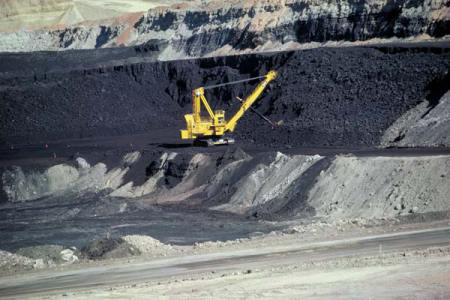
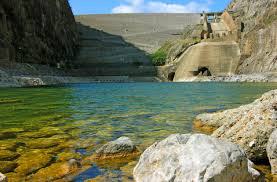
Currently, the two regional neighbours are grappling with insufficient power supply as demand increases with economic growth and rural electrification programmes that are putting more people on the grid.

Excerpt from Uganda: Kenya and Uganda Eye Nuclear Power, allAfrica.com, Apr. 19, 2015

Boycotting Coal

Chinese coal  consumption dipped by 1.6% in 2014, despite economic growth of 7.3%. The country’s voracious appetite for steel is peaking, damping demand for coking coal. Worries about pollution mean that demand for thermal coal, as used in power stations, is slackening too. Water conservation is another concern for policymakers—on current trends coal could account for a quarter of China’s water use by 2020 and coal reserves are mainly in the most parched regions. Its coal-fired plants are running at only 54% of capacity, a 35-year low. In Beijing two big coal-fired plants closed this week; the capital’s last one will shut down next year.

Another prop to demand has been power generation in rich countries. But in America coal now struggles to compete with natural gas, which has fallen by 80% in price since 2008. Domestic coal use there peaked in 2007. European consumption soared after Germany’s hasty decision to close its nuclear-power plants. But gas and renewables are eating into that.

Coalswarm, an environmental think-tank, says in a new report that two-thirds of coal-fired power plants proposed worldwide since 2010 have been stalled or cancelled…. Overall, Europe and America have already cut coal-fired generation capacity by over a fifth in a decade. The output of American coal mines dropped to 1993 levels in 2013.

Political pressure is growing against the most carbon-intensive fossil fuel. Coal provides 40% of the world’s electricity. But of 1,617GW of global capacity, 75% is of the dirtiest kind…. The chimneys of all but the most modern coal plants also emit plenty of other nasties. Mercury emissions stunt young brains. Sulphur and nitrous oxides scald lungs. Overall, coal kills around 800,000 people a year, most of them poor. In China it is responsible for up to a sixth of the particulates most dangerous for human health.

In America the coal and electric-utility industries are fighting the Environmental Protection Agency’s attempts to curb emissions of CO2, mercury and other toxins contained in coal. On March 25th, 2015 the Supreme Court heard arguments by some state governments, backed by the miners and utilities, that the agency has failed duly to consider the cost of its measures against mercury (see article).

Campaigners reckon 80% of the world’s coal reserves must stay in the ground if the planet is to stand a chance of keeping global warming under 2ºC by 2050. A divestment movement akin to the apartheid-era campaign to boycott South Africa is under way in many universities. Stanford may dump its coal investments and Oxford University is under pressure to do likewise. The World Bank no longer invests in coal-fired plants. Last year Norway’s sovereign-wealth fund dumped its holdings in more than 50 coal companies worldwide. South Korea recently introduced a carbon cap-and-trade scheme which punishes coal….

Furthermore, in some emerging markets, India especially, demand for coal is set to continue rising—so overall global demand may not peak until at least the 2030s. This week India’s government predicted a 19% rise in the country’s coal imports in this fiscal year. But thereafter the plan is to bring in private contractors to develop India’s untapped coalfields, and then to phase out all thermal-coal imports. If so, that will be grim news for the Indonesian, Australian and South African mining firms that are supplying India at the moment.

Even though some other developing nations’ coal imports will grow in future, coal companies are having to face up to a crisis now. Some are cutting costs and getting ready for a wave of consolidation. Others are litigating and lobbying against change.

Excerpts from Coal Mining: In the Depths, Economist, Mar. 28, 2015, at 65

Green Dams that Kill

A planned mega-dam in Guatemala, whose carbon credits will be tradable under the EU’s emissions trading system, has been linked to grave human rights abuses, including the killing of six indigenous people, two of them children.  Several European development banks and the World Bank’s International Finance Corporation (IFC) have provided funds for the $250m (£170m) Santa Rita dam.

But human rights groups back claims from the Mayan community that they were never consulted about the hydro project, which will forcibly displace thousands of people to generate 25MW of energy, mostly for export to neighbouring countries.  The issue has become a focus of indigenous protest in Guatemala – which has led to a march on the capital and severe political repression.

“At the moment our community is living under the same conditions as they did during the war,” Maximo Ba Tiul, a spokesman for the Peoples’ Council of Tezulutlán told the Guardian. “Our civilian population is once again being terrorised by armed thugs.”  Around 200,000 Mayans died or were “disappeared” during the civil war of the early 1980s, leading to the conviction of the country’s former president, Efraín Ríos Montt, in 2013 on genocide charges.

Augusto Sandino Ponce, the son of a local landowner who community leaders allege worked as a contractor to Montt’s junta during the civil war, is at the centre of new accusations of human rights violations. Last April Ponce and his bodyguards allegedly opened fire on a Mayan community ceremony in which families asked the Earth for permission to plant their crops. One local man, Victor Juc, was killed and several were injured. Ponce reportedly claims he was acting in self defence…

In a letter to the United Nations Framework Convention on Climate Change’s (UNFCCC) clean development mechanism (CDM) executive board,  the People’s Council of Tezulutlán outlined a litany of human rights abuses in the region, including kidnappings, evictions, house burnings, attacks by men wielding machetes and guns, and the arrest of community leaders.  The council also says that an environmental impact assessment for the dam suggests that it would create a 40ft-high wall, flooding local communities and depriving them of access to water, food, transport and recreation.  In approving projects, the CDM board pursues a narrow remit focused on emissions reductions. The reign of terror in the Alta Verapaz region, falls outside it – as did similar events in Honduras….

Perhaps the most shocking incident took place on 23 August 2013, when two children were killed by an allegedly drunken Santa Rita hydroelectricity company worker looking for David Chen, a community leader in the Monte Olivo region.   Chen was meeting with the rapporteur of the Inter American Commission on Human Rights at the time. When the worker could not find him, he is said to have lined up two of Chen’s nephews, David Stuart Pacay Maaz, 11 and Haggai Isaac Guitz Maaz, 13, and killed them with a single bullet to one child’s head that continued through the throat of the other. The killer has since been killed himself.  The annual report of the UN’s High Commissioner for Human Rights implicitly blamed the approval of the dam project for the killings….

Eva Filzmoser, the director of Carbon Market Watch said: “We want the CDM board to take responsibility and establish a grievance and redress mechanism for local communities to appeal, ask for problematic decisions to be rescinded and gain redress. We will be pushing for this at the Paris climate summit to apply to all forms of climate finance in the future.”Efforts to reform the CDM were boosted last month, when 18 countries signed a “Geneva declaration” calling for human rights norms to be integrated into UNFCCC climate decisions….Signatory countries to the declaration include France, Sweden, Ireland, Mexico, Uruguay and Peru.

Excerpts Green’ dam linked to killings of six indigenous people in Guatemala, Guardian, Mar. 26, 2015

Weather Modification in China

China aims to induce more than 60 billion cubic metres of additional rain each year by 2020, using an “artificial weather” programme to fight chronic water shortages…China’s water resources are among the world’s lowest, standing at 2,100 cubic metres per person, or just 28 per cent of the world average. Shortages are particularly severe in the country’s northeast and northwest.

China has already allocated funds of 6.51 billion yuan (S$1.45 billion) for artificial weather creation since 2008, the State Council, or cabinet, said in a document setting out the programme from 2014 to 2020. “Weather modification has an important role to play in easing water shortages, reducing natural disasters, protecting ecology and even safeguarding important events,” it added.  The figure of 60 billion cu.m is equivalent to more than one-and-a-half times the volume of the Three Gorges reservoir, part of the world’s largest hydropower plant.

China sets 2020 “artificial weather” target to combat water shortages, Reuters, Jan. 13, 2015

Exploiting Himalaya Rivers

Himalayan rivers, fed by glacial meltwater and monsoon rain, offer an immense resource. They could spin turbines to light up swathes of energy-starved South Asia. Exports of electricity and power for Nepal’s own homes and factories could invigorate the dirt-poor economy. National income per person in Nepal was just $692 last year, below half the level for South Asia as a whole.

Walk uphill for a few hours with staff from GMR, an Indian firm that builds and runs hydropower stations, and the river’s potential becomes clear. An engineer points to grey gneiss and impossibly steep cliffs, describing plans for an 11.2km (7-mile) tunnel, 6 metres wide, to be blasted through the mountain. The river will flow through it, before tumbling 627 metres down a steel-lined pipe. The resulting jet—210 cubic metres of water each second—will run turbines that at their peak will generate 600MW of electricity.  The project would take five years and cost $1.2 billion. It could run for over a century—and produce nearly as much as all Nepal’s installed hydropower.

Trek on and more hydro plants, micro to mighty, appear on the Marsyangdi. Downstream, China’s Sinohydro is building a 50MW plant; blasting its own 5km-long tunnel to channel water to drive it. Nearby is a new German-built one. Upstream, rival Indian firms plan more. They expect to share a transmission line to ill-lit cities in India.

GMR officials in Delhi are most excited by another river, the Upper Karnali in west Nepal, which is due to get a 900MW plant. In September the firm and Nepal’s government agreed to build it for $1.4 billion, the biggest private investment Nepal has seen.

Relations between India and Nepal are improving. Narendra Modi helped in August as the first Indian prime minister in 17 years to bother with a bilateral visit. Urged by him, the countries also agreed in September to regulate power-trade over the border, which is crucial if commercial and other lenders are to fund a hydropower boom…. Another big Indian hydro firm agreed with Nepal’s government, on November 25th, to build a 900MW hydro scheme, in east Nepal, known as Arun 3. Research done for Britain’s Department for International Development suggests four big hydro projects could earn Nepal a total of $17 billion in the next 30 years—not bad considering its GDP last year was a mere $19 billion.

All Nepal’s rivers, if tapped, could feasibly produce about 40GW of clean energy—a sixth of India’s total installed capacity today. Add the rivers of Pakistan, Bhutan and north India and the total trebles.  Bhutan has made progress: 3GW of hydro plants are to be built to produce electricity exports. The three already generating produce 1GW out of a total of 1.5GW from hydro. These rely on Indian loans, expertise and labour….

A second reason, says Raghuveer Sharma of the International Finance Corporation (part of the World Bank), was radical change that opened India’s domestic power market a decade ago. Big private firms now generate and trade electricity there and look abroad for projects. India’s government also presses for energy connections over borders, partly for the sake of diplomacy. There has even been talk of exporting 1GW to Lahore, in Pakistan—but fraught relations between the two countries make that a distant dream.

An official in India’s power ministry says South Asia will have to triple its energy production over the next 20 years. Integrating power grids and letting firms trade electricity internationally would be a big help. It would expand market opportunities and allow more varied use of energy sources to help meet differing peak demand. Nepal could export to India in summer, for example, to run fans and air conditioners. India would export energy back uphill in winter when Nepali rivers dry and turbines stop spinning.

Governments that learn to handle energy investments by the billion might manage to attract other industries, too. Nepal’s abundant limestone, for example, would tempt cement producers once power supplies are sufficient. In the mountains, it is not only treks that are rewarding.

South Asia’s Hydro-Politics: Water in them hills, Economist, Nov. 29, 2014, at 38

Artificial Reefs

Reefs improvised from junk often do not work well. Corals struggle to colonise some metals, and cars and domestic appliances mostly disintegrate in less than a decade. Some organisms do not take to paints, enamels, plastics or rubber. Precious little sea life has attached itself to the 2m or so tyres sunk in the early 1970s to create a reef off Fort Lauderdale, Florida. Tyres occasionally break free, smash into coral on natural reefs and wash ashore.

Yet building artificial reefs that are attractive to marine life can pay dividends. Some of the reefs built in Japanese waters support a biomass of fish that is 20 times greater than similarly sized natural reefs, says Shinya Otake, a marine biologist at Fukui Prefectural University. He expects further gains from a decision by the Japanese government to build new reefs in deep water where they will be bathed in nutrients carried in plankton-rich seawater welling up from below.

The potential bounty was confirmed in a recent study by Occidental College in Los Angeles. Over five to 15 years researchers surveyed marine life in the vicinity of 16 oil and gas rigs off the Californian coast. These were compared with seven natural rocky reefs. The researchers found that the weight of fish supported by each square metre of sea floor was 27 times higher for the rigs. Although much of this increase comes from the rigs providing fish with the equivalent of skyscraper-style living, it suggests that leaving some rigs in place when production ceases might benefit the environment.

Making reefs with hollow concrete modules has been especially successful. Called reef balls, these structures are pierced with holes and range in height up to 2.5 metres. The design is promoted by the Reef Ball Foundation, a non-profit organisation based in Athens, Georgia. Reef balls can be positioned to make the most of photosynthesis and for plankton to drift slowly across their curved inner surface. This improves the nourishment of plants and creatures setting up home within. A hole in the top reduces the chance of them being moved about by storm currents.

Concrete used to make a reef ball is mixed with microsilica, a silicon-dioxide powder, to strengthen the material and lower its acidity level to be more organism-friendly. The balls are cast from fibreglass moulds, which are typically sprayed with a sugary solution before the concrete is poured. This creates tiny hollows which provide a foothold for larval corals. Over 500,000 reef balls have been placed in the waters of more than 60 countries, and each one should last for some 500 years, says the foundation.

The value of artificial reefs has been boosted by the spread of GPS devices and sophisticated sonars on boats. This allows fishermen to locate the subsea structures precisely. It is necessary to be directly above the reef to reel in more fish, says David Walter of Walter Marine, an Alabama company that used to sink vehicles for fishermen but now places pyramid-shaped, hurricane-resistant steel, concrete and limestone structures to create artificial reefs. These constructions can cost nearly $2,000, but many fishermen consider them to be a good investment, especially to catch red snapper.

Using underwater drones for long-term studies of reefs and their associated marine life is also helping improve designs. Sensors can be installed on reefs to monitor boat traffic and activities such as fishing and scuba diving.

Perhaps the most innovative way to build a reef involves anchoring a frame made with steel reinforcing bars to the sea floor and zapping it continuously it with electricity. This causes minerals dissolved in seawater to crystallise on the metal, thickening the structure by several centimetres a year. Biorock, as the resulting material has been trademarked, becomes stronger than concrete but costs less to make. More than 400 “electrified” reefs, many the size of a small garage, have been built this way. Three-quarters of them are in the ocean around Indonesia.

Excerpts, Artificial reefs: Watery dwellings, Economist, Dec.6, 2014,  Technology Quarterly,  at 4

Who Slaughters the Elephants?

Across Africa the illegal slaughter of elephants is accelerating at such a pace—recent estimates put the number killed at 100,000 in just three years—that it threatens to exterminate whole populations. The worst of this butchery takes place in Tanzania, the biggest source of illegal ivory.

Every third poached elephant in Africa dies on the watch of Tanzania’s president, Jakaya Kikwete…One contributing factor may be the government’s failure to investigate and if necessary prosecute high-level offenders. Some of these are said to be closely connected to the ruling Party of the Revolution (CCM), which has dominated the politics of Tanzania since the country’s mainland became independent.  State corruption runs through Tanzania’s illegal ivory trade from savannah to sea. At the bottom of the poaching networks are hired helpers who are often recruited from the armed forces. If caught, officers are transferred to new posts rather than fired. Some allege that soldiers rent out guns to poachers….

Police have even been known to escort convoys of illicit ivory….Other armed forces and governments are also said to be involved. A report by the Environmental Investigation Agency, a non-profit group in London, documents involvement in the illegal ivory trade by Chinese government and military officials. Yet it is allegations of corruption closer to the top of the Tanzanian ruling party that are of the greatest concern

Tanzania’s dwindling elephants: Big game poachers, Economist, Nov. 8, 2014, at 53

Keystone XL: 2014 Update

Keystone XL makes environmentalists livid… Oil extracted from Canada’s tar sands produces about 17% more carbon dioxide than conventionally-pumped supplies do—largely thanks to the energy needed to get it out of the ground. The process uproots forests and leaves toxic lakes behind. A pipeline carrying Canadian oil to Gulf coast refineries would lower the cost of getting such oil to market, so it might encourage energy firms to extract more…

Canadian oil is already getting to market, points out Charles Ebinger of the Brookings Institution, a think-tank—just mostly by barge and train. A new pipeline would ease the strain on Canada’s railways and increase the profitability of extracting the oil. But compared with swings in global oil prices, the effect will be small. Nor will many jobs be created. Most of those 42,000 are temporary posts; just 35 full-time permanent employees will be needed to run the pipeline.  Oddly, the project may not matter much in Louisiana. If completed, Keystone XL will deliver oil to Texas…

Excerpt from: Keystone XL: Back in the Pipeline, Economist, Nov. 22, 2014, at 26

Floating Power Plants: Cayman Islands

A United States company OTEC International is in talks with Caribbean Utilities Company (CUC), Grand Cayman’s electrical provider, to supply renewable energy to the island via Ocean Thermal Energy from a platform at North Side.  According to the company:

“The Cayman Islands has documented its storm history with precision, which made it easier for OTEC International to identify locations where  Floating Power Platforms (FPPs) can be securely sited and appropriately designed to survive strong storm conditions.  The first phase of the Cayman project would be the generation of 6.25-MW renewable electricity* from an FPP that would be permanently moored less than a mile from shore. At this distance from shore, the plant’s visual impact will be minimal because of the platform’s overall low profile. The power generated would be transported to a substation onshore via cable and connected to the island’s CUC grid…..A comprehensive Environmental Impact Assessment (EIA) will be completed before the project can receive all necessary licenses and permits from various governmental authorities.”

*This type of ocean-thermal electricity plant takes advantage of the temperature difference between warm surface water and cold deep seawater.

Excerpts from Company providing floating ocean power platform technology to supply renewable energy to Cayman Islands in talks, Cayman inews, Sept. 21, 2014


Deforestation: mixed picture

In a new study of the Centre for Global Development (CGD), a Washington think-tank, Jonah Busch and Kalifi Ferretti-Gallon look at 117 cases of deforestation round the world. They find that two of the influences most closely correlated with the loss of forests are population and proximity to cities (the third is proximity to roads). Dramatic falls in fertility in Brazil, China and other well-forested nations therefore help explain why (after a lag) deforestation is slowing, too. Demography even helps account for what is happening in Congo, where fertility is high. Its people are flocking to cities, notably Kinshasa, with the result that the population in more distant, forested areas is thinning out.

Two of the countries that have done most to slow forest decline also have impressive agricultural records: Brazil, which became the biggest food exporter of all tropical countries over the past 20 years; and India, home of the green revolution. Brazil’s agricultural boom took place in the cerrado, the savannah-like region south and east of the Amazon (there is farming in the Amazon, too, but little by comparison). The green revolution took place mostly in India’s north-west and south, whereas its biggest forests are in the east and north.

But if population and agricultural prowess were the whole story, Indonesia, where fertility has fallen and farm output risen, would not be one of the worst failures. Figures published inNature Climate Change in June show that in the past decade it destroyed around 60,000 sq km of primary forests; its deforestation rate overtook Brazil’s in 2011. Policies matter, too—and the political will to implement them.

The central problem facing policymakers is that trees are usually worth more dead than alive; that is, land is worth more as pasture or cropland than as virgin forest. The benefits from forests, such as capturing carbon emissions, cleaning up water supplies and embodying biodiversity, are hard to price….The most successful policies therefore tend to be top-down bans, rather than incentives (though these have been tried, too). India’s national forest policy of 1988 explicitly rejects the idea of trying to make money from stewardship. “The derivation of direct economic benefit”, it says, “must be subordinated to this principal aim” (maintaining the health of the forest). In Brazil 44% of the Amazon is now national park, wildlife reserve or indigenous reserve, where farming is banned; much of that area was added recently. In Costa Rica half the forests are similarly protected. In India a third are managed jointly by local groups and state governments.

Top-down bans require more than just writing a law. Brazil’s regime developed over 15 years and involved tightening up its code on economic activity in forested areas, moratoriums on sales of food grown on cleared land, a new land registry, withholding government-subsidised credit from areas with the worst deforestation and strengthening law enforcement through the public prosecutor’s office. (The most draconian restriction, requiring 80% of any farm in the Amazon to be set aside as a wildlife reserve, is rarely enforced.)

Two developments make bans easier to impose. Cheaper, more detailed satellite imagery shows in real time where the violations are and who may be responsible. Brazil put the data from its system online, enabling green activists to help police the frontier between forest and farmland. Its moratoriums on soyabeans and beef from the Amazon, which require tracing where food is coming from, would not have worked without satellites…

The Forestry Ministry of Indonesia, [on the other hand] is rated the most corrupt among 20 government institutions by Indonesia’s Corruption Eradication Commission in 2012. Some within government are hostile to anti-deforestation schemes, which they see as “foreign”, says Ade Wahyudi of Katadata, an Indonesian firm of analysts. Perhaps the biggest problem is the lack of a single, unified map including all information on land tenure and forest licensing: efforts to create one have been slowed by unco-operative government ministries and difficulties created by overlapping land claims.

Excerpts from Tropical Forests: A Clearing in the Trees, Economist,  Aug. 23, 2014, at 56

Making Nuclear Power in Vietnam

American firms have urged the US Congress to ratify the Vietnam-US cooperation agreement in the nuclear sector in order to create more jobs, and Russia and Japan have signed nuclear cooperation agreements with Vietnam….  [T]he Vietnamese and US representatives signed a Vietnam-US nuclear cooperation agreement in Hanoi on May 6, 2014 (Agreement 123)….

The US Nuclear Energy Institute (NEI) and the US nuclear energy firms have unanimously urged the US Congress to ratify the agreement soon, emphasizing that the strengthened cooperation with Vietnam in the sector would help boost exports and create more jobs.  The US firms can expect to earn $10-20 billion from the deals with Vietnam.

Vietnam plans to produce 10,000 MW  of nuclear electricity by 2030. It is believed to be the second largest nuclear power market in East Asia following to China, while market value is expected to reach $50 billion in the next two decades.  According to the World Nuclear Association (WNA), rapid modernization in Vietnam has led to a sharp increase in the demand for electricity, estimated to increase by 10-15 percent per annum.  David Durham from GE Hitachi Nuclear Energy (GHE) has warned that if the US Congress does not ratify the agreement, US firms will lose the lucrative market of Vietnam.

Excerpts from Vietnam nuclear power market eyed by three major countries, VietNamNet Bridge, Sept. 7, 2014

Weather Modification in India

State governments, tea estate owners, politicians and even some insurance companies are exploring cloud-seeding options. The process involves seeding clouds with chemicals that will lead them to promote precipitation or rain. (The process is also used to boost snowfall and curb hailstones and fog.)  [Indian] companies involved in cloud seeding such as Myavani, Kyathi Climate Modification Consultants [affiliated  with US based Weather Modification Inc.]and Agni Aero Sports expect business to grow as much as a fourth this year over 2012, when the country last saw weak rains.

Bangalore-based Agni Aero Academy, which has been involved in cloud seeding in India since 2003 and undertook cloud-seeding projects for MCGM [Municipal Corporation of Greater Mumbai]  in 2009 and the Karnataka government in 2012, expects a pickup in business.

Girish Odugoudar, 33, of Myavani, which has jointly bid for the Mumbai project along with US National Centre for Atmospheric Research, is aiming to establish his business. “We have the infrastructure and capability and success in one project should open many doors,” he said.

Excerpts, Madhvi Sally, Artificial rainfall: Cloud seeding companies may play rainmakers
Madhvi Sally, the Economic Times of India, July 23, 2014,

China in the North Pole

China is interested in the Arctic. On July 11th, 2014 its icebreaker, Xue Long (“Snow Dragon”), embarked on the country’s sixth Arctic expedition, with 65 scientists on board. A new 1.3 billion yuan ($210m) icebreaker will soon be launched, and last December  [2013] a China-Nordic research centre was opened in Shanghai.

New freight opportunities interest China along the Northern Sea Route (NSR) as ice recedes. In 2010 four ships took the route. Last summer 71 vessels did so. Each ship that takes the route must, at certain points, be accompanied by an ice-breaker, so it is unclear how soon the NSR will be suitable for mass transit, if at all.

Some climate models predict the Arctic Ocean could be ice-free in summer by the middle of this century. The route cuts the distance between Rotterdam and Shanghai by 22% and Yang Huigen of the Polar Research Institute of China has predicted that 5-15% of China’s international trade will use the NSR by 2020. But Linda Jakobson, of the US Studies Centre at the University of Sydney, says that is a “rather optimistic assessment” and that talk of the NSR as a new Suez Canal is overblown. Weather conditions and environmental sensitivities will make the route a difficult one.

As for energy, China is one of the biggest investors in mining in Greenland. A deal with Rosneft, a state-controlled Russian company, will explore offshore Arctic fields for oil. But the undersea resources in the Arctic are largely within the Exclusive Economic Zones of the littoral states (notably Russia), so if China wants to look for energy it will have to do so jointly…

But the new Chinese presence is not without concerns. Huang Nubo, a tycoon, recently bought 100 hectares (250 acres) of land in northern Norway and has bid for a plot on the island of Svalbard, where China has a research station. He aims to develop a resort for Chinese tourists. Mr Huang had similar plans in Iceland in 2011, but local protests quashed them. A Norwegian newspaper has called him a “suspected imperialist”.

China and the Arctic: Polar bearings, Economist, July 12, 2014, at 39


Tar Sands from Canada to Europe

Canada and the US have threatened to pull out of TTIP [Transatlantic Trade and Investment Partnership] trade talks unless the EU ignores the massive emissions of oil from tar sands – and the EU is collapsing under the pressure…For five long years the federal government and the oil industry have lobbied against the European Union labeling oilsands (also called tar sands) bitumen as ‘dirty oil’ in its Fuel Quality Directive (FQD).  A new report [authored by environmental groups] reveals the how recent involvement of the US in the lobby offensive to keep the EU market open for bitumen exports has tipped the scales in favour of oilsands proponents….

The report shows the EU Fuel Quality Directive, a piece of legislation designed to reduce global warming greenhouse gas (GHG) emissions in the EU’s transportation sector, is unlikely to acknowledge fuels from different sources of oil – conventional oil, oilsands, oil shale – have different carbon footprints.  All oil is the same – no matter how great the disparity in emissions  Instead all oils will more than likely be treated as having the same GHG emissions intensity ‘value’ in the Directive. This is exactly what Canada, the oil industry and now the US have been pushing for…

The EU has not fallen for the federal government’s argument that bitumen produces only marginally more GHG emissions than conventional oil in extraction, processing, and use.  A European Commission study found bitumen’s carbon footprint is between 12% – 40% higher than conventional oil as so much of the bitumen produced from the tar sands is burnt to fuel the energy-intensive extraction process.  The report reveals trade, not science, is the cause of the EU backing off from implementing the Fuel Quality Directive as it was originally meant to be implemented.

The US in some ways has been more open [than Canada] about its lobbying against the Fuel Quality Directive.  US Trade Representative Michael Froman confirmed he “raised these issues [of the FQD implementation] with senior Commission officials on several occasions, including in the context of the Transatlantic Trade and Investment Partnerships (TTIP).” The TTIP is the highly controversial trade agreement between the US and the EU currently under negotiation.  European Commission documents obtained by Friends of the Earth Europe reveal the US trade missions has “substantive concerns” with the Fuel Quality Directive singling out fuels produced from bitumen as having a higher carbon footprint than conventional oil.    Like Canada and the oil industry, the US wants all oil – regardless of GHG emissions – to be treated the same as conventional oil in the Directive…Recently eleven members of US Congress sent a letter to the US trade mission expressing their concerns “that official US trade negotiations could undercut the EU’s commendable efforts to reduce carbon pollution.”

Excerpts, Derek LeahyIgnore tar sands emissions! EU buckles under US, Canada pressure in TTIP talks, Ecologist, July 23, 2014