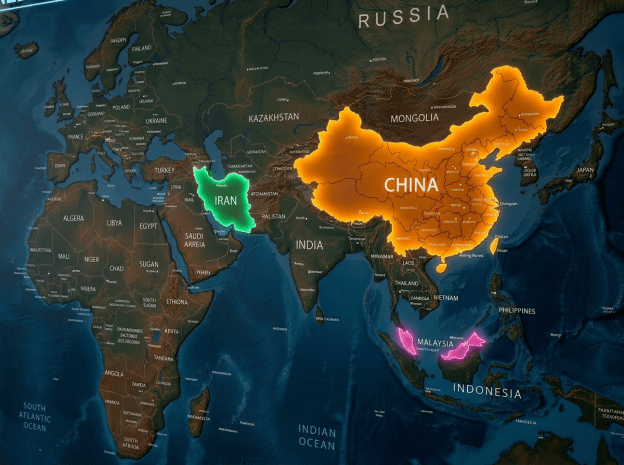
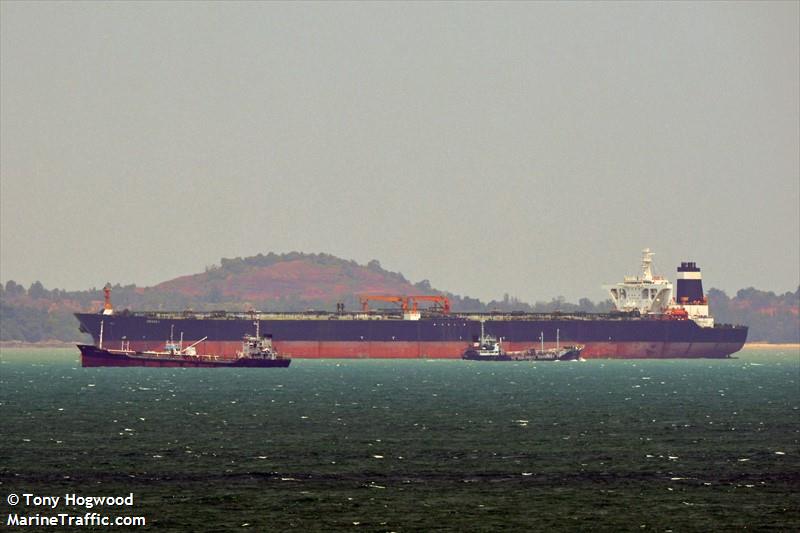
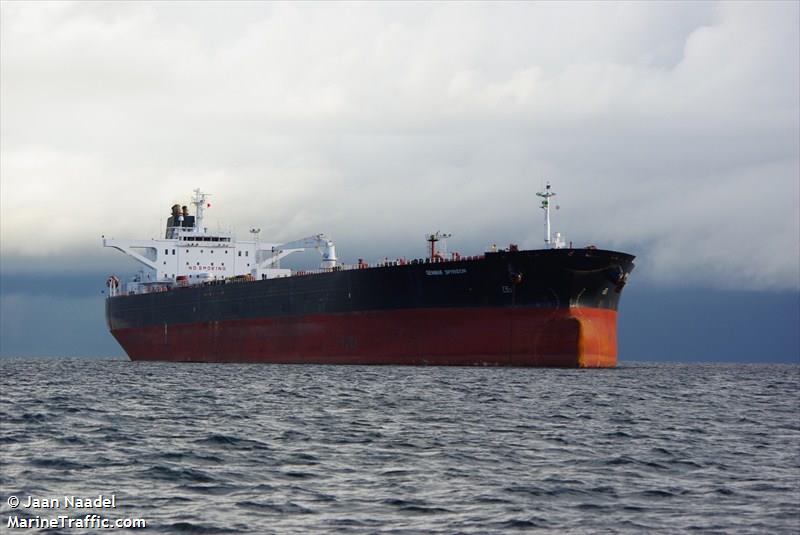
In a nautical no-man’s-land 45 miles off the coast of Malaysia, tankers laden with sanctioned Iranian oil sit low in the water, waiting to offload their cargo to vessels bound for Chinese refineries…The Eastern Outer Port Limits, or EOPL, as the area is known in the shipping industry, has become a pivotal pit stop for the oil, serving as the location of choice for ship-to-ship transfers that Chinese buyers and Iranian sellers use to help dodge the sanctions. Located midway between Chinese and Iranian waters, the roughly 500-square-mile area usually has calm waters and is within Malaysia’s exclusive economic zone, yet outside of its territorial waters. That makes it a legal gray area where there’s little urgency for anyone to claim responsibility.
In one common scenario, a shadow fleet ship picks up oil in Iran and sets sail for the EOPL. There, it transfers the oil to another vessel. Then, the second ship proceeds to China, where the oil is offloaded and sent to a refinery. In addition to helping disguise the oil’s origin, the transfer often moves the crude from a sanctioned ship to an unsanctioned one, lowering risks for the Chinese port that receives it.
Between 2023 and 2025, the number of observed ship-to-ship transfers in the EOPL more than doubled, from 280 to 679, according to United Against Nuclear Iran, or UANI, a U.S.-based advocacy group that uses satellite data to track them, which cited strong Chinese demand.
[In addition] Bunker vessels loiter in the EOPL providing a steady supply of fuel. Support ships carrying supplies or repair crews are commissioned from the shore—at a hefty price, because of the remote location, and to compensate for the sanctions risks that come with servicing the shadow fleet. The area resembles a giant tanker parking lot, with dozens of ships.
Excerpt from Jon Emont et al., The High-Seas Black Market That Keeps Iran’s Illicit Oil Flowing, WSJ, May 27, 2026

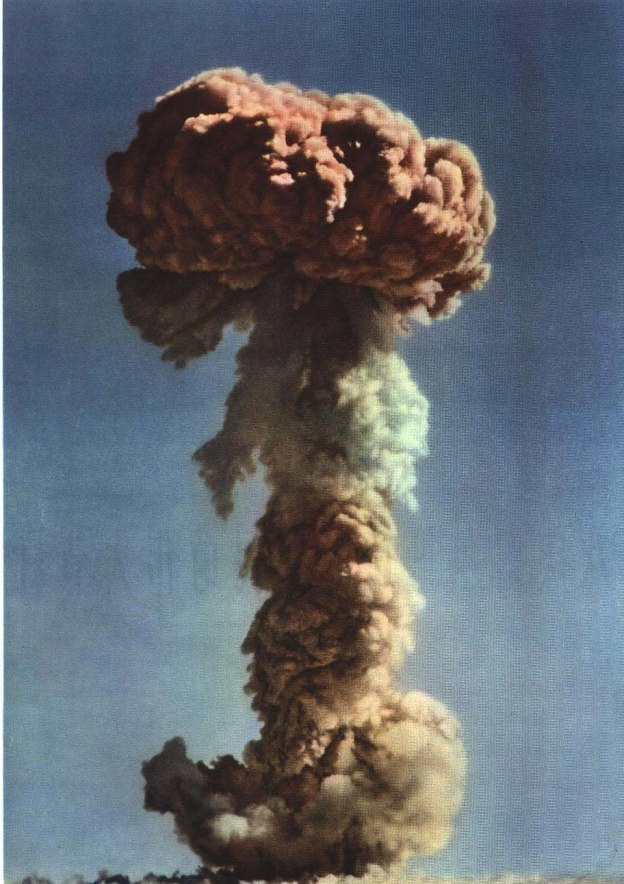


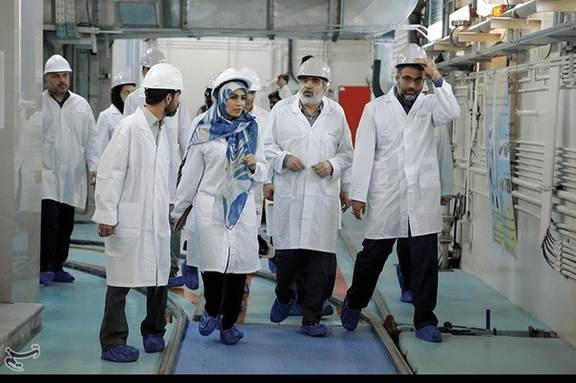


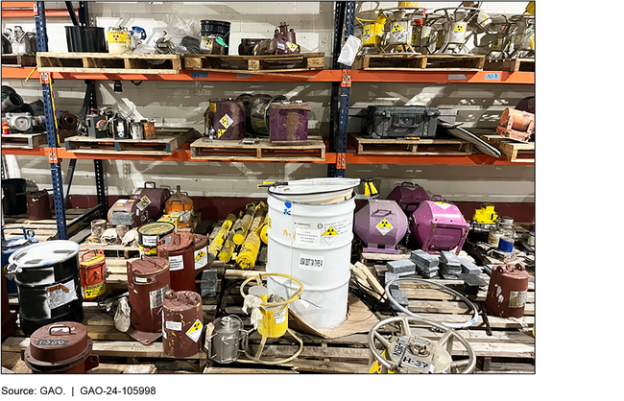
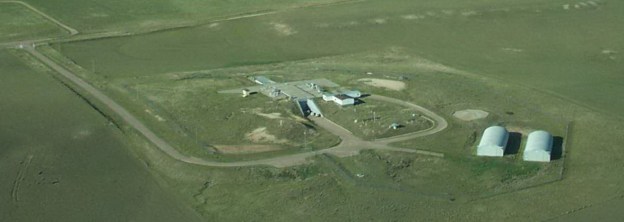

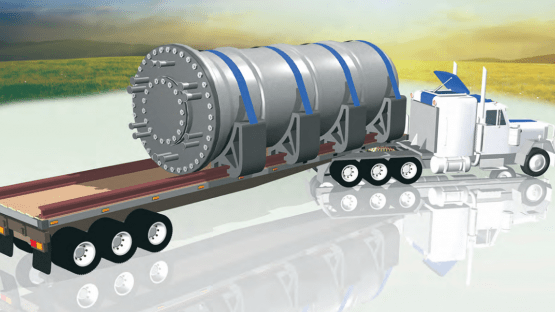


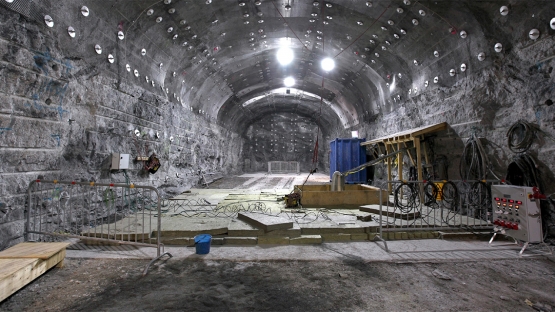
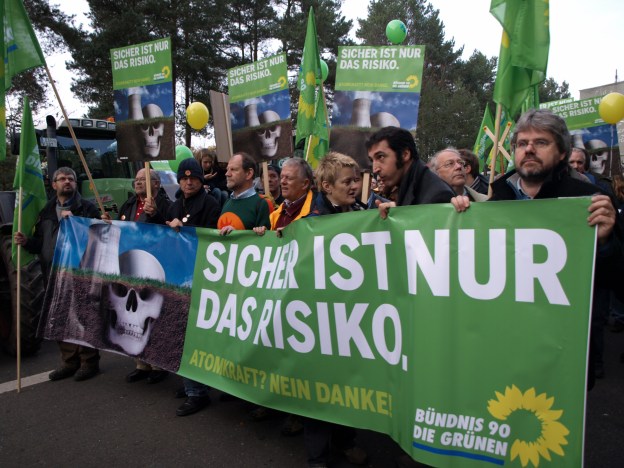

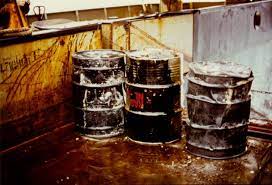

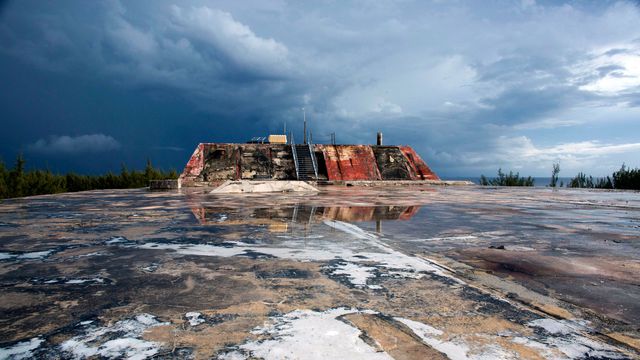
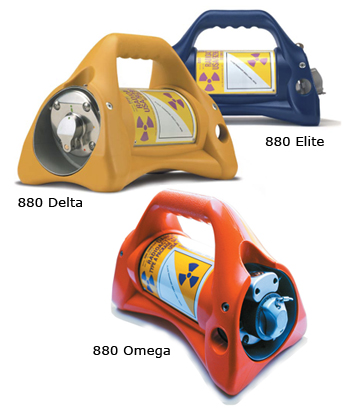
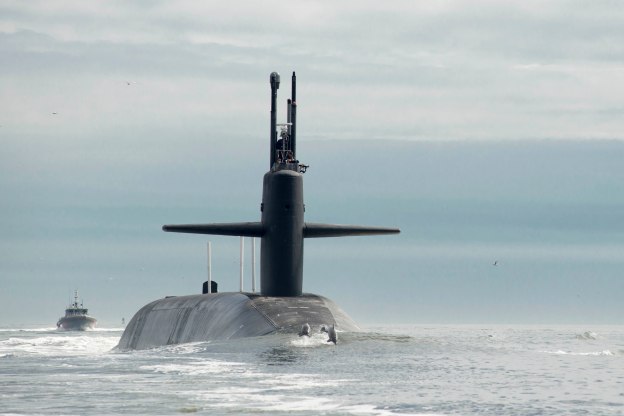

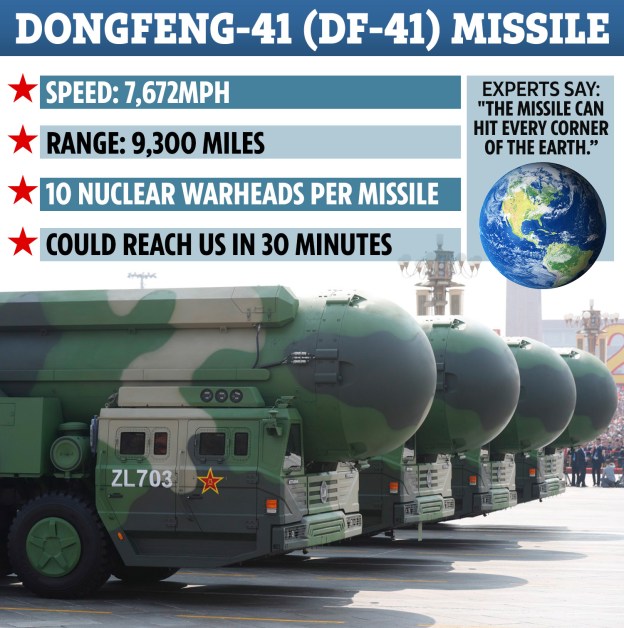
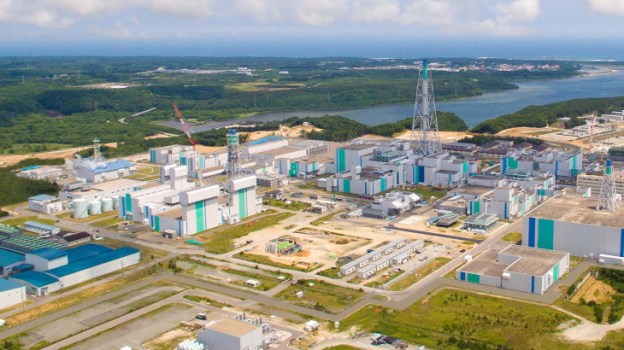

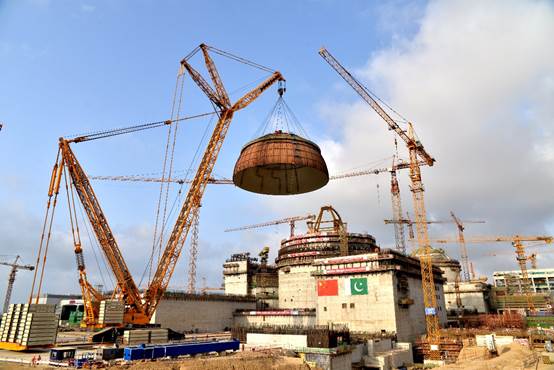
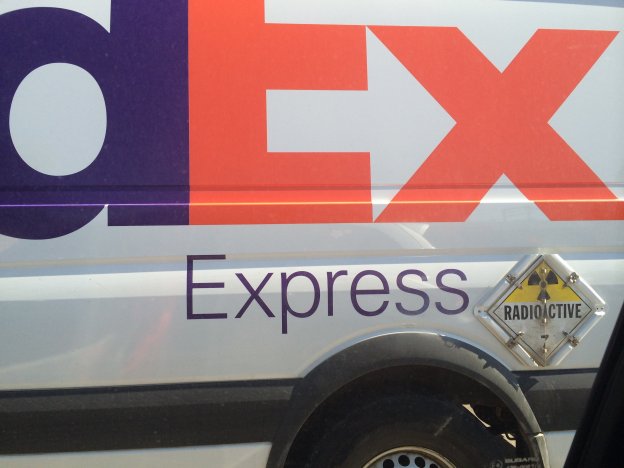
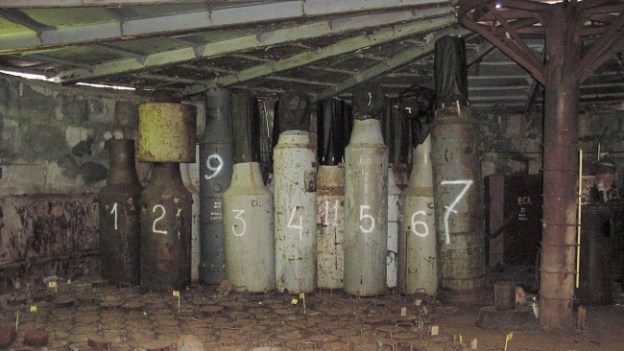

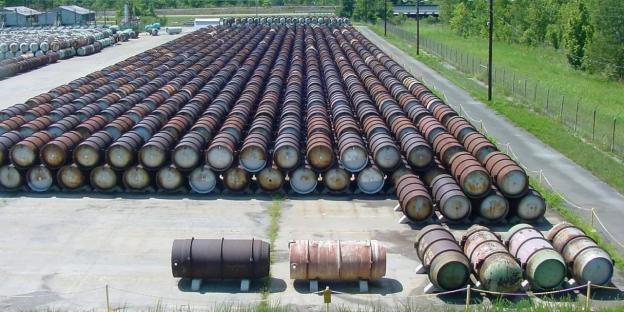
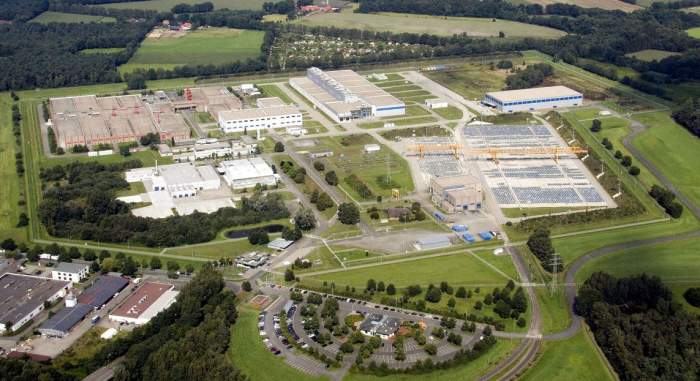

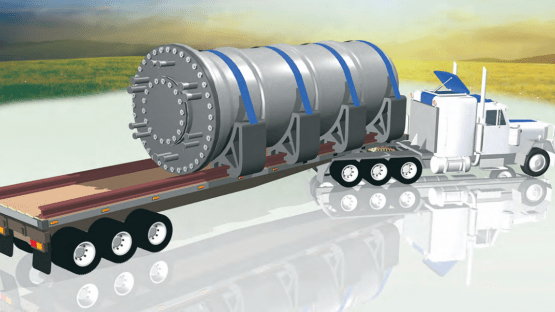
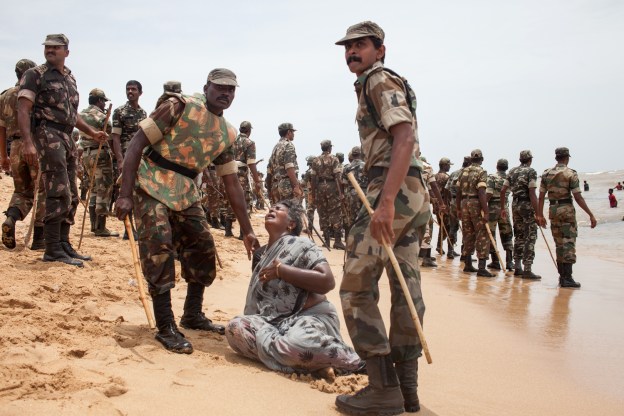
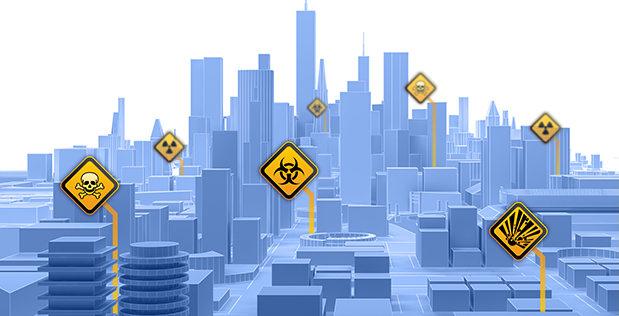
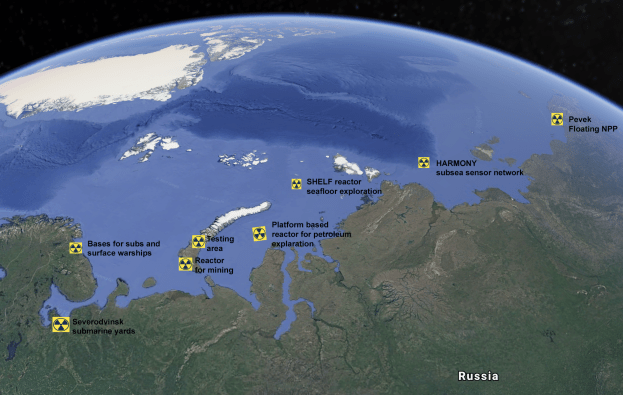
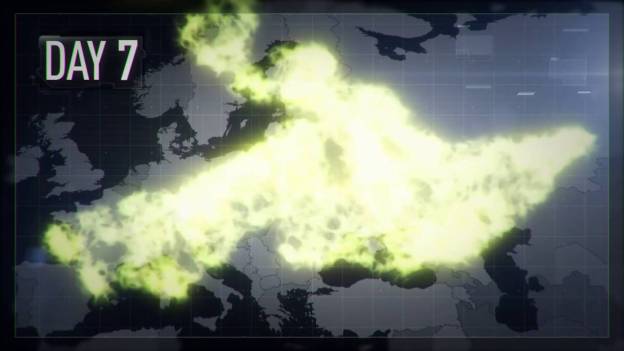

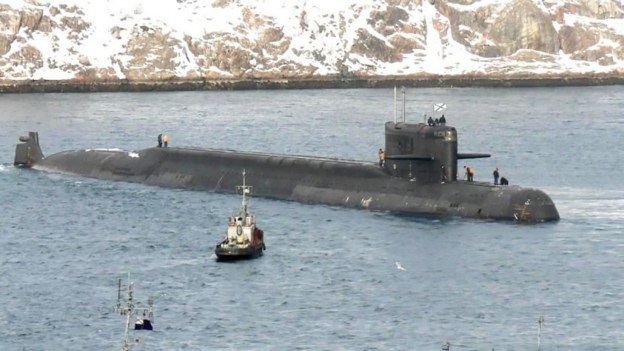
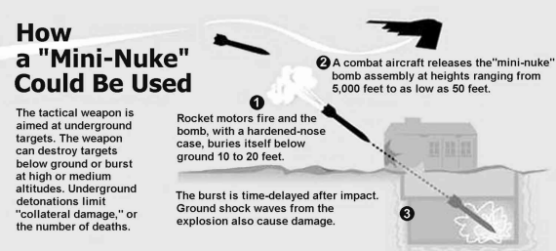
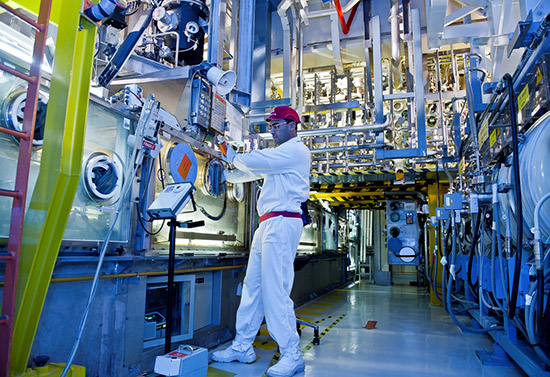
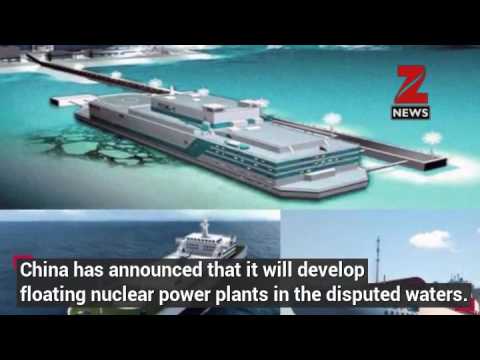

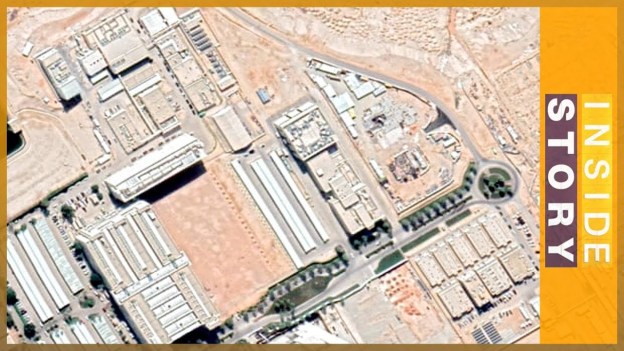
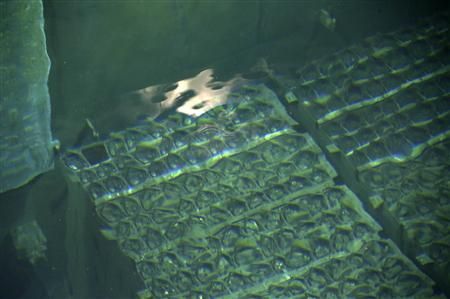

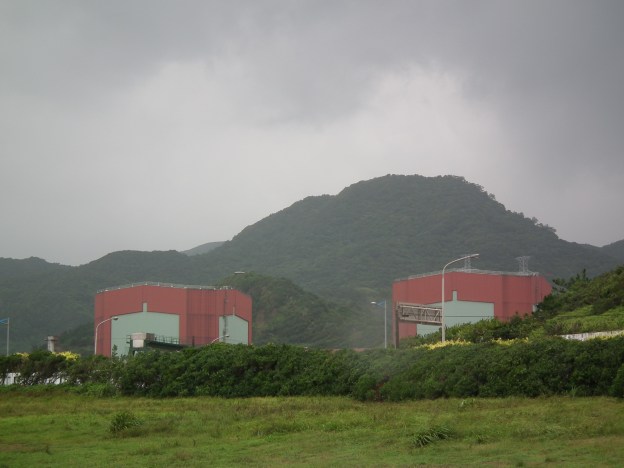

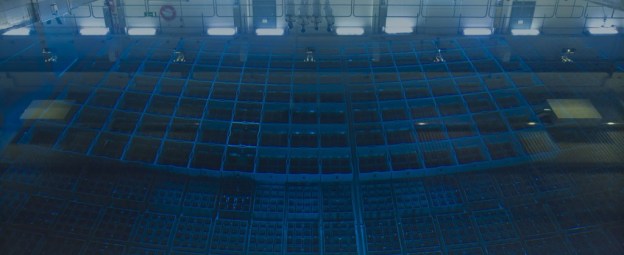
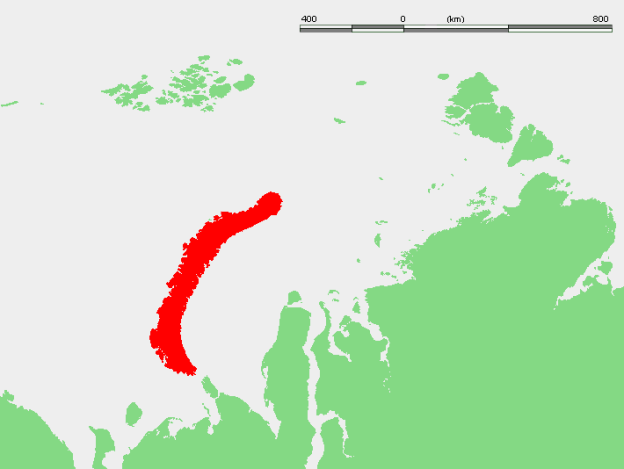
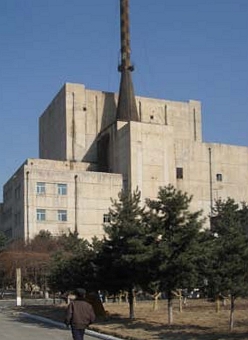
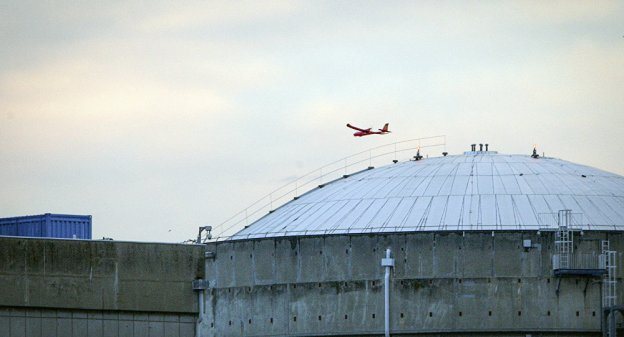
 Greenpeace crashed a drone into the spent-fuel cooling building at the EDF-Bugey nuclear power plant site on July 3, 2018 to demonstrate gaps in the facility’s security. Officials were lucky it was just Greenpeace demonstrating vulnerabilities at the facility, and not a terrorist group intent on attacking the site. This incident highlights why the 2010 US Nuclear Posture Review’s assessment that nuclear terrorism is “today’s most immediate and extreme danger” remains relevant: It underscores the importance of the sustained and persistent six-year effort from 2010 to 2016 to reduce the threat posed by nuclear terrorism, far from the headline nuclear issues of Iran, North Korea, and arms control with Russia…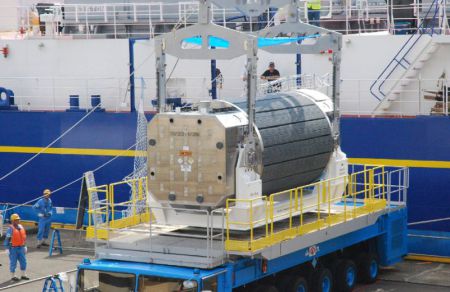
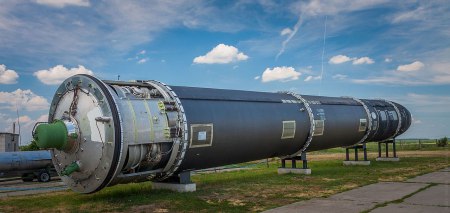
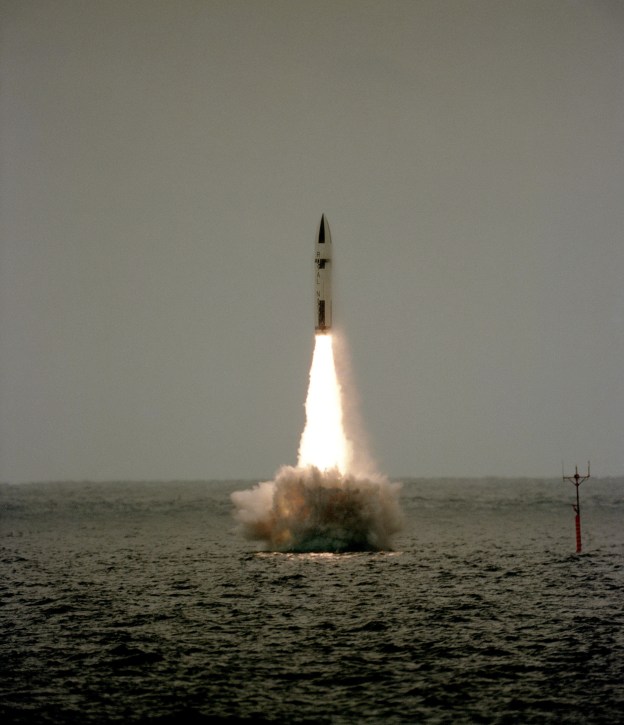
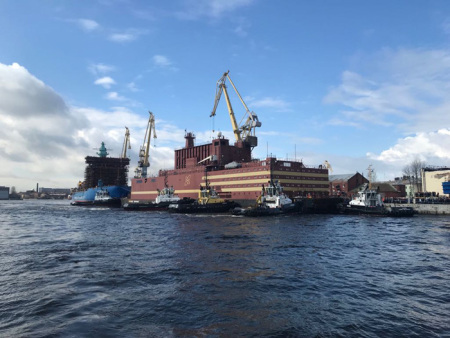


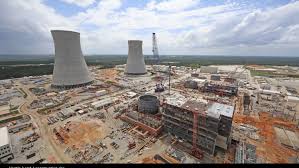
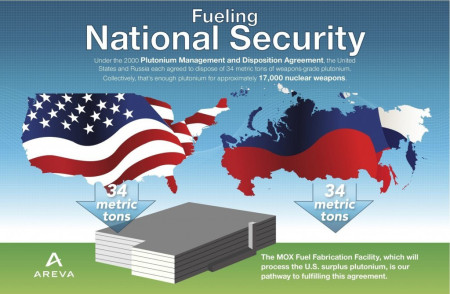
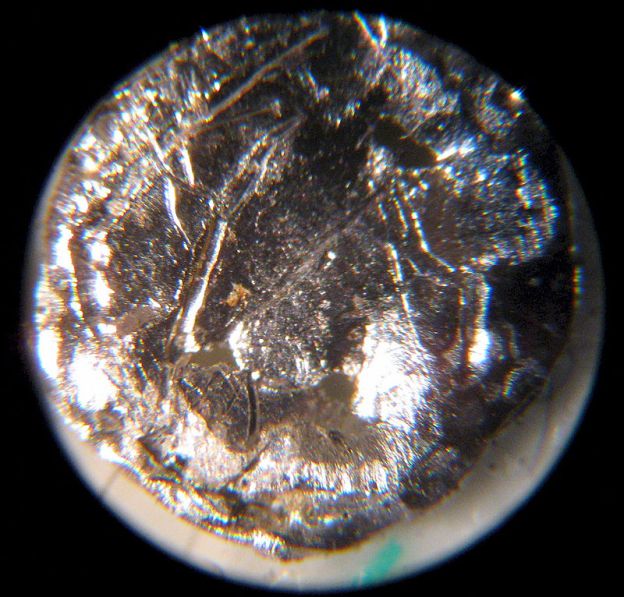
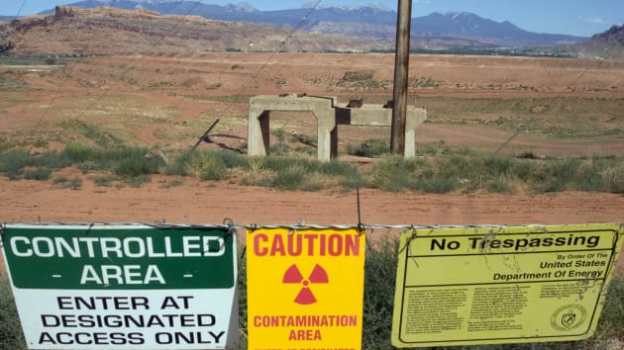
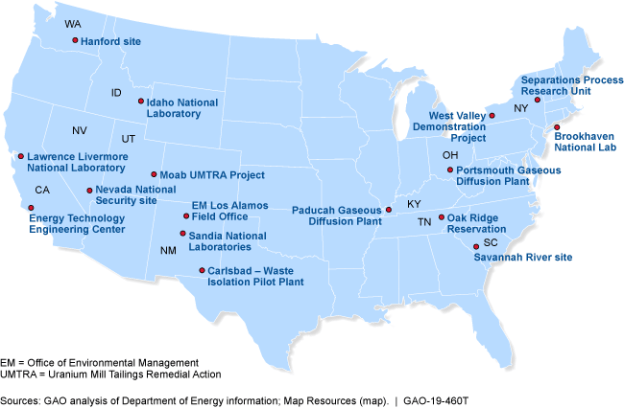
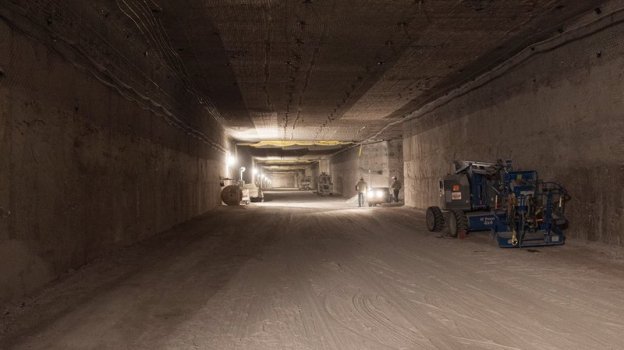
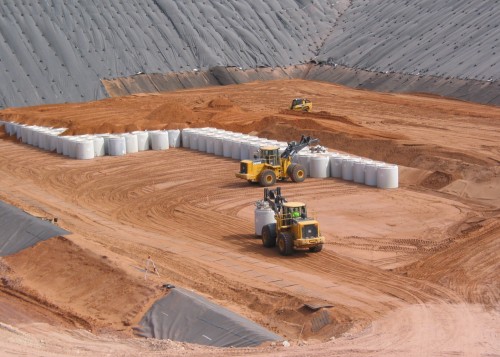
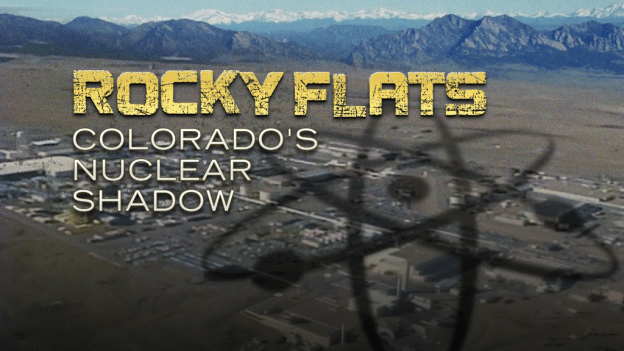
 South Carolina is suing the U.S. government to recover $100 million in fines it says the Department of Energy owes the state for failing to remove one metric ton of plutonium stored there. The lawsuit was filed on August 7, 2017.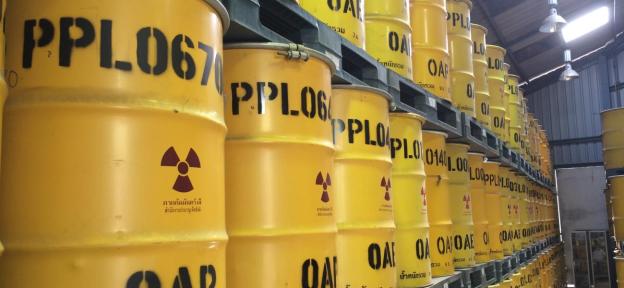


 Law-In-Action