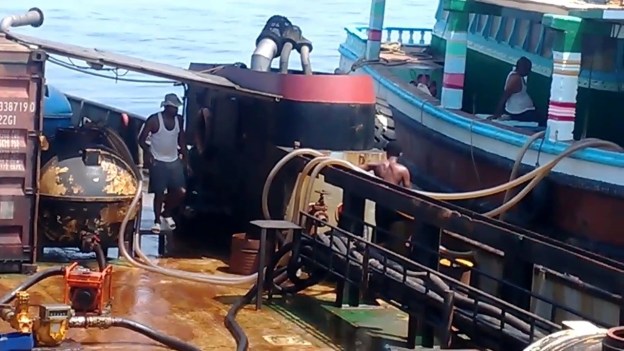
Families of two independent gold prospectors allegedly killed by security forces at a Tanzanian mine are taking their grievances directly to global markets, suing the London Bullion Market Association (LBMA) that certified metal from the deposit as ethically produced. The legal maneuver in the case—going after the London Bullion Market Association rather than the mining company (Barrick Mining), the gold refiner, Tanzanian authorities or the alleged killers—challenges the very system that companies, governments and consumers rely on to ensure the bullion and gold-based goods they buy is certified based on social-responsibility standards.
In court documents, the claimants allege the association, known as the LBMA, “negligently certified gold sourced from the mine as untainted by human-rights abuses,” which “cloaked a pattern of violence at the mine and fueled ongoing violations.” The LBMA said it “denies the claim in full,” and described the case as an attempt to make the association responsible for the actions of entities, such as the police, miners and refiners, it neither controls nor regulates. The LBMA, a nonprofit trade association, however, provides clean-gold certification to metal if it deems producers to have followed its Responsible Gold Guidance. It says it bases its decisions on information from gold refiners, verified by auditors, but doesn’t carry out mine inspections itself.
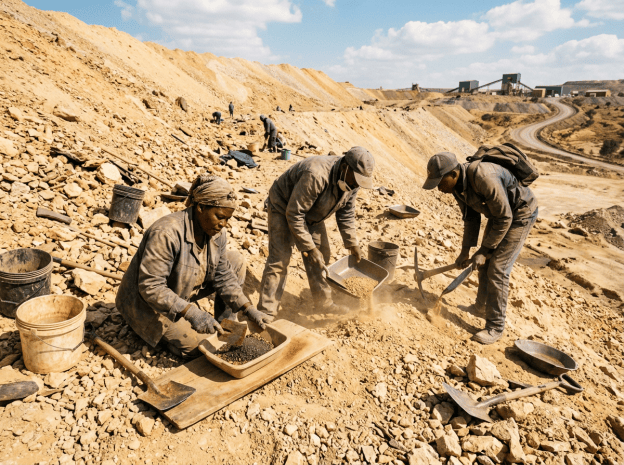
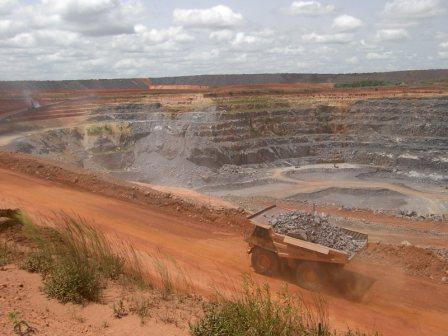
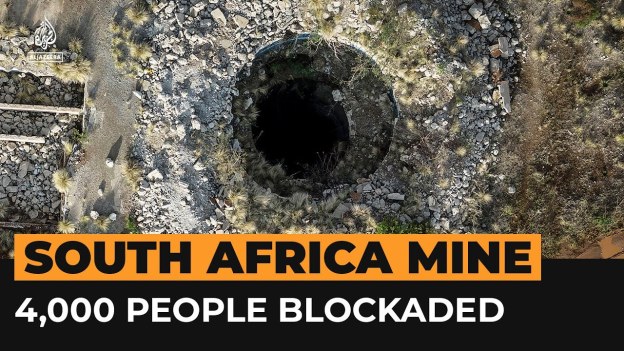
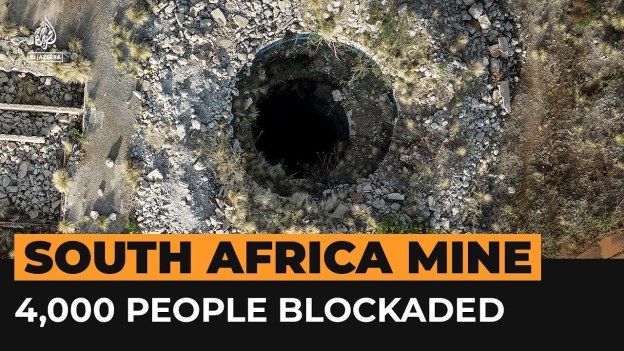
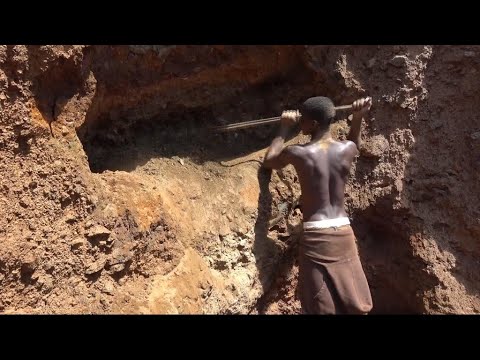
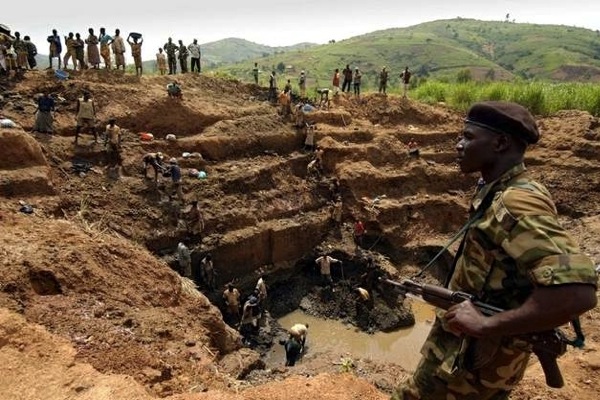
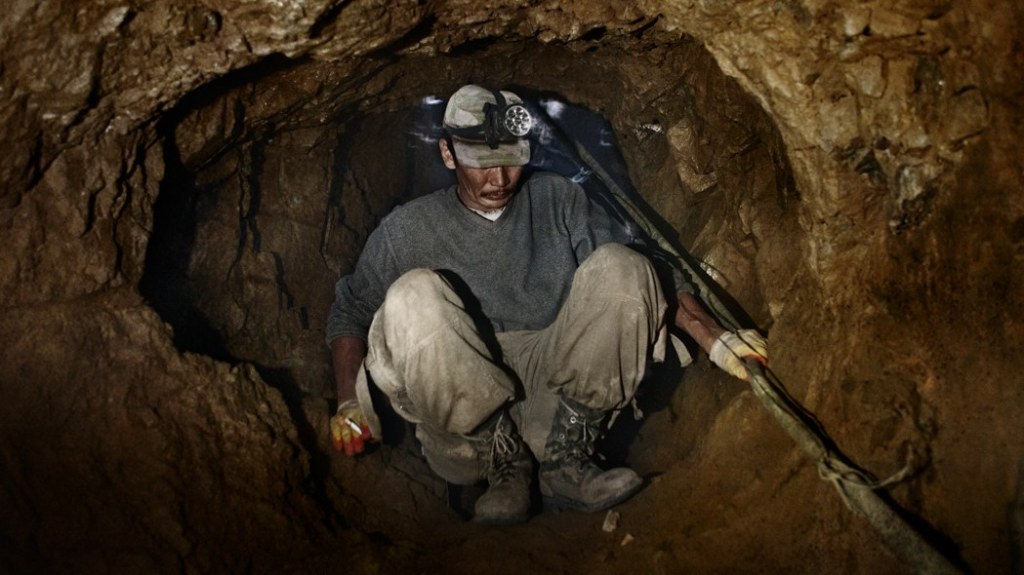
The North Mara mine, which has both open-pit and underground operations, sits near Tanzania’s border with Kenya, a short drive from the famous wildlife of the Maasai Mara and Serengeti National Park. Villagers living nearby have long sifted through the mine’s waste rock hunting for overlooked gold…In July 2019, a villager used a ladder to climb over a wall surrounding the mine’s waste-rock area and “proceeded to search for gold-bearing rocks,” according to the claimants’ court filing. Mine security forces and Tanzanian police chased the prospectors away with “disproportionate and unjustified force, including the use of live ammunition and tear gas,” the filing said. The man escaped, but police were “lying in wait” and “violently assaulted” him, the filings said. He “suffered injuries consistent with a gunshot wound” to the leg and died from “a loss of blood,” the filing said.
Excerpts from Yusuf Khan, Families of Dead Prospectors Sue Authority That Certifies Gold as Ethically Produced, WSJ, Oct. 6, 2026



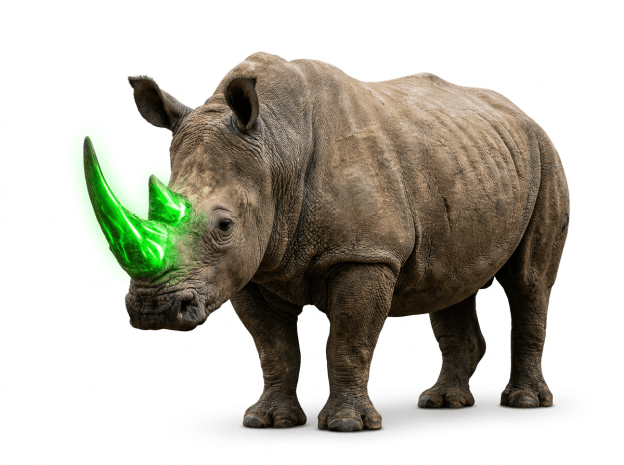












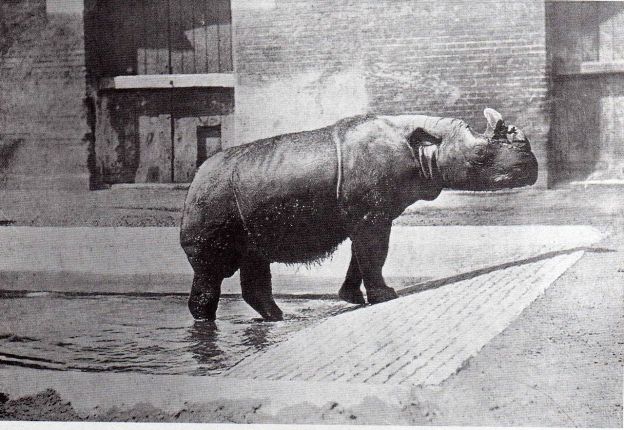












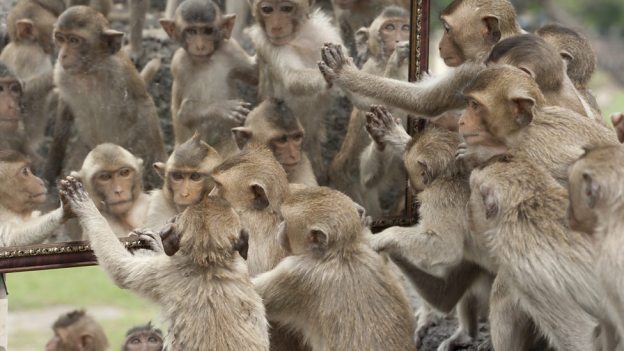



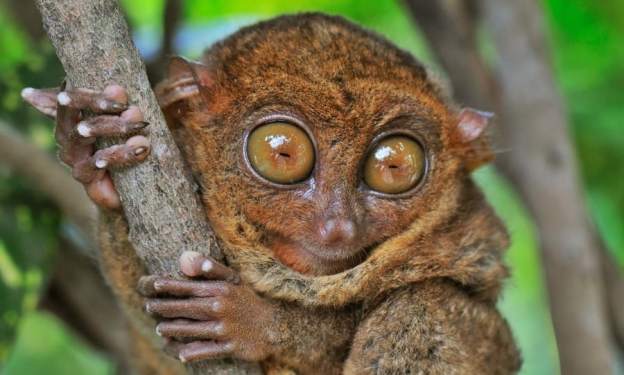






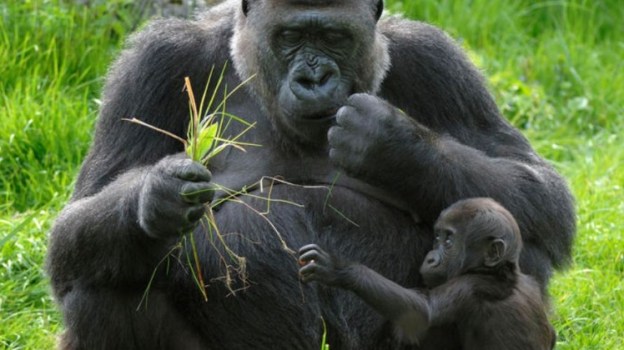


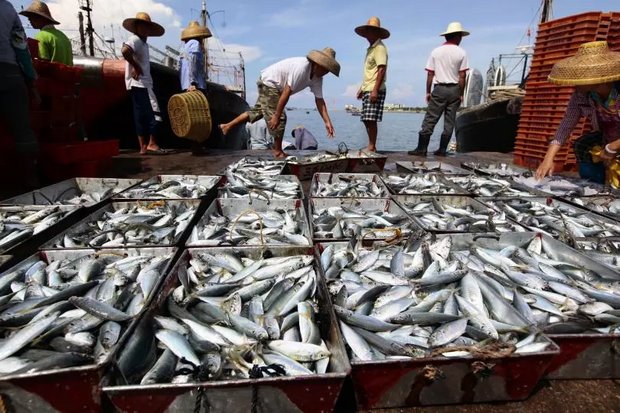
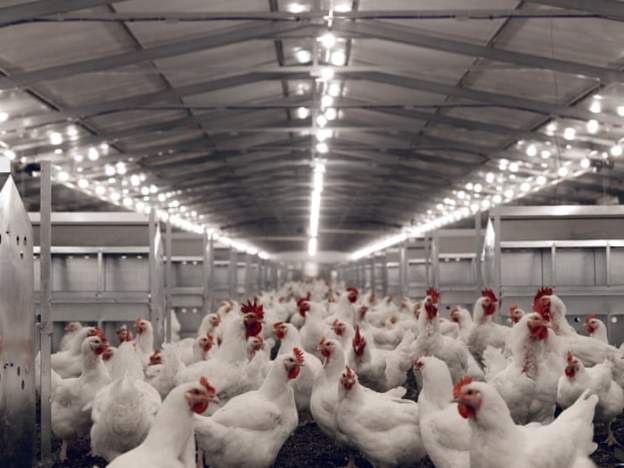
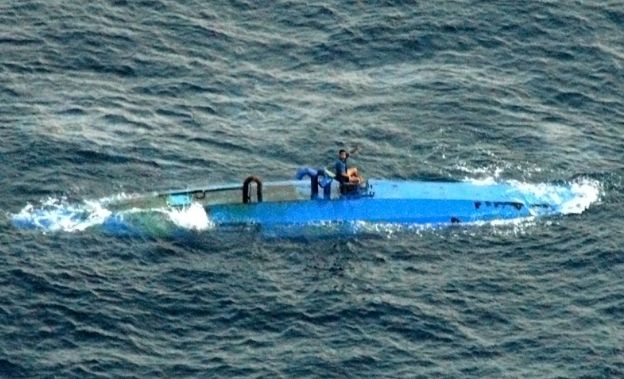

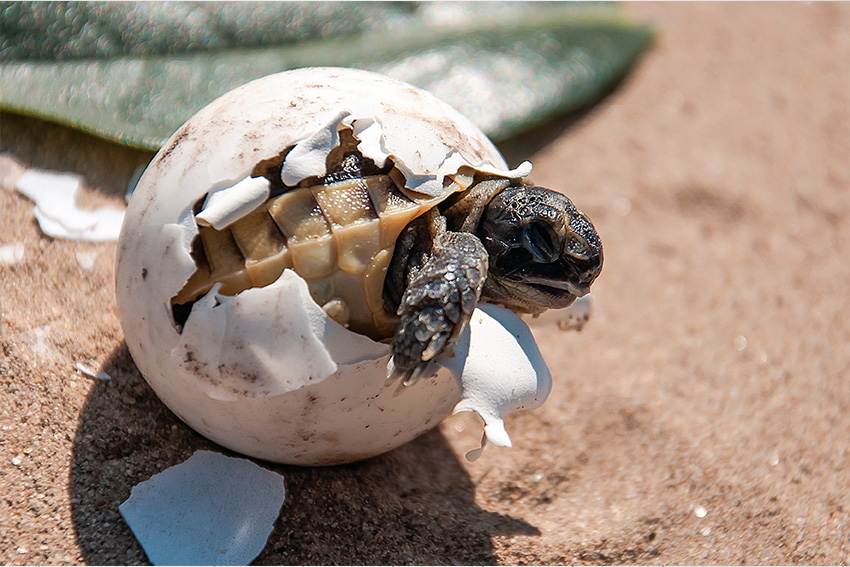

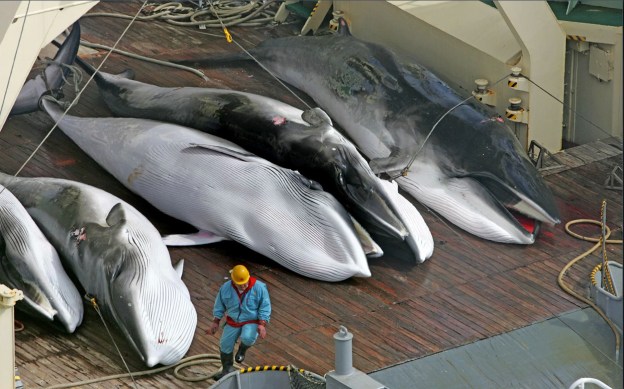
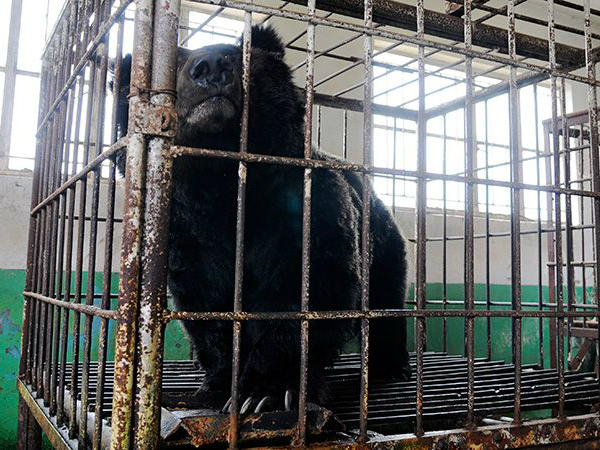
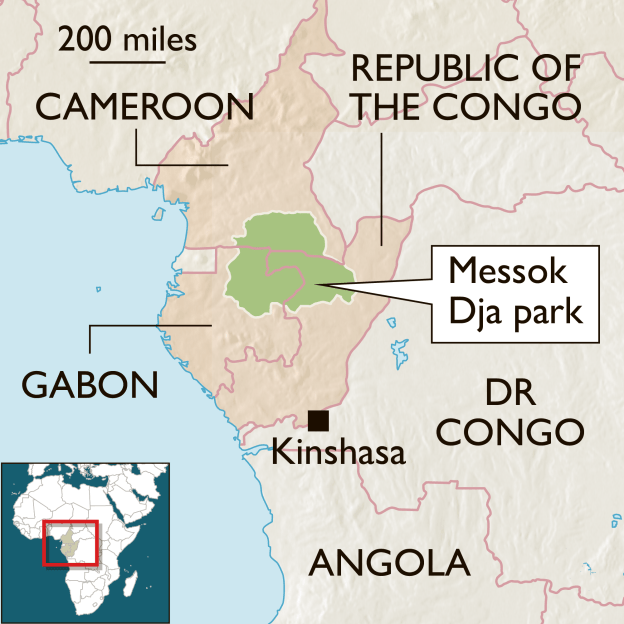
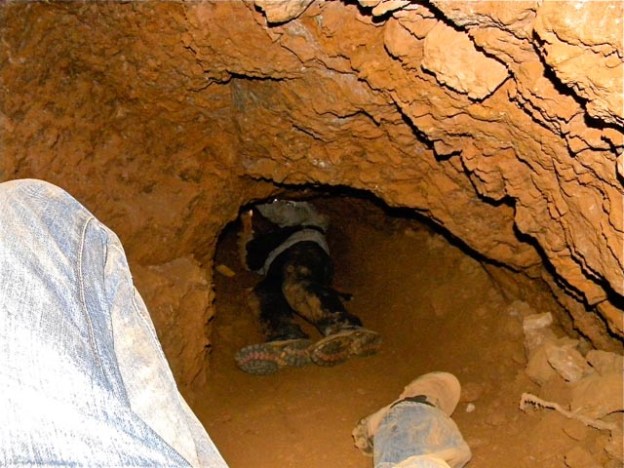
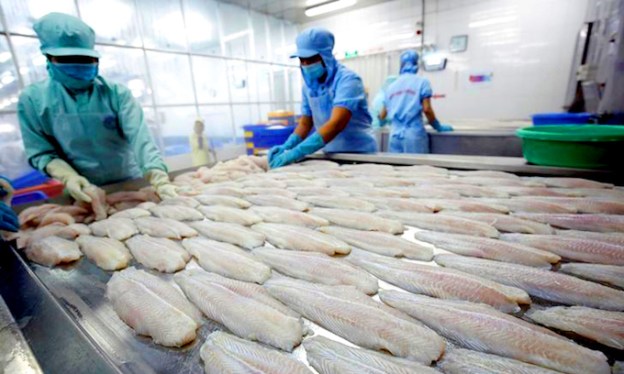
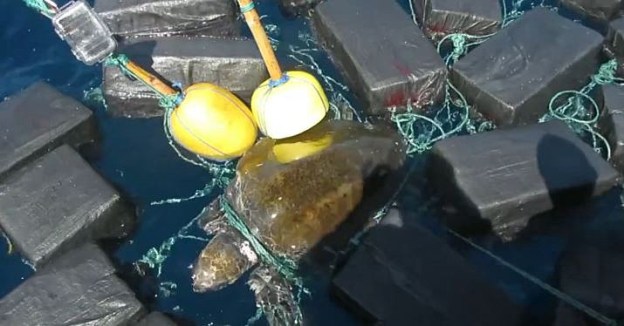
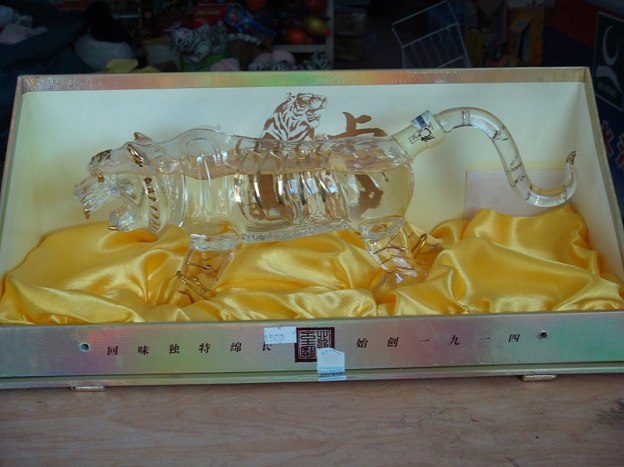

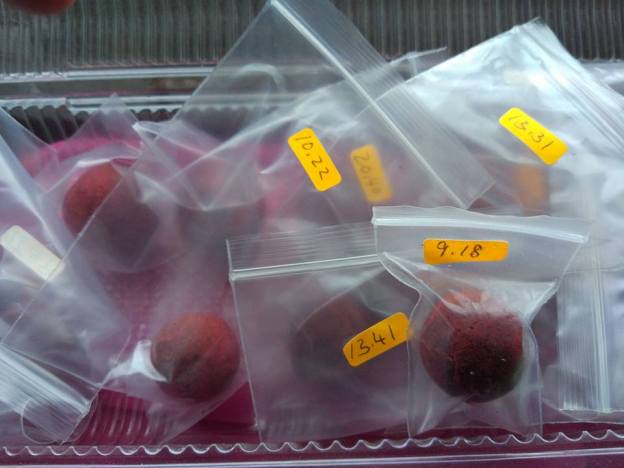

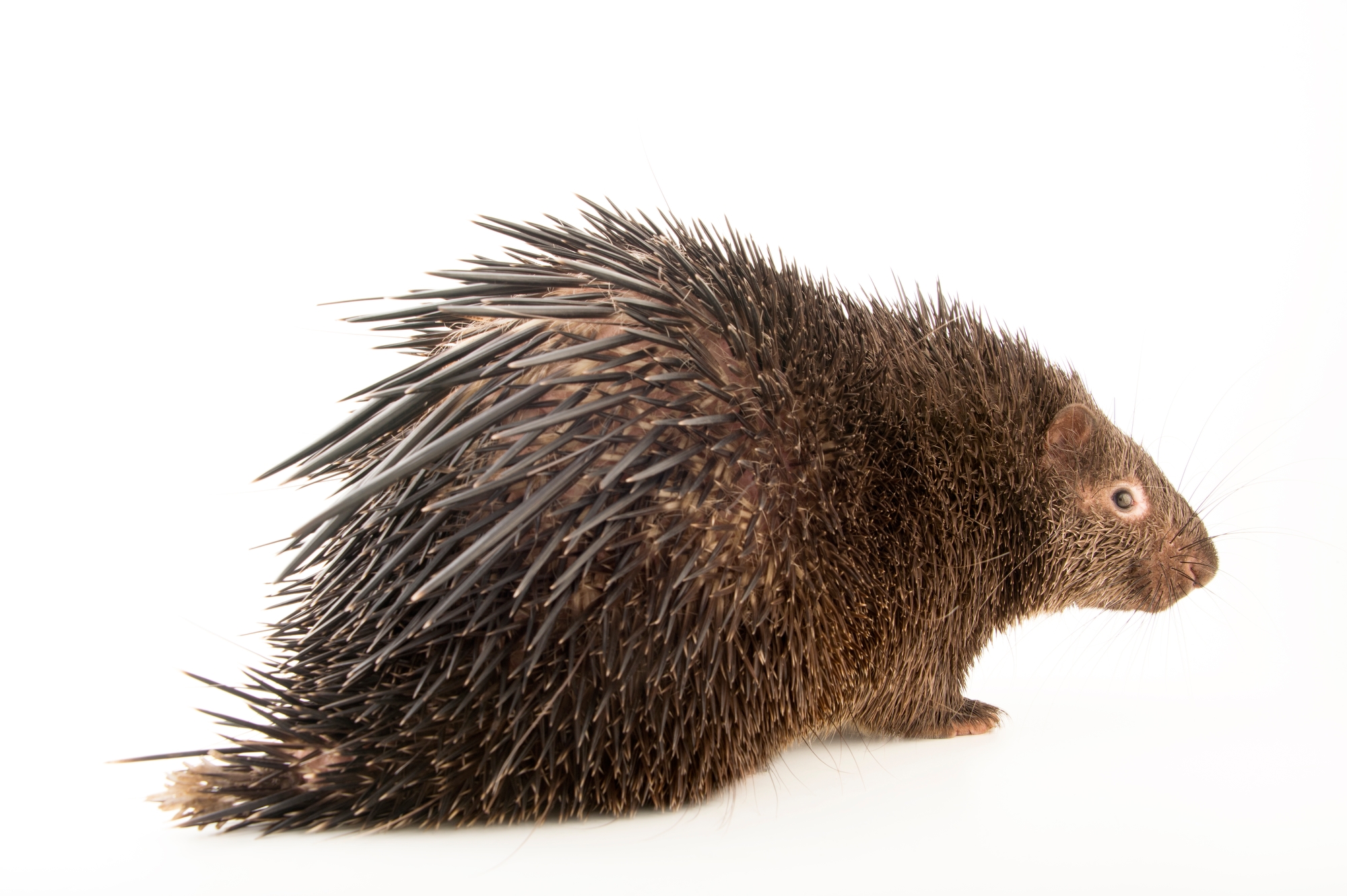
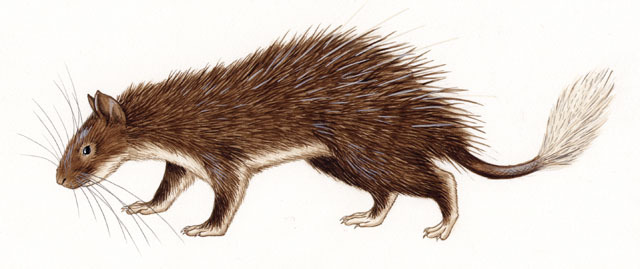

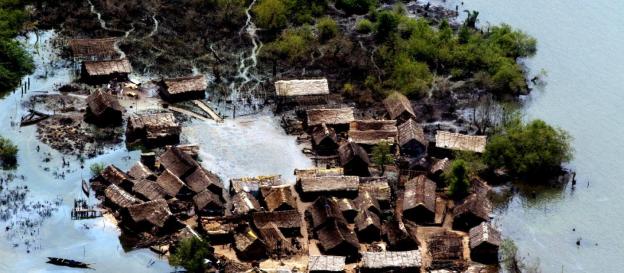


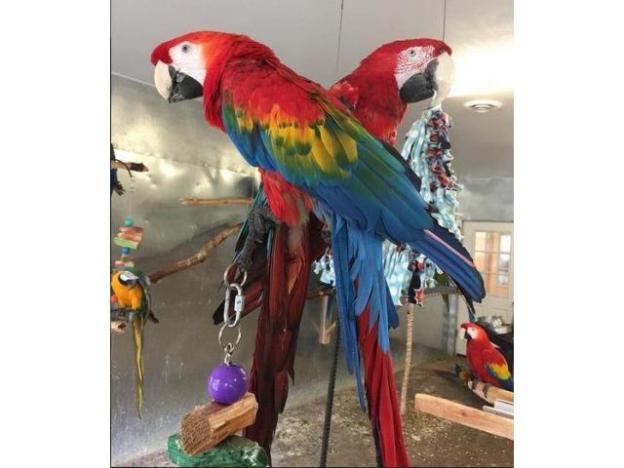
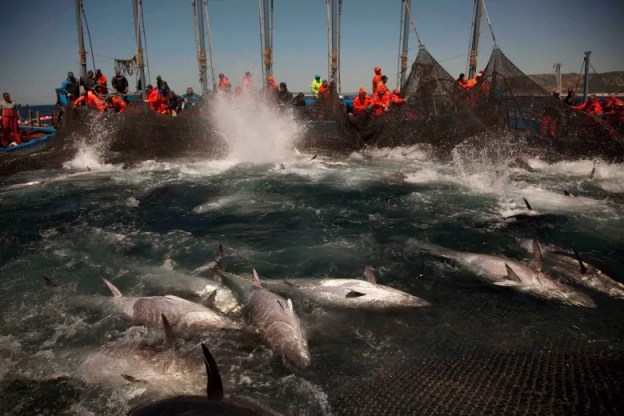
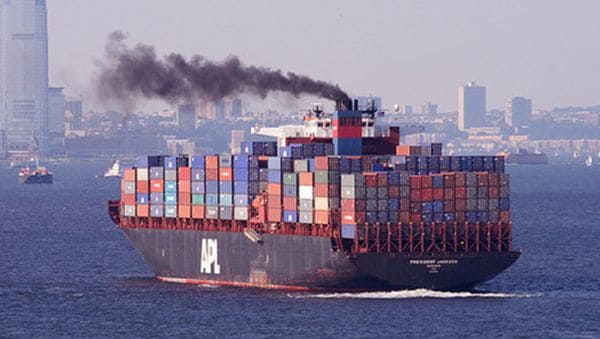
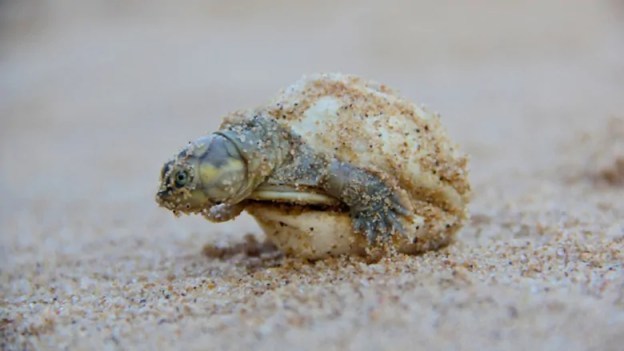
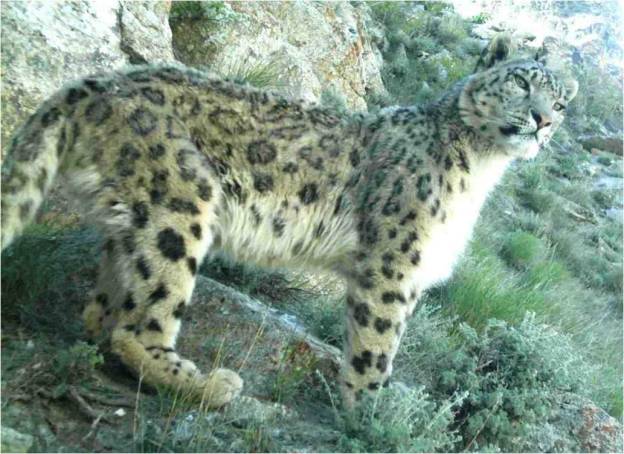

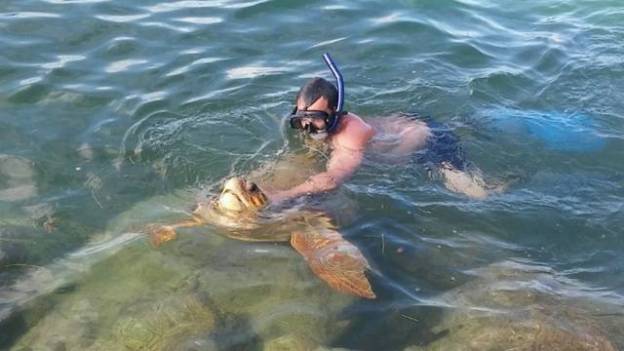
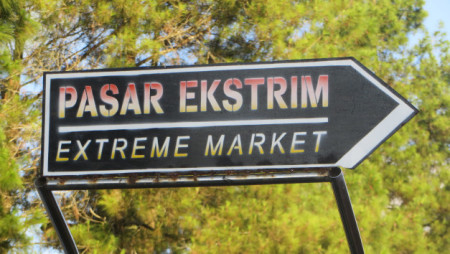
 Tomohon, in the highlands of North Sulawesi, Indonesia is …the “extreme market”. There is certainly something extreme about the serried carcasses, blackened by blow torches to burn off the fur, the faces charred in a rictus grin. The pasar extrim speaks to Sulawesi’s striking biogeography. The Indonesian island straddles the boundary between Asiatic and Australian species—and boasts an extraordinary number of species found nowhere else. But the market also symbolises how Asia’s amazing biodiversity is under threat. Most of the species on sale in Tomohon have seen populations crash because of overhunting (habitat destruction has played a part too)…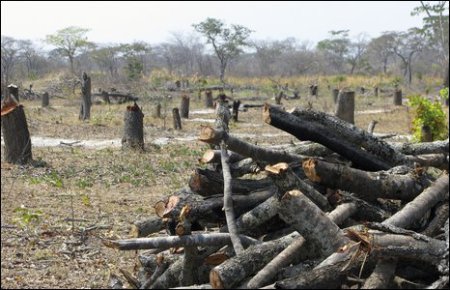

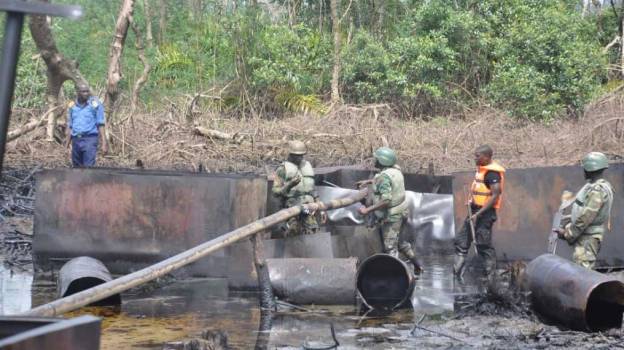
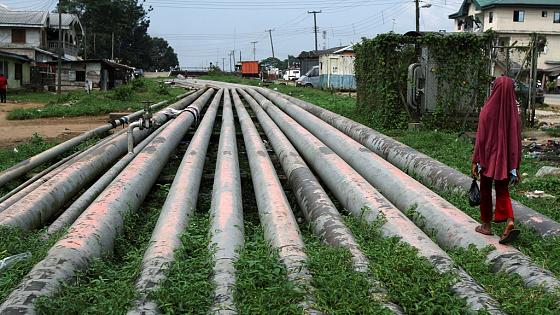
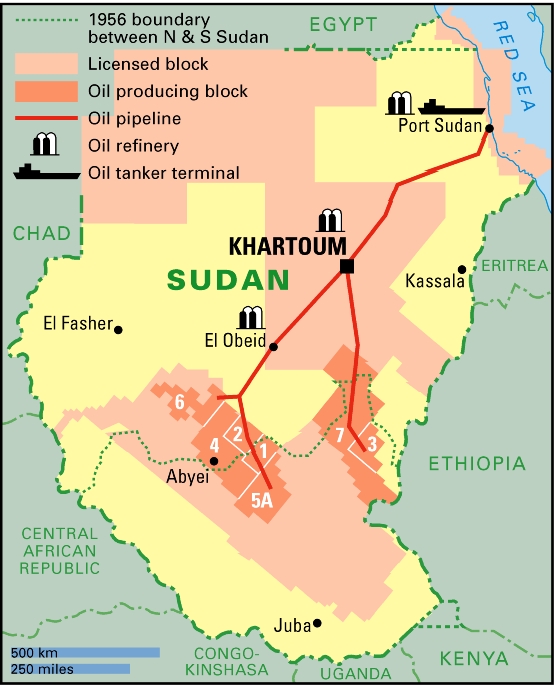
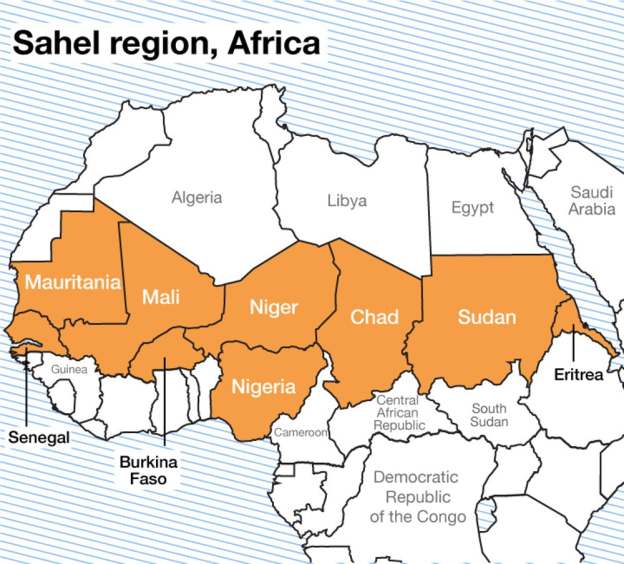
 Nigeria has long ignited interest from oil firms, but it can be a dangerously combustible environment when it comes to the risk of corruption. Two firms caught up in scandals are Royal Dutch Shell and Eni, Italy’s state-backed energy group.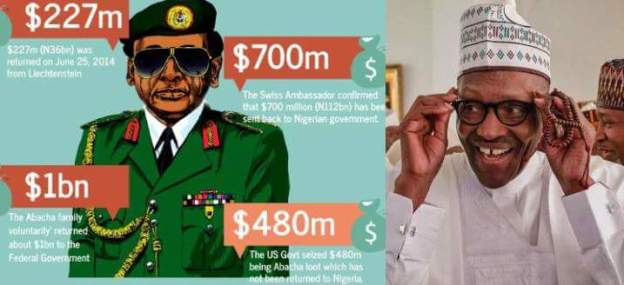
 Nigeria and Switzerland signed a memorandum of understanding on March 26, 2018 to pave the way for the return of illegally acquired assets…Switzerland said in December 2017 that it would return to Nigeria around $321 million in assets seized from the family of former military ruler Sani Abacha via a deal signed with the World Bank…[T]he memorandum of understanding was ratified between Nigeria, Switzerland and the International Development Association, (IDA), the World Bank’s fund for the world’s poorest countries.
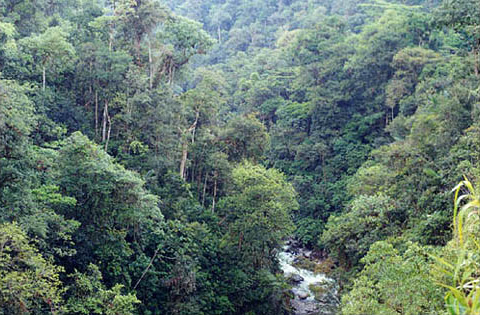
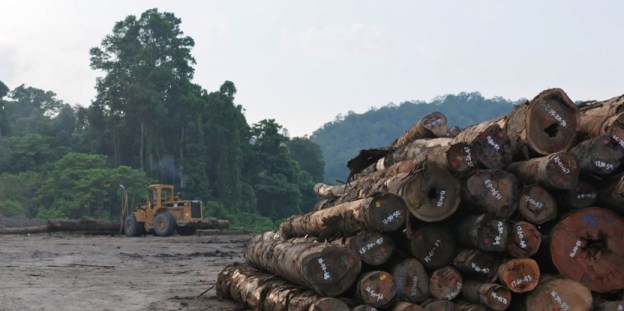
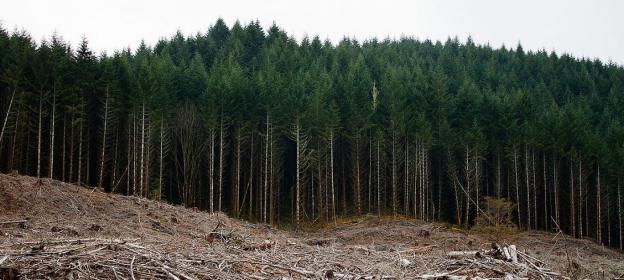
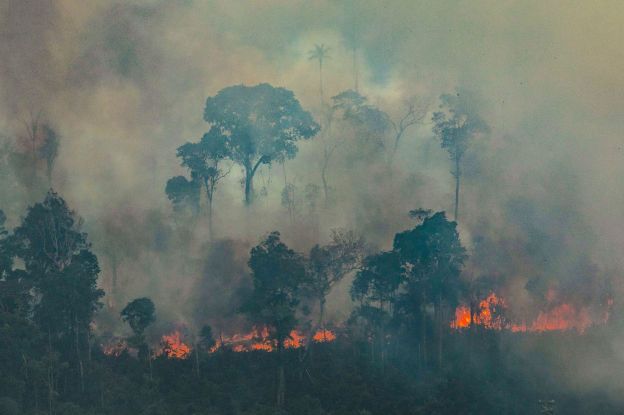
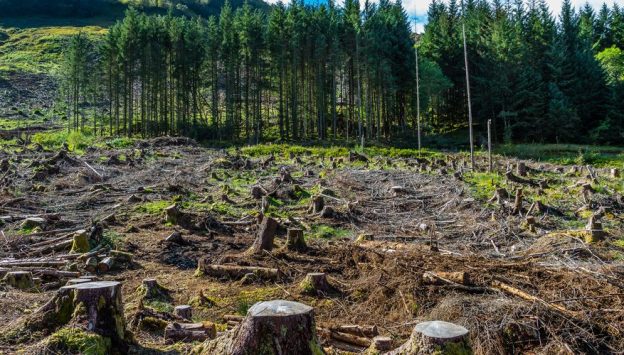
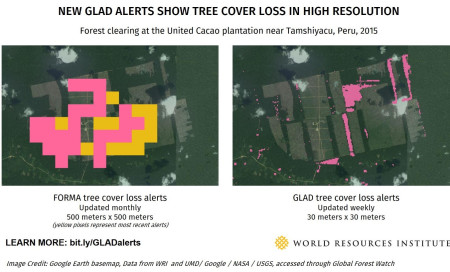
 Most deforestation takes place in poor countries. In richer places, trees tend to multiply. Australia is an unhappy exception. Land clearance is rampant along its eastern coast, as farmers take advantage of lax laws to make room for cattle to feed Asia. WWF, a charity, now ranks Australia alongside Borneo and the Congo Basin as one of the world’s 11 worst “fronts” for deforestation.