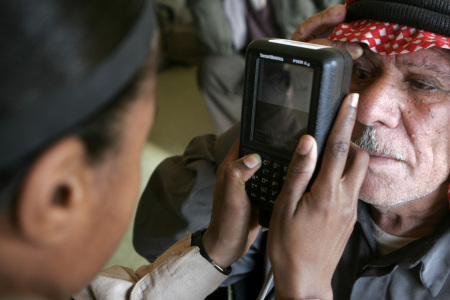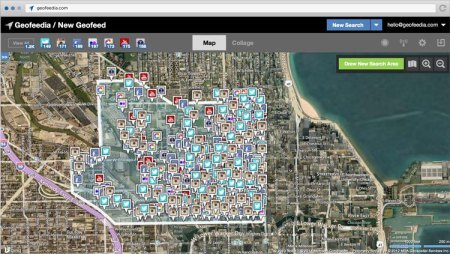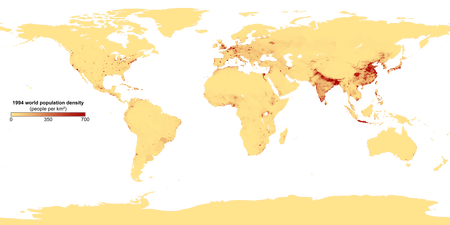
San Francisco-based Premise Data Corp. pays users, many of them in the developing world, to complete basic tasks for small payments. Typical assignments involve snapping photos, filling out surveys or doing other basic data collection or observational reporting such as counting ATMs or reporting on the price of consumer goods like food.
About half of the company’s clients are private businesses seeking commercial information, Premise says. That can involve assignments like gathering market information on the footprint of competitors, scouting locations and other basic, public observational tasks. Premise in recent years has also started working with the U.S. military and foreign governments, marketing the capability of its flexible, global, gig-based workforce to do basic reconnaissance and gauge public opinion.
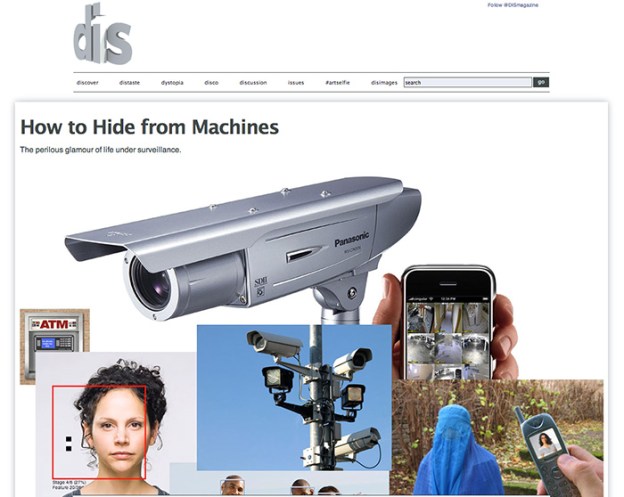
Premise is one of a growing number of companies that straddle the divide between consumer services and government surveillance and rely on the proliferation of mobile phones as a way to turn billions of devices into sensors that gather open-source information useful to government security services around the world.
Premise launched in 2013,, As of 2019, the company’s marketing materials said it has 600,000 contributors operating in 43 countries, including global hot spots such as Iraq, Afghanistan, Syria and Yemen. According to federal spending records, Premise has received at least $5 million since 2017 on military projects—including from contracts with the Air Force and the Army and as a subcontractor to other defense entities. In one pitch on its technology, prepared in 2019 for Combined Joint Special Operations Task Force-Afghanistan, Premise proposed three potential uses that could be carried out in a way that is “responsive to commander’s information requirements”: gauge the effectiveness of U.S. information operations; scout and map out key social structures such as mosques, banks and internet cafes; and covertly monitor cell-tower and Wi-Fi signals in a 100-square-kilometer area. The presentation said tasks needed to be designed to “safeguard true intent”—meaning contributors wouldn’t necessarily be aware they were participating in a government operation…
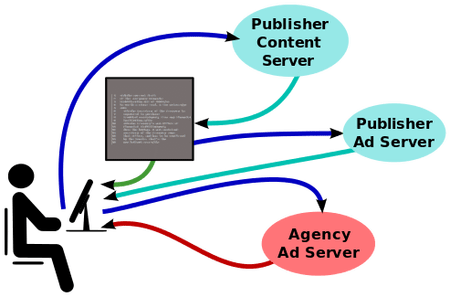
Another Premise document says the company can design “proxy activities” such as counting bus stops, electricity lines or ATMs to provide incentives for contributors to move around as background data is gathered. Data from Wi-Fi networks, cell towers and mobile devices can be valuable to the military for situational awareness, target tracking and other intelligence purposes. There is also tracking potential in having a distributed network of phones acting as sensors, and knowing the signal strength of nearby cell towers and Wi-Fi access points can be useful when trying to jam communications during military operations. Nearby wireless-network names can also help identify where a device is, even if the GPS is off, communications experts say.
Mr. Blackman said gathering open-source data of that nature doesn’t constitute intelligence work. “Such data is available to anyone who has a cellphone,” he said. “It is not unique or secret.” Premise submitted a document last July to the British government describing its capabilities, saying it can capture more than 100 types of metadata from its contributors’ phones and provide them to paying customers—including the phone’s location, type, battery level and installed apps.
Users of the Premise app aren’t told which entity has contracted with the company for the information they are tasked with gathering. The company’s privacy policy discloses that some clients may be governments and that it may collect certain types of data from the phone, according to a spokesman…Currently the app assigns about five tasks a day to its users in Afghanistan, according to interviews with users there, including taking photos of ATMs, money-exchange shops, supermarkets and hospitals. One user in Afghanistan said he and others there are typically paid 20 Afghani per task, or about 25 cents—income for phone and internet services. A few months ago, some of the tasks on the site struck him as potentially concerning. He said the app posted several tasks of identifying and photographing Shiite mosques in a part of western Kabul populated largely by members of the ethnic Hazara Shiite minority. The neighborhood was attacked several times by Islamic State over the past five years…. Because of the nature and location of the tasks in a hot spot for terrorism, the user said he thought those tasks could involve spying and didn’t take them on.
Excerpt from Byron Tau, App Users Unwittingly Collect Intelligence, WSJ, June 25, 2010






















































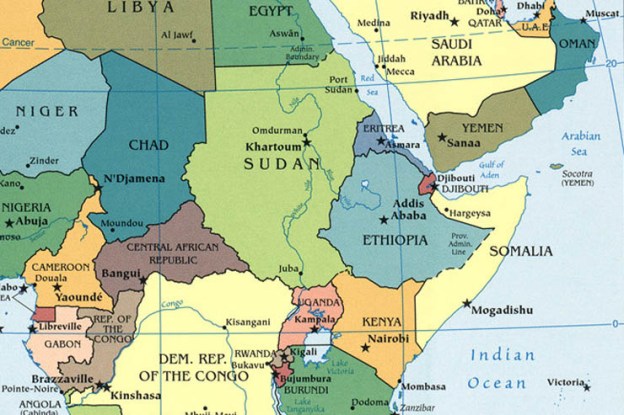
 The rulers of United Arab Emirates (UAE), one of whose components, Dubai, own a majority stake in DP World, one of the world’s largest maritime firms with perations in 40 countries.It is one of several Gulf states trying to gain a strategic foothold in east Africa through ports. Controlling these offers commercial and military advantages but risks exacerbating tensions in the region…

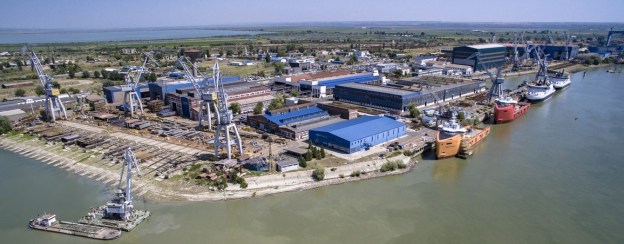
 A Beijing-funded wharf in Vanuatu is big enough to allow powerful warships to dock alongside it, heightening fears the port could be converted into a Chinese naval installation. Fairfax Media inspected the $114 million Luganville wharf and was told US coastguard officials and Marines recently visited the sprawling facility and took a keen interest in its specifications. The Chinese and Vanuatu governments have strenuously denied they have discussed a military base…
 The
The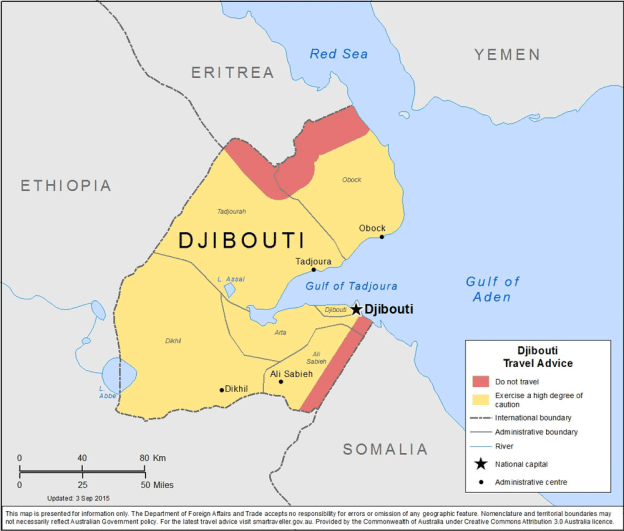
 The top US general for Africa told lawmakers the American military could face “significant” consequences should China take a key port in Djibouti…. In Febuary 2018, Djibouti ended its contract with Dubai’s DP World, one of the world’s biggest port operators, to run the Doraleh Container Terminal, citing failure to resolve a dispute that began in 2012. DP World called the move an illegal seizure of the terminal and said it had begun new arbitration proceedings before the London Court of International Arbitration.
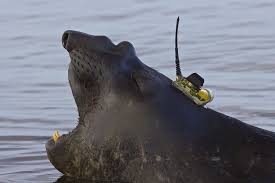
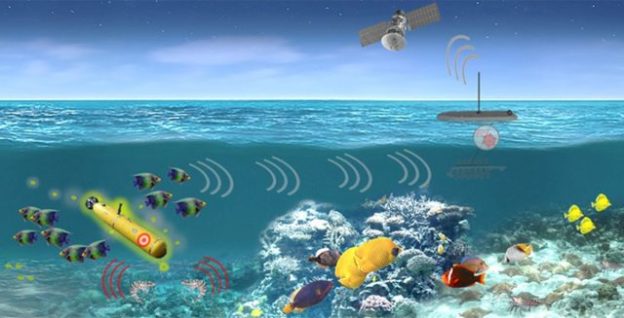
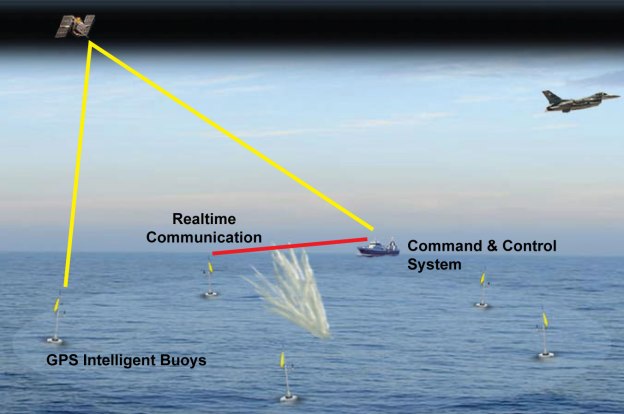
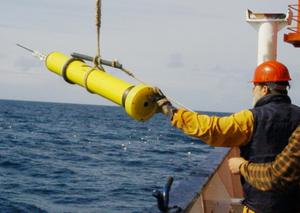
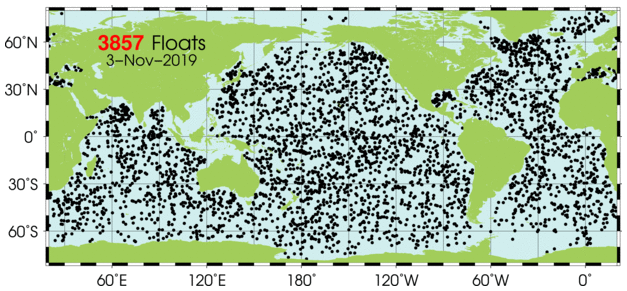
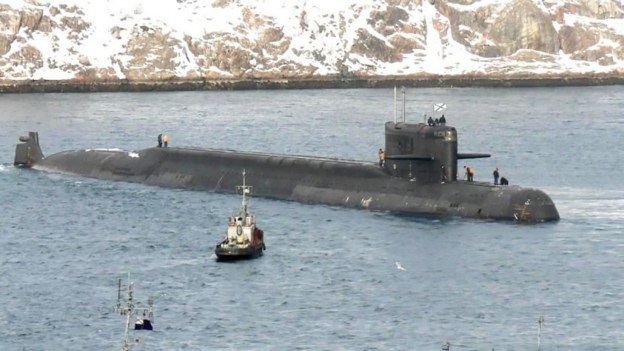
 The world’s vast oceans and seas offer seemingly endless spaces in which adversaries of the United States can maneuver undetected. The U.S. military deploys networks of manned and unmanned platforms and sensors to monitor adversary activity, but the scale of the task is daunting and hardware alone cannot meet every need in the dynamic marine environment. Sea life, however, offers a potential new advantage. Marine organisms are highly attuned to their surroundings—their survival depends on it—and a new program out of DARPA’s Biological Technologies Office aims to tap into [marine animals] natural sensing capabilities to detect and signal when activities of interest occur in strategic waters such as straits and littoral regions.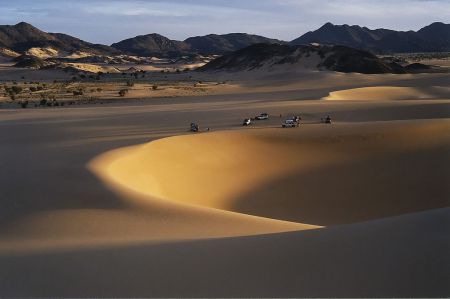





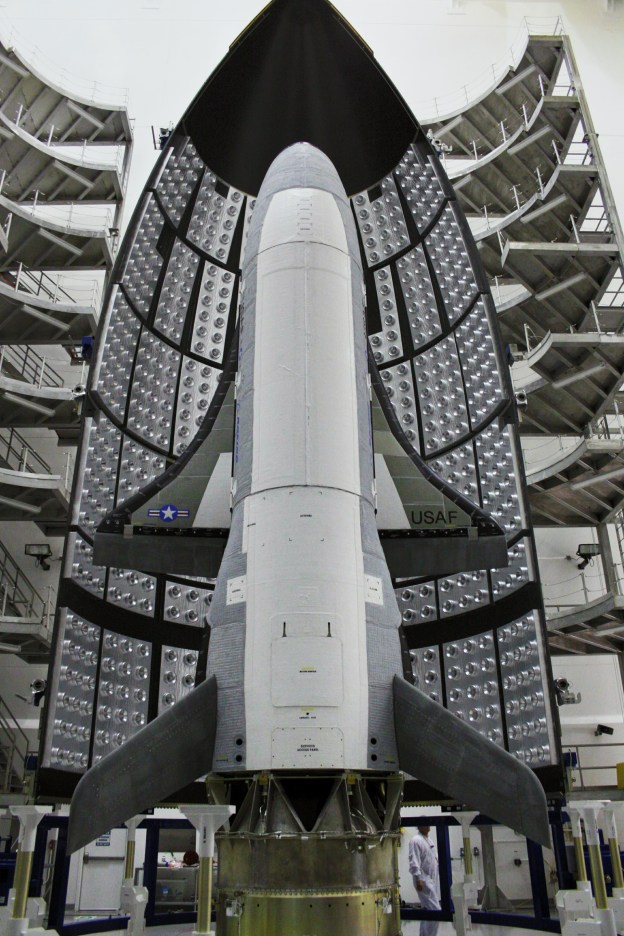
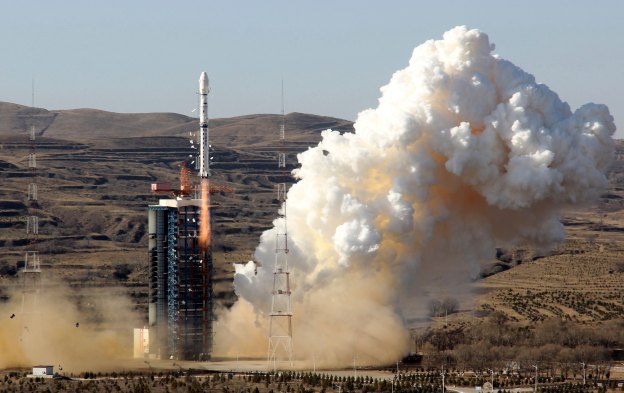
 A SpaceX Falcon rocket lifted off from the Kennedy Space Center in Florida on May , 2017 to boost a classified spy satellite into orbit for the U.S. military, then turned around and touched down at a nearby landing pad.
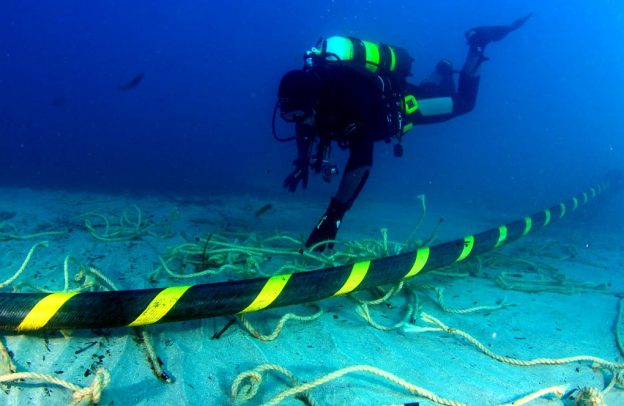
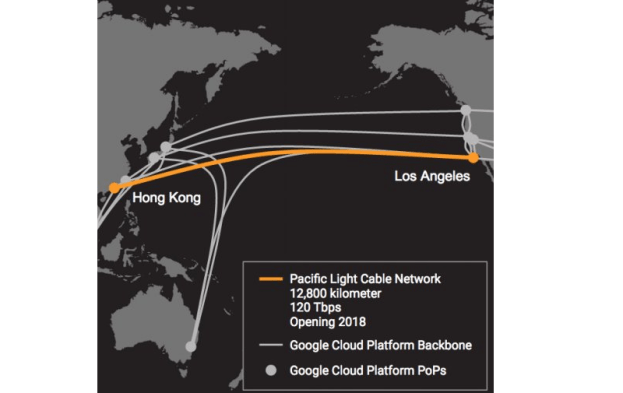
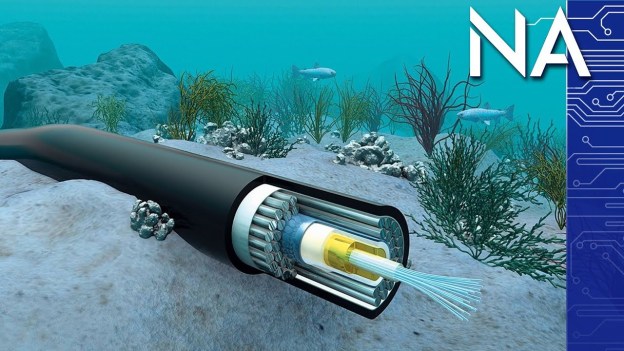
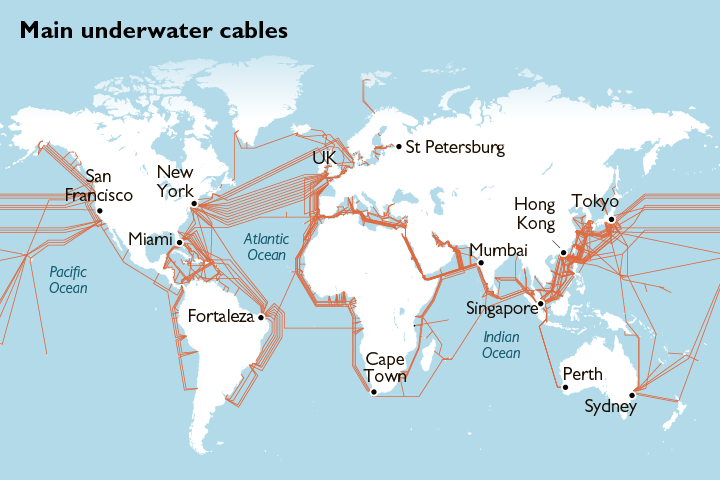
 A real-estate magnate is financing Google’s and Facebook Inc.’s new trans-Pacific internet cable, the first such project that will be majority-owned by a single Chinese company. Wei Junkang, 56, is the main financier of the cable between Los Angeles and Hong Kong, a reflection of growing interest from China’s investors in high-tech industries. It will be the world’s highest-capacity internet link between Asia and the U.S.