In the afternoon on 22 June 2020, a seismic station in eastern Kazakhstan registered two small earthquakes 12 seconds apart near China’s Lop Nur nuclear test site. Closely spaced jolts can arise from underground explosions followed by a cavity collapse, or simply from earthquakes. U.S. officials in February 2026 asserted the shaking was from a clandestine nuclear detonation—an accusation that could sound the starting gun for a new global arms race…. Low-yield tests would help China refine weapons designs and probe plutonium properties as it expands from a stockpile of about 600 nuclear weapons to what the Pentagon projects will be roughly 1000 by 2030.
Such tests contravene the Comprehensive Nuclear-Test-Ban Treaty (CTBT), which has not entered into force since the major nuclear powers, such as China and the United States, have not ratified it and Russia rescinded ratification in 2023. Renewed testing would also underscore the limitations of the CTBT and its International Monitoring System (IMS), a global network of instruments that can spot blatant treaty violations but is not equipped to distinguish low-yield tests from earthquakes or nonnuclear blasts.
Incentives for nuclear testing are strong. The U.S. is developing a new submarine-launched warhead, Russia is deploying hypersonic missiles nearly impossible to intercept, and China is ramping up its arsenal. All three powers need to ensure the reliability of new or existing warheads, and they may calculate that insights gleaned from low-yield tests outweigh the risks of adversaries following suit. Heightening concerns is the lapse this month of the New Strategic Arms Reduction Treaty (New START), which capped U.S. and Russian deployed nuclear warheads at 1550 each.
In 2025, satellite images circulated of what appears to be a new laser fusion complex in Sichuan province akin to the U.S. National Ignition Facility, which weapons scientists use to simulate the intense temperatures and pressures of a thermonuclear explosion. Other imagery has spotted the excavation of three tunnels and 30-meter-tall rigs for drilling shafts at Lop Nur. Renny Babiarz, a geospatial analyst with AllSource Analysis, believes two shafts dug in the past few years are “most likely” for yield-producing nuclear tests.
Excerpt from Richard Stone, Allegations of a Chinese nuclear blast may reignite weapons testing, Science, Feb. 24, 20
Gallium is processed with nitrogen and arsenic to make substrates for high-performance semiconductors. In chips, gallium can handle high levels of electricity and is more heat- and moisture-resistant than silicon. Beyond cellphones and laptops, it is also used in satellites to protect components from radiation in space.
China, which accounts for most of the world’s production of critical minerals, introduced export controls on gallium in 2023. In 2024, it banned gallium exports to the U.S. outright. China later suspended the ban, but could reinstate it later in 2026….Benchmark prices for gallium outside of China have roughly tripled over the past two years. January’s 2026 average price was a record high at nearly $1,572 a kilogram,.
One project the Trump administration has targeted is in Wagerup, Western Australia. Alcoa has operated a refinery there since the 1980s that processes bauxite to make alumina. The bauxite also contains trace amounts of gallium, so Alcoa intends to build a plant to extract it. The U.S. government plans to provide funding for the effort, along with Australia and Japan. In return, Alcoa said, the governments will receive a share of the metal from the plant. The plant is expected to eventually account for about 100 metric tons of gallium, or 10% of global gallium demand, according to Alcoa. Worldwide, 760 tons of gallium were produced in 2024…“There’s a lot of work to be done on how we do collaborate and work together to develop this industry,” Madeleine King, Australia’s mining minister, said Feb. 4, 2026.
“We should have done it 20 or 30 years ago.”
Excerpt from Bob Tita, The Defense Department Is Infatuated With This Drippy Silver Metal, WSJ, Feb. 9, 2025
Search-and-rescue operations at a collapsed landfill in the Philippines were ended on Monday January 19, 2026 after the last missing worker was recovered, pushing the death toll to 36. Cebu City officials said the last body was retrieved shortly after dawn on 18 January, 10 days after a large section of the Binaliw landfill gave way. The dumpsite, located in a mountainous area outside the city, had been the focus of a round-the-clock operation involving hundreds of responders.
Initial findings from the Mines and Geosciences Bureau, cited by local media, pointed to weeks of sustained rain that, combined with structural factors, could have weighed down the rubbish… The mound of waste acted likely “like a sponge” after heavy rainfall brought by a typhoon in November 2026, although other possible causes such as seismic activity were previously considered.
Excerpt from Philippine city ends recovery work after deadly landfill collapse kills 36, The Independent, Jan. 19, 2026
President Trump has given approval in October 2025 for South Korea to build a nuclear-powered submarine in the U.S., granting Seoul a coveted piece of hardware that could rattle China and North Korea—and potentially spark a race by its Asian neighbors to acquire similar technology. The stealthy submarine—which is difficult to detect because it can stay underwater…
It often takes the U.S. more than five years, if not much longer, to make one…Trump said the submarine will be made at a shipyard in Philadelphia owned by a South Korean firm, Hanwha Ocean, which purchased the facility in 2024. Hanwha makes large naval submarines in South Korea, but this would be its first nuclear-powered sub….
The U.S. maintains considerable military dominance underwater across the Indo-Pacific due to its nuclear-powered subs. With roughly 70 of them, the U.S.’s nuclear-submarine fleet outnumbers China by more than five to one…. But China is rapidly catching up, aided by diesel-powered submarines that are quieter, travel faster and can carry advanced weapons.
Excerpt from Timothy W. Martin, As China Raises Pressure, U.S. to Support Seoul in Building Nuclear-Powered Sub, WSJ
Producers in the Permian Basin of West Texas and New Mexico extract roughly half of the U.S.’s crude oil. They also produce copious amounts of toxic, salty water, which they pump back into the ground. Now, some of the reservoirs that collect the fluids are overflowing—and the producers keep injecting more. A buildup in pressure across the region is propelling wastewater up ancient wellbores, birthing geysers that can cost millions of dollars to clean up. …Swaths of the Permian appear to be on the verge of geological malfunction.
When pressure of the injected into the ground wastewater exceeds 0.5 pound per square inch per foot, the liquid…can flow to the surface and pose a risk to underground sources of drinking water.
The fracas above ground is raising questions about how the Permian can sustain red-hot production without causing widespread environmental damage that could leave taxpayers on the hook—and complicate the region’s economic plans. The basin is trying to lure data centers with cheap land and energy and has plans to become a hub for burying carbon dioxide captured at industrial plants and sucked out of the air.
“You need to have a stable, locked-down geology that’s going to behave as it’s supposed to,” said Adam Peltz, a director at the Environmental Defense Fund, a nonprofit advocacy group. “Otherwise, you’re going to cause a huge, expensive mess that Texans will pay for for generations.” The industry is working to clean up its act, but solutions to treat and ditch meaningful volumes of water far from the oil fields remain years away.
In the Delaware portion of the Permian, its most prolific region, drillers crank out between 5 and 6 barrels of water, on average, for every barrel of oil. For years, they pumped the toxic water deep into the ground—and triggered hundreds of earthquakes, some with a magnitude of over 5. They caused little damage in the sparsely populated Permian, but they were felt as far as Dallas, El Paso and San Antonio, where a historic building was damaged.
In 2021, the Railroad Commission of Texas, the agency that oversees the oil-and-gas industry in the state, began cracking down on deep disposal. Companies pivoted to shallow reservoirs, which now absorb roughly three-quarters of the billions of barrels of water that they inject in the Permian every year. The shift largely cured the tremors but has created unintended consequences.
As more and more of toxic water is injected in shallow underground reservoirs pressure is built and the toxic water migrates up some of the decaying wells that litter the Permian erupting back on the surface. In 2022, a 100-foot column of toxic water erupted from an abandoned well in Texas’ Crane County near the unincorporated community of Tubbs Corner. Chevron, which owned the well, plugged it. But nearly two years later, water started to ooze from a different well in the same area, a sign that bottling up the geyser likely repressurized the subsurface and triggered the new outburst, scientists said. It took the Railroad Commission about 53 days and roughly $2.5 million to plug that leak. Eventually, the agency quietly shut in the injection wells that it said were likely causing the increase in pressure.
Researchers at the Bureau of Economic Geology painted a critical picture of the frenzied injection in the Permian basin. Operators were injecting wastewater with little concern over how it might travel underground or its impact on reservoir pressure, they said.
Excerpt from Benoît Morenne et al., America’s Biggest Oil Field Is Turning Into a Pressure Cooker, WSJ, Dec. 25, 2025
The new nuclear race has begun. But unlike during the Cold War, the U.S. must prepare for two peer rivals rather than one—at a time when it has lost its clear industrial and economic edge. China, which long possessed just a small nuclear force, is catching up fast, while Russia is developing a variety of new-generation systems aimed at American cities…Russian President Vladimir Putin has already used nuclear saber-rattling to throttle American support for Ukraine. He has deployed nuclear weapons to Belarus and, in 2025, tested a nuclear-powered missile and a nuclear-powered submarine drone that he claims are impervious to American defenses.
While Russia and the U.S. are still abiding by some arms-controls limit…China, unconstrained by any commitments, is quietly but rapidly leaping ahead. According to American estimates, Beijing will reach rough parity with the U.S. in deployed nuclear warheads by the mid-2030s.
Chinese leader Xi Jinping for the first time showcased China’s nuclear triad—its land, sea and air-launched ballistic nuclear missiles—at a Beijing parade honoring the 80th anniversary of victory over Japan in September 2025. Putin, sitting to his right atop the Gate of Heavenly Peace, took note. So did North Korea’s Kim Jong Un, sitting to his left.
Excerpt from Yaroslav Trofimov, The Nuclear-Arms Race Is Now a Three-Way Contest, WSJ, Nov. 16, 2025
The dam in Mariana, southeastern Brazil, was owned by Samarco, a joint venture between the mining giants Vale and BHP. The claimants’ lawyers argued successfully that the trial should be held in London because BHP headquarters “were in the UK at the time of the dam collapse”. A separate claim against Samarco’s second parent company, Brazilian mining company Vale, was filed in the Netherlands, with more than 70,000 plaintiffs.
The dam was used to store waste from iron ore mining. When it burst, it unleashed tens of millions of cubic metres of toxic waste and mud. The sludge swept through communities, destroying hundreds of people’s homes and poisoning the river. Judge Finola O’Farrell said in her High Court ruling that continuing to raise the height of the dam when it was not safe to do so was the “direct and immediate cause” of the dam’s collapse, meaning BHP was liable under Brazilian law.
Excerpt from Ione Wells, UK court finds mining firm liable for Brazil’s worst environmental disaster, BBC, Nov. 14, 2025
———-
According to the UN Special Rapporteur who visited Brazil in 2019 and met BHP and Vale on numerous occasions, ” BHP and Vale rushed to create the Renova Foundation to provide the communities [affected by the collapse of the dam] an effective remedy. Unfortunately, the true purpose of the Renova Foundation appeared to be limit liability of BHP and Vale, rather than provide any semblance of an effective remedy…
Furthermore, inadequate information was available about the toxicity of the waste after the Mariana disaster, the companies insisted that it was non-toxic, and rejected calls for precaution. Only three weeks after concerns were raised was information availed. When health impacts in Barra Longa emerged years later, Renova sought to exert ownership of epidemiological and toxicological studies by Ambios to suppress disclosure. Read the full report of the Special Rapporteur here.
The worst day of Bathsheba Musole’s life was February 18, 2025. It started with a deafening crash when the 30-foot wall around a toxic-waste pool collapsed at the Chinese copper mine above her village. A poisonous river of a stinking yellow liquid rushed downhill, inundating homes and fields, including the one where she grew corn to feed her eight children. The floodwater, laden with cyanide and arsenic, rose chest-high. “I thought I would drown,” said Musole, 48 years old, in a recent interview.
In August 2025, months after the Feb. 18, 2025 disaster, officials from Sino Metals, a unit of the state-owned China Nonferrous Mining Corp., showed up at Musole’s half-acre farm, which the Zambian government says is too toxic to sustain crops for at least three years. They were there to make things right, she recalled them saying. Their offer was $150, but it came with a catch. To get the money, she would have to agree never to talk about the spill, take legal action against Sino Metals or even reveal the contents of the nondisclosure agreement itself…
Zambia’s government and economy.. have grown reliant on China. Zambia collects about $2 billion a year in mining taxes, mostly from Chinese mining companies. Half of the copper mined in Zambia, much of it by Chinese companies, is exported to China. In 2024, the Zambian government announced that Chinese miners would invest $5 billion in the country by 2031…
After months of investigation, Drizit Environmental, a South African firm contracted by Sino Metals, concluded that 1.5 million tons of toxic waste had overflowed into the Kafue valley, 30 times what the company had said. Sino Metals terminated the firm’s contract a day before the final report was due…
Excerpt from Nicholas Bariyo, China Pushes to Silence Victims of African Mining Disaster, WSJ, Oct. 27, 2025
Malaysia emerged as a major destination for U.S. waste after China banned American waste imports in 2018. California shipped 864 shipping containers, or more than 10 million pounds of plastic waste, to Malaysia in 2024, according to the Basel Action Network, an advocacy group…
Under Malaysian waste guidelines announced recently, the country is no longer accepting plastic waste and hazardous waste from nations that didn’t ratify the Basel Convention, the international treaty designed to reduce the international movement of hazardous and other waste. The U.S. is one of just a handful of countries, including Fiji and Haiti, that hasn’t signed the pact….The coming ban has already disrupted trash export routes significantly, particularly for the plastics used in grocery bags, trash can liners and food wrap.
According to California’s waste agency, CalRecycle, the state exported 11.3 million tons of recyclable materials overseas to places such as Malaysia, Thailand, Vietnam, China, Taiwan, South Korea, Mexico and Canada — in 2022. That number includes 100 million pounds of scrap plastic…
Excerpt from Susanne Rust, Malaysia no longer takes U.S. plastic waste, creating a dilemma for California, Los Angeles Times, July 3, 2025
Since 1960, Singapore has reclaimed around 150 square kilometres of land from the sea. In part, this is to meet demand for homes: around 80% of Singaporeans live in government-provided housing, nicknamed HDBs, after the Housing and Development Board, and many of those are in high-density skyscrapers. Singapore is the third most densely populated territory in the world, after Macau and the city-state of Monaco. Alongside this, the country’s economic success is buttressed by being the world’s busiest port outside China, hosting more than 3.11 billion tonnes in traffic in 2024.
This urban development and economic success has come at a cost for the natural environment: where once there was jungle, there is now city. Singapore has lost almost all of its primary rainforest, except for a small tract of land in the Central Catchment Nature Reserve, which sits in the middle of the island and is part of one of the two main water catchment areas. Although some of the country’s remaining non-primary rainforests, including in the Central Catchment, are protected from development, their long-term fate is a concern for environmentalists…
In a bid to achieve its sustainability goals, the government has pledged to plant one million trees by 2030 and transplant 100,000 corals into its marine waters, which NParks said in 2024 would take at least 10 years to complete. Neither project is without controversy. “Nobody is tracking how many trees we are cutting down while we are planting a million trees,”…“How about those century-old trees that are being cut down for development?”… Academics and civil-society groups say that they cannot access the same data that are available to government agencies…
Excerpts from Jack Leeming, Singapore’s fight to save its green spaces from development, Nature, May 28, 2025
NASA scientists discovered in 2024 remnants of Camp Century, a Cold War-era U.S. military base, under Greenland’s ice sheet. Project Iceworm, a clandestine Pentagon plan, aimed to build nuclear-missile launch sites beneath the Arctic ice. The underground site, which was designed to store 600 medium-range ballistic missiles, reveals the extent of U.S. involvement in Greenland going back over half a century.
Camp Century, as the outpost was called, was partially constructed in 1959, and abandoned in 1967 after the ice sheet was deemed too unstable to support the proposed missile-launch network. Over the years, ice accumulated and the facility is now buried under at least 100 feet of ice…
The presence of U.S. nuclear weapons has historically been a source of friction with Denmark. The U.S. military at the time didn’t disclose Camp Century’s nuclear-related purpose to Copenhagen, a self-declared nuclear-free zone…In 1968, a nuclear-armed B-52 bomber crashed near the Thule Air Base, causing the payload to rupture and disperse, leading to radioactive contamination of the sea ice. The incident led to public controversy in Denmark, as did the revelation that the U.S. stored nuclear weapons at the Thule Air Base without informing Copenhagen or Greenland.
Excerpt from Sune Engel, The U.S. Nuclear Base Hidden Under Greenland’s Ice, WSJ, May 14, 2025
There are 237,000 metric tons of arsenic trioxide locked in the subterranean caverns of Giant Mine on the edge of Yellowknife, an unwanted byproduct from what was once one of the largest gold mines in Canada’s Northwest Territories. Consider that it only takes 140 milligrams of arsenic trioxide to kill a person; there’s enough of the poison here to kill 1.7 trillion people. The local indigenous people refer to the arsenic as a sleeping monster. Company and government officials hoped the arsenic would remain frozen underground forever. But mining operations and climate change caused the permafrost to melt, raising fears in the city of 20,000 people that toxic material could mix with the runoff and slither into the nearby waters of Great Slave Lake, the world’s 10th-largest freshwater body. From there, it could snake 1,000 miles along the Mackenzie River to the Beaufort Sea in the Arctic Ocean, poisoning the wildlife, the land and the water along its path.
The gold mine was one of the largest in Canada’s Northwest Territories, producing 7.6 million ounces of gold between 1948 and 2004—and leaving behind a toxic legacy. But extracting minerals from the North carries high, and enduring, risks and costs. Current estimates put the cost of cleaning up Giant Mine at $3.2 billion, making it the most expensive mine remediation in Canadian history. The last owner, Royal Oak Mines, went bankrupt and left the bill to the government…
Canada’s government estimates there are roughly 24,000 contaminated sites across the country, which will cost 10 billion Canadian dollars—or $7.25 billion—to clean up. “Mining is a necessary evil. Fundamentally, it’s a license to pollute,” said David Livingstone, former chairman of the Giant Mine Oversight Board, an independent advisory body that monitors the Giant Mine cleanup.
The arsenic at Giant Mine is the legacy of five decades of gold mining. Between 1948 and 2004, the mine produced 7.6 million ounces of gold, worth roughly $20 billion at today’s prices. There was so much gold that local indigenous people named Yellowknife “Somba K’e,” which means Money Place…But the precious metal was embedded in arsenopyrite, a mineral containing iron, sulfur and arsenic. To get to the gold, miners had to roast the rock, a process that also transformed the once-stable arsenic into toxic gas.
In the early years, miners ejected the arsenic out of a smokestack, believing the poison would be diluted in the air. Instead, the smoke condensed and fell to earth as a fine dust. It collected in the water and on the land. Cows and other livestock sickened and died. In 1951, an indigenous toddler died after eating arsenic-laden snow. After that, miners collected the dust and pumped it back underground, theorizing the arsenic would remain frozen in permafrost. For decades, the system worked. But the Canadian North is warming at a rate four times faster than the rest of the world, and the once-frozen ground is thawing. Water is trickling into Giant Mine, a potentially catastrophic situation because the highly soluble arsenic trioxide could get carried into Baker Creek. The creek runs through the mine site, and then into Yellowknife Bay in Great Slave Lake. The headwaters for the Mackenzie River originate at Great Slave Lake. The river travels more than 1,000 miles to the Beaufort Sea in the Arctic Ocean…
Today, maintenance of the mine is an ongoing task. Waste materials, called tailings, are kept in large reservoirs around the mine. To stop dust contaminated with arsenic and cyanide from flying downwind, workers spray the tailings with a chemical mix called Rhino Snot, a blue-green dust suppressant developed by the U.S. military. But there are still times when wind carries dust southeast toward Ndilǫ, an indigenous community located on the west side of Great Slave Lake’s Yellowknife Bay, less than 2 miles from the mine as the crow flies. When the clouds of dust descend, the Yellowknives Dene council calls residents to warn them to shut their windows and stay indoors, said Ndilǫ Chief Fred Sangris, one of two chiefs of the Yellowknives Dene. “We tell them the mine is coming,” he said.
Sangris is so angry about what Giant Mine has done to the Dene’s traditional hunting grounds that he can’t even look at it. “It’s a poison place,” he said. “It’s a place to avoid.”…“They say forever, and they mean 100 years,” he said. “They don’t know what forever is.”
Excerpt from Vipal Monga et al., Deep in an Abandoned Gold Mine, a Toxic Legacy Lurks, WSJ, May 5, 2025
On May 3, 2025, Elon Musk’s SpaceX prevailed in an election over the weekend to turn Starbase, his launch site in Texas, into a city. Starbase was victorious in becoming a type C city, which in Texas applies to a previously unincorporated city, town or village of between 201 and 4,999 inhabitants. The city includes the SpaceX launch facility and company-owned land covering a 1.6 square-mile area.
The mayor is 36-year-old Bobby Peden, who has spent more than 12 years working for SpaceX and is currently vice president for Texas test and launch operations. Starbase has two commissioners, both from the SpaceX employee ranks….Musk, who has assumed a central role in President Donald Trump’s administration responsible for slashing the size of the federal government, began acquiring land for SpaceX in Boca Chica, Texas, about a decade ago. The first integrated Starship vehicle launched from the site, known as Starbase, in April 2023, and exploded in mid-flight. The U.S. Fish and Wildlife Service soon disclosed details about the aftermath of the explosion, including that a “3.5-acre fire started south of the pad site on Boca Chica State Park land,” following the test flight.
State and federal regulators have fined SpaceX for violations of the Clean Water Act, and said the company had repeatedly polluted waters in the Boca Chica area. Environmental advocates and indigenous groups have also sued both the Federal Aviation Administration and SpaceX over the company’s flight tests and launch activity in the area.
Those groups said in legal filings that SpaceX caused harm to local habitat and endangered species due to vehicle traffic, noise, heat, explosions and fragmentation caused by the company’s construction, rocket testing and launch practices.
Excerpts from Lora Kolodny, Here are the SpaceX employees who were elected to run Musk’s new company town of Starbase, CNBC, May 5, 2025
Plastic production is increasing sharply. This has raised concerns about the effects of microplastics (typically defined as plastic particles smaller than 5 millimetres in diameter) and nanoplastics (smaller plastic particles that are less than 1,000 nanometres in diameter) on human health. These concerns are partly influenced by alarming findings of the presence of microplastics in various human tissues, including the brain and placenta.
Most attention is focused on soil and water as common sources of plastics that enter the food chain. However, writing in Nature, Li et al. provide strong evidence supporting the air as being a major route for plastics to enter plants. Plants can absorb plastic particles directly from the air. Particles in the air can enter leaves through various pathways, such as through structures on the leaf surface called the stomata and through the cuticle. Stomata are small openings made of cells, and the cuticle is a membrane, covered in insoluble wax, that is well suited for absorbing microplastics…
Microplastics can also travel to and enter the plant’s water- and nutrient-transporting system (called the vascular bundle) and from there reach other tissues… Given that leaves are a key part of the food chain, microplastic particles that accumulate here can easily pass to herbivores and crop leaves, both of which can be directly consumed by humans.
Excerpt from Willie Peijnenburg, Plant Leaves Absorb Microplastics—And They End Up in Our Food, Scientific American, Apr. 18, 2025
During the 19th century’s Scramble for Africa, European countries raced to secure territory and wealth across the continent. Now, African powers are grabbing resources from a neighbor crippled by infighting and ill-equipped to defend itself. Caught in the middle is the Democratic Republic of Congo, a country the size of Western Europe whose forests conceal a wealth of gold, diamonds and coltan, a key component in smartphones and computers. These mineral riches are turning what was already a region plagued by militia violence into a battleground, as Rwanda and its local allies seize coltan supplies while Uganda and its proxies move to take over gold mines to the northeast, according to United Nations and Ugandan officials…Ugandan President Yoweri Museveni and Rwandan President Paul Kagame are pouring troops and weapons into Congo, while their Congolese allies, who control strategic border crossings, secure smuggling routes to move more minerals to the global markets.
In 2024, Rwanda-backed M23 rebels seized the coltan-mining town of Rubaya, where fighters bring in around $800,000 each month by taxing traders. Rebel fighters have doubled diggers’ wages to encourage them to keep working, and they rely on forced labor to widen roads to accommodate trucks transporting coltan into Rwanda along with gold. According to the U.N., some 4,000 Rwandan soldiers are fighting inside Congo, a report that Rwandan authorities have denied.
Excerpt from While War Rages, Congo’s Neighbors Smuggle Out Its Gold and Mineral Wealth, WSJ, Apr. 7, 2025
The damage caused by plastic pollution goes far beyond the digestive system.
Beneath the skin of seemingly healthy seabirds, new research has revealed the widespread effect of plastics on crucial proteins made by the liver, kidneys and even the brain. Samples taken on Lord Howe Island, which lies between Australia and New Zealand, showed that young birds which appeared healthy were suffering from severe damage to multiple organs. Seabirds which had only eaten less than a gram of plastic were already suffering serious consequences. These impacts extended to the brain, where declines in a crucial protein known as brain-derived neurotrophic factor (BDNF) were similar to levels associated with conditions like Alzheimer’s disease, Parkinson’s disease and dementia in other animals…Sable shearwaters, a type of seabird, feed this plastic to their chicks, where it clogs their digestive system so there’s less space left for food. The team even named a specific disease, plasticosis, to describe the scarring that plastic causes inside the stomachs of these seabirds.
Beyond these more obvious impacts, plastic also sheds minute fragments that can travel even deeper into the body. These are known as microplastics if they’re less than five millimetres in size, or nanoplastics if they’re less than a micron….
These tiny plastics have been found in every environment, even inside our own bodies. Recent research suggests that our brains contain around a spoon’s worth of micro- and nanoplastics, but the health impacts of this are still not entirely understood.
The Trump administration is reportedly considering an executive order that would accelerate deep-sea mining in international waters by allowing companies to bypass a United Nations-backed review process. The order would affirm the United States’ right to extract critical minerals from the ocean floor, enabling companies to seek permits directly from the National Oceanic and Atmospheric Administration (NOAA).
The International Seabed Authority (ISA), established in 1982 under the UN Convention on the Law of the Sea (UNCLOS)—which the U.S. has not ratified—has spent years developing regulations for deep-sea mining. In 2021, the island nation of Nauru sponsored Canada’s The Metals Company (TMC) to begin deep-sea mining, forcing the ISA to draft rules before any company could start extracting minerals in international waters. The 36-member ISA council has since met repeatedly to finalize regulations. In March 2025, officials gathered in Jamaica to review hundreds of proposed amendments to a 256-page draft mining code, but the session ended without a resolution.
Frustrated by the ISA’s slow progress, TMC in March 2025 formally urged the Trump administration to issue deep-sea mining permits, arguing that “commercial industry is not welcome at the ISA.” “The Authority is being influenced by a faction of States allied with environmental NGOs who see the deep-sea mining industry as their ‘last green trophy,’” TMC chairman and chief executive, Gerard Barron. “They have worked tirelessly to continuously delay the adoption of the Exploitation Regulations with the explicit intent of killing commercial industry.”
Governments interested in developing deep-sea mining within their territorial waters — typically 200 nautical miles from shore — include the Cook Islands, Norway and Japan.
Proponents of seabed mining contend that its environmental impact is lower than land-based extraction. Critics warn that the long-term consequences remain uncertain and advocate for further research before large-scale operations begin.
Excerpt from Cecilia Jamasmie, Trump eyes executive order to fast-track deep-sea mining, Mining.com, Apr. 1, 2025
Trump wants to secure the minerals the U.S. needs for everything from smartphones to jet fighters by striking deals in Ukraine, Greenland and even Russia. But even if the Trump administration secures more mines for American companies through agreements like the mineral-rights deal being discussed with Ukraine, it may have to send much of the minerals to China—its main geopolitical rival—to be processed…
In truth, the U.S. already has abundant supplies of rare earths, but it relies on China to refine them. That is because the U.S. has lost much of its capacity to process minerals, while China has become the world’s dominant refiner of rare earths, cobalt, copper and many other metals.
Until the 1990s, the U.S. was a major refiner of minerals and metals. But then China emerged as the dominant player, powered by its cheap labor force and looser environmental regulations of a sector that can be highly polluting. The voracious need of Chinese manufacturers for raw materials during the country’s years of explosive growth was also a boon for Chinese refiners. Today, the sheer scale of China’s refining industry makes it difficult for others to compete. According to industry estimates, the cost of building a refinery plant in China is a third of the cost in the U.S.
Excerpts from Jon Emon, How China Beat Out the U.S. to Become the Top Player in Rare-Earths Refining, WSJ, Mar. 25, 2025
According to IAEA (International Atomic Energy Agency) report, in 2024, 147 incidents of illegal or unauthorized activities involving nuclear and other radioactive material were reported to the Incident and Trafficking Database (ITDB), a number aligned with the historical average…Out of 147, three incidents reported in 2024 were likely related to trafficking or malicious use, and there was insufficient information to determine the intent of 21 other incidents. Furthermore, 123 incidents were not connected to trafficking or malicious use but most likely resulted from unauthorized disposal, unauthorized shipment or the discovery of radioactive material. The ITDB receives information on incidents involving illegal possession, attempted sale and smuggling of nuclear and other radioactive material, as well as unauthorized disposal and the discovery of lost radioactive sources. A total of 4390 incidents have been reported since 1993.
Excerpt More than 145 Reports Added to IAEA Incident and Trafficking Database in 2024, IAEA, Feb. 28, 2025
A nuclear power renaissance—driven in part by power-hungry AI data centers—has revived a thorny problem: what to do with the radioactive waste left behind. Already, more than 90,000 metric tons of spent nuclear fuel is being stored at sites in 39 states. These include 73 commercial nuclear power plants and more than three dozen university and government facilities, according to a 2024 report by the Pacific Northwest National Laboratory…Meanwhile, nuclear reactors continue to provide almost 20% of U.S. electricity and produce about 2,000 metric tons of waste each year. As additional plants become available to meet the demands of data centers, industrial plants, homes and electric vehicles, the waste pile is poised to grow even more. The US first new reactors in three decades were completed last year in Georgia. Plans are in the works to reopen closed reactors in Michigan, Iowa, Pennsylvania and South Carolina…
France generates 70% of its electricity from nuclear energy, recycles about 96% of its waste into new fuel and stores the remainder in a centralized cooling pool in Normandy. French officials expect to start construction in 2027 on a permanent underground repository in northeastern France to open by 2035. In November 2025, Canadian officials selected a permanent site for nuclear waste to be dug out of bedrock in northwestern Ontario. But U.S. efforts stalled decades ago, when a $15 billion project to build a permanent, underground storage facility at Yucca Mountain, Nevada, was halted amid opposition by elected officials in the state. The Yucca Mountain failure cast a shadow over efforts to build a permanent disposal site, according to interviews with nuclear experts, policymakers and elected officials.
Excerpts Eric Niiler, Nuclear Power’s Revival Is Here. What Do You Do With All the Radioactive Waste?, WSJ, Mar. 5, 2025
Teeming with underground riches, Greenland might set the scene for a modern gold rush. President Trump, for one, covets Greenland’s deposits of critical minerals, some of the largest in the Western Hemisphere. But as the visiting Australian company, Energy Transition Minerals, has discovered, securing them is a daunting task.
Kvanefjeld, the site of the billion-year-old solidified magma in the mountains above the town of Narsaq, contains an estimated 1 billion tons of minerals, enough to potentially transform the global market for rare-earth elements, used in such things as electric vehicles, jet fighters, wind turbines and headphones.
Mining companies in Greenland operate in one of the most challenging environments in the world because of the Danish territory’s sparse infrastructure, hostile weather and a tricky political climate. Mining here is expensive, and few investors are willing to pay for it given the uncertainties. Despite its extraordinary mineral wealth, Greenland has only two active mines: a gold mine in commissioning phase and a mine producing anorthosite, used in fiberglass, paints and other construction materials…“Investing in Greenland is not for the faint of heart,” said Brian Hanrahan, chief executive officer of Lumina Sustainable Materials, which operates the anorthosite mine on the west coast of Greenland. “The local logistics are incredibly complex.” Building a mine involves high startup costs, and has to be done from scratch in rugged terrain. Greenland is nearly one-fourth the size of the U.S., and about 80% of it is covered by ice, with deep fjords and ice sheets up to a mile thick. There are no roads between settlements, and shipping is treacherous because of floating ice off the coast.
Bureaucracy is a hindrance, too. The process of granting licenses to foreign companies to mine is lengthy and cumbersome. While applying for licenses, companies need to keep employees on payroll with benefits. With a population of 57,000, Greenland’s labor market is tight…Extracting Greenland’s minerals is about more than profit; it is about resource control. Western governments are eager to break China’s dominance of the global market for rare earths and other minerals, which it could wield as a weapon in a trade war…“Greenland is host to some of the largest rare-earth resources known to exist globally, which have potential to supply virtually all the foreseeable needs of North America and Europe for decades to come,” said Ryan Castilloux, managing director of Adamas Intelligence… ‘
But when directors from Energy Transition Minerals visited Narsaq in February 2025, they were met near the icy helipad by protesters in brightly colored vests emblazoned with a logo spelling “Uranium? No, Thank You” in Greenlandic…Many among the Inuit population of Narsaq are concerned about contamination of drinking water, plants and wildlife. “We live off nature as our forefathers have done for generations. We will be forced to move,” said Avaaraq Bendtsen, a 25-year-old archaeology student. “Think about the indigenous people as well. This is our land. It is our mountain.”
Excerpts from Sune Engel Rasmussen, Greenland Has the Makings of a Mining Boom. So Where Is Everyone?, WSJ, Mar. 4, 2025
With hundreds of miners trapped below ground without food or water, two men from down the road volunteered to venture where no police, government officials or professional rescuers were willing to go.
On their first descent into the shaft this week, Mandla Charles and Mzwandile Mkwayi, wearing white hardhats, headlamps and T-shirts, stepped out of a red cage dangling on a cable from a crane on the surface 4,200 feet above them. Their lights illuminated a sea of emaciated faces, men crowded into a chamber who were crying and pleading to be saved from the pitch black of the abandoned Buffelsfontein gold mine. The miners’ lights had burned out weeks or months earlier. The volunteers made more than 30 round trips underground over the next three days, bringing up 246 living prospectors and the remains of 78 more. The cage, designed to hold six people in close confinement, lifted as many as 13 men to the surface on some trips.
“I can’t explain the smell down there,” Charles, 38, told The Wall Street Journal at the mine entrance in Stilfontein, 100 miles southwest of Johannesburg. “They told us they were eating human flesh and cockroaches. They had lost hope.” The rescue mission, which concluded January 16,2025 when no more survivors could be found, ended a monthslong standoff between miners who had been illegally digging for gold and a government determined to force them to the surface. The miners had been holed up since the police cut off their supplies of food and water in August 2024.
For about five months, the informal workers were trapped underground as police tried to “smoke them out,” in the words of Khumbudzo Ntshavheni, minister in the South African presidency. The operation was part of the police’s “Close the Hole” plan to combat illegal mining, which has reached crisis levels here. A staggering 42% unemployment rate in South Africa has led to high levels of chronic poverty, leaving many men with little choice but to clamber down gold shafts closed by some of the world’s biggest mining companies, in order to feed their families. The zama zamas are often the lowest-level workers for larger criminal gangs that ultimately sell the gold abroad.
Excerpts from Alexandra Wexler, Hundreds of Miners Were Trapped for Months—Until an Extraordinary Two-Man Rescue Mission, WSJ, Jan. 17, 2025
As people switch to electric cars, or at least buy more fuel-efficient versions of traditional vehicles, energy companies will have too much oil on their hands. ..Energy companies hope consumers will soak up the glut through their clothing, food and electronic goods. Exxon Mobil expects demand for products that have fossil fuel-derived components and shells like “cellphones and medical supplies, as well as products necessary to preserve food and improve hygiene” to increase.
Crude oil and natural gas are turned into petrochemical feedstocks such as naphtha or natural gas liquids in a gas-processing plant or at an oil refinery. They are then “cracked” into the building blocks of common plastics. Ethylene is processed into polyethylene, which winds up in plastic bags, shampoo bottles and children’s toys. Polypropylene is used for everything from car bumpers to carpets. ..Today, 15.4% of global oil demand is driven by petrochemicals, according to data from Wood Mackenzie. The share is expected to rise to 19.1% by 2035 as emerging markets become wealthier and swelling middle classes spend more on synthetic clothing and do their grocery shopping at big supermarket chains, where food is more likely to be wrapped in plastic to prolong its shelf life. Advanced economies like the U.S. use up to 20 times more plastic than developing nations on a per capita basis, according to the IEA. Big Oil’s bet is that shoppers in emerging markets will close at least part of that gap.
Energy companies are pouring billions of dollars into petrochemical facilities, notably in China where ethylene capacity has almost doubled since 2019. Capacity is also rising in the U.S. and Middle East. Saudi Arabia wants to invest $600 billion into petrochemicals by the end of the decade to secure nonfuel uses of its crude oil.
But the global petrochemical industry is already saturated and capacity is expected to outstrip demand until at least 2030. This points to weak profit margins and less-than-ideal utilization rates at petrochemical facilities. Plants in high-cost regions are shutting down. Exxon Mobil sold refineries in Italy last year and plans to close an ethylene cracker in Normandy, France…Pumping money into petrochemicals as governments are trying to solve the problem of plastic waste feels risky…. A worldwide ban on single-use plastic would wipe out a third of global plastic demand that comes from things like mini hotel toiletries, fast-food packaging and disposable cutlery, although there would probably be exemptions for categories like medical intravenous bags that are hard to substitute.
Excerpts from Carol Ryan, Driving an EV? Big Oil Hopes You Don’t Cut Down on Plastic Too, WSJ, Dec. 24, 2024
Elon Musk made big promises to Wall Street about Tesla’s Model Y SUV in 2022, and the company was ramping up its production in Austin, Texas, when environmental problems threatened to derail his plans. The door to the plant’s giant casting furnace, which melts metal to be molded into the Model Y’s parts, wouldn’t shut, spewing toxins into the air and raising temperatures for workers on the floor to as high as 100 degrees. Hazardous wastewater from production—containing paint, oil and other chemicals—was also flowing untreated into the city’s sewer, in violation of state guidelines. Tesla left the costly problems largely unaddressed during the critical ramp-up. As a result, the company’s 10 million-plus square foot plant—among the largest car factories in the world—dumped toxic pollutants into the environment near Austin for months.
This account of the Austin plant’s environmental problems, which haven’t been reported previously, comes from emails between Texas regulators and the company obtained by The Wall Street Journal in response to public-records requests, as well as interviews with former employees and other documents, including a memo sent by a whistleblower to the Environmental Protection Agency….Former employees said they feared they might lose their job if they drew attention internally to potential environmental hazards, because senior managers didn’t consider such issues to be mission critical. As head of the company, Musk set the tone, these people said, pushing employees to move fast and complaining frequently in public statements that unnecessary regulations are strangling the U.S.
Musk is considered a champion of the environment for his role in pioneering the electric car industry. He has said the mission of Tesla, which is the largest maker of electric cars in the U.S., is to “protect life on Earth.” Yet across his business empire, Musk’s companies show a pattern of breaking environmental rules again and again, federal and state government filings and documents show.
Tesla’s Fremont, Calif., facility has accumulated more warnings for violations of air pollution rules over the past five years than almost any other company’s plant in California, according to a Journal analysis of informal enforcement actions in the EPA’s compliance database. It is second only to a refinery owned by oil-and-gas behemoth Chevron, which is in nearby Richmond.
In 2024, California regulators said Tesla violated air-pollution permits at its Fremont factory 112 times over the past five years and alleged it repeatedly failed to fix equipment designed to reduce emissions, releasing thousands of pounds of toxic chemicals in excess of permissible limits into the surrounding communities. “
Musk’s rocket company, SpaceX, has also had run-ins with regulators in Texas and community pushback in Florida, including over the impact of its launches on local plants and animals. Federal regulators recently fined the company for dumping about 262,000 gallons of wastewater from launches into wetlands in Texas without a permit. SpaceX has denied the allegations.
Excerpt from Susan Pulliam and Emily Glazer, Musk Says He Wants to Save the Planet. Tesla’s Factories Are Making It Dirtier, WSJ, Nov. 25, 2024
Launched in 1969, just a few months after humans first set foot on the Moon, Skynet-1A was put high above Africa’s east coast to relay communications for British forces. When the spacecraft ceased working a few years later, gravity might have been expected to pull it even further to the east, out over the Indian Ocean. But today, curiously, Skynet-1A is actually half a planet away, in a position 22,369 miles (36,000km) above the Americas. Orbital mechanics mean it’s unlikely the half-tonne military spacecraft simply drifted to its current location. Almost certainly, it was commanded to fire its thrusters in the mid-1970s to take it westwards. The question is who that was and with what authority and purpose?…
You might also reasonably ask why it still matters. After all, we’re talking about some discarded space junk from 50 years ago…No matter how Skynet-1A got shifted to its present position, it was ultimately allowed to die in an awkward place when really it should have been put in an “orbital graveyard“. This refers to a region even higher in the sky where old space junk runs zero risk of running into active telecommunications satellites. Graveyarding is now standard practice, but back in the 1970s no-one gave much thought to space sustainability.
Attitudes have since changed because the space domain is getting congested and collisions between defunct satellites generate large amounts of space debris or space junk…”We need to avoid…super-spreader events. When these things explode or something collides with them, it generates thousands of pieces of debris that then become a hazard to something else that we care about.”
Excerpt from Jonathan Amos, Somebody moved UK’s oldest satellite, and no-one knows who or why, Science, Nov. 8, 2024
The Biden administration held talks with three firms in the fall of 2024 about purchasing one of the world’s largest non-Chinese cobalt producers…The talks over Chemaf, a mining company based in the Democratic Republic of Congo, are part of a push by the administration to secure global supplies of a metal used in everything from jet fighters and drones to electric-vehicle batteries. For more than a decade, Chinese companies have spent billions of dollars buying out U.S. and European miners in Congo, which produces nearly 75% of the world’s cobalt supply. That has put China in a dominant position in both the production and processing of the mineral.
It has been difficult for the U.S. government to interest American investors in any sector in Congo because of the country’s poor infrastructure, limited skilled labor, resource nationalism and reputation for government corruption. U.S. government officials have spoken with mining and artificial-intelligence company KoBold Metals, copper miner First Quantum Minerals and investment firm Orion Resource Partners about participating in a deal to acquire Chemaf, either separately or jointly…
Chemaf, which says its mines could produce 20,000 tons of cobalt annually—making it one of the world’s largest cobalt producers—was put up for sale in 2023 by its founder, Shiraz Virji…When The Wall Street Journal visited Chemaf’s Mutoshi mine in 2018, freelance Congolese miners could be seen descending underground without helmets, shoes or safety equipment. Miners were using picks, shovels and bare hands to unearth rocks rich with the metal. Water sometimes rushed into holes and drowned people, and an earth mover buried one alive, said local workers and mine officials…
In June 2024, Chemaf agreed to sell itself to Chinese state-backed Norin Mining. Shortly after, U.S. pressure helped block the sale…
Excerpts from Alexandra Wexler and Julie Steinberg, How the U.S. Is Trying to Challenge China’s Cobalt Chokehold, WSJ, Oct. 15, 2024
For years, a site called Agbogbloshie in Accra, Ghana was one of the largest e-waste processing sites in Africa, getting 15,000 tons of discarded phones, computers and other used electronics each year. Many Western media outlets depicted the site as a public health and environmental tragedy, rife with toxic chemicals that leach into the water and poison the air. While that’s undoubtedly true, it’s not the full story, according to a new collaborative photojournalism project. The project, called E-Waste in Ghana: Tracing Transboundary Flows, which won this year’s Fondation Carmignac photojournalism award, aims to capture both the positive and negative aspects of e-waste.
“The world cannot throw all its garbage here, it has truly negative consequences on the people,” says Anas Aremeyaw Anas, an investigative journalist in Ghana who co-led the project. “But there are positive aspects of sending us e-waste,” he says, as it’s sparked a dynamic, informal recycling economy in the country that, while often dangerous, can also help lift people out of poverty.
Globally, e-waste is an enormous problem. In 2022, humans discarded about 62 million tons of used electronics, enough to fill a line of trucks that spans the equator. But there’s opportunity too, as those trucks contain over $91 billion of valuable metals, the U.N. estimates….E-waste falls into two broad buckets: functional and non-functional. The line between them can be fuzzy, as what’s still usable or repairable to one person may not be to another, but the distinction is important. International laws prohibit trafficking of non-functional e-waste containing toxic substances, but the United Nations sees trading functional e-waste as beneficial, as it can lengthen the lifespan of a product…The project found that exporters often fail to separate functional from non-functional e-waste. “If you have a container full of TV screens, how on earth are you going to verify each and every one of them to make sure that they are functioning,” says photojournalist Bénédicte Kurzen, a co-author of the project. As a result, both kinds of e-waste get stuffed into container ships that make their way to low- and middle-income countries like Ghana.
Formally, Ghana prohibits the import of many forms of hazardous e-waste material. But the team found that a well-placed bribe can get port officials to look the other way. As a result, informal e-waste sites are growing across Ghana’s coast. There, both functional and non-functional e-waste get dumped into vast piles that are encroaching on residential areas. Thousands of “pickers” come to these sites, picking through the rubbish to separate items that might be repaired from waste that could contain valuable minerals.
It’s fraught, precarious work. To separate valuable minerals, like copper wire or iron, from useless plastic, pickers often burn the trash, producing noxious fumes. Burns, cuts and other injuries are common. E-waste workers — many of whom are children, the team found — are at risk of exposure to over 1,000 harmful chemicals, according to the World Health Organization, including lead, mercury and brominated flame retardants, which are linked to higher rates of diseases like cancer and diabetes.
A burgeoning recycling and repair industry has risen up alongside those harms. The team documented informal marketplaces, where vendors sell scores of busted cell phones to buyers looking to repair circuit boards or extract their precious metals. On Zongo Lane in Accra, the reporters say, hundreds of small, independent shops sell used or repaired equipment, ranging from televisions to computers….The most valuable minerals extracted from Ghana’s e-waste often don’t stay in Ghana. Many of the most valuable items get cherry picked and sent to more advanced smelters in Europe or Asia, the team found. “People are dismantling these items in toxic environments, and then the few piles that contain incredibly valuable minerals are going to be re-exported,” says Kurzen.
Excerpts from Jonathan Lambert, Stunning photos of a vast e-waste dumping ground — and those who make a living off it, NPR, Oct. 5, 2024
A disagreement between deep-sea miner The Metals Company (TMC) and researchers over a new scientific study is threatening efforts to mine the ocean bed for metals critical to supporting the green-energy transition. A study in the journal Nature Geoscience suggested that deep-sea nodules, which contain metals such as nickel critical for electric-vehicle batteries, produce oxygen despite the absence of light at the bottom of the ocean. The researchers making the claim called for further studies into how oxygen is produced on the ocean floor while environmental groups called for a halt to disrupting the seafloor and mining of nodules. TMC and some scientists are questioning the claim and accusing the lead authors of the study of plagiarism… The study comes at a time of troubled waters for the deep-sea mining industry, with political uncertainty and TMC struggling for new sources of investment.
In the U.S., the outlook for the industry has improved recently. On the corporate side, both Tesla and General Motors shareholders have said they wouldn’t back a moratorium on deep-sea mining. Ocean-floor minerals are seen as key to making electric-vehicle batteries because of the presence of cobalt, nickel and manganese in nodules. In Washington in September 2024, a House hearing was held on the subject of deep-sea and critical minerals, as many see the metals found on the ocean floor as important for defense purposes. In a meeting co-chaired by Democrat Kathy Castor of Florida and Republican Robert Wittman of Virginia as part of the Select Committee on the Chinese Communist Party, Barron made the case for deep-sea nodules to become part of the U.S.’s critical mineral supply chain.
Meanwhile, industry leaders have gathered in the Cook Islands in September 2024 where a conference on deep-sea mining is taking place. The Pacific nation is home to thousands of tons of nodules, which are also rich in copper.
Excerpts from Yusuf Khan, Deep-Sea Mining Hits Crunch Point Amid Academic Battle Over Ocean-Floor Resources, WSJ, Sept 24, 2024
Japan’s approach for recycling and disposing of soil and radioactive waste from decontamination activities after the 2011 Fukushima Daiichi Nuclear Power Station (FDNPS) accident as currently planned is consistent with IAEA Safety Standards, an International Atomic Energy Agency (IAEA) report released on September 10, 2024.
About 13 million cubic meters of soil and about 300,000 cubic meters of ash from incineration of organic material was removed as part of decontamination activities in Fukushima Prefecture and stored at an Interim Storage Facility (ISF) covering an area of 16 square kilometres, spanning across the Okuma Town and Futaba Town…Japan plans to recycle roughly 75% of the removed soil – the soil which has low levels of radioactivity – by using it, if demonstrated safe, for civil engineering structures including embankments for roads, railways, seawalls, waste treatment sites, coastal protection, agricultural land, and land reclamation. The remaining soil which cannot be recycled will be disposed of permanently and Japan intends to confirm the site selection and disposal process in 2025.
Excerpt from Japan’s Fukushima Soil Recycling and Disposal Plan Meets Safety Standards, IAEA Says, Press Release, Sept. 10, 2024
The Pentagon has revised the projected cost of refurbishing hundreds of nuclear missile silos to $141 billion, a $30 billion increase from an estimate provided in January. The U.S. Air Force project, known as Sentinel, includes replacing the Cold War-era intercontinental ballistic missiles inside the silos with newer models…Sentinel is part of a long-delayed nuclear-arms refresh that the Congressional Budget Office estimates will cost at least $1.5 trillion over the next 30 years…The missiles sitting inside some 450 silos are decades past their projected lifespan of 10 years. The underground silos require thousands of miles of new fiber-optic cabling. Underground command centers that control the missiles need to be rebuilt. Maintenance jobs that used to take two or three hours now take twice as long, and parts are more difficult to obtain, Air Force officials said.
“Its scale, scope and complexity are something we haven’t attempted as a nation for over 60 years,” Bill LaPlante, the Pentagon’s chief weapons buyer, told reporters in July 2024 as he cleared Sentinel to continue as a must-do program despite the surging costs. The Pentagon hired Northrop Grumman in 2020 to oversee the Sentinel program and do the initial engineering and design work. Northrop, aided by construction giant Bechtel, was the only bidder for the initial $13.3 billion contract after Boeing dropped out
“Most of the people who did it the last time aren’t even around anymore. So re-creating all of this has turned out to be a huge problem,” said Madelyn Creedon, a former senior Energy Department and Pentagon official who chaired a congressionally mandated panel on future U.S. nuclear and conventional forces…
Excerpt from Doug Cameron U.S. Nuclear Missile Silos Need Modernizing, but Fixes Aren’t Coming Soon, WSJ, Aug. 26, 2024
The operations of offshore wind farm, Vineyard Wind 1, were halted in July 2024 after part of a blade on one of the offshore turbines broke off and fell into the ocean. The offshore wind farm is about 15 miles south of Martha’s Vineyard, and debris from the blade has washed up on Nantucket’s southern-facing beaches, as well as Tuckernuck and Muskeget islands. The turbine the blade was attached to, designated AW 38, was in its commissioning phase and was still undergoing testing. No employees, contractors or fishing vessels were in the vicinity of the turbine at the time. The beaches on Nantucket were closed to swimming on Tuesday as large quantities of insulation foam and non-toxic pieces of fiberglass washed ashore.
Excerpt from, Heather McCarron, Wind turbine blade 15 miles off Martha’s Vineyard breaks, pieces fall into ocean, Cape Cod Times, July 18, 2024
Chemical companies, oil-and-gas incumbents and startups around the world are touting plans for new recycling facilities, promising to turn old bottles and bags into usable material. But policymakers are questioning whether some of these methods, broadly termed chemical or advanced recycling, should be considered recycling at all.
In 2024, Eastman Chemical began processing plastic at a new plant in Kingsport, Tenn., that it calls the largest material-to-material molecular recycling facility in the world. The company uses a chemical procedure called methanolysis to break down hard-to-recycle plastics and turn them into “virgin quality” polyesters. When operating at capacity, the facility will process 110,000 tons of plastic waste a year, the equivalent of 11 billion water bottles a year, said Mark Costa, Eastman’s chief executive. In July 2024, Australian company Samsara Eco announced a $65 million funding round that attracted investment from Singapore’s state-investment company Temasek and apparel company Lululemon, among others. Using a process it calls enzymatic recycling, it aims to recycle 1.5 million tons of plastic a year by 2030.
Yet in June 2024, during last-minute negotiations on a New York state packaging bill that would have forced companies to meet ambitious recycling standards and reduce their packaging waste by 30%, state legislators agreed that technologies like Eastman’s or Samsara Eco’s would not initially be considered “recycling.” “We had a serious concern about the pseudo solution pushed by the industry called chemical recycling,” said Judith Enck, a former Environmental Protection Agency official and founder of Beyond Plastics, an advocacy group that supported the bill. In a report published last October, Beyond Plastics raised doubts about advanced recycling plants’ yield, emissions, byproducts and energy use. The group has argued that advanced recycling amounts to little more than a marketing tactic deployed to distract decision makers from proven waste-reduction methods, like using less packaging…
A recent ProPublica investigation found that the dominant advanced recycling technique, pyrolysis, yields 15% to 20% usable plastic materials. The rest turns into fuel and other chemicals. Traditional mechanical recycling yields 55% to 85% new plastic…
Excerpts from Claire Brown, A Fight Over the Future of Recycling Brews as Plastics Legislation Gains Traction, WSJ, July 2, 2024
“When using fast reactors in a closed fuel cycle, one kilogram of nuclear waste can be recycled multiple times until all the uranium is used and the actinides — which remain radioactive for thousands of years — are burned up. What then remains is about 30 grams of waste that will be radioactive for 200 to 300 years,” said Mikhail Chudakov, IAEA Deputy Director General and Head of the Department of Nuclear Energy.
Fast reactors were among the first technologies deployed during the early days of nuclear power, when uranium resources were perceived to be scarce. However, as technical and material challenges hampered development and new uranium deposits were identified, light water reactors became the industry standard. However, efforts are underway in several countries to advance fast reactor technology, including in the form of small modular reactors (SMRs) and microreactors (MRs).
Five fast reactors are now in operation: two operating reactors (BN-600 and BN-800) and one test reactor (BOR-60) in the Russian Federation, the Fast Breeder Test Reactor in India and the China Experimental Fast Reactor. The European Union, Japan, the United States of America, the United Kingdom and others have fast reactor projects tailored to a variety of aims and functions underway, including SMRs and MRs. Russia’s Pilot Demonstration Energy Complex, which is under construction in Seversk, brings together a lead-cooled BREST-OD-300 fast reactor, a fuel fabrication and refabrication plant, and a plant for reprocessing mixed nitride uranium–plutonium spent fuel. A deep geological waste repository will also be built. The importance of this pilot project is not only to demonstrate the making of new fuel, irradiate it, and then recycle it, but to do so all on one site.
“Having the whole closed fuel cycle process on one site is good for nuclear safety, security and safeguards,” said Amparo Gonzalez Espartero, Technical Lead for the Nuclear Fuel Cycle at the IAEA. “It should also make more sense economically as the nuclear waste and materials do not need to be moved between locations — as they are currently in some countries — thereby minimizing transportation and logistical challenges.”
Projects are advancing in other countries. China is constructing two sodium cooled fast reactors (CFR-600) in Xiapu County, Fujian province. The first unit is under commissioning and is expected to be connected to the grid in 2024. In the USA, a fast reactor project backed by Microsoft co-founder Bill Gates is under development; it will not operate in a closed fuel cycle, although the country is renewing efforts to work on closed nuclear fuel cycles and use its existing nuclear waste to develop its own supply of fuel. In Europe, the MYRRHA project in Belgium is aimed towards building a lead-bismuth cooled accelerator driven system by 2036 to test its ability to break down minor actinides as part of a future fully closed fuel cycle.
Excerpts from Lucy Ashton, When Nuclear Waste is an Asset, not a Burden, IAEA, Sept., 2023
In a desolate stretch of desert spanning West Texas and New Mexico, drillers are pumping more crude than Kuwait. The oil production is so frenzied that huge swaths of land are literally sinking and heaving. The land has subsided by as much as 11 inches since 2015 in a prime portion of the Permian Basin, as drillers extract huge amounts of oil and water, according to a Wall Street Journal analysis of satellite data. In other areas where drillers dispose of wastewater in underground wells, the land has lifted by as much as 5 inches over the same period. Alongside crude, oil-and-gas companies are extracting gargantuan amounts of subterranean water—in the Delaware, between five and six barrels of water are produced, on average, for every barrel of oil. To dispose of it, they inject billions of barrels of putrid wastewater into underground disposal wells.
The constant extraction and injection of liquids has wrought complex geologic changes, which are raising concerns among local communities long supportive of oil and gas. Earthquakes linked to water disposal have rattled residents and prompted state regulators to step in. Some researchers worry that wastewater might end up contaminating scarce drinking-water supplies.
Excerpts from Benoit Morenne and Andrew Mollica, Permian Oil Extraction Lifts and Sinks Land, WSJ, Apr. 29, 2024
A Landmark treaty on plastic pollution scheduled to be adopted by the end of 2024 must put scientific evidence front and center. In the run-up to the final negotiations, researchers have been publishing more reports, data sets and models about plastics than ever before….Researchers have also organized groups, such as the Scientists’ Coalition for an Effective Plastics Treaty
The treaty was originally conceived as a mechanism to end plastic pollution, which is sometimes taken to mean driving the amount of ‘mismanaged waste’ to zero by 2040. Mismanaged waste is plastic that isn’t recycled or disposed of in a well-managed landfill or incinerator, but rather ends up loose in the environment or burned in an open pit. Annual production of plastics has grown exponentially, from about 2 million tonnes in 1950 to 460 million tonnes in 2019 (current levels are on track to triple by 2060). Mismanaged waste is hard to measure–estimates put it at 74 million tonnes each year., expect to reach, by 2050, 122 million tonnes per year, under business-as-usual projections. Unless policies change, the peak of mismanaged plastic waste “is nowhere yet in sight”, he says.
A new report from environmental-policy researcher Nihan Karali and her colleagues at Lawrence Berkeley National Laboratory in California concludes that plastic production generated the equivalent of 2.24 gigatonnes of carbon dioxide in 2019, mainly from the energy-intensive process of extracting and refining the fossil fuels used to generate the petrochemicals that make up most virgin plastic.
An individual plastic typically contains hundreds of chemicals — many of which are toxic and can leach out — that make the material more flexible, water repellent, flame retardant or resistant to ultraviolet light. Last month, researchers released a report listing 16,000 chemicals associated with plastics, of which they found at least to be 4,200 hazardous… A study published in February 2024 of some 250 people undergoing surgery showed that nano- and microplastics in carotid-artery blockages were linked to increased risk of heart attacks, strokes and death.
Excerpt from Nicola Jones, Plastic pollution: three numbers that support a crackdown, Nature, April 2024
PFAS, or forever chemicals, are ubiquitous in our environment. In the U.S. alone, there are more than 57,000 sites contaminated with these chemicals. They’re in our drinking water, our soil, our products—and our ocean. And according to new research, when waves crash onto shores around the world, they spray hundreds of thousands of PFAS particles into the air, creating a cycle in which these chemicals go from land to sea and back again. PFAS (per- and polyfluoroalkyl substances) are a class of synthetic chemicals largely used to make products stain-, grease-, and water-resistant. They’ve been dubbed “forever chemicals” because they don’t easily break down and so stay in our environments for thousands of years. They’re linked to harmful effects to health, including cancer, decreased fertility, developmental delays, and more.
Excerpts from Kristin Toussaint, Ocean waves contain more ‘forever chemicals’ than industrial pollution. That’s bad news if you live on the coast, FastCompany, April 24, 2024
Countries are currently negotiating a global plastics treaty to end plastic pollution. It is essential that the treaty addresses plastic chemicals because all plastics, from food packaging to car tires, contain thousands of chemicals that can leach into foodstuffs, homes, and the environment. Since many of these chemicals are hazardous, they can damage human health and the environment.
Plastic chemicals comprise all chemicals in plastics, including additives, processing aids, and impurities. A previous report by the United Nations Environment Program (UNEP) and other international institutions identified 13,000 plastic chemicals. The new PlastChem Report shows that there are more plastic chemicals than previously known, with over 16,000 chemicals included in the new PlastChem database that accompanies the report. Further key findings of the report include: • At least 4,200 plastic chemicals (or 26%) are of concern because of their high hazards to human health and the environment, • More than 400 chemicals of concern can be present in each major plastic type, including in food packaging, and all tested plastics leached hazardous chemicals,
The report recommends : Increased transparency on the chemical composition of plastics is essential for closing data gaps, promoting a comprehensive management of plastic chemicals, and creating accountability across plastic value chains. A unified reporting, disclosure of the chemical composition of plastic materials and products as well as a “no data, no market” approach are recommended to ensure that essential information about plastic chemicals becomes publicly available.
A flurry of recent studies has found that microplastics are present in virtually everything we consume, from bottled water to meat and plant-based food. Now, University of New Mexico Health Sciences researchers have used a new analytical tool to measure the microplastics present in human placentas. In a study published February 17 in the journal Toxicological Sciences, a team led by Matthew Campen, reported finding microplastics in all 62 of the placenta samples tested, with concentrations ranging from 6.5 to 790 micrograms per gram of tissue.
Although those numbers may seem small (a microgram is a millionth of a gram), Campen is worried about the health effects of a steadily rising volume of microplastics in the environment. For toxicologists, “dose makes the poison,” he said. “If the dose keeps going up, we start to worry. If we’re seeing effects on placentas, then all mammalian life on this planet could be impacted. That’s not good.”…The researchers found the most prevalent polymer in placental tissue was polyethylene, which is used to make plastic bags and bottles. It accounted for 54% of the total plastics. Polyvinyl chloride (better known as PVC) and nylon each represented about 10% of the total, with the remainder consisting of nine other polymers…
Plastic use worldwide has grown exponentially since the early 1950s, producing a metric ton of plastic waste for every person on the planet. About a third of the plastic that has been produced is still in use, but most of the rest has been discarded or sent to landfills, where it starts to break down from exposure to ultraviolet radiation present in sunlight. “That ends up in groundwater, and sometimes it aerosolizes and ends up in our environment,” Garcia said. “We’re not only getting it from ingestion but also through inhalation as well. It not only affects us as humans, but all off our animals – chickens, livestock – and all of our plants. We’re seeing it in everything.”…The concentration of microplastics in placentas is particularly troubling, he said, because the tissue has only been growing for eight months (it starts to form about a month into a pregnancy). “Other organs of your body are accumulating over much longer periods of time.”
Holtec International, a Florida-based company, aims to rail thousands of canisters of spent nuclear fuel to Lea County, New Mexico, United States, and store the containers below ground. The site has a 40-year license and could ultimately hold around 170,000 metric tons of used radioactive fuel—about twice as much as the U.S. currently holds. It would be the largest such facility in the world, and Holtec says it would further the development of U.S. nuclear energy. [This plan is opposed by Fasken Oil and Ranch] a company that claims that a nuclear incident in the Permian basin, which cranks out more oil than Iraq and Libya combined, would have devastating consequences for U.S. energy and the local economy. “I’m not antinuclear,” Fasken Assistant General Manager Tommy Taylor, said. “We just don’t feel like siting all the nuclear waste in the middle of our biggest oil and gas resource is a good idea.”
Fasken said the nuclear-waste storage sites threaten its operations in the Permian. According to the court filing of Fasken:
“The proposed site sits on top of and adjacent to oil and gas minerals to be developed by means of fracture stimulation techniques. Currently, drilling techniques used to extract minerals in the Permian Basin involve drilling horizontally into deep underground formations up to two miles beneath the earth’s surface. High pressure fluids are pumped into the wells, in some cases exceeding twelve thousand pounds per square inch. This pressure is power enough to fracture the surrounding rock thus releasing the oil and gas. The pressure creates fissures and cracks beneath the surface. And, at this time, there are oil and gas operators testing a new technique of simultaneously drilling and fracturing up to 49 horizontal wellbores in a single section of land. Either the traditional or new and unproven drilling technique, involving more than 20,000,000 bbls of water and sand, could conceivably be utilized to inject into and withdraw from the rock formation beneath and surrounding the Holtec site. Hydraulic fracturing beneath and around Holtec should give the NRC pause and is sufficient reason not to proceed.” (HOLTEC INTERNATIONAL’S ANSWER OPPOSING FASKEN’S, pdf)
The yearslong fight has entangled large oil companies, the country’s top nuclear regulator, the states of Texas and New Mexico, as well as local communities that want to host the nuclear waste.
Supporters of the nuclear-waste projects say they could help break a decades-old nuclear waste logjam that has led to radioactive refuse piling up at reactors. President Biden and billionaire investors are endorsing new nuclear projects to reduce greenhouse-gas emissions, but the U.S. has yet to figure out where to permanently unload some of the most hazardous material in the world. The Permian is home to two sites that handle some types of nuclear waste and to the only commercial uranium-enrichment facility in the country. Holtec’s storage would be temporary, and some nuclear experts say interim facilities can be a stopgap until the federal government builds a permanent, deep geologic repository. A plan to house nuclear waste at Nevada’s Yucca Mountain fizzled under former President Barack Obama, and the search for an alternative site has stalled.
As a result, the US federal government is paying utilities billions of dollars to keep used fuel rods in steel-lined concrete pools and dry casks at dozens of sites. Consolidating used nuclear fuel at one or two facilities would lessen that financial
Fasken has notched court victories. Last year, the U.S. Fifth Circuit Court of Appeals in New Orleans found that federal law didn’t authorize the Nuclear Regulatory Commission to license a private, away-from-reactor storage facility for spent nuclear fuel. It vacated the federal license for another storage project proposed by Interim Storage Partners, a joint-venture between Orano USA and Waste Control Specialists. The Nuclear Regulatory Commission has asked the court to reconsider.
The Holtec project faces other hurdles. New Mexico last year passed legislation all but banning storage of high-level nuclear waste. Texas lawmakers have also opposed interim storage facilities. The Holtec spokesman said the company was evaluating the legislation’s impact on the project. Fasken expects the fight over interim storage will eventually reach the Supreme Court.
Excerpts from Benoit Morenne, The War over Burying Nuclear Waste in America’s Busiest Oil Field, WSJ, Feb. 19, 2024
In the summer 2024, a California startup plans to start construction on a project to suck up water from the Great Salt Lake, Utah, United States to extract one of its many valuable minerals: lithium, a critical ingredient in the rechargeable batteries used in electric vehicles. The water will then be reinjected back into the lake, which Lilac Solutions says addresses concerns about the damaging effects of mineral extraction. At its peak, Lilac says it will use a series of pipes to suck up 80,000 gallons of water a minute to harvest the mineral. The company plans to eventually produce up to 20,000 tons of battery-grade lithium a year.
The effort is one of dozens of projects across the U.S. racing to build up a domestic supply of lithium and other battery minerals as the Biden administration is dedicating billions of dollars to strengthening the U.S. battery supply chain and reducing reliance on China, which dominates the global production of battery minerals.
One common extraction method of lithium pumps briny underground water into vast man-made ponds, where evaporation separates lithium from other elements over 18 months or more. Mining companies in Chile and elsewhere have used the approach, which drains scarce water resources and can leave deposits of toxic residues.
Lilac says its technology is much faster, taking a matter of hours from the time of extraction, while preserving water levels. Its method deploys reusable ceramic “beads” that attach to lithium atoms to separate them from the brine.
At the Great Salt Lake, mineral extraction is nothing new. The lake has been shrinking for decades because of agricultural, industrial and other diversions of its feed waters. Extraction of minerals accounts for about 13% of its water diversion, according to a 2019 study. Meanwhile, the lake has become a concentrated soup of minerals, since it doesn’t have an outlet that lets it discharge the ones that flow into it.
Scott Patterson, The Great Salt Lake Is Full of Lithium. A Startup Wants to Harvest It, WSJ, Feb. 12, 2024
Nearly three-fourths of South Koreans say they will eat less seafood after Japan starts releasing Fukushima radioactive wastewater into the Pacific Ocean. The price of sea salt in the country skyrocketed and government reserves were released, as panic buying ahead of the nuclear-water dump emptied out the shelves…Japan’s plan to release the water into the sea after diluting the radioactive elements to what it says are safe levels has been affirmed by the International Atomic Energy Agency (IAEA), a United Nations body. The agency’s chief, Rafael Grossi, personally delivered the final IAEA report to Japanese Prime Minister Fumio Kishida this week. The report said radionuclides would be released at a lower level than those produced by natural processes and would have a negligible impact on the environment.
But….“The field of nuclear power is contaminated with fear,” said Michael Edwards, a clinical psychiatrist in Sydney who interviewed Fukushima residents following the nuclear accident. “Psychologically, people do not really understand and trust science, and know science can be an instrument of government.”…Beijing’s Foreign Ministry has slammed the Fukushima wastewater plan, accusing Japan of treating the surrounding ocean as the country’s own “private sewer.” China has expanded restrictions on food imports from Japan, which include a ban on food products from Fukushima and nine other prefectures.
Excerpts from Dasl Yoon and Miho Inada ‘How Could I Feel Safe?’ Japan’s Dumping of Radioactive Fukushima Water Stirs Fear, Anger, WSJ, July 7, 2023
In the electric-vehicle business, the quandary is known as the nickel pickle. To make batteries for EVs, companies need to mine and refine large amounts of nickel. The process of getting the mineral out of the ground and turning it into battery-ready substances, though, is particularly environmentally unfriendly. Reaching the nickel means cutting down swaths of rainforest. Refining it is a carbon-intensive process that involves extreme heat and high pressure, producing waste slurry that’s hard to dispose of. The nickel issue reflects a larger contradiction within the EV industry: Though electric vehicles are designed to be less damaging to the environment in the long term than conventional cars, the process of building them carries substantial environmental harm.
The challenge is playing out across Indonesia’s mineral-rich islands, by far the world’s largest source of nickel. These deposits aren’t deep underground but lie close to the surface, under stretches of overlapping forests. Getting to the nickel is easy and inexpensive, but only after the forests are cleared. One Indonesian mine, known as Hengjaya, obtained permits five years ago to expand its operations into a forested area nearly three times the size of New York City’s Central Park. The mine’s Australian owner, Nickel Industries, said that rainforest clearing in 2021 caused greenhouse gas emissions equivalent to 56,000 tons of carbon-dioxide. That’s roughly equal to driving 12,000 conventional cars for a year, according to calculations by The Wall Street Journal based on U.S. Environmental Protection Agency data. “Unfortunately, land clearing is required for all open-cast mining processes, including our operations,” said the firm’s sustainability manager…. The negative impact is offset, he said, by nickel’s use in environmentally friendly batteries…Auto executives worried about having enough nickel to meet rapidly growing demand for EVs. They had moved away from cobalt, another battery component, after human-rights groups and journalists reported on widespread child labor in cobalt operations and dangerous conditions faced by miners in the Democratic Republic of Congo. Automakers tweaked their batteries to reduce cobalt by adding more nickel…
The nickel rush has created pressing new environmental concerns. The HPAL process used to process nickel pioneered by Chinese companies involves dousing nickel ore in sulfuric acid and heating it to more than 400 degrees Fahrenheit at enormous pressures. Producing nickel this way is nearly twice as carbon-intensive as mining and processing sulfide nickel found in Canada and Russia. Another way of processing laterite ore that often uses coal-powered furnaces is six times as carbon-intensive, according to the International Energy Agency. Companies also face questions about how to get rid of the processing waste. It is difficult to safely sequester in tropical countries because frequent earthquakes and heavy rains destabilize soil, which can cause waste dams to collapse. A 2018 Indonesian law allowed companies to obtain permits to discard mineral processing waste into the ocean….
China’s domination of Indonesian nickel processing poses risks for Western electric-vehicle companies at a time of fraying relations between Washington and Beijing. Last year, the U.S. government declared nickel a critical mineral whose supply is vulnerable to disruption, with very limited nickel production operations in the U.S.
Excerpts from Jon Emont, EV Makers Confront the ‘Nickel Pickle’, WSJ, June 5, 2023
The Norwegian government in June 2023 opened the door for deep-sea mining in its waters, despite opposition from environmental groups and a growing list of nation states arguing to ban the practice. The government said it was proposing parts of the Norwegian continental shelf be opened for deep sea mining and other commercial seabed mineral activities…Companies and countries are scouring the planet to find and secure additional sources of metals and minerals critical for the energy transition, including cobalt, manganese and nickel. To date deep-sea mining has focused on the extraction of seabed nodules—tennis-ball sized pieces of rock which contain manganese, cobalt and nickel, all of which are used in electric-vehicle batteries.
So far much of the attention has centered on the Clarion Clipperton Zone in the Pacific Ocean: An area of water between Mexico and Hawaii that contains millions of tons of nodules. In Norway however, the focus will be on seabed crusts on the country’s continental shelf. The target crusts contain copper, zinc and cobalt, as well as some rare-earth elements, according to the Norwegian Petroleum Directorate…
Countries including France and Germany have called for moratoriums on deep-sea mining, while in May 2023 a report found that when researching the pacific seabed, 90% of the more than 5,000 marine creatures found living in the Clarion Clipperton Zone were new species. Companies including Maersk and Lockheed Martin have also been divesting their deep-sea mining investments.
Excerpts from Yusuf Khan, Norway Opens Door for Deep-Sea Mining of Copper and Other Critical Materials, WSJ, June 20, 2023
The US Environmental Protection Agency (EPA) in March 2023 proposed the first federal limits on so-called forever chemicals in public drinking water…The EPA is proposing maximum allowable levels for two compounds in a class of chemicals known as perfluoroalkyl and polyfluoroalkyl substances, or PFAS. Known as forever chemicals because they take a long time to break down, they were used for decades in carpeting, clothing, food packaging, firefighting foam and other consumer and industrial products…Once prized as innovative substances that could resist stains, water, grease and heat, PFAS are increasingly viewed as a threat because they persist in the environment and have been found in roughly 99% of the U.S. population…
The move represents a seismic shift in the regulation of the nation’s drinking water, and will require sweeping changes for thousands of water systems that will have to test for and treat a group of chemicals that have been the subject of growing concern among public health officials and people worried about the safety of water coming from their taps. In its new proposed rule, EPA set a limit for two types of PFAS of 4 parts per trillion each in public drinking-water systems. The EPA also said it would regulate four other PFAS chemicals by requiring treatment if the combined level reaches a certain concentration….The rule, if enacted, is likely to fuel fights over who will bear most of the cost for treatment systems in hundreds of communities. Water companies, states and communities have already filed thousands of lawsuits against companies that manufactured or used PFAS, seeking to recover costs for cleanups and filtration.
The two individual chemicals that the EPA is proposing limiting are known as PFOA and PFOS. Companies phased out their production over the past two decades, but the long-term use of firefighting foam containing them at military facilities and airports is a frequent source of drinking-water contamination, according to the EPA. The chemicals and other PFAS have also tainted water after escaping from landfills, wastewater-treatment plants and textile and other manufacturers.
Scientific understanding about the health risks from PFAS is still evolving, but a number of studies have shown links to a variety of cancers, thyroid disease, high cholesterol and other issues. There are thousands of PFAS chemicals, including roughly 700 that have been used in commerce in the U.S. in recent years, according to the EPA…
Excerpt from Kris Maher, EPA Proposes Limits for ‘Forever Chemicals’ in Drinking Water, WSJ, Mar. 15, 2023
The rush to secure green-energy metals is bringing new life to one of the world’s oldest mining hubs. Like the United States, Europe is worried that it is too reliant on China for supplies of once-obscure natural resources, such as lithium and rare-earth metals, that are seen as climate-friendly successors to oil and gas….
On both sides of the Atlantic, one of the best answers to long-simmering worries about green-energy security is to look north…, for example, to the “Canadian Shield,” a vast band of rock encircling Hudson Bay. The “Baltic Shield” that stretches across Scandinavia to western Russia is similarly mineral-rich. It helps explain why Sweden in particular has such a long mining heritage. In the mid-17th century, the country’s “Great Copper Mountain” near Falun provided two-thirds of the world’s copper. Even today, 80% of iron ore mined in the EU comes from a site near the Arctic town of Kiruna that Swedish state operator LKAB has exploited for well over a century.
The energy transition is an opportunity for Sweden’s mining complex. LKAB said in January 2023 that it had identified Europe’s largest body of rare-earth metals close to its existing Kiruna operation…Digging up the planet to save it is an awkward pitch. The only way for miners to counter accusations that they are adding to the problem they want to solve is by decarbonizing operations. Here Sweden is again helped by the geology of the Baltic Shield, whose river valleys are favorable for green-energy production. Roughly 45% of the country’s electricity comes from hydroelectric power, with much of the remainder provided by nuclear and wind. It is also cheap, particularly in the Arctic, where many mines are located. Against a favorable geopolitical backdrop, the biggest risk for investors is political. Mines, which can bring a lot of noise and relatively few jobs to an area, don’t tend to be popular locally.
There is a reason the West relies on autocracies for a lot of its oil.
Excerpts from Stephen Wilmot, For Mining EV Metals, the Arctic Is Hot, WSJ, Feb. 14, 2023
Mining in river channels provides a living for millions of people across the globe, particularly in the tropics. However, because this mining involves deforestation, excavating, dredging, and other work directly in or next to river channels, ecosystems are intensively degraded. Soils and river sediments excavated during mining are processed to extract the precious mineral of interest, usually gold, then discarded. Often the excess sand, silt, and clay is washed downstream by rivers, muddying river water for as much as 1,000 km downstream of mining sites.
During the past 20 years, mining in rivers has increased dramatically, particularly during the Global Financial Crisis in 2008–09 when the price of gold increased significantly. Despite the human and ecological importance of mining-related environmental degradation, no global documentation of its environmental footprint exists. For the first time these environmental impacts were quantified through the use of satellite imagery and on-the-ground measurements, documenting more than 400 mining areas in 49 countries, mostly in the tropics. We show that the effects of mining have altered 173 rivers, which collectively represent 5–7% of large river length globally. In the tropical countries with river mining, on average nearly one-quarter of large river length is altered by river mining.
In the Australian Outback, authorities are engaged in an unusual search-and-recovery effort. Gone missing is a capsule less than an inch long of radioactive material that can burn or sicken anyone who touches it. Their problem is that it could be anywhere along a 900-mile stretch of highway connecting a Rio Tinto PLC mine to Perth, Western Australia’s state capital…The capsule, which is 8-millimeters (about 5/16s of an inch) long and contains a small quantity of radioactive Cesium-137, worked its way loose from a piece of equipment that Rio Tinto had sent to Perth by truck for repair.
The tiny capsule fell along a route that is almost the distance between New York and St. Louis. Complicating the search effort is a gap of nearly two weeks between when the equipment left Rio Tinto’s Gudai-Darri mine on Jan. 12, 2023 and when the capsule was discovered to be missing on Jan. 25… Authorities worry the capsule could have become lodged in a tire of any of the vehicles that use the highway, potentially exposing their occupants to radiation levels that they compare to receiving around 10 X-rays in an hour. Exposure could cause radiation burns or severe illness, said Andrew Robertson, Western Australia’s chief health officer.
Excerpts from Rhiannon Hoyle, Missing Radioactive Capsule Prompts Search and Concern in Australia, WSJ, Jan. 30, 2023
Not since Soviet days has more nuclear-powered icebreakers been operating at the same time in Arctic waters, the Barents Observer reported in the beginning of 2023. Russia has over the last few years put three brand new icebreakers of the Project 22220 class into operation. Two more are under construction in St. Petersburg and a sixth vessel got funding with a goal to put it into service by 2030 as a transport- and maintenance ship for spent nuclear fuel and radioactive waste removal from the country’s fleet of icebreakers.
This new service ship (Project 22770) will be nearly 160 meters long and carry its own cranes to lift in and out containers with spent nuclear fuel or fresh uranium fuel from the icebreaker reactors, either at Rosatom’s service base in Murmansk or in open sea anywhere along the Northern Sea Route. Typically, the uranium fuel is used in icebreaker reactors for 3-4 years before being replaced. The spent fuel elements are then taken out of the reactors and loaded over to special casks to the service vessel where they are stored for a few years before being loaded on land at Atomflot in Murmansk and later transported by train to Mayak in the South Urals for reprocessing.
The vessel could also serve Russia’s floating nuclear power plants (FNPP), like the “Akademik Lomonosov” which today provides electricity to Pevek or to any of the new FNPPs planned for the Arctic.
Excerpts from Thomas Nilsen, Arctic nuclear waste ship gets funding, The Barents Observer, Jan 11, 2023
Wildlife officials in Florida are relaunching a program in December 2022 to feed manatees in a coastal area where many congregate in the winter, part of efforts to address the aquatic mammals’ chronic malnutrition caused by the disappearance of seagrasses they feed on…A key factor for the depletion of seagrasses is poor water quality in the Indian River Lagoon, an estuary spanning 156 miles of Florida’s eastern coast that draws many manatees.
The situation highlights a broader problem with polluted waterways in Florida. Algal blooms have broken out in numerous areas in recent years, fueled by nutrients such as nitrogen and phosphorus from improperly treated sewage, leaking septic tanks and fertilizer runoff, according to researchers. The outbreaks pose a threat to Florida’s economy, which relies heavily on tourism in coastal areas.
In 2021, mainly January to March, state and federal wildlife officials provided over 202,000 pounds of romaine lettuce, butter lettuce and cabbage to manatees gathering in warm water discharged by a power plant on the Indian River Lagoon. Many of the mammals, which typically are about 10 feet long and weigh more than 1,000 pounds, seek refuge there when waters cool in winter.
Excerpt from Arian Campo-Flores Florida Restarts Push to Feed Manatees, WSJ, Dec. 25, 2022
The UN General Assembly has overwhelmingly approved the US-proposed resolution calling on states to commit to a moratorium on testing of destructive anti-satellite missiles, with 155 countries voting yes, nine voting no including Russia, China and Iran, and nine nations abstaining including India. The UN vote to support the resolution does not commit individual nations to the moratorium, but signals that there is widespread support for the concept. Canada, New Zealand, Germany, Japan, the United Kingdom, South Korea, Switzerland, Australia and, France have now made such pledges…
France and Germany are Europe’s two biggest European space players, but Italy is also a major space operator of both civil and military satellites, and so far Rome has remained uncommitted. Luxembourg also is emerging as a European space hub and has yet to sign up.
Excerpts from THERESA HITCHENS, US call for halting kinetic anti-satellite tests gets boost from UN vote, Reuters, Dec. 9, 2022
European scientists are developing a breed of battery for space missions that is powered by nuclear waste. The European Space Agency (ESA) hopes that the technology will, by the end of the decade…Ministers at ESA’s ministerial council meeting in Paris on 22 and 23 November, 2022 agreed to fund a €29-million (US$30-million) program called European Devices Using Radioisotope Energy (ENDURE). This aims to develop long-lasting heat and electricity units powered by the radioactive element americium-241, in time for a series of ESA Moon missions in the early 2030s.
Americium, a by-product of plutonium decay, has never been used as a fuel. For missions in which solar power would not suffice — either because of shade or because of distance from the Sun — ESA has relied on US or Russian partners, which have used plutonium-238 batteries to power missions since the space race.
The lack of a power source has long restricted the solo missions that European scientists propose, and limited others. The agency felt its lack of radioisotope power keenly in 2014, when its comet-landing Philae probe was operational for less than three days because it ended up in a shaded spot where its solar panels were useless. “For years, European scientists have been saying that if you want to go far, or to dark and cold places, there is no other way,” says Coustenis.
Americium’s big advantage over plutonium is that it is cheaper and more abundant, repurposing waste that would otherwise be useless…Americium has a longer half-life than plutonium-238, which means it lasts longer but packs less power per gram. But because americium is more readily available, producing one watt of power costs about one-fifth as much as it does using plutonium…
Excerpts from Elizabeth Gibney, How Nuclear Waste Will Help Spacecraft Explore the Moon and Beyond, Nature, Dec. 6, 2022
Do people have a right to an unobstructed view of the heavens? For most of human history, such a question would have been considered nonsensical—but with the recent rise of satellite mega constellations, it’s now being asked again and again. Mega constellations are vast groups of spacecraft, numbering in the thousands, that could spark a multitrillion-dollar orbital industry and transform global connectivity and commerce. But the rise of mega constellations also threatens to clutter the night sky, disrupt the work of some astronomers and create space debris that harms people on Earth and in space alike. The mega constellation era began in May 2019, when Elon Musk’s firm SpaceX launched the first 60 satellites in its Starlink constellation… Today the constellation’s numbers have swelled to more than 3,000 and account for fully half of all active satellites in space.
Ramon Ryan has argued in the in the Vanderbilt Journal of Entertainment and Technology Law that the regulatory approval of these satellites by the U.S. Federal Communications Commission (FCC) may breach environmental law as part of the U.S. National Environmental Policy Act (NEPA) enacted in 1970. Specifically, he argued that the natural aesthetic of the night sky and the profession of astronomy may be protected under NEPA—but that the FCC has so far sidestepped NEPA’s oversight , thanks to a “categorical exclusion” the agency was granted in 1986 (when it simply wasn’t licensing that many satellites)….
In November 2022, the US General Accounting Office (GAO) published a report that suggest that the FCC should revisit its categorical exclusion from NEPA and consider whether it should update its procedures in light of the rise of mega constellations. “We think they need to revisit [the categorical exclusion] because the situation is so different than it was in 1986,” says Andrew Von Ah, a director at the GAO…The White House Council on Environmental Quality (CEQ) recommends that agencies “revisit things like categorical exclusions once every seven years,” Von Ah says. But the FCC “hasn’t really done that since 1986.”
According to the report’s recommendations, the FCC should review whether mega constellations affect the environment…The findings showed there were concerns in a number of areas, not just the brightness of the satellites but also the collision risk they pose in space and the possible creation of space junk, the interference to radio astronomy caused by satellite radio transmissions and even the potential for satellites reentering the atmosphere to affect Earth’s climate or harm humans on the ground. ..
The day after the GAO report’s release, the FCC announced the creation of a new bureau for its space activities, which will help the agency handle the applications for 64,000 new satellites it is presently considering…
Excerpts from Jonathan O’Callaghan Satellite Constellations Could Harm the Environment, New Watchdog Report Says, Scientific American, November 24, 2022
Getting rid of the deadly debris orbiting the Earth should become a priority for firms trying to do business there. If only they knew exactly where it is. The space race comes with a growing litter problem: U.S. officials expect the number of satellites to increase almost tenfold to 58,000 by 2030, many of them with lifespans not much longer than five years.
Space trash could potentially trigger devastating chain reactions, posing a significant threat to a space economy that is forecast by Morgan Stanley to generate $1 trillion in revenues by 2040. Only three big collisions have happened to date, but close calls are increasingly common. In November 2021, denizens of the International Space Station (ISS) had to take refuge in their capsules after a Russian antisatellite missile test created a cloud of wreckage.
In September 2022, the U.S. Federal Communications Commission ruled that operators of satellites in the “low Earth orbit,” or LEO—below 1,200 miles of altitude—will, in two years’ time, be required to remove them “as soon as practicable, and no more than five years following the end of their mission.” The National Aeronautics and Space Administration, or NASA, did ask for space junk to be disposed of within 25 years, but these were voluntary guidelines. NASA said in a 2021 report that compliance has averaged under 30% over the past decade. Yet 90% compliance would be required just to slow the pace at which dead satellites, rocket bodies and loose fragments are accumulating. There may be little choice but to mount a cleanup operation. The main questions are who will do it and how the junk will be found.
With only limited interest from big aerospace companies, startups have stepped up. Months after its inception in 2018, Switzerland’s ClearSpace signed a €86.2 million ($86.3 million) contract with the European Space Agency, or ESA, to eliminate remains of a Vega rocket by 2025. ClearSpace will use a robot to get hold of the debris and burn it in the atmosphere. Then there is Tokyo-based Astroscale, which has raised $300 million in venture capital since its inception nine years ago. This September, the U.K. Space Agency awarded £4 million, equivalent to $4.6 million, to both companies to remove defunct British satellites by 2026.
The LEO revolution unleashed by Elon Musk’s SpaceX, which has launched over 3,000 of its miniaturized Starlink satellites, may suddenly turn this into a viable commercial market. Officials are getting spooked by all the extra clutter. In orbits lower than 375 miles, re-entry into the Earth naturally happens after a few years, but these will be crowded by Starlink alone. Many players will need to go higher, and set up “deorbit” plans that regulators—and sustainability-minded investors—find solid.
That still leaves satellite operators and trash-removal firms with a fundamental problem: Their information on an object, including position, shape and mass, involves a lot of guesswork. Most observations come from ground radars, which firms access through government agencies like the U.S. Space Command. But this data is often several hours old and can miss the mark by miles, so satellites and stations can’t swerve out of the way of approaching debris with full confidence. For removal missions, this will mean accommodating extra fuel and allowing for the possibility that an object is spinning faster than estimated, making it impossible to grab.
And this is for pieces larger than 10 centimeters, which according to the ESA number above 30,000 and are the only ones visible from Earth. Mathematical models suggest there are a million additional fragments measuring between one and 10 centimeters, and 100 million even smaller than that, often traveling many times faster than a bullet. Yet the ISS’s “Whipple shield” can be pierced by anything larger than one centimeter…
[A]ny company aspiring to profit from the final frontier will need to better understand the risks of the terrain. The alternative is a true tragedy of the commons that ends a promising new space age before it has really begun.
Excerpts from Jon Sindreu, The Difficult Search for Dangerous Space Junk, WSJ, Nov. 14, 2022
Only a few years ago, the clear, shallow waters of Mar Menor, a saltwater lagoon off eastern Spain that is Europe’s largest, hosted a robust population of the highly endangered fan mussel, a meter-long bivalve. But in 2016, a massive algal bloom, fueled by fertilizer washing off farm fields, sucked up the lagoon’s oxygen and killed 98% of the bivalves, along with seahorses, crabs, and other marine life.
The suffocating blooms struck again and again, and millions of dead fish washed onto shore. In 2021 local residents—some of whom benefit from tourism to the lagoon—had had enough. Led by a philosophy professor, activists launched a petition to adopt a new and radical legal strategy: granting the 135-square-kilometer lagoon the rights of personhood. Nearly 640,000 Spanish citizens signed it, and on 21 September, Spain’s Senate approved a bill enshrining the lagoon’s new rights. The new law doesn’t regard the lagoon and its watershed as fully human. But the ecosystem now has a legal right to exist, evolve naturally, and be restored. And like a person, it has legal guardians, including a scientific committee, which will give its defenders a new voice.
The lagoon is the first ecosystem in Europe to get such rights, but this approach to conservation has been gaining popularity around the world over the past decade…The clearest success story, scholars say, is the Whanganui River in New Zealand, which was given legal rights by an act of Parliament in 2017. Like a person, the river and its catchment can sue or be sued, enter contracts, and hold property. In that case, the aim was not to stop pollution but to incorporate the Māori connection between people and nature into Western law. “The river and the land and its people are inseparable,” Niko Tangaroa, a Māori elder of the Whanganui Iwi people and a prominent activist for the river, wrote in 1994.
Excerpts from Erik Stokstad, This Lagoon is Effectively a Person, New Spanish Law Says, Science, Oct. 7, 2022
“The brutality and profit margins in the area of environmental crime are almost unimaginable. Cartels have taken over entire sectors of illegal mining, the timber trade and waste disposal,” according to Sasa Braun, intelligence officer with Interpol’s environmental security program Braun listed examples. Villages in Peru that had resisted deforestation efforts had been razed to the ground by criminal gangs in retribution, he said, while illegal fishing fleets had thrown crew overboard to avoid having to pay them.
Environmental crime has many faces and includes the illegal wildlife trade, illegal logging, illegal waste disposal and the illegal discharge of pollutants into the atmosphere, water or soil. It is a lucrative business for transnational crime networks. Illegal waste trafficking, for example, accounts for $10 to 12 billion (€10.28 to 12.34 billion) annually, according to 2016 figures from the United Nations Environment Program. Criminal networks save on the costs of proper disposal and obtaining permits. For some crime networks, the profits from waste management are so huge that it has become more interesting than drug trafficking…The profits from illegal logging have also grown…
According to the European Union Agency for Law Enforcement Cooperation (Europol), environmental crime — the third most lucrative area of crime worldwide after drug trafficking and counterfeit goods — generates profits of between $110 billion and $280 billion each year.
Excerpts from Environmental crime: Profit can be higher than drug trade, DW, Oct. 16, 2022
Plastic pollution has become one of the major global environmental challenges of the century; projections show thatby 2050 the oceans may have more plastic than fish. Nuclear technology has emerged as one innovative solution to this growing problem. The International Atomic Energy Agency (IAEA) has been working on an initiative called Nuclear Technology for Controlling Plastic Pollution – NUTEC Plastics.
Nuclear technology can be used to innovate plastic waste recycling and support development of biodegradable, green alternatives to single use petroleum-based plastic products – an approach aimed at reducing the volume of plastic waste world-wide and prevent the plastics from reaching earth’s marine environments. Nuclear techniques can also be used to quantify and characterize marine microplastic pollution and to assess their impact on coastal and marine ecosystems. A global plastics monitoring network of marine laboratories can also help tackle marine pollution. Presently, there are 55 laboratories in the global NUTEC Plastics Monitoring Network. ..
The Philippines has a significant plastic pollution problem and a great interest in recycling. The Department of Science and Technology (DOST) in the Philippines has undertaken a pre-feasibility study for a pilot plant employing electron beam radiation to combine two waste streams – plastics and palm tree fibers – into a new consumer product, construction material…
The IAEA is unique within the United Nations system in having laboratories in Austria and Monaco that apply nuclear science to help states address some of the world’s biggest issues, including plastic pollution… The Monaco laboratories serve as the central hub to the global NUTEC Plastics Monitoring Network.
Excerpts from Sinead Harvey, More Plastic Than Fish by 2050 – IAEA Event Gathers Experts Working Together to Save Marine Environments from Plastic Pollution, IAEA Newsletter, Sept. 28, 2022
The first nuclear burial site has been built in Finland, the Onkalo spent nuclear fuel repository]. Deep geological disposal of this sort is widely held to be the safest way to deal with the more than 260,000 tons of spent nuclear fuel which has accumulated in 33 countries since the first nuclear plants began churning out electricity in the mid-1950s, and the still large…. Spent fuel is a high-level nuclear waste. That means it is both physically hot (because of the energy released by radioactive decay) and metaphorically so—producing radiation of such intensity that it will kill a human being in short order. Yet unlike the most radioactive substances of all, which necessarily have short half-lives, spent fuel will remain hot for hundreds of thousands of years—as long, in fact, as Homo sapiens has walked Earth—before its radioactivity returns to roughly the same level as that of the ore it came from.
Once full, the waste repository will be backfilled with bentonite before their entrances are sealed with a reinforced-concrete cap. In 100 years’ time, Finland will fill the whole site in, remove all traces of buildings from the surface and hand responsibility over to the Finnish government. The thinking is that leaving no trace or indication of what lies below is preferable to signposting the repository for the curious to investigate.
[Unless someone decides to drill?]
Excerpt from Nuclear Waste: Oubliette, Economist, June 25, 2022
According to a new study, the world’s push for Small Modular Nuclear Reactors to address climate change will generate more radioactive waste than the larger, existing reactors, and its chemical complexity will make it more difficult to manage.
Published in the peer-reviewed journal of the National Academy of Sciences, the study compared designs for three small modular reactors (SMRs) with a standard pressurized-water reactor… It concluded that most SMR designs will “entail a significant net disadvantage for nuclear waste disposal” and will produce wastes that aren’t compatible with existing disposal practices and facilities…
Traditional reactors have been capable of generating up to 1,000 or more megawatts of electricity, and are water-cooled; their spent fuel is highly radioactive and must be isolated from the environment for hundreds of thousands of years. SMRs by definition produce less than 300 megawatts, and would be cooled by novel substances such as molten salt or helium, producing different wastes…The smaller a reactor is, the more neutrons tend to escape the core and affect other components. That will create more radioactivity in the materials used in the reactor vessel which will have to be accounted for as a waste product. The researchers also determined that fuels from some SMRs would likely need processing to make them suitable for underground disposal.
The researchers found the SMRs would produce between double and 30-fold the volumes of waste arising from a typical reactor. They estimated spent fuel would contain higher concentrations of fissile materials than that from traditional reactors. That means the fuel could be at risk of renewed fission chain reactions if stored in high concentrations, meaning it would need to occupy more space underground. Such assertions contradict marketing claims from many SMR vendors…
In 2021, the Union of Concerned Scientists published a report that concluded many proposed SMRs would require new facilities to manage their wastes. It called claims that SMRs could burn existing waste “a misleading oversimplification.” The report found that reactors can consume only a fraction of spent fuel as new fuel – and that requires reprocessing to extract plutonium and other materials that could be used in weapons, thus raising what the organization described as an “unacceptable” risk.
Excerpt from MATTHEW MCCLEARN,The world’s push for small nuclear reactors will exacerbate radioactive waste issues, researchers say, Globe and Mail, June 3, 2022
[After the war on climate change….]Russia’s war in Ukraine has created the “best opportunity” for Japan’s nuclear industry to stage a comeback since the 2011 Fukushima disaster, according to the country’s largest reactor maker. Akihiko Kato, nuclear division head at Mitsubishi Heavy Industries, said in an interview with the Financial Times…” Japan’s heavy reliance on Russian gas imports has rekindled a debate over nuclear power in the country more than a decade after regulators took most plants offline following one of the worst nuclear disasters in history. The world’s third-largest economy has been plunged into a power crisis exacerbated by the soaring cost of liquefied natural gas and oil. Japan imports about 9 per cent of its LNG from Russia, putting it in a difficult diplomatic position as its western allies impose sanctions on Moscow.
But in contrast with the US, which sources close to a quarter of its processed uranium from Russia, Japan imports about 55 per cent of its processed uranium from western European countries, according to Ryan Kronk, a power markets analyst at Rystad Energy. Kato’s remarks underscored a shift in the country’s nuclear narrative, with an industry that had been in retreat now emboldened to speak out. His remarks come after Prime Minister Fumio Kishida told investors this month in London that Japan would use nuclear power to “help the world achieve de-Russification of energy”. “
Mitsubishi Heavy expects an increase in orders for components from Europe in the coming years, as countries including the UK and France commit to building new nuclear plants.
Excerpts from Ukraine war is ‘best opportunity’ for nuclear comeback since Fukushima, industry says, FT, May 15, 2022
California’s attorney general is investigating Exxon Mobil C and other fossil-fuel and petrochemical companies, accusing them of misleading the public about the impact of plastic pollution. He said his office has issued a subpoena to Exxon seeking information about what he called an “an aggressive campaign to deceive the public, perpetuating a myth that recycling can solve the plastics crisis.”
“The truth is: The vast majority of plastic cannot be recycled,” Mr. Bonta said. “This first-of-its-kind investigation will examine the fossil fuel industry’s role in creating and exacerbating the plastics pollution crisis—and what laws, if any, have been broken in the process.”
Plastics and other petrochemical products are ubiquitous features of modern life, used to fashion everything from car fenders and shampoo bottles to smartphones. The United Nations estimates that the world generates more than 400 million metric tons of plastic waste every year and that vast amounts of that end up in oceans and other waterways. Plastics take hundreds of years to decompose and first break down into tiny particles. Scientists have found these particles in drinking water and food, and some estimate many human beings will consume dozens of pounds of plastic in their lifetimes.
Driven by the shale drilling revolution, which unleashed massive volumes of oil and gas, the petrochemical industry has invested more than $200 billion in U.S. plastics-and-chemical-manufacturing plants over the past decade. Exxon has invested billions of dollars on such facilities and is one of the world’s largest producers of virgin plastic.
Petrochemical companies have recently promised to invest billions of dollars in recycling. Exxon said last year that it would build its first large recycling facility in Texas, which it said would initially have the capacity to recycle 30,000 metric tons of plastic waste a year. The Minderoo Foundation, an Australian philanthropic group, estimates that Exxon produced 5.9 million metric tons of single-use plastic in 2019. The Environmental Protection Agency estimates the U.S. typically recycles only about 9% of produced plastic.
Excerpts from Christopher M. Matthew, Exxon Subpoenaed in California’s Probe of Plastics Makers, Apr. 29, 2022
Oil industry groups and wildlife conservation advocates are squaring off over Biden administration plans of 2022 to adopt new federal rules for the accidental killing of migratory birds…The measures being considered could include a permit process for new skyscrapers, power lines, wind turbines and other structures that birds fly into, often with fatal results. Businesses that secure a permit would limit exposure to steep fines for inadvertent bird killings under the Migratory Bird Treaty Act. Fish and Wildlife officials are also considering assessing a conservation fee as part of that permit process, with the money going to help mitigate habitat loss that has contributed to declining bird populations.
The agency said the rules are needed to protect declining populations of migratory birds, noting that nearly 10% of roughly 1,100 species protected by the Migratory Bird Treaty Act are threatened or endangered. While much of that is because of habitat loss from new development and agriculture, the agency says that “millions of birds are directly killed by human-caused sources such as collisions with man-made structures,” according to a Fish and Wildlife document.
Environmentalists are backing the effort, along with some businesses that say existing regulations are ambivalent and need clarification. But the permit system, even in its infancy, is being opposed by the American Exploration & Production Council and several other oil and gas production groups. They say no data exists to show that a permitting program will protect birds “over and above our industry’s operational practices and conservation measures.” Oil and gas drilling contributes to accidental deaths of birds in several ways, including when birds fly into the colorless flames as excess methane gas is being burned off from wells.
Pitsused for disposal of mud, wastewater and other liquids in connection with oil drilling are estimated to kill hundreds of thousands of birds annually, according to a Fish and Wildlife report….The American Petroleum Institute, the industry’s top lobbying group, said the Biden administration should limit criminal punishments to intentional killings following court rulings that the law doesn’t apply to accidents. If regulators create a permit program, they said it should be general, not project specific, to minimize “undue administrative burdens or delay.”
The U.S. Chamber of Commerce and other business groups raised concerns that the permit process could obstruct projects funded by the bipartisan $1 trillion infrastructure plan—along with new wind and solar energy projects that the White House wants to reduce U.S. dependence on fossil fuels and help combat climate change…Wind turbines are estimated to kill between 140,000 and 500,000 birds a year, according to Fish and Wildlife, and a major expansion of those turbines could push bird deaths over 1 million annually, wildlife researchers have estimated.
Duke Energy Corp., whose subsidiary was fined $1 million in 2013 after dozens of birds died at a wind-turbine project in Wyoming, said it supports the new rule-making effort.
TOP THREATS TO BIRDS Hazard type — Average annual deaths (est.)
Cats — 2,400,000,000 Building glass collisions — 599,000,000 Vehicle collisions — 214,500,000 Poison — 72,000,000 Power line collisions — 25,500,000 Communication tower collisions — 6,600,000 Electrocutions — 5,600,000 Oil Pits — 750,000 Wind-turbine collisions (land-based) — 234,012 Source: U.S. Fish and Wildlife Service, 2017
Excerpts from Katy Stech Ferek, Battle Looms Over Bird Protection, WSJ, Apr. 15, 2022
The European Food Safety Authority (EFSA) has proposed reducing by a factor of 100,000 the tolerable daily intake of bisphenol A (BPA), anendocrine disruptor that interferes with hormone systems and has been linked to disease. The huge reduction could lead to a de facto ban on the cheap and durable material in food-related uses, such making plastic water bottler or lining metal cans. And it could mark a shift in how European regulators use research findings in setting exposure limits. Traditionally, those limits have been shaped by large studies directly linking a chemical to an increased risk of disease. In this case, however, risk assessors put greater weight on smaller studies showing low levels of BPA can cause subtle changes that could lead to future health problems. This approach, if adopted widely, could justify much lower exposure limits for other chemicals.
“It’s a big deal,” says Laura Vandenberg, an endocrinologist at the University of Massachusetts, Amherst, who calls the proposed limit “a gravestone for BPA in Europe.” Environmental and public health advocates are praising the proposal, which is open for comment until 22 February. Industry groups, however, are dismayed. Plastics Europe argues EFSA ignored relevant, older studies in setting the standard…
Bisphenol A is used in many plastics, including thermal paper for receipts, but most people are exposed through food. BPA leaches out of polycarbonates used to make bottles and food containers, for example, as well as the epoxy liners used to protect steel and aluminum cans from acidic food and beverages….
In the United States, a number of groups recently urged FDA to follow EFSA’s lead and consider new limits on BPA. Others note that people are often exposed to BPA in combination with other chemicals, which could increase the risk from low doses. F
Even if Europe adopts the new standard, public health advocates worry manufacturers will replace BPA with very similar chemicals, such as bisphenol S (BPS), that have also been linked to health effects. “We don’t want to see this assessment repeated for the BPS or BPF [bisphenol F] and need more decades of risk assessment,” says Ninja Reineke, head of science at the CHEM Trust, an advocacy group that focuses on environmental and health impacts of endocrine disruptors.
To avoid that problem, many advocates have called for regulators around the world to set limits for whole classes of related compounds, rather than consider them one by one. For now, Vandenberg says, regulators are simply playing “chemical whack-a-mole.”
Excerpts from Erik Stokstad, Europe Proposes Drastic Cut of Endocrine Disruptor in Plastic, Science, Feb, 18, 2022, at 708
Dumping oily wastewater into the ocean has been outlawed globally for decades, but an investigation by DW, in collaboration with the European nonprofit newsroom Lighthouse Reports and eight other European press outlets, has found that the practice is still common today, with potentially devastating effects for the environment.
Satellite imagery and data provided by the environmental group SkyTruth helped identify hundreds of potential dumps across the globe in 2021 alone. But the number of spills is most likely significantly higher because the satellites used by SkyTruth cover less than one-fifth of the world’s oceans. According to the group’s estimate, the amount of oily water dumped into the oceans this way could amount to more than 200,000 cubic meters (52.8 million gallons) annually, or roughly five times the equivalent of the 1989 Exxon Valdez spill in Alaska — one of the worst maritime environmental disasters.
As merchant ships make their journeys, liquids from the engine room, oil, detergents, water and other substances collect in the bottom of the vessel, the bilge. This noxious mixture, called “bilgewater,” is then stored in tanks. In a day, a single merchant ship can produce several tons of it. International regulations require that large vessels treat the bilgewater with an “oily water separator” before it is discharged into the ocean. Each liter of bilgewater pumped into the sea after treatment is permitted a maximum residual-oil proportion of 15 parts per million, or 15 milligrams of oil per liter of water (0.0005 ounces per quart), according to a limit set by the International Maritime Organization (IMO) in 1973. The remaining toxic mixture is stored in tanks onboard and later discharged at harbor in port reception facilities.
All big vessels are required to have working separators. But many ships circumvent the system entirely…through a small, portable pump. “It’s very easy,” one man who had witnessed it in operation on several occasions told DW. “You can assemble this portable pump in five minutes and then detach (in) five minutes and hide (it) if someone is coming.”
The pump is used to transfer the oily water into a different tank — in most cases, the sewage tank. On the high seas, ships are allowed to dump their sewage untreated. Then, the toxic mix is quietly released into the ocean, often under the cover of night or during inclement weather, when there is a lower chance of getting caught, according to several seafarers DW talked to. At night it is harder for authorities to verify the crime, and bad weather can prevent the deployment of surveillance ships and planes… Because the illegal dumps happen at sea, it is difficult for authorities and researchers to track them. That is why satellite imagery is used to monitor the seas for pollution. When a vessel discharges oily wastewater illegally, it usually creates a spill kilometers long and with a very distinct shape.
A system set up in 2007 by the European Maritime Safety Agency, or EMSA, uses radar satellites to “see” through cloud cover and at night to identify possible spills. It alerts the respective member states when one is found…Illegal dumps “still regularly occur in European waters,” according to EMSA, and the number of spills detected and prosecuted remains low. Individual member states do not always follow up on the alerts, and, when they do, it is often not quickly enough. The longer it takes authorities to verify a spill in situ, the less likely they are to find oil, as spills begin to dissipate. In 2019, only 1.5% of spills were verified within a critical three-hour time frame. Polluters are only caught in a fraction of cases.
The satellites are also not able to monitor EU waters continuously, meaning that there is a window of several hours each day during which oil spills can go unnoticed. To get a sense of the total scope of this issue in EU waters, SkyTruth combined data and assumptions from EMSA with calculations of satellite coverage. Based on that fairly conservative estimate, the group expects that every year nearly 3,000 slicks are caused by vessels discharging mineral oil into EU waters. That averages out to more than eight per day — the majority of which go unseen by satellites.
Excerpts from Exclusive: How chronic oil pollution at sea goes unpunished, DW, Mar. 2022
Many oil assets are ending up in the hands of private-equity (PE) firms. In the past two years alone these bought $60bn-worth of oil, gas and coal assets, through 500 transactions… Some have been multibillion-dollar deals, with giants such as Blackstone, Carlyle and KKR carving out huge oilfields, coal-fired power plants or gas grids from energy groups, miners and utilities. Many other deals, sealed by smaller rivals, get little publicity. This sits uncomfortably with the credo of many pension funds, universities and other investors in private funds, 1,485 of which, representing $39trn in assets, have pledged to divest fossil fuels. But few seem ready to leave juicy returns on the table.
As demand for oil and gas persists while dwindling investment in production limits supply, prices are rising again, boosting producers’ profits….And discounts imposed on “brown” assets by the stock market, linked to sustainability factors rather than financial… create even more pockets of opportunity…The Economist has looked at 8 PE firms that have closed fossil-fuel deals in 2020-2021 The investors in some of their latest energy-flavored vehicles include 53 pension funds, 23 universities and 32 foundations. Many are from America, such as Teacher Retirement System of Texas, the University of San Francisco and the Pritzker Traubert Foundation, but that is partly because more institutions based there disclose pe commitments. The list also features Britain’s West Yorkshire Pension Fund and China Life. Over time, some investors may decide to opt out of funding their portion of fossil-fuel deals.
But a third, yet more opaque class stands ready to step in: state-owned firms and sovereign funds operating in the shadows. Last month Saudi Aramco, the Kingdom’s national oil company, acquired a 30% stake in a refinery in Poland, and Somoil, an Angolan group, bought offshore oil assets from France’s Total. In 2020 Singapore’s GIC was part of the group that paid $10bn for a stake in an Emirati pipeline.
Excerpts from Who buys the dirty energy assets public companies no longer want?, Economist, Feb. 12, 2022
Heads of State, Ministers of environment and other representatives from 175 nations endorsed a historic resolution at the UN Environment Assembly (UNEA-5) on March 2, 2022: “End Plastic Pollution: Towards an internationally legally binding instrument.” The resolution addresses the full lifecycle of plastic, including its production, design and disposal.
The resolution…establishes an Intergovernmental Negotiating Committee (INC), which will begin its work in 2022, with the ambition of completing a draft global legally binding agreement by the end of 2024…The UN Environment Programme (UNEP) will convene a forum by the end of 2022 that is open to all stakeholders in conjunction with the first session of the INC, to share knowledge and best practices in different parts of the world.
Plastic production soared from 2 million tonnes in 1950 to 348 million tonnes in 2017, becoming a global industry valued at US$522.6 billion, and it is expected to double in capacity by 2040.
Exposure to plastics can harm human health, potentially affecting fertility, hormonal, metabolic and neurological activity, and open burning of plastics contributes to air pollution. By 2050 greenhouse gas emissions associated with plastic production, use and disposal would account for 15 per cent of allowed emissions, under the goal of limiting global warming to 1.5°C (34.7°F). More than 800 marine and coastal species are affected by this pollution through ingestion, entanglement, and other dangers.
Some 11 million tonnes of plastic waste flow annually into oceans. This may triple by 2040. A shift to a circular economy can reduce the volume of plastics entering oceans by over 80 per cent by 2040; reduce virgin plastic production by 55 per cent; save governments US$70 billion by 2040; reduce greenhouse gas emissions by 25 per cent; and create 700,000 additional jobs – mainly in the global south.
Excerpts from ,Historic day in the campaign to beat plastic pollution: Nations commit to develop a legally binding agreement, UNEP Press Release, Mar. 2, 202
Bacteria engineered to turn carbon dioxide into compounds used in paint remover and hand sanitiser could offer a carbon-negative way of manufacturing industrial chemicals.
Michael Köpke at LanzaTech in Illinois and his colleagues searched through strains of an ethanol-producing bacterium, Clostridium autoethanogenum, to identify enzymes that would allow the microbes to instead create acetone, which is used to make paint and nail polish remover. Then they combined the genes for these enzymes into one organism. They repeated the process for isopropanol, which is used as a disinfectant.
The engineered bacteria ferment carbon dioxide from the air to produce the chemicals. “You can imagine the process similar to brewing beer,” says Köpke. “But instead of using a yeast strain that eats sugar to make alcohol, we have a microbe that can eat carbon dioxide.” After scaling up the initial experiments by a factor of 60, the team found that the process locks in roughly 1.78 kilograms of carbon per kilogram of acetone produced, and 1.17 kg per kg of isopropanol. These chemicals are normally made using fossil fuels, emitting 2.55 kg and 1.85 kg of carbon dioxide per kg of acetone and isopropanol respectively.
This equates to up to a 160 per cent decrease in greenhouse gas emissions, if this method were to be broadly adopted, say the researchers. The technique could also be made more sustainable by using waste gas from other industrial processes, such as steel manufacturing.
Excerpt from Chen Ly, Engineered bacteria produce chemicals with negative carbon emissions, New Scientist, Feb. 21, 2022
An oil tanker, the Safer, tuffed with a load of more than 1 million barrels of crude oil has been left abandoned and rusting off the coast of Hodeidah, Yemen since 2015. Its decaying hulk encompasses the complexity of the civil war in Yemen. The Safer was permanently anchored off Hodeidah in 1987 and used for some four decades as a floating storage unit by Yemen’s state-run oil company to get oil from other tankers onto the mainland. However, the tanker fell into the hands of Houthi insurgents in March 2015 and has since then been – for all intents and purposes – left to rot. As a result, the structural integrity of the ship, which was built in 1976, is now at serious risk. Its firefighting system is out of order, and it has sprung several leaks over the past couple of years.
Experts estimate that the risks of an explosion on the tanker are huge and that the impact of this would be massive, as a full-blown leak in the closed basin of the Red Sea would be four times bigger than the historic Exxon Valdez disaster of 1989. Under the worst-case scenario, all of Yemen’s Red Sea ports would have to shut down, depriving millions of people of food and life-saving humanitarian aid. A spill would also affect the country’s water supply by shutting down its desalination plants…
The question is who will undertake the cost of around $75-100 million needed to defuse the Safer time bomb…On February 16, 2022 the UN under-secretary-general for humanitarian affairs, Martin Griffiths, informed the Security Council of an agreement, in principle, for a UN-coordinated proposal to shift the oil to another ship. Now all eyes are turned to the conference of donors that the UN is holding at the end of March 2022, where various states are expected to offer money to bankroll the operation.
Excerpt from Nikolas Katsimpras, An impending Red Sea disaster and Greece, Ekathimerini, Feb. 23, 2022
The Defense Advanced Research Projects Agency (DARPA) is testing a technology known as “nuclear thermal propulsion”… DARPA spacecraft will carry a small nuclear reactor. Inside, uranium atoms will be split to generate tremendous heat…to produce thrust. Such a spacecraft could climb to a geostationary orbit above the Earth, nearly 36,000km up, in mere hours. Satellites that burn normal rocket fuel need several days for the same trip. Nuclear-powered satellites with abundant power would also be hard to destroy—their trajectories could be changed often enough to become unpredictable. DARPA wants to test its spacecraft, dubbed DRACO (Demonstration Rocket for Agile Cislunar Operations), in orbit in 2025.
Other proposals are for radioisotope thermoelectric generators (RTGs). These kinds of “nuclear batteries” have long been used to power probes sent into deep space, where solar power is especially feeble. Instead of building a nuclear reactor, an RTG uses devices called thermocouples to produce a modest wattage from heat released by the decay of radioactive isotopes. Plutonium-238, which is a by-product of weapons development, has been used by NASA to power both the Voyager probes, launched in the 1970s and still functioning, as well as the Curiosity rover currently trundling around Mars. Plutonium-238, however, is heavily regulated and in short suppl..Cobalt-60, with a half-life of 5.3 years, is a promising alternative and available commercially.
How safe is it, however, to send nuclear devices, especially reactors, into space?…A danger is accidental atmospheric re-entry. The Soviet Union flew at least 33 spy satellites with nuclear reactors for onboard power (but not propulsion). In one accident, the reactor in a satellite named Kosmos 954 failed to ascend into a high-enough “disposal orbit” at the end of its mission. In 1978 it ended up spraying radioactive debris over a swathe of Canada’s Northwest Territories…The fuel for the Soviet Kosmos 954…was 90% uranium-235, similar to the material used in the atom bomb detonated over Hiroshima in 1945…
America is not alone in its nuclear quest. China and Russia are also developing nuclear power for space. China’s wish list includes a fleet of nuclear-powered space shuttles. Russia is designing an electric-propulsion cargo spacecraft called Zeus, which will be powered by a nuclear reactor. Roscosmos, Russia’s space agency, hopes to launch it in 2030. The prospect of more capable satellites will, no doubt, raise suspicions among spacefaring nations. Nuclear spacecraft with abundant electrical energy could be used to jam satellite communications…..
And not all of the interest in nuclear power comes from the armed forces. NASA…wants a nuclear plant to power a base on the Moon.
Excerpt from Faster, higher, stronger: Why space is about to enter its nuclear age, Economist, Feb. 5, 2022
After decades of prevarication, Sweden decided on a final storage plan for its nuclear waste, becoming only the second country in the world after Finland to take such a step. Permission was granted in January 2022 to build a facility to package and store spent nuclear fuel at a coastal site near the Forsmark nuclear power plant, about an hour’s drive north of the capital.
The decision is significant because it confirms Sweden’s position as a global leader in the storage of nuclear waste. Finland is the only other country to decide on such a plan and is building a storage facility at Olkiluoto, across the Gulf of Bothnia from Forsmark. Like the Forsmark project, the Finnish plan was based on a process developed by Swedish researchers.
The method — referred to as KBS3 — will see the spent nuclear fuel stored in copper containers surrounded by bentonite clay and placed in 500 tunnels that will be 500 meters under the ground. The aim is to keep the radioactive waste isolated for at least 100,000 years….But there has been criticism of the KBS3 method over recent years, including by researchers who have suggested that copper may not be as resistant to corrosion as the method assumes, meaning the risk of leaks could be higher than expected.
The approval of the Forsmark site is a big step forward in a long-running saga. Since the 1970s, Swedish authorities — like their counterparts in nuclear-power-dependent states the world over — have been seeking a solution for the final storage of nuclear waste, scouring the country for suitable sites while also tasking researchers to develop safe methods. But it took until 2011 for an application to be made by the company SKB — a nuclear waste manager owned by Swedish nuclear power producers — for planning permission at Forsmark. Since then, lengthy consultations have been held with interested parties, from scientists to residents in Östhammar municipality where Forsmark is located. The process became more politically divisive as the Green Party, which quit the government in November 2021, said the process was being rushed and more time was needed for research.
According to the Environmental Minister Strandhäll: “Today we have the knowledge and technology which means we don’t need to pass this responsibility onto our children and grandchildren,” she said. “This is a responsibility the government needs to take now.”
Excerpts from CHARLIE DUXBUR, Sweden approves nuclear waste storage site, http://www.politico.eu, Jan. 27, 2021
South Korea, like the United States, has long relied on nuclear power as a major source of electric power. As a result, it has amassed large stores of spent nuclear fuel and, as in the United States, has experienced political pushback from populations around proposed central sites for the spent fuel.
South Korea also has a history of interest in nuclear weapons to deter North Korean attack. South Korea’s interest in spent fuel disposal and in a nuclear-weapon option account for the Korea Atomic Energy Research Institute’s dogged interest in the separation of plutonium from its spent fuel. Plutonium separated from spent fuel can be used to make nuclear weapons.
Two US Energy Department nuclear laboratories, Argonne National Laboratory and the Idaho National Laboratory have encouraged South Korea’s interest in plutonium separation because of their own interests in the process. Now, a secret, leaked, joint South Korean-US report shows deliberate blindness to the economic and proliferation concerns associated with plutonium separation and lays the basis for policies that would put South Korea on the threshold of being a nuclear-weapon state.
Japan is the only non-nuclear-armed state that separates plutonium. The Korea Atomic Energy Research Institute has domestic political support, however, for its demand that South Korea have the same right to separate plutonium as Japan.
In 2001 Argonne and Idaho National Laboratories (INL) persuaded an energy-policy task force led by then-Vice President Dick Cheney that pyroprocessing is “proliferation resistant” because the extracted plutonium is impure and unsuitable for nuclear weapons. On that basis, Argonne and INL were allowed to launch a collaboration on pyroprocessing research and development with Korea. The Korea Atomic Energy Research Institute was enthusiastic. It had been blocked from pursuing reprocessing R&D since it had been discovered in 1974 that the institute was part of a nuclear-weapon program.
At the end of the Bush administration, however, nonproliferation experts from six US national laboratories, including Argonne and INL, concluded that pyroprocessing is not significantly more proliferation resistant than conventional reprocessing because it would be relatively easy to remove the weakly radioactive impurities from the plutonium separated by pyroprocessing. The finding that pyroprocessing is not proliferation resistant precipitated a struggle between the Obama administration and South Korea’s government during their negotiations for a new US-Republic of Korea Agreement of Cooperation on the Peaceful Uses of Nuclear Energy. The new agreement was required to replace the existing agreement, which was due to expire in 2014. But the negotiations stalemated when South Korea demanded the same right to reprocess the Reagan administration had granted Japan in 1987.
At the beginning of September 2021, INL and the Korea Atomic Energy Research Institute submitted a 10-year report on their joint fuel cycle study. Instead of making a policy recommendation on the future of pyroprocessing, however, the Korea-US Joint Nuclear Fuel Cycle Research Steering Committee decided to continue the joint research. A senior US official with knowledge of the situation, told that “at least three or four more years will be necessary for the two governments to be in a position to draw any actual conclusions related to the technical and economic feasibility and nonproliferation acceptability of pyroprocessing on the Korean Peninsula.”
There are an estimated 350,000 different types of manufactured chemicals on the global market. These include plastics, pesticides, industrial chemicals, chemicals in consumer products, antibiotics and other pharmaceuticals….The rate at which these pollutants are appearing in the environment far exceeds the capacity of governments to assess global and regional risks, let alone control any potential problems..
In 2009, an international team of researchers identified nine planetary boundaries that demarcate the remarkably stable state Earth has remained within for 10,000 years – since the dawn of civilization. These boundaries include greenhouse gas emissions, the ozone layer, forests, freshwater and biodiversity. The researchers quantified the boundaries that influence Earth’s stability, and concluded in 2015 that four boundaries have been breached. But the boundary for chemicals was one of two boundaries that remained unquantified.
This new research takes this a step further. The researchers say there are many ways that chemicals and plastics have negative effects on planetary health, from mining, fracking and drilling to extract raw materials to production and waste management.
Some of these pollutants can be found globally, from the Arctic to Antarctica, and can be extremely persistent…Global production and consumption of novel entities is set to continue to grow. The total mass of plastics on the planet is now over twice the mass of all living mammals, and roughly 80% of all plastics ever produced remain in the environment. Plastics contain over 10,000 other chemicals, so their environmental degradation creates new combinations of materials – and unprecedented environmental hazards. Production of plastics is set to increase and predictions indicate that the release of plastic pollution to the environment will rise too, despite huge efforts in many countries to reduce waste.
Excerpt from Safe planetary boundary for pollutants, including plastics, exceeded, say researchers, Stockholm Resilience Center Press Release, Jan. 18, 2022
For an alternative view on planetary boundaries see NY Times Article, 2015
The U.S. government’s underground nuclear waste repository received more than 200 shipments from federal laboratories and other sites around the nation in 2021. Officials with the U.S. Energy Department announced the number in December 2021, noting that total shipments to the Waste Isolation Pilot Plant have topped 13 000 since opening in 1999. Over more than 20 years, tons of Cold War-era waste have been stashed deep in the salt caverns that make up the repository. The shipments have included special boxes and barrels packed with lab coats, rubber gloves, tools and debris contaminated with plutonium and other radioactive elements.
The majority of shipments come from the decommissioning of legacy nuclear waste sites at the Idaho National Laboratory. More nuclear waste will be heading to the WIPP as the Biden Administration has approved a Trump rule that has redefined high-level nuclear waste. According to the new rule, what constitutes high-level radioactive waste will be based on the waste’s radioactivity rather than how it was produced.
U.S. nuclear repository marks more than 200 shipments of waste in 2021, Associated Press, Dec. 30, 2021
The number of microbial enzymes with the ability to degrade plastic is growing, in correlation with local levels of plastic pollution. That is the finding of a study from Chalmers University of Technology, Sweden, that measured samples of environmental DNA from around the globe. The results illustrate the impact plastic pollution is having on the environment, and hint at potential new solutions for managing the problem.
The study analyzed samples of environmental DNA from hundreds of locations around the world. The researchers used computer modelling to search for microbial enzymes with plastic-degrading potential, which was then cross-referenced with the official numbers for plastic waste pollution across countries and oceans. “Using our models, we found multiple lines of evidence supporting the fact that the global microbiome’s plastic-degrading potential correlates strongly with measurements of environmental plastic pollution – a significant demonstration of how the environment is responding to the pressures we are placing on it,” says Aleksej Zelezniak, Associate Professor in Systems Biology at Chalmers University of Technology.
More enzymes in the most polluted areas: In other words, the quantity and diversity of plastic-degrading enzymes is increasing, in direct response to local levels of plastic pollution. In total, over 30,000 enzyme ‘homologues’ were found with the potential to degrade 10 different types of commonly used plastic. Homologues are members of protein sequences sharing similar properties. Some of the locations that contained the highest amounts were notoriously highly polluted areas, for example samples from the Mediterranean Sea and South Pacific Ocean…
The researchers believe that their results could potentially be used to discover and adapt enzymes for novel recycling processes…“The next step would be to test the most promising enzyme candidates in the lab to closely investigate their properties and the rate of plastic degradation they can achieve. From there you could engineer microbial communities with targeted degrading functions for specific polymer types,” explains Aleksej Zelezniak.
Plastic-degrading enzymes increasing in correlation with pollution, Chalmers University of Technology Press Release, Dec. 14, 2021
Fish populations appear to recover rapidly from mercury pollution once humans stop adding it to their environment. A 15-year study of a lake in Canada found that eight years after the metal’s supply ceased, concentrations of methylmercury – a highly toxic substance made from mercury by bacteria in aquatic ecosystems – fell by 76 per cent…
“I can’t imagine a much faster recovery,” says Paul Blanchfield at government agency Fisheries and Oceans Canada, who led the research. The team are not suggesting the fish excrete the mercury quickly – the experiment in fact shows they hang on to it for a long time – but that quick turnover of generations sees concentrations fall fast when new pollution stops.
Mercury pollution is still a major global environmental problem, with small-scale gold mining and coal burning being the two biggest sources. Transported in the atmosphere and rained down on lakes and oceans, the metal’s accumulation in freshwater and marine species has raised concerns over the human health impact of eating fish.
Excerpts from Adam Vaughan, Freshwater fish can recover from mercury pollution in just a few years, New Scientist, Dec. 15, 2021
Israel twice struck chemical weapons facilities in Syria between 2020 and 2021 in a campaign to prevent Syria from renewing chemical weapons production…Syria’s government denies using chemical arms. In 2013 it promised to surrender its chemical weapons, which it says it has done.
On June 8, 2021, Israeli jets hit three military targets near the cities of Damascus and Homs, all linked to Syria’s former chemical weapons program. In March 2020, Israel targeted a villa and compound tied with the procurement of a chemical that can be used in nerve agents. Whether Israel’s attacks were fully successful in disrupting Syria’s plans is unclear. Israeli officials intended the strikes to be preemptive, knocking out the country’s production capabilities before actual weapons could be made…
Excerpts from Israel hit chemical weapons facilities in Syria over past two years, Reuters, Dec. 13, 2021
The “Great Pacific Garbage Patch,” is considered the world’s largest accumulation of ocean plastic. It’s so massive, in fact, that researchers found it has been colonized by species — hundreds of miles away from their natural home. The research, published in the journal Nature, found that species usually confined to coastal areas — including crabs, mussels and barnacles — have latched onto, and unexpectedly survived on, massive patches of ocean plastic. As suitable habitat made of plastics now exists in the open ocean, coastal organisms can both survive at sea for years and reproduce, leading to self-sustaining coastal communities on the high seas!
But the mingling of the neuston and coastal species is “likely recent,” researchers said, and was caused largely because of the accumulation of “long-lived plastic rafts” that have been growing since the middle of the 20th century. Just by itself, the Great Pacific Garbage Patch, located between California and Hawai’i, is estimated to have at least 79,000 tons of plastic within a 1.6 million-square-kilometer area. There are at least four other similar patches throughout the world’s oceans. Researchers expect that plastic waste is going to “exponentially increase,” and by 2050, there will be 25,000 million metric tons of plastic waste.
For lead author Linsey Haram, the research shows that physical harm to larger marine species should not be the only concern when it comes to pollution and plastic waste. “The issues of plastic go beyond just ingestion and entanglement,” Haram said in a statement. “It’s creating opportunities for coastal species’ biogeography to greatly expand beyond what we previously thought was possible.”
But that expansion could come at a cost. “Coastal species are directly competing with these oceanic rafters,” Haram said. “They’re competing for space. They’re competing for resources. And those interactions are very poorly understood.” There is also a possibility that expansions of these plastic communities could cause problems with invasive species. A lot of plastic found in the Great Pacific Garbage Patch, for example, is debris from the 2011 Tohoku tsunami in Japan, which carried organisms from Japan to North America. Over time, researchers believe, these communities could act as reservoirs that will provide opportunities for coastal species to invade new ecosystems.
There are still many questions researchers say need to be answered about these new plastic-living communities — like how common they are and if they can exist outside the Great Pacific Garbage Patch — but the discovery could change ocean ecosystems on a global scale, especially as climate change exacerbates the situation.
Excerpts from LI COHEN, There’s so much plastic floating on the ocean surface, it’s spawning new marine communities, CBS News, Dec. 2, 2021 BY LI COHEN
Napandee, a 211 hectare property near the town of Kimba, has been acquired by the Australian government and will be used to store low and medium-level nuclear waste. “This is still the right decision at the right site,” Resources Minister Keith Pitt said. “It’s certainly got all of the right geological requirements, we have majority support from the local community and we should never forget that this has taken 40 years and I understand some 16 ministers,” he said. “Fundamentally, for the local community of Kimba it’s been over six years of consultation.” The consultation culminated in a ballot which showed just over 60 per cent of Kimba residents supported the project.
However, the Barngarla traditional owners opposed the project and said they were not included in the consultation. “There have been significant and repeated grave problems with the government’s conduct regarding the site selection process,” a spokesperson for the Barngarla Determination Aboriginal Corporation said in a statement. “We remain confident that, once assessed by the Court, the declaration to locate the facility at Napandee on our Country will likely be overturned.”
According to the Australian minister, every Australian would need to use nuclear medicine at some point in their life. “If we are going to use this technology, it produces low-level radioactive waste and we have to deal with it and store it. This is the best option on the table.” “This is a facility that will last more than 100 years and it’s important for the country.” The Australian Radioactive Waste Agency, created to establish the Napandee facility, will start work on detailed designs.
Excerpts from Declan Gooch and Emma Pedler, Napandee chosen as nuclear waste storage site after ‘six years of consultation’, ABC, Nov. 29, 2021
What does the deforestation of balsa wood in Ecuador’s Amazon region have to do with wind power generation in Europe? There is a perverse link between the two: a drive for renewable energy has boosted global demand for a prized species of wood that grows in the world’s largest rainforest. As Europe and China increase the construction of blades for wind turbines, balsa trees are being felled to accelerate an energy transition driven by the need to decarbonize the global economy.
In the indigenous territories of the Ecuadorian Amazon, people began to notice an uptick in international demand for balsa wood from 2018 onwards. Balsa is very flexible but tough at the same time, and offers a light yet durable option for long-term wind power production. The typical blades of a wind turbine are currently around 80 meters long, and the new generation of blades can extend up to 100 meters. That means about 150 cubic meters of wood are required to build a single unit, according to calculations by the United States National Renewable Energy Laboratory.
Ecuador is the world’s main exporter of balsa wood, holding 75% of the global market. Major players include Plantabal S.A. in Guayaquil, which has around 10,000 hectares dedicated to the cultivation of balsa wood destined for export. With the boom in demand starting in 2018, this company and many others struggled to cope with the quantity of international orders. This increase has led directly to the deforestation of the Amazon. Irregular and illegal logging has proliferated by those who have reacted to the scarcity of wood grown for timber by chopping down the virgin balsa that grows on the islands and riverbanks of the Amazon…
The impact on the indigenous people who live in the area has been as devastating as mining, oil and rubber were in their day…The Amazon’s defenders are calling for the wind turbine industry to implement strict measures to determine the origin of the wood used in turbine blades, and to prevent market pressure leading to deforestation. Ultimately, they say, balsa wood should be replaced by other materials…
In 2019, Ecuador’s balsa exports were worth almost €195 million, 30% more than the previous record from 2015. In the first 11 months of 2020, this jumped to €696 million.
Wind turbine blades are mainly made from polymethacrylamide (PMI) foam, balsa wood and polyethylene terephthalate (PET) foam…But The Spanish-German company Siemens-Gamesa..has introduced blade designs using PET only, other competitors soon followed. Wood Mackenzie, a consultancy firm, forecasts that this “will increase from 20% in 2018 to more than 55% in 2023, while demand for balsa will remain stable…”
Today’s blades also present a problem for recycling. The first generation of wind turbines are reaching the end of their lives, and thousands will need to be dismantled… “But the blades represent a challenge due to their composite materials, as their recycling requires very specific processes…
Excerpts from How the wind power boom is driving deforestation in the Amazon, ElPais, Nov. 26, 2021
The first stage of the process has been under way since November 2020 for the town of Suttsu and the village of Kamoenai assessing two municipalities in Hokkaido for their suitability to host a final disposal facility for high-level radioactive waste from nuclear power plants. Under the government’s plan, the first-stage surveys take two years and will be followed by the second phase… which will include geophysical exploration, geological reconnaissance surveys and drilling surveys. Already stories about divisions and conflict over the surveys are emerging from the local communities.
The mayoral election of Suttsu in October 2021, for example, turned into a bitter and divisive political battle over the issue between the incumbent who decided to apply for the first-phase survey and a challenger who ran on opposition to the project. Some of the neighboring municipalities have enacted an ordinance to ban the entry of radioactive materials. Both the Hokkaido prefectural government and most of the local administrations around the two municipalities have declined to accept state subsidies related to the surveys. These actions have been driven by the fear that accepting the surveys will set in motion an unstoppable process leading to a permanent repository for nuclear waste.
The NUMO (Nuclear Waste Management Organization of Japan) and the METI (Ministry of Economy, Trade and Industry) have jointly held more than 100 meetings to explain the plan to local communities across the nation. Even though they have continued calling for localities to volunteer, no local governments except for the two in Hokkaido have responded.
Excerpts from Entire nation should share in disposal of spent nuke fuel, Asahi Shimbun, Nov. 22, 2021
Nuclear power once seemed like the world’s best hope for a carbon-neutral future. After decades of cost-overruns, public protests and disasters elsewhere, China has emerged as the world’s last great believer, with plans to generate an eye-popping amount of nuclear energy, quickly and at relatively low cost.
The world’s biggest emitter, China’s planning at least 150 new nuclear reactors in the next 15 years, more than the rest of the world has built in the past 35. The effort could cost as much as $440 billion; as early as the middle of this decade, the country will surpass the U.S. as the world’s largest generator of nuclear power… It could also support China’s goal to export its technology to the developing world and beyond, buoyed by an energy crunch that’s highlighted the fragility of other kinds of power sources. Slower winds and low rainfall have led to lower-than-expected supply from Europe’s dams and wind farms, worsening the crisis, and expensive coal and natural gas have led to power curbs at factories in China and India. Yet nuclear power plants have remained stalwart…
And yet, even if China can develop the world’s most cost-effective, safe, flexible nuclear reactors, the U.S., India and Europe are unlikely to welcome their biggest global adversary into their power supplies. CGN has been on a U.S. government blacklist since 2019 for allegedly stealing military technology. In July, the U.K. began looking for ways to exclude CGN from its Sizewell reactor development. Iain Duncan Smith, Tory Member of Parliament, put it bluntly: “Nuclear is critical to our electric power, and we just can’t trust the Chinese.”
China’s ultimate plan is to replace nearly all of its 2,990 coal-fired generators with clean energy by 2060. To make that a reality, wind and solar will become dominant in the nation’s energy mix. Nuclear power, which is more expensive but also more reliable, will be a close third…Other countries would have to stretch to afford even a fraction of China’s investments. But about 70% of the cost of Chinese reactors are covered by loans from state-backed banks, at far lower rates than other nations can secure…
The most eager customer of China is Pakistan which, like China, shares a sometimes violently contested border with India. China’s built five nuclear reactors there since 1993, including one that came online this year and another expected to be completed in 2022. Other countries have been more hesitant. Romania last year canceled a deal for two reactors with CGN and opted to work with the U.S. instead.
Still, versions of China’s first homegrown reactor design, known as Hualong One, continue to operate safely in Karachi and Fujian province. And in September, China announced a successful test of a new, modular reactor that could be enticing overseas. China Huaneng Group Co. said it had achieved sustained nuclear reactions in a domestically designed, 200-megawatt reactor that heats helium, not water. By making the cooling process independent of external power sources, it should prevent the potential for the kind of massive meltdown that required the evacuation of more than 150,000 people in Fukushima. China’s modular reactors, if successful, wouldn’t require new power plant construction. In theory, they could replace coal-fired generators in existing thermal power plants…
Excerpts from Dan Murtaugh and Krystal Chia, China’s Climate Goals Hinge on a $440 Billion Nuclear Buildout, Bloomberg, Nov. 2, 2021
The Navajo people have petitioned the Inter-American Commission on Human Rights arguing that the U.S. government failed to protect the human rights of Indigenous communities when the Nuclear Regulatory Commission (NRC) licensed uranium mining on their territories.
The Eastern Navajo Diné Against Uranium Mining (ENDAUM) petition states that when the NRC licensed Hydro Resources, Inc. (HRI) (now known as NuFuels) to operate uranium mining in the two Diné (Navajo) communities of Crownpoint and Churchrock it violated human rights guaranteed in the American Declaration of the Rights and Duties of Man, including the rights to life, health, benefits of culture, fair trial, and property. According to the Navajo, the NRC licensed uranium mining it knew would contaminate the groundwater that is an important resource of drinking water and cultural identity to communities that suffer increased risk of death and disease from historic uranium mining and milling the United States government not only tolerated but promoted.
The Inter-American Commission on Human Rights declared ENDAUM’s petition “admissible” in March 2021 and provided until October 21, 2021 for additional observations to be submitted. These additional observations were submitted in October, 2021.
Police don’t share schedules of planned raids. Yet America’s Environmental Protection Agency (EPA) does not seem convinced of the value of surprise in deterring bad behavior. Every year it publishes a list of dates, spaced at six-day intervals, on which it will require state and local agencies to provide data on concentrations of harmful fine particulate matter (pm2.5), such as soot or cement dust…
A new paper by Eric Zou of the University of Oregon makes use of satellite images to spy on polluters at times when they think no one is watching. NASA, America’s space agency, publishes data on the concentration of aerosol particles—ranging from natural dust to man-made toxins—all around the world, as seen from space. For every day in 2001-13, Mr Zou compiled these readings in the vicinity of each of America’s 1,200 air-monitoring sites.
Although some stations provided data continuously, 30-50% of them sent reports only once every six days. For these sites, Mr Zou studied how aerosol levels varied based on whether data would be reported. Sure enough, the air was consistently cleaner in these areas on monitoring days than it was the rest of the time, by a margin of 1.6%. Reporting schedules were almost certainly the cause….The size of this “pollution gap” differed by region. It was biggest in parts of Appalachia and the Midwest with lots of mining, and in the northern Mountain West, where paper and lumber mills are common.
The magnitude of the gap also depended on the cost of being caught. Every year, the EPA produces a list of counties whose average air quality falls below minimum standards. The punishments for inclusion are costly: factories become subject to burdensome clean-technology requirements, and local governments can be fined. When firms risked facing sanctions, they seemed to game the system more aggressively. In counties that exceeded the pm2.5 limit in a given month, the pollution gap in the following month swelled to 7%. In all other cases, it was just 1.2%….
Excerpts from Poorly devised regulation lets firms pollute with abandon: We Were Expecting you, Economist, Sept. 4, 2021
At orbital speeds a tennis-ball-sized piece of space junk packs enough energy to obliterate a satellite…Even tiny bits of debris can do damage. In May 2021 the Canadian Space Agency said an untracked piece of junk had punched a hole 5mm across in Canadarm2, a robotic limb attached to the International Space Station (ISS).
As orbiting objects multiply, the danger grows. Roughly a dozen sizeable pieces of space debris break up every year as a result of collisions, exploding rocket fuel, or the rupturing of pressurized tanks or old batteries. Solar radiation chips off bits of paint and metal…Today there 4,500 active satellites orbiting Earth and this does not include defunct satellites…There could be 100,000 active satellites in orbit by the end of the decade…
Radars operated by the US Department of Defense have improved ‘space situational awareness’…One big advance has been “Space Fence”. This is a system built in the Marshall Islands for America’s air force. It is billed as the world’s most advanced radar…In April 2021, LeoLabs, a firm in Silicon Valley, switched on its fourth debris-tracking radar station. ..LeoLabs sells data to satellite operators, space agencies, America’s armed forces and insurers keen to calculate better actuarial tables for spacecraft….
Besides using radar, debris can also be tracked optically. In collaboration with Curtin University, in Perth, Lockheed Martin runs FireOpal, a system of 20 cheap cameras aimed at the sky from various parts of Australia. For several hours at dawn and dusk, when these cameras are in the dark but sunlight still illuminates debris orbiting above, the cameras take pictures every ten seconds. The closer an object, the more it appears to move relative to the stars, allowing triangulation of its position…fire
Lasers are another option….For finding stuff in high orbits, though, neither lasers nor radars are much help. But telescopes work. ExoAnalytic Solutions, a Californian firm, tracks junk up to 170,000km away—nearly halfway to the Moon—using instruments “just laying on the shelves” at astronomy shops...Northstar Earth & Space, a new firm in Montreal, is to raise money to build, at $25m a pop, three 100kg satellites that will use telescopic cameras to track junk from orbit..
Naturally, this orbital-tracking technology has military value as well. Knowing objects’ orbits can reveal much about an adversary’s capabilities—including, perhaps, orbital combat. Movements that represent any deviation from normal patterns are most telling…To illustrate why, he points to an object that had been considered to be just a piece of debris from a Russian military launch. In May 2014 the “debris” sprang to life. Its movements since then have fuelled fears that it could be an anti-satellite weapon. Whether other such “sleepers” are hidden in plain sight among the clouds of rubbish orbiting Earth remains to be seen.
Excerpts from Orbital housekeeping: Tracking space debris is a growing business, Economist, Sept. 18, 2021
A new page in the history of nuclear energy could be written this September 2021, in the middle of the Gobi Desert, in the north of China. At the end of August 2021, Beijing announced that it had completed the construction of its first thorium-fueled molten-salt nuclear reactor, with plans to begin the first tests of this alternative technology to current nuclear reactors within the next two weeks…
The Chinese reactor could be the first molten-salt reactor operating in the world since 1969, when the US abandoned its Oak Ridge National Laboratory facility in Tennessee. “Almost all current reactors use uranium as fuel and water, instead of molten salt and thorium,” which will be used in China’s new plant. These two “new” ingredients were not chosen by accident by Beijing: molten-salt reactors are among the most promising technologies for power plants
With molten-salt technology, “it is the salt itself that becomes the fuel”….The crystals are mixed with nuclear material – either uranium or thorium – heated to over 500°C to become liquid, and are then be able to transport the heat and energy produced. Theoretically, this process would make the installations safer. “Some accident risks are supposedly eliminated because liquid burning avoids situations where the nuclear reaction can get out of control and damage the reactor structures.”
There’s another advantage for China: this type of reactor does not need to be built near watercourses, since the molten salts themselves “serve as a coolant, unlike conventional uranium power plants that need huge amounts of water to cool their reactors”. As a result, the reactors can be installed in isolated and arid regions… like the Gobi Desert.
Thorium belongs to a famous family of rare-earth metals that are much more abundant in China than elsewhere; this is the icing on the cake for Chinese authorities, who could increase its energy independence from major uranium exporting countries, such as Canada and Australia, two countries whose diplomatic relations with China have collapsed in recent years.
According to supporters of thorium, it would also a “greener” solution. Unlike the uranium currently used in nuclear power plants, burning thorium does not create plutonium, a highly toxic chemical element…
Among the three main candidates for nuclear reaction – uranium 235, uranium 238 and thorium – the first is “the only isotope naturally fissile”, Sylvain David explained. The other two must be bombarded with neutrons for the material to become fissile (able to undergo nuclear fission) and be used by a reactor: a possible but more complex process. Once that is done on thorium, it produces uranium 233, the fissile material needed for nuclear power generation….”This is an isotope that does not exist in nature and that can be used to build an atomic bomb,” pointed out Francesco D’Auria.
Excerpts from Why China is developing a game-changing thorium-fueled nuclear reactor, France24, Sept. 12, 2021
Four small modular reactors (SMRs) will power the huge Baimskaya copper and gold mining development in the Russian Arctic, according to an agreement signed by Rosatom subsidiary Atomflot…Baimskaya is one of the world’s largest mineral deposits and is very rich in copper and gold. However, development of the remote site in Russia’s eastern Chukotka region demands a complex multi-partner plan involving the Russian government, the regional government and developers…
Nuclear power already plays a role in Baimskaya’s development as early facilities there are powered by the Akademik Lomonosov floating nuclear power plant at Pevek. KAZ Minerals said the plant will supply up to 20 MWe of nuclear power to the mine during its construction phase….Based on the agreement, two additional floating power plants will provided, each with two RITM-200M reactors. The first two should be in operation at Cape Nagloynyn by the beginning of 2027, the third in 2028 and the final one at the start of 2031….
Excerpts from SMRs to power Arctic development, World Nuclear News, Sept. 3, 2021
“Having the exact coordinates for the dumped container with the nuclear reactors from K-19 submarine is undoubtedly good news,” says nuclear safety expert Andrey Zolotkov. Zolotkov hopes for risk assessments to be carried out soon with the aim to see how the nuclear reactors could be lifted out of the maritime environment and brought to a yard for safe decommissioning…More than 50 years have passed since the dumping.
In the so-called “White Book” on dumped nuclear objects, originally published by President Boris Yeltsin’s environmental advisor Alexei Jablokov, the dumping of the submarine’s two reactors is listed for the Abrosimova Bay on the east coast of the Kara Sea, but exact location hasn’t been confirmed.
It was in August 2021 that the the crew on “Akademik M. Keldysh” with the help of sonars and submersibles found the container. Both marine researchers, oceanology experts from Russia’s Academy of Science and representatives of the Ministry of Emergency Situations are working together in the expedition team.
K-19 is one of the most infamous nuclear-powered submarines sailing for the Soviet navy’s Northern Fleet. In July 1961 the reactor lost coolant after a leak in a pipe regulating the pressure to the primary cooling circuit. The reactor water started boiling causing overheating and fire. Crew members managed to extinguish the fire but had big problems fixing the leak in an effort to save the submarine from exploding. Many of them were exposed to high doses of radioactivity before being evacuated to a nearby diesel submarine sailing in the same area of the North Atlantic. Eight of the crew members who had worked on the leak died of radiation poisoning within a matter of days.
The submarine was towed to the Skhval shipyard (No. 10) in Polyarny. Later, the reactor compartment was cut out and a new installed. The two damaged reactors, still with spent nuclear fuel, were taken north to the Kara Sea and dumped. Keeping the heavily contaminated reactors at the shipyard was at the time not considered an option.
In the spring of 2021, Russia’s Foreign Ministry invited international experts from the other Arctic nations to a conference on how to recover sunken radioactive and hazardous objects dumped by the Soviet Union on the seafloor east of Novaya Zemlya. Moscow chairs the Arctic Council for the 2021-2023 period.
The two reactors from the K-19 submarine are not the only objects posing a risk to marine environment. In fact, no other places in the world’s oceans have more radioactive and nuclear waste than the Kara Sea. Reactors from K-11 and K-140, plus the entire submarine K-27 and spent uranium fuel from one of the old reactors of the “Lenin” icebreaker are also dumped in the same sea. While mentality in Soviet times was «out of sight, out of mind», the Kara Sea seemed logical. Ice-covered most of the year, and no commercial activities. That is changing now with rapidly retreating sea ice, drilling for oil-, and gas, and increased shipping…Additional to the reactors, about 17,000 objects were dumped in the Kara Sea in the period from the late 1960s to the early 1990s.
Excerpts from Thomas Nilsen, Expedition finds reactors 56 years after dumping, The Barents Observer, Sept. 2, 2021
But for all the good vibes and stellar sunsets of San Onofre state beach in California, beneath the surface hides a potential threat: 3.6m lb of nuclear waste from a group of nuclear reactors shut down nearly a decade ago. Decades of political gridlock have left it indefinitely stranded, susceptible to threats including corrosion, earthquakes and sea level rise. The San Onofre reactors are among dozens across the United States phasing out, but experts say they best represent the uncertain future of nuclear energy.
“It’s a combination of failures, really,” said Gregory Jaczko, who chaired the US Nuclear Regulatory Commission (NRC), the top federal enforcer, between 2009 and 2012, of the situation at San Onofre. That waste is the byproduct of the San Onofre Nuclear Generating Station (Songs), three nuclear reactors primarily owned by the utility Southern California Edison (SCE) that has shut down….
Since there is not central repository for the final disposition of nuclear wasted in the United States, the California Coastal Commission approved in 2015 the construction of an installation at San Onofre to store it until 2035. In August 2020, workers concluded the multi-year burial process, loading the last of 73 canisters of waste into a concrete enclosure. San Onofre is not the only place where waste is left stranded. As more nuclear sites shut down, communities across the country are stuck with the waste left behind. Spent fuel is stored at 76 reactor sites in 34 states….
At San Onofre, the waste is buried about 100ft from the shoreline, along the I-5 highway, one of the nation’s busiest thoroughfares, and not far from a pair of faults that experts say could generate a 7.4 magnitude earthquake. Another potential problem is corrosion. In its 2015 approval, the Coastal Commission noted the site could have a serious impact on the environment in case of coastal flooding and erosion hazards beyond its design capacity,
Concerns have also been raised about government oversight of the site. Just after San Onofre closed, SCE began seeking exemptions from the NRC’s operating rules for nuclear plants. The utility asked and received permission to loosen rules on-site, including those dealing with record-keeping, radiological emergency plans for reactors, emergency planning zones and on-site staffing.
San Onofre isn’t the only closed reactor to receive exemptions to its operating licence. The NRC’s regulations historically focused on operating reactors and assumed that, when a reactor shut down, the waste would be removed quickly.
It’s true that the risk of accidents decreases when a plant isn’t operating, said Dave Lochbaum of the Union of Concerned Scientists. But adapting regulations through exemptions greatly reduces public transparency, he argued. “Exemptions are wink-wink, nudge-nudge deals with the NRC,” he said. “In general, it’s not really a great practice,” former NRC chair Jaczko said about the exemptions. “If the NRC is regulating by exemption, it means that there’s something wrong with the rules … either the NRC believes the rules are not effective, and they’re not really useful, or the NRC is not holding the line where the NRC should be holding line,” he said…
It’s worth considering how things fail, though, argued Rod Ewing, nuclear security professor at Stanford University’s center for international security and cooperation, and author of a 2021 report about spent nuclear waste that focuses on San Onofre. “The problem with our safety analysis approach is we spend a lot of time proving things are safe. We don’t spend much time imagining how systems will fail,” he said. “And I think the latter is what’s most important.”
Excerpts from Kate Mishkin, ‘A combination of failures:’ why 3.6m pounds of nuclear waste is buried on a popular California beach, Guardian, Aug.
Some of the world’s largest oil companies have been ordered to pay part of a $7.2 billion tab to retire hundreds of aging wells in the Gulf of Mexico that they used to own, capping a case that legal experts say is aharbinger of future battles over cleanup costs.
A federal judge ruled last month that Fieldwood Energy a privately held company that currently controls the old wells and had sought bankruptcy protection, could pass on hundreds of millions of dollars in environmental liabilities to prior owners and insurers of the wells as part of its reorganization plan. Exxon Mobil, BP, Hess , Royal Dutch Shell and insurance companies had objected to the plan. The dispute, litigated for months in federal bankruptcy court in Houston, centered over who should bear the enormous costs of capping and abandoning wells, primarily in the shallow waters of the Gulf of Mexico where an oil spill could wreak havoc. The companies could still appeal the ruling…
Jason Bordoff, founding director of Columbia University’s Center for Global Energy Policy said that the expenses to decommission oil-and-gas infrastructure world-wide will in the trillions of dollars. “Who bears the costs?” he said. “There will be people who want to pass the buck.”
BP and Shell have pledged to reduce their carbon emissions to zero by 2050. To accomplish that, those companies will have to sell off some oil-and-gas wells to get their related emissions off their books, say energy analysts. But such asset sales present huge risks for big oil companies because many of the buyers are smaller, privately held firms, like Fieldwood, which may not have the financial wherewithal to bear cleanup costs, Ms. Usoro said. This was Fieldwood’s second bankruptcy in two years.
These smaller companies buy the wells for pennies on the dollar and assume the cleanup expenses in the hope that they can reduce the assets’ cost structure and squeeze out the remaining barrels of oil profitably. “I’ve always questioned this business model,” said Ms. Usoro. “Are these guys able to take care of the end of life?”
Excerpts Christopher M. Matthews, Oil Companies Are Ordered to Help Cover $7.2 Billion Cleanup Bill in Gulf of Mexico, WSJ, July 6, 2021
Mohammad Abubakar, Minister of Environment disclosed in July 2021 that Nigeria recorded 4,919 oil spills between 2015 to March 2021 and lost 4.5 trillion barrels of oil to theft in four years.
Mr Abubakar disclosed this at a Town Hall meeting in Abuja, organised by the Ministry of Information and Culture, on protecting oil and gas infrastructure. “The operational maintenance is 106, while sabotage is 3,628 and yet to be determined 70, giving the total number of oil spills on the environment to 235,206 barrels of oil. This is very colossal to the environment.
“Several statistics have emphasised Nigeria as the most notorious country in the world for oil spills, loosing roughly 400,000 barrels per day. “The second country is followed by Mexico that has reported only 5,000 to 10,000 barrel only per day, thus a difference of about 3, 900 per cent.
“Attack on oil facilities has become the innovation that replaced agitations in the Niger Delta region against perceived poor governance and neglect of the area.
Excerpts from Nigeria Records 4,919 Oil Spills in 6 Years, 4.5trn Barrels Stolen in 4 Years, AllAfrica.com, July 6, 2021
“From Waste to Food: A Generator of Future Food” by Ting Lu and Stephen Techtmann, won the Merck 1 million prize. It concerns an efficient, economical and versatile technology that converts wastes such as end-of-life plastics into edible foods. These foods contain all the required nutrition, are non-toxic, provide health benefits, and additionally allow for personalization needs. This technology promises to transform waste streams into nutritious food supplements, thus solving the two problems of increasing food scarcity and plastic waste simultaneously.
The core of the proposed technology is to harness synthetic microbial consortia – a combination of natural and rationally engineered microorganisms – in order to efficiently convert waste into food. The project will comprise four research goals: conversion from polyethylene terephthalate (PET) to protein powder (goal 1), augmentation of biosafety for food and for the environment (goal 2), introduction of nutritional and health-promoting contents (goal 3), and expansion of the technology to include additional plastics or other types of waste (goal 4). The proposed work will establish a transformative basis for food generation.
Excerpts from Future Insight Prize, Merck Press Release, July 13, 2021
On May 1st 1962, French officials in Algeria told Algerians to leave their homes in the southern city of Tamanrasset. It was just a precaution. France was about to detonate an atom bomb, known as Beryl, in the desert some 150km away. The blast would be contained underground. Two French ministers were there to witness the test. But things did not go as planned. The underground shaft at the blast site was not properly sealed. The mountain (Taourirt Tan Afella) above the site cracked and black smoke spread everywhere. The ministers (and everyone else nearby) ran as radioactive particles leaked into the air. Nevertheless, in the months and years after, locals would go to the area to recover scrap metal from the blast for use in their homes.
France carried out 17 nuclear tests in Algeria between 1960 and 1966. Many took place after Algeria’s independence from France in 1962, under an agreement between the two countries. There are no good data on the effects of the explosions on public health and the environment, but locals note that some people living near the test sites have suffered cancers and birth defects typically caused by radiation. The sites, say activists, are still contaminated.
Taourirt is a group dedicated to identifying the location of nuclear waste left by France. All that exists in the public domain is an inventory of the contaminated materials buried somewhere in the desert. (The known test sites are poorly secured by the Algerian government.) Others are pressing France to clean up the sites and compensate victims. There has been some progress in this direction, but not enough, say activists.
In 2010 the French parliament passed the Morin law, which is meant to compensate those with health problems resulting from exposure to the nuclear tests. (France carried out nearly 200 tests in French Polynesia, too.) But the law only pertains to certain illnesses and requires claimants to show they were living near the tests when they took place. This is difficult enough for Algerians who worked for the French armed forces: few had formal contracts. It is almost impossible for anyone else. Only a small fraction of the claims filed have come from Algeria.
Excerpts from Algeria and France: Lingering Fallout, Economist, June 26, 2021
“Plastic waste is not just a global crisis that threatens economic recovery, climate, and nature. It is also an investment opportunity that can flip it from a scourge into an engine for economic development,” said Rob Kaplan, who founded Circulate Capital in 2017. Initially the firm sought to back companies in India and Southeast Asia, such as recycling or waste-sorting companies, that help reduce the amount of plastic waste that winds up in the ocean.
In 2019 it raised a $106 million debt and project finance fund, Circulate Capital Ocean Fund, backed by a handful of large multinational corporations that include Coca-Cola, Danone, Procter & Gamble, and Unilever…Circulate is one of a small but growing number of firms investing in companies that contribute to what they callthe circular economy, a business model that seeks to eliminate waste that organizations produce, continuously reuse products and materials and regenerate natural systems.
An estimated 30 private-market funds, including private-equity, venture and debt strategies focused on the circular economy in the first half of 2020, up from just three in 2016….A number of large multinational corporations are funding these firms’ efforts as part of a broader push to reduce both the overall waste their own companies produce and the amount of virgin materials they use.
Unilever, which has backed funds managed by Circulate and New York-based Closed Loop Partners, aims to cut in half the amount of virgin plastic it uses by 2025 and plans to collect and process more plastic packaging than it sells. Coca-Cola, also a backer of Circulate’s Ocean fund, aims to make all of its global packaging recyclable by 2025 and to use at least 50% of recycled packaging material by 2030, among other goals.
Excerpt from Laura Kreutzer, Growth Firms See Plastic Waste as an Investment Opportunity, WSJ, June 23, 2021
The images of swaths of garbage floating on the oceans’ surface have become a rallying call to address plastic pollution, but there is more to this challenge than meets the eye. While plastics and microplastics – items smaller than 5 mm – accumulate and impact marine environments, much of the problem is rooted in land contamination. Land-based plastic pollution, which often feeds into the oceans, is estimated to be at least four times higher than what is in the oceans, according to a study published in Global Change Biology.
“Soil is the main source of microplastics reaching oceans through soil erosion and surface runoff,” Plastics settle in soil through disposal in landfills, as well as through the use of plastic-sheets in agriculture or application of microplastic contaminated compost. “Direct disposal of plastics to ocean is relatively less pronounced compared to the transfer of microplastics from land. Microplastics, lighter than soil particles, such as sand, silt and clay, are easily lost to waterways,”…
“We contribute to plastic pollution through indiscriminate disposal of plastics in landfills and use of microbeads in cosmetics and microfibers in textiles. There are efforts to produce biodegradable plastics, which may provide some solution to plastic pollution, but bioplastic may not be the silver bullet to manage plastic pollution.” Commonly used biodegradable bioplastics “retain their mechanical integrity under natural conditions, potentially causing physical harm if they are ingested by marine or terrestrial animals.” “The fate of biodegradable bioplastics in natural and engineered environments could be potentially problematic. Methane is a product of biodegradation in anaerobic environments in landfills.” These bioplastics, furthermore, require high temperatures, controlled aeration and humidity to degrade completely.
Due to their small size, microplastics, especially nanoplastics resulting from the degradation of microplastic, can enter organisms’ internal organs, where they could potentially transfer contaminants attached to them. These can include persistent organic pollutants, like polychlorinated biphenyls (PCBs), as well as trace metals like mercury and lead. The plastics and pollutants that accumulate on or in them enter the food chain and can eventually be transferred to humans, causing growing food safety concerns.
The Joint FAO/IAEA Centre’s laboratories are equipped to research the presence of microplastics in food. “Techniques such as energy dispersive X-ray spectroscopy and infrared and Raman spectroscopy can be applied to screen for plastics in foods, enabling risk assessment and management,” said Andrew Cannavan, Head of the Joint Centre’s Food and Environmental Protection Section.
Excerpt from Joanne Liou Out of Sight but not out of Mind: IAEA and FAO Launch R&D to Identify Sources, Impacts of Microplastic Pollution in Soil, IAEA Press Release, July 2, 2021
Norrland (in Sweden) abounds in hydropower. Power that is cheap and—crucially—green, along with bargain land and proximity to iron ore, is sparking an improbable industrial revolution, based on hydrogen, “green” steel and batteries. SSAB, a steelmaker, is poised to deliver its first consignment of “eco-steel” from a hydrogen-fuelled pilot plant in Lulea, a northern city.
Traditionally, to make steel, iron ore must be melted at high temperatures and reduced from iron oxide to iron, a process that typically involves burning fossil fuels, releasing huge amounts of carbon dioxide. Replacing them with hydrogen eliminates more than 98% of the carbon dioxide normally released. The hydrogen is made by electrolysing water, using electricity produced by hydro-power. This approach involves almost no carbon-dioxide emissions at all…..
Northern Sweden’s steelmaking leaps are being emulated elsewhere in Europe, in response to similar environmental pressures which will only increase if, as looks very likely, Germany’s Greens enter government after the election in September 2021. Europe produces a still significant 16% of the world’s steel. Big producers in Germany and Poland, where the industry is mostly coal-based and very dirty, are nervy. Even neighbouring Norway is in danger of losing out. It too has the gift of rich renewable-energy resources, but underinvestment means there may soon not be enough of this green electricity to meet the demands of both households and industry.
Excerpts from Green steel: Plentiful renewable energy is opening up a new industrial frontier, Economist, May 15, 2021
Electric vehicles (EVs) continue to grow in popularity. According to IHS Markit, a research firm, almost 2.5m battery-electric and plug-in-hybrid cars were sold around the world in 2020—and the company expects that number to grow by 70% in 2021…. And, when all of these machines come to the ends of their useful lives, they will need to be recycled.
This coming avalanche of e-waste will be hard to deal with. When a petrol or diesel car is dismantled and crushed, as much as 95% of it is likely to be used again. Ways to do that are well-developed, straightforward and helped by the fact that, on average, almost 70% of such a vehicle consists of readily recyclable ferrous metals. EVs, by contrast, contain a far greater variety of materials. Separating and sorting these is tricky, especially as many of them are locked up inside complex electrical components.
For those who can manage to do so, though, there is good business to be had here. EVs contain lots of valuable stuff. The magnets in their motors are full of rare-earth metals, and their batteries of lithium and cobalt…Li-Cycle, a Canadian company founded in 2016 that is already the biggest recycler of lithium-ion batteries in North America, is one outfit betting on hydrometallurgy. Li-Cycle is not alone, though, in its hydrometallurgical ambitions. One rival is Redwood Materials of Carson City, Nevada…Northvolt… makes lithium-ion batteries for European carmakers. It is adding a recycling plant to its factory in Sweden, to process the batteries it produces there when they reach the ends of their lives. led. Similar “closed-loop” systems are being developed in other parts of the battery supply chain. For example, American Battery Technology, a firm in Nevada that mines and processes lithium, is adding a recycling plant intended to recover lithium and other metals from expired batteries. It will use the lithium in its own production processes and sell the other materials on.
The biggest battery-recycling operations of all, though, are not Western, but Chinese—not surprising, perhaps, given that China is the world’s largest market for EVs, and the country’s government has been promoting the recycling of lithium-ion batteries for some time. Brunp Reycling , a subsidiary of CATL, the world’s biggest EV-battery-maker, has half-a-dozen hydrometallurgical recycling operations around the country. Brunp says it can recycle 120,000 tonnes of old batteries a year, which it claims represents about half of China’s current annual battery-recycling capacity. …
Tesla itself also has trans-Pacific ambitions. It is setting up a battery-recycling facility at its EV factory in Shanghai, to complement one it is developing at its battery factory in Nevada. Nor is Tesla the only vehicle-maker involving itself in the industry. In January, Volkswagen opened a pilot battery-recycling plant in Salzgitter. Salzgitter is close to the company’s battery factory in Braunschweig, which is being expanded to produce more than 600,000 EV battery packs a year. The idea is the firm’s battery experts will work with its recyclers to make battery packs easier to dismantle.
Designing recyclability in from the beginning will, in the long run, be crucial to the effective recycling of electric vehicles—and especially their batteries. Shredding lots of different types of e-waste at the same time inevitably results in contamination. Separating components before doing so would yield greater levels of purity.
Excerpts from Old electric cars are a raw material of the future, Economist, May 15, 2021
As the 9.0 magnitude earthquake hit the Japanese shore, the reactors of the Fukushima Daiichi nuclear power plant shut down automatically to control the nuclear fission. The electrical lines collapsed, but the plant responded as designed, and the earthquake itself did not cause any other problems. The tsunami it triggered, however, did.
“The reactors were robust, seismically speaking,” said Gustavo Caruso, Director of the IAEA’s Office of Safety and Security Coordination. “But they were vulnerable to the high tsunami waves.” When the flooding hit, the ‘tsunami walls’ made to protect the plant from such events were too low to prevent the sea water from entering the plant. The water’s strength destroyed some of the structures, and entered the diesel generator room — which was built lower and at a closer distance to sea level than other plants in Japan — affecting Units 1, 2 and 3. “The diesel generators are essential for maintaining the plant’s electrical supplies in emergency situations,” said Pal Vincze, Head of the Nuclear Power Engineering Section at the IAEA. “They were drowned.”
If the diesel generator is affected, special batteries can be used to generate electricity, but these have a limited capacity, and, in the case of Fukushima Daiichi, some were also flooded. “In Japan, they put up a heroic fight to get the electrical systems up and running again, but it wasn’t enough,” Vincze added.
Without functioning instrumentation and control systems, or electrical power or cooling capabilities, the overheated fuel melted, sank to the bottom of the reactors, and breached the reactor vessels, leading to three meltdowns. In addition, data logs and vital systems operated by safety parameters were also flooded, which meant that there was no way for the operator to monitor what was going on inside the reactors.
As stated in the IAEA report on the Fukushima Daiichi accident, “a major factor that contributed to the accident was the widespread assumption in Japan that its nuclear power plants were so safe that an accident of this magnitude was simply unthinkable. But…When planning, designing and constructing the plant, experts did not properly take into consideration past tsunami experiences… “It must be noted that the combination of an earthquake of this magnitude and a tsunami is extremely rare, but unfortunately this is what happened.”…
Excerpt from Laura Gil Fukushima Daiichi: The Accident, IAEA Bulletin, Mar. 2021
No other places in the world’s oceans have more radioactive and nuclear waste than the Kara Sea. The reactors from the submarines K-11, K-19, and K-140, plus the entire submarine K-27 and spent uranium fuel from one of the old reactors of the Lenin-icebreaker have to be lifted from the seafloor and secured. While mentality in Soviet times was «out of sight, out of mind», the Kara Sea seemed logical. Ice-covered most of the year, and no commercial activities. That is changing now with rapidly retreating sea ice, drilling for oil-, and gas and increased shipping.
The submarine reactors dumped in shallow bays east of the closed-off military archipelago of Novaya Zemlya… had experienced accidents and posed a radiation threat at the navy yards where people were working. Dumping the reactors in shallow waters, someplace at only 50 meters, meant they could be lifted one day when technology allowed.
A worst-case scenario would be a failed lifting attempt, causing criticality in the uranium fuel, again triggering an explosion with following radiation contamination of Arctic waters.
A Russian-Norwegian expedition to the K-27 submarine in Stepovogo bay in 2012 took samples for studying possible radioactive leakages. Now, the Bellona group, an environmental NGOs, calls an expedition in 2021 to thoroughly study the strength of the hull and look for technical options on how to lift the heavy submarine and reactor compartments. A previous study report made for Rosatom and the European Commission roughly estimated the costs of lifting all six objects, bringing them safely to a yard for decommissioning, and securing the reactors for long-term storage.
The estimated price-tag for all six is €278 million, of which the K-159 in the Barents Sea is the most expensive with a cost of €57.5 million. Unlike the submarines and reactors that are dumped in relatively shallow waters in the Kara Sea, the K-159 is at about 200 meters depth, and thus will be more difficult to lift.
Excerpt from Tackling dumped nuclear waste gets priority in Russia’s Arctic Council leadership in 2021, BarentsObserver, May 23, 2021
A stock control inspection has revealed that about 2,800 barrels of radioactive waste partly originating from the healthcare and defense industries may have been handled carelessly, Swedish Television reported. The barrels are reportedly located on the floor of the Baltic Sea 100 kilometres north of Stockholm in Forsmark, where one of Sweden’s seven nuclear plants is situated. The barrels, dating from the 1970s and 1980s, are said to be of no danger at the moment but may pose a risk in the future if not taken care of and repositioned properly.
The government will now have to make decisions on the financial costs of inspecting and restoring the waste and how it will be handled in the future…
Pekka Vanttinen, 2,800 radioactive waste barrels found near Baltic Sea, stored carelessly, EURACTIV.com, May 18, 2021
A global effort to curb pollution from the heavy fuel oil burned by most big ships appears to be encouraging water pollution instead. A 2020 regulation aimed at cutting sulfur emissions from ship exhaust is prompting many owners to install scrubbing systems that capture pollutants in water and then dump some or all of the waste into the sea.
Some 4 300 scrubber-equipped ships are already releasing at least 10 gigatons of such wastewater each year, often in ports and sometimes near sensitive coral reefs…. The shipping industry says pollutants in the waste don’t exceed national and international limits, and that there’s no evidence of harm. But some researchers fear scrubber water, which includes toxic metals such as copper and carcinogenic compounds called polycyclic aromatic hydrocarbons, poses a rapidly growing threat, and they want to see such systems outlawed.
The emerging debate is the result of a 2020 regulation put into place by the International Maritime Organization (IMO), an arm of the United Nations that works with 174 member states to develop common rules for international shipping. By banning the use of sulfur-heavy fuel oil, the rule intended to reduce pollutants that contribute to acid rain and smog. IMO estimated the rule would slash sulfur emissions by 77% and prevent tens of thousands of premature deaths from air pollution in ports and coastal communities.
But cleaner fuel can cost up to 50% more than the sulfur-rich kind, and the rule allows ship owners to continue to burn the cheaper fuel if they install scrubbers. In 2015, fewer than 250 ships had scrubbers (often to comply with local regulations); last year, that number grew to more than 4300, according to industry figures.
A scrubber system sends exhaust through a meters-tall metal cylinder, where it is sprayed with seawater or freshwater, depending on the type, at rates comparable to gushing fire hydrants, to capture pollutants. In the most popular systems, called open loop scrubbers, seawater is discharged to the ocean after little or no treatment. Other systems retain sludge for disposal on land and release much smaller (but more concentrated) amounts while at sea….Researchers are particularly worried about discharges in areas that IMO has designated as ecologically sensitive. The Great Barrier Reef, for example, receives about 32 million tons of scrubber effluent per year because it’s near a major shipping route for coal. Ships also release scrubber water around the Galápagos Islands….
Ports see substantial discharges, too. Cruise ships dominate those releases, contributing some 96% of discharges in seven of the 10 most discharge-rich ports. Cruise ships typically need to burn fuel in port to continue to operate their casinos, heated pools, air conditioning, and other amenities. Most ports have shallow water, so pollutants are less diluted and can accumulate more rapidly….
Researchers, who are participating in a €7.5 million European effort to study shipping pollution called EMERGE, would like to study how scrubber water affects fish larvae.
But shippers have become hesitant to share samples and data with scientists. “We’re reluctant to give it to organizations which we know have already an established agenda,” says Mike Kaczmarek, chairman of the Clean Shipping Alliance 2020
The ultimate solution is to require ships to use the cleanest fuel, called marine gas oil. In the meantime, 16 countries as well as some localities have banned the most common scrubbers.
Excerpts from Erik StokstadShipping rule cleans the air but dirties the water, Science, May 13, 2021
An expedition led by UC San Diego’s Scripps Institution of Oceanography mapped more than 36,000 acres of seafloor between Santa Catalina Island and the Los Angeles coast in a region previously found to contain high levels of the toxic chemical DDT in sediments and the ecosystem. The survey on Research Vessel (R/V) Sally Ride identified an excess of 27,000 targets with high confidence to be classified as a barrel, and an excess of 100,000 total debris objects on the seafloor.
“Unfortunately, the basin offshore Los Angeles had been a dumping ground for industrial waste for several decades, beginning in the 1930s. We found an extensive debris field in the wide area survey,” said Eric Terrill, chief scientist of the expedition and director of the Marine Physical Laboratory at Scripps Institution of Oceanography. The expedition that ran March 10-24, 2021 was developed in collaboration with NOAA’s Office of Marine and Aviation Operations…The project, part of ongoing collaboration with NOAA’s Uncrewed Systems Operations Center, tested autonomous underwater vehicle (AUV) technology to map the seafloor….Two AUVs, the REMUS 6000 capable of working up to depths of 6,000 meters (19,600 feet), and Bluefin , capable of depths up to 1,500 meters (4,900 feet), were deployed to work in tandem to map the seabed at a high resolution…
In 2011 and 2013, UC Santa Barbara professor David Valentine discovered concentrated accumulations of DDT in the sediments in the same region, and visually confirmed 60 barrels on the seafloor. Scientists are also finding high levels of DDT in marine mammals including dolphins and sea lions, with exposure to PCBs and DDT linked to the development of cancer in sea lions. Reporting on this issue by the Los Angeles Times noted that shipping logs from a disposal company supporting Montrose Chemical Corp. of California, a DDT-producing company, show that 2,000 barrels of DDT-laced sludge could have potentially been dumped each month from 1947 to 1961 into a designated dumpsite. In addition to Montrose, logs from other entities show that many other industrial companies in Southern California used this basin as a dumping ground until 1972, when the Marine Protection, Research and Sanctuaries Act, also known as the Ocean Dumping Act, was enacted…
There is a lot to be understood towards how DDT is impacting our environment and marine food webs, according to Scripps chemical oceanographer and professor of geosciences Lihini Aluwihare, who in 2015 co-authored a study that found high abundance of DDT and other man-made chemicals in the blubber of Bottlenose Dolphins that died of natural causes… “These results also raise questions about the continued exposure and potential impacts on marine mammal health, especially in light of how DDT has been shown to have multi-generational impacts in humans. How this vast quantity of DDT in sediments has been transformed by seafloor communities over time, and the pathways by which DDT and its degraded products enter the water column food web are questions that remain to be explored.”
Federal officials aren’t adequately monitoring the integrity of 8,600 miles of active oil-and-gas pipelines on the Gulf of Mexico’s seafloor, and for decades have allowed the industry to abandon old pipelines with little oversight, a new report to Congress shows. The Government Accountability Office report faults the Interior Department’s offshore oil-safety regulator’s reliance on surface observations and pressure sensors, rather than subsea inspection, to monitor for leaks.
The report urges the regulator, the Bureau of Safety and Environmental Enforcement (BSEE), to resume work on a long-stalled update to pipeline rules. BSEE currently requires monthly inspections of pipeline routes in the Gulf by helicopter or marine vessel, to look for oil sheens or gas bubbles on the surface to determine whether a pipeline is leaking. By comparison, the bureau’s Pacific office requires subsea pipeline inspections, in part because of seismic concerns, on its much smaller network of 200 miles of active pipelines.
The GAO also found that BSEE and its predecessors allowed the oil industry to leave thousands of miles of decommissioned pipelines on the seafloor rather than incur the cost of raising them back to the surface. Federal regulations allow BSEE to permit operators to decommission pipelines in place, cleaning and burying them in the seabed. The GAO found that the agency doesn’t ensure standards are followed, even as it allowed 97% of the miles of decommissioned pipelines taken out of active use in the Gulf since the 1960s—nearly 18,000 miles—to remain in place.
BSEE also has failed to fully consider whether decommissioned pipelines represent a hazard to navigation and commercial fishing, like trawlers that can be damaged by snagging equipment on undersea pipelines, the report said. Eighty-nine trawlers reported damage from snagging on oil-and-gas equipment between 2015 and 2019, the report found.
BSEE’s failure to inspect decommissioned pipelines also means officials don’t have a complete record of which equipment has been properly cleaned and buried, or whether hurricanes and underwater landslides have moved buried pipelines, potentially creating navigation hazards and environmental damage. A buried 9-mile pipeline segment was swept 4,000 feet out of place by Hurricane Katrina, the report said.
BSEE also allowed oil producers to leave in place some 250 decommissioned “umbilical lines” that carry electricity and hydraulic power to subsea equipment, the report said, over objections of some Interior officials who were concerned that these lines often contain hazardous chemicals that could leak over time as the equipment degrades.
Excerpt from Ted Mann, U.S. Needs to Better Monitor Oil, Gas Pipelines in Gulf of Mexico, Report Says, WSJ, Apr. 19, 2021
Businesses pay a fee to Tontoton, a company established in 2019, for every ton of plastic that they generate. Tontoton then uses the money to employ scavengers, who retrieve an equal weight of plastic garbage in Vietnam — the world’s No. 4 source of ocean debris…Tontoton said it has the only such program in Vietnam, while Plastic Bank runs a similar one in Indonesia and the Philippines, and the Plastic Collective covers Malaysia, Thailand, and Cambodia…Tontoton targets the worst ocean-bound rubbish, called orphan plastic because it cannot be recycled. Trash pickers find the single-use plastic along the cyan waters hugging Vietnam’s Phu Quoc and Hon Son islands. Their goal is to collect 5,000 tons a year and send it to INSEE, part of Siam City Cement, to be burned for energy….
These cleanup programs have sprung up globally as doubts emerge about recycling, which used to seem like a win-win idea because consumers could keep consuming and the environment could stay pristine. But instead, for decades, the public believed its plastic was being recycled, only to find that 91% of it was not, according to a study in the peer-reviewed journal Science Advances, assessing all plastic from 1950-2015.
Vietnam is a focus of cleanup campaigns because it’s among the top five countries sending litter to sea, along with China, Indonesia, the Philippines, and Thailand…These Asian countries earned this marker because they import so much waste for processing from the rest of the world.
Tontoton says clients sign a letter committing to multiple strategies beyond offsets, including plastic substitutes and reduction. The company helps them offset or “neutralize” plastic already used, but this isn’t a “getaway car” to escape broader responsibility. “Plastic neutralization cannot solve the problem by itself.”
Excerpt from LIEN HOANG, Vietnam tests waters for plastic credits to fight marine pollution, April 15, 2021
From 1966 to 1974, France blew up 41 nuclear weapons in above-ground tests in French Polynesia, the collection of 118 islands and atolls that is part of France. The French government has long contended that the testing was done safely. But a new analysis of hundreds of documents declassified in 2013 suggests the tests exposed 90% of the 125,000 people living in French Polynesia to radioactive fallout—roughly 10
The findings come from a 2-year collaboration, dubbed the Moruroa Files, between Disclose, a French nonprofit that supports investigative journalism; Interprt, a collective of researchers, architects, and spatial designers affiliated with the Norwegian University of Science and Technology who focus on environmental issues; and the Science & Global Security program at Princeton. The findings were presented on 9 March on the project’s website, in a book, and in a technical paper posted to the arXiv preprint server.
The abandoned testing facility at the Moruroa Atoll. The atoll is at the risk of collapsing due to nuclear blasts
Declassified documents suggest actual exposures were between two and 20 times higher than France’s Atomic Energy Commission (CEA) estimates… Reasons for the discrepancies vary from test to test, he says. For example, CEA acknowledged that the first test, dubbed Aldébaran, exposed residents of the Gambier Islands to relatively high levels of fallout. But actual exposures were likely higher still… Although CEA noted that contaminated rainwater fell on the island, he says, it failed to consider that many residents likely drank the contaminated water, collected in household cisterns, for days.
Most important, the documents suggest a single test in 1974, called Centaure, exposed the entire population of Tahiti—87,500 people at the time—to fallout. French authorities set off a relatively tiny atom bomb with an explosive yield equal to 4 kilotons of TNT, and weather forecasts predicted that winds should carry fallout to the north. Instead, the wind blew to the west, carrying the plume directly over Tahiti. A new simulation based on data in the documents shows how the plume of radiation wafted over the island. CEA estimated that people on the island received a dose of about 0.6 mSv. However, Phillipe and colleagues argue that CEA underestimated the total amount of radiation that accumulated on the ground over several days, didn’t account for radiation lingering in vegetables consumed later…
The new analysis moves the vast majority of French Polynesians past the exposure threshold to qualify for compensation. Philippe and Schoenberger would like to see France do away with the exposure standard and compensate anyone who lived through the tests and developed a qualifying cancer. “Our hope is to demonstrate that this kind of threshold can be prejudicial to claimants just because of the difficulties of proving exposure,” Schoenberger says.
Philippe estimates that, assuming a cancer rate of 0.2% per year, roughly 10,000 cancer patients or their families would qualify retroactively and that compensating them would cost about €700 million. Future cancers would cost about €24 million per year, he estimates. However, Hughes says it remains to be seen whether the French government will even acknowledge the analysis. “My fear is that they will simply ignore it,” Hughes says.
The declassified documents also show the French government routinely failed to warn Polynesians about the radiation risks, Philippe says. In the Centaure test, authorities could have warned Tahitians about the approaching fallout 2 days in advance, but did not. Ironically, Philippe notes, the United States, the Soviet Union, and other countries were monitoring the tests remotely. “Everybody knew what was going on,” he says, “except the Polynesians.”
Excerpt from Adrian Cho, France grossly underestimated radioactive fallout from atom bomb tests, study finds, Science, Mar. 11, 2021
Munduruku Indigenous people in the Tapajós basin – an epicenter of illegal gold mining in the Amazon rainforest – in southwestern Pará state have reported increasing encroachments upon their lands by armed “wildcat” miners known as “garimpeiros” since March 14, 2021. The Federal Prosecutor’s Office has warned of a potential for violence between local residents and the miners and urged the deployment of the federal police and other authorities to remove the trespassers. But the government has yet to act. The tension has escalated in recent weeks after a group of miners brought equipment to the area.
Illegal mining causes significant deforestation in the Brazilian Amazon and has been linked to dangerous levels of mercury poisoning, from mercury widely used to process the gold, in several Munduruku communities along the Tapajós basin. Indigenous people also fear that miners could spread the Covid-19 virus in their communities.
In a public statement on March 16, 2021 the Federal Prosecutor’s Office reported that a helicopter appeared to have escorted the miners and their equipment, suggesting the invasion is “an orchestrated action” by an organized crime group. The office also reported that the miners may be coordinating the invasion with a “small group” of Indigenous people who support the mining. Members of Munduruku communities who oppose the mining and have reported the invasions to the authorities say they have faced threats and intimidation. On March 19, 2021 armed men reportedly prevented a group of Munduruku Indigenous people from disembarking from their boats in an area within their territory. On March 25, 2021 in the Jacareacanga municipality, miners and their supporters forced their way into a building that houses the Wakoborun Women’s Association and other community organizations that have opposed the mining. The attackers destroyed furniture and equipment and set fire to documents, Indigenous leaders reported…
President Bolsonaro has signaled his aversion to protecting Indigenous lands. As a candidate, he vowed not to designate “one more centimeter” of land as Indigenous territory. His administration has halted the demarcation of Indigenous territories – there are 237 pending requests – leaving Indigenous communities even more vulnerable to encroachments, deforestation, and violence. The Munduruku territory is already demarcated. In 2020, Bolsonaro introduced a draft bill in Congress to allow mining and other commercial activities in Indigenous territories. The bill is pending in Congress and is listed as one of Bolsonaro’s priorities.
Excerpt from Brazil: Remove Miners from Indigenous Amazon Territory, Human Rights Watch, Apr. 12, 2021
A truck carrying highly radioactive materials has been stolen by armed criminals in central Mexico the Independent reported on April 12, 2012. The Mexican government is now warning that anybody who comes in close contact with its deadly payload could be risking their lives. The individuals got away with an industrial inspection equipment truck during an armed heist on April 11, 2021 in the town of Teoloyucan. Included in the bounty is a QSA Delta 800 gamma ray projector that holds radioactive iridium-192, selenium-75 and ytterbium-169 isotopes — a highly unusual bounty for any hijacker.
It’s still unclear why they targeted the truck in question, but during a previous robbery involving radioactive waste, Mexican authorities feared the ingredients may be used to build a dirty bomb. Contact with the contents of the truck, authorities emphasized, can be fatal. “At 10am today, there was a robbery of radiographic equipment reported,” reads a warning issued by the National Commission for Nuclear Security and Safeguarding, as quoted by the Independent. “If the radioactive material is extracted from the container, is moved, or makes direct contact with any persons handling it, permanent injury can occur in minutes.” “In case of making direct contact with the source over the course of hours or days, the effects can prove fatal,” the warning reads. Even just being 30 meters away could cause radiation poisoning, according to the Commission.
Members of the Commission for National Civil Protection (CNPC) have been dispatched across the central region of Mexico. Authorities have not ruled out the possibility that the truck may now be in Mexico City….This is not the first time radioactive material has been stolen in Mexico.
Excerpt ‘Extremely dangerous’ radioactive material stolen in Mexico truck hijacking, Independent, Apr. 12, 2021
China is building a massive underground laboratory to research disposal technologies for high-level radioactive waste, the most dangerous byproduct of nuclear technology and applications. This is meant to pave the way for a repository that can handle the disposal of at least a century’s worth of such materials for tens of thousands of years, the lab’s chief designer told China Daily in an exclusive interview.
The lab will be situated in granite up to 560 meters below ground in the Beishan region of Gansu province, said Wang Ju, vice-president of the Beijing Research Institute of Uranium Geology. The underground lab was listed as one of China’s major scientific construction projects in the 13th Five-Year Plan (2016-20).
Its surface facilities will cover 247 hectares, with 2.39 hectares of gross floor space. The underground complex will have a total structural volume of 514,200 square cubic meters, along with 13.4 kilometers of tunnels, he added. The lab is estimated to cost over 2.72 billion yuan ($422 million) and take seven years to build. It is designed to operate for 50 years, and if its research proves successful and the site is suitable, a long-term underground repository for high-level waste will be built near the lab by 2050…
According to the 14th Five-Year Plan (2021-25), China seeks to cut carbon emissions by optimizing its energy consumption structure and raising its proportion of nonfossil energy. This includes building a new generation of coastal nuclear plants,… small-scale reactors and offshore floating reactors.. As of 2020, China had 49 nuclear reactors in operation, making it the world’s third-largest nuclear energy producer, behind the United States and France. There are 16 nuclear reactors in construction in China, the most in the world, according to the World Nuclear Association.
Excerpts from Zhang Zhihao, Construction of radioactive waste disposal lab underway, China Daily, Apr. 8, 2021
A resolution to the crisis at the Fukushima Daiichi nuclear power plant remains a distant goal a decade after three of its reactors melted down. The most challenging part of the cleanup—removing molten nuclear fuel from each reactor—has yet to begin because of high radiation inside the reactor buildings, putting the targeted decommissioning of the plant by 2051 into doubt.
More than 80% of the Japanese public doesn’t feel significant progress is being made and is concerned about further accidents because of recent events. On Feb. 13, 2021 a large earthquake centered near Fukushima, an aftershock of the one 10 years ago, caused water to slosh out of a tank containing spent fuel rods, which must be kept submerged to avoid overheating. A week later, a fish caught off the coast of Fukushima was found to contain 10 times the allowed level of radioactive cesium…This incident shows how risks from the plant continue to weigh on those who live and work nearby.
“We are still struggling with harmful rumors from the nuclear plant accident,” said Tadaaki Sawada, a spokesman for the federation of Fukushima fishery cooperatives. “How many more years will it continue?”…By several measures, the worst nuclear disaster since the Chernobyl accident in 1986 has been contained. Only around 2% of Fukushima prefecture, or state, is still a no-go area, down from 12% immediately after the disaster. An extensive decontamination process removed topsoil from areas around the plant. Still, thousands of people remain forced out of towns closest to the plant.
In 2020, plant operator Tokyo Electric Power Co., known as Tepco, and the government were close to a decision to start releasing into the sea over a million cubic meters of water from the plant, but plans were suspended amid opposition from local fishermen and concerns raised by neighboring countries. Contaminated rain and groundwater is stored in large tanks that dominate one side of the plant site. Once treated to remove most radioactive elements, the water still contains tritium, a form of hydrogen that emits a weak form of radiation. Tritium is regularly released into the sea and air from nuclear plants around the world after dilution.
Inspectors from the International Atomic Energy Agency visited the Fukushima plant in 2020 and said disposal of the treated water into the sea would be in line with international practice. “A decision on the disposition path should be taken urgently” to keep the overall decommissioning on track, the IAEA said.
The most challenging part of the cleanup—removing molten nuclear fuel from each reactor—has yet to begin…Tepco has yet to get a clear picture of the location of molten fuel in the reactors because the levels of radiation are damaging even to robots…Gov. Uchibori said that gaining an accurate grasp of the molten-fuel situation was critical to making headway. “If you look at the entire process, right now we are still around the starting point of decommissioning,” he said.
Excerpts from Alastair Gale Fukushima Nuclear Cleanup Is Just Beginning a Decade After Disaster,
Wearing blue hard hats, white hazmat suits and respirator masks, workers carted away bags of debris on a recent morning from a sprawling and now-defunct oil refinery once operated by Philadelphia Energy Solutions (PES). Other laborers ripped asbestos from the guts of an old boiler house, part of a massive demolition and redevelopment of the plant, which closed in 2019 after a series of explosions at the facility.
Plans call for the nearly 1,400-acre site to be transformed into a new commercial hub with warehousing and offices. All it will take is a decade, hundreds of millions of dollars, and confronting 150 years’ worth of industrial pollution, including buried rail cars and a poisonous stew of waste fuels poured onto the ground. A U.S. refinery cleanup of this size and scope has no known precedent, remediation experts said. It’s a glimpse of what lies ahead if the United States hopes to wean itself off fossil fuels and clean up the toxic legacy of oil, gas and coal.
President Joe Biden wants to bring the United States to net-zero greenhouse gas emissions by 2050 to fight climate change through a shift to clean-energy technologies, while reducing pollution in low-income and minority neighborhoods near industrial facilities. It’s a transition fraught with challenges. Among the biggest is what to do with the detritus left behind. The old PES plant is just one of approximately 135 oil refineries nationwide, to say nothing of the country’s countless gas stations, pipelines, storage hubs, drill pads and other graying energy infrastructure.
In Philadelphia, a private-sector company is taking the lead. Hilco Redevelopment Partners, a real estate firm that specializes in renovating old industrial properties, bought the PES refinery out of bankruptcy for $225.5 million in June…The full extent of the pollution won’t be understood for years. Also uncertain is the ability of the refinery’s previous owners to pay their share of the cleanup. The facility has had multiple owners over its lifetime and responsibility has been divided between them through business agreements and legal settlements. Oil refining at the Philadelphia site began in 1870, 100 years before the creation of the U.S. Environmental Protection Agency (EPA). Gasoline, once a worthless byproduct of heating oil, was routinely dumped by the refinery into the soil, according to historians and researchers. Leaks and accidents spewed more toxins. The June 2019 blasts alone released 676,000 pounds of hydrocarbons, PES said at the time. The Philadelphia site is not unique. About half of America’s 450,000 polluted former industrial and commercial sites are contaminated with petroleum, according to the EPA.
Cleanup in Philadelphia will be painstaking. After asbestos abatement comes the demolition and removal of 3,000 tanks and vessels, along with more than 100 buildings and other infrastructure, the company said. Then comes the ground itself. Hilco’s Perez said dirt quality varies widely on the site and will have to be handled differently depending on contamination levels. Clearing toxins like lead must be done with chemical rinses or other technologies…The site also has polluted groundwater and giant benzene pools lurking underneath, according to environmental reports Sunoco filed over the years with the federal and state governments.
Excerpts from Laila Kearney, 150 years of spills: Philadelphia refinery cleanup highlights toxic legacy of fossil fuels, Reuters, Feb. 16, 2021
A mining firm has paid a record $2bn fine over a huge oil spill that caused one of Russia’s worst environmental disasters. Norilsk Nickel, the world’s leading nickel and palladium producer, said it had paid the fine on March 10, 2021.The fuel spill in May 2021 saw 21,000 tonnes of diesel pour from one of the company’s storage tanks into rivers and lakes in Russia’s Arctic north…The penalty is the biggest ever issued for environmental damage in Russia, officials say.
How did the spill happen? The diesel oil began leaking on May 29, 2020. It is thought to have originated from a rusty storage tank at Norilsk Nickel’s power plant in Siberia. Investigators believe the tank near Norilsk sank because of melting permafrost which weakened its supports. The Arctic had seen weeks of unusually warm weather – widely believed to be a symptom of global warming – prior to the disaster. The oil contaminated the Ambarnaya river and surrounding subsoil before drifting about 20km (12 miles) north of Norilsk. It then entered Lake Pyasino, which flows to the Kara Sea in the Arctic Ocean. In total, the oil contaminated a 350 sq km (135 sq mile) area…
The clean-up could cost $1.5bn and take between five and 10 years…Norilsk is already a well-known pollution hotspot, because of contamination from the industry that dominates the city.
Excerpt from Norilsk Nickel: Mining firm pays record $2bn fine over Arctic oil spill, BBC, Mar. 10, 2021
Low-value or “residual” plastics – those left over after more valuable plastic is recovered for recycling – are most likely to end up as pollution. So how does this happen? In Southeast Asia, often only registered recyclers are allowed to import plastic waste. But due to high volumes, registered recyclers typically on-sell plastic bales to informal processors…When plastic types were considered low value, informal processors frequently dumped them at uncontrolled landfills or into waterways.
Plastics stockpiled outdoors can be blown into the environment, including the ocean. Burning the plastic releases toxic smoke, causing harm to human health and the environment. When informal processing facilities wash plastics, small pieces end up in wastewater, which is discharged directly into waterways, and ultimately, the ocean.
The price of many recycled plastics has crashed in recent years due to oversupply, import restrictions and falling oil prices, (amplified by the COVID-19 pandemic). However clean bales of (polyethylene terephthalate) PET and (high-density polyethylene) HDPE are still in demand. In Australia, material recovery facilities currently sort PET and HDPE into separate bales. But small contaminants of other materials (such as caps and plastic labels) remain, making it harder to recycle into high quality new products. Before the price of many recycled plastics dropped, Australia baled and traded all other resin types together as “mixed plastics”. But the price for mixed plastics has fallen to zero and they’re now largely stockpiled or landfilled in Australia.
Excerpts from Monique Retamal et al., Why Your Recycled Plastic May End up in the Ocean, the Maritime Executive, Mar. 8, 2021
Soil biodiversity is essential for most of the ecosystem services and functions that soils provide and perform. Soil microbes (i.e., bacteria, fungi) and microfauna (i.e., protozoa and nematodes) transform organic and inorganic compounds into available forms. These transformations are critical for nutrient cycling and availability, for plants, and other species growth, for cycling of soil organic matter and carbon sequestration, and for the filtration, degradation, and immobilization of contaminants in water and soil.
An important part of the food web is represented by mesofauna, such as springtails and mites, which accelerate litter decomposition and enhance nutrient cycling and availability (especially nitrogen), and predators of smaller soil organisms.
Soil macro, and megafauna such as earthworms, ants, termites, and some mammals act as ecosystem engineers that modify soil porosity, water and gas transport, and bind soil particles together into stable aggregates that hold the soil in place and thus reduce erosion.
Soil biodiversity can mitigate threats to ecosystem services, for instance by acting as a powerful tool in bioremediation of contaminated soils. Biostimulation and bioaugmentation are environmentally sound strategies that contribute to the filtration, degradation, and immobilization of target contaminants. Furthermore, the integral use of organisms such as microbes (bioaugmentation), plants (phytoremediation) and earthworms (vermiremediation) as a bioremediation strategy in hydrocarbon-contaminated soils has proven to be a viable alternative for increasing hydrocarbon removal. On the other hand, soil macrofauna, such as earthworms, termites, and ants, play an important role in improving soil structure and aggregation, which can improve resistance to soil erosion caused by wind and water.
ExxonMobil’s shareholders concerned about greenery are angered by ExxonMobil’s continued carbon-cuddling. Those who care more about greenbacks are irked by its capital indiscipline. Right now, both are pushing in the same direction.
D.E. Shaw, a big hedge fund, is urging ExxonMobil to spend more wisely… More eye-catchingly, Engine No.1, a newish fund with a stake of just 0.02%, is trying to green-shame Mr Woods with a mantra as straightforward as ExxonMobil’s: if the company continues on its current course, and demand shifts quickly to cleaner energy, it risks terminal decline. The fund has launched a proxy battle by proposing four new directors; the current board, it complains, is long on blue-chip corporate credentials but short on energy expertise. Engine No.1’s agitation for a shake-up has won backing from, among others, Calstrs, which manages $283bn on behalf of California’s public-sector workers.
Most important, the tone from ExxonMobil’s three biggest institutional shareholders—BlackRock, Vanguard and State Street—has also shifted…In a recent letter to clients, Larry Fink, boss of BlackRock, talked of greener stocks enjoying a “sustainability premium” and dirty ones jeopardising portfolios’ long-term returns. He hinted that his firm—the world’s largest asset manager—might divest from firms that failed to appreciate the “tectonic shift” taking place. Vanguard, too, has called out ExxonMobil for flawed governance…
Excerpt from Schumpeter: The Long Squeeze, Economist, Feb. 6, 2021
What is the contribution of nature to the economy?… The breathable air, drinkable water and tolerable temperatures that allow humans to do everything they do, and the complex ecosystems that maintain them, tend to be taken for granted. Professor Dasgupta’s review on the Economics of Biodiversity does not seek to play on the heartstrings with tales of starving polar bears. Rather, it makes the hard-headed case that services provided by nature are an indispensable input to economic activity. Some of these services are relatively easy to discern: fish stocks, say, in the open ocean. Others are far less visible: such as the complex ecosystems within soil that recycle nutrients, purify water and absorb atmospheric carbon. These are unfamiliar topics for economists, so the review seeks to provide a “grammar” through which they can be analysed.
The report features its own illustrative production function, which includes nature. The environment appears once as a source of flows of extractable resources (like fish or timber). But it also shows up more broadly as a stock of “natural” capital. The inclusion of natural capital enables an analysis of the sustainability of current rates of economic growth. As people produce GDP, they extract resources from nature and dump waste back into it. If this extraction and dumping exceeds nature’s capacity to repair itself, the stock of natural capital shrinks and with it the flow of valuable environmental services. Between 1992 and 2014, according to a report published by the UN, the value of produced capital (such as machines and buildings) roughly doubled and that of human capital (workers and their skills) rose by 13%, while the estimated value of natural capital declined by nearly 40%. The demands humans currently place on nature, in terms of resource extraction and the dumping of harmful waste, are roughly equivalent to the sustainable output of 1.6 Earths (of which, alas, there is only the one)…Indeed, Professor Dasgupta argues that economists should acknowledge that there are in fact limits to growth. As the efficiency with which we make use of Earth’s finite bounty is bounded (by the laws of physics), there is necessarily some maximum sustainable level of GDP…
Professor Dasgupta hints at this problem by appealing to the “sacredness” of nature, in addition to his mathematical models and analytical arguments.
Excerpts from How should economists think about biodiversity?, Economist, Feb. 6, 2021
A 20% rise in the price of cobalt since the beginning of 2021 shows how the rush to build more electric vehicles is stressing global supply chains.
A majority of the world’s cobalt is mined in the Democratic Republic of the Congo in central Africa. It typically is carried overland to South Africa, shipped out from the port of Durban, South Africa, and processed in China before the material goes to battery makers—meaning the supply chain has several choke points that make it vulnerable to disruption…
Car and battery makers have been looking for more control over their cobalt supply and ways to avoid the metal altogether. Honda Motor Co. last year formed an alliance with a leading Chinese car-battery maker, Contemporary Amperex Technology Ltd. , hoping that CATL’s supply-chain clout would help stabilize Honda’s battery supply..
Meanwhile, China plays a critical role even though it doesn’t have significant reserves of cobalt itself. Chinese companies control more than 40% of Congo’s cobalt-mining capacity, according to an estimate by Roskill, the London research firm…China’s ambassador to Congo was quoted in state media last year as saying more than 80 Chinese enterprises have invested in Congo and created nearly 50,000 local jobs…
To break China’s stronghold, auto makers and suppliers are trying to recycle more cobalt from old batteries and exploring other nations for alternative supplies of the material. Another reason to look for alternatives is instability in Congo and continuing ethical concerns about miners working in sometimes-harsh conditions with rudimentary tools and no safety equipment.
Excerpt from Yang Jie, EV Surge Sends Cobalt Prices Soaring, WSJ, Jan. 23, 2021
Two disused radioactive sources, previously employed in cancer treatment, are now in safe and secure storage in the Republic of the Congo, following successful transport and increased security at their temporary storage facility, with the support of the IAEA. The sources no longer emit enough radioactivity to be useful for radiotherapy but are still radioactive and therefore need to be controlled and managed safely and securely. They are expected to be exported outside the country in 2022.
“It took time to understand the risks posed by the disused radiotherapy sources stored for so long in our country…,” said Martin Parfait Aimé Coussoud-Mavoungou, Minister for Scientific Research and Technological Innovation.
Around the world, radioactive material is routinely used to diagnose and treat diseases… This material is typically managed safely and securely while in use; however, when it reaches the end of its useful lifespan, the risk of abandonment, loss or malicious acts grows.
In 2010, the University Hospital of Brazzaville received a new cobalt 60 (Co-60) sealed source for the hospital’s teletherapy machine, replacing its original source, which was no longer able to deliver effective treatment. The disused sealed source was then packaged and shipped by boat to the supplier. However, the delivery of the package was blocked in transit due to problems with the shipping documents and was returned to the Republic of the Congo. Since 2010, the Co-60 source has been stored at the Autonomous Port of Pointe Noire, one of the most important commercial harbors in Central Africa…
“The August 2020 explosion that occurred in Beirut Harbor reminded the Congolese Authorities of the risks to unmanaged or unregulated material, particularly in national ports and harbors,” said Coussoud-Mavoungou. Congolese decision-makers agreed that the disused source had to urgently leave the Autonomous Port of Pointe Noire.
Following a comprehensive planning and preparation phase, a transport security plan was finalized on location in November 2020, with the support of IAEA experts. They designed a security system for the package and conducted a pre-shipment verification and simulation. At the same time, 45 participants were trained from the five government Ministries involved in the transport by road of the source in Pointe Noire.
Excerpts from Security of Radioactive Sources Enhanced by the Republic of the Congo with Assistance from the IAEA, IAEA Press Release, Jan. 18, 2021
Royal Dutch Shell’s Nigerian subsidiary has been ordered on January 29, 2021 by a Dutch court to pay compensation for oil spills in two villages in Nigeria…The case was first lodged in 2008 by four Nigerian farmers and Friends of the Earth Netherlands. They had accused Shell and its Nigerian subsidiary of polluting fields and fish ponds through pipe leaks in the villages of Oruma and Goi.
The Court of Appeal in the Hague, where Shell has its headquarters, also ordered the company to install equipment to safeguard against future pipeline leaks. The amount of compensation payable related to the leaks, which occurred between 2004 and 2007, is yet to be determined by the court. The case establishes a duty of care for the parent company to play a role in the pollution abroad, in this case by having the duty to make sure there is a leak-detection system…
Shell argued that the leaks were caused by sabotage…
In recent years there have been several cases in U.K. courts related to whether claimants can take matters to a parent company’s jurisdiction. In 2019, the U.K. Supreme Court ruled that a case concerning pollution brought by a Zambian community against Vedanta, an Indian copper-mining company previously listed in the U.K., could be heard by English courts. “It established that a parent company can be liable for the actions of the subsidiary depending on the facts,” said Martyn Day, partner at law firm Leigh Day, which represented the Zambians.
The January 2021 case isn’t the first legal action Shell has faced related to pollution in Nigeria. In 2014, the company settled a case with over 15,000 Nigerians involved in the fishing industry who said they were affected by two oil spills, after claims were made to the U.K. High Court. Four months before the case was due to go to trial Shell, which has its primary stock-exchange listing in the U.K., agreed to pay 55 million British pounds, equivalent to $76 million…
The January 2021 verdict tells oil majors that “when things go wrong they will be held to account and very likely held to account where their parent company is based,” said Mr. Day, adding that the ruling could spark more such actions.
Excerpts from Sarah McFarlane, Shell Ordered to Pay Compensation Over Nigerian Oil Spills, WSJ, Jan. 29, 2021
Greenland is rich in rare-earth minerals, and the superpowers want them…These 17 elements are used in all things electronic. The renewable-energy revolution will also rely on them for power storage and transmission. On the darker side, weapons—including nuclear ones—need them too.
A new open-pit mine at the top of Kuannersuit, a cloud-rimmed mountain near the settlement of Narsaq in the south of Greenland may be rich in rare earth. So believes Greenland Minerals, an Australia-based company, which has been angling for the excavation rights for the past decade.
Greenland’s environment ministry has given a tentative go-ahead. A majority of parliamentarians have already declared themselves in favor of digging. In early February 2020, the townsfolk of Narsaq will hear representations from the island’s government. In Greenland, Urani Naamik (“No to Uranium”), a community lobby, has strong support. Nobody wants (mildly) radioactive dust, an inevitable by-product of mining. Many worry about the waste—a sludge of chemicals and discarded rock fragments—that mining would leave on top of the mountain.
The bigger long-term issue is who gets the mine’s spoils. Shenghe, a Chinese conglomerate, is the largest shareholder in Greenland Minerals. The Danish government, in a frenzy of Atlanticism, earlier managed to stop Chinese companies from investing in the expansion of two airports on the island. Will it preserve Greenland’s rare earths for NATO?
Cloud mining: In search of Greenland’s rare earths, Economist, Jan. 16, 2021, at 41
Kabwe, in Zambia, sprung up around a mine founded in 1904 by the Rhodesian Broken Hill Development Company, a British colonial firm. For decades miners crushed and burnt ore to extract lead. That metal made Kabwe but it also devastated it. To this day lead particles blow across town, making their way into houses and bloodstreams.
Scientists generally consider soil hazardous if it has more than 400mg of lead per kilogram. In three townships near the old mine the soil contains six, eight and 15 times that amount, according to analysis in 2014 by Pure Earth, an environmental ngo. “Kabwe is the most toxic place I’ve ever been to,” says Richard Fuller, its president…
The pollution in Kabwe is a scandal. Yet responsibility for it has long been contested, and that is set to continue. In October 2020, Mbuyisa Moleele Attorneys, a South African law firm, with help from Leigh Day, a British one, announced a class-action lawsuit against a subsidiary of Anglo American on behalf of potentially more than 100,000 children and women of reproductive age in Kabwe. It is targeting Anglo because it was affiliated to the mine from the 1920s until shortly after Zambia’s mines were nationalised in 1970. The suit claims that most of the pollution stems from the period when the mine was under the de facto control of Anglo, which allegedly did not do enough to stop the harm. Anglo rejects the claims, arguing that its involvement ended five decades ago and that, before then, it was neither the operator nor a majority shareholder in the mine and thus not responsible.
The case may take years. The lawyers for the plaintiffs must first convince a South African court to take it on. Only then may it proceed to a trial. Meanwhile children in Kabwe will keep on playing in the dust.
The World Bank included Kabwe in a broader project it funded to clean up Zambian mines. The scheme, which ran from 2003-2011, had some successes. It dredged a toxic canal and buried some contaminated soil. But it did not treat the main source of the dust—the former mine and dumps—and it left roads unpaved and most houses untreated…Another clean-up funded by the bank was started in December 2016. But it, too, is struggling. Some children have been tested and have received therapy to reduce blood lead levels. But since little has been done about the lead in the environment there is a risk their levels will rise again.
Excerpt from Mining’s Toxic Legacy: Lead Astray, Economist, Dec. 12, 2020
Approximately 8 million metric tonnes of plastic litter flow to the ocean annually, and only 9% of plastic waste ever produced has been recycled….Another major issue relates to microplastics – those plastics that are smaller than 5 millimeters, and that pose increasing environmental, economic and health hazards… Discarded plastics break down into these smaller particles through natural weathering processes. Microplastics can enter water bodies through different pathways, including atmospheric deposition, run-off from land, roads and through municipal wastewater.
A review of technical solutions from source to sea explores a set of innovative tech solutions. Among these potential technologies include:
Introducing debris-cleanup boats, debris sweepers and sea-bins to remove plastics and other wastes carried into water bodies;
Protecting large bodies of water by introducing wetlands along coastlines;
Secondary and tertiary wastewater treatment which relies on membrane filtration to prevent microplastics entering rivers and lakes;
Advanced coagulation technology to make water contaminated with microplastics drinkable;
Promoting sustainable waste management practices to reduce plastic leakage.
A key principle of this work is preventing untreated wastewater, which is often packed with plastics and microplastics, from entering the environment in the first place. The wastewater coming from urban residential, industrial and commercial settings is full of contaminants including plastics, microplastics and other debris…
Water pollution by plastics and microplastics: A review of technical solutions from source to sea, UNEP Press Release, Dec. 27, 2020
The US President issued Space Policy Directive-6 (SPD-6), the Nation’s Strategy for Space Nuclear Power and Propulsion (SNPP) on Dec. 16, 2020. Space nuclear systems power spacecraft for missions where alternative power sources are inadequate, such as environments that are too dark for solar power or too far away to carry sufficient quantities of chemical fuels. Space nuclear systems include radioisotope power systems and nuclear reactors used for power, heating, or propulsion. SPD-6 establishes high-level goals, principles, and a supporting roadmap that demonstrate the U.S. commitment to using SNPP systems safely, effectively, and responsibly…
NASA, the Department of Energy, and industry will design, fabricate, and test a 10-kilowatt class fission surface power system. NASA plans to demonstrate the system on the Moon in the late 2020s, providing power for sustainable lunar surface operations and testing its potential for use on Mars. The space agency is also advancing nuclear thermal and nuclear electric propulsion capabilities. Nuclear propulsion can enable robust human exploration beyond the Moon. For crewed missions to the Red Planet, a traditional chemical propulsion system would require a prohibitively high propellant mass.
NASA Supports America’s National Strategy for Space Nuclear Power and Propulsion, NASA Press Release, Dec. 16, 2020
About 60% of the world’s cobalt is found in Congo, scattered across the copperbelt that stretches east into Zambia. The people of Kawama, Gongo grumble that too much land has been sold to mining firms. “We used to dig freely,” says Gerard Kaumba, a miner. “But now the government has sold all the hills.” There are still some sites where miners can turn up and dig, but they have to sell to whoever owns the concession. A sweltering day’s work might earn you $7. Many people have found they can make more at night, pilfering cobalt from industrial mines.
Glencore, a commodities giant with two mines in Congo, reckons that some 2,000 people sneak into its pits every day. Other companies have even more robbers to contend with. In 2019 Congolese soldiers chased thieves out of a mine owned by China Molybdenum where, it was reckoned, 10,000-odd people were then illegally digging. Sneaking into Glencore’s mines is hardest, says a Kawaman, as its guards do not collude with thieves—and often chase them away with dogs.
Congo’s industrial miners are not all angels. Gécamines, the state-owned company, has enriched crooked politicians for half a century. Global Witness, a watchdog based in London, says Congo’s treasury lost $750m of mining revenues to graft between 2013 and 2015. ENRC, which has mines in Congo, has faced allegations of corruption and an investigation by Britain’s Serious Fraud Office (it denies wrongdoing). So has Glencore, which has worked with Dan Gertler, an Israeli billionaire. Mr Gertler, a close friend of a former Congolese president, Joseph Kabila, is under American sanctions…
While big firms rake in millions, many of the little guys languish in jail. The prison in Kolwezi, the largest city in the mining region, is crammed with men caught stealing copper and cobalt. More than a hundred inmates occupy one stinking room, sitting in rows on the ground, each wedged between another’s legs. Prissoners are allowed to use the toilet only once a day, so they often urinate in their clothes
Excerpt from Cobalt blues: In Congo the little guys are jailed for stealing minerals. Economist, Oct. 17, 2020
Since August 2020, two local governments on the western shore of Hokkaido in Japan have said they will apply to the central government for a survey that could eventually lead to their municipalities hosting a permanent underground repository for high-level radioactive waste. The fact that these two localities made their announcements about a month apart and are situated not far from each other was enough to attract more than the usual media attention, which revealed not only the straitened financial situations of the two areas, but also the muddled official policy regarding waste produced by the country’s nuclear power plants.
The respective populations of the two municipalities reacted differently. The town of Suttsu made its announcement in August 2020, or, at least, its 71-year-old mayor did, apparently without first gaining the understanding of his constituents, who, according to various media, are opposed to the plan…. Meanwhile, the mayor of the village of Kamoenai says he also wants to apply for the study after the local chamber of commerce urged the village assembly to do so in early September 2020. TBS asked residents about the matter and they seemed genuinely in favor of the study because of the village’s fiscal situation. Traditionally, the area gets by on fishing — namely, herring and salmon — which has been in decline for years. A local government whose application for the survey is approved will receive up to ¥2 billion in subsidies from the central government… Kamoenai, already receiving subsidies for nuclear-related matters. The village is 10 kilometers from the Tomari nuclear power plant, where some residents of Kamoenai work. In exchange for allowing the construction of the plant, the village now receives about ¥80 million a year, a sum that accounts for 15 percent of its budget. According to TBS, Kamoenai increasingly relies on that money as time goes by, since its population has declined by more than half over the past 40 years.
Since Japan’s Nuclear Waste Management Organization started soliciting local governments for possible waste storage sites in 2002, a few localities have expressed interest, but only one — the town of Toyo in Kochi Prefecture — has actually applied, and then the residents elected a new mayor who canceled the application. The residents’ concern was understandable: The waste in question can remain radioactive for up to 100,000 years.
The selection process also takes a long time. The first phase survey, which uses existing data to study geological attributes of the given area, requires about two years. If all parties agree to continue, the second phase survey, in which geological samples are taken, takes up to four years. The final survey phase, in which a makeshift underground facility is built, takes around 14 years. And that’s all before construction of the actual repository begins.
Neither Suttsu nor Kamoenai may make it past the first stage. Yugo Ono, an honorary geology professor at Hokkaido University, told the magazine Aera that Suttsu is located relatively close to a convergence of faults that caused a major earthquake in 2018. And Kamoenai is already considered inappropriate for a repository on a map drawn up by the trade ministry in 2017.
If the Nuclear Waste Management Organization’s process for selecting a site sounds arbitrary, it could reflect the government’s general attitude toward future plans for nuclear power, which is still considered national policy, despite the fact that only three reactors nationwide are online.
Japan’s spent fuel is being stored in cooling pools at 17 nuclear plants comprising a storage capacity of 21,400 tons. As of March 2020, 75 percent of that capacity was being used, so there is still some time to find a final resting place for the waste. Some of this spent fuel was supposed to be recycled at the Rokkasho Reprocessing Plant in Aomori Prefecture, but, due to numerous setbacks, it doesn’t look as if it’s ever going to open, so the fuel will just become hazardous garbage.
According to some, the individual private nuclear plants should be required to manage their own waste themselves. If they don’t have the capacity, then they should create more. It’s wrong to bury the waste 300 meters underground because many things can happen over the course of future millennia. The waste should be in a safe place on the surface, where it can be readily monitored. However, that would require lots of money virtually forever, something the government would prefer not to think about, much less explain. Instead, they’ve made plans that allow them to kick the can down the road for as long as possible.
Excerpt from PHILIP BRASOR, Hokkaido municipalities gamble on a nuclear future, but at what cost? Japan Times, Oct. 24, 2020
On October 19, 2020, China urged the Japanese government to “cautiously” consider whether to release treated radioactive water in the sea from the Fukushima No. 1 nuclear power plant. China’s remarks came days after it was reported by Japanese media that an official decision on the discharge of the water from the nuclear plant may be made by the end of October 2020. The water has been treated using an advanced liquid processing system, or ALPS, to remove most contaminants other than the relatively less toxic tritium and is stored in tanks on the facility’s premises.
But space is expected to run out by the summer of 2022, with contaminated water increasing by about 170 tons per day. As of September 2020, the stored water totaled 1.23 million tons and continues to grow.
China urges Japan to cautiously consider nuclear plant water release, Japan Times, Oct. 19, 2020
France should take initiative to solve the problem of the nuclear waste buried in the Algerian Sahara in the early 1960s, as no one knows its exact location, which is a classified military secret…In an interview with Radio France Internationale, Patrice Bouvre (head of the Paris-based Observatory for Armaments) said: “When France suspended its nuclear tests in 1966, it simply buried the waste of the 17 experiments it conducted over the years.” He added that Paris classified the location or locations of the buried nuclear waste and the documents related to the affair as “a military secret”, which remains to date.
As a result, there is no information available about the exact location of the nuclear waste buried in the Algerian desert. He called on the French authorities to reveal the truth about this file and to cooperate with Algeria to clean up the areas contaminated by the nuclear waste that still exposes these regions to serious environmental damages.
France conducted 17 nuclear tests between 1960 and 1966 in the Algerian Sahara, and the waste from these experiments is buried in an unknown location in the area, hindering attempts to remove the radioactive materials and protect the population and the environment
Calls for France to reveal location of nuclear waste dumped in Algeria, MiddleEastMonitor, Oct. 13, 2020
President Trump hasn’t been able to bring back “beautiful, clean coal” as he promised four years ago. As mines and power plants continue to close, the question many are asking in the diminishing American coal industry is—what now?
The use of coal to generate electricity in the U.S. is expected to fall more than a third during Mr. Trump’s first term, data from the U.S. Energy Information Administration show, as a glut of cheap natural gas unlocked due to fracking and increasingly competitive wind and solar sources gained market share. More than half of that drop happened before the new coronavirus outbreak. That compares with a decline of about 35% in coal consumed for power generation during Mr. Obama’s eight years in office.
In 2019, the U.S. consumed more renewable energy than coal for the first time since the 1880s, federal data show…“Coal isn’t coming back. You can’t legislate it,” said Karla Kimrey , previously a vice president at Wyoming-based coal producer Cloud Peak Energy Inc., which filed for bankruptcy protection last year. Domestic demand has continued to drop as utilities retire coal power plants and turn to cheap natural gas and renewables to make electricity, trends that have only accelerated as economies have slowed due to the pandemic. With less demand for power, many utilities have cut back on coal generation first, as it is generally more expensive…
Meanwhile the rise of “ESG” or environmental, social and governance investing is constricting the industry’s ability to obtain capital, current and former executives say. As major investors such as JPMorgan Chase & Co. and BlackRock Inc., the world’s largest asset manager, turn away from coal over concerns about climate change, coal companies are struggling to secure the insurance they need to operate. That hurts not only companies that mine the thermal coal used to generate electricity, but also those that mine metallurgical coal to make steel.
Excerpts from Rebecca Elliott and Jonathan Randles, Trump’s Promise to Revive Coal Thwarted by Falling Demand, Cheaper Alternatives, WSJ, Sept. 17, 2020
Electric bacteria join cells end to end to build electrical cables able to carry current up to 5 centimetres through mud. The adaptation, never seen before in a microbe, allows these so-called cable bacteria to overcome a major challenge facing many organisms that live in mud: a lack of oxygen. Its absence would normally keep bacteria from metabolizing compounds, such as hydrogen sulfide, as food. But the cables, by linking the microbes to sediments richer in oxygen, allow them to carry out the reaction long distance…
The more researchers have looked for “electrified” mud, the more they have found it, in both saltwater and fresh. They have also identified a second kind of mud-loving electric microbe: nanowire bacteria, individual cells that grow protein structures capable of moving electrons over shorter distances. These nanowire microbes live seemingly everywhere—including in the human mouth… Scientists are pursuing practical applications, exploring the potential of cable and nanowire bacteria to battle pollution and power electronic devices…
The Center for Electromicrobiology was established in 2017 by the Danish government. Among the challenges the center is tackling is mass producing the microbes in culture…Cultured bacteria would also make it easier to isolate the cable’s wires and test potential applications for bioremediation and biotechnology…
Electrical bacteria are everywhere. In 2014, for example, scientists found cable bacteria in three very different habitats in the North Sea: an intertidal salt marsh, a seafloor basin where oxygen levels drop to near zero at some times of the year, and a submerged mud plain just off the coast…Elsewhere, researchers have found DNA evidence of cable bacteria in deep, oxygen-poor ocean basins, hydrothermal vent areas, and cold seeps, as well as mangrove and tidal flats in both temperate and subtropical regions.
Nanowire bacteria are even more broadly distributed. Researchers have found them in soils, rice paddies, the deep subsurface, and even sewage treatment plants, as well as freshwater and marine sediments. They may exist wherever biofilms form, and the ubiquity of biofilms provides further evidence of the big role these bacteria may play in nature.
The microbes also alter the properties of mud, says Sairah Malkin, an ecologist at the University of Maryland Center for Environmental Science. “They are particularly efficient … ecosystem engineers.” Cable bacteria “grow like wildfire,” she says; on intertidal oyster reefs, she has found, a single cubic centimeter of mud can contain 2859 meters of cables, which cements particles in place, possibly making sediment more stable for marine organisms.
Excerpts from Elizabeth Pennisi, The Mud is Electric: Bacteria that Conduct Electricity are transforming the way we see sediments, Science, Aug. 21, 2020, at 902
Oil pollution in Syria has been a growing concern since the 2011 onset of a civil war that has taken a toll on oil infrastructure and seen rival powers compete over control of key hydrocarbon fields. In the Kurdish-held northeast, a large storage facility in the Rmeilan oil field in Hasakeh province is of particular concern, according to the Dutch peace organisation PAX. [A River of Death, pdf] Oil leaks from the Gir Zero storage facility have been suspected since at least 2014, the latest in March 2020, it said in a June report. Thousands of barrels have leaked out into creeks in the area over the past five years, threatening the health and livelihoods of people in dozens of villages….
The major Rmeilan field controlled by the Kurdish administration, located near a US airbase, has been among the Syrian Kurds’ most prized assets since regime forces withdrew early on in the war. But oil wealth comes at a heavy cost for livestock farmers whose sheep and cows have died because they drank oil contaminated water.
Residents too suffer heavily from the pollution because of the foul odour of gas and crude oil wafting over the area… Compounding the situation, makeshift oil refineries have cropped up across the northeast in recent years, dumping oil waste in the waterways…These informal refineries receive oil from nearby fields and process it to provide benzine, gasoline and diesel to locals.
Excerpts from Delil SouleimanBlack waters: Oil spills pollute northeast Syria creeks by Delil Souleiman, AFP, July 23, 2020
Regulators are weighing whether a local uranium company can import the material for processing at a mill near the border of a Native American reservation. For Energy Fuels Inc , the shipment represents an economic lifeline, after the company posted an operating loss of $7.8 million for the first quarter of 2020. Its president in March 2020 described the U.S. uranium industry as being “on the cusp of complete collapse.” But for the Ute Mountain Ute Tribe living near the facility – the only operational uranium mill in the United States – the proposal has stoked fears that tribal land will become a dumping ground for global radioactive waste. Both the White Mesa mill and the tribal reservation are in San Juan County, Utah’s poorest.
The mill, built in 1979, was only meant to process conventional uranium ores from the Colorado Plateau for up to 20 years, the tribe says. The Navajo Utah Commission and Navajo Nation have also that the company’s application be rejected. “The state of Utah must recognize and acknowledge the reality that the mill is far past its design life and no longer a conventional uranium mill, but, instead, a radioactive waste dump seeking to operate for decades, if not a millennium,” the Ute Mountain Ute Tribe said in a document submitted to the state….
The 660 tons of powdered material in question, now sitting in 2,000 drums at a plant on the Estonian coast near the Russian border, would be Energy Fuels’ first-ever radioactive import from outside North America. The powder is a byproduct from tantalum and niobium mining by Estonian company Silmet, which contains uranium. But it cannot stay within Estonia, where there is no licensed facility for reprocessing radioactive material. Energy Fuels says there is enough uranium in that byproduct that it is worth processing. Opponents say Energy Fuels is simply taking in waste, which would be stored on site. According to Energy Fuels business from the shipment would help the company keep its 70 workers employed.
Energy Fuels anticipates demand for domestic uranium could rise, after the Trump administration in April 2020 proposed a $1.5 billion federal uranium reserve that would purchase uranium from domestic producers. Such a reserve, however, would need Congressional approval – a major hurdle. The reserve was one of the main proposals to come from a federal Nuclear Fuel Working Group aimed at reviving the U.S. uranium and nuclear industry. The United States currently imports over 90% of its uranium from abroad for its reactors.
Excerpts from Valerie Volcovicin Utah, a Debate Stirs Over Estonian Radioactive Waste, Reuters, July 16, 2020
The annual inflow of plastic could nearly triple from 2016 to 2040, the study found, and even if companies and governments meet all their commitments to tackle plastic waste, it would reduce the projection for 2040 by only 7%, still a more-than twofold increase in volume. The study’s authors, the nonprofit Pew Charitable Trust and sustainability consulting firm Systemiq Ltd., set out a range of measures to stem the flow and called on businesses and governments to do more to reduce the use of plastic.
The study attributes the surge to a growing global population using more plastic per person. Other factors include greater use of nonrecyclable plastics and an increasing share of consumption occurring in countries with poor waste management. China and Indonesia are likely the top sources of plastic reaching the oceans, accounting for more than a third of the plastic bottles, bags and other detritus washed out to sea, according to a study published in 2015 by Jenna Jambeck, an environmental engineer at the University of Georgia.
Over the past two years China has been making strides to improve waste management, including banning the import of plastic and other waste from developed countries like the U.S., which for decades have shipped much of their trash overseas. Indonesia has implemented its own restrictions on trash coming in from overseas, while lawmakers in the U.S. are increasingly trying to find ways to improve the country’s domestic recycling rates as export markets vanish.
They found that flexible plastic packaging—particularly items like potato-chip bags and food pouches, which are made of several materials and typically aren’t recycled—accounts for a disproportionate amount of ocean plastic. The As You Sow report said companies should stop selling products in flexible plastic until it is recycled or composted in significant amounts. Companies, in response, have been redesigning flexible packaging to promote recycling. For example, Nestle recently began selling a line of Gerber baby-food pouches made from a single material. But hurdles remain, particularly around collection and sorting of the packaging…
The amount of plastic flowing into the oceans could be reduced by as much as 80% over the next 20 years through a combination of reduced plastic use, increased recycling, alternatives to problematic packaging like plastic pouches and better waste management, the Pew-Systemiq study said…
Excerpts from Saabira Chaudhuri, Ocean Plastic Is Getting Worse and Efforts to Stem the Tide Fall Short, Study Finds, WSJ, July 23, 2020
In the aftermath of the Fukushima Daiichi nuclear disaster, [UN Special Rapporteurs have] consistently raised concerns about the approaches taken by the government of Japan. UN Special Rapporteurs have been concerned that raising of “acceptable limits” of radiation exposure to urge resettlement violated the government’s human rights obligations to children.
UN Special Rapporteurs have been concerned of the possible exploitation of migrants and the poor for radioactive decontamination work. Their most recent concern is how the government used the COVID-19 crisis to dramatically accelerate its timeline for deciding whether to dump radioactive wastewater accumulating at Fukushima Daiichi in the ocean
The communities of Fukushima, so devastated by the tragic events of March 11, 2011, have expressed their concerns and opposition to the discharge of the contaminated water into their environment. It is their human right to an environment that allows for living a life in dignity, to enjoy their culture, and to not be exposed deliberately to additional radioactive contamination. Those rights should be fully respected and not be disregarded by the government in Tokyo. The discharge of nuclear waste to the ocean could damage Japan’s international relations. Neighboring countries are already concerned about the release of large volumes of radioactive tritium and other contaminants in the wastewater.
Japan has a duty under international law to prevent transboundary environmental harm. More specifically, under the London Convention, Japan has an obligation to take precaution with the respect to the dumping of waste in the ocean.
Indigenous peoples have an internationally recognized right to free, prior and informed consent. This includes the disposal of waste in their waters and actions that may contaminate their food. No matter how small the Japanese government believes this contamination will be of their water and food, there is an unquestionable obligation to consult with potentially affected indigenous peoples that it has not met…The disaster of 2011 cannot be undone. However, Japan still has an opportunity to minimize the damage…There are grave risks to the livelihoods of fishermen in Japan and also to its international reputation. Again, I urge the Japanese government to think twice about its legacy: as a true champion of human rights and the environment, or not.
Excerpts from, Baskut Tuncak [UN Rapporteur], Fukushima nuclear waste decision also a human rights issue, Kyodo News, July 8, 2020
Since March 2020, record amounts of gold dug from artisanal mines in the conflict zones of Eastern Congo have been smuggled across the porous border with Uganda, where it is being stamped with fake certifications before being shipped to international markets in Dubai, Mumbai and Antwerp, according to Ugandan security officials, smugglers and traders. Much of the gold is reaching these overseas markets using cargo planes returning from Uganda after delivering Covid-19 aid and other essential supplies, according to plane manifests seen by The Wall Street Journal.
The trade in conflict gold isn’t new, but it has perhaps never been more lucrative: Gold prices at illegal and unregulated Congolese mines, where supply chains have been disrupted by coronavirus shutdowns and renewed violence between militant groups, have dropped over 40% since April 2020, according to local traders, while on global markets, prices are up by almost a third…Activists and U.N. investigators have long accused Uganda and several of Congo’s neighbors of being complicit in the plunder of Congolese gold…The calls to end the illicit trade grew louder last year after Uganda’s gold exports overtook coffee to become the leading export commodity for the first time—despite the country producing very little bullion.
U.N. investigators estimate that each month between 2 tons and 3 tons of Congo’s conflict gold—with a market value of over $100 million—is crossing the Ugandan frontier, passing border crossings patrolled by heavily armed guards, with metal fencing and razor wire erected to reduce the flow of people due to coronavirus fears…
Smugglers and police say the gold is secreted in trucks that are allowed to bypass coronavirus restrictions to deliver “essential goods” from fuel to food supplies. The yellow bars, weighing between 5 to 20 kilograms, are stuffed underneath truck cabins, inside battery compartments and emptied gasoline tankers. Once inside Uganda, the truckers sell the bars to traders who purchase forged documents in Kampala that disguise the gold’s origin.
The scramble is fueling violence in the eastern Congolese province of Ituri…Fresh spasms of violence have left more than 1,300 civilians dead since March 2020, in what the U.N. says may amount to war crimes. Some six million people are displaced. Armed groups are carrying out predatory raids on mines in search of gold.
In the meantime on Wall Street, on July 24, 2020, gold futures were priced at $1,897.50 a troy ounce eclipsing their August 2011 peak of $1,891.90. The coronavirus has ignited a global gold rush, with physical traders around the world trying to get their hands on more metal and individuals around the world ordering bars and coins.
Excerpts from Nicholas Bariyo and Joe Parkinson, Under Cover of Coronavirus Lockdown, a Booming Trade in Conflict Gold, WSJ, July 9, 2020, Gold Climbs to a High, Topping Its 2011 Record, WSJ, July 24, 2020
Scientists measured microplastics — tiny particles and fibers of plastic that can float in the air like dust — and found that over 1,000 tons a year are falling into wilderness areas and national parks in the western U.S. Janice Brahney of Utah State University and her team identified samples of microplastics and other particulates collected over 14 months in 11 national parks and wilderness areas to create the study published in the journal Science, on June 12, 2020. Pieces of plastic less than 5 mm in length, or microplastics, occur in the environment as a consequence of plastic pollution…
The presence of microplastics in oceans and water supplies has been a matter of concern for some time, but the impact of airborne microplastics is a relatively new area of study. Though microplastics are found nearly everywhere on Earth, the sources and processes behind their ubiquitous distribution, or the “global plastic cycle,” remain vaguely understood. Initially overlooked, recent studies have suggested that long-range atmospheric transport plays an important role in carrying microplastic pollution vast distances and to remote locations…
Examination of weekly wet and monthly dry samples from 11 sites allowed the authors to estimate that more than 1,000 tons of microplastics are deposited onto protected lands in the western U.S. each year, equivalent to more than 123 million plastic water bottles.
The ubiquity of microplastics in the atmosphere has unknown consequences for humans and animals, but the research team observed sizes of particles that were within the ranges that accumulate in lung tissue. Moreover, the accumulation of plastic in the wilderness areas and national parks could well influence the ecosystems in complicated ways.
Excerpts, VICTORIA PRIESKOP, Scientists Find Tons of Microplastics Polluting National Parks, Courthouse News Service, June 11, 2020
The Runit Dome is a containment structure on Runit Island, located on Enewetak Atoll. Enewetak Atoll is a former U.S. atmospheric nuclear weapons test site located approximately 2,300 miles west of Hawaii in the northwest Pacific Ocean. The Runit Dome, which was built in the late 1970s, contains over 100,000 cubic yards of contaminated soil and debris [from the US nuclear weapons testing] that were encapsulated in concrete inside an unlined nuclear test crater, the Cactus Crater, on the north end of Runit Island. The site has remained a concern to the people of Enewetak.
The Runit Dome is not in any immediate danger of collapse or failure, and the exterior concrete covering the containment structure is still serving its intended purpose, effectively reducing the natural erosion of the waste pile below by wind and water. Visual surveys of the exterior concrete of the Cactus Crater containment structure have revealed the presence of cracks and spalls in the concrete cap. However, these cracks and spalls in the exterior concrete cap do not form sites for external or internal radiation exposure that impact or endanger human health or the environment, or wildlife.
DOE has performed preventative maintenance on exterior surfaces of the containment structure, which will aid in the determination of any changes that may occur in the condition of the concrete in the future. Any concerns about the imminent failure or collapse of the structure are unfounded.
The main safety concern to humans associated with leakage of radioactive waste from the Cactus Crater containment structure is the uptake of fallout radioactivity in marine foods. There are no data to suggest that the Cactus Crater containment structure, or more specifically, the radioactive material encapsulated in Cactus Crater, is currently having a measurable adverse effect on the surrounding environment or on the health of the people of Enewetak. However, DOE is in the process of establishing a groundwater radiochemical analysis program that is designed to provide scientifically substantiated data that can be used to determine what, if any, effects the dome contents are having, or will have, on the surrounding environment now and in the future.
Long-term trends in the concentration of Pu in lagoon waters derived from retrospective analysis of a coral core collected off Runit Island show levels of Pu in lagoon waters are systematically decreasing. These data provide compelling evidence that the construction of the Runit Dome has had, and continues to have, a negligible impact on the wider marine environment….
The Cactus Crater containment structure remains vulnerable to wave driven over wash and flooding caused by storm surge and potential effects of sea level rise… It is anticipated that any measured or modeled effects of storm events may help provide a better understanding of the long-term consequences of sea-level rise on mass-transport of dome derived radionuclides.
The UN Environment Programme in 2011 proposed the creation of a $1 billion fund to repair the damage done by decades of crude spills in the Ogoniland area in southeastern Nigeria. However, progress has been poor and the little work that has been done is sub-standard, advocacy groups including Amnesty International reported in June 2020. “Research reveals that there is still no clean-up, no fulfillment of ‘emergency’ measures, no transparency and no accountability for the failed efforts, neither by the oil companies nor by the Nigerian government,” the groups said.
Shell’s Nigerian unit pumped oil in Ogoniland until 1993, when the company withdrew amid increasing protests against its presence. Even though the Hague-based company no longer produces crude in the area, a joint venture operated by Shell Petroleum Development Company, or SPDC, still owns pipelines that crisscross the region.
A government agency responsible for overseeing the clean-up, the Hydrocarbon Pollution Remediation Project, known as Hyprep, was finally set up in 2017 after several false starts, but it’s failing to deliver. …“Hyprep is not designed, nor structured, to implement a project as complex and sizable as the Ogoniland clean-up,” the report cites UNEP as saying in 2019
Excerpt from Clean Up Oil in Nigerial Lacks Progress, Bloomberg, June 18,, 2020
The East African Court of Justice delivered in June 2020 a temporary injunction order to the country’s Minister for Justice, the Greater Pioneer Operating Company (GPOC), and the Dar Petroleum Operating Company. The Court approved the application by Hope for Humanity Africa (H4HA), a non-governmental organization (NGO), which sought to highlight the environmental damage caused by oil spills… The NGO contends that: “Over 47,249 of the local population in Upper Nile State and 60,000 in Unity State are at risk of being exposed to the oil pollution this is because the local population depends on the wild foods for survival, the contaminated swamps, streams and rivers waters for cooking, drinking, washing, bathing and fishing.”…
The H4HA is looking for an injunction to stop multiple companies from exporting oil from the region, including CNPC of China, Petronas of Malaysia, and Oil & Natural Gas Corp. of India (ONGC)
Excerpts South Sudan Suspended by African Union, Barred From Exporting Oil by East African Court, https://www.youngbhartiya.com, June 24, 2020
Global waste is expected to hit 3.4 billion tons by 2050 from 2.01 billion tons in 2016, according to the World Bank. As recycling programs encounter challenges and landfills in the U.S. and Europe reach capacity or face regulations making them more expensive, incinerators are becoming the most viable option for many municipalities to deal with much of their garbage. England now burns more municipal waste than it recycles or landfills. China—already the world’s biggest trash burner—is building more incinerators. And incineration companies say, for the first time in years, expansion projects are on the table in the U.S., although the industry faces significant legal and community challenges. Overall, incinerator-plant capacity is forecast to rise 43% globally between 2018 and 2028, according to Ecoprog, a consulting firm…..
Another growth driver is a European Union target for member states to cap the amount of municipal trash they send to landfill at 10% by 2030. Local communities and environmental groups have launched strong opposition to expansion of incineration plans, citing environmental and public-health concerns. Incinerator plants are also called waste-to-energy plants since the heat from burning trash is used to generate electricity, and many governments classify that electricity as renewable energy, a characterization opponents dispute…..But advocates for clean energy…say that while some energy is recovered by burning, recycling or composting garbage would save far greater amounts of energy.
Critics also say cities that own their incinerator plants have little incentive to pursue waste-reduction efforts because the plants are designed to run at full capacity. “Many countries are over-investing in incineration to cut down on landfilling, which will eventually lock them into burning,” said Janek Vähk, development and policy coordinator for Zero Waste Europe.
Excerpts from Saabira Chaudhuri, Trash Burning Ignites as World’s Waste Swells, WSJ, June 10, 2020
On May 13, Japan’s Nuclear Regulation Authority announced that the nuclear fuel reprocessing plant in Rokkasho, Aomori Prefecture, had met new safety standards created after the March 11, 2011, earthquake and tsunami….The Rokkasho plant is a 3.8 million square meter facility designed to reprocess spent nuclear fuel from the nation’s nuclear reactors. Construction began in 1993. Once in operation, the plant’s maximum daily reprocessing capacity will be a cumulative total of 800 tons per year. During reprocessing, uranium and plutonium are extracted, and the Rokkasho plant is expected to generate up to eight tons of plutonium annually.
Both are then turned into a mixed uranium-plutonium oxide (MOX) fuel at a separate MOX fabrication plant, also located in Rokkasho, for use in commercial reactors. Construction on the MOX facility began in 2010 and it’s expected to be completed in 2022. Japan had originally envisioned MOX fuel powering between 16 and 18 of the nation’s 54 commercial reactors that were operating before 2011, in place of conventional uranium. But only four reactors are using it out of the current total of nine officially in operation. MOX fuel is more expensive than conventional uranium fuel, raising questions about how much reprocessed fuel the facilities would need, or want.
The Rokkasho reprocessing plant can store up to 3,000 tons of spent nuclear fuel from the nation’s power plants on-site. It’s nearly full however, with over 2,900 tons of high-level waste already waiting to be reprocessed.
Why has it taken until now for the Rokkasho plant to secure approval from the nuclear watchdog? Decades of technical problems and the new safety standards for nuclear power that went into effect after the 2011 triple meltdown at the power plant in Fukushima Prefecture have delayed Rokkasho’s completion date 24 times so far. It took six years for the plant to win approval under the post-3/11 safety standards…By the time of the NRA announcement on May 13, 2020, the price tag for work at the Rokkasho plant had reached nearly ¥14 trillion.
Japan is the only non-nuclear weapons state pursuing reprocessing. But as far back as the 1970s, as Japan was debating a nuclear reprocessing program, the United States became concerned about a plant producing plutonium that could be used for a nuclear weapons program. The issue was raised at a Feb. 1, 1977, meeting between U.S. Vice President Walter Mondale and Prime Minister Takeo Fukuda. “Reprocessing facilities which could produce weapons grade material are simply bomb factories,” noted a declassified U.S. State Department cable on the meeting. “We want to cooperate (with Japan) to keep the problem under control.”
The U.S. oppose the Rokkasho plant’s construction in 1993, following an agreement in 1988 between the two countries on nuclear cooperation. ..The U.S.-Japan nuclear agreement meant the U.S. would give advance consent for Japan to send spent nuclear fuel to the United Kingdom and France — states with nuclear weapons — for reprocessing until Rokkasho was running at full-scale.
Currently, Japan has nearly 45 tons of plutonium stockpiled, including 9 tons held by domestic utilities. Another 21.2 tons is in the United Kingdom and France is holding 15.5 tons under overseas reprocessing contracts.
Thus, Japan finds itself caught between promises to the international community to reduce its plutonium stockpile through reprocessing at Rokkasho, and questions about whether MOX is still an economically, and politically, viable resource — given the expenses involved and the availability of other fossil fuel and renewable energy resources.
Excerpts from Aomori’s Rokkasho nuclear plant gets green light but hurdles remain, Japan Times, May 31, 2020
Smaller plastic particles are especially dangerous, because they are easily ingested and can enter organs and body fluids of organisms and thus propagate up the food chain. The fact that these particles are also co-contaminated with various chemicals and other pollutants makes accurate assessments of the effects and toxicity of plastic pollution challenging. A group of scientists led by the IAEA has recently published a comprehensive review on the effects on fish of ‘virgin’ micro- and nano-plastics – tiny plastic particles such as resin pellets used in plastics manufacturing. The review, published in the journal Environmental Science and Technology in March 2020, revealed that in 32% of all studies assessed, such virgin plastic particles were indeed affecting biological functions in fish, such as their behavior and neurological functions, as well as their metabolism, intestinal permeability and intestinal microbiome diversity.
Plastic particles below 5 mm in length are called microplastics. The smaller ones, with a size equal to or less than 100 nm (1/10 000 mm) are called nanoplastics. They are so tiny that one cannot see them with naked eye or even with an ordinary optical microscope.
According to the UN Environment Programme, 8 million tonnes of plastic end up the world’s oceans every year, often carried there by rivers. If the trend continues, by 2050 our oceans could contain more plastic than fish Microplastic particles are accidentally consumed by marine organisms, which are then consumed by predator fish. Nanoplastic particles are even more toxic to living organisms as they are more likely to be absorbed through the walls of digestive tracts and thereby transported into the tissues and organs. Consequently, such plastic particles can interfere with various physiological processes, from neurotransmission to oxidative stress and immunity levels of freshwater and marine organisms.
Jennet Orayeva, New Research on the Possible Effects of Micro-and Nano-plastics on Marine Animals
Plastic bags may make a temporary comback in some places because of COVID-19. In a setback, albeit temporary, for efforts to combat plastic waste, many state and local governments have suspended plastic bag bans and are prohibiting the use of reusable bags to stem the spread of COVID-19. The plastics industry is pushing for such measures, causing environmentalists to cry foul. San Francisco, which has been at the forefront of single-use plastics restrictions, issued an order “not permitting customers to bring their own bags, mugs, or other reusable items from home” as a measure “to prevent unnecessary contact.” Maine is delaying enforcement of its plastic bag ban to Jan. 15, 2021, after originally planning to roll it out on April 22—Earth Day….
The plastics industry has been advocating for such measures. In recent weeks, Bag The Ban, an initiative sponsored by the American Recyclable Plastic Bag Alliance, has endorsed editorials in newspapers such as the Boston Herald and the New Hampshire Union Leader advocating use of plastic bags to protect grocery workers from COVID-19.
Writing to the US Department of Health and Human Services, the Plastics Industry Association made a similar point. “Single-use plastic products are the most sanitary choice when it comes to many applications.” The association cited research on reusable bags, including a 2011 study from Loma Linda University and the University of Arizona that tested bags from shoppers selected randomly at the grocery store and found bacteria such as E. coli on 8% of them. It also pointed to a 2012 outbreak of norovirus in Oregon linked to use of a reusable food bag and cited a 2019 study from Portugal that found bacteria in bags.
Alexander H. Tullo, Plastic bag bans rolled back for COVID-19, Apr. 7, 2020
A common fixture in refrigerators, furniture and footwear, polyurethane plastic is pretty much always in high demand. Humans worldwide cycle through millions of tons of the durable substance each year, sending the bulk of what’s not recycled to garbage dumps, where it leaks toxic chemicals into the environment as it very slowly breaks down. At least one of Earth’s organisms sees the stuff as a boon: a bacterial strain called Pseudomonas sp.TDA1. This polyurethane-munching microbe seems to thrive in waste dump sites. Studying the Pseudomonas strain and the chemical strategies it deploys could someday help researchers put a small dent in the world’s plastic problem, which has cumulatively saddled the planet with more than 8 billion tons of slow-degrading synthetic material.
Pseudomonas sp. TDA1 is one of only a few microbes known to be tolerant to polyurethane plastic’s typically toxic properties. What’s more, the bacteria doesn’t just withstand the plastic’s harsh ingredients: it uses some of them as a food source… But while the bacterium can metabolize a subset of the chemicals in polyurethane plastic, it doesn’t seem able to break down these products completely. In-depth studies of Pseudomonas sp. TDA1 will reveal the genes crucial to these plastic-attacking abilities. Understanding how these genes and their products work could help scientists engineer synthetic approaches to tackling plastic in the future.
Excerpts from Katherine J. Wu, Scientists Discover Plastic-Munching Microbe in Waste Site, SMITHSONIANMAG.COM, Mar. 31, 2020
The Soviet Union used the waters east of Novaya Zemlya to dump reactors, spent nuclear fuel and solid radioactive waste from both the navy and the fleet of nuclear-powered civilian icebreakers. About 17,000 objects were dumped in the period from the late 1960s to the late 1980s. Most of the objects are metal containers with low- and medium level radioactive waste. The challenge today, though, are the reactors with high-level waste and spent uranium fuel, objects that will pose a serious threat to the marine environment for tens of thousands of years if nothing is done to secure them.
The reactors from the submarines K-11, K-19 and K-140, plus the entire submarine K-27 (in the Kara Sea) and spent uranium fuel from one of the old reactors of the Lenin-icebreaker have to be lifted and secured. Also, the submarine K-159 (in the Barents Sea) that sank north of Murmansk while being towed for decommissioning in 2003 have to be lifted from the seafloor, the experts conclude. A study report made for Rosatom and the European Commission has evaluated the costs of lifting all six objects, bringing them safely to a yard for decommissioning and securing the reactors for long-term storage. The estimated price-tag for all six will €278 millions, of which the K-159 is the most expensive with a cost of €57.5 millions. Unlike the submarines and reactors that are dumped in relatively shallow waters in the Kara Sea, the K-159 is at about 200 meters depth, and thus will be more difficult to lift.
Excerpts from Thomas Nilsen, Lifting Russia’s accident reactors from the Arctic seafloor will cost nearly €300 million, Mar. 8, 2020
Substantial amounts of raw materials will be required to build new low-carbon energy devices and infrastructure. Such materials include cobalt, copper, lithium, cadmium, and rare earth elements (REEs)—needed for technologies such as solar photovoltaics, batteries, electric vehicle (EV) motors, wind turbines, fuel cells, and nuclear reactors…A majority of the world’s cobalt is mined in the Democratic Republic of Congo (DRC), a country struggling to recover from years of armed conflict…Owing to a lack of preventative strategies and measures such as drilling with water and proper exhaust ventilation, many cobalt miners have extremely high levels of toxic metals in their body and are at risk of developing respiratory illness, heart disease, or cancer.
In addition, mining frequently results in severe environmental impacts and community dislocation. Moreover, metal production itself is energy intensive and difficult to decarbonize. Mining for copper,and mining for lithium has been criticized in Chile for depleting local groundwater resources across the Atacama Desert, destroying fragile ecosystems, and converting meadows and lagoons into salt flats. The extraction, crushing, refining, and processing of cadmium can pose risks such as groundwater or food contamination or worker exposure to hazardous chemicals. REE extraction in China has resulted threatens rural groundwater aquifers as well as rivers and streams.
Although large-scale mining is often economically efficient, it has limited employment potential, only set to worsen with the recent arrival of fully automated mines. Even where there is relative political stability and stricter regulatory regimes in place, there can still be serious environmental failures, as exemplified by the recent global rise in dam failures at settling ponds for mine tailings. The level of distrust of extractive industries has even led to countrywide moratoria on all new mining projects, such as in El Salvador and the Philippines.
Traditional labor-intensive mechanisms of mining that involve less mechanization are called artisanal and small-scale mining (ASM). Although ASM is not immune from poor governance or environmental harm, it provides livelihood potential for at least 40 million people worldwide…. It is also usually more strongly embedded in local and national economies than foreign-owned, large-scale mining, with a greater level of value retained and distributed within the country. Diversifying mineral supply chains to allow for greater coexistence of small- and large-scale operations is needed. Yet, efforts to incorporate artisanal miners into the formal economy have often resulted in a scarcity of permits awarded, exorbitant costs for miners to legalize their operations, and extremely lengthy and bureaucratic processes for registration….There needs to be a focus on policies that recognize ASM’s livelihood potential in areas of extreme poverty. The recent decision of the London Metals Exchange to have a policy of “nondiscrimination” toward ASM is a positive sign in this regard.
A great deal of attention has focused on fostering transparency and accountability of mineral mining by means of voluntary traceability or even “ethical minerals” schemes. International groups, including Amnesty International, the United Nations, and the Organisation for Economic Co-operation and Development, have all called on mining companies to ensure that supply chains are not sourced from mines that involve illegal labor and/or child labor.
Traceability schemes, however, may be impossible to fully enforce in practice and could, in the extreme, merely become an exercise in public relations rather than improved governance and outcomes for miners…. Paramount among these is an acknowledgment that traceability schemes offer a largely technical solution to profoundly political problems and that these political issues cannot be circumvented or ignored if meaningful solutions for workers are to be found. Traceability schemes ultimately will have value if the market and consumers trust their authenticity and there are few potential opportunities for leakage in the system…
Extended producer responsibility (EPR) is a framework that stipulates that producers are responsible for the entire lifespan of a product, including at the end of its usefulness. EPR would, in particular, shift responsibility for collecting the valuable resource streams and materials inside used electronics from users or waste managers to the companies that produce the devices. EPR holds producers responsible for their products at the end of their useful life and encourages durability, extended product lifetimes, and designs that are easy to reuse, repair, or recover materials from. A successful EPR program known as PV Cycle has been in place in Europe for photovoltaics for about a decade and has helped drive a new market in used photovoltaics that has seen 30,000 metric tons of material recycled.
Benjamin K. Sovacool et al., Sustainable minerals and metals for a low-carbon future, Science, Jan. 3, 2020
Nuclear and other radioactive material is hardest to protect when it is transported from point A to point B — more than half of the incidents of theft of radioactive material reported to the IAEA between 1993 and 2019 occurred while it was in transport.
Around 20 million shipments of nuclear and other radioactive material are regularly transported within countries and across borders each year. These materials are used in industry, agriculture and medicine, as well as in education. Some of them are also radioactive sources that are no longer useful, known as disused sources.
The aim of nuclear security during transport is to ensure that the material is secured throughout and that it is not used for criminal or malicious purposes. While the level of security differs depending on the sensitivity of the material, the fundamental elements of secure transport include physical protection, administrative measures, training and protection of information about the transport routes and schedule. In some cases, escort personnel may also need to be armed…
“During conversion of our research reactor from high enriched to low enriched uranium fuel, we had to transport highly radioactive spent reactor fuel from the site to the airport to be sent back to the original manufacturer, and we had to transport the new low enriched uranium fuel from the airport to the facility,” said Yusuf A. Ahmed, Director of the Centre for Energy Research and Training in Nigeria, who was involved in the conversion project. “Although the transport time is only a few hours, there is a lot that can happen during that time, from simple traffic accidents to malicious interventions and sabotage of shipments.”
While only around 30 countries use nuclear power and therefore have significant amounts of nuclear materials to transport, almost all countries use radioactive sources.
Excerpts from Inna Pletukhin, A Moving Target: Nuclear Security During Transport, IAEA Bulletin, Jan. 24, 2020
A shipment of 14 containers with spent nuclear fuel from Andreeva Bay to Atomflot in Murmansk, Russia took place in December 2019 but it was paid by Norway. Unloading the 40-years old spent uranium fuel elements from the rundown storage tanks and repacking them to transport containers came with a price-tag of 5 million kroner (€500 000), while the shipment from Andreeva Bay to Murmansk will cost additional 2,5 million kroner (€250 000).
The December 2019 shipment was the fourth that year, but the first one paid by Norway. In Andreeva Bay, only 65 kilometers from the border to Norway, the Soviet navy packed away its lethal leftovers. Without too much thought for the costs of future clean up. In Norway, like in Russia, the demand for action came out of fears for possible radioactive leakages that could have potentially negative impact on the important fisheries in the Barents Sea. So far, isotopes contamination has only been discovered in the sediments in the near proximity off the shore and not further out in the bay.
Concerns of nuclear accidents and radioactive leakages are also why Norwegian authorities have granted hundres of millions kroner in aid to secure and clean up the site. After 25 years of cooperation to improve the situation in Andreeva Bay, the Norwegian experts argue that direct financing of practical work is the best way to gain an insight into how Russia deals with the clean up.
By the end of Soviet times, in the late 1980s, a total of 22,000 spent nuclear fuel elements, equal to about 100 reactor cores from submarines, had accumulated at the run-down storage facilities. In addition came thousands of cubic meters of solid radioactive waste stored outdoor in rusty containers and hundreds of cubic meters of liquid radioactive waste in tanks.
The two first decades of international cooperation concentrated on improving the infrastructure. Buildings were erected to cover three concrete tanks holding the spent nuclear fuel, both to keep out rain and snow, but also to make sure the removal- and repacking work could take place in safe conditions. The quay by the shore was rebuilt, a new special crane for lifting transport casks where put in place. Even a new on-purpose designed ship was built, paid by Italy.
In 2017, the first load of containers with spent nuclear fuel left Andreeva Bay towards Murmansk, from where it go by rail to Mayak, Russia’s reprocessing plant north of Chelyabinsk east of the Ural Mountains. So far in 2019, three shipments paid by Russia and one shipment paid by Norway have left Andreeva Bay. “25% of the original amount of spent nuclear fuel is now removed,” says Per-Einar Fiskebeck…
The remaining waste, tank 3A holds numerous rusty, partly destroyed steel pipes where concrete of poor quality was filled in the space between. Some of those fuel assemblies are stuck in the canisters, while some of the canisters are stuck in the cells. This is high level nuclear waste with radiation levels close to the uranium fuel comparable to the melted fuel rods inside the ill-fated Chernobyl reactor.
Another groundbreaking milestone in the clean up work took place earlier this fall when the retrieval of six abandoned, highly radioactive spent nuclear fuel assemblies from the bottom of Building No. 5 were successfully completed. Building No. 5 is a former pool storage, where several elements fell to the floor following a water-leakages in 1982. Traces of uranium and other radionuclides remained in the sludge at the bottom of the pool.
Thomas Nilsen,Norway helps pay for transporting old Russian navy nuclear waste, Barents Observer, Dec. 20, 2019
By the end of 2019, Japan further delayed the removal of thousands of spent fuel units that remain in cooling pools since the 2011 disaster The government and the plant operator, Tokyo Electric Power Co., are keeping a 30- to 40-year completion target.
More than 4,700 units of fuel rods remain at the three melted reactors and two others that survived the 2011 earthquake and tsunami. They pose a high risk because their storage pools are uncovered and a loss of water in case of another major disaster could cause the fuel rods to melt, releasing massive radiation. Their removal at Units 1 and 2, after repeated delays, is now postponed by up to 10 years from the initial target of 2018, with more preparation needed to reduce radiation and clear debris and other risks.
Fuel rod removal at the Unit 1 reactor pool will begin sometime in 2027-2028, after debris is cleaned up and a huge rooftop cover installed to contain radioactive dust. Fuel removal at Unit 2 pool is to begin in 2024-2026. Work at the Unit 3 reactor pool began in April 2019 and all 566 units will be removed by March 2021. TEPCO has emptied the pool at Unit 4, which was offline and only suffered building damage, and aims to have all remaining rods in reactor pools removed by 2031 for safer storage in dry casks.
TEPCO has been unable to release the 1.2 million tons of treated but still radioactive water kept in nearly 1,000 tanks at the plant, fearing public repercussions and the impact on the area’s struggling fishing and agriculture. The amount of water is growing by 170 tons daily because it is used to cool the melted fuel inside the reactors.
The Ministry of Economy, Trade and Industry recently drafted a proposal to release the water to the sea or the air, or a combination of both. TEPCO says it can only store up to 1.37 million tons, or until the summer of 2022. Time is limited because preparation is needed before any water release. TEPCO and the government say the tanks pose risks if they were to spill their contents in another major earthquake, tsunami or flood…. The water is still somewhat contaminated, but TEPCO says further treatment can remove all but radioactive tritium to levels allowed for release. Experts say tritium is not harmful to humans in small amounts and has been routinely released from nuclear plants around the world.
Removing an estimated 880 tons of molten fuel from Fukushima’s three melted reactors is the toughest and unprecedented challenge. It’s six times the amount dealt with in the aftermath of the 1979 Three Mile Island partial core melt in the United States. Removal is to begin in 2021 at Unit 2, where robotic probes have made more progress than at Units 1 and 3. A robotic arm was developed to enter the reactor from the side to reach the melted fuel, which has largely fallen to the bottom of the primary containment vessel… The first decade through 2031 is a crucial phase that will affect future progress…
Japan has yet to develop a plan to dispose of the highly radioactive melted fuel and other debris that come out of the reactors. TEPCO will compile a plan for those after the first decade of melted fuel removal. Managing the waste will require new technologies to reduce its volume and toxicity. TEPCO and the government say they plan to build a site to store waste and debris removed from the reactors, but finding one and obtaining public consent will be difficult.
Additionally, there will be an estimated 770,000 tons of solid radioactive waste by 2030, including contaminated debris and soil, sludge from water treatment, scrapped tanks and other waste. They will be sorted, treated and compacted for safe storage under a plan to be compiled by 2028.
The government says Fukushima’s decommissioning cost is estimated at 8 trillion yen ($73 billion), though adding compensation, decontamination of surrounding areas and medium-term storage facilities would bring the total to an estimated 22 trillion yen ($200 billion). The Japan Center for Economic Research, a think tank, estimates that decommissioning alone would cost 51 trillion yen ($470 billion) if the water is not released and tritium removal technology is pursued.
More than 10,000 workers will be needed annually in coming years, about one third assigned to work related to the radioactive water.
Excerpts from MARI YAMAGUCHI, Japan revises Fukushima cleanup plan, delays key steps, Associated Press, Dec. 27, 2019
The federal agency overseeing oil and gas operations in the Gulf of Mexico after hurricane Katrina reported that more than 400 pipelines and 100 drilling platforms were damaged. The U.S. Coast Guard, the first responder for oil spills, received 540 separate reports of spills into Louisiana waters. Officials estimated that, taken together, those leaks released the same amount of oil that the highly publicized 1989 Exxon Valdez disaster spilled into Alaska’s Prince William Sound — about 10.8 million gallons…
While hurricanes gain speed due to the effects of climate change, the push for oil leasing in the Gulf of Mexico shows no sign of slowing down. In 2014, the Obama administration opened up 40 million new acres in the Gulf for oil and gas development. Four years later, the Trump administration announced plans to open up most of the rest, in what would be the largest expansion of offshore oil and gas drilling in U.S. history. Many of these 76 million acres are to be offered at reduced royalty rates to encourage additional near-shore drilling in Louisiana waters…
“In the Gulf, storms are predicted to be less frequent but more intense when they do come,” said Sunshine Van Bael, an ecologist at Tulane University who evaluated damage to marsh ecosystems from the BP oil spill. “One thing that storms do is, if oil has been buried underneath the marsh because it wasn’t rehabilitated, a storm could come along and whip that back up to the surface. So, the aftereffects of the oil spills might be greater [with climate change] since the storms are predicted to be more intense.”…
In 2009, a class-action lawsuit against Murphy Oil Corp. ended in a settlement requiring the company to pay $330 million to 6,200 claimants, including owners of about 1,800 homes in St. Bernard Parish. The damage occurred when one of Murphy’s storage tanks floated off its foundation during Katrina and dumped over a million gallons of crude oil into a square-mile segment of Meraux and Chalmette….
To date, more than $19 million has been paid out from the federal Oil Spill Liability Trust Fund to reimburse at least two oil companies for costs they incurred cleaning up oil they spilled during Katrina…
“We don’t normally penalize [companies] for act of God events,” Greg Langley of the Department of Environmental Quality said. “We just get right to remediation.”
Excerpts from Joan Meiners, How Oil Companies Avoided Environmental Accountability After 10.8 Million Gallons Spill, ProPublica, Dec. 27, 2019
E-waste is the fastest-growing element of the world’s domestic waste stream, according to a 2017 report by the UN’s Global E-waste Monitor. Some 50m metric tonnes will be produced annually in 2020 — about 7kg for every person in the world. Just 20 per cent will be collected and recycled. The rest is undocumented, meaning it likely ends up in landfill, incinerated, traded illegally or processed in a substandard way. That means hazardous substances spilling into the environment, poisoning the ground and people living nearby.
Heavy metals such as mercury, lead and cadmium — commonly found in LCD screens, refrigerators and air-conditioning units — as well as chemicals such as CFCs and flame retardants found in plastics can contaminate soil, pollute water and enter the food chain. Research last year by Basel Action Network, an NGO, linked toxic e-waste shipped from Europe to contaminated chicken eggs in Agbogbloshie — a Ghanaian scrapyard where 80,000 residents subsist by retrieving metals from electrical waste. Eating just one egg from a hen foraging in the scrapyard would exceed the European Food Safety Authority’s tolerable daily intake for chlorinated dioxins 220-fold.
Some appliances are more likely to be recycled than others. The recycling rate for big appliances, such as fridges and cookers, is about 80 per cent. That is because they are harder to dispose of and eventually get picked up, even when they are dumped by the kerb. Of small appliances, however, barely one in five makes it to the recycling centre. Across the world, governments are trying different ways to reduce e-waste and limit the amount that ends up in landfill.
For some time, EU countries have operated a one-for-one take-back system — which means that distributors need to take back, for free, an older version of any equipment they sell you. But since the rapid rise of online retailers, this has been harder to implement
In the end, all e-waste needs to be reduced to core metals. “It’s a bit like a mining activity.” In certain recycling plants robots have been programmed to dismantle flatscreen TVs, extracting precious metals such as cobalt or lithium, whose deposits are limited and increasingly valuable. “One of the hardest things about recycling is that you are not sure how [the manufacturers] made it.” Companies are encouraged to include this information on their devices. It could be a file with instructions readable by robots that could then proceed with the dismantling, making the process “easier, cheaper and more circular”. However, manufacturers have so far kept a close guard on the design of their products.
Many pressure groups and lawmakers have concluded that improving recycling rates will not be sufficient to tackle the global e-waste problem. Increasingly, they are advocating for the right to repair. In October 2019, the EU adopted a package of design measures to make household appliances more repairable. Starting from March 2021, manufacturers selling certain household appliances will have to ensure that spare parts are available for a number of years after their product has launched; that their items can be easily disassembled (and so use screws not glue); and that they provide access to technical information to repair professionals.
The rules cover appliances including refrigerators, washing machines, dishwashers and televisions. But they do not extend to IT equipment such as laptops, tablets and mobile phones. “The road to a new product is very easy, and the road to a successful repair very difficult,” says Martine Postma, founder and director of Repair Café International Foundation, which celebrated its 10th anniversary last year. Since its first repair event in Amsterdam in 2009, the organisation has grown to nearly 2,000 repair groups in 35 countries around the world. Now, it wants to collect more data about electronic gadgets, to see if it can plot “weak points” in design that could help manufacturers make them more repairable.
Excerpts from Aleksandra Wisniewska, What happens to your old laptop? The growing problem of e-waste, http://wiki.ban.org, Jan. 10, 2020
A salty substance called “brine,” is a naturally occurring waste product that gushes out of America’s oil-and-gas wells to the tune of nearly 1 trillion gallons a year, enough to flood Manhattan, almost shin-high, every single day. At most wells, far more brine is produced than oil or gas, as much as 10 times more. Brine collects in tanks, and workers pick it up and haul it off to treatment plants or injection wells, where it’s disposed of by being shot back into the earth…
The Earth’s crust is in fact peppered with radioactive elements that concentrate deep underground in oil-and-gas-bearing layers. This radioactivity is often pulled to the surface when oil and gas is extracted — carried largely in the brine…
Radium, typically the most abundant radionuclide in brine, is often measured in picocuries per liter of substance and is so dangerous it’s subject to tight restrictions even at hazardous-waste sites. The most common isotopes are radium-226 and radium-228, and the Nuclear Regulatory Commission requires industrial discharges to remain below 60 for each. Some brine samples registered combined radium levels above 3,500, and one was more than 8,500. “It’s ridiculous that those who haul brine are not being told what’s in their trucks,” says John Stolz, Duquesne’s environmental-center director. “And this stuff is on every corner — it is in neighborhoods. Truckers don’t know they’re being exposed to radioactive waste, nor are they being provided with protective clothing.
“Breathing in this stuff and ingesting it are the worst types of exposure,” Stolz continues. “You are irradiating your tissues from the inside out.” The radioactive particles fired off by radium can be blocked by the skin, but radium readily attaches to dust, making it easy to accidentally inhale or ingest. Once inside the body, its insidious effects accumulate with each exposure. It is known as a “bone seeker” because it can be incorporated into the skeleton and cause bone cancers called sarcomas. It also decays into a series of other radioactive elements, called “daughters.” The first one for radium-226 is radon, a radioactive gas and the second-leading cause of lung cancer in the U.S. Radon has also been linked to chronic lymphocytic leukemia.
Oil fields across the country — from the Bakken in North Dakota to the Permian in Texas — have been found to produce brine that is highly radioactive. “All oil-field workers,” says Fairlie, “are radiation workers.” But they don’t necessarily know it.
The advent of the fracking boom in the early 2000s expanded the danger, saddling the industry with an even larger tidal wave of waste to dispose of, and creating new exposure risks as drilling moved into people’s backyards. “In the old days, wells weren’t really close to population centers. Now, there is no separation,” says City University of New York public-health expert Elizabeth Geltman. In the eastern U.S. “we are seeing astronomically more wells going up,” she says, “and we can drill closer to populations because regulations allow it.” As of 2016, fracking accounted for more than two-thirds of all new U.S. wells, according to the Energy Information Administration. There are about 1 million active oil-and-gas wells, across 33 states, with some of the biggest growth happening in the most radioactive formation — the Marcellus. …
There is little public awareness of this enormous waste stream, the disposal of which could present dangers at every step — from being transported along America’s highways in unmarked trucks; handled by workers who are often misinformed and underprotected; leaked into waterways; and stored in dumps that are not equipped to contain the toxicity. Brine has even been used in commercial products sold at hardware stores and is spread on local roads as a de-icer…
But a set of recent legal cases argues a direct connection to occupational exposure can be made… Pipe cleaners, welders, roughnecks, roustabouts, derrickmen, and truck drivers hauling dirty pipes and sludge all were exposed to radioactivity without their knowledge and suffered a litany of lethal cancers. An analysis program developed by the Centers for Disease Control and Prevention determined with up to 99 percent certainty that the cancers came from exposure to radioactivity on the job, including inhaling dust and radioactivity accumulated on the workplace floor, known as “groundshine.”
“Almost all materials of interest and use to the petroleum industry contain measurable quantities of radionuclides,” states a never-publicly released 1982 report by the American Petroleum Institute, the industry’s principal trade group, passed to Rolling Stone by a former state regulator. Rolling Stone discovered a handful of other industry reports and articles that raised concerns about liability for workers’ health. A 1950 document from Shell Oil warned of a potential connection between radioactive substances and cancer of the “bone and bone marrow.” In a 1991 paper, scientists with Chevron said, “Issues such as risk to workers or the general public…must be addressed.”
“There is no one federal agency that specifically regulates the radioactivity brought to the surface by oil-and-gas development,” an EPA representative says. In fact, thanks to a single exemption the industry received from the EPA in 1980, the streams of waste generated at oil-and-gas wells — all of which could be radioactive and hazardous to humans — are not required to be handled as hazardous waste. In 1988, the EPA assessed the exemption — called the Bentsen and Bevill amendments, part of the Resource Conservation and Recovery Act — and claimed that “potential risk to human health and the environment were small,” even though the agency found concerning levels of lead, arsenic, barium, and uranium, and admitted that it did not assess many of the major potential risks. Instead, the report focused on the financial and regulatory burdens, determining that formally labeling the “billions of barrels of waste” as hazardous would “cause a severe economic impact on the industry.”…
There is a perception that because the radioactivity is naturally occurring it’s less harmful (the industry and regulators almost exclusively call oil-and-gas waste NORM — naturally occurring radioactive material, or TENORM for the “technologically enhanced” concentrations of radioactivity that accumulate in equipment like pipes and trucks.”…
In Pennsylvania, regulators revealed in 2012 that for at least six years one hauling company had been dumping brine into abandoned mine shafts. In 2014, Benedict Lupo, owner of a Youngstown, Ohio, company that hauled fracking waste, was sentenced to 28 months in prison for directing his employees to dump tens of thousands of gallons of brine into a storm drain that emptied into a creek that feeds into the Mahoning River. While large bodies of water like lakes and rivers can dilute radium, Penn State researchers have shown that in streams and creeks, radium can build up in sediment to levels that are hundreds of times more radioactive than the limit for topsoil at Superfund sites. Texas-based researcher Zac Hildenbrand has shown that brine also contains volatile organics such as the carcinogen benzene, heavy metals, and toxic levels of salt, while fracked brine contains a host of additional hazardous chemicals. “It is one of the most complex mixtures on the planet,” he says…
“There is nothing to remediate it with,” says Avner Vengosh, a Duke University geochemist. “The high radioactivity in the soil at some of these sites will stay forever.” Radium-226 has a half-life of 1,600 years. The level of uptake into agricultural crops grown in contaminated soil is unknown because it hasn’t been adequately studied.
“Not much research has been done on this,” says Bill Burgos, an environmental engineer at Penn State who co-authored a bombshell 2018 paper in Environmental Science & Technology that examined the health effects of applying oil-field brine to roads. Regulators defend the practice by pointing out that only brine from conventional wells is spread on roads, as opposed to fracked wells. But conventional-well brine can be every bit as radioactive, and Burgos’ paper found it contained not just radium, but cadmium, benzene, and arsenic, all known human carcinogens, along with lead, which can cause kidney and brain damage.
Brine as dust suppressant
Ohio, because of its geology, favorable regulations, and nearness to drilling hot spots in the Marcellus, has become a preferred location for injection wells. Pennsylvania has about a dozen wells; West Virginia has just over 50. Ohio has 225. About 95 percent of brine was disposed of through injection as of 2014. Government scientists have increasingly linked the practice to earthquakes, and the public has become more and more suspicious of the sites. Still, the relentless waste stream means new permits are issued all the time, and the industry is also hauling brine to treatment plants that attempt to remove the toxic and radioactive elements so the liquid can be used to frack new wells.
Excerpts from America’s Radioactive Secret, Rolling Stone Magazine, Jan. 21, 2020
For decades, America and much of the developed world threw their used plastic bottles, soda cans and junk mail in one bin. The trash industry then shipped much of that thousands of miles to China, the world’s biggest consumer of scrap material, to be sorted and turned into new products. That changed last year when China banned imports of mixed paper and plastic and heavily restricted other scrap. Beijing said it wants to stimulate domestic garbage collection and end the flow of foreign trash it sees as an environmental and health hazard. Since then, India, Malaysia, Vietnam, Thailand and Indonesia—other popular markets for the West’s trash—have implemented their own restrictions…China’s 2018 restrictions on a variety of waste imports radically changed global flows of plastics, including polyethylene, a popular type used in shopping bags and shampoo bottles.
For years, the world’s bottles and boxes made their way to China on ships that offered deep discounts to avoid returning empty after dropping off cargo in the U.S. and other countries. Since 1992, China has imported 45% of the world’s plastic waste, according to data published in 2019 in the journal Science Advances. “It was a great relationship, where we bought their goods and sent them back the empty boxes,” says Brent Bell, vice president of recycling for Houston-based Waste Management, the largest waste management company in the U.S. In 2018, China instituted a ban on 24 categories of waste—including, for example, plastic clamshell containers, soda and shampoo bottles, and junk mail. It said foreign garbage was “provoking a public outcry.”
China accepted dirty and mixed recyclables because it had low-wage workers to sort out unwanted material, often by hand. That gave American contractors little incentive to weed out food scraps, plastic bags and nonrecyclable junk stateside. After China rejected imports, a flood of trash was rerouted to countries such as India, Indonesia and Malaysia. Many of those places now say they are overwhelmed and have imposed their own restrictions on paper or plastic imports. The countries also want to focus on developing their own waste collection industries.
Malaysia in May 2019 began sending back 60 containers of imported trash to the U.S. and other countries, complaining it had become a dumping ground for rich countries. The containers were meant to contain plastic scrap but were contaminated with other items such as cables and electronic waste. A government spokeswoman said more containers will be returned as Malaysia ramps up inspections.
Japan, which historically sent most of its plastic exports to China, had been redirecting trash to Malaysia, Thailand and Vietnam after China’s ban. But when those countries began turning dirty recycling away, Japanese collectors started stockpiling, in hopes a new market would arise. Over the past year, Japan has amassed 500,000 tons of plastic waste, according to Hiroaki Kaneko, deputy director of recycling at the environment ministry. Japan, the second-biggest exporter of plastic waste behind the U.S., is trying to stimulate domestic processing by earmarking billions of yen to subsidize plastic recycling machinery for private companies.
The U.K. is burning more of its trash, including dirty or low-value recycling. Attitudes toward incineration vary greatly by country. In the U.S., where space is plentiful, it has long been cheaper to send materials to landfills, and incineration has remained unpopular. Across much of Europe, by contrast, trash burned for energy has been popular for years. ….“The China ban has highlighted that we can no longer export our problem,” said managing director Bill Swan. Paper Round’s buyers have much higher standards now, he said, such as checking moisture levels, which can decrease the quality of paper.
Excerpts from Saabira Chaudhuri, Recycling Rethink: What to Do With Trash Now That China Won’t Take It, WSJ, Dec. 21, 2019
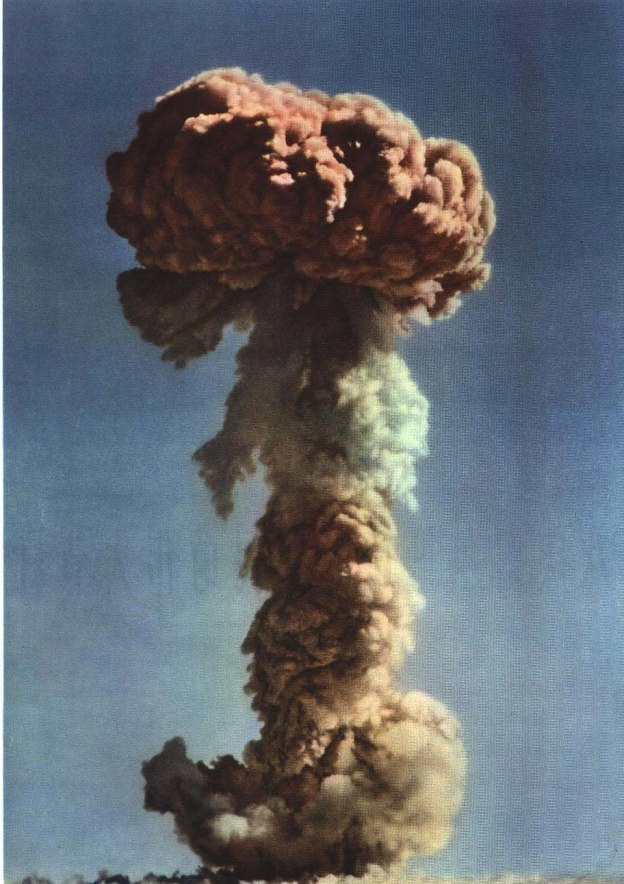
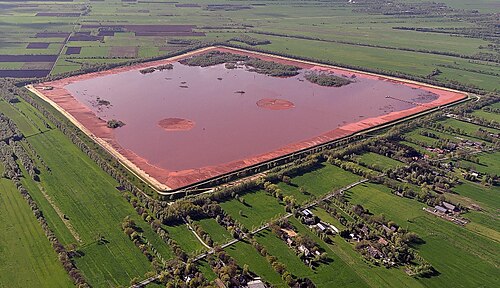
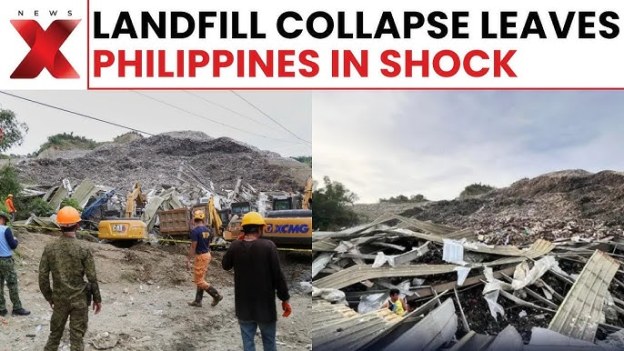
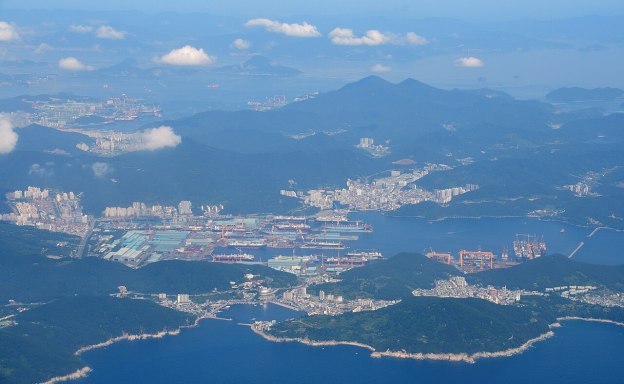
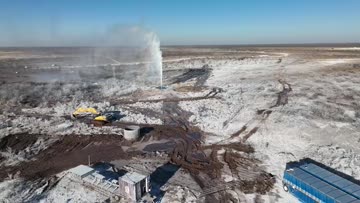

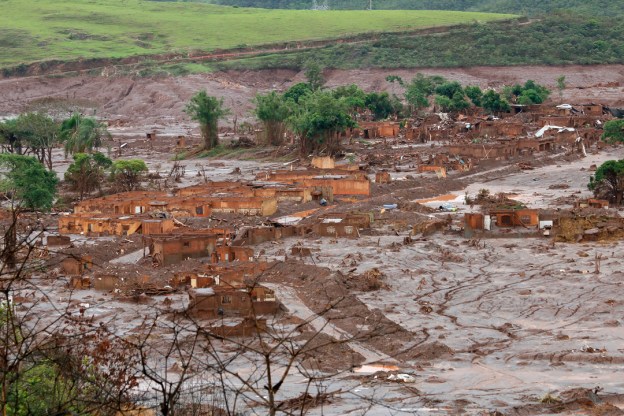
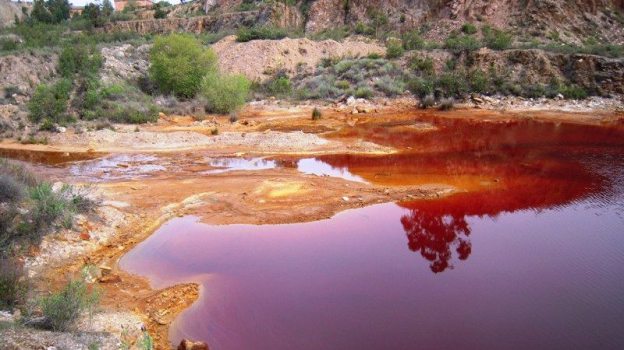

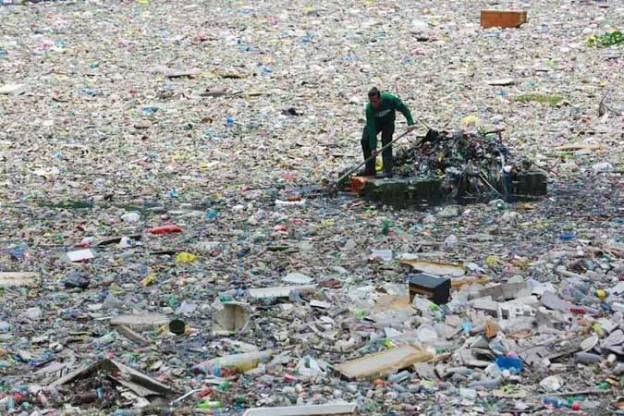

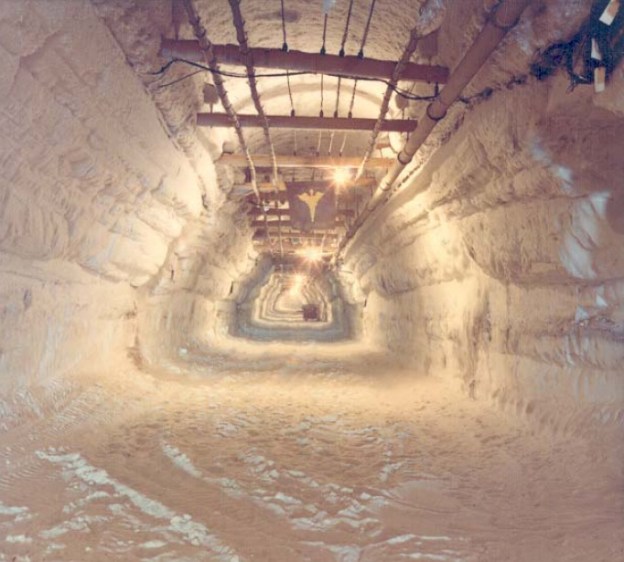
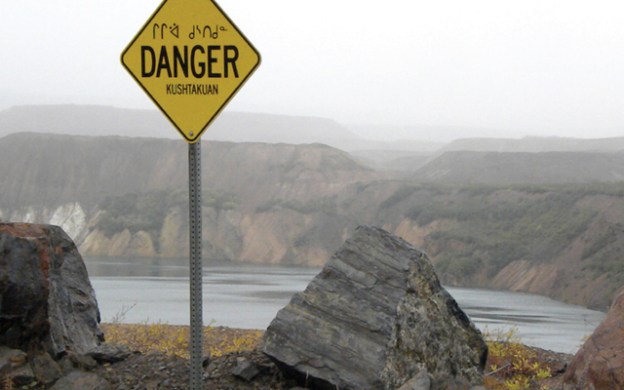
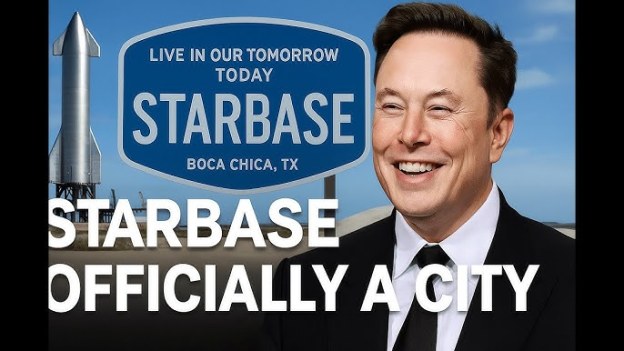

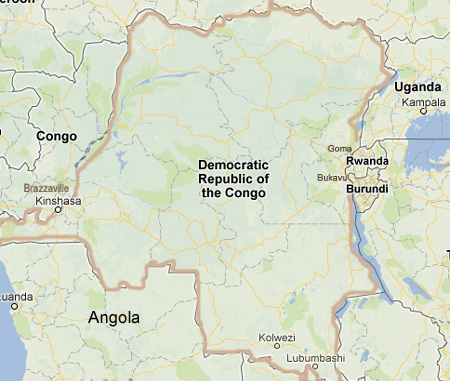

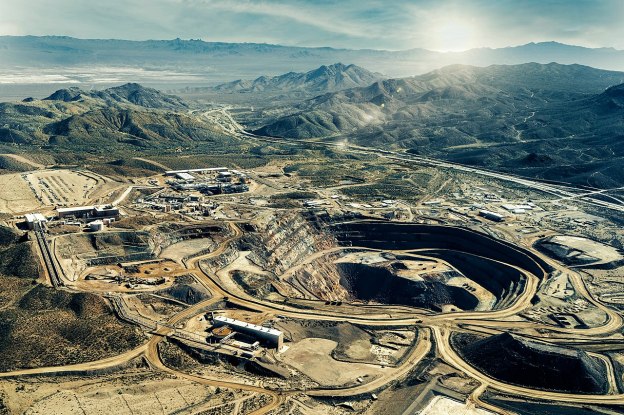
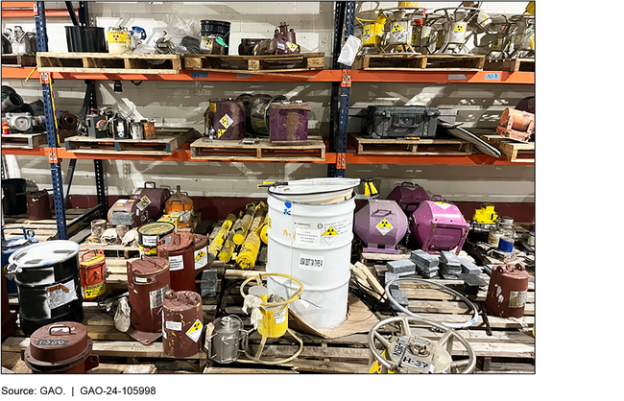

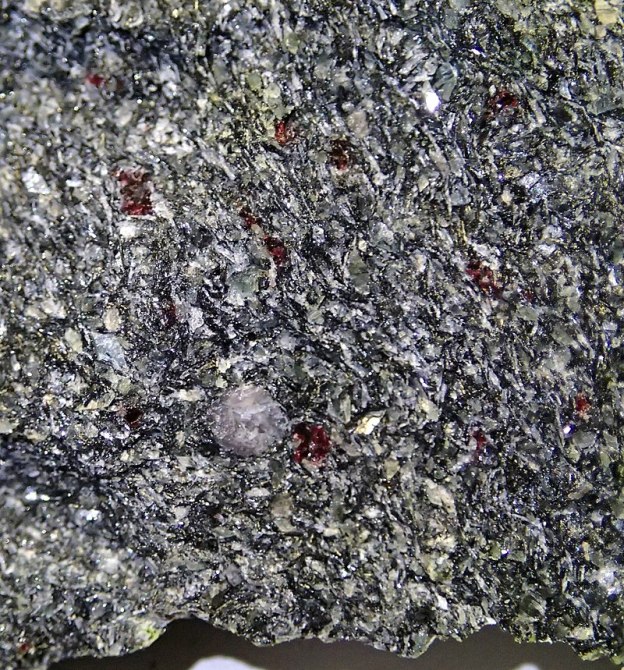
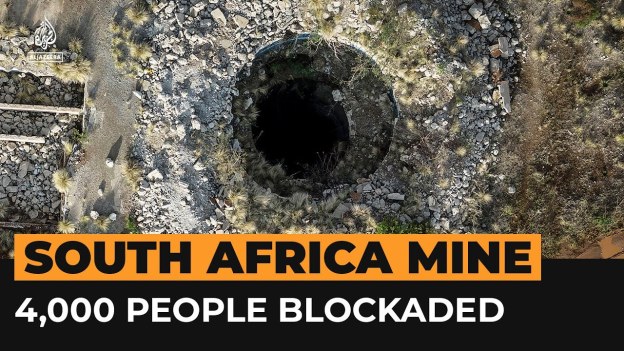



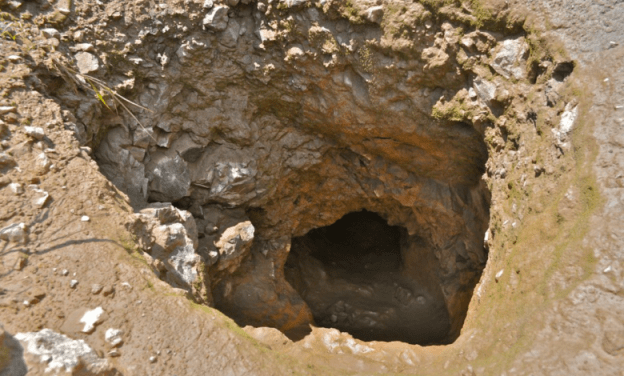
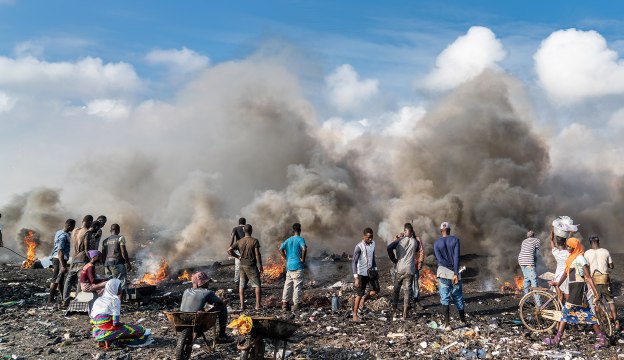

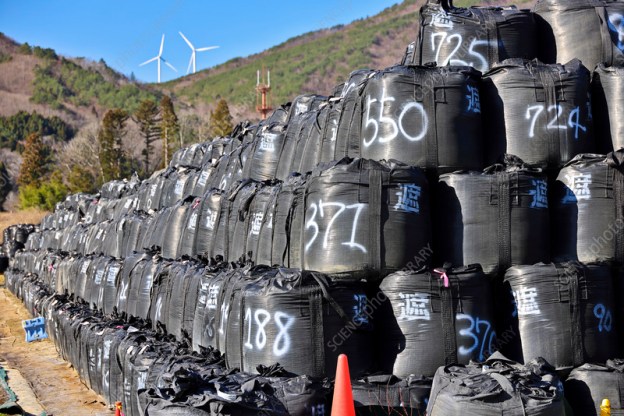
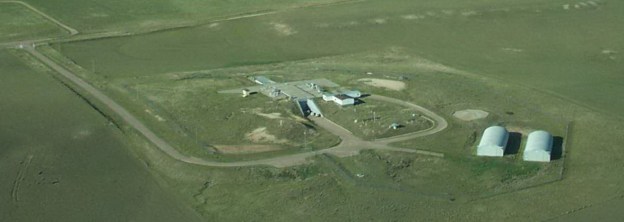

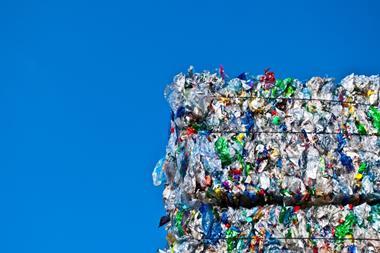

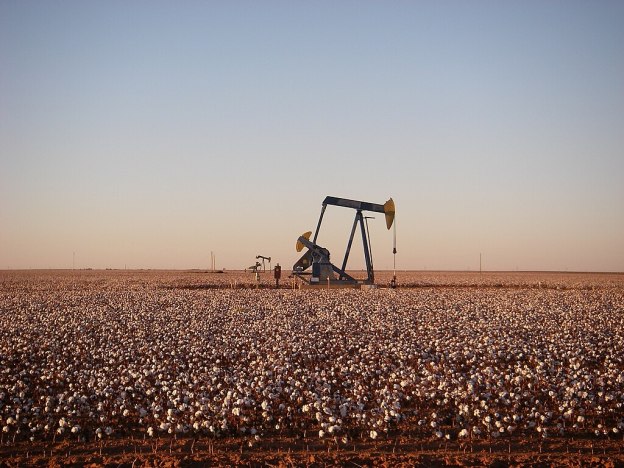






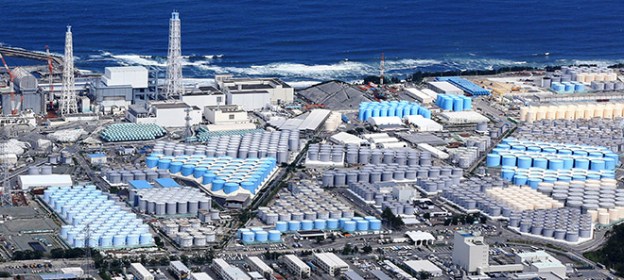
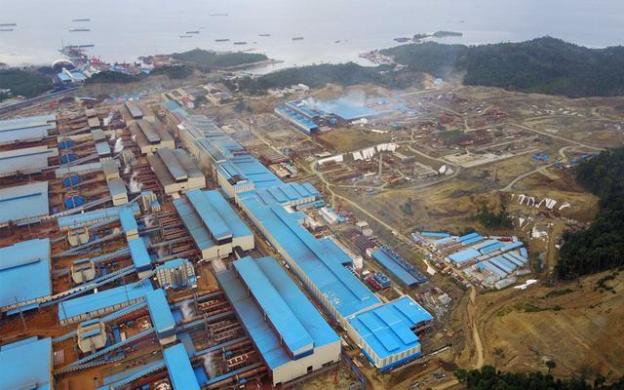



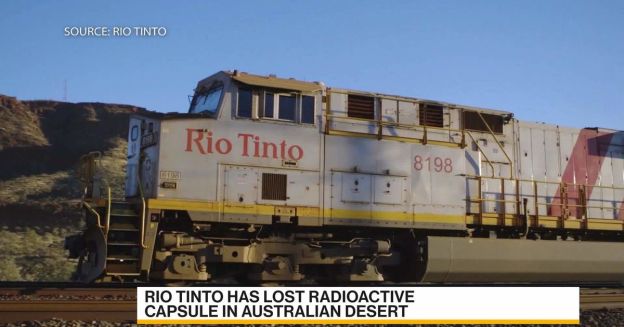

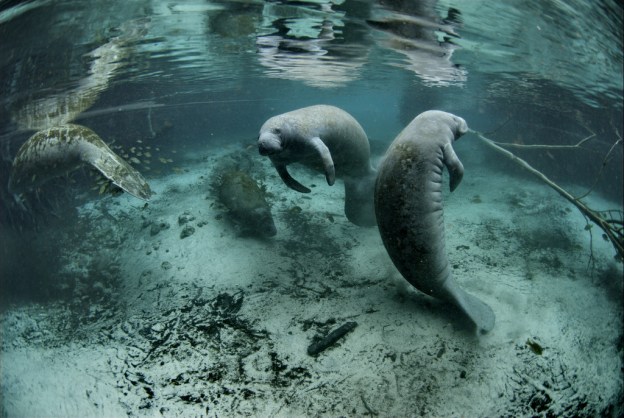

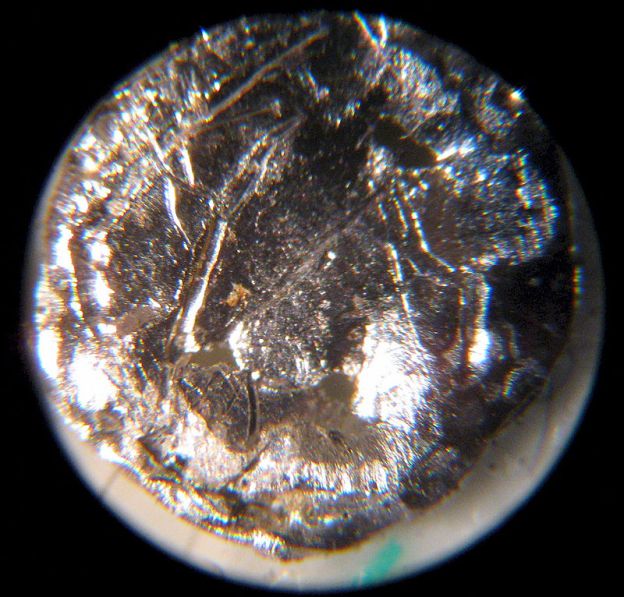

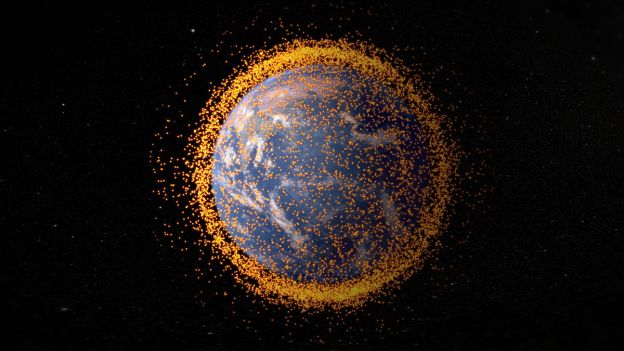


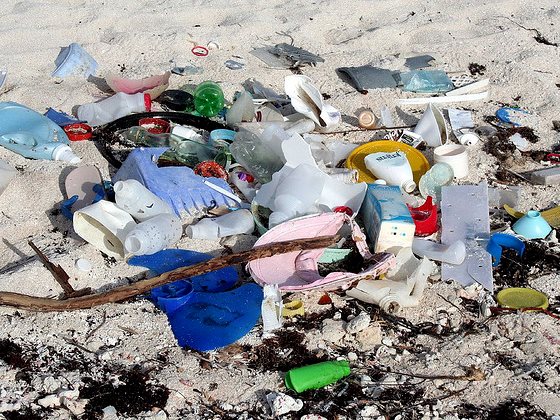



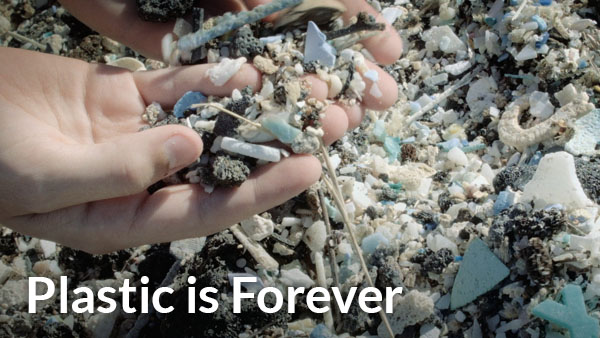


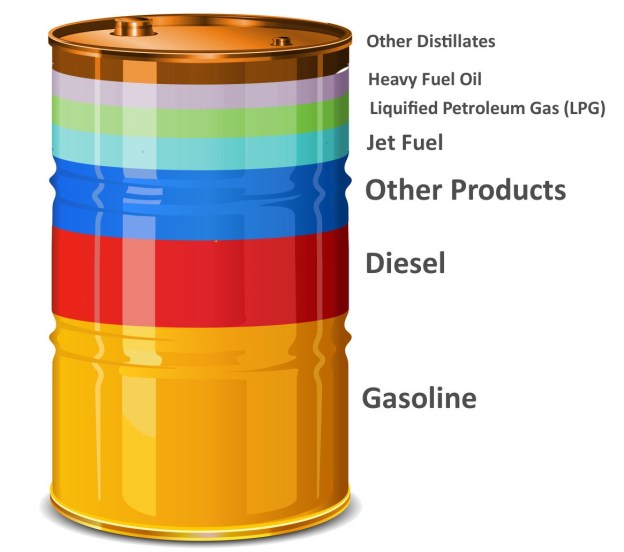





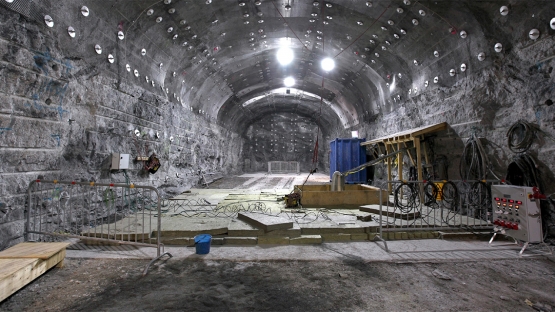
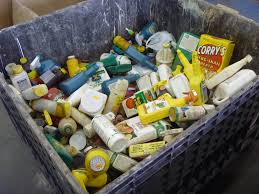
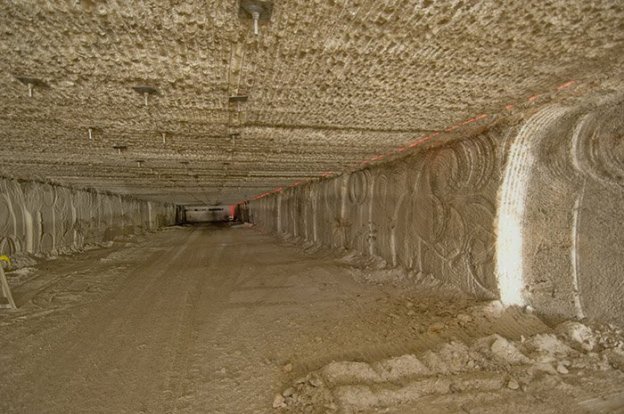

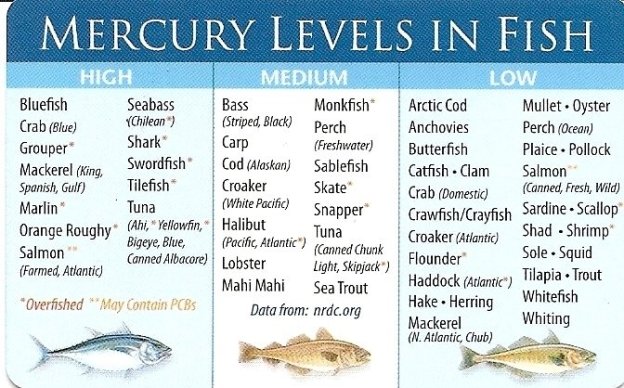

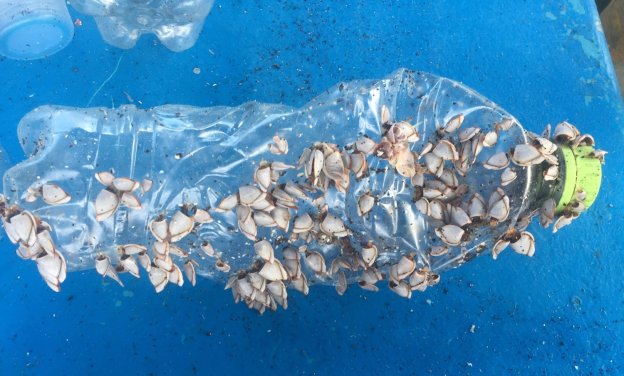
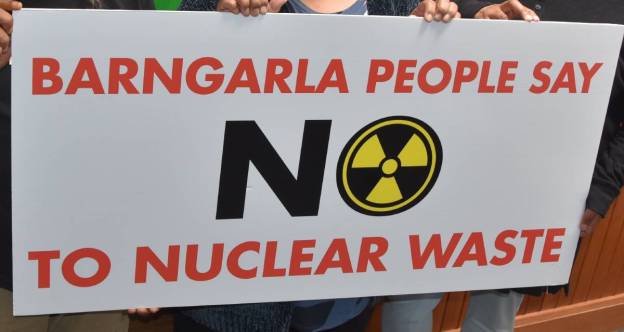
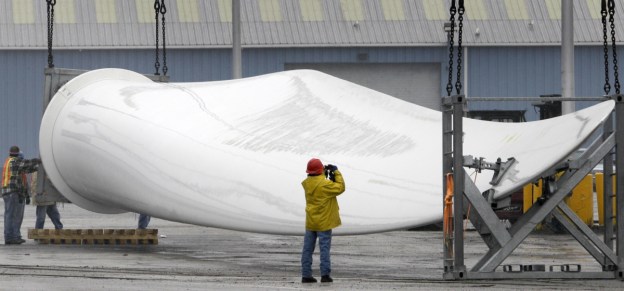

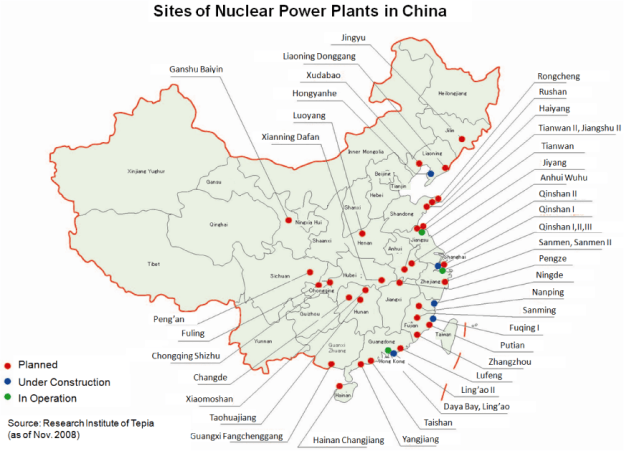
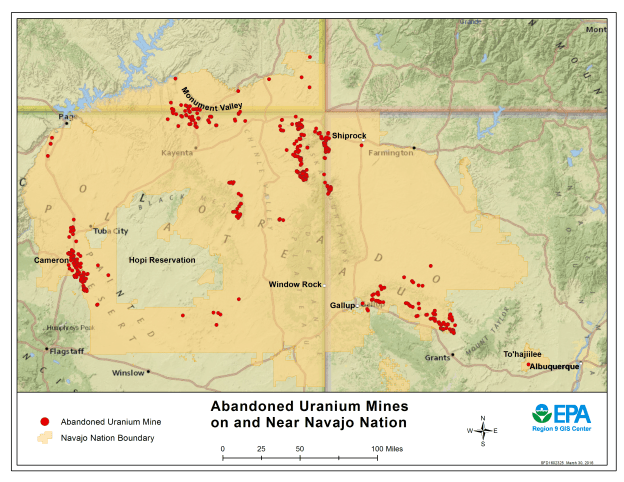
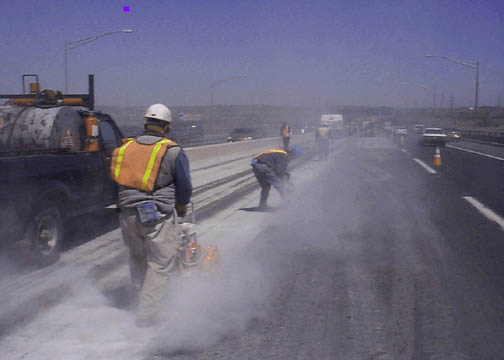
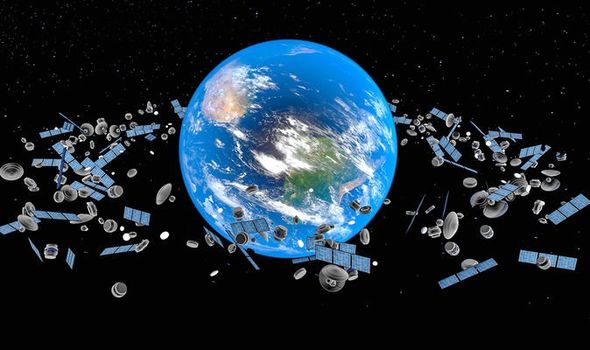
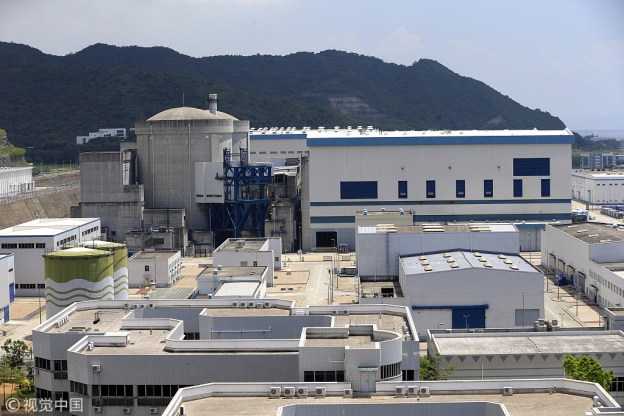
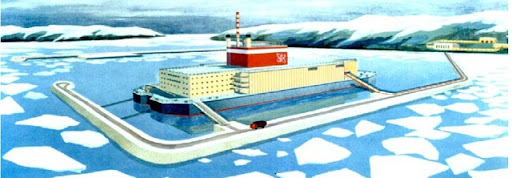
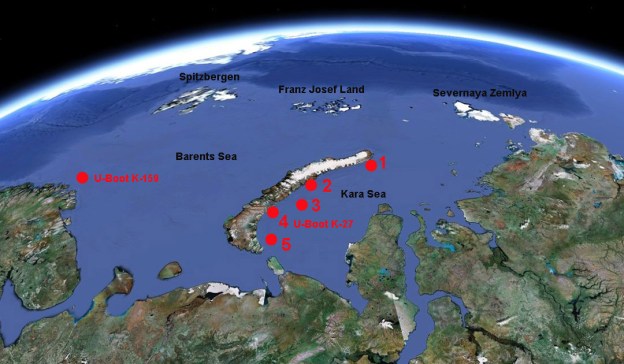
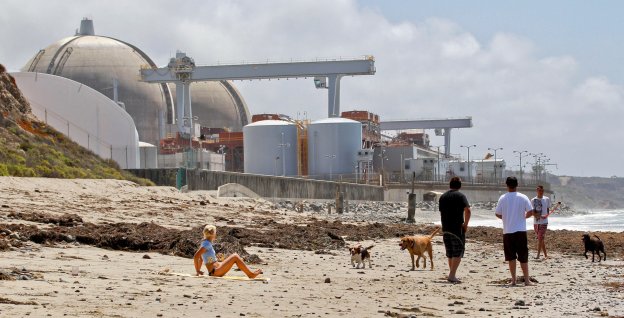
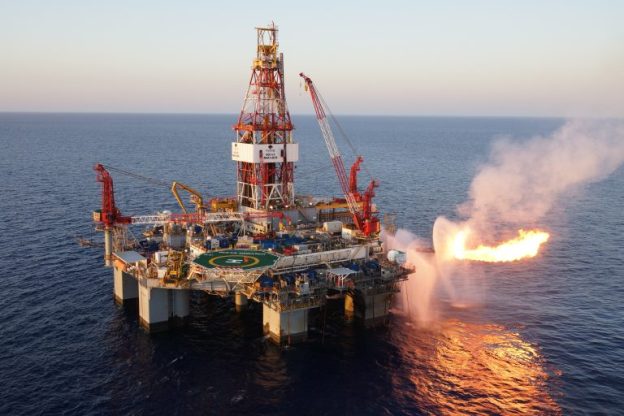
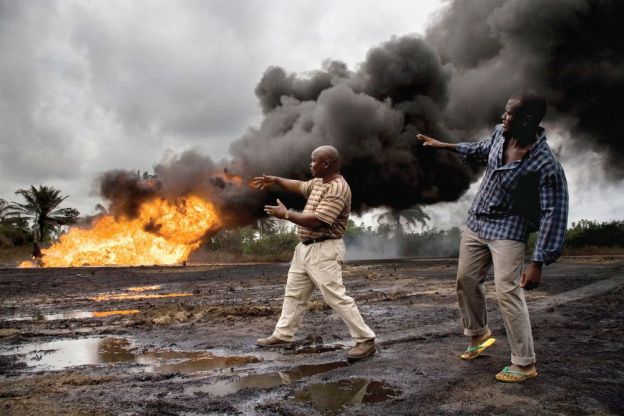

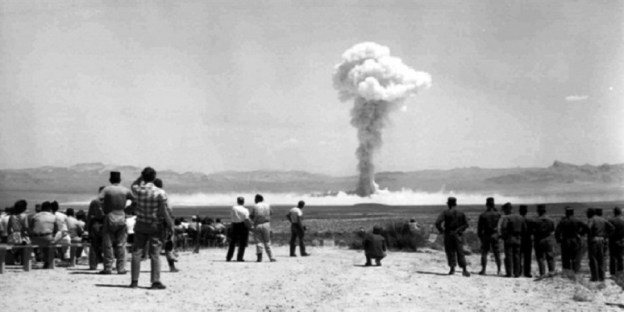
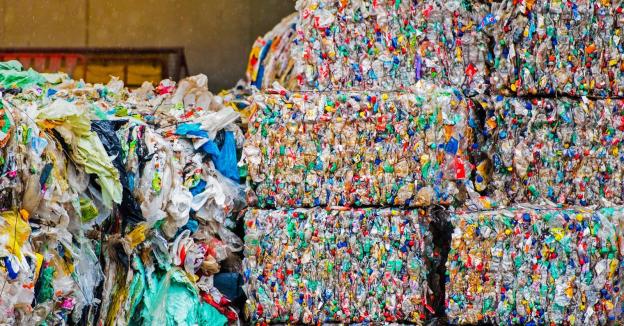

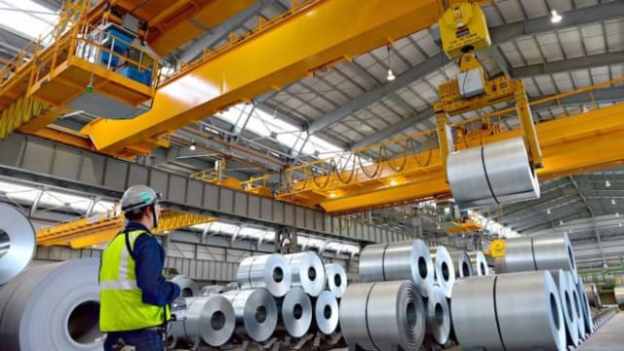
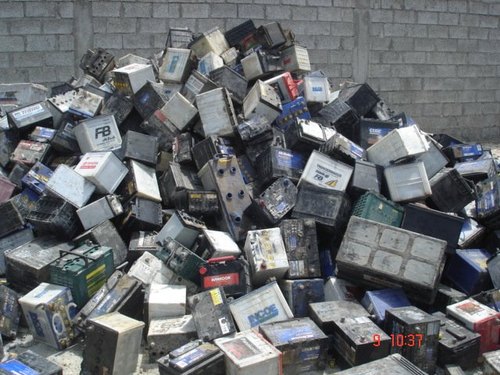
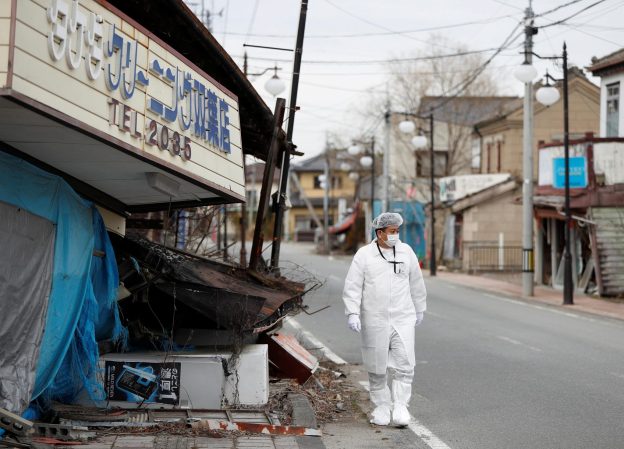
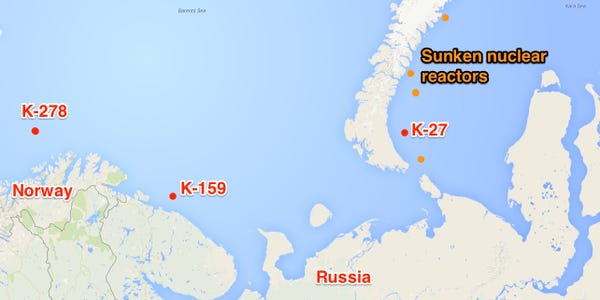
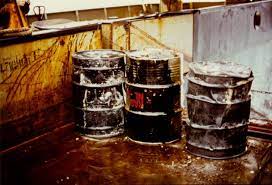

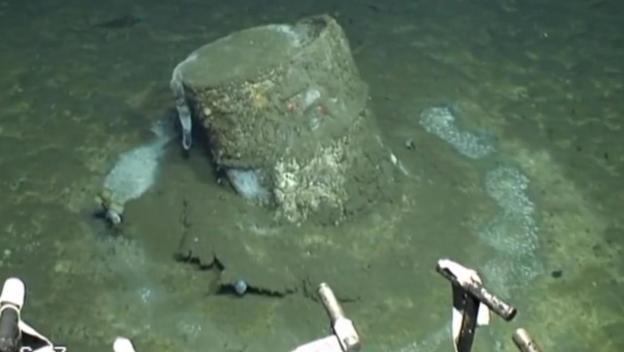
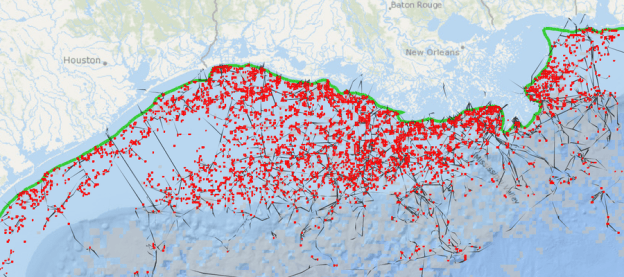
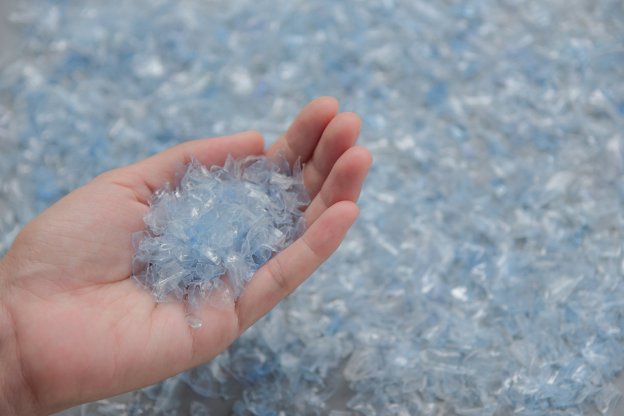

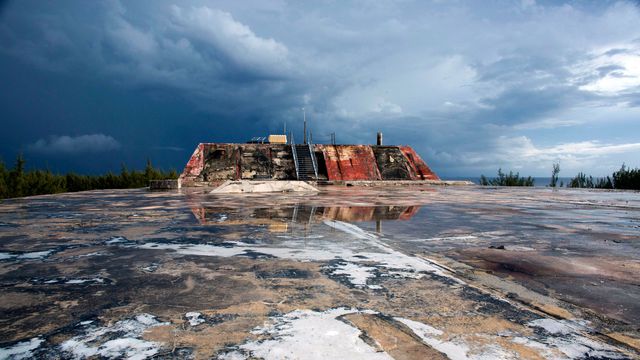
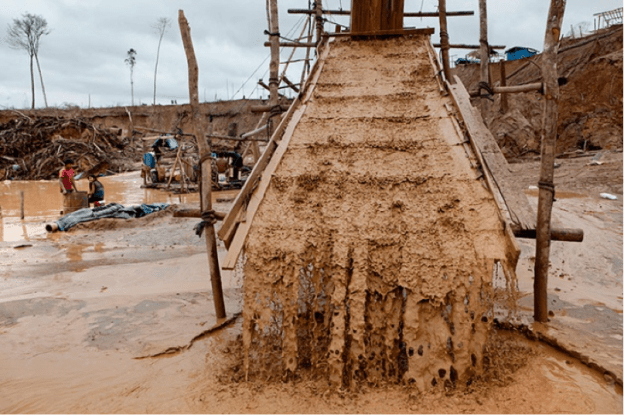
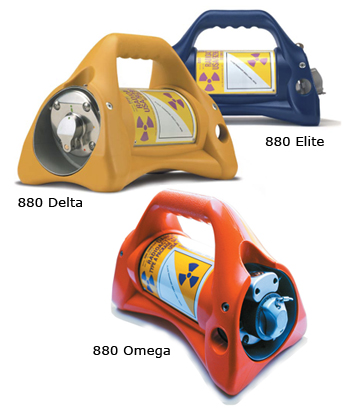
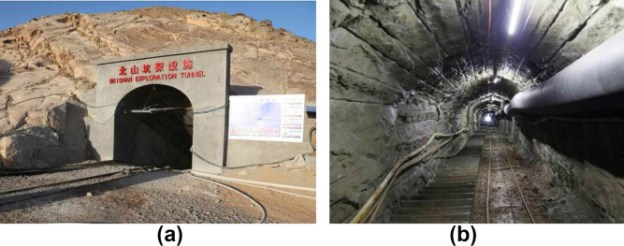
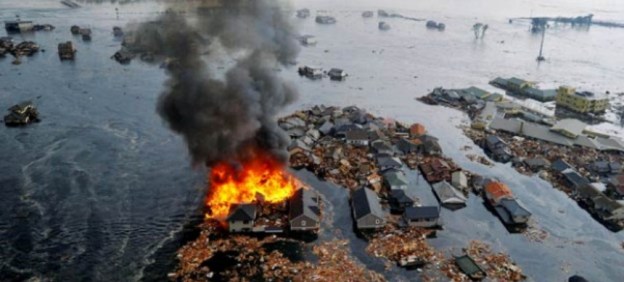
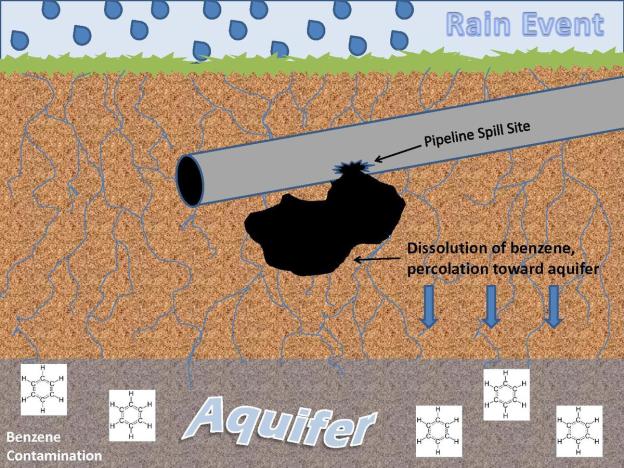
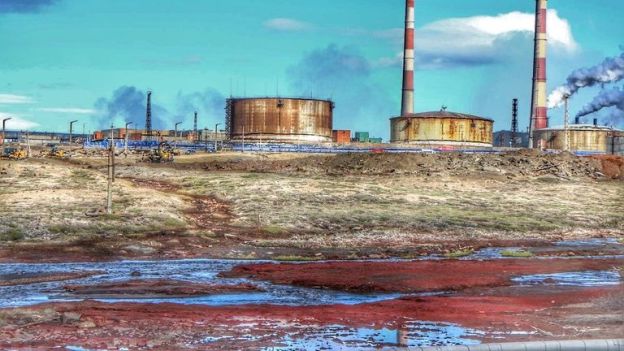
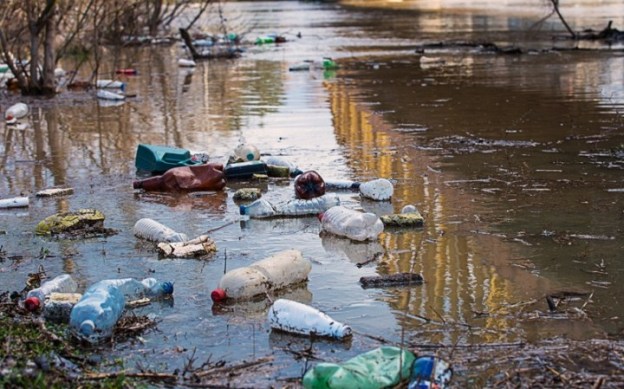

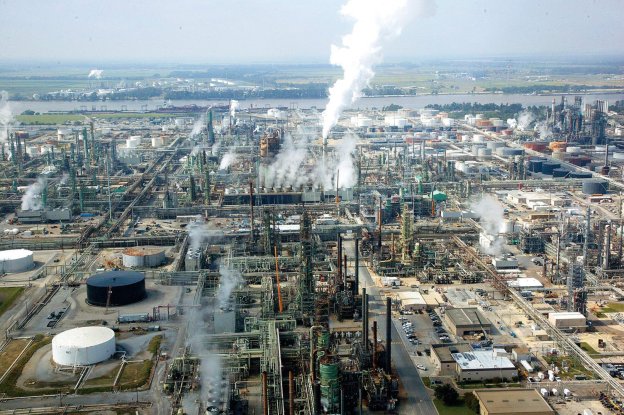


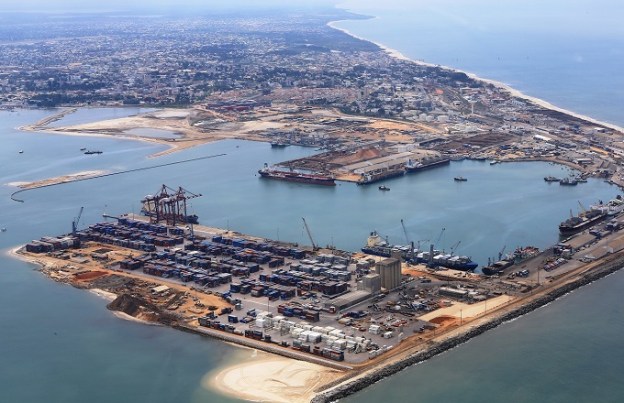
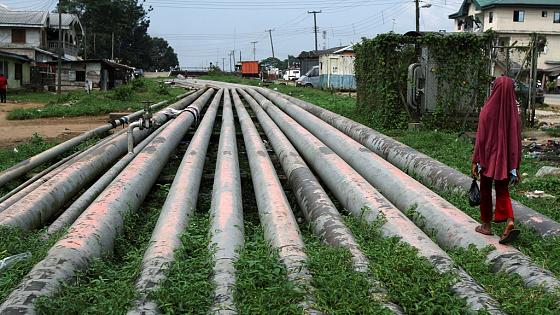
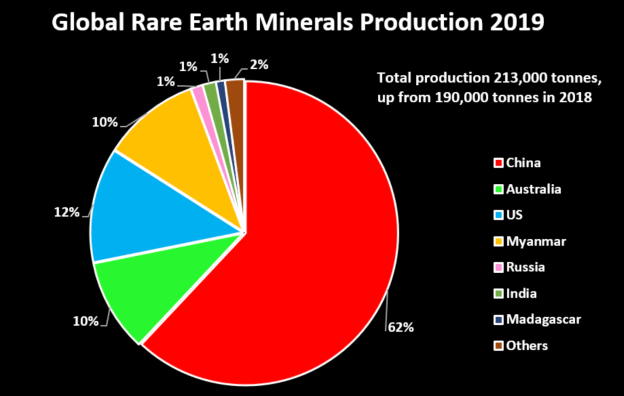
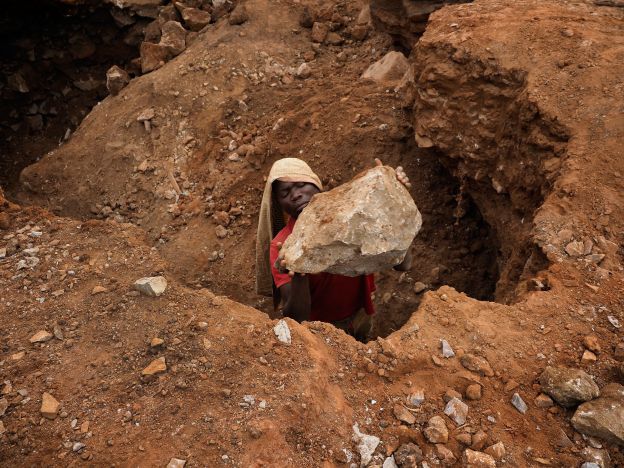
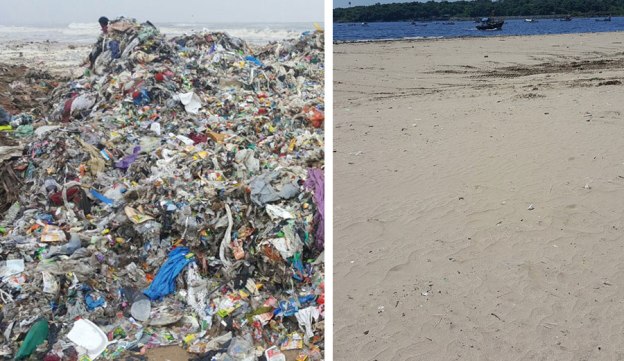



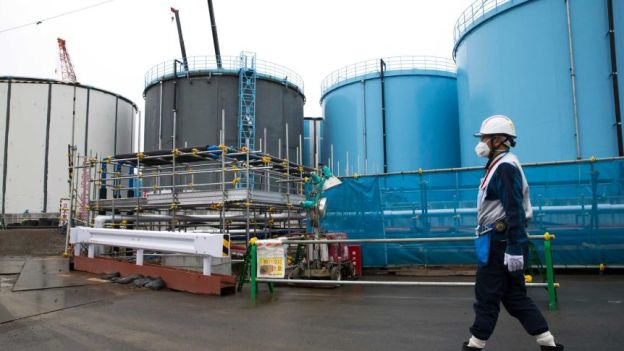
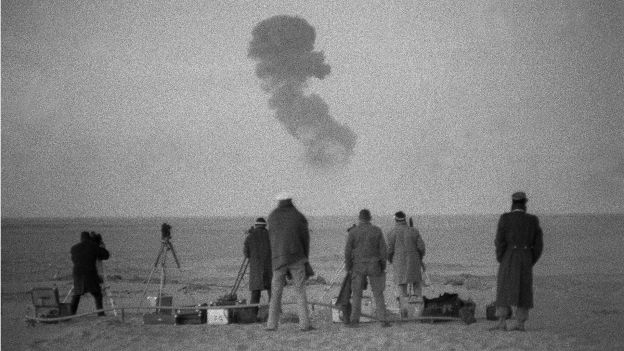

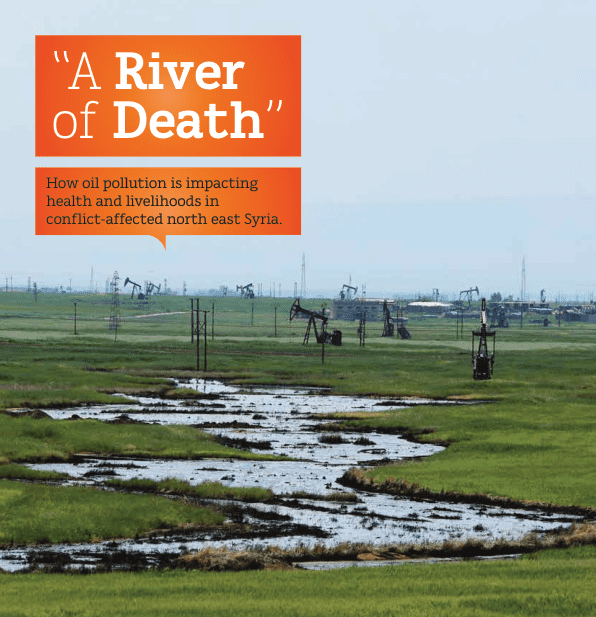
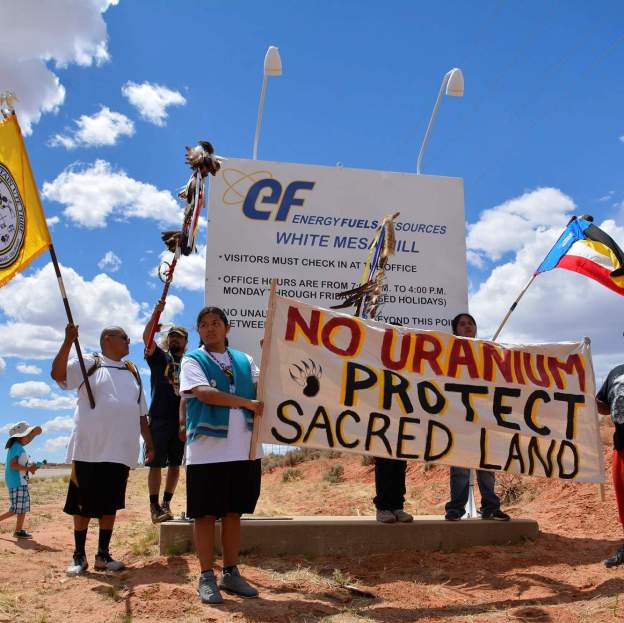
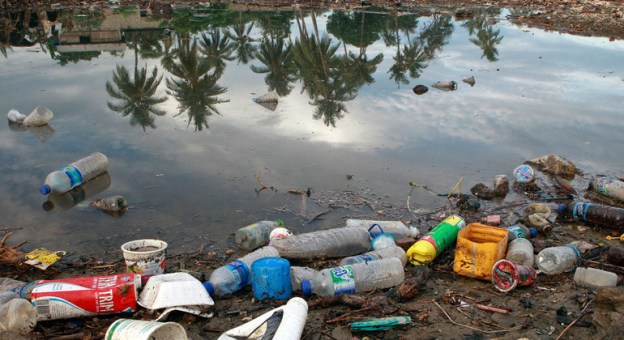


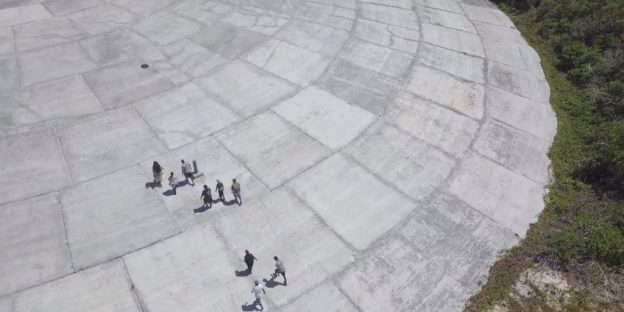
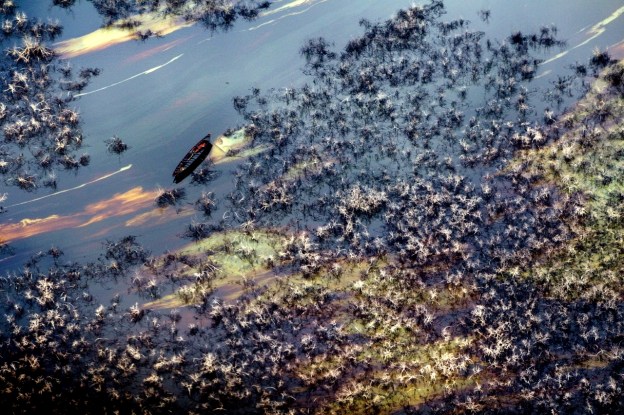

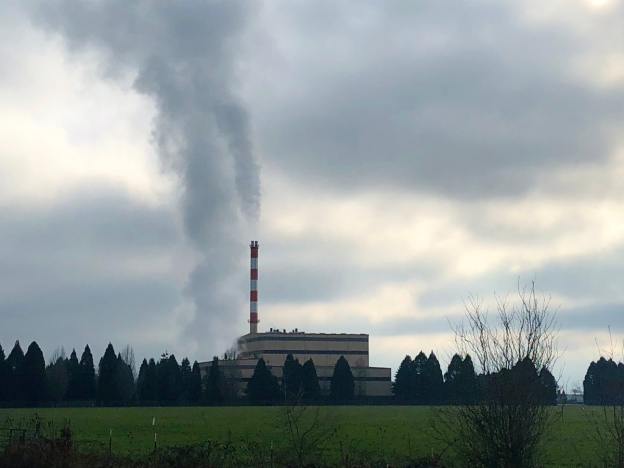
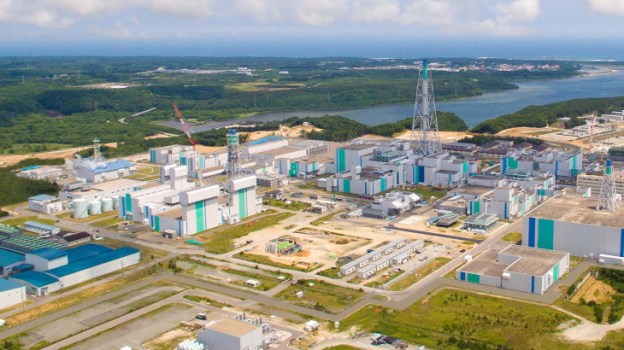
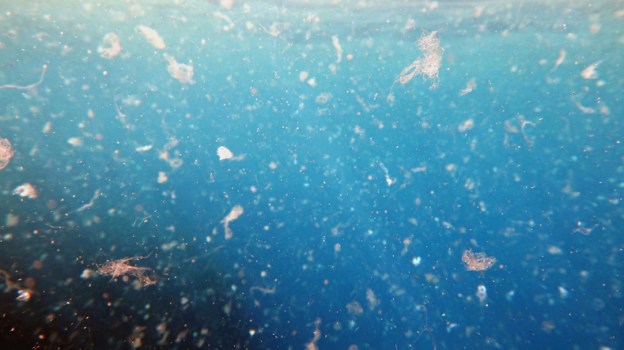

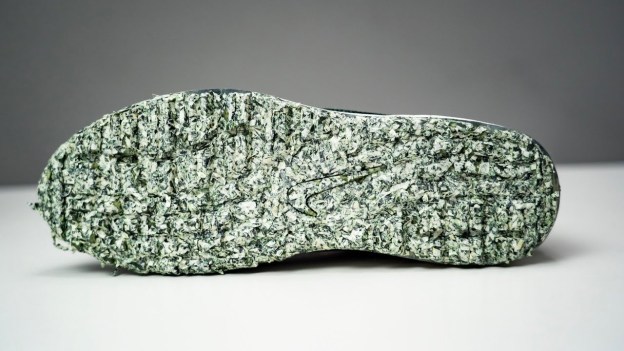

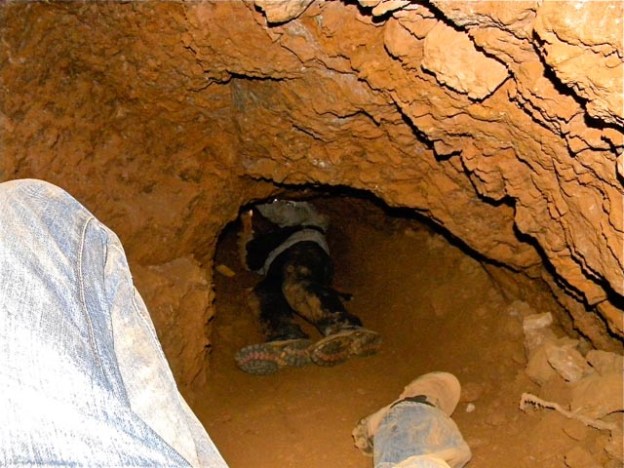

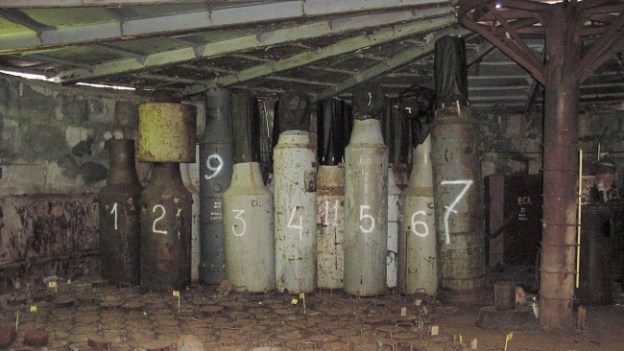
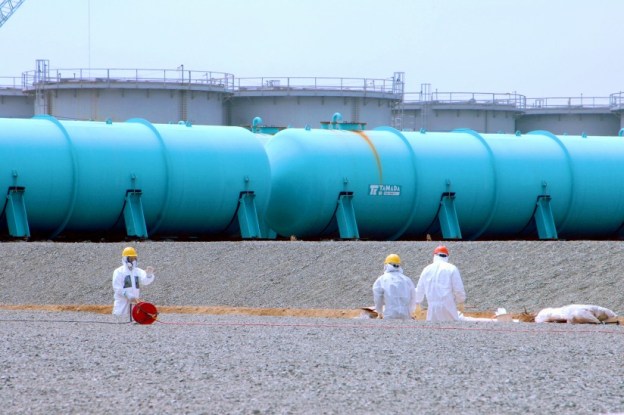
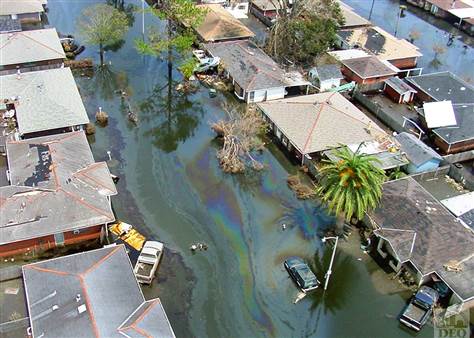
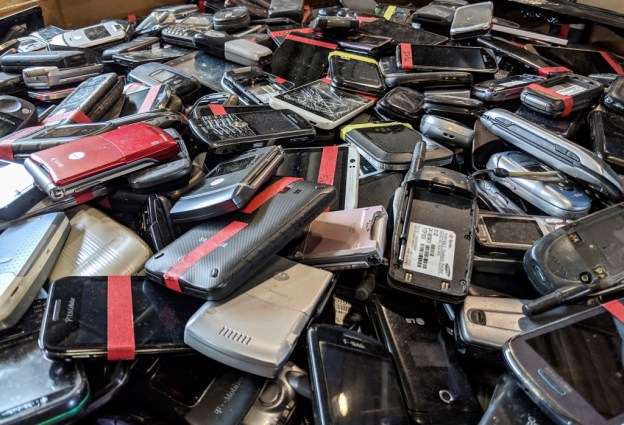
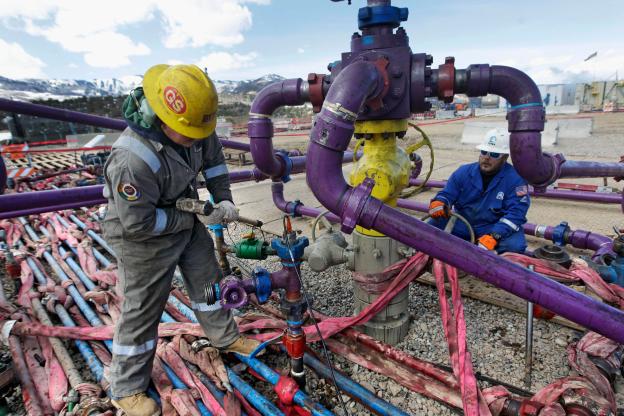
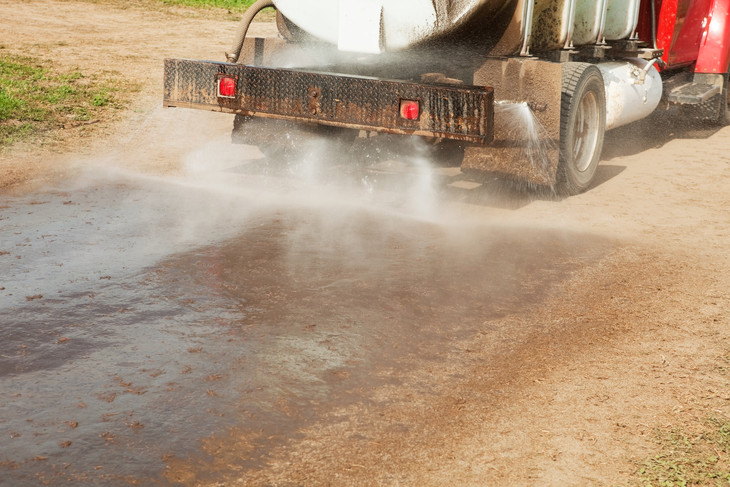
 Law-In-Action