In the afternoon on 22 June 2020, a seismic station in eastern Kazakhstan registered two small earthquakes 12 seconds apart near China’s Lop Nur nuclear test site. Closely spaced jolts can arise from underground explosions followed by a cavity collapse, or simply from earthquakes. U.S. officials in February 2026 asserted the shaking was from a clandestine nuclear detonation—an accusation that could sound the starting gun for a new global arms race…. Low-yield tests would help China refine weapons designs and probe plutonium properties as it expands from a stockpile of about 600 nuclear weapons to what the Pentagon projects will be roughly 1000 by 2030.
Such tests contravene the Comprehensive Nuclear-Test-Ban Treaty (CTBT), which has not entered into force since the major nuclear powers, such as China and the United States, have not ratified it and Russia rescinded ratification in 2023. Renewed testing would also underscore the limitations of the CTBT and its International Monitoring System (IMS), a global network of instruments that can spot blatant treaty violations but is not equipped to distinguish low-yield tests from earthquakes or nonnuclear blasts.
Incentives for nuclear testing are strong. The U.S. is developing a new submarine-launched warhead, Russia is deploying hypersonic missiles nearly impossible to intercept, and China is ramping up its arsenal. All three powers need to ensure the reliability of new or existing warheads, and they may calculate that insights gleaned from low-yield tests outweigh the risks of adversaries following suit. Heightening concerns is the lapse this month of the New Strategic Arms Reduction Treaty (New START), which capped U.S. and Russian deployed nuclear warheads at 1550 each.
In 2025, satellite images circulated of what appears to be a new laser fusion complex in Sichuan province akin to the U.S. National Ignition Facility, which weapons scientists use to simulate the intense temperatures and pressures of a thermonuclear explosion. Other imagery has spotted the excavation of three tunnels and 30-meter-tall rigs for drilling shafts at Lop Nur. Renny Babiarz, a geospatial analyst with AllSource Analysis, believes two shafts dug in the past few years are “most likely” for yield-producing nuclear tests.
Excerpt from Richard Stone, Allegations of a Chinese nuclear blast may reignite weapons testing, Science, Feb. 24, 20
In 2022, a Netherlands-based conservation group, the International Fund for Animal Welfare (IFAW), helped the government of Malawi truck 263 elephants from Liwonde National Park in the south, which had too many elephants, to Kasungu National Park in central Malawi, which had far fewer. The 280-mile relocation was part of the country’s broader conservation efforts. “The goal was to ease pressure on Liwonde and help rebuild a viable elephant population in Kasungu,” an IFAW spokesman said. The 2022 effort tripled the elephant population in Kasungu park, boosting Malawi’s tourism industry with it. IFAW used images of elephants being lifted by cranes to raise money for further wildlife-protection projects…
Within 24 hours of their release, elephants strayed out of the park, crossed the border into Zambia and trampled two farmers to death. The toll on the human side over the between 2022 and 2025: 26 villagers dead, scores injured, $4.5 million in crops destroyed and hundreds of homes damaged, according to Warm Heart Initiative, a Zambian nonprofit…The resulting anger, according to villagers, has had broader consequences for conservationism in the countries. Many locals no longer report poachers to wildlife authorities; instead, they hunt down and kill stray elephants…Victims of attacks, meanwhile, have threatened to sue IFAW, according to British law firm Leigh Day, which is representing potential plaintiffs.
Excerpt from Nicholas Bariyo, A Plan to Save Elephants Sparked a Deadly Conflict, WSJ, Jan. 29, 2026
Search-and-rescue operations at a collapsed landfill in the Philippines were ended on Monday January 19, 2026 after the last missing worker was recovered, pushing the death toll to 36. Cebu City officials said the last body was retrieved shortly after dawn on 18 January, 10 days after a large section of the Binaliw landfill gave way. The dumpsite, located in a mountainous area outside the city, had been the focus of a round-the-clock operation involving hundreds of responders.
Initial findings from the Mines and Geosciences Bureau, cited by local media, pointed to weeks of sustained rain that, combined with structural factors, could have weighed down the rubbish… The mound of waste acted likely “like a sponge” after heavy rainfall brought by a typhoon in November 2026, although other possible causes such as seismic activity were previously considered.
Excerpt from Philippine city ends recovery work after deadly landfill collapse kills 36, The Independent, Jan. 19, 2026
For Lynn Lee, at 65, it was her fourth layoff in April 2025. Yet tears still rushed down her cheeks.“I remember thinking, ‘What are the odds this would happen again?’ ” Lee said. Lee has survived a rolling tide of economic forces that have transformed manufacturing in rural America. The textile plants that moved to Brazil in the mid-2000s. The glass-fiber plant that shut down several years later. The sign-making company that shed workers during the Covid-19 pandemic. After each layoff, Lee found something new. Now, she was at retirement age. But like many older Americans with little savings and heavy financial burdens, retirement was out of the question.
She had $7,000 in mostly out-of-pocket medical debt left over from breast-cancer treatment in 2020 and a heart procedure in 2024. Plus, there was the $42,000 she still owed from a second mortgage on her home.Lee was back to searching for work. This time, she would be competing against a legion of other job seekers in an unforgiving market. Nearly a quarter of unemployed people have been without a job for at least 27 weeks. …Excerpt from The Bruising Reality of Searching for a Job at 65, WSJ, Dec. 26, 2025
According to Jack Clark, co-founder of Anthropic: “By the summer of 2026, I expect that many people who work with frontier AI systems will feel as though they live in a parallel world to people who don’t. And I expect this will be more than just a feeling – similar to how the crypto economy moved oddly fast relative to the rest of the digital economy, I think we can expect the emerging “AI economy” to move very fast relative to everything else… But a crucial difference is that the AI economy already touches a lot more of our ‘regular’ economic reality than the crypto economy.” Excerpt from Import AI 438: Siren sirens, flashing for us all, by Jack Clark, Dec. 22, 2025
Producers in the Permian Basin of West Texas and New Mexico extract roughly half of the U.S.’s crude oil. They also produce copious amounts of toxic, salty water, which they pump back into the ground. Now, some of the reservoirs that collect the fluids are overflowing—and the producers keep injecting more. A buildup in pressure across the region is propelling wastewater up ancient wellbores, birthing geysers that can cost millions of dollars to clean up. …Swaths of the Permian appear to be on the verge of geological malfunction.
When pressure of the injected into the ground wastewater exceeds 0.5 pound per square inch per foot, the liquid…can flow to the surface and pose a risk to underground sources of drinking water.
The fracas above ground is raising questions about how the Permian can sustain red-hot production without causing widespread environmental damage that could leave taxpayers on the hook—and complicate the region’s economic plans. The basin is trying to lure data centers with cheap land and energy and has plans to become a hub for burying carbon dioxide captured at industrial plants and sucked out of the air.
“You need to have a stable, locked-down geology that’s going to behave as it’s supposed to,” said Adam Peltz, a director at the Environmental Defense Fund, a nonprofit advocacy group. “Otherwise, you’re going to cause a huge, expensive mess that Texans will pay for for generations.” The industry is working to clean up its act, but solutions to treat and ditch meaningful volumes of water far from the oil fields remain years away.
In the Delaware portion of the Permian, its most prolific region, drillers crank out between 5 and 6 barrels of water, on average, for every barrel of oil. For years, they pumped the toxic water deep into the ground—and triggered hundreds of earthquakes, some with a magnitude of over 5. They caused little damage in the sparsely populated Permian, but they were felt as far as Dallas, El Paso and San Antonio, where a historic building was damaged.
In 2021, the Railroad Commission of Texas, the agency that oversees the oil-and-gas industry in the state, began cracking down on deep disposal. Companies pivoted to shallow reservoirs, which now absorb roughly three-quarters of the billions of barrels of water that they inject in the Permian every year. The shift largely cured the tremors but has created unintended consequences.
As more and more of toxic water is injected in shallow underground reservoirs pressure is built and the toxic water migrates up some of the decaying wells that litter the Permian erupting back on the surface. In 2022, a 100-foot column of toxic water erupted from an abandoned well in Texas’ Crane County near the unincorporated community of Tubbs Corner. Chevron, which owned the well, plugged it. But nearly two years later, water started to ooze from a different well in the same area, a sign that bottling up the geyser likely repressurized the subsurface and triggered the new outburst, scientists said. It took the Railroad Commission about 53 days and roughly $2.5 million to plug that leak. Eventually, the agency quietly shut in the injection wells that it said were likely causing the increase in pressure.
Researchers at the Bureau of Economic Geology painted a critical picture of the frenzied injection in the Permian basin. Operators were injecting wastewater with little concern over how it might travel underground or its impact on reservoir pressure, they said.
Excerpt from Benoît Morenne et al., America’s Biggest Oil Field Is Turning Into a Pressure Cooker, WSJ, Dec. 25, 2025
The dam in Mariana, southeastern Brazil, was owned by Samarco, a joint venture between the mining giants Vale and BHP. The claimants’ lawyers argued successfully that the trial should be held in London because BHP headquarters “were in the UK at the time of the dam collapse”. A separate claim against Samarco’s second parent company, Brazilian mining company Vale, was filed in the Netherlands, with more than 70,000 plaintiffs.
The dam was used to store waste from iron ore mining. When it burst, it unleashed tens of millions of cubic metres of toxic waste and mud. The sludge swept through communities, destroying hundreds of people’s homes and poisoning the river. Judge Finola O’Farrell said in her High Court ruling that continuing to raise the height of the dam when it was not safe to do so was the “direct and immediate cause” of the dam’s collapse, meaning BHP was liable under Brazilian law.
Excerpt from Ione Wells, UK court finds mining firm liable for Brazil’s worst environmental disaster, BBC, Nov. 14, 2025
———-
According to the UN Special Rapporteur who visited Brazil in 2019 and met BHP and Vale on numerous occasions, ” BHP and Vale rushed to create the Renova Foundation to provide the communities [affected by the collapse of the dam] an effective remedy. Unfortunately, the true purpose of the Renova Foundation appeared to be limit liability of BHP and Vale, rather than provide any semblance of an effective remedy…
Furthermore, inadequate information was available about the toxicity of the waste after the Mariana disaster, the companies insisted that it was non-toxic, and rejected calls for precaution. Only three weeks after concerns were raised was information availed. When health impacts in Barra Longa emerged years later, Renova sought to exert ownership of epidemiological and toxicological studies by Ambios to suppress disclosure. Read the full report of the Special Rapporteur here.
The worst day of Bathsheba Musole’s life was February 18, 2025. It started with a deafening crash when the 30-foot wall around a toxic-waste pool collapsed at the Chinese copper mine above her village. A poisonous river of a stinking yellow liquid rushed downhill, inundating homes and fields, including the one where she grew corn to feed her eight children. The floodwater, laden with cyanide and arsenic, rose chest-high. “I thought I would drown,” said Musole, 48 years old, in a recent interview.
In August 2025, months after the Feb. 18, 2025 disaster, officials from Sino Metals, a unit of the state-owned China Nonferrous Mining Corp., showed up at Musole’s half-acre farm, which the Zambian government says is too toxic to sustain crops for at least three years. They were there to make things right, she recalled them saying. Their offer was $150, but it came with a catch. To get the money, she would have to agree never to talk about the spill, take legal action against Sino Metals or even reveal the contents of the nondisclosure agreement itself…
Zambia’s government and economy.. have grown reliant on China. Zambia collects about $2 billion a year in mining taxes, mostly from Chinese mining companies. Half of the copper mined in Zambia, much of it by Chinese companies, is exported to China. In 2024, the Zambian government announced that Chinese miners would invest $5 billion in the country by 2031…
After months of investigation, Drizit Environmental, a South African firm contracted by Sino Metals, concluded that 1.5 million tons of toxic waste had overflowed into the Kafue valley, 30 times what the company had said. Sino Metals terminated the firm’s contract a day before the final report was due…
Excerpt from Nicholas Bariyo, China Pushes to Silence Victims of African Mining Disaster, WSJ, Oct. 27, 2025
While drugs sold in U.S. pharmacies or over the counter typically don’t say “made in China,” the country often supplies active pharmaceutical ingredients in the drugs or precursor chemicals used to make those active ingredients. Most of the acetaminophen and ibuprofen imported into the U.S. comes from China. Those are the active ingredients in Tylenol and Advil, respectively. China is also a significant producer of antibiotic ingredients. The U.S. imports many branded drugs from Europe, while for generics, it relies heavily on India. Still, a significant amount of the active ingredients used in India-made generics originates in China.
Perhaps aware of the sensitivity of turning medicine into a political tool, China hasn’t often threatened to cut off drug supplies to the U.S. Still, it signaled awareness of its leverage early in the Covid-19 pandemic, when the world faced shortages of masks and personal protection equipment owing to supply disruptions from China. In March 2020, the official Xinhua News Agency said that if China were to restrict exports of medical goods, the “U.S. will be plunged into the vast ocean of coronavirus.”
Excerpt from Yoko Kubota, How China’s Chokehold on Drugs, Chips and More Threatens the U.S., WSJ, Nov. 4, 2025
Authorities in Indian capital Delhi unsuccessfully carried out in October 2025 a cloud seeding trial, which is the technique of altering clouds to make rain, to tackle the city’s worsening air pollution.
[What is Cloud Seeding?] Cloud seeding is done by firing small particles – usually silver iodide – into clouds to produce rain. The technique is used around the world, but experts doubt its efficacy as a long-term air pollution control measure. A team of the Indian Institute of Technology (IIT) Kanpur and the Delhi government carried out the trial over several neighbourhoods, as thick smog enveloped the city. But the attempt – the first in 53 years – was “not completely successful” due to the lack of moisture in the air. As a result, Delhi’s Air Quality Index (AQI) – which measures the level of PM 2.5 or fine particulate matter in the air that can clog lungs – is still hovering between 300 and 400, which is nearly 20 times the acceptable limit…
Delhi’s first cloud-seeding experiment was carried out in 1957, followed by another attempt in 1972, according to the Indian Institute of Tropical Meteorology. While those experiments were aimed at drought management, this was the first indigenous effort at cloud seeding to control pollution.
China has boasted about its success to manage rains before hosting the Olympics, with Beijing using rockets, cannons and drones to do cloud seeding. However, in the United Arab Emirates, questions over the technique were raised, following floods in Dubai in 2024.
Excerpt from Abhishek Dey, Why Delhi’s experiment to fix toxic smog with artificial rain failed, BBC, Oct. 29, 2025
Exxon Mobil says rules requiring it to disclose climate risks infringe on the company’s right to free speech. The oil-and-gas giant made the argument in a suit filed October 24, 2025 (pdf) against the state of California, which is rolling out requirements for businesses to report ton their greenhouse gas emissions and climate-related financial risks. Exxon Mobil asked the court to halt the rules, arguing that they would violate free speech protections by forcing the business to use frameworks that put “disproportionate blame on large companies” such as the energy producer itself. The rules would require Exxon Mobil “to serve as a mouthpiece for ideas with which it disagrees,” the company said in the complaint, which was submitted to the U.S. District Court for the Eastern District of California.
The California regulations were set up by state laws SB 253 and SB 261: the Climate Corporate Data Accountability Act and the Climate-Related Financial Act. The first requires companies to disclose their greenhouse gas emissions, while the second mandates disclosures of climate-related financial risks.
The rules are specific to California but their oversight reaches businesses across the globe. Under SB 253, companies doing business in the state with an annual total revenue exceeding $1 billion, be they public or private, will have to disclose their greenhouse gas emissions—the ones from their immediate operations, such as electricity intake, and those from their… supply chain. Even if they are based elsewhere in the U.S. or overseas, the rules will apply.
The climate risk reporting rule, SB 261, will affect more companies. It requires public and private firms doing business in California with annual revenue of more than $500 million to disclose climate-related financial risks, along with the measures they are taking to mitigate and adapt to such risks, starting Jan. 1, 2026
Launched in July 2025, a Brazilian mosquito factory is expected to produce 100 million eggs a week from the mosquito Aedes aegypti. However, unlike wild A. aegypti, the main transmitter of dengue virus, those churned out by the factory carry a harmless Wolbachia bacterium that curbs the insects’ ability to spread viruses including dengue and Zika. The idea is to release the modified mosquitoes, which researchers call wolbitos, into cities in Brazil, where they will mate with their wild counterparts and the females will pass the bacterium on to their offspring, gradually converting the local population.
The wolbito strategy, which is being spearheaded by the non-profit World Mosquito Program (WMP), has already shown success in Colombia, Indonesia and at home: in the Brazilian city of Niterói in the southeast, dengue cases dropped by 69% in areas where Wolbachia-carrying mosquitoes were released, compared with areas where they weren’t. Brazil’s federal government has adopted the approach to fight dengue infections — which surged to a record 6.5 million confirmed cases in the country in 2024 — alongside other preventive measures such as vaccines.
Excerpt from Mariana Lenharo, This is the world’s largest ‘mosquito factory’: its goal is to stop dengue, Nature, Sept. 3, 2025
Climate scientists have been attributing storms, droughts and heatwaves to global warming for two decades. Now, they are tracing the chain of responsibility all the way back to the producers of fossil fuels. A study published in Nature in September 2025 shows that around one-quarter of the heatwaves recorded over 2000–23 can be directly linked to greenhouse-gas emissions from individual energy giants…some of whom include (the former Soviet Union, China (coal), Gazprom, Exxon Mobile, Chevron, National Iranian Oil Company, Saudi Aramco, BP, Shell, India (Coal)) The findings could provide fresh evidence to support lawsuits seeking to hold companies accountable for their impacts on the climate.
More than one-quarter of the 213 events recorded would have been “virtually impossible” without human-induced global warming, the study found. The emissions linked to energy companies and other major carbon emitters increased the likelihood of some 53 heatwaves by a factor of more than 10,000.
This is not the first time that climate impacts have been attributed to fossil-fuel producers, but this study go one step further than its predecessors and link individual companies directly to specific heatwaves. Legal experts say it’s a line of evidence that could feed into climate litigation that focuses on specific events, such as the 2021 heatwave that hammered the US Pacific Northwest in 2021. Already, a county government in Oregon has filed a US$52-billion civil lawsuit against fossil-fuel companies for contributing to that event.
Excerpts from Jeff Tollefson, Heatwaves linked to carbon emissions from specific companies, Nature, Sept. 10, 2025
Kanzira Kihanga, a woman who lives in Congo, says she wasn’t surprised to learn in May 2025 that she was infected by the virus that causes AIDS. The 21-year-old believes she contracted the virus after back-to-back rapes by armed men. After the first attack, she went to a clinic but was only given half a dose of the PEP medication.* Two weeks later, she was raped again as she walked to the clinic to pick up the remainder of the dosage.
*Post-exposure prophylaxis (PEP) refers to HIV medicines that are taken after a possible exposure to prevent HIV infection.
Excerpt from Nicholas Bariyo, Congo Braces for HIV Surge After U.S. Funding Stops, WSJ, July 4, 2025
Malaysia emerged as a major destination for U.S. waste after China banned American waste imports in 2018. California shipped 864 shipping containers, or more than 10 million pounds of plastic waste, to Malaysia in 2024, according to the Basel Action Network, an advocacy group…
Under Malaysian waste guidelines announced recently, the country is no longer accepting plastic waste and hazardous waste from nations that didn’t ratify the Basel Convention, the international treaty designed to reduce the international movement of hazardous and other waste. The U.S. is one of just a handful of countries, including Fiji and Haiti, that hasn’t signed the pact….The coming ban has already disrupted trash export routes significantly, particularly for the plastics used in grocery bags, trash can liners and food wrap.
According to California’s waste agency, CalRecycle, the state exported 11.3 million tons of recyclable materials overseas to places such as Malaysia, Thailand, Vietnam, China, Taiwan, South Korea, Mexico and Canada — in 2022. That number includes 100 million pounds of scrap plastic…
Excerpt from Susanne Rust, Malaysia no longer takes U.S. plastic waste, creating a dilemma for California, Los Angeles Times, July 3, 2025
Since 1960, Singapore has reclaimed around 150 square kilometres of land from the sea. In part, this is to meet demand for homes: around 80% of Singaporeans live in government-provided housing, nicknamed HDBs, after the Housing and Development Board, and many of those are in high-density skyscrapers. Singapore is the third most densely populated territory in the world, after Macau and the city-state of Monaco. Alongside this, the country’s economic success is buttressed by being the world’s busiest port outside China, hosting more than 3.11 billion tonnes in traffic in 2024.
This urban development and economic success has come at a cost for the natural environment: where once there was jungle, there is now city. Singapore has lost almost all of its primary rainforest, except for a small tract of land in the Central Catchment Nature Reserve, which sits in the middle of the island and is part of one of the two main water catchment areas. Although some of the country’s remaining non-primary rainforests, including in the Central Catchment, are protected from development, their long-term fate is a concern for environmentalists…
In a bid to achieve its sustainability goals, the government has pledged to plant one million trees by 2030 and transplant 100,000 corals into its marine waters, which NParks said in 2024 would take at least 10 years to complete. Neither project is without controversy. “Nobody is tracking how many trees we are cutting down while we are planting a million trees,”…“How about those century-old trees that are being cut down for development?”… Academics and civil-society groups say that they cannot access the same data that are available to government agencies…
Excerpts from Jack Leeming, Singapore’s fight to save its green spaces from development, Nature, May 28, 2025
Friends of the Earth Netherlands, together with 30,000 co-plaintiffs, have started a lawsuit against ING to bring the bank’s climate goals in line with the Paris Agreement…Milieudefensie is demanding that ING halves its emissions in 2030 and ceases financing companies that still develop new oil and gas projects…Milieudefensie has gathered almost 10,000 pages of evidence that substantiate the harmful effects of ING’s policy. ..Nicky van Dijk, research coordinator, adds: “ING’s own annual report states that ING is currently financing fossil fuel energy with 30 billion euro…
Excerpt from Milieudefensie and more than 30,000 co-plaintiffs take ING to court, Milieudefensie Press Release, Mar. 28, 2025
Shell is under intensifying legal scrutiny as environmental organization Milieudefensie, the Dutch branch of Friends of the Earth, announces fresh legal action. The NGO, based in Netherlands, claims that by investing in new oil and gas projects despite a previous court decision requiring emissions reductions, the oil and gas company violated its duty of care under Dutch law. This case could escalate tensions between fossil fuel corporations and climate activists pressing for stricter adherence to international climate goals.
The foundation of this new lawsuit lies in a historic 2021 court decision, upheld in part during a 2023 appeal, which found Shell partially liable for climate change. The appeal acknowledged Shell’s obligation to reduce CO2 emissions, citing its substantial role in contributing to the climate crisis. However, it stopped short of specifying a target percentage for reductions. Milieudefensie now argues that Shell’s ongoing fossil fuel investments clearly violate the legal duties affirmed by that judgment. “Companies like Shell have it within their power to combat the climate problem and therefore have a legal obligation to reduce emissions,” stated the Dutch Court of Appeal.
Shell has stated that it plans to expand fossil fuel operations, particularly in the sectors of liquefied natural gas and oil production through 2040. This strategy directly conflicts with climate science, which indicates that new fossil fuel development must be halted to limit global warming to 1.5°C. More than 700 new oil and gas fields are presently under development by Shell, per a thorough report by Milieudefensie and Global Witness. Since May 2021, Shell has finalized investment decisions for 32 new projects, potentially resulting in 972 million tons of CO2 emissions, an amount nearly equivalent to the annual emissions of the entire European Union.
Excerpt from Shell Faces Renewed Legal Pressure on Fossil Fuel Expansion, Zacks, May 14, 2025
There are 237,000 metric tons of arsenic trioxide locked in the subterranean caverns of Giant Mine on the edge of Yellowknife, an unwanted byproduct from what was once one of the largest gold mines in Canada’s Northwest Territories. Consider that it only takes 140 milligrams of arsenic trioxide to kill a person; there’s enough of the poison here to kill 1.7 trillion people. The local indigenous people refer to the arsenic as a sleeping monster. Company and government officials hoped the arsenic would remain frozen underground forever. But mining operations and climate change caused the permafrost to melt, raising fears in the city of 20,000 people that toxic material could mix with the runoff and slither into the nearby waters of Great Slave Lake, the world’s 10th-largest freshwater body. From there, it could snake 1,000 miles along the Mackenzie River to the Beaufort Sea in the Arctic Ocean, poisoning the wildlife, the land and the water along its path.
The gold mine was one of the largest in Canada’s Northwest Territories, producing 7.6 million ounces of gold between 1948 and 2004—and leaving behind a toxic legacy. But extracting minerals from the North carries high, and enduring, risks and costs. Current estimates put the cost of cleaning up Giant Mine at $3.2 billion, making it the most expensive mine remediation in Canadian history. The last owner, Royal Oak Mines, went bankrupt and left the bill to the government…
Canada’s government estimates there are roughly 24,000 contaminated sites across the country, which will cost 10 billion Canadian dollars—or $7.25 billion—to clean up. “Mining is a necessary evil. Fundamentally, it’s a license to pollute,” said David Livingstone, former chairman of the Giant Mine Oversight Board, an independent advisory body that monitors the Giant Mine cleanup.
The arsenic at Giant Mine is the legacy of five decades of gold mining. Between 1948 and 2004, the mine produced 7.6 million ounces of gold, worth roughly $20 billion at today’s prices. There was so much gold that local indigenous people named Yellowknife “Somba K’e,” which means Money Place…But the precious metal was embedded in arsenopyrite, a mineral containing iron, sulfur and arsenic. To get to the gold, miners had to roast the rock, a process that also transformed the once-stable arsenic into toxic gas.
In the early years, miners ejected the arsenic out of a smokestack, believing the poison would be diluted in the air. Instead, the smoke condensed and fell to earth as a fine dust. It collected in the water and on the land. Cows and other livestock sickened and died. In 1951, an indigenous toddler died after eating arsenic-laden snow. After that, miners collected the dust and pumped it back underground, theorizing the arsenic would remain frozen in permafrost. For decades, the system worked. But the Canadian North is warming at a rate four times faster than the rest of the world, and the once-frozen ground is thawing. Water is trickling into Giant Mine, a potentially catastrophic situation because the highly soluble arsenic trioxide could get carried into Baker Creek. The creek runs through the mine site, and then into Yellowknife Bay in Great Slave Lake. The headwaters for the Mackenzie River originate at Great Slave Lake. The river travels more than 1,000 miles to the Beaufort Sea in the Arctic Ocean…
Today, maintenance of the mine is an ongoing task. Waste materials, called tailings, are kept in large reservoirs around the mine. To stop dust contaminated with arsenic and cyanide from flying downwind, workers spray the tailings with a chemical mix called Rhino Snot, a blue-green dust suppressant developed by the U.S. military. But there are still times when wind carries dust southeast toward Ndilǫ, an indigenous community located on the west side of Great Slave Lake’s Yellowknife Bay, less than 2 miles from the mine as the crow flies. When the clouds of dust descend, the Yellowknives Dene council calls residents to warn them to shut their windows and stay indoors, said Ndilǫ Chief Fred Sangris, one of two chiefs of the Yellowknives Dene. “We tell them the mine is coming,” he said.
Sangris is so angry about what Giant Mine has done to the Dene’s traditional hunting grounds that he can’t even look at it. “It’s a poison place,” he said. “It’s a place to avoid.”…“They say forever, and they mean 100 years,” he said. “They don’t know what forever is.”
Excerpt from Vipal Monga et al., Deep in an Abandoned Gold Mine, a Toxic Legacy Lurks, WSJ, May 5, 2025
On May 3, 2025, Elon Musk’s SpaceX prevailed in an election over the weekend to turn Starbase, his launch site in Texas, into a city. Starbase was victorious in becoming a type C city, which in Texas applies to a previously unincorporated city, town or village of between 201 and 4,999 inhabitants. The city includes the SpaceX launch facility and company-owned land covering a 1.6 square-mile area.
The mayor is 36-year-old Bobby Peden, who has spent more than 12 years working for SpaceX and is currently vice president for Texas test and launch operations. Starbase has two commissioners, both from the SpaceX employee ranks….Musk, who has assumed a central role in President Donald Trump’s administration responsible for slashing the size of the federal government, began acquiring land for SpaceX in Boca Chica, Texas, about a decade ago. The first integrated Starship vehicle launched from the site, known as Starbase, in April 2023, and exploded in mid-flight. The U.S. Fish and Wildlife Service soon disclosed details about the aftermath of the explosion, including that a “3.5-acre fire started south of the pad site on Boca Chica State Park land,” following the test flight.
State and federal regulators have fined SpaceX for violations of the Clean Water Act, and said the company had repeatedly polluted waters in the Boca Chica area. Environmental advocates and indigenous groups have also sued both the Federal Aviation Administration and SpaceX over the company’s flight tests and launch activity in the area.
Those groups said in legal filings that SpaceX caused harm to local habitat and endangered species due to vehicle traffic, noise, heat, explosions and fragmentation caused by the company’s construction, rocket testing and launch practices.
Excerpts from Lora Kolodny, Here are the SpaceX employees who were elected to run Musk’s new company town of Starbase, CNBC, May 5, 2025
The damage caused by plastic pollution goes far beyond the digestive system.
Beneath the skin of seemingly healthy seabirds, new research has revealed the widespread effect of plastics on crucial proteins made by the liver, kidneys and even the brain. Samples taken on Lord Howe Island, which lies between Australia and New Zealand, showed that young birds which appeared healthy were suffering from severe damage to multiple organs. Seabirds which had only eaten less than a gram of plastic were already suffering serious consequences. These impacts extended to the brain, where declines in a crucial protein known as brain-derived neurotrophic factor (BDNF) were similar to levels associated with conditions like Alzheimer’s disease, Parkinson’s disease and dementia in other animals…Sable shearwaters, a type of seabird, feed this plastic to their chicks, where it clogs their digestive system so there’s less space left for food. The team even named a specific disease, plasticosis, to describe the scarring that plastic causes inside the stomachs of these seabirds.
Beyond these more obvious impacts, plastic also sheds minute fragments that can travel even deeper into the body. These are known as microplastics if they’re less than five millimetres in size, or nanoplastics if they’re less than a micron….
These tiny plastics have been found in every environment, even inside our own bodies. Recent research suggests that our brains contain around a spoon’s worth of micro- and nanoplastics, but the health impacts of this are still not entirely understood.
Teeming with underground riches, Greenland might set the scene for a modern gold rush. President Trump, for one, covets Greenland’s deposits of critical minerals, some of the largest in the Western Hemisphere. But as the visiting Australian company, Energy Transition Minerals, has discovered, securing them is a daunting task.
Kvanefjeld, the site of the billion-year-old solidified magma in the mountains above the town of Narsaq, contains an estimated 1 billion tons of minerals, enough to potentially transform the global market for rare-earth elements, used in such things as electric vehicles, jet fighters, wind turbines and headphones.
Mining companies in Greenland operate in one of the most challenging environments in the world because of the Danish territory’s sparse infrastructure, hostile weather and a tricky political climate. Mining here is expensive, and few investors are willing to pay for it given the uncertainties. Despite its extraordinary mineral wealth, Greenland has only two active mines: a gold mine in commissioning phase and a mine producing anorthosite, used in fiberglass, paints and other construction materials…“Investing in Greenland is not for the faint of heart,” said Brian Hanrahan, chief executive officer of Lumina Sustainable Materials, which operates the anorthosite mine on the west coast of Greenland. “The local logistics are incredibly complex.” Building a mine involves high startup costs, and has to be done from scratch in rugged terrain. Greenland is nearly one-fourth the size of the U.S., and about 80% of it is covered by ice, with deep fjords and ice sheets up to a mile thick. There are no roads between settlements, and shipping is treacherous because of floating ice off the coast.
Bureaucracy is a hindrance, too. The process of granting licenses to foreign companies to mine is lengthy and cumbersome. While applying for licenses, companies need to keep employees on payroll with benefits. With a population of 57,000, Greenland’s labor market is tight…Extracting Greenland’s minerals is about more than profit; it is about resource control. Western governments are eager to break China’s dominance of the global market for rare earths and other minerals, which it could wield as a weapon in a trade war…“Greenland is host to some of the largest rare-earth resources known to exist globally, which have potential to supply virtually all the foreseeable needs of North America and Europe for decades to come,” said Ryan Castilloux, managing director of Adamas Intelligence… ‘
But when directors from Energy Transition Minerals visited Narsaq in February 2025, they were met near the icy helipad by protesters in brightly colored vests emblazoned with a logo spelling “Uranium? No, Thank You” in Greenlandic…Many among the Inuit population of Narsaq are concerned about contamination of drinking water, plants and wildlife. “We live off nature as our forefathers have done for generations. We will be forced to move,” said Avaaraq Bendtsen, a 25-year-old archaeology student. “Think about the indigenous people as well. This is our land. It is our mountain.”
Excerpts from Sune Engel Rasmussen, Greenland Has the Makings of a Mining Boom. So Where Is Everyone?, WSJ, Mar. 4, 2025
The government of Tanzania claims that the Maasai, the indigenous people of Tanzania, present a threat to the ecosystem of the Serengeti National Park. The government says the seminomadic cattle farmers are a threat to the savannas and watering holes in an area that sustains the country’s money-spinning safari resorts and hunting reserves and, more recently, a swath of new carbon-credit projects.
To protect these areas, President Samia Suluhu Hassan’s government has outlawed human settlement there and begun evicting some of the more than 110,000 Maasai from the Ngorongoro Conservation Area—the vast zone of grass-, wood- and wetlands adjacent to the Serengeti that the Maasai have used for both herding and tourism for the past 65 years.
The area includes the famous Ngorongoro Crater, the world’s largest, fully-intact caldera and home of one of Africa’s densest populations of zebras, gazelles and other large mammals…The government argues that the number of Maasai living in Ngorongoro has expanded from just 8,000 in 1959, outpacing Tanzania’s overall population growth. The herders, along with their cattle, are overwhelming the area’s fragile ecosystem, it says. Similar warnings have been issued by the United Nations Educational, Scientific and Cultural Organization, or Unesco, which declared the Ngorongoro Conservation Area a World Heritage site in 1979.
But for the Maasai, the evictions are endangering a centuries-old way of life they say is much closer to nature than the rest of rapidly urbanizing Tanzania. They accuse the government of giving priority to revenue from foreign tourists, investors and conservation groups over the lives and livelihoods of some of its own citizens. ..Experts and activists focused on the rights of indigenous people say the Maasai are the latest group caught in the murky intersection of tourism, biodiversity protection and global climate goals. Similar conservation-related evictions have also targeted indigenous communities in the Brazilian Amazon and the Nouabalé-Ndoki rainforest in the Republic of Congo.
Revenue from tourism jumped 40% to $3.5 billion in 2023, about 17% of Tanzania’s gross domestic product, and according to government projections could reach $6 billion by 2025. The government has already set aside swaths of land around the Ngorongoro Crater previously reserved for the Maasai for the construction of a China-funded geological park, where tourists and researchers can explore fossils, rock paintings and other archaeological artifacts dating as far back as 4 million years ago. To the south of the Ngorongoro Conservation Area, a local company called Carbon Tanzania is selling carbon credits linked to about 273,000 acres of land that the Maasai have also used for grazing and limited cultivation. The project restricts the cutting down of trees but allows cultivation in some zones…
One of the most violent standoffs between the Maasai and Tanzanian authorities took place in mid-2022 in the grassy plains of Loliondo, about 100 miles west of Serengeti. Heavily armed police and rangers stormed Maasai villages, fired tear gas and live rounds, and bulldozed hundreds of houses as they sought to seize some 37,000 acres of land for a new game reserve. One police officer was killed by an arrow shot by the Maasai, authorities said. Many Maasai were wounded in the clashes, and thousands fled into neighboring Kenya to seek medical treatment. Dozens of others were arrested. After the mayhem in Loliondo, authorities appeared to have opted for a more tactical approach in neighboring Ngorongoro, closing down schools, water sources and hospitals to force residents out of homes, Maasai activists say.
Excerpts from Nicholas Bariyo, The Safaris and Carbon-Credit Projects Threatening the Serengeti’s Maasai, WSJ, Dec. 22, 2024
End of Fossil Fuels? The year 2024 r saw some extraordinary breakthroughs for climate and nature. The UK closed its last coal-fired power plant in 2024….As countries aim to rapidly decarbonise their economies, many former fossil fuel power plants are proving to be promising sites for industrial-scale batteries.…Renewable energy sources are growing rapidly around the world. In the US, wind energy generation hit a record in April 2024, exceeding coal-fired generation….By the end of this decade, renewable energy sources are set to meet almost half of all electricity. The lion’s share of this growth comes from just one country:
The rivers, mountains, waves and whales given legal personhood Back in 2021, the Ecuadorian government issued a landmark ruling stating that mining in its Los Cedros cloud forest violated the rights of nature. Another ruling in Ecuador stated that pollution had violated the rights of the Machángara River that runs through the capital, Quito. Beyond Ecuador, a growing number of natural features and spaces were granted legal personhood in 2024. In New Zealand, the peaks of Egmont National Park – renamed Te Papakura o Taranaki – were recognised as ancestral mountains and jointly became a legal person, known as Te Kāhui Tupua.] In Brazil, part of the ocean was given legal personhood – with the coastal city of Linhares recognising its waves as living beings, granting them the right to existence, regeneration and restoration. Meanwhile, a new treaty formed by Pacific Indigenous leaders saw whales and dolphins officially recognised as “legal persons”.
New ocean protections for the Azores The North Atlantic saw a new marine protected area (MPA) announced by the Azores. When established, it will be the largest in the region, spanning 30% of the sea around the Portuguese archipelago. Half of the 111,000 sq miles (287,000 sq km) protected area will be “fully protected”, with no fishing or other natural resource extraction, according to the initiative behind the MPA. The other half will be “highly protected”. The area contains nine hydrothermal vents, 28 species of marine mammals and 560 species of fish, among many others. Deforestation in the Brazilian Amazon dropped to a nine-year low in 2024, falling by more than 30% in the 12 months to July, 2024 according to data released by Brazil’s national space research institute, INPE. nt
The Altyn Dala Conservation Initiative saved the critically endangered in the Golden Steppe grassland from extinction. The project used careful, science-based monitoring, tagging and habitat protection and restoration to ensure the best recovery for the Saiga Antelope, which numbered just 20,000 in 2003. Today, 2.86 million of the antelope roam the Golden Steppe, and it has been moved from “critically endangered” to “near threatened” status on the International Union for Conservation of Nature’s Red List.
After a 100-year hiatus, salmon were spotted in Oregon’s Klamath River basin, following an historic dam removal further downstream in the California stretch of the Klamath. In August 2024, the final of four dams were removed – in what was America’s biggest dam removal project – following pressure from environmentalists and tribes.
Excerpts from Isabelle Gerretsen et al., Seven quiet breakthroughs for climate and nature in 2024 you might have missed, BBC, Dec. 16, 2024
During the Vietnam War, the United States dropped more than 8 million tons of bombs and sprayed 74 million liters of Agent Orange and other herbicides in Vietnam, Cambodia, and Laos. Nearly 50 years after the war’s end, the deadly impacts of these campaigns persist: Unexploded ordnance continues to maim and kill, while hot spots of dioxin, a potent toxin in the herbicides, might still be contributing to cancers and birth defects today. Now, using declassified military satellite photos, scientists have identified the likely locations of these hidden dangers, which could help direct remediation and cleanup efforts based on research, presented on December 11, 2024 at the annual conference of the American Geophysical Union (AGU)
Identifying these risky areas in the modern landscape is challenging. Tenacious vegetation growth has long since hidden the scars of war, and historical records of bombing and herbicide spraying are both incomplete and imprecise. That’s why Philipp Barthelme, a graduate student in geoscience at the University of Edinburgh, and his colleagues turned to declassified satellite photos from the KH-9 HEXAGON and KH-4a/b CORONA missions, which were sharp enough to reveal details as small as 0.6 meters.
Although the satellite data alone cannot identify unexploded bombs, the researchers surmised they are most likely to be found in regions that were heavily bombarded. The craters from the exploded bombs stand out in the satellite images as bright white splotches. The researchers used machine learning, a kind of artificial intelligence, to pinpoint more than 500,000 such craters in Vietnam’s Quang Tri province, which was the most heavily bombed during the war, as well as a region near the borders of Vietnam, Laos, and Cambodia.
In collaboration with the nonprofit Conflict and Environment Observatory, Barthelme also used satellite data to study herbicide spraying in southern Laos. The U.S. sprayed these compounds in secretive wartime campaigns to destroy crops and improve visibility by defoliating the lush jungles. However, the dioxin in the herbicides killed and debilitated hundreds of thousands of people…The zones of defoliation from the herbicides appear in satellite data as bright, sinuous lines….
Excerpts from Maya Wei-Haas, Declassified satellite photos reveal impacts of Vietnam War, Science, Dec. 14, 2024
Elon Musk made big promises to Wall Street about Tesla’s Model Y SUV in 2022, and the company was ramping up its production in Austin, Texas, when environmental problems threatened to derail his plans. The door to the plant’s giant casting furnace, which melts metal to be molded into the Model Y’s parts, wouldn’t shut, spewing toxins into the air and raising temperatures for workers on the floor to as high as 100 degrees. Hazardous wastewater from production—containing paint, oil and other chemicals—was also flowing untreated into the city’s sewer, in violation of state guidelines. Tesla left the costly problems largely unaddressed during the critical ramp-up. As a result, the company’s 10 million-plus square foot plant—among the largest car factories in the world—dumped toxic pollutants into the environment near Austin for months.
This account of the Austin plant’s environmental problems, which haven’t been reported previously, comes from emails between Texas regulators and the company obtained by The Wall Street Journal in response to public-records requests, as well as interviews with former employees and other documents, including a memo sent by a whistleblower to the Environmental Protection Agency….Former employees said they feared they might lose their job if they drew attention internally to potential environmental hazards, because senior managers didn’t consider such issues to be mission critical. As head of the company, Musk set the tone, these people said, pushing employees to move fast and complaining frequently in public statements that unnecessary regulations are strangling the U.S.
Musk is considered a champion of the environment for his role in pioneering the electric car industry. He has said the mission of Tesla, which is the largest maker of electric cars in the U.S., is to “protect life on Earth.” Yet across his business empire, Musk’s companies show a pattern of breaking environmental rules again and again, federal and state government filings and documents show.
Tesla’s Fremont, Calif., facility has accumulated more warnings for violations of air pollution rules over the past five years than almost any other company’s plant in California, according to a Journal analysis of informal enforcement actions in the EPA’s compliance database. It is second only to a refinery owned by oil-and-gas behemoth Chevron, which is in nearby Richmond.
In 2024, California regulators said Tesla violated air-pollution permits at its Fremont factory 112 times over the past five years and alleged it repeatedly failed to fix equipment designed to reduce emissions, releasing thousands of pounds of toxic chemicals in excess of permissible limits into the surrounding communities. “
Musk’s rocket company, SpaceX, has also had run-ins with regulators in Texas and community pushback in Florida, including over the impact of its launches on local plants and animals. Federal regulators recently fined the company for dumping about 262,000 gallons of wastewater from launches into wetlands in Texas without a permit. SpaceX has denied the allegations.
Excerpt from Susan Pulliam and Emily Glazer, Musk Says He Wants to Save the Planet. Tesla’s Factories Are Making It Dirtier, WSJ, Nov. 25, 2024
When Ajita Topo, a cook in an affluent neighborhood in Delhi, leaves work in the evening, she holds her bag like a shield against her chest, keeps her fists clenched and carries a black umbrella with a very sharp end to ward off a possible attack. She makes sure to wear lots of layers—no matter how hot it is—to deter someone from trying to grope her chest, and secures her bun with a sharp metal stick as an additional weapon. Topo isn’t being paranoid. Last year, she was followed by two men when she left work after 10 p.m. She managed to scare them away by shouting as she passed homes with guards outside. “Workplace, public transport, public places, we feel safe nowhere,” said Topo, the sole breadwinner for her two children. “The only solution is to stay alert at all times.” For many women in India, taking steps to ward off a violent attack—and reassuring their families they are safe while at work and on their commutes—is an invisible form of labor that is a central element of their work life.
The killing and rape of a trainee doctor in the city of Kolkata in August 2024 was a fresh reminder for Indian women who work of the dangers lurking in public spaces where women are far less visible than men, from the deserted corners of a hospital or corporate park, in public transport or on city streets. The 31-year-old was found dead in a seminar hall of the state-run hospital after she went on break during a night shift. A volunteer at the hospital has been arrested as a suspect. The killing prompted protests by women across the country.
A decade ago, Indian laws dealing with crimes against women were overhauled in the wake of the gang-rape of a 23-year-old woman on a moving bus. But women’s rights advocates say that entrenched patriarchal attitudes haven’t budged significantly, and are at the root of frequent violence against women, both in the home and outside it. In other widely publicized incidents, female call-center workers have been assaulted and killed as they commuted to or from night shifts. Last year, a receptionist disappeared from the hotel where she worked and was found dead days later. Each time such a crime takes place, women experience another jolt of fear for their own safety
Vidhi Pandey, a digital-marketing professional, has an almost 90-minute commute between her home in Gurgaon and her office in the Indian capital, and frequently attends evening events. If an international client is involved, her day can end at 2 a.m. When she books a cab, she makes sure to look at the driver’s performance rating and reads riders’ feedback regarding his behavior. If she is wearing a skirt, she changes into something more covered up before getting into a taxi for her ride home. On her phone, she keeps the Delhi Police panic button app open throughout the ride. The app, developed after the 2012 bus attack and called “Himmat” or “courage,” allows the user to quickly send an alert to the Delhi Police, with a link to the user’s location on Google Maps, as well as notifications to family and friends. She makes sure to share her live location and trip status with her husband and at least one friend. Sometimes she keeps a phone call going with her mother or a friend throughout the car ride. “I keep thinking about how to escape if something goes wrong,” said Pandey. “I dream of a day when our society is safe enough for me to travel alone anytime, anywhere without any fear or worry.”
Excerpts from Vibhuti Agarwal and Tripti Lahiri, For Working Women in India Staying Safe Can Feel Like a Full Time Job, WSJ, Oct. 16, 2024
The Biden administration held talks with three firms in the fall of 2024 about purchasing one of the world’s largest non-Chinese cobalt producers…The talks over Chemaf, a mining company based in the Democratic Republic of Congo, are part of a push by the administration to secure global supplies of a metal used in everything from jet fighters and drones to electric-vehicle batteries. For more than a decade, Chinese companies have spent billions of dollars buying out U.S. and European miners in Congo, which produces nearly 75% of the world’s cobalt supply. That has put China in a dominant position in both the production and processing of the mineral.
It has been difficult for the U.S. government to interest American investors in any sector in Congo because of the country’s poor infrastructure, limited skilled labor, resource nationalism and reputation for government corruption. U.S. government officials have spoken with mining and artificial-intelligence company KoBold Metals, copper miner First Quantum Minerals and investment firm Orion Resource Partners about participating in a deal to acquire Chemaf, either separately or jointly…
Chemaf, which says its mines could produce 20,000 tons of cobalt annually—making it one of the world’s largest cobalt producers—was put up for sale in 2023 by its founder, Shiraz Virji…When The Wall Street Journal visited Chemaf’s Mutoshi mine in 2018, freelance Congolese miners could be seen descending underground without helmets, shoes or safety equipment. Miners were using picks, shovels and bare hands to unearth rocks rich with the metal. Water sometimes rushed into holes and drowned people, and an earth mover buried one alive, said local workers and mine officials…
In June 2024, Chemaf agreed to sell itself to Chinese state-backed Norin Mining. Shortly after, U.S. pressure helped block the sale…
Excerpts from Alexandra Wexler and Julie Steinberg, How the U.S. Is Trying to Challenge China’s Cobalt Chokehold, WSJ, Oct. 15, 2024
Congo is considered the rape capital of the world. On average, 48 women are raped every hour. Gang rapes, genital mutilation, and sexual violence are committed by armed groups, gangs, and government and police forces. Many of the victims are children and babies. Rape victims and children born of rape are often rejected by their families. HIV is rampant, and cases often go untested and untreated. Rapists almost always go unpunished.
Japan’s approach for recycling and disposing of soil and radioactive waste from decontamination activities after the 2011 Fukushima Daiichi Nuclear Power Station (FDNPS) accident as currently planned is consistent with IAEA Safety Standards, an International Atomic Energy Agency (IAEA) report released on September 10, 2024.
About 13 million cubic meters of soil and about 300,000 cubic meters of ash from incineration of organic material was removed as part of decontamination activities in Fukushima Prefecture and stored at an Interim Storage Facility (ISF) covering an area of 16 square kilometres, spanning across the Okuma Town and Futaba Town…Japan plans to recycle roughly 75% of the removed soil – the soil which has low levels of radioactivity – by using it, if demonstrated safe, for civil engineering structures including embankments for roads, railways, seawalls, waste treatment sites, coastal protection, agricultural land, and land reclamation. The remaining soil which cannot be recycled will be disposed of permanently and Japan intends to confirm the site selection and disposal process in 2025.
Excerpt from Japan’s Fukushima Soil Recycling and Disposal Plan Meets Safety Standards, IAEA Says, Press Release, Sept. 10, 2024
“When using fast reactors in a closed fuel cycle, one kilogram of nuclear waste can be recycled multiple times until all the uranium is used and the actinides — which remain radioactive for thousands of years — are burned up. What then remains is about 30 grams of waste that will be radioactive for 200 to 300 years,” said Mikhail Chudakov, IAEA Deputy Director General and Head of the Department of Nuclear Energy.
Fast reactors were among the first technologies deployed during the early days of nuclear power, when uranium resources were perceived to be scarce. However, as technical and material challenges hampered development and new uranium deposits were identified, light water reactors became the industry standard. However, efforts are underway in several countries to advance fast reactor technology, including in the form of small modular reactors (SMRs) and microreactors (MRs).
Five fast reactors are now in operation: two operating reactors (BN-600 and BN-800) and one test reactor (BOR-60) in the Russian Federation, the Fast Breeder Test Reactor in India and the China Experimental Fast Reactor. The European Union, Japan, the United States of America, the United Kingdom and others have fast reactor projects tailored to a variety of aims and functions underway, including SMRs and MRs. Russia’s Pilot Demonstration Energy Complex, which is under construction in Seversk, brings together a lead-cooled BREST-OD-300 fast reactor, a fuel fabrication and refabrication plant, and a plant for reprocessing mixed nitride uranium–plutonium spent fuel. A deep geological waste repository will also be built. The importance of this pilot project is not only to demonstrate the making of new fuel, irradiate it, and then recycle it, but to do so all on one site.
“Having the whole closed fuel cycle process on one site is good for nuclear safety, security and safeguards,” said Amparo Gonzalez Espartero, Technical Lead for the Nuclear Fuel Cycle at the IAEA. “It should also make more sense economically as the nuclear waste and materials do not need to be moved between locations — as they are currently in some countries — thereby minimizing transportation and logistical challenges.”
Projects are advancing in other countries. China is constructing two sodium cooled fast reactors (CFR-600) in Xiapu County, Fujian province. The first unit is under commissioning and is expected to be connected to the grid in 2024. In the USA, a fast reactor project backed by Microsoft co-founder Bill Gates is under development; it will not operate in a closed fuel cycle, although the country is renewing efforts to work on closed nuclear fuel cycles and use its existing nuclear waste to develop its own supply of fuel. In Europe, the MYRRHA project in Belgium is aimed towards building a lead-bismuth cooled accelerator driven system by 2036 to test its ability to break down minor actinides as part of a future fully closed fuel cycle.
Excerpts from Lucy Ashton, When Nuclear Waste is an Asset, not a Burden, IAEA, Sept., 2023
In a desolate stretch of desert spanning West Texas and New Mexico, drillers are pumping more crude than Kuwait. The oil production is so frenzied that huge swaths of land are literally sinking and heaving. The land has subsided by as much as 11 inches since 2015 in a prime portion of the Permian Basin, as drillers extract huge amounts of oil and water, according to a Wall Street Journal analysis of satellite data. In other areas where drillers dispose of wastewater in underground wells, the land has lifted by as much as 5 inches over the same period. Alongside crude, oil-and-gas companies are extracting gargantuan amounts of subterranean water—in the Delaware, between five and six barrels of water are produced, on average, for every barrel of oil. To dispose of it, they inject billions of barrels of putrid wastewater into underground disposal wells.
The constant extraction and injection of liquids has wrought complex geologic changes, which are raising concerns among local communities long supportive of oil and gas. Earthquakes linked to water disposal have rattled residents and prompted state regulators to step in. Some researchers worry that wastewater might end up contaminating scarce drinking-water supplies.
Excerpts from Benoit Morenne and Andrew Mollica, Permian Oil Extraction Lifts and Sinks Land, WSJ, Apr. 29, 2024
A Landmark treaty on plastic pollution scheduled to be adopted by the end of 2024 must put scientific evidence front and center. In the run-up to the final negotiations, researchers have been publishing more reports, data sets and models about plastics than ever before….Researchers have also organized groups, such as the Scientists’ Coalition for an Effective Plastics Treaty
The treaty was originally conceived as a mechanism to end plastic pollution, which is sometimes taken to mean driving the amount of ‘mismanaged waste’ to zero by 2040. Mismanaged waste is plastic that isn’t recycled or disposed of in a well-managed landfill or incinerator, but rather ends up loose in the environment or burned in an open pit. Annual production of plastics has grown exponentially, from about 2 million tonnes in 1950 to 460 million tonnes in 2019 (current levels are on track to triple by 2060). Mismanaged waste is hard to measure–estimates put it at 74 million tonnes each year., expect to reach, by 2050, 122 million tonnes per year, under business-as-usual projections. Unless policies change, the peak of mismanaged plastic waste “is nowhere yet in sight”, he says.
A new report from environmental-policy researcher Nihan Karali and her colleagues at Lawrence Berkeley National Laboratory in California concludes that plastic production generated the equivalent of 2.24 gigatonnes of carbon dioxide in 2019, mainly from the energy-intensive process of extracting and refining the fossil fuels used to generate the petrochemicals that make up most virgin plastic.
An individual plastic typically contains hundreds of chemicals — many of which are toxic and can leach out — that make the material more flexible, water repellent, flame retardant or resistant to ultraviolet light. Last month, researchers released a report listing 16,000 chemicals associated with plastics, of which they found at least to be 4,200 hazardous… A study published in February 2024 of some 250 people undergoing surgery showed that nano- and microplastics in carotid-artery blockages were linked to increased risk of heart attacks, strokes and death.
Excerpt from Nicola Jones, Plastic pollution: three numbers that support a crackdown, Nature, April 2024
PFAS, or forever chemicals, are ubiquitous in our environment. In the U.S. alone, there are more than 57,000 sites contaminated with these chemicals. They’re in our drinking water, our soil, our products—and our ocean. And according to new research, when waves crash onto shores around the world, they spray hundreds of thousands of PFAS particles into the air, creating a cycle in which these chemicals go from land to sea and back again. PFAS (per- and polyfluoroalkyl substances) are a class of synthetic chemicals largely used to make products stain-, grease-, and water-resistant. They’ve been dubbed “forever chemicals” because they don’t easily break down and so stay in our environments for thousands of years. They’re linked to harmful effects to health, including cancer, decreased fertility, developmental delays, and more.
Excerpts from Kristin Toussaint, Ocean waves contain more ‘forever chemicals’ than industrial pollution. That’s bad news if you live on the coast, FastCompany, April 24, 2024
Countries are currently negotiating a global plastics treaty to end plastic pollution. It is essential that the treaty addresses plastic chemicals because all plastics, from food packaging to car tires, contain thousands of chemicals that can leach into foodstuffs, homes, and the environment. Since many of these chemicals are hazardous, they can damage human health and the environment.
Plastic chemicals comprise all chemicals in plastics, including additives, processing aids, and impurities. A previous report by the United Nations Environment Program (UNEP) and other international institutions identified 13,000 plastic chemicals. The new PlastChem Report shows that there are more plastic chemicals than previously known, with over 16,000 chemicals included in the new PlastChem database that accompanies the report. Further key findings of the report include: • At least 4,200 plastic chemicals (or 26%) are of concern because of their high hazards to human health and the environment, • More than 400 chemicals of concern can be present in each major plastic type, including in food packaging, and all tested plastics leached hazardous chemicals,
The report recommends : Increased transparency on the chemical composition of plastics is essential for closing data gaps, promoting a comprehensive management of plastic chemicals, and creating accountability across plastic value chains. A unified reporting, disclosure of the chemical composition of plastic materials and products as well as a “no data, no market” approach are recommended to ensure that essential information about plastic chemicals becomes publicly available.
Chinese crime syndicates are using cryptocurrencies to launder billions of dollars, including money raised from helping supply drugs to the U.S. or scamming American victims…They are using crypto to launder the profits of drug dealing and illegal gambling, and have made huge amounts from investment scams that promise easy returns in the cryptocurrency markets. Crypto addresses linked to a group of suspected chemical traders based in China have received more than $37.8 million worth of assets since 2018 in exchange for shipping a key ingredient of fentanyl, the research firm Chainalysis said in a report in 2023. These shipments are often sent to Central America and Mexico, where drug cartels use them to manufacture the drug, which is then shipped to the U.S.
In October 2024, the U.S.’s Office of Foreign Assets Control sanctioned a network of individuals and companies based in China over the manufacturing and distribution of ingredients used in fentanyl and other drugs. Some of those individuals held cryptocurrency wallets to send and receive funds, the Treasury Department said. Fentanyl use by Americans has become a major public health issue, contributing to more than 100,000 deaths a year, according to the latest figures from the Centers for Disease Control and Prevention.
Scammers in China and Florida shared the same two crypto wallet addresses, implying they are likely parts of the same group, according to a joint investigation published in January 2024 by ChainArgos, a Singapore-based blockchain data platform, and Bitrace, a China-based blockchain research group…Chinese law-enforcement agencies across the country have investigated more than 800 cases, shut down five underground banks used to help process payments, and uncovered about $4 billion worth of funds based on blockchain data…Chinese prosecutors also have charged well-known crypto executives. Zhao Dong, founder of a major over-the-counter crypto platform in China called RenrenBit, was sentenced to seven years in prison in 2022 after providing crypto-exchange services to an illicit business involved in overseas gambling and so-called pig-butchering scams.
Tether, a stablecoin pegged to the U.S. dollar, has been used as a way for these groups to switch between different fiat currencies.
Excerpts from Weilun Soon, Chinese Gangs Use Cryptocurrencies to Launder Billions, WSJ, Mar. 2, 2024
The Communist Party’s top disciplinary body—after punishing graft in the military, domestic security organs and the financial sector—is now hunting officials, merchants and farmers it suspects of harvesting illicit profits from trade in grains and seeds. Tasked with being more forceful in safeguarding the nation’s “seed security,” authorities have investigated dozens of cases involving seed-related misconduct and, in several instances, imprisoned grain-sector officials on corruption charges…Officials say the goal is to stop the proliferation of fake and substandard seeds that could jeopardize food production and safety, while punishing officials, merchants and farmers who siphon agricultural subsidies and peddle low-grade seeds.
Xi has often highlighted food security as a national interest, calling on officials to ensure that China can fully nourish its 1.4 billion people. His demands have taken on greater urgency in recent years as he pushed to prepare his country for a potential confrontation with the U.S.—a major source of Chinese grain imports, including soybeans and corn—and forestall disruptions to food supplies for one of the world’s most populous nations…Today, Beijing sees the seed sector as one of several strategic industries where Western powers could flex their technological superiority to strangle a lagging China. Demonstrating his personal interest in this field, Xi has twice visited a seed-breeding base in the island province of Hainan that officials call the “Silicon Valley” of China’s seed industry.
China is the world’s largest grain producer, growing one-quarter of global supply on less than 10% of the world’s arable land. But its ability to feed its own people has slipped over recent decades by some estimates. ..Officials and state media have taken to comparing seeds to advanced semiconductor chips, a technology that China has pledged to master in its quest for a national renaissance…While China’s seed industry is strong enough to survive foreign strangulation, the country still falls behind in seed quality, according to the Farmers’ Daily, which recommended measures including “resolutely cracking down” on the trading of fake and mislabeled seeds, whereby officials and merchants defraud farmers with counterfeit or lower-grade goods marked as top-quality seeds….
Excerpts from China’s Corruption Hunters Target Produce Aisle in Push for Seed Security, WSJ, July 25, 2023
Scientific advances are rapidly making science-fiction concepts such as mind-reading a reality — and raising thorny questions for ethicists, who are considering how to regulate brain-reading techniques to protect human rights such as privacy.
On 13 July, 2023 neuroscientists, ethicists and government ministers discussed the topic at a Paris meeting organized by UNESCO, the United Nations scientific and cultural agency. Delegates plotted the next steps in governing such ‘neurotechnologies’ — techniques and devices that directly interact with the brain to monitor or change its activity. The technologies often use electrical or imaging techniques, and run the gamut from medically approved devices, such as brain implants for treating Parkinson’s disease, to commercial products such as wearables used in virtual reality (VR) to gather brain data or to allow users to control software… Neurotechnology is now a US$33 billion industry. One area in need of regulation is the potential for neurotechnologies to be used for profiling individuals and the Orwellian idea of manipulating people’s thoughts and behaviour. Mass-market brain-monitoring devices would be a powerful addition to a digital world in which corporate and political actors already use personal data for political or commercial gain.
Commercial devices are of more pressing concern to ethicists. Companies from start-ups to tech giants are developing wearable devices for widespread use that include headsets, earbuds and wristbands that record different forms of neural activity — and will give manufacturers access to that information.
The privacy of this data is a key issue. Rafael Yuste, a neuroscientist at Columbia University in New York City, told the meeting that an unpublished analysis by the Neurorights Foundation, which he co-founded, found that 18 companies offering consumer neurotechnologies have terms and conditions that require users to give the company ownership of their brain data. All but one of those firms reserve the right to share that data with third parties. “I would describe this as predatory,” Yuste says. “It reflects the lack of regulation.”…Another theme at the meeting was how the ability to record and manipulate neural activity challenges existing human rights. Some speakers argued that existing human rights — such as the right to privacy — cover this innovation, whereas others think changes are needed.
Yuste and his colleagues propose five main neurorights: the right to mental privacy; protection against personality-changing manipulations; protected free will and decision-making; fair access to mental augmentation; and protection from biases in the algorithms that are central to neurotechnology.
Excerpt from Liam Drew, Mind-reading machines are coming — how can we keep them in check?, Nature, July 24, 2023
An airshed is a geographical area where local topography and meteorology limit the dispersion of pollutants away from the area. Research and practice has shown that regulating pollution by taking into account airsheds, rather the arbitrary boundaries of cities and towns, can be a cost-effective way of fighting pollution.
Managing air pollution by taking into account the airsheds has done successfully in Europe and China, whose capital was once as synonymous with smog as New Delhi, India, is today. Beijing’s air is now cleaner chiefly thanks to the creation in 2013 of a powerful airshed-wide authority responsible for the capital, the city of Tianjin and 26 adjacent prefectures. In 2017 pm2.5 levels in Beijing were half those of the previous year.
India is trying to follow this example in and around Delhi. In 2021 it launched a pollution-control agency, called the Commission for Air Quality Management, with responsibility for a 55,000-square-km area, encompassing the capital and parts of Haryana, Rajasthan and Uttar Pradesh… Yet a decisive way to deal with air pollution in India will require a major expansion of this approach, according to the World Bank.
The World Bank has identified six regional airsheds of South Asia. They are vast areas, covering multiple urban, provincial and national jurisdictions. Significantly, four of the six cross national borders. One stretches from eastern Iran into western Afghanistan and southern Pakistan; another covers much of northern India and western Bangladesh. According to the World Bank’s modelling, the more coordinated the pollution controls adopted in these airsheds, the more cost-effective and beneficial they would be.
The ideal scenario, it suggests, would be for authorities within a given airshed to co-operate, across national borders, on data-sharing and policy formulation, while each working towards a locally determined target. This would allow them to prioritize relatively easy or low-cost forms of pollution control—such as regulating brick kilns—over more difficult or expensive sorts, such as closing coal-fired power stations. The World Bank reckons that in this scenario South Asian life expectancies would rise, infant mortality would drop and health-care expenditure would fall. For a cost of $5.7bn, it estimates the approach could bring economic benefits worth $52.5bn by 2030.
The idea of Bangladesh, India and Pakistan—let alone Afghanistan and Iran—working together to such an extent… might almost seem absurd. South Asia is one of the most unneighborly, least-integrated regions in the world. It is haunted by a history of war and mutual suspicion. Its cross-border linkages are meagre. Trade within the region is just 5% of its members’ total trade…
Excerpts from, South Asia’s Filthy Air: Choked and Gasping, Economist, Feb. 18, 2023.
Millions of fish have died in the Darling River near his town, Menindee, in outback New South Wales, Australia in March 2023. After days under the sun, their bodies had started to “break up…transforming the river that locals rely on for drinking and showering into an ecological wasteland. Authorities have said the mass death was caused by a lack of oxygen in the water, called hypoxia, a result of recent floods and a heat wave. But furious locals say the true root of the problem is the overuse of Australia’s biggest and most vital river system.
The disaster is the latest episode in a long-running battle over the Murray Darling Basin, a vast network of lakes and rivers stretching across four states in eastern Australia, which sustains much of the country’s agriculture and dozens of communities along its banks. In an arid country where social, economic and environmental interests clash whenever water runs scarce, the issue has pitted states against each other, and riverside communities against farms upstream.
The 2019 fish deaths happened during a drought and the 2023 fish deaths happened after a flood, said Richard Kingsford, the director of the Center for Ecosystem Science at the University of New South Wales. But, he said, the long-term causes were the same both times: “There’s not enough water in the river, and the whole system is engineered so that escape routes are closed.” Over-extraction means parts of the river run dry more often, he said, and the small and medium-sized floods that used to periodically clear away organic debris have all but disappeared. That means when a big flood hits, that debris is all swept into the river, where it breaks down and deoxygenates the water. That, combined with the construction of weirs that have prevented the fish from swimming to better-oxygenated water, has made this disaster worse, he said….
The New South Wales fisheries and water management bodies, by contrast, both attribute the disaster to weather-related causes…
After many of the fish had already sunk to the bottom of the river, the cleanup started with workers in small boats removing floating carcasses with hand-held nets. Authorities said this will be followed by machinery that will drag nets through the river to scoop up sunken fish….
Excerpts from Yan Zhuang, A River Choking on Fish Corpses, and a Community Full of Anger, NYT, Mar. 24, 2023
In the Australian Outback, authorities are engaged in an unusual search-and-recovery effort. Gone missing is a capsule less than an inch long of radioactive material that can burn or sicken anyone who touches it. Their problem is that it could be anywhere along a 900-mile stretch of highway connecting a Rio Tinto PLC mine to Perth, Western Australia’s state capital…The capsule, which is 8-millimeters (about 5/16s of an inch) long and contains a small quantity of radioactive Cesium-137, worked its way loose from a piece of equipment that Rio Tinto had sent to Perth by truck for repair.
The tiny capsule fell along a route that is almost the distance between New York and St. Louis. Complicating the search effort is a gap of nearly two weeks between when the equipment left Rio Tinto’s Gudai-Darri mine on Jan. 12, 2023 and when the capsule was discovered to be missing on Jan. 25… Authorities worry the capsule could have become lodged in a tire of any of the vehicles that use the highway, potentially exposing their occupants to radiation levels that they compare to receiving around 10 X-rays in an hour. Exposure could cause radiation burns or severe illness, said Andrew Robertson, Western Australia’s chief health officer.
Excerpts from Rhiannon Hoyle, Missing Radioactive Capsule Prompts Search and Concern in Australia, WSJ, Jan. 30, 2023
The Japan Atomic Energy Agency estimates that it will cost taxpayers 36.1 billion yen ($280 million) to rectify the shoddy storage of radioactive waste in a storage pool at the Tokai Reprocessing Plant, the nation’s first facility for reprocessing spent nuclear fuel,
Around 800 containers of transuranic radioactive waste, or “TRU waste,” were dropped into the pool from 1977 to 1991 using a wire in the now-disused plant in Tokai, a village in Ibaraki Prefecture northeast of Tokyo. They emit high levels of radiation. The waste includes pieces ofmetal cladding tubes that contained spent nuclear fuel, generated during the reprocessing process. The containers are ultimately supposed to be buried more than 300 meters below surface.
The agency has estimated that 19.1 billion yen will be needed to build a new storage facility for the containers, and 17 billion yen for a building that will cover the storage pool and the crane equipment to grab containers. The 794 containers each are about 80 centimeters in diameter, 90 cm tall and weigh about 1 ton, with many lying on their sides or overturned in the pool. Some have had their shape altered by the impact of being dropped. The containers were found stored in the improper manner in the 1990s. While the agency said the storage is secure from earthquakes and tsunamis, it has nonetheless decided to improve the situation. The extractions have been delayed by about 10 years from the original plan and are expected to begin in the mid-2030s.
The Tokai Reprocessing Plant was the nation’s first plant that reprocessed spent fuel from nuclear reactors to recover uranium and plutonium. Between 1977 and 2007, about 1,140 tons of fuel were reprocessed. The plant’s dismantlement was decided in 2014 and is expected to take about 70 years at a cost of 1 trillion yen.
Excerpts from Righting shoddy nuclear waste storage site to cost Japan 36 bil. yen, Kyodo News, Jan 15, 2023
Biologists are working with engineers to develop new tools to accelerate the development of medicines derived from marine animals, focusing on ocean-going robots with onboard DNA-sequencing gear. They foresee fleets of autonomous submersible robots trolling the ocean like electronic bloodhounds to sniff out snippets of the animals’ DNA in seawater—and then gathering and analyzing this so-called environmental DNA, or eDNA.
“The ultimate goal is an underwater vehicle that collects environmental DNA samples, sequences them and then sends the data back to the lab,” says Kobun Truelove, senior research technician at the Monterey Bay Aquarium Research Institute in California. “We would like to set up a network where you would have these autonomous vehicles out there sampling and then basically be getting the data back in real time.”
More than 1,000 marine-organism-derived compounds have shown anticancer, antiviral, antifungal or anti-inflammatory activity in medical assays, according to a database compiled by the Midwestern University Department of Marine Pharmacology. The U.S. Food and Drug Administration has approved 15 drugs derived from marine organisms, including ones for chronic pain and high cholesterol. Another 29 marine animal-derived compounds are now in clinical trials, according to the database.
Marine invertebrates are a key target of biomedical research because the animals—mostly attached to the seabed and unable to move—have evolved sophisticated chemical defenses to fend off fish, turtles and other predators in their environment. Research has shown that the natural toxins that comprise these defenses can be toxic to cancer cells and human pathogens. These sea creatures “make a broad range of different chemistries, things that synthetic chemists never thought of making,” says Barry O’Keefe, who have also identified compounds produced by bacteria living symbiotically with marine invertebrates. Once scientists have a suitable sample of eDNA and it’s been sequenced, they say, they can identify compounds the organisms are capable of producing. Then researchers can synthesize the compounds and test them to see if they have medicinal properties…
Collection of eDNA promises to be faster and less costly than the complex method commonly used collect marine specimens—one that Amy Wright, director of the natural products group at Florida Atlantic University’s Harbor Branch Oceanographic Institution, likens to a treasure hunt. Currently, research vessels on weekslong expeditions launch submersible vehicles equipped with clawlike grabbers and suction tubes for gathering specimens. Once the vehicles and their payload are back on the ships, researchers preserve them and deliver them to labs, where their genomes are sequenced. The entire process can take weeks and is expensive. Just paying the crew to operate a research vessel for a single day can cost $35,000, according to the National Science Foundation.
Excerpts from Eric Niile, Finding New Drugs From the Deep Sea via ‘eDNA’, WSJ, Sept. 3, 2022
Every April in South Carolina, fishermen catch hundreds of horseshoe crabs as they crawl onto shore to mate. The crabs are transported to labs owned by Charles River, an American pharmaceutical company, in Charleston. There they are strapped to steel countertops and, still alive, drained of about a third of their blue-coloredblood. Then they are returned to the ocean. This liquid is vital for America’s biomedical industry. A liter of it goes for as much as $15,000.Bleeding is not without harm to the crabs. Conservationists estimate that between 5% and 30% of them die on release…In 2016 the International Union for Conservation of Nature listed them as “vulnerable” to extinction…
Parts of modern medicine have been unusually reliant on the horseshoe crab. Its blood is the only known natural source of limulus amebocyte lysate (LAL), an extract that detects endotoxin, a nasty and sometimes fatal bacterium. Drug firms use it to ensure the safety of medicines and implanted devices, including antibiotics, anti-cancer drugs, heart stents, insulin and vaccines. The immune cells in the crab’s blood clot around toxic bacteria, giving a visual signal of unwanted contamination. As pharmaceutical companies ramped up production of the covid-19 jab, demand for the blue liquid soared. In 2020 nearly 650,000 crabs were bled in America, 36% more than in 2018.
As crab numbers fall and demand for LAL rises, America’s biomedical industry will face a crunch. Yet a synthetic alternative to LAL is already available and used in China and Europe.
Excerpt from In America, crab blood remains vital for drug- and vaccine-making, Economist, Sept. 3, 2022
Tropical forests have a crucial role in cooling Earth’s surface by extracting carbon dioxide from the air. But only two-thirds of their cooling power comes from their ability to suck in CO2 and store it. The other one-third comes from their ability to create clouds, humidify the air and release cooling chemicals. This is a larger contribution than expected for these ‘biophysical effects’ says Bronson Griscom, a forest climate scientist.
The analysis, published in Frontiers in Forests and Global Change in March 2022, could enable scientists to improve their climate models, while helping governments to devise better conservation and climate strategies. The findings underscore growing concerns about rampant deforestation across the tropics. Scientists warn that one-third of the world’s tropical forests have been mown down in the past few centuries, and another one-third has been degraded by logging and development. This, when combined with climate change, could transform vast swathes of forest into grasslands…
Trees in the tropics provide shade, but they also act as giant humidifiers by pulling water from the ground and emitting it from their leaves, which helps to cool the surrounding area in a way similar to sweating, Griscom says. “If you go into a forest, it immediately is a considerably cooler environment,” he says.
This transpiration, in turn, creates the right conditions for clouds, which like snow and ice in the Arctic, can reflect sunlight higher into the atmosphere and further cool the surroundings. Trees also release organic compounds — for example, pine-scented terpenes — that react with other chemicals in the atmosphere to sometimes create a net cooling effect… When they considered only the biophysical effects, the researchers found that the world’s forests collectively cool the surface of the planet by around 0.5 °C.
Threats to tropical rainforests are dangerous not only for the global climate, but also for communities that neighbour the forests, Lawrence says. She and her colleagues found that the cooling caused by biophysical effects was especially significant locally. Having a rainforest nearby can help to protect an area’s agriculture and cities from heatwaves, Lawrence says. “Every tenth of a degree matters in limiting extreme weather. And where you have forests, the extremes are minimized.”
Excerpts from Freda Kreier, Tropical forests have big climate benefits beyond carbon storage, Nature,
The European Food Safety Authority (EFSA) has proposed reducing by a factor of 100,000 the tolerable daily intake of bisphenol A (BPA), anendocrine disruptor that interferes with hormone systems and has been linked to disease. The huge reduction could lead to a de facto ban on the cheap and durable material in food-related uses, such making plastic water bottler or lining metal cans. And it could mark a shift in how European regulators use research findings in setting exposure limits. Traditionally, those limits have been shaped by large studies directly linking a chemical to an increased risk of disease. In this case, however, risk assessors put greater weight on smaller studies showing low levels of BPA can cause subtle changes that could lead to future health problems. This approach, if adopted widely, could justify much lower exposure limits for other chemicals.
“It’s a big deal,” says Laura Vandenberg, an endocrinologist at the University of Massachusetts, Amherst, who calls the proposed limit “a gravestone for BPA in Europe.” Environmental and public health advocates are praising the proposal, which is open for comment until 22 February. Industry groups, however, are dismayed. Plastics Europe argues EFSA ignored relevant, older studies in setting the standard…
Bisphenol A is used in many plastics, including thermal paper for receipts, but most people are exposed through food. BPA leaches out of polycarbonates used to make bottles and food containers, for example, as well as the epoxy liners used to protect steel and aluminum cans from acidic food and beverages….
In the United States, a number of groups recently urged FDA to follow EFSA’s lead and consider new limits on BPA. Others note that people are often exposed to BPA in combination with other chemicals, which could increase the risk from low doses. F
Even if Europe adopts the new standard, public health advocates worry manufacturers will replace BPA with very similar chemicals, such as bisphenol S (BPS), that have also been linked to health effects. “We don’t want to see this assessment repeated for the BPS or BPF [bisphenol F] and need more decades of risk assessment,” says Ninja Reineke, head of science at the CHEM Trust, an advocacy group that focuses on environmental and health impacts of endocrine disruptors.
To avoid that problem, many advocates have called for regulators around the world to set limits for whole classes of related compounds, rather than consider them one by one. For now, Vandenberg says, regulators are simply playing “chemical whack-a-mole.”
Excerpts from Erik Stokstad, Europe Proposes Drastic Cut of Endocrine Disruptor in Plastic, Science, Feb, 18, 2022, at 708
Since its adoption in 1993, the Chemical Weapons Convention has banned the development, possession, and use of weaponized toxic chemicals. However, whether this prohibition also applied to law enforcement use of certain agents that act on the central nervous system (CNS) remained the subject of debate. In December 2021, Chemical Weapons Convention adopted a landmark Decision to effectively outlaw the aerosolized use of CNS-acting chemical agents for law enforcement purposes.
Although 85 countries supported the Decision, including Australia, Switzerland, and the United States, the vote was opposed by 10 countries, which may not feel constrained by its prohibitions. Notable among the opponents was Russia, whose security forces used aerosolized fentanyl derivatives to end the 2002 Moscow theater siege, causing the deaths of more than 120 hostages from poisoning and asphyxiation. Subsequent dual-use research into CNS-acting chemicals has been reported by Russian scientists as well as scientists from China and Iran, who also opposed this Decision.
Furthermore, the Decision is limited in scope. It explicitly prohibits only aerosolized CNS weapons, excluding other delivery mechanisms such as law enforcement dart guns…
Excerpt from MICHAEL CROWLEY AND MALCOLM DANDO, Central nervous system weapons dealt a blow, Science, Jan. 14, 2022
Sexual abuse of young children happens all around the world. But children living in war-torn countries are at much higher risk. Those in countries recovering from conflict, such as Liberia, may also face greater dangers. The UN has recorded 15,000 cases of rape and sexual violence against children in conflict zones over the past 15 years. This, it warns, is probably a fraction of the true number. Around 72m children live in war zones in which fighters sexually attack children, according to research by Ragnhild Nordås of the University of Michigan and co-authors. That is almost ten times the number in 1990. In 2021, Liberia recorded 1,275 sexual assaults or rapes of people of all ages, according to official figures. Fully 10% of the victims were younger than six and 36% were younger than 13.
At a sexual-violence clinic in Monrovia, the capital, a nurse recounts how an eight-month-old baby was raped by her step father. A soft toy to comfort children perches on the examination table next to a large doll which young victims, often unable to speak, can point at to show what happened to them… In 2020, another three-year-old was lured away from a water pump by a 15-year-old who used a razor blade to cut open her genital area to penetrate her. That attack caused large protests in Monrovia, which prompted President George Weah to declare rape a “national emergency”.
Why so many men rape young children in war and its aftermath is not well understood. Some experts think that war warps not just morality but also common sense. Between 2013 and 2016 in Kavumu, a village in eastern Congo, at least 11 men kidnapped and raped about 40 girls under the age of ten. Some were as young as 18 months. After each rape the men would take some blood from the victim’s hymen, believing this would protect them from bullets in battle. In 2017 a court convicted the 11 men of murder and rape.
Many of their victims were treated at Panzi Hospital, which was founded by Denis Mukwege, who was jointly awarded the Nobel peace prize in 2018 for his efforts to end sexual violence in war. The number of babies and infants treated for rape at the hospital dipped in the year after the trial, says Sylvain Mwambali, a doctor who works there. But it soon shot up again, to a higher level than in the three years before the convictions. In the past three years the hospital has treated 103 raped children aged five or younger, or about one every ten days. In 2020 Dr Mwambali treated a baby just a few months old whose vagina and intestines were mutilated by rape. “I could not sleep for weeks,” she says. “How can someone carry on, creating a wound like that? She would have been suffering, crying, they destroyed her vulva, up until the anus, yet they continued.”
Sometimes rebels may rape children to terrorise and control the population. Other men may copy them, perhaps because it makes them feel powerful. A breakdown in law and order may allow rapists to escape any punishment. “There is a social deterioration,” says Dr Mwambali. “People can rape your mother in front of you…there are rapes in churches.” In Liberia, warped beliefs of a different kind are a common explanation for why men rape young children. Some traditional healers tell people, “If you have intercourse with a young girl, you will become rich,” says Margaret Taylor of Women Empowerment Network, an NGO. “The younger the person is, the more riches they get.”
Excerpt from: The Sexual Abuse of Children: Child rape is far too common in some war-torn African countries, Economist, Feb. 5, 2022
There are an estimated 350,000 different types of manufactured chemicals on the global market. These include plastics, pesticides, industrial chemicals, chemicals in consumer products, antibiotics and other pharmaceuticals….The rate at which these pollutants are appearing in the environment far exceeds the capacity of governments to assess global and regional risks, let alone control any potential problems..
In 2009, an international team of researchers identified nine planetary boundaries that demarcate the remarkably stable state Earth has remained within for 10,000 years – since the dawn of civilization. These boundaries include greenhouse gas emissions, the ozone layer, forests, freshwater and biodiversity. The researchers quantified the boundaries that influence Earth’s stability, and concluded in 2015 that four boundaries have been breached. But the boundary for chemicals was one of two boundaries that remained unquantified.
This new research takes this a step further. The researchers say there are many ways that chemicals and plastics have negative effects on planetary health, from mining, fracking and drilling to extract raw materials to production and waste management.
Some of these pollutants can be found globally, from the Arctic to Antarctica, and can be extremely persistent…Global production and consumption of novel entities is set to continue to grow. The total mass of plastics on the planet is now over twice the mass of all living mammals, and roughly 80% of all plastics ever produced remain in the environment. Plastics contain over 10,000 other chemicals, so their environmental degradation creates new combinations of materials – and unprecedented environmental hazards. Production of plastics is set to increase and predictions indicate that the release of plastic pollution to the environment will rise too, despite huge efforts in many countries to reduce waste.
Excerpt from Safe planetary boundary for pollutants, including plastics, exceeded, say researchers, Stockholm Resilience Center Press Release, Jan. 18, 2022
For an alternative view on planetary boundaries see NY Times Article, 2015
Fish populations appear to recover rapidly from mercury pollution once humans stop adding it to their environment. A 15-year study of a lake in Canada found that eight years after the metal’s supply ceased, concentrations of methylmercury – a highly toxic substance made from mercury by bacteria in aquatic ecosystems – fell by 76 per cent…
“I can’t imagine a much faster recovery,” says Paul Blanchfield at government agency Fisheries and Oceans Canada, who led the research. The team are not suggesting the fish excrete the mercury quickly – the experiment in fact shows they hang on to it for a long time – but that quick turnover of generations sees concentrations fall fast when new pollution stops.
Mercury pollution is still a major global environmental problem, with small-scale gold mining and coal burning being the two biggest sources. Transported in the atmosphere and rained down on lakes and oceans, the metal’s accumulation in freshwater and marine species has raised concerns over the human health impact of eating fish.
Excerpts from Adam Vaughan, Freshwater fish can recover from mercury pollution in just a few years, New Scientist, Dec. 15, 2021
The abundance of heat-trapping greenhouse gases in the atmosphere once again reached a new record in 2021, with the annual rate of increase above the 2011-2020 average. That trend has continued in 2021, according to the World Meteorological Organization (WMO) Greenhouse Gas Bulletin.
Concentration of carbon dioxide (CO2), the most important greenhouse gas, reached 413.2 parts per million in 2020 and is 149% of the pre-industrial level. Methane (CH4) is 262% and nitrous oxide (N2O) is 123% of the levels in 1750 when human activities started disrupting Earth’s natural equilibrium.
Roughly half of the CO2 emitted by human activities today remains in the atmosphere. The other half is taken up by oceans and land ecosystems. The Bulletin flagged concern that the ability of land ecosystems and oceans to act as “sinks” may become less effective in future, thus reducing their ability to absorb carbon dioxide and act as a buffer against larger temperature increase…Such changes are already happening, for example, transition of the part of Amazonia from a carbon sink to a carbon source.
The Bulletin shows that from 1990 to 2020, radiative forcing – the warming effect on our climate – by long-lived greenhouse gases increased by 47%, with CO2 accounting for about 80% of this increase…The amount of CO2 in the atmosphere breached the milestone of 400 parts per million in 2015. And just five years later, it exceeded 413 ppm.
“Carbon dioxide remains in the atmosphere for centuries and in the ocean for even longer. The last time the Earth experienced a comparable concentration of CO2 was 3-5 million years ago, when the temperature was 2-3°C warmer and sea level was 10-20 meters higher than now. But there weren’t 7.8 billion people then,” said Prof. Taalas.
Excerpt from Greenhouse Gas Bulletin: Another Year Another Record, WMO, Oct. 25, 2021
The Orca carbon-capture plant, just outside Reykjavik in Iceland, has switched on its fans and began sucking carbon dioxide from the air since September 2021. The sound was subtle—a bit like a gurgling stream. But the plant’s creators hope it will mark a big shift in humanity’s interaction with the climate. Orca is, for now, the largest installation in the infant “direct air capture” industry, which aims to remove CO2 from the atmosphere. When sealed underground such CO2 counts as “negative emissions”—an essential but underdeveloped method for tackling global warming.
Thus, the full operation extracts CO2 from air and turns it to rock. Trials have shown that Icelandic basalts can sequester CO2 in solid rock within two years. Power comes from a nearby geothermal power station….One catch is volume. Orca will capture 4,000 tonnes of carbon dioxide a year, out of around 35bn tonnes produced by burning fossil fuels. Another is cost. It costs Orca somewhere between $600-800 to sequester one tonne of carbon dioxide, and the firm sells offset packages online for around $1,200 per tonne. The company thinks it can cut costs ten-fold through economies of scale. But there appears to be no shortage of customers willing to pay the current, elevated price. Even as Orca’s fans revved up, roughly two-thirds of its lifetime offering of carbon removals had already been sold. Clients include corporations seeking to offset a portion of their emissions, such as Microsoft, Swiss Re as well as over 8,000 private individuals.
Climeworks is not alone in having spotted the opportunity. Using different chemistry, Carbon Engineering, a Canadian company, is gearing up to switch on its own carbon-scrubbing facilities. It will take more than these pioneer engineers and financiers to build a gigatonne-sized industry. But the fans are turning.
Excerpts from Removing carbon dioxide from the air: The world’s biggest carbon-removal plant switches on, Economist, Sept. 18, 2021
Two of the world’s biggest oil companies, Royal Dutch Shell and BP already have significant carbon-emissions trading arms, thanks to a relatively well-developed carbon market in Europe. Big carbon emitters such as steel producers receive emission allowances, and can buy more to stay under European emissions guidelines. Companies that fall below those limits can sell their excess carbon-emissions allowances.
Carbon traders get in the middle of those transactions, seeking to profit from even small moves in the price of carbon and sometimes betting on the direction of prices. The value of the world’s carbon markets—including Europe and smaller markets in places such as California and New Zealand—grew 23% last year to €238 billion, equivalent to $281 billion.
That is small compared with the world’s multitrillion-dollar oil markets and to other heavily traded energy markets, such as natural gas or electricity. But growth potential exists, the industry says. Wood Mackenzie, an energy consulting firm, estimates a global carbon market could be worth $22 trillion by 2050… An experienced carbon trader’s base salary can be roughly $150,000 to $200,000, although a lot of compensation occurs via bonuses, traders said…. BP’s overall annual trading profits were between $3.5 billion and $4 billion during the past two years, according to a person familiar with the matter.
Excerpts from Sarah McFarlane, Energy Traders See Big Money in Carbon-Emissions Markets, WSJ, Sept. 9, 2021
“Having the exact coordinates for the dumped container with the nuclear reactors from K-19 submarine is undoubtedly good news,” says nuclear safety expert Andrey Zolotkov. Zolotkov hopes for risk assessments to be carried out soon with the aim to see how the nuclear reactors could be lifted out of the maritime environment and brought to a yard for safe decommissioning…More than 50 years have passed since the dumping.
In the so-called “White Book” on dumped nuclear objects, originally published by President Boris Yeltsin’s environmental advisor Alexei Jablokov, the dumping of the submarine’s two reactors is listed for the Abrosimova Bay on the east coast of the Kara Sea, but exact location hasn’t been confirmed.
It was in August 2021 that the the crew on “Akademik M. Keldysh” with the help of sonars and submersibles found the container. Both marine researchers, oceanology experts from Russia’s Academy of Science and representatives of the Ministry of Emergency Situations are working together in the expedition team.
K-19 is one of the most infamous nuclear-powered submarines sailing for the Soviet navy’s Northern Fleet. In July 1961 the reactor lost coolant after a leak in a pipe regulating the pressure to the primary cooling circuit. The reactor water started boiling causing overheating and fire. Crew members managed to extinguish the fire but had big problems fixing the leak in an effort to save the submarine from exploding. Many of them were exposed to high doses of radioactivity before being evacuated to a nearby diesel submarine sailing in the same area of the North Atlantic. Eight of the crew members who had worked on the leak died of radiation poisoning within a matter of days.
The submarine was towed to the Skhval shipyard (No. 10) in Polyarny. Later, the reactor compartment was cut out and a new installed. The two damaged reactors, still with spent nuclear fuel, were taken north to the Kara Sea and dumped. Keeping the heavily contaminated reactors at the shipyard was at the time not considered an option.
In the spring of 2021, Russia’s Foreign Ministry invited international experts from the other Arctic nations to a conference on how to recover sunken radioactive and hazardous objects dumped by the Soviet Union on the seafloor east of Novaya Zemlya. Moscow chairs the Arctic Council for the 2021-2023 period.
The two reactors from the K-19 submarine are not the only objects posing a risk to marine environment. In fact, no other places in the world’s oceans have more radioactive and nuclear waste than the Kara Sea. Reactors from K-11 and K-140, plus the entire submarine K-27 and spent uranium fuel from one of the old reactors of the “Lenin” icebreaker are also dumped in the same sea. While mentality in Soviet times was «out of sight, out of mind», the Kara Sea seemed logical. Ice-covered most of the year, and no commercial activities. That is changing now with rapidly retreating sea ice, drilling for oil-, and gas, and increased shipping…Additional to the reactors, about 17,000 objects were dumped in the Kara Sea in the period from the late 1960s to the early 1990s.
Excerpts from Thomas Nilsen, Expedition finds reactors 56 years after dumping, The Barents Observer, Sept. 2, 2021
The American gas industry faces growing pressure from investors and customers to prove that its fuel has a lower-carbon provenance to sell it around the world. That has led the top U.S. gas producer, EQ , and the top exporter, Cheniere Energy to team up and track the emissions from wells that feed major shipping terminals. The companies are trying to collect reliable data on releases of methane—a potent greenhouse gas increasingly attracting scrutiny for its contributions to climate change—and demonstrate they can reduce these emissions over time.
“What we’re trying to really do is build the trust up to the end user that our measurements are correct,” said David Khani, EQT’s chief financial officer. “Let’s put our money where our mouth is.” Natural gas has boomed world-wide over the past few decades as countries moved to supplant dirtier fossil fuels such as coal and oil. It has long been touted as a bridge to a lower-carbon future. But while gas burns cleaner than coal, gas operations leak methane, which has a more potent effect on atmospheric warming than carbon dioxide, though it makes up a smaller percentage of total greenhouse gas emissions.
Investors, policy makers and buyers of liquefied natural gas, known as LNG, are rethinking the fuel’s role in their energy mix …Those concerns, pronounced in Europe and increasingly in Asia, are a problem for LNG shippers, as some of their customers signal plans to ease gas consumption over time…Nearly every industry now faces some pressure to reduce its carbon footprint, as investors focus more on ESG—or environmental, social and governance—issues and push companies for trustworthy emissions data. But the pressure has become particularly acute for oil-and-gas companies, whose main products contribute directly to climate change.
The companies and researchers plan to test drones, specialized cameras that can see methane gas, and other technologies across about 100 wells in the Marcellus Shale in the northeast U.S., the Haynesville Shale of East Texas and Louisiana, and the Permian Basin of West Texas and New Mexico. EQT has said it would spend $20 million over the next few years to replace leaky pneumatic devices, which help move fluids from wells to production facilities and water tanks, with electric-drive valves, executives said. They expect that will cut about 80% of the company’s methane emissions. The company also began exclusively using electric-powered hydraulic fracturing equipment last year.
Excerpts from Collin Eaton Frackers, Shippers Eye Natural-Gas Leaks as Climate Change Concerns Mount, WSJ, Aug. 13, 2021
But for all the good vibes and stellar sunsets of San Onofre state beach in California, beneath the surface hides a potential threat: 3.6m lb of nuclear waste from a group of nuclear reactors shut down nearly a decade ago. Decades of political gridlock have left it indefinitely stranded, susceptible to threats including corrosion, earthquakes and sea level rise. The San Onofre reactors are among dozens across the United States phasing out, but experts say they best represent the uncertain future of nuclear energy.
“It’s a combination of failures, really,” said Gregory Jaczko, who chaired the US Nuclear Regulatory Commission (NRC), the top federal enforcer, between 2009 and 2012, of the situation at San Onofre. That waste is the byproduct of the San Onofre Nuclear Generating Station (Songs), three nuclear reactors primarily owned by the utility Southern California Edison (SCE) that has shut down….
Since there is not central repository for the final disposition of nuclear wasted in the United States, the California Coastal Commission approved in 2015 the construction of an installation at San Onofre to store it until 2035. In August 2020, workers concluded the multi-year burial process, loading the last of 73 canisters of waste into a concrete enclosure. San Onofre is not the only place where waste is left stranded. As more nuclear sites shut down, communities across the country are stuck with the waste left behind. Spent fuel is stored at 76 reactor sites in 34 states….
At San Onofre, the waste is buried about 100ft from the shoreline, along the I-5 highway, one of the nation’s busiest thoroughfares, and not far from a pair of faults that experts say could generate a 7.4 magnitude earthquake. Another potential problem is corrosion. In its 2015 approval, the Coastal Commission noted the site could have a serious impact on the environment in case of coastal flooding and erosion hazards beyond its design capacity,
Concerns have also been raised about government oversight of the site. Just after San Onofre closed, SCE began seeking exemptions from the NRC’s operating rules for nuclear plants. The utility asked and received permission to loosen rules on-site, including those dealing with record-keeping, radiological emergency plans for reactors, emergency planning zones and on-site staffing.
San Onofre isn’t the only closed reactor to receive exemptions to its operating licence. The NRC’s regulations historically focused on operating reactors and assumed that, when a reactor shut down, the waste would be removed quickly.
It’s true that the risk of accidents decreases when a plant isn’t operating, said Dave Lochbaum of the Union of Concerned Scientists. But adapting regulations through exemptions greatly reduces public transparency, he argued. “Exemptions are wink-wink, nudge-nudge deals with the NRC,” he said. “In general, it’s not really a great practice,” former NRC chair Jaczko said about the exemptions. “If the NRC is regulating by exemption, it means that there’s something wrong with the rules … either the NRC believes the rules are not effective, and they’re not really useful, or the NRC is not holding the line where the NRC should be holding line,” he said…
It’s worth considering how things fail, though, argued Rod Ewing, nuclear security professor at Stanford University’s center for international security and cooperation, and author of a 2021 report about spent nuclear waste that focuses on San Onofre. “The problem with our safety analysis approach is we spend a lot of time proving things are safe. We don’t spend much time imagining how systems will fail,” he said. “And I think the latter is what’s most important.”
Excerpts from Kate Mishkin, ‘A combination of failures:’ why 3.6m pounds of nuclear waste is buried on a popular California beach, Guardian, Aug.
A man unable to speak after a stroke has produced sentences through a system that reads electrical signals from speech production areas of his brain, researchers reported in July 2021…The participant had a stroke more than a decade ago that left him with anarthria—an inability to control the muscles involved in speech. Because his limbs are also paralyzed, he communicates by selecting letters on a screen using small movements of his head, producing roughly five words per minute.
To enable faster, more natural communication, neurosurgeon Edward Chang of the University of California, San Francisco, tested an approach that uses a computational model known as a deep-learning algorithm to interpret patterns of brain activity in the sensorimotor cortex, a brain region involved in producing speech . The approach has so far been tested in volunteers who have electrodes surgically implanted for non-research reasons such as to monitor epileptic seizures.
In the new study, Chang’s team temporarily removed a portion of the participant’s skull and laid a thin sheet of electrodes smaller than a credit card directly over his sensorimotor cortex. To “train” a computer algorithm to associate brain activity patterns with the onset of speech and with particular words, the team needed reliable information about what the man intended to say and when….So the researchers repeatedly presented one of 50 words on a screen and asked the man to attempt to say it on cue. Once the algorithm was trained with data from the individual word task, the man tried to read sentences built from the same set of 50 words, such as “Bring my glasses, please.”
With the new approach, the man could produce sentences at a rate of up to 18 words per minute, Chang says…The system isn’t ready for use in everyday life, Chang notes. Future improvements will include expanding its repertoire of words and making it wireless, so the user isn’t tethered to a computer roughly the size of a minifridge.
Excerpts from Kelly Servick, Brain signals ‘speak’ for person with paralysis, Science, July 16, 2021
In Saudi Arabial party-goers prefer Captagon pills (to alcohol), nowadays the Gulf’s favorite drug, at $25 a pop. Part of the amphetamine family, it can have a similar effect to Viagra—and conquers sleep. “With one pill,” says a raver, “we can dance all weekend.”
For Syria’s president, Bashar al-Assad, the drug has become a boon—at least in the short run. His country has become the world’s prime pusher of Captagon. As the formal economy collapses under the burden of war, sanctions and the predatory rule of the Assads, the drug has become Syria’s main export and source of hard currency. The Centre for Operational Analysis and Research (COAR), a Cyprus-based consultancy, reckons that last year authorities elsewhere seized Syrian drugs with a street value of no less than $3.4bn. That compares with Syria’s largest legal export, olive oil, which is worth some $122m a year. The drug is financing the central government, says Ian Larson, who wrote a recent report on the subject for COAR…
Chemical plants in the cities of Aleppo and Homs have been converted into pill factories. In the Gulf the mark-up for pills can be 50 times their cost in Syria. Smugglers hide them in shipments of paper rolls, parquet flooring and even pomegranates. Saudi princes use private jets to bring the stuff in…
For the Syrians left behind, drugs may destroy what remains of society after a decade of civil war. “Young men who haven’t been killed, exiled or jailed are addicts,” says a social worker in Sweida, a city held by the Assads in the south.
Excerpt from Pop a pill, save a dictator: Syria has become a narco-state, Economist, July 19, 2021
In 2014 a German animal-rights group called soko Tierschutz planted a caretaker in the laboratory of Nikos Logothetis, a neuroscientist working at the Max Planck Institute in Tübingen. The infiltrator secretly filmed around 100 hours of lab work over six months, some of which was later broadcast on German television. The footage showed monkeys with metal plugs grafted into their skulls—ports which researchers used to probe and study their brains. One vomits on camera, apparently as a result of damage done to blood vessels in its brain while electrodes were inserted.
The impact was immediate and lasting. Around 800 people massed outside Dr Logothetis’s lab, demanding an end to his work with monkeys. He was called a monster and a murderer. He and his family received death threats. He faced charges (which were dismissed) of breaking German animal-welfare laws. So in 2020 he announced that his laboratory would move to China. He is building a new research facility in Shanghai, working with Mu-ming Poo of the Institute of Neuroscience, one of China’s leading brain researchers, who was on the team responsible for first cloning a genetically modified primate in 2018.
In East Asia, particularly China and Japan, the volume of research carried out on monkeys is growing. Most of this has been driven by creating and expanding domestic primate-research programmes. Leading institutions such as the Shanghai Institute of Neuroscience focus on breeding monkeys whose genomes have been modified in order to make their physiology more like humans’ and so more useful for studying human diseases.
The social nature of monkeys and their intelligence—which is why they are so useful for research—also help explain why such experiments are so troubling. Research which relies on them is simultaneously more valuable and more ethically fraught than research on other creatures. Neuroscientists in particular consider monkeys irreplaceable. The brain is so poorly understood that looking at its activity in living creatures is the only way to fathom how it works, says Dr Treue. Dissecting dead brains produces only limited information. Brains only really make sense when active. Few humans would volunteer to have electrodes implanted in their brains. The consent of any who did would be suspect….
The list of medical advances which rest on animal experimentation is long, but Dr Bennett points to one in particular that could not have happened without monkeys: prosthetic limbs which “talk” to the brain, known as neural prosthetics. The brains of non-human primates are sufficiently similar to ours to allow for a prosthetic developed on monkeys to be used by humans. They are still rare, but prototypes have restored the power to interact with the physical world to people who have lost the use of their own limbs.
China is becoming the global centre for the kind of neuroscience that uses monkeys. And the stakes are getting higher. Neurological disorders are the world’s second-leading cause of death after heart disease. Conditions such as Parkinson’s disease, Alzheimer’s and dementia are becoming more burdensome as the world gets greyer. Meanwhile technology companies hope that an understanding of the brain can help them build cleverer software. Generals think advances in neuroscience can help them build better weapons.
The pandemic has bolstered China’s position. In February 2020 China’s government banned the export of all wild animals in an effort to tamp down the wildlife trade that is thought to be a vector for the zoonotic spillover of pathogens such as sars-cov-2, the virus that causes covid-19. Exceptions for research are subject to the government’s approval. Until recently the majority of monkeys used in America were imported from farms in China. But export controls have created shortages. China has decided that research primates are a strategic resource. Exports are unlikely to revert to their previous levels…America and Europe may find themselves outsourcing the creation of knowledge that relies on research methods they consider unethical. In future they may have to choose between relying on the fruits of that knowledge, such as treatments for neurological disorders, and rejecting them in principle….
Excerpt from Money Business: Attitudes towards experimenting on monkeys are diverging, Economist, July 24, 2021
Some of the world’s largest oil companies have been ordered to pay part of a $7.2 billion tab to retire hundreds of aging wells in the Gulf of Mexico that they used to own, capping a case that legal experts say is aharbinger of future battles over cleanup costs.
A federal judge ruled last month that Fieldwood Energy a privately held company that currently controls the old wells and had sought bankruptcy protection, could pass on hundreds of millions of dollars in environmental liabilities to prior owners and insurers of the wells as part of its reorganization plan. Exxon Mobil, BP, Hess , Royal Dutch Shell and insurance companies had objected to the plan. The dispute, litigated for months in federal bankruptcy court in Houston, centered over who should bear the enormous costs of capping and abandoning wells, primarily in the shallow waters of the Gulf of Mexico where an oil spill could wreak havoc. The companies could still appeal the ruling…
Jason Bordoff, founding director of Columbia University’s Center for Global Energy Policy said that the expenses to decommission oil-and-gas infrastructure world-wide will in the trillions of dollars. “Who bears the costs?” he said. “There will be people who want to pass the buck.”
BP and Shell have pledged to reduce their carbon emissions to zero by 2050. To accomplish that, those companies will have to sell off some oil-and-gas wells to get their related emissions off their books, say energy analysts. But such asset sales present huge risks for big oil companies because many of the buyers are smaller, privately held firms, like Fieldwood, which may not have the financial wherewithal to bear cleanup costs, Ms. Usoro said. This was Fieldwood’s second bankruptcy in two years.
These smaller companies buy the wells for pennies on the dollar and assume the cleanup expenses in the hope that they can reduce the assets’ cost structure and squeeze out the remaining barrels of oil profitably. “I’ve always questioned this business model,” said Ms. Usoro. “Are these guys able to take care of the end of life?”
Excerpts Christopher M. Matthews, Oil Companies Are Ordered to Help Cover $7.2 Billion Cleanup Bill in Gulf of Mexico, WSJ, July 6, 2021
“From Waste to Food: A Generator of Future Food” by Ting Lu and Stephen Techtmann, won the Merck 1 million prize. It concerns an efficient, economical and versatile technology that converts wastes such as end-of-life plastics into edible foods. These foods contain all the required nutrition, are non-toxic, provide health benefits, and additionally allow for personalization needs. This technology promises to transform waste streams into nutritious food supplements, thus solving the two problems of increasing food scarcity and plastic waste simultaneously.
The core of the proposed technology is to harness synthetic microbial consortia – a combination of natural and rationally engineered microorganisms – in order to efficiently convert waste into food. The project will comprise four research goals: conversion from polyethylene terephthalate (PET) to protein powder (goal 1), augmentation of biosafety for food and for the environment (goal 2), introduction of nutritional and health-promoting contents (goal 3), and expansion of the technology to include additional plastics or other types of waste (goal 4). The proposed work will establish a transformative basis for food generation.
Excerpts from Future Insight Prize, Merck Press Release, July 13, 2021
Green investing has grown so fast that there is a flood of money chasing a limited number of viable companies that produce renewable energy, electric cars and the like. Some money managers are stretching the definition of green in how they deploy investors’ funds. Now billions of dollars earmarked for sustainable investment are going to companies with questionable environmental credentials and, in some cases, huge business risks. They include a Chinese incinerator company, an animal-waste processor that recently settled a state lawsuit over its emissions and a self-driving-truck technology company.
One way to stretch the definition is to fund companies that supply products for the green economy, even if they harm the environment to do so. In 2020 an investment company professing a “strong commitment to sustainability” merged with the operator of an open-pit rare-earth mine in California at a $1.5 billion valuation. Although the mine has a history of environmental problems and has to bury low-level radioactive uranium waste, the company says it qualifies as green because rare earths are important for electric cars and because it doesn’t do as much harm as overseas rivals operating under looser regulations…
When it comes to green companies, “there just isn’t enough” to absorb investor demand…In response, MSCI has looked at other ways to rank companies for environmentally minded investors, for example ranking “the greenest within a dirty industry”….
Of all the industries seeking green money, deep-sea mining may be facing the harshest environmental headwinds. Biologists, oceanographers and the famous environmentalist David Attenborough have been calling for a yearslong halt of all deep-sea mining projects. A World Bank report warned of the risk of “irreversible damage to the environment and harm to the public” from seabed mining and urged caution. More than 300 deep-sea scientists released a statement today calling for a ban on all seabed mining until at least 2030. In late March 2021, Google, battery maker Samsung SDI Co., BMW AG and heavy truck maker Volvo Group announced that they wouldn’t buy metals from deep-sea mining.
“Plastic waste is not just a global crisis that threatens economic recovery, climate, and nature. It is also an investment opportunity that can flip it from a scourge into an engine for economic development,” said Rob Kaplan, who founded Circulate Capital in 2017. Initially the firm sought to back companies in India and Southeast Asia, such as recycling or waste-sorting companies, that help reduce the amount of plastic waste that winds up in the ocean.
In 2019 it raised a $106 million debt and project finance fund, Circulate Capital Ocean Fund, backed by a handful of large multinational corporations that include Coca-Cola, Danone, Procter & Gamble, and Unilever…Circulate is one of a small but growing number of firms investing in companies that contribute to what they callthe circular economy, a business model that seeks to eliminate waste that organizations produce, continuously reuse products and materials and regenerate natural systems.
An estimated 30 private-market funds, including private-equity, venture and debt strategies focused on the circular economy in the first half of 2020, up from just three in 2016….A number of large multinational corporations are funding these firms’ efforts as part of a broader push to reduce both the overall waste their own companies produce and the amount of virgin materials they use.
Unilever, which has backed funds managed by Circulate and New York-based Closed Loop Partners, aims to cut in half the amount of virgin plastic it uses by 2025 and plans to collect and process more plastic packaging than it sells. Coca-Cola, also a backer of Circulate’s Ocean fund, aims to make all of its global packaging recyclable by 2025 and to use at least 50% of recycled packaging material by 2030, among other goals.
Excerpt from Laura Kreutzer, Growth Firms See Plastic Waste as an Investment Opportunity, WSJ, June 23, 2021
The images of swaths of garbage floating on the oceans’ surface have become a rallying call to address plastic pollution, but there is more to this challenge than meets the eye. While plastics and microplastics – items smaller than 5 mm – accumulate and impact marine environments, much of the problem is rooted in land contamination. Land-based plastic pollution, which often feeds into the oceans, is estimated to be at least four times higher than what is in the oceans, according to a study published in Global Change Biology.
“Soil is the main source of microplastics reaching oceans through soil erosion and surface runoff,” Plastics settle in soil through disposal in landfills, as well as through the use of plastic-sheets in agriculture or application of microplastic contaminated compost. “Direct disposal of plastics to ocean is relatively less pronounced compared to the transfer of microplastics from land. Microplastics, lighter than soil particles, such as sand, silt and clay, are easily lost to waterways,”…
“We contribute to plastic pollution through indiscriminate disposal of plastics in landfills and use of microbeads in cosmetics and microfibers in textiles. There are efforts to produce biodegradable plastics, which may provide some solution to plastic pollution, but bioplastic may not be the silver bullet to manage plastic pollution.” Commonly used biodegradable bioplastics “retain their mechanical integrity under natural conditions, potentially causing physical harm if they are ingested by marine or terrestrial animals.” “The fate of biodegradable bioplastics in natural and engineered environments could be potentially problematic. Methane is a product of biodegradation in anaerobic environments in landfills.” These bioplastics, furthermore, require high temperatures, controlled aeration and humidity to degrade completely.
Due to their small size, microplastics, especially nanoplastics resulting from the degradation of microplastic, can enter organisms’ internal organs, where they could potentially transfer contaminants attached to them. These can include persistent organic pollutants, like polychlorinated biphenyls (PCBs), as well as trace metals like mercury and lead. The plastics and pollutants that accumulate on or in them enter the food chain and can eventually be transferred to humans, causing growing food safety concerns.
The Joint FAO/IAEA Centre’s laboratories are equipped to research the presence of microplastics in food. “Techniques such as energy dispersive X-ray spectroscopy and infrared and Raman spectroscopy can be applied to screen for plastics in foods, enabling risk assessment and management,” said Andrew Cannavan, Head of the Joint Centre’s Food and Environmental Protection Section.
Excerpt from Joanne Liou Out of Sight but not out of Mind: IAEA and FAO Launch R&D to Identify Sources, Impacts of Microplastic Pollution in Soil, IAEA Press Release, July 2, 2021
No other places in the world’s oceans have more radioactive and nuclear waste than the Kara Sea. The reactors from the submarines K-11, K-19, and K-140, plus the entire submarine K-27 and spent uranium fuel from one of the old reactors of the Lenin-icebreaker have to be lifted from the seafloor and secured. While mentality in Soviet times was «out of sight, out of mind», the Kara Sea seemed logical. Ice-covered most of the year, and no commercial activities. That is changing now with rapidly retreating sea ice, drilling for oil-, and gas and increased shipping.
The submarine reactors dumped in shallow bays east of the closed-off military archipelago of Novaya Zemlya… had experienced accidents and posed a radiation threat at the navy yards where people were working. Dumping the reactors in shallow waters, someplace at only 50 meters, meant they could be lifted one day when technology allowed.
A worst-case scenario would be a failed lifting attempt, causing criticality in the uranium fuel, again triggering an explosion with following radiation contamination of Arctic waters.
A Russian-Norwegian expedition to the K-27 submarine in Stepovogo bay in 2012 took samples for studying possible radioactive leakages. Now, the Bellona group, an environmental NGOs, calls an expedition in 2021 to thoroughly study the strength of the hull and look for technical options on how to lift the heavy submarine and reactor compartments. A previous study report made for Rosatom and the European Commission roughly estimated the costs of lifting all six objects, bringing them safely to a yard for decommissioning, and securing the reactors for long-term storage.
The estimated price-tag for all six is €278 million, of which the K-159 in the Barents Sea is the most expensive with a cost of €57.5 million. Unlike the submarines and reactors that are dumped in relatively shallow waters in the Kara Sea, the K-159 is at about 200 meters depth, and thus will be more difficult to lift.
Excerpt from Tackling dumped nuclear waste gets priority in Russia’s Arctic Council leadership in 2021, BarentsObserver, May 23, 2021
The ransomware attack on Colonial Pipeline Co. in May 2021 has hit an industry that largely lacks federal cybersecurity oversight, leading to uneven digital defenses against such hacks.
The temporary shutdown of Colonial’s pipeline, the largest conduit for gasoline and diesel to the East Coast, follows warnings by U.S. officials in recent months of the danger of cyberattacks against privately held infrastructure. It also highlights the need for additional protections to help shield the oil-and-gas companies that power much of the country’s economic activity, cyber experts and lawmakers say. “The pipeline sector is a bit of the Wild West,” said John Cusimano, vice president of cybersecurity at aeSolutions, a consulting firm that works with energy companies and other industrial firms on cybersecurity. Mr. Cusimano called for rules similar to the U.S. Coast Guard’s 2020 regulations for the maritime sector that required companies operating ports and terminals to put together cybersecurity assessments and plans for incidents.
More than two-thirds of executives at companies that transport or store oil and gas said their organizations are ready to respond to a breach, according to a 2020 survey by the law firm Jones Walker LLP. But many don’t take basic precautions such as encrypting data or conducting dry runs of attacks, said Andy Lee, who chairs the firm’s privacy and security team. “The overconfidence issue is a serious phenomenon,” Mr. Lee said.
Electric utilities are governed by rules enforced by the North American Electric Reliability Corp., a nonprofit that reviews companies’ security measures and has the power to impose million-dollar fines if they don’t meet standards. There is no such regulatory body enforcing standards for oil-and-gas companies, said Tobias Whitney, vice president of energy security solutions at Fortress Information Security. “There aren’t any million-dollar-a-day potential fines associated with oil-and-gas infrastructure at this point,” he said. “There’s no annual audit.”
Excerpt from David Uberti and Catherine Stupp, Colonial Pipeline Hack Sparks Questions About Oversight, WSJ, May 11, 2021
A global effort to curb pollution from the heavy fuel oil burned by most big ships appears to be encouraging water pollution instead. A 2020 regulation aimed at cutting sulfur emissions from ship exhaust is prompting many owners to install scrubbing systems that capture pollutants in water and then dump some or all of the waste into the sea.
Some 4 300 scrubber-equipped ships are already releasing at least 10 gigatons of such wastewater each year, often in ports and sometimes near sensitive coral reefs…. The shipping industry says pollutants in the waste don’t exceed national and international limits, and that there’s no evidence of harm. But some researchers fear scrubber water, which includes toxic metals such as copper and carcinogenic compounds called polycyclic aromatic hydrocarbons, poses a rapidly growing threat, and they want to see such systems outlawed.
The emerging debate is the result of a 2020 regulation put into place by the International Maritime Organization (IMO), an arm of the United Nations that works with 174 member states to develop common rules for international shipping. By banning the use of sulfur-heavy fuel oil, the rule intended to reduce pollutants that contribute to acid rain and smog. IMO estimated the rule would slash sulfur emissions by 77% and prevent tens of thousands of premature deaths from air pollution in ports and coastal communities.
But cleaner fuel can cost up to 50% more than the sulfur-rich kind, and the rule allows ship owners to continue to burn the cheaper fuel if they install scrubbers. In 2015, fewer than 250 ships had scrubbers (often to comply with local regulations); last year, that number grew to more than 4300, according to industry figures.
A scrubber system sends exhaust through a meters-tall metal cylinder, where it is sprayed with seawater or freshwater, depending on the type, at rates comparable to gushing fire hydrants, to capture pollutants. In the most popular systems, called open loop scrubbers, seawater is discharged to the ocean after little or no treatment. Other systems retain sludge for disposal on land and release much smaller (but more concentrated) amounts while at sea….Researchers are particularly worried about discharges in areas that IMO has designated as ecologically sensitive. The Great Barrier Reef, for example, receives about 32 million tons of scrubber effluent per year because it’s near a major shipping route for coal. Ships also release scrubber water around the Galápagos Islands….
Ports see substantial discharges, too. Cruise ships dominate those releases, contributing some 96% of discharges in seven of the 10 most discharge-rich ports. Cruise ships typically need to burn fuel in port to continue to operate their casinos, heated pools, air conditioning, and other amenities. Most ports have shallow water, so pollutants are less diluted and can accumulate more rapidly….
Researchers, who are participating in a €7.5 million European effort to study shipping pollution called EMERGE, would like to study how scrubber water affects fish larvae.
But shippers have become hesitant to share samples and data with scientists. “We’re reluctant to give it to organizations which we know have already an established agenda,” says Mike Kaczmarek, chairman of the Clean Shipping Alliance 2020
The ultimate solution is to require ships to use the cleanest fuel, called marine gas oil. In the meantime, 16 countries as well as some localities have banned the most common scrubbers.
Excerpts from Erik StokstadShipping rule cleans the air but dirties the water, Science, May 13, 2021
International tensions over access to Covid-19 vaccines have intensified as supply hiccups disrupt mass rollouts of shots. But trade experts warn that restrictions on vaccine exports risk making a bad situation worse. That’s because the world’s major vaccine producers rely on each other for the essential ingredients to manufacture vaccines through a web of cross-border supply chains in complex chemicals, fatty acids and glass vials. If governments restrict vaccine exports, they risk retaliation from other members of this exclusive club of vaccine makers, who could withhold vital supplies, squeezing production just when it is needed most.
These supply chains stretch across the world, drawing in producers of basic chemicals that provide critical ingredients as well as the pharmaceutical powerhouses that make the vaccines. The U.S. , the European Union and China are among a handful of territories that produce vaccine ingredients and final vaccines for the entire world. More than half of global vaccines and of key vaccine ingredients come from the U.S. and EU . These 12 countries and the EU make up the “Vaccine Club”—producers that make both the key ingredients as well as final vaccines
The members of the vaccine club, though, source on average 88.3% of the imported ingredients used in vaccine production from other club members, according to economists led by Simon Evenett, professor of international trade and economic development at the University of St. Gallen in Switzerland, who have mapped trade flows between the world’s major vaccine producers. Limiting vaccine exports to another major producer would therefore risk retaliatory action that could undermine production, threatening the mass vaccination drives that are the key to ending the pandemic, Prof. Evenett said. “Everyone has a gun to each other’s heads,” he said.
Excerpts from The Covid-19 Vaccine Club: How the World’s Biggest Producers Depend on Each Other, WSJ, May 1, 2021
On April 16, 2021 Adar Poonawalla, head of the world’s biggest vaccine-maker, the Serum Institute of India (SII), begged President Joe Biden, in a tweet, to ‘lift the embargo of raw material exports out of the us.’… because it would affect the manufacturing of vaccines: AstraZeneca’s, of which SII makes 100m doses a month, and Novavax’s, of which it expects to make 60m-70m doses a month.
That was shortly after the Biden administration announced, on February 5, 2021, plans to use the Defense Production Act (DPA)—a law dating from the 1950s that grants the president broad industrial-mobilization powers—to bolster US vaccine-making. This legislation…has helped American pharmaceutical companies to secure a variety of special materials and equipment, including plastic tubing, raw goods, filters and even paper, that are needed for vaccine production. But firms which export such products point out that the DPA hinders their ability to sell them abroad. They must seek permission before exporting these goods. That requires time and paperwork. And if the government decides it needs the goods in question to remain in the country, the firms concerned may be barred from exporting them at all…
To be used in vaccine manufacturing, products have to be approved by regulators. So finding substitutes quickly can be impossible. SII is not alone in its concern. On March 24, 2021 Micheal Martin, Ireland’s prime minister, warned that export bans (and not just from America) would harm global vaccine production. He noted that the Pfizer vaccine involves 280 components from 86 suppliers in 19 countries. Indeed, American export controls particularly harm European vaccine companies, which need special bags from America in which to make their products. At a vaccine supply-chain meeting in March, one such firm complained of 66-week delivery times for the supply of these bags.
Excerpts from A Vaxxing Problem: Covid 19 and the Defense Production Act, Economist, Apr. 24, 2021
Businesses pay a fee to Tontoton, a company established in 2019, for every ton of plastic that they generate. Tontoton then uses the money to employ scavengers, who retrieve an equal weight of plastic garbage in Vietnam — the world’s No. 4 source of ocean debris…Tontoton said it has the only such program in Vietnam, while Plastic Bank runs a similar one in Indonesia and the Philippines, and the Plastic Collective covers Malaysia, Thailand, and Cambodia…Tontoton targets the worst ocean-bound rubbish, called orphan plastic because it cannot be recycled. Trash pickers find the single-use plastic along the cyan waters hugging Vietnam’s Phu Quoc and Hon Son islands. Their goal is to collect 5,000 tons a year and send it to INSEE, part of Siam City Cement, to be burned for energy….
These cleanup programs have sprung up globally as doubts emerge about recycling, which used to seem like a win-win idea because consumers could keep consuming and the environment could stay pristine. But instead, for decades, the public believed its plastic was being recycled, only to find that 91% of it was not, according to a study in the peer-reviewed journal Science Advances, assessing all plastic from 1950-2015.
Vietnam is a focus of cleanup campaigns because it’s among the top five countries sending litter to sea, along with China, Indonesia, the Philippines, and Thailand…These Asian countries earned this marker because they import so much waste for processing from the rest of the world.
Tontoton says clients sign a letter committing to multiple strategies beyond offsets, including plastic substitutes and reduction. The company helps them offset or “neutralize” plastic already used, but this isn’t a “getaway car” to escape broader responsibility. “Plastic neutralization cannot solve the problem by itself.”
Excerpt from LIEN HOANG, Vietnam tests waters for plastic credits to fight marine pollution, April 15, 2021
Given the urgency of the risks posed by climate change, the U.S. should pursue a research program for solar geoengineering — in coordination with other nations, subject to governance, and alongside a robust portfolio of climate mitigation and adaptation policies, says a 2021 report from the National Academies of Sciences, Engineering, and Medicine. The report emphasizes that solar geoengineering is not a substitute for reducing greenhouse gas emissions.
Solar geoengineering refers to strategies designed to cool Earth either by adding small reflective particles to the upper atmosphere, by increasing reflective cloud cover in the lower atmosphere, or by thinning high-altitude clouds that can absorb heat. While such strategies have the potential to reduce global temperatures and thereby ameliorate some of the risks posed by climate change, they could also introduce an array of unknown or negative consequences…
Scientific understanding of many aspects of solar geoengineering technologies remains limited, including how they could affect weather extremes, agriculture, natural ecosystems, or human health. There currently is no coordinated national effort for solar geoengineering research. The report recommends a comprehensive plan for governing solar geoengineering research, designed to ensure it moves forward in a socially responsible manner. Researchers should follow a code of conduct, for example, and research should be catalogued in a public registry, be subject to regular program assessment and review, and allow for public engagement.
Deliberate outdoor experiments that involve releasing substances into the atmosphere should be considered only when they can provide critical observations that cannot be provided by laboratory study, modeling, or experiments of opportunity — such as volcanic eruptions. Outdoor experiments should be subject to appropriate governance including permitting and impact assessments, says the report…The report says the U.S. Global Change Research Program (USGCRP) should lead the effort to establish and coordinate a solar geoengineering research program across federal agencies and scientific disciplines, with funding in the range of $100 million-$200 million over the first five years. USGCRP would enable oversight and governance of research activities, including ensuring peer review, coordinating budget proposals and requests, periodically assessing progress, and defining program goals. Funding should be set aside specifically for implementation of governance and public engagement efforts.
Excerpts from New Report Says U.S. Should Cautiously Pursue Solar Geoengineering Research to Better Understand Options for Responding to Climate Change Risks, National Academies of Sciences, Engineering, and Medicine Press Release, Mar. 25, 2021
From 1966 to 1974, France blew up 41 nuclear weapons in above-ground tests in French Polynesia, the collection of 118 islands and atolls that is part of France. The French government has long contended that the testing was done safely. But a new analysis of hundreds of documents declassified in 2013 suggests the tests exposed 90% of the 125,000 people living in French Polynesia to radioactive fallout—roughly 10
The findings come from a 2-year collaboration, dubbed the Moruroa Files, between Disclose, a French nonprofit that supports investigative journalism; Interprt, a collective of researchers, architects, and spatial designers affiliated with the Norwegian University of Science and Technology who focus on environmental issues; and the Science & Global Security program at Princeton. The findings were presented on 9 March on the project’s website, in a book, and in a technical paper posted to the arXiv preprint server.
The abandoned testing facility at the Moruroa Atoll. The atoll is at the risk of collapsing due to nuclear blasts
Declassified documents suggest actual exposures were between two and 20 times higher than France’s Atomic Energy Commission (CEA) estimates… Reasons for the discrepancies vary from test to test, he says. For example, CEA acknowledged that the first test, dubbed Aldébaran, exposed residents of the Gambier Islands to relatively high levels of fallout. But actual exposures were likely higher still… Although CEA noted that contaminated rainwater fell on the island, he says, it failed to consider that many residents likely drank the contaminated water, collected in household cisterns, for days.
Most important, the documents suggest a single test in 1974, called Centaure, exposed the entire population of Tahiti—87,500 people at the time—to fallout. French authorities set off a relatively tiny atom bomb with an explosive yield equal to 4 kilotons of TNT, and weather forecasts predicted that winds should carry fallout to the north. Instead, the wind blew to the west, carrying the plume directly over Tahiti. A new simulation based on data in the documents shows how the plume of radiation wafted over the island. CEA estimated that people on the island received a dose of about 0.6 mSv. However, Phillipe and colleagues argue that CEA underestimated the total amount of radiation that accumulated on the ground over several days, didn’t account for radiation lingering in vegetables consumed later…
The new analysis moves the vast majority of French Polynesians past the exposure threshold to qualify for compensation. Philippe and Schoenberger would like to see France do away with the exposure standard and compensate anyone who lived through the tests and developed a qualifying cancer. “Our hope is to demonstrate that this kind of threshold can be prejudicial to claimants just because of the difficulties of proving exposure,” Schoenberger says.
Philippe estimates that, assuming a cancer rate of 0.2% per year, roughly 10,000 cancer patients or their families would qualify retroactively and that compensating them would cost about €700 million. Future cancers would cost about €24 million per year, he estimates. However, Hughes says it remains to be seen whether the French government will even acknowledge the analysis. “My fear is that they will simply ignore it,” Hughes says.
The declassified documents also show the French government routinely failed to warn Polynesians about the radiation risks, Philippe says. In the Centaure test, authorities could have warned Tahitians about the approaching fallout 2 days in advance, but did not. Ironically, Philippe notes, the United States, the Soviet Union, and other countries were monitoring the tests remotely. “Everybody knew what was going on,” he says, “except the Polynesians.”
Excerpt from Adrian Cho, France grossly underestimated radioactive fallout from atom bomb tests, study finds, Science, Mar. 11, 2021
Munduruku Indigenous people in the Tapajós basin – an epicenter of illegal gold mining in the Amazon rainforest – in southwestern Pará state have reported increasing encroachments upon their lands by armed “wildcat” miners known as “garimpeiros” since March 14, 2021. The Federal Prosecutor’s Office has warned of a potential for violence between local residents and the miners and urged the deployment of the federal police and other authorities to remove the trespassers. But the government has yet to act. The tension has escalated in recent weeks after a group of miners brought equipment to the area.
Illegal mining causes significant deforestation in the Brazilian Amazon and has been linked to dangerous levels of mercury poisoning, from mercury widely used to process the gold, in several Munduruku communities along the Tapajós basin. Indigenous people also fear that miners could spread the Covid-19 virus in their communities.
In a public statement on March 16, 2021 the Federal Prosecutor’s Office reported that a helicopter appeared to have escorted the miners and their equipment, suggesting the invasion is “an orchestrated action” by an organized crime group. The office also reported that the miners may be coordinating the invasion with a “small group” of Indigenous people who support the mining. Members of Munduruku communities who oppose the mining and have reported the invasions to the authorities say they have faced threats and intimidation. On March 19, 2021 armed men reportedly prevented a group of Munduruku Indigenous people from disembarking from their boats in an area within their territory. On March 25, 2021 in the Jacareacanga municipality, miners and their supporters forced their way into a building that houses the Wakoborun Women’s Association and other community organizations that have opposed the mining. The attackers destroyed furniture and equipment and set fire to documents, Indigenous leaders reported…
President Bolsonaro has signaled his aversion to protecting Indigenous lands. As a candidate, he vowed not to designate “one more centimeter” of land as Indigenous territory. His administration has halted the demarcation of Indigenous territories – there are 237 pending requests – leaving Indigenous communities even more vulnerable to encroachments, deforestation, and violence. The Munduruku territory is already demarcated. In 2020, Bolsonaro introduced a draft bill in Congress to allow mining and other commercial activities in Indigenous territories. The bill is pending in Congress and is listed as one of Bolsonaro’s priorities.
Excerpt from Brazil: Remove Miners from Indigenous Amazon Territory, Human Rights Watch, Apr. 12, 2021
A truck carrying highly radioactive materials has been stolen by armed criminals in central Mexico the Independent reported on April 12, 2012. The Mexican government is now warning that anybody who comes in close contact with its deadly payload could be risking their lives. The individuals got away with an industrial inspection equipment truck during an armed heist on April 11, 2021 in the town of Teoloyucan. Included in the bounty is a QSA Delta 800 gamma ray projector that holds radioactive iridium-192, selenium-75 and ytterbium-169 isotopes — a highly unusual bounty for any hijacker.
It’s still unclear why they targeted the truck in question, but during a previous robbery involving radioactive waste, Mexican authorities feared the ingredients may be used to build a dirty bomb. Contact with the contents of the truck, authorities emphasized, can be fatal. “At 10am today, there was a robbery of radiographic equipment reported,” reads a warning issued by the National Commission for Nuclear Security and Safeguarding, as quoted by the Independent. “If the radioactive material is extracted from the container, is moved, or makes direct contact with any persons handling it, permanent injury can occur in minutes.” “In case of making direct contact with the source over the course of hours or days, the effects can prove fatal,” the warning reads. Even just being 30 meters away could cause radiation poisoning, according to the Commission.
Members of the Commission for National Civil Protection (CNPC) have been dispatched across the central region of Mexico. Authorities have not ruled out the possibility that the truck may now be in Mexico City….This is not the first time radioactive material has been stolen in Mexico.
Excerpt ‘Extremely dangerous’ radioactive material stolen in Mexico truck hijacking, Independent, Apr. 12, 2021
China is building a massive underground laboratory to research disposal technologies for high-level radioactive waste, the most dangerous byproduct of nuclear technology and applications. This is meant to pave the way for a repository that can handle the disposal of at least a century’s worth of such materials for tens of thousands of years, the lab’s chief designer told China Daily in an exclusive interview.
The lab will be situated in granite up to 560 meters below ground in the Beishan region of Gansu province, said Wang Ju, vice-president of the Beijing Research Institute of Uranium Geology. The underground lab was listed as one of China’s major scientific construction projects in the 13th Five-Year Plan (2016-20).
Its surface facilities will cover 247 hectares, with 2.39 hectares of gross floor space. The underground complex will have a total structural volume of 514,200 square cubic meters, along with 13.4 kilometers of tunnels, he added. The lab is estimated to cost over 2.72 billion yuan ($422 million) and take seven years to build. It is designed to operate for 50 years, and if its research proves successful and the site is suitable, a long-term underground repository for high-level waste will be built near the lab by 2050…
According to the 14th Five-Year Plan (2021-25), China seeks to cut carbon emissions by optimizing its energy consumption structure and raising its proportion of nonfossil energy. This includes building a new generation of coastal nuclear plants,… small-scale reactors and offshore floating reactors.. As of 2020, China had 49 nuclear reactors in operation, making it the world’s third-largest nuclear energy producer, behind the United States and France. There are 16 nuclear reactors in construction in China, the most in the world, according to the World Nuclear Association.
Excerpts from Zhang Zhihao, Construction of radioactive waste disposal lab underway, China Daily, Apr. 8, 2021
A resolution to the crisis at the Fukushima Daiichi nuclear power plant remains a distant goal a decade after three of its reactors melted down. The most challenging part of the cleanup—removing molten nuclear fuel from each reactor—has yet to begin because of high radiation inside the reactor buildings, putting the targeted decommissioning of the plant by 2051 into doubt.
More than 80% of the Japanese public doesn’t feel significant progress is being made and is concerned about further accidents because of recent events. On Feb. 13, 2021 a large earthquake centered near Fukushima, an aftershock of the one 10 years ago, caused water to slosh out of a tank containing spent fuel rods, which must be kept submerged to avoid overheating. A week later, a fish caught off the coast of Fukushima was found to contain 10 times the allowed level of radioactive cesium…This incident shows how risks from the plant continue to weigh on those who live and work nearby.
“We are still struggling with harmful rumors from the nuclear plant accident,” said Tadaaki Sawada, a spokesman for the federation of Fukushima fishery cooperatives. “How many more years will it continue?”…By several measures, the worst nuclear disaster since the Chernobyl accident in 1986 has been contained. Only around 2% of Fukushima prefecture, or state, is still a no-go area, down from 12% immediately after the disaster. An extensive decontamination process removed topsoil from areas around the plant. Still, thousands of people remain forced out of towns closest to the plant.
In 2020, plant operator Tokyo Electric Power Co., known as Tepco, and the government were close to a decision to start releasing into the sea over a million cubic meters of water from the plant, but plans were suspended amid opposition from local fishermen and concerns raised by neighboring countries. Contaminated rain and groundwater is stored in large tanks that dominate one side of the plant site. Once treated to remove most radioactive elements, the water still contains tritium, a form of hydrogen that emits a weak form of radiation. Tritium is regularly released into the sea and air from nuclear plants around the world after dilution.
Inspectors from the International Atomic Energy Agency visited the Fukushima plant in 2020 and said disposal of the treated water into the sea would be in line with international practice. “A decision on the disposition path should be taken urgently” to keep the overall decommissioning on track, the IAEA said.
The most challenging part of the cleanup—removing molten nuclear fuel from each reactor—has yet to begin…Tepco has yet to get a clear picture of the location of molten fuel in the reactors because the levels of radiation are damaging even to robots…Gov. Uchibori said that gaining an accurate grasp of the molten-fuel situation was critical to making headway. “If you look at the entire process, right now we are still around the starting point of decommissioning,” he said.
Excerpts from Alastair Gale Fukushima Nuclear Cleanup Is Just Beginning a Decade After Disaster,
Wearing blue hard hats, white hazmat suits and respirator masks, workers carted away bags of debris on a recent morning from a sprawling and now-defunct oil refinery once operated by Philadelphia Energy Solutions (PES). Other laborers ripped asbestos from the guts of an old boiler house, part of a massive demolition and redevelopment of the plant, which closed in 2019 after a series of explosions at the facility.
Plans call for the nearly 1,400-acre site to be transformed into a new commercial hub with warehousing and offices. All it will take is a decade, hundreds of millions of dollars, and confronting 150 years’ worth of industrial pollution, including buried rail cars and a poisonous stew of waste fuels poured onto the ground. A U.S. refinery cleanup of this size and scope has no known precedent, remediation experts said. It’s a glimpse of what lies ahead if the United States hopes to wean itself off fossil fuels and clean up the toxic legacy of oil, gas and coal.
President Joe Biden wants to bring the United States to net-zero greenhouse gas emissions by 2050 to fight climate change through a shift to clean-energy technologies, while reducing pollution in low-income and minority neighborhoods near industrial facilities. It’s a transition fraught with challenges. Among the biggest is what to do with the detritus left behind. The old PES plant is just one of approximately 135 oil refineries nationwide, to say nothing of the country’s countless gas stations, pipelines, storage hubs, drill pads and other graying energy infrastructure.
In Philadelphia, a private-sector company is taking the lead. Hilco Redevelopment Partners, a real estate firm that specializes in renovating old industrial properties, bought the PES refinery out of bankruptcy for $225.5 million in June…The full extent of the pollution won’t be understood for years. Also uncertain is the ability of the refinery’s previous owners to pay their share of the cleanup. The facility has had multiple owners over its lifetime and responsibility has been divided between them through business agreements and legal settlements. Oil refining at the Philadelphia site began in 1870, 100 years before the creation of the U.S. Environmental Protection Agency (EPA). Gasoline, once a worthless byproduct of heating oil, was routinely dumped by the refinery into the soil, according to historians and researchers. Leaks and accidents spewed more toxins. The June 2019 blasts alone released 676,000 pounds of hydrocarbons, PES said at the time. The Philadelphia site is not unique. About half of America’s 450,000 polluted former industrial and commercial sites are contaminated with petroleum, according to the EPA.
Cleanup in Philadelphia will be painstaking. After asbestos abatement comes the demolition and removal of 3,000 tanks and vessels, along with more than 100 buildings and other infrastructure, the company said. Then comes the ground itself. Hilco’s Perez said dirt quality varies widely on the site and will have to be handled differently depending on contamination levels. Clearing toxins like lead must be done with chemical rinses or other technologies…The site also has polluted groundwater and giant benzene pools lurking underneath, according to environmental reports Sunoco filed over the years with the federal and state governments.
Excerpts from Laila Kearney, 150 years of spills: Philadelphia refinery cleanup highlights toxic legacy of fossil fuels, Reuters, Feb. 16, 2021
Low-value or “residual” plastics – those left over after more valuable plastic is recovered for recycling – are most likely to end up as pollution. So how does this happen? In Southeast Asia, often only registered recyclers are allowed to import plastic waste. But due to high volumes, registered recyclers typically on-sell plastic bales to informal processors…When plastic types were considered low value, informal processors frequently dumped them at uncontrolled landfills or into waterways.
Plastics stockpiled outdoors can be blown into the environment, including the ocean. Burning the plastic releases toxic smoke, causing harm to human health and the environment. When informal processing facilities wash plastics, small pieces end up in wastewater, which is discharged directly into waterways, and ultimately, the ocean.
The price of many recycled plastics has crashed in recent years due to oversupply, import restrictions and falling oil prices, (amplified by the COVID-19 pandemic). However clean bales of (polyethylene terephthalate) PET and (high-density polyethylene) HDPE are still in demand. In Australia, material recovery facilities currently sort PET and HDPE into separate bales. But small contaminants of other materials (such as caps and plastic labels) remain, making it harder to recycle into high quality new products. Before the price of many recycled plastics dropped, Australia baled and traded all other resin types together as “mixed plastics”. But the price for mixed plastics has fallen to zero and they’re now largely stockpiled or landfilled in Australia.
Excerpts from Monique Retamal et al., Why Your Recycled Plastic May End up in the Ocean, the Maritime Executive, Mar. 8, 2021
Maria do Socorro explains in graphic detail the spate of ailments affecting newborns in her remote community in the Amazon: her grandson died after being born with his intestines outside his body, while others were missing organs or had undeveloped bones. For the 56-year-old community leader, there is little doubt about the cause of these illnesses. She said the rainforest town had for years suffered from toxic waste pollution from the local operations of Norwegian aluminum producer Norsk Hydro.
Long a simmering environmental scandal in Brazil, the allegations were brought on to the international stage in February 2021 when Socorro’s community sued the Norwegian giant in a Dutch court, seeking damages for claims that “the incorrect disposal of toxic waste” from operations in the area had caused a variety of health ailments, polluted the rainforest and destroyed economic opportunities.
“If business can be global, why can’t justice? These companies have businesses everywhere, but then when they do something wrong they want to smother the possibility of people getting compensation,” said Pedro Martins, partner at law firm PGMBM, which is representing 40,000 alleged victims bringing the suit against Norsk Hydro…
Through local entities, Norsk Hydro runs three facilities — a bauxite mine, a refinery and a smelter — in Pará, a vast Amazonian state that is a flashpoint for illegal deforestation, gold mining and land-grabbing. The company…denied that in 2018 pollutants from its facilities spilled over during heavy rains and polluted nearby rivers and earth….
Locals say bauxite, lead and aluminium pollution have turned the region’s rivers red. A study from the Evandro Chagas Institute, a Brazilian public health body, found in 2018 that the region’s waters were so polluted with industrial waste from the Norsk Hydro facilities that they “cannot be used for recreation, fishing, or human consumption”.
“I invite these Norwegians to come and bathe in our waters. I challenge them. They have good water there in Norway. Our wealth just goes there,” said Socorro, who heads Cainquiama, a group representing mainly indigenous people and quilombolas — the descendants of runaway slaves. Nearly all of the claimants in the suit have complained about chronic pain, hair loss and skin conditions. The suit also contains claims in relation to birth defects, such as those that have affected Socorro’s grandson, who was born with gastroschisis — a hole in the abdominal wall.
The case is a sensitive one for Norwegian investors and the government, which owns a 34 per cent stake in Norsk Hydro. Oslo has long attempted to hold Brasília to account for the environmental destruction of the Amazon, even publishing its own data on deforestation in the world’s largest rainforest.
Excerpts from Bryan Harris, Norsk Hydro blamed for birth defects in Amazon forest pollution case, FT, Feb. 27, 2021
Soil biodiversity is essential for most of the ecosystem services and functions that soils provide and perform. Soil microbes (i.e., bacteria, fungi) and microfauna (i.e., protozoa and nematodes) transform organic and inorganic compounds into available forms. These transformations are critical for nutrient cycling and availability, for plants, and other species growth, for cycling of soil organic matter and carbon sequestration, and for the filtration, degradation, and immobilization of contaminants in water and soil.
An important part of the food web is represented by mesofauna, such as springtails and mites, which accelerate litter decomposition and enhance nutrient cycling and availability (especially nitrogen), and predators of smaller soil organisms.
Soil macro, and megafauna such as earthworms, ants, termites, and some mammals act as ecosystem engineers that modify soil porosity, water and gas transport, and bind soil particles together into stable aggregates that hold the soil in place and thus reduce erosion.
Soil biodiversity can mitigate threats to ecosystem services, for instance by acting as a powerful tool in bioremediation of contaminated soils. Biostimulation and bioaugmentation are environmentally sound strategies that contribute to the filtration, degradation, and immobilization of target contaminants. Furthermore, the integral use of organisms such as microbes (bioaugmentation), plants (phytoremediation) and earthworms (vermiremediation) as a bioremediation strategy in hydrocarbon-contaminated soils has proven to be a viable alternative for increasing hydrocarbon removal. On the other hand, soil macrofauna, such as earthworms, termites, and ants, play an important role in improving soil structure and aggregation, which can improve resistance to soil erosion caused by wind and water.
What is the contribution of nature to the economy?… The breathable air, drinkable water and tolerable temperatures that allow humans to do everything they do, and the complex ecosystems that maintain them, tend to be taken for granted. Professor Dasgupta’s review on the Economics of Biodiversity does not seek to play on the heartstrings with tales of starving polar bears. Rather, it makes the hard-headed case that services provided by nature are an indispensable input to economic activity. Some of these services are relatively easy to discern: fish stocks, say, in the open ocean. Others are far less visible: such as the complex ecosystems within soil that recycle nutrients, purify water and absorb atmospheric carbon. These are unfamiliar topics for economists, so the review seeks to provide a “grammar” through which they can be analysed.
The report features its own illustrative production function, which includes nature. The environment appears once as a source of flows of extractable resources (like fish or timber). But it also shows up more broadly as a stock of “natural” capital. The inclusion of natural capital enables an analysis of the sustainability of current rates of economic growth. As people produce GDP, they extract resources from nature and dump waste back into it. If this extraction and dumping exceeds nature’s capacity to repair itself, the stock of natural capital shrinks and with it the flow of valuable environmental services. Between 1992 and 2014, according to a report published by the UN, the value of produced capital (such as machines and buildings) roughly doubled and that of human capital (workers and their skills) rose by 13%, while the estimated value of natural capital declined by nearly 40%. The demands humans currently place on nature, in terms of resource extraction and the dumping of harmful waste, are roughly equivalent to the sustainable output of 1.6 Earths (of which, alas, there is only the one)…Indeed, Professor Dasgupta argues that economists should acknowledge that there are in fact limits to growth. As the efficiency with which we make use of Earth’s finite bounty is bounded (by the laws of physics), there is necessarily some maximum sustainable level of GDP…
Professor Dasgupta hints at this problem by appealing to the “sacredness” of nature, in addition to his mathematical models and analytical arguments.
Excerpts from How should economists think about biodiversity?, Economist, Feb. 6, 2021
Tantalum, a metal used in smartphone and laptop batteries, is extracted from coltan ore. In 2019 40% of the world’s coltan was produced in the Democratic Republic of Congo, according to official data. More was sneaked into Rwanda and exported from there. Locals dig for the ore by hand in Congo’s eastern provinces, where more than 100 armed groups hide in the bush. Some mines are run by warlords who work with rogue members of the Congolese army to smuggle the coltan out.
When demand for electronics soared in the early 2000s, coltan went from being an obscure, semi-valuable ore to one of the world’s most sought-after minerals. Rebels fought over mines and hunted for new deposits. Soldiers forced locals to dig for it at gunpoint. Foreign money poured into Congo. Armed groups multiplied, eager for a share.
Then, in 2010, a clause in America’s Dodd-Frank Act forced American firms to audit their supply chains. The aim was to ensure they were not using minerals such as coltan, gold and tin that were funding Congo’s protracted war. For six months mines in eastern Congo were closed, as the authorities grappled with the new rules. Even when they reopened, big companies, such as Intel and Apple, shied away from Congo’s coltan, fearing a bad press.
The “Obama law”, as the Congolese nickname Dodd-Frank, did reduce cash flows to armed groups. But it also put thousands of innocent people out of work. A scheme to trace supply chains known as ITSCI run by the International Tin Association based in London and an American charity, Pact, helped bring tentative buyers back to Congo. ITSCI staff turn up at mining sites to see if armed men are hanging about, pocketing profits. They check that no children are working in the pits. If a mine is considered safe and conflict-free, government agents at the sites put tags onto the sacks of minerals. However, some unscrupulous agents sell tags on the black market, to stick on coltan from other mines. “The agents are our brothers,” Martin says. It is hard to police such a violent, hilly region with so few roads. Mines are reached by foot or motorbike along winding, muddy paths.
For a long time those who preferred to export their coltan legally had to work with itsci, which held the only key to the international market. Miners groaned that itsci charged too much: roughly 5% of the value of tagged coltan. When another scheme called “Better Sourcing” emerged, Congo’s biggest coltan exporter, Société Minière de Bisunzu, signed up to it instead.
Excerpts from Smugglers’ paradise: Congo, Economist, Jan. 23, 2021
At current rates of consumption, the demand for water worldwide will be 40% greater than its supply by 2030, according to the UN. Portfolio managers are realizing that physical, reputational and regulatory water risk could hurt their investments, particularly in thirsty industries such as food, mining, textiles and utilities.
One worry is that shocks to supply could drown or dry out a company’s assets. In recent years Coca-Cola has been forced to close plants in India because of drought. In 2019 floods in America’s Midwest caused disruptions at the facilities of two food giants, Cargill and Tyson Foods. A survey by CDP, a non-profit firm, found that 783 big listed companies had faced a total of $40bn of water-related losses in 2018.
Another concern is that the price a company pays for water could rocket. The market price of water does not reflect the environmental and social costs of using it. Government subsidies also mean that companies often do not pay for its true cost. As aquifers are depleted, though, subsidies could become more costly and unpopular, forcing governments to retract them. S&P Global Trucost, a data provider, reckons that if Fortune 500 companies paid the true cost of water, based on estimates of scarcity, rather than current prices, their profit margins would shrink by a tenth. Margins for food, drink and tobacco firms would fall by three-quarters.
Disclosures of water risk are even patchier than those of greenhouse-gas emissions…Established names like Bloomberg and S&P Global are plugging the gap, as are startups. The result is that investors can approach management armed with data rather than questions. “We are getting rid of the black box that companies hide in.”
Ceres, a non-profit firm, scores businesses on everything from direct water management to risks in the supply chain. Those seeking more detail can use visual tools, such as Bloomberg’s “maps” function, which plots a company’s facilities over a heat map based on water stress. (California is the same color as swathes of sub-Saharan Africa; far-eastern Russia looks a lot like western Europe.) Firms like Aquantix go further, and try to predict the financial cost of water risk.
The accuracy of such forecasts is not yet proven. For Andrew Mason of Aberdeen Standard Investments, though, they are still useful. They show companies that investors care about water risk and encourage them to share data. “This is where carbon was ten or 15 years ago,” he says.
Excerpt from An expanding pool: Investors start to pay attention to water risk, Economist, Jan. 9, 2021
Some of Europe’s largest banks are phasing out trading services for the export of oil from the Ecuadorean Amazon, a move that reflects the growing focus of global banks on climate change and their shift away from increasingly risky fossil fuels.
On January 25, 2021, Switzerland’s Credit Suisse Group AG and Holland’s ING said that they were excluding new transactions related to exports of Ecuador’s Amazonian oil from their trading activities, citing climate change and concerns for the Amazon rainforest and its Indigenous people. France’s BNP Paribas SA, the largest bank in the eurozone and one of the region’s trading powerhouses, said in December 2020 that it would immediately exclude from its trading activities the seaborne exports of oil from the Esmeraldas region in Ecuador under its latest environmental finance policies.
Ecuador isn’t one of the world’s top oil producers, but petroleum exports are a key contributor to the country’s economy. Petroecuador, the nation’s state-owned oil company, didn’t respond to requests for comment. The banks’ flight from Amazonian crude follows last year’s crash in oil prices and growing fears of so-called stranded assets, which are fossil fuels that lose value due to the world’s transition to cleaner forms of energy…
Banks are also facing calls from environmentalists and Indigenous peoples to limit their involvement in fossil fuels. In Ecuador, a campaign by activists and Indigenous people spurred ING and Credit Suisse to reduce their exposure to the Amazonian oil trade. The nonprofits Stand.earth and Amazon Watch published a report in 2020 that called out banks—including ING, Credit Suisse and BNP Paribas—for their financing of Amazonian crude…
Banks and insurers are also cutting ties with Arctic oil drilling. This month, Axis Capital Holdings joined fellow insurers AXA and Swiss Re in pledging not to underwrite any new oil-and-gas drilling in the Arctic Wildlife Refuge in Alaska. The six biggest U.S. banks— Citigroup Inc., Bank of America Corp. , Goldman Sachs Group Inc., JPMorgan Chase & Co., Morgan Stanley and Wells Fargo & Co.—have also said they would end funding for new drilling and exploration projects in the Arctic.
Excerpts from Dieter Holger & Pietro Lombardi, European Banks Quit Ecuador’s Amazonian Oil Trade, WSJ, Jan. 25, 2021
Two disused radioactive sources, previously employed in cancer treatment, are now in safe and secure storage in the Republic of the Congo, following successful transport and increased security at their temporary storage facility, with the support of the IAEA. The sources no longer emit enough radioactivity to be useful for radiotherapy but are still radioactive and therefore need to be controlled and managed safely and securely. They are expected to be exported outside the country in 2022.
“It took time to understand the risks posed by the disused radiotherapy sources stored for so long in our country…,” said Martin Parfait Aimé Coussoud-Mavoungou, Minister for Scientific Research and Technological Innovation.
Around the world, radioactive material is routinely used to diagnose and treat diseases… This material is typically managed safely and securely while in use; however, when it reaches the end of its useful lifespan, the risk of abandonment, loss or malicious acts grows.
In 2010, the University Hospital of Brazzaville received a new cobalt 60 (Co-60) sealed source for the hospital’s teletherapy machine, replacing its original source, which was no longer able to deliver effective treatment. The disused sealed source was then packaged and shipped by boat to the supplier. However, the delivery of the package was blocked in transit due to problems with the shipping documents and was returned to the Republic of the Congo. Since 2010, the Co-60 source has been stored at the Autonomous Port of Pointe Noire, one of the most important commercial harbors in Central Africa…
“The August 2020 explosion that occurred in Beirut Harbor reminded the Congolese Authorities of the risks to unmanaged or unregulated material, particularly in national ports and harbors,” said Coussoud-Mavoungou. Congolese decision-makers agreed that the disused source had to urgently leave the Autonomous Port of Pointe Noire.
Following a comprehensive planning and preparation phase, a transport security plan was finalized on location in November 2020, with the support of IAEA experts. They designed a security system for the package and conducted a pre-shipment verification and simulation. At the same time, 45 participants were trained from the five government Ministries involved in the transport by road of the source in Pointe Noire.
Excerpts from Security of Radioactive Sources Enhanced by the Republic of the Congo with Assistance from the IAEA, IAEA Press Release, Jan. 18, 2021
Royal Dutch Shell’s Nigerian subsidiary has been ordered on January 29, 2021 by a Dutch court to pay compensation for oil spills in two villages in Nigeria…The case was first lodged in 2008 by four Nigerian farmers and Friends of the Earth Netherlands. They had accused Shell and its Nigerian subsidiary of polluting fields and fish ponds through pipe leaks in the villages of Oruma and Goi.
The Court of Appeal in the Hague, where Shell has its headquarters, also ordered the company to install equipment to safeguard against future pipeline leaks. The amount of compensation payable related to the leaks, which occurred between 2004 and 2007, is yet to be determined by the court. The case establishes a duty of care for the parent company to play a role in the pollution abroad, in this case by having the duty to make sure there is a leak-detection system…
Shell argued that the leaks were caused by sabotage…
In recent years there have been several cases in U.K. courts related to whether claimants can take matters to a parent company’s jurisdiction. In 2019, the U.K. Supreme Court ruled that a case concerning pollution brought by a Zambian community against Vedanta, an Indian copper-mining company previously listed in the U.K., could be heard by English courts. “It established that a parent company can be liable for the actions of the subsidiary depending on the facts,” said Martyn Day, partner at law firm Leigh Day, which represented the Zambians.
The January 2021 case isn’t the first legal action Shell has faced related to pollution in Nigeria. In 2014, the company settled a case with over 15,000 Nigerians involved in the fishing industry who said they were affected by two oil spills, after claims were made to the U.K. High Court. Four months before the case was due to go to trial Shell, which has its primary stock-exchange listing in the U.K., agreed to pay 55 million British pounds, equivalent to $76 million…
The January 2021 verdict tells oil majors that “when things go wrong they will be held to account and very likely held to account where their parent company is based,” said Mr. Day, adding that the ruling could spark more such actions.
Excerpts from Sarah McFarlane, Shell Ordered to Pay Compensation Over Nigerian Oil Spills, WSJ, Jan. 29, 2021
Approximately 8 million metric tonnes of plastic litter flow to the ocean annually, and only 9% of plastic waste ever produced has been recycled….Another major issue relates to microplastics – those plastics that are smaller than 5 millimeters, and that pose increasing environmental, economic and health hazards… Discarded plastics break down into these smaller particles through natural weathering processes. Microplastics can enter water bodies through different pathways, including atmospheric deposition, run-off from land, roads and through municipal wastewater.
A review of technical solutions from source to sea explores a set of innovative tech solutions. Among these potential technologies include:
Introducing debris-cleanup boats, debris sweepers and sea-bins to remove plastics and other wastes carried into water bodies;
Protecting large bodies of water by introducing wetlands along coastlines;
Secondary and tertiary wastewater treatment which relies on membrane filtration to prevent microplastics entering rivers and lakes;
Advanced coagulation technology to make water contaminated with microplastics drinkable;
Promoting sustainable waste management practices to reduce plastic leakage.
A key principle of this work is preventing untreated wastewater, which is often packed with plastics and microplastics, from entering the environment in the first place. The wastewater coming from urban residential, industrial and commercial settings is full of contaminants including plastics, microplastics and other debris…
Water pollution by plastics and microplastics: A review of technical solutions from source to sea, UNEP Press Release, Dec. 27, 2020
Germany published on September 28, 2020 a list of potential storage sites for radioactive waste as part of its plans to exit nuclear power, dropping the Gorleben salt dome in Lower Saxony from the running. The 444-page list of sites, to be assessed by 2031 for use from 2050 to hold waste currently in interim storage at nuclear plants, was published by Germany’s Federal Agency for Final Storage (BGE). Some 90 locations, including parts of Lower Saxony, Bavaria, Baden Wuerttemberg and eastern German states, have been found to be potentially suitable after BGE undertook preliminary mapping that revealed 54% of German territory could be satisfactory.
Taking three years, the process identified salt, clay and crystalline, above all granite, formations, stressing the criteria were science-based, without political influence. No location was predetermined, said Stefan Studt, head of BGE’s managing board, at a news conference. “Any region in today’s list would take a long, long time to become the actual final space,” he said. Germany had been on a course to exit nuclear power since 2000 but hastened the plan, now set for 2022, following the Fukushima nuclear disaster in 2011.
Gorleben, which became the focus of anti-nuclear protests in the 1970s, failed on three points related to retention, hydrochemical and overall geological qualities, so that it could not be ruled out that aquifers may come into contact with salt, said Steffen Kanitz, a BGE board member.
More than a dozen countries say they will prohibit sales of petrol-fueled cars by a certain date. On September 23rd, 2020, Gavin Newsom, California’s governor, pledged to end sales of non-electric cars by 2035. Such bans may look like window-dressing, and that could yet in some instances prove to be the case. But in the right circumstances, they can be both effective and efficient at cutting carbon.
Fully electric vehicles are not yet a perfect substitute for petrol-consuming alternatives. They are often more expensive, depreciate faster, and have a lower range of travel and more limited supporting infrastructure, like charging stations or properly equipped mechanics. But the number of available electric models is growing, and performance gaps are closing. A recent analysis concludes that in such conditions—when electric vehicles are good but not perfect substitutes for petrol-guzzlers—a ban on the production of petrol-fueled cars is a much less inefficient way to reduce emissions than you might think.
If electric vehicles were in every way as satisfactory as alternatives, it would take little or no policy incentive to flip the market from petrol-powered cars to electric ones. If, on the other hand, electric cars were not a good substitute at all, the cost of pushing consumers towards battery-powered vehicles would not be worth the savings from reduced emissions. Somewhere in between those extremes, both electric and petrol-powered cars may continue to be produced in the absence of any emissions-reducing policy even though it would be preferable, given the costs of climate change, for the market to flip entirely from the old technology to the new. Ideally, the authors reckon, this inefficiency would be rectified by a carbon tax, which would induce a complete transition to electric vehicles. If a tax were politically impossible to implement, though, a production ban would achieve the same end only slightly less efficiently—at a loss of about 3% of the annual social cost of petrol-vehicle emissions, or about $19bn over 70 years… A shove may work as well as a nudge.
Excerpts from Outright bans can sometimes be a good way to fight climate change, Economist, Oct. 3, 2020
Animal diseases, the US-China trade war and covid-19 have all disrupted, or threatened to disrupt, industrial chicken supplies and supply chains…The unsentimental logic of high-performance poultry-rearing is easy to grasp. “White-feather meat chickens”, as they are known in China, grow to 2.5kg in 40 days. Homegrown varieties of “yellow-feather chicken”, descended from backyard fowl, take twice as long to mature and will only ever weigh half as much…
Half a century ago meat in China was a rare luxury. Now, many see it as a daily necessity. In the meantime, the country’s supplies of farmland and clean water have not grown. Agriculture remains blighted by food-safety scandals, the rampant use of fake or illegal animal medicines, and disease outbreaks. Small surprise, then, that Chinese leaders give frequent speeches about food security. A puzzle lurks, though. Leaders also call for self-reliance in key technologies. And in the case of broiler chickens, those two ambitions—rearing meat efficiently and avoiding dependence on imports—are in tension.
The chicken imported into China are the fifth-generation descendants of pedigree birds whose bloodlines represent 80 years of selection for such traits as efficient food-to-meat conversion, rapid growth, strong leg bones and disease resistance. After waves of consolidation, the industry is dominated by two firms, Aviagen (based in Alabama and owned by the ew Group of Germany) and Cobb (owned by Tyson, an American poultry giant).
The most valuable pedigree birds never leave maximum-security farms in America and Britain: a single pedigree hen may generate 4m direct descendants. Their second-generation offspring are flown to breeding sites dispersed between such places as Brazil, Britain and New Zealand, in part to hedge against supply shocks when avian influenzas and other diseases close borders. Day-old third-generation chicks are air-freighted to Jinghai Poultry, a company in China, and other places, which spend six months growing them and breeding them in climate-controlled, artificially lit indoor facilities. In all, China imports 1.6m third-generation white-feather chicks a year.
Jinghai Poultry hatches 8m fourth-generation, “parent stock” chickens annually. The company sells some to other agri-businesses. It breeds from the rest to produce fifth-generation chicks. These are “meat chickens”, consumed in fast-food outlets, schools and factory canteens, or as chicken parts sold in supermarkets. Yellow-feather chickens, deemed tastier by Chinese cooks, account for most whole birds sold in markets.
Chinese breeders have long tried to create local varieties with bloodlines available in-country… In September 2019, the State Council, China’s cabinet, issued a paper on livestock-rearing that set self-sufficiency in poultry as a goal, calling meat-chicken breeding a priority. Big foreign firms have resisted appeals from officials to send second-generation stock to China….Dependence on foreign bloodlines does carry risks. For several months recently New Zealand was one of the only countries able to send third-generation chicks to China, after other exporters suffered bird-flu outbreaks.
Li Jinghui, president of the China Broiler Alliance, an industry association, calls conditions ripe for China’s “brilliant” scientists to develop local birds… But to develop a domestic breed from scratch would take years, and if it does not meet market needs, a firm could spend a fortune “without much to show for it”…Without a stronger animal-health system and environmental controls, biotechnology alone cannot help China to develop world-class agriculture. Moreover, a long-standing Chinese strategy—bullying foreign firms to hand over intellectual property—is counter-productive now.
Excerpts from High-tech chickens are a case study of why self-reliance is so hard, Economist, Oct. 31, 2020
On October 19, 2020, China urged the Japanese government to “cautiously” consider whether to release treated radioactive water in the sea from the Fukushima No. 1 nuclear power plant. China’s remarks came days after it was reported by Japanese media that an official decision on the discharge of the water from the nuclear plant may be made by the end of October 2020. The water has been treated using an advanced liquid processing system, or ALPS, to remove most contaminants other than the relatively less toxic tritium and is stored in tanks on the facility’s premises.
But space is expected to run out by the summer of 2022, with contaminated water increasing by about 170 tons per day. As of September 2020, the stored water totaled 1.23 million tons and continues to grow.
China urges Japan to cautiously consider nuclear plant water release, Japan Times, Oct. 19, 2020
Current cockpits are flooded with radio frequency (RF) noise from on-board emissions, communication links, and navigation electronics, including strong electromagnetic (EM) fields from audio headsets and helmet tracking technologies. Pilots often report minor cognitive performance challenges during flight, and from 1993 to 2013, spatial disorientation in US Air Force pilots accounted for 72 Class A mishaps, 101 deaths, and 65 aircraft lost. It has been hypothesized that the cockpit RF and EM fields may influence cognitive performance including task saturation, misprioritization, complacency and Spatial Disorientation. However, EM fields and radio waves in cockpits are not currently monitored, little effort has been made to shield pilots from these fields, and the potential impacts of these fields on cognition have not been assessed.
Recent DARPA-funded research has demonstrated that human brains sense magnetic fields, like those used by animals for navigation, and that this process is “jammed” (i.e., disrupted) by radio waves (RF), impacting brainwaves and behavior. Furthermore, recent findings were the first to show that even weak RF fields and “earth strength” magnetic fields have measurable, reproducible effects on human brainwaves and unconscious behavior in a controlled environment. Current tactical audio headsets project magnetic fields up to 10 times earth strength, the effects of which can now be measured experimentally in a similar controlled environment.
[Phase II of the project will involve] developing next generation sensor suite capable of measuring the ambient EM/RF conditions in a military aircraft cockpit environment or a suitably similar analogue. This system must enable measurement of RF intensity vs frequency as well as RF absorption by various tissues in the human body and brain…The goal of Phase II experimentation will be to, not only identify any impacts of the cockpit EM/RF conditions that negatively impact pilot cognitive function or physiological sensor function, but also to develop and test various mitigation strategies to protect against these effects…
If this research and development effort reveals negative impacts of cockpit EM/RF environments on human cognitive function or physiological sensor performance, it is expected to generate interest from the commercial airline industry as well as other industries in which humans are exposed to similar EM/RF conditions.
According to a new study “Scarring Body and Mind: The Long-Term Belief-Scarring Effects of COVID-19” the largest economic cost of the COVID-19 pandemic could arise from changes in behavior long after the immediate health crisis is resolved. A potential source of such a long-lived change is scarring of beliefs, a persistent change in the perceived probability of an extreme, negative shock in the future. Even if a vaccine cures everyone in a year, the COVID-19 crisis will leave its mark on the US economy for many years to come because of the mass revision of beliefs that lasts through a lifetime. Even before the COVID-19 pandemic, people were aware of the disruptive impacts that a pandemic could theoretically have on their lives and the economy. But the tangible, persistent and severe harms associated with an actual pandemic change beliefs about the probability of another similar shock in ways that abstract knowledge cannot.
Excerpts from Free Exchange: Razing Hopes, Economist, Aug. 29, 2020 [adapted]
A plan to release over 750 million genetically modified mosquitoes into the Florida Keys in 2021 and 2022 received final approval from local authorities, against the objection of many local residents and a coalition of environmental advocacy groups. The proposal had already won state and federal approval.
Approved by the Environment Protection Agency in May 2020, the pilot project is designed to test if a genetically modified mosquito is a viable alternative to spraying insecticides to control the Aedes aegypti. It’s a species of mosquito that carries several deadly diseases, such as Zika, dengue, chikungunya and yellow fever. The mosquito, named OX5034, has been altered to produce female offspring that die in the larval stage, well before hatching and growing large enough to bite and spread disease. Only the female mosquito bites for blood, which she needs to mature her eggs. Males feed only on nectar, and are thus not a carrier for disease. The mosquito also won federal approval to be released into Harris County, Texas, beginning in 2021, according to Oxitec, the US-owned, British-based company that developed the genetically modified organism (GMO)…
In 2009 and 2010, local outbreaks of dengue feverleft the Florida Keys Mosquito Control District desperate for new options. Despite an avalanche of effort — from aerial, truck and backpack spraying to the use of mosquito-eating fish — local control efforts to contain the Aedes aegypti with larvicide and pesticide had been largely ineffective. And costly, too. Even though Aedes aegypti is only 1% of its mosquito population, Florida Keys Mosquito Control typically budgets more than $1 million a year, a full tenth of its total funding, to fighting it…
The new male mosquito, OX5034, is programmed to kill only female mosquitoes, with males surviving for multiple generations and passing along the modified genes to subsequent male offspring….Environmental groups worry that the spread of the genetically modified male genes into the wild population could potentially harm threatened and endangered species of birds, insects and mammals that feed on the mosquitoes.
Excerpt from Sandee LaMotte, 750 million genetically engineered mosquitoes approved for release in Florida Keys, CNN,
The Mega-Rice Project (MRP) — the conversion of 10,000 square km of peat forest into rice paddies — that was adopted in Indonesia in 1997, was a mega-failure. It produced hardly any rice because the peaty soil lacks the requisite minerals. Instead of spurring farming, the draining of the waterlogged forest with a 6,000km network of canals fuelled fire…. It was the biggest environmental disaster in Indonesia’s history. Burning peat in 1997 on Kalimantan and the nearby island of Sumatra generated the equivalent of 13-40% of the average annual global emissions from fossil fuels. The MRP was abandoned in 1999 but its legacy endures in the infernos that have ravaged Kalimantan almost every year since.
As work begins in 2020 on the new plantation, is history poised to repeat itself? The government says it has learned from the past. Nazir Foead of the Peatland Restoration Agency says that tractors will steer clear of what remains of Central Kalimantan’s pristine peatlands…but the rest is covered in “shallow peat”, no more than 50cm deep, and so can be cultivated without cataclysm, he says. Environmentalists are not convinced… Smouldering swamps belch vast amounts of carbon. In 2019, the fires that swept Indonesia emitted 22% more carbon than the conflagration in the Amazon rainforest did.
But the government argues it must go ahead with the plantation, and quickly, in case covid-19 brings about food shortages… For decades the political elites “have been chasing this ideal of food self-sufficiency”, says Jenny Goldstein of Cornell University. Prabowo Subianto, the defence minister, is one of its greatest champions.
Excerpts from For Peat’s Sake: Indonesia’s Environment, Economist, Aug. 15, 2020
Oil pollution in Syria has been a growing concern since the 2011 onset of a civil war that has taken a toll on oil infrastructure and seen rival powers compete over control of key hydrocarbon fields. In the Kurdish-held northeast, a large storage facility in the Rmeilan oil field in Hasakeh province is of particular concern, according to the Dutch peace organisation PAX. [A River of Death, pdf] Oil leaks from the Gir Zero storage facility have been suspected since at least 2014, the latest in March 2020, it said in a June report. Thousands of barrels have leaked out into creeks in the area over the past five years, threatening the health and livelihoods of people in dozens of villages….
The major Rmeilan field controlled by the Kurdish administration, located near a US airbase, has been among the Syrian Kurds’ most prized assets since regime forces withdrew early on in the war. But oil wealth comes at a heavy cost for livestock farmers whose sheep and cows have died because they drank oil contaminated water.
Residents too suffer heavily from the pollution because of the foul odour of gas and crude oil wafting over the area… Compounding the situation, makeshift oil refineries have cropped up across the northeast in recent years, dumping oil waste in the waterways…These informal refineries receive oil from nearby fields and process it to provide benzine, gasoline and diesel to locals.
Excerpts from Delil SouleimanBlack waters: Oil spills pollute northeast Syria creeks by Delil Souleiman, AFP, July 23, 2020
Regulators are weighing whether a local uranium company can import the material for processing at a mill near the border of a Native American reservation. For Energy Fuels Inc , the shipment represents an economic lifeline, after the company posted an operating loss of $7.8 million for the first quarter of 2020. Its president in March 2020 described the U.S. uranium industry as being “on the cusp of complete collapse.” But for the Ute Mountain Ute Tribe living near the facility – the only operational uranium mill in the United States – the proposal has stoked fears that tribal land will become a dumping ground for global radioactive waste. Both the White Mesa mill and the tribal reservation are in San Juan County, Utah’s poorest.
The mill, built in 1979, was only meant to process conventional uranium ores from the Colorado Plateau for up to 20 years, the tribe says. The Navajo Utah Commission and Navajo Nation have also that the company’s application be rejected. “The state of Utah must recognize and acknowledge the reality that the mill is far past its design life and no longer a conventional uranium mill, but, instead, a radioactive waste dump seeking to operate for decades, if not a millennium,” the Ute Mountain Ute Tribe said in a document submitted to the state….
The 660 tons of powdered material in question, now sitting in 2,000 drums at a plant on the Estonian coast near the Russian border, would be Energy Fuels’ first-ever radioactive import from outside North America. The powder is a byproduct from tantalum and niobium mining by Estonian company Silmet, which contains uranium. But it cannot stay within Estonia, where there is no licensed facility for reprocessing radioactive material. Energy Fuels says there is enough uranium in that byproduct that it is worth processing. Opponents say Energy Fuels is simply taking in waste, which would be stored on site. According to Energy Fuels business from the shipment would help the company keep its 70 workers employed.
Energy Fuels anticipates demand for domestic uranium could rise, after the Trump administration in April 2020 proposed a $1.5 billion federal uranium reserve that would purchase uranium from domestic producers. Such a reserve, however, would need Congressional approval – a major hurdle. The reserve was one of the main proposals to come from a federal Nuclear Fuel Working Group aimed at reviving the U.S. uranium and nuclear industry. The United States currently imports over 90% of its uranium from abroad for its reactors.
Excerpts from Valerie Volcovicin Utah, a Debate Stirs Over Estonian Radioactive Waste, Reuters, July 16, 2020
The annual inflow of plastic could nearly triple from 2016 to 2040, the study found, and even if companies and governments meet all their commitments to tackle plastic waste, it would reduce the projection for 2040 by only 7%, still a more-than twofold increase in volume. The study’s authors, the nonprofit Pew Charitable Trust and sustainability consulting firm Systemiq Ltd., set out a range of measures to stem the flow and called on businesses and governments to do more to reduce the use of plastic.
The study attributes the surge to a growing global population using more plastic per person. Other factors include greater use of nonrecyclable plastics and an increasing share of consumption occurring in countries with poor waste management. China and Indonesia are likely the top sources of plastic reaching the oceans, accounting for more than a third of the plastic bottles, bags and other detritus washed out to sea, according to a study published in 2015 by Jenna Jambeck, an environmental engineer at the University of Georgia.
Over the past two years China has been making strides to improve waste management, including banning the import of plastic and other waste from developed countries like the U.S., which for decades have shipped much of their trash overseas. Indonesia has implemented its own restrictions on trash coming in from overseas, while lawmakers in the U.S. are increasingly trying to find ways to improve the country’s domestic recycling rates as export markets vanish.
They found that flexible plastic packaging—particularly items like potato-chip bags and food pouches, which are made of several materials and typically aren’t recycled—accounts for a disproportionate amount of ocean plastic. The As You Sow report said companies should stop selling products in flexible plastic until it is recycled or composted in significant amounts. Companies, in response, have been redesigning flexible packaging to promote recycling. For example, Nestle recently began selling a line of Gerber baby-food pouches made from a single material. But hurdles remain, particularly around collection and sorting of the packaging…
The amount of plastic flowing into the oceans could be reduced by as much as 80% over the next 20 years through a combination of reduced plastic use, increased recycling, alternatives to problematic packaging like plastic pouches and better waste management, the Pew-Systemiq study said…
Excerpts from Saabira Chaudhuri, Ocean Plastic Is Getting Worse and Efforts to Stem the Tide Fall Short, Study Finds, WSJ, July 23, 2020
In the aftermath of the Fukushima Daiichi nuclear disaster, [UN Special Rapporteurs have] consistently raised concerns about the approaches taken by the government of Japan. UN Special Rapporteurs have been concerned that raising of “acceptable limits” of radiation exposure to urge resettlement violated the government’s human rights obligations to children.
UN Special Rapporteurs have been concerned of the possible exploitation of migrants and the poor for radioactive decontamination work. Their most recent concern is how the government used the COVID-19 crisis to dramatically accelerate its timeline for deciding whether to dump radioactive wastewater accumulating at Fukushima Daiichi in the ocean
The communities of Fukushima, so devastated by the tragic events of March 11, 2011, have expressed their concerns and opposition to the discharge of the contaminated water into their environment. It is their human right to an environment that allows for living a life in dignity, to enjoy their culture, and to not be exposed deliberately to additional radioactive contamination. Those rights should be fully respected and not be disregarded by the government in Tokyo. The discharge of nuclear waste to the ocean could damage Japan’s international relations. Neighboring countries are already concerned about the release of large volumes of radioactive tritium and other contaminants in the wastewater.
Japan has a duty under international law to prevent transboundary environmental harm. More specifically, under the London Convention, Japan has an obligation to take precaution with the respect to the dumping of waste in the ocean.
Indigenous peoples have an internationally recognized right to free, prior and informed consent. This includes the disposal of waste in their waters and actions that may contaminate their food. No matter how small the Japanese government believes this contamination will be of their water and food, there is an unquestionable obligation to consult with potentially affected indigenous peoples that it has not met…The disaster of 2011 cannot be undone. However, Japan still has an opportunity to minimize the damage…There are grave risks to the livelihoods of fishermen in Japan and also to its international reputation. Again, I urge the Japanese government to think twice about its legacy: as a true champion of human rights and the environment, or not.
Excerpts from, Baskut Tuncak [UN Rapporteur], Fukushima nuclear waste decision also a human rights issue, Kyodo News, July 8, 2020
Scientists measured microplastics — tiny particles and fibers of plastic that can float in the air like dust — and found that over 1,000 tons a year are falling into wilderness areas and national parks in the western U.S. Janice Brahney of Utah State University and her team identified samples of microplastics and other particulates collected over 14 months in 11 national parks and wilderness areas to create the study published in the journal Science, on June 12, 2020. Pieces of plastic less than 5 mm in length, or microplastics, occur in the environment as a consequence of plastic pollution…
The presence of microplastics in oceans and water supplies has been a matter of concern for some time, but the impact of airborne microplastics is a relatively new area of study. Though microplastics are found nearly everywhere on Earth, the sources and processes behind their ubiquitous distribution, or the “global plastic cycle,” remain vaguely understood. Initially overlooked, recent studies have suggested that long-range atmospheric transport plays an important role in carrying microplastic pollution vast distances and to remote locations…
Examination of weekly wet and monthly dry samples from 11 sites allowed the authors to estimate that more than 1,000 tons of microplastics are deposited onto protected lands in the western U.S. each year, equivalent to more than 123 million plastic water bottles.
The ubiquity of microplastics in the atmosphere has unknown consequences for humans and animals, but the research team observed sizes of particles that were within the ranges that accumulate in lung tissue. Moreover, the accumulation of plastic in the wilderness areas and national parks could well influence the ecosystems in complicated ways.
Excerpts, VICTORIA PRIESKOP, Scientists Find Tons of Microplastics Polluting National Parks, Courthouse News Service, June 11, 2020
The Runit Dome is a containment structure on Runit Island, located on Enewetak Atoll. Enewetak Atoll is a former U.S. atmospheric nuclear weapons test site located approximately 2,300 miles west of Hawaii in the northwest Pacific Ocean. The Runit Dome, which was built in the late 1970s, contains over 100,000 cubic yards of contaminated soil and debris [from the US nuclear weapons testing] that were encapsulated in concrete inside an unlined nuclear test crater, the Cactus Crater, on the north end of Runit Island. The site has remained a concern to the people of Enewetak.
The Runit Dome is not in any immediate danger of collapse or failure, and the exterior concrete covering the containment structure is still serving its intended purpose, effectively reducing the natural erosion of the waste pile below by wind and water. Visual surveys of the exterior concrete of the Cactus Crater containment structure have revealed the presence of cracks and spalls in the concrete cap. However, these cracks and spalls in the exterior concrete cap do not form sites for external or internal radiation exposure that impact or endanger human health or the environment, or wildlife.
DOE has performed preventative maintenance on exterior surfaces of the containment structure, which will aid in the determination of any changes that may occur in the condition of the concrete in the future. Any concerns about the imminent failure or collapse of the structure are unfounded.
The main safety concern to humans associated with leakage of radioactive waste from the Cactus Crater containment structure is the uptake of fallout radioactivity in marine foods. There are no data to suggest that the Cactus Crater containment structure, or more specifically, the radioactive material encapsulated in Cactus Crater, is currently having a measurable adverse effect on the surrounding environment or on the health of the people of Enewetak. However, DOE is in the process of establishing a groundwater radiochemical analysis program that is designed to provide scientifically substantiated data that can be used to determine what, if any, effects the dome contents are having, or will have, on the surrounding environment now and in the future.
Long-term trends in the concentration of Pu in lagoon waters derived from retrospective analysis of a coral core collected off Runit Island show levels of Pu in lagoon waters are systematically decreasing. These data provide compelling evidence that the construction of the Runit Dome has had, and continues to have, a negligible impact on the wider marine environment….
The Cactus Crater containment structure remains vulnerable to wave driven over wash and flooding caused by storm surge and potential effects of sea level rise… It is anticipated that any measured or modeled effects of storm events may help provide a better understanding of the long-term consequences of sea-level rise on mass-transport of dome derived radionuclides.
On June 29, 2020 the US Department of Health and Human Services (HHS) announced an agreement to secure large supplies of the drug remdesivir for the United States from Gilead Sciences through September, allowing American hospitals to purchase the drug in amounts allocated by HHS and state health departments….HHS has secured more than 500,000 treatment courses of the drug for American hospitals through September. This represents 100% of Gilead’s projected production for July (94,200 treatment courses), 90% of production in August (174,900 treatment courses), and 90% of production in September (232,800 treatment courses), in addition to an allocation for clinical trials. A treatment course of remdesivir is, on average, 6.25 vials.
Hospitals will receive the product shipped by AmerisourceBergen and will pay no more than Gilead’s Wholesale Acquisition Price (WAC), which amounts to approximately $3,200 per treatment course.
Excerpts from Trump Administration Secures New Supplies of Remdesivir for the United States, June 29, 2020
The UN Environment Programme in 2011 proposed the creation of a $1 billion fund to repair the damage done by decades of crude spills in the Ogoniland area in southeastern Nigeria. However, progress has been poor and the little work that has been done is sub-standard, advocacy groups including Amnesty International reported in June 2020. “Research reveals that there is still no clean-up, no fulfillment of ‘emergency’ measures, no transparency and no accountability for the failed efforts, neither by the oil companies nor by the Nigerian government,” the groups said.
Shell’s Nigerian unit pumped oil in Ogoniland until 1993, when the company withdrew amid increasing protests against its presence. Even though the Hague-based company no longer produces crude in the area, a joint venture operated by Shell Petroleum Development Company, or SPDC, still owns pipelines that crisscross the region.
A government agency responsible for overseeing the clean-up, the Hydrocarbon Pollution Remediation Project, known as Hyprep, was finally set up in 2017 after several false starts, but it’s failing to deliver. …“Hyprep is not designed, nor structured, to implement a project as complex and sizable as the Ogoniland clean-up,” the report cites UNEP as saying in 2019
Excerpt from Clean Up Oil in Nigerial Lacks Progress, Bloomberg, June 18,, 2020
The East African Court of Justice delivered in June 2020 a temporary injunction order to the country’s Minister for Justice, the Greater Pioneer Operating Company (GPOC), and the Dar Petroleum Operating Company. The Court approved the application by Hope for Humanity Africa (H4HA), a non-governmental organization (NGO), which sought to highlight the environmental damage caused by oil spills… The NGO contends that: “Over 47,249 of the local population in Upper Nile State and 60,000 in Unity State are at risk of being exposed to the oil pollution this is because the local population depends on the wild foods for survival, the contaminated swamps, streams and rivers waters for cooking, drinking, washing, bathing and fishing.”…
The H4HA is looking for an injunction to stop multiple companies from exporting oil from the region, including CNPC of China, Petronas of Malaysia, and Oil & Natural Gas Corp. of India (ONGC)
Excerpts South Sudan Suspended by African Union, Barred From Exporting Oil by East African Court, https://www.youngbhartiya.com, June 24, 2020
Global waste is expected to hit 3.4 billion tons by 2050 from 2.01 billion tons in 2016, according to the World Bank. As recycling programs encounter challenges and landfills in the U.S. and Europe reach capacity or face regulations making them more expensive, incinerators are becoming the most viable option for many municipalities to deal with much of their garbage. England now burns more municipal waste than it recycles or landfills. China—already the world’s biggest trash burner—is building more incinerators. And incineration companies say, for the first time in years, expansion projects are on the table in the U.S., although the industry faces significant legal and community challenges. Overall, incinerator-plant capacity is forecast to rise 43% globally between 2018 and 2028, according to Ecoprog, a consulting firm…..
Another growth driver is a European Union target for member states to cap the amount of municipal trash they send to landfill at 10% by 2030. Local communities and environmental groups have launched strong opposition to expansion of incineration plans, citing environmental and public-health concerns. Incinerator plants are also called waste-to-energy plants since the heat from burning trash is used to generate electricity, and many governments classify that electricity as renewable energy, a characterization opponents dispute…..But advocates for clean energy…say that while some energy is recovered by burning, recycling or composting garbage would save far greater amounts of energy.
Critics also say cities that own their incinerator plants have little incentive to pursue waste-reduction efforts because the plants are designed to run at full capacity. “Many countries are over-investing in incineration to cut down on landfilling, which will eventually lock them into burning,” said Janek Vähk, development and policy coordinator for Zero Waste Europe.
Excerpts from Saabira Chaudhuri, Trash Burning Ignites as World’s Waste Swells, WSJ, June 10, 2020
On May 13, Japan’s Nuclear Regulation Authority announced that the nuclear fuel reprocessing plant in Rokkasho, Aomori Prefecture, had met new safety standards created after the March 11, 2011, earthquake and tsunami….The Rokkasho plant is a 3.8 million square meter facility designed to reprocess spent nuclear fuel from the nation’s nuclear reactors. Construction began in 1993. Once in operation, the plant’s maximum daily reprocessing capacity will be a cumulative total of 800 tons per year. During reprocessing, uranium and plutonium are extracted, and the Rokkasho plant is expected to generate up to eight tons of plutonium annually.
Both are then turned into a mixed uranium-plutonium oxide (MOX) fuel at a separate MOX fabrication plant, also located in Rokkasho, for use in commercial reactors. Construction on the MOX facility began in 2010 and it’s expected to be completed in 2022. Japan had originally envisioned MOX fuel powering between 16 and 18 of the nation’s 54 commercial reactors that were operating before 2011, in place of conventional uranium. But only four reactors are using it out of the current total of nine officially in operation. MOX fuel is more expensive than conventional uranium fuel, raising questions about how much reprocessed fuel the facilities would need, or want.
The Rokkasho reprocessing plant can store up to 3,000 tons of spent nuclear fuel from the nation’s power plants on-site. It’s nearly full however, with over 2,900 tons of high-level waste already waiting to be reprocessed.
Why has it taken until now for the Rokkasho plant to secure approval from the nuclear watchdog? Decades of technical problems and the new safety standards for nuclear power that went into effect after the 2011 triple meltdown at the power plant in Fukushima Prefecture have delayed Rokkasho’s completion date 24 times so far. It took six years for the plant to win approval under the post-3/11 safety standards…By the time of the NRA announcement on May 13, 2020, the price tag for work at the Rokkasho plant had reached nearly ¥14 trillion.
Japan is the only non-nuclear weapons state pursuing reprocessing. But as far back as the 1970s, as Japan was debating a nuclear reprocessing program, the United States became concerned about a plant producing plutonium that could be used for a nuclear weapons program. The issue was raised at a Feb. 1, 1977, meeting between U.S. Vice President Walter Mondale and Prime Minister Takeo Fukuda. “Reprocessing facilities which could produce weapons grade material are simply bomb factories,” noted a declassified U.S. State Department cable on the meeting. “We want to cooperate (with Japan) to keep the problem under control.”
The U.S. oppose the Rokkasho plant’s construction in 1993, following an agreement in 1988 between the two countries on nuclear cooperation. ..The U.S.-Japan nuclear agreement meant the U.S. would give advance consent for Japan to send spent nuclear fuel to the United Kingdom and France — states with nuclear weapons — for reprocessing until Rokkasho was running at full-scale.
Currently, Japan has nearly 45 tons of plutonium stockpiled, including 9 tons held by domestic utilities. Another 21.2 tons is in the United Kingdom and France is holding 15.5 tons under overseas reprocessing contracts.
Thus, Japan finds itself caught between promises to the international community to reduce its plutonium stockpile through reprocessing at Rokkasho, and questions about whether MOX is still an economically, and politically, viable resource — given the expenses involved and the availability of other fossil fuel and renewable energy resources.
Excerpts from Aomori’s Rokkasho nuclear plant gets green light but hurdles remain, Japan Times, May 31, 2020
Around the world officials are advising people to be wary of alternative treatments for covid-19. The opposite is true in China, where remedies known as traditional Chinese medicine (TCM) are being heavily promoted by the state. In January 2020, as the crisis escalated, the health ministry listed TCM treatments among those it recommended for the disease. It sent nearly 5,000 specialists to Hubei to administer them to patients (including sufferers at a sports centre in Wuhan that was turned into a TCM hospital for people with mild symptoms). Now China is keen to promote its remedies abroad. TCM practitioners have joined Chinese medical teams sent to help manage outbreaks in Cambodia, Iraq and Italy. In mid-March, 2020 state media quoted a Tanzanian health official saying that China’s use of TCM for covid-19 may be “a model” for Africa to follow…
The use of animals in TCM sometimes involves appalling cruelty. One of the TCM remedies that the health ministry has recommended for use in the treatment of covid-19 patients includes powdered bear bile. In China this is often extracted from live bears kept in grim farms even though its active ingredient can be created synthetically. In February 2020 China banned the sale of wild animals as food—close contact in markets between live specimens and merchants may have helped the coronavirus to leap from animal to human. But the new rules do not prevent trappers and breeders from selling animal parts for use in TCM.
Officials do not say that traditional remedies can cure covid-19. But they do claim that TCM can reduce death rates by preventing patients with mild or moderate symptoms from developing more serious ones. They also say that TCM can speed up recovery. A website set up by China Daily, a state newspaper, called “Fighting covid-19 the Chinese way”, says that TCM can “remove the trash which causes illness”, leaving the virus “no room to survive”.
Excerpts from Fighting it the Chinese Way: Traditional Medicine, Economist, Apr. 11, 2020
Plastic bags may make a temporary comback in some places because of COVID-19. In a setback, albeit temporary, for efforts to combat plastic waste, many state and local governments have suspended plastic bag bans and are prohibiting the use of reusable bags to stem the spread of COVID-19. The plastics industry is pushing for such measures, causing environmentalists to cry foul. San Francisco, which has been at the forefront of single-use plastics restrictions, issued an order “not permitting customers to bring their own bags, mugs, or other reusable items from home” as a measure “to prevent unnecessary contact.” Maine is delaying enforcement of its plastic bag ban to Jan. 15, 2021, after originally planning to roll it out on April 22—Earth Day….
The plastics industry has been advocating for such measures. In recent weeks, Bag The Ban, an initiative sponsored by the American Recyclable Plastic Bag Alliance, has endorsed editorials in newspapers such as the Boston Herald and the New Hampshire Union Leader advocating use of plastic bags to protect grocery workers from COVID-19.
Writing to the US Department of Health and Human Services, the Plastics Industry Association made a similar point. “Single-use plastic products are the most sanitary choice when it comes to many applications.” The association cited research on reusable bags, including a 2011 study from Loma Linda University and the University of Arizona that tested bags from shoppers selected randomly at the grocery store and found bacteria such as E. coli on 8% of them. It also pointed to a 2012 outbreak of norovirus in Oregon linked to use of a reusable food bag and cited a 2019 study from Portugal that found bacteria in bags.
Alexander H. Tullo, Plastic bag bans rolled back for COVID-19, Apr. 7, 2020
From Europe to South America, U.S. allies are complaining about the superpower’s “Wild West” tactics in outbidding or blocking shipments to buyers who have already signed deals for vital medical supplies. …”Money is irrelevant. They pay any price because they are desperate,” one high-level official in German Chancellor Angela Merkel’s ruling CDU/CSU group told Reuters….In April 5, 2020, US President Trump said he was signing a directive to stop the export of N95 respirator masks, which provide essential protection for health-care workers, and other U.S. medical equipment. Furthermore, 3M, a US company, said that the White House had ordered it to stop all shipments to Canada and Latin America of respirators that it manufactures in the U.S., despite what 3M called “significant humanitarian implications.”
In another case, an order of 200,000 masks bound for Germany was diverted to the U.S….Germany’s Secretary of Interior Andreas Geisel called it an “act of modern piracy.” He stated that: “even in times of global crisis, you shouldn’t use Wild West methods.”
U.S. allies complain of ‘Wild West’ tactics in race for medical supplies, Reuters, April 56, 2020
The U.S. Covid-19 response remains a work in progress—fragmented, chaotic, and plagued by contradictory messaging from political leaders, [such as the flip-flops on the use of face masks, see Stop Buying Face Masks , Learn How to Make Your Own Face Mask]. …
“We don’t have a national plan,” says epidemiologist Michael Osterholm of the University of Minnesota, Twin Cities. “We are going from press conference to press conference and crisis to crisis … trying to understand our response.”…Even if lockdowns succeed at halting the virus…. the United States needs to marshal massive resources to monitor for new outbreaks and quickly contain them…. Identifying cases and contacts and isolating them will require a huge increase in public health workers at the local level….The absence of nationwide coordination highlights the division of legal power between the federal and state governments…. Governors, not federal officials, typically hold police powers to shut businesses and enforce curfews. But many are reluctant to invoke those powers and suffer the political costs without clear direction from above….“The closest comparison here, in terms of national mobilization, is a war. And there is no way the United States would fight a war as 50 separate states.”
Excerpts from United States Strains to Act as Cases Set Record, Science Magazine, Apr. 3, 2020, at 6488.
A common fixture in refrigerators, furniture and footwear, polyurethane plastic is pretty much always in high demand. Humans worldwide cycle through millions of tons of the durable substance each year, sending the bulk of what’s not recycled to garbage dumps, where it leaks toxic chemicals into the environment as it very slowly breaks down. At least one of Earth’s organisms sees the stuff as a boon: a bacterial strain called Pseudomonas sp.TDA1. This polyurethane-munching microbe seems to thrive in waste dump sites. Studying the Pseudomonas strain and the chemical strategies it deploys could someday help researchers put a small dent in the world’s plastic problem, which has cumulatively saddled the planet with more than 8 billion tons of slow-degrading synthetic material.
Pseudomonas sp. TDA1 is one of only a few microbes known to be tolerant to polyurethane plastic’s typically toxic properties. What’s more, the bacteria doesn’t just withstand the plastic’s harsh ingredients: it uses some of them as a food source… But while the bacterium can metabolize a subset of the chemicals in polyurethane plastic, it doesn’t seem able to break down these products completely. In-depth studies of Pseudomonas sp. TDA1 will reveal the genes crucial to these plastic-attacking abilities. Understanding how these genes and their products work could help scientists engineer synthetic approaches to tackling plastic in the future.
Excerpts from Katherine J. Wu, Scientists Discover Plastic-Munching Microbe in Waste Site, SMITHSONIANMAG.COM, Mar. 31, 2020
The Soviet Union used the waters east of Novaya Zemlya to dump reactors, spent nuclear fuel and solid radioactive waste from both the navy and the fleet of nuclear-powered civilian icebreakers. About 17,000 objects were dumped in the period from the late 1960s to the late 1980s. Most of the objects are metal containers with low- and medium level radioactive waste. The challenge today, though, are the reactors with high-level waste and spent uranium fuel, objects that will pose a serious threat to the marine environment for tens of thousands of years if nothing is done to secure them.
The reactors from the submarines K-11, K-19 and K-140, plus the entire submarine K-27 (in the Kara Sea) and spent uranium fuel from one of the old reactors of the Lenin-icebreaker have to be lifted and secured. Also, the submarine K-159 (in the Barents Sea) that sank north of Murmansk while being towed for decommissioning in 2003 have to be lifted from the seafloor, the experts conclude. A study report made for Rosatom and the European Commission has evaluated the costs of lifting all six objects, bringing them safely to a yard for decommissioning and securing the reactors for long-term storage. The estimated price-tag for all six will €278 millions, of which the K-159 is the most expensive with a cost of €57.5 millions. Unlike the submarines and reactors that are dumped in relatively shallow waters in the Kara Sea, the K-159 is at about 200 meters depth, and thus will be more difficult to lift.
Excerpts from Thomas Nilsen, Lifting Russia’s accident reactors from the Arctic seafloor will cost nearly €300 million, Mar. 8, 2020
During the Gulf war of 1991, no fewer than 117,000 landmines were showered over Kuwait and Iraq by American planes. This barely dented the Pentagon’s vast stockpile of 19m. Just under a quarter of the devices scattered in the path of Saddam Hussein’s army were anti-personnel landmines (APLs), the sort that would soon be banned by the Anti-Personnel Mine Ban Convention of 1997, widely known as the Ottawa treaty. The Ottawa treaty has 164 parties, all of which ban the production and use of APL (anti-vehicle mines, among others, are still allowed). America is not among them. When the treaty was finalised, America declined to join (other holdouts include China, Cuba, Iran, Russia and Syria).
Landmines have a number of military uses. They are typically used to channel opposing armies away from particular areas and into others. A minefield can force an enemy to turn, which exposes their flank and makes them especially vulnerable, says Vincent Brooks, a retired general who commanded American forces in South Korea in 2016-18. They can also be used to “canalise” the enemy, channelling attackers into unfavourable terrain, where they may be more exposed to concentrated artillery fire. …But landmines are reviled weapons, and not without good reason. “They’re indiscriminate,”… Landmine casualties have fallen sharply over the years, but at least 2,000 people were killed or wounded by manufactured or improvised APLS in 2018, according to data collected by the Landmine and Cluster Munition Monitor, a research group. Laying a mine can cost a few dollars; clearing one can require $1,000.
The Pentagon has an answer to this. It says that it only possesses, would only produce and would only use “non-persistent” landmines with the capacity to self-destruct or, failing that, to self-deactivate, with a battery losing its charge, within 30 days (some models can blow themselves up in as little as a few hours). It claims that such features are remarkably reliable. …“When the technology is brought into the battlefield, we see that the actual data doesn’t match with the promises,” says Erik Tollefsen, head of Weapons Contamination for the International Committee of the Red Cross. He says that impressive reliability rates are usually derived from tests in sterile conditions, and prove wildly exaggerated in practice. In 2002 a report by the Government Accountability Office, an agency that audits the federal government, noted that during the Gulf war one in 10,000 mines were expected to remain active, which would have produced 12 duds. The actual figure was almost 2,000.
Others argue that there are perfectly viable alternatives to APLs….In particular, remotely activated mines (rather than victim-activated ones) are allowed under the treaty if the person triggering the device has the would-be victim in sight, although this makes them harder to use at range and hostage to a breakdown of communications. In 2018 Finland—a late and reluctant signatory to Ottawa, given its long border with Russia—said it was developing a new, remote-controlled variety of anti-personnel “bounding” mine that leaps into the air and fires metal bullets downward.
Excerpts from Ethical Landmines: Watch Your Step, Economist, Feb. 15, 2020
Substantial amounts of raw materials will be required to build new low-carbon energy devices and infrastructure. Such materials include cobalt, copper, lithium, cadmium, and rare earth elements (REEs)—needed for technologies such as solar photovoltaics, batteries, electric vehicle (EV) motors, wind turbines, fuel cells, and nuclear reactors…A majority of the world’s cobalt is mined in the Democratic Republic of Congo (DRC), a country struggling to recover from years of armed conflict…Owing to a lack of preventative strategies and measures such as drilling with water and proper exhaust ventilation, many cobalt miners have extremely high levels of toxic metals in their body and are at risk of developing respiratory illness, heart disease, or cancer.
In addition, mining frequently results in severe environmental impacts and community dislocation. Moreover, metal production itself is energy intensive and difficult to decarbonize. Mining for copper,and mining for lithium has been criticized in Chile for depleting local groundwater resources across the Atacama Desert, destroying fragile ecosystems, and converting meadows and lagoons into salt flats. The extraction, crushing, refining, and processing of cadmium can pose risks such as groundwater or food contamination or worker exposure to hazardous chemicals. REE extraction in China has resulted threatens rural groundwater aquifers as well as rivers and streams.
Although large-scale mining is often economically efficient, it has limited employment potential, only set to worsen with the recent arrival of fully automated mines. Even where there is relative political stability and stricter regulatory regimes in place, there can still be serious environmental failures, as exemplified by the recent global rise in dam failures at settling ponds for mine tailings. The level of distrust of extractive industries has even led to countrywide moratoria on all new mining projects, such as in El Salvador and the Philippines.
Traditional labor-intensive mechanisms of mining that involve less mechanization are called artisanal and small-scale mining (ASM). Although ASM is not immune from poor governance or environmental harm, it provides livelihood potential for at least 40 million people worldwide…. It is also usually more strongly embedded in local and national economies than foreign-owned, large-scale mining, with a greater level of value retained and distributed within the country. Diversifying mineral supply chains to allow for greater coexistence of small- and large-scale operations is needed. Yet, efforts to incorporate artisanal miners into the formal economy have often resulted in a scarcity of permits awarded, exorbitant costs for miners to legalize their operations, and extremely lengthy and bureaucratic processes for registration….There needs to be a focus on policies that recognize ASM’s livelihood potential in areas of extreme poverty. The recent decision of the London Metals Exchange to have a policy of “nondiscrimination” toward ASM is a positive sign in this regard.
A great deal of attention has focused on fostering transparency and accountability of mineral mining by means of voluntary traceability or even “ethical minerals” schemes. International groups, including Amnesty International, the United Nations, and the Organisation for Economic Co-operation and Development, have all called on mining companies to ensure that supply chains are not sourced from mines that involve illegal labor and/or child labor.
Traceability schemes, however, may be impossible to fully enforce in practice and could, in the extreme, merely become an exercise in public relations rather than improved governance and outcomes for miners…. Paramount among these is an acknowledgment that traceability schemes offer a largely technical solution to profoundly political problems and that these political issues cannot be circumvented or ignored if meaningful solutions for workers are to be found. Traceability schemes ultimately will have value if the market and consumers trust their authenticity and there are few potential opportunities for leakage in the system…
Extended producer responsibility (EPR) is a framework that stipulates that producers are responsible for the entire lifespan of a product, including at the end of its usefulness. EPR would, in particular, shift responsibility for collecting the valuable resource streams and materials inside used electronics from users or waste managers to the companies that produce the devices. EPR holds producers responsible for their products at the end of their useful life and encourages durability, extended product lifetimes, and designs that are easy to reuse, repair, or recover materials from. A successful EPR program known as PV Cycle has been in place in Europe for photovoltaics for about a decade and has helped drive a new market in used photovoltaics that has seen 30,000 metric tons of material recycled.
Benjamin K. Sovacool et al., Sustainable minerals and metals for a low-carbon future, Science, Jan. 3, 2020
Nuclear and other radioactive material is hardest to protect when it is transported from point A to point B — more than half of the incidents of theft of radioactive material reported to the IAEA between 1993 and 2019 occurred while it was in transport.
Around 20 million shipments of nuclear and other radioactive material are regularly transported within countries and across borders each year. These materials are used in industry, agriculture and medicine, as well as in education. Some of them are also radioactive sources that are no longer useful, known as disused sources.
The aim of nuclear security during transport is to ensure that the material is secured throughout and that it is not used for criminal or malicious purposes. While the level of security differs depending on the sensitivity of the material, the fundamental elements of secure transport include physical protection, administrative measures, training and protection of information about the transport routes and schedule. In some cases, escort personnel may also need to be armed…
“During conversion of our research reactor from high enriched to low enriched uranium fuel, we had to transport highly radioactive spent reactor fuel from the site to the airport to be sent back to the original manufacturer, and we had to transport the new low enriched uranium fuel from the airport to the facility,” said Yusuf A. Ahmed, Director of the Centre for Energy Research and Training in Nigeria, who was involved in the conversion project. “Although the transport time is only a few hours, there is a lot that can happen during that time, from simple traffic accidents to malicious interventions and sabotage of shipments.”
While only around 30 countries use nuclear power and therefore have significant amounts of nuclear materials to transport, almost all countries use radioactive sources.
Excerpts from Inna Pletukhin, A Moving Target: Nuclear Security During Transport, IAEA Bulletin, Jan. 24, 2020
The decades-overdue clean-up of Ogoniland, after years of oil spills from the pipelines that criss-cross the region, is finally under way. But the billion-dollar project — funded by Nigeria’s national oil company and Royal Dutch Shell — is mired in allegations of corruption and mismanagement. “We are not pleased with what is going on,” said Mike Karikpo, an attorney with Friends of the Earth International and a member of the Ogoniland team that negotiated the creation of the Hydrocarbon Pollution Remediation Project (Hyprep), the government body running the clean-up…
Nigeria is Africa’s biggest oil producer, pumping out about 1.8m barrels per day. It provides roughly 90 per cent of the country’s foreign exchange and more than half of government revenues. The clean-up began only the summer 2019, about a year after the first of an expected five tranches of $180m in funding was released to Hyprep. Mr Karikpo complains of a lack of transparency, alleging that planning, budgeting and awarding of contracts took place behind closed doors. Work started at the height of the rainy season, washing away much of the progress as contaminated soil collected for treatment was swept back into the environment…
Ogoniland, like the broader Niger Delta, has become more polluted and development has stalled, with little to show for the billions of dollars in crude that has been extracted. Critics have now accused Hyprep of being, like much of Nigeria’s oil sector, a vehicle for political patronage and graft. This year 16 companies were awarded contracts for the first phase of the clean-up, which — to the consternation of critics — focuses on the least contaminated parts of Ogoniland.
An investigation by the news site Premium Times found that almost all the companies were set up for other purposes, including poultry farming, car sales and construction, and had no experience of tackling oil pollution. Meanwhile, insiders have questioned Hyprep’s capacity to handle such a massive project…
Shell and Hyprep have rejected the criticism. Shell, which closed its Ogoniland operations in 1993, said it accepted responsibility “for spills arising from its operations”, but that some of the blame for the pollution must go to thieves who illegally tapped into pipelines and makeshift refining operations in the Delta’s creeks
Excerpts from Craft and Mismanagement Taint Nigeria’s Oil CleanUp, Financial Times, Dec. 29, 2019
The federal agency overseeing oil and gas operations in the Gulf of Mexico after hurricane Katrina reported that more than 400 pipelines and 100 drilling platforms were damaged. The U.S. Coast Guard, the first responder for oil spills, received 540 separate reports of spills into Louisiana waters. Officials estimated that, taken together, those leaks released the same amount of oil that the highly publicized 1989 Exxon Valdez disaster spilled into Alaska’s Prince William Sound — about 10.8 million gallons…
While hurricanes gain speed due to the effects of climate change, the push for oil leasing in the Gulf of Mexico shows no sign of slowing down. In 2014, the Obama administration opened up 40 million new acres in the Gulf for oil and gas development. Four years later, the Trump administration announced plans to open up most of the rest, in what would be the largest expansion of offshore oil and gas drilling in U.S. history. Many of these 76 million acres are to be offered at reduced royalty rates to encourage additional near-shore drilling in Louisiana waters…
“In the Gulf, storms are predicted to be less frequent but more intense when they do come,” said Sunshine Van Bael, an ecologist at Tulane University who evaluated damage to marsh ecosystems from the BP oil spill. “One thing that storms do is, if oil has been buried underneath the marsh because it wasn’t rehabilitated, a storm could come along and whip that back up to the surface. So, the aftereffects of the oil spills might be greater [with climate change] since the storms are predicted to be more intense.”…
In 2009, a class-action lawsuit against Murphy Oil Corp. ended in a settlement requiring the company to pay $330 million to 6,200 claimants, including owners of about 1,800 homes in St. Bernard Parish. The damage occurred when one of Murphy’s storage tanks floated off its foundation during Katrina and dumped over a million gallons of crude oil into a square-mile segment of Meraux and Chalmette….
To date, more than $19 million has been paid out from the federal Oil Spill Liability Trust Fund to reimburse at least two oil companies for costs they incurred cleaning up oil they spilled during Katrina…
“We don’t normally penalize [companies] for act of God events,” Greg Langley of the Department of Environmental Quality said. “We just get right to remediation.”
Excerpts from Joan Meiners, How Oil Companies Avoided Environmental Accountability After 10.8 Million Gallons Spill, ProPublica, Dec. 27, 2019
E-waste is the fastest-growing element of the world’s domestic waste stream, according to a 2017 report by the UN’s Global E-waste Monitor. Some 50m metric tonnes will be produced annually in 2020 — about 7kg for every person in the world. Just 20 per cent will be collected and recycled. The rest is undocumented, meaning it likely ends up in landfill, incinerated, traded illegally or processed in a substandard way. That means hazardous substances spilling into the environment, poisoning the ground and people living nearby.
Heavy metals such as mercury, lead and cadmium — commonly found in LCD screens, refrigerators and air-conditioning units — as well as chemicals such as CFCs and flame retardants found in plastics can contaminate soil, pollute water and enter the food chain. Research last year by Basel Action Network, an NGO, linked toxic e-waste shipped from Europe to contaminated chicken eggs in Agbogbloshie — a Ghanaian scrapyard where 80,000 residents subsist by retrieving metals from electrical waste. Eating just one egg from a hen foraging in the scrapyard would exceed the European Food Safety Authority’s tolerable daily intake for chlorinated dioxins 220-fold.
Some appliances are more likely to be recycled than others. The recycling rate for big appliances, such as fridges and cookers, is about 80 per cent. That is because they are harder to dispose of and eventually get picked up, even when they are dumped by the kerb. Of small appliances, however, barely one in five makes it to the recycling centre. Across the world, governments are trying different ways to reduce e-waste and limit the amount that ends up in landfill.
For some time, EU countries have operated a one-for-one take-back system — which means that distributors need to take back, for free, an older version of any equipment they sell you. But since the rapid rise of online retailers, this has been harder to implement
In the end, all e-waste needs to be reduced to core metals. “It’s a bit like a mining activity.” In certain recycling plants robots have been programmed to dismantle flatscreen TVs, extracting precious metals such as cobalt or lithium, whose deposits are limited and increasingly valuable. “One of the hardest things about recycling is that you are not sure how [the manufacturers] made it.” Companies are encouraged to include this information on their devices. It could be a file with instructions readable by robots that could then proceed with the dismantling, making the process “easier, cheaper and more circular”. However, manufacturers have so far kept a close guard on the design of their products.
Many pressure groups and lawmakers have concluded that improving recycling rates will not be sufficient to tackle the global e-waste problem. Increasingly, they are advocating for the right to repair. In October 2019, the EU adopted a package of design measures to make household appliances more repairable. Starting from March 2021, manufacturers selling certain household appliances will have to ensure that spare parts are available for a number of years after their product has launched; that their items can be easily disassembled (and so use screws not glue); and that they provide access to technical information to repair professionals.
The rules cover appliances including refrigerators, washing machines, dishwashers and televisions. But they do not extend to IT equipment such as laptops, tablets and mobile phones. “The road to a new product is very easy, and the road to a successful repair very difficult,” says Martine Postma, founder and director of Repair Café International Foundation, which celebrated its 10th anniversary last year. Since its first repair event in Amsterdam in 2009, the organisation has grown to nearly 2,000 repair groups in 35 countries around the world. Now, it wants to collect more data about electronic gadgets, to see if it can plot “weak points” in design that could help manufacturers make them more repairable.
Excerpts from Aleksandra Wisniewska, What happens to your old laptop? The growing problem of e-waste, http://wiki.ban.org, Jan. 10, 2020
A salty substance called “brine,” is a naturally occurring waste product that gushes out of America’s oil-and-gas wells to the tune of nearly 1 trillion gallons a year, enough to flood Manhattan, almost shin-high, every single day. At most wells, far more brine is produced than oil or gas, as much as 10 times more. Brine collects in tanks, and workers pick it up and haul it off to treatment plants or injection wells, where it’s disposed of by being shot back into the earth…
The Earth’s crust is in fact peppered with radioactive elements that concentrate deep underground in oil-and-gas-bearing layers. This radioactivity is often pulled to the surface when oil and gas is extracted — carried largely in the brine…
Radium, typically the most abundant radionuclide in brine, is often measured in picocuries per liter of substance and is so dangerous it’s subject to tight restrictions even at hazardous-waste sites. The most common isotopes are radium-226 and radium-228, and the Nuclear Regulatory Commission requires industrial discharges to remain below 60 for each. Some brine samples registered combined radium levels above 3,500, and one was more than 8,500. “It’s ridiculous that those who haul brine are not being told what’s in their trucks,” says John Stolz, Duquesne’s environmental-center director. “And this stuff is on every corner — it is in neighborhoods. Truckers don’t know they’re being exposed to radioactive waste, nor are they being provided with protective clothing.
“Breathing in this stuff and ingesting it are the worst types of exposure,” Stolz continues. “You are irradiating your tissues from the inside out.” The radioactive particles fired off by radium can be blocked by the skin, but radium readily attaches to dust, making it easy to accidentally inhale or ingest. Once inside the body, its insidious effects accumulate with each exposure. It is known as a “bone seeker” because it can be incorporated into the skeleton and cause bone cancers called sarcomas. It also decays into a series of other radioactive elements, called “daughters.” The first one for radium-226 is radon, a radioactive gas and the second-leading cause of lung cancer in the U.S. Radon has also been linked to chronic lymphocytic leukemia.
Oil fields across the country — from the Bakken in North Dakota to the Permian in Texas — have been found to produce brine that is highly radioactive. “All oil-field workers,” says Fairlie, “are radiation workers.” But they don’t necessarily know it.
The advent of the fracking boom in the early 2000s expanded the danger, saddling the industry with an even larger tidal wave of waste to dispose of, and creating new exposure risks as drilling moved into people’s backyards. “In the old days, wells weren’t really close to population centers. Now, there is no separation,” says City University of New York public-health expert Elizabeth Geltman. In the eastern U.S. “we are seeing astronomically more wells going up,” she says, “and we can drill closer to populations because regulations allow it.” As of 2016, fracking accounted for more than two-thirds of all new U.S. wells, according to the Energy Information Administration. There are about 1 million active oil-and-gas wells, across 33 states, with some of the biggest growth happening in the most radioactive formation — the Marcellus. …
There is little public awareness of this enormous waste stream, the disposal of which could present dangers at every step — from being transported along America’s highways in unmarked trucks; handled by workers who are often misinformed and underprotected; leaked into waterways; and stored in dumps that are not equipped to contain the toxicity. Brine has even been used in commercial products sold at hardware stores and is spread on local roads as a de-icer…
But a set of recent legal cases argues a direct connection to occupational exposure can be made… Pipe cleaners, welders, roughnecks, roustabouts, derrickmen, and truck drivers hauling dirty pipes and sludge all were exposed to radioactivity without their knowledge and suffered a litany of lethal cancers. An analysis program developed by the Centers for Disease Control and Prevention determined with up to 99 percent certainty that the cancers came from exposure to radioactivity on the job, including inhaling dust and radioactivity accumulated on the workplace floor, known as “groundshine.”
“Almost all materials of interest and use to the petroleum industry contain measurable quantities of radionuclides,” states a never-publicly released 1982 report by the American Petroleum Institute, the industry’s principal trade group, passed to Rolling Stone by a former state regulator. Rolling Stone discovered a handful of other industry reports and articles that raised concerns about liability for workers’ health. A 1950 document from Shell Oil warned of a potential connection between radioactive substances and cancer of the “bone and bone marrow.” In a 1991 paper, scientists with Chevron said, “Issues such as risk to workers or the general public…must be addressed.”
“There is no one federal agency that specifically regulates the radioactivity brought to the surface by oil-and-gas development,” an EPA representative says. In fact, thanks to a single exemption the industry received from the EPA in 1980, the streams of waste generated at oil-and-gas wells — all of which could be radioactive and hazardous to humans — are not required to be handled as hazardous waste. In 1988, the EPA assessed the exemption — called the Bentsen and Bevill amendments, part of the Resource Conservation and Recovery Act — and claimed that “potential risk to human health and the environment were small,” even though the agency found concerning levels of lead, arsenic, barium, and uranium, and admitted that it did not assess many of the major potential risks. Instead, the report focused on the financial and regulatory burdens, determining that formally labeling the “billions of barrels of waste” as hazardous would “cause a severe economic impact on the industry.”…
There is a perception that because the radioactivity is naturally occurring it’s less harmful (the industry and regulators almost exclusively call oil-and-gas waste NORM — naturally occurring radioactive material, or TENORM for the “technologically enhanced” concentrations of radioactivity that accumulate in equipment like pipes and trucks.”…
In Pennsylvania, regulators revealed in 2012 that for at least six years one hauling company had been dumping brine into abandoned mine shafts. In 2014, Benedict Lupo, owner of a Youngstown, Ohio, company that hauled fracking waste, was sentenced to 28 months in prison for directing his employees to dump tens of thousands of gallons of brine into a storm drain that emptied into a creek that feeds into the Mahoning River. While large bodies of water like lakes and rivers can dilute radium, Penn State researchers have shown that in streams and creeks, radium can build up in sediment to levels that are hundreds of times more radioactive than the limit for topsoil at Superfund sites. Texas-based researcher Zac Hildenbrand has shown that brine also contains volatile organics such as the carcinogen benzene, heavy metals, and toxic levels of salt, while fracked brine contains a host of additional hazardous chemicals. “It is one of the most complex mixtures on the planet,” he says…
“There is nothing to remediate it with,” says Avner Vengosh, a Duke University geochemist. “The high radioactivity in the soil at some of these sites will stay forever.” Radium-226 has a half-life of 1,600 years. The level of uptake into agricultural crops grown in contaminated soil is unknown because it hasn’t been adequately studied.
“Not much research has been done on this,” says Bill Burgos, an environmental engineer at Penn State who co-authored a bombshell 2018 paper in Environmental Science & Technology that examined the health effects of applying oil-field brine to roads. Regulators defend the practice by pointing out that only brine from conventional wells is spread on roads, as opposed to fracked wells. But conventional-well brine can be every bit as radioactive, and Burgos’ paper found it contained not just radium, but cadmium, benzene, and arsenic, all known human carcinogens, along with lead, which can cause kidney and brain damage.
Brine as dust suppressant
Ohio, because of its geology, favorable regulations, and nearness to drilling hot spots in the Marcellus, has become a preferred location for injection wells. Pennsylvania has about a dozen wells; West Virginia has just over 50. Ohio has 225. About 95 percent of brine was disposed of through injection as of 2014. Government scientists have increasingly linked the practice to earthquakes, and the public has become more and more suspicious of the sites. Still, the relentless waste stream means new permits are issued all the time, and the industry is also hauling brine to treatment plants that attempt to remove the toxic and radioactive elements so the liquid can be used to frack new wells.
Excerpts from America’s Radioactive Secret, Rolling Stone Magazine, Jan. 21, 2020
Thirty years in the making, RTS,S, the malaria vaccine, also known by its brand name, Mosquirix, targets Plasmodium falciparum, the most common and most lethal of four malaria parasite species. It is an answer to a dire need. After decades of declining numbers of cases and deaths, the fight against malaria has stalled. Parasites resistant to the most widely used treatment, called artemisinin-based combination therapy, are spreading, while malaria mosquitoes are increasingly resistant to insecticides. And yet the rollout in Malawi and in two other African countries, isn’t quite the breakthrough the field has been waiting for. Mosquirix’s efficacy and durability are mediocre: Four doses offer only 30% protection against severe malaria, for no more than 4 years. Some experts question whether that is worth the cost and effort.
The biggest concerns, however, are about the vaccine’s safety. In the largest trial, children who received Mosquirix had a risk of meningitis 10 times higher than those who received a control vaccine. Mosquirix may not have triggered the meningitis cases—there are other possible explanations—but the possible risk worried the global health community so much that, rather than rolling out the vaccine across Africa, the World Health Organization (WHO) has decided to set up a pilot in Malawi, Ghana, and Kenya in which the vaccine will be given to hundreds of thousands of children.
The Malaria parasite is a challenging target for a vaccine. It has a complex life cycle that begins when an infected female mosquito bites a human and spits Plasmodium cells called sporozoites into the bloodstream. They multiply in the liver, emerge as another cell type named merozoites, invade red blood cells, and continue to multiply. The blood cells burst, causing fever, headache, chills, muscle aches, and often anemia. (They also flood the blood with gametocytes—the parasite’s reproductive cells—ready to be picked up by the next mosquito.) Along the way, the parasite frequently changes its surface proteins. That makes it an elusive target for the immune system, and for a vaccine.
Mosquirix, developed in the 1980s by a team in Belgium at SmithKline-RIT, now part of GlaxoSmithKline (GSK), stimulates an immune response against a protein that occurs only on the sporozoites’ surface. To bolster the response, the research team fused the vaccine protein with a hepatitis B surface protein and added an adjuvant….
A relative outside, Danish anthropologist and vaccine researcher Peter Aaby of the Bandim Health Project in Guinea-Bissau, offered another argument against introduction. After reanalyzing the data from the biggest trial, Aaby discovered that although the vaccinated children had malaria less often, they did not die less often. Among girls, overall mortality was almost doubled, Aaby told his colleagues at the meeting. “This vaccine is killing girls,” he recalls saying. Whereas WHO expects the vaccine to save one life per 200 children vaccinated, Aaby believes one in 200 will die as a result of it; he predicts “a nightmare.”
Aaby and Christine Stabell Benn, a global health professor at the University of Southern Denmark, have an explanation. The married couple has studied routine vaccinations in Africa for decades and believes vaccines can “train” the immune system in ways that don’t affect just the target disease. Vaccines that contain a living, weakened pathogen—such as the vaccines against measles and tuberculosis—strengthen the immune system generally, Aaby and Stabell Benn say, making recipients better able to fight off other infections. But vaccines that contain a killed pathogen or only bits of it weaken the immune system, their theory goes—especially in girls, because their immune systems seem to respond more strongly to vaccines in general.
Excerpts from Jop de Vrieze, A Shot of Hope, Science Magazine, Nov. 29, 2019, at 1063
An increase in the number of teens and young adults diagnosed with a rare cancer in the southwest corner of Pennsylvania has caused the state to look for a link between fracking and the disease.The investigation was sparked by a spate of Ewing’s sarcoma cases in and around Washington County, which has more Marcellus Shale gas wells than any other county in the state. In April 2019 state Department of Health found that the cases didn’t constitute a statistically significant cancer cluster. But affected families and other residents lobbied the governor for an investigation.
The region is home to coal mining, oil drilling, chemical plants and a former uranium-processing facility. Each year, about 250 children in the U.S. are diagnosed with Ewing’s sarcoma, a rare cancer of the bone or surrounding soft tissue, according to the National Institutes of Health. In four counties in southwest Pennsylvania, 31 people were diagnosed with Ewing’s sarcoma from 2006 through 2017, according to state cancer data. That is a roughly 40% increase from the period from 1995 through 2005, when 22 people in the same area were diagnosed, according to state data. Residents point to two additional cases in 2018. Most troubling to many local residents is that the six cases in Washington County since 2008 occurred in one school district.
Other communities are studying potential health risks of fracking. In October 2019, Colorado regulators said they would tighten regulation of drilling after a state-funded study found that people living within 2,000 feet of oil-and-gas wells could have, in worst-case scenarios, an elevated risk for infrequent, short-term health effects such as nosebleeds and headaches from emissions.
Evelyn Talbott, a professor of epidemiology at the University of Pittsburgh, said Pennsylvania investigators should look at residents’ potential exposures to chemicals and to radiation from natural-gas sites. She said they also should look at the sealed waste site of the defunct uranium-processing plant…Since Pennsylvania’s first Marcellus Shale well was drilled in Washington County in 2003, more than 1,800 wells have been fracked there. Compressor stations, processing plants and pipelines have followed. Some residents worry that pollutants such as benzene from air emissions or radium from wastewater could affect people’s health.
According to a report, published on December 4th, 2019 by the World Health Organization, there were 228 million cases of malaria in 2018, which resulted in 400,000 deaths. Most victims were young children in Africa. That is a far cry from targets set in 2015 for the near-elimination of malaria by 2030. These targets depended on a $6 billion a year being poured into malaria-control efforts. Funding in recent years, however, has been about $3 billion a year. More money would surely help. But substantial gains can be made by doing things more efficiently—something at which malaria programmes have been dismal.
Stopping malaria relies on three things: insecticide-treated bed nets to prevent nocturnal mosquito bites; the spraying of homes with insecticides; and the treating of pregnant women and children with rounds of preventive medication. These are all “imperfect tools, often used imperfectly”, says Pedro Alonso, head of the malaria programme at the World Health Organisation. Countries usually deploy the same package of measures everywhere, even though infection rates and their seasonal patterns vary a lot between regions, and particularly between cities and the countryside. Transmission reaches a peak in the rainy season, when mosquitoes are abundant, so preventive mass-treatment of children then can make a huge difference. Regional variations are particularly pronounced in large countries like Nigeria—a place that, by itself, accounts for a quarter of the world’s malaria cases.
The typical approach of a malaria-control programme is to bombard a country with bed nets and then use whatever cash remains for sporadic rounds of preventive medication. But in many big cities, such as Dar es Salaam and Nairobi, cases are few and far between, so deploying nets there is a waste. Overspending on nets at the expense of other things happens partly because nets are easy to count—a feature that aid programmes are particularly fond of. Results which cannot be attributed directly to money a donor spends tend to fall further down that donor’s list of priorities. This kind of reasoning tips the scales, because foreign aid accounts for two-thirds of the money spent on malaria.
Excerpts from Tropical disease: Malaria infections have stopped falling, Economist, Dec. 7, 2019
Less than half of the world’s larger miners have released safety and environmental details about their mine-waste dams, showing the mixed success of investors’ demands for greater transparency after the deadly Brumadinho dam collapse in Brazil. In January, 2019, 270 people died following the collapse of a tailings dam owned by Brazil’s Vale SA. The incident prompted a coalition of investors who manage more than $13 trillion to ask 726 companies in the mining and oil-sands business to disclose information on their dams. Nearly 55% of companies hadn’t delivered as of November 2019. While some of the largest miners—including Vale, BHP , and Anglo American have disclosed their information, others have yet to do so. Investors are increasingly examining ethical issues when looking at mining.
Tailings, the waste material from extracting valuable minerals, are often held for decades behind dams that can be risky if they are poorly constructed, ill-maintained or filled with too much waste. Major failures of tailings dams have become more frequent as mining companies ramp up production to meet the world’s growing demand for commodities. Norilsk Nickel one of world’s most valuable miners with a market capitalization of roughly $43 billion, hasn’t publicly released details on its tailings dams. In 2016, heavy rainfall caused a Norilsk Nickel tailings dam in northern Russia to overflow, coloring a local river red. Miners of potash and phosphate—minerals used mainly in fertilizers—have been slow to disclose.
Another big company that has not released details is Canada-based Nutrient. Satellite images show two of the company’s six Saskatchewan mines are located a few miles from residential communities and one neighbors a bird-breeding area. A tailings pond at the company’s North Carolina phosphate mine is located next to the Pamlico River, which feeds into the state’s largest estuary.
In 2017, Israel Chemicals reported that the partial collapse of a subsidiary’s dike in Israel released 100,000 cubic meters of acidic wastewater that flowed into a nearby nature reserve. The wastewater resulted from the production of phosphate fertilizer.Vancouver-based Imperial Metals Corp.is tied to what is considered one of Canada’s worst environmental catastrophes. In 2014, a British Columbia dam owned by the company burst, sending some 25 million cubic meters of mining waste pouring into a pair of glacial lakes
Large Chinese miners such as Jiangxi Copper, Zijin Mining Group Co. and Zhongjin Gold Corp. also haven’t shared information with the investor coalition. There are 8,869 documented tailings dams, of which 16% are within about half a mile of a residential area, school or hospital, according to research led by the School of University of Science and Technology in Beijing. Karen Hudson-Edwards, a mining specialist at Britain’s University of Exeter, said the actual number in China is estimated at around 12,000 dams and there is little transparency on tailings risk in the country. There have been at least 12 serious tailings-dam accidents in China since the 1960s, with one in 2008 killing 277 people, according to the World Information Service on Energy, a Netherlands-based nonprofit.
Alistair MacDonald et al, Many Mining Companies Fail to Provide Waste-Dam Data, WSJ, Dec. 18, 2019
The Triad National Security,*** the company in charge of Los Alamos National Laboratory’s (LANL) operations in 2018 lost track of 250 barrels of mixed hazardous waste on their way to the Waste Isolation Pilot Plant (WIPP) in Carlsbad. Mixed waste contains low-level radioactive waste and other hazardous materials. Failing to track such a high volume of waste is an egregious error that falls in line with the lab’s long history of serious missteps. “The fact that LANL has mischaracterized, misplaced, mis-inventoried — or whatever — 250 barrels of waste is pretty astounding,” said Jay Coghlan, executive director of Nuclear Watch New Mexico.
Still, Triad has committed less than a tenth of the violations that its predecessor, Los Alamos National Security LLC, used to average in a given year. A disastrous “kitty litter” incident happened under Los Alamos National Security, in which a waste barrel was packaged in error with a volatile blend of organic cat litter and nitrate salts, causing the container to burst and leak radiation at the Southern New Mexico storage site. WIPP closed for almost three years, and the cleanup cost about $2 billion.
***Triad is a public service oriented, national security science organization equally owned by its three founding members: Battelle Memorial Institute (Battelle), The Texas A&M University System (TAMUS), and The Regents of the University of California (UC).
Excerpts from Scott Wyland State report: LANL lost track of 250 barrels of nuke waste, Santa Fe New Mexican, Dec. 9, 2019
Several members of the Tao Aboriginal community in Taiwan reiterated their decades-long demand that the government remove nuclear waste from Taitung County’s Orchid Island saying that they would not accept the NT$2.55 billion (US$83.57 million) in compensation. Since construction of a storage site was finished in 1982, more then 100,000 barrels of low-level radioactive waste have been transported from nuclear power plants on Taiwan proper to the outlying island, without obtaining residents’ consent in advance…. [According to the community], the government should establish a platform to discuss how to handle the nuclear waste and related compensation, while also continuing to reveal the storage site’s buried history,
Excerpts from Lin Chia-nan, Tao protest, reject compensation for waste, Tapei Times, Nov. 30, 2019
Burkina Faso is struggling to contain a fast-growing jihadist insurgency. Along with Mali and Niger, it has become the main front line against terrorists in the Sahel, a dry strip of land that runs along the edge of the Sahara. This year alone the conflict has killed more than 1,600 people and forced half a million from their homes in Burkina Faso….A worrying new trend is a battle by jihadists and other armed groups to take control of the region’s gold rush.
Although gold has long been mined in the region…it has boomed in recent years with the discovery of shallow deposits that stretch from Sudan to Mauritania. International mining companies have invested as much as $5bn in west African production over the past decade, but the rush has also lured hundreds of thousands of unsophisticated “artisanal” miners. The International Crisis Group (ICG), an NGO, reckons that more than 2m people are involved in small-scale mining in Burkina Faso, Mali and Niger. In total they dig up 40-95 tonnes of gold a year, worth some $1.9bn-4.5bn.
Artisanal Mining’s Claustrophobic Conditions
This rush—in a region where states are already weak and unable to provide security—has sucked in a variety of armed groups and jihadists, including the likes of Ansar Dine and Islamic State in the Greater Sahara…The jihadists probably have direct control of fewer than ten mines…But they have influence over many more. In some areas artisanal miners are forced to pay “taxes” to the jihadists. In others, such as Burkina Faso’s Soum province, the miners hire jihadists to provide security… Other armed groups such as ethnic militias are also in on the bonanza and collect cash to guard mines. International mining firms may also be funding the jihadists by paying ransoms for abducted employees or “protection” money to keep mining, according to a study published by the OECD, a club of mostly rich countries.
For the moment much of Burkina Faso’s artisanal production is sneaked into Togo… Togo does not produce much gold domestically but it sent more than 12 tonnes of gold to Dubai in 2016. Gold is also taken out of the Sahel through major airports in hand luggage.
The resource curse: How west Africa’s gold rush is funding jihadists, Economist, Nov. 16, 2019
U.S. military researchers asked in 2019 two companies to develop new kinds of biological sensors that can detect underground disturbances or the presence of buried chemicals or weapons.
Officials of the U.S. Defense Advanced Research Projects Agency (DARPA) in Arlington, Va., are looking to Raytheon BBN Technologies, and Signature Science, for the BioReporters for Subterranean Surveillance program. This project seeks to use indigenous and engineered organisms to sense changes of interest to military commanders in natural and built environments. Raytheon BBN and Signature Science won separate $1.6 million contracts for the Subterranean Surveillance progam.
The two companies will perform laboratory research and proof-of-concept demonstrations of biological sensing systems in well- controlled field tests that take advantage of recent advances in microbial science and synthetic biology to develop biological sensors, signal transducers, and reporters that can reveal subterranean phenomena at a distance. Bio Reporters should be able to sense a phenomenon at least one meter below the surface, propagate a signal to the surface within seven days, and be continuously detectable on the surface at a distance of 10 meters over the subsequent seven days.
DARPA researchers want Raytheon BBN and Signature Science experts to take advantage of the extensive biological networks that exist underground to monitor large areas to increase the military’s ability to detect subterranean events without the need for precise coordinates.
Excerpts from John Keller, Researchers eye new biological sensors to to detect underground objects like buried chemicals and weapons, https://www.militaryaerospace.com, Nov. 6, 2019
In more detail Signature Science and its partner, the Texas A&M University Center for Phage Technology, aim to leverage modern and synthetic phage biology and the straightforward molecular genetics of the harmless soil bacterium Bacillus subtilis to generate a new platform to recognize and report on specific chemical threats underground. The Spore-Phage Amplified Detection (SPADe) method, potentially extensible to explosives, radiation or physical disturbance sensing, seeks to substantially advance currently used techniques which rely heavily on manual soil testing.
From January 2020, the United Nations International Maritime Organization (IMO) will ban ships from using fuels with a sulphur content above 0.5%, compared with 3.5% now.The rules herald the biggest leap in how ships are powered since they switched from burning coal to oil over a century ago, but vessels will still be allowed to use higher-sulphur fuel if fitted with cleaning devices called scrubbers. Closed-loop scrubbers keep most of the water used for sulphur removal onboard for disposal at port. Open-loop systems, however, remove sulphur coming through a ship’s smokestack with water that can then be pumped overboard.
Years of studies have examined whether open-loop scrubbers introduce into waterways acidic sulphur harmful to marine life, cancer-causing hydrocarbons, nitrates leading to algal blooms and metals that impair organ function and cause birth defects. The results have largely been inconclusive and the IMO itself has encouraged further study into the environmental impact of scrubbers.
The stated aim of the new IMO measures is to improve human health.. A study in the journal Nature last year found ship emissions with current sulphur levels caused about 400,000 premature deaths from lung cancer and cardiovascular disease as well as around 14 million childhood asthma cases every year.
Singapore and Fujairah in the United Arab Emirates have banned the use of open-loop scrubbers from the start of next year. China is also set to extend a ban on scrubber discharge to more coastal regions.
Excerpts from Noah Browning, Going overboard? Shipping rules seen shifting pollution from air to sea, Reuters, Oct. 21, 2019
A biological remediation pilot project seeking to enhance nature’s own ability to clear up oil spills in Iraq’s conflict-affected areas has been launched in Kirkuk, Iraq…This UNEP initiative seeks to harness naturally occurring soil bacteria as a powerful natural ally to decontaminate poisoned land. Over three years ago in summer 2016, the residents of Qayyarah—a small town of around 25,000 people, some 60 km south of Mosul—were caught in the line of fire as so-called Islamic State fighters torched nineteen nearby oil wells. So thick were the clouds of smoke, that people could not distinguish day from night for weeks in what infamously came to be known as the “Daesh winter”. Rivers of crude oil flowed through Qayyarah’s streets and into seasonal wadis as oil wells spewed tens of thousands of barrels of oil relentlessly for months. The specter of an even worse environmental catastrophe was heightened as the oil slick migrated to less than three kilometers from the Tigris River, Iraq’s water lifeline.
Following an epic battle to control the oil fires that took nearly a year, North Oil Company, which manages the oil fields of northern Iraq, is currently collecting an estimated 20,000 tonnes of remaining oil waste in Qayyarah into around a dozen large pits. Progress, however, has been slow and pools of heavy viscous oil remain on the doorsteps of entire neighborhoods and households, who complain about the impacts of noxious fumes on their children’s health.
“In some places, the layer of heavy oil is two to three meters thick, and long stretches of wadi channels are now effectively tarmac roads on which cars can be driven,” observed Mohammed Dawood, head of Qayarrah oil refinery’s environmental unit. Furthermore, Environment Ministry officials expressed concern that exceptionally heavy rains and flash floods of the 2018/19 winter season washed out oil from the holding pits into the Tigris River.
While oil production restarted in Qayyarah immediately after the conflict ended in June 2017, reaching currently an estimated 40,000 barrels per day, little has been done to clean up the conflict’s toxic aftermath… The UN Environment Programme in collaboration with the UN Assistance Mission in Iraq delivered a four-day hands-on training workshop on remediation of oil spills by the use of bacteria in September 2019. “By adding nutrients from manure, bulking agents like wood chips and water, we are simply creating the ideal conditions for bacteria to thrive and speeding up the natural process of breaking down the oil,”
Excerpts from Microbes offer hope of cleaning up Iraq conflict’s pollution legacy, UNEP Press Release, Oct. 23, 2019
The Louisiana University Marine Consortium (LUMCON) published in September 2019 a study on the Deepwater Horizon Oil Spill in Royal Society Open Science. The BP’s Deepwater Horizon oil rig exploded in April 2010, killing 11 workers. The subsequent cleanup and restoration had cost nearly $65 billion..but while while we can burn off and disperse oil on the surface, but we don’t have the technology to get rid of oil on the seafloor. So approximately 10 million gallons of it settled there….In 2017 , the The LUMCON surveyed the site surrounding the wreck of the rig, and another one 1,640 feet north. There were no giant isopods, glass sponges, or whip corals that would have jumped (metaphorically) at the chance to colonize the hard substrate of the rig, such as discarded sections of pipe…..But] crabs were just about everywhere. The researchers were shocked by the sheer number of crustaceans and other arthropods that had colonized the spill site. According to rough estimates, Atlantic deep sea red crabs, red shrimp, and white caridean shrimp were nearly eight times more populous at the Deepwater site than at other spots in the Gulf. “Everywhere there were crabs just kicking up black plumes of mud, laden with oil,” Nunnally says. But abundance does not mean the site was recovering, or even friendly to life. Particularly eerie was the crab’s achingly slow movement. “Normally, they scatter when they see the ROV lights,” he says. But these crabs seemed unbothered, or unaware of the robot’s presence.
Crabs on the seabed of the Deepwater Horizon oil spill
The researchers hypothesize that degrading hydrocarbons are what’s luring unwitting crabs from the surrounding seafloor to the deep-sea equivalent of a toxic dump. “The chemical makeup of oil is similar to the oils naturally present on crustaceans,” Nunnally says. “They’re attracted to the oil site, but everything goes downhill for them once they’re in the area.” A similar kind of chemical confusion occurred at an oil spill in Buzzards Bay in New England in 2003, which attracted hordes of American lobsters. The researchers liken the death trap to the La Brea Tar Pits: Once lured in, the crabs lose their ability to leave. With no other species able to thrive in the area, the crabs have no food source—except each other. And as one might imagine, consuming the flesh of a toxin-riddled crab or starving to death in a deep-sea tar pit is sort of a lose/lose situation.
The crabs also looked anything but normal: some claws shrunken, some swollen, shriveled legs, a dusting of parasites. “There were deformities, but mostly things were missing,” Nunnally says. “You come in with eight legs and try to get away on four or five.” The researchers have yet to ascertain what specific toxins led to these maladies. The shrimp looked just as awful as the crabs. “They didn’t look like shrimp from other sites,” Nunnally says, adding that many of the small crustaceans had humps in their backs—tumors, perhaps.
Excerpts from SABRINA IMBLERS, A Decade Later, the Deepwater Horizon Oil Spill Has Left an Abyssal Wasteland, Atlas Obscura, Sept. 18, 2019
Signs posted around the Grand Lake, Ohio read: “Danger: Avoid all contact with the water.” When dangerously high levels of toxins from blue-green algae in Grand Lake, Ohiio were publicized in 2009, many residents and tourists stopped using the 13,000-acre lake in northwest Ohio. Hotel revenue and home values sank for several years as algae bloomed in the state’s largest inland lake.
Greenish water still laps at Grand Lake’s shores, but recent water samples show that the amount of algae-feeding nutrients entering the lake is down significantly. State, federal and private donations covered more than $10 million in projects aimed at improving water quality. More people are boating on the lake again. Grand Lake could now serve as an example for communities with algae problems across the nation, experts say.
Algal blooms are on the rise, from Lake Erie to the Florida Everglades. In August 2019, the Environmental Protection Agency listed algae-related beach closures or health advisories in 23 states, and it said other blooms may not have been reported. In 2010, the EPA found that 20% of 50,000 lakes surveyed had been affected by phosphorous and nitrogen pollution, which feeds algae.e Cleaning up bodies of water choked with toxic algae has proved difficult. The project to repair Grand Lake, once one of the most polluted by algae in the nation, is one of the clearest successes. It shows cleanup is possible, but also expensive and time-consuming.
“It’s not restored yet, but it’s on the road to recovery,” said Stephen Jacquemin, an associate professor of biology at Wright State University-Lake Campus in Celina. Beginning in 2012, wetlands areas were built around the lake, which was hand dug in the 1830s. The thick stands of bulrushes and other plants have reduced phosphorous and nitrogen levels in water entering the wetlands before reaching the lake by as much as 90%, Dr. Jacquemin said. Three wetland areas, which cost a total of about $6 million to build, are constructed as a series of interconnected pools that allow particulates to settle out and plants and microbes to remove nutrients.
Areal View of Artificial Wetlands, Great Lake Ohio
The state’s Department of Natural Resources has also dredged the lake bottom to remove nutrient-loaded sediment, and tried to clean up one of Grand Lake’s beaches near St. Marys by building a rock jetty and installing aerators and a curtain to filter water. Recent water tests there showed levels below 6 parts per billion of the toxin microcystin, under Ohio’s threshold of 20 parts per billion for avoiding contact with water.
As Green Algae Forces Beaches to Close, Ohio Lake Offers Hope, WSJ, Sept. 18, 2019
BBC has used satellite data to assess the severity of fires in Brazil, Indonesia, Siberia and Central Africa. It has concluded that although fires in 2019 have wrought significant damage to the environment, they have been worse in the past. More than 35,000 fires have been detected so far in 2019 in East Asia spreading smoky haze to Malaysia, Singapore, the south of Thailand and the Philippines, causing a significant deterioration in air quality. But this is substantially fewer than many other years including those, such as 2015, exacerbated by the El Nino effect which brought unusually dry weather.
Haze Pollution
In Indonesia, peatland is set alight by corporations and small-scale farmers to clear land for palm oil, pulp and paper plantations, and can spread into protected forested areas. The problem has accelerated in recent years as more land has been cleared for expanding plantations for the lucrative palm oil trade. Old palm trees on plantations that no longer bear fruit are often set on fire to be replaced by younger ones.
The number of recorded fires in Brazil rose significantly in 2019, but there were more in most years in the period 2002 to 2010. There is a similar pattern for other areas of Brazilian forestry that are not part of the Amazon basin. For 2019, we have data up to the end of August, and the overall area burnt for those eight months is 45,000 sq km. This has already surpassed all the area burnt in 2018, but appears unlikely to reach the peaks seen in the previous decade… “Fire signals an end of the deforestation process,” says Dr Michelle Kalamandeen, a tropical ecologist on the Amazon rainforest. “Those large giant rainforest trees that we often associate with the Amazon are chopped down, left to dry and then fire is used as a tool for clearing the land to prepare for pasture, crops or even illegal mining.”
The environmental campaign group Greenpeace has called the fires that have engulfed the Russian region of Siberia this year one of the worst outbreaks this century. The cloud of smoke generated was reported to have been the size of all the European Union countries combined. Forest fires in Siberia are common in the summer, but record-breaking temperatures and strong winds have made the situation particularly bad. Russia’s Federal Forestry Agency says more than 10 million hectares (100,000 sq km) have been affected since the start of 2019, already exceeding the total of 8.6 million for the whole of 2018…. Drawing on data for the number of fires, it is clear that there have been other bad years, notably in 2003.
Nasa satellites have identified thousands of fires in Angola, Zambia and DR Congo.However, these have not reached record levels. “I don’t think there’s any evidence that the fires we’re seeing in Africa are worse than we’ve seen in recent years,” Denis McClean, of the UN Disaster Risk Reduction agency, told the BBC. According to data analysed by Global Forest Watch, fires in DR Congo and Zambia are just above average for the season but have been higher in past years. In Angola, however, fires have been reported at close to record levels this year.
Some have drawn comparisons with the situation in the Amazon, but the fires in sub-Saharan Africa are different. Take DR Congo – most fires are being recorded in settled parts of the country’s southern, drier forest and savannah areas, and so far not in tropical rainforest. Experts say it is difficult to know what is causing these fires, which are seasonal. Many are likely to be on grassland, woodland or savannah in poor farming communities. “Fires are very important landscape management tools and are used to clear land for planting crops,” says Lauren Williams, a specialist in Central and West African forests at the World Resources Institute.
Excerpts from Jack Goodman & Olga RobinsonIndonesia haze: Are forest fires as bad as they seem?, BBC, Sept. 19, 2019. For more details and data see BBC
China is betting that CRISP technology*can transform the country’s food supply. China also expanded its efforts beyond its borders in 2017, when the state-owned company ChemChina bought Switzerland-based Syngenta—one of the world’s four largest agribusinesses, which has a large R&D team working with CRISPR—for $43 billion. That was the most China has ever spent on acquiring a foreign company, and it created an intimate relationship between government, industry, and academia—a “sort of a ménage à trois” that ultimately could funnel intellectual property from university labs into the company, says plant geneticist Zachary Lippman of Cold Spring Harbor Laboratory in New York.
Chinese leaders “want to strategically invest in genome editing, and [by that] I mean, catch up,” says Zhang Bei, who heads a team of 50 scientists at the Syngenta Beijing Innovation Center…China may one day need CRISPR-modified plants to provide enough food for its massive population…. China needs to resolve how it will regulate CRISPR-engineered crops—a divisive issue in many countries. In a 2018 decision that rocked big agriculture, a European court ruled that such crops are genetically modified organisms (GMOs) that need strict regulation. In contrast, the U.S. Department of Agriculture (USDA) exempts genome-edited plants from regulations covering GMOs as long as they were produced not by transferring DNA from other species, but by inducing mutations that could have occurred naturally or through conventional breeding. Chinese consumers are wary of GM food. The country strictly limits the import of GM crops, and the only GM food it grows are papayas for domestic consumption. But for CRISPR, many plant researchers around assume China will follow in the United States’s footsteps…
For Corteva,Syngenta, and the other two big ag companies—BASF and Bayer (which acquired Monsanto last year)—the long game is to use CRISPR to develop better versions of their serious moneymakers, the “elite” varieties of a wide range of crops that have big commercial markets. They sell dozens of kinds of elite corn seeds—for example, inbred strains that consistently have high yields or reliable resistance to herbicides. Creating the genetic purity needed for an elite variety typically takes traditional breeding of many generations of plants, and CRISPR is seen as the cleanest way to improve them quickly. The earlier methods of engineering a plant can lead to unwanted genomic changes that must be laboriously culled…
Syngenta sees CRISPR-modified corn as a big opportunity in China, which grows more hectares of corn than any other crop. Yields per hectare are only 60% of those in the United States because corn ear worms often weaken Chinese crops. A fungus thrives in the weakened plants, producing a toxin that makes the resultant ears unfit for animal feed. As a result, China must import a great deal of corn. (According to USDA, 82% of U.S.-grown corn has been engineered to have a bacterial gene that makes it resistant to ear worms.)…“Syngenta is putting a lot of emphasis to grow in China to become the leading seed company. The China market as a whole, if it modernizes as the U.S. has modernized, can be as big as the U.S. market.”
Jon Cohen, To feed its 1.4 billion, China bets big on genome editing of crops, Science Magazine, Aug. 2, 2019
* Genome editing (also called gene editing) is a group of technologies that give scientists the ability to change an organism’s DNA. These technologies allow genetic material to be added, removed, or altered at particular locations in the genome. Several approaches to genome editing have been developed. A recent one is known as CRISPR-Cas9.
Small modular nuclear reactors (SMRs) are relatively small and flexible: they have a power capacity of up to 300 MW(e) and their output can fluctuate in line with demand. This makes them particularly attractive for remote regions with less developed grids, but also for use as a complement to renewables and for non-electric applications of nuclear power. SMRs can be manufactured and then shipped and installed on site, so they are expected to be more affordable to build.
The Rolls Royce SMR is small enough to be transported by truck.
Globally, there are about 50 SMR designs and concepts at different stages of development. Three SMR plants are in advanced stages of construction or commissioning in Argentina, China and Russia, which are all scheduled to start operation between 2019 and 2022…Some SMR designs have features that could reduce the tasks associated with spent fuel management. Power plants based on these designs require less frequent refuelling, every 3 to 7 years, in comparison to between 1 and 2 years for conventional plants, and some are even designed to operate for up to 30 years without refuelling. Nevertheless, even in such cases, there will be some spent fuel left, which will have to be properly managed.
Excerpts from Small Modular Reactors: A Challenge for Spent Fuel Management? IAEA News, Aug. 8, 2019
Increasingly sophisticated technology that detects nuances in sound inaudible to humans is capturing clues about people’s likely locations, medical conditions and even physical features.Law-enforcement agencies are turning to those clues from the human voice to help sketch the faces of suspects. Banks are using them to catch scammers trying to imitate their customers on the phone, and doctors are using such data to detect the onset of dementia or depression. That has… raised fresh privacy concerns, as consumers’ biometric data is harnessed in novel ways.
“People have known that voice carries information for centuries,” said Rita Singh, a voice and machine-learning researcher at Carnegie Mellon University who receives funding from the Department of Homeland Security…Ms. Singh measures dozens of voice-quality features—such as raspiness or tremor—that relate to the inside of a person’s vocal tract and how an individual voice is produced. She detects so-called microvolumes of air that help create the sound waves that make up the human voice. The way they resonate in the vocal tract, along with other voice characteristics, provides clues on a person’s skull structure, height, weight and physical surroundings, she said.
Nuance’s voice-biometric and recognition software is designed to detect the gender, age and linguistic background of callers and whether a voice is synthetic or recorded. It helped one bank determine that a single person was responsible for tens of millions of dollars of theft, or 18% of the fraud the firm encountered in a year, said Brett Beranek, general manager of Nuance’s security and biometrics business.
Audio data from customer-service calls is also combined with information on how consumers typically interact with mobile apps and devices, said Howard Edelstein, chairman of behavioral biometric company Biocatch. The company can detect the cadence and pressure of swipes and taps on a smartphone. How a person holds a smartphone gives clues about their age, for example, allowing a financial firm to compare the age of the normal account user to the age of the caller…
If such data collected by a company were improperly sold or hacked, some fear recovering from identity theft could be even harder because physical features are innate and irreplaceable.
Sarah Krouse, What Your Voice Reveals About You, WSJ, Aug. 13, 2019
In August 2019, Tepco projected that storage of radioactive water at the Fukushima nuclear plant would reach full capacity by around summer 2022 even after the expansion — the first time it has issued such a precise estimate. According to Tepco, the Fukushima No. 1 plant had 960 massive tanks containing 1.15 million tons of treated water as of July 18, 2019. Water that has touched the highly radioactive melted fuel debris has been cleaned up through water treatment machines and is stored in the tanks, but the high-tech treatment machines are able to remove most radionuclides except tritium. The plant currently sees an increase of contaminated water by 170 tons a day, Tepco says.
Releasing tritium-tainted water into the sea in a controlled manner is common practice at nuclear power plants around the world, and it was generally considered the most viable option as it could be done quickly and would cost the least. The head of the Nuclear Regulation Authority, Toyoshi Fuketa, has long said that releasing the treated water into the sea is the most reasonable option, but people in Fukushima, especially fishermen, fear it will damage the region’s reputation.
Addressing those concerns, the government panel, launched in November 2016, has been looking for the best option in terms of guarding against reputational damage. Injecting it into the ground, discharging it as steam or hydrogen, or solidification followed by underground burial have all been on the table. Under the current plan, Tepco is set to increase the tank space to store 1.37 million tons of water a total, but estimates show that will only last until summer 2022. But the more space it creates, the bigger the decommissioning headache becomes.
Excerpts from KAZUAKI NAGAT, Fukushima nuclear plant to run out of tanks to store tritium-laced water in three years, Tepco says, Japan Times, Aug. 9, 2019 BY KAZUAKI NAGATA
The world’s largest rainforest and a crucial store of carbon dioxide gets most of its phosphorous, an important nutrient, from an unexpected source: fires in Africa. Strange as it may seem, we thought that the Amazon got much of its phosphorus from dust whipped up from the Sahara Desert and transported across the Atlantic on the wind.
Cassandra Gaston at the University of Miami, US, and her colleagues had set out to quantify the effect of the phosphorous in Saharan dust on the Amazon’s growth. To do this, they collected and analysed particles caught in filters from a hilltop in French Guiana, at the northern edge of the Amazon Basin. But at the same time, they used satellites to track smoke from fires in Africa — both people burning wood and natural forest fires — drifting Westwards across the ocean. It turned out that the arrival of patches of smoke coincided with high levels of phosphorous being detected in the filters. Gaston and her team then estimated how much of the phosphorus deposited on the Amazon Basin comes from African biomass burning. They found that, in Spring, smoke from the fires was responsible for most of the nutrient entering the Amazon Basin. …The findings suggest that people burning wood and other materials in Africa might have an impact on how much the Amazon grows and therefore how much carbon it stores in future.
Excerpt from The Amazon rainforest depends on fires in Africa for a vital nutrient, New Scientist, July 29, 2019
Cigarette butts, the most littered items in the world, are posing an intractable trash problem for regulators and tobacco companies: Throwing them on the ground is a firmly entrenched habit for many smokers. Regulators are taking a tougher stance on cigarette filter pollution amid concerns about the environmental impact of single-use plastic. Butts for decades have been made from cellulose acetate, a form of plastic, which takes years to break down. Studies show that butts—which often wash from sidewalks into drains and then waterways—can be toxic to fish.
About 65% of cigarettes smoked in the U.S. are littered, according to Keep America Beautiful, a nonprofit whose cigarette litter prevention program is funded by the tobacco industry. “That whole habit is so ingrained it becomes part of the ritual of taking the cigarette out of the pack, lighting it, smoking it, putting it on the ground,” said Christopher Proctor, chief scientific officer at British American Tobacco (BAT), whose cigarette brands include Kent, Newport and Camel. “Changing ingrained behavior is a really difficult thing to do.”
The European Union in May adopted new rules under which members must pass laws within two years requiring tobacco companies to fund the cleanup of filter litter as part of a broader crackdown on single-use plastics. A bill proposing banning filters has made its way through the California Senate and will be heard by the lower house next year. In response, BAT and Japan Tobacco Inc. are testing biodegradable filters, while Philip Morris International Inc. is assessing the appetite for portable ashtrays. Companies also are tapping behavioral psychologists to understand what propels smokers to litter, hoping to forestall stricter regulation…
he World Health Organization says that when filters do break down they leach out some of the 7,000 chemicals contained in cigarettes, many of which are environmentally toxic.
Excerpts from Saabira Chaudhuri, The World’s Most Littered Item Comes Under Fire, WSJ, July 31, 2019
In July 2019, a combination of the nuclear sterile insect technique (SIT) with the incompatible insect technique (IIT) has led to the successful suppression of mosquito populations, a promising step in the control of mosquitoes that carry dengue, the Zika virus and many other devastating diseases. The results of the recent pilot trial in Guangzhou, China, carried out with the support of the IAEA in cooperation with the Food and Agriculture Organization of the United Nations (FAO), were published in Nature on 17 July 2019.
SIT is an environmentally-friendly insect pest control method involving the mass-rearing and sterilization of a target pest using radiation, followed by the systematic area-wide release of sterile males by air over defined areas. The sterile males mate with wild females, resulting in no offspring and a declining pest population over time. IIT involves exposing the mosquitoes to the Wolbachia bacteria. The bacteria partially sterilizes the mosquitoes, which means less radiation is needed for complete sterilization. This in turn better preserves the sterilized males’ competitiveness for mating.
The main obstacle in scaling up the use of SIT against various species of mosquitoes has been overcoming several technical challenges with producing and releasing enough sterile males to overwhelm the wild population.
For example, the researchers used racks to rear over 500 000 mosquitoes per week that were constructed based on models developed at the Joint FAO/IAEA Division’s laboratories near Vienna, Austria. A specialized irradiator for treating batches of 150 000 mosquito pupae was also developed and validated with close collaboration between the Joint FAO/IAEA Division and the researchers…The results of this pilot trial, using SIT in combination with the IIT, demonstrate the successful near-elimination of field populations of the world’s most invasive mosquito species, Aedes albopictus (Asian tiger mosquito). The two-year trial (2016-2017) covered a 32.5-hectare area on two relatively isolated islands in the Pearl River in Guangzhou. It involved the release of about 200 million irradiated mass-reared adult male mosquitoes exposed to Wolbachia bacteria…
Nei Lingding island, China (view from Hong Kong)
Experts in China plan to test the technology in larger urban areas in the near future using sterile male mosquitoes from a mass-rearing facility in Guangzhou, said Zhiyong Xi, Director of Sun Yat-sen University-Michigan State University’s Joint Center of Vector Control for Tropical Diseases and Professor at Michigan State University in the United States
Excerpts from Miklos Gaspar & Jeremy Bouye, Mosquito Population Successfully Suppressed Through Pilot Study Using Nuclear Technique in China, IAEA Press Release, July 18, 2019
Agitations against the Kudankulam nuclear plant broke out in June 2019. Villages around the contentious reactors moved a resolution to put a stop to the government’s plans to construct an Away From Reactor (AFR) facility on the premises of the nuclear power plant. The AFR is a storage unit meant to store spent fuel generated at the two nuclear plants in Kudankulam… While resolutions passed at four villages – Kavalkinar, Vadakankulam, Perumanal and Kudankulam were recorded by district authorities, a similar move in the village of Vijayapathi was stopped. The decision led to protests in the village and was forcefully dispersed by the police. …
A public hearing regarding the AFR scheduled for July 10, 2019 was recently postponed indefinitely. A look at the circular shows that only two villages were invited – Kudankulam and Vijayapathi. Activists allege that this was an intentional attempt to shut down dissent against the proposed facility.
The resolutions included – opposition to collection of nuclear waste in Kudankulam, demand to stop construction of an AFR facility and demand to permanently shut down the plant. Opposition parties and activists had urged the Centre to come out with a detailed plan for setting up a permanent deep geological repository and drop the plan of a proposed Away From Reactor facility. “This entire exercise is meant to create storage for spent fuel and an AFR is only a temporary solution till the government finds land to build a deep geological repository,” explains Sundarrajan. “But across the country, no state is ready to risk giving land for permanent disposal of nuclear waste. So, residents fear that this will used as an excuse by the government to make the AFR a permanent storage space.”
Excerpts from Priyanka Thirumurthy , Protests break out in TN village over proposed facility in Kudankulam nuclear plant, the newsminute.com, June 29, 2019
In July 2019, the US House of Representatives added an unusual amendment to the 2020 U.S. defense budget: a requirement that the Department of Defense reveal details of any biological warfare research it did involving ticks during the Cold War. The requirement stems from allegations that Lyme disease was actually a biowarfare experiment accidentally released into the wild. The amendment was added to the defense budget by New Jersey Congressman Christopher Smith. It calls on the U.S. government to “conduct a review of whether the Department of Defense experimented with ticks and other insects regarding use as a biological weapon between the years of 1950 and 1975.”
If there was any sort of research the Pentagon Inspector General “must provide the House and Senate Armed Services committees with a report on the experiments’ scope and ‘whether any ticks or insects used in such experiments were released outside of any laboratory by accident or experiment design.’”
The call for information comes after the publication of the book Bitten: The Secret History of Lyme Disease and Biological Weapons. A major allegation in the book is that Willy Burgdorfer, the discoverer of the bacterium that causes Lyme Disease, claimed that the disease was the result of a biological weapons program that went awry. Burgdorfer himself was involved in biological warfare programs that involved using blood-sucking insects, including fleas, ticks, and mosquitoes, as vectors for the transmission of human diseases.
Weaponizing bugs isn’t a completely novel idea. Imperial Japan weaponized insects, typically fleas infected with plague and cholera, where they were used against the civilian population in China. The Japanese military organization responsible for the research, Unit 731, was later rounded up by the U.S. military after the war. Despite committing serious, egregious crimes against humanity, including vivisection, members of the unit were only lightly punished by the Allies, reportedly in exchange for research data.
Lyme Disease affects approximately 30,000 people a year, primarily in the northeastern United States. The book alleges biowarfare research involving ticks took place at Fort Detrick, Maryland, and Plum Island, New York—both areas where CDC maps note the disease is very prevalent, but the CDC itself does not have an opinion on the allegation.
So…Did the Pentagon Use Ticks for Biological Warfare?, Popular Mechanics. July 17, 2019.
The southern city of Chennai—India’s fifth largest with a population of around 10 million—has been meeting only two-thirds of its water needs for weeks, the product of years of drought and decades of failure to manage the region’s water resources. Residents have been scrambling around the clock to get water—spending hours chasing government tankers or paying private companies to deliver water. Recent light rains broke a 200-day streak without rain. But the first month of India’s annual monsoon brought one-third less rain than the 50-year average, the driest June in five years, according to the India Meteorological Department.
The acute water shortage in one of India’s largest cities has been building for decades through a mix of population growth, poor planning and increasingly erratic monsoon rains….
The situation in Chennai reflects a larger water crisis spreading across India. Half the country’s population—600 million people—live in areas where water resources are highly or extremely stressed. About 100 million people living in 21 of India’s biggest cities may see their groundwater exhausted by the end of next year, according to a 2018 study by NITI Aayog, an Indian government policy think tank. By 2030, demand for water will be double the country’s supply, the report said. And the impact will go far beyond the areas actually affected by water shortages: Almost one-third of the country’s agricultural output comes from areas most affected by water shortages…
The scarcity has led to clashes between neighbors. “No one is ready to share even a glass of water,” she said.
Excerpts from Vibhuti Agarwal and Krishna Pokhare Indians Hunt Through the Night for Water as a Megacity Runs Dry, WSJ, July 6, 2018
According to DARPA, terrorist attacks involving the use of proliferated radiological and special nuclear materials pose a potential threat to U.S. citizens and servicemembers. Early detection of such materials and devices made from them is a critical part of the U.S. strategy to prevent attacks. Lower-cost and more sensitive detectors, along with innovative deployment strategies, could significantly enhance detection and deterrence of attack.
The SIGMA program aims to revolutionize detection and deterrent capabilities for countering nuclear terrorism. A key component of SIGMA thus involves developing novel approaches to achieve low-cost, high-efficiency, packaged radiation detectors with spectroscopic gamma and neutron sensing capability. The program will seek to leverage existing infrastructure to help enable these next-generation detectors and their deployment in order to demonstrate game-changing detection and deterrent systems.
The Defense Advanced Research Projects Agency fielded a sensor network to trace radioactive and nuclear materials during the Indianapolis 500 event on June 30, 2019
The daily plastic waste generated by the average Indian—while much lower than the average American—climbed 69% between 2015 and 2018, according to government estimates. Across the country, dumps are overflowing and drains are clogging with plastic, while cows—considered sacred—are getting sick after eating packaging….To get a grip, India has instituted some of the world’s strictest rules on single-use plastic, forcing companies to collect packaging that is often left as litter.
Nonrecyclable packaging is a problem globally, but particularly acute in countries with poor waste management. Many Indian households lack regular collection services so they burn trash or dump it on the side of the road. Much of the waste ends up in waterways. Of plastic found in the world’s oceans, 90% is traced to 10 rivers, according to a 2017 study published in the journal Environmental Science & Technology. Eight of the rivers are in Asia and two flow through India.
Single-Serve Pouches
In emerging markets, products like shampoo and detergent are often sold in single-serve pouches similar to the ketchup packets that come with an order of fries. The resilient “multilayer” pouches protect against extreme temperatures and contamination, and, most important, are affordable for poor consumers. Single-serve packets make up over 80% of shampoo sales in India, Indonesia and the Philippines, according to Euromonitor….This type of packaging combines different types of plastic with materials like aluminum. That makes it nonrecyclable and of no interest to India’s waste pickers who trawl through trash looking for recyclables to sell. Three years ago, India’s government said it would ban multilayer packaging by 2018, setting off alarm bells through the industry…
A consortium—including Nestlé, Pepsi and Mentos-maker Perfetti Van Melle SpA—tried for months to develop a recyclable alternative. After little success, they decided on a different approach. Through street plays and workshops, the companies trained 1,500 waste pickers across eight cities to identify and collect multilayer packaging, paying them for what they brought in. The pilot program amassed 680 metric tons of material in three months. In March 2018, New Delhi changed the law to allow the sale of multilayer packaging. The caveat is that companies must collect back the equivalent volume of what they sell and find other uses for it, like sending it to cement plants as fuel…
Despite such efforts, some government officials have accused companies of moving too slowly. E. Ravendiran of the Maharashtra Pollution Control Board says companies only swung into action after being threatened with bans or having to pay a deposit on multilayer packaging sold. Executives say the target of collecting 100% of multilayer plastic by 2020 is unrealistic and that details on how the rule will be implemented are scarce.
Hassan, a former waste picker who manages a small team of waste collectors in Bangalore, says pickers aren’t financially motivated to bend down hundreds of times to collect a kilogram of multilayer plastic from piles of mixed waste or just off the street. Saahas pays him 27 rupees (around 39 U.S. cents) for one kilogram of plastic bottles, compared with just 4 rupees for one kilogram of multilayer packaging, which is much harder to collect.
Excerpts, Saabira Chaudhu India Saddles Consumer-Goods Makers With Fixing Plastic Trash Problem, WSJ, July 5, 2019
Breakthroughs in the science of programmable gene expression inspired DARPA to establish the PReemptive Expression of Protective Alleles and Response Elements (PREPARE) program with the goal of delivering powerful new defenses against public health and national security threats. DARPA has now selected five teams to develop a range of new medical interventions that temporarily and reversibly modulate the expression of protective genes to guard against acute threats from influenza and ionizing radiation, which could be encountered naturally, occupationally, or through a national security event.
The program builds from the understanding that the human body has innate defenses against many types of health threats, but that the body does not always activate these defenses quickly or robustly enough to block the worst damage. To augment existing physiological responses, PREPARE technologies would provide a programmable capability to up- or down-regulate gene expression on demand, providing timely, scalable defenses that are proportional to anticipated threats. Service members and first responders could administer these interventions prior to threat exposure or therapeutically after exposure to mitigate the risk of harm or death.
Influenza: “Researchers working within the PREPARE program seek to improve rates of survival and recovery in catastrophic scenarios for which reliable and scalable countermeasures don’t currently exist,” said Dr. Renee Wegrzyn, the PREPARE program manager….Three PREPARE teams are pursuing multi-pronged approaches to influenza defense and treatment that use programmable gene modulators to boost the human body’s natural defenses against influenza and also weaken the virus’ ability to cause harm by directly neutralizing the viral genomes. If successful, their approaches would potentially protect against virtually all influenza strains — regardless of whether a virus is newly emergent or has developed drug resistance — and would provide near instantaneous immunity, in contrast to traditional vaccines. Additionally, the teams are designing their countermeasures so that they are simple to deliver — for example, as intranasal sprays — reducing the logistical challenge of protecting large numbers of people.A team led by DNARx LLC, under principal investigator Dr. Robert Debs, aims to develop a new DNA-encoded gene therapy that helps patients fight influenzaby boosting the natural immune response and other protective functions of their nasal passages and lungs.
Radiation Hazard Symbol
Ionizing Gamma Radiation: Other PREPARE teams are pursuing treatments to protect the body from the effects of ionizing gamma radiation. In humans, radiation poisoning primarily affects stem cells in the blood and gut, yet existing treatments only help to regenerate blood cells, and only with limited effect. There is no possibility for prophylactic administration of these drugs, and most must be delivered immediately following radiation exposure to provide any benefit. There are no existing medical countermeasures for radiation damage to the gut… A team led by the University of California, San Francisco, under principal investigator Dr. Jonathan Weissman, also aims to develop gene therapies to enhance resilience against ionizing radiation. The team’s approach should result in an intravenous or orally available treatment that activates innate defenses in gut and blood stem cells for a period of several weeks.
A Dose of Inner Strength to Survive and Recover from Potentially Lethal Health Threats New tools for programmable modulation of gene expression could yield enhanced resilience against influenza and ionizing radiation for service members and first responders, DARPA Press Release, June 27, 2019
In the 1980s, the village of Soumousso in Burkina Faso helped launch one of the most powerful weapons against malaria: insecticide-treated bed nets, which had early field trials there and went on to save millions of lives. But as mosquitoes developed resistance to widely used insecticides, the nets lost some of their power. Now, researchers are hoping the village can help make history again by testing a new countermeasure: a genetically modified (GM) fungus that kills malaria-carrying mosquitoes. In tests in a 600-square-meter structure in Soumousso called the MosquitoSphere—built like greenhouse but with mosquito netting instead of glass—the fungus eliminated 99% of the mosquitoes within a month, scientists report in the magazine Science.
MosquitoSphere, Burkina Faso
The fungus also has clear advantages, however: It spares insects other than mosquitoes, and because it doesn’t survive long in sunlight, it’s unlikely to spread outside the building interiors where it would be applied. Fungi naturally infect a variety of insects, consuming the host’s tissues in order to reproduce, and they have been used for decades to control a wide variety of crop pests….Researchers have tested dozens of different fungal strains against disease-carrying mosquitoes, but none was effective enough to pass muster. So researchers from the University of Maryland (UMD) in College Park and the Research Institute of Health Sciences & Centre Muraz in Bobo-Dioulasso, Burkina Faso, endowed a strain called M. pingshaense with a gene for a toxin isolated from spider venom that turns on when it contacts hemolymph, the insect version of blood. In the lab, the team showed its creation could kill mosquitoes faster and that just one or two spores could cause a lethal infection.
Burkina Faso was a promising place for a field test: Unlike many countries in Africa, it has an established system to evaluate and approve the use of GM organisms. It also has one of the highest rates of malaria in the world, and insecticide-resistant mosquitoes are widespread. For those and other reasons, the U.S. National Institutes of Health funded the MosquitoSphere, which is specifically designed to test GM organisms.
Excerpts fromGretchen Vogel Fungus with a venom gene could be new mosquito killer, Science, May 31, 2019
CFC-11 is also known as trichlorofluoromethane, and is one of a number of chloroflurocarbon (CFC) chemicals that were initially developed as refrigerants during the 1930s. However, it took many decades for scientists to discover that when CFCs break down in the atmosphere, they release chlorine atoms that are able to rapidly destroy the ozone layer which protects us from ultraviolet light. A gaping hole in the ozone layer over Antarctica was discovered in the mid 1980s. The international community agreed the Montreal Protocol in 1987, which banned most of the offending chemicals. Recent research suggests that the hole in the Northern Hemisphere could be fully fixed by the 2030s and Antarctica by the 2060s.
CFC-11 was the second most abundant CFCs and was initially seen to be declining as expected.However in 2018 a team of researchers monitoring the atmosphere found that the rate of decline had slowed by about 50% after 2012. Further detective work in China by the Environmental Investigation Agency in 2018 seemed to indicate that the country was indeed the source. They found that the illegal chemical was used in the majority of the polyurethane insulation produced by firms they contacted.One seller of CFC-11 estimated that 70% of China’s domestic sales used the illegal gas. The reason was quite simple – CFC-11 is better quality and much cheaper than the alternatives.
This new paper seems to confirm beyond any reasonable doubt that some 40-60% of the increase in emissions is coming from provinces in eastern China. Using what are termed “top-down” measurements from air monitoring stations in South Korea and Japan, the researchers were able to show that since 2012 CFC-11 has increased from production sites in eastern China.They calculated that there was a 110% rise in emissions from these parts of China for the years 2014-2017 compared to the period between 2008-2012.
“If we look at these extra emissions that we’ve identified from eastern China, it equates to about 35 million tonnes of CO2 being emitted into the atmosphere every year, that’s equivalent to about 10% of UK emissions, or similar to the whole of London.” The Chinese say they have already started to clamp down on production by what they term “rogue manufacturers”. In November 2018, several suspects were arrested in Henan province, in possession of 30 tonnes of CFC-11.
Excerpts from Matt McGrath, Ozone layer: Banned CFCs traced to China say scientists, BBC, May 22, 2019
The Mobil Foundation sought to use its tax-exempt grants to shape American laws and regulations on issues ranging from the climate crisis to toxic chemicals – with the explicit goal of benefiting Mobil, documents obtained by the Guardian newspaper show. Recipients of Mobil Foundation grants included Ivy League universities, branches of the National Academies and well-known civic organizations and environmental researchers. Benefits for Mobil included – in the foundation’s words – funding “a counterpoint to so-called ‘public interest’ groups”, helping Mobil obtain “early access” to scientific research, and offering the oil giant’s executives a forum to “challenge the US Environmental Protection Agency (EPA) behind-the-scenes”….
A third page reveals Mobil Foundation’s efforts to expand its audience inside environmental circles via a grant for the Environmental Law Institute, a half-century-old organization offering environmental law research and education to lawyers and judges. “Institute publications are widely read in the environmental community and are helpful in communicating industry’s concerns to such organizations,” the entry says. “Mobil Foundation grants will enhance environmental organizations’ views of Mobil, enable us to reach through ELI activities many groups that we do not communicate with, and enable Mobil to participate in their dialogue groups.”
The documents also show Mobil Foundation closely examining the work of individual researchers at dozens of colleges and universities as they made their funding decisions, listing ways that foundation grants would help shape research interests to benefit Mobil, help the company recruit future employees, or help combat environmental and safety regulations that Mobil considered costly. “It should be a wake-up call for university leaders, because what it says is that fossil fuel funding is not free,” said Geoffrey Supran, a postdoctoral researcher at Harvard and MIT. “When you take it, you pay with your university’s social license,” Supran said. “You pay by helping facilitate these companies’ political and public relations tactics.”
In some cases, the foundation described how volunteer-staffed not-for-profits had saved Mobil money by doing work that would have otherwise been performed by Mobil’s paid staff, like cleaning birds coated in oil following a Mobil spill. In 1987, the International Bird Rescue Research Center’s “rapid response and assistance to Mobil’s West Coast pipeline at a spill in Lebec, CA not only defused a potential public relations problem”, Mobil Foundation said, “but saved substantial costs by not requiring our department to fly cross country to respond”.d of trustees at the Woods Hole Oceanographic Institution (recipient of listed donations totalling over $200,000 from Mobil) and a part of UN efforts to study climate change.
Wise ultimately co-authored two UN Intergovernmental Panel on Climate Change reports, serving as a lead author on one. One report chapter Wise co-authored prominently recommended, among other things, burning natural gas (an ExxonMobil product) instead of coal as a way to combat climate change.
Excerpts from How Mobil pushed its oil agenda through ‘charitable giving’, Guardian, June 12, 2019
The instinctive response of many environmentalists is to to fence off protected areas as rapidly and extensively as possible. That thought certainly dominates discussions of the Convention on Biological Diversity, the main relevant international treaty. An eight-year-old addendum to the pact calls for 17% of the world’s land surface and 10% of the ocean’s water column (that is, the water under 10% of the ocean’s surface) to be protected by 2020. Currently, those figures are 15% and 6%. Campaigners want the next set of targets, now under discussion, to aim for 30% by 2030—and even 50% by 2050. This last goal, biogeographers estimate, would preserve 85% of life’s richness in the long run. As rallying cries go, “Nature needs half” has a ring to it, but not one that sounds so tuneful in the poor countries where much of the rhetorically required half will have to be found. Many people in such places already feel “Cornered by Protected Areas.” (See also Biodiversity and Human Rights)
James Watson, chief scientist at the Wildlife Conservation Society (wcs), another American charity, has an additional worry about focusing on the fence-it-off approach. If you care about the presence of species rather than the absence of humans, he warns, “‘nature needs half’ could be a catastrophe—if you get the wrong half.” Many terrestrial protected areas are places that are mountainous or desert or both. Expanding them may not translate into saving more species. Moreover, in 2009 Lucas Joppa and Alexander Pfaff, both then at Duke University in North Carolina, showed that protected areas disproportionately occupy land that could well be fine even had it been left unprotected: agriculture-unfriendly slopes, areas remote from transport links or human settlements, and so on. Cordoning off more such places may have little practical effect.
Southern Appalachians, Virginia. image from wikipedia
In the United States it is the underprotected southern Appalachians, in the south-east of the country, that harbour the main biodiversity hotspots. The largest patches of ring-fenced wilderness, however, sit in the spectacular but barren mountain ranges of the west and north-west. In Brazil, the world’s most speciose country, the principal hotspots are not, as might naively be assumed, in the vast expanse of the Amazon basin, but rather in the few remaining patches of Atlantic rainforest that hug the south-eastern coast.
Deforestation Atlantic Rainforest in Rio de Janeiro. Image from wikipedia
Nor is speciosity the only consideration. So is risk-spreading. A team from the University of Queensland, in Australia, led by Ove Hoegh-Guldberg, has used a piece of financial mathematics called modern portfolio theory to select 50 coral reefs around the world as suitable, collectively, for preservation. Just as asset managers pick uncorrelated stocks and bonds in order to spread risk, Dr Hoegh-Guldberg and his colleagues picked reefs that have different exposures to rising water temperatures, wave damage from cyclones and so on. The resulting portfolio includes reefs in northern Sumatra and the southern Red Sea that have not previously registered on conservationists’ radar screens…
Another common finding—counterintuitive to those who take the “fence-it-all-off” approach—is that a mixed economy of conservation and exploitation can work. For example, rates of deforestation in a partly protected region of Peru, the Alto Mayo, declined by 78% between 2011 and 2017, even as coffee production increased from 20 tonnes a year to 500 tonnes.
Environmental groups can also draw on a growing body of academic research into the effective stewardship of particular species. For too long, says William Sutherland, of Cambridge University, conservationists have relied on gut feelings. Fed up with his fellow practitioners’ confident but unsubstantiated claims about their methods, and inspired by the idea of “evidence-based medicine”, he launched, in 2004, an online repository of relevant peer-reviewed literature called Conservation Evidence. Today this repository contains more than 5,400 summaries of documented interventions. These are rated for effectiveness, certainty and harms. Want to conserve bird life threatened by farming, for example? The repository lists 27 interventions, ranging from leaving a mixture of seed for wild birds to peck (highly beneficial, based on 41 studies of various species in different countries) to marking bird nests during harvest (likely to be harmful or ineffective, based on a single study of lapwing in the Netherlands). The book version of their compendium, “What Works in Conservation”, runs to 662 pages. It has been downloaded 35,000 times.
Excerpts from How to preserve nature on a tight budget, Economist, Feb. 9, 2919
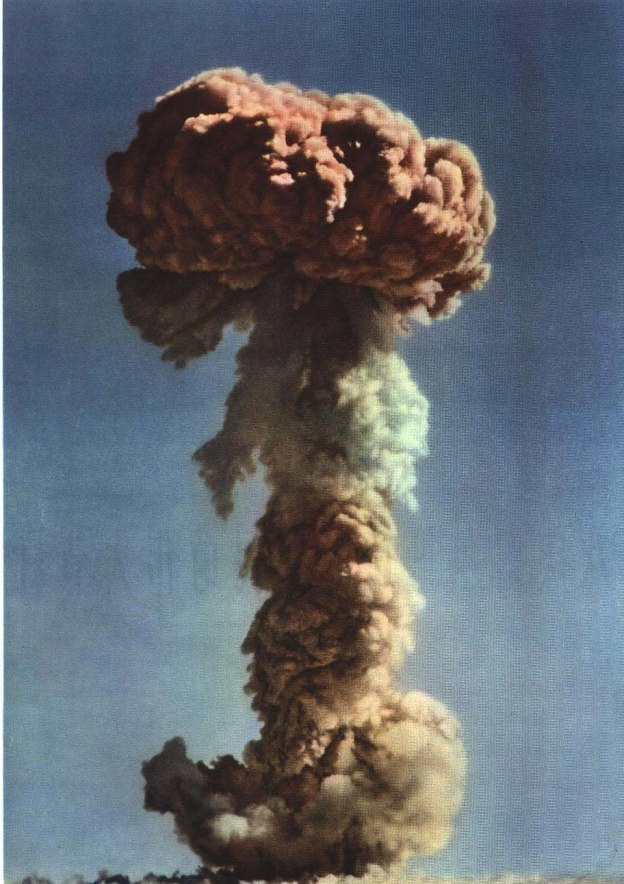

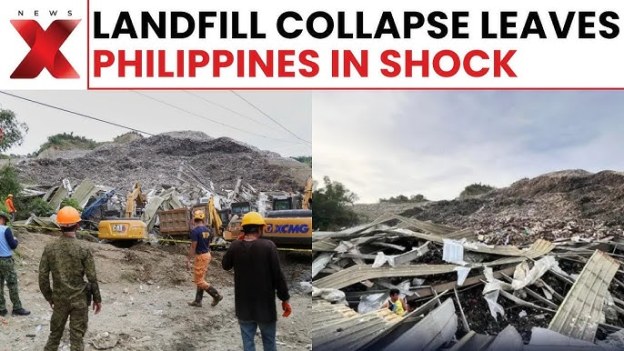

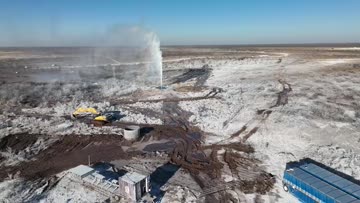
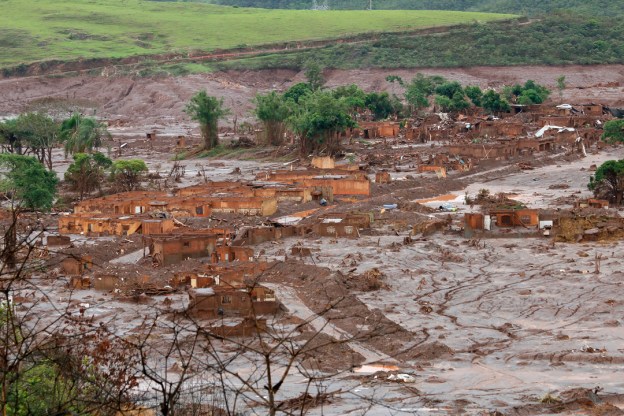
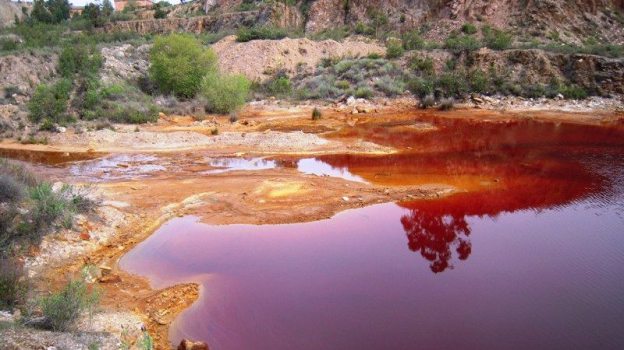



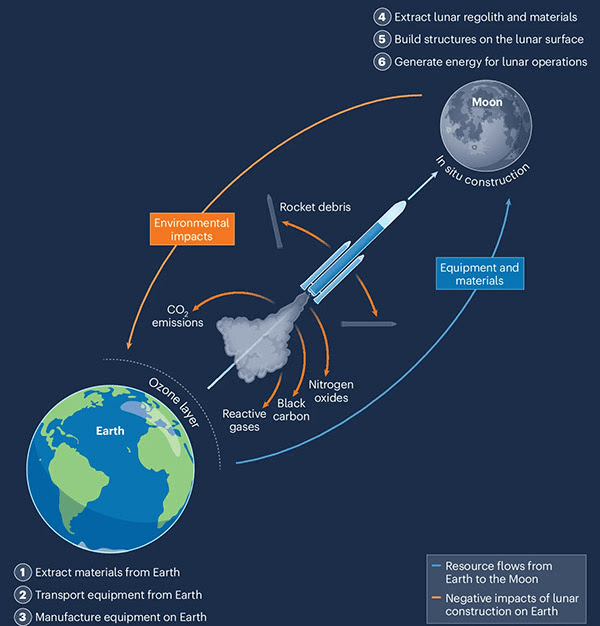
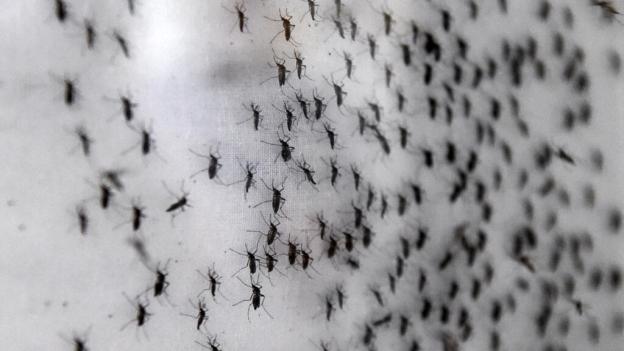
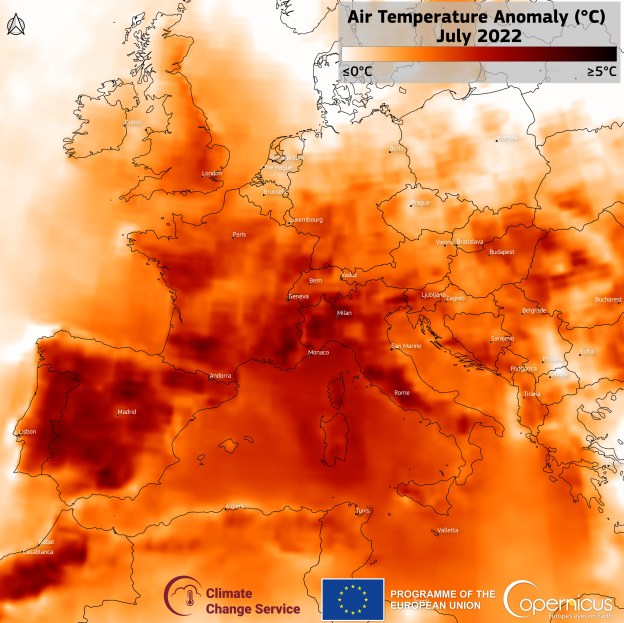


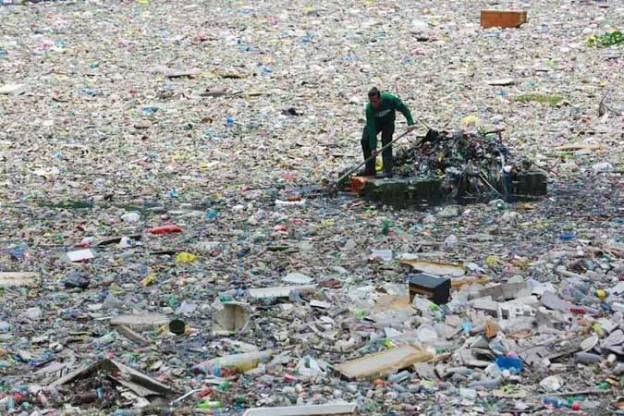


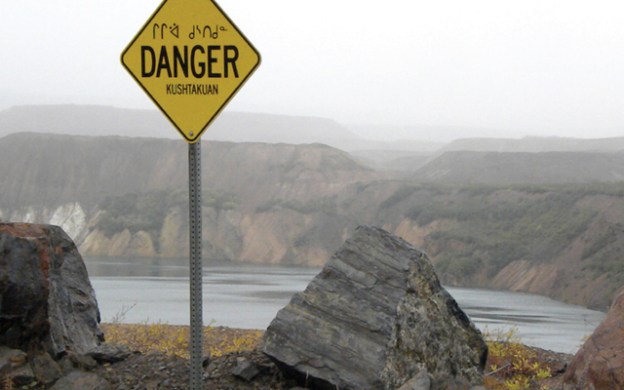

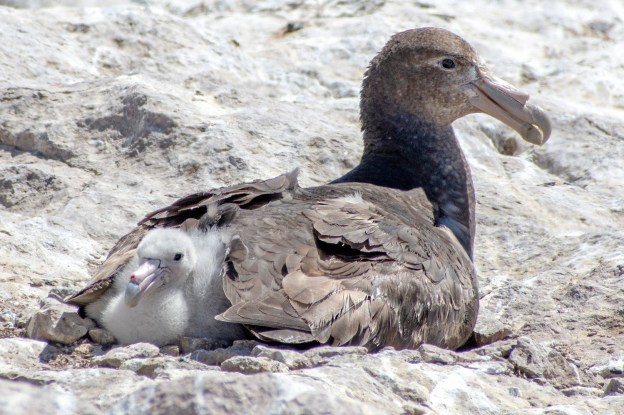
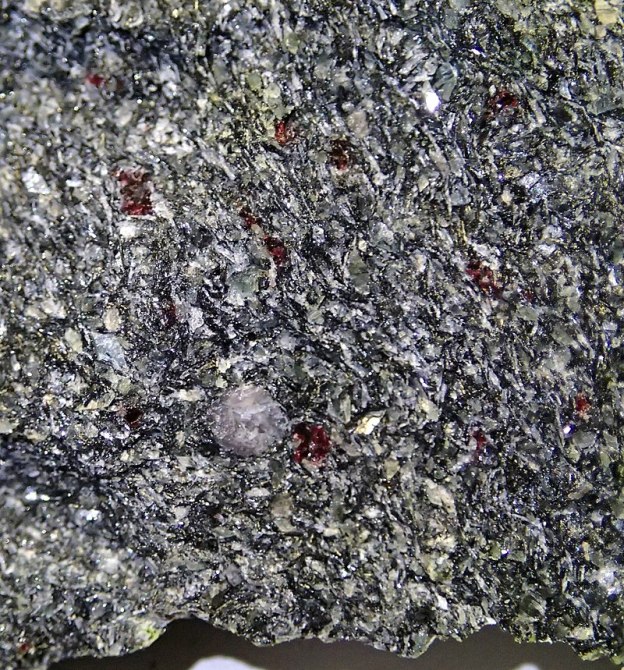


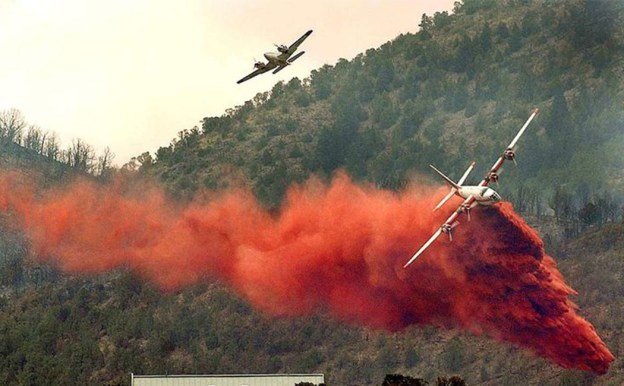

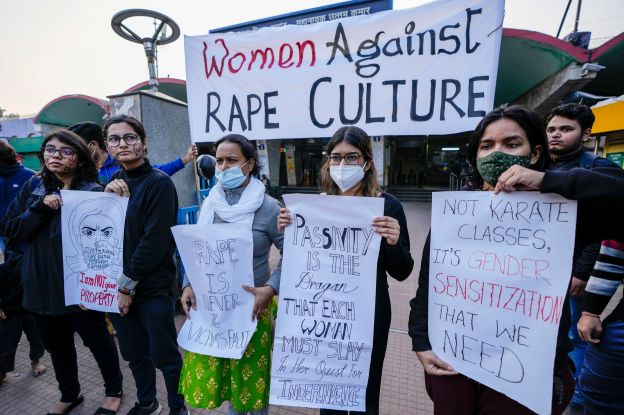
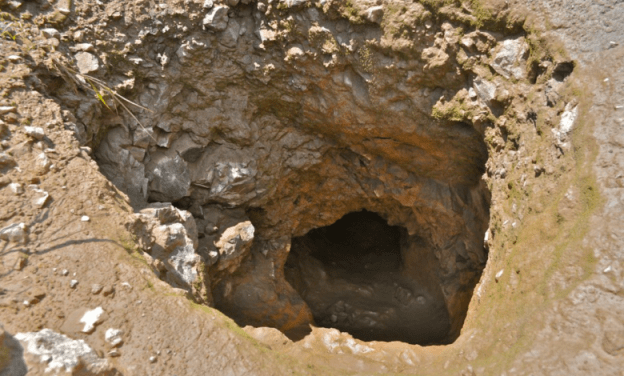

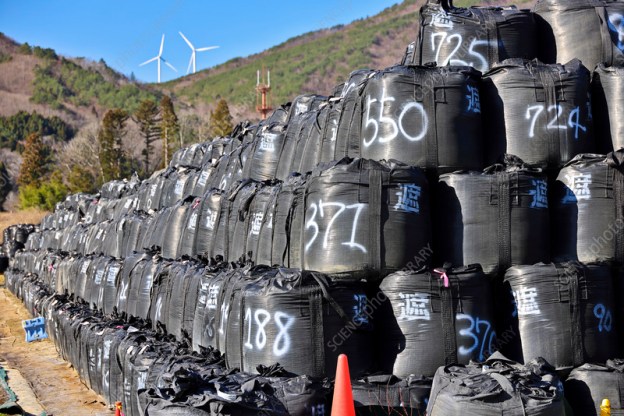

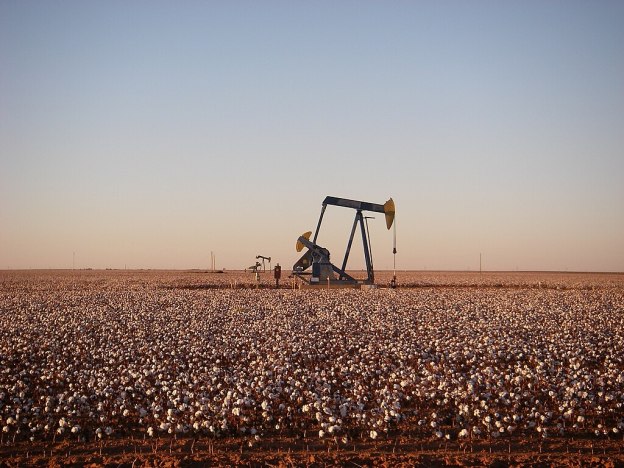




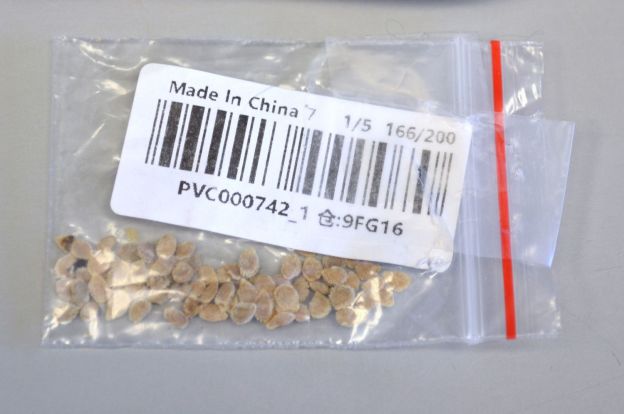


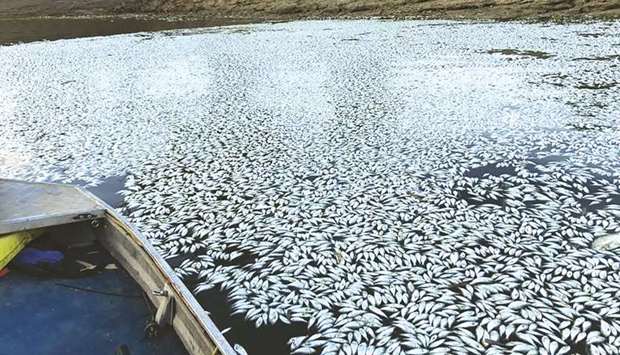
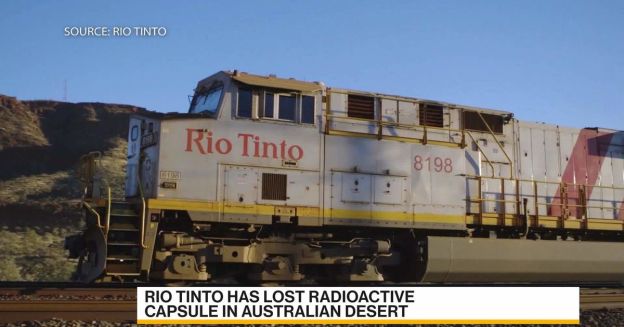

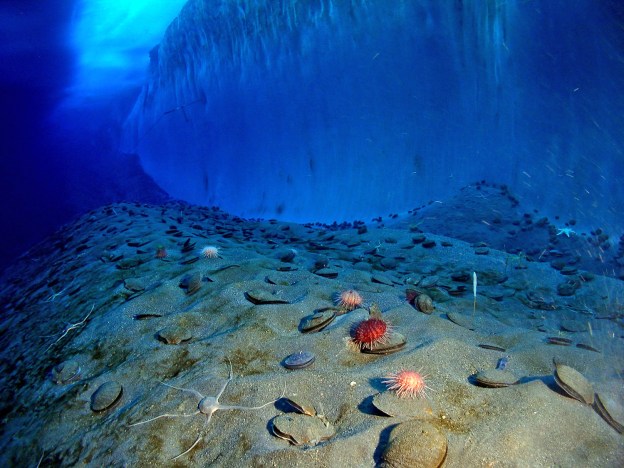

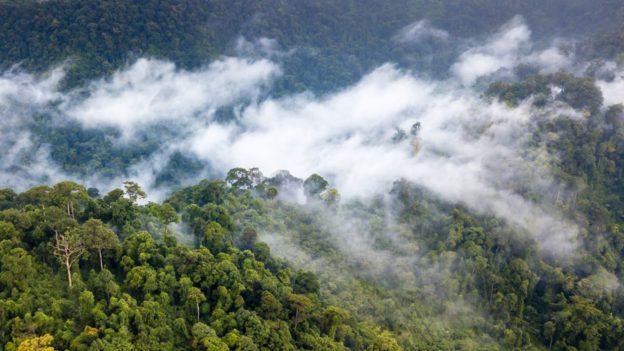




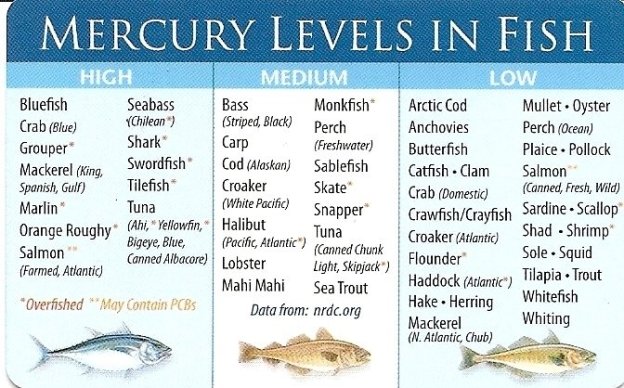
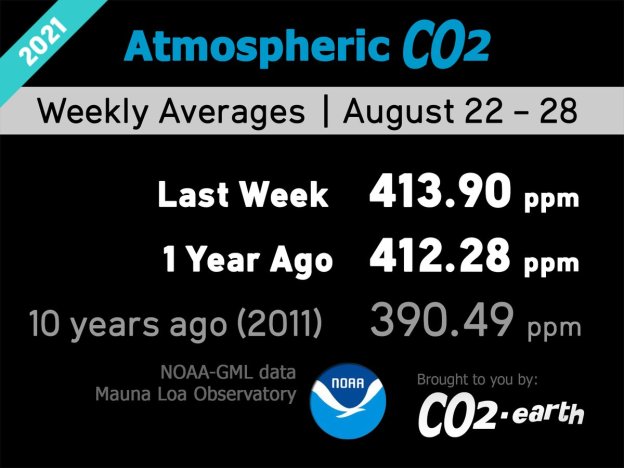
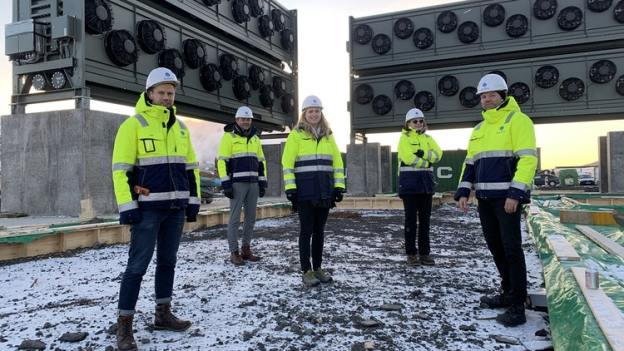
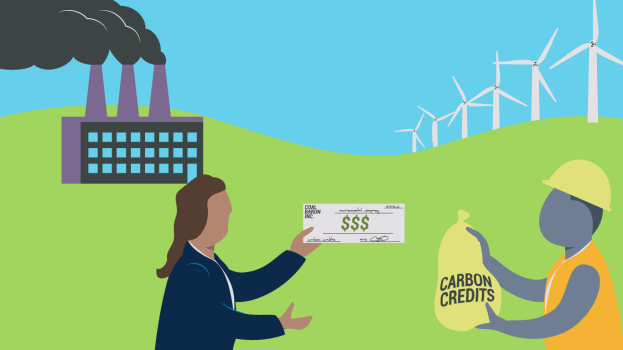
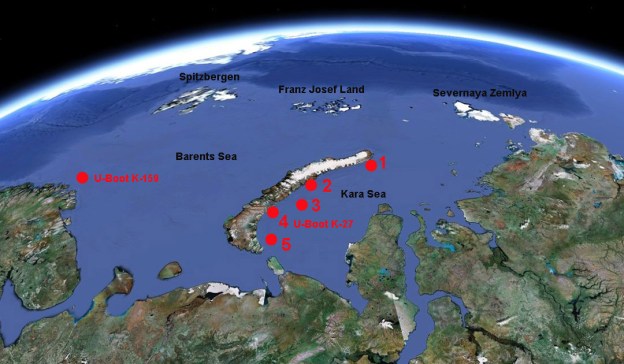
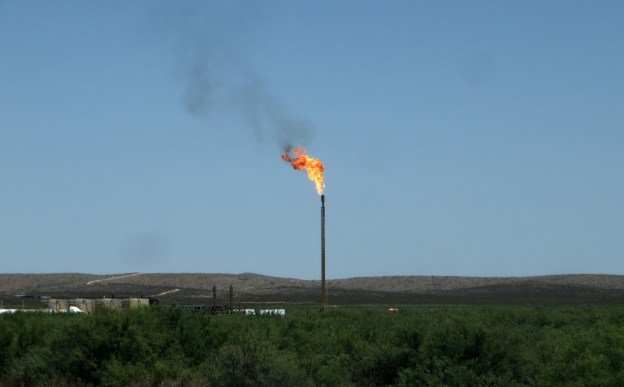
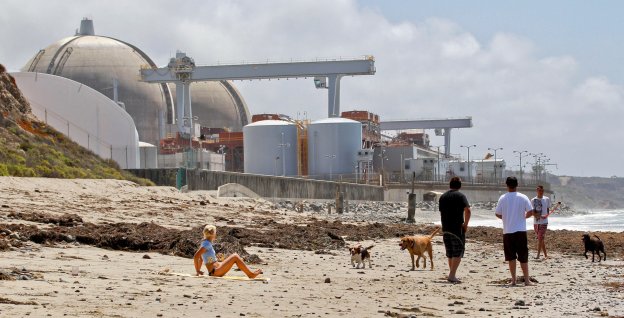
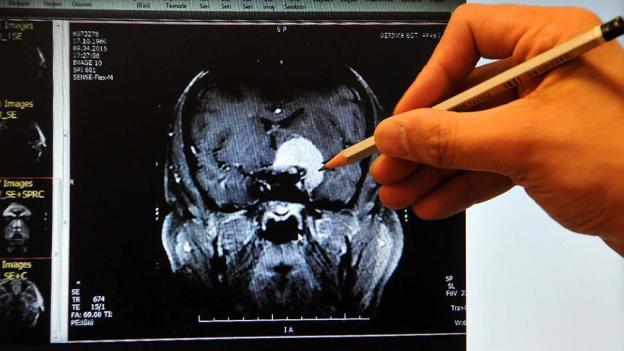
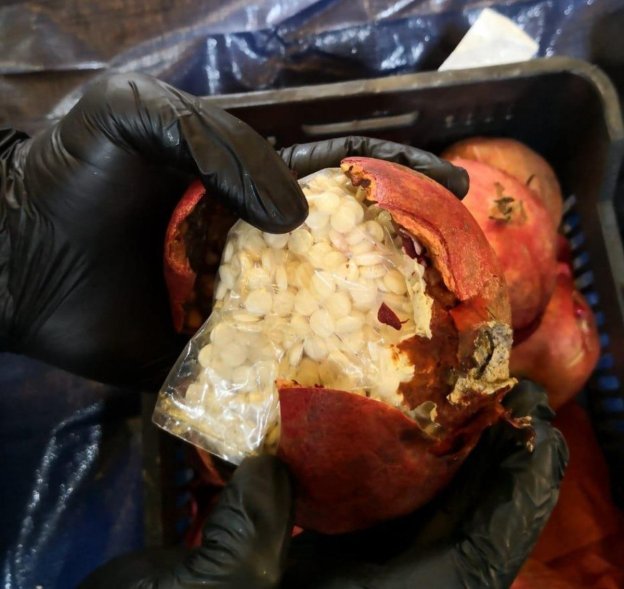
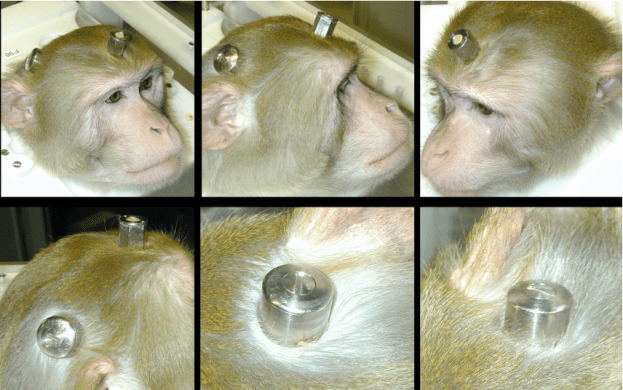
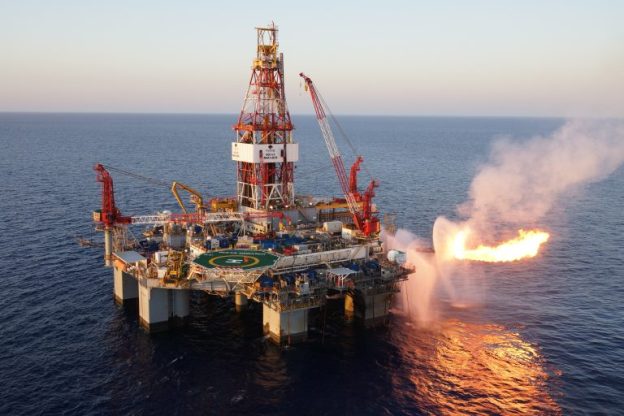


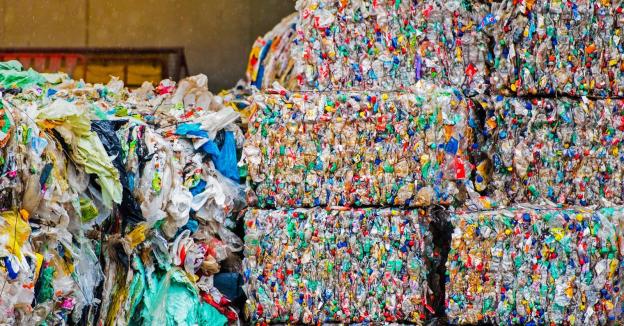

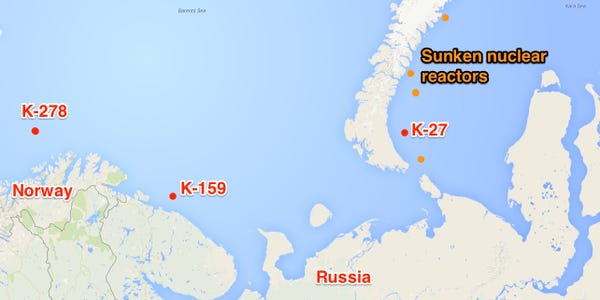

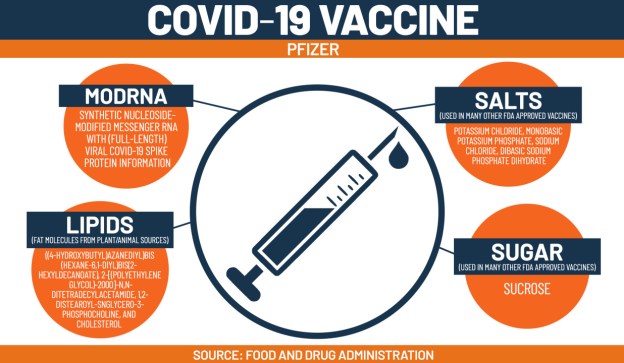
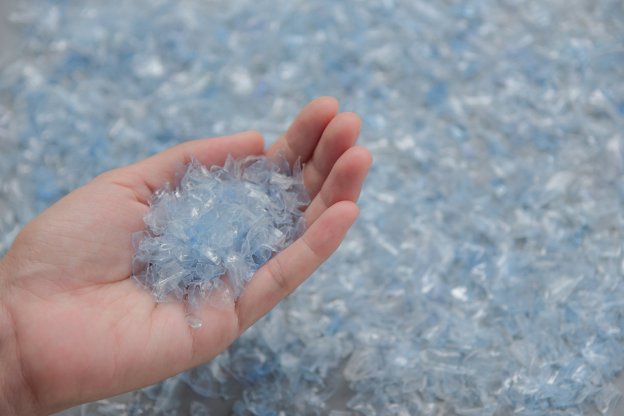
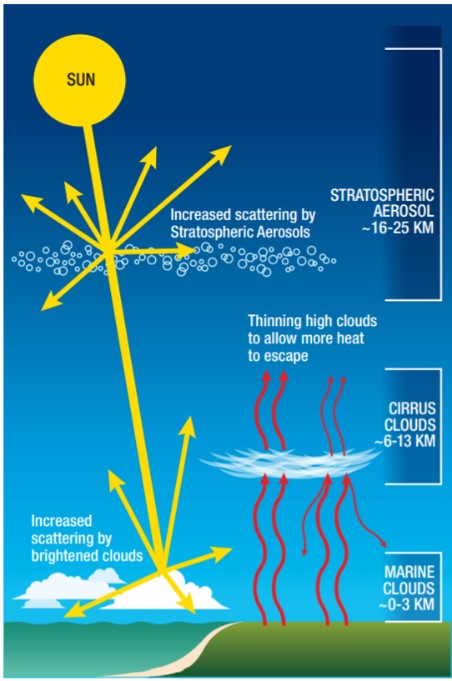

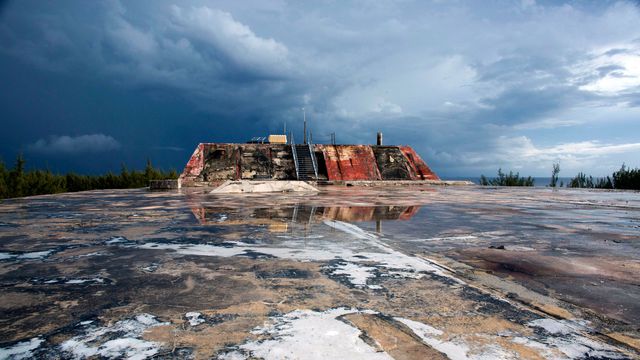
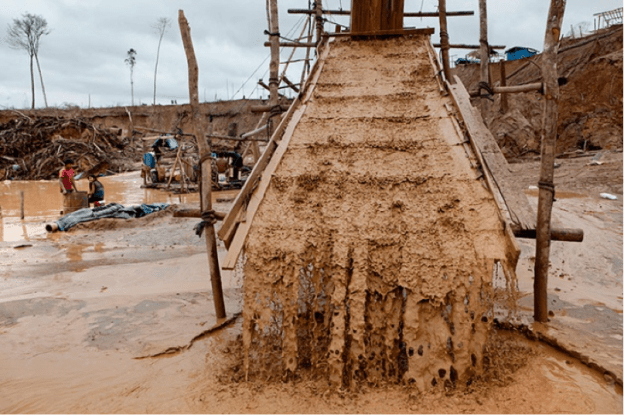
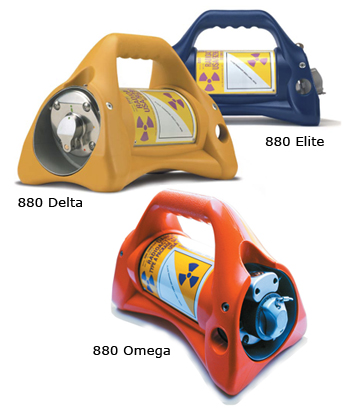
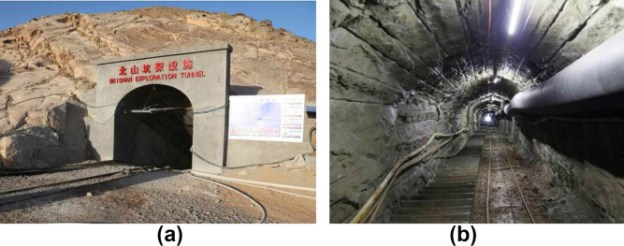
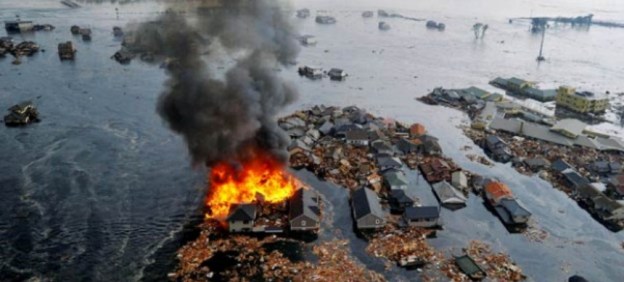
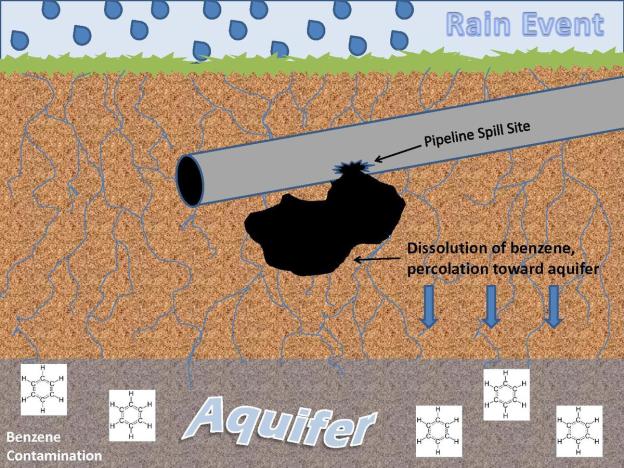
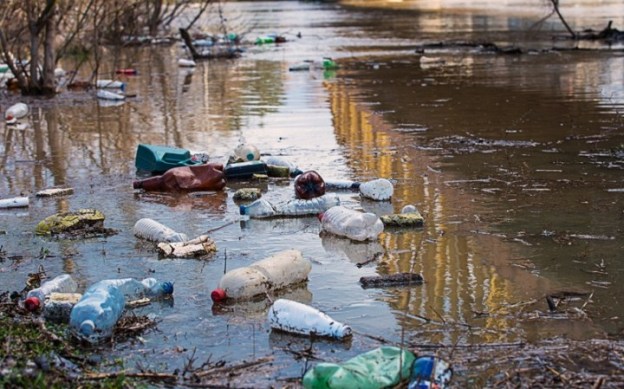
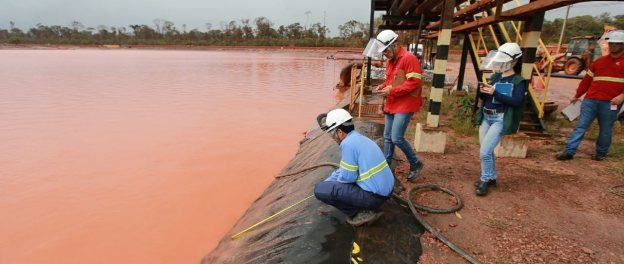
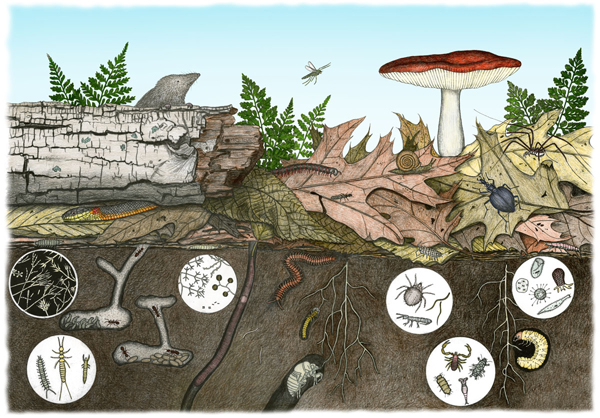

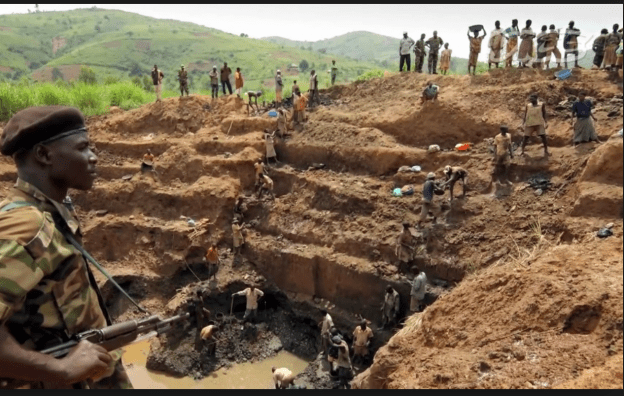
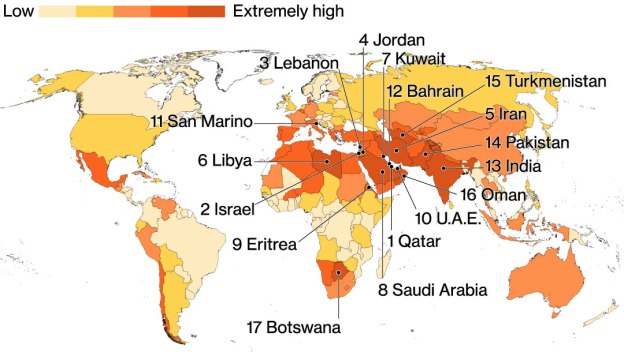
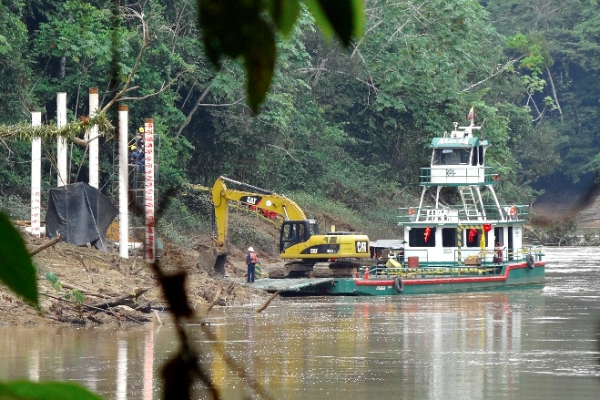
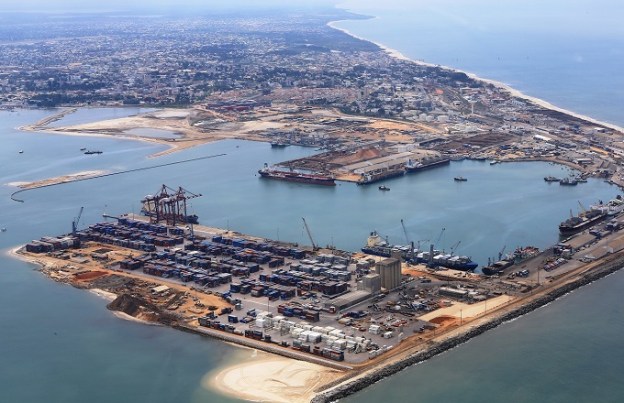
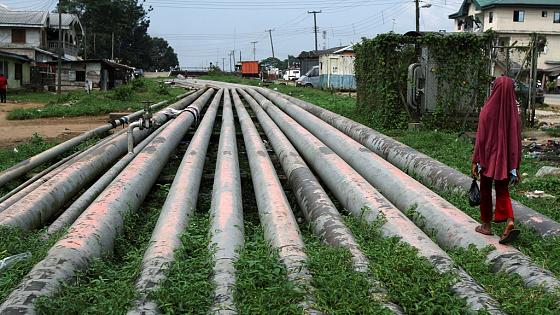
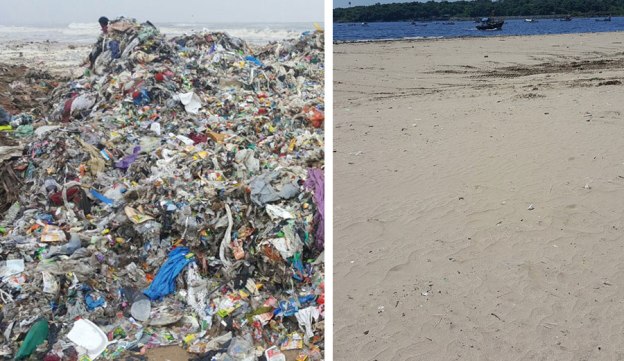
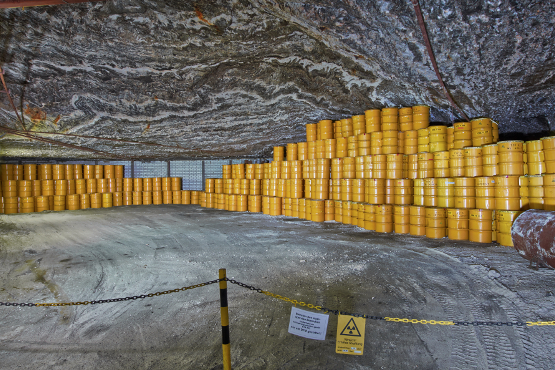

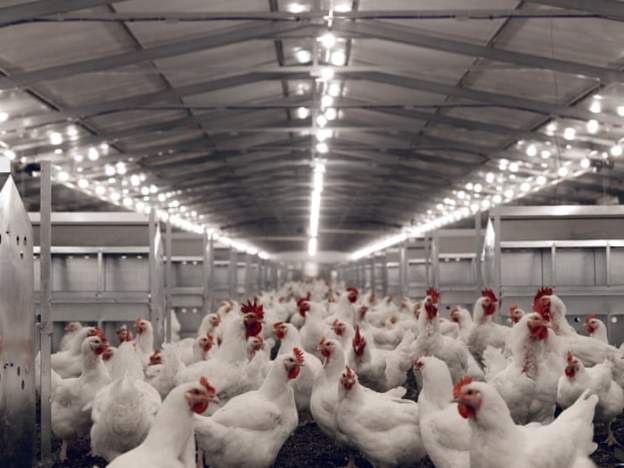
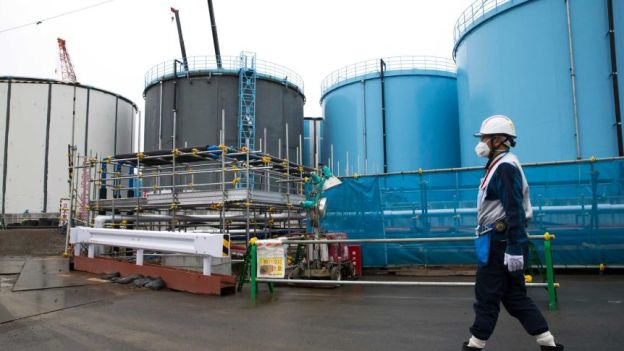




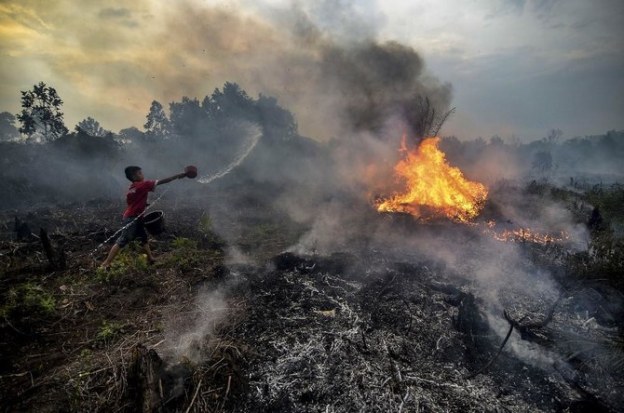
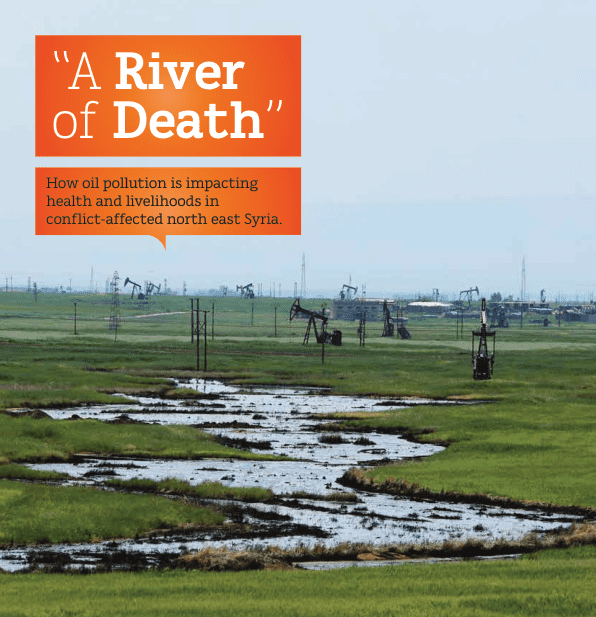
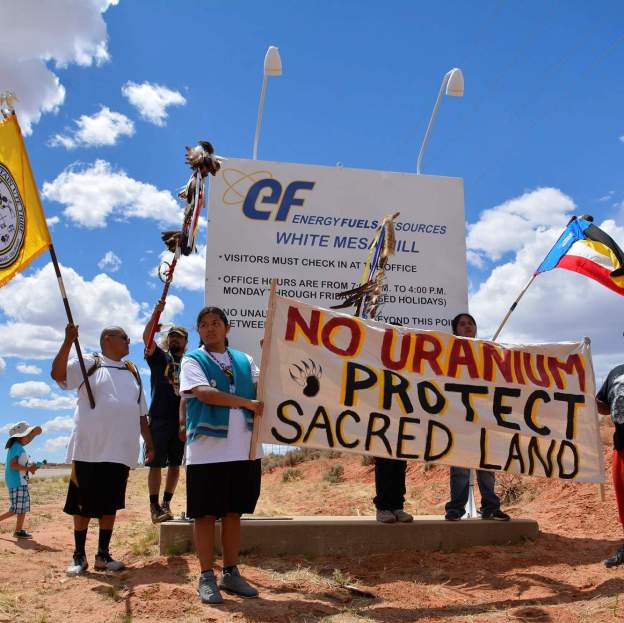
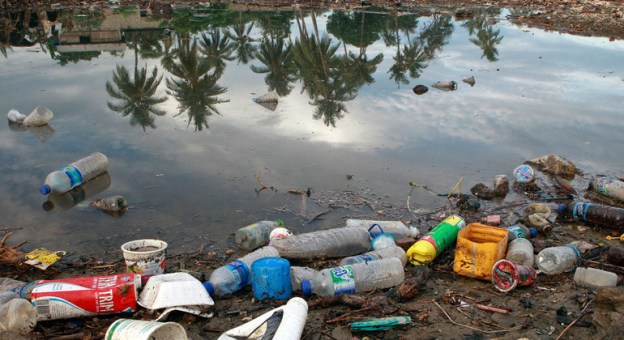
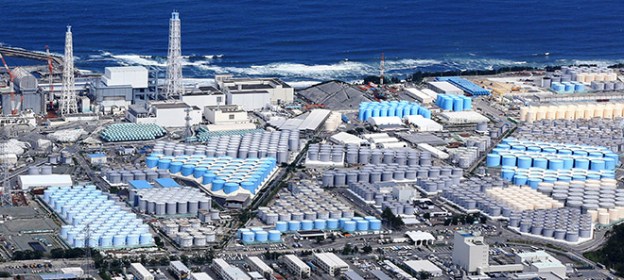



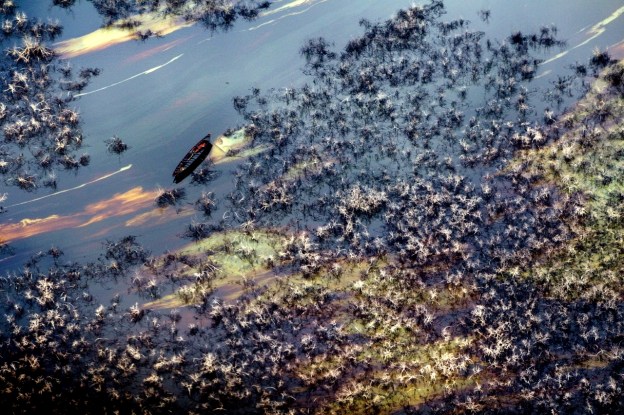
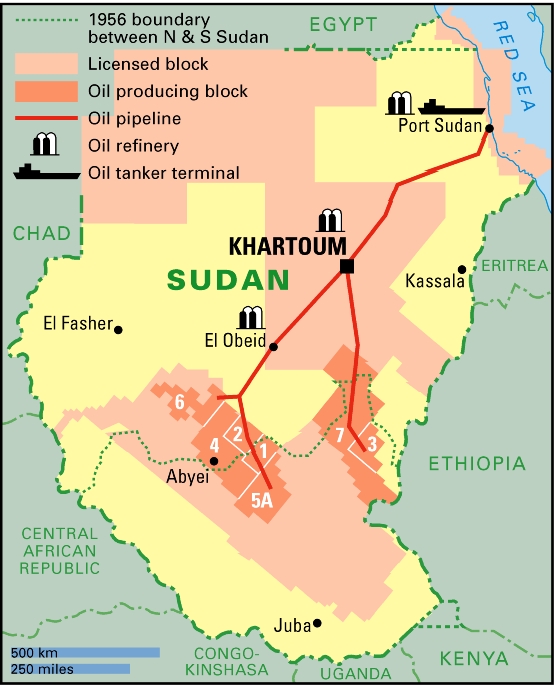
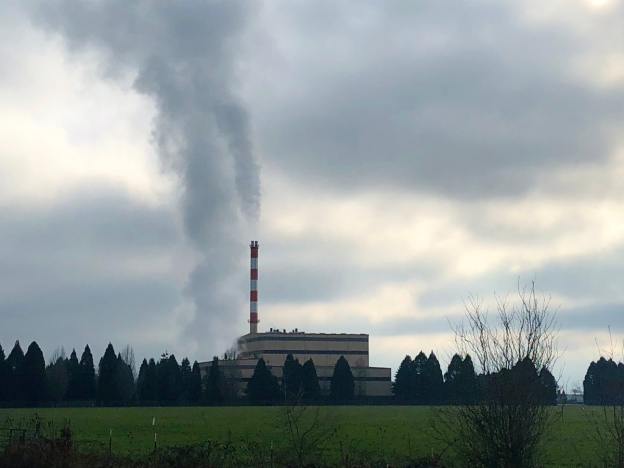
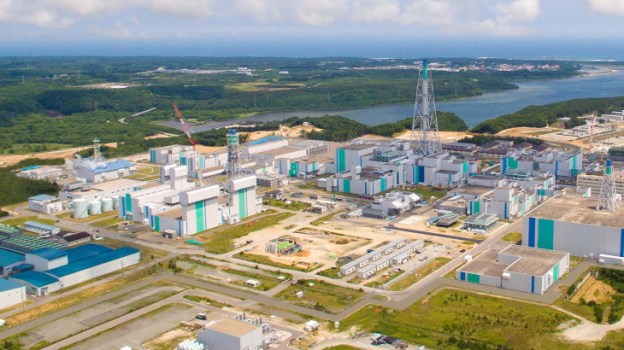
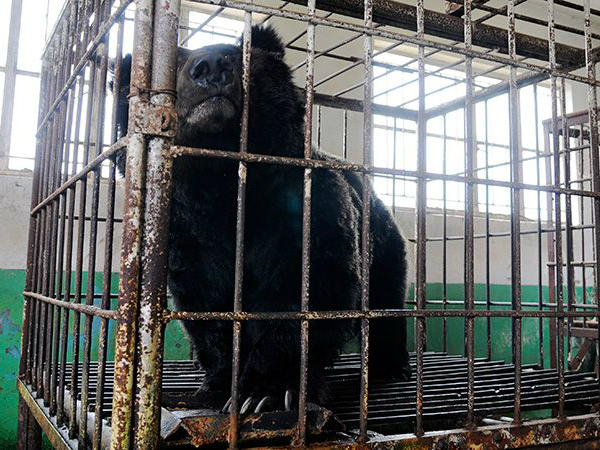

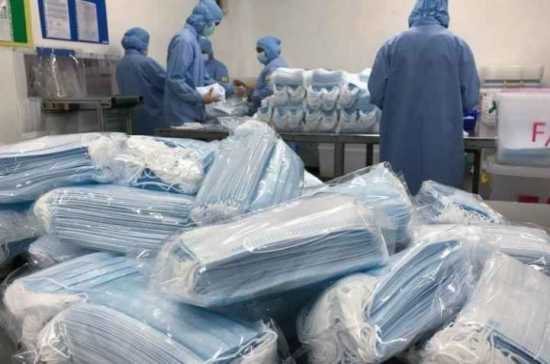

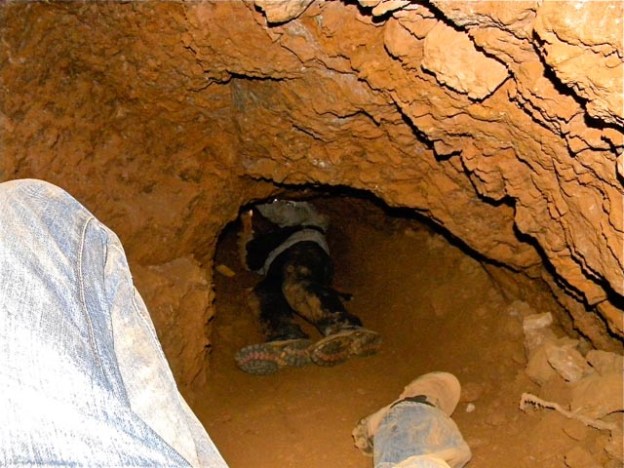

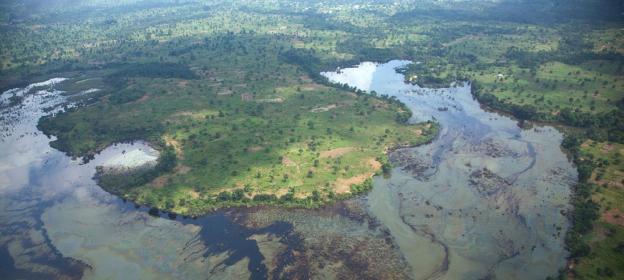
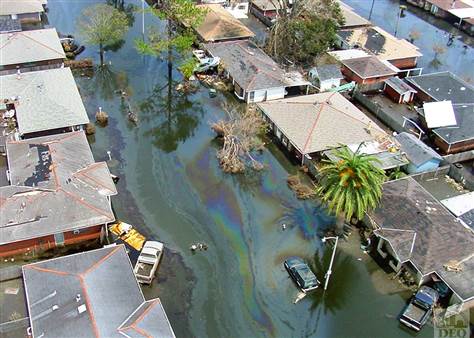
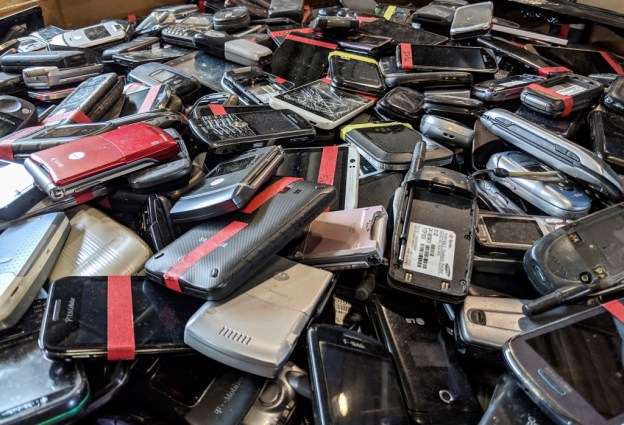
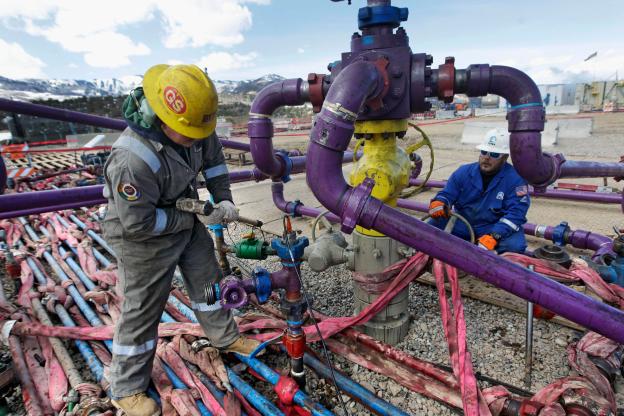
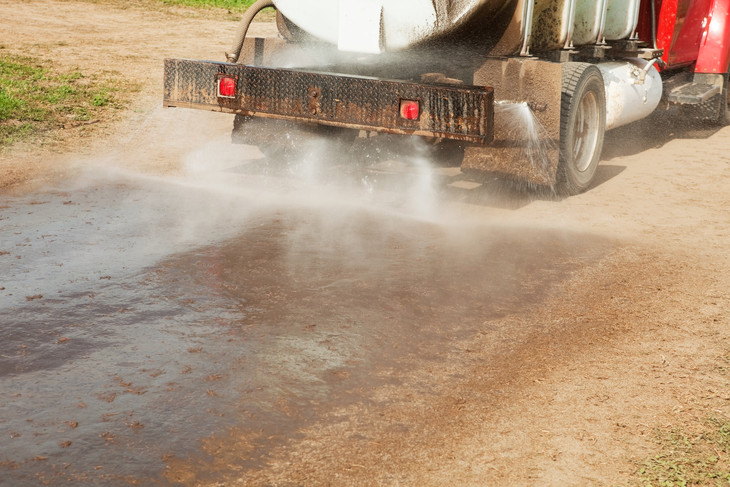

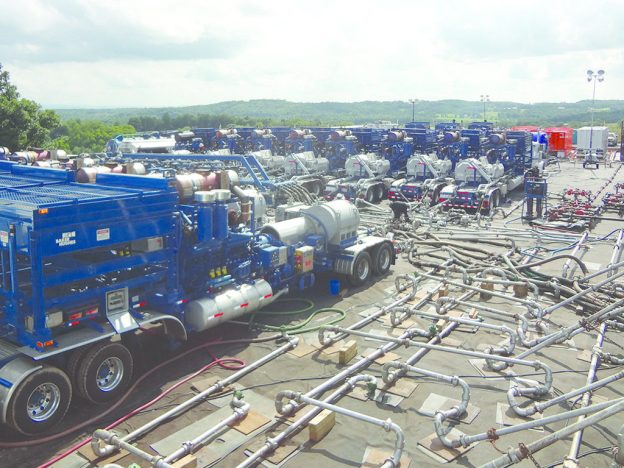

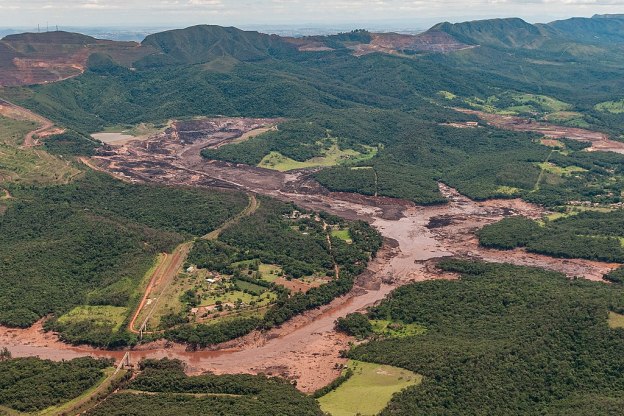
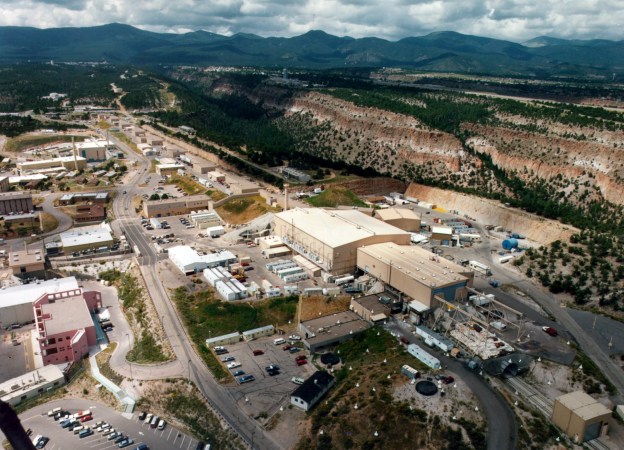
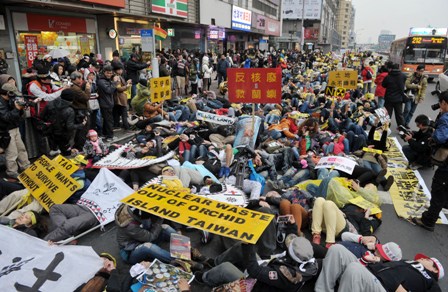
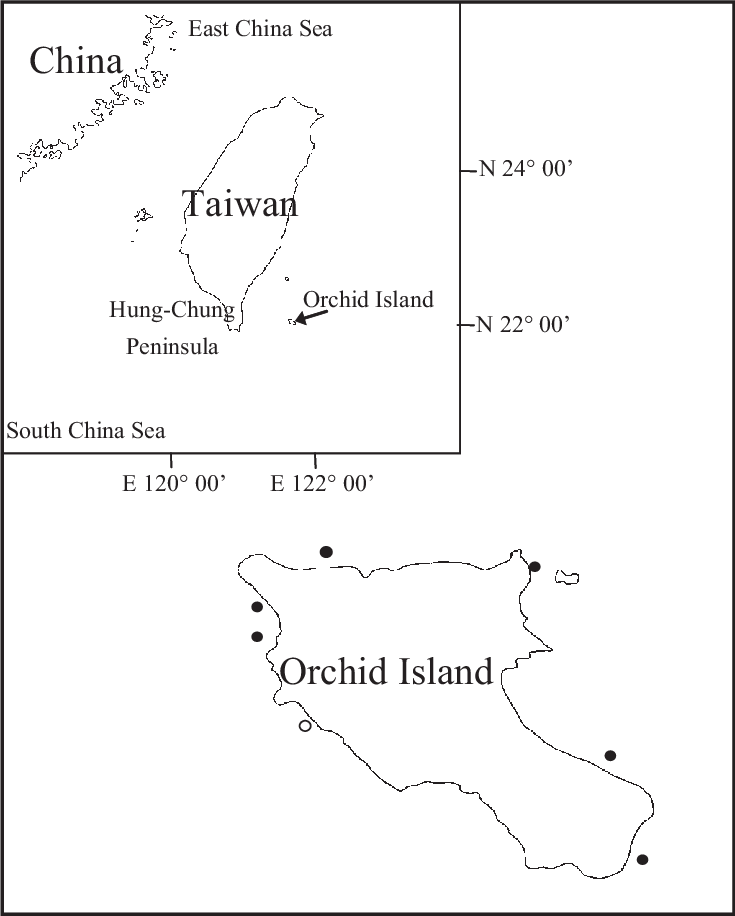
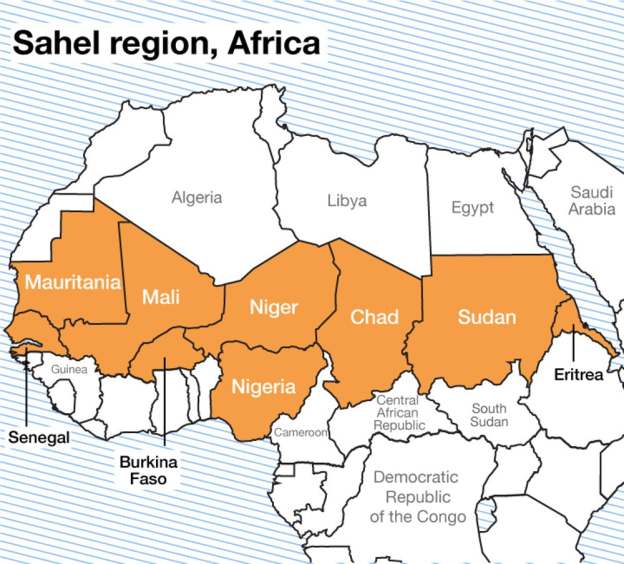
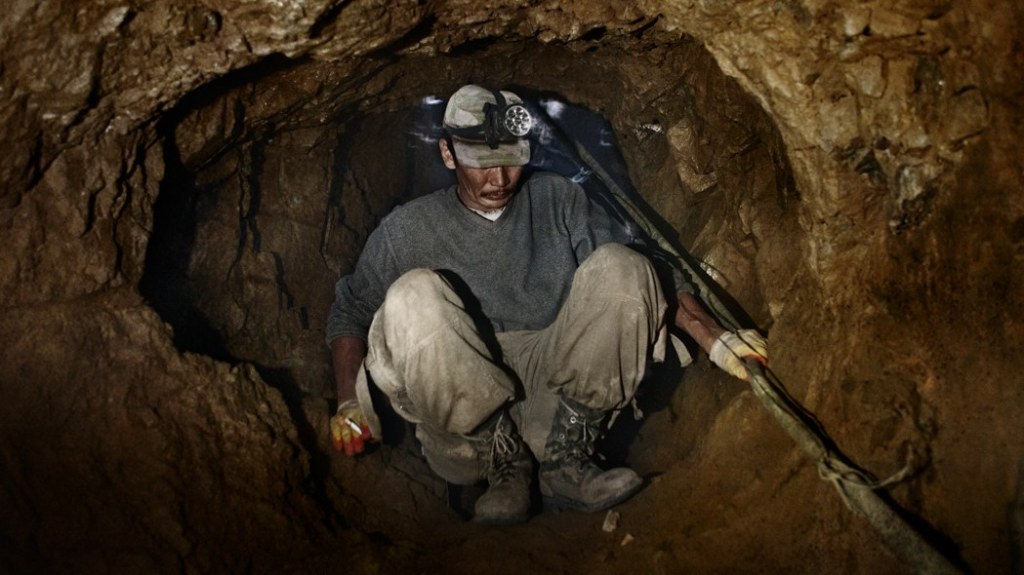

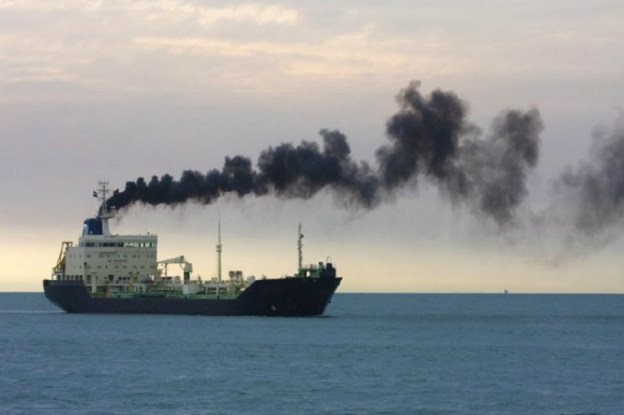
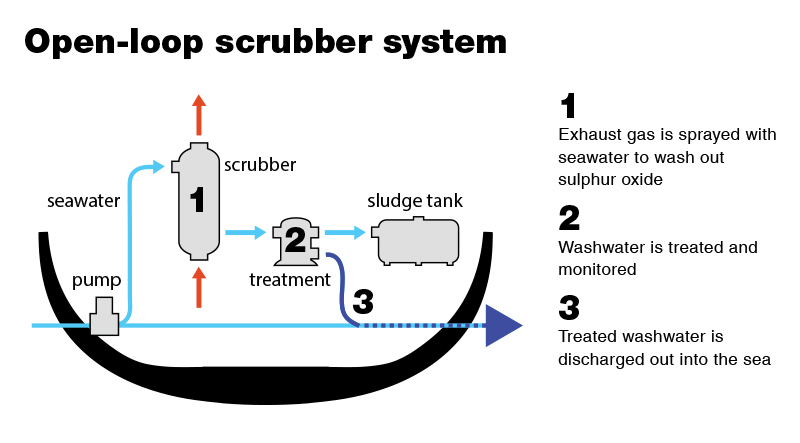
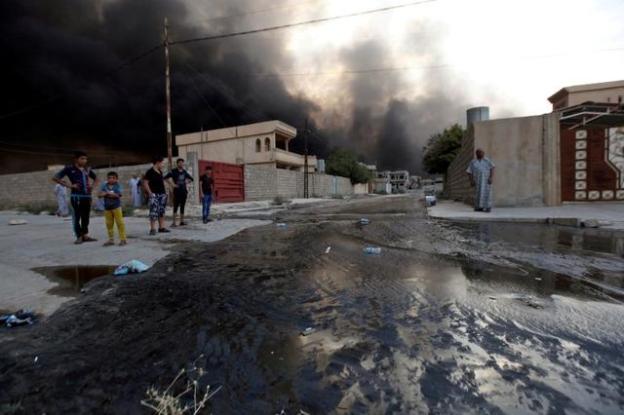
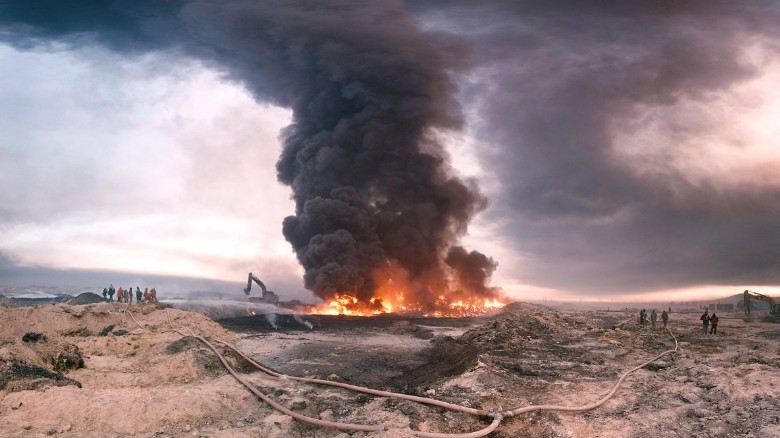

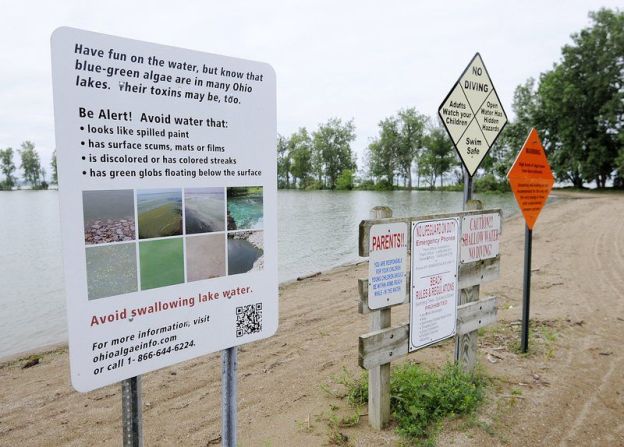
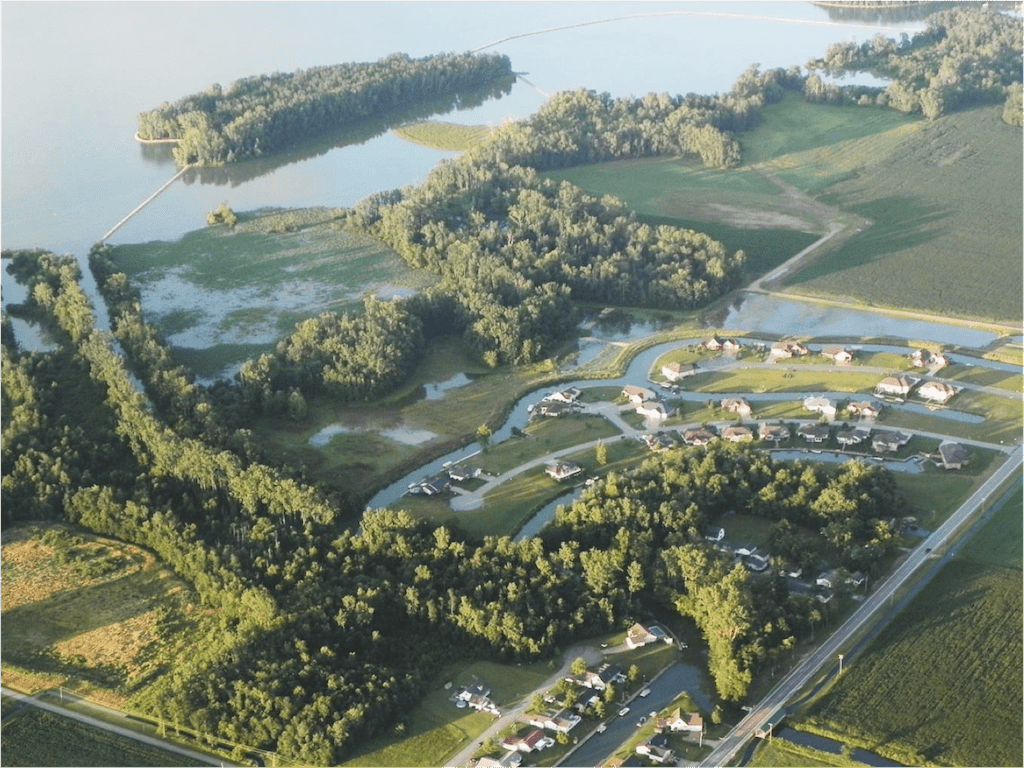
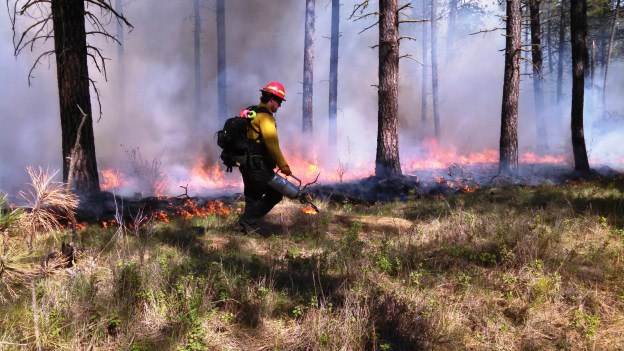






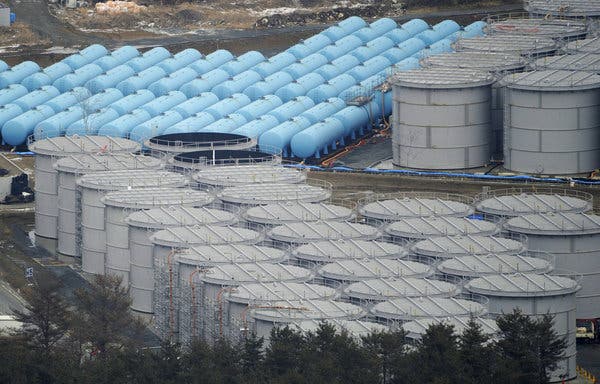
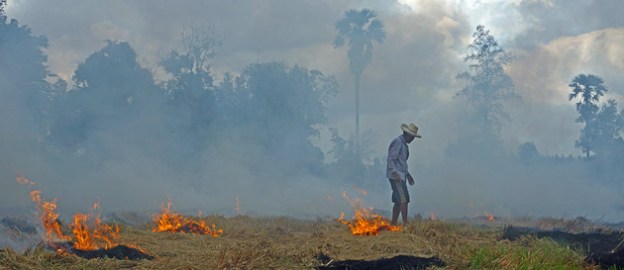
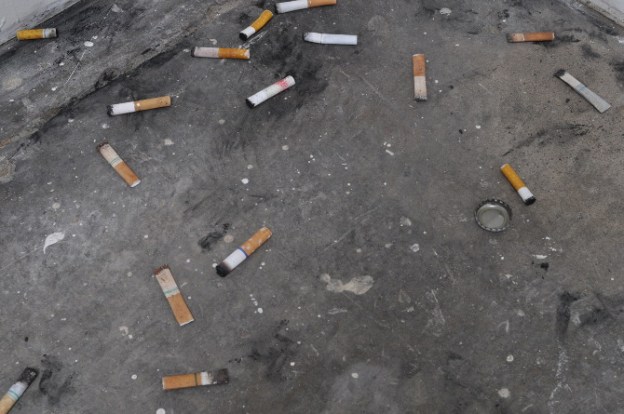
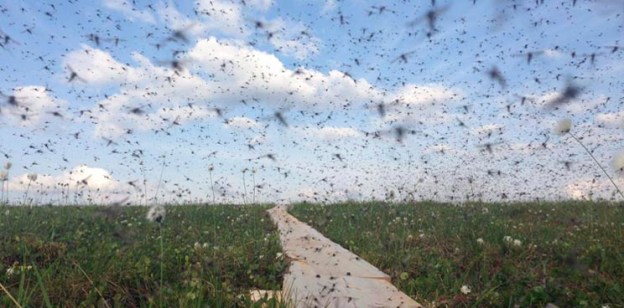
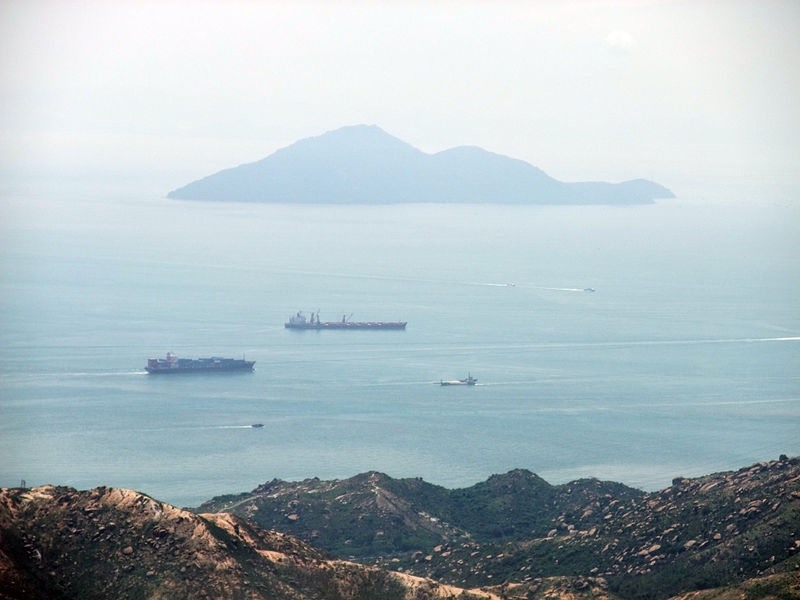


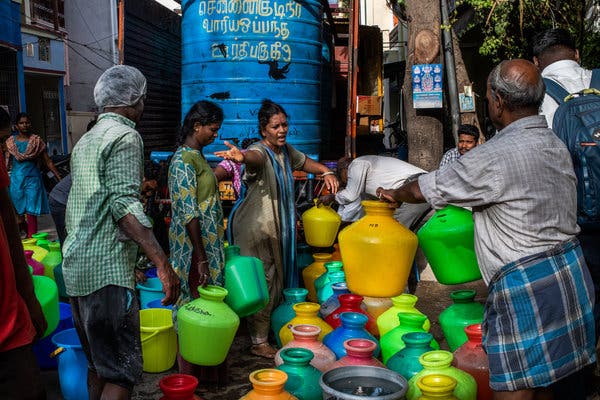

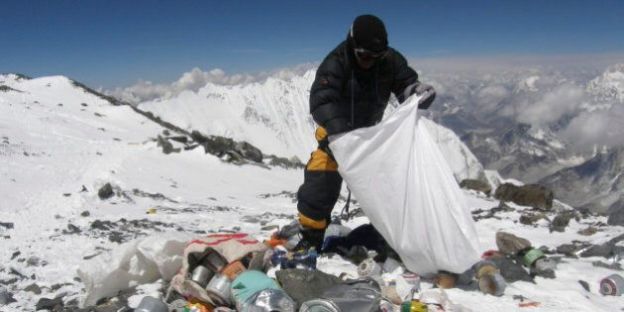

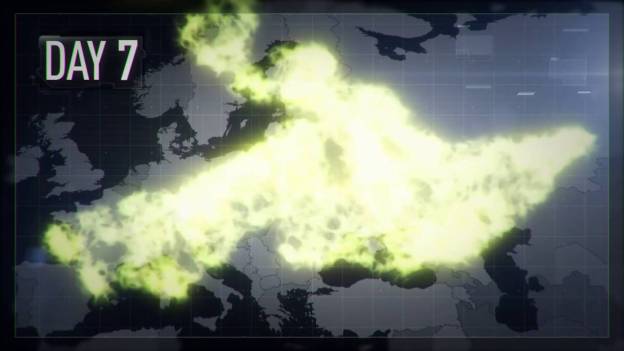

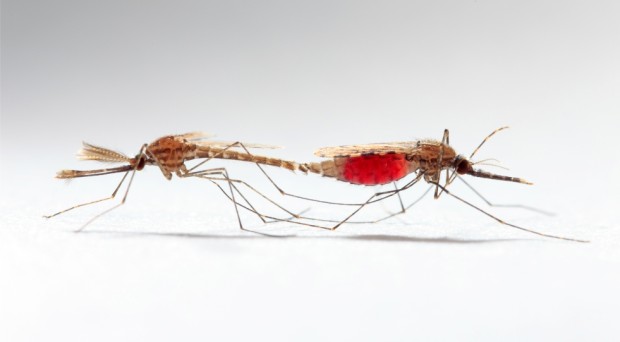
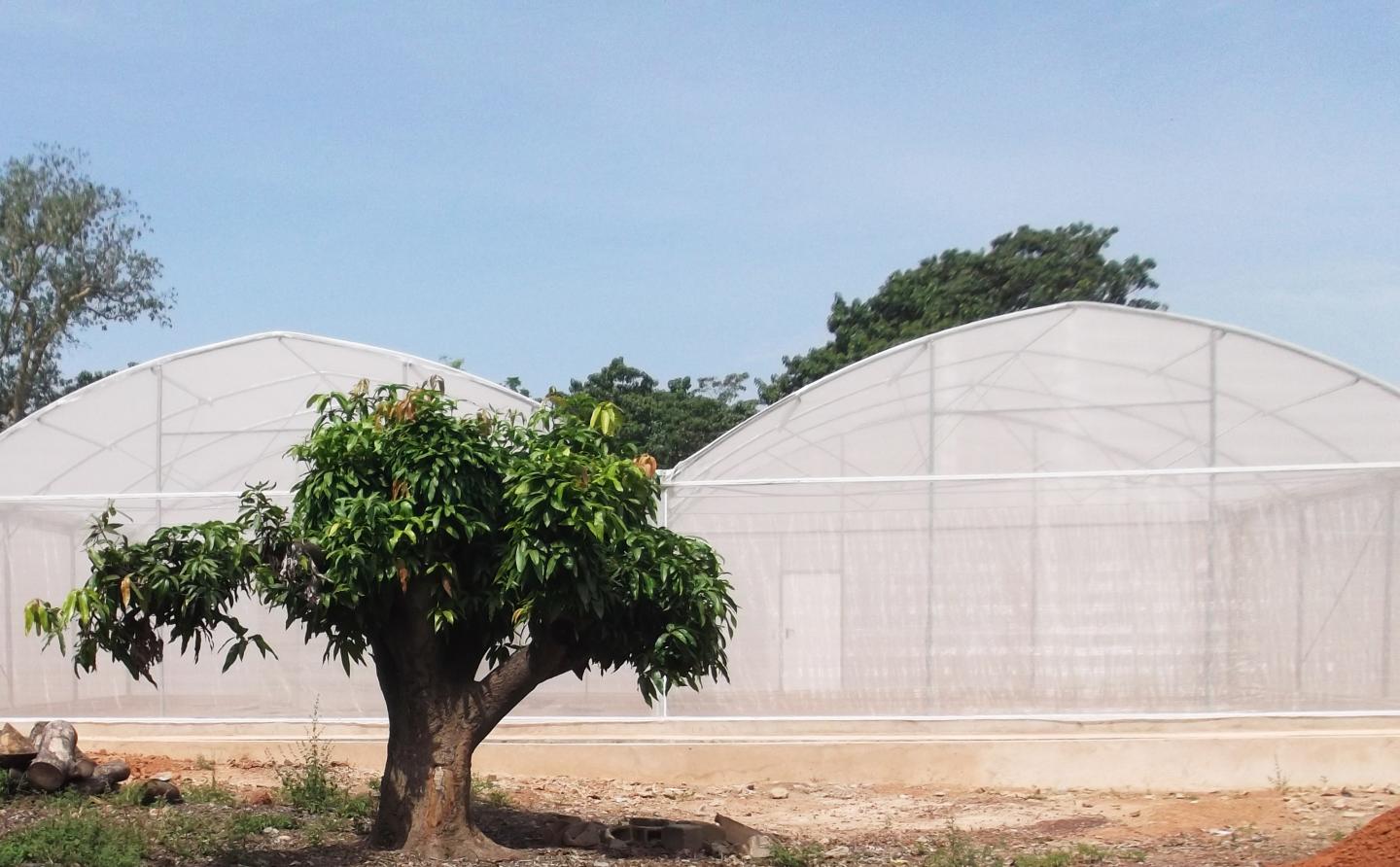

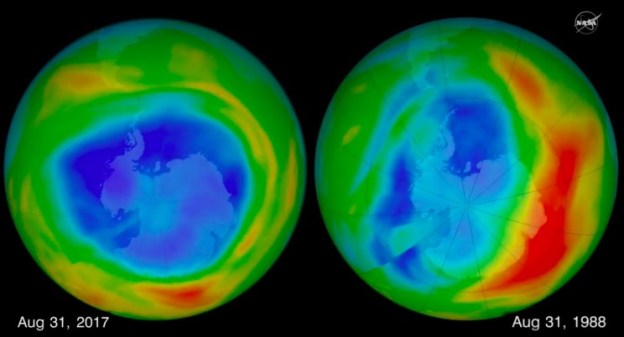

 Law-In-Action