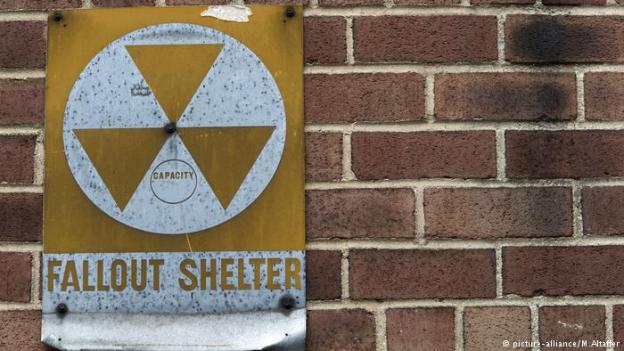
Australia*** has attempted to derail a ban on nuclear weapons at a UN meeting on disarmament, by single-handedly forcing a vote on a report that had been expected to pass unanimously.The report, which recommended negotiations begin in 2017 to ban nuclear weapons, was eventually passed by 68 votes to 22.
Moves towards a ban have been pursued because many saw little progress under the existing non-proliferation treaty, which obliges the five declared nuclear states to “pursue negotiations in good faith” towards “cessation of the nuclear arms race … and nuclear disarmament”.
The proposal recommended a conference be held next year to negotiate “a legally binding instrument to prohibit nuclear weapons, leading towards their total elimination”.,…Anti-nuclear campaigners involved in the process expected the report would pass without objection. But Australia surprised observers by objecting and forcing a vote…
in 2015, documents obtained under Freedom of Information revealed Australia opposed the ban on nuclear weapons, since it believed it relied on US nuclear weapons as a deterrent. “As long as the threat of nuclear attack or coercion exists, and countries like the DPRK [North Korea] seek these weapons and threaten others, Australia and many other countries will continue to rely on US extended nuclear deterrence,” said one of the briefing notes for government ministers.
The documents revealed however that Australia and the US were worried about the momentum gathering behind the Austrian-led push for a ban nuclear weapons, which diplomats said was “fast becoming a galvanising focus for those pushing the ban treaty option”.
Excerpts from Australia attempts to derail UN plan to ban nuclear weapons, Guardian, Aug. 20, 2017
***The following countries agreed with Australia: Belgium, Bulgaria, Canada, Croatia, Estonia, Finland, Germany, Greece, Hungary, Italy, Japan, Latvia, Lithuania, Netherlands, Norway, Poland, Portugal, Republic of Korea, Romania, Slovakia, Slovenia, Spain and Turkey
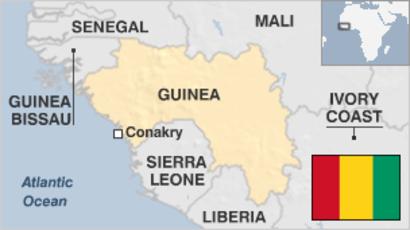
These countries want a legal instrument to ban nuclear weapons ASAP: Afghanistan, Algeria, Andorra, Angola, Antigua and Barbuda, Argentina, Austria, Bahamas, Bahrain, Barbados, Belize, Benin, Bolivia, Botswana, Brazil, Brunei, Burkina Faso, Burundi, Cabo Verde, Cambodia, Central African Republic, Chad, Chile, Colombia, Comoros, Congo, Cook Islands, Costa Rica, Côte d’Ivoire, Cuba, Cyprus, Democratic Republic of the Congo, Djibouti, Dominica, Dominican Republic, Ecuador, Egypt, El Salvador, Eritrea, Ethiopia, Fiji, Gambia, Ghana, Grenada, Guatemala, Guinea, Guinea-Bissau, Guyana, Haiti, Honduras, Indonesia, Iraq, Ireland, Islamic Republic of Iran, Jamaica, Jordan, Kazakhstan, Kenya, Kiribati, Kuwait, Kyrgyzstan, Lebanon, Lesotho, Liberia, Libya, Liechtenstein,Madagascar, Malawi, Malaysia, Mali, Malta, Marshall Islands, Mauritania, Mauritius, Mexico, Mongolia, Namibia, Nauru, Nicaragua, Niger, Nigeria, Oman, Niue, Palau, Panama, Papua New Guinea, Paraguay, Peru, Philippines, Qatar, Saint Kitts and Nevis, Saint Lucia. Saint Vincent and the Grenadines, Samoa, San Marino, Sao Tome and Principe, Saudi Arabia, Senegal, Serbia, Seychelles, Sierra Leone, Singapore, Somalia, South Africa, Sri Lanka, State of Palestine, Sudan, Suriname, Swaziland, Tajikistan, The former Yugoslav Republic of Macedonia, Timor Leste, Togo, Trinidad and Tobago, Tunisia, Tuvalu, Uganda, United Arab Emirates, United Republic of Tanzania, Uruguay, Vanuatu, Venezuela, Viet Nam, Yemen, Zambia, Zimbabwe
See the Legal Gap
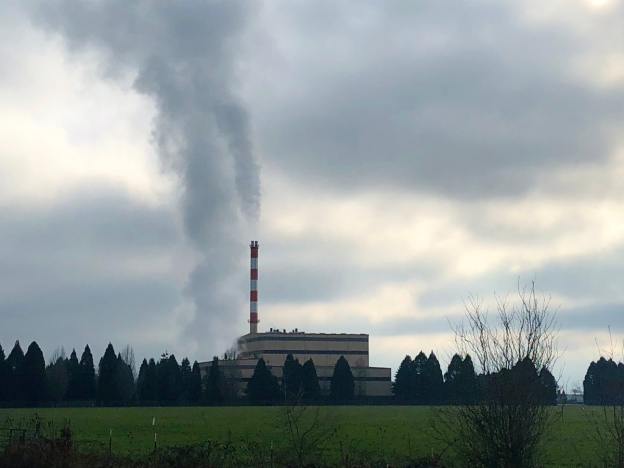
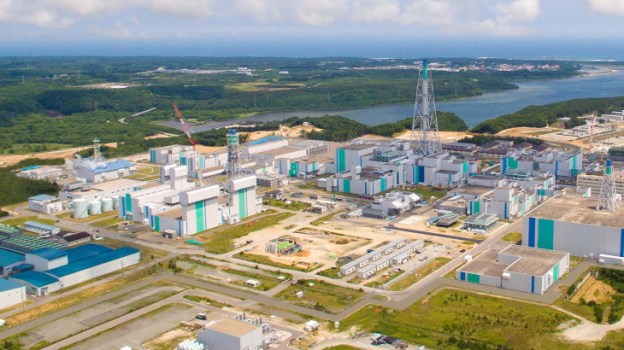
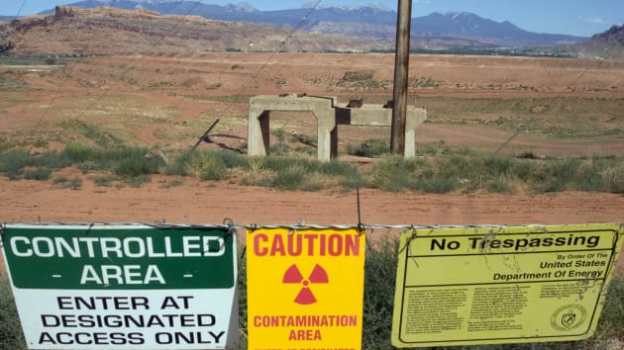

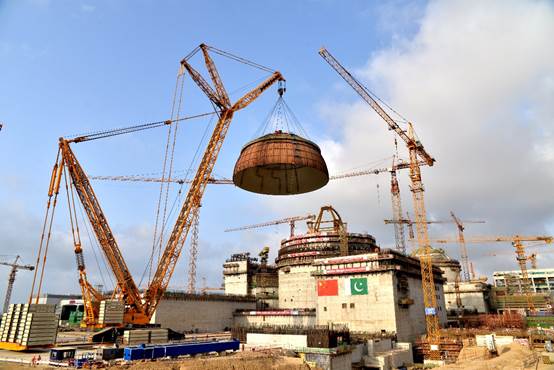

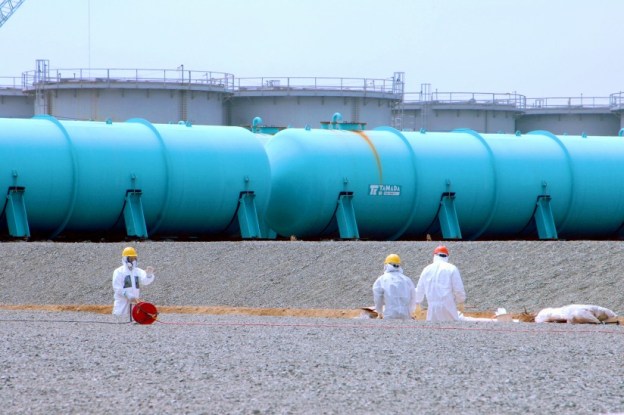
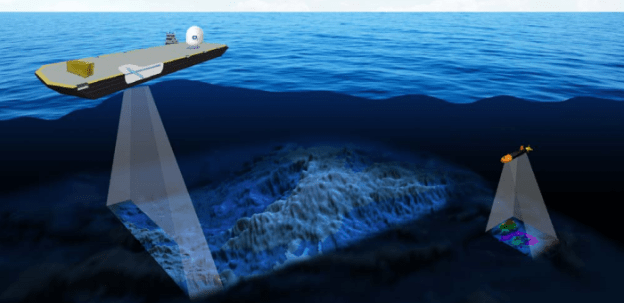

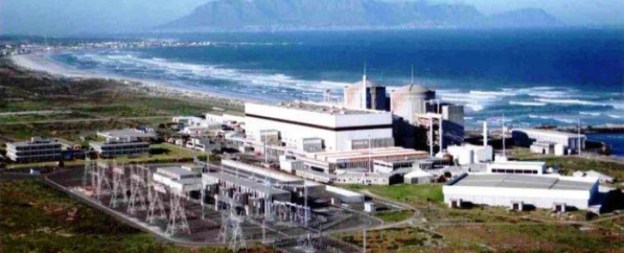
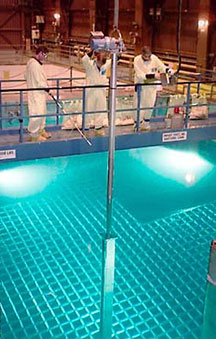
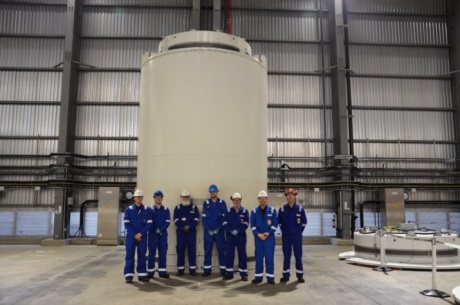
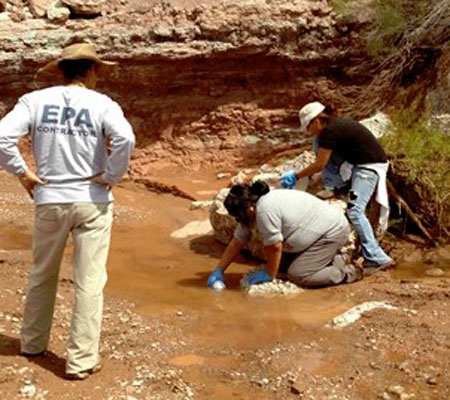




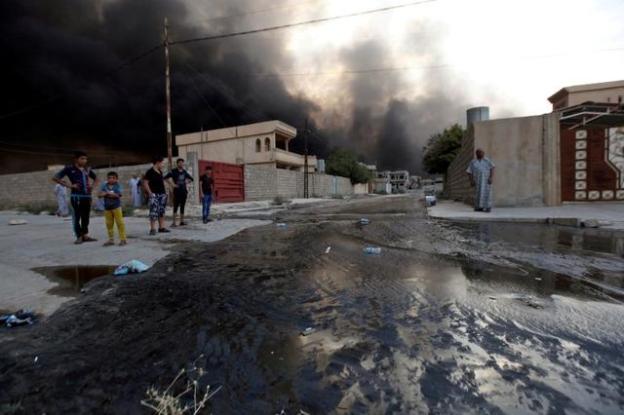
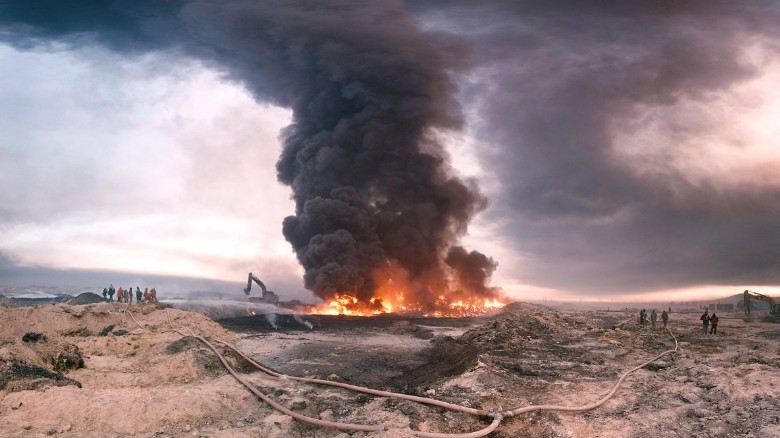
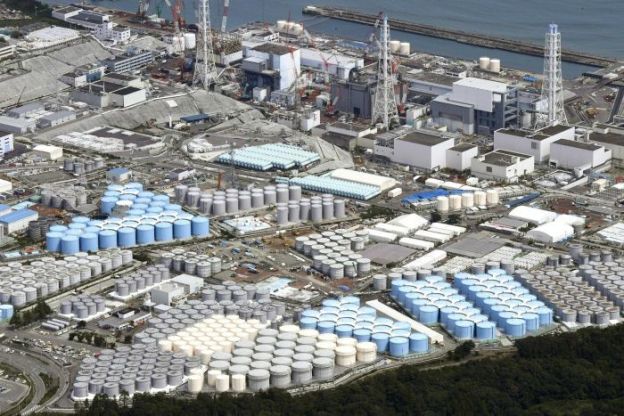



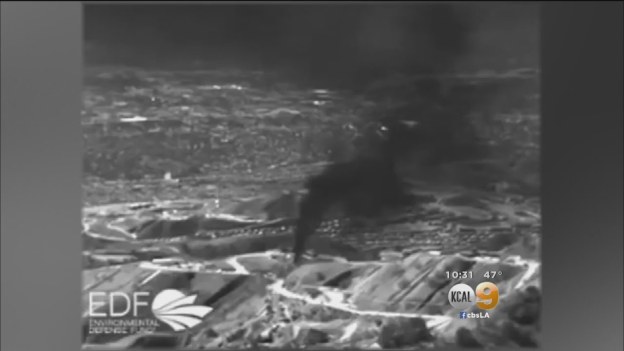

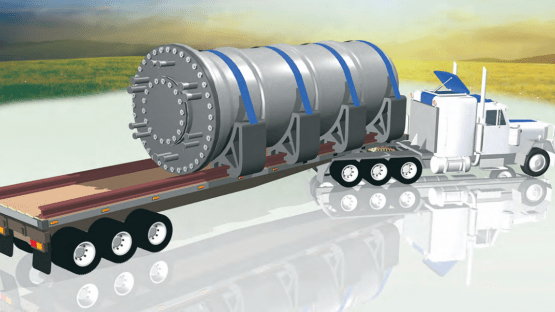
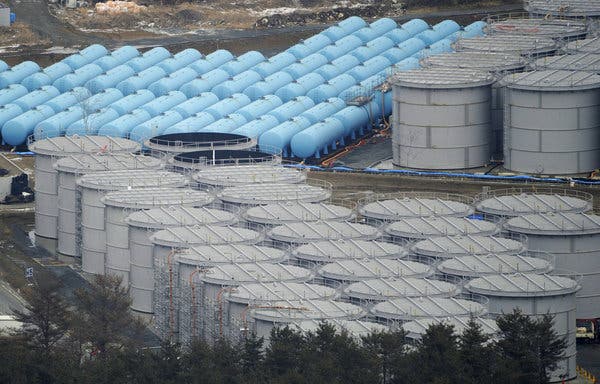
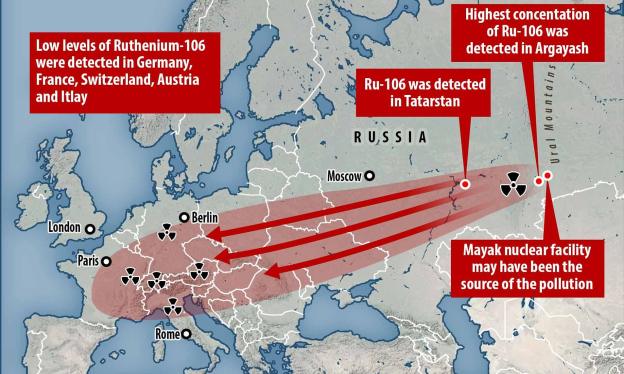

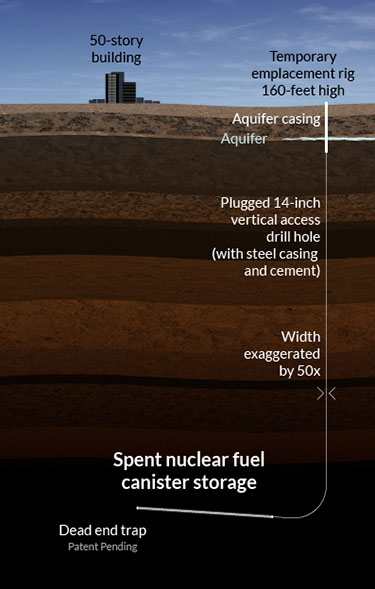
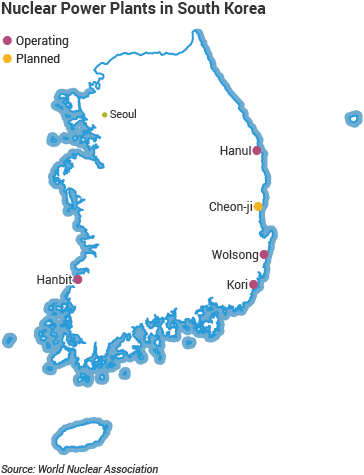
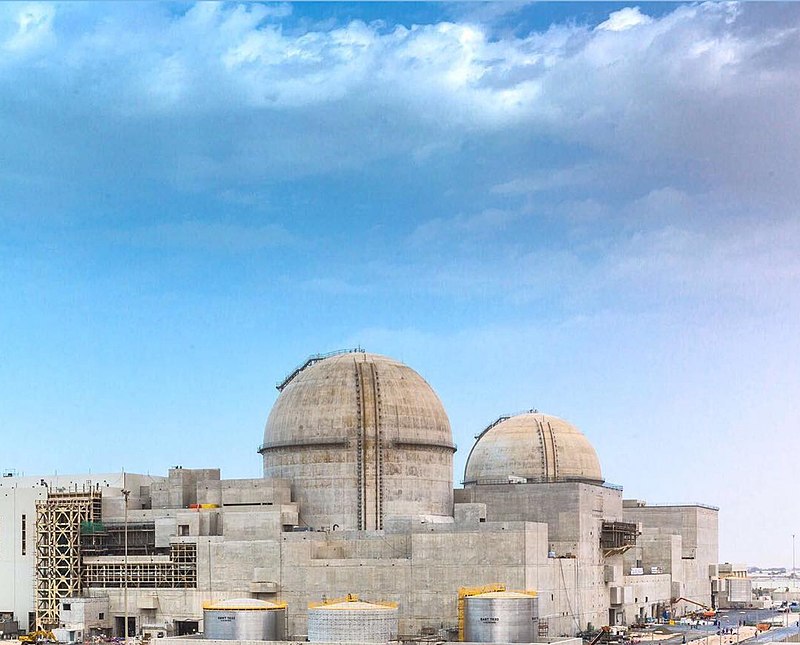

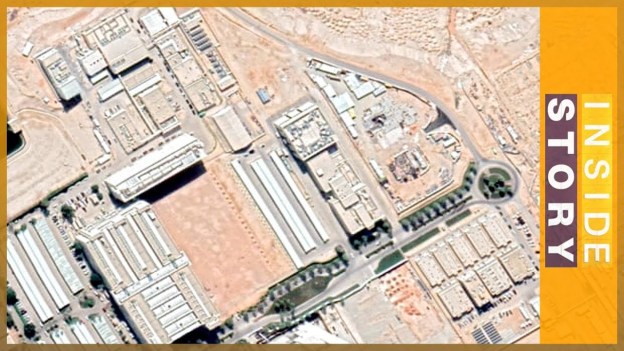
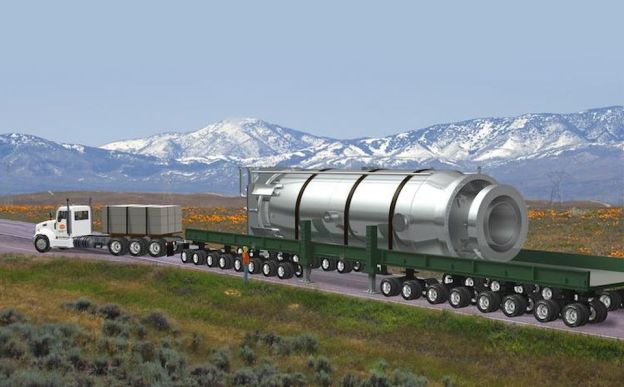
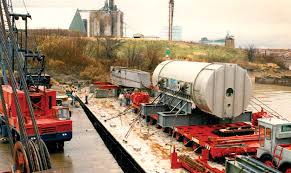
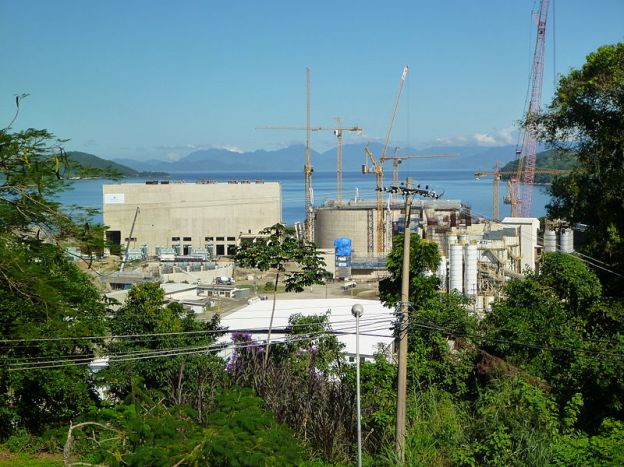
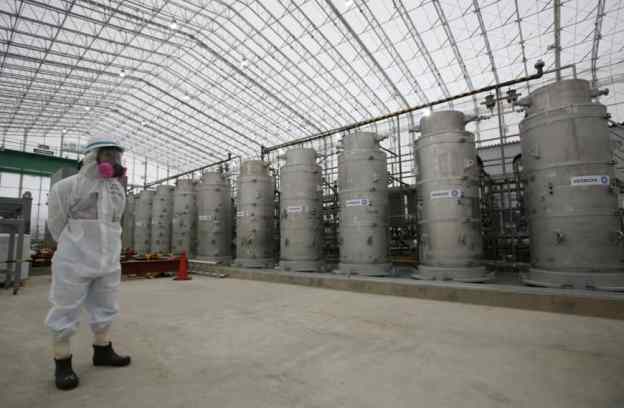
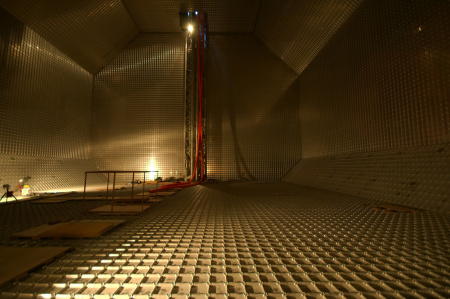
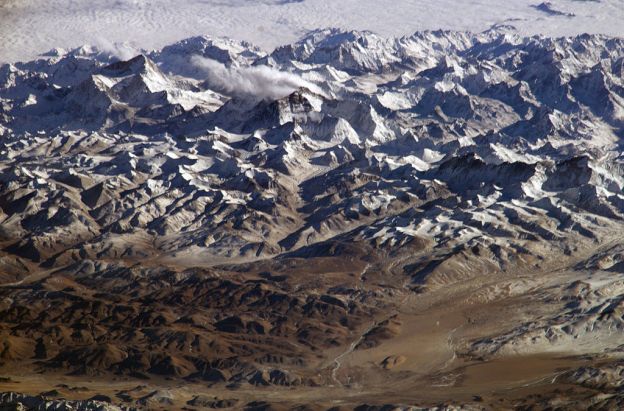
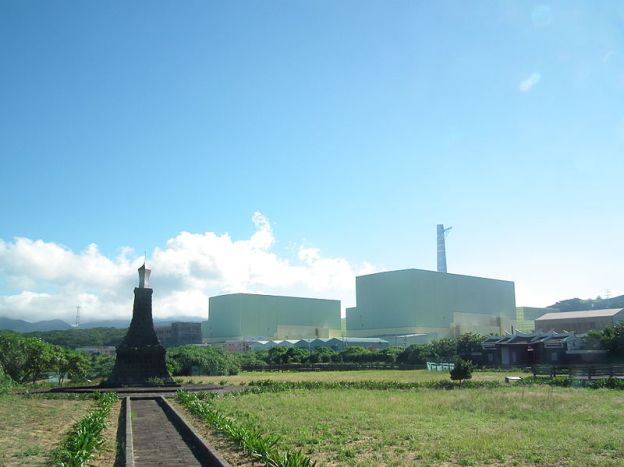
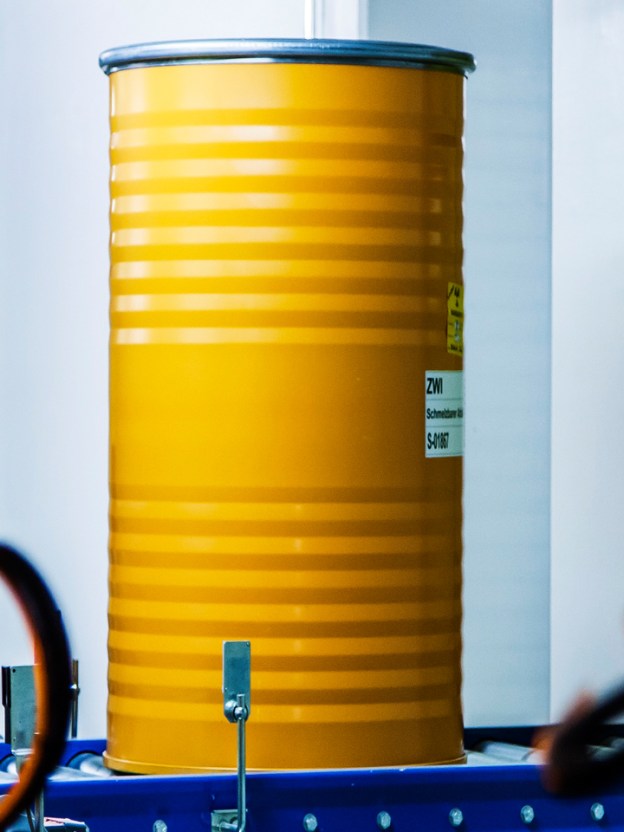
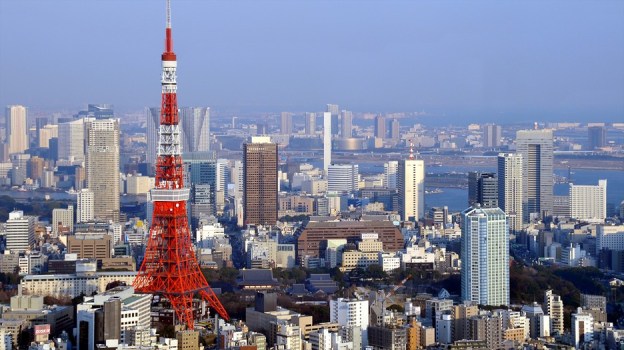

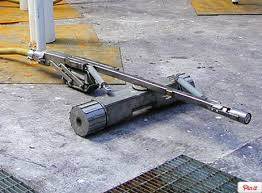
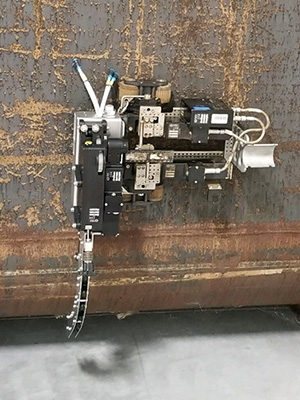
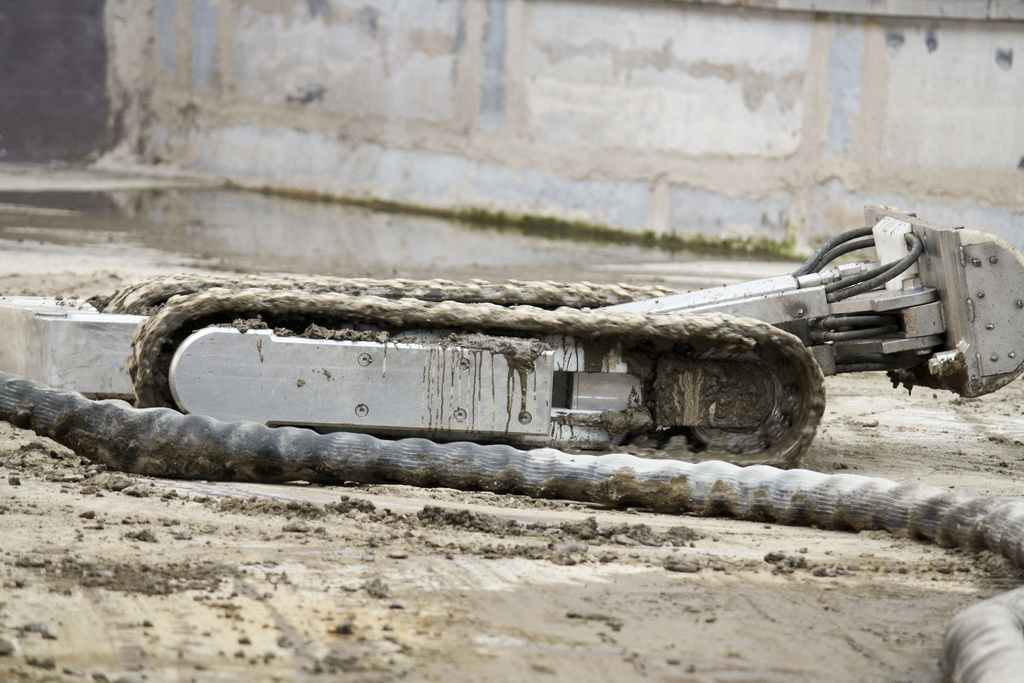
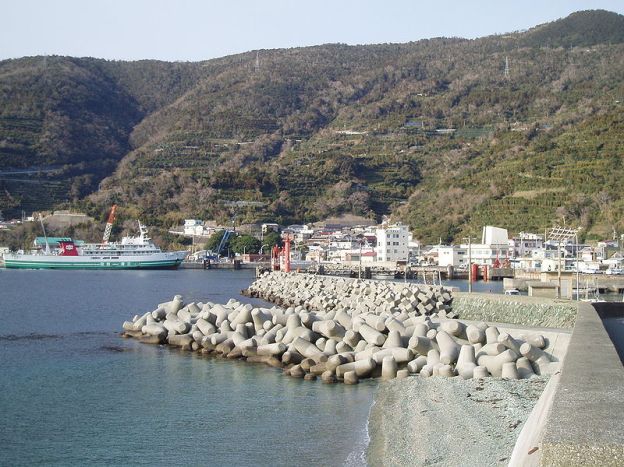
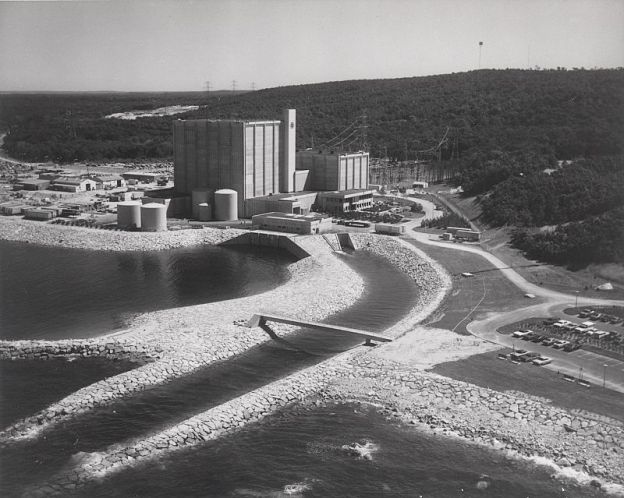
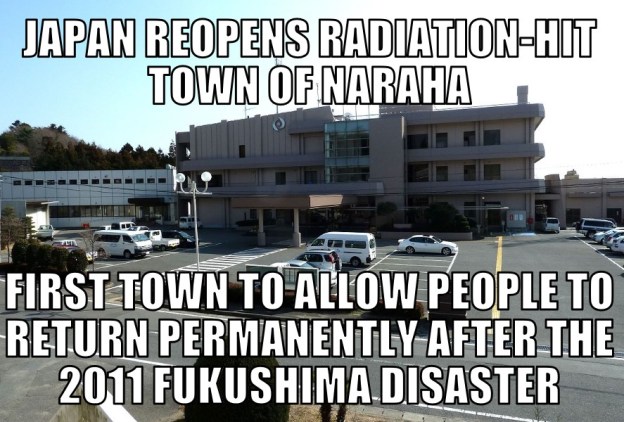

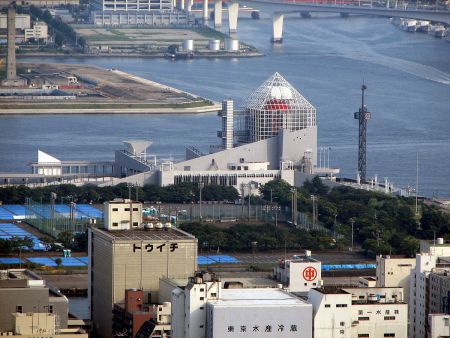
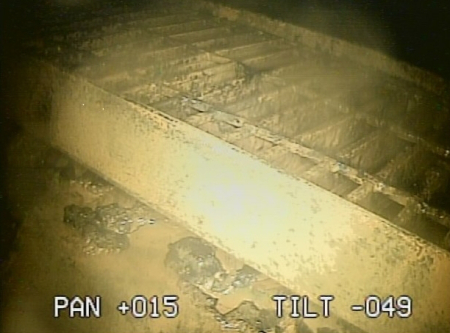
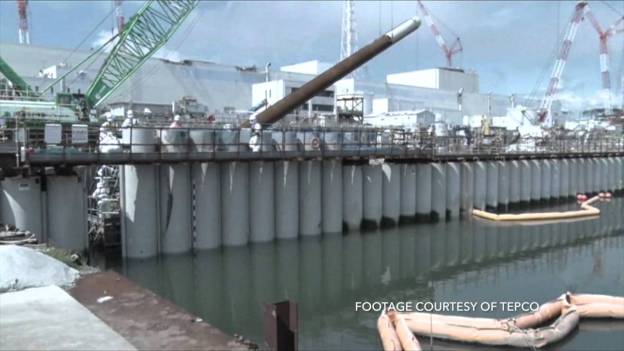
 Radioactive cesium from the crippled Fukushima No. 1 nuclear power plant continued to flow into Tokyo Bay for five years after the disaster unfolded in March 2011, according to a researcher. Hideo Yamazaki, a former professor of environmental analysis at Kindai University, led the study on hazardous materials that spewed from the nuclear plant after it was hit by the Great East Japan Earthquake and tsunami on March 11, 2011.
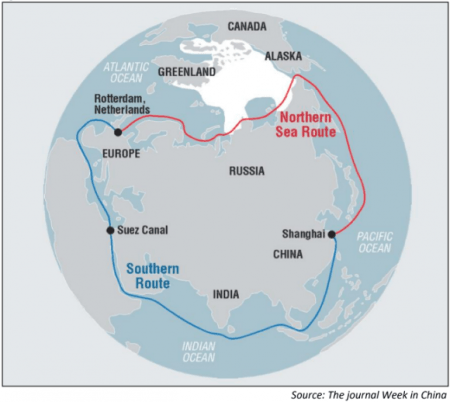
 Mr Xi has been showing a growing interest in Arctic countries. In 2014 he revealed in a speech that China itself wanted to become a “polar great power”..,,In January 2018 the Chinese government published its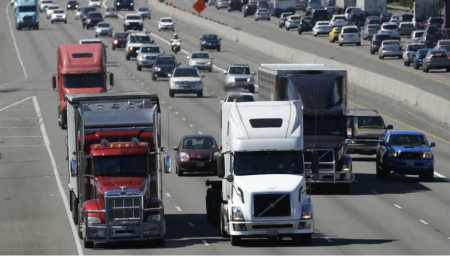
 When sub-Saharan Africa comes up in discussions of climate change, it is almost invariably in the context of adapting to the consequences, such as worsening droughts. That makes sense. The region is responsible for just 7.1% of the world’s greenhouse-gas emissions, despite being home to 14% of its people. Most African countries do not emit much carbon dioxide. Yet there are some notable exceptions.
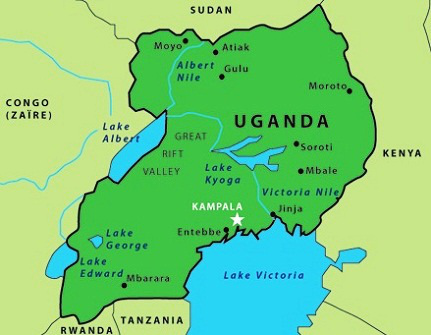
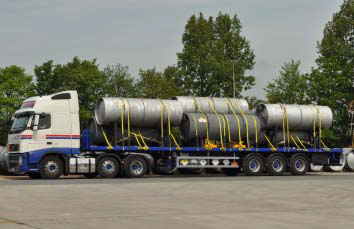
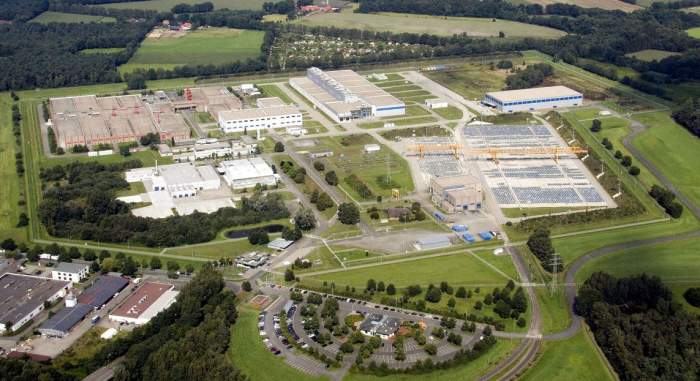
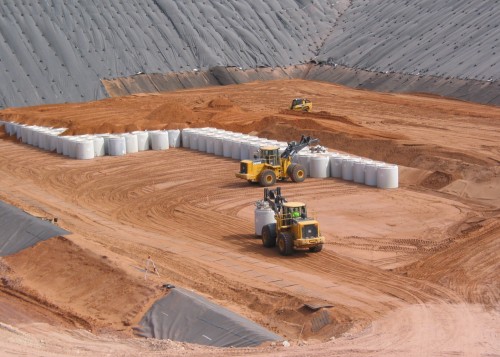
 Mukono- Residents of Kitoba village in Mukono District have opposed plans by the Uganda Atomic Energy Council (AEC) to construct a nuclear and atomic waste site in the area. The residents fear the dump for non-functional atomic equipment, including X-rays and cancer machines, will compromise their safety. Already, the residents at Canaan Sites are suspicious of a container that has been standing on the 11.5 acres of land acquired by the AEC in 2011.
 Nigeria has long ignited interest from oil firms, but it can be a dangerously combustible environment when it comes to the risk of corruption. Two firms caught up in scandals are Royal Dutch Shell and Eni, Italy’s state-backed energy group.
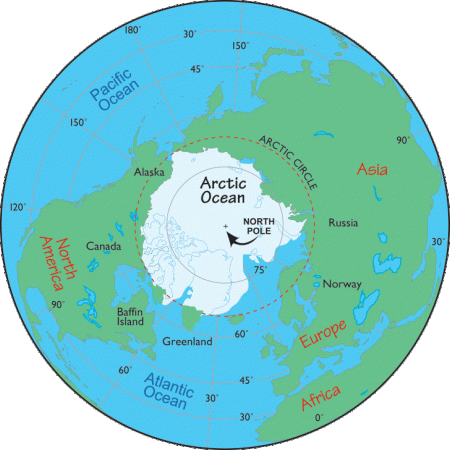
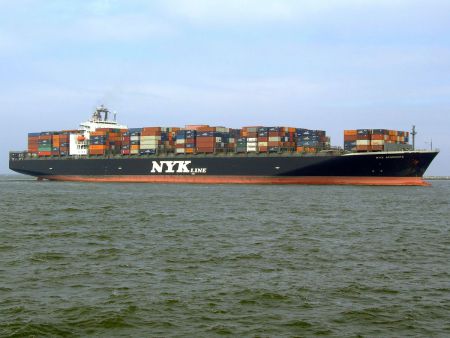
 China on January 25, 2018 outlined its ambitions to extend President Xi Jinping’s signature Belt and Road Initiative to the Arctic by developing shipping lanes opened up by global warming. Releasing its first official Arctic policy white paper, China said it would encourage enterprises to build infrastructure and conduct commercial trial voyages, paving the way for Arctic shipping routes that would form a “Polar Silk Road”…China, despite being a non-Arctic state, is increasingly active in the polar region and became an observer member of the Arctic Council in 2013.
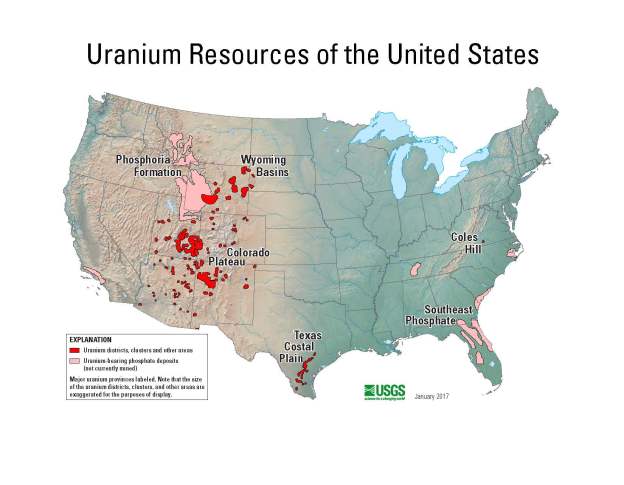
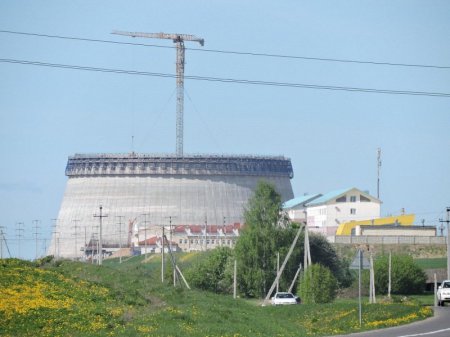
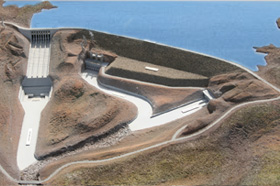
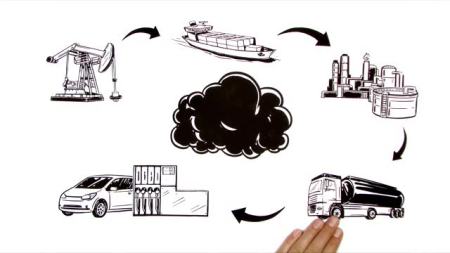
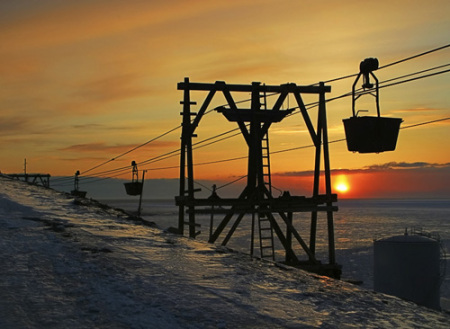

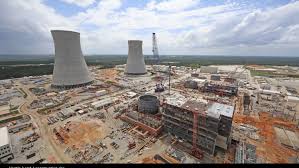
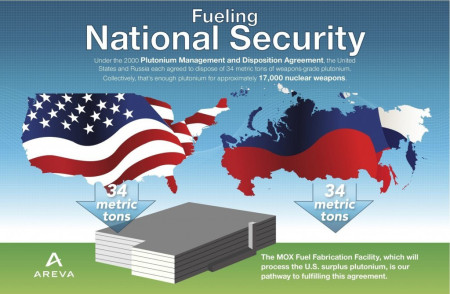
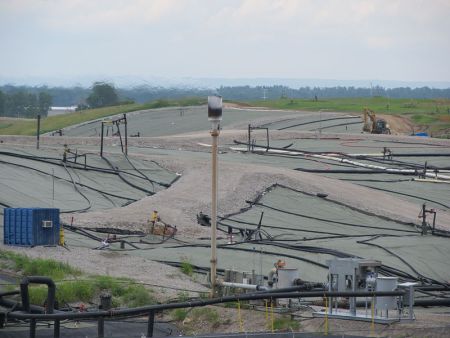
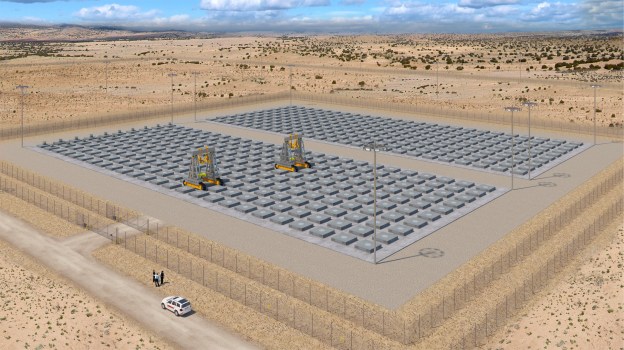
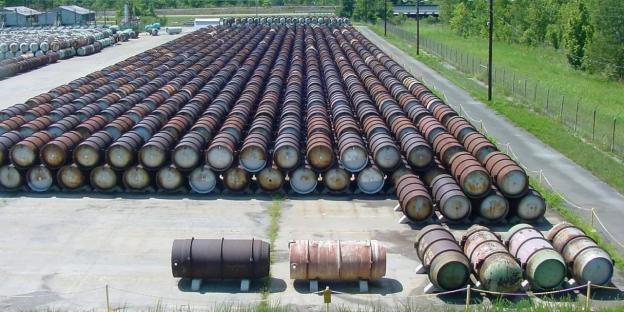
 South Carolina is suing the U.S. government to recover $100 million in fines it says the Department of Energy owes the state for failing to remove one metric ton of plutonium stored there. The lawsuit was filed on August 7, 2017.
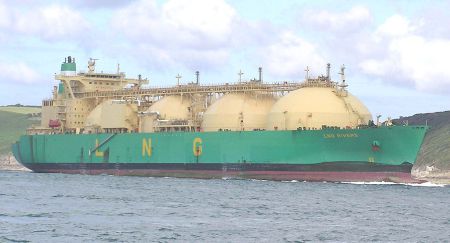
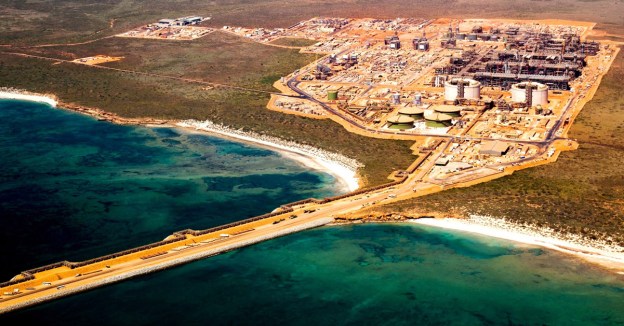
 One day in March 2017, he Rioja Knutsen tanker, filled with liquefied natural gas, was traveling from the U.S. to Portugal. Suddenly, Mexico’s power company lobbed in a higher bid for its cargo. At the Bahamas, the ship abruptly made a starboard turn and headed south. How natural gas is bought and sold in the world’s scattered regional markets for the fuel is changing rapidly. Ships such as the Rioja Knutsen are stitching those regions together and a single global market is emerging. This is already how nearly every other hydrocarbon, from crude oil to obscure petrochemicals, is sold. As gas joins the club, the effects will ripple through energy prices, company profits, the environment and geopolitics.
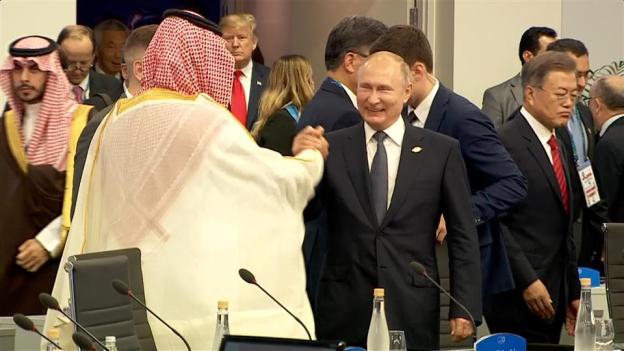
 Russia’s sale of one-fifth of its state-owned oil company to Qatar and commodities giant Glencore PLC last year had an unusual provision: Moscow and Doha agreed Russia would buy a stake back, people familiar with the matter said. Russian President Vladimir Putin hailed the $11.5 billion sale of the Rosneft stake in December 2016 as a sign of investor confidence in his country. But the people with knowledge of the deal say it functioned as an emergency loan to help Moscow through a budget squeeze.