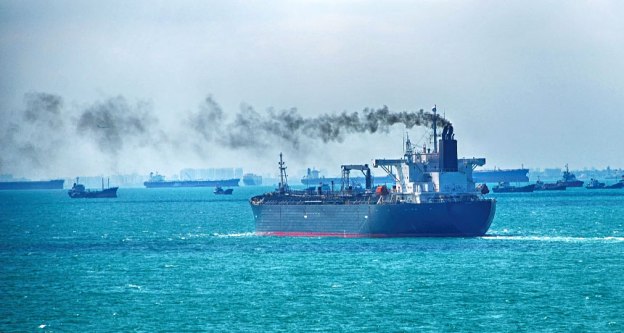
Making shipping cleaner is made more urgent by the decision of the International Maritime Organisation (IMO), the United Nations body responsible for the world’s shipping, to reduce the amount of sulphur allowed in bunker fuel from 3.5% to 0.5% by 2020. Sulphur is nasty stuff. When burned, it forms sulphates, which cause acid rain and pollute the air. A paper published in February 2017 in Nature Communications, by Mikhail Sofiev of the Finnish Meteorological Institute, found that the imo’s new rule could stop between 139,000 and 396,000 premature deaths a year.
The trouble is that sulphates also scatter sunlight and help to form and thicken clouds, which reflect solar radiation away from Earth. As a result, shipping is thought to reduce rather than increase man-made global warming—by 7% throughout the 20th century, according to one study. Dr Sofiev’s research showed that this cooling effect could fall by 80% after 2020, with the new low-sulphur standard in place…
The obvious way to offset the loss of sulphur-related cooling is by steep cuts to shipping’s planet-cooking carbon-dioxide emissions. The IMO wants these to fall by half, compared with 2008 levels, by 2050, regardless of how many vessels then ply the seas. But unlike desulphurisation, which is both imminent and legally binding, the CO2 target looks fuzzy and lacks any enforcement mechanism. An attempt to begin fleshing it out, at a meeting of IMO member states which concluded in London on October 26, 2018 foundered.
One way to cut fuel consumption is to reduce drag by redesigning hulls and propellers. This is happening. In the past five or so years many ships’ propellers have been fitted with tip fins analogous to the turbulence-reducing upturned winglets on aeroplanes. Further percentage points can be shaved away by smoothing hulls. This means, in particular, stopping barnacles and other creatures growing on them. Tin-based antifouling paints are now banned as toxic to sea life, so paintmakers are returning to an 18th-century solution to the fouling problem—copper. Hulls can be scraped smooth, too, but restrictions on littering waters with paint chips and species from foreign parts have made such cleaning problematic. This may change, though, thanks to an underwater drone described by its Norwegian maker, ecosubsea, as “a cross between a vacuum cleaner and a lawnmower”. Rather than scour hulls with a metal brush, ecosubsea’s robots blast water at an angle almost parallel with the hull’s surface, which mostly spares paint from abrasion but hits marine growth perpendicularly, and thus hard.
Many have hopes of returning to wind propulsion, and engineers have devised various modern versions of the sail. None has yet succeeded. A system developed by SkySails, a firm in Hamburg, for example, relied on kites to pull ships along. It was installed on five ships from 2008-11, but proved fiddly to use and maintain…
Some hope to cut marine emissions by employing batteries and electric motors. For transoceanic shipping this looks a long-shot. But local shipping might benefit. Norway, for instance, has started to introduce battery-powered ferries. And a Dutch company called Port-Liner is building electric canal barges for transporting shipping containers. The technology is expensive. Without taxpayer subsidy it would hardly be a runner—a fact also true of the Norwegian ferries.
The problem of shifting emissions around rather than eliminating them also applies to the idea of powering ocean-going vessels using fuel-cells. These generate electricity by reacting hydrogen and oxygen together. Given that electric propulsion more usually disguises emissions than eliminates them, some suggest the most practical approach to reducing shipping’s contribution to global warming is to switch to low-carbon fuel systems rather than conducting a futile search for no-carbon fuels. One alternative is diesel-electric propulsion. Liquefied natural gas (lng) is another option.
Excerpts from Marine Technology of the Future: In Need for a Cean Up, Economist, Nov. 3, 2018, at 75



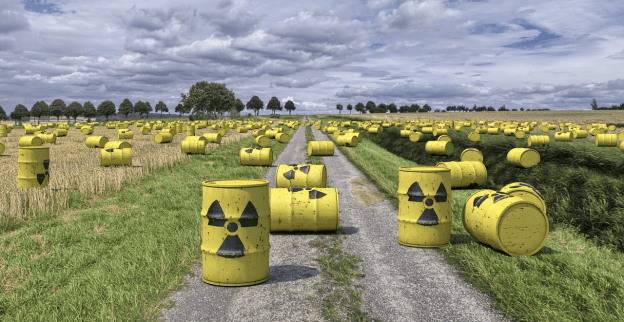

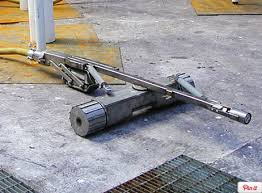
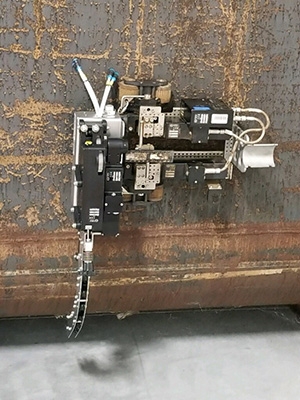

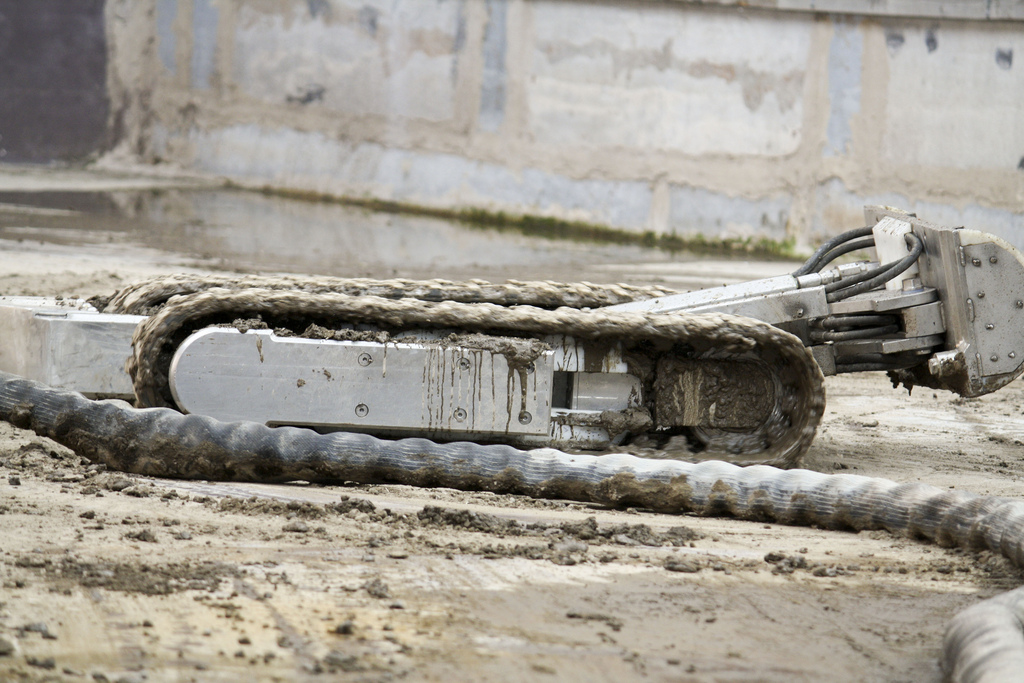

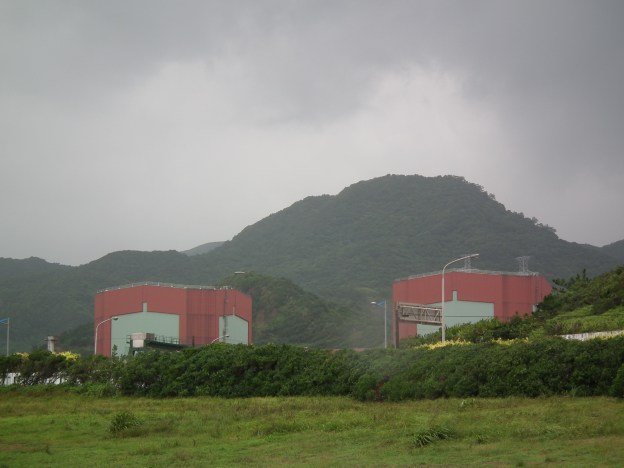




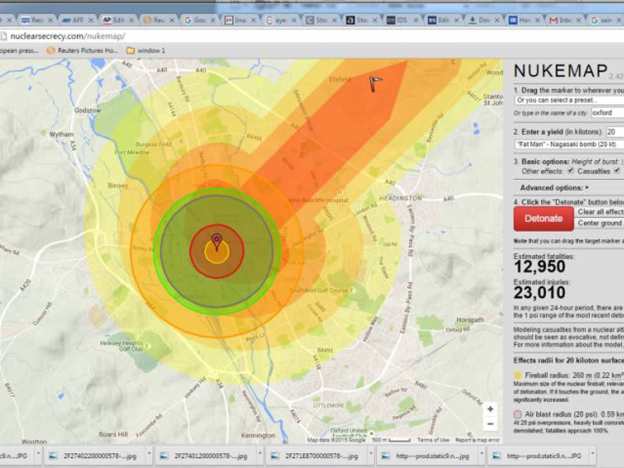

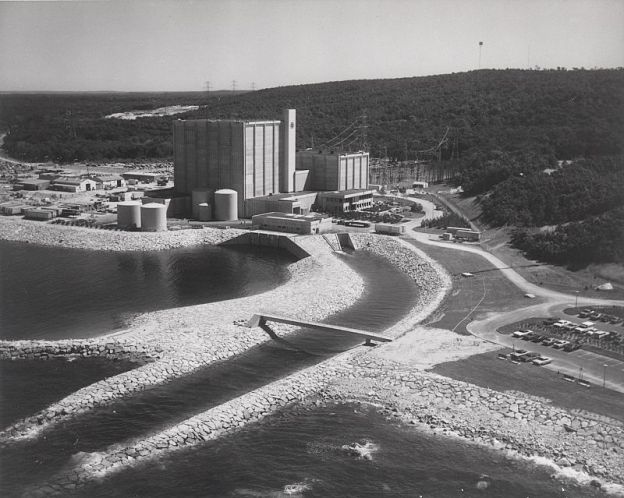







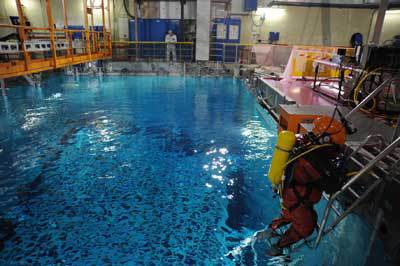
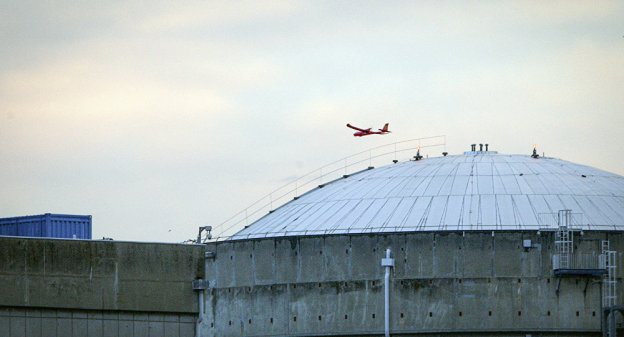
 Greenpeace crashed a drone into the spent-fuel cooling building at the EDF-Bugey nuclear power plant site on July 3, 2018 to demonstrate gaps in the facility’s security. Officials were lucky it was just Greenpeace demonstrating vulnerabilities at the facility, and not a terrorist group intent on attacking the site. This incident highlights why the 2010 US Nuclear Posture Review’s assessment that nuclear terrorism is “today’s most immediate and extreme danger” remains relevant: It underscores the importance of the sustained and persistent six-year effort from 2010 to 2016 to reduce the threat posed by nuclear terrorism, far from the headline nuclear issues of Iran, North Korea, and arms control with Russia…
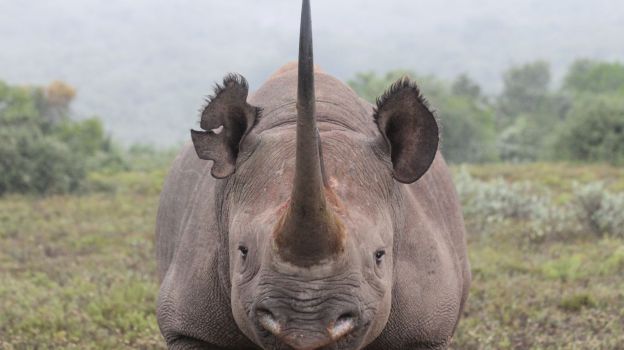
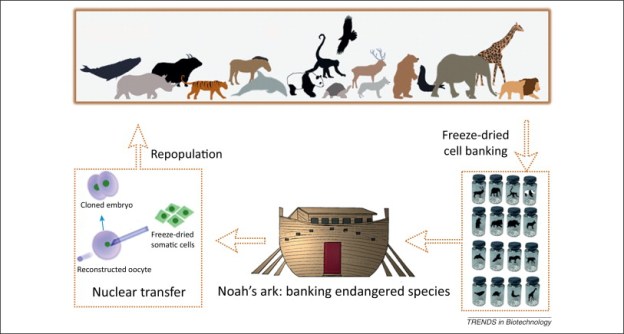
 SUDAN, the last male northern white rhinoceros on Earth, died in March 2018. He is survived by two females, Najin and her daughter Fatu, who live in a conservancy in Kenya. This pair are thus the only remaining members of the world’s most endangered subspecies of mammal. But all might not yet be lost. Thomas Hildebrandt of the Leibniz Institute for Zoo and Wildlife Research, in Berlin, in collaboration with Avantea, a biotechnology company in Cremona, Italy, is proposing heroic measures to keep the subspecies alive. In a paper published in Nature, he and his colleagues say that they have created, by in vitro fertilisation (IVF), apparently viable hybrid embryos of northern white rhinos and their cousins from the south. This, they hope, will pave the way for the creation of pure northern-white embryos.
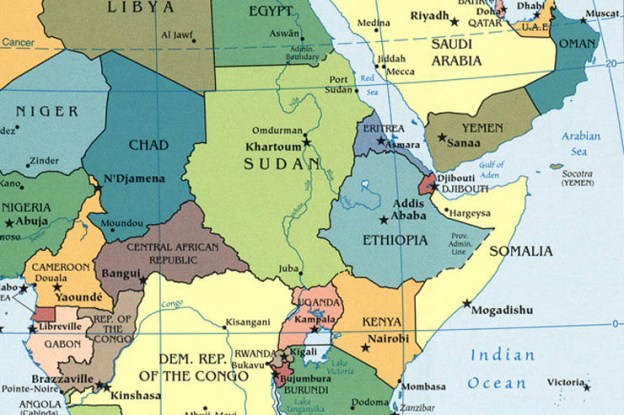
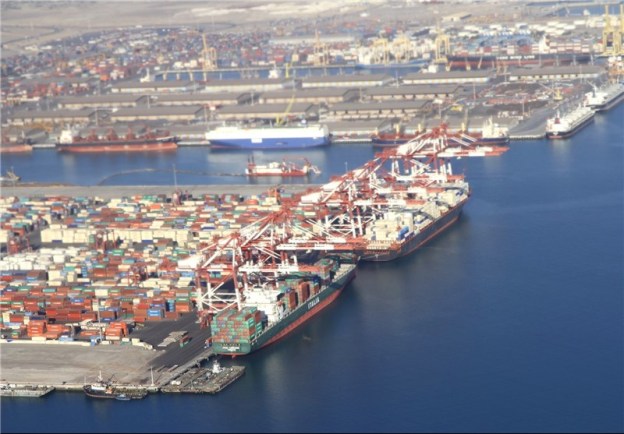
 The rulers of United Arab Emirates (UAE), one of whose components, Dubai, own a majority stake in DP World, one of the world’s largest maritime firms with perations in 40 countries.It is one of several Gulf states trying to gain a strategic foothold in east Africa through ports. Controlling these offers commercial and military advantages but risks exacerbating tensions in the region…

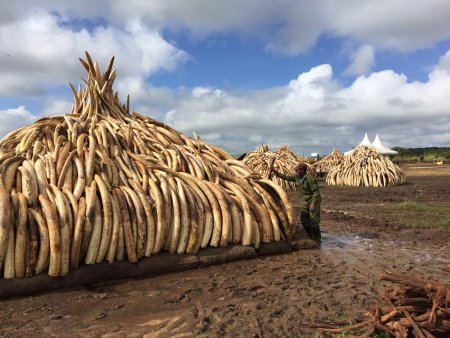
 In spite of a ban, illegal ivory trading still flourishes in the European Union, as traders use a loophole allowing exchange of very old pieces, an Oxford University study sponsored by a campaign group found.
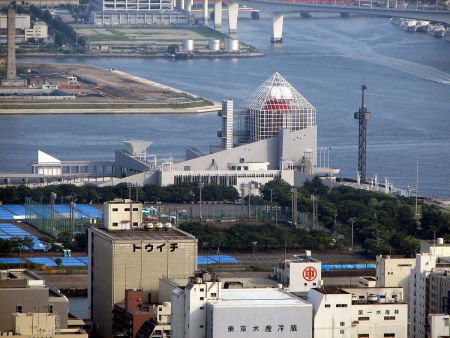
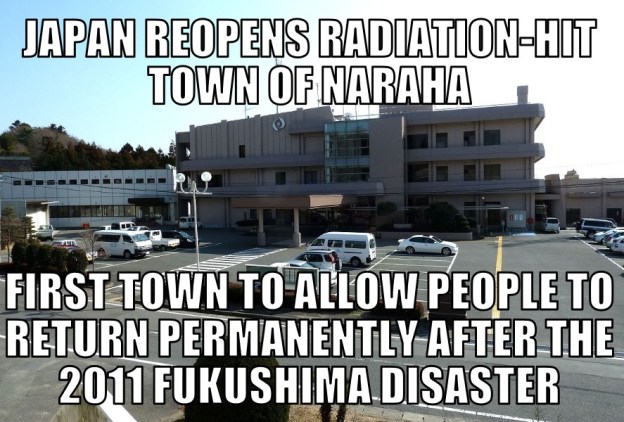
 Radioactive cesium from the crippled Fukushima No. 1 nuclear power plant continued to flow into Tokyo Bay for five years after the disaster unfolded in March 2011, according to a researcher. Hideo Yamazaki, a former professor of environmental analysis at Kindai University, led the study on hazardous materials that spewed from the nuclear plant after it was hit by the Great East Japan Earthquake and tsunami on March 11, 2011.
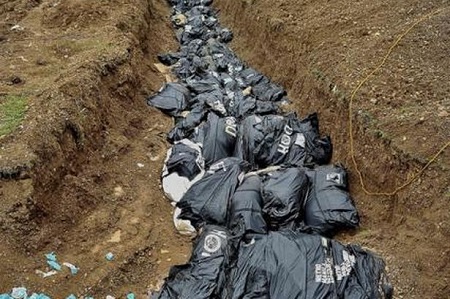
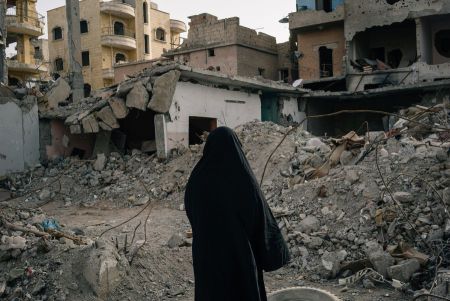
 Amnesty International researchers visited 42 Coalition air strike sites across the ruined city of Raqqa, Syria and interviewed 112 civilian residents who had survived the carnage and lost loved ones. The accounts detailed in the report,

 In 2009, coalition casualties in Afghanistan had as much as doubled in the space of a year. Civilian casualties climbed to 2412. It was 2009. Coalition forces had been there since 2001 with no end and, to this point, no real campaign plan in sight…
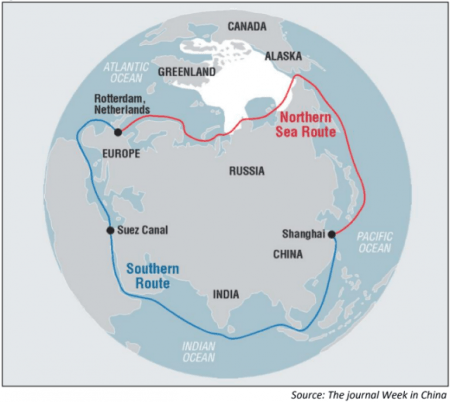
 Mr Xi has been showing a growing interest in Arctic countries. In 2014 he revealed in a speech that China itself wanted to become a “polar great power”..,,In January 2018 the Chinese government published its
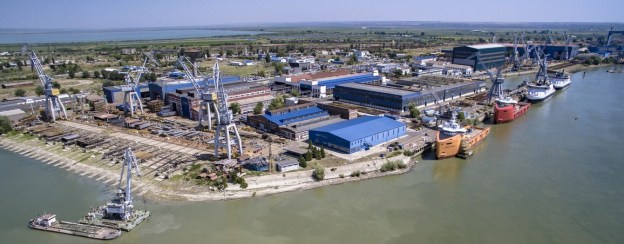
 A Beijing-funded wharf in Vanuatu is big enough to allow powerful warships to dock alongside it, heightening fears the port could be converted into a Chinese naval installation. Fairfax Media inspected the $114 million Luganville wharf and was told US coastguard officials and Marines recently visited the sprawling facility and took a keen interest in its specifications. The Chinese and Vanuatu governments have strenuously denied they have discussed a military base…
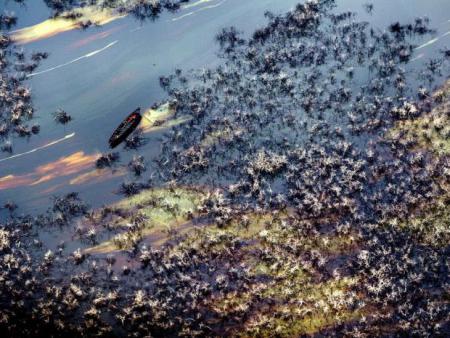
 May 2018: The environmental damage around the site of two Royal Dutch Shell oil spills in Nigeria a decade ago has worsened significantly after years of delay to cleanup efforts, according to a report that the oil giant has been accused of trying to shield from public view. The spills from a ruptured Shell pipeline spewed thousands of barrels of oil over parts of the Bodo fishing community in the crude-rich Niger Delta. Although the company in 2015 reached an out-of-court settlement with the local community, admitting to liability and agreeing
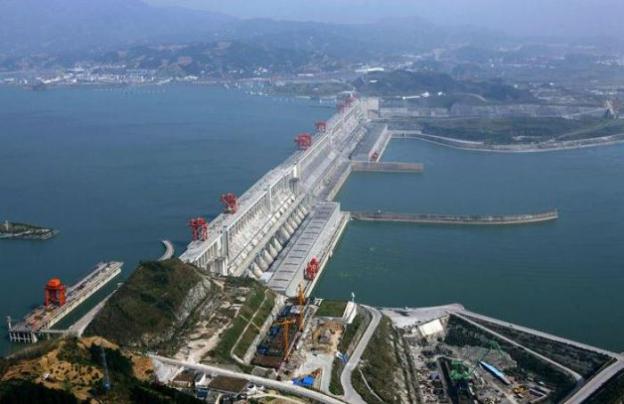
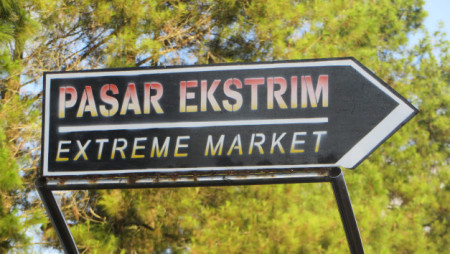
 Tomohon, in the highlands of North Sulawesi, Indonesia is …the “extreme market”. There is certainly something extreme about the serried carcasses, blackened by blow torches to burn off the fur, the faces charred in a rictus grin. The pasar extrim speaks to Sulawesi’s striking biogeography. The Indonesian island straddles the boundary between Asiatic and Australian species—and boasts an extraordinary number of species found nowhere else. But the market also symbolises how Asia’s amazing biodiversity is under threat. Most of the species on sale in Tomohon have seen populations crash because of overhunting (habitat destruction has played a part too)…

 When sub-Saharan Africa comes up in discussions of climate change, it is almost invariably in the context of adapting to the consequences, such as worsening droughts. That makes sense. The region is responsible for just 7.1% of the world’s greenhouse-gas emissions, despite being home to 14% of its people. Most African countries do not emit much carbon dioxide. Yet there are some notable exceptions.
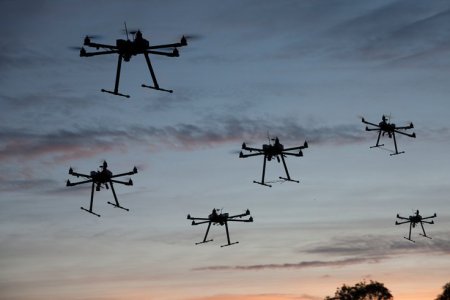
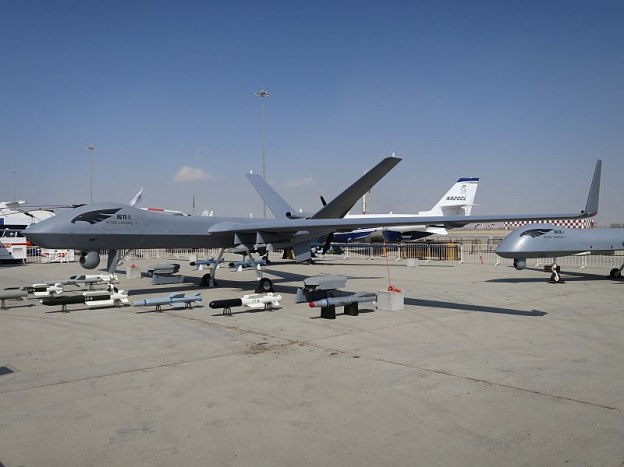
 The head of the U.S. Departement of Homeland Security (DHS) on May 15, 2018 told Congress that the agency needs new legal authority to track threatening drones and disable or destroy them if necessary. “Our enemies are exploring other technologies, too, such as drones, to put our country in danger. ISIS has used armed drones to strike targets in Syria, and we are increasingly concerned that they will try the same tactic on our soil,” she said…


 The
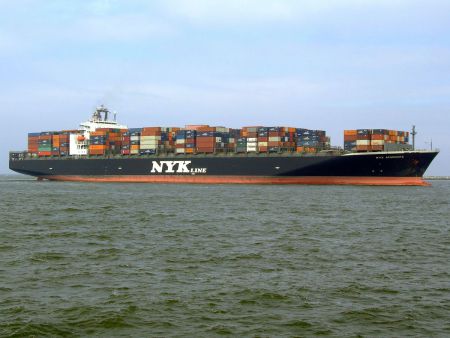
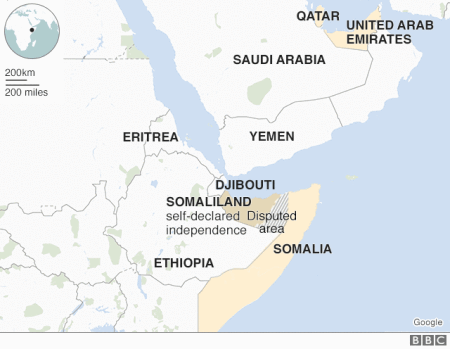
 A battle for access to seaports is underway in one of the world’s unlikeliest places: Somalia, now caught in a regional struggle between Saudi Arabia and the United Arab Emirates on one side with Qatar backed by Turkey on the other. At stake: not just the busy waters off the Somali coast but the future stability of the country itself.
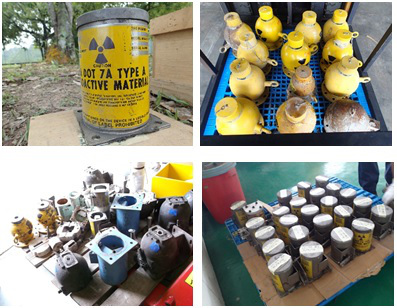
 The International Atomic Energy Agency (IAEA) has helped remove 27
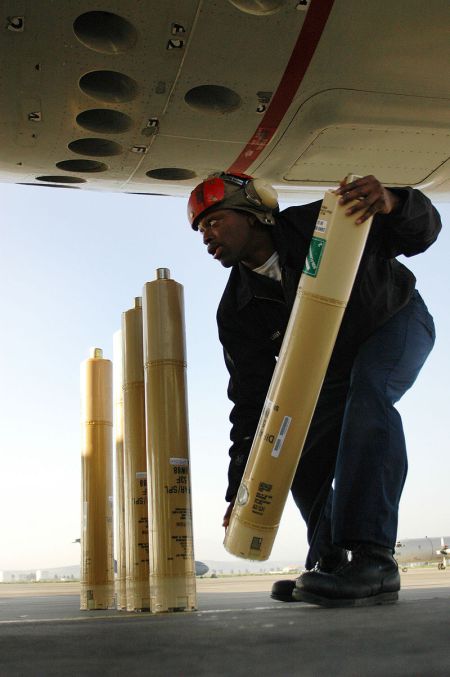

 Mukono- Residents of Kitoba village in Mukono District have opposed plans by the Uganda Atomic Energy Council (AEC) to construct a nuclear and atomic waste site in the area. The residents fear the dump for non-functional atomic equipment, including X-rays and cancer machines, will compromise their safety. Already, the residents at Canaan Sites are suspicious of a container that has been standing on the 11.5 acres of land acquired by the AEC in 2011.
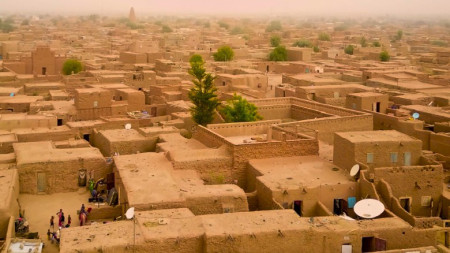
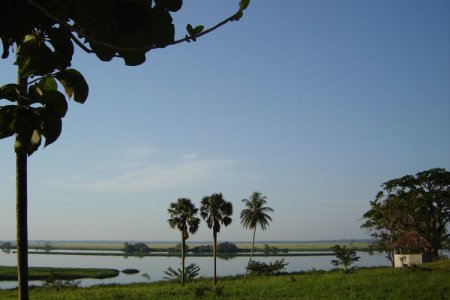


 Nigeria has long ignited interest from oil firms, but it can be a dangerously combustible environment when it comes to the risk of corruption. Two firms caught up in scandals are Royal Dutch Shell and Eni, Italy’s state-backed energy group.
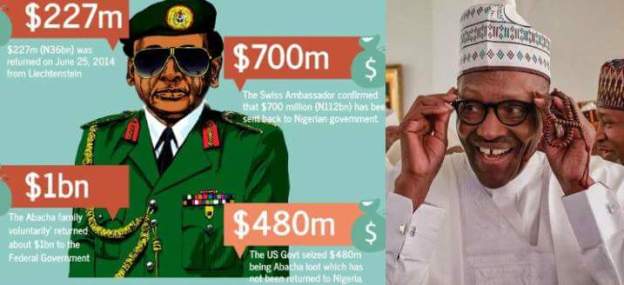
 Nigeria and Switzerland signed a memorandum of understanding on March 26, 2018 to pave the way for the return of illegally acquired assets…Switzerland said in December 2017 that it would return to Nigeria around $321 million in assets seized from the family of former military ruler Sani Abacha via a deal signed with the World Bank…[T]he memorandum of understanding was ratified between Nigeria, Switzerland and the International Development Association, (IDA), the World Bank’s fund for the world’s poorest countries.
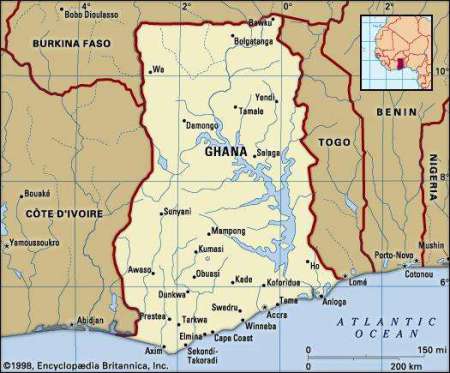
 Ghana’s parliament on March 23, 2018 ratified a deal granting “unimpeded” access to the United States to deploy troops and military equipment in the West African nation in a vote boycotted by the opposition, legislators said.The Ghana-U.S. Military Cooperation agreement requires Ghana to provide unimpeded access to agreed facilities and areas to U.S. forces, their contractors and other related services.

 Cambridge Analytica, the UK political consultancy at the centre of Facebook’s election manipulation scandal, ran the campaigns of President Uhuru Kenyatta in the 2013 and 2017 Kenyan elections, according to video secretly recorded and broadcast by Britain’s Channel 4 News.

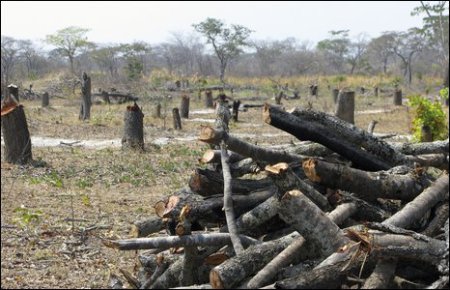
 Most deforestation takes place in poor countries. In richer places, trees tend to multiply. Australia is an unhappy exception. Land clearance is rampant along its eastern coast, as farmers take advantage of lax laws to make room for cattle to feed Asia. WWF, a charity, now ranks Australia alongside Borneo and the Congo Basin as one of the world’s 11 worst “fronts” for deforestation.

 The activity, hostile action that falls short of–but often precedes–violence, is sometimes referred to as gray zone warfare, the ‘zone’ being a sort of liminal state in between peace and war. The actors that work in it are difficult to identify and their aims hard to predict, by design…
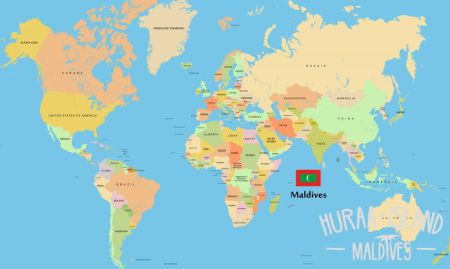
 The Maldives archipelago, popular among luxury honeymooners, has become a playing field for geostrategic rivalry as China expands its influence in the Indian Ocean and the U.S. and India push back.
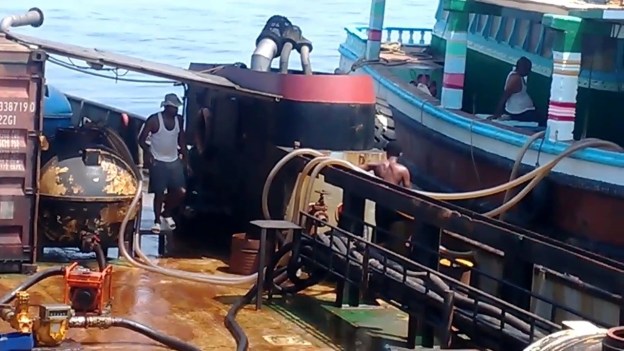
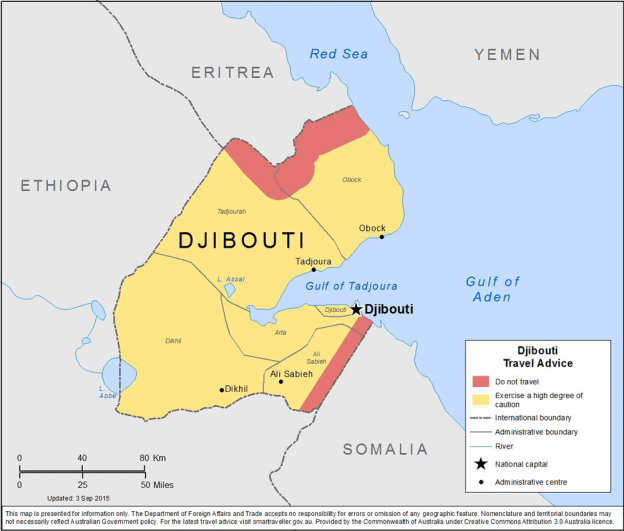
 The top US general for Africa told lawmakers the American military could face “significant” consequences should China take a key port in Djibouti…. In Febuary 2018, Djibouti ended its contract with Dubai’s DP World, one of the world’s biggest port operators, to run the Doraleh Container Terminal, citing failure to resolve a dispute that began in 2012. DP World called the move an illegal seizure of the terminal and said it had begun new arbitration proceedings before the London Court of International Arbitration.
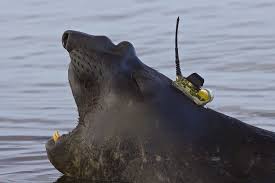
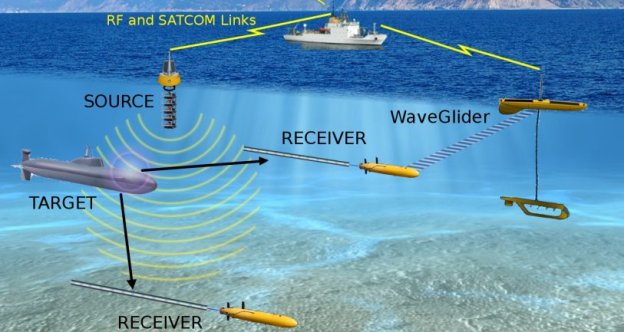
 The world’s vast oceans and seas offer seemingly endless spaces in which adversaries of the United States can maneuver undetected. The U.S. military deploys networks of manned and unmanned platforms and sensors to monitor adversary activity, but the scale of the task is daunting and hardware alone cannot meet every need in the dynamic marine environment. Sea life, however, offers a potential new advantage. Marine organisms are highly attuned to their surroundings—their survival depends on it—and a new program out of DARPA’s Biological Technologies Office aims to tap into [marine animals] natural sensing capabilities to detect and signal when activities of interest occur in strategic waters such as straits and littoral regions.


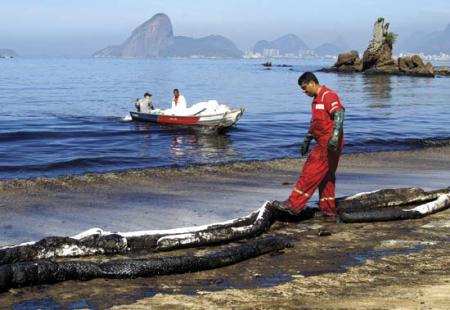
 The oil spill that hit the Fujairah coast on January 25, 2018 was the result of tankers illegally cleaning out their holds. That is according to the general manager of Fujairah port (UAE), Capt Mousa Murad, who has called for 24-hour monitoring of ships to tackle the issue. “The recent oil spills have been caused by tank cleaning by passing ships,” Capt Murad told The National on Tuesday. “Especially when tankers change from [carrying] one product to another,” he said, implying that the spills are made up of residue cleaned from within the tanks. He said the oil “comes from international waters and could hit Dibba, Fujairah or Khor Fakkan.”…
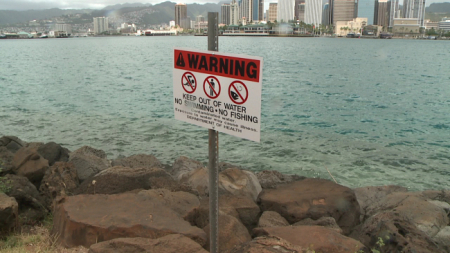
 Cesspools—holes in the ground where untreated human waste is deposited—have become a crisis in Hawaii, threatening the state’s drinking water, its coral reefs and the famous beaches that are the lifeblood of its tourist economy. Sewage from cesspools is seeping into some of Hawaii’s ocean waters, where it has been blamed for infections suffered by surfers and snorkelers. It is also entering the drinking water in part of the state, pushing nitrate levels close to the legal limit.

 The African Union on Friday urged Mauritania to make a greater effort to eliminate slavery after the country handed out lenient sentences to a family of slave owners in a landmark conviction….In a statement published online, the
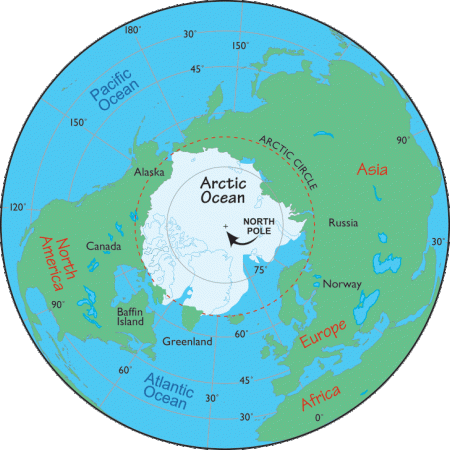
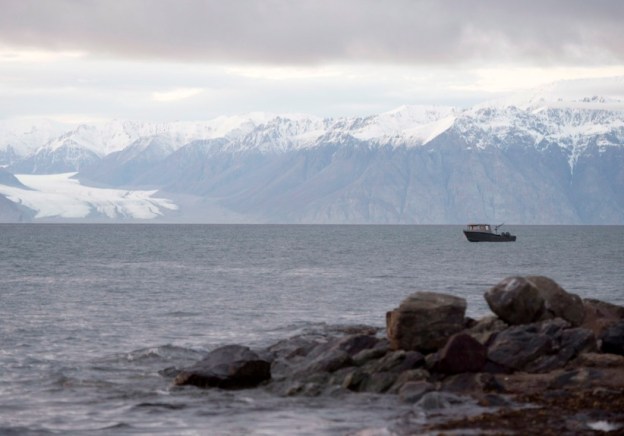
 China on January 25, 2018 outlined its ambitions to extend President Xi Jinping’s signature Belt and Road Initiative to the Arctic by developing shipping lanes opened up by global warming. Releasing its first official Arctic policy white paper, China said it would encourage enterprises to build infrastructure and conduct commercial trial voyages, paving the way for Arctic shipping routes that would form a “Polar Silk Road”…China, despite being a non-Arctic state, is increasingly active in the polar region and became an observer member of the Arctic Council in 2013.
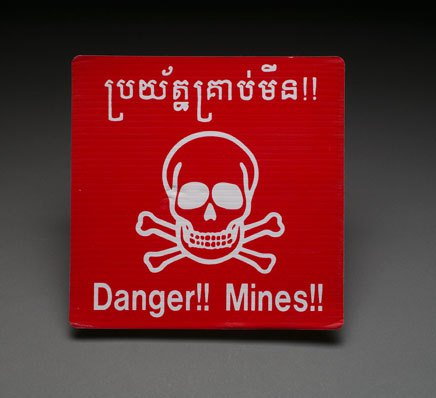
 Mines planted during more than three years of war in Benghazi (2014-2017) are taking a high toll on under-equipped deminers and residents trying to return to districts where protracted battles took place. Military engineers striving to clear the explosives lack mine detectors and are working with basic tools and their bare hands. Their task is painstaking and extremely dangerous: 50 have been killed and 60 wounded, according to a military source.



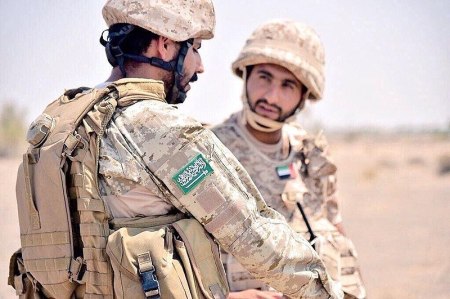
 A withering United Nations report on Yemen’s civil war provides fresh evidence about the extent to which Saudi Arabia and Iran have intervened in the conflict, pursuing their regional proxy war even as Yemen disintegrated into “warring statelets” that would be difficult to reunite. The U.N. panel said there were “strong indications of the supply of arms-related material manufactured in, or emanating from, the Islamic Republic of Iran,” in violation of a U.N. embargo on Yemen.