Author Archives: Stoa

How Soil Can Fight Pollution

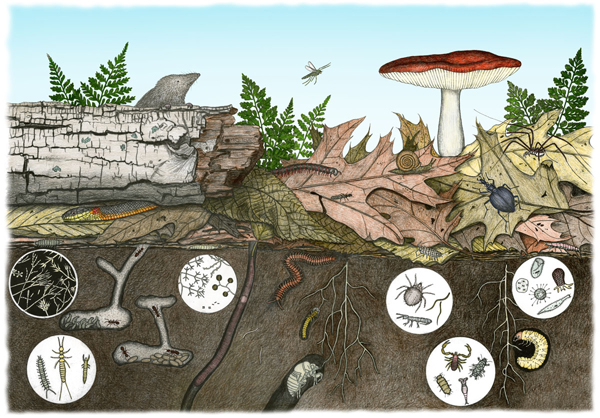
Soil biodiversity is essential for most of the ecosystem services and functions that soils
provide and perform. Soil microbes (i.e., bacteria, fungi) and microfauna (i.e., protozoa
and nematodes) transform organic and inorganic compounds into available forms. These transformations are critical for nutrient cycling and availability, for plants, and other species growth, for cycling of soil organic matter and carbon sequestration, and for the filtration, degradation, and immobilization of contaminants in water and soil.

An important part of the food web is represented by mesofauna, such as springtails and mites, which accelerate litter decomposition and enhance nutrient cycling and availability (especially nitrogen), and predators of smaller soil organisms.

Soil macro, and megafauna such as earthworms, ants, termites, and some mammals act as ecosystem engineers that modify soil porosity, water and gas transport, and bind soil particles together into stable aggregates that hold the soil in place and thus reduce erosion.

Soil biodiversity can mitigate threats to ecosystem services, for instance by acting as a powerful tool in bioremediation of contaminated soils. Biostimulation and bioaugmentation are environmentally sound strategies that contribute to the filtration, degradation, and immobilization of target contaminants. Furthermore, the integral use of organisms such as microbes (bioaugmentation), plants (phytoremediation) and earthworms (vermiremediation) as a bioremediation strategy in hydrocarbon-contaminated soils has proven to be a viable alternative for increasing hydrocarbon removal. On the other hand, soil macrofauna, such as earthworms, termites, and ants, play an important role in improving soil structure and aggregation, which can improve resistance to soil erosion caused by wind and water.

Excerpt from FAO, State of Knowledge of Soil Biodiversity, Report 2020

The Great Green Wall and its Past Mistakes

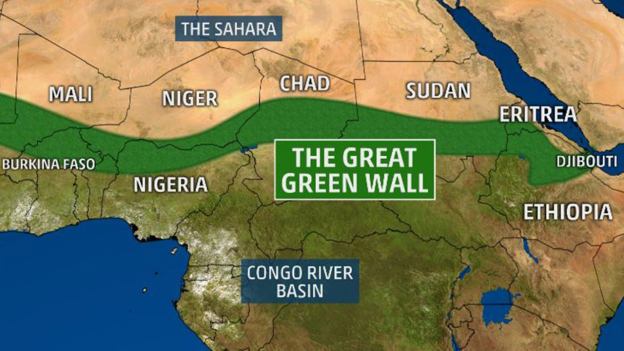
The Great Green Wall  aims to transform the lives of some 100 million people by planting a mosaic of trees, shrubs, and grasses along a corridor stretching some 8000 kilometers across Africa by 2030. Since the African Union first launched the Great Green Wall in 2007, the initiative has struggled to make headway. Made up of local efforts across 11 countries, it has reached just 16% of its overall goal to vegetate 150 million hectares.

But in January 2021, the project—which analysts estimate will cost at least $30 billion—got a major boost: a pledge of $14 billion in funding over the next 5 years from a coalition of international development banks and governments. The money is meant to accelerate the effort to sustain livelihoods, conserve biodiversity, and combat desertification and climate change, French President Emmanuel Macron said in announcing the pledges on January 11, 2021.

Environmental restoration and community development specialists welcomed the news. But many are also apprehensive. In recent years, research by ecologists, economists, and social scientists has shown that many forestry projects around the world have failed because they didn’t adequately address fundamental social and ecological issues…Many efforts, particularly those not led by local communities, stumble. Newly planted trees can die of neglect when planners don’t engage communities from the start in discussions about which species to plant, as well as whether residents are willing and able to provide the water, fertilizer, and protection from grazing animals that saplings need. Farmers are often busy and have their own priorities; they “will not … manage trees that they do not value.” …

Elvis Paul Tangem, who coordinates the Great Green Wall Initiative for the African Union Commission, agrees. He says promises to plant huge numbers of trees at low cost, for example at $1 per seedling, can distract from the real challenge. “You can plant a tree for $1,” he says, “but you cannot grow a tree for $1.”

Excerpt from Rachel CernanskyNew funds could help grow Africa’s Great Green Wall. But can the massive forestry effort learn from past mistakes?, Science, Feb. 11, 2021

Genomic Surveillance

The use of DNA profiling for individual cases of law enforcement has helped to identify suspects and to exonerate the innocent. But retaining genetic materials in the form of national DNA databases, which have proliferated globally in the past two decades, raises important human rights questions.

Privacy rights are fundamental human rights. Around the world, the unregulated collection, use, and retention of DNA has become a form of genomic surveillance. Kuwait passed a now-repealed law mandating the DNA profiling of the entire population. In China, the police systematically collected blood samples from the Xinjiang population under the guise of a health program, and the authorities are working to establish a Y-chromosome DNA database covering the country’s male population. Thailand authorities are establishing a targeted genetic database of Muslim minorities. Under policies set by the previous administration, the U.S. government has been indiscriminately collecting the genetic materials of migrants, including refugees, at the Mexican border.

Governments should reform surveillance laws and draft comprehensive privacy protections that tightly regulate the collection, use, and retention of DNA and other biometric identifiers .They should ban such activities when they do not meet international human rights standards of lawfulness, proportionality, and necessity.

Excerpts from Yves Moreau and Maya Wong, Risks of Genomic Surveillance and How to Stop it, Science, Feb. 2021

Green-Shaming ExxonMobil

ExxonMobil’s shareholders concerned about greenery are angered by ExxonMobil’s continued carbon-cuddling. Those who care more about greenbacks are irked by its capital indiscipline. Right now, both are pushing in the same direction.

D.E. Shaw, a big hedge fund, is urging ExxonMobil to spend more wisely… More eye-catchingly, Engine No.1, a newish fund with a stake of just 0.02%, is trying to green-shame Mr Woods with a mantra as straightforward as ExxonMobil’s: if the company continues on its current course, and demand shifts quickly to cleaner energy, it risks terminal decline. The fund has launched a proxy battle by proposing four new directors; the current board, it complains, is long on blue-chip corporate credentials but short on energy expertise. Engine No.1’s agitation for a shake-up has won backing from, among others, Calstrs, which manages $283bn on behalf of California’s public-sector workers.

Most important, the tone from ExxonMobil’s three biggest institutional shareholders—BlackRock, Vanguard and State Street—has also shifted…In a recent letter to clients, Larry Fink, boss of BlackRock, talked of greener stocks enjoying a “sustainability premium” and dirty ones jeopardising portfolios’ long-term returns. He hinted that his firm—the world’s largest asset manager—might divest from firms that failed to appreciate the “tectonic shift” taking place. Vanguard, too, has called out ExxonMobil for flawed governance…

Excerpt from Schumpeter: The Long Squeeze, Economist, Feb. 6, 2021

Designers Not Doers: Who’s Gonna Save the Chip Industry?

Although designing chips for electronic devices is now easier than ever, making them has never been harder requiring spending vast—and growing—sums on factories (called fabs) stuffed with ultra-advanced equipment.

At the turn of the millennium, a cutting-edge factory might have cost $1bn… More recently, a TSMC factory that produces 3 nm (nanometer) chips, completed in 2020, in southern Taiwan, cost $19.5bn. The firm is already pondering another for factory for 2nm chips, which will almost certainly be more. ..Asia’s nanoscale manufacturing duopoly remains fiercely competitive, as Samsung and TSMC keep each other on their toes… At some point, one company, in all likelihood TSMC, could be the last advanced fab standing. For years, says an industry veteran, tech bosses mostly ignored the problem in the hope it would go away. It has not…

The other big industry rupture is taking place in China. As America has lost ground in making chips, it has sought to ensure that China lags behind, too. The American tech embargo began as a narrow effort against Huawei over national security, but bans and restrictions now affect at least 60 firms, including many involved in chips. SMIC, China’s chip champion, has just been put on a blacklist, as has Xiaomi, a smartphone firm.

Excerpts from Betting All Chips, Economist, Jan. 23, 2021 and Semiconductors: A New Architecture, Economist, Jan. 23, 2021

Natural Capital and Human Well-Being

What is the contribution of nature to the economy?… The breathable air, drinkable water and tolerable temperatures that allow humans to do everything they do, and the complex ecosystems that maintain them, tend to be taken for granted. Professor Dasgupta’s review on the Economics of Biodiversity does not seek to play on the heartstrings with tales of starving polar bears. Rather, it makes the hard-headed case that services provided by nature are an indispensable input to economic activity. Some of these services are relatively easy to discern: fish stocks, say, in the open ocean. Others are far less visible: such as the complex ecosystems within soil that recycle nutrients, purify water and absorb atmospheric carbon. These are unfamiliar topics for economists, so the review seeks to provide a “grammar” through which they can be analysed.

The report features its own illustrative production function, which includes nature. The environment appears once as a source of flows of extractable resources (like fish or timber). But it also shows up more broadly as a stock of “natural” capital. The inclusion of natural capital enables an analysis of the sustainability of current rates of economic growth. As people produce GDP, they extract resources from nature and dump waste back into it. If this extraction and dumping exceeds nature’s capacity to repair itself, the stock of natural capital shrinks and with it the flow of valuable environmental services. Between 1992 and 2014, according to a report published by the UN, the value of produced capital (such as machines and buildings) roughly doubled and that of human capital (workers and their skills) rose by 13%, while the estimated value of natural capital declined by nearly 40%. The demands humans currently place on nature, in terms of resource extraction and the dumping of harmful waste, are roughly equivalent to the sustainable output of 1.6 Earths (of which, alas, there is only the one)…Indeed, Professor Dasgupta argues that economists should acknowledge that there are in fact limits to growth. As the efficiency with which we make use of Earth’s finite bounty is bounded (by the laws of physics), there is necessarily some maximum sustainable level of GDP…

Professor Dasgupta hints at this problem by appealing to the “sacredness” of nature, in addition to his mathematical models and analytical arguments.

Excerpts from How should economists think about biodiversity?, Economist, Feb. 6, 2021

At Gunpoint in Congo: Is Coltan Worse than Oil?

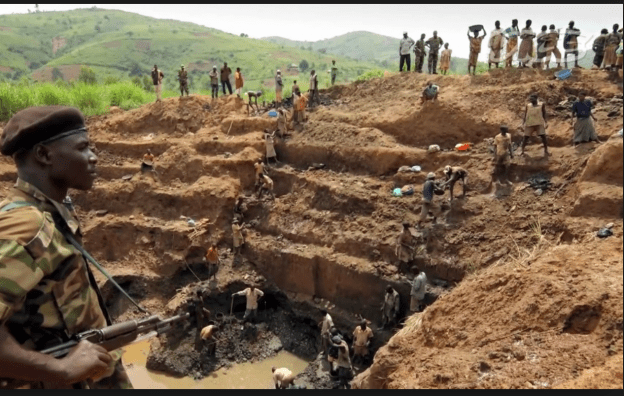
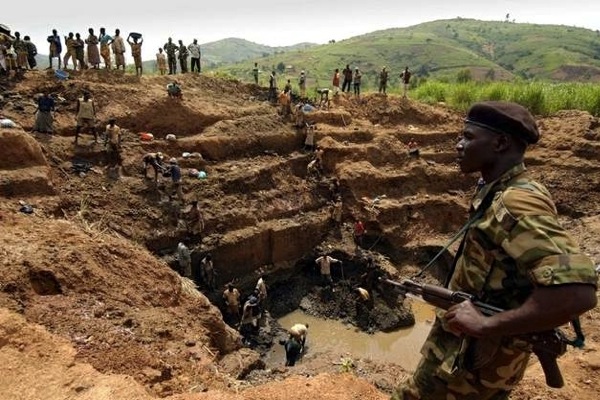
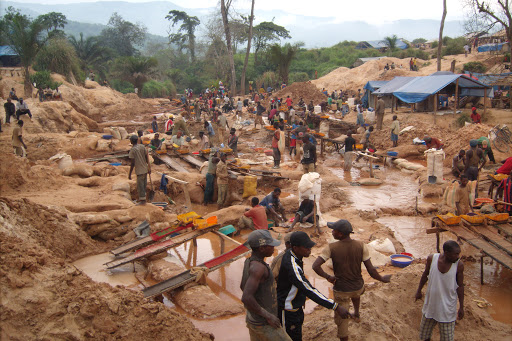
Tantalum, a metal used in smartphone and laptop batteries, is extracted from coltan ore. In 2019 40% of the world’s coltan was produced in the Democratic Republic of Congo, according to official data. More was sneaked into Rwanda and exported from there. Locals dig for the ore by hand in Congo’s eastern provinces, where more than 100 armed groups hide in the bush. Some mines are run by warlords who work with rogue members of the Congolese army to smuggle the coltan out.

When demand for electronics soared in the early 2000s, coltan went from being an obscure, semi-valuable ore to one of the world’s most sought-after minerals. Rebels fought over mines and hunted for new deposits. Soldiers forced locals to dig for it at gunpoint. Foreign money poured into Congo. Armed groups multiplied, eager for a share.

Then, in 2010, a clause in America’s Dodd-Frank Act forced American firms to audit their supply chains. The aim was to ensure they were not using minerals such as coltan, gold and tin that were funding Congo’s protracted war. For six months mines in eastern Congo were closed, as the authorities grappled with the new rules. Even when they reopened, big companies, such as Intel and Apple, shied away from Congo’s coltan, fearing a bad press.

The “Obama law”, as the Congolese nickname Dodd-Frank, did reduce cash flows to armed groups. But it also put thousands of innocent people out of work. A scheme to trace supply chains known as ITSCI run by the International Tin Association based in London and an American charity, Pact, helped bring tentative buyers back to Congo.  ITSCI staff turn up at mining sites to see if armed men are hanging about, pocketing profits. They check that no children are working in the pits. If a mine is considered safe and conflict-free, government agents at the sites put tags onto the sacks of minerals. However, some unscrupulous agents sell tags on the black market, to stick on coltan from other mines. “The agents are our brothers,” Martin says. It is hard to police such a violent, hilly region with so few roads. Mines are reached by foot or motorbike along winding, muddy paths.

For a long time those who preferred to export their coltan legally had to work with itsci, which held the only key to the international market. Miners groaned that itsci charged too much: roughly 5% of the value of tagged coltan. When another scheme called “Better Sourcing” emerged, Congo’s biggest coltan exporter, Société Minière de Bisunzu, signed up to it instead.

Excerpts from Smugglers’ paradise: Congo, Economist, Jan. 23, 2021

When Life Colonizes Plastic: the Deep Sea Wonder

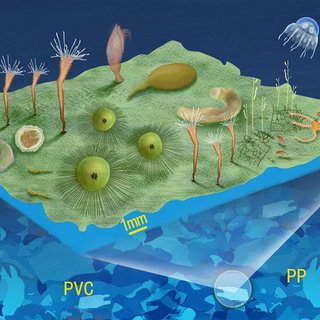
The ocean deep, where pressure is high, light absent and nutrients scarce, is often seen as a desert. But, as with other deserts, it has oases. Hydrothermal vents, methane-gas seeps and whale corpses are hot spots for marine wildlife.  These natural loci of biodiversity are now being joined by unnatural ones made of plastic. Researchers obtained 33 objects from the deep sea in the South China Sea. Most were bags, bottles and food wrappers, but they picked up some derelict fishing ropes and traps as well…

These objects were teeming with life. When the researchers examined their finds in a laboratory, they found nearly 1,200 individual organisms representing 49 species of crustaceans, corals, echinoderms, flatworms, molluscs, polychaete worms and fungi. They also discovered evidence that some of these species were breeding. There were egg capsules from four different types of snail, and a cocoon from a flatworm known for parasitising crustaceans. This result suggests that accumulations of plastic are, indeed, benthic oases… As to why organisms colonise the objects in these accumulations, the short answer is, “because they are there”.

Excerpts from Marine Ecology: Deep-ocean plastic is a haven for life, Economist, Feb. 6, 2021

Who Will Rule the Arctic?


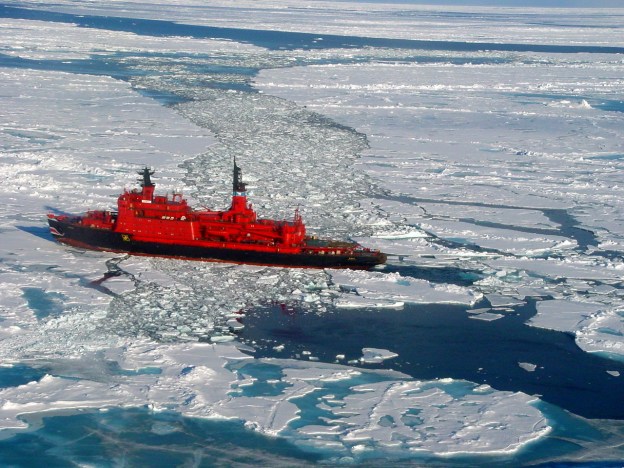
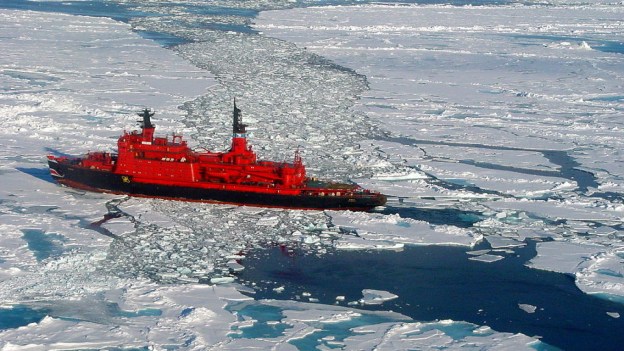
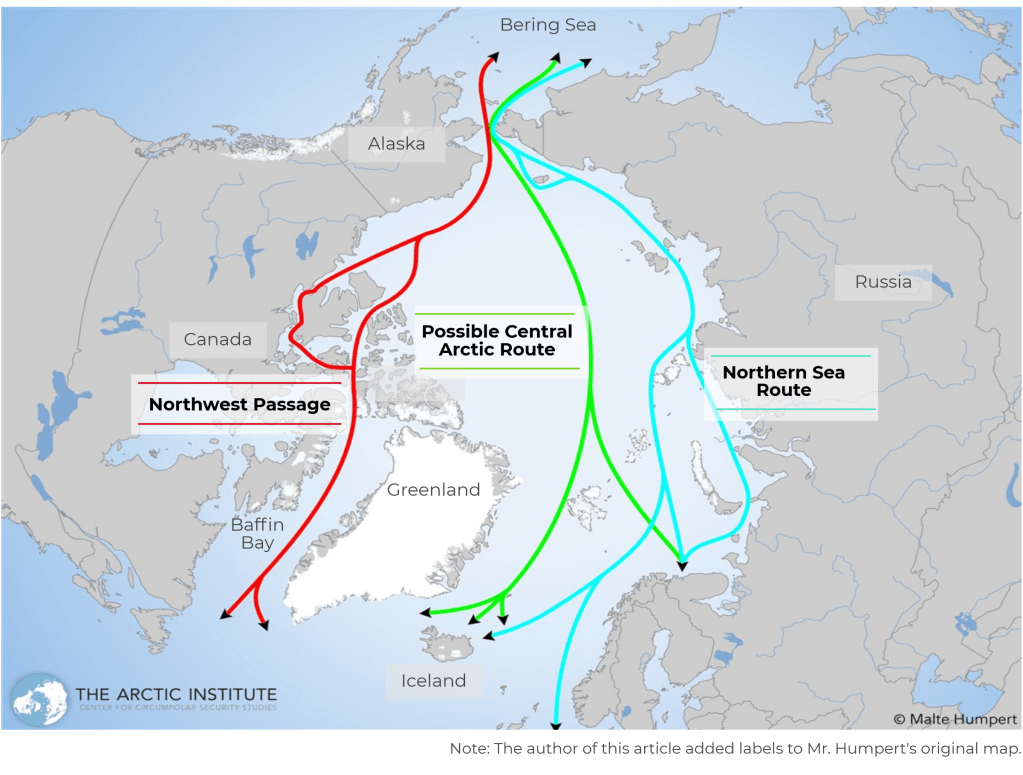
Rosatom joined the Arctic Economic Council*in February 2021. Rosatom is a Russian state-owned corporation supplying about 20% of the country’s electricity. The corporation mainly holds assets in nuclear power and machine engineering and construction. In 2018, the Russian government appointed Rosatom to manage the Northern Sea Route (NSR). The NSR grants direct access to the Arctic, a region of increasing importance for Russia due to its abundance of fossil fuels. Moreover, due to climate changes, the extraction of natural resources, oil and gas are easier than ever before.

Since Russia’s handover of NSR’s management, Rosatom’s emphasis on the use of nuclear power for shipping, infrastructure development and fossil fuel extraction is likely to become more prevalent in the Arctic region. Rosatom already operate the world’s first floating nuclear power plant in the Siberian port of Pevek and is the only company in the world operating a fleet of civilian nuclear-powered icebreakers…The company has numerous plans up its sleeves, among them to expand the fleet of heavy-duty nuclear icebreakers to a minimum of nine by 2035.

*Other members of the Arctic Economic Council.

Excerpt from Polina Leganger Bronder, Rosatom joins Arctic Economic Council, BarentsObserver, Feb. 8, 2021

Building Factories in Space: DARPA

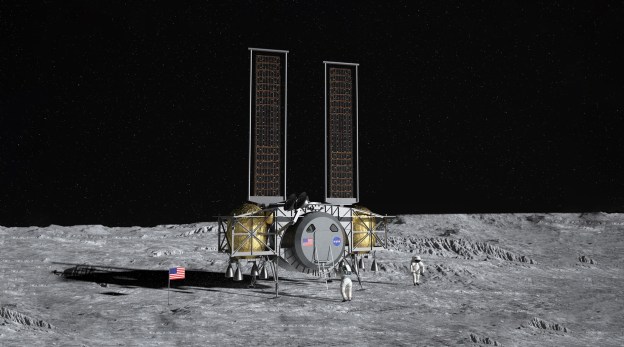
DARPA announced on February 5, 2021  its Novel Orbital and Moon Manufacturing, Materials and Mass-efficient Design (NOM4D) program. The effort, pronounced “NOMAD,” seeks to pioneer technologies for adaptive, off-earth manufacturing to produce large space and lunar structures,  “NOM4D’s vision is to develop foundational materials, processes, and designs needed to realize in-space manufacturing of large, precise, and resilient Defense Department systems,” said Bill Carter, program manager in DARPA’s Defense Sciences Office. “We will also explore the unique features of in-situ resources obtained from the moon’s surface as they apply to future defense missions.” 

Concerning mass-efficient designs, the vision is for completely new concepts that could only be manufactured in space….In order to take the next step, we’ve got to go about materials, manufacturing, and design in a completely new way.

Excerpts from Orbital Construction: DARPA Pursues Plan for Robust Manufacturing in Space, DARPA Website, Feb. 5, 2021

Living in the World of Tesla: Cobalt, Congo and China

 A 20% rise in the price of cobalt since the beginning of 2021 shows how the rush to build more electric vehicles is stressing global supply chains. 

A majority of the world’s cobalt is mined in the Democratic Republic of the Congo in central Africa. It typically is carried overland to South Africa, shipped out from the port of Durban, South Africa, and processed in China before the material goes to battery makers—meaning the supply chain has several choke points that make it vulnerable to disruption…

Car and battery makers have been looking for more control over their cobalt supply and ways to avoid the metal altogether. Honda Motor Co. last year formed an alliance with a leading Chinese car-battery maker, Contemporary Amperex Technology Ltd. , hoping that CATL’s supply-chain clout would help stabilize Honda’s battery supply..

Meanwhile, China plays a critical role even though it doesn’t have significant reserves of cobalt itself. Chinese companies control more than 40% of Congo’s cobalt-mining capacity, according to an estimate by Roskill, the London research firm…China’s ambassador to Congo was quoted in state media last year as saying more than 80 Chinese enterprises have invested in Congo and created nearly 50,000 local jobs…

To break China’s stronghold, auto makers and suppliers are trying to recycle more cobalt from old batteries and exploring other nations for alternative supplies of the material.  Another reason to look for alternatives is instability in Congo and continuing ethical concerns about miners working in sometimes-harsh conditions with rudimentary tools and no safety equipment.

Excerpt from Yang Jie, EV Surge Sends Cobalt Prices Soaring, WSJ, Jan. 23, 2021

A Lethal Combination: Pentagon and NASA

U.S. government and aerospace-industry officials are removing decades-old barriers between civilian and military space projects, in response to escalating foreign threats beyond the atmosphere. The Pentagon and the National Aeronautics and Space Administration (NASA) are joining forces to tackle efforts such as exploring the region around the moon and extending the life of satellites. Many details are still developing or remain classified.  Driving the changes are actions by Moscow and Beijing to challenge American space interests with antisatellite weapons, jamming capabilities and other potentially hostile technology. Eventually, according to government and industry officials briefed on the matter, civil-military cooperation is expected to extend to defending planned NASA bases on the lunar surface, as well as protecting U.S. commercial operations envisioned to extract water or minerals there…

Large and small contractors are maneuvering to take advantage of opportunities to merge military and nonmilitary technologies. They include established military suppliers that already have a foot in both camps, such as Northrop Grumman,  the Dynetics unit of Leidos Holdings, and Elon Musk’s Space Exploration Technologies Corp. Smaller companies such as Maxar Technologies Holdings,  closely held robotic-lander maker Astrobotic Technology, and small-satellite producer Blue Canyon Technologies, recently acquired by Raytheon Technologies, also seek to diversify in the same way…

The U.S. astronaut corps always has included many military officers, some previous NASA scientists quietly shared data with military counterparts and NASA’s now-retired Space Shuttle fleet was supposed to launch Pentagon satellites. But today, veteran industry and government experts describe the cooperation as much more extensive, covering burgeoning capabilities such as repairing and repurposing satellites in orbit, or moving them around with nuclear propulsion. Intelligence agencies are more involved than ever in leveraging civilian technology, including artificial intelligence, robotic capabilities and production know-how.

Excerpt from Pentagon, NASA Knock Down Barriers Impeding Joint Space Projects, WSJ, Feb. 1, 2021

How to Find the True Cost of Water

At current rates of consumption, the demand for water worldwide will be 40% greater than its supply by 2030, according to the UN. Portfolio managers are realizing that physical, reputational and regulatory water risk could hurt their investments, particularly in thirsty industries such as food, mining, textiles and utilities.

One worry is that shocks to supply could drown or dry out a company’s assets. In recent years Coca-Cola has been forced to close plants in India because of drought. In 2019 floods in America’s Midwest caused disruptions at the facilities of two food giants, Cargill and Tyson Foods. A survey by CDP, a non-profit firm, found that 783 big listed companies had faced a total of $40bn of water-related losses in 2018.

Another concern is that the price a company pays for water could rocket. The market price of water does not reflect the environmental and social costs of using it. Government subsidies also mean that companies often do not pay for its true cost. As aquifers are depleted, though, subsidies could become more costly and unpopular, forcing governments to retract them. S&P Global Trucost, a data provider, reckons that if Fortune 500 companies paid the true cost of water, based on estimates of scarcity, rather than current prices, their profit margins would shrink by a tenth. Margins for food, drink and tobacco firms would fall by three-quarters.

Disclosures of water risk are even patchier than those of greenhouse-gas emissions…Established names like Bloomberg and S&P Global are plugging the gap, as are startups. The result is that investors can approach management armed with data rather than questions. “We are getting rid of the black box that companies hide in.” 

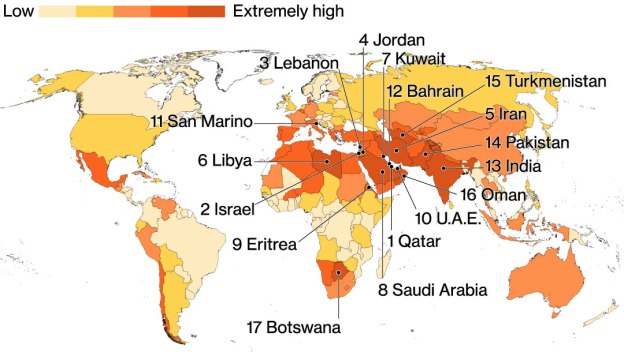
Ceres, a non-profit firm, scores businesses on everything from direct water management to risks in the supply chain. Those seeking more detail can use visual tools, such as Bloomberg’s “maps” function, which plots a company’s facilities over a heat map based on water stress. (California is the same color as swathes of sub-Saharan Africa; far-eastern Russia looks a lot like western Europe.) Firms like Aquantix go further, and try to predict the financial cost of water risk.

The accuracy of such forecasts is not yet proven. For Andrew Mason of Aberdeen Standard Investments, though, they are still useful. They show companies that investors care about water risk and encourage them to share data. “This is where carbon was ten or 15 years ago,” he says.

Excerpt from An expanding pool: Investors start to pay attention to water risk, Economist, Jan. 9, 2021

The New Lepers: Oil in Ecuador and Arctic Drilling

Some of Europe’s largest banks are phasing out trading services for the export of oil from the Ecuadorean Amazon, a move that reflects the growing focus of global banks on climate change and their shift away from increasingly risky fossil fuels.

On January 25, 2021, Switzerland’s Credit Suisse Group AG and Holland’s ING said that they were excluding new transactions related to exports of Ecuador’s Amazonian oil from their trading activities, citing climate change and concerns for the Amazon rainforest and its Indigenous people. France’s BNP Paribas SA, the largest bank in the eurozone and one of the region’s trading powerhouses, said in December 2020 that it would immediately exclude from its trading activities the seaborne exports of oil from the Esmeraldas region in Ecuador under its latest environmental finance policies.

Ecuador isn’t one of the world’s top oil producers, but petroleum exports are a key contributor to the country’s economy. Petroecuador, the nation’s state-owned oil company, didn’t respond to requests for comment.  The banks’ flight from Amazonian crude follows last year’s crash in oil prices and growing fears of so-called stranded assets, which are fossil fuels that lose value due to the world’s transition to cleaner forms of energy…

Banks are also facing calls from environmentalists and Indigenous peoples to limit their involvement in fossil fuels. In Ecuador, a campaign by activists and Indigenous people spurred ING and Credit Suisse to reduce their exposure to the Amazonian oil trade. The nonprofits Stand.earth and Amazon Watch published a report in 2020 that called out banks—including ING, Credit Suisse and BNP Paribas—for their financing of Amazonian crude…

Banks and insurers are also cutting ties with Arctic oil drilling. This month, Axis Capital Holdings joined fellow insurers AXA and Swiss Re in pledging not to underwrite any new oil-and-gas drilling in the Arctic Wildlife Refuge in Alaska.  The six biggest U.S. banks— Citigroup Inc., Bank of America Corp. , Goldman Sachs Group Inc., JPMorgan Chase & Co., Morgan Stanley and Wells Fargo & Co.—have also said they would end funding for new drilling and exploration projects in the Arctic.

Excerpts from Dieter Holger & Pietro Lombardi, European Banks Quit Ecuador’s Amazonian Oil Trade, WSJ, Jan. 25, 2021

The Struggle of Managing Dis-Used Nuclear Sources

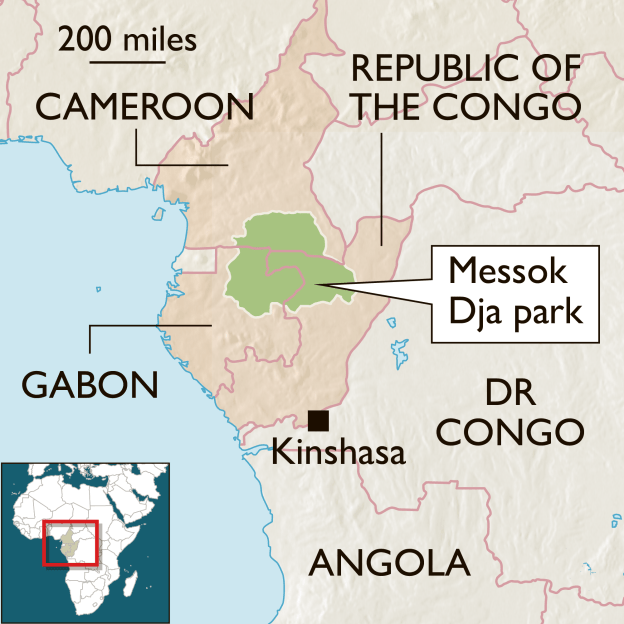
Two disused radioactive sources, previously employed in cancer treatment, are now in safe and secure storage in the Republic of the Congo, following successful transport and increased security at their temporary storage facility, with the support of the IAEA. The sources no longer emit enough radioactivity to be useful for radiotherapy but are still radioactive and therefore need to be controlled and managed safely and securely. They are expected to be exported outside the country in 2022.

“It took time to understand the risks posed by the disused radiotherapy sources stored for so long in our country…,” said Martin Parfait Aimé Coussoud-Mavoungou, Minister for Scientific Research and Technological Innovation.

Around the world, radioactive material is routinely used to diagnose and treat diseases… This material is typically managed safely and securely while in use; however, when it reaches the end of its useful lifespan, the risk of abandonment, loss or malicious acts grows. 

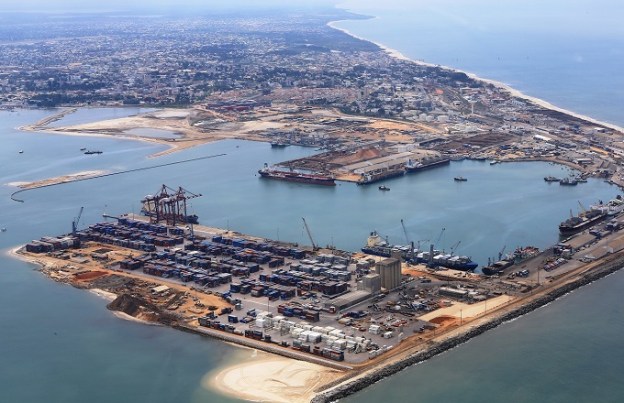
In 2010, the University Hospital of Brazzaville received a new cobalt 60 (Co-60) sealed source for the hospital’s teletherapy machine, replacing its original source, which was no longer able to deliver effective treatment. The disused sealed source was then packaged and shipped by boat to the supplier. However, the delivery of the package was blocked in transit due to problems with the shipping documents and was returned to the Republic of the Congo. Since 2010, the Co-60 source has been stored at the Autonomous Port of Pointe Noire, one of the most important commercial harbors in Central Africa…

“The August 2020 explosion that occurred in Beirut Harbor reminded the Congolese Authorities of the risks to unmanaged or unregulated material, particularly in national ports and harbors,” said Coussoud-Mavoungou. Congolese decision-makers agreed that the disused source had to urgently leave the Autonomous Port of Pointe Noire.

Following a comprehensive planning and preparation phase, a transport security plan was finalized on location in November 2020, with the support of IAEA experts. They designed a security system for the package and conducted a pre-shipment verification and simulation. At the same time, 45 participants were trained from the five government Ministries involved in the transport by road of the source in Pointe Noire.

Excerpts from Security of Radioactive Sources Enhanced by the Republic of the Congo with Assistance from the IAEA, IAEA Press Release, Jan. 18, 2021

Assigning Responsibility for Oil Leaks: Shell’s Deep Pockets

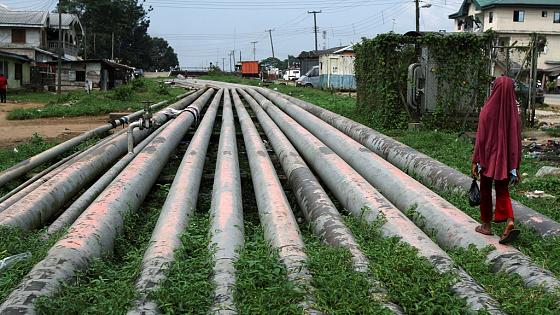
Royal Dutch Shell’s  Nigerian subsidiary has been ordered on January 29, 2021 by a Dutch court to pay compensation for oil spills in two villages in Nigeria…The case was first lodged in 2008 by four Nigerian farmers and Friends of the Earth Netherlands. They had accused Shell and its Nigerian subsidiary of polluting fields and fish ponds through pipe leaks in the villages of Oruma and Goi.

The Court of Appeal in the Hague, where Shell has its headquarters, also ordered the company to install equipment to safeguard against future pipeline leaks. The amount of compensation payable related to the leaks, which occurred between 2004 and 2007, is yet to be determined by the court.  The case establishes a duty of care for the parent company to play a role in the pollution abroad, in this case by having the duty to make sure there is a leak-detection system…

Shell argued that the leaks were caused by sabotage…

In recent years there have been several cases in U.K. courts related to whether claimants can take matters to a parent company’s jurisdiction. In 2019, the U.K. Supreme Court ruled that a case concerning pollution brought by a Zambian community against Vedanta, an Indian copper-mining company previously listed in the U.K., could be heard by English courts. “It established that a parent company can be liable for the actions of the subsidiary depending on the facts,” said Martyn Day, partner at law firm Leigh Day, which represented the Zambians.

The January 2021 case isn’t the first legal action Shell has faced related to pollution in Nigeria. In 2014, the company settled a case with over 15,000 Nigerians involved in the fishing industry who said they were affected by two oil spills, after claims were made to the U.K. High Court. Four months before the case was due to go to trial Shell, which has its primary stock-exchange listing in the U.K., agreed to pay 55 million British pounds, equivalent to $76 million…  

The January 2021  verdict tells oil majors that “when things go wrong they will be held to account and very likely held to account where their parent company is based,” said Mr. Day, adding that the ruling could spark more such actions.

Excerpts from Sarah McFarlane, Shell Ordered to Pay Compensation Over Nigerian Oil Spills, WSJ, Jan. 29, 2021

A Worldwide Web that Kills with Success

Doubts are growing about the satellites, warships and other big pieces of hardware involved in the command and control of America’s military might. For the past couple of decades the country’s generals and admirals have focused their attention on defeating various forms of irregular warfare. For this, these castles in the sky and at sea have worked well. In the meantime, however, America’s rivals have been upgrading their regular forces—including weapons that can destroy such nodes of power. Both China and Russia have successfully blown up orbiting satellites. And both have developed, or are developing, sophisticated long-range anti-aircraft and anti-ship missiles.

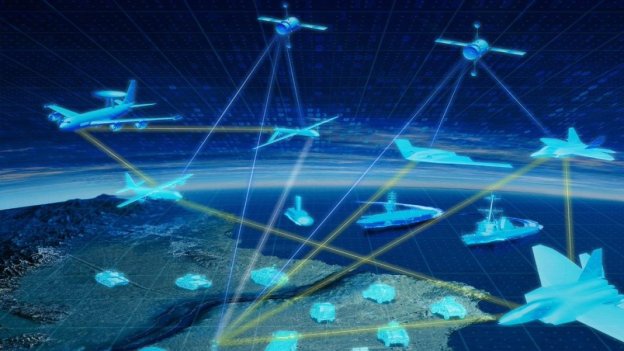
As a result, America is trying to devise a different approach to C2, as command and control is known in military jargon. The Department of Defense has dubbed this idea “Joint All-Domain Command and Control”, or JADC2. It aims to eliminate vulnerable nodes in the system (e.g., satellites) by multiplying the number of peer-to-peer data links that connect pieces of military hardware directly to one another, rather than via a control center that might be eliminated by a single, well-aimed missile.

The goal, officials say, is to create a network that links “every sensor and every shooter”. When complete, this will encompass sensors as small as soldiers’ night-vision gear and sonar buoys drifting at sea, and shooters as potent as ground-based artillery and aerial drones armed with Hellfire missiles.

One likely beneficiary of the jadc2 approach is Anduril Industries, a Californian firm…Its products include small spy helicopter drones; radar, infrared and optical systems constructed as solar-powered towers; and paperback-sized ground sensors that can be disguised as rocks

Sensors come in still-more-diverse forms than Anduril’s, though. An autonomous doglike robot made by Ghost Robotics of Philadelphia offers a hint of things to come. In addition to infrared and video systems, this quadruped, dubbed v60 q-ugv, can be equipped with acoustic sensors (to recognise, among other things, animal and human footsteps), a millimetre-wave scanner (to see through walls) and “sniffers” that identify radiation, chemicals and electromagnetic signals. Thanks to navigation systems developed for self-driving cars, v60 q-ugv can scamper across rough terrain, climb stairs and hide from people. In a test by the air force this robot was able to spot a mobile missile launcher and pass its location on directly to an artillery team…

Applying Artificial Intelligence (AI) to more C2 processes should cut the time required to hit a target. In a demonstration in September 2020, army artillery controlled by AI and fed instructions by air-force sensors shot down a cruise missile in a response described as “blistering”…

There are, however, numerous obstacles to the success of all this. For a start, developing unhackable software for the purpose will be hard. Legions of machines containing proprietary and classified technologies, new and old, will have to be connected seamlessly, often without adding antennae or other equipment that would spoil their stealthiness…America’s technologists must, then, link the country’s military equipment into a “kill web” so robust that attempts to cripple it will amount to “trying to pop a balloon with one finger”, as Timothy Grayson, head of strategic technologies at DARPA, the defense department’s main research agency, puts it…

Excerpts from The future of armed conflict: Warfare’s worldwide web, Economist,  Jan. 9, 2021

How Germany and China Saved the World from Fossil Fuels

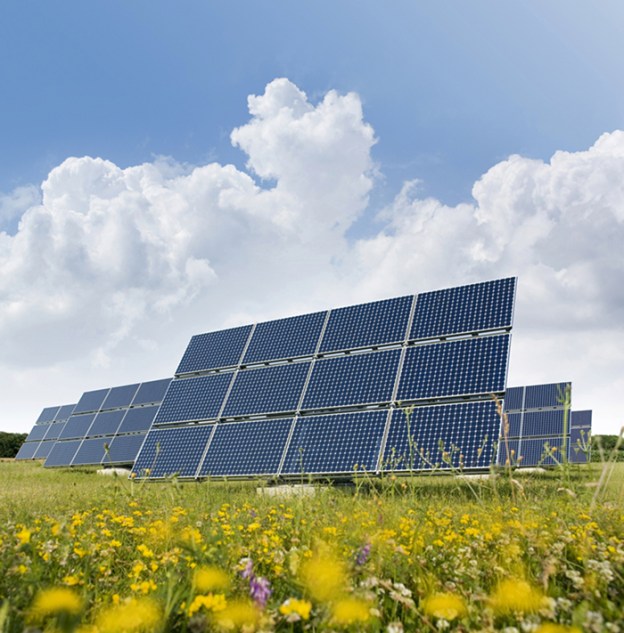
In 2020, 132bn watts of new solar generating capacity were installed around the world; in many places solar panels are now by far the cheapest way to produce electricity. This transformation… was the result of a decisive shift in German government policy happening to coincide with China becoming the dominant force in global manufacturing.

By 2012 Germany had paid out more than €200bn in subsidies for solar energy production. It had also changed the world. Between 2004 and 2010 the global market for solar panels grew 30-fold as investors in Germany and the other countries which followed its lead piled in… By 2012 the price of a panel was a sixth what it had been in 2004, and it has gone on falling ever since… In sunny places new solar-power installations are significantly cheaper than generating electricity from fossil fuels. Installed capacity is now 776gw, more than 100 times what it was in 2004.

That does not mean Germany got exactly what it wanted. Solar power is not the decentralised, communal source of self-sufficient energy the Greens dreamed of; its provision is dominated by large industrial installations. And the panels on those installations are not made by the German companies the Social Democrats wanted to support: Chinese manufacturers trounced them…But they do provide the world with a zero-carbon energy source cheaper than fossil fuels, and there is room for many more of them…

The industry boasts no giants comparable to those in aircraft manufacture or pharmaceuticals, let alone computing; no solar company has a market capitalization of more than $10bn, and no solar CEO is in danger of being recognized on the street. It is a commodity business in which the commodity’s price moves in only one direction and everyone works on very thin margins. Good for the planet—but hardly a gold mine. 

Excerpt from How governments spurred the rise of solar power, Economist Technology Quarterly, Jan 9, 2021 

The Geo-Economics of Rare Earth Minerals

Greenland is rich in rare-earth minerals, and the superpowers want them…These 17 elements are used in  all things electronic. The renewable-energy revolution will also rely on them for power storage and transmission. On the darker side, weapons—including nuclear ones—need them too.

A new open-pit mine at the top of Kuannersuit, a cloud-rimmed mountain near the settlement of Narsaq in the south of Greenland may be rich in rare earth. So believes Greenland Minerals, an Australia-based company, which has been angling for the excavation rights for the past decade.

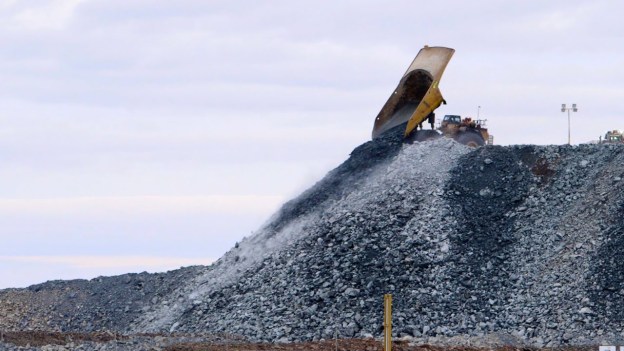
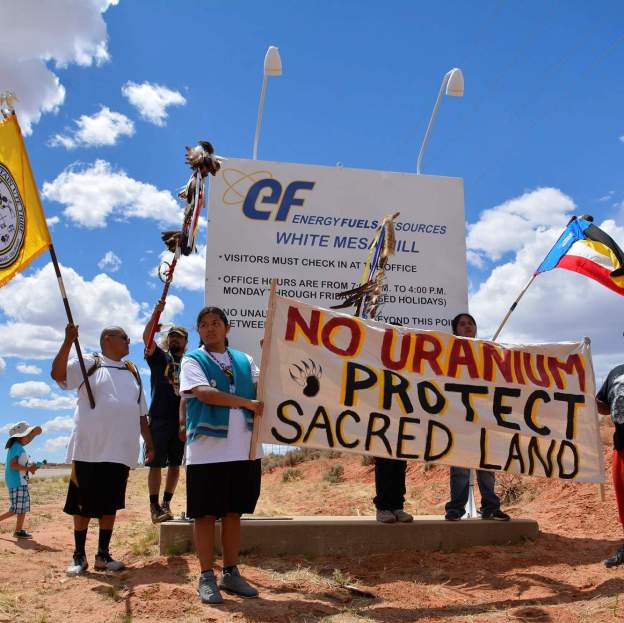
Greenland’s environment ministry has given a tentative go-ahead. A majority of parliamentarians have already declared themselves in favor of digging. In early February 2020, the townsfolk of Narsaq will hear representations from the island’s government. In Greenland, Urani Naamik (“No to Uranium”), a community lobby, has strong support. Nobody wants (mildly) radioactive dust, an inevitable by-product of mining. Many worry about the waste—a sludge of chemicals and discarded rock fragments—that mining would leave on top of the mountain.

The bigger long-term issue is who gets the mine’s spoils. Shenghe, a Chinese conglomerate, is the largest shareholder in Greenland Minerals. The Danish government, in a frenzy of Atlanticism, earlier managed to stop Chinese companies from investing in the expansion of two airports on the island. Will it preserve Greenland’s rare earths for NATO?

Cloud mining: In search of Greenland’s rare earths, Economist, Jan. 16, 2021, at 41

De-Junking the Space and Saving the Commons

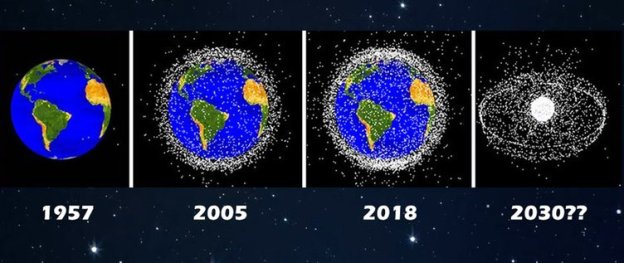
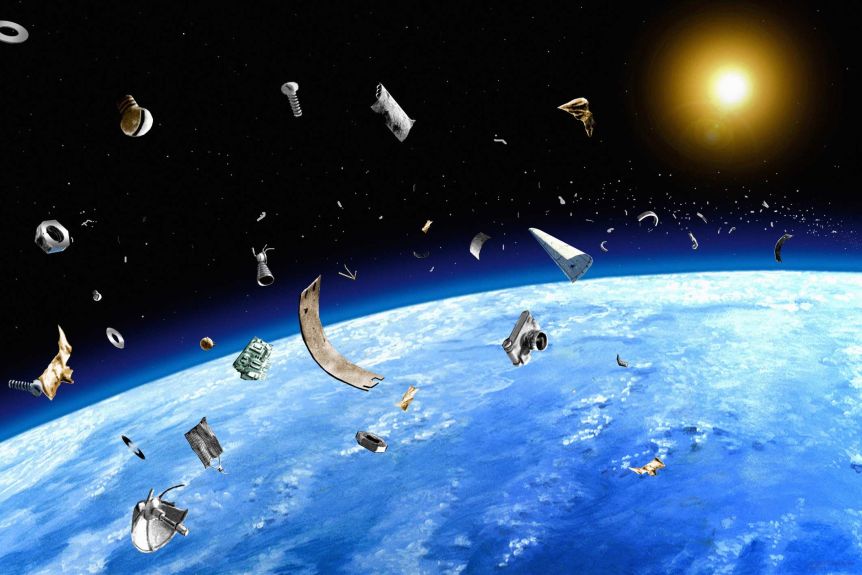
The part of space nearest Earth, known technically as low-Earth orbit, is getting cluttered. Some of the objects up there are working satellites. Some are satellites that have stopped working. Some are stages of the rockets which put those satellites into orbit. And a lot are debris left over from explosions and collisions between larger objects.

The risk of such collisions is increasing, for two reasons. First, the number of satellites being launched is rising. Second, collisions themselves beget collisions. The fragments they create add to the number of orbiting objects. At the moment, more than 20,000 such objects are being tracked, but there may be as many as 1million bigger than 1cm across. In the long term, this accumulation of junk may lead to a chain reaction, known as Kessler syndrome, that would make some low-Earth orbits unusable. Even in the short term it puts lots of expensive hardware at risk. So plans are being laid to send up special craft to “deorbit” redundant satellites and rocket stages. Given the current situation, this is a good, if expensive, idea. But a better one for the future would be to build deorbiting into the life-cycles of satellites and rocket stages from the beginning.

There are several ways of doing this. One is a “launch tax”. But that would load costs onto the satellite industry…A second idea is a space-going “bottle deposit” scheme. Satellite owners would pay an agreed sum into an escrow account that was redeemable when they deorbited their property. If they did not do so, enterprising salvagers could try to do it for them, and claim the deposit if successful. This has the virtue of encouraging built-in deorbiting capability….

The best idea, though, is to attack the problem at its roots. The littering of space is an example of the “tragedy of the commons”, in which no charge is made for the use of a resource that is owned collectively. So why not charge the beneficiaries for the right to put something into orbit and keep it there? The longer an object stays up, the more the satellite owner pays. The more popular (and hence crowded) the orbit chosen, the more expensive it would be to add a satellite to it.

That raises the question of who would do the charging. The Outer Space Treaty, signed in 1967, assigns responsibility and liability for objects in orbit to the country which launches them, and entreats signatories to avoid harmful contamination of space and celestial bodies.  It would make sense for countries with space-launch capability, and thus an interest in keeping space clean, to hammer out a new and specific agreement. A well-crafted treaty would clean up space, cause it to be used more efficiently, and raise some useful revenue from a resource currently exploited for nothing.

To deal with non-participants acting as free-riders, participants might agree to make pariahs of firms that tried to take advantage in this way… Other natural commons, notably the oceans and the atmosphere, have suffered, and still suffer, from a lack of sensible arrangements for their joint exploitation. It is not too late to stop outer space being added to that list.

Excerpt from Decluttering Low-Earth Orbit: New Brooms Needed, Economist, Jan. 16, 2020

Tactical Nuclear Warhead to Respond ‘in Kind’ to Attack: W76-2

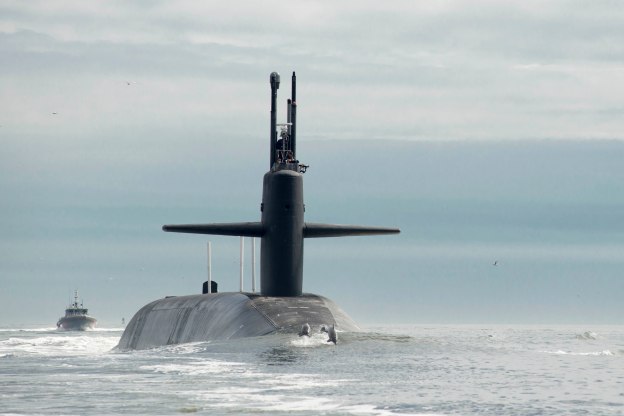
The US Navy has now deployed the new W76-2 low-yield Trident submarine warhead. The first ballistic missile submarine scheduled to deploy with the new warhead was the USS Tennessee (SSBN-734)…The W76-2 warhead was first announced in the Trump administration’s Nuclear Posture Review (NPR) unveiled in February 2018. There, it was described as a capability to “help counter any mistaken perception of an exploitable ‘gap’ in U.S. regional deterrence capabilities,” a reference to Russia. The justification voiced by the administration was that the United States did not have a “prompt” and useable nuclear capability that could counter – and thus deter – Russian use of its own tactical nuclear capabilities…

We estimate that one or two of the 20 missiles on the USS Tennessee and subsequent subs will be armed with the W76-2, either singly or carrying multiple warheads. Each W76-2 is estimated to have an explosive yield of about five kilotons.* The remaining 18 missiles on each submarine like the Tennessee carry either the 90-kiloton W76-1 or the 455-kiloton W88. Each missile can carry up to eight warheads under current loading configurations…

The National Nuclear Security Administration (NNSA) has further explained that the “W76-2 will allow for tailored deterrence in the face of evolving threats” and gives the US “an assured ability to respond in kind to a low-yield nuclear attack.”

Excerpt from William M. Arkin and Hans M. Kristensen, US Deploys New Low-Yield Nuclear Submarine Warhead, FAS, Jan. 29, 2020

*The Hiroshima bomb was 15 kilotons.

Are Hypersonic Weapons Hyped Propaganda?

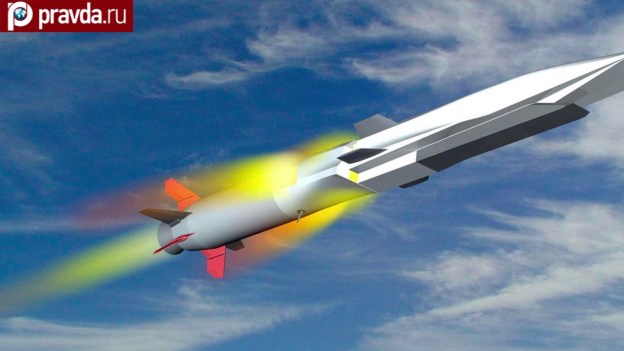
The United States, Russia, and China are developing an array of hypersonic weapons—maneuverable vehicles that carry warheads through the atmosphere at more than five times the speed of sound. The countries and their defense agencies, such as DARPA, claim that these weapons outperform existing missiles in terms of delivery time and evasion of early warning systems. New research, however, shows that these weapons travel intercontinental distances more slowly than comparable ballistic missiles flying depressed trajectories, and that they remain visible to existing space-based
sensors for the majority of flight. Fundamental physical limitations imposed by low-altitude atmospheric flight render hypersonic missiles an evolutionary—not revolutionary— development relative to established ballistic missile technologies.

Misperceptions of hypersonic weapon performance have arisen from social processes by which the organizations developing these weapons construct erroneous technical facts favoring continued investment in such weapons.

Excerpt from from Cameron L. Tracy and David Wright, Modeling the Performance of Hypersonic Boost-Glide Missiles, SCIENCE & GLOBAL SECURITY, 2021

Above-the-Speed-of Sound: US Hypersonic Weapons

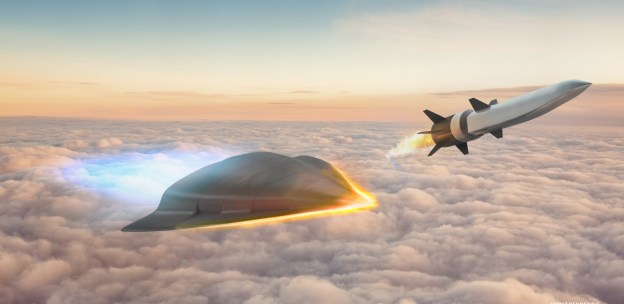
From the DARPA Website: DARPA’s Operational Fires (OpFires) program, which is developing a ground-launched intermediate-range hypersonic weapons system, is advancing to a new phase. This new phase involves full-scale missile fabrication, assembly, and flight testing from a launch vehicle. It will be  be produced by Lockheed Martin Missiles and Fire Control…OpFires aims to demonstrate a novel system enabling hypersonic boost glide weapons to rapidly and precisely hit critical, time-sensitive targets while penetrating modern enemy air defenses. 

DARPA’s Operational Fires Ground-Launched Hypersonics Program Enters New Phase, Jan. 11, 2021

The Perils of Inhaling Lead Dust: Zambia

Kabwe,  in Zambia,  sprung up around a mine founded in 1904 by the Rhodesian Broken Hill Development Company, a British colonial firm. For decades miners crushed and burnt ore to extract lead. That metal made Kabwe but it also devastated it. To this day lead particles blow across town, making their way into houses and bloodstreams.

Scientists generally consider soil hazardous if it has more than 400mg of lead per kilogram. In three townships near the old mine the soil contains six, eight and 15 times that amount, according to analysis in 2014 by Pure Earth, an environmental ngo. “Kabwe is the most toxic place I’ve ever been to,” says Richard Fuller, its president…

The pollution in Kabwe is a scandal. Yet responsibility for it has long been contested, and that is set to continue. In October 2020, Mbuyisa Moleele Attorneys, a South African law firm, with help from Leigh Day, a British one, announced a class-action lawsuit against a subsidiary of Anglo American on behalf of potentially more than 100,000 children and women of reproductive age in Kabwe. It is targeting Anglo because it was affiliated to the mine from the 1920s until shortly after Zambia’s mines were nationalised in 1970. The suit claims that most of the pollution stems from the period when the mine was under the de facto control of Anglo, which allegedly did not do enough to stop the harm. Anglo rejects the claims, arguing that its involvement ended five decades ago and that, before then, it was neither the operator nor a majority shareholder in the mine and thus not responsible.

The case may take years. The lawyers for the plaintiffs must first convince a South African court to take it on. Only then may it proceed to a trial. Meanwhile children in Kabwe will keep on playing in the dust.

The World Bank included Kabwe in a broader project it funded to clean up Zambian mines. The scheme, which ran from 2003-2011, had some successes. It dredged a toxic canal and buried some contaminated soil. But it did not treat the main source of the dust—the former mine and dumps—and it left roads unpaved and most houses untreated…Another clean-up funded by the bank was started in December 2016. But it, too, is struggling. Some children have been tested and have received therapy to reduce blood lead levels. But since little has been done about the lead in the environment there is a risk their levels will rise again. 

Excerpt from Mining’s Toxic Legacy: Lead Astray, Economist,  Dec. 12, 2020

How to Denude a Country: Military Invasions Dressed Up As Revolutions

“In wartime, truth is so precious that she should always be attended by a bodyguard of lies.”said Winston Churchill…Deception is still practiced in war.

In its conflict with Azerbaijan, Armenia has bamboozled drones with dummy missiles. During a stand-off with India, China published images of missile launchers that, on closer inspection, turned out to be wobbly inflatables. Indian and Chinese forces alike covered equipment with multispectral nets, which block visible light and other electromagnetic emissions. Engineers keep working on new gadgets. BAE Systems, a defense firm, boasts that its Adaptiv camouflage—a set of thermoelectric tiles that change temperature to match their surroundings—amounts to a “cloak of invisibility”.

European and American military officials describe Russian and Chinese practices with a mixture of distaste and envy. Whereas America’s use of decoys “is currently at a low after two decades of neglect”, notes Walker Mills, an officer in the us Marine Corps, China has invested in them, including a 35kg tank that fits in a backpack and inflates in four minutes. One report by America’s army says that Chinese forces “have the highest fidelity decoys seen to date”.

The laws of armed conflict are fairly clear about battlefield deception. Whereas “perfidy” (such as faking surrender to lure an enemy into an ambush, or disguising a tank as a Red Cross ambulance) is forbidden, “ruses” like decoys, feints and ambushes are fair game. But other laws can be bent or bypassed. Russia snatched Crimea from Ukraine in 2014 by cleverly using unmarked personnel—the so-called little green men—and a synchronized blitz of disinformation. The entire campaign was a deception: an invasion masquerading as a nationalist uprising.

Western armies want to catch up, in some ways at least. “We’ll re-learn deception,” promises General David Berger, head of America’s Marine Corps, who is reforming his force to better evade Chinese sensors in the Pacific. But this cuts against the grain. “There’s a cultural problem here,” says a veteran cia officer who specialized in deception. “I do think you’ll find generals who would feel that it’s fundamentally not a very respectable activity.”

Excerpt from Military Deception: Bodyguard of Lies, Economist, Dec. 19, 2020

The Worst Cultural Calamity of 2020: Blowing Up the 46 000-Year-Old Caves at the Juukan Gorge

In May 2020, mining giant Rio Tinto blasted through two rock shelters in Juukan Gorge in Western Australia in order to mine iron ore. Evidence of human habitation there dates back tens of millennia.  Rio Tinto obtained permission to mine in the area in 2013, a right which was not affected by the discovery of ancient artefacts such as stone relics, faunal remains and human hair in one of the Juukan caves a year later…

Critics of Rio Tinto say there is abundant evidence that the company was aware of the site’s importance before the blasting. For example, the BBC reported that in the days running up to the caves’ destruction in May 2020, Rio Tinto hired lawyers in case opponents tried to seek injunctions to stop them.

Some 7,000 artefacts were discovered during the excavation of one of the Juukan sites.

Excerpt from MERRIT KENNEDY, A Mining Company Blew Up A 46,000-Year-Old Aboriginal Site. Its CEO Is Resigning, NPR, Sept. 11, 2020

The Extra-Ordinary Killing of 2020

A satellite-controlled machine gun with “artificial intelligence” was used to kill in November 2020, Iran’s top nuclear scientist. According to Iran, Mohsen Fakhrizadeh was driving on a highway outside Iran’s capital Tehran with a security detail of 11 guards on November 27, 2020 when the machine gun “zoomed in” on his face and fired 13 rounds. The machine gun was mounted on a Nissan pickup and focused only on Fakhrizadeh’s face in a way that his wife, despite being only 25 centimetres away, was not shot…According to Iran, the machine gun was being “controlled online” via a satellite and used an “advanced camera and artificial intelligence” to make the target.

Excerpt from Nuclear scientist killed by satellite-controlled machine gun that “zoomed in” on his face, Iran says, CBS News, Dec. 7, 2020

Satellites Shed Light on Modern Slavery in Fishing

While forced labor, a form of modern slavery, in the world’s fishing fleet has been widely documented, its extent remains unknown. No methods previously existed for remotely identifying individual fishing vessels potentially engaged in these abuses on a global scale. By combining expertise from human rights practitioners and satellite vessel monitoring data, scientists have showed in an recent study that vessels reported to use forced labor behave in systematically different ways from other vessels. Scientists used machine learning to identify high-risk vessels from among 16,000 industrial longliner, squid jigger, and trawler fishing vessels.

The study concluded that 14% and 26% of vessels were high-risk. It also revealed patterns of where these vessels fished and which ports they visited. Between 57,000 and 100,000 individuals worked on these vessels, many of whom may have been forced labor victims. This information provides unprecedented opportunities for novel interventions to combat this humanitarian tragedy….

The study found, inter alia, that longliners and trawlers using forced labor travel further from port and shore, fish more hours per day than other vessels, and have fewer voyages and longer voyage durations…  Taiwanese longliners, Chinese squid jiggers, and Chinese, Japanese, and South Korean longliners are consistently the five fisheries with the largest number of unique high-risk vessels. This pattern is consistent with reports on the abuses seen within distant water fleets that receive little legal oversight and often use marginalized migrant workers .

Excerpts from Gavin G. McDonald et, al, Satellites can reveal global extent of forced labor in the world’s fishing fleet, Dec. 21, 2020

The Secrecy Around the Origin of Beef Steaks

Most cows in Brazil, the world’s largest beef exporter, are grass-fed. Ranchers in the precious biome use bulldozers, machetes, and fire to make room for pastureland—a practice that’s illegal but so widespread that it’s almost impossible for strapped regulatory teams to root out. The sheer size of the country’s beef industry—2.5 million ranchers, 2,500 slaughterhouses, and about 215 million heads of cattle spread across 3.3 million square miles (8.5 million square kilometers)—is one reason the big meatpackers say they’ve struggled to keep tabs on their suppliers. Another hurdle: Brazil’s government, which requires ranchers to file documents detailing the movements of their cattle, keeps that paperwork largely to itself.

JBS SA, the global beef industry leader, vowed in September 2020  to start monitoring its indirect suppliers—i.e., the farmers who raise the cattle to sell to the folks who sell it to JBS. That followed a similar announcement months earlier from rival Marfrig Global Foods SA. Brazil’s cattle ranches come in all shapes and sizes, from mom and pop farms that ship out calves as soon as they’re born to one-stop shops that breed, fatten, and finish cows all on their own. 

Cattle tagging (think of the microchip a veterinarian might slip under your dog’s skin) is already an established practice in large parts of the global food supply chain. For big farms it would be cheap to implement, costing about 0.5% of an animal’s revenue, according to a report from the Brazilian Coalition on Climate, Forests & Agriculture. Uruguay, a direct competitor to Brazil, was an early adopter in the Americas, making it possible to trace a single cow from birth to plate, says Erasmus zu Ermgassen, a sustainable livestock and supply chain researcher at the Catholic University of Louvain in Belgium.

Some cows spend their entire life on one ranch, but that’s pretty rare…Cattle move…as many as six times before they’re slaughtered. That constant shuffling makes it all too easy to hide a cow’s real origin, a practice known as “cattle laundering.”

Each time a cow is moved from one property to another, the state issues a guide to animal transport, or GTA, which identifies the shipping farm, the receiving farm, the number of cattle being moved, and the date of transfer. This process helps ensure the safety of the overall herd in the case of a disease outbreak, but deforestation fighters have also latched on to the documents as a potential key to traceability.

Currently the only people who regularly get to see the GTAs are the ranchers, the drivers moving the cattle, and food sanitation officials. The government says making them more widely available would violate ranchers’ privacy rights, even as the secrecy helps bad actors evade the law.

Excerpt Why it’s hard to stop Amazon deforestation, starting with beef industry, Bloomberg, Dec. 17, 2020

A Present for the Earth: Reducing Plastic Leakage

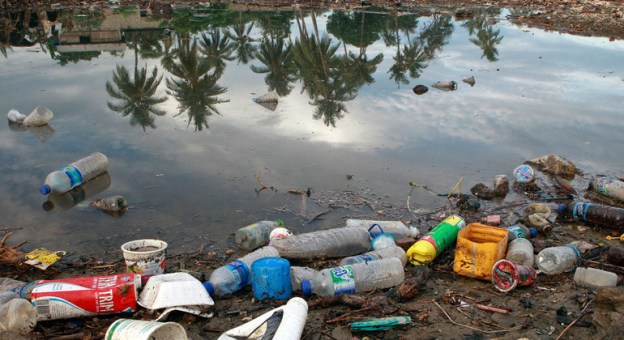
Approximately 8 million metric tonnes of plastic litter flow to the ocean annually, and only 9% of plastic waste ever produced has been recycled….Another major issue relates to microplastics – those plastics that are smaller than 5 millimeters, and that pose increasing environmental, economic and health hazards… Discarded plastics break down into these smaller particles through natural weathering processes. Microplastics can enter water bodies through different pathways, including atmospheric deposition, run-off from land, roads and through municipal wastewater.

A review of technical solutions from source to sea explores a set of innovative tech solutions. Among these potential technologies include:

  • Introducing debris-cleanup boats, debris sweepers and sea-bins to remove plastics and other wastes carried into water bodies;
  • Protecting large bodies of water by introducing wetlands along coastlines;
  • Secondary and tertiary wastewater treatment which relies on membrane filtration to prevent microplastics entering rivers and lakes;
  • Advanced coagulation technology to make water contaminated with microplastics drinkable;
  • Promoting sustainable waste management practices to reduce plastic leakage.

A key principle of this work is preventing untreated wastewater, which is often packed with plastics and microplastics, from entering the environment in the first place.  The wastewater coming from urban residential, industrial and commercial settings is full of contaminants including plastics, microplastics and other debris…

Water pollution by plastics and microplastics: A review of technical solutions from source to sea, UNEP Press Release, Dec. 27, 2020

How to Reach Beyond the Stars? Nuclear Power

The US President issued Space Policy Directive-6 (SPD-6), the Nation’s Strategy for Space Nuclear Power and Propulsion (SNPP) on Dec. 16, 2020. Space nuclear systems power spacecraft for missions where alternative power sources are inadequate, such as environments that are too dark for solar power or too far away to carry sufficient quantities of chemical fuels. Space nuclear systems include radioisotope power systems and nuclear reactors used for power, heating, or propulsion. SPD-6 establishes high-level goals, principles, and a supporting roadmap that demonstrate the U.S. commitment to using SNPP systems safely, effectively, and responsibly…

NASA, the Department of Energy, and industry will design, fabricate, and test a 10-kilowatt class fission surface power system. NASA plans to demonstrate the system on the Moon in the late 2020s, providing power for sustainable lunar surface operations and testing its potential for use on Mars.  The space agency is also advancing nuclear thermal and nuclear electric propulsion capabilities. Nuclear propulsion can enable robust human exploration beyond the Moon. For crewed missions to the Red Planet, a traditional chemical propulsion system would require a prohibitively high propellant mass. 

NASA Supports America’s National Strategy for Space Nuclear Power and Propulsion, NASA Press Release, Dec. 16, 2020

The Coral Reefs of the High Seas

While the terms “coral reef” and “high seas” are rarely combined in the same sentence, reef-building corals are found in Areas Beyond National Jurisdiction (ABNJ), the high seas. A study that has been published in the Frontiers in Marine Science identified 116 coral reefs in the Atlantic and Pacific Ocean, most of them located outside Marine Protected Areas (MPAs).

There is currently no comprehensive legal framework for the establishment of MPAs in ABNJ. Rather, initiatives to protect critical habitats on the high seas remain scattered throughout the legal mandates of organizations with different management purposes…. Yet, high seas MPAs are possible…. For example, the member countries of the Convention for the Protection of the Marine Environment of the North-East Atlantic (OSPAR) and the Convention on the Conservation of Antarctic Marine Life (CCAMLR) have established MPAs in ABNJ of the North Atlantic and Southern Ocean, respectively While these MPAs provide important advances in protecting biodiversity on the high seas, they still only cover a very small portion of the international ocean. 

David Wagner et al., Coral Reefs of the High Seas: Hidden Biodiversity Hotspots in Need of Protection, Frontiers in Marine Science, Sept. 14, 2020

See also Coral Reefs on the High Seas Coalition

How Mining Waste Can Help us Deal with Climate Change

Every year, mining and industrial activity generates billions of tons of slurries, gravel, and other wastes that have a high pH.

These alkaline wastes, which sit either behind fragile dams or heaped in massive piles, present a threat to people and ecosystems. But these wastes could also help the world avert climate disaster. Reacting these wastes with carbon dioxide (CO2) from the air solidifies them and makes them easier to handle.

At the same time, carrying out this type of an operation on a global scale could trap between 310 million to 4 billion tons of CO2 annually, according to recent surveys. That could provide the world with a much needed means of lowering atmospheric CO2.

But there are major hurdles. Governments will need to offer incentives for mineralization on the massive scale needed to make a dent in atmospheric carbon. And engineers will need to figure out how to harness the wastes while preventing the release of heavy metals and radioactivity locked in the material…

If regulators verified mines and other alkaline waste producers as CO2 sequestration sites…incentives would skyrocket, companies could claim tax benefits, and industry might start to tackle climate change on the grand scale that’s necessary.

Excerpt from Robert F. Service, The Carbon Vault, Science, Sept. 4, 2020

Netherlands, China and Mexico: Lethal Narco-States

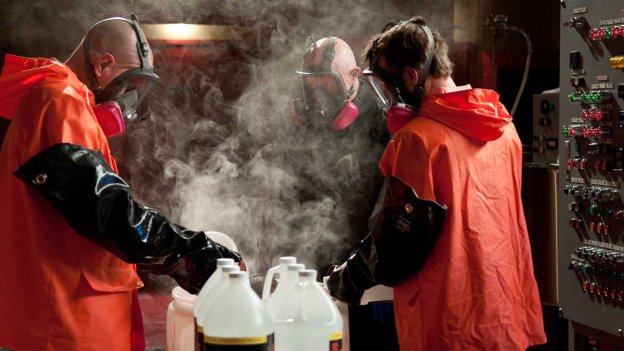
The setup—Mexican cooks using Dutch equipment to process chemicals from China—offered a window into the new global drug economy…Mexican cartels, which dominate drug trafficking in North America, are drawn to the Netherlands because it is a global trade nexus with sea and rail links to Asia that has long been Europe’s top manufacturer of synthetic drugs.

Piggybacking legitimate commercial channels, Mexican cartels are combining sophistication with ruthlessness to expand their reach world-wide. Their multinational drive is enabled by the advent over recent decades of highly potent synthetic drugs that don’t rely on crops or farmers and can be manufactured in compact facilities almost anywhere. Production experts instant-message instructions to overseas workers and hop the globe like factory troubleshooters in any industry.

With the U.S. drug market saturated and methamphetamine labs in Mexico already supersize, cartels that murder for market share see Europe as a new hub. The cartels are “like global corporations,” said DEA Regional Director for Europe Daniel Dodds. “If they can expand and broaden their customer base, they will.”

Mexican cartels first connected with Dutch drug smugglers in the 1990s, bringing cocaine through Rotterdam, Europe’s largest port. Cocaine remains Europe’s top illicit stimulant, but Dutch police say over the past two years surging quantities of Mexican meth have hit the Netherlands, Mexican “cooks” have arrived to teach local chemists, and Dutch technicians are honing production methods.

The Netherlands offers Mexican cartels an ideal production base because of its experienced chemists, unrivaled cargo networks and liberal attitude to drugs. Connections to labs in China supply chemicals that constantly adapt to remain legal. Dutch traffickers cultivated those links over decades as they perfected ecstasy manufacturing for party scenes in London, Berlin and New York…

Dutch officials are awakening to the impact of tolerating drug use for a long time and “allowing for too long a parallel economy to grow and become more influential,” Mr. Struijs said. “We have the characteristics of a narco-state.”

Excerpts from Valentina Pop, Cartels Are Now Cooking Chinese Chemicals in Dutch Meth Labs, WSJ, Dec. 8, 2020

Winning Strategy: How China Uses US Firms to Get What it Wants

Xi Jinping, China’s leader, has described the creation of fully domestic supply chains as a matter of national security. The question is how to build them. Chinese officials know that they cannot turn their backs on the world. Exports are still an important source of revenue for many firms. And China must attract technology and investment from abroad. Pushing too transparently for “indigenous innovation”, a term once bandied about by the government, only makes foreigners wary. Striking the right balance is tough.

Enter the newest of China’s big economic policies: the “dual-circulation” strategy. At its most basic it refers to keeping China open to the world (the “great international circulation”), while reinforcing its own market (the “great domestic circulation”). If that sounds rather vague, it is: the government has not spelled out the details.  In May 2020, at a meeting of the Politburo, Mr Xi described dual circulation as the framework for economic policy… More recent comments by Mr Xi on the economy have been less about promoting consumption and more about bolstering China’s defences. China needs “self-developed, controllable” supply chains, with at least one alternative source for vital products, he said in a speech published on October 3, 2020.

Even more striking was his inversion of the idea of international circulation. Instead of talking about it in terms of the economic benefits China reaps from globalisation, he emphasized only the strategic purpose of opening China’s doors to foreign firms, ie that making them more dependent on the Chinese market would deter foreign powers from putting pressure on the country.

Excerpts from Economic Policy: Circling Back, Economist, Nov. 7, 2020

See also China Has One Powerful Friend Left in the U.S.: Wall Street—Trade deal left many U.S. industries disappointed, but financial firms such as BlackRock see a potential windfall

Surveillance for Conservation: the Smart Wildlife Parks in Africa

In 2010, Rwanda’s government partnered with international conservation group African Parks to manage the Akagera Park…African Parks, based in South Africa, is known for reviving troubled national parks. The nonprofit worked to strengthen Akagera’s security, brought in anti-poaching dogs, purchased better field equipment, and hired and trained more rangers. The number of patrols increased from about 1,500 in 2011 to more than 5,400 last year.

Since 2013, poaching has dropped dramatically, which led to a wildlife revival that once seemed inconceivable. In 2017 Akagera reintroduced 18 black rhinos from South Africa. In a conservation milestone, the first rhino calves were born in the park a year later. As for lions, seven were reintroduced to the park in 2015. Today there are at least 35 of them prowling Akagera’s highlands, grassy plains, and forests…The Howard Buffett Foundation even donated a helicopter to the Rwandan government for rhino patrols.

Fences, more patrols, and reintroductions are all part of the park-rehabilitation playbook, but Akagera is also using a distinctive new technology to help even the odds against poachers. In 2017, Akagera became the world’s first “Smart Park” when it tested and installed a telecommunications network called LoRaWAN, or Long Range Wide-Area Network for securely tracking and monitoring just about anything in the park. Poachers can potentially intercept the conventional radio signals parks use to track animals but the low-bandwidth LoRa signals are relayed on a private, closed network on various frequencies, making them harder to crack. The network also runs on solar energy and is cheaper than satellite tracking technology.

Akagera partnered with Dutch conservation technology group Smart Parks to install LoRa receivers on towers throughout the park. (Smart Parks is the result of a merger between the Shadow View Foundation and the Internet of Life.) LoRa sensors, which vary in size and can be small enough to fit in one’s hand, can then communicate with towers to track the location of rangers, vehicles, equipment, and more. In 2017 they collected more than 140,000 location updates per day. Next year the park plans to install 100 sensors to monitor tourist vehicles as well, says Hall.

Excerpt from AMY YEE , In Rwanda, Learning Whether a ‘Smart Park’ Can Help Both Wildlife and Tourism, Atlas Obscura, Nov. 24, 2020

When Shepherds are Wolves: States Culpability in Illegal Fishing

Ecuador portrays itself as a victim of illegal, unregulated and unreported (IUU) fishing by Chinese trawlers near the Galapagos islands. In fact, its fishing industry is just as bad…Since 2018 at least 136 large Ecuadorean fishing vessels have entered the Galapagos islands’ reserve, which covers 133,000 square km (51,000 square miles), says the director of the archipelago’s national park…

Many boats illegally transfer their catch on the high seas to larger vessels, which carry them to other markets. Under Ecuadorean law fishermen can sell endangered species like sharks or turtles if they catch them unintentionally. Some boats report half their catch as by-catch….The European Union, the biggest buyer of Ecuadorean tuna, has told the country to step up action against IUU or risk losing access to its market. In 2018 a committee within CITES, an international convention on trading in endangered species, recommended that its 183 members suspend trade in fish with Ecuador.

Its government is incapable of reining in a powerful industry. Fishing companies employ 100,000 people, and contribute $1.6bn a year, 1.5% of GDP to the economy. Ecuador’s tuna fleet, the largest in the eastern Pacific, has around 115 large mechanised ships. The rest of the fishing industry consists of more than 400 semi-industrial vessels and nodrizas, small boats with no machinery that catch a greater variety of fish…

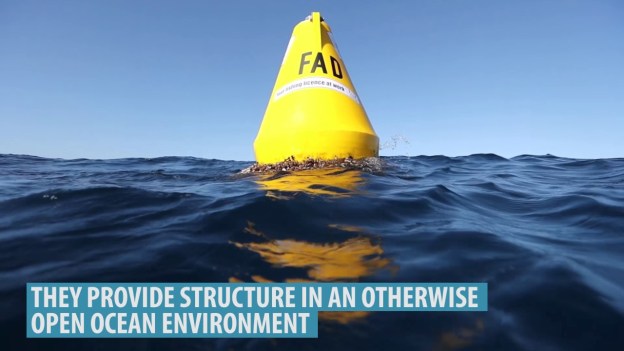
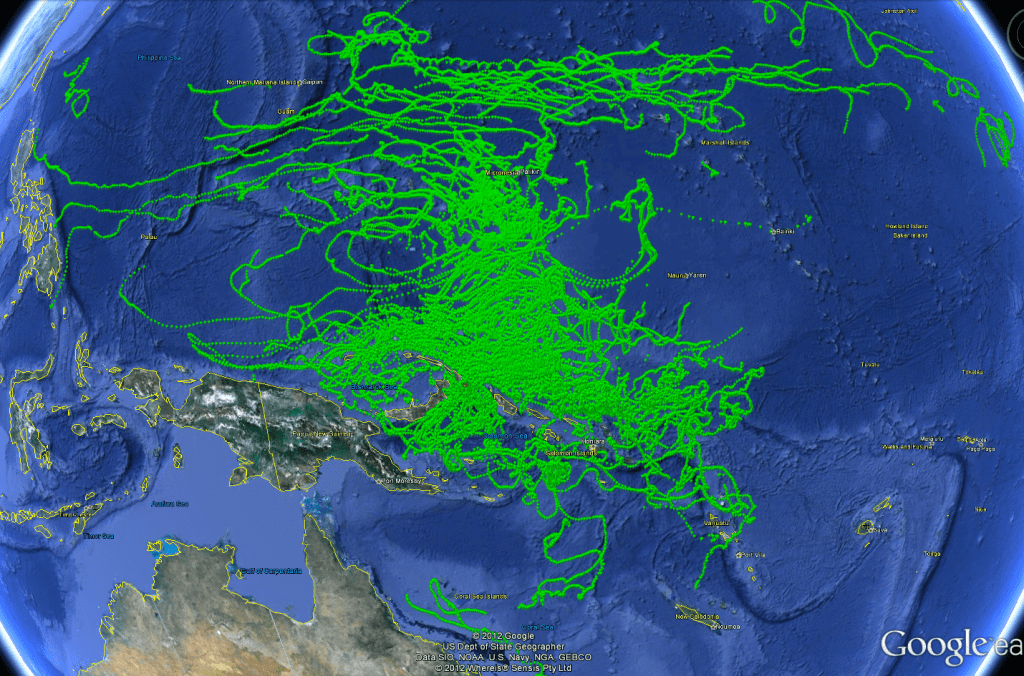
Purse seine vessels and gear in this Google Earth image show the path of FADs belonging to just three vessels (typically vessels have about 100 FADs each) fishing in Central and Western Pacific (image from Parties to Nauru Agreement).

More controversial than purse seining and longlining is the use of fish aggregating devices (FADs). Industrial ships release these into the current that passes through the Galapagos islands’ protected area to attract prey, say green groups. Sometimes they fix goats’ heads on the devices to lure sharks, say Galapagans. Crews track them with GPS and surround them with nets when they leave the protected zones, entrapping turtles, sea lions, manta rays and sharks. Ecuadorean ships deploy more FADs than those of any other country, according to a study in 2015 by the Pew Charitable Trusts.

Excerpt from Piscine Plunder: Ecuador, a Victim of Illegal Fishing, is Also a Culprit, Economist, Nov. 21, 2020

Climate Change Unlikely to Kill Amazon Rainforest

The current Earth system models used for climate predictions show that the Amazon rainforest is very sensitive to water stress. Since the air in the future is predicted to get warmer and drier with climate change, translating to increased water stress, this could have large implications not just for the forest’s survival, but also for its storage of CO2. If the forest is not able to survive in its current capacity, climate change could greatly accelerate.

Columbia Engineering researchers decided to investigate whether this was true, whether these forests are really as sensitive to water stress as what the models have been showing. In a study published in Science Advances, they report their discovery that these models have been largely over-estimating water stress in tropical forests.

The team found that, while models show that increases in air dryness greatly diminish photosynthesis rates in certain regions of the Amazon rainforest, the observational data results show the opposite: in certain very wet regions, the forests instead even increase photosynthesis rates in response to drier air…[In fact] As the trees become stressed, they generate more efficient leaves that can more than compensate for water stress.”…

“So much of the scientific research coming out these days is that with climate change, our current ecosystems might not be able to survive, potentially leading to the acceleration of global warming due to feedbacks,” Gentine added. “It was nice to see that maybe some of our estimates of approaching mortality in the Amazon rainforest may not be quite as dire as we previously thought.”

Excerpts from Some Amazon Rainforest Regions More Resistant to Climate Change than Previously Thought, Columbia Engineering, Nov. 20, 2020

Your Phone Is Listening: smart-phones as sniffers

U. S. government agencies from the military to law enforcement have been buying up mobile-phone data from the private sector to use in gathering intelligence, monitoring adversaries and apprehending criminals. Now, the U.S. Air Force is experimenting with the next step.

The Air Force Research Laboratory is testing a commercial software platform that taps mobile phones as a window onto usage of hundreds of millions of computers, routers, fitness trackers, modern automobiles and other networked devices, known collectively as the “Internet of Things.” SignalFrame, a Washington, D.C.-based wireless technology company, has developed the capability to tap software embedded on as many as five million cellphones to determine the real-world location and identity of more than half a billion peripheral devices. The company has been telling the military its product could contribute to digital intelligence efforts that weave classified and unclassified data using machine learning and artificial intelligence.

The Air Force’s research arm bought the pitch, and has awarded a $50,000 grant to SignalFrame as part of a research and development program to explore whether the data has potential military applications, according to documents reviewed by The Wall Street Journal. Under the program, the Air Force could provide additional funds should the technology prove useful.

SignalFrame has largely operated in the commercial space, but the documents reviewed by the Journal show the company has also been gunning for government business. A major investor is Razor’s Edge, a national-security-focused venture-capital firm. SignalFrame hired a former military officer to drum up business and featured its products at military exhibitions, including a “pitch day” sponsored by a technology incubator affiliated with U.S. Special Operations command in Tampa, Fla.

SignalFrame’s product can turn civilian smartphones into listening devices—also known as sniffers—that detect wireless signals from any device that happens to be nearby. The company, in its marketing materials, claims to be able to distinguish a Fitbit from a Tesla from a home-security device, recording when and where those devices appear in the physical world. Using the SignalFrame technology, “one device can walk into a bar and see all other devices in that place,” said one person who heard a pitch for the SignalFrame product at a marketing industry event…

“The capturing and tracking of unique identifiers related to mobile devices, wearables, connected cars—basically anything that has a Bluetooth radio in it—is one of the most significant emerging privacy issues,” said Alan Butler, the interim executive director and general counsel of the Electronic Privacy Information Center, a group that advocates for stronger privacy protections. “Increasingly these radios are embedded in many, many things we wear, use and buy,” Mr. Butler said, saying that consumers remain unaware that those devices are constantly broadcasting a fixed and unique identifier to any device in range.

Byron Tau,  Military Tests New Way of Tracking, WSJ, Nov. 28, 2020

The Havana/China Syndrome: Who Used Directed-Energy Weapons on US Diplomats?

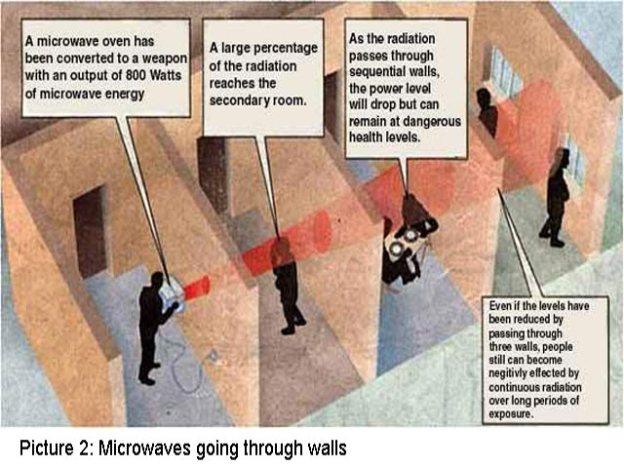
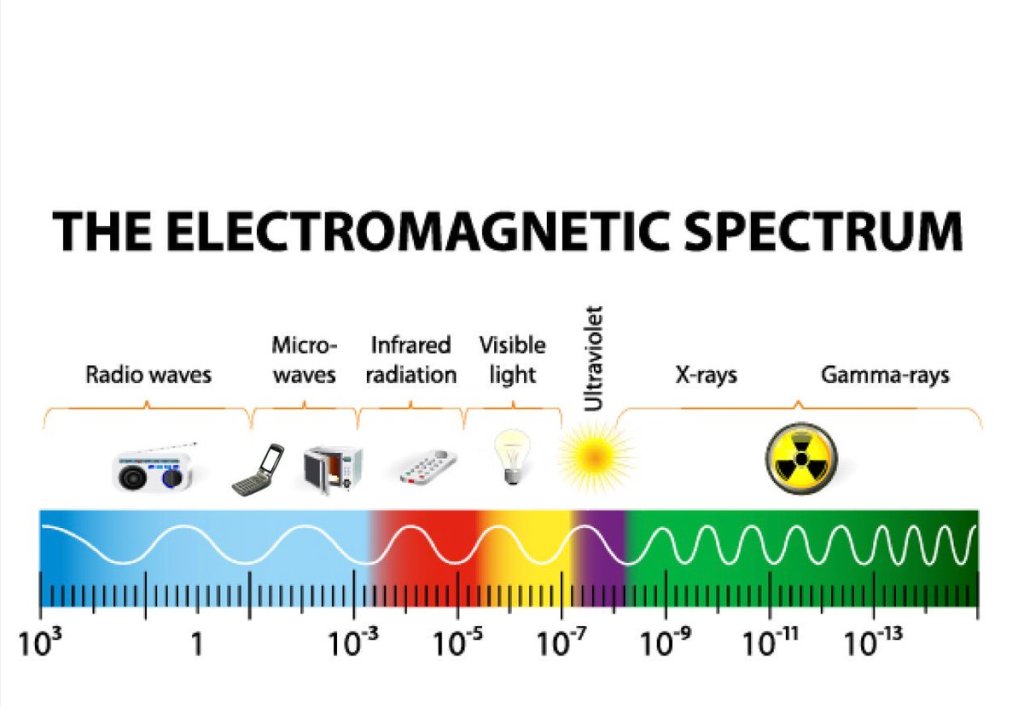
 In December 2020,  U.S. scientific panel has concluded that exposure to a type of directed energy was the most likely culprit for a number of medical symptoms, including dizziness and memory loss, experienced by diplomats posted in Cuba and China. In a new assessment published on December 5, 2020  by the National Academies of Sciences, Engineering, and Medicine, scientists identified “directed, pulsed radio frequency (RF) energy” as the most likely explanation for a series of symptoms experienced by diplomats posted at U.S. facilities—a broad category of energy that can include microwave radiation.

The scientists concluded that the symptoms experienced by a number of U.S. and Canadian diplomats, which included dizziness, headache, fatigue, nausea, anxiety, cognitive difficulties and memory loss, were “unlike any disorder in the neurological or general medical literature.”… Governments, including the former Soviet Union and the U.S., have tested using directed energy as a potential weapon or a tool for espionage or crowd control in the past.

Excerpts from  Byron Tau, U.S. Diplomats’ Illnesses Likely Linked to Pulsed Energy Attack, WSJ, Dec. 7, 2020

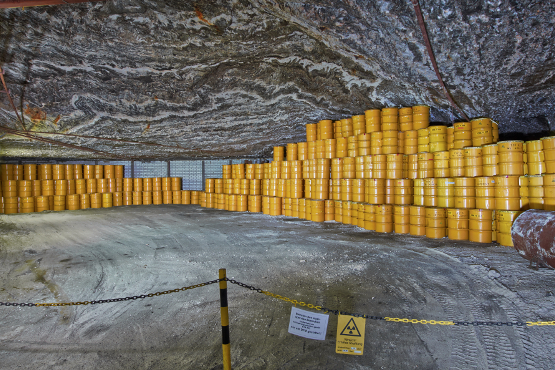
Time for Burial: Last Repository for Nuclear Waste, Germany

Germany published on September 28, 2020 a list of potential storage sites for radioactive waste as part of its plans to exit nuclear power, dropping the Gorleben salt dome in Lower Saxony from the running.  The 444-page list of sites, to be assessed by 2031 for use from 2050 to hold waste currently in interim storage at nuclear plants, was published by Germany’s Federal Agency for Final Storage (BGE).  Some 90 locations, including parts of Lower Saxony, Bavaria, Baden Wuerttemberg and eastern German states, have been found to be potentially suitable after BGE undertook preliminary mapping that revealed 54% of German territory could be satisfactory.

Taking three years, the process identified salt, clay and crystalline, above all granite, formations, stressing the criteria were science-based, without political influence.  No location was predetermined, said Stefan Studt, head of BGE’s managing board, at a news conference. “Any region in today’s list would take a long, long time to become the actual final space,” he said. Germany had been on a course to exit nuclear power since 2000 but hastened the plan, now set for 2022, following the Fukushima nuclear disaster in 2011.

Gorleben, which became the focus of anti-nuclear protests in the 1970s, failed on three points related to retention, hydrochemical and overall geological qualities, so that it could not be ruled out that aquifers may come into contact with salt, said Steffen Kanitz, a BGE board member.

Germany publishes nuclear storage list, Gorleben dropped

Who is the Boss? Cyber-War

A new National Cyber Power Index by the Belfer Centre at Harvard University ranks 30 countries on their level of ambition and capability…That America stands at the top of the list is not surprising. Its cyber-security budget for fiscal year 2020 stood at over $17bn and the National Security Agency (NSA) probably gets well over $10bn. The awesome scale of America’s digital espionage was laid bare in leaks by Edward Snowden, a former NSA contractor, in 2013, which showed the agency hoovering up vast amounts of the world’s internet traffic and trying to weaken encryption standards.

China, in second place, has demonstrated a voracious appetite for commercial cyber-espionage abroad and an iron grip on the internet at home. Britain, whose National Cyber Security Centre has parried over 1,800 cyber-attacks since its creation in 2016, is third. Russia, whose spies interfered with America’s last election, is in fourth place. The big surprise is the Netherlands in fifth place, ahead of France, Germany and Canada. Dutch expertise in analyzing malware is particularly sharp…

Many countries outsource the dirtiest work to deniable proxies, like “hacktivists” and criminals….But while stealing things and disrupting networks is important, what matters most over the longer term is control of digital infrastructure, such as the hardware that runs mobile telecommunications and key apps. Dominance there will be crucial to economic strength and national security.

Excerpt from Digital dominance: A new global ranking of cyber-power throws up some surprises, Economist, Sept. 19, 2020

Under-Water Data Centers: Reliable, Cool and Cheap

Earlier this year a ship hauled a large, barnacle-covered cylinder sporting a Microsoft logo from the seas off the Orkney islands. Inside were a dozen server racks, of the sort found in data-centres around the world. Sunk in 2018, and connected to the shore by cable, the computers had spent the past couple of years humming away, part of an experiment into the feasibility of building data-centres underwater.

On September 14th, 2020 Microsoft revealed some results. The aquatic data-centre suffered equipment failures at just one-eighth the rate of those built on land. Being inaccessible to humans, the firm could fill it with nitrogen instead of air, cutting down corrosion. The lack of human visitors also meant none of the bumping and jostling that can cause faults on land.

Microsoft hopes some of the lessons can be applied to existing, land-based data-centers. In the longer term, though, it notes that building underwater offers advantages beyond just reliability. Immersion in seawater helps with cooling, a big expense on land. Data-centres work best when placed close to customers. Land in New York or London is expensive, but nearby sea-floor is cheap. More than half the world’s population lives within 120 miles (192km) of the sea. Ben Cutler, the engineer in charge of the project, says submarine data-centres could be co-located with offshore wind farms as “anchor” customers. The cylinder fits in a standard shipping container, so could be deployed to remote places like islands, or even disaster areas to support relief efforts.

Excerpts from Cloud computing: Davy Jones’s data-center, Economist, Sept. 19, 2020

Banning Gasoline Cars: Better than subsidies and taxes

More than a dozen countries say they will prohibit sales of petrol-fueled cars by a certain date. On September 23rd, 2020,  Gavin Newsom, California’s governor, pledged to end sales of non-electric cars by 2035. Such bans may look like window-dressing, and that could yet in some instances prove to be the case. But in the right circumstances, they can be both effective and efficient at cutting carbon.

Fully electric vehicles are not yet a perfect substitute for petrol-consuming alternatives. They are often more expensive, depreciate faster, and have a lower range of travel and more limited supporting infrastructure, like charging stations or properly equipped mechanics. But the number of available electric models is growing, and performance gaps are closing. A recent analysis concludes that in such conditions—when electric vehicles are good but not perfect substitutes for petrol-guzzlers—a ban on the production of petrol-fueled cars is a much less inefficient way to reduce emissions than you might think.

If electric vehicles were in every way as satisfactory as alternatives, it would take little or no policy incentive to flip the market from petrol-powered cars to electric ones. If, on the other hand, electric cars were not a good substitute at all, the cost of pushing consumers towards battery-powered vehicles would not be worth the savings from reduced emissions. Somewhere in between those extremes, both electric and petrol-powered cars may continue to be produced in the absence of any emissions-reducing policy even though it would be preferable, given the costs of climate change, for the market to flip entirely from the old technology to the new. Ideally, the authors reckon, this inefficiency would be rectified by a carbon tax, which would induce a complete transition to electric vehicles. If a tax were politically impossible to implement, though, a production ban would achieve the same end only slightly less efficiently—at a loss of about 3% of the annual social cost of petrol-vehicle emissions, or about $19bn over 70 years… A shove may work as well as a nudge. 

Excerpts from Outright bans can sometimes be a good way to fight climate change, Economist, Oct. 3, 2020

Saving Lives (if you can): Conflict Minerals and Covid-19

The Dodd-Frank Section 1502 forces manufacturers to disclose if any of their products contain “conflict minerals” mined in the Democratic Republic of the Congo and nine adjoining countries in Africa. Under the law, companies listed on U.S. stock exchanges must audit their supply chains and disclose if their products contain even traces of the designated minerals—gold, tantalum, tin and tungsten—that might have been mined in areas controlled by warlords.

The provision was sold as protecting Congolese citizens from warlords who profited from the mining and sale of these minerals…Manufacturers spent about $709 million and more than six million man-hours attempting to trace their supply chains for conflict minerals in 2014. And 90% of those companies still couldn’t confirm their products were conflict-free. Many decided to avoid the Congo region altogether and source materials from other countries and continents

When mining dropped off due to Dodd-Frank’s effects, Congolese villages were hit by reductions in education, health care and food supply. In 2014, 70 activists, academics and government officials signed a letter blasting initiatives like the Dodd-Frank provision for “contributing to, rather than alleviating, the very conflicts they set out to address”…

Then there is the race for Covid-19 vaccines and related medical supplies. including ventilators, x-ray machines and oxygen concentrators that are manufactured by using “conflict minerals.” The minerals restricted by the Dodd-Frank Act are frequently used in the composition and production of needles, syringes and vials necessary to transport and administer billions of doses of vaccines. The compressors used to refrigerate vaccines also use these minerals to function…Countries, such as China, which are not bound by Dodd-Frank, have access to Congolese tantalum that the U.S. lacks.

Excerpts from John Berlau and Seth Carter,  Dodd-Frank Undermines the Fight Against Covid, WSJ, Oct 28, 2020

To Steal To Survive: the Illegal Lumberjacks of the Amazon

The Amata logging company was supposed to represent an answer to the thorny problem of how countries like Brazil can take advantage of the Amazon rainforest without widespread deforestation.  But after spending tens of millions of dollars since 2010 to run a 178-square-mile concession in the rainforest to produce timber sustainably, Amata pulled out in April 2020. The reason: uncontrolled wildcat loggers who invaded Amata’s land, illegally toppling and stealing trees.

Amata’s executives in São Paulo said that instead of promoting and protecting legal businesses, Mr. Bolsonaro’s administration did next to nothing to control the illegal loggers who invaded the concession in the western state of Rondônia. “It’s a conflict area,” Amata Chief Executive Ana Bastos said of the land granted to the company. “Those lumberjacks steal our lumber to survive. If we try to stop them, they will fight back. It will be an eternal conflict.”

Since they pay no taxes and make no effort to protect certain species or invest in restoration, illegal loggers can charge $431 per square meter of lumber, compared with $1,511 per square meter of legally logged timber, concession operators said.  “It is like having a regular, taxpaying shop competing with lots of tax-free peddlers right in front of your door,” said Jonas Perutti, owner of Lumbering Industrial Madeflona Ltda., which also operates concessions in the Amazon…

“The organized crime that funds illegal activity in the Amazon—including deforestation, land grabbing, lumber theft and mining—remains strong and active,” said Carlos Nobre, a Brazilian climate scientist. “It seems [the criminals] aren’t frightened by the government’s zero-tolerance rhetoric or don’t believe it’s serious.”…

Wildcat loggers are among the Amazon’s poorest residents, and many feel they have an ally in Mr. Bolsonaro,[Brazil’s President]…“There’s much corruption in law enforcement, and consumers don’t care if the wood they are buying is legal or not,” said Oberdan Perondi, a co-owner of a concession that is five times as large as Amata’s and also competes with illegal loggers.

Excerpt from Paulo Trevisani and Juan Forer, Brazil Wanted to Harvest the Amazon Responsibly. Illicit Loggers Axed the Plan, WSJ, Oct. 28, 2020

The Unrepentant Banker: How Banks Rig the Markets

Many of the big market-manipulation scandals over the past decade have much in common: huge fines for the investment banks, criminal charges for the traders and an embarrassing paper trail revealing precisely what bank employees got up to. Interest-rate traders who manipulated the London Interbank Offered Rate (LIBOR)… infamously called a chat room in which they discussed rigging exchange rates “the cartel”.

The case against JPMorgan Chase for manipulating precious-metals and Treasury markets has many of the usual features. On September 29th, 2020 it admitted to wrongdoing in relation to the actions of employees who, authorities claim, fraudulently rigged markets tens of thousands of times in 2008-16. The bank agreed to pay $920m to settle various probes by regulators and law enforcement… Some of the traders involved face criminal charges. If convicted, they are likely to spend time in jail.

The traders are alleged to have used “spoofing”, a ruse where a market-maker seeking to buy or sell an asset, like gold or a bond, places a series of phony orders on the opposite side of the market in order to confuse other market participants and move the price in his favor. A trader trying to sell gold, for instance, might place a series of buy orders, creating the illusion of demand. This dupes others into pushing prices higher, permitting the trader to sell at an elevated price. Once accomplished, the trader cancels his fake orders… According to prosecutors one JPMorgan trader described the tactic as “a little razzle-dazzle to juke the algos”. In the past two years Deutsche Bank, HSBC, Merrill Lynch and UBS have all paid penalties on spoofing charges…

Excerpt from Spoof proof: JPMorgan Chase faces a fine of $920m for market manipulation, Economist, Oct. 3, 2020

Paper Parks, their Elephants and Marginal People

Since 2010 Chad has taken a step that other African countries are increasingly following. It handed management of its national park to an NGO. Since African Parks took over, the elephant population has begun to rise. In 2011 just one calf was born; in 2018, 127 were. The revival is emblematic of broader success that public-private partnerships (PPPs) are having in conserving some of the most precious parts of the planet.  Sixty years ago, when decolonization was sweeping the continent, the UN counted 3,773 “protected areas” in Africa and its surrounding waters. By 1990 the figure was 6,075; today it is 8,468. Some 14% of the continent’s land has been categorized as protected, according to the World Database on Protected Areas…

Most “protected areas” are “paper parks”, argues Peter Fearnhead, the chief executive of African Parks. In theory their demarcation denotes stewardship; in practice there is often very little care. Since its founding in 2000 the NGO has grown to manage 19 parks in 11 countries. It is the largest of an expanding number of ppp operators across the continent. The African Parks model relies on “three ms”, explains Mr Fearnhead: a clear mandate from a government (which keeps ownership of the area but hands over the running to the NGO); sound management; and money from donors such as the EU.

Zakouma is African Parks’ flagship operation. When it took over its management the priority was security. The national park was caught up in Chad’s civil conflicts in the 2000s, when rebel groups, some backed by Sudan, took on government forces. Janjaweed militias, notorious for mass murder and rape in Darfur, took advantage of the vacuum to slaughter Zakouma’s elephants and launch attacks on nearby villages.
The approach to security is a blend of low and high tech. It relies on residents of surrounding areas to alert it to poachers. Local intelligence is then combined with satellite tracking of the elephants. This helps anti-poaching rangers to know where to go.

Winning the support of people on the edge of the park has been crucial. Locals are happy to help report sightings of the Janjaweed, since they fear being robbed or murdered by them. African Parks also negotiates with nomads to ensure their caravans of camels do not go through the park.

Excerpts from Elephants’ graveyard no more: African governments are outsourcing their natural areas, Economist, Oct. 22, 2020

Modern Slavery and the Collapse of Fisheries

Illegal, unreported and unregulated fishing accounts for a staggering 20-50% of the global catch. It is one reason fish stocks are plummeting: just a fifth of commercial species are sustainably fished. Illegal operators rob mostly poor coastal states of over $20bn a year and threaten the livelihoods of millions of small fishermen. A huge amount of illicit fishing happens on licensed boats, too. They might catch more than their quota, or falsely declare their catch as abundant albacore tuna instead of the more valuable bigeye. In port fisheries inspectors are always overstretched. If an operator is caught, for instance, fishing with too fine a net, the fine and confiscation are seen as a cost of doing business. Many pay up and head straight back out to sea.

The damage from illicit fishing goes well beyond fish stocks. Operators committing one kind of crime are likely to be committing others, too—cutting the fins off sharks, or even running guns or drugs. Many are also abusing their crews… A lot of them are in debt bondage…. Unscrupulous captains buy and sell these men and boys like chattel

Too often, the ultimate beneficiaries of this trade are hard to hook because they hide behind brass-plate companies and murky joint ventures. Pursuing them requires the same kind of sleuthing involved in busting criminal syndicates. An initiative led by Norway to go after transnational-fisheries crime is gaining support. Much more cross-border co-operation is needed.

At sea, technology can help. Electronic monitoring promises a technological revolution on board—Australian and American fleets are leading the way. Cameras combined with machine learning can spot suspicious behavior and even identify illicit species being brought on board…. Equally, national regulators should set basic labor standards at sea. If countries fail to follow the rules, coastal states should bar their fishing fleets from their waters. Fish-eating nations should allow imports only from responsible fleets.

Above all, governments should agree at the World Trade Organization to scrap the subsidies that promote overfishing. Of the $35bn a year lavished on the industry, about $22bn helps destroy fish stocks, mainly by making fuel too cheap. Do away with subsidies and forced labor, and half of high-seas fishing would no longer be profitable. Nor would that of China’s environmentally devastating bottom-trawling off the west African coast. 

Excerpt from Monsters of the deep: Illicit fishing devastates the seas and abuses crews, Economist, Oct., 22, 2020

What really happens in the seas? GlobalFishing Watch, Sea Shepherd, Trygg Mat Tracking

The Plight of Electric Cars: Cobalt Batteries and Mining

About 60% of the world’s cobalt is found in Congo, scattered across the copperbelt that stretches east into Zambia. The people of Kawama, Gongo grumble that too much land has been sold to mining firms. “We used to dig freely,” says Gerard Kaumba, a miner. “But now the government has sold all the hills.” There are still some sites where miners can turn up and dig, but they have to sell to whoever owns the concession. A sweltering day’s work might earn you $7. Many people have found they can make more at night, pilfering cobalt from industrial mines.

Glencore, a commodities giant with two mines in Congo, reckons that some 2,000 people sneak into its pits every day. Other companies have even more robbers to contend with. In 2019 Congolese soldiers chased thieves out of a mine owned by China Molybdenum where, it was reckoned, 10,000-odd people were then illegally digging. Sneaking into Glencore’s mines is hardest, says a Kawaman, as its guards do not collude with thieves—and often chase them away with dogs.

Congo’s industrial miners are not all angels.  Gécamines, the state-owned company, has enriched crooked politicians for half a century. Global Witness, a watchdog based in London, says Congo’s treasury lost $750m of mining revenues to graft between 2013 and 2015. ENRC, which has mines in Congo, has faced allegations of corruption and an investigation by Britain’s Serious Fraud Office (it denies wrongdoing). So has Glencore, which has worked with Dan Gertler, an Israeli billionaire. Mr Gertler, a close friend of a former Congolese president, Joseph Kabila, is under American sanctions… 

While big firms rake in millions, many of the little guys languish in jail. The prison in Kolwezi, the largest city in the mining region, is crammed with men caught stealing copper and cobalt. More than a hundred inmates occupy one stinking room, sitting in rows on the ground, each wedged between another’s legs. Prissoners are allowed to use the toilet only once a day, so they often urinate in their clothes

Excerpt from Cobalt blues: In Congo the little guys are jailed for stealing minerals. Economist, Oct. 17, 2020

Just Forbid It – Fishing: Fishing and Marine Protected Areas

Fish, whether wild caught or farmed, now make up nearly a fifth of the animal protein that human beings eat….In this context, running the world’s fisheries efficiently might seem a sensible idea. In practice, that rarely happens. Even well-governed coastal countries often pander to their fishing lobbies by setting quotas which give little respite to battered piscine populations. Those with weak or corrupt governments may not even bother with this. Deals abound that permit outsiders legal but often badly monitored access to such countries’ waters. And many rogue vessels simply enter other people’s fishing grounds and steal their contents.

There may be a way to improve the supply side: increase the area where fishing is forbidden altogether.  This paradoxical approach, which involves the creation of so-called marine protected areas (MPAs), has already been demonstrated on several occasions to work locally. A new study “A global network of marine protected areas for food “in the Proceedings of the National Academy of Sciences…explores the idea of extending MPAs elsewhere. If the right extensions are picked designating a mere 5% more of the world’s oceans as MPAs—which would triple the area protected—could increase the future global catch of the 811 species they looked at by more than 20%. That corresponds to an extra 10m tonnes of food a year.

The idea that restricting fishing would permit more fish to be caught may seem counterintuitive, but the logic is simple. Fish in MPAs can grow larger than those at constant risk of being pulled from the ocean. Larger fish produce more eggs. More eggs mean more fry. Many of these youngsters then grow up and move out of the safe zone, thus becoming available to catch in adjoining areas where fishing is permitted…

MPAs are especially beneficial for the worst-managed areas, most of which are tropical—and in particular for overfished species…They also have the virtue of simplicity. The setting of quotas is open to pressure to overestimate of how many fish can safely be caught…This is difficult enough for countries with well-developed fisheries-research establishments. For those without such it is little more than guesswork…Setting the rules for an MPA is, by contrast, easy. You stick up a metaphorical sign that says, “No fishing”. Knowing who is breaking the rules is easy, too. If your gear is in the water, you are fishing illegally.

Excerpt from Fishing: Stopping some fishing would increase overall catches. Economist, Oct. 31, 2020

The Industrial Chicken and the US-China Rivalry

Animal diseases, the US-China trade war and covid-19 have all disrupted, or threatened to disrupt, industrial chicken supplies and supply chains…The unsentimental logic of high-performance poultry-rearing is easy to grasp. “White-feather meat chickens”, as they are known in China, grow to 2.5kg in 40 days. Homegrown varieties of “yellow-feather chicken”, descended from backyard fowl, take twice as long to mature and will only ever weigh half as much…

Half a century ago meat in China was a rare luxury. Now, many see it as a daily necessity. In the meantime, the country’s supplies of farmland and clean water have not grown. Agriculture remains blighted by food-safety scandals, the rampant use of fake or illegal animal medicines, and disease outbreaks. Small surprise, then, that Chinese leaders give frequent speeches about food security. A puzzle lurks, though. Leaders also call for self-reliance in key technologies. And in the case of broiler chickens, those two ambitions—rearing meat efficiently and avoiding dependence on imports—are in tension.

The chicken imported into China are the fifth-generation descendants of pedigree birds whose bloodlines represent 80 years of selection for such traits as efficient food-to-meat conversion, rapid growth, strong leg bones and disease resistance. After waves of consolidation, the industry is dominated by two firms, Aviagen (based in Alabama and owned by the ew Group of Germany) and Cobb (owned by Tyson, an American poultry giant).

The most valuable pedigree birds never leave maximum-security farms in America and Britain: a single pedigree hen may generate 4m direct descendants. Their second-generation offspring are flown to breeding sites dispersed between such places as Brazil, Britain and New Zealand, in part to hedge against supply shocks when avian influenzas and other diseases close borders. Day-old third-generation chicks are air-freighted to Jinghai Poultry, a company in China, and other places, which spend six months growing them and breeding them in climate-controlled, artificially lit indoor facilities. In all, China imports 1.6m third-generation white-feather chicks a year.

Jinghai  Poultry hatches 8m fourth-generation, “parent stock” chickens annually. The company sells some to other agri-businesses. It breeds from the rest to produce fifth-generation chicks. These are “meat chickens”, consumed in fast-food outlets, schools and factory canteens, or as chicken parts sold in supermarkets. Yellow-feather chickens, deemed tastier by Chinese cooks, account for most whole birds sold in markets.

Chinese breeders have long tried to create local varieties with bloodlines available in-country… In September 2019, the State Council, China’s cabinet, issued a paper on livestock-rearing that set self-sufficiency in poultry as a goal, calling meat-chicken breeding a priority. Big foreign firms have resisted appeals from officials to send second-generation stock to China….Dependence on foreign bloodlines does carry risks. For several months recently New Zealand was one of the only countries able to send third-generation chicks to China, after other exporters suffered bird-flu outbreaks.

Li Jinghui, president of the China Broiler Alliance, an industry association, calls conditions ripe for China’s “brilliant” scientists to develop local birds… But to develop a domestic breed from scratch would take years, and if it does not meet market needs, a firm could spend a fortune “without much to show for it”…Without a stronger animal-health system and environmental controls, biotechnology alone cannot help China to develop world-class agriculture. Moreover, a long-standing Chinese strategy—bullying foreign firms to hand over intellectual property—is counter-productive now.

Excerpts from High-tech chickens are a case study of why self-reliance is so hard, Economist, Oct. 31, 2020

Lots of Money Forever for Waste that Lasts for Forever: Nuclear Waste in Japan

Since August 2020, two local governments on the western shore of Hokkaido in Japan have said they will apply to the central government for a survey that could eventually lead to their municipalities hosting a permanent underground repository for high-level radioactive waste. The fact that these two localities made their announcements about a month apart and are situated not far from each other was enough to attract more than the usual media attention, which revealed not only the straitened financial situations of the two areas, but also the muddled official policy regarding waste produced by the country’s nuclear power plants.

The respective populations of the two municipalities reacted differently. The town of Suttsu made its announcement in August 2020, or, at least, its 71-year-old mayor did, apparently without first gaining the understanding of his constituents, who, according to various media, are opposed to the plan…. Meanwhile, the mayor of the village of Kamoenai says he also wants to apply for the study after the local chamber of commerce urged the village assembly to do so in early September 2020. TBS asked residents about the matter and they seemed genuinely in favor of the study because of the village’s fiscal situation. Traditionally, the area gets by on fishing — namely, herring and salmon — which has been in decline for years. A local government whose application for the survey is approved will receive up to ¥2 billion in subsidies from the central government… Kamoenai, already receiving subsidies for nuclear-related matters. The village is 10 kilometers from the Tomari nuclear power plant, where some residents of Kamoenai work. In exchange for allowing the construction of the plant, the village now receives about ¥80 million a year, a sum that accounts for 15 percent of its budget. According to TBS, Kamoenai increasingly relies on that money as time goes by, since its population has declined by more than half over the past 40 years.

Since Japan’s Nuclear Waste Management Organization started soliciting local governments for possible waste storage sites in 2002, a few localities have expressed interest, but only one — the town of Toyo in Kochi Prefecture — has actually applied, and then the residents elected a new mayor who canceled the application. The residents’ concern was understandable: The waste in question can remain radioactive for up to 100,000 years.

The selection process also takes a long time. The first phase survey, which uses existing data to study geological attributes of the given area, requires about two years. If all parties agree to continue, the second phase survey, in which geological samples are taken, takes up to four years. The final survey phase, in which a makeshift underground facility is built, takes around 14 years. And that’s all before construction of the actual repository begins.

Neither Suttsu nor Kamoenai may make it past the first stage. Yugo Ono, an honorary geology professor at Hokkaido University, told the magazine Aera that Suttsu is located relatively close to a convergence of faults that caused a major earthquake in 2018. And Kamoenai is already considered inappropriate for a repository on a map drawn up by the trade ministry in 2017.

If the Nuclear Waste Management Organization’s process for selecting a site sounds arbitrary, it could reflect the government’s general attitude toward future plans for nuclear power, which is still considered national policy, despite the fact that only three reactors nationwide are online.

Japan’s spent fuel is being stored in cooling pools at 17 nuclear plants comprising a storage capacity of 21,400 tons. As of March 2020, 75 percent of that capacity was being used, so there is still some time to find a final resting place for the waste. Some of this spent fuel was supposed to be recycled at the Rokkasho Reprocessing Plant in Aomori Prefecture, but, due to numerous setbacks, it doesn’t look as if it’s ever going to open, so the fuel will just become hazardous garbage.

According to some, the individual private nuclear plants should be required to manage their own waste themselves. If they don’t have the capacity, then they should create more. It’s wrong to bury the waste 300 meters underground because many things can happen over the course of future millennia. The waste should be in a safe place on the surface, where it can be readily monitored.  However, that would require lots of money virtually forever, something the government would prefer not to think about, much less explain. Instead, they’ve made plans that allow them to kick the can down the road for as long as possible.

Excerpt from PHILIP BRASOR, Hokkaido municipalities gamble on a nuclear future, but at what cost? Japan Times, Oct. 24, 2020
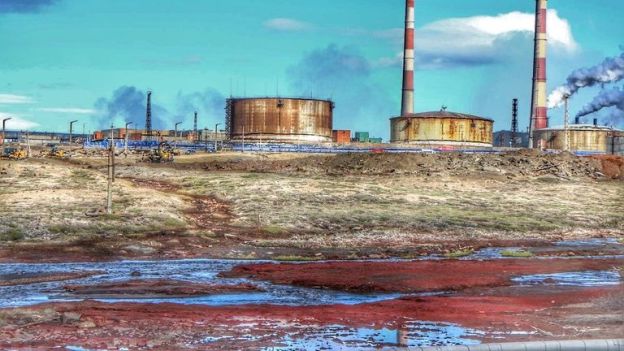
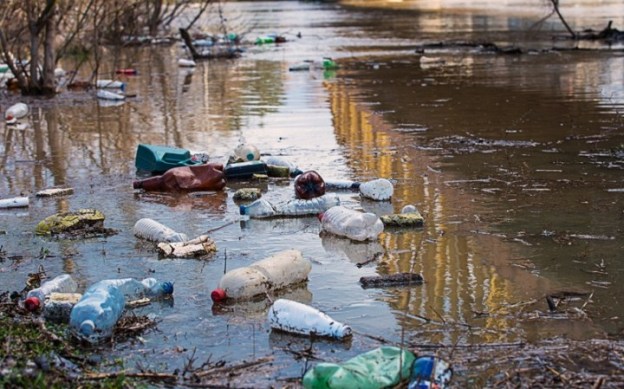
How to Exploit the Secrets of the Ocean: DARPA

PARC, A Xerox Company, announced on October 22, 2020,  it has been awarded a contract by the Defense Advanced Research Projects Agency (DARPA) for the next development phase in the Ocean of Things. Initially announced by DARPA in 2017, the Ocean of Things project is deploying small, low-cost floats in the Southern California Bight and Gulf of Mexico to collect data on the environment and human impact. This includes sea surface temperature, sea state, surface activities, and even information on marine life moving through the area.

Xerox Ocean Float is Equipped with Camera, GPS and other sensors. Ocean of Things

“Oceans cover more than 70 percent of the earth’s surface, but we know very little about them,” said Ersin Uzun, vice president and general manager of the Internet of Things team at Xerox. “The floats gather data that we could never track before, enabling persistent maritime situational awareness.” Each solar-powered drifter has approximately 20 onboard sensors, including a camera, GPS, microphone, hydrophone, and accelerometer. The different  sensors can provide data for a broad array of areas including ocean pollution, aquafarming and transportation routes…Among other things, the float needed to be made of environmentally safe materials, be able to survive in harsh maritime conditions for a year or more before safely sinking itself, and use advanced analytic techniques to process and share the data gathered…PARC built 1,500 drifters for the first phase of the project and will deliver up to 10,000 that are more compact and cost-effective for the next phase. 

Excerpt from DARPA Awards PARC Contract to Expand Ocean Knowledge, XEROX Press Release, Oct. 22, 2020

By Hook or By Crook (or Both): How Iran Beats US Sanctions

Persian Gulf waters off Iraq have become a new, important waypoint for Iranian oil smugglers looking to avoid U.S. sanctions…Iranian tankers now regularly transfer crude to other ships just miles offshore the major Iraqi port of Al Faw, according to the officials. The oil is then mixed with cargoes from other places to disguise its origin, and it eventually ends up on sale in world markets, they say.


In one example from March 2020,  according to a shipping manifest reviewed by The Wall Street Journal, 230,000 barrels of oil from the state-run National Iranian Oil Co. were transferred to a vessel moored in Iraqi waters. The cargo was blended with Iraqi oil and passed to other ships, according to people familiar with the operation. The ultimate destination of the oil wasn’t clear.

The people familiar with the transfer said the operation was part of an increasingly common and lucrative business that involves transferring and mixing cargoes with other vessels multiple times and then selling the oil with documents that declare it is as Iraqi. Iraqi oil can be sold at a significant premium to oil of Iranian origin.

Iran has increasingly tried to find ways to get its crude to market despite the U.S. sanctions. Iran’s daily crude and condensates exports averaged 827,000 barrels a day in the first six months of this year, according to U.S. shipping-information company TankerTrackers.com. That is up 28% from the previous six months, but far below the level of 2.7 million barrels a day in May 2018 before the sanctions.

“We While some of Iran’s oil exports go to countries not aligned with the U.S., such as Syria and China, they often pass through allies such as the United Arab Emirates or Iraq, where their origin is being concealed, according to U.S. officials.

Excerpt from Sarah McFarlane and Benoit Faucon, Iraq Emerges as Hurdle to Enforcing Iran Oil Sanctions, WSJ, Oct. 24, 2020
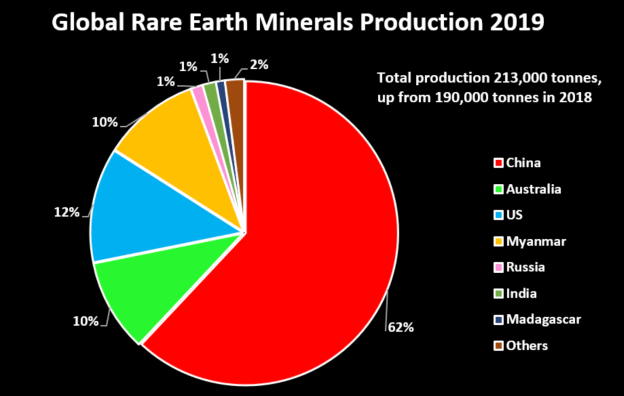
The Unbankables: Fossil-Fuel Companies

Defenders of the oil-and-gas industry in Washington are fighting back against big banks who want to stop financing new Arctic-drilling projects, fearing it could be a harbinger of an unbankable future for fossil-fuel companies. Five of the six largest U.S. banks— Citigroup, Goldman Sachs,  JPMorgan Chase, Morgan Stanley, and Wells Fargo have pledged over the past year to end funding for new drilling and exploration projects in the Arctic.  Alaska Sen. Dan Sullivan has been lobbying the Trump administration to examine whether the federal government can prevent banks from cutting off financing.

“That these banks would discriminate against one of the most important sectors of the U.S. economy is absurd,” Mr. Sullivan said in an interview. “I thought it was important to push back.” The American Petroleum Institute, one of industry’s most influential lobbying groups, has said it is working with the Trump administration on the issue, which it called a “bad precedent.” API, Mr. Sullivan and others have also suggested the White House should examine whether it could cut off the banks’ access to funding under coronavirus relief packages.

Wall Street has been pulling back from the oil-and-gas industry after years of dismal returns from it and is under increasing pressure from environmentalists and others to limit fossil-fuel lending. While broader market conditions during the coronavirus pandemic this year have dried up capital for new exploration, some analysts have said a lack of bank financing could deter drilling in the Arctic National Wildlife Refuge, which the administration opened to exploration in August 2020…

Capital flight remains one of the primary risks facing the oil industry, according to Moody’s Corp. If the world were to accelerate a transition to renewable sources of energy, oil-and-gas reserves could become uneconomic and turn into a credit liability for producers, making it difficult to access longer-maturity loans, Moody’s said.

Alaska’s economy is almost entirely dependent on the fossil-fuel industry, which has historically funded about 90% of the state’s general fund through tax revenues. Energy executives worry the pledges that banks are making could spread to other regions and parts of the industry as pressure mounts from environmental groups, and companies face the prospect of tighter government regulations. This week, JPMorgan pledged to push clients to align with the Paris climate accord and work toward global net zero-emissions by 2050.

“If it is successful, why would they stop with the Arctic?” said wildcatter Bill Armstrong, founder of Armstrong Oil & Gas Inc., which has discovered more than 3 billion barrels of oil in Alaska. “A lot of misguided people are trying to make oil and gas the new tobacco.

Excerpt from Christopher M. Matthews and Orla McCaffrey, Banks’ Arctic Financing Retreat Rattles Oil Industry, WSJ, Oct. 9 2020

The $1Million Narco-Submarines

South America is awash with cocaine, and traffickers are turning to new ways of getting it to Europe…. Submarines that carry illicit drugs dubbed ‘narco-subs’ are described as low-tech, uncomfortable and hazardous, earning them the nickname ‘water coffins.’

Narco-subs have ferried cocaine from Colombia to Central America since the 1990s and recently proliferated. Rarely true submarines, they are generally semisubmersibles that float mostly but not completely below the waterline and are nearly undetectable. Most are built out of sight in South American jungles for around $1 million a piece. The discovery of a narco-sub, in November 2019,  off Spain’s northwestern coast, according to law-enforcement officials, was the first confirmation of rumors that such a vessel could reach Europe.

Excerpt from James Marson, Narco-Submarine’ Caught After Crossing the Antic,  WSJ, Oct. 18, 2020

Who is Afraid of a Nuclear Weapons Ban?

The United States is urging countries that have ratified a U.N. treaty to ban nuclear weapons to withdraw their support as the pact has reached the 50 ratifications needed and will enter into force on January 22, 2021. The U.S. letter to signatories, obtained by The Associated Press, says the five original nuclear powers — the U.S., Russia, China, Britain and France — and America’s NATO allies “stand unified in our opposition to the potential repercussions” of the treaty.  It says the treaty “turns back the clock on verification and disarmament and is dangerous” to the half-century-old Nuclear Nonproliferation Treaty, considered the cornerstone of global nonproliferation efforts.

“Although we recognize your sovereign right to ratify or accede to the Treaty on the Prohibition of Nuclear Weapons (TPNW), we believe that you have made a strategic error and should withdraw your instrument of ratification or accession,” the letter says. The treaty requires that all ratifying countries “never under any circumstances … develop, test, produce, manufacture, otherwise acquire, possess or stockpile nuclear weapons or other nuclear explosive devices.” It also bans any transfer or use of nuclear weapons or nuclear explosive devices — and the threat to use such weapons — and requires parties to promote the treaty to other countries.

Beatrice Fihn, executive director of the International Campaign to Abolish Nuclear Weapons, the 2017 Nobel Peace Prize-winning coalition whose work helped spearhead the nuclear ban treaty, told The Associated Press Tuesday that several diplomatic sources confirmed that they and other states that ratified the TPNW had been sent letters by the U.S. requesting their withdrawal.  She said the “increasing nervousness, and maybe straightforward panic, with some of the nuclear-armed states and particularly the Trump administration” shows that they “really seem to understand that this is a reality: Nuclear weapons are going to be banned under international law soon.”…Fihn stressed that the entry into force of the treaty will be “a really big deal” because it will become part of international law and will be raised in discussions on disarmament, war crimes and weapons.”And I think that over time pressure will grow on the nuclear-armed states to join the treaty,” she said.

Excerpts from US Lobbies Against UN Nuke Treaty, Associated Press, Oct. 22, 2020

1 Million Tons Radioactive Water Release at Sea: Fukushima, Japan

On October 19, 2020, China urged the Japanese government to “cautiously” consider whether to release treated radioactive water in the sea from the Fukushima No. 1 nuclear power plant. China’s remarks came days after it was reported by Japanese media that an official decision on the discharge of the water from the nuclear plant may be made by the end of October 2020. The water has been treated using an advanced liquid processing system, or ALPS, to remove most contaminants other than the relatively less toxic tritium and is stored in tanks on the facility’s premises.

But space is expected to run out by the summer of 2022, with contaminated water increasing by about 170 tons per day. As of September 2020, the stored water totaled 1.23 million tons and continues to grow.

China urges Japan to cautiously consider nuclear plant water release, Japan Times, Oct. 19, 2020

New Fait Accompli in Space: the Artemis Accords

Seven countries have joined the United States in signing the Artemis Accords on October 13, 2020, a set of principles governing norms of behavior for those who want to participate in the Artemis lunar exploration program: Australia, Canada, Japan, Luxembourg, Italy, the United Arab Emirates and the United Kingdom….The accords outline a series of principles that countries participating in the Artemis program are expected to adhere to, from interoperability and release of scientific data to use of space resources and preserving space heritage. Many of the principles stem directly from the Outer Space Treaty and related treaties.

NASA was originally focused on having the document apply to lunar and later Martian exploration. Japan wanted to include asteroid and comet missions as well, based on that country’s program of robotic asteroid missions like the Hayabusa2 asteroids sample return spacecraft. The document now includes asteroid and comet missions, as well as activities in orbit around the moon and Mars and the Lagrange points of the Earth-moon system.

NASA is implementing the Artemis Accords as a series of bilateral agreements between the United States and other countries, which allows them to move more quickly than if NASA sought a multilateral agreement under the aegis of the United Nations…Frans von der Dunk, a professor of space law at the University of Nebraska, drew parallels with development of international civil aviation regulations, which started with bilateral agreements between the United States and United Kingdom that were later copied among other nations. “That is something that will possibly happen here as well,” he said.

The bilateral nature of the accords, though, do present restrictions. China, for instance, cannot sign on, because NASA, under the so-called “Wolf Amendment” in US law, is restricted from bilateral cooperation with China.

The accords are outside the traditional UN framework of international space law – such as the UN Committee on the Peaceful Uses of Outer Space. The requirement to sign bilateral agreements with the US can be viewed as a way of trying to impose US preferences on how to regulate space on others. Russia has already stated that the Artemis Program is too “US-centric”.  India, Germany, France and the European Space Agency (ESA) have not yet signed on to the accords.

Excerpt from Jeff Foust ,Eight countries sign Artemis Accords, Space News, Oct. 13, 2020

What is the Sea Train? DARPA

DARPA’s The Sea Train program aims to demonstrate long range deployment capabilities for a distributed fleet of tactical unmanned surface vessels. The program seeks to enable extended transoceanic transit and long-range naval operations by exploiting the efficiencies of a system of connected vessels (Sea Train). The goal is to develop and demonstrate approaches that exploit wave-making resistance reductions to overcome the range limitations inherent in medium unmanned surface vessels. DARPA envisions sea trains formed by physically connecting vessels with various degrees of freedom between the vessels, or vessels sailing in collaborative formations at various distances between the vessels. The weak of October 5, 2020, DARPA awarded Gibbs & Cox a separate $9.5 million contract to develop a “Connectorless Sea Train” concept. 

Dr. Andrew Nuss, Sea Train

Turtle Eggs Can Fool Poachers

The InvestEGGator is used to reveal illegal trade networks and better understand what drives sea turtle egg poaching. The scientists deployed around a hundred of the fake eggs in sea turtle nests across four beaches in Costa Rica and waited. Each egg contained a GPS transmitter set to ping cell towers every hour, which would allow scientists to follow the InvestEGGator eggs on a smartphone app…Five of the deployed eggs were taken by unsuspecting poachers. The shortest route was roughly a mile, but one InvestEGGator traveled more than 80 miles, capturing what researchers were hoping for: the complete trade route, from the beach to the buyer. “Having that moment where the trade chain was complete….that was obviously a very big moment,” says Pheasey.

The InvestEGGator was the invention of Kim Williams-Guillén… The trick, says Williams-Guillén, was designing a device that looked and felt like a sea turtle egg while being precise enough to reveal trade routes. Sea turtle eggs are the size of ping pong balls, but unlike brittle chicken eggs, their shell is leathery and pliable. “Making [the trackers] look like eggs from far away was not going to be an issue, it was more making them feel like turtle eggs,” says Williams-Guillén. “One of the ways that [poachers] know that a turtle egg is good when they’re sorting their eggs is that it’s still soft and squishy.”…

Of the nests containing decoy eggs, a quarter were illegally harvested. Some of the eggs failed to connect to a GPS signal, while other eggs were spotted by poachers and tossed aside. Five of those poached eggs gave the team useful tracking data…This illegal trade network revealed that eggs are sold and consumed locally… The routes they discovered also suggest that most egg poachers in the area are individuals looking to make quick money, not an organized network.

Excerpt from Corryn Wetzel, 3-D Printed Sea Turtle Eggs Reveal Poaching Routes, SMITHSONIANMAG.COM, Oct. 7, 2020

The Nuclear Waste Buried in the Sahara Desert

France should take initiative to solve the problem of the nuclear waste buried in the Algerian Sahara in the early 1960s, as no one knows its exact location, which is a classified military secret…In an interview with Radio France Internationale, Patrice Bouvre (head of the Paris-based Observatory for Armaments) said: “When France suspended its nuclear tests in 1966, it simply buried the waste of the 17 experiments it conducted over the years.” He added that Paris classified the location or locations of the buried nuclear waste and the documents related to the affair as “a military secret”, which remains to date.

As a result, there is no information available about the exact location of the nuclear waste buried in the Algerian desert. He called on the French authorities to reveal the truth about this file and to cooperate with Algeria to clean up the areas contaminated by the nuclear waste that still exposes these regions to serious environmental damages.

France conducted 17 nuclear tests between 1960 and 1966 in the Algerian Sahara, and the waste from these experiments is buried in an unknown location in the area, hindering attempts to remove the radioactive materials and protect the population and the environment

Calls for France to reveal location of nuclear waste dumped in Algeria, MiddleEastMonitor, Oct. 13, 2020

Government Intervention is Great: What China is Learning from the United States

A study published by the China Aerospace Studies Institute in September 2020′China’s Space Narrative: Examining the Portrayal of the US-China Space Relationship in Chinese Sources‘ used publicly available Chinese language resources to draw insights on how the Chinese view the U.S.-China space relationship. According to the study:

“Chinese sources weave a space narrative that portrays China as a modernizing nation
committed to the peaceful uses of space and serving the broader interests of advancing humankind through international space cooperation, economic development, and scientific discovery. Chinese sources minimize the military role of China’s space program.

In contrast, the same sources portray the United States as the leading
space power bent on dominating space, restricting access to space, and limiting international space cooperation to countries with similar political systems and level of economic development.

The report concludes that the United States and China are in a long-term competition in space in which China is attempting to become a global power, in part, through the use of space. China’s primary motivation for developing space technologies is national security…China’s space program is one element of its efforts to transition the current U.S.-dominated international system to a multipolar world….

Many Chinese writings on commercial space analyze the experiences of U.S. companies, with a particular focus on SpaceX. Chinese space experts call SpaceX the “major representative company” for commercial space worldwide. A report from Hong Kong media claims that Chinese investors view SpaceX as the “benchmark company” for emerging commercial space companies in the mainland. Chinese authors also follow developments in other U.S. commercial space companies, such as Digital Globe
and Rocket Lab.

Chinese authors also pay attention to the ways in which the U.S. government uses various policies and incentives to create a favorable ecosystem for the growth of new commercial space companies. Chinese writings analyze ways in which NASA has supported private companies with funding, technology transfer, consulting, and infrastructure leasing. Although their specific recommendations vary, Chinese authors view strong government oversight and intervention as crucial toward the success of the domestic commercial space industry.”

Tracking the Enemy: U.S. Space Force in Qatar

The newly formed U.S. Space Force is deploying troops to a vast new frontier: the Arabian Peninsula. Space Force now has a squadron of 20 airmen stationed at Qatar’s Al-Udeid Air Base in its first foreign deployment. The force, pushed by President Donald Trump, represents the sixth branch of the U.S. military and the first new military service since the creation of the Air Force in 1947.   Concerns over the weaponization of outer space are decades old. But as space becomes increasingly contested, military experts have cited the need for a space corps devoted to defending American interests…

In the spring of 2020, Iran’s paramilitary Revolutionary Guard launched its first satellite into space, revealing what experts describe as a secret military space program. The Trump administration has imposed sanctions on Iran’s space agency, accusing it of developing ballistic missiles under the cover of a civilian program to set satellites into orbit.

“The military is very reliant on satellite communications, navigation and global missile warning,” said Capt. Ryan Vickers, a newly inducted Space Force member at Al-Udeid. American troops, he added, use GPS coordinates to track ships passing through strategic Gulf passageways…

Isabel Debre, US Space Force deploys to vast new frontier: Arabian Desert, Associated Press, Sept. 21, 2020

De-Extinction: Horse Revival


A little baby horse named Kurt is a symbol of renewed hope for the survival of his kind. Born on 6 August 2020, he is the world’s first ever successfully cloned Przewalski’s horse, an endangered wild horse native to the steppes of central Asia. What makes Kurt even more exciting is that he was cloned from genetic material cryopreserved 40 years ago – reviving genetic diversity thought to have been lost decades ago…

Przewalski’s horses roaming the steppes declined dramatically after World War II, due to a combination of factors such as hunting, competition with livestock as humans moved into their territory, and severe winters. The last confirmed sighting of a Przewalski’s horse in the wild was in 1969. Luckily, some of the horses still remained in zoos. But not many. A total of 12 horses made up the ancestors of a captive breeding program – 11 Przewalski’s horses wild-caught between 1899 and 1902, and another caught in 1947. Thanks to this breeding program, there are around 2,000 individuals today. That’s incredibly impressive, but the growing population isn’t without problems.

Those 12 ancestor individuals represent what is known as a population bottleneck – when a species undergoes a severe reduction in numbers. From that point, a population can recover, but it can also be the beginning of the end. One of the reasons for that is lower genetic diversity. With less variation, a population is less able to adapt to potential stressors or changes to their environment…

Enter a Przewalski’s horse named Kuporovic, who lived from 1975 to 1998. An analysis of the captive breeding pedigree revealed that Kuporovic’s genome had unique ancestry from two wild founders. This meant he offered significantly more genetic variation than any of his living relatives, so in 1980, scientists took a sample and preserved it in San Diego Zoo’s Frozen Zoo.  San Diego Zoo partnered with wildlife conservation group Revive & Restore and pet cloning company ViaGen Equine to create an embryo using Kuporovic’s genetic material. This embryo was implanted in a domestic horse (Equus ferus caballus) surrogate, and was born healthy after a normal pregnancy.

Excerpt from Scientists Clone an Endangered Przewalski’s Horse For The First Time, Science Alert, Sept 7, 2020

Your Brain on Electro-Magnetic Fields

Current cockpits are flooded with radio frequency (RF) noise from on-board emissions, communication links, and navigation electronics, including strong electromagnetic (EM) fields from audio headsets and helmet tracking technologies. Pilots often report minor cognitive performance challenges during flight, and from 1993 to 2013, spatial disorientation in US Air Force pilots accounted for 72 Class A mishaps, 101 deaths, and 65 aircraft lost. It has been hypothesized that the cockpit RF and EM fields may influence cognitive performance including task saturation, misprioritization, complacency and Spatial Disorientation. However, EM fields and radio waves in cockpits are not currently monitored, little effort has been made to shield pilots from these fields, and the potential impacts of these fields on cognition have not been assessed.

Recent DARPA-funded research has demonstrated that human brains sense magnetic fields, like those used by animals for navigation, and that this process is “jammed” (i.e., disrupted) by radio waves (RF), impacting brainwaves and behavior. Furthermore, recent findings were the first to show that even weak RF fields and “earth strength” magnetic fields have measurable, reproducible effects on human brainwaves and unconscious behavior in a controlled environment. Current tactical audio headsets project magnetic fields up to 10 times earth strength, the effects of which can now be measured experimentally in a similar controlled environment.

[Phase II of the project will involve] developing next generation sensor suite capable of measuring the ambient EM/RF conditions in a military aircraft cockpit environment or a suitably similar analogue. This system must enable measurement of RF intensity vs frequency as well as RF absorption by various tissues in the human body and brain…The goal of Phase II experimentation will be to, not only identify any impacts of the cockpit EM/RF conditions that negatively impact pilot cognitive function or physiological sensor function, but also to develop and test various mitigation strategies to protect against these effects…


If this research and development effort reveals negative impacts of cockpit EM/RF environments on human cognitive function or physiological sensor performance, it is expected to generate interest from the commercial airline industry as well as other industries in which humans are exposed to similar EM/RF conditions

Excerpts from Impact Cockpit Electro-Magnetics on Aircrew Neurology (ICEMAN), DARPA, 2020


Beautiful Coal and Other Maladies

President Trump hasn’t been able to bring back “beautiful, clean coal” as he promised four years ago. As mines and power plants continue to close, the question many are asking in the diminishing American coal industry is—what now?

The use of coal to generate electricity in the U.S. is expected to fall more than a third during Mr. Trump’s first term, data from the U.S. Energy Information Administration show, as a glut of cheap natural gas unlocked due to fracking and increasingly competitive wind and solar sources gained market share. More than half of that drop happened before the new coronavirus outbreak. That compares with a decline of about 35% in coal consumed for power generation during Mr. Obama’s eight years in office.

In 2019, the U.S. consumed more renewable energy than coal for the first time since the 1880s, federal data show…“Coal isn’t coming back. You can’t legislate it,” said Karla Kimrey , previously a vice president at Wyoming-based coal producer Cloud Peak Energy Inc., which filed for bankruptcy protection last year. Domestic demand has continued to drop as utilities retire coal power plants and turn to cheap natural gas and renewables to make electricity, trends that have only accelerated as economies have slowed due to the pandemic. With less demand for power, many utilities have cut back on coal generation first, as it is generally more expensive

Meanwhile the rise of “ESG” or environmental, social and governance investing is constricting the industry’s ability to obtain capital, current and former executives say.  As major investors such as JPMorgan Chase & Co. and BlackRock Inc., the world’s largest asset manager, turn away from coal over concerns about climate change, coal companies are struggling to secure the insurance they need to operate. That hurts not only companies that mine the thermal coal used to generate electricity, but also those that mine metallurgical coal to make steel.

Excerpts from Rebecca Elliott and Jonathan Randles, Trump’s Promise to Revive Coal Thwarted by Falling Demand, Cheaper Alternatives, WSJ, Sept. 17, 2020

Addictive Ads and Digital Dignity

Social-media firms make almost all their money from advertising. This pushes them to collect as much user data as possible, the better to target ads. Critics call this “surveillance capitalism”. It also gives them every reason to make their services as addictive as possible, so users watch more ads…

The new owner could turn TikTok from a social-media service to a digital commonwealth, governed by a set of rules akin to a constitution with its own checks and balances. User councils (a legislature, if you will) could have a say in writing guidelines for content moderation. Management (the executive branch) would be obliged to follow due process. And people who felt their posts had been wrongfully taken down could appeal to an independent arbiter (the judiciary). Facebook has toyed with platform constitutionalism now has an “oversight board” to hear user appeals…

Why would any company limit itself this way? For one thing, it is what some firms say they want. Microsoft in particular claims to be a responsible tech giant. In January  2020 its chief executive, Satya Nadella, told fellow plutocrats in Davos about the need for “data dignity”—ie, granting users more control over their data and a bigger share of the value these data create…Governments increasingly concur. In its Digital Services Act, to be unveiled in 2020, the European Union is likely to demand transparency and due process from social-media platforms…In the United States, Andrew Yang, a former Democratic presidential candidate, has launched a campaign to get online firms to pay users a “digital dividend”. Getting ahead of such ideas makes more sense than re-engineering platforms later to comply.

Excerpt from: Reconstituted: Schumpeter, Economist, Sept 5, 2020

See also Utilities for Democracy: WHY AND HOW THE ALGORITHMIC
INFRASTRUCTURE OF FACEBOOK AND GOOGLE MUST BE REGULATED
(2020)

A Perpetual State of Competition: US-China-Russia

The US Secretary of Defense stated in September 2020 that America’s air, space and cyber warriors “will be at the forefront of tomorrow’s high-end fight.” That means confronting near-peer competitors China and Russia. That means shifting the focus from defeating violent extremist groups to deterring great power competitors. It means fighting a high-intensity battle that combines all domains of warfare. “In this era of great power competition, we cannot take for granted the United States’ long-held advantages,” Esper said. 

The last time an enemy force dropped a bomb on American troops was in the Korean War. “China and Russia, seek to erode our longstanding dominance in air power through long-range fires, anti-access/area-denial systems and other asymmetric capabilities designed to counter our strengths,” he said. “Meanwhile, in space, Moscow and Beijing have turned a once peaceful arena into a warfighting domain.” China and Russia have placed weapons on satellites and are developing directed energy weapons to exploit U.S. systems “and chip away at our military advantage,” he said.

Russia, China, North Korea, Iran and some violent extremist groups also look to exploit cyberspace to undermine U.S. security without confronting American conventional overmatch. “They do this all in an increasingly ‘gray zone’ of engagement that keeps us in a perpetual state of competition,’ the secretary said…The fiscal 2020 Defense Department research and development budget is the largest in history, he said, and it concentrates on critical technologies such as hypersonic weapons, directed energy and autonomous systems. 

“In the Air Force, specifically, we are modernizing our force for the 21st century with aircraft such as the B-21, the X-37 and the Next Generation Air Dominance platform,” Esper said. “Equally important, we are transforming the way we fight through the implementation of novel concepts such as Dynamic Force Employment, which provides scalable options to employ the joint force while preserving our capabilities for major combat.”

To realize the full potential of new concepts the department must be able to exchange and synchronize information across systems, services and platforms, seamlessly across all domains, he said. “The Department of the Air Force is leading on this front with the advancement of Joint All-Domain Command and Control,” Esper said.  This concept is part of the development of a Joint Warfighting concept that will drive transition to all-domain operations, he said. “

For these breakthroughs to succeed in any future conflict … we must maintain superiority in the ultimate high ground — space,” Esper said…In collaboration with academia and industry, the Air Force’s AI Accelerator program is able to rapidly prototype cutting-edge innovation,” Esper said. One example of this was the AI technology used to speed-up the development of  F-15EX.


F-15EX

Excerpts from Esper: Air Force, Space Force Leading Charge to New Technologies, DOD News, Sept. 16, 2020

Conquering Space: China’s X-37B and the United States

Ever since China claimed success in the secretive launch of an experimental spacecraft, experts have been pondering over what it could be and what it did in space.The spacecraft – mounted on a Long March 2F rocket – was launched from the Jiuquan Satellite Launch Centre in northern China on Sept. 4, 2020 and safely returned to Earth after two days in orbit…Unlike recent Chinese high-profile space missions, very few details have emerged about the vehicle and no visuals have been released. Chinese authorities have been tight-lipped about the nature of the short-duration excursion and what technologies were tested. The exact launch and landing times were not revealed, nor was the landing site although it is thought to be the Taklamakan Desert, which is in northwest China.

Three years ago, China said it would launch a space vessel in 2020 that “will fly into the sky like an aircraft” and be reusable. A reusable spacecraft – as the name implies can undertake multiple trips to space – thereby potentially lowering the overall cost of launch activity. A traditional one-off spacecraft – costing tens of millions of dollars – is practically rendered useless after a single mission.

The experimental vessel reached an altitude of about 350km, which is in line with China’s previous crewed flights. The spacecraft also released an unknown object into the orbit before returning to Earth…Once the testing is complete, such a vehicle could be used to launch and repair satellites, survey the Earth, as well as take astronauts and goods to and from orbit, possibly to a planned future Chinese space station.

The Chinese craft’s size and shape remain unclear but it is widely believed to be some sort of uncrewed space plane similar to the X-37B Orbital Test Vehicle operated by the US Air Force. The recent mission could be linked to the Shenlong – or divine dragon – space plane project, which has been in development for some time, according to reports. A second Chinese reusable space plane called Tengyun, or cloud climber, is also in the works. If confirmed as a space plane, China would become only the third country to have successfully launched such a vehicle into orbit after the US and the former Soviet Union. The European Space Agency is working on its own reusable orbital vehicle called Space Rider, while India is also said to be developing a space shuttle-like craft.

The X-37B, resembling a miniature space shuttle, has been in orbit since late May 2020 following its launch on its sixth assignment. Very little is known about the X-37B’s missions, prompting speculation that the planes could be used for spying activity or testing space weapons.

x-37b

According to Bleddyn Bowen, China’s spacecraft launch is “just another part of China becoming a comprehensive space power that utilizes space technology for the purposes of war, development, and prestige like all others”.

Pratik Jakhar, China claims ‘important breakthrough’ in space mission shrouded in mystery, BBC, Sept. 9, 2020

How to Fight: Laugh, Bleed, Kill

The U.S. response to the 9/11 attacks launched an Air Force special operations unit into more than 6,900 days, or nearly two decades, of continuous deployments and combat operations in the Middle East, officials said. Within weeks of the terrorist attacks on the U.S., the 17th Special Tactics Squadron deployed with Army Rangers on raids into southern Afghanistan on Oct. 19, 2001. Since then, the squadron has had no breaks in deployment. “We fight, bleed and laugh beside [the Rangers],” said Staff Sgt. Ryan Duhon, a tactical air control party operator quoted in last month’s statement. “We win as a team or fail as a team.”….

The Special Tactics community, whose airmen conduct personnel recovery, precision strike missions and battlefield surgery, is the most highly decorated in the Air Force since the Vietnam War. 

Excerpt from CHAD GARLAND, Air Force special ops members ‘fight, bleed and laugh’ on nearly 7,000 days of deployments, Stars and Stripes, Sept. 10, 2020

Underused but Still Useful: US Military Footprint in the Pacific

The Republic of Palau has asked the Pentagon to build ports, bases and airfields on the island nation.The request came during a visit in September 2020 by Defense Secretary Mark Esper, the first-ever trip by a U.S. Pentagon chief to the tiny republic, which is made up of hundreds of islands in the Philippine Sea and is closely aligned diplomatically with Taiwan. Mr. Esper traveled to Palau as part of a U.S. effort to realign its military footprint in the region, adhering to the 2018 National Defense Strategy, which calls for enhanced steps to meet security challenges posed by China

In September 2020, Mr. Remengesau, the President of Palau, handed Mr. Esper a letter requesting that the U.S. enter into a broader, longer-term relationship with the island nation, where the U.S. has had a small but permanent presence for decades. The Palauans said they think the republic has been underused by the U.S. military for years.  “Palau’s request to the U.S. military remains simple—build joint-use facilities, then come and use them regularly,” according to a copy of the letter reviewed by The Wall Street Journal. The letter, while not spelling out details, indicated that the Palauans were willing to allow the U.S. to host bases, construct port facilities, build airfields and host more troops.

Excerpts from Gordon Lubold, U.S. Military Is Offered New Bases in the Pacific, WSJ, Sept. 8, 2020

When Restoration Is Eradication: Palmyra Atoll

On the Palmyra Atoll in the central Pacific Ocean, conservation biologists are in the midst of a massive, unprecedented experiment. They are trying to rid this remote island of all but a few coconut palms. The gangly tree is an icon of idyllic tropical islands, but also an aggressive invasive species that crowds out native plants and animals. By removing 99% of Palmyra’s millions of palms, biologists hope to create more room on the atoll’s three dozen islets for indigenous forests and seabirds, including the world’s second largest colony of red-footed boobies…

Red footed booby

Ripping out the palms has long been on the list of restoration projects on Palmyra. First, however, managers decided to attack another invader, black rats, which likely arrived on ships during World War II. With no predators, rats multiplied into the tens of thousands. They ate the seeds and gnawed the saplings of native trees and attacked seabird colonies, including those of sooty terns, which nest on the ground. Rats are the key suspects behind the absence on Palmyra of eight other species of ground or burrow-nesting birds, including shearwaters and petrels, all found on central Pacific islands that have remained rat-free. The first attempt to eradicate the rats in 2002 failed, partly because Palmyra’s abundant land crabs out-competed the rodents for the poisonous bait. The crabs’ physiology allowed them to eat the poison—the anticoagulant brodifacoum—without ill effect.

The second effort was successful only after [researchers] radio-collared rats and discovered that the rodents liked to hang out in the crowns of coconut palms. The crowns became a convenient platform for stashing cotton gauze sacks of poison bait, delivered by workers firing slingshots or dangling from helicopters. Crabs do not reach the palm tops.

Once rats were exterminated in 2011, researchers watched with delight as native tree saplings began to spring from the forest floor. There were also happy surprises. Scientists discovered two additional species of land crabs that had likely gone undetected because voracious rats suppressed their numbers. And researchers realized they were no longer being bitten by Asian tiger mosquitoes, a pest that attacks during the day and can carry dengue and yellow fever. It appears the mosquitoes depended on rats rather than humans or birds for blood meals…

Excerpts from Ridding Paradise of Palms, Science, Aug. 28, 2020, at 1047

Electrical Bacteria as Ecosystem Engineers

Electric bacteria join cells end to end to build electrical cables able to carry current up to 5 centimetres through mud. The adaptation, never seen before in a microbe, allows these so-called cable bacteria to overcome a major challenge facing many organisms that live in mud: a lack of oxygen. Its absence would normally keep bacteria from metabolizing compounds, such as hydrogen sulfide, as food. But the cables, by linking the microbes to sediments richer in oxygen, allow them to carry out the reaction long distance…

The more researchers have looked for “electrified” mud, the more they have found it, in both saltwater and fresh. They have also identified a second kind of mud-loving electric microbe: nanowire bacteria, individual cells that grow protein structures capable of moving electrons over shorter distances. These nanowire microbes live seemingly everywhere—including in the human mouth… Scientists are pursuing practical applications, exploring the potential of cable and nanowire bacteria to battle pollution and power electronic devices…

The Center for Electromicrobiology was established in 2017 by the Danish government. Among the challenges the center is tackling is mass producing the microbes in culture…Cultured bacteria would also make it easier to isolate the cable’s wires and test potential applications for bioremediation and biotechnology…

Electrical bacteria are everywhere. In 2014, for example, scientists found cable bacteria in three very different habitats in the North Sea: an intertidal salt marsh, a seafloor basin where oxygen levels drop to near zero at some times of the year, and a submerged mud plain just off the coast…Elsewhere, researchers have found DNA evidence of cable bacteria in deep, oxygen-poor ocean basins, hydrothermal vent areas, and cold seeps, as well as mangrove and tidal flats in both temperate and subtropical regions.

Nanowire bacteria are even more broadly distributed. Researchers have found them in soils, rice paddies, the deep subsurface, and even sewage treatment plants, as well as freshwater and marine sediments. They may exist wherever biofilms form, and the ubiquity of biofilms provides further evidence of the big role these bacteria may play in nature.

The microbes also alter the properties of mud, says Sairah Malkin, an ecologist at the University of Maryland Center for Environmental Science. “They are particularly efficient … ecosystem engineers.” Cable bacteria “grow like wildfire,” she says; on intertidal oyster reefs, she has found, a single cubic centimeter of mud can contain 2859 meters of cables, which cements particles in place, possibly making sediment more stable for marine organisms.

Excerpts from Elizabeth Pennisi, The Mud is Electric: Bacteria that Conduct Electricity are transforming the way we see sediments, Science, Aug. 21, 2020, at 902

Severe Damage to Beliefs Lasting a Lifetime: covid-19

According to a new study  “Scarring Body and Mind: The Long-Term Belief-Scarring
Effects of COVID-19
” the largest economic cost of the COVID-19 pandemic could arise from changes in behavior long after the immediate health crisis is resolved. A potential source of such a long-lived change is scarring of beliefs, a persistent change in the perceived probability of an extreme, negative shock in the future. Even if a vaccine cures everyone in a year, the COVID-19 crisis will leave its mark on the US economy for many years to come because of the mass revision of beliefs that lasts through a lifetime. Even before the COVID-19 pandemic, people were aware of the disruptive impacts that a pandemic could theoretically have on their lives and the economy. But the tangible, persistent and severe harms associated with an actual pandemic change beliefs about the probability of another similar shock in ways that abstract knowledge cannot.

Excerpts from Free Exchange: Razing Hopes, Economist, Aug. 29, 2020 [adapted]

China’s Nuclear Triad: Land, Sumbarines and Bombers

Based on United States Report released in 2020 “Military and Security Developments Involving the People’s Republic of China” by the Secretary of Defense, China’s progress in upgrading its strategic bombers to carry nuclear payloads puts it on the cusp of achieving a “triad” of delivery systems ((1) land-launched nuclear missiles, (2) nuclear-armed submarines, and (3) aircraft delivered nuclear bombs).  The development of a nuclear triad raises the long-term stakes in the complex relationship between Beijing and Washington. …The heavy emphasis on China’s nuclear improvements will probably be used by the Pentagon to press lawmakers and the public to support the massive reinvestment already underway in modernized nuclear weapons. This includes the B-21 bomber, an $85 billion Ground Based Strategic Deterrent ICBM program and the $128 billion Columbia-class ballistic missile submarine.

China’s defense ministry denounced the report as a document created with a “zero-sum-game mindset and Cold War mentality,” saying that the U.S. had “misinterpreted” the country’s nuclear policy and stirred up confrontation with Taiwan. “It’s extremely wrong and China firmly rejects it.”  As part of President Xi Jinping’s efforts to build a “world class” military by 2049, the Defense Department report said the People’s Liberation Army has already achieved parity with or exceeded the U.S. in at least three key areas: shipbuilding, land-based conventional ballistic and cruise missiles and integrated air defense systems.

While the country has one overseas military base, in the East African nation of Djibouti, China’s government “is very likely already considering and planning for additional overseas military logistics facilities to support naval, air and ground forces…”.  China’s current nuclear arsenal includes 100 silo or road-mobile intercontinental ballistic missiles, as many as six Jin-class nuclear missile submarines capable of carrying 12 missiles each and a new air-refuelable H-6N long-range bomber. The bomber is an upgrade on a previous model and comes with a modified fuselage “that allows it to carry either a drone or an air-launched ballistic missile that may be nuclear-capable. 

Excerpts from Anthony Capaccio, Pentagon Warns China Is Nearing a Milestone in Nuclear Weapons Buildup, Bloomberg, Sept. 1, 2020

China denounced the Pentagon report. According to Xinhua, the Pentagon report is crowded with anti-China hogwash. Fear-mongering over China has always been the Pentagon’s trick to demand more appropriations from the U.S. Congress. A fabricated grave threat to world peace can also help Washington sell more weapons to its allies, and serves as an excuse for America’s pursuit of global domination…While Washington is selling its latest “China-scare” fiction to the world, it is hard to overlook such facts that the United States spent more on military than 144 countries combined in 2018 and maintains nearly 800 military bases in over 70 countries.

Excerpt from Commentary: Lies, conspiracies behind Pentagon’s China military report, Xinhua, Sept. 5, 2020


Living Insecticides: OX5034 Mosquito Obliterates Iteslf

A plan to release over 750 million genetically modified mosquitoes into the Florida Keys in 2021 and 2022 received final approval from local authorities, against the objection of many local residents and a coalition of environmental advocacy groups. The proposal had already won state and federal approval.

Approved by the Environment Protection Agency in May 2020, the pilot project is designed to test if a genetically modified mosquito is a viable alternative to spraying insecticides to control the Aedes aegypti. It’s a species of mosquito that carries several deadly diseases, such as Zika, dengue, chikungunya and yellow fever.  The mosquito, named OX5034, has been altered to produce female offspring that die in the larval stage, well before hatching and growing large enough to bite and spread disease. Only the female mosquito bites for blood, which she needs to mature her eggs. Males feed only on nectar, and are thus not a carrier for disease. The mosquito also won federal approval to be released into Harris County, Texas, beginning in 2021, according to Oxitec, the US-owned, British-based company that developed the genetically modified organism (GMO)…

In 2009 and 2010, local outbreaks of dengue feverleft the Florida Keys Mosquito Control District desperate for new options. Despite an avalanche of effort — from aerial, truck and backpack spraying to the use of mosquito-eating fish — local control efforts to contain the Aedes aegypti with larvicide and pesticide had been largely ineffective.
And costly, too. Even though Aedes aegypti is only 1% of its mosquito population, Florida Keys Mosquito Control typically budgets more than $1 million a year, a full tenth of its total funding, to fighting it…

The new male mosquito, OX5034, is programmed to kill only female mosquitoes, with males surviving for multiple generations and passing along the modified genes to subsequent male offspring….Environmental groups worry that the spread of the genetically modified male genes into the wild population could potentially harm threatened and endangered species of birds, insects and mammals that feed on the mosquitoes.


Excerpt from Sandee LaMotte, 750 million genetically engineered mosquitoes approved for release in Florida Keys, CNN, 

Under Zero Trust: the U.S. Chip Resurgence

The Defense Advanced Research Projects Agency launched its Electronic Resurgence Initiative (ERI)  to help reboot a domestic chip industry that has been moving steadily offshore for decades…. Program officials and chip industry executives foresee the emergence of a “5th generation of computing” based on current cloud infrastructure while combining AI, the Internet of Things (IoT) and 5G wireless networks to deliver big data.

“The U.S. microelectronics industry is at an inflection point,” Ellen Lord, undersecretary of defense for acquisition and sustainment, told the virtual ERI summit. After decades of offshoring of chip fabrication, packaging and testing capabilities, “How do we reverse this trend?”  The Defense Department is expanding its technology base efforts by implementing a “step-by-step process for reconstituting the microelectronics supply chain,” focusing on various segments of the semiconductor ecosystem, including memory devices, logic, ICs and advanced packaging along with testing and assembly.

“While DoD does not drive the electronics market,” constituting only about 1 percent of demand, “we can drive significant R&D,” ERI is advancing public-private partnerships that provide a framework for commercial innovation. The result would be “pathfinder projects” geared toward a renewal of U.S. chip manufacturing. As trade frictions with China grow, ERI is placing greater focus on ensuring the pedigree of U.S. electronics supply chain. “We need to find a path to domestic sources,” said Lord.

While nurturing government-industry partnerships as part of an emerging next-generation U.S. industrial policy, this year’s DARPA summit also emphasized chip standards and processes for securing fabs, foundry services, devices and foundational microelectronics. In that vein, U.S. officials stressed new chips metrics like “quantifiable assurance” to secure dual-use devices that could end up in weapons or an IoT device.

“Our interests to protect both the confidentiality and the integrity of our supply chain are aligned with commercial interests, and we will continue to work across government and industry to develop and implement our quantitative assurance strategy based on zero trust,” said Nicole Petta, principal director of DoD’s microelectronics office. The “zero trust” approach assumes no device is safe, and that all microelectronics components must be validated before deployment. The framework marks a philosophical departure from DoD’s “trusted foundry” approach instituted in the 1990s, largely because “perimeter defenses” failed to account for insider threats…

DARPA Chip Efforts Pivots to Securing US Supply Chain, https://www.hpcwire.com, Aug. 24, 2020
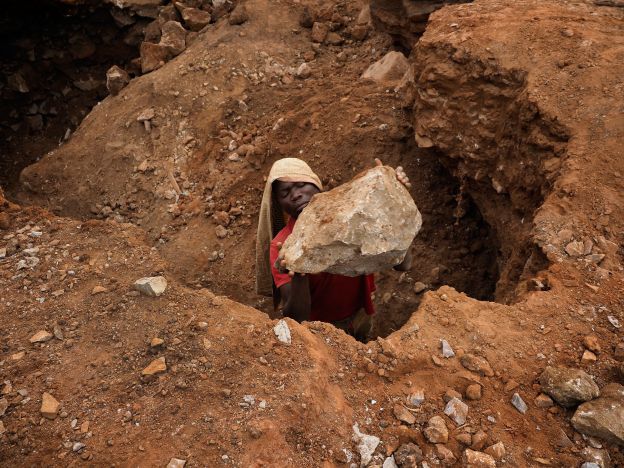
Buy Carbon Stored in Trees and Leave it There

For much of human history, the way to make money from a tree was to chop it down. Now, with companies rushing to offset their carbon emissions, there is value in leaving them standing. The good news for trees is that the going rate for intact forests has become competitive with what mills pay for logs in corners of Alaska and Appalachia, the Adirondacks and up toward Acadia. That is spurring landowners to make century-long conservation deals with fossil-fuel companies, which help the latter comply with regulatory demands to reduce their carbon emissions.

For now, California is the only U.S. state with a so-called cap-and-trade system that aims to reduce greenhouse gasses by making it more expensive over time for firms operating in the state to pollute. Preserving trees is rewarded with carbon-offset credits, a climate-change currency that companies can purchase and apply toward a tiny portion of their tab. But lately, big energy companies, betting that the idea will spread, are looking to preserve vast tracts of forest beyond what they need for California, as part of a burgeoning, speculative market in so-called voluntary offsets.

One of the most enthusiastic, BP PLC, has already bought more than 40 million California offset credits since 2016 at a cost of hundreds of millions of dollars. In 2019, the energy giant invested $5 million in Pennsylvania’s Finite Carbon, a pioneer in the business of helping landowners create and sell credits. The investment is aimed at helping Finite hire more foresters, begin using satellites to measure biomass and drum up more credits for use in the voluntary market.  BP has asked Finite to produce voluntary credits ASAP so they can be available for its own carbon ledger and to trade among other companies eager to improve their emissions math. As part of its shift into non-fossil-fuel markets, BP expects to trade offset credits the way it presently does oil and gas.“The investment is to grow a new market,” said Nacho Gimenez, a managing director at the oil company’s venture-capital arm. “BP wants to live in this space.”

Skeptics contend the practice does little to reduce greenhouse gases: that the trees are already sequestering carbon and shouldn’t be counted to let companies off the hook for emissions. They argue that a lot of forest protected by offsets wasn’t at high risk of being clear-cut, because doing so isn’t the usual business of its owners, like land trusts, or because the timber was remote or otherwise not particularly valuable.

If other governments join California and institute cap-and-trade markets, voluntary offsets could shoot up in value. It could be like holding hot tech shares ahead of an overbought IPO. Like unlisted stock, voluntary credits trade infrequently and in a wide price range, lately averaging about $6 a ton, Mr. Carney said. California credits changed hands at an average of $14.15 in 2019 and were up to $15 before the coronavirus lockdown drove them lower. They have lately traded for about $13.

These days, voluntary offsets are mostly good for meeting companies’ self-set carbon-reduction goals. BP is targeting carbon neutrality by 2050. Between operations and the burning of its oil-and-gas output by motorists and power plants, the British company says it is annually responsible for 415 million metric tons of carbon emissions.

Excerpts from Emissions Rules Turn Saving Trees into Big Business, WSJ, Aug. 24, 2020

The Green Climate Fund and COVID-19

 The Green Climate Fund has promised developing nations it will ramp up efforts to help them tackle climate challenges as they strive to recover from the coronavirus pandemic, approving $879 million in backing for 15 new projects around the world…The Green Climate Fund (GCF) was set up under U.N. climate talks in 2010 to help developing nations tackle global warming, and started allocating money in 2015….

Small island states have criticised the pace and size of GCF assistance…Fiji’s U.N. Ambassador Satyendra Prasad said COVID-19 risked worsening the already high debt burden of small island nations, as tourism dived…The GCF  approved in August 2020 three new projects for island nations, including strengthening buildings to withstand hurricanes in Antigua and Barbuda, and installing solar power systems on farmland on Fiji’s Ovalau island.

It also gave the green light to payments rewarding reductions in deforestation in Colombia and Indonesia between 2014 and 2016. But more than 80 green groups opposed such funding. They said deforestation had since spiked and countries should not be rewarded for “paper reductions” in carbon emissions calculated from favourable baselines…. [T]he fund should take a hard look at whether the forest emission reductions it is paying for would be permanent.  It should also ensure the funding protects and benefits forest communities and indigenous people…

Other new projects included one for zero-deforestation cocoa production in Ivory Coast, providing rural villages in Senegal and Afghanistan with solar mini-grids, and conserving biodiversity on Indian Ocean islands.  The fund said initiatives like these would create jobs and support a green recovery from the coronavirus crisis.

Excerpts from Climate fund for poor nations vows to drive green COVID recovery, Reuters, Aug. 22, 2020

New Loan Sharks? Microfinance

Bangladesh may be the homeland of microcredit, but no country is keener on it than Cambodia. According to its central bank, there were some 160,000 branches of microfinance institutions around the country in 2016—one for almost every square kilometre of Cambodian territory. Almost 2.2m of Cambodia’s 10m-odd adults have a microcredit loan outstanding, according to the Cambodian Microfinance Association (CMA), an industry group. The average debt is $3,320—roughly twice the country’s annual gdp per person. Credit is growing by 40% a year.

The microfinance boom has brought many benefits. An obvious one is a decline in the use of loan sharks….But the industry’s breakneck growth may not be sustainable. Household debt has swollen as the size of loans has ballooned. According to the World Bank, the average loan grew “more than tenfold” over the past five years. …“[Cambodia] probably should have had a crisis by now,” admits Daniel Rozas, an adviser to the cma, “but somehow it hasn’t.”

That may be in part thanks to the efforts of the National Bank of Cambodia, the central bank, to tame the industry…Some regulations, however, may be exacerbating the industry’s excesses. The central bank’s introduction of an interest-rate cap of 18% a year in 2017 seems to have backfired. Because of the cap, the CMA says, microfinance institutions can turn a profit only by lending more than $2,000. The number of loans of $500 or less declined by 48% after the rule’s introduction, the World Bank estimates. Some fees rose, too.

The CMA says defaults are minimal, with only 1% of loans in serious arrears at the beginning of the year. But there are hints that borrowers are getting into difficulty. The typical loan uses land as collateral... Lenders seldom take borrowers to court to repossess land; it is not worth the time and expense for a loan of just a few thousand dollars. But many conscientious borrowers appear to sell their land voluntarily to pay up. Government surveys show that the proportion of people who are landless rose from 32% in 2009 to 51% in 2016. Among the many reasons given for selling land, one of the most common was to repay debts. Given that the government does little to monitor the conduct of lenders, and many land sales are informal, it is hard to tell how voluntary such transactions really are.

Excerpts from Service Economy: Development in Cambodia, Economist, Aug. 15, 2020

Forest Infernos and Food Self-Sufficiency

The Mega-Rice Project (MRP) — the conversion of 10,000 square km of peat forest into rice paddies — that was adopted in Indonesia in 1997, was a mega-failure. It produced hardly any rice because the peaty soil lacks the requisite minerals. Instead of spurring farming, the draining of the waterlogged forest with a 6,000km network of canals fuelled fire…. It was the biggest environmental disaster in Indonesia’s history.  Burning peat in 1997 on Kalimantan and the nearby island of Sumatra generated the equivalent of 13-40% of the average annual global emissions from fossil fuels. The MRP was abandoned in 1999 but its legacy endures in the infernos that have ravaged Kalimantan almost every year since.

As work begins in 2020 on the new plantation, is history poised to repeat itself? The government says it has learned from the past. Nazir Foead of the Peatland Restoration Agency says that tractors will steer clear of what remains of Central Kalimantan’s pristine peatlands…but the rest is covered in “shallow peat”, no more than 50cm deep, and so can be cultivated without cataclysm, he says.  Environmentalists are not convinced… Smouldering swamps belch vast amounts of carbon. In 2019, the fires that swept Indonesia emitted 22% more carbon than the conflagration in the Amazon rainforest did. 

But the government argues it must go ahead with the plantation, and quickly, in case covid-19 brings about food shortages… For decades the political elites “have been chasing this ideal of food self-sufficiency”, says Jenny Goldstein of Cornell University. Prabowo Subianto, the defence minister, is one of its greatest champions.

Excerpts from For Peat’s Sake: Indonesia’s Environment, Economist, Aug. 15, 2020

War and the Innocent Bystanders

During a visit to Tokyo in 2017, Donald Trump called on Japan to buy “massive” amounts of American weaponry. At the time, North Korea was testing new rockets regularly. For the Japanese government, buying Aegis Ashore, a pricey American missile shield, allayed both concerns. Not all Japanese, however, were happy with the purchase, especially in Araya, a quiet residential neighbourhood of low-slung homes next to the sea in Akita city—and the site of a proposed Aegis base.

Akita City, Japan

Jittery locals fretted about electromagnetic waves from the system’s radar and debris from its rockets. They worried about becoming a target in a conflict, as the city’s oil refineries were during the second world war. “Why, why here?” asks Sasaki Masashi, a retired railway worker and head of a neighbourhood council. “It says: ‘Please attack us’,” complains Sakurada Yuko, another anti-Aegis campaigner. They have collected signatures, harangued officials and voted against the ruling Liberal Democratic Party  which unexpectedly lost a seat in Akita in elections to the upper house of parliament last year.

In June 2020  Akita received unexpected but welcome news: the government declared it was scrapping the $4.2bn purchase of Aegis Ashore. Kono Taro, the defence minister, cited the ballooning cost of ensuring that boosters did not fall on civilian property….

Excerpts from Anti-anti-missile systems, Economist, Aug. 15, 2020

Trade in Human and Animal Hair in the 21st Century

“My outfit for the day determines what hair I will be wearing,” says Olayinka Titilope, a Nigerian wigmaker. She has a different peruke for each day of the month…She sells wigs for between $60 and $800. Those at the top end are made of human hair from Cambodia, she says.  Some African feminists argue that to wear a long, straight-haired wig or hair extension is to grovel to Western ideals of beauty. Yet wig-buyers in Nigeria seem to enjoy variety. Sellers advertise hair from everywhere. Brazilian is praised for its sheen and durability; Vietnamese, for its bounce; Mongolian, because it is easy to curl. One seller in Lagos offers “Italian posh hair” which is supposedly odour-free. Whatever the label says, much of the hair really comes from elsewhere, often China, a source some buyers deem downmarket.

It is hard even for the most conscientious hair-traders to trace where their wares came from. Most of the hair that reaches Africa travels via factories in China, where it is sorted and often treated, dyed or curled. Bundles of human hair may be bulked up with horse mane or goat thatch….“The demand for hair generally exceeds supply, fuelling an almost constant sense of scarcity,”…

In the past decade Myanmar has quadrupled the volume of hair it ships out and is now the world’s fourth-largest exporter. Nay Lin, a hair-trader in the former capital, Yangon, says he knows when the economy is bad because more women turn up at his shop to sell their tresses. …Some 500km north of Yangon, in the town of Pyawbwe, farmers who once harvested onions and chillies now spend their days unpicking hairballs. These are often gathered by door-to-door collectors, who buy hair from people’s combs and bathroom plugs. Some hairballs arrive in sacks from India and Bangladesh. Workers in Pyawbwe (which has earned the nickname “Hair City”) make about $1.20 a day untangling them and removing lice or white strands. This hair is so common in Chinese factories that it is referred to as “standard hair”. It costs more than the fake stuff, but less than locks cut straight from a head. “We call that stuff factory trash,” scoffs Ms Titilope, who insists that none of it goes into her products…

Excerpts from Nigeria’s demand for fancy wigs fuels a global trade, Economist, Aug. 15, 2020

Everything Moving in Space Is a Weapon? Yes.

Kosmos 2542, a Russian satellite that was launched in November 2019, was “like Russian nesting dolls”. Eleven days after its launch it disgorged another satellite, labelled Kosmos 2543. Then, on July 15th, Kosmos 2543 itself spat out another object, which sped off into the void.  Merely a “small space vehicle” to inspect other satellites, said the Russians. Nonsense, said the Americans; it was a projectile. The intentl.. was to signal Russia’s ability to destroy other nations’ satellites….In January 2020, America complained that Kosmos 2542 and 2543 had tailed a spy satellite in an “unusual and disturbing” way (American satellites have also sidled up to others in the past). 

Anti-satellite weapons are not new. During the cold war, America and the Soviet Union developed several ways to blow up, ram, dazzle and even nuke each other’s satellites. The countries conducted two-dozen anti-satellite tests between them. Ten were “kinetic”, involving a projectile physically striking a target. But new competitors, and new technologies, mean anti-satellite warfare is a hot topic once again. China has conducted ten tests over the past 15 years, including a kinetic one in 2007 that created a great deal of space debris. India conducted its first kinetic test in 2019. America, Russia and China have all manoeuvred their satellites close to others, sometimes provocatively so. New methods of attack are being tested, including lasers and cyber-attacks.

Some satellites, such as America’s GPS constellation, blur the distinction between military and civilian assets. Over the past decade, America’s armed forces have put payloads on three commercial satellites, and plan to pay Japan to host others on its own navigation satellites….Then there is the question of what counts as an attack. Michael Schmitt, a law scholar, and Kieran Tinkler, a professor at the us Naval War College, say it is unclear whether jamming a civilian satellite would violate the general prohibition on attacking civilian objects. Blowing up a military one, meanwhile, might or might not constitute an indiscriminate (and hence illegal) attack, depending on whether it could have been disabled by other means and how much debris was produced.

Perhaps the biggest difference between space war and terrestrial war is how long the consequences can last. Much of the debris from China’s 2007 test, for instance, will still be in space at the turn of the next century. The more debris, the greater the likelihood of accidental collisions with other satellites, which generates more debris in turn. Enough debris could lead to a chain reaction known as Kessler syndrome, which could render entire swathes of near-Earth space unusable for decades…

Space Junk

The Outer Space Treaty of 1967 requires states to consult each other on actions that “would cause potentially harmful interference”, though the rule has rarely been heeded. Most countries accept that, in wartime, a body of existing laws known as international humanitarian law would apply, as on Earth—something America confirmed in its “Spacepower” doctrine, published on August 10, 2020. International humanitarian law is based on principles such as distinction (between combatants and civilians) and proportionality (between civilian harm and military advantage). But how to apply such ideas in a place with few humans is not always obvious.

The Manual on International Law Applicable to Military Uses of Outer Space (MILAMOS) is being spearheaded by McGill University, in Montreal, and a separate Woomera Manual by the University of Adelaide. Both hope to publish their documents 2020…

Russia and China would like a formal treaty banning all weapons in space. Both are keen to prevent America from deploying space-based anti-missile systems which might threaten their own nuclear forces. America and its allies resist this. They argue that it is impossible to define a space weapon—anything that manoeuvres in orbit could serve as one—and that it would be easy to cheat. The European Union has instead proposed a voluntary code of conduct. Many non-Western countries would prefer a binding treaty…. Though most are not space powers, many are likely to become so in the future, so their buy-in is important.

Excerpts from Satellite warfare: An arms race is brewing in orbit, Economist, Aug. 15, 2020

The End of the Mindless Self-Indulgence: the Gulf States

Algeria needs the price of Brent crude, an international benchmark for oil, to rise to $157 dollars a barrel. Oman needs it to hit $87. No Arab oil producer, save tiny Qatar, can balance its books at the current price, around $40 (summer 2020)….The world’s economies are moving away from fossil fuels. Oversupply and the increasing competitiveness of cleaner energy sources mean that oil may stay cheap for the foreseeable future. 

Arab leaders knew that sky-high oil prices would not last for ever. Four years ago Muhammad bin Salman, the de facto ruler of Saudi Arabia, produced a plan called “Vision 2030” that aimed to wean his economy off oil. Many of his neighbours have their own versions. But “2030 has become 2020…” 

Still, some see an upside to the upheaval in oil-producing states. The countries of the Gulf produce the world’s cheapest oil, so they stand to gain market share if prices remain low. As expats flee, locals could take their jobs…

Remittances from energy-rich states are a lifeline for the entire region. More than 2.5m Egyptians, equal to almost 3% of that country’s population, work in Arab countries that export a lot of oil. Numbers are larger still for other countries: 5% from Lebanon and Jordan, 9% from the Palestinian territories. The money they send back makes up a sizeable chunk of the economies of their homelands. As oil revenue falls, so too will remittances. There will be fewer jobs for foreigners and smaller pay packets for those who do find work. This will upend the social contract in states that have relied on emigration to soak up jobless citizens….With fewer opportunities in the oil-producing states, many graduates may no longer emigrate. But their home countries cannot provide a good life. Doctors in Egypt earn as little as 3,000 pounds ($185) a month, a fraction of what they make in Saudi Arabia or Kuwait. A glut of unemployed graduates is a recipe for social unrest…

For four decades America has followed the “Carter Doctrine”, which held that it would use military force to maintain the free flow of oil through the Persian Gulf. Under President Donald Trump, though, the doctrine has started to fray. When Iranian-made cruise missiles and drones slammed into Saudi oil facilities in September 2019, America barely blinked. The Patriot missile-defence batteries it deployed to the kingdom weeks later have already been withdrawn. Outside the Gulf Mr Trump has been even less engaged, all but ignoring the chaos in Libya, where Russia, Turkey and the UAE (to name but a few) are vying for control.

A Middle East less central to the world’s energy supplies will be a Middle East less important to America. ..As Arab states become poorer, the nature of their relationship with China may change. This is already happening in Iran, where American sanctions have choked off oil revenue. Officials are discussing a long-term investment deal that could see Chinese firms develop everything from ports to telecoms… Falling oil revenue could force this model on Arab states—and perhaps complicate what remains of their relations with America.

Excerpts from The Arab World: Twilight of the Petrostates, Economist, July  18, 2020

A Dream Come True? the Saudi Nuclear Program

Saudi Arabia has constructed with Chinese help a facility for extracting uranium yellowcake from uranium ore, an advance in the oil-rich kingdom’s drive to master nuclear technology…Even though Riyadh is still far from that point, the facility’s exposure appears certain to draw concern in the U.S. Congress, where a bipartisan group of lawmakers has expressed alarm aboutabout Saudi Crown Prince Mohammed bin Salman’s 2018 vow that “if Iran developed a nuclear bomb, we will follow suit as soon as possible.” ….Saudi Arabia has no known nuclear-weapons program, operating nuclear reactors or capacity to enrich uranium. But it says it wants to acquire nuclear plants that Saudi authorities say will generate power and reduce its reliance on oil, its principal export…

“Yellowcake” is a milled form of uranium ore which occurs naturally in Saudi Arabia and neighboring countries such as Jordan. It is produced by chemically processing uranium ore into a fine powder. It takes multiple additional steps and technology to process and enrich uranium sufficiently for it to power a civil nuclear energy plant. At very high enrichment levels, uranium can fuel a nuclear weapon…Olli Heinonen said that…yellowcake facility alone wouldn’t mark a significant advance unless the yellowcake is converted into a compound known as uranium hexafluoride and then enriched. But Mr. Heinonen said of the Saudis, “Where is the transparency? If you claim your program is peaceful, why not show what you have?”

One Western official said the facility is located in a remote desert location in the general vicinity of al Ula, a small city in northwest Saudi Arabia. Two officials said it was constructed with the help of two Chinese entities. While the identities of these entities couldn’t be learned, the China National Nuclear Corp. signed a memorandum of understanding with Saudi Arabia in 2017 to help explore its uranium deposits. A second agreement was signed with China Nuclear Engineering Group Corp. That followed a 2012 pact announced between Riyadh and Beijing to cooperate on peaceful uses of nuclear energy.

Riyadh has expressed a desire to master all aspects of the nuclear fuel cycle. It is constructing with Argentina’s state-owned nuclear technology company a small research reactor outside of Riyadh. In recent years, the Saudis have significantly expanded their nuclear workforce, experts say, through academic nuclear engineering programs and growing research centers. In addition to its agreement with Argentina, the Saudis are collaborating with South Korea in refining the design of a small commercial reactor to be built in Saudi Arabia, and that could also be marketed to other nations in the Middle East and Southeast Asia. It also has public cooperation agreements with Jordan on uranium mining and production.

Excerpts from  Warren P. Strobel et al., Saudi Arabia, With China’s Help, Expands Its Nuclear Program, WSJ, Aug. 4, 2020

How to Poison a Population: War and Persistent Oil Pollution

Oil pollution in Syria has been a growing concern since the 2011 onset of a civil war that has taken a toll on oil infrastructure and seen rival powers compete over control of key hydrocarbon fields. In the Kurdish-held northeast, a large storage facility in the Rmeilan oil field in Hasakeh province is of particular concern, according to the Dutch peace organisation PAX. [A River of Death, pdf] Oil leaks from the Gir Zero storage facility have been suspected since at least 2014, the latest in March 2020, it said in a June report. Thousands of barrels have leaked out into creeks in the area over the past five years, threatening the health and livelihoods of people in dozens of villages….

The major Rmeilan field controlled by the Kurdish administration, located near a US airbase, has been among the Syrian Kurds’ most prized assets since regime forces withdrew early on in the war. But oil wealth comes at a heavy cost for livestock farmers
whose sheep and cows have died because they drank oil contaminated water.

Residents too suffer heavily from the pollution because  of the foul odour of gas and crude oil wafting over the area… Compounding the situation, makeshift oil refineries have cropped up across the northeast in recent years, dumping oil waste in the waterways…These informal refineries receive oil from nearby fields and process it to provide benzine, gasoline and diesel to locals.

Excerpts from Delil SouleimanBlack waters: Oil spills pollute northeast Syria creeks
by Delil Souleiman, AFP, July 23, 2020

Global Nuclear Waste Movements: from Estonia to Utah

Regulators are weighing whether a local uranium company can import the material for processing at a mill near the border of a Native American reservation. For Energy Fuels Inc , the shipment represents an economic lifeline, after the company posted an operating loss of $7.8 million for the first quarter of 2020. Its president in March 2020 described the U.S. uranium industry as being “on the cusp of complete collapse.”
But for the Ute Mountain Ute Tribe living near the facility – the only operational uranium mill in the United States – the proposal has stoked fears that tribal land will become a dumping ground for global radioactive waste. Both the White Mesa mill and the tribal reservation are in San Juan County, Utah’s poorest.

The mill, built in 1979, was only meant to process conventional uranium ores from the Colorado Plateau for up to 20 years, the tribe says. The Navajo Utah Commission and Navajo Nation have also that the company’s application be rejected. “The state of Utah must recognize and acknowledge the reality that the mill is far past its design life and no longer a conventional uranium mill, but, instead, a radioactive waste dump seeking to operate for decades, if not a millennium,” the Ute Mountain Ute Tribe said in a document submitted to the state….

The 660 tons of powdered material in question, now sitting in 2,000 drums at a plant on the Estonian coast near the Russian border, would be Energy Fuels’ first-ever radioactive import from outside North America. The powder is a byproduct from tantalum and niobium mining by Estonian company Silmet, which contains uranium. But it cannot stay within Estonia, where there is no licensed facility for reprocessing radioactive material. Energy Fuels says there is enough uranium in that byproduct that it is worth processing. Opponents say Energy Fuels is simply taking in waste, which would be stored on site. According to Energy Fuels business from the shipment would help the company keep its 70 workers employed.

Energy Fuels anticipates demand for domestic uranium could rise, after the Trump administration in April 2020 proposed a $1.5 billion federal uranium reserve that would purchase uranium from domestic producers. Such a reserve, however, would need Congressional approval – a major hurdle. The reserve was one of the main proposals to come from a federal Nuclear Fuel Working Group aimed at reviving the U.S. uranium and nuclear industry. The United States currently imports over 90% of its uranium from abroad for its reactors.

Excerpts from Valerie Volcovicin Utah, a Debate Stirs Over Estonian Radioactive Waste, Reuters, July 16, 2020

Fatalism about Plastics: Intractable Plastics Pollution

The annual inflow of plastic could nearly triple from 2016 to 2040, the study found, and even if companies and governments meet all their commitments to tackle plastic waste, it would reduce the projection for 2040 by only 7%, still a more-than twofold increase in volume.  The study’s authors, the nonprofit Pew Charitable Trust and sustainability consulting firm Systemiq Ltd., set out a range of measures to stem the flow and called on businesses and governments to do more to reduce the use of plastic. 

The study attributes the surge to a growing global population using more plastic per person. Other factors include greater use of nonrecyclable plastics and an increasing share of consumption occurring in countries with poor waste management. China and Indonesia are likely the top sources of plastic reaching the oceans, accounting for more than a third of the plastic bottles, bags and other detritus washed out to sea, according to a study published in 2015 by Jenna Jambeck, an environmental engineer at the University of Georgia.

Over the past two years China has been making strides to improve waste management, including banning the import of plastic and other waste from developed countries like the U.S., which for decades have shipped much of their trash overseas. Indonesia has implemented its own restrictions on trash coming in from overseas, while lawmakers in the U.S. are increasingly trying to find ways to improve the country’s domestic recycling rates as export markets vanish.

They found that flexible plastic packaging—particularly items like potato-chip bags and food pouches, which are made of several materials and typically aren’t recycled—accounts for a disproportionate amount of ocean plastic. The As You Sow report said companies should stop selling products in flexible plastic until it is recycled or composted in significant amounts. Companies, in response, have been redesigning flexible packaging to promote recycling. For example, Nestle recently began selling a line of Gerber baby-food pouches made from a single material. But hurdles remain, particularly around collection and sorting of the packaging…

The amount of plastic flowing into the oceans could be reduced by as much as 80% over the next 20 years through a combination of reduced plastic use, increased recycling, alternatives to problematic packaging like plastic pouches and better waste management, the Pew-Systemiq study said…

Excerpts from Saabira Chaudhuri, Ocean Plastic Is Getting Worse and Efforts to Stem the Tide Fall Short, Study Finds, WSJ, July 23, 2020

Radioactive Water Dumping and Human Rights

In the aftermath of the Fukushima Daiichi nuclear disaster, [UN Special Rapporteurs  have] consistently raised concerns about the approaches taken by the government of Japan. UN Special Rapporteurs have been concerned that raising of “acceptable limits” of radiation exposure to urge resettlement violated the government’s human rights obligations to children.

UN Special Rapporteurs have been concerned of the possible exploitation of migrants and the poor for radioactive decontamination work. Their most recent concern is how the government used the COVID-19 crisis to dramatically accelerate its timeline for deciding whether to dump radioactive wastewater accumulating at Fukushima Daiichi in the ocean

The communities of Fukushima, so devastated by the tragic events of March 11, 2011, have expressed their concerns and opposition to the discharge of the contaminated water into their environment. It is their human right to an environment that allows for living a life in dignity, to enjoy their culture, and to not be exposed deliberately to additional radioactive contamination. Those rights should be fully respected and not be disregarded by the government in Tokyo. The discharge of nuclear waste to the ocean could damage Japan’s international relations. Neighboring countries are already concerned about the release of large volumes of radioactive tritium and other contaminants in the wastewater.

Japan has a duty under international law to prevent transboundary environmental harm. More specifically, under the London Convention, Japan has an obligation to take precaution with the respect to the dumping of waste in the ocean.

Indigenous peoples have an internationally recognized right to free, prior and informed consent. This includes the disposal of waste in their waters and actions that may contaminate their food. No matter how small the Japanese government believes this contamination will be of their water and food, there is an unquestionable obligation to consult with potentially affected indigenous peoples that it has not met…The disaster of 2011 cannot be undone. However, Japan still has an opportunity to minimize the damage…There are grave risks to the livelihoods of fishermen in Japan and also to its international reputation. Again, I urge the Japanese government to think twice about its legacy: as a true champion of human rights and the environment, or not.

Excerpts from, Baskut Tuncak [UN Rapporteur], Fukushima nuclear waste decision also a human rights issue, Kyodo News, July 8, 2020

The Deterrent Power of 44 000 tonnes Assault Ships: Sea Dragon Commandors v. US Marines

China launched its military build-up in the mid-1990s with a top priority: keep the United States at bay in any conflict by making the waters off the Chinese coast a death trap. Now, China’s People’s Liberation Army (PLA) is preparing to challenge American power further afield.

China’s shipyards have launched the PLA Navy’s first two Type 075 amphibious assault ships, which will form the spearhead of an expeditionary force to play a role similar to that of the U.S. Marine Corps. And like the Marines, the new force will be self-contained – able to deploy solo with all its supporting weapons to fight in distant conflicts or demonstrate Chinese military power.

The 40,000-tonne Type 075 ships are a kind of small aircraft carrier with accommodation for up to 900 troops and space for heavy equipment and landing craft, according to Western military experts who have studied satellite images and photographs of the new vessels. They will carry up to 30 helicopters at first; later they could carry fighter jets, if China can build short take off and vertical landing aircraft like the U.S. F-35B…Chinese military commentators say China’s shipyards are now building and launching amphibious ships so rapidly it is like “dropping dumplings” into water.

As shipyards churn out amphibious vessels, China is expanding its force of marines under the command of the PLA Navy. These troops are being trained and equipped to make landings and fight their way ashore. China now has between 25,000 and 35,000 marines, according to U.S. and Japanese military estimates. That’s a sharp increase from about 10,000 in 2017…“Without an amphibious force, any military force is greatly constrained in where and how it can conduct operations,” said Grant Newsham, a retired U.S. Marine Corps colonel… “Jets can drop bombs and ships can fire missiles at the shore – but you might need infantry to go ashore and kill the enemy and occupy the ground.” In China, the state-controlled media regularly reports on the gruelling training and military skills of the Jiaolong, or Sea Dragon commandos – a unit from the marines special forces brigade based on Hainan Island off southern China.

“We are currently only seeing the tip of the iceberg,” said Ian Easton, the senior director of the Project 2049 Institute, an Arlington, Virginia-based security research group. “Ten years from now, China is almost certainly going to have marine units deployed at locations all over the world. The Chinese Communist Party’s ambitions are global. Its interests are global. It plans to send military units wherever its global strategic interests require.”…

[China has learnt lessons from the U.S.]——U.S. expeditionary flotillas, packed with marines, all their heavy equipment and air support, are a potent reminder of American power. A raw demonstration came in the tense period in 1999 when an Australian-led United Nations peacekeeping force intervened to stop violence in what was then Indonesian-controlled East Timor. American forces didn’t become heavily involved on the ground. But the presence of the USS Belleau Wood, a 40,000-tonne amphibious assault ship carrying 900 marines and heavy lift and attack helicopters, served as formidable back-up as the UN troops restored order without any significant resistance from Indonesia.

Excerpts from DAVID LAGUE, China expands its amphibious forces in challenge to U.S. supremacy beyond Asia, Reuters, July 20, 202

The Global Gold Rush and Plunder of Congo

Since March 2020, record amounts of gold dug from artisanal mines in the conflict zones of Eastern Congo have been smuggled across the porous border with Uganda, where it is being stamped with fake certifications before being shipped to international markets in Dubai, Mumbai and Antwerp, according to Ugandan security officials, smugglers and traders. Much of the gold is reaching these overseas markets using cargo planes returning from Uganda after delivering Covid-19 aid and other essential supplies, according to plane manifests seen by The Wall Street Journal.

The trade in conflict gold isn’t new, but it has perhaps never been more lucrative: Gold prices at illegal and unregulated Congolese mines, where supply chains have been disrupted by coronavirus shutdowns and renewed violence between militant groups, have dropped over 40% since April 2020, according to local traders, while on global markets, prices are up by almost a third…Activists and U.N. investigators have long accused Uganda and several of Congo’s neighbors of being complicit in the plunder of Congolese gold…The calls to end the illicit trade grew louder last year after Uganda’s gold exports overtook coffee to become the leading export commodity for the first time—despite the country producing very little bullion.

U.N. investigators estimate that each month between 2 tons and 3 tons of Congo’s conflict gold—with a market value of over $100 million—is crossing the Ugandan frontier, passing border crossings patrolled by heavily armed guards, with metal fencing and razor wire erected to reduce the flow of people due to coronavirus fears…

Smugglers and police say the gold is secreted in trucks that are allowed to bypass coronavirus restrictions to deliver “essential goods” from fuel to food supplies. The yellow bars, weighing between 5 to 20 kilograms, are stuffed underneath truck cabins, inside battery compartments and emptied gasoline tankers. Once inside Uganda, the truckers sell the bars to traders who purchase forged documents in Kampala that disguise the gold’s origin.

The scramble is fueling violence in the eastern Congolese province of Ituri…Fresh spasms of violence have left more than 1,300 civilians dead since March 2020, in what the U.N. says may amount to war crimes. Some six million people are displaced. Armed groups are carrying out predatory raids on mines in search of gold.

In the meantime on Wall Street, on July 24, 2020, gold futures were priced at $1,897.50 a troy ounce eclipsing their August 2011 peak of $1,891.90. The coronavirus has ignited a global gold rush, with physical traders around the world trying to get their hands on more metal and individuals around the world ordering bars and coins.

Excerpts from Nicholas Bariyo and Joe Parkinson, Under Cover of Coronavirus Lockdown, a Booming Trade in Conflict Gold, WSJ, July 9, 2020, Gold Climbs to a High, Topping Its 2011 Record, WSJ, July 24, 2020
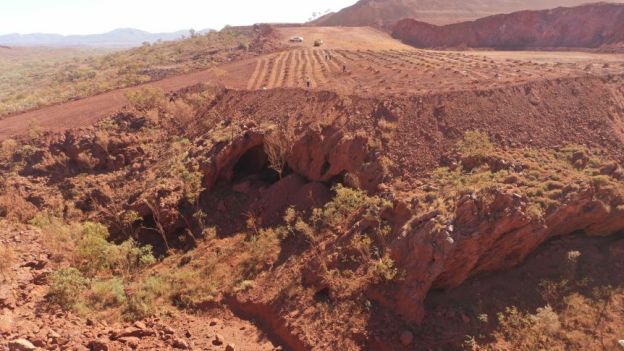
Water Conflicts: Who Owns the Nile River

The Grand Ethiopian Renaissance Dam is a giant edifice that would span the Blue Nile, the main tributary of the Nile river.  Half a century in the making, the hydro-electric dam is Africa’s largest, with a reservoir able to hold 74bn cubic metres of water, more than the volume of the entire Blue Nile. Once filled it should produce 6,000 megawatts of electricity, double Ethiopia’s current power supply. Millions of people could be connected to the grid for the first time. More than an engineering project, it is a source of national pride.

For Egypt, however, it seems a source of national danger. Over 90% of the country’s 100m people live along the Nile or in its vast delta. The river, long seen as an Egyptian birthright, supplies most of their water. They fear the dam will choke it off. Pro-regime pundits, not known for their subtlety, have urged the army to blow it up….Ethiopia wants to start filling the reservoir during this summer’s rainy season. On June 26th, 2020 after another round of talks, Egypt, Ethiopia and Sudan pledged to reach a deal within two weeks. Ethiopia agreed not to start filling the dam during that period.

Diplomats say most of the issues are resolved. But the outstanding one is big: how to handle a drought. Egypt wants Ethiopia to promise to release certain amounts of water to top up the Nile. But Ethiopia is loth to “owe” water to downstream countries or to drain the reservoir so much that electric output suffers. It wants a broader deal between all riparian states, including those on the White Nile, which flows out of Lake Victoria down through Uganda and Sudan.

Even if talks fail and Ethiopia starts filling without a deal, Egyptians will not find their taps dry. There is enough water in the reservoir behind Egypt’s Aswan High Dam to make up for any shortfall this year. But the mood in both countries is toxic. Egyptians have cast Ethiopia as a thief bent on drying up their country. In Ethiopia, meanwhile, Egypt is portrayed as a neocolonial power trampling on national sovereignty. The outcome of the talks will have political consequences in both countries, and perhaps push them to the brink of conflict—at a time when Egypt is already contemplating involvement in a war in Libya.

Ethiopia’s grand dam became a reality and a national obsession under Meles Zenawi, the longtime prime minister who ruled until 2012. His political masterstroke was asking Ethiopians to finance it through donations and the purchase of low-denomination bonds…. Most contributed voluntarily, but there was always an element of coercion. Civil servants had to donate a month’s salary at the start. Local banks and other businesses were expected to buy bonds worth millions of birr. ….

Excerpts from The Grand Ethiopian Renaissance Dam: Showdown on the Nile, Economist, July 4, 2020
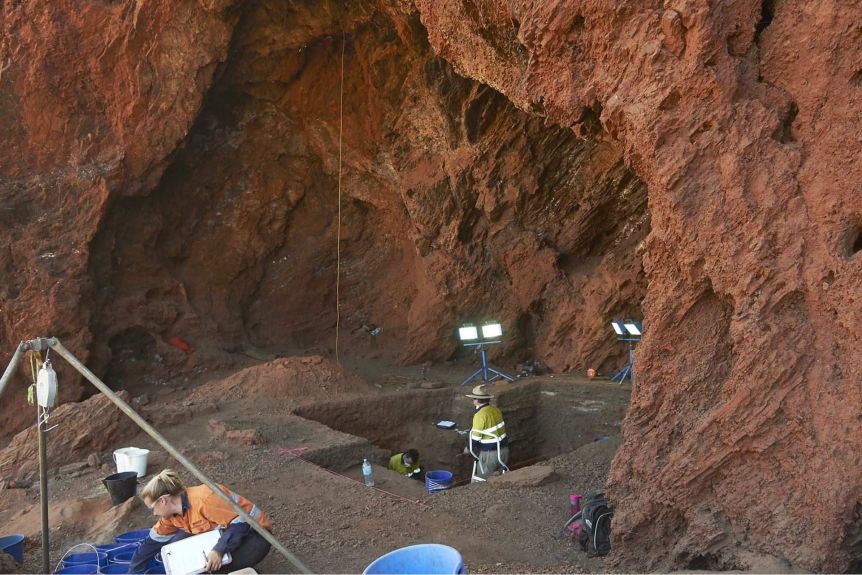
.

How to Make Friends: Load Them Up with Debt

“It’s no secret…China is by far the largest bilateral creditor to African governments,” said Mike Pompeo, America’s secretary of state, in June 2020, blaming it for creating an unsustainable debt burden. The World Bank disclosed ib July 2020, how much governments owe to China (and other lenders). The World Bank report revealed that developing countries owed $104 billion to China at the end of 2018. The total includes soft loans from China’s government, semi-soft loans from “policy banks”, such as China Development Bank, and profit-seeking loans from state-owned commercial lenders. The same countries owed $106bn to the World Bank and $60bn to bondholders…

The new figures confirm Mr Pompeo’s observation that China is by far the biggest bilateral creditor to Africa, and in many poor countries elsewhere. It accounts for about 20% of the total foreign debt owed by the 73 governments eligible for the G-20 moratorium on debt payments due to the COVID-19 pandemic (the Debt Service Suspension Initiative (DSSI)). That is more than all of the Paris Club lenders, including America, Britain and Japan, combined.

Excerpts from Public Finance: The Debt Toll, Economist, July 4, 2020
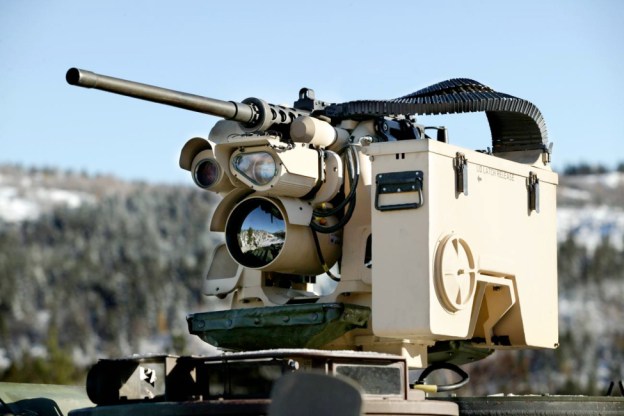
The Worst Murderer: Jihadists or Governments?

Sahel: West Africa’s most populous countries, along the Atlantic coast, have become vulnerable to the predations of jihadists spilling out of failing states farther north in the Sahel on the borders of the Sahara desert. Jihadists seized control of chunks of Mali in 2012 and were stopped from overrunning Bamako, its capital, only after thousands of French troops were hurriedly flown in. The insurgents have since pushed across the border into Niger and Burkina Faso. In those three countries alone, 4,800 people lost their lives in the conflict last year. Fully 1.7m people have been forced to flee their homes. Now the war is beginning to jump borders again, putting at risk some of Africa’s fastest-growing economies, including Benin, Ghana and Ivory Coast.


This war in the Sahel has been growing rapidly. Ten times more people were killed last year than in 2014 (excluding deaths in north-eastern Nigeria, which faces its own jihadist insurgents). Two main jihadist groups are behind most of the fighting: the Islamic State in the Greater Sahara (ISGS) and Jama’at Nasr al-Islam wal Muslimin (JNIM), which is linked to al-Qaeda. These groups have extended their reach, even though thousands of international peacekeepers and local and Western soldiers have been deployed to stop them. France has sent some 5,100 troops to the Sahel, while the United States has provided another 1,200. In addition, the un has 15,000 blue helmets there, including about 350 Germans, plus 250 British soldiers who are soon to arrive. With American forces leaving Afghanistan, the Sahel will soon be the West’s biggest combat zone.

Worse, the jihadists are expanding in three directions at once. To the south they threaten Benin, Ghana, Ivory Coast and Togo. To the west there has been a spate of attacks in Mali close to its border with Senegal; and to the east with Nigeria’s insurgent groups. The jihadists already have a “de facto safe haven in northern Mali”, says General Dagvin Anderson, in charge of America’s commandos in Africa. He frets that as they expand they will have more scope to plan attacks on American soil.

The weakness of governments and the feebleness of their public services are helping the jihadists. In the neglected hinterlands of the Sahel the rebels offer themselves as an alternate state, serving up sharia and medical aid. Moreover, the jihadists have been adept at exploiting ethnic faultlines, for instance between largely Muslim and seminomadic Fulani herders and more settled farming communities, which have their own armed groups of traditional hunters known as Dozos. =

Trade and commerce also provide an incentive for the jihadists to expand their reach. The migration corridor between Burkina Faso and Ivory Coast is the busiest in Africa. Jihadists cash in by taxing traders and smuggling stolen livestock, drugs and guns. The gold mines in Burkina Faso have become a target. Much of the gold is smuggled out through Togo, which officially exported seven tonnes of the metal to the United Arab Emirates in 2018, despite mining very little itself. Gold is also pulling jihadists towards Senegal…

But in 2020, more civilians in the Sahel have been killed by government soldiers than by jihadists, says José Luengo-Cabrera of the International Crisis Group (icg), a Brussels-based ngo. “When soldiers kill the head of the family, they almost throw his sons and nephews into the arms of bearded men in shorts hiding in the bush,” one villager told Human Rights Watch, a global monitor. It says in the town of Djibo alone, in Burkina Faso, evidence suggests government forces have murdered 180 men—many of them were blindfolded and had their hands bound before they were shot. In Burkina Faso… citizens may feel safer living among terrorists than with their own country’s security forces.

Governments in the region and some Western forces have made matters worse by supporting militias. In 2018 the French army allied itself with Tuareg militias from Mali to fight against ISGS. They clobbered the jihadists but also killed scores of civilians, aggravating ethnic tensions and fuelling recruitment by the insurgents….Above all, governments need to regain legitimacy by providing services and holding themselves to account. “It is not possible to win the war if there is not trust from the population,” says Niagale Bagayoko of the African Security Sector Network…But good governance and decent services in the region are scarce. At a meeting of Sahelian leaders with Mr hard. In Burkina Faso alone, the jihadists have forced about 2,500 schools to close.

Excerpts from Jihad in the Sahel: Fighting a Spreading Insurgency, Economist, July 11, 2020
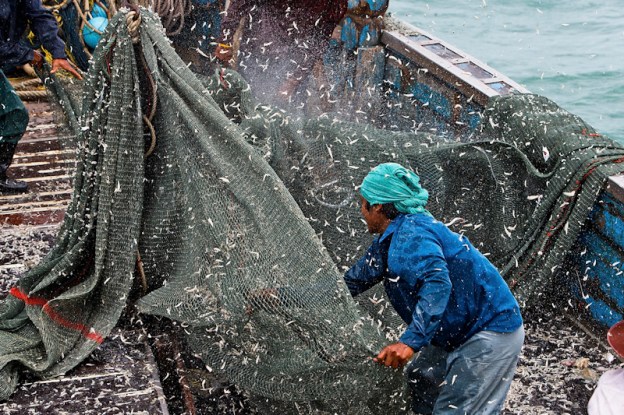
Air Pollution: the Microplastics We Breath

 Scientists measured microplastics — tiny particles and fibers of plastic that can float in the air like dust — and found that over 1,000 tons a year are falling into wilderness areas and national parks in the western U.S.  Janice Brahney of Utah State University and her team identified samples of microplastics and other particulates collected over 14 months in 11 national parks and wilderness areas to create the study published in the journal Science, on June 12, 2020.  Pieces of plastic less than 5 mm in length, or microplastics, occur in the environment as a consequence of plastic pollution…

The presence of microplastics in oceans and water supplies has been a matter of concern for some time, but the impact of airborne microplastics is a relatively new area of study. Though microplastics are found nearly everywhere on Earth, the sources and processes behind their ubiquitous distribution, or the “global plastic cycle,” remain vaguely understood.  Initially overlooked, recent studies have suggested that long-range atmospheric transport plays an important role in carrying microplastic pollution vast distances and to remote locations

Examination of weekly wet and monthly dry samples from 11 sites allowed the authors to estimate that more than 1,000 tons of microplastics are deposited onto protected lands in the western U.S. each year, equivalent to more than 123 million plastic water bottles.

The ubiquity of microplastics in the atmosphere has unknown consequences for humans and animals, but the research team observed sizes of particles that were within the ranges that accumulate in lung tissue. Moreover, the accumulation of plastic in the wilderness areas and national parks could well influence the ecosystems in complicated ways.

Excerpts, VICTORIA PRIESKOP, Scientists Find Tons of Microplastics Polluting National Parks, Courthouse News Service, June 11, 2020

I Can’t Imagine Germany without China

Germany is struggling to pick sides in the escalating dispute between the U.S. and China over issues including trade and human rights, amid mounting American pressure and Beijing’s authoritarian drift. Of all advanced economies outside Asia, Germany has the deepest economic ties in both camps and would have the most to lose from a Cold War between Washington and Beijing.

Berlin’s snaking trade links with China and the U.S. have served Germany well in the past two decades, providing it with steady growth, near full employment and full public coffers that have allowed the deployment of more than €1 trillion ($1.13 trillion) in measures to support its economy during the pandemic.  Now, Germany’s reluctance to take sides is diluting Europe’s broader efforts to present a united front to China, undermining the bloc’s power to shape a new global architecture…

Germany’s export-oriented economic model means it can’t really choose at all. It needs both the US and China.  China is Germany’s largest trading partner; the U.S. its biggest export market. And they stand neck-and-neck: Last year, Germany exported €119 billion of goods to the U.S. and €96 billion to China….Around 28% of jobs in Germany are directly or indirectly linked to exports, and in manufacturing that figure is 56%, according to the German Ministry for Economic Affairs. Germany exports nearly as much as the U.S. despite having only one-quarter the population.

Germany’s world-beating engineering companies supplied the factory equipment and the infrastructure that powered China’s transformation into the world’s top manufacturer. Harnessed to the fast-growing giant, Germany rebounded strongly after the financial crisis and weathered the eurozone debt crisis…

“I can’t imagine Volkswagen without China,” said Ferdinand Dudenhoeffer, director of the Center Automotive Research at the University of Duisburg-Essen.  Volkswagen CEO Herbert Diess, who refers to China as his company’s “second home,” has recently praised China’s handling of the coronavirus pandemic. The company in May said it would pour $2 billion into China’s electric-car market….

Excerpts from Tom Fairless et al., U.S.-China Tensions Leave Germany Squirming in the Middle, WSJ, June 24, 2020
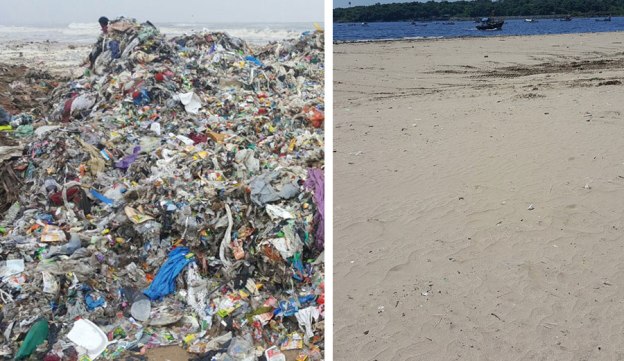
An Impossible Made Possible: the Green Energy Revolution

Since the cost of renewable energy can now be competitive with fossil fuels. Government, corporate and consumer interests finally seem to be aligning.  The stock market has noticed. After years of underperformance, indexes that track clean-energy stocks bottomed out in late 2018. The S&P Global Clean Energy index, which covers 30 big utilities and green-technology stocks, is now up 37% over two years, including dividends, compared with 18% for the S&P 500.

This year’s Covid crisis will delay some renewable projects, but could speed up the energy transition in other ways. Alternative-energy spending has held up much better than spending on oil and gas. Globally, clean-energy investment is now expected to account for half of total investment in the entire energy sector this year, according to UBS.  Moreover, the crisis has pushed governments to spend money, including on renewable technologies. The massive stimulus plan announced by the European Union last month is decidedly green. The German government increased electric-car subsidies as part of its pandemic-related stimulus package rather than rolling out a 2009-style “cash-for-clunkers” program. China’s plans include clean-energy incentives, too.

Solar and wind are now mature technologies that provide predictable long-term returns. Big lithium-ion batteries, such as those that power Teslas, are industrializing rapidly. More speculatively, hydrogen is a promising green fuel for hard-to-decarbonize sectors such as long-haul transport, aviation, steel and cement.  Many big companies—the likes of Royal Dutch Shell, Air Liquide and Toyota —have green initiatives worth many hundreds of millions of dollars. They are, however, a relatively small part of these large businesses, some of whose other assets may be rendered obsolete by the energy transition… Early-stage electric-truck maker Nikola jumped on its market debut this month to a valuation at one point exceeding that of Ford.

Investors might be better off looking at the established specialists in between. Vestas is the world’s leading manufacturer of wind turbines. Orsted, another Danish company, has made the transition from oil-and-gas producer to wind-energy supplier and aspires to be the first green-energy supermajor. More speculatively, Canadian company Ballard has three decades of experience making hydrogen fuel cells.

Rochelle Toplensky, Green Energy Is Finally Going Mainstream, WSJ, June 24, 2020

The Cracks on the Nuclear Runit Tomb

Excerpts from the US Department of Energy Report on the Nuclear Runit Dome

The Runit Dome is a containment structure on Runit Island, located on Enewetak Atoll.  Enewetak Atoll is a former U.S. atmospheric nuclear weapons test site located approximately 2,300 miles west of Hawaii in the northwest Pacific Ocean. The Runit Dome,  which was built in the late 1970s, contains over 100,000 cubic yards of contaminated soil and  debris [from the US nuclear weapons testing] that were encapsulated in concrete inside an unlined nuclear test crater, the Cactus Crater, on the north end of Runit Island. The site has remained a concern to the people of Enewetak. 
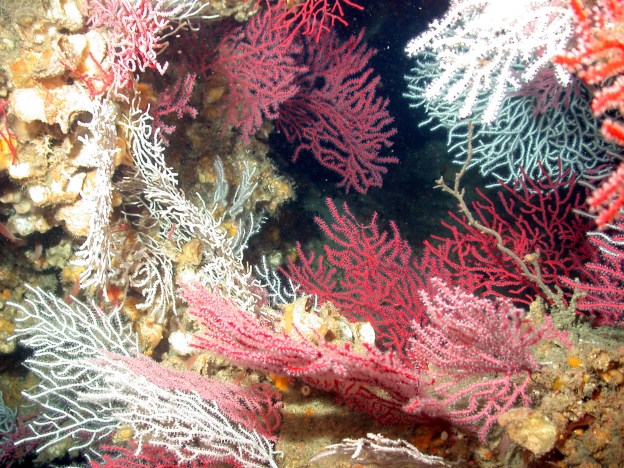
The Runit Dome is not in any immediate danger of collapse or failure, and the exterior concrete covering the containment structure is still serving its intended purpose, effectively reducing the natural erosion of the waste pile below by wind and water. Visual surveys of the exterior  concrete of the Cactus Crater containment structure have revealed the presence of cracks and spalls in the concrete cap. However, these cracks and spalls in the exterior concrete cap do not form sites for external or internal radiation exposure that impact or endanger human health or
the environment, or wildlife.

DOE has performed preventative maintenance on exterior surfaces of the containment structure, which will aid in the determination of any changes that
may occur in the condition of the concrete in the future. Any concerns about the imminent failure or collapse of the structure are unfounded.

The main safety concern to humans associated with leakage of radioactive waste from the Cactus Crater containment structure is the uptake of fallout radioactivity in marine foods. There are no data to suggest that the Cactus Crater containment structure, or more specifically, the radioactive material encapsulated in Cactus Crater, is currently having a measurable adverse effect on the surrounding environment or on the health of the people of Enewetak. However, DOE is in the process of establishing a groundwater radiochemical analysis program that is designed to provide scientifically substantiated data that can be used to determine what, if any, effects the dome contents are having, or will have, on the surrounding environment now
and in the future.

Long-term trends in the concentration of Pu in lagoon waters derived from retrospective analysis of a coral core collected off Runit Island show levels of Pu in lagoon waters are systematically decreasing. These data provide compelling evidence that the construction of the Runit Dome has had, and continues to have, a negligible impact on the wider marine environment….

The Cactus Crater containment structure remains vulnerable to wave driven over wash and flooding caused by storm surge and potential effects of sea level rise… It is
anticipated that any measured or modeled effects of storm events may help provide a better understanding of the long-term consequences of sea-level rise on mass-transport of dome derived radionuclides.

Everyone for Themselves: COVID-19 Drug Reserved for U.S.

On June 29, 2020 the US Department of Health and Human Services (HHS) announced an agreement to secure large supplies of the drug remdesivir for the United States from Gilead Sciences through September, allowing American hospitals to purchase the drug in amounts allocated by HHS and state health departments….HHS has secured more than 500,000 treatment courses of the drug for American hospitals through September. This represents 100% of Gilead’s projected production for July (94,200 treatment courses), 90% of production in August (174,900 treatment courses), and 90% of production in September (232,800 treatment courses), in addition to an allocation for clinical trials. A treatment course of remdesivir is, on average, 6.25 vials.

Hospitals will receive the product shipped by AmerisourceBergen and will pay no more than Gilead’s Wholesale Acquisition Price (WAC), which amounts to approximately $3,200 per treatment course.

Excerpts from Trump Administration Secures New Supplies of Remdesivir for the United States, June 29, 2020

No Clean-Up, No Justice: Ogoniland, Nigeria

The UN Environment Programme in 2011 proposed the creation of a $1 billion fund to repair the damage done by decades of crude spills in the Ogoniland area in southeastern Nigeria. However, progress has been poor and the little work that has been done is sub-standard, advocacy groups including Amnesty International reported in June 2020.  “Research reveals that there is still no clean-up, no fulfillment of ‘emergency’ measures, no transparency and no accountability for the failed efforts, neither by the oil companies nor by the Nigerian government,” the groups said.

Shell’s Nigerian unit pumped oil in Ogoniland until 1993, when the company withdrew amid increasing protests against its presence. Even though the Hague-based company no longer produces crude in the area, a joint venture operated by Shell Petroleum Development Company, or SPDC, still owns pipelines that crisscross the region.

A government agency responsible for overseeing the clean-up, the Hydrocarbon Pollution Remediation Project, known as Hyprep, was finally set up in 2017 after several false starts, but it’s failing to deliver. …“Hyprep is not designed, nor structured, to implement a project as complex and sizable as the Ogoniland clean-up,” the report cites UNEP as saying in 2019

Excerpt from Clean Up Oil in Nigerial Lacks Progress, Bloomberg, June 18,, 2020

The $4 Trillion Blackmail: The Amazon is Ours not Brazil’s

More than two dozen financial institutions around the world are demanding the Brazilian government rein in surging deforestation, which they said has created “widespread uncertainty about the conditions for investing in or providing financial services to Brazil”. The call for action, delivered in a letter to the Brazilian government on June 23, 2020, comes as concerns grow that investors may begin to divest from Latin America’s largest economy if Jair Bolsonaro’s administration fails to curb environmental destruction. “As financial institutions, who have a fiduciary duty to act in the best long-term interests of our beneficiaries, we recognise the crucial role that tropical forests play in tackling climate change, protecting biodiversity and ensuring ecosystem services,” said the letter, signed by 29 financial institutions managing more than $3.7tn in total assets.

“Considering increasing deforestation rates in Brazil, we are concerned that companies exposed to potential deforestation in their Brazilian operations and supply chains will face increasing difficulty accessing international markets. Brazilian sovereign bonds are also likely to be deemed high risk if deforestation continues.” Deforestation in the Amazon rainforest has surged in Brazil since the election of Mr Bolsonaro, a rightwing former army captain, who supports opening the protected lands to commercial activity. In the first four months of 2020, an area twice the size of New York City was razed as illegal loggers and wildcat gold miners

Investors said they are particularly concerned about Brazil’s meatpacking industry, which risks being shut out of international markets over its alleged role in deforestation. Brazil’s JBS has been repeatedly accused by environmentalists of buying cows from deforested lands in the Amazon. In May 2020 more than 40 European companies, including Tesco and Marks and Spencer, warned they would boycott Brazilian products if the government did not act on deforestation. 

Excerpts from Investors warn Brazil to stop Amazon destruction, FT, June 23, 2020

Oil Spills of Sudan, Humanity for Africa, and East African Court of Justice

The East African Court of Justice delivered in June 2020 a temporary injunction order to the country’s Minister for Justice, the Greater Pioneer Operating Company (GPOC), and the Dar Petroleum Operating Company. The Court approved the application by Hope for Humanity Africa (H4HA), a non-governmental organization (NGO), which sought to highlight the environmental damage caused by oil spills… The NGO contends that: “Over 47,249 of the local population in Upper Nile State and 60,000 in Unity State are at risk of being exposed to the oil pollution this is because the local population depends on the wild foods for survival, the contaminated swamps, streams and rivers waters for cooking, drinking, washing, bathing and fishing.”…

The H4HA is looking for an injunction to stop multiple companies from exporting oil from the region, including CNPC of China, Petronas of Malaysia, and Oil & Natural Gas Corp. of India (ONGC) 

Excerpts South Sudan Suspended by African Union, Barred From Exporting Oil by East African Court, https://www.youngbhartiya.com, June 24, 2020
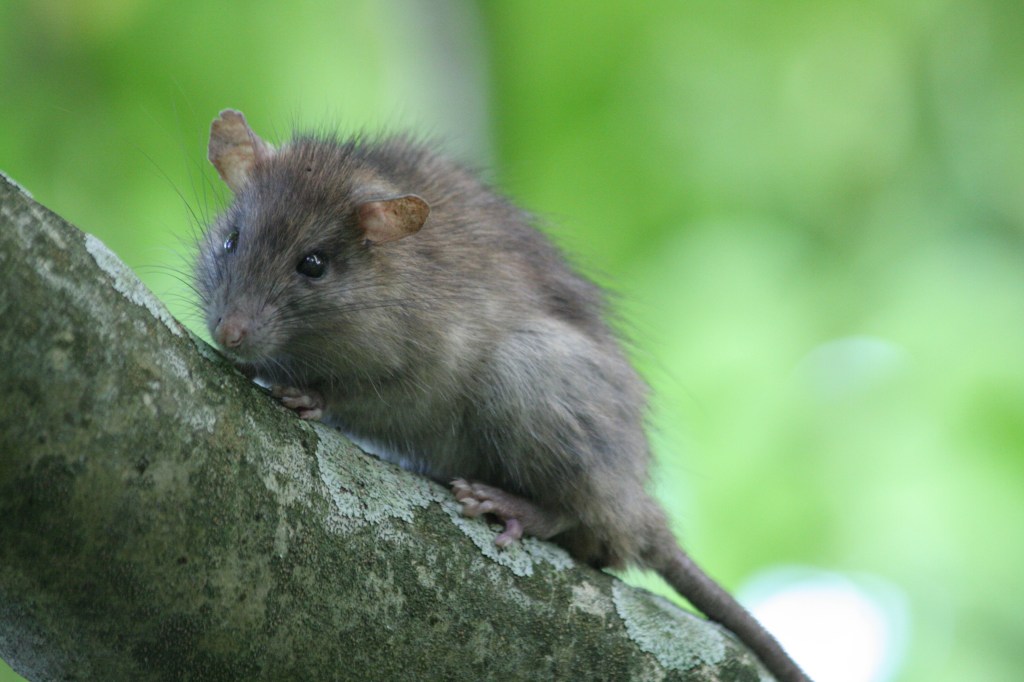
Leave No Oil Under-Ground: OPEC against US Frackers

In 2014-16, the OPEC waged a failed price war to wipe out American frackers. Since then the cartel and its partners, led by Russia, have propped up oil prices enough to sustain shale, but not enough to support many members’ domestic budgets. In March 2020 Saudi Arabia urged Russia to slash output; Russia refused, loth to let Americans free-ride on OPEC-supported prices. The ensuing price war was spectacularly ill-timed, as it coincided with the biggest drop in oil demand on record.  The desire to chasten American frackers remains, though. OPEC controls about 70% of the world’s oil reserves, more than its 40% market share would suggest… If the world’s appetite for oil shrinks due to changing habits, cleaner technology or greener regulations, countries with vast reserves risk having to leave oil below ground. 

Excerpts from Crude Oil: After the Fall, Economist, June, 13, 2020

Praying for Renewable Energy

In the wake of the Fukushima nuclear disaster in 2011, Fukushima prefecture itself pledged to get all its power from renewable sources by 2040.  The hoped-for transformation, however, has been “slow and almost invisible.”…Renewable generation has grown from 10% of the power supply in 2010 to 17% in 2018, almost half of which comes from old hydropower schemes. Most nuclear plants, which provided more than a quarter of the country’s power before the 2011 disaster, have been shut down… But for the most part they have been replaced not by wind turbines and solar panels but by power stations that burn coal and natural gas. The current government wants nuclear plants to provide at least 20% of electricity by 2030. It also wants coal’s share of generation to grow, and has approved plans to build 22 new coal-fired plants over the next five years. The target for renewables, by contrast, is 22-24%, below the current global average, and far lower than in many European countries.

Geography and geology provide part of the answer. Japan is densely populated and mountainous. That makes solar and onshore wind farms costlier to build than in places with lots of flat, empty land. The sea floor drops away more steeply off Japan’s coasts than it does in places where offshore wind has boomed, such as the North Sea. And although geothermal power holds promise, the most suitable sites tend to be in national parks or near privately owned hot springs.

Government policies also help stifle the growth of renewable energy. Since the end of the second world war, privately owned, vertically integrated regional utilities have dominated the electricity market. These ten behemoths provide stable power within their regions, but do little to co-ordinate supply and demand across their borders…The limited transmission between regions makes it even harder than usual to cope with intermittent generation from wind turbines and solar panels. It also reduces competition, which suits the incumbent utilities just fine…Recent reforms have attempted to promote renewables both directly and indirectly…The “feed-in tariff”, obliging utilities to pay a generous fixed price for certain forms of renewable energy—a policy that has prompted investors to pile into solar and wind in other countries. In 2016, the government fully liberalised the retail electricity market. It has also set up new regulatory bodies to promote transmission between regions and to police energy markets. In April 2020 a law came into force that requires utilities to run their generation, transmission and distribution units as separate businesses. These reforms constitute a policy of “radical incrementalism”.

Critics say the steps have been too incremental and not radical enough. Utilities continue to make it time-consuming and costly for new entrants to get access to the grid, imposing rules that are “not fair for newcomers”, according to Takahashi Hiroshi of Tsuru University. Existing power plants are favoured over new facilities, and the share of renewables is limited, on the ground that their intermittency threatens the grid’s stability.

But even if the government is timid, investors can still make a difference…. Several of Japan’s big multinationals have pledged to switch to clean power on a scale and schedule that put the government’s targets to shame. Environmental activism has made banks and businesses wary of investments in coal. Even big utilities have come to see business opportunities in renewables, especially in the government’s imminent auction of sites for offshore wind plants. Two of them, Tohoku Electric Power and Tokyo Electric Power (TEPCO), have announced plans this year to issue “green bonds” to finance renewables projects. In March 2020, TEPCO established a joint venture with Orsted, a Danish oil firm that has become a pioneer in offshore wind. 

Exceprts from Renewable Energy in Japan: No Mill Will, Economist, June 13, 2020

Amazon Rainforest: Source of Food for Vegans, Meat-Lovers

In the first four months of 2020 an estimated 1,202 square km (464 square miles) were cleared in the Brazilian Amazon, 55% more than during the same period in 2019, which was the worst year in a decade…Less attention has been paid to the role of big firms like JBS and Cargill, global intermediaries for beef and soya, the commodities that drive deforestation.  The companies do not chop down trees themselves. Rather, they are middlemen in complex supply chains that deal in soya and beef produced on deforested land. The process begins when speculators, who tend to operate outside the law, buy or seize land, sell the timber, graze cattle on it for several years and then sell it to a soya farmer. Land in the Amazon is five to ten times more valuable once it is deforested, says Daniel Nepstad, an ecologist. Not chopping down trees would have a large opportunity cost. In 2009 Mr Nepstad estimated that cost (in terms of forgone beef and soy output) would be $275bn over 30 years, about 16% of that year’s GDP.

Under pressure from public opinion, the big firms have made attempts to control the problem. In 2009, a damning report from Greenpeace led JBS, Marfrig and Minerva, meat giants which together handle two-thirds of Brazil’s exports, to pledge to stop buying from suppliers that deforest illegally. (The forest code allows owners to clear 20% of their land.) JBS, which sources from an area in the Amazon larger than Germany, says it has blocked 9,000 suppliers, using satellites to detect clearing.

The problem is especially acute in ranching, which accounts for roughly 80% of deforestation in the Amazon, nearly all of it illegal. “Cows move around,” explains Paulo Pianez of Marfrig. Every fattening farm the big meatpackers buy from has, on average, 23 of its own suppliers. Current monitoring doesn’t cover ranchers who breed and graze cattle, so it misses 85-90% of deforestation. Rogue fattening farms can also “launder” cattle by moving them to lawful farms—perhaps their own—right before selling them. A new Greenpeace report alleges that through this mechanism JBS, Marfrig and Minerva ended up selling beef from farms that deforested a protected Amazon reserve on the border between Brazil and Bolivia. They said they had not known about any illegality.

One reason that soya giants seem more serious than meat producers about reducing deforestation a network of investors concerned about sustainability, is that most soya is exported. The EU is the second-top destination after China. But companies struggle to get people to pay more for a “hidden commodity”… But few people will pay extra for chicken made with sustainable soya, which explains why just 2-3% is certified deforestation-free. ….Four-fifths of Brazilian beef, by contrast, is eaten in Brazil. Exports go mostly to China, Russia and the Middle East, where feeding people is a higher priority than saving trees. Investors, for their part, see beef firms as unsexy businesses with thin margins

According to soya growers, multinational firms failed to raise $250m to launch a fund for compensating farmers who retain woodland. “They demand, demand, demand, but don’t offer anything in return,” complains Ricardo Arioli….

Reducing deforestation will require consensus on tricky issues like the fate of tens of thousands of poor settlers on public lands in the Amazon, where half of deforestation takes place….

Excerpts from The AmazonL Of Chainshaws and Supply Chains, Economist, JUne 13, 2020

China’s Nuclear Secrecy

Since testing its first nuclear bomb 56 years ago, China has never revealed even a ballpark figure for the size of its arsenal. …America…would like it if China were to make its intentions so clear. It wants the country to end its obsessive secrecy and join America and Russia in setting limits to the size of their nuclear arsenals. The DF-41s, a new kind of intercontinental missile capable of hitting anywhere in America, first displayed in public in October 2019 at a National Day parade in Beijing are one reason why America is growing ever more keen to get China talking. They are China’s first missiles with such a range that can go on roads, making them more difficult for American weapons to knock out than ones fired from silos or fixed launchers. They can probably carry multiple warheads, making it even harder to protect America from their devastation.

By most estimates, China has less than 1,000 warheads—about 300 is widely considered to be a reasonable guess. By contrast, America and Russia have around 4,000 apiece. But whereas those two countries, over the decades, have signed pacts to prune their arsenals, China has sat out arms-control. Its nuclear forces have been growing in size and sophistication, in part to ensure that they could survive a surprise strike from America’s increasingly accurate weapons….

In 2019 America pulled out of a treaty with Russia banning medium-range missiles fired from land. It did so ostensibly because of Russian cheating, but the Pentagon made no secret of its desire to match China’s unchecked build-up of such weapons. Now China casts a shadow over the one nuclear pact that still binds America and Russia, the New start treaty. Signed in 2010, it caps “strategic” (ie, long-range) weapons and allows each side to inspect the other’s 18 times a year. It expires in February 2021, but could be renewed if both agree.  Vladimir Putin, Russia’s president, says he is game. But Donald Trump and many of his advisers want China to sign up first. “The administration’s goal is to keep China’s stockpile from growing,” says Tim Morrison of the Hudson Institute…But China’s tradition of military secrecy is “deeply rooted”. Opening up will require trust. What little there is between China and America is being threatened by the pandemic. 

Excerpts from Arms Control: Be Afraid America, Economist, May 23, 2020

The Big Trash Burners: Does it Make Sense to Incinerate Waste?

Global waste is expected to hit 3.4 billion tons by 2050 from 2.01 billion tons in 2016, according to the World Bank. As recycling programs encounter challenges and landfills in the U.S. and Europe reach capacity or face regulations making them more expensive, incinerators are becoming the most viable option for many municipalities to deal with much of their garbage. England now burns more municipal waste than it recycles or landfills. China—already the world’s biggest trash burner—is building more incinerators. And incineration companies say, for the first time in years, expansion projects are on the table in the U.S., although the industry faces significant legal and community challenges. Overall, incinerator-plant capacity is forecast to rise 43% globally between 2018 and 2028, according to Ecoprog, a consulting firm…..

Another growth driver is a European Union target for member states to cap the amount of municipal trash they send to landfill at 10% by 2030. Local communities and environmental groups have launched strong opposition to expansion of incineration plans, citing environmental and public-health concerns. Incinerator plants are also called waste-to-energy plants since the heat from burning trash is used to generate electricity, and many governments classify that electricity as renewable energy, a characterization opponents dispute…..But advocates for clean energy…say that while some energy is recovered by burning, recycling or composting garbage would save far greater amounts of energy.

Critics also say cities that own their incinerator plants have little incentive to pursue waste-reduction efforts because the plants are designed to run at full capacity. “Many countries are over-investing in incineration to cut down on landfilling, which will eventually lock them into burning,” said Janek Vähk, development and policy coordinator for Zero Waste Europe.

Excerpts from Saabira Chaudhuri, Trash Burning Ignites as World’s Waste Swells, WSJ, June 10, 2020

The Nuclear Option: Chopping off Hong Kong from the Dollar System

China and America have begun the fraught business of disentangling their financial systems. Chinese firms with shares listed in New York have rushed to float in Hong Kong, too, after the White House signalled they are not welcome on Wall Street….But now Hong Kong itself, the world’s third-biggest international financial centre, has become a geopolitical flashpoint. Its unique role as the conduit between global capital markets and China’s inward-looking financial system means that both sides must tread carefully.

On May 28, 2020 China said it would enact a new national-security law for Hong Kong, undermining the formulation of “one country, two systems” in place since 1997, under which the territory is supposed to be governed until 2047. In response, America has said it may downgrade the legal privileges it grants Hong Kong, which treat it as autonomous from China

Hong Kong’s place in the world depends on having the rule of law, a trusted reputation and seamless access to Western financial markets. Other Chinese cities have big stock exchanges: shares listed in Shanghai and Shenzhen are together worth a lot more than those in Hong Kong. But neither has fair courts, an independent central bank, free movement of capital or a mix of Western and Chinese firms. These foundations are the basis for $9.7trn of cross-border financial claims, such as loans, that are booked in the territory. Hong Kong is also where mainland Chinese firms and banks go to deal in the dollar, the world’s dominant currency. Some $10trn of dollar transactions flowed through Hong Kong’s bank-to-bank payments system last year.

Until recently, conventional wisdom held that Hong Kong’s position would be assured for 20-30 years, because it would take that long for China either to upgrade its markets to Western standards or to become so powerful that it could impose mainland practices, and the yuan, on the rest of the world. But the trade war, a year of street protests and China’s iron-fisted response to them raise new questions about Hong Kong’s durability. Bullying from Beijing erodes the sense that it is autonomous. And there is an outside chance that America could impose sanctions or other restrictions that would stop some Hong Kong officials, firms or banks from using dollars….. America’s might bring into question whether money parked in Hong Kong is still fully fungible with money in the global financial system. If these worries spread, they could destabilise Hong Kong and cause a financial shock in China and well beyond it.

The good news is that so far there is no sign of capital flight. Hong Kong’s vast deposit base has been stable in recent weeks, say its bankers. Investors are reassured by its $440bn or so mountain of foreign reserves and a long record of capable financial management. The rush of Chinese listings will bring in new cash and drum up business in the city….Nonetheless, for China the prudent policy is to try to speed up the development of the mainland’s financial capabilities so that it is less exposed to potential American punishment…Italso means another big push to boost the global role of the yuan and reduce China’s dependence on the dollar…

Excerpts from Hong Kong: Conduit’s End, Economist, June 6, 2020

Selling War Services: the Mercenaries

Despite a UN treaty banning mercenaries, their day is far from over. Some analysts think there are now more of them in Africa than ever. But can they ever be a force for good?  ….In the years after most African countries gained independence, mercenaries were notorious for supporting secessionist movements and mounting coups. 

Western governments have in the past winked at mercenary activity that served their commercial interests. But nowadays Russia is seen as the leading country egging on mercenaries to help it wield influence. It does so mainly through Wagner, ***whose founder, Yevgeny Prigozhin, is close to President Vladimir Putin.

Wagner has been hired to prop up a number of shaky African regimes. In Sudan it tried to sustain the blood-drenched dictatorship of Omar al-Bashir. He was ousted last year after big protests. In 2018 hundreds of Wagner men arrived in the Central African Republic to guard diamond mines, train the army and provide bodyguards for an embattled president, Faustin-Archange Touadéra. In Guinea, where Rusal, a Russian aluminium giant, has a big stake, Wagner has cosied up to President Alpha Condé, who has bloodily faced down protests against a new constitution that lets him have a third term in office. In Libya, despite a un arms embargo, Wagner is reported to have deployed 800-1,200 operatives in support of a rebel general, Khalifar Haftar, who has been trying to defeat the UN-recognised government….

Mercenaries have three main advantages over regular armies. First, they give plausible deniability. Using them, a government such as Russia’s can sponsor military action abroad while pretending not to. Second, they tend to be efficient, experienced, nimble and flexible. Third, they are cheaper than regular armies. Whereas soldiers receive lifelong contracts and pensions, mercenaries are often paid by the job..

***Other firms include Dyke Advisory Group (DAG) , OAM Middle East

See also The UN Working Group on the Use of Mercenaries

Excerpts from Soldiers of misfortune: Why African governments still hire mercenaries, Economist, May 30, 2020

Your Death, My Life: Ericsson versus Huawei

The Trump administration’s increasingly aggressive effort to cripple China’s Huawei has presented Ericsson the opportunity to lead the rollout of 5G technology around the world.  The Swedish company is emerging as the steadiest player in the $80-billion-a-year cellular-equipment industry, telecommunications executives and analysts say, because it makes a technically advanced product that one rival, Nokia,was late to develop and that Huawei may not be able to make in the future because of recent U.S. measures.

The Trump administration last month stepped up efforts to hamper Huawei by imposing export restrictions that make it harder for the company to buy computer chips that are produced using U.S.-designed equipment —a move that could prevent it from manufacturing advanced 5G hardware. The U.S. has also sought to boost Huawei’s rivals by providing loans to wireless carriers in developing countries so they can buy equipment from non-Chinese suppliers, among other moves.

U.S. Attorney General William Barr in February suggested that the U.S. government take a financial stake in Ericsson or Nokia, or both, to “make it a more formidable competitor and eliminate concerns over its staying power.”

The White House quickly backed away from the idea….Ericsson provides equipment for all three major U.S. carriers: AT&T Inc., Verizon Communications Inc. and T-Mobile US Inc….

Ericsson struggled in the cellular-equipment industry against China’s Huawei and ZTE Corp., which sold comparable products, often at lower prices. Among Ericsson’s key innovations are cellular antennas. Ericsson’s use a new technology, called massive multiple-input multiple-output, or massive MIMO, that sends wireless signals in strong jets to different devices. Typical cellular antennas, which sit on steel towers or rooftops, send wireless signals in a wide cone, similar to the way a garden hose sprays water.

Wireless carriers want Ericsson’s concentrated wireless technology because it enables fast connections and allows them to serve more customers using existing cellular towers. Building new towers is unattractive because it is a bureaucratic process that can cost tens of thousands of dollars….Ericsson notched a victory the spring of 2020 when it joined Huawei in winning 5G contracts to supply all three major wireless carriers in China, the world’s second-biggest telecom-equipment market

The big question for wireless carriers and equipment makers is whether Huawei can continue making massive MIMO 5G equipment with the quality that wireless carriers have come to expect. The technology requires supplies from the world’s top semiconductor companies, but the Trump administration’s recent actions may mean even foreign chip suppliers must seek Washington’s approval to sell to Huawei. For now, Ericsson is assuming China has advanced its own semiconductor industry enough to continue supplying Huawei.

Excerpts from Stu Woo, Ericsson Emerges as 5G Leader After U.S. Bruises Huawei, WSJ,  June 2, 2020

Japan’s Nuclear Bombs

On May 13, Japan’s Nuclear Regulation Authority announced that the nuclear fuel reprocessing plant in Rokkasho, Aomori Prefecture, had met new safety standards created after the March 11, 2011, earthquake and tsunami….The Rokkasho plant is a 3.8 million square meter facility designed to reprocess spent nuclear fuel from the nation’s nuclear reactors.  Construction began in 1993. Once in operation, the plant’s maximum daily reprocessing capacity will be a cumulative total of 800 tons per year.  During reprocessing, uranium and plutonium are extracted, and the Rokkasho plant is expected to generate up to eight tons of plutonium annually.

Both are then turned into a mixed uranium-plutonium oxide (MOX) fuel at a separate MOX fabrication plant, also located in Rokkasho, for use in commercial reactors. Construction on the MOX facility began in 2010 and it’s expected to be completed in 2022.  Japan had originally envisioned MOX fuel powering between 16 and 18 of the nation’s 54 commercial reactors that were operating before 2011, in place of conventional uranium.  But only four reactors are using it out of the current total of nine officially in operation. MOX fuel is more expensive than conventional uranium fuel, raising questions about how much reprocessed fuel the facilities would need, or want.

The Rokkasho reprocessing plant can store up to 3,000 tons of spent nuclear fuel from the nation’s power plants on-site. It’s nearly full however, with over 2,900 tons of high-level waste already waiting to be reprocessed.

Why has it taken until now for the Rokkasho plant to secure approval from the nuclear watchdog?   Decades of technical problems and the new safety standards for nuclear power that went into effect after the 2011 triple meltdown at the power plant in Fukushima Prefecture have delayed Rokkasho’s completion date 24 times so far. It took six years for the plant to win approval under the post-3/11 safety standards…By the time of the NRA announcement on May 13, 2020, the price tag for work at the Rokkasho plant had reached nearly ¥14 trillion.

Japan is the only non-nuclear weapons state pursuing reprocessing. But as far back as the 1970s, as Japan was debating a nuclear reprocessing program, the United States became concerned about a plant producing plutonium that could be used for a nuclear weapons program.  The issue was raised at a Feb. 1, 1977, meeting between U.S. Vice President Walter Mondale and Prime Minister Takeo Fukuda.  “Reprocessing facilities which could produce weapons grade material are simply bomb factories,” noted a declassified U.S. State Department cable on the meeting. “We want to cooperate (with Japan) to keep the problem under control.”

The U.S. oppose the Rokkasho plant’s construction in 1993, following an agreement in 1988 between the two countries on nuclear cooperation. ..The U.S.-Japan nuclear agreement meant the U.S. would give advance consent for Japan to send spent nuclear fuel to the United Kingdom and France — states with nuclear weapons — for reprocessing until Rokkasho was running at full-scale.

Currently, Japan has nearly 45 tons of plutonium stockpiled, including 9 tons held by domestic utilities. Another 21.2 tons is in the United Kingdom and France is holding 15.5 tons under overseas reprocessing contracts.

Thus, Japan finds itself caught between promises to the international community to reduce its plutonium stockpile through reprocessing at Rokkasho, and questions about whether MOX is still an economically, and politically, viable resource — given the expenses involved and the availability of other fossil fuel and renewable energy resources.

Excerpts from Aomori’s Rokkasho nuclear plant gets green light but hurdles remain, Japan Times, May 31, 2020

Preserving Seeds that Feed the World: the Svalbard Global Seed Vault

Six hundred miles from the North Pole, on an island the size of West Virginia, at the end of a tunnel bored into a mountain, lies a vault filled with more than 1 million samples of seeds harvested from 6,374 species of plants grown in 249 locations around the globe.The collection, the largest of its kind, is intended to safeguard the genetic diversity of the crops that feed the world.  If disaster wipes out a plant, seeds from the vault could be used to restore the species. If pests, disease or climate change imperil a food source, a resistant trait found among the collection could thwart the threat.

While some countries have their own seed banks—Colorado State University houses one for the U.S.—the Svalbard Global Seed Vault serves as a backup. The vault, built in 2008 at a cost of about $9 million, is owned and maintained by Norway, but its contents belong to the countries and places that provide the samples.  “It works like a safe-deposit box at the bank,” said Cary Fowler, an American agriculturalist who helped found the vault. “Norway owns the facility, but not the boxes of the seeds.”

In 2015, after the International Center for Agricultural Research in the Dry Areas was destroyed in the Syrian civil war, scientists who had fled the country withdrew seeds to regenerate the plants in Lebanon and Morocco.  “It had one of the world’s biggest and best collections of wheat, barley, lentils, chickpeas, faba beans and grass pea,” Dr. Fowler said. “It was the chief supplier of a disease-resistant wheat variety for the Middle East.”  In 2017, the group returned copies of its seeds to the vault.

The 18,540-square-foot seed vault includes three rooms with the capacity to house 4.5 million samples of 500 seeds each—a maximum of 2.25 billion seeds. The environment’s natural temperature remains below freezing year round, but the seeds are stored at a chillier -18 degrees Celsius, or around -0.4 degrees Fahrenheit. They’re expected to last for decades, centuries or perhaps even millennia….

While dwindling diversity might not seem like an imminent threat, four chemical companies now control more than 60% of global proprietary seed sales…That concentration of power, some worry, could lead to less agricultural variety and more genetic uniformity…In the meantime, the seed vault (which doesn’t store genetically modified seeds) will continue to accept deposits in an effort to preserve all of the options it can.

Excerpts from Craven McGinty, Plan to Save World’s Crops Lives in Norwegian Bunker, WSJ,  May 29, 2020

Facebook Mobs and Facebook Profits

A Facebook team had a blunt message for senior executives. The company’s algorithms weren’t bringing people together. They were driving people apart. “Our algorithms exploit the human brain’s attraction to divisiveness,” read a slide from a 2018 presentation. “If left unchecked,” it warned, Facebook would feed users “more and more divisive content in an effort to gain user attention & increase time on the platform.”

That presentation went to the heart of a question dogging Facebook almost since its founding: Does its platform aggravate polarization and tribal behavior?  The answer it found, in some cases, was yes.  Facebook had kicked off an internal effort to understand how its platform shaped user behavior and how the company might address potential harms… 

But in the end, Facebook’s interest was fleeting. Mr. Zuckerberg and other senior executives largely shelved the basic research, according to previously unreported internal documents and people familiar with the effort, and weakened or blocked efforts to apply its conclusions to Facebook products…

An idea [proposed by those who wanted to reduce polarization at Facebook] was to tweak recommendation algorithms to suggest a wider range of Facebook groups than people would ordinarily encounter.  Building these features and combating polarization could have come, though, at the cost of lower engagement and it was “antigrowth” [meaning less profits for Facebook].

Excerpt from Jeff Horwitz and Deepa Seetharaman, Facebook Executives Shut Down Efforts to Make the Site Less Divisive, WSJ, May 26, 2020

Strangling China with Hong Kong: the Politics of Fear

The U.S. determination  that Hong Kong is no longer autonomous from mainland China, under the Hong Kong Policy Act of 1992, will have significant implications for the city’s exporters and businesses.  Sensitive U.S. technologies could no longer be imported into Hong Kong, and the city’s exports might be hit with the same tariffs levied on Chinese trade.

But the act doesn’t cover the far more extensive role Hong Kong plays as China’s main point of access to global finance.  As of 2019, mainland Chinese banks held 8,816 trillion Hong Kong dollars ($1.137 trillion) in assets in the semiautonomous city, an amount that has risen 373% in the last decade…. China’s banks do much of their international business, mostly conducted in U.S. dollars, from Hong Kong. With Shanghai inside China’s walled garden of capital controls, there is no obvious replacement.

While the U.S. doesn’t directly control Hong Kong’s status as a financial center, Washington has demonstrated its extensive reach over the dollar system, with penalties against Korean, French and Lebanese financiers for dealing with sanctioned parties. The U.S. recently threatened Iraq’s access to the New York Federal Reserve, demonstrating a growing willingness to use financial infrastructure as a tool of foreign policy.  Even though the U.S. can’t legislate Hong Kong’s ability to support Chinese banks out of existence, the role of an international funding hub is greatly reduced if your counterparties are too fearful to do business with you.

Putting the ability of Chinese banks to conduct dollar-denominated activities at risk would be deleterious to China’s ability to operate financially overseas, posing a challenge for the largely dollar-denominated Belt and Road global infrastructure initiative. It would also put the more financially fragile parts of the country, like its debt-laden property developers, under strain.  China’s hope to develop yuan into an influential currency also centers on Hong Kong’s remaining a viable global financial center—more than 70% of international trade in the yuan is done in the city.

Excerpts from Mike Bird, How the US Could Really Hurt China, WSJ, May 290, 2020

Mining the Moon: The First Mover Advantage

The US government is starting to lay down the groundwork for diplomacy on the moon. On 15 May, 2020 NASA administrator Jim Bridenstine released a set of principles that will govern the Artemis Accords on the exploration of the moon. The accords are named after NASA’s Artemis programme, the US initiative to explore the moon, with a planned launch of astronauts to the lunar surface in 2024. Other countries are also increasingly turning towards the moon, which is concerning when a landing on the moon can send up clouds of potentially hazardous dust that travel a long way across the surface and even into orbit…

At the moment, there is little practical international law governing activities on the moon. The Outer Space Treaty of 1967 deals with general space exploration, while the more specific Moon Agreement of 1984 states that “the moon and its natural resources are the common heritage of all mankind”, prohibiting the ownership of any part of the moon or any resources from the moon….However, no nation capable of human space flight has signed the Moon Agreement, effectively rendering it moot. In fact, in April 2020, US president Donald Trump issued an executive order supporting moon mining and taking advantage of the natural resources of space.

The Artemis Accords aim to protect historic locations like the Apollo landing sites but encourage mining in other areas. They also promote transparency and communication between nations, requiring signatories to share their lunar plans, register any spacecraft sent to or around the moon and release scientific data to the public.  That transparency requirement might be a stumbling block for potential parties to the accords, says Forczyk. “I really don’t know how much countries are going to be willing to share some of their more delicate, sensitive information,” she says. “

The rest of the stipulations of the Artemis Accords are about safety: nations will be able to set “safety zones” to protect their activities on the moon, they will have to work to mitigate the effects of debris in orbit around the moon and they will agree to provide emergency assistance to any astronauts in distress.

Rather than attempting to put together an international treaty, which could be difficult to negotiate before NASA’s next crewed launch to the moon, the US will sign bilateral agreements with individual countries.

Excerpts from Leah Crane, NASA’s Artemis Accords aim to lay down the law of the land on the moon, New Scientist, May 20, 2020

Choking the Water: Dams, Dams and More Dams

Since Tibet is part of China, Chinese engineers have been making the most of that potential. They have built big dams not only on rivers like the Yellow and the Yangzi, which flow across China to the Pacific, but also on others, like the Brahmaputra and the Mekong, which pass through several more countries on their way to the sea.

China has every right to do so. Countries lucky enough to control the sources of big rivers often make use of the water for hydropower or irrigation before it sloshes away across a border. But If the countries nearest the source of water, like China,  suck up too much of the flow, or even simply stop silt flowing down or fish swimming up by building dams, the consequences in the lower reaches of the river can be grim: parched crops, collapsed fisheries, salty farmland.

Tension and recrimination have been the order of the day for China and its neighbours… In part, this is because a river like the Mekong does not contain enough water to go round. China has already built 11 dams across the main river (never mind its tributaries) and has plans for eight more; the downstream states have built two and are contemplating seven more. Last year, during a drought, the river ran so low that Cambodia had to turn off a big hydropower plant. Even when rainfall is normal, the altered flow and diminished siltation are causing saltwater to intrude into the Mekong delta, which is the breadbasket of Vietnam, and depleting the fish stocks that provide the only protein for millions of poor Cambodians.

China has long resisted any formal commitment to curb its construction of dams or to guarantee downstream countries a minimum allocation of water. It will not even join the Mekong River Commission, a body intended to help riparian countries resolve water-sharing disputes…

China has not signed any agreements about managing the Mekong with the other countries it flows through, so is not obliged to share a particular amount of water with them, nor even provide data on the flow or any warning about the operations of its dams. It does provide the Mekong River Commission with a trickle of information about water levels and planned releases from dams, which helps with flood-control lower down the river

Excerps from Water Torture: Hydropower in Asia, Economist, May 16, 2020; Torrent to Tickle: the Mekong, Economist, May 16, 2020

The Game of Chicken in the Melting Arctic

In 2018 the NATO alliance, joined by Sweden and Finland, held Trident Juncture, its largest exercise since the end of the cold war, in Norway. That involved the first deployment of an American aircraft-carrier in the Arctic Circle for three decades. Western warships have been frequent visitors since. On May 1, 2020 a “surface action group” of two American destroyers, a nuclear submarine, support ship and long-range maritime patrol aircraft, plus a British frigate, practised their submarine hunting skills in the Norwegian Sea.

Such drills are not unusual. But on May 4, 2020 some of those ships broke off and sailed further north into the Barents Sea, along with a third destroyer. Although American and British submarines routinely skulk around the area, to spy on Russian facilities and exercises covertly, surface ships have not done so in a generation. On May 7, 2020 Russia’s navy greeted the unwelcome visitors by announcing that it too would be conducting exercises in the Barents Sea—live-fire ones, in fact. On May 8, 2020… the NATO vessels departed.

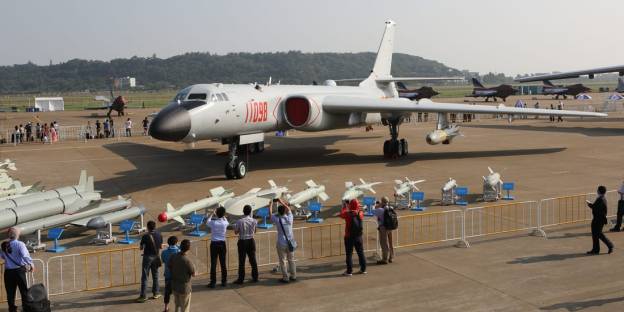
It is a significant move. The deployment of destroyers which carry missile-defence systems and land-attack cruise missiles is especially assertive. After all, the area is the heart of Russian naval power, including the country’s submarine-based nuclear weapons. Russia’s Northern Fleet is based at Severomorsk on the Kola peninsula, to the east of Norway’s uppermost fringes.

Western navies are eager to show that covid-19 has not blunted their swords, at a time when America and France have each lost an aircraft-carrier to the virus. But their interest in the high north predates the pandemic. One purpose of the foray into the Barents Sea was “to assert freedom of navigation”, said America’s navy. Russia has been imposing rules on ships that wish to transit the Northern Sea Route (NSR), an Arctic passage between the Atlantic and Pacific that is becoming increasingly navigable as global warming melts ice-sheets . America scoffs at these demands, insisting that foreign warships have the right to pass innocently through territorial waters under the law of the sea. Although last week’s exercise did not enter the NSR, it may hint at a willingness to do so in the future.

On top of that, the Arctic is a growing factor in NATO defence policy. Russia has beefed up its Northern Fleet in recent years…Russian submarine activity is at its highest level since the cold war…Ten subs reportedly surged into the north Atlantic in October 2019  to test whether they could elude detection….Russia’s new subs are quiet and well-armed. As a result, NATO’s “acoustic edge”—its ability to detect subs at longer ranges than Russia—“has narrowed dramatically.”

Russia primarily uses its attack submarines to defend a “bastion”, the area in the Barents Sea and Sea of Okhotsk where its own nuclear-armed ballistic-missile submarines patrol.  A separate Russian naval force known as the Main Directorate of Deep-Sea Research (GUGI, in its Russian acronym) might also target the thicket of cables that cross the Atlantic.

The challenge is a familiar one. For much of the cold war, NATO allies sought to bottle up the Soviet fleet in the Arctic by establishing a picket across the so-called GIUK gap, a transit route between Greenland, Iceland and Britain that was strung with undersea listening posts….The gap is now back in fashion and NATO is reinvesting in anti-submarine capabilities after decades of neglect. America has stepped up flights of P8 submarine hunting aircraft from Iceland, and Britain and Norway are establishing P8 squadrons of their own. The aim is to track and hold at risk Russian nuclear subs as early as possible, because even a single one in the Atlantic could cause problems across a large swathe of ocean.

GIUK (Greenland, Iceland, UK) gap. Image from wikipedia.

But a defensive perimeter may not be enough. A new generation of Russian ship-based missiles could strike NATO ships or territory from far north of the GIUK gap, perhaps even from the safety of home ports. “This technological development represents a dramatically new and challenging threat to NATO forces…. Similar concerns led the Reagan administration to adopt a more offensive naval posture, sending forces above the gap and into the maritime bastion of the Soviet Union. 

Excerpts from Naval Strategy: Northern Fights, Economist, May 16, 2020

Builiding a Nuclear War Chest: the US Uranium Reserve

The US electricity production from nuclear plants hit at an all-time high in 2019… generating more than 809 billion kilowatt-hours of electricity, which is enough to power more than 66 million homes.  Yet, despite operating the largest fleet of reactors in the world at the highest level in the industry, US ability to produce domestic nuclear fuel is on the verge of a collapse.  

Uranium miners are eager for work, the United States’s only uranium conversion plant is idle due to poor market conditions, and its inability to compete with foreign state-owned enterprises (most notably from China and Russia) is not only threatening US energy security but weakening the ability to influence the peaceful uses of nuclear around the world. Restoring America’s Competitive Nuclear Energy Advantage was recently released by the U.S. Department of Energy (DOE) to preserve and grow the entire U.S. nuclear enterprise…. The first immediate step in this plan calls for DOE to establish a uranium reserve.   Under the Uranium Reserve program, the DOE Office of Nuclear Energy (NE) would buy uranium directly from domestic mines and contract for uranium conversion services. The new stockpile is expected to support the operation of at least two US uranium mines, reestablish active conversion capabilities, and ensure a backup supply of uranium for nuclear power operators in the event of a market disruption [such as that caused the COVID-19 pandemic]. 

NE will initiate a competitive procurement process for establishing the Uranium Reserve program within 2021.  Uranium production in the United States has been on a steady decline since the early 1980s as U.S. nuclear power plant operators replaced domestic uranium production with less expensive imports. State-owned foreign competitors, operating in different economic and regulatory environments, have also undercut prices, making it virtually impossible for U.S. producers to compete on a level-playing field.  As a result, 90% of the uranium fuel used today in U.S. reactors is produced by foreign countries.

Establishing the Uranium Reserve program is exactly what United States needs at this crucial time to de-risk its nuclear fuel supply. It will create jobs that support the U.S. economy and strengthen domestic mining and conversion services….The next 5-7 years will be a whirlwind of nuclear innovation as new fuels and reactors will be deployed across the United States.

Excerpts  from USA plans revival of uranium sector, World Nuclear News, May 12, 2020.  See also Building a Uranium Reserve: The First Step in Preserving the U.S. Nuclear Fuel Cycle, US Office of Nuclear Energy, May 11, 2020.

Will Saudi Arabia Own the United States?

In the coronavirus pandemic’s financial fallout, Saudi Arabia’s $300 billion sovereign-wealth fund has emerged as one of the world’s biggest bargain hunters, taking minority stakes worth billions of dollars in American corporations.  Saudi Arabia’s Public Investment Fund  (PIF)  in the first quarter of 2020 bought shares valued at about half a billion dollars each in Facebook, Walt Disney,  Marriott International,  and Cisco Systems.  The fund bought financial stocks, investing $522 million in Citigroup, and $488 million in Bank of America while also spending $714 million on a stake in Boeing…Crown Prince Mohammed bin Salman, the kingdom’s day-to-day ruler, tasked the sovereign-wealth fund in 2015 with diversifying the country’s economy away from oil by investing in companies and industries untethered to hydrocarbons.

PIF’s recent buying spree highlights a bold strategy of piling into global stocks even as the novel coronavirus and a crash in oil prices mean that Saudi Arabia’s financial position is now the most precarious in a decade. The Saudi government in May 2020 tripled its value-added tax rate and cut subsidies to state employees as it contends with lower oil revenue and an economy weakening under coronavirus lockdown.

Many of the stocks that PIF has targeted are trading at historic lows, bruised by the fallout from the coronavirus and rock-bottom oil prices that have battered stocks of energy companies in 2020. Teh PIF bought in 2020 undisclosed stakes in a bevy of energy companies, including Equinor (Norway), Royal Dutch Shell, Total (France) and Eni (France). The PIF invested $484 million in Shell, $222 million in Total and previously unreported stakes of $828 million in BP $481 million in Suncor Energy and $408 million in Canadian Natural Resources.
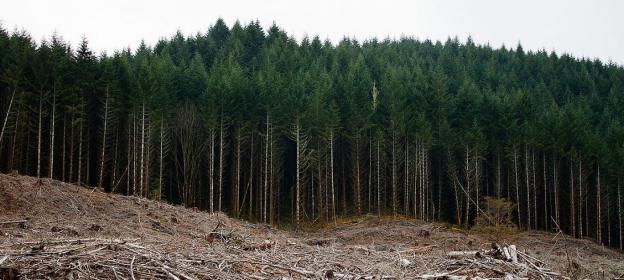
It also purchased shares valued at roughly $80 million each in: Warren Buffett’s Berkshire Hathaway; chipmakers Broadcom and Qualcom ; IBM; drugmaker Pfizer;  Starbucks; railroad company Union Pacific; outsourcer Automatic Data Processing; and Booking.com….On top of the stakes in public companies, PIF is also awaiting regulatory approval for a roughly £300 million ($363 million) buyout of U.K. Premier League soccer team Newcastle United.

Excerpts from Rory Jones and Summer Said, Saudi Sovereign-Wealth Fund Buys Stakes in Facebook, Boeing, Cisco Systems, WSJ, May 18, 2020

Our Cold War Roots: Weaponizing China’s One Child Policy

The elite US special operations forces are ill-equipped for high-tech warfare with China and Russia, experts warn, as the Trump administration pivots from the “war on terror” to a struggle with geopolitical rivals. Special operations, known for kicking down doors and eliminating high-value targets, number 70,000 personnel, cost $13bn a year and have carried much of the burden of the war on terror. But it is unclear what role they will play as the Pentagon moves to redeploy troops from Afghanistan to the Indo-Pacific to counter China’s regional ambitions.

General Richard Clarke, commander of special operations command (Socom), told an industry conference this week that the US needed to develop new capabilities to “compete and win” with Russia and China. He added that Socom must develop cyber skills and focus on influence campaigns rather than “the kill-capture missions” that characterised his own time in Afghanistan after the September 11 2001 attacks. Socom’s fighters include US Navy Seals, Army Green Berets and Marine Corps Raiders. Defence officials say China has raised military spending and research with the aim of exploiting American vulnerabilities, while Russia has tested out new technology during combat in Syria. “Maybe we are further behind than we know,” Colonel Michael McGuire told the annual Special Operations Industry Conference

McGuire highlighted US vulnerabilities in cyber security, and soft-power tactics by America’s enemies that could “drive fissures through some of our alliances”. He proposed shifting focus to defence over attack.   “You could have hundreds and thousands of engagements every single day in a fight against China. We are just not fast enough, dynamic enough or scaleable enough to handle that challenge,” said Chris Brose, chief strategy officer at Anduril…. He added “Most of the US-China competition is not going to be fighting world war three,” he said. “It’s going to be kicking each other under the table.”….

US special operators have for years had the run of the battlefield. But they face very different conditions in any fight against China, which has developed an arsenal of missiles, fighter jets, spy planes and other eavesdropping and jamming techniques that would make it hard for America to conceal troops, transport and communications. Special operations forces are not ready for operations against a near-peer foe, such as China, in a direct engagement… He called for a return to their cold war roots. “Vintage special operations forces is about stealth, cunning and being able to blend in — they were triathletes rather than muscle-bound infantrymen with tattoos,” said the former officer. 

David Maxwell, a former Green Beret and military analyst, is among those who favour a shift towards political warfare.One such idea of his would involve a popular writer being commissioned to pen fictionalised war stories based in Taiwan intended to discourage Beijing from invading the self-governing island. He told a gathering of Pacific special forces operators in February 2020 that fictional losses could “tell the stories of the demise of Chinese soldiers who are the end of their parents’ bloodline”. He argued that Beijing’s former one-child policy could be weaponised to convince China that war would be too costly. But Mr Maxwell said such ideas have yet to catch on. He added that psyops officers lamented to him that it was “easier to get permission to put a hellfire missile on the forehead of a terrorist than it is to get permission to put an idea between his ears”.

Excerpts from Katrina Manson , US elite forces ill-equipped for cold war with China, FT, May 16, 2020

Nuclear Operators: Who Helps India and Pakistian with their Atomic Bombs

Using open-source data, the nonprofit Centre For Advance Defense Studies (C4ADS) report published in April 2020 provides one of the most comprehensive overviews of networks supplying the rivals, in a region regarded as one of the world’s most dangerous nuclear flashpoints.

To identify companies involved, C4ADS analysed more than 125 million records of public trade and tender data and documents, and then checked them against already-identified entities listed by export control authorities in the United States and Japan. Pakistan, which is subject to strict international export controls on its programme, has 113 suspected foreign suppliers listed by the United States and Japan. But the C4ADS report found an additional 46, many in shipment hubs like Hong Kong, Singapore and the United Arab Emirates. The father of Pakistan’s atomic bomb, AQ Khan, admitted in 2004 to selling nuclear technology to North Korea, Iran and Libya. He was pardoned a day later by Pakistani authorities, which have refused requests from international investigators to question him.

India has a waiver that allows it to buy nuclear technology from international markets. The Indian government allows inspections of some nuclear facilities by the International Atomic Energy Agency, but not all of them. C4ADS identified 222 companies that did business with the nuclear facilities in India that had no IAEA oversight. Of these, 86 companies did business with more than one such nuclear facility in India.

Both countries are estimated to have around 150 useable nuclear warheads apiece, according to the Federation of American Scientists, a nonprofit group tracking stockpiles of nuclear weapons.

Excerpts from Alasdair Pal, Exclusive: India, Pakistan nuclear procurement networks larger than thought, study shows, Reuters, Apr. 30, 2020

Wasted Energy: Methane Leakage in Permian Basin


The methane over the Permian Basin emitted by oil companies’ gas venting and flaring is double previous estimates, and represents a leakage rate about 60% higher than the national average from oil and gas fields, according to the research, which was publishe in the journal Science Advances. Methane is the primary component of natural gas. It also is a powerful driver of climate change that is 34 times more potent than carbon dioxide at warming the atmosphere over the span of a century. Eliminating methane pollution is essential to preventing the globe from warming more than 2 degrees Celsius (3.6 degrees Fahrenheit)—the primary target of the Paris climate accord, scientists say.

The researchers used satellite data gathered in 2018 and 2019 to measure and model methane escaping from gas fields in the Permian Basin, which stretches across public and private land in west Texas and southeastern New Mexico. The leaking and flaring of methane had a market value of nearly $250 million in April 2020.

Methane pollution is common in shale oil and gas fields such as those in the Permian Basin because energy companies vent and burn off excess natural gas when there are insufficient pipelines and processing equipment to bring the gas to market. About 30% of U.S. oil production occurs in the Permian Basin, and high levels of methane pollution have been recorded there in the past. Industry groups such as the Texas Methane and Flaring Coalition have criticized previous methane emission research. The coalition has repeatedly said (Environmental Defense Fund) EDF’s earlier Permian pollution data were exaggerated and flawed.

The Texas Railroad Commission, which regulates the oil and gas industry in Texas, allows companies to flare and vent their excess gas. The commission didn’t respond to a request for comment.

The use of satellites to measure methane is a different approach than the methods used by federal agencies, including the EPA, which base their estimates on expected leakage rates at oil and gas production equipment on the ground. A “top-down” approach to measuring methane using aircraft or satellite data almost always reveals higher levels of methane emissions than the EPA’s “bottom-up” approach.

Excerpts from Permian Oil Fields Leak Enough Methane for 7 Million Homes, Bloomberg Law, Apr. 22, 2020,

Crude Oil in the Bile of Fish: BP Horizon Oil Spill

Since the 2010 BP oil spill, marine scientists at the University of South Florida (USF) have sampled more than 2,500 individual fish representing 91 species from 359 locations across the Gulf of Mexico and found evidence of oil exposure in all of them, including some of the most popular types of seafood. The highest levels were detected in yellowfin tuna, golden tilefish and red drum. The study represents the first comprehensive, Gulf-wide survey of oil pollution launched in response to the Deepwater Horizon spill.

Over the last decade have examined the levels of polycyclic aromatic hydrocarbons (PAHs), the most toxic chemical component of crude oil, in the bile of the fish. Bile is produced by the liver to aid in digestion, but it also acts as storage for waste products.

“We were quite surprised that among the most contaminated species was the fast-swimming yellowfin tuna as they are not found at the bottom of the ocean where most oil pollution in the Gulf occurs,” said lead author Erin Pulster…Pulster says it makes sense that tilefish have higher concentrations of PAH because they live their entire adult lives in and around burrows they excavate on the seafloor and PAHs are routinely found in Gulf sediment. However, their exposure has been increasing over time, as well as in other species, including groupers, some of Florida’s most economically important fish. …

Oil pollution hot spots were also found off major population centers, such as Tampa Bay, suggesting that runoff from urbanized coasts may play a role in the higher concentrations of PAHs. Other sources include chornic low-level releases from oil and gas platforms, fuel from boats and airplanes and even natural oil seeps — fractures on the seafloor that can ooze the equivalent of millions of barrels of oil per year.

Excerpts from Firste Gulf of Mexico-wide survey of oil pollution completed 10 years after Deepwater Horizon, Science Daily, Apr. 15, 2020

Our Biggest Weakness: Weak Biodefenses + Malicious Viruses

The coronavirus that has killed over 180,000 people worldwide was not created with malice. Analysis of its genome suggests that, like many new pathogens, it originated by natural selection rather than human design. But …“Covid-19 has demonstrated the vulnerability of the US and global economy to biological threats, which exponentially increases the potential impact of an attack,” says Richard Pilch of the Middlebury Institute of International Studies. In theory, bioweapons are banned. Most countries in the world are party to the Biological Weapons Convention (BWC) of 1975, which outlaws making or stockpiling biological agents for anything other than peaceful purposes. But some countries probably make them secretly, or keep the option close at hand. America accuses North Korea of maintaining an offensive biological-weapons programme, and alleges that China, Iran and Russia dabble in dual-use biolgical research (for peaceful and military usage) research. Toxins like ricin have also been bought and sold on shady recesses of the internet known as the dark web.

Germ warfare briefly rose to prominence in September 2001, when letters laced with anthrax spores were mailed to American news organisations and senators, killing five people. That was a wake-up call. Public health became part of national security. BioWatch, a network of aerosol sensors, was installed in more than 30 cities across America. But in recent years threats from chemical weapons, like the sarin dropped by Syria’s air force and the Novichok smeared on door handles by Russian assassins, took priority.

Though the Trump administration published a national biodefence strategy in 2018, it shut down the National Security Council’s relevant directorate and proposed cuts to the laboratories that would test for biological threats. Funding for civilian biosecurity fell 27% between fiscal years 2015 and 2019, down to $1.61bn—less than was spent on buying Black Hawk helicopters.

Yet many pathogens used as weapons tend to differ from respiratory viruses in important ways. Those like anthrax, caused by bacteria which form rugged and sprayable spores, but do not spread from human to human, have the advantage of minimising the risk of rebound to the attacker. With the notable exception of smallpox—a highly contagious and lethal virus that was eradicated in 1979 but preserved by the Soviet Union for use against America (but not Europe), and now exists only in two laboratories, in America and Russia—most biological weapons would therefore have more localised effects than the new coronavirus.

Even so, the slow and stuttering response to the pandemic has exposed great weaknesses in how governments would cope…demonstrating that every part of public-health infrastructure is either broken or stretched to the max. The centrepiece of America’s biosurveillance programme, a network of laboratories designed for rapid testing, failed, says Mr Koblentz, while the national stockpile of face masks had not been substantially replenished in over a decade. Would-be attackers will take note.

In 2016 American intelligence agencies singled out genome editing as a national-security threat for the first time. Two years later a major study by the National Academies of Sciences, Engineering, and Medicine warned that synthetic biology, a potent set of methods for tinkering with or creating organisms, could, in time, be used to re-create viruses like smallpox or make existing pathogens more dangerous, such as resistant to antibiotics. In 2011 Dutch and Japanese scientists said that they had created a version of bird flu that could be transmitted between mammals by the respiratory route—an announcement that prompted the Netherlands to treat the relevant academic papers as sensitive goods subject to export controls.

In January 2020 Canadian scientists funded by an American biotech company used synthetic DNA from Germany to synthesise a microbe closely related to smallpox, indicating the ease with which it could be done. “If a potential bad actor pursues a weapons capability using sars-cov-2, the virus is now attainable in laboratories all around the world, and blueprints for assembling it from scratch have been published in the scientific literature.”

 The trouble is that biodefence has evolved slowly, says Dan Kaszeta, a former biological weapons adviser to the White House. Compact devices that can detect chemical threats and warn soldiers to don a gas mask have long been available. “That doesn’t exist for anthrax or any of the other aerosol pathogens,” says Mr Kaszeta. “Telling the difference between an anthrax spore and a bit of tree pollen is not something you can do in a couple of seconds.”

Excertps from Biodefence: Spore Wars, Economist, Apr. 25, at 19

What the Naked Eye Can’t See: Nanoplastics in Food and Sea

Smaller plastic particles are especially dangerous, because they are easily ingested and can enter organs and body fluids of organisms and thus propagate up the food chain. The fact that these particles are also co-contaminated with various chemicals and other pollutants makes accurate assessments of the effects and toxicity of plastic pollution challenging. A group of scientists led by the IAEA has recently published a comprehensive review on the effects on fish of ‘virgin’ micro- and nano-plastics – tiny plastic particles such as resin pellets used in plastics manufacturing. The review, published in the journal Environmental Science and Technology in March 2020, revealed that in 32% of all studies assessed, such virgin plastic particles were indeed affecting biological functions in fish, such as their behavior and neurological functions, as well as their metabolism, intestinal permeability and intestinal microbiome diversity.

Plastic particles below 5 mm in length are called microplastics. The smaller ones, with a size equal to or less than 100 nm (1/10 000 mm) are called nanoplastics. They are so tiny that one cannot see them with naked eye or even with an ordinary optical microscope.

According to the UN Environment Programme, 8 million tonnes of plastic end up the world’s oceans every year, often carried there by rivers. If the trend continues, by 2050 our oceans could contain more plastic than fish Microplastic particles are accidentally consumed by marine organisms, which are then consumed by predator fish. Nanoplastic particles are even more toxic to living organisms as they are more likely to be absorbed through the walls of digestive tracts and thereby transported into the tissues and organs. Consequently, such plastic particles can interfere with various physiological processes, from neurotransmission to oxidative stress and immunity levels of freshwater and marine organisms.

Jennet Orayeva, New Research on the Possible Effects of Micro-and Nano-plastics on Marine Animals

Naked Commercial Whaling and Toxic Whale Meat

Scientific “research” was also the reason Japan’s government gave for continuing to kill whales in the vast Southern Ocean after a global moratorium on commercial whaling came into force in 1985. But international criticism along with environmental groups’ attempts to sabotage the annual hunt proved too costly to Japan’s reputation and purse (the government bankrolled the hunt). In late 2018 Japan declared it was giving up killing in the Southern Ocean .

The Southern Ocean is now a sanctuary. But it comes at a cost. Japan walked out of the International Whaling Commission (IWC), accusing the anti-whaling members of failing to appreciate the cultural significance of whaling in Japan and of imposing their values on others. Freed from the IWC’s strictures, the government said commercial whaling would resume in Japan’s own extensive waters. But…whaling in home waters is troubling. Most whale populations in the Southern Ocean are healthy. In Japanese waters, stocks are less bountiful….

The whaling lobby is powerful in Japan. For now, the subsidies continue, supposedly to help ease the switch to nakedly commercial whaling but they coud be gone in two or three years. Other fleets complain that whaling gets far more than its fair share of subsidies for fisheries.

The challenges are immense. Whalemeat consumption has fallen from 230,000 tonnes a year in the early 1960s to 3,000 tonnes today, and whale is no longer cheap. Local whales have higher accumulations of toxins (such as a mercury) than those in the Southern Ocean. One packager of sashimi admits he sources his whale meat from Norway.

Excertps from Japan wants to catch whales. But who will eat them?, Economist, Apor. 25, 2020

Elephants and Cattle: Benefits of Co-existence

Wildlife and cattle can coexist.  In fact, elephants can help distribute nutrients into the soil, via their poop and their habit of knocking over trees…Common grass contained about 50% more nitrogen in the grazing areas with elephants than the areas without them, making that grass more nutritious. That should benefit both cows and smaller wildlife, such as gazelles….This is why ranchers must protect elephants.

Excerpts from Conservation Ecology: Elephants Restore Depleted Soil, Science Mag., Apr. 3, 2020, at 12

Made in China, Always? COVID-19, the Survival of Resilience

As they walk through the valley of the shadow of death brought by COVID-19 chief executives and corporate strategists are beginning to look to the post-covid world to come. What they think they see, for good or ill, is an acceleration. Three existing trends—the deglobalisation unpicking the business world that grew up in the 2000s; the infusion of data-enabled services into ever more aspects of life; a consolidation of economic power into the hands of giant corporations—look likely to proceed at a faster rate than before, and perhaps to go further, too…

China’s government may encourage its state-owned firms to go global by buying distressed car companies in Europe. The share price of Daimler is less than half what it was when Geely, a Chinese carmaker, bought a 10% stake in 2018. Car companies may also see offers from technology giants keen to improve co-operation between metal bashers and the engineers of autonomy—currently wary at best. The healthier airlines, such as Qantas and IAG, owner of British Airways, will snap up airport slots from their bankrupt rivals and may try to acquire others only just staying aloft. Private-equity firms, which have mountains of committed investor cash, may start buying up fundamentally sound but impecunious suppliers in various industries, aware that when demand returns such companies will see its first fruits…

In 2019 many global firms sought to reduce their dependency on China. One of their favoured strategies was to put more business into factories elsewhere in Asia.  But the acute stage of China’s covid-19 crisis made it clear how essential China remains as a provider of inputs to such factories elsewhere in Asia and around the world. “What people thought was a global supply chain was a Chinese supply chain,”…

Joerg Wuttke, president of the EU Chamber of Commerce in China, says that if there is one lesson people are drawing from the pandemic in this regard it is that “single source is out and diversification is in.” In other words, companies do not just need suppliers outside China. They need to build out their choice of suppliers, even if doing so raises costs and reduces efficiency

Excerpts from Sinking, Swimming and Surfing, Economist,  Apr. 11, 2020, at 13

Craving Nuclear Energy: Emerging Nations

According to World Nuclear Assocation as of March 2020, about 30 countries are considering, planning or starting nuclear power programmes, and a further 20 or so countries have at some point expressed an interest.

In Europe: Albania, Serbia, Croatia, Portugal, Norway, Poland, Belarus, Estonia, Latvia, Lithuania, Ireland, Turkey.
In the Middle East and North Africa: Gulf states including UAE, Saudi Arabia, Qatar and Kuwait; Yemen, Israel, Syria, Jordan, Egypt, Tunisia, Libya, Algeria, Morocco, Sudan.
In west, central and southern Africa: Nigeria, Ghana, Senegal, Kenya, Uganda, Tanzania, Zambia, Namibia, Rwanda, Ethiopia.
In Central and South America: Cuba, Chile, Ecuador, Venezuela, Bolivia, Peru, Paraguay.
In central and southern Asia: Azerbaijan, Georgia, Kazakhstan, Mongolia, Bangladesh, Sri Lanka, Uzbekistan.
In SE Asia and Oceania: Indonesia, Philippines, Vietnam, Thailand, Laos, Cambodia, Malaysia, Singapore, Myanmar, Australia.

The Connection between Nuclear Energy and Nuclear Weapons

State-owned nuclear companies in Russia and China have taken the lead in offering nuclear power plants to emerging countries includingfinance and fuel services.

Excerpts from Emerging Nuclear Energy Countries, Press Release, World Nuclear Association, Mar. 20, 2020

Can Traditional Medicine Cure COVID-19? China’s Take

Around the world officials are advising people to be wary of alternative treatments for covid-19. The opposite is true in China, where remedies known as traditional Chinese medicine (TCM) are being heavily promoted by the state. In January 2020, as the crisis escalated, the health ministry listed TCM treatments among those it recommended for the disease. It sent nearly 5,000 specialists to Hubei to administer them to patients (including sufferers at a sports centre in Wuhan that was turned into a TCM hospital for people with mild symptoms). Now China is keen to promote its remedies abroad.  TCM practitioners have joined Chinese medical teams sent to help manage outbreaks in Cambodia, Iraq and Italy. In mid-March, 2020 state media quoted a Tanzanian health official saying that China’s use of TCM for covid-19 may be “a model” for Africa to follow…

The use of animals in TCM sometimes involves appalling cruelty. One of the TCM remedies that the health ministry has recommended for use in the treatment of covid-19 patients includes powdered bear bile. In China this is often extracted from live bears kept in grim farms even though its active ingredient can be created synthetically. In February 2020 China banned the sale of wild animals as food—close contact in markets between live specimens and merchants may have helped the coronavirus to leap from animal to human. But the new rules do not prevent trappers and breeders from selling animal parts for use in TCM.

Officials do not say that traditional remedies can cure covid-19. But they do claim that TCM can reduce death rates by preventing patients with mild or moderate symptoms from developing more serious ones. They also say that TCM can speed up recovery. A website set up by China Daily, a state newspaper, called “Fighting covid-19 the Chinese way”, says that TCM can “remove the trash which causes illness”, leaving the virus “no room to survive”.

Excerpts from Fighting it the Chinese Way: Traditional Medicine, Economist, Apr. 11, 2020

A Nasty Divorce: US-China Internet Cables

United States officials granted Google permission to turn on a high-speed internet link to Taiwan but not to the Chinese territory of Hong Kong, citing national-security concerns in a ruling that underscores fraying ties between Washington and Beijing.“There is a significant risk that the grant of a direct cable connection between the United States and Hong Kong wouldpose an unacceptable risk to the national security and law enforcement interests of the United States,” the U.S. Department of Justice said in its decision, which was backed by the departments of Homeland Security and Defense. The agencies instead urged the Federal Communications Commission to grant Google owner Alphabet  permission to start using the portion of its 8,000-mile underwater Pacific Light cable that connects California to Taiwan. .

The decision threatens to end Hong Kong’s dominance as a top destination for U.S. internet cables and puts at risk several ongoing projects, including a Facebook backed fiber-optic line linking Los Angeles to Hong Kong and a Google-backed project linking Hong Kong to the U.S. territory of Guam.

Washington is turning to the self-ruling island of Taiwan, which the U.S. supports with arms sales and unofficial political ties despite Beijing’s claims that it is part of China. U.S. officials are also considering alternatives such as Indonesia, Philippines, Thailand, and Vietnam.

Google and Facebook originally teamed up to build Pacific Light to Hong Kong in 2016, continuing the Silicon Valley giants’ long-term strategy to take more control of the network pipes that connect their data centers. The web companies and their Chinese investment partners kept building the cable even as U.S. authorities withheld the regulatory approvals they needed to start using it.

Major international data projects are subject to review by Team Telecom, a coalition of federal agencies with national-security oversight. The panel has taken a hard line against China in recent years. Team Telecom in 2018 recommended for the first time the denial of a Chinese application—that of China Mobile —to provide telecom services through U.S. networks, citing national-security and law-enforcement concerns.

President Trump on April 4 2020 signed an executive order that puts the attorney general in charge of overseeing Team Telecom and gives the panel direct authority to review existing licenses to provide such services, including those issued earlier to Chinese state-owned operators China Telecom and China Unicom.

Excerpts from Drew FitzGerald and Kate O’Keeffe, U.S. Allows Google Internet Project to Advance Only if Hong Kong Is Cut Out, WSJ, Apr. 9, 2020

Plastic Bags Back in Vogue: Blame COVID or Plastics Industry?

Plastic bags may make a temporary comback in some places because of COVID-19.
In a setback, albeit temporary, for efforts to combat plastic waste, many state and local governments have suspended plastic bag bans and are prohibiting the use of reusable bags to stem the spread of COVID-19. The plastics industry is pushing for such measures, causing environmentalists to cry foul. San Francisco, which has been at the forefront of single-use plastics restrictions, issued an order “not permitting customers to bring their own bags, mugs, or other reusable items from home” as a measure “to prevent unnecessary contact.” Maine is delaying enforcement of its plastic bag ban to Jan. 15, 2021, after originally planning to roll it out on April 22—Earth Day….

The plastics industry has been advocating for such measures. In recent weeks, Bag The Ban, an initiative sponsored by the American Recyclable Plastic Bag Alliance, has endorsed editorials in newspapers such as the Boston Herald and the New Hampshire Union Leader advocating use of plastic bags to protect grocery workers from COVID-19.

Writing to the US Department of Health and Human Services, the Plastics Industry Association made a similar point. “Single-use plastic products are the most sanitary choice when it comes to many applications.” The association cited research on reusable bags, including a 2011 study from Loma Linda University and the University of Arizona that tested bags from shoppers selected randomly at the grocery store and found bacteria such as E. coli on 8% of them. It also pointed to a 2012 outbreak of norovirus in Oregon linked to use of a reusable food bag and cited a 2019 study from Portugal that found bacteria in bags.

Alexander H. Tullo, Plastic bag bans rolled back for COVID-19, Apr. 7, 2020

U.S. Desperation for Face Masks: Wild West or Piracy?

From Europe to South America, U.S. allies are complaining about the superpower’s “Wild West” tactics in outbidding or blocking shipments to buyers who have already signed deals for vital medical supplies. …”Money is irrelevant. They pay any price because they are desperate,” one high-level official in German Chancellor Angela Merkel’s ruling CDU/CSU group told Reuters….In April 5, 2020, US President Trump said he was signing a directive to stop the export of N95 respirator masks, which provide essential protection for health-care workers, and other U.S. medical equipment. Furthermore, 3M, a US company, said that the White House had ordered it to stop all shipments to Canada and Latin America of respirators that it manufactures in the U.S., despite what 3M called “significant humanitarian implications.”

In another case, an order of 200,000 masks bound for Germany was diverted to the U.S….Germany’s Secretary of Interior Andreas Geisel called it an “act of modern piracy.” He stated that: “even in times of global crisis, you shouldn’t use Wild West methods.”

U.S. allies complain of ‘Wild West’ tactics in race for medical supplies, Reuters, April 56, 2020

Can’t Treat Covid-19 with Flip-Flops

The U.S. Covid-19 response remains a work in progress—fragmented, chaotic, and plagued by contradictory messaging from political leaders, [such as the flip-flops on the use of face masks, see Stop Buying Face Masks , Learn How to Make Your Own Face Mask]. …

 “We don’t have a national plan,” says epidemiologist Michael Osterholm of the University of Minnesota, Twin Cities. “We are going from press conference to press conference and crisis to crisis … trying to understand our response.”…Even if lockdowns succeed at halting the virus…. the United States needs to marshal massive resources to monitor for new outbreaks and quickly contain them…. Identifying cases and contacts and isolating them will require a huge increase in public health workers at the local level….The absence of nationwide coordination highlights the division of legal power between the federal and state governments…. Governors, not federal officials, typically hold police powers to shut businesses and enforce curfews. But many are reluctant to invoke those powers and suffer the political costs without clear direction from above….“The closest comparison here, in terms of national mobilization, is a war. And there is no way the United States would fight a war as 50 separate states.”

Excerpts from United States Strains to Act as Cases Set Record, Science Magazine, Apr. 3, 2020, at 6488.

Genes that Atttack Plastic

A common fixture in refrigerators, furniture and footwear, polyurethane plastic is pretty much always in high demand. Humans worldwide cycle through millions of tons of the durable substance each year, sending the bulk of what’s not recycled to garbage dumps, where it leaks toxic chemicals into the environment as it very slowly breaks down. At least one of Earth’s organisms sees the stuff as a boon: a bacterial strain called Pseudomonas sp.TDA1. This polyurethane-munching microbe seems to thrive in waste dump sites. Studying the Pseudomonas strain and the chemical strategies it deploys could someday help researchers put a small dent in the world’s plastic problem, which has cumulatively saddled the planet with more than 8 billion tons of slow-degrading synthetic material.

Pseudomonas sp. TDA1 is one of only a few microbes known to be tolerant to polyurethane plastic’s typically toxic properties. What’s more, the bacteria doesn’t just withstand the plastic’s harsh ingredients: it uses some of them as a food source… But while the bacterium can metabolize a subset of the chemicals in polyurethane plastic, it doesn’t seem able to break down these products completely. In-depth studies of Pseudomonas sp. TDA1 will reveal the genes crucial to these plastic-attacking abilities. Understanding how these genes and their products work could help scientists engineer synthetic approaches to tackling plastic in the future.

Excerpts from Katherine J. Wu, Scientists Discover Plastic-Munching Microbe in Waste Site, SMITHSONIANMAG.COM, Mar. 31, 2020

Oceans Restored: the 2050 Deadline

A study published in Nature on April 2, 2020 claims that marine ecosystems could recover in just 30 years because of the growing success of conservation efforts and the ocean’s remarkable resilience. Some of these conservation efforts include the increase in Marine Protected Areas (MPAs) from less than 1 percent in 2000 to almost 8 percent today and the restoration of key habitats such as seagrass beds and mangroves

One great success is the restoration of humpback whales that migrate between Antarctica and eastern Australia. Their numbers have rebounded from a few hundred in 1968 to more than 40,000 today. Sea otters in Western Canada have also jumped from dozens in 1980 to thousands. Green turtles in Japan, grey seals and cormorants in the Baltic and elephant seals in the United States have all also made remarkable comebacks. However, “If we don’t tackle climate change and raise the ambition and immediacy of these efforts, we risk wasting our efforts,” Duarte, one of the authors of the study, told BBC News. The initial price tag on all this is hefty: $10 to $20 billion a year until the 2050 recovery date.

Excerpts from Oceans Can Recover by 2050, Study Shows, EcoWatch, Apr. 2, 2020

Better Alive than Dead: The Crocodile Trade

Around 6m tonnes of bush meat are thought to come out of the Congo Basin each year… The trade has emptied out parts of the forest; 39% of it is at severe risk of over-hunting, the study says. Everything from bonobos (an endangered species of ape) to cobras, antelopes and, occasionally, elephants, appear at market stalls in Mbandaka.

Over-hunting has made life more dangerous for crocodile hunters. The number of dwarf crocodiles, once common in the Congo river, is dwindling. So hunters have to chase the ferocious Nile crocodile instead. There are plenty of those. Their scaly bodies stretch to six metres and they often kill humans. Stalkers in canoes go after them at night, shining a torch while stirring the water. “The crocodile does not like that,” says Mr Nyalowala. “He begins to writhe and then comes to attack.” As the animal pounces so do its pursuers, spearing it.

A live crocodile fetches more than a dead one in the markets in Mbandaka, so hunters bind their jaws and transport them some 200km downstream in their canoes. They sell for around $150 each. A teacher at a state school, by comparison, earns around $170 a month, though many did not get paid at all last year.

Croc in the pot: The toils and spoils of Congo’s crocodile-killers, Economist, Mar. 19, 2020

Even the Oceans are not Free: Swarming the Seas

The Ocean of Things of Defence Advanced Research Projects Agency (DARPA) aims to  wire up the high seas with swarms of floating, connected sensors.  Such devices are not in themselves new. There are around 6,000 floating sensors deployed around the world’s oceans, run by navies and research institutes. What is unprecedented is the scale of  DARPA’s ambition. Over the next few years it hopes to deploy 50,000 sensors across 1m square kilometres of sea, an area considerably larger than Texas. The eventual goal—much more distant—is to enable the continuous monitoring and analysis of a significant fraction of the world’s oceans.

Existing “floating instrument packages”, known as floats or drifters, are often custom-built, and usually contain the highest-quality instruments available. They therefore tend to be expensive, and are bought only in small numbers. A typical existing float, designed for scientific research, is the Argo. It costs around $20,000, and can measure water temperature and salinity.  The Ocean of Things takes the opposite approach. The aim is to cram as many cheap, off-the-shelf components as possible into a single low-cost package. Current float prototypes cost around $750…That would allow tens of thousands to be deployed without breaking the bank. Large numbers are crucial for coverage. They also help compensate for inaccuracies in individual instruments.

The project’s researchers are evaluating three designs from different manufacturers, ranging in size from about six to 18 litres. One, proposed by Xerox’s Palo Alto Research Centre, is made of glass, like a traditional Japanese fishing float. A second, from a firm called Areté Associates, has an aluminium shell, and uses wood for buoyancy. Both models feature solar panels. The third, made by a company called Numurus, is made of lacquered cardboard, and relies entirely on its batteries. All three are designed to last for a year or so and are made to be as environmentally friendly as possible, with minimal use of plastics. That is important because, at the end of their mission, the floats are designed to scuttle themselves

With 361m square kilometres of ocean on the planet, a true Ocean of Things, monitoring everything on and under the water, would require about 18m floats.

Excerpts from Big Wet Data: The Ocean of Things, Economist, Mar. 14, 2020

The Nuclear Reactors Buried in the Deep Sea

The Soviet Union used the waters east of Novaya Zemlya to dump reactors, spent nuclear fuel and solid radioactive waste from both the navy and the fleet of nuclear-powered civilian icebreakers. About 17,000 objects were dumped in the period from the late 1960s to the late 1980s. Most of the objects are metal containers with low- and medium level radioactive waste. The challenge today, though, are the reactors with high-level waste and spent uranium fuel, objects that will pose a serious threat to the marine environment for tens of thousands of years if nothing is done to secure them.

The reactors from the submarines K-11, K-19 and K-140, plus the entire submarine K-27 (in the Kara Sea) and spent uranium fuel from one of the old reactors of the Lenin-icebreaker have to be lifted and secured. Also, the submarine K-159 (in the Barents Sea) that sank north of Murmansk while being towed for decommissioning in 2003 have to be lifted from the seafloor, the experts conclude. A study report made for Rosatom and the European Commission has evaluated the costs of lifting all six objects, bringing them safely to a yard for decommissioning and securing the reactors for long-term storage. The estimated price-tag for all six will €278 millions, of which the K-159 is the most expensive with a cost of €57.5 millions. Unlike the submarines and reactors that are dumped in relatively shallow waters in the Kara Sea, the K-159 is at about 200 meters depth, and thus will be more difficult to lift.

Excerpts from Thomas Nilsen, Lifting Russia’s accident reactors from the Arctic seafloor will cost nearly €300 million, Mar. 8, 2020

Survivable Nuclear Weapons: Count on Them

The U.S. Defense Department said on February 4, 2020 the Navy had fielded a low-yield, submarine-launched ballistic missile warhead, something the Pentagon believes is needed to deter adversaries like Russia but which critics say lowers the threshold for using nuclear weapons.  Low-yield nuclear weapons, while still devastating, have a strength of less than 20 kilotons. The atomic bomb dropped on Hiroshima, in August 1945, had about the same explosive power.

“This supplemental capability strengthens deterrence and provides the United States a prompt, more survivable low-yield strategic weapon,” John Rood, the under secretary of defense for policy, said in a statement.  “(It) supports our commitment to extended deterrence; and demonstrates to potential adversaries that there is no advantage to limited nuclear employment because the United States can credibly and decisively respond to any threat scenario,” Rood added….

“The administration’s decision to deploy the W76-2 warhead remains a misguided and dangerous one. The deployment of this warhead does nothing to make Americans safer,” Democratic Representative Adam Smith, chairman of the House Armed Services Committee, said in a statement.  The United States already has air-launched, low-yield nuclear weapons and critics say that should be sufficient….

Excerpts from Idrees Ali U.S. deploys ‘more survivable’ submarine-launched low-yield nuclear weapon, Reuters, Feb. 4, 2020

How to Create a National Park? Beat Up and Intimidate Indigenous Peoples

Armed ecoguards partly funded by the conservation group WWF to protect wildlife in the Republic of the Congo beat up and intimidated hundreds of Baka pygmies living deep in the rainforests, according to a UNDP investigation. A team of investigators sent to northern Congo by the UN Development Programme (UNDP) to assess allegations of human rights abuses gathered “credible” evidence from different sources that hunter-gatherer Baka tribespeople living close to a proposed national park had been subjected to violence and physical abuse from the guards over years, according to a leaked draft of the report obtain by the Guardian in February 2020.

The allegations, reported to the UN in 2019, included Baka tribespeople being beaten by the ecoguards, the criminalisation and illegal imprisonment of Baka men, summary evictions from the forest, the burning and destruction of property, and the confiscation of food.  In addition, the UNDP’s social and environmental compliance unit heard how the ecoguards allegedly treated the Baka men as “sub-human” and humiliated some Baka women by forcing them to take off their clothes and “be like naked children”.

The report says: “These beatings occur when the Baka are in their camps along the road as well as when they are in the forest. They affect men, women and children. Other reports refer to ecoguards pointing a gun at one Baka to force him to beat another and guards taking away the machetes of the Baka, then beating them with those machetes.

“There are reports of Baka men having been taken to prison and of torture and rape inside prison. The widow of one Baka man spoke about her husband being so ill-treated in prison that he died shortly after his release. He had been transported to the prison in a WWF-marked vehicle.”

The draft report, dated 6 January 2020, adds: “The violence and threats are leading to trauma and suffering in the Baka communities. It is also preventing the Baka from pursuing their customary livelihoods, which in turn is contributing to their further marginalisation and impoverishment.”

The $21.4m (£16.6m) flagship Tridom 11 project in northern Congo set up in 2017 with money from the WWF, UNDP, the European commission, US and Congolese governments and the Global Environment Facility, as well as logging and palm oil conglomerates, includes as its centrepiece a 1,456 sq km area of forest known as Messok Dja.

This global biodiversity hotspot is rich in wildlife, including elephants, gorillas and chimpanzees, and has been lived in and used for the hunting of small game by the semi-nomadic Baka tribes for millennia. The WWF has pressed for it to be designated a protected area, or national park, for 10 years, on the grounds that it will reduce wildlife crime and act as an ecological corridor linking national parks in neighbouring Cameroon.

The WWF says the ecoguards were employed by the Congolese government, but admits contributing to their training and wages along with other funders through the Tridom interzone project (ETIC), a Congo government collaboration with WWF. It adds that there are no legal restrictions preventing Baka using the forests….The investigators also identified multiple failures of the UNDP to adhere to human rights policies and standards, and said little consideration had been given to the impact of the project on the Baka peoples….Investigators also said they found no evidence that the UNDP had taken into account the risk of co-financing the project with palm oil and logging companies whose work by its nature threatens large-scale biodiversity loss.

The report strongly criticises the way conservation is practised in central Africa. “The goal of establishing Messok Dja as a protected area was pursued by following the established patterns of conservation projects in the Congo Basin, which largely exclude indigenous peoples and treat them as threats rather than partners,” it says.

Excerpts from John Vidal, Armed ecoguards funded by WWF ‘beat up Congo tribespeople’, Guardian, Feb, 3, 2020

Hunting Down Polluters from Space

When scanning for emissions from a mud volcano in western Turkmenistan in January 2019, a satellite called Claire came across a large plume of methane drifting across the landscape. … The company operating the satellite, GHGSAT passed details via diplomats to officials in Turkmenistan, and after a few months the leaks stopped. This largely unknown incident illustrates two things: that satellites can play an important role in spotting leaks of greenhouse gases and, rather worryingly, that the extent of such leaks is often greatly underestimated. The data from Claire suggested the leak in Turkmenistan had been a big one…142,000 tonnes of methane. This made the Turkmenistani leak far bigger than the 97,000 tonnes of methane discharged over four months by a notorious blowout at a natural-gas storage facility in Aliso Canyon, California, in 2015, which is reckoned to have been the worst natural-gas leak yet recorded in America. There have been other big leaks, too…

The reason for concern is that although methane, the main constituent of natural gas, does not linger in the atmosphere for anywhere near as long as carbon dioxide does, it is a far more potent heat-trapping agent. About a quarter of man-made global warming is thought to be caused by methane. And between a fifth and a third of the methane involved is contributed by the oil and gas industry. Methane can be detected spectroscopically. Like other gases, it absorbs light at characteristic frequencies. With a spectrometer mounted on a satellite it is possible to analyse light reflected from Earth for signs of the gas. As with the satellites that carry them, spectrometers come in many shapes and sizes. Tropomi can also detect the spectral signs of other polluting gases, such as nitrogen dioxide, sulphur dioxide and carbon monoxide.

Other methane-hunting satellites are coming. These include one due for launch in 2022 by Methanesat, an affiliate of the Environmental Defence Fund, an American non-profit organisation. The 350kg satellite will cost $88m to build and put into orbit. It will scan an area of land 200km wide with a resolution of 1km by 1km. According to Methanesat, it will be the most sensitive to emission levels yet, being able to detect methane concentrations as low as two parts-per-billion. Data collected by the satellite will be publicly available.

Excerpts from The Methane Hunters, Economist, Feb. 1 2020

Ethical Killing: Landmines

During the Gulf war of 1991, no fewer than 117,000 landmines were showered over Kuwait and Iraq by American planes. This barely dented the Pentagon’s vast stockpile of 19m. Just under a quarter of the devices scattered in the path of Saddam Hussein’s army were anti-personnel landmines (APLs), the sort that would soon be banned by the Anti-Personnel Mine Ban Convention of 1997, widely known as the Ottawa treaty. The Ottawa treaty has 164 parties, all of which ban the production and use of APL (anti-vehicle mines, among others, are still allowed). America is not among them. When the treaty was finalised, America declined to join (other holdouts include China, Cuba, Iran, Russia and Syria).

Landmines have a number of military uses. They are typically used to channel opposing armies away from particular areas and into others. A minefield can force an enemy to turn, which exposes their flank and makes them especially vulnerable, says Vincent Brooks, a retired general who commanded American forces in South Korea in 2016-18. They can also be used to “canalise” the enemy, channelling attackers into unfavourable terrain, where they may be more exposed to concentrated artillery fire. …But landmines are reviled weapons, and not without good reason. “They’re indiscriminate,”… Landmine casualties have fallen sharply over the years, but at least 2,000 people were killed or wounded by manufactured or improvised APLS in 2018, according to data collected by the Landmine and Cluster Munition Monitor, a research group. Laying a mine can cost a few dollars; clearing one can require $1,000.

The Pentagon has an answer to this. It says that it only possesses, would only produce and would only use “non-persistent” landmines with the capacity to self-destruct or, failing that, to self-deactivate, with a battery losing its charge, within 30 days (some models can blow themselves up in as little as a few hours). It claims that such features are remarkably reliable. …“When the technology is brought into the battlefield, we see that the actual data doesn’t match with the promises,” says Erik Tollefsen, head of Weapons Contamination for the International Committee of the Red Cross. He says that impressive reliability rates are usually derived from tests in sterile conditions, and prove wildly exaggerated in practice. In 2002 a report by the Government Accountability Office, an agency that audits the federal government, noted that during the Gulf war one in 10,000 mines were expected to remain active, which would have produced 12 duds. The actual figure was almost 2,000.

Others argue that there are perfectly viable alternatives to APLs….In particular, remotely activated mines (rather than victim-activated ones) are allowed under the treaty if the person triggering the device has the would-be victim in sight, although this makes them harder to use at range and hostage to a breakdown of communications. In 2018 Finland—a late and reluctant signatory to Ottawa, given its long border with Russia—said it was developing a new, remote-controlled variety of anti-personnel “bounding” mine that leaps into the air and fires metal bullets downward.

Excerpts from Ethical Landmines: Watch Your Step, Economist, Feb. 15, 2020

Breath and Sweat: the Biometrics of All Private Things

It is not just DNA that people scatter to the wind as they go about their business. They shed a whole range of other chemicals as well, in their breath, their urine, their faeces and their sweat. Collectively, these molecules are referred to as metabolites….

The most common way of analysing metabolite content is gas chromatography-mass spectrometry. This technique sorts molecules by their weight, producing a pattern of peaks that correspond to different substances….There are, however, a lot of information sources out there, in the form of publicly available metabolite databases. The databases themselves are getting better, too…. A study just published by Feliciano Priego-Capote at University of Cordoba, in Spain, for example, shows it is possible to extract much meaningful information from even a dried-up drop of sweat. “The day is coming soon”, observes Cecil Lewis, a molecular anthropologist at University of Oklahoma, who is studying the matter, “when it will be possible to swab a person’s desk, steering wheel or phone and determine a wide range of incredibly private things about them….


The police may be tempted to push the boundaries as well. The fourth amendment to America’s constitution protects against unwarranted searches and seizure of evidence. This means it is hard to force someone to give a sample. But if obtaining such merely requires taking a swab of a surface in a public place—perhaps a keyboard someone has just used—the 4th amendment is unlikely to apply.

That is not necessarily wrong, if it means more criminals are caught and convicted. But it needs to be thought about carefully, because many metabolites are sticky. Cocaine is a case in point. Studies have shown that as many as two-thirds of the dollar bills in circulation in America carry traces of this substance, which might thus end up on the fingertips of the innocent, as well as the guilty.

Excerpts from Metabolites and You, Economist, Feb. 15, 2019

What Shrimp and Beef Have in Common? carbon footprint

Shrimp farms tend to occupy coastal land that used to be covered in mangroves. Draining mangrove swamps to make way for aquaculture is even more harmful to the atmosphere than felling rainforest to provide pasture for cattle. A study conducted in 2017 by cifor, a research institute, found that in both these instances, by far the biggest contribution to the carbon footprint of the resulting beef or shrimp came from the clearing of the land. As a result, CIFOR concluded, a kilo of farmed shrimp was responsible for almost four times the greenhouse-gas emissions of a kilo of beef

Eating wild shrimp is not much better: catches are declining around the world as a result of overfishing. Trawlers can pull as much as 20kg of by-catch from the sea for every kilo of shrimp. And reports abound of the appalling treatment of workers on shrimp-fishing vessels, including human-trafficking and child labour. When UN investigators interviewed a sample of Cambodians who had escaped virtual slavery on Thai fishing boats, 59% of them reported seeing fellow crew-members murdered by the captain.


Most of the world’s shrimp and prawns come from Asia. The continent accounts for 85% of the farmed sort and 74% of the wild catch. Global sales were around $45bn in 2018 and are thought to be growing by about 5% a year. But the industry is controversial, not just because of its part in global warming. Razing mangroves also leaves coastal regions vulnerable to flooding. Many shrimp farms are unsanitary; ponds often have to be abandoned after a few years because of problems with disease and pollution.

All this has given one Singaporean company a brain wave. “Farmed shrimps are often bred in overcrowded conditions and literally swimming in sewage water. We want to disrupt that—to empower farmers with technology that is cleaner and more efficient,” says Sandhya Sriram, one of the founders of Shiok Meats. The firm aims to grow artificial shrimp, much as some Western firms are seeking to create beef without cows. The process involves propagating shrimp cells in a nutrient-rich solution. Ms Sriram likens it to a brewery, disdaining the phrase “lab-grown”….The hitch is that producing shrimp in this way currently costs $5,000 a kilo.

Excerpts from How artificial shrimps could change the world, Economist, Feb. 28, 2020

Sewers: Turning Wastewater into a Valuable Resource

The world’s growing flows of wastewater offer a largely untapped, potentially lucrative source of energy, agricultural fertilizers, and water for irrigation. The opportunities will increase as the annual volume of wastewater—now 380 billion cubic meters—expands by an estimated 51% by 2050, as populations and incomes multiply, says a team led by researchers at United Nations University’s Institute for Water, Environment, and Health. About 13% of global demand for fertilizer could be met by recovering nitrogen, phosphorus, and potash from wastewater; such use provides a bonus, diverting nutrients from waterways, where they can create harmful eutrophication. Sewage also offers an alternative energy source…..

Reaping Resources from Sewers, Science, Feb. 7, 2020

Biometrics Run Amok: Your Heartbeat ID, please

Before pulling the trigger, a sniper planning to assassinate an enemy operative must be sure the right person is in the cross-hairs. Western forces commonly use software that compares a suspect’s facial features or gait with those recorded in libraries of biometric data compiled by police and intelligence agencies. Such technology can, however, be foiled by a disguise, head-covering or even an affected limp. For this reason America’s Special Operations Command (SOC), which oversees the units responsible for such operations in the various arms of America’s forces, has long wanted extra ways to confirm a potential target’s identity. Responding to a request from soc, the Combating Terrorism Technical Support Office (CTTSO), an agency of the defence department, has now developed a new tool for the job.

This system, dubbed Jetson, is able to measure, from up to 200 metres away, the minute vibrations induced in clothing by someone’s heartbeat. Since hearts differ in both shape and contraction pattern, the details of heartbeats differ, too. The effect of this on the fabric of garments produces what Ideal Innovations, a firm involved in the Jetson project, calls a “heartprint”—a pattern reckoned sufficiently distinctive to confirm someone’s identity.

To measure heartprints remotely Jetson employs gadgets called laser vibrometers. These work by detecting minute variations in a laser beam that has been reflected off an object of interest. They have been used for decades to study things like bridges, aircraft bodies, warship cannons and wind turbines—searching for otherwise-invisible cracks, air pockets and other dangerous defects in materials. However, only in the past five years or so has laser vibrometry become good enough to distinguish the vibrations induced in fabric by heartprints….

Candice Tresch, a spokeswoman for the cttso…. cannot discuss the process by which heartprint libraries might be built up in the first place. One starting point, presumably, would be to catalogue the heartbeats of detainees in the way that fingerprints and dna samples are now taken routinely.

Excerpts from Personal identificationPeople can now be identified at a distance by their heartbeat, Economist, Jan 23, 2020