The U.S. determination that Hong Kong is no longer autonomous from mainland China, under the Hong Kong Policy Act of 1992, will have significant implications for the city’s exporters and businesses. Sensitive U.S. technologies could no longer be imported into Hong Kong, and the city’s exports might be hit with the same tariffs levied on Chinese trade.
But the act doesn’t cover the far more extensive role Hong Kong plays as China’s main point of access to global finance. As of 2019, mainland Chinese banks held 8,816 trillion Hong Kong dollars ($1.137 trillion) in assets in the semiautonomous city, an amount that has risen 373% in the last decade…. China’s banks do much of their international business, mostly conducted in U.S. dollars, from Hong Kong. With Shanghai inside China’s walled garden of capital controls, there is no obvious replacement.
While the U.S. doesn’t directly control Hong Kong’s status as a financial center, Washington has demonstrated its extensive reach over the dollar system, with penalties against Korean, French and Lebanese financiers for dealing with sanctioned parties. The U.S. recently threatened Iraq’s access to the New York Federal Reserve, demonstrating a growing willingness to use financial infrastructure as a tool of foreign policy. Even though the U.S. can’t legislate Hong Kong’s ability to support Chinese banks out of existence, the role of an international funding hub is greatly reduced if your counterparties are too fearful to do business with you.
Putting the ability of Chinese banks to conduct dollar-denominated activities at risk would be deleterious to China’s ability to operate financially overseas, posing a challenge for the largely dollar-denominated Belt and Road global infrastructure initiative. It would also put the more financially fragile parts of the country, like its debt-laden property developers, under strain. China’s hope to develop yuan into an influential currency also centers on Hong Kong’s remaining a viable global financial center—more than 70% of international trade in the yuan is done in the city.
The US government is starting to lay down the groundwork for diplomacy on the moon. On 15 May, 2020 NASA administrator Jim Bridenstine released a set of principles that will govern the Artemis Accords on the exploration of the moon. The accords are named after NASA’s Artemis programme, the US initiative to explore the moon, with a planned launch of astronauts to the lunar surface in 2024. Other countries are also increasingly turning towards the moon, which is concerning when a landing on the moon can send up clouds of potentially hazardous dust that travel a long way across the surface and even into orbit…
At the moment, there is little practical international law governing activities on the moon. TheOuter Space Treaty of 1967 deals with general space exploration, while the more specific Moon Agreement of 1984 states that “the moon and its natural resources are the common heritage of all mankind”, prohibiting the ownership of any part of the moon or any resources from the moon….However, no nation capable of human space flight has signed the Moon Agreement, effectively rendering it moot. In fact, in April 2020, US president Donald Trump issued an executive order supporting moon miningand taking advantage of the natural resources of space.
The Artemis Accords aim to protect historic locations like the Apollo landing sites but encourage mining in other areas. They also promote transparency and communication between nations, requiring signatories to share their lunar plans, register any spacecraft sent to or around the moon and release scientific data to the public. That transparency requirement might be a stumbling block for potential parties to the accords, says Forczyk. “I really don’t know how much countries are going to be willing to share some of their more delicate, sensitive information,” she says. “
The rest of the stipulations of the Artemis Accords are about safety: nations will be able to set “safety zones” to protect their activities on the moon, they will have to work to mitigate the effects of debris in orbit around the moon and they will agree to provide emergency assistance to any astronauts in distress.
Rather than attempting to put together an international treaty, which could be difficult to negotiate before NASA’s next crewed launch to the moon, the US will sign bilateral agreements with individual countries.
Excerpts from Leah Crane, NASA’s Artemis Accords aim to lay down the law of the land on the moon, New Scientist, May 20, 2020
Since Tibet is part of China, Chinese engineers have been making the most of that potential. They have built big dams not only on rivers like the Yellow and the Yangzi, which flow across China to the Pacific, but also on others, like the Brahmaputra and the Mekong, which pass through several more countries on their way to the sea.
China has every right to do so. Countries lucky enough to control the sources of big rivers often make use of the water for hydropower or irrigation before it sloshes away across a border. But If the countries nearest the source of water, like China, suck up too much of the flow, or even simply stop silt flowing down or fish swimming up by building dams, the consequences in the lower reaches of the river can be grim: parched crops, collapsed fisheries, salty farmland.
Tension and recrimination have been the order of the day for China and its neighbours… In part, this is because a river like the Mekong does not contain enough water to go round. China has already built 11 dams across the main river (never mind its tributaries) and has plans for eight more; the downstream states have built two and are contemplating seven more. Last year, during a drought, the river ran so low that Cambodia had to turn off a big hydropower plant. Even when rainfall is normal, the altered flow and diminished siltation are causing saltwater to intrude into the Mekong delta, which is the breadbasket of Vietnam, and depleting the fish stocks that provide the only protein for millions of poor Cambodians.
China has long resisted any formal commitment to curb its construction of dams or to guarantee downstream countries a minimum allocation of water. It will not even join the Mekong River Commission, a body intended to help riparian countries resolve water-sharing disputes…
China has not signed any agreements about managing the Mekong with the other countries it flows through, so is not obliged to share a particular amount of water with them, nor even provide data on the flow or any warning about the operations of its dams. It does provide the Mekong River Commission with a trickle of information about water levels and planned releases from dams, which helps with flood-control lower down the river
Excerps from Water Torture: Hydropower in Asia, Economist, May 16, 2020; Torrent to Tickle: the Mekong, Economist, May 16, 2020
In 2018 the NATO alliance, joined by Sweden and Finland, held Trident Juncture, its largest exercise since the end of the cold war, in Norway. That involved the first deployment of an American aircraft-carrier in the Arctic Circle for three decades. Western warships have been frequent visitors since. On May 1, 2020 a “surface action group” of two American destroyers, a nuclear submarine, support ship and long-range maritime patrol aircraft, plus a British frigate, practised their submarine hunting skills in the Norwegian Sea.
Such drills are not unusual. But on May 4, 2020 some of those ships broke off and sailed further north into the Barents Sea, along with a third destroyer. Although American and British submarines routinely skulk around the area, to spy on Russian facilities and exercises covertly, surface ships have not done so in a generation. On May 7, 2020 Russia’s navy greeted the unwelcome visitors by announcing that it too would be conducting exercises in the Barents Sea—live-fire ones, in fact. On May 8, 2020… the NATO vessels departed.
It is a significant move. The deployment of destroyers which carry missile-defence systems and land-attack cruise missiles is especially assertive. After all, the area is the heart of Russian naval power, including the country’s submarine-based nuclear weapons. Russia’s Northern Fleet is based at Severomorsk on the Kola peninsula, to the east of Norway’s uppermost fringes.
Western navies are eager to show that covid-19 has not blunted their swords, at a time when America and France have each lost an aircraft-carrier to the virus. But their interest in the high north predates the pandemic. One purpose of the foray into the Barents Sea was “to assert freedom of navigation”, said America’s navy. Russia has been imposing rules on ships that wish to transit the Northern Sea Route (NSR), an Arctic passage between the Atlantic and Pacific that is becoming increasingly navigable as global warming melts ice-sheets . America scoffs at these demands, insisting that foreign warships have the right to pass innocently through territorial waters under the law of the sea. Although last week’s exercise did not enter the NSR, it may hint at a willingness to do so in the future.
On top of that, the Arctic is a growing factor in NATO defence policy. Russia has beefed up its Northern Fleet in recent years…Russian submarine activity is at its highest level since the cold war…Ten subs reportedly surged into the north Atlantic in October 2019 to test whether they could elude detection….Russia’s new subs are quiet and well-armed. As a result, NATO’s “acoustic edge”—its ability to detect subs at longer ranges than Russia—“has narrowed dramatically.”
Russia primarily uses its attack submarines to defend a “bastion”, the area in the Barents Sea and Sea of Okhotsk where its own nuclear-armed ballistic-missile submarines patrol. A separate Russian naval force known as the Main Directorate of Deep-Sea Research (GUGI, in its Russian acronym) might also target the thicket of cables that cross the Atlantic.
The challenge is a familiar one. For much of the cold war, NATO allies sought to bottle up the Soviet fleet in the Arctic by establishing a picket across the so-called GIUK gap, a transit route between Greenland, Iceland and Britain that was strung with undersea listening posts….The gap is now back in fashion and NATO is reinvesting in anti-submarine capabilities after decades of neglect. America has stepped up flights of P8 submarine hunting aircraft from Iceland, and Britain and Norway are establishing P8 squadrons of their own. The aim is to track and hold at risk Russian nuclear subs as early as possible, because even a single one in the Atlantic could cause problems across a large swathe of ocean.
GIUK (Greenland, Iceland, UK) gap. Image from wikipedia.
But a defensive perimeter may not be enough. A new generation of Russian ship-based missiles could strike NATO ships or territory from far north of the GIUK gap, perhaps even from the safety of home ports. “This technological development represents a dramatically new and challenging threat to NATO forces…. Similar concerns led the Reagan administration to adopt a more offensive naval posture, sending forces above the gap and into the maritime bastion of the Soviet Union.
Excerpts from Naval Strategy: Northern Fights, Economist, May 16, 2020
The US electricity production from nuclear plants hit at an all-time high in 2019… generating more than 809 billion kilowatt-hours of electricity, which is enough to power more than 66 million homes. Yet, despite operating the largest fleet of reactors in the world at the highest level in the industry, US ability to produce domestic nuclear fuel is on the verge of a collapse.
Uranium miners are eager for work, the United States’s only uranium conversion plant is idle due to poor market conditions, and its inability to compete with foreign state-owned enterprises (most notably from China and Russia) is not only threatening US energy security but weakening the ability to influence the peaceful uses of nuclear around the world. Restoring America’s Competitive Nuclear Energy Advantage was recently released by the U.S. Department of Energy (DOE) to preserve and grow the entire U.S. nuclear enterprise…. The first immediate step in this plan calls for DOE to establish a uranium reserve. Under the Uranium Reserve program, the DOE Office of Nuclear Energy (NE) would buy uranium directly from domestic mines and contract for uranium conversion services. The new stockpile is expected to support the operation of at least two US uranium mines, reestablish active conversion capabilities, and ensure a backup supply of uranium for nuclear power operators in the event of a market disruption [such as that caused the COVID-19 pandemic].
NE will initiate a competitive procurement process for establishing the Uranium Reserve program within 2021. Uranium production in the United States has been on a steady decline since the early 1980s as U.S. nuclear power plant operators replaced domestic uranium production with less expensive imports. State-owned foreign competitors, operating in different economic and regulatory environments, have also undercut prices, making it virtually impossible for U.S. producers to compete on a level-playing field. As a result, 90% of the uranium fuel used today in U.S. reactors is produced by foreign countries.
Establishing the Uranium Reserve program is exactly what United States needs at this crucial time to de-risk its nuclear fuel supply. It will create jobs that support the U.S. economy and strengthen domestic mining and conversion services….The next 5-7 years will be a whirlwind of nuclear innovation as new fuels and reactors will be deployed across the United States.
In the coronavirus pandemic’s financial fallout, Saudi Arabia’s $300 billion sovereign-wealth fund has emerged as one of the world’s biggest bargain hunters, taking minority stakes worth billions of dollars in American corporations. Saudi Arabia’s Public Investment Fund (PIF) in the first quarter of 2020 bought shares valued at about half a billion dollars each in Facebook, Walt Disney, Marriott International, and Cisco Systems. The fund bought financial stocks, investing $522 million in Citigroup, and $488 million in Bank of America while also spending $714 million on a stake in Boeing…Crown Prince Mohammed bin Salman, the kingdom’s day-to-day ruler, tasked the sovereign-wealth fund in 2015 with diversifying the country’s economy away from oil by investing in companies and industries untethered to hydrocarbons.
PIF’s recent buying spree highlights a bold strategy of piling into global stocks even as the novel coronavirus and a crash in oil prices mean that Saudi Arabia’s financial position is now the most precarious in a decade. The Saudi government in May 2020 tripled its value-added tax rate and cut subsidies to state employees as it contends with lower oil revenue and an economy weakening under coronavirus lockdown.
Many of the stocks that PIF has targeted are trading at historic lows, bruised by the fallout from the coronavirus and rock-bottom oil prices that have battered stocks of energy companies in 2020. Teh PIF bought in 2020 undisclosed stakes in a bevy of energy companies, including Equinor (Norway), Royal Dutch Shell, Total (France) and Eni (France). The PIF invested $484 million in Shell, $222 million in Total and previously unreported stakes of $828 million in BP $481 million in Suncor Energy and $408 million in Canadian Natural Resources.
It also purchased shares valued at roughly $80 million each in: Warren Buffett’s Berkshire Hathaway; chipmakers Broadcom and Qualcom ; IBM; drugmaker Pfizer; Starbucks; railroad company Union Pacific; outsourcer Automatic Data Processing; and Booking.com….On top of the stakes in public companies, PIF is also awaiting regulatory approval for a roughly £300 million ($363 million) buyout of U.K. Premier League soccer team Newcastle United.
Excerpts from Rory Jones and Summer Said, Saudi Sovereign-Wealth Fund Buys Stakes in Facebook, Boeing, Cisco Systems, WSJ, May 18, 2020
The elite US special operations forces are ill-equipped for high-tech warfare with China and Russia, experts warn, as the Trump administration pivots from the “war on terror” to a struggle with geopolitical rivals. Special operations, known for kicking down doors and eliminating high-value targets, number 70,000 personnel, cost $13bn a year and have carried much of the burden of the war on terror. But it is unclear what role they will play as the Pentagon moves to redeploy troops from Afghanistan to the Indo-Pacific to counter China’s regional ambitions.
General Richard Clarke, commander of special operations command (Socom), told an industry conference this week that the US needed to develop new capabilities to “compete and win” with Russia and China. He added that Socom must develop cyber skills and focus on influence campaigns rather than “the kill-capture missions” that characterised his own time in Afghanistan after the September 11 2001 attacks. Socom’s fighters include US Navy Seals, Army Green Berets and Marine Corps Raiders. Defence officials say China has raised military spending and research with the aim of exploiting American vulnerabilities, while Russia has tested out new technology during combat in Syria. “Maybe we are further behind than we know,” Colonel Michael McGuire told the annual Special Operations Industry Conference
McGuire highlighted US vulnerabilities in cyber security, and soft-power tactics by America’s enemies that could “drive fissures through some of our alliances”. He proposed shifting focus to defence over attack. “You could have hundreds and thousands of engagements every single day in a fight against China. We are just not fast enough, dynamic enough or scaleable enough to handle that challenge,” said Chris Brose, chief strategy officer at Anduril…. He added “Most of the US-China competition is not going to be fighting world war three,” he said. “It’s going to be kicking each other under the table.”….
US special operators have for years had the run of the battlefield. But they face very different conditions in any fight against China, which has developed an arsenal of missiles, fighter jets, spy planes and other eavesdropping and jamming techniques that would make it hard for America to conceal troops, transport and communications. Special operations forces are not ready for operations against a near-peer foe, such as China, in a direct engagement… He called for a return to their cold war roots. “Vintage special operations forces is about stealth, cunning and being able to blend in — they were triathletes rather than muscle-bound infantrymen with tattoos,” said the former officer.
David Maxwell, a former Green Beret and military analyst, is among those who favour a shift towards political warfare.One such idea of his would involve a popular writer being commissioned to pen fictionalised war stories based in Taiwan intended to discourage Beijing from invading the self-governing island. He told a gathering of Pacific special forces operators in February 2020 that fictional losses could “tell the stories of the demise of Chinese soldiers who are the end of their parents’ bloodline”. He argued that Beijing’s former one-child policy could be weaponised to convince China that war would be too costly. But Mr Maxwell said such ideas have yet to catch on. He added that psyops officers lamented to him that it was “easier to get permission to put a hellfire missile on the forehead of a terrorist than it is to get permission to put an idea between his ears”.
Excerpts from Katrina Manson , US elite forces ill-equipped for cold war with China, FT, May 16, 2020
To identify companies involved, C4ADS analysed more than 125 million records of public trade and tender data and documents, and then checked them against already-identified entities listed by export control authorities in the United States and Japan. Pakistan, which is subject to strict international export controls on its programme, has 113 suspected foreign suppliers listed by the United States and Japan. But the C4ADS report found an additional 46, many in shipment hubs like Hong Kong, Singapore and the United Arab Emirates. The father of Pakistan’s atomic bomb, AQ Khan, admitted in 2004 to selling nuclear technology to North Korea, Iran and Libya. He was pardoned a day later by Pakistani authorities, which have refused requests from international investigators to question him.
India has a waiver that allows it to buy nuclear technology from international markets. The Indian government allows inspections of some nuclear facilities by the International Atomic Energy Agency, but not all of them. C4ADS identified 222 companies that did business with the nuclear facilities in India that had no IAEA oversight. Of these, 86 companies did business with more than one such nuclear facility in India.
Both countries are estimated to have around 150 useable nuclear warheads apiece, according to the Federation of American Scientists, a nonprofit group tracking stockpiles of nuclear weapons.
Excerpts from Alasdair Pal, Exclusive: India, Pakistan nuclear procurement networks larger than thought, study shows, Reuters, Apr. 30, 2020
The methane over the Permian Basin emitted by oil companies’ gas venting and flaring is double previous estimates, and represents a leakage rate about 60% higher than the national average from oil and gas fields, according to the research, which was publishe in the journal Science Advances. Methane is the primary component of natural gas. It also is a powerful driver of climate change that is 34 times more potent than carbon dioxide at warming the atmosphere over the span of a century. Eliminating methane pollution is essential to preventing the globe from warming more than 2 degrees Celsius (3.6 degrees Fahrenheit)—the primary target of the Paris climate accord, scientists say.
The researchers used satellite data gathered in 2018 and 2019 to measure and model methane escaping from gas fields in the Permian Basin, which stretches across public and private land in west Texas and southeastern New Mexico. The leaking and flaring of methane had a market value of nearly $250 million in April 2020.
Methane pollution is common in shale oil and gas fields such as those in the Permian Basin because energy companies vent and burn off excess natural gas when there are insufficient pipelines and processing equipment to bring the gas to market. About 30% of U.S. oil production occurs in the Permian Basin, and high levels of methane pollution have been recorded there in the past. Industry groups such as the Texas Methane and Flaring Coalition have criticized previous methane emission research. The coalition has repeatedly said (Environmental Defense Fund) EDF’s earlier Permian pollution data were exaggerated and flawed.
The Texas Railroad Commission, which regulates the oil and gas industry in Texas, allows companies to flare and vent their excess gas. The commission didn’t respond to a request for comment.
The use of satellites to measure methane is a different approach than the methods used by federal agencies, including the EPA, which base their estimates on expected leakage rates at oil and gas production equipment on the ground. A “top-down” approach to measuring methane using aircraft or satellite data almost always reveals higher levels of methane emissions than the EPA’s “bottom-up” approach.
Excerpts from Permian Oil Fields Leak Enough Methane for 7 Million Homes, Bloomberg Law, Apr. 22, 2020,
Since the 2010 BP oil spill, marine scientists at the University of South Florida (USF) have sampled more than 2,500 individual fish representing 91 species from 359 locations across the Gulf of Mexico and found evidence of oil exposure in all of them, including some of the most popular types of seafood. The highest levels were detected in yellowfin tuna, golden tilefish and red drum. The study represents the first comprehensive, Gulf-wide survey of oil pollution launched in response to the Deepwater Horizon spill.
Over the last decade have examined the levels of polycyclic aromatic hydrocarbons (PAHs), the most toxic chemical component of crude oil, in the bile of the fish. Bile is produced by the liver to aid in digestion, but it also acts as storage for waste products.
“We were quite surprised that among the most contaminated species was the fast-swimming yellowfin tuna as they are not found at the bottom of the ocean where most oil pollution in the Gulf occurs,” said lead author Erin Pulster…Pulster says it makes sense that tilefish have higher concentrations of PAH because they live their entire adult lives in and around burrows they excavate on the seafloor and PAHs are routinely found in Gulf sediment. However, their exposure has been increasing over time, as well as in other species, including groupers, some of Florida’s most economically important fish. …
Oil pollution hot spots were also found off major population centers, such as Tampa Bay, suggesting that runoff from urbanized coasts may play a role in the higher concentrations of PAHs. Other sources include chornic low-level releases from oil and gas platforms, fuel from boats and airplanes and even natural oil seeps — fractures on the seafloor that can ooze the equivalent of millions of barrels of oil per year.
Excerpts from Firste Gulf of Mexico-wide survey of oil pollution completed 10 years after Deepwater Horizon, Science Daily, Apr. 15, 2020
The coronavirus that has killed over 180,000 people worldwide was not created with malice. Analysis of its genome suggests that, like many new pathogens, it originated by natural selection rather than human design. But …“Covid-19 has demonstrated the vulnerability of the US and global economy to biological threats, which exponentially increases the potential impact of an attack,” says Richard Pilch of the Middlebury Institute of International Studies. In theory, bioweapons are banned. Most countries in the world are party to the Biological Weapons Convention (BWC) of 1975, which outlaws making or stockpiling biological agents for anything other than peaceful purposes. But some countries probably make them secretly, or keep the option close at hand. America accuses North Korea of maintaining an offensive biological-weapons programme, and alleges that China, Iran and Russia dabble in dual-use biolgical research (for peaceful and military usage) research. Toxins like ricin have also been bought and sold on shady recesses of the internet known as the dark web.
Germ warfare briefly rose to prominence in September 2001, when letters laced with anthrax spores were mailed to American news organisations and senators, killing five people. That was a wake-up call. Public health became part of national security. BioWatch, a network of aerosol sensors, was installed in more than 30 cities across America. But in recent years threats from chemical weapons, like the sarin dropped by Syria’s air force and the Novichok smeared on door handles by Russian assassins, took priority.
Though the Trump administration published a national biodefence strategy in 2018, it shut down the National Security Council’s relevant directorate and proposed cuts to the laboratories that would test for biological threats. Funding for civilian biosecurity fell 27% between fiscal years 2015 and 2019, down to $1.61bn—less than was spent on buying Black Hawk helicopters.
Yet many pathogens used as weapons tend to differ from respiratory viruses in important ways. Those like anthrax, caused by bacteria which form rugged and sprayable spores, but do not spread from human to human, have the advantage of minimising the risk of rebound to the attacker. With the notable exception of smallpox—a highly contagious and lethal virus that was eradicated in 1979 but preserved by the Soviet Union for use against America (but not Europe), and now exists only in two laboratories, in America and Russia—most biological weapons would therefore have more localised effects than the new coronavirus.
Even so, the slow and stuttering response to the pandemic has exposed great weaknesses in how governments would cope…demonstrating that every part of public-health infrastructure is either broken or stretched to the max. The centrepiece of America’s biosurveillance programme, a network of laboratories designed for rapid testing, failed, says Mr Koblentz, while the national stockpile of face masks had not been substantially replenished in over a decade. Would-be attackers will take note.
In 2016 American intelligence agencies singled out genome editing as a national-security threat for the first time. Two years later a major study by the National Academies of Sciences, Engineering, and Medicine warned that synthetic biology, a potent set of methods for tinkering with or creating organisms, could, in time, be used to re-create viruses like smallpox or make existing pathogens more dangerous, such as resistant to antibiotics. In 2011Dutch and Japanese scientists said that they had created a version of bird flu that could be transmitted between mammals by the respiratory route—an announcement that prompted the Netherlands to treat the relevant academic papers as sensitive goods subject to export controls.
In January 2020 Canadian scientists funded by an American biotech company used synthetic DNA from Germany to synthesise a microbe closely related to smallpox, indicating the ease with which it could be done. “If a potential bad actor pursues a weapons capability using sars-cov-2, the virus is now attainable in laboratories all around the world, and blueprints for assembling it from scratch have been published in the scientific literature.”
The trouble is that biodefence has evolved slowly, says Dan Kaszeta, a former biological weapons adviser to the White House. Compact devices that can detect chemical threats and warn soldiers to don a gas mask have long been available. “That doesn’t exist for anthrax or any of the other aerosol pathogens,” says Mr Kaszeta. “Telling the difference between an anthrax spore and a bit of tree pollen is not something you can do in a couple of seconds.”
Excertps from Biodefence: Spore Wars, Economist, Apr. 25, at 19
Smaller plastic particles are especially dangerous, because they are easily ingested and can enter organs and body fluids of organisms and thus propagate up the food chain. The fact that these particles are also co-contaminated with various chemicals and other pollutants makes accurate assessments of the effects and toxicity of plastic pollution challenging. A group of scientists led by the IAEA has recently published a comprehensive review on the effects on fish of ‘virgin’ micro- and nano-plastics – tiny plastic particles such as resin pellets used in plastics manufacturing. The review, published in the journal Environmental Science and Technology in March 2020, revealed that in 32% of all studies assessed, such virgin plastic particles were indeed affecting biological functions in fish, such as their behavior and neurological functions, as well as their metabolism, intestinal permeability and intestinal microbiome diversity.
Plastic particles below 5 mm in length are called microplastics. The smaller ones, with a size equal to or less than 100 nm (1/10 000 mm) are called nanoplastics. They are so tiny that one cannot see them with naked eye or even with an ordinary optical microscope.
According to the UN Environment Programme, 8 million tonnes of plastic end up the world’s oceans every year, often carried there by rivers. If the trend continues, by 2050 our oceans could contain more plastic than fish Microplastic particles are accidentally consumed by marine organisms, which are then consumed by predator fish. Nanoplastic particles are even more toxic to living organisms as they are more likely to be absorbed through the walls of digestive tracts and thereby transported into the tissues and organs. Consequently, such plastic particles can interfere with various physiological processes, from neurotransmission to oxidative stress and immunity levels of freshwater and marine organisms.
Jennet Orayeva, New Research on the Possible Effects of Micro-and Nano-plastics on Marine Animals
Scientific “research” was also the reason Japan’s government gave for continuing to kill whales in the vast Southern Ocean after a global moratorium on commercial whaling came into force in 1985. But international criticism along with environmental groups’ attempts to sabotage the annual hunt proved too costly to Japan’s reputation and purse (the government bankrolled the hunt). In late 2018 Japan declared it was giving up killing in the Southern Ocean .
The Southern Ocean is now a sanctuary. But it comes at a cost. Japan walked out of the International Whaling Commission (IWC), accusing the anti-whaling members of failing to appreciate the cultural significance of whaling in Japan and of imposing their values on others. Freed from the IWC’s strictures, the government said commercial whaling would resume in Japan’s own extensive waters. But…whaling in home waters is troubling. Most whale populations in the Southern Ocean are healthy. In Japanese waters, stocks are less bountiful….
The whaling lobby is powerful in Japan. For now, the subsidies continue, supposedly to help ease the switch to nakedly commercial whaling but they coud be gone in two or three years. Other fleets complain that whaling gets far more than its fair share of subsidies for fisheries.
The challenges are immense. Whalemeat consumption has fallen from 230,000 tonnes a year in the early 1960s to 3,000 tonnes today, and whale is no longer cheap. Local whales have higher accumulations of toxins (such as a mercury) than those in the Southern Ocean. One packager of sashimi admits he sources his whale meat from Norway.
Excertps from Japan wants to catch whales. But who will eat them?, Economist, Apor. 25, 2020
Wildlife and cattle can coexist. In fact, elephants can help distribute nutrients into the soil, via their poop and their habit of knocking over trees…Common grass contained about 50% more nitrogen in the grazing areas with elephants than the areas without them, making that grass more nutritious. That should benefit both cows and smaller wildlife, such as gazelles….This is why ranchers must protect elephants.
Excerpts from Conservation Ecology: Elephants Restore Depleted Soil, Science Mag., Apr. 3, 2020, at 12
As they walk through the valley of the shadow of death brought by COVID-19 chief executives and corporate strategists are beginning to look to the post-covid world to come. What they think they see, for good or ill, is an acceleration. Three existing trends—the deglobalisation unpicking the business world that grew up in the 2000s; the infusion of data-enabled services into ever more aspects of life; a consolidation of economic power into the hands of giant corporations—look likely to proceed at a faster rate than before, and perhaps to go further, too…
China’s government may encourage its state-owned firms to go global by buying distressed car companies in Europe. The share price of Daimler is less than half what it was when Geely, a Chinese carmaker, bought a 10% stake in 2018. Car companies may also see offers from technology giants keen to improve co-operation between metal bashers and the engineers of autonomy—currently wary at best. The healthier airlines, such as Qantas and IAG, owner of British Airways, will snap up airport slots from their bankrupt rivals and may try to acquire others only just staying aloft. Private-equity firms, which have mountains of committed investor cash, may start buying up fundamentally sound but impecunious suppliers in various industries, aware that when demand returns such companies will see its first fruits…
In 2019 many global firms sought to reduce their dependency on China. One of their favoured strategies was to put more business into factories elsewhere in Asia. But the acute stage of China’s covid-19 crisis made it clear how essential China remains as a provider of inputs to such factories elsewhere in Asia and around the world. “What people thought was a global supply chain was a Chinese supply chain,”…
Joerg Wuttke, president of the EU Chamber of Commerce in China, says that if there is one lesson people are drawing from the pandemic in this regard it is that “single source is out and diversification is in.” In other words, companies do not just need suppliers outside China. They need to build out their choice of suppliers, even if doing so raises costs and reduces efficiency.
Excerpts from Sinking, Swimming and Surfing, Economist, Apr. 11, 2020, at 13
According to World Nuclear Assocation as of March 2020, about 30 countries are considering, planning or starting nuclear power programmes, and a further 20 or so countries have at some point expressed an interest.
In Europe: Albania, Serbia, Croatia, Portugal, Norway, Poland, Belarus, Estonia, Latvia, Lithuania, Ireland, Turkey. In the Middle East and North Africa: Gulf states including UAE, Saudi Arabia, Qatar and Kuwait; Yemen, Israel, Syria, Jordan, Egypt, Tunisia, Libya, Algeria, Morocco, Sudan. In west, central and southern Africa: Nigeria, Ghana, Senegal, Kenya, Uganda, Tanzania, Zambia, Namibia, Rwanda, Ethiopia. In Central and South America: Cuba, Chile, Ecuador, Venezuela, Bolivia, Peru, Paraguay. In central and southern Asia: Azerbaijan, Georgia, Kazakhstan, Mongolia, Bangladesh, Sri Lanka, Uzbekistan. In SE Asia and Oceania: Indonesia, Philippines, Vietnam, Thailand, Laos, Cambodia, Malaysia, Singapore, Myanmar, Australia.
State-owned nuclear companies in Russia and China have taken the lead in offering nuclear power plants to emerging countries includingfinance and fuel services.
Excerpts from Emerging Nuclear Energy Countries, Press Release, World Nuclear Association, Mar. 20, 2020
Around the world officials are advising people to be wary of alternative treatments for covid-19. The opposite is true in China, where remedies known as traditional Chinese medicine (TCM) are being heavily promoted by the state. In January 2020, as the crisis escalated, the health ministry listed TCM treatments among those it recommended for the disease. It sent nearly 5,000 specialists to Hubei to administer them to patients (including sufferers at a sports centre in Wuhan that was turned into a TCM hospital for people with mild symptoms). Now China is keen to promote its remedies abroad. TCM practitioners have joined Chinese medical teams sent to help manage outbreaks in Cambodia, Iraq and Italy. In mid-March, 2020 state media quoted a Tanzanian health official saying that China’s use of TCM for covid-19 may be “a model” for Africa to follow…
The use of animals in TCM sometimes involves appalling cruelty. One of the TCM remedies that the health ministry has recommended for use in the treatment of covid-19 patients includes powdered bear bile. In China this is often extracted from live bears kept in grim farms even though its active ingredient can be created synthetically. In February 2020 China banned the sale of wild animals as food—close contact in markets between live specimens and merchants may have helped the coronavirus to leap from animal to human. But the new rules do not prevent trappers and breeders from selling animal parts for use in TCM.
Officials do not say that traditional remedies can cure covid-19. But they do claim that TCM can reduce death rates by preventing patients with mild or moderate symptoms from developing more serious ones. They also say that TCM can speed up recovery. A website set up by China Daily, a state newspaper, called “Fighting covid-19 the Chinese way”, says that TCM can “remove the trash which causes illness”, leaving the virus “no room to survive”.
Excerpts from Fighting it the Chinese Way: Traditional Medicine, Economist, Apr. 11, 2020
United States officials granted Google permission to turn on a high-speed internet link to Taiwan but not to the Chinese territory of Hong Kong, citing national-security concerns in a ruling that underscores fraying ties between Washington and Beijing.“There is a significant risk that the grant of a direct cable connection between the United States and Hong Kong would “pose an unacceptable risk to the national security and law enforcement interests of the United States,” the U.S. Department of Justice said in its decision, which was backed by the departments of Homeland Security and Defense. The agencies instead urged the Federal Communications Commission to grant Google owner Alphabet permission to start using the portion of its 8,000-mile underwater Pacific Light cable that connects California to Taiwan. .
The decision threatens to end Hong Kong’s dominance as a top destination for U.S. internet cables and puts at risk several ongoing projects, including a Facebook backed fiber-optic line linking Los Angeles to Hong Kong and a Google-backed project linking Hong Kong to the U.S. territory of Guam.
Washington is turning to the self-ruling island of Taiwan, which the U.S. supports with arms sales and unofficial political ties despite Beijing’s claims that it is part of China. U.S. officials are also considering alternatives such as Indonesia, Philippines, Thailand, and Vietnam.
Google and Facebook originally teamed up to build Pacific Light to Hong Kong in 2016, continuing the Silicon Valley giants’ long-term strategy to take more control of the network pipes that connect their data centers. The web companies and their Chinese investment partners kept building the cable even as U.S. authorities withheld the regulatory approvals they needed to start using it.
Major international data projects are subject to review by Team Telecom, a coalition of federal agencies with national-security oversight. The panel has taken a hard line against China in recent years. Team Telecom in 2018 recommended for the first time the denial of a Chinese application—that of China Mobile —to provide telecom services through U.S. networks, citing national-security and law-enforcement concerns.
President Trump on April 4 2020 signed an executive order that puts the attorney general in charge of overseeing Team Telecom and gives the panel direct authority to review existing licenses to provide such services, including those issued earlier to Chinese state-owned operators China Telecom and China Unicom.
Excerpts from Drew FitzGerald and Kate O’Keeffe, U.S. Allows Google Internet Project to Advance Only if Hong Kong Is Cut Out, WSJ, Apr. 9, 2020
Plastic bags may make a temporary comback in some places because of COVID-19. In a setback, albeit temporary, for efforts to combat plastic waste, many state and local governments have suspended plastic bag bans and are prohibiting the use of reusable bags to stem the spread of COVID-19. The plastics industry is pushing for such measures, causing environmentalists to cry foul. San Francisco, which has been at the forefront of single-use plastics restrictions, issued an order “not permitting customers to bring their own bags, mugs, or other reusable items from home” as a measure “to prevent unnecessary contact.” Maine is delaying enforcement of its plastic bag ban to Jan. 15, 2021, after originally planning to roll it out on April 22—Earth Day….
The plastics industry has been advocating for such measures. In recent weeks, Bag The Ban, an initiative sponsored by the American Recyclable Plastic Bag Alliance, has endorsed editorials in newspapers such as the Boston Herald and the New Hampshire Union Leader advocating use of plastic bags to protect grocery workers from COVID-19.
Writing to the US Department of Health and Human Services, the Plastics Industry Association made a similar point. “Single-use plastic products are the most sanitary choice when it comes to many applications.” The association cited research on reusable bags, including a 2011 study from Loma Linda University and the University of Arizona that tested bags from shoppers selected randomly at the grocery store and found bacteria such as E. coli on 8% of them. It also pointed to a 2012 outbreak of norovirus in Oregon linked to use of a reusable food bag and cited a 2019 study from Portugal that found bacteria in bags.
Alexander H. Tullo, Plastic bag bans rolled back for COVID-19, Apr. 7, 2020
From Europe to South America, U.S. allies are complaining about the superpower’s “Wild West” tactics in outbidding or blocking shipments to buyers who have already signed deals for vital medical supplies. …”Money is irrelevant. They pay any price because they are desperate,” one high-level official in German Chancellor Angela Merkel’s ruling CDU/CSU group told Reuters….In April 5, 2020, US President Trump said he was signing a directive to stop the export of N95 respirator masks, which provide essential protection for health-care workers, and other U.S. medical equipment. Furthermore, 3M, a US company, said that the White House had ordered it to stop all shipments to Canada and Latin America of respirators that it manufactures in the U.S., despite what 3M called “significant humanitarian implications.”
In another case, an order of 200,000 masks bound for Germany was diverted to the U.S….Germany’s Secretary of Interior Andreas Geisel called it an “act of modern piracy.” He stated that: “even in times of global crisis, you shouldn’t use Wild West methods.”
U.S. allies complain of ‘Wild West’ tactics in race for medical supplies, Reuters, April 56, 2020
The U.S. Covid-19 response remains a work in progress—fragmented, chaotic, and plagued by contradictory messaging from political leaders, [such as the flip-flops on the use of face masks, see Stop Buying Face Masks , Learn How to Make Your Own Face Mask]. …
“We don’t have a national plan,” says epidemiologist Michael Osterholm of the University of Minnesota, Twin Cities. “We are going from press conference to press conference and crisis to crisis … trying to understand our response.”…Even if lockdowns succeed at halting the virus…. the United States needs to marshal massive resources to monitor for new outbreaks and quickly contain them…. Identifying cases and contacts and isolating them will require a huge increase in public health workers at the local level….The absence of nationwide coordination highlights the division of legal power between the federal and state governments…. Governors, not federal officials, typically hold police powers to shut businesses and enforce curfews. But many are reluctant to invoke those powers and suffer the political costs without clear direction from above….“The closest comparison here, in terms of national mobilization, is a war. And there is no way the United States would fight a war as 50 separate states.”
Excerpts from United States Strains to Act as Cases Set Record, Science Magazine, Apr. 3, 2020, at 6488.
A common fixture in refrigerators, furniture and footwear, polyurethane plastic is pretty much always in high demand. Humans worldwide cycle through millions of tons of the durable substance each year, sending the bulk of what’s not recycled to garbage dumps, where it leaks toxic chemicals into the environment as it very slowly breaks down. At least one of Earth’s organisms sees the stuff as a boon: a bacterial strain called Pseudomonas sp.TDA1. This polyurethane-munching microbe seems to thrive in waste dump sites. Studying the Pseudomonas strain and the chemical strategies it deploys could someday help researchers put a small dent in the world’s plastic problem, which has cumulatively saddled the planet with more than 8 billion tons of slow-degrading synthetic material.
Pseudomonas sp. TDA1 is one of only a few microbes known to be tolerant to polyurethane plastic’s typically toxic properties. What’s more, the bacteria doesn’t just withstand the plastic’s harsh ingredients: it uses some of them as a food source… But while the bacterium can metabolize a subset of the chemicals in polyurethane plastic, it doesn’t seem able to break down these products completely. In-depth studies of Pseudomonas sp. TDA1 will reveal the genes crucial to these plastic-attacking abilities. Understanding how these genes and their products work could help scientists engineer synthetic approaches to tackling plastic in the future.
Excerpts from Katherine J. Wu, Scientists Discover Plastic-Munching Microbe in Waste Site, SMITHSONIANMAG.COM, Mar. 31, 2020
A study published in Nature on April 2, 2020 claims that marine ecosystems could recover in just 30 years because of the growing success of conservation efforts and the ocean’s remarkable resilience. Some of these conservation efforts include the increase in Marine Protected Areas (MPAs) from less than 1 percent in 2000 to almost 8 percent today and the restoration of key habitats such as seagrass beds and mangroves
One great success is the restoration of humpback whales that migrate between Antarctica and eastern Australia. Their numbers have rebounded from a few hundred in 1968 to more than 40,000 today. Sea otters in Western Canada have also jumped from dozens in 1980 to thousands. Green turtles in Japan, grey seals and cormorants in the Baltic and elephant seals in the United States have all also made remarkable comebacks. However, “If we don’t tackle climate change and raise the ambition and immediacy of these efforts, we risk wasting our efforts,” Duarte, one of the authors of the study, told BBC News. The initial price tag on all this is hefty: $10 to $20 billion a year until the 2050 recovery date.
Excerpts from Oceans Can Recover by 2050, Study Shows, EcoWatch, Apr. 2, 2020
Around 6m tonnes of bush meat are thought to come out of the Congo Basin each year… The trade has emptied out parts of the forest; 39% of it is at severe risk of over-hunting, the study says. Everything from bonobos (an endangered species of ape) to cobras, antelopes and, occasionally, elephants, appear at market stalls in Mbandaka.
Over-hunting has made life more dangerous for crocodile hunters. The number of dwarf crocodiles, once common in the Congo river, is dwindling. So hunters have to chase the ferocious Nile crocodile instead. There are plenty of those. Their scaly bodies stretch to six metres and they often kill humans. Stalkers in canoes go after them at night, shining a torch while stirring the water. “The crocodile does not like that,” says Mr Nyalowala. “He begins to writhe and then comes to attack.” As the animal pounces so do its pursuers, spearing it.
A live crocodile fetches more than a dead one in the markets in Mbandaka, so hunters bind their jaws and transport them some 200km downstream in their canoes. They sell for around $150 each. A teacher at a state school, by comparison, earns around $170 a month, though many did not get paid at all last year.
Croc in the pot: The toils and spoils of Congo’s crocodile-killers, Economist, Mar. 19, 2020
The Ocean of Things of Defence Advanced Research Projects Agency (DARPA) aims to wire up the high seas with swarms of floating, connected sensors. Such devices are not in themselves new. There are around 6,000 floating sensors deployed around the world’s oceans, run by navies and research institutes. What is unprecedented is the scale of DARPA’s ambition. Over the next few years it hopes to deploy 50,000 sensors across 1m square kilometres of sea, an area considerably larger than Texas. The eventual goal—much more distant—is to enable the continuous monitoring and analysis of a significant fraction of the world’s oceans.
Existing “floating instrument packages”, known as floats or drifters, are often custom-built, and usually contain the highest-quality instruments available. They therefore tend to be expensive, and are bought only in small numbers. A typical existing float, designed for scientific research, is the Argo. It costs around $20,000, and can measure water temperature and salinity. The Ocean of Things takes the opposite approach. The aim is to cram as many cheap, off-the-shelf components as possible into a single low-cost package. Current float prototypes cost around $750…That would allow tens of thousands to be deployed without breaking the bank. Large numbers are crucial for coverage. They also help compensate for inaccuracies in individual instruments.
The project’s researchers are evaluating three designs from different manufacturers, ranging in size from about six to 18 litres. One, proposed by Xerox’s Palo Alto Research Centre, is made of glass, like a traditional Japanese fishing float. A second, from a firm called Areté Associates, has an aluminium shell, and uses wood for buoyancy. Both models feature solar panels. The third, made by a company called Numurus, is made of lacquered cardboard, and relies entirely on its batteries. All three are designed to last for a year or so and are made to be as environmentally friendly as possible, with minimal use of plastics. That is important because, at the end of their mission, the floats are designed to scuttle themselves…
With 361m square kilometres of ocean on the planet, a true Ocean of Things, monitoring everything on and under the water, would require about 18m floats.
Excerpts from Big Wet Data: The Ocean of Things, Economist, Mar. 14, 2020
The Soviet Union used the waters east of Novaya Zemlya to dump reactors, spent nuclear fuel and solid radioactive waste from both the navy and the fleet of nuclear-powered civilian icebreakers. About 17,000 objects were dumped in the period from the late 1960s to the late 1980s. Most of the objects are metal containers with low- and medium level radioactive waste. The challenge today, though, are the reactors with high-level waste and spent uranium fuel, objects that will pose a serious threat to the marine environment for tens of thousands of years if nothing is done to secure them.
The reactors from the submarines K-11, K-19 and K-140, plus the entire submarine K-27 (in the Kara Sea) and spent uranium fuel from one of the old reactors of the Lenin-icebreaker have to be lifted and secured. Also, the submarine K-159 (in the Barents Sea) that sank north of Murmansk while being towed for decommissioning in 2003 have to be lifted from the seafloor, the experts conclude. A study report made for Rosatom and the European Commission has evaluated the costs of lifting all six objects, bringing them safely to a yard for decommissioning and securing the reactors for long-term storage. The estimated price-tag for all six will €278 millions, of which the K-159 is the most expensive with a cost of €57.5 millions. Unlike the submarines and reactors that are dumped in relatively shallow waters in the Kara Sea, the K-159 is at about 200 meters depth, and thus will be more difficult to lift.
Excerpts from Thomas Nilsen, Lifting Russia’s accident reactors from the Arctic seafloor will cost nearly €300 million, Mar. 8, 2020
The U.S. Defense Department said on February 4, 2020 the Navy had fielded a low-yield, submarine-launched ballistic missile warhead, something the Pentagon believes is needed to deter adversaries like Russia but which critics say lowers the threshold for using nuclear weapons. Low-yield nuclear weapons, while still devastating, have a strength of less than 20 kilotons. The atomic bomb dropped on Hiroshima, in August 1945, had about the same explosive power.
“This supplemental capability strengthens deterrence and provides the United States a prompt, more survivable low-yield strategic weapon,” John Rood, the under secretary of defense for policy, said in a statement. “(It) supports our commitment to extended deterrence; and demonstrates to potential adversaries that there is no advantage to limited nuclear employment because the United States can credibly and decisively respond to any threat scenario,” Rood added….
“The administration’s decision to deploy the W76-2 warhead remains a misguided and dangerous one. The deployment of this warhead does nothing to make Americans safer,” Democratic Representative Adam Smith, chairman of the House Armed Services Committee, said in a statement. The United States already has air-launched, low-yield nuclear weapons and critics say that should be sufficient….
Excerpts from Idrees Ali U.S. deploys ‘more survivable’ submarine-launched low-yield nuclear weapon, Reuters, Feb. 4, 2020
Armed ecoguards partly funded by the conservation group WWF to protect wildlife in the Republic of the Congo beat up and intimidated hundreds of Baka pygmies living deep in the rainforests, according to a UNDP investigation. A team of investigators sent to northern Congo by the UN Development Programme (UNDP) to assess allegations of human rights abuses gathered “credible” evidence from different sources that hunter-gatherer Baka tribespeople living close to a proposed national park had been subjected to violence and physical abuse from the guards over years, according to a leaked draft of the report obtain by the Guardian in February 2020.
The allegations, reported to the UN in 2019, included Baka tribespeople being beaten by the ecoguards, the criminalisation and illegal imprisonment of Baka men, summary evictions from the forest, the burning and destruction of property, and the confiscation of food. In addition, the UNDP’s social and environmental compliance unit heard how the ecoguards allegedly treated the Baka men as “sub-human” and humiliated some Baka women by forcing them to take off their clothes and “be like naked children”.
The report says: “These beatings occur when the Baka are in their camps along the road as well as when they are in the forest. They affect men, women and children. Other reports refer to ecoguards pointing a gun at one Baka to force him to beat another and guards taking away the machetes of the Baka, then beating them with those machetes.
“There are reports of Baka men having been taken to prison and of torture and rape inside prison. The widow of one Baka man spoke about her husband being so ill-treated in prison that he died shortly after his release. He had been transported to the prison in a WWF-marked vehicle.”
The draft report, dated 6 January 2020, adds: “The violence and threats are leading to trauma and suffering in the Baka communities. It is also preventing the Baka from pursuing their customary livelihoods, which in turn is contributing to their further marginalisation and impoverishment.”
The $21.4m (£16.6m) flagship Tridom 11 project in northern Congo set up in 2017 with money from the WWF, UNDP, the European commission, US and Congolese governments and the Global Environment Facility, as well as logging and palm oil conglomerates, includes as its centrepiece a 1,456 sq km area of forest known as Messok Dja.
This global biodiversity hotspot is rich in wildlife, including elephants, gorillas and chimpanzees, and has been lived in and used for the hunting of small game by the semi-nomadic Baka tribes for millennia. The WWF has pressed for it to be designated a protected area, or national park, for 10 years, on the grounds that it will reduce wildlife crime and act as an ecological corridor linking national parks in neighbouring Cameroon.
The WWF says the ecoguards were employed by the Congolese government, but admits contributing to their training and wages along with other funders through the Tridom interzone project (ETIC), a Congo government collaboration with WWF. It adds that there are no legal restrictions preventing Baka using the forests….The investigators also identified multiple failures of the UNDP to adhere to human rights policies and standards, and said little consideration had been given to the impact of the project on the Baka peoples….Investigators also said they found no evidence that the UNDP had taken into account the risk of co-financing the project with palm oil and logging companies whose work by its nature threatens large-scale biodiversity loss.
The report strongly criticises the way conservation is practised in central Africa. “The goal of establishing Messok Dja as a protected area was pursued by following the established patterns of conservation projects in the Congo Basin, which largely exclude indigenous peoples and treat them as threats rather than partners,” it says.
Excerpts from John Vidal, Armed ecoguards funded by WWF ‘beat up Congo tribespeople’, Guardian, Feb, 3, 2020
When scanning for emissions from a mud volcano in western Turkmenistan in January 2019, a satellite called Claire came across a large plume of methane drifting across the landscape. … The company operating the satellite, GHGSAT passed details via diplomats to officials in Turkmenistan, and after a few months the leaks stopped. This largely unknown incident illustrates two things: that satellites can play an important role in spotting leaks of greenhouse gases and, rather worryingly, that the extent of such leaks is often greatly underestimated. The data from Claire suggested the leak in Turkmenistan had been a big one…142,000 tonnes of methane. This made the Turkmenistani leak far bigger than the 97,000 tonnes of methane discharged over four months by a notorious blowout at a natural-gas storage facility in Aliso Canyon, California, in 2015, which is reckoned to have been the worst natural-gas leak yet recorded in America. There have been other big leaks, too…
The reason for concern is that although methane, the main constituent of natural gas, does not linger in the atmosphere for anywhere near as long as carbon dioxide does, it is a far more potent heat-trapping agent. About a quarter of man-made global warming is thought to be caused by methane. And between a fifth and a third of the methane involved is contributed by the oil and gas industry. Methane can be detected spectroscopically. Like other gases, it absorbs light at characteristic frequencies. With a spectrometer mounted on a satellite it is possible to analyse light reflected from Earth for signs of the gas. As with the satellites that carry them, spectrometers come in many shapes and sizes. Tropomi can also detect the spectral signs of other polluting gases, such as nitrogen dioxide, sulphur dioxide and carbon monoxide.
Other methane-hunting satellites are coming. These include one due for launch in 2022 by Methanesat, an affiliate of the Environmental Defence Fund, an American non-profit organisation. The 350kg satellite will cost $88m to build and put into orbit. It will scan an area of land 200km wide with a resolution of 1km by 1km. According to Methanesat, it will be the most sensitive to emission levels yet, being able to detect methane concentrations as low as two parts-per-billion. Data collected by the satellite will be publicly available.
Excerpts from The Methane Hunters, Economist, Feb. 1 2020
During the Gulf war of 1991, no fewer than 117,000 landmines were showered over Kuwait and Iraq by American planes. This barely dented the Pentagon’s vast stockpile of 19m. Just under a quarter of the devices scattered in the path of Saddam Hussein’s army were anti-personnel landmines (APLs), the sort that would soon be banned by the Anti-Personnel Mine Ban Convention of 1997, widely known as the Ottawa treaty. The Ottawa treaty has 164 parties, all of which ban the production and use of APL (anti-vehicle mines, among others, are still allowed). America is not among them. When the treaty was finalised, America declined to join (other holdouts include China, Cuba, Iran, Russia and Syria).
Landmines have a number of military uses. They are typically used to channel opposing armies away from particular areas and into others. A minefield can force an enemy to turn, which exposes their flank and makes them especially vulnerable, says Vincent Brooks, a retired general who commanded American forces in South Korea in 2016-18. They can also be used to “canalise” the enemy, channelling attackers into unfavourable terrain, where they may be more exposed to concentrated artillery fire. …But landmines are reviled weapons, and not without good reason. “They’re indiscriminate,”… Landmine casualties have fallen sharply over the years, but at least 2,000 people were killed or wounded by manufactured or improvised APLS in 2018, according to data collected by the Landmine and Cluster Munition Monitor, a research group. Laying a mine can cost a few dollars; clearing one can require $1,000.
The Pentagon has an answer to this. It says that it only possesses, would only produce and would only use “non-persistent” landmines with the capacity to self-destruct or, failing that, to self-deactivate, with a battery losing its charge, within 30 days (some models can blow themselves up in as little as a few hours). It claims that such features are remarkably reliable. …“When the technology is brought into the battlefield, we see that the actual data doesn’t match with the promises,” says Erik Tollefsen, head of Weapons Contamination for the International Committee of the Red Cross. He says that impressive reliability rates are usually derived from tests in sterile conditions, and prove wildly exaggerated in practice. In 2002 a report by the Government Accountability Office, an agency that audits the federal government, noted that during the Gulf war one in 10,000 mines were expected to remain active, which would have produced 12 duds. The actual figure was almost 2,000.
Others argue that there are perfectly viable alternatives to APLs….In particular, remotely activated mines (rather than victim-activated ones) are allowed under the treaty if the person triggering the device has the would-be victim in sight, although this makes them harder to use at range and hostage to a breakdown of communications. In 2018 Finland—a late and reluctant signatory to Ottawa, given its long border with Russia—said it was developing a new, remote-controlled variety of anti-personnel “bounding” mine that leaps into the air and fires metal bullets downward.
Excerpts from Ethical Landmines: Watch Your Step, Economist, Feb. 15, 2020
It is not just DNA that people scatter to the wind as they go about their business. They shed a whole range of other chemicals as well, in their breath, their urine, their faeces and their sweat. Collectively, these molecules are referred to as metabolites….
The most common way of analysing metabolite content is gas chromatography-mass spectrometry. This technique sorts molecules by their weight, producing a pattern of peaks that correspond to different substances….There are, however, a lot of information sources out there, in the form of publicly available metabolite databases. The databases themselves are getting better, too…. A study just published by Feliciano Priego-Capote at University of Cordoba, in Spain, for example, shows it is possible to extract much meaningful information from even a dried-up drop of sweat. “The day is coming soon”, observes Cecil Lewis, a molecular anthropologist at University of Oklahoma, who is studying the matter, “when it will be possible to swab a person’s desk, steering wheel or phone and determine a wide range of incredibly private things about them….
The police may be tempted to push the boundaries as well. The fourth amendment to America’s constitution protects against unwarranted searches and seizure of evidence. This means it is hard to force someone to give a sample. But if obtaining such merely requires taking a swab of a surface in a public place—perhaps a keyboard someone has just used—the 4th amendment is unlikely to apply.
That is not necessarily wrong, if it means more criminals are caught and convicted. But it needs to be thought about carefully, because many metabolites are sticky. Cocaine is a case in point. Studies have shown that as many as two-thirds of the dollar bills in circulation in America carry traces of this substance, which might thus end up on the fingertips of the innocent, as well as the guilty.
Excerpts from Metabolites and You, Economist, Feb. 15, 2019
Shrimp farms tend to occupy coastal land that used to be covered in mangroves. Draining mangrove swamps to make way for aquaculture is even more harmful to the atmosphere than felling rainforest to provide pasture for cattle. A study conducted in 2017 by cifor, a research institute, found that in both these instances, by far the biggest contribution to the carbon footprint of the resulting beef or shrimp came from the clearing of the land. As a result, CIFOR concluded, a kilo of farmed shrimp was responsible for almost four times the greenhouse-gas emissions of a kilo of beef.
Eating wild shrimp is not much better: catches are declining around the world as a result of overfishing. Trawlers can pull as much as 20kg of by-catch from the sea for every kilo of shrimp. And reports abound of the appalling treatment of workers on shrimp-fishing vessels, including human-trafficking and child labour. When UN investigators interviewed a sample of Cambodians who had escaped virtual slavery on Thai fishing boats, 59% of them reported seeing fellow crew-members murdered by the captain.
Most of the world’s shrimp and prawns come from Asia. The continent accounts for 85% of the farmed sort and 74% of the wild catch. Global sales were around $45bn in 2018 and are thought to be growing by about 5% a year. But the industry is controversial, not just because of its part in global warming. Razing mangroves also leaves coastal regions vulnerable to flooding. Many shrimp farms are unsanitary; ponds often have to be abandoned after a few years because of problems with disease and pollution.
All this has given one Singaporean company a brain wave. “Farmed shrimps are often bred in overcrowded conditions and literally swimming in sewage water. We want to disrupt that—to empower farmers with technology that is cleaner and more efficient,” says Sandhya Sriram, one of the founders of Shiok Meats. The firm aims to grow artificial shrimp, much as some Western firms are seeking to create beef without cows. The process involves propagating shrimp cells in a nutrient-rich solution. Ms Sriram likens it to a brewery, disdaining the phrase “lab-grown”….The hitch is that producing shrimp in this way currently costs $5,000 a kilo.
Excerpts from How artificial shrimps could change the world, Economist, Feb. 28, 2020
The world’s growing flows of wastewater offer a largely untapped, potentially lucrative source of energy, agricultural fertilizers, and water for irrigation. The opportunities will increase as the annual volume of wastewater—now 380 billion cubic meters—expands by an estimated 51% by 2050, as populations and incomes multiply, says a team led by researchers at United Nations University’s Institute for Water, Environment, and Health. About 13% of global demand for fertilizer could be met by recovering nitrogen, phosphorus, and potash from wastewater; such use provides a bonus, diverting nutrients from waterways, where they can create harmful eutrophication. Sewage also offers an alternative energy source…..
Reaping Resources from Sewers, Science, Feb. 7, 2020
Before pulling the trigger, a sniper planning to assassinate an enemy operative must be sure the right person is in the cross-hairs. Western forces commonly use software that compares a suspect’s facial features or gait with those recorded in libraries of biometric data compiled by police and intelligence agencies. Such technology can, however, be foiled by a disguise, head-covering or even an affected limp. For this reason America’s Special Operations Command (SOC), which oversees the units responsible for such operations in the various arms of America’s forces, has long wanted extra ways to confirm a potential target’s identity. Responding to a request from soc, the Combating Terrorism Technical Support Office (CTTSO), an agency of the defence department, has now developed a new tool for the job.
This system, dubbed Jetson, is able to measure, from up to 200 metres away, the minute vibrations induced in clothing by someone’s heartbeat. Since hearts differ in both shape and contraction pattern, the details of heartbeats differ, too. The effect of this on the fabric of garments produces what Ideal Innovations, a firm involved in the Jetson project, calls a “heartprint”—a pattern reckoned sufficiently distinctive to confirm someone’s identity.
To measure heartprints remotely Jetson employs gadgets called laser vibrometers. These work by detecting minute variations in a laser beam that has been reflected off an object of interest. They have been used for decades to study things like bridges, aircraft bodies, warship cannons and wind turbines—searching for otherwise-invisible cracks, air pockets and other dangerous defects in materials. However, only in the past five years or so has laser vibrometry become good enough to distinguish the vibrations induced in fabric by heartprints….
Candice Tresch, a spokeswoman for the cttso…. cannot discuss the process by which heartprint libraries might be built up in the first place. One starting point, presumably, would be to catalogue the heartbeats of detainees in the way that fingerprints and dna samples are now taken routinely.
Excerpts from Personal identificationPeople can now be identified at a distance by their heartbeat, Economist, Jan 23, 2020
Substantial amounts of raw materials will be required to build new low-carbon energy devices and infrastructure. Such materials include cobalt, copper, lithium, cadmium, and rare earth elements (REEs)—needed for technologies such as solar photovoltaics, batteries, electric vehicle (EV) motors, wind turbines, fuel cells, and nuclear reactors…A majority of the world’s cobalt is mined in the Democratic Republic of Congo (DRC), a country struggling to recover from years of armed conflict…Owing to a lack of preventative strategies and measures such as drilling with water and proper exhaust ventilation, many cobalt miners have extremely high levels of toxic metals in their body and are at risk of developing respiratory illness, heart disease, or cancer.
In addition, mining frequently results in severe environmental impacts and community dislocation. Moreover, metal production itself is energy intensive and difficult to decarbonize. Mining for copper,and mining for lithium has been criticized in Chile for depleting local groundwater resources across the Atacama Desert, destroying fragile ecosystems, and converting meadows and lagoons into salt flats. The extraction, crushing, refining, and processing of cadmium can pose risks such as groundwater or food contamination or worker exposure to hazardous chemicals. REE extraction in China has resulted threatens rural groundwater aquifers as well as rivers and streams.
Although large-scale mining is often economically efficient, it has limited employment potential, only set to worsen with the recent arrival of fully automated mines. Even where there is relative political stability and stricter regulatory regimes in place, there can still be serious environmental failures, as exemplified by the recent global rise in dam failures at settling ponds for mine tailings. The level of distrust of extractive industries has even led to countrywide moratoria on all new mining projects, such as in El Salvador and the Philippines.
Traditional labor-intensive mechanisms of mining that involve less mechanization are called artisanal and small-scale mining (ASM). Although ASM is not immune from poor governance or environmental harm, it provides livelihood potential for at least 40 million people worldwide…. It is also usually more strongly embedded in local and national economies than foreign-owned, large-scale mining, with a greater level of value retained and distributed within the country. Diversifying mineral supply chains to allow for greater coexistence of small- and large-scale operations is needed. Yet, efforts to incorporate artisanal miners into the formal economy have often resulted in a scarcity of permits awarded, exorbitant costs for miners to legalize their operations, and extremely lengthy and bureaucratic processes for registration….There needs to be a focus on policies that recognize ASM’s livelihood potential in areas of extreme poverty. The recent decision of the London Metals Exchange to have a policy of “nondiscrimination” toward ASM is a positive sign in this regard.
A great deal of attention has focused on fostering transparency and accountability of mineral mining by means of voluntary traceability or even “ethical minerals” schemes. International groups, including Amnesty International, the United Nations, and the Organisation for Economic Co-operation and Development, have all called on mining companies to ensure that supply chains are not sourced from mines that involve illegal labor and/or child labor.
Traceability schemes, however, may be impossible to fully enforce in practice and could, in the extreme, merely become an exercise in public relations rather than improved governance and outcomes for miners…. Paramount among these is an acknowledgment that traceability schemes offer a largely technical solution to profoundly political problems and that these political issues cannot be circumvented or ignored if meaningful solutions for workers are to be found. Traceability schemes ultimately will have value if the market and consumers trust their authenticity and there are few potential opportunities for leakage in the system…
Extended producer responsibility (EPR) is a framework that stipulates that producers are responsible for the entire lifespan of a product, including at the end of its usefulness. EPR would, in particular, shift responsibility for collecting the valuable resource streams and materials inside used electronics from users or waste managers to the companies that produce the devices. EPR holds producers responsible for their products at the end of their useful life and encourages durability, extended product lifetimes, and designs that are easy to reuse, repair, or recover materials from. A successful EPR program known as PV Cycle has been in place in Europe for photovoltaics for about a decade and has helped drive a new market in used photovoltaics that has seen 30,000 metric tons of material recycled.
Benjamin K. Sovacool et al., Sustainable minerals and metals for a low-carbon future, Science, Jan. 3, 2020
Over the past 6 years, Chinese traders have been buying the hides of millions of butchered donkeys from developing countries and shipping them to China, where they’re used to manufacture ejiao, a traditional Chinese medicine… Ejiao, in use for thousands of years, purportedly treats or prevents many problems, including miscarriage, circulatory issues, and premature aging, although no rigorous clinical trials support those claims. The preparation combines mineral-rich water from China’s Shandong province and collagen extracted from donkey hides, traditionally produced by boiling the skins in a 99-step process. Once reserved for China’s elites, ejiao is now marketed to the country’s booming middle class, causing demand to surge…
Despite government incentives for new donkey farmers, farms in China can’t keep up with the exploding demand, which the Donkey Sanctuary currently estimates at 4.8 million hides per year. Donkeys’ gestation period is one full year, and they only reach their adult size after 2 years. So the industry has embarked on a frenzied hunt for donkeys elsewhere. This has triggered steep population declines. In Brazil, the population dropped by 28% between 2007 and 2017, according to the new report.
African populations are crashing, too, says Philip Mshelia, an equine veterinarian and researcher at Ahmadu Bello University in Zaria, Nigeria. After buying donkeys at markets, traders often drive large herds to slaughter, sometimes covering hundreds of kilometers with no rest, food, or water. Those transported by truck fare worse: Handlers tie their legs together and sling them onto piles or strap them to the top of the truck, Mshelia says. Animals that survive the journey—many with broken or severed limbs—are unloaded by the ears and tails and tossed in front of a slaughterhouse. Some meet their end in an open field where humans await them with hammers, axes, and knives.
For donkey owners, selling their animal means quick cash—now more than $200 in parts of Africa…
Ironically, the booming ejiao trade, along with a developing donkey dairy industry in Eastern Europe, has stirred scientific interest in donkeys. Zhen Shenming, a reproductive biologist at the China Agricultural University in Beijing, says Chinese efforts are focused on increasing yields, for instance through artificial insemination…Chinese breeders are also testing new nutrition programs that expedite growth, leading to an adult-size donkey in only 18 months…
“They are very observant and sentient animals, and they create very strong bonds with other donkeys.” That’s one reason the current slaughtering practice, in which the animals often await their turn while watching other donkeys being beaten unconscious, slaughtered, and skinned is abhorrent. “They’re certainly quite well aware of what’s happening and what’s to come,” McLean says.
Excerpts from Christa Lesté-Lasserre Donkeys face worldwide existential threat, Science, Dec. 13, 2019
For decades, the U.S. military—and its adversaries—have coveted missiles that travel at hypersonic speed, generally defined as Mach 5 (5 times the speed of sound) or greater . Intercontinental ballistic missiles (ICBMs) meet that definition when they re-enter the atmosphere from space. But because they arc along a predictable ballistic path, like a bullet, they lack the element of surprise. In contrast, hypersonic weapons such as China’s waverider maneuver aerodynamically, enabling them to dodge defenses and keep an adversary guessing about the target.
The US Department of Defense (DOD) is leading a new charge, pouring more than $1 billion annually into hypersonic research. Competition from ambitious programs in China and Russia is a key motivator. Although hype and secrecy muddy the picture, all three nations appear to have made substantial progress in overcoming key obstacles, such as protecting hypersonic craft from savage frictional heating. Russia recently unveiled a weapon called the Kinzhal, said to reach Mach 10 under its own power, and another called Avangard that is boosted by a rocket to an astonishing Mach 27. China showed off a rocket-boosted hypersonic glide vehicle (HGV) of its own, the Dongfeng-17, in a recent military parade. The United States, meanwhile, is testing several hypersonic weapons. “It’s a race to the Moon sort of thing,” says Iain Boyd, an aerospace engineer at the University of Colorado, Boulder. “National pride is at stake.”
China’s military sees hypersonic weapons (as well as cyberwarfare and electromagnetic pulse strikes) as an “assassin’s mace”: a folklore term for a weapon that gives an advantage against a better-armed foe. If tensions were to spike over Taiwan or the South China Sea, for instance, China might be tempted to launch preemptive strikes with conventional hypersonic weapons that could cripple U.S. forces in the Pacific Ocean.For now, maneuverability at hypersonic speeds makes the weapons nearly impossible to shoot down—unstoppable…
At hypersonic speeds, “You’re flying under extraordinary conditions”—extreme velocities, forces, and temperatures. At hypersonic speeds “temperatures start to get high enough to worry about… A vehicle’s survival requires resilient superalloys and ultra–high-temperature ceramics. And perhaps novel coolants…
Other nations are chasing the trio of leaders—or teaming up with them. Australia is collaborating with the United States on a Mach 8 HGV, and India with Russia on a Mach 7 Hypersonic Cruise Missile (HCM). France intends to field an HCM by 2022, and Japan is aiming for an HGV in 2026.
THE United States is largely defenseless against such weapons, at least for now, in part because it can’t track them…To remedy that shortcoming, the Pentagon plans to launch hundreds of small satellites with sensors capable of tracking heat sources an order of magnitude cooler than rocket boosters. The full Hypersonic and Ballistic Tracking Space Sensor network could be up and running by 2030, he adds. (The satellites would also be used to help guide U.S. hypersonic weapons.) Once you have such sensors, “we can find a way to build the interceptors…Interceptors could destroy a hypersonic vehicle either by colliding with it or by detonating a warhead nearby. But Missile Defense Agency (MDA) is also exploring using directed energy: lasers, neutral particle beams, and microwaves or radio waves.
Richard StoneJan, National pride is at stake.’ Russia, China, United States race to build hypersonic weapons, Science, Jan 10, 2020
Nuclear and other radioactive material is hardest to protect when it is transported from point A to point B — more than half of the incidents of theft of radioactive material reported to the IAEA between 1993 and 2019 occurred while it was in transport.
Around 20 million shipments of nuclear and other radioactive material are regularly transported within countries and across borders each year. These materials are used in industry, agriculture and medicine, as well as in education. Some of them are also radioactive sources that are no longer useful, known as disused sources.
The aim of nuclear security during transport is to ensure that the material is secured throughout and that it is not used for criminal or malicious purposes. While the level of security differs depending on the sensitivity of the material, the fundamental elements of secure transport include physical protection, administrative measures, training and protection of information about the transport routes and schedule. In some cases, escort personnel may also need to be armed…
“During conversion of our research reactor from high enriched to low enriched uranium fuel, we had to transport highly radioactive spent reactor fuel from the site to the airport to be sent back to the original manufacturer, and we had to transport the new low enriched uranium fuel from the airport to the facility,” said Yusuf A. Ahmed, Director of the Centre for Energy Research and Training in Nigeria, who was involved in the conversion project. “Although the transport time is only a few hours, there is a lot that can happen during that time, from simple traffic accidents to malicious interventions and sabotage of shipments.”
While only around 30 countries use nuclear power and therefore have significant amounts of nuclear materials to transport, almost all countries use radioactive sources.
Excerpts from Inna Pletukhin, A Moving Target: Nuclear Security During Transport, IAEA Bulletin, Jan. 24, 2020
A shipment of 14 containers with spent nuclear fuel from Andreeva Bay to Atomflot in Murmansk, Russia took place in December 2019 but it was paid by Norway. Unloading the 40-years old spent uranium fuel elements from the rundown storage tanks and repacking them to transport containers came with a price-tag of 5 million kroner (€500 000), while the shipment from Andreeva Bay to Murmansk will cost additional 2,5 million kroner (€250 000).
The December 2019 shipment was the fourth that year, but the first one paid by Norway. In Andreeva Bay, only 65 kilometers from the border to Norway, the Soviet navy packed away its lethal leftovers. Without too much thought for the costs of future clean up. In Norway, like in Russia, the demand for action came out of fears for possible radioactive leakages that could have potentially negative impact on the important fisheries in the Barents Sea. So far, isotopes contamination has only been discovered in the sediments in the near proximity off the shore and not further out in the bay.
Concerns of nuclear accidents and radioactive leakages are also why Norwegian authorities have granted hundres of millions kroner in aid to secure and clean up the site. After 25 years of cooperation to improve the situation in Andreeva Bay, the Norwegian experts argue that direct financing of practical work is the best way to gain an insight into how Russia deals with the clean up.
By the end of Soviet times, in the late 1980s, a total of 22,000 spent nuclear fuel elements, equal to about 100 reactor cores from submarines, had accumulated at the run-down storage facilities. In addition came thousands of cubic meters of solid radioactive waste stored outdoor in rusty containers and hundreds of cubic meters of liquid radioactive waste in tanks.
The two first decades of international cooperation concentrated on improving the infrastructure. Buildings were erected to cover three concrete tanks holding the spent nuclear fuel, both to keep out rain and snow, but also to make sure the removal- and repacking work could take place in safe conditions. The quay by the shore was rebuilt, a new special crane for lifting transport casks where put in place. Even a new on-purpose designed ship was built, paid by Italy.
In 2017, the first load of containers with spent nuclear fuel left Andreeva Bay towards Murmansk, from where it go by rail to Mayak, Russia’s reprocessing plant north of Chelyabinsk east of the Ural Mountains. So far in 2019, three shipments paid by Russia and one shipment paid by Norway have left Andreeva Bay. “25% of the original amount of spent nuclear fuel is now removed,” says Per-Einar Fiskebeck…
The remaining waste, tank 3A holds numerous rusty, partly destroyed steel pipes where concrete of poor quality was filled in the space between. Some of those fuel assemblies are stuck in the canisters, while some of the canisters are stuck in the cells. This is high level nuclear waste with radiation levels close to the uranium fuel comparable to the melted fuel rods inside the ill-fated Chernobyl reactor.
Another groundbreaking milestone in the clean up work took place earlier this fall when the retrieval of six abandoned, highly radioactive spent nuclear fuel assemblies from the bottom of Building No. 5 were successfully completed. Building No. 5 is a former pool storage, where several elements fell to the floor following a water-leakages in 1982. Traces of uranium and other radionuclides remained in the sludge at the bottom of the pool.
Thomas Nilsen,Norway helps pay for transporting old Russian navy nuclear waste, Barents Observer, Dec. 20, 2019
By the end of 2019, Japan further delayed the removal of thousands of spent fuel units that remain in cooling pools since the 2011 disaster The government and the plant operator, Tokyo Electric Power Co., are keeping a 30- to 40-year completion target.
More than 4,700 units of fuel rods remain at the three melted reactors and two others that survived the 2011 earthquake and tsunami. They pose a high risk because their storage pools are uncovered and a loss of water in case of another major disaster could cause the fuel rods to melt, releasing massive radiation. Their removal at Units 1 and 2, after repeated delays, is now postponed by up to 10 years from the initial target of 2018, with more preparation needed to reduce radiation and clear debris and other risks.
Fuel rod removal at the Unit 1 reactor pool will begin sometime in 2027-2028, after debris is cleaned up and a huge rooftop cover installed to contain radioactive dust. Fuel removal at Unit 2 pool is to begin in 2024-2026. Work at the Unit 3 reactor pool began in April 2019 and all 566 units will be removed by March 2021. TEPCO has emptied the pool at Unit 4, which was offline and only suffered building damage, and aims to have all remaining rods in reactor pools removed by 2031 for safer storage in dry casks.
TEPCO has been unable to release the 1.2 million tons of treated but still radioactive water kept in nearly 1,000 tanks at the plant, fearing public repercussions and the impact on the area’s struggling fishing and agriculture. The amount of water is growing by 170 tons daily because it is used to cool the melted fuel inside the reactors.
The Ministry of Economy, Trade and Industry recently drafted a proposal to release the water to the sea or the air, or a combination of both. TEPCO says it can only store up to 1.37 million tons, or until the summer of 2022. Time is limited because preparation is needed before any water release. TEPCO and the government say the tanks pose risks if they were to spill their contents in another major earthquake, tsunami or flood…. The water is still somewhat contaminated, but TEPCO says further treatment can remove all but radioactive tritium to levels allowed for release. Experts say tritium is not harmful to humans in small amounts and has been routinely released from nuclear plants around the world.
Removing an estimated 880 tons of molten fuel from Fukushima’s three melted reactors is the toughest and unprecedented challenge. It’s six times the amount dealt with in the aftermath of the 1979 Three Mile Island partial core melt in the United States. Removal is to begin in 2021 at Unit 2, where robotic probes have made more progress than at Units 1 and 3. A robotic arm was developed to enter the reactor from the side to reach the melted fuel, which has largely fallen to the bottom of the primary containment vessel… The first decade through 2031 is a crucial phase that will affect future progress…
Japan has yet to develop a plan to dispose of the highly radioactive melted fuel and other debris that come out of the reactors. TEPCO will compile a plan for those after the first decade of melted fuel removal. Managing the waste will require new technologies to reduce its volume and toxicity. TEPCO and the government say they plan to build a site to store waste and debris removed from the reactors, but finding one and obtaining public consent will be difficult.
Additionally, there will be an estimated 770,000 tons of solid radioactive waste by 2030, including contaminated debris and soil, sludge from water treatment, scrapped tanks and other waste. They will be sorted, treated and compacted for safe storage under a plan to be compiled by 2028.
The government says Fukushima’s decommissioning cost is estimated at 8 trillion yen ($73 billion), though adding compensation, decontamination of surrounding areas and medium-term storage facilities would bring the total to an estimated 22 trillion yen ($200 billion). The Japan Center for Economic Research, a think tank, estimates that decommissioning alone would cost 51 trillion yen ($470 billion) if the water is not released and tritium removal technology is pursued.
More than 10,000 workers will be needed annually in coming years, about one third assigned to work related to the radioactive water.
Excerpts from MARI YAMAGUCHI, Japan revises Fukushima cleanup plan, delays key steps, Associated Press, Dec. 27, 2019
The decades-overdue clean-up of Ogoniland, after years of oil spills from the pipelines that criss-cross the region, is finally under way. But the billion-dollar project — funded by Nigeria’s national oil company and Royal Dutch Shell — is mired in allegations of corruption and mismanagement. “We are not pleased with what is going on,” said Mike Karikpo, an attorney with Friends of the Earth International and a member of the Ogoniland team that negotiated the creation of the Hydrocarbon Pollution Remediation Project (Hyprep), the government body running the clean-up…
Nigeria is Africa’s biggest oil producer, pumping out about 1.8m barrels per day. It provides roughly 90 per cent of the country’s foreign exchange and more than half of government revenues. The clean-up began only the summer 2019, about a year after the first of an expected five tranches of $180m in funding was released to Hyprep. Mr Karikpo complains of a lack of transparency, alleging that planning, budgeting and awarding of contracts took place behind closed doors. Work started at the height of the rainy season, washing away much of the progress as contaminated soil collected for treatment was swept back into the environment…
Ogoniland, like the broader Niger Delta, has become more polluted and development has stalled, with little to show for the billions of dollars in crude that has been extracted. Critics have now accused Hyprep of being, like much of Nigeria’s oil sector, a vehicle for political patronage and graft. This year 16 companies were awarded contracts for the first phase of the clean-up, which — to the consternation of critics — focuses on the least contaminated parts of Ogoniland.
An investigation by the news site Premium Times found that almost all the companies were set up for other purposes, including poultry farming, car sales and construction, and had no experience of tackling oil pollution. Meanwhile, insiders have questioned Hyprep’s capacity to handle such a massive project…
Shell and Hyprep have rejected the criticism. Shell, which closed its Ogoniland operations in 1993, said it accepted responsibility “for spills arising from its operations”, but that some of the blame for the pollution must go to thieves who illegally tapped into pipelines and makeshift refining operations in the Delta’s creeks
Excerpts from Craft and Mismanagement Taint Nigeria’s Oil CleanUp, Financial Times, Dec. 29, 2019
The federal agency overseeing oil and gas operations in the Gulf of Mexico after hurricane Katrina reported that more than 400 pipelines and 100 drilling platforms were damaged. The U.S. Coast Guard, the first responder for oil spills, received 540 separate reports of spills into Louisiana waters. Officials estimated that, taken together, those leaks released the same amount of oil that the highly publicized 1989 Exxon Valdez disaster spilled into Alaska’s Prince William Sound — about 10.8 million gallons…
While hurricanes gain speed due to the effects of climate change, the push for oil leasing in the Gulf of Mexico shows no sign of slowing down. In 2014, the Obama administration opened up 40 million new acres in the Gulf for oil and gas development. Four years later, the Trump administration announced plans to open up most of the rest, in what would be the largest expansion of offshore oil and gas drilling in U.S. history. Many of these 76 million acres are to be offered at reduced royalty rates to encourage additional near-shore drilling in Louisiana waters…
“In the Gulf, storms are predicted to be less frequent but more intense when they do come,” said Sunshine Van Bael, an ecologist at Tulane University who evaluated damage to marsh ecosystems from the BP oil spill. “One thing that storms do is, if oil has been buried underneath the marsh because it wasn’t rehabilitated, a storm could come along and whip that back up to the surface. So, the aftereffects of the oil spills might be greater [with climate change] since the storms are predicted to be more intense.”…
In 2009, a class-action lawsuit against Murphy Oil Corp. ended in a settlement requiring the company to pay $330 million to 6,200 claimants, including owners of about 1,800 homes in St. Bernard Parish. The damage occurred when one of Murphy’s storage tanks floated off its foundation during Katrina and dumped over a million gallons of crude oil into a square-mile segment of Meraux and Chalmette….
To date, more than $19 million has been paid out from the federal Oil Spill Liability Trust Fund to reimburse at least two oil companies for costs they incurred cleaning up oil they spilled during Katrina…
“We don’t normally penalize [companies] for act of God events,” Greg Langley of the Department of Environmental Quality said. “We just get right to remediation.”
Excerpts from Joan Meiners, How Oil Companies Avoided Environmental Accountability After 10.8 Million Gallons Spill, ProPublica, Dec. 27, 2019
The world uses nearly 50bn tonnes of sand and gravel a year—almost twice as much as a decade ago. No other natural resource is extracted and traded on such an epic scale, bar water. Demand is greatest in Asia, where cities are growing fast (sand is the biggest ingredient in concrete, asphalt and glass). China got through more cement between 2011 and 2013 than America did in the entire 20th century (the use of cement is highly correlated with that of sand).
Since the 1960s Singapore—the world’s largest importer of sand—has expanded its territory by almost a quarter, mainly by dumping it into the sea. The OECD thinks the construction industry’s demand for sand and gravel will double over the next 40 years. Little wonder then that the price of sand is rocketing. In Vietnam in 2017 it quadrupled in just one year.
In the popular imagination, sand is synonymous with limitlessness. In reality it is a scarce commodity, for which builders are now scrabbling. Not just any old grains will do. The United Arab Emirates is carpeted in dunes, but imports sand nonetheless because the kind buffeted by desert winds is too fine to be made into cement. Sand shaped by water is coarser and so binds better. Extraction from coastlines and rivers is therefore surging. But according to the United Nations Environment Programme (UNEP), Asians are scooping up sand faster than it can naturally replenish itself. In Indonesia some two dozen small islands have vanished since 2005. Vietnam expects to run out of sand this year.
All this has an environmental cost. Removing sand from riverbeds deprives fish of places to live, feed and spawn. It is thought to have contributed to the extinction of the Yangzi river dolphin. Moreover, according to WWF, a conservation group, as much as 90% of the sediment that once flowed through the Mekong, Yangzi and Ganges rivers is trapped behind dams or purloined by miners, thereby robbing their deltas both of the nutrients that make them fecund and of the replenishment that counters coastal erosion. As sea levels rise with climate change, saltwater is surging up rivers in Australia, Cambodia, Sri Lanka and Vietnam, among other places, and crop yields are falling in the areas affected. Vietnam’s agriculture ministry has warned that seawater may travel as far as 110km up the Mekong this winter. The last time that happened, in 2016, 1,600 square kilometres of land were ruined, resulting in losses of $237m. Locals have already reported seeing dead fish floating on the water.
Curbing sand-mining is difficult because so much of it is unregulated. Only about two-fifths of the sand extracted worldwide every year is thought to be traded legally, according to the Global Initiative Against Transnational Organised Crime. In Shanghai miners on the Yangzi evade the authorities by hacking transponders, which broadcast the positions of ships, and cloning their co-ordinates. It is preferable, of course, to co-opt officials. Ministers in several state governments in India have been accused of abetting or protecting illegal sand-mining. “Everybody has their finger in the pie,” says Sumaira Abdulali of Awaaz Foundation, a charity in Mumbai. She says she has been attacked twice for her efforts to stop the diggers.
Excerpts from Bring me a nightmare: Sand-Mining, Economist, Jan. 18, 2019
In 2015 world leaders signed up to a long list of sustainable development goals, among them an agreement to limit government subsidies that contribute to overfishing. Negotiators at the World Trade Organisation (wto) were told to finish the job “by 2020”. They have missed their deadline. Overfishing is a tragedy of the commons, with individuals and countries motivated by short-term self-interest to over-consume a limited resource. By one measure, the share of fish stocks being fished unsustainably has risen from 10% in 1974 to 33% in 2015.
Governments make things worse with an estimated $22bn of annual subsidies that increase capacity, including for gear, ice, fuel and boat-building. One study estimated that half of fishing operations in the high seas (waters outside any national jurisdiction) would be unprofitable without government support.
Trade ministers were supposed to sort it all out at WTO meeting in December in Kazakhstan. But the meeting was postponed till June 2020. Moreover, the murky nature of subsidies for unregulated and unreported fishing makes their work unusually difficult. Governments do not have lines in their budget that say “subsidies for illegal fishing”, points out Alice Tipping of the International Institute for Sustainable Development, a think-tank.
Negotiators are trying to devise a system that would alert governments to offending boats, which would become ineligible for future subsidies. That is tangling them up in arguments about what to do when a boat is found in disputed territory, how to deal with frivolous accusations and how to treat boats that are not associated with any country offering subsidies.
When it comes to legal fishing of overfished stocks, it is easier to spot the subsidies in government budget lines, but no easier to agree on what to do about them. America and the European Union, for example, have been arguing over whether to allow subsidies up to a cap, or whether to ban some subsidies and take a lenient approach to the rest. The EU favours the second option, arguing that where fisheries are well-managed, subsidies are not harmful. To others this looks like an attempt to ensure any eventual deal has loopholes.
Further complicating matters is a long-running row about how to treat developing countries. All WTO members agree that some need special consideration. But as an American representative pointed out at a recent WTO meeting, 17 of the world’s 26 most prolific fishing countries are developing ones. That means broad carve-outs for them would seriously weaken any deal.
China, both the world’s biggest fisher and biggest subsidiser of fishing, has proposed capping subsidies in proportion to the number of people in each country who work in the industry. But it is the world leader here, too, with 10m at the last count (in 2016). Other countries fear such a rule would constrain China too little.
Excerpts from The World Trade Organization: What’s the Catch, Economist, Jan 4, 2020
Jeff Kosseff’s “The Twenty-Six Words That Created the Internet” (2019) explains how the internet was created. The 26 words are these: “No provider or user of an interactive computer service shall be treated as the publisher or speaker of any information provided by another information content provider.” They form Section 230 of the Communications Decency Act, itself a part of the Telecommunications Act of 1996. Section 230 shields online platforms from legal liability for content generated by third-party users. Put simply: If you’re harassed by a Facebook user, or if your business is defamed by a Yelp reviewer, you might be able to sue the harasser or the reviewer, assuming you know his or her identity, but don’t bother suing Facebook or Yelp. They’re probably immune. That immunity is what enabled American tech firms to become far more than producers of content (the online versions of newspapers, say, or company websites) and to harness the energy and creativity of hundreds of millions of individual users. The most popular sites on the web—YouTube, Twitter, Facebook, eBay, Reddit, Wikipedia, Amazon—depend in part or in whole on user-generated content…
Because of section 230, the U.S. was able to cultivate online companies in ways that other countries—even countries in the developed world—could not….American law’s “internet exceptionalism,” as it’s known, is the source of mind-blowing technological innovation, unprecedented economic opportunity and, a great deal of human pain. The book chronicles the plights of several people who found themselves targeted or terrorized by mostly anonymous users… Each of them sued the internet service providers or websites that facilitated these acts of malice and failed to do anything about them when alerted. And each lost—thanks to the immunity afforded to providers by Section 230.
Has the time come to delete the section?
Excerpt from Barton Swaim, ‘The Twenty-Six Words That Created the Internet’ Review: Protecting the Providers, WSJ, Aug. 19, 2019
A global operation led by INTERPOL that took place in 2019 involving 61 countries identified thousands of illicit activities behind severe marine pollution. Codenamed 30 Days at Sea 2.0, the month-long (1-31 October, 2019) operation gathered more than 200 enforcement authorities worldwide for concerted action across all continents.
Illustrating the severe global extent of marine pollution crime, preliminary operational results have already revealed more than 3,000 offences detected during 17,000 inspections. The offences – such as illegal discharges at sea, in rivers, or in coastal areas – were found to have been committed primarily to avoid the cost of compliance with environmental legislation.
As part of Operation 30 Days at Sea 2.0, INTERPOL hosted an Operational Command Centre (OCC) in Singapore to focus on the illegal trade in plastic waste, a key threat to marine environment security. The OCC brought key countries together to trigger investigations into cases of illegal export or import of plastic waste.
The operation gathered more than 200 enforcement authorities worldwide, such as here in Bosnia and Herzegovina where officers inspect a company suspected of illegal discharge into local rivers In Nigeria, INTERPOL’s National Central Bureau in Abuja coordinated the action of 18 authorities through a task force created to conduct inspections into illegal oil refineries, found responsible for severe oil leakages polluting the country’s waterways.
Information exchanged between Malaysia and The Netherlands permitted authorities to identify the source country of seven containers of plastic waste being illegally shipped into Malaysia from Belgium via Hong Kong, and to initiate their repatriation.
Excerpts from Marine pollution: thousands of serious offences exposed in global operation, Interpol Press Release, Dec. 16, 2019
The internet is the “spiritual home” of hundreds of millions of Chinese people. So China’s leader, Xi Jinping, described it in 2016. He said he expected citizens to help keep the place tidy. Many have taken up the challenge. In December 2019 netizens reported 12.2m pieces of “inappropriate” content to the authorities—four times as many as in the same month of 2015. The surge does not indicate that the internet in China is becoming more unruly. Rather, censorship is becoming more bottom-up.
Officials have been mobilising people to join the fight in this “drawn-out war”, as a magazine editor called it in a speech in September to Shanghai’s first group of city-appointed volunteer censors. “Internet governance requires that every netizen take part,” an official told the gathering. It was arranged by the city’s cyber-administration during its first “propaganda month” promoting citizen censorship. The 140 people there swore to report any online “disorder”…
Information-technology rules, which took effect on December 1st, 2019 oblige new subscribers to mobile-phone services not only to prove their identities, as has long been required, but also to have their faces scanned. That, presumably, will make it easier for police to catch the people who post the bad stuff online.
Excerpt from The Year of the Rat-fink: Online Censorship, Economist, Jan 18, 2020
E-waste is the fastest-growing element of the world’s domestic waste stream, according to a 2017 report by the UN’s Global E-waste Monitor. Some 50m metric tonnes will be produced annually in 2020 — about 7kg for every person in the world. Just 20 per cent will be collected and recycled. The rest is undocumented, meaning it likely ends up in landfill, incinerated, traded illegally or processed in a substandard way. That means hazardous substances spilling into the environment, poisoning the ground and people living nearby.
Heavy metals such as mercury, lead and cadmium — commonly found in LCD screens, refrigerators and air-conditioning units — as well as chemicals such as CFCs and flame retardants found in plastics can contaminate soil, pollute water and enter the food chain. Research last year by Basel Action Network, an NGO, linked toxic e-waste shipped from Europe to contaminated chicken eggs in Agbogbloshie — a Ghanaian scrapyard where 80,000 residents subsist by retrieving metals from electrical waste. Eating just one egg from a hen foraging in the scrapyard would exceed the European Food Safety Authority’s tolerable daily intake for chlorinated dioxins 220-fold.
Some appliances are more likely to be recycled than others. The recycling rate for big appliances, such as fridges and cookers, is about 80 per cent. That is because they are harder to dispose of and eventually get picked up, even when they are dumped by the kerb. Of small appliances, however, barely one in five makes it to the recycling centre. Across the world, governments are trying different ways to reduce e-waste and limit the amount that ends up in landfill.
For some time, EU countries have operated a one-for-one take-back system — which means that distributors need to take back, for free, an older version of any equipment they sell you. But since the rapid rise of online retailers, this has been harder to implement
In the end, all e-waste needs to be reduced to core metals. “It’s a bit like a mining activity.” In certain recycling plants robots have been programmed to dismantle flatscreen TVs, extracting precious metals such as cobalt or lithium, whose deposits are limited and increasingly valuable. “One of the hardest things about recycling is that you are not sure how [the manufacturers] made it.” Companies are encouraged to include this information on their devices. It could be a file with instructions readable by robots that could then proceed with the dismantling, making the process “easier, cheaper and more circular”. However, manufacturers have so far kept a close guard on the design of their products.
Many pressure groups and lawmakers have concluded that improving recycling rates will not be sufficient to tackle the global e-waste problem. Increasingly, they are advocating for the right to repair. In October 2019, the EU adopted a package of design measures to make household appliances more repairable. Starting from March 2021, manufacturers selling certain household appliances will have to ensure that spare parts are available for a number of years after their product has launched; that their items can be easily disassembled (and so use screws not glue); and that they provide access to technical information to repair professionals.
The rules cover appliances including refrigerators, washing machines, dishwashers and televisions. But they do not extend to IT equipment such as laptops, tablets and mobile phones. “The road to a new product is very easy, and the road to a successful repair very difficult,” says Martine Postma, founder and director of Repair Café International Foundation, which celebrated its 10th anniversary last year. Since its first repair event in Amsterdam in 2009, the organisation has grown to nearly 2,000 repair groups in 35 countries around the world. Now, it wants to collect more data about electronic gadgets, to see if it can plot “weak points” in design that could help manufacturers make them more repairable.
Excerpts from Aleksandra Wisniewska, What happens to your old laptop? The growing problem of e-waste, http://wiki.ban.org, Jan. 10, 2020
New and unproved technologies—this time computer systems capable of performing superhuman tasks using machine learning and other forms of artificial intelligence (AI)—threaten to destabilise the global “strategic balance”, by seeming to offer ways to launch a knockout blow against a nuclear-armed adversary, without triggering an all-out war.
A report issued in November by America’s National Security Commission on Artificial Intelligence, a body created by Congress and chaired by Eric Schmidt, a former boss of Google, and Robert Work, who was deputy defence secretary from 2014-17, ponders how AI systems may reshape global balances of power, as dramatically as electricity changed warfare and society in the 19th century. Notably, it focuses on the ability of AI to “find the needle in the haystack”, by spotting patterns and anomalies in vast pools of data…In a military context, it may one day find the stealthiest nuclear-armed submarines, wherever they lurk. The commission is blunt. Nuclear deterrence could be undermined if AI-equipped systems succeed in tracking and targeting previously invulnerable military assets. That in turn could increase incentives for states, in a crisis, to launch a devastating pre-emptive strike. China’s rise as an AI power represents the most complex strategic challenge that America faces, the commission adds, because the two rivals’ tech sectors are so entangled by commercial, academic and investment ties.
Some Chinese officials sound gung-ho about AI as a path to prosperity and development, with few qualms about privacy or lost jobs. Still, other Chinese fret about AI that might put winning a war ahead of global stability, like some game-playing doomsday machine. Chinese officials have studied initiatives such as the “Digital Geneva Convention” drafted by Microsoft, a technology giant. This would require states to forswear cyber-attacks on such critical infrastructure as power grids, hospitals and international financial systems. AI would make it easier to locate and exploit vulnerabilities in these…
One obstacle is physical. Warheads or missile defences can be counted by weapons inspectors. In contrast, rival powers cannot safely show off their most potent algorithms, or even describe AI capabilities in a verifiable way….Westerners worry especially about so-called “black box” algorithms, powerful systems that generate seemingly accurate results but whose reasoning is a mystery even to their designers.
Excerpts from Chaguan: The Digital Divide, Economist, Jan 18, 2019
China imposed a 10-year commercial fishing ban in January 2020 on the Yangtze – the first ever for Asia’s longest river – in a bid to protect its aquatic life. Facing dwindling fish stocks and declining biodiversity in the 6,300km (3,915-mile) river, the Chinese government decided seasonal moratoriums were not enough. The ban will be applied at 332 conservation sites along the river. It will be extended to cover the main river course and key tributaries by January 1 2021, according to a State Council notice. Dam-building, pollution, overfishing, river transport and dredging had worsened the situation for the waterway’s aquatic species. Fishermen using nets with smaller holes and illegal practices such as the use of explosives or electrocution have also contributed to the river’s decline
President Xi Jinping warned that the Yangtze River had become so depleted that its biodiversity index was as bad as it could get, saying it had reached what could be described as the “no fish” level… Back in 1954, the annual catch from the Yangtze was about 427,000 tonnes, but in recent years it had been less than 100,000 tonnes. According to an official estimate, about 280,000 fishermen in 10 provinces along the Yangtze River will be affected by the ban. Their 113,000 registered fishing boats will be grounded or destroyed. The government has allocated funds to help those affected find alternative work and provide them with welfare and retraining. To counter illegal fishing, he said river authorities would be equipped with speedboats, drones and video surveillance systems. Fishermen would also be recruited to patrol the river.
Excerpts from China bans fishing in depleted Yangtze River for 10 years to protect aquatic life, South China Morning Post, Jan. 3, 2020
A salty substance called “brine,” is a naturally occurring waste product that gushes out of America’s oil-and-gas wells to the tune of nearly 1 trillion gallons a year, enough to flood Manhattan, almost shin-high, every single day. At most wells, far more brine is produced than oil or gas, as much as 10 times more. Brine collects in tanks, and workers pick it up and haul it off to treatment plants or injection wells, where it’s disposed of by being shot back into the earth…
The Earth’s crust is in fact peppered with radioactive elements that concentrate deep underground in oil-and-gas-bearing layers. This radioactivity is often pulled to the surface when oil and gas is extracted — carried largely in the brine…
Radium, typically the most abundant radionuclide in brine, is often measured in picocuries per liter of substance and is so dangerous it’s subject to tight restrictions even at hazardous-waste sites. The most common isotopes are radium-226 and radium-228, and the Nuclear Regulatory Commission requires industrial discharges to remain below 60 for each. Some brine samples registered combined radium levels above 3,500, and one was more than 8,500. “It’s ridiculous that those who haul brine are not being told what’s in their trucks,” says John Stolz, Duquesne’s environmental-center director. “And this stuff is on every corner — it is in neighborhoods. Truckers don’t know they’re being exposed to radioactive waste, nor are they being provided with protective clothing.
“Breathing in this stuff and ingesting it are the worst types of exposure,” Stolz continues. “You are irradiating your tissues from the inside out.” The radioactive particles fired off by radium can be blocked by the skin, but radium readily attaches to dust, making it easy to accidentally inhale or ingest. Once inside the body, its insidious effects accumulate with each exposure. It is known as a “bone seeker” because it can be incorporated into the skeleton and cause bone cancers called sarcomas. It also decays into a series of other radioactive elements, called “daughters.” The first one for radium-226 is radon, a radioactive gas and the second-leading cause of lung cancer in the U.S. Radon has also been linked to chronic lymphocytic leukemia.
Oil fields across the country — from the Bakken in North Dakota to the Permian in Texas — have been found to produce brine that is highly radioactive. “All oil-field workers,” says Fairlie, “are radiation workers.” But they don’t necessarily know it.
The advent of the fracking boom in the early 2000s expanded the danger, saddling the industry with an even larger tidal wave of waste to dispose of, and creating new exposure risks as drilling moved into people’s backyards. “In the old days, wells weren’t really close to population centers. Now, there is no separation,” says City University of New York public-health expert Elizabeth Geltman. In the eastern U.S. “we are seeing astronomically more wells going up,” she says, “and we can drill closer to populations because regulations allow it.” As of 2016, fracking accounted for more than two-thirds of all new U.S. wells, according to the Energy Information Administration. There are about 1 million active oil-and-gas wells, across 33 states, with some of the biggest growth happening in the most radioactive formation — the Marcellus. …
There is little public awareness of this enormous waste stream, the disposal of which could present dangers at every step — from being transported along America’s highways in unmarked trucks; handled by workers who are often misinformed and underprotected; leaked into waterways; and stored in dumps that are not equipped to contain the toxicity. Brine has even been used in commercial products sold at hardware stores and is spread on local roads as a de-icer…
But a set of recent legal cases argues a direct connection to occupational exposure can be made… Pipe cleaners, welders, roughnecks, roustabouts, derrickmen, and truck drivers hauling dirty pipes and sludge all were exposed to radioactivity without their knowledge and suffered a litany of lethal cancers. An analysis program developed by the Centers for Disease Control and Prevention determined with up to 99 percent certainty that the cancers came from exposure to radioactivity on the job, including inhaling dust and radioactivity accumulated on the workplace floor, known as “groundshine.”
“Almost all materials of interest and use to the petroleum industry contain measurable quantities of radionuclides,” states a never-publicly released 1982 report by the American Petroleum Institute, the industry’s principal trade group, passed to Rolling Stone by a former state regulator. Rolling Stone discovered a handful of other industry reports and articles that raised concerns about liability for workers’ health. A 1950 document from Shell Oil warned of a potential connection between radioactive substances and cancer of the “bone and bone marrow.” In a 1991 paper, scientists with Chevron said, “Issues such as risk to workers or the general public…must be addressed.”
“There is no one federal agency that specifically regulates the radioactivity brought to the surface by oil-and-gas development,” an EPA representative says. In fact, thanks to a single exemption the industry received from the EPA in 1980, the streams of waste generated at oil-and-gas wells — all of which could be radioactive and hazardous to humans — are not required to be handled as hazardous waste. In 1988, the EPA assessed the exemption — called the Bentsen and Bevill amendments, part of the Resource Conservation and Recovery Act — and claimed that “potential risk to human health and the environment were small,” even though the agency found concerning levels of lead, arsenic, barium, and uranium, and admitted that it did not assess many of the major potential risks. Instead, the report focused on the financial and regulatory burdens, determining that formally labeling the “billions of barrels of waste” as hazardous would “cause a severe economic impact on the industry.”…
There is a perception that because the radioactivity is naturally occurring it’s less harmful (the industry and regulators almost exclusively call oil-and-gas waste NORM — naturally occurring radioactive material, or TENORM for the “technologically enhanced” concentrations of radioactivity that accumulate in equipment like pipes and trucks.”…
In Pennsylvania, regulators revealed in 2012 that for at least six years one hauling company had been dumping brine into abandoned mine shafts. In 2014, Benedict Lupo, owner of a Youngstown, Ohio, company that hauled fracking waste, was sentenced to 28 months in prison for directing his employees to dump tens of thousands of gallons of brine into a storm drain that emptied into a creek that feeds into the Mahoning River. While large bodies of water like lakes and rivers can dilute radium, Penn State researchers have shown that in streams and creeks, radium can build up in sediment to levels that are hundreds of times more radioactive than the limit for topsoil at Superfund sites. Texas-based researcher Zac Hildenbrand has shown that brine also contains volatile organics such as the carcinogen benzene, heavy metals, and toxic levels of salt, while fracked brine contains a host of additional hazardous chemicals. “It is one of the most complex mixtures on the planet,” he says…
“There is nothing to remediate it with,” says Avner Vengosh, a Duke University geochemist. “The high radioactivity in the soil at some of these sites will stay forever.” Radium-226 has a half-life of 1,600 years. The level of uptake into agricultural crops grown in contaminated soil is unknown because it hasn’t been adequately studied.
“Not much research has been done on this,” says Bill Burgos, an environmental engineer at Penn State who co-authored a bombshell 2018 paper in Environmental Science & Technology that examined the health effects of applying oil-field brine to roads. Regulators defend the practice by pointing out that only brine from conventional wells is spread on roads, as opposed to fracked wells. But conventional-well brine can be every bit as radioactive, and Burgos’ paper found it contained not just radium, but cadmium, benzene, and arsenic, all known human carcinogens, along with lead, which can cause kidney and brain damage.
Brine as dust suppressant
Ohio, because of its geology, favorable regulations, and nearness to drilling hot spots in the Marcellus, has become a preferred location for injection wells. Pennsylvania has about a dozen wells; West Virginia has just over 50. Ohio has 225. About 95 percent of brine was disposed of through injection as of 2014. Government scientists have increasingly linked the practice to earthquakes, and the public has become more and more suspicious of the sites. Still, the relentless waste stream means new permits are issued all the time, and the industry is also hauling brine to treatment plants that attempt to remove the toxic and radioactive elements so the liquid can be used to frack new wells.
Excerpts from America’s Radioactive Secret, Rolling Stone Magazine, Jan. 21, 2020
Thirty years in the making, RTS,S, the malaria vaccine, also known by its brand name, Mosquirix, targets Plasmodium falciparum, the most common and most lethal of four malaria parasite species. It is an answer to a dire need. After decades of declining numbers of cases and deaths, the fight against malaria has stalled. Parasites resistant to the most widely used treatment, called artemisinin-based combination therapy, are spreading, while malaria mosquitoes are increasingly resistant to insecticides. And yet the rollout in Malawi and in two other African countries, isn’t quite the breakthrough the field has been waiting for. Mosquirix’s efficacy and durability are mediocre: Four doses offer only 30% protection against severe malaria, for no more than 4 years. Some experts question whether that is worth the cost and effort.
The biggest concerns, however, are about the vaccine’s safety. In the largest trial, children who received Mosquirix had a risk of meningitis 10 times higher than those who received a control vaccine. Mosquirix may not have triggered the meningitis cases—there are other possible explanations—but the possible risk worried the global health community so much that, rather than rolling out the vaccine across Africa, the World Health Organization (WHO) has decided to set up a pilot in Malawi, Ghana, and Kenya in which the vaccine will be given to hundreds of thousands of children.
The Malaria parasite is a challenging target for a vaccine. It has a complex life cycle that begins when an infected female mosquito bites a human and spits Plasmodium cells called sporozoites into the bloodstream. They multiply in the liver, emerge as another cell type named merozoites, invade red blood cells, and continue to multiply. The blood cells burst, causing fever, headache, chills, muscle aches, and often anemia. (They also flood the blood with gametocytes—the parasite’s reproductive cells—ready to be picked up by the next mosquito.) Along the way, the parasite frequently changes its surface proteins. That makes it an elusive target for the immune system, and for a vaccine.
Mosquirix, developed in the 1980s by a team in Belgium at SmithKline-RIT, now part of GlaxoSmithKline (GSK), stimulates an immune response against a protein that occurs only on the sporozoites’ surface. To bolster the response, the research team fused the vaccine protein with a hepatitis B surface protein and added an adjuvant….
A relative outside, Danish anthropologist and vaccine researcher Peter Aaby of the Bandim Health Project in Guinea-Bissau, offered another argument against introduction. After reanalyzing the data from the biggest trial, Aaby discovered that although the vaccinated children had malaria less often, they did not die less often. Among girls, overall mortality was almost doubled, Aaby told his colleagues at the meeting. “This vaccine is killing girls,” he recalls saying. Whereas WHO expects the vaccine to save one life per 200 children vaccinated, Aaby believes one in 200 will die as a result of it; he predicts “a nightmare.”
Aaby and Christine Stabell Benn, a global health professor at the University of Southern Denmark, have an explanation. The married couple has studied routine vaccinations in Africa for decades and believes vaccines can “train” the immune system in ways that don’t affect just the target disease. Vaccines that contain a living, weakened pathogen—such as the vaccines against measles and tuberculosis—strengthen the immune system generally, Aaby and Stabell Benn say, making recipients better able to fight off other infections. But vaccines that contain a killed pathogen or only bits of it weaken the immune system, their theory goes—especially in girls, because their immune systems seem to respond more strongly to vaccines in general.
Excerpts from Jop de Vrieze, A Shot of Hope, Science Magazine, Nov. 29, 2019, at 1063
In December 2019, Royal Dutch Shell voluntarily published its revenue, profit, taxes and other business details in each of 98 countries. The disclosure aligns with a drive by the energy company, which often attracts criticism from environmental activists, to present itself as forward-thinking, transparent and socially-minded. That didn’t stop the information feeding a predictable host of headlines in the U.K., where the company is partly based, that it didn’t pay taxes in the country (because of losses carried forward and tax refunds). In the U.S., Shell accrued $137 million of tax—a rate of 8%. This kind of detailed reporting is required by tax authorities in about 100 countries including the U.S. since 2017, based on rules agreed by the Organisation for Economic Cooperation and Development, but it is rarely made public.
Companies that don’t jump may soon be pushed. Economy ministers from European Union countries are considering a proposal that would require all large companies with total revenue of more than €750 million ($834 million) operating in the bloc to publish the information annually. The Global Reporting Initiative, an organization that establishes sustainability standards, recently agreed to include a similar requirement. Greater transparency could also spur reform efforts and reduce incentives for complex tax arrangements. Companies, investors and states all agree that it is best to find a global solution to the problem of aggressive tax planning.
Excerpts from Rochelle Toplensky, Beginning of the End of Tax Secrecy, WSJ, Dec. 20, 2019
[E]ven “green” transport risks becoming a villain… Transport has been the only sector in which greenhouse-gas emissions have consistently risen both in the U.S. and in the European Union… Road, aviation, waterborne and rail transportation put together now account for eight metric gigatons of carbon-dioxide equivalents, which is 24% of global greenhouse-gas emissions, according to the International Energy Agency. In the U.S. this figure rises to 34%….To be consistent with the existing Paris Agreement goals, transport emissions need to peak around 2020 and then fall around 70% relative to 2015 levels, estimates by the International Energy Agency show.
In theory, electric and plug-in hybrid vehicles chart a clear path to lower emissions. Even once the costs of making the batteries and generating the electricity that feeds them is taken into account, most estimates suggest that they emit roughly half as much greenhouse gases as a gasoline car. But recent experience proves that consumer tastes can easily sabotage steps toward sustainability: In the U.S., rising demand for pickup trucks has offset any gain from electric vehicles. And faster economic development in emerging nations will inevitably mean higher emissions, even if each vehicle pollutes less.
In China and India, the number of motorized vehicles per person quintupled and tripled, respectively, between 2007 and 2017, according to U.S. Department of Energy data. Catching up with U.S. levels of motorization—which admittedly are very high—both countries would need two billion extra vehicles. Even if 100% of those were electric, they would add more emissions on their own than the total level allowed by the Paris goals.
Greenhouse gases coming from aviation also keep surging despite the fact that planes are becoming increasingly fuel efficient because air traffic growth has surged. Furthermore, while environmental policies have tended to focus on passenger transport, this misses a big chunk of the picture, because almost half of transportation emissions now come from freight.
Adoption of rail, a cleaner alternative, isn’t picking up. Meanwhile ocean freight, which is by far the most efficient form of transport per ton mile, faces a reckoning from new rules that take effect in January 2020 because it relies on the dirtiest fuel to be so economical.
Excerpts from Jon Sindreu, In the Green Transition, Transportation Is the Next Big Baddie, WSJ, Dec. 23, 2019
For decades, America and much of the developed world threw their used plastic bottles, soda cans and junk mail in one bin. The trash industry then shipped much of that thousands of miles to China, the world’s biggest consumer of scrap material, to be sorted and turned into new products. That changed last year when China banned imports of mixed paper and plastic and heavily restricted other scrap. Beijing said it wants to stimulate domestic garbage collection and end the flow of foreign trash it sees as an environmental and health hazard. Since then, India, Malaysia, Vietnam, Thailand and Indonesia—other popular markets for the West’s trash—have implemented their own restrictions…China’s 2018 restrictions on a variety of waste imports radically changed global flows of plastics, including polyethylene, a popular type used in shopping bags and shampoo bottles.
For years, the world’s bottles and boxes made their way to China on ships that offered deep discounts to avoid returning empty after dropping off cargo in the U.S. and other countries. Since 1992, China has imported 45% of the world’s plastic waste, according to data published in 2019 in the journal Science Advances. “It was a great relationship, where we bought their goods and sent them back the empty boxes,” says Brent Bell, vice president of recycling for Houston-based Waste Management, the largest waste management company in the U.S. In 2018, China instituted a ban on 24 categories of waste—including, for example, plastic clamshell containers, soda and shampoo bottles, and junk mail. It said foreign garbage was “provoking a public outcry.”
China accepted dirty and mixed recyclables because it had low-wage workers to sort out unwanted material, often by hand. That gave American contractors little incentive to weed out food scraps, plastic bags and nonrecyclable junk stateside. After China rejected imports, a flood of trash was rerouted to countries such as India, Indonesia and Malaysia. Many of those places now say they are overwhelmed and have imposed their own restrictions on paper or plastic imports. The countries also want to focus on developing their own waste collection industries.
Malaysia in May 2019 began sending back 60 containers of imported trash to the U.S. and other countries, complaining it had become a dumping ground for rich countries. The containers were meant to contain plastic scrap but were contaminated with other items such as cables and electronic waste. A government spokeswoman said more containers will be returned as Malaysia ramps up inspections.
Japan, which historically sent most of its plastic exports to China, had been redirecting trash to Malaysia, Thailand and Vietnam after China’s ban. But when those countries began turning dirty recycling away, Japanese collectors started stockpiling, in hopes a new market would arise. Over the past year, Japan has amassed 500,000 tons of plastic waste, according to Hiroaki Kaneko, deputy director of recycling at the environment ministry. Japan, the second-biggest exporter of plastic waste behind the U.S., is trying to stimulate domestic processing by earmarking billions of yen to subsidize plastic recycling machinery for private companies.
The U.K. is burning more of its trash, including dirty or low-value recycling. Attitudes toward incineration vary greatly by country. In the U.S., where space is plentiful, it has long been cheaper to send materials to landfills, and incineration has remained unpopular. Across much of Europe, by contrast, trash burned for energy has been popular for years. ….“The China ban has highlighted that we can no longer export our problem,” said managing director Bill Swan. Paper Round’s buyers have much higher standards now, he said, such as checking moisture levels, which can decrease the quality of paper.
Excerpts from Saabira Chaudhuri, Recycling Rethink: What to Do With Trash Now That China Won’t Take It, WSJ, Dec. 21, 2019
An increase in the number of teens and young adults diagnosed with a rare cancer in the southwest corner of Pennsylvania has caused the state to look for a link between fracking and the disease.The investigation was sparked by a spate of Ewing’s sarcoma cases in and around Washington County, which has more Marcellus Shale gas wells than any other county in the state. In April 2019 state Department of Health found that the cases didn’t constitute a statistically significant cancer cluster. But affected families and other residents lobbied the governor for an investigation.
The region is home to coal mining, oil drilling, chemical plants and a former uranium-processing facility. Each year, about 250 children in the U.S. are diagnosed with Ewing’s sarcoma, a rare cancer of the bone or surrounding soft tissue, according to the National Institutes of Health. In four counties in southwest Pennsylvania, 31 people were diagnosed with Ewing’s sarcoma from 2006 through 2017, according to state cancer data. That is a roughly 40% increase from the period from 1995 through 2005, when 22 people in the same area were diagnosed, according to state data. Residents point to two additional cases in 2018. Most troubling to many local residents is that the six cases in Washington County since 2008 occurred in one school district.
Other communities are studying potential health risks of fracking. In October 2019, Colorado regulators said they would tighten regulation of drilling after a state-funded study found that people living within 2,000 feet of oil-and-gas wells could have, in worst-case scenarios, an elevated risk for infrequent, short-term health effects such as nosebleeds and headaches from emissions.
Evelyn Talbott, a professor of epidemiology at the University of Pittsburgh, said Pennsylvania investigators should look at residents’ potential exposures to chemicals and to radiation from natural-gas sites. She said they also should look at the sealed waste site of the defunct uranium-processing plant…Since Pennsylvania’s first Marcellus Shale well was drilled in Washington County in 2003, more than 1,800 wells have been fracked there. Compressor stations, processing plants and pipelines have followed. Some residents worry that pollutants such as benzene from air emissions or radium from wastewater could affect people’s health.
A global operation led by INTERPOL involving 61 countries and regional law enforcement partners has identified thousands of illicit activities behind severe marine pollution. Code-named 30 Days at Sea 2.0, the month-long (1-31 October, 2019) operation gathered more than 200 enforcement authorities worldwide for concerted action across all continents. Illustrating the severe global extent of marine pollution crime, preliminary operational results have already revealed more than 3,000 offences detected during 17,000 inspections. The offences – such as illegal discharges at sea, in rivers, or in coastal areas – were found to have been committed primarily to avoid the cost of compliance with environmental legislation.
The operation gathered more than 200 enforcement authorities worldwide, such as here in Bosnia and Herzegovina where officers inspect a company suspected of illegal discharge into local rivers In Nigeria, INTERPOL’s National Central Bureau in Abuja coordinated the action of 18 authorities through a task force created to conduct inspections into illegal oil refineries, found responsible for severe oil leakages polluting the country’s waterways. Information exchanged between Malaysia and The Netherlands permitted authorities to identify the source country of seven containers of plastic waste being illegally shipped into Malaysia from Belgium via Hong Kong, and to initiate their repatriation.
Marine pollution: thousands of serious offences exposed in global operation, Interpol Press Release, Dec. 16, 2019.
A growing, multi-billion-dollar industry exports “intrusion software” designed to snoop on smartphones, desktop computers and servers. There is compelling evidence that such software is being used by oppressive regimes to spy on and harass their critics. The same tools could also proliferate and be turned back against the West. Governments need to ensure that this new kind of arms export does not slip through the net.
A recent lawsuit brought by WhatsApp, for instance, alleges that more than 1,400 users of its messaging app were targeted using software made by NSO Group, an Israeli firm. Many of the alleged victims were lawyers, journalists and campaigners. (NSO denies the allegations and says its technology is not designed or licensed for use against human-rights activists and journalists.) Other firms’ hacking tools were used by the blood-soaked regime of Omar al-Bashir in Sudan. These technologies can be used across borders. Some victims of oppressive governments have been dissidents or lawyers living as exiles in rich countries.
Western governments should tighten the rules for moral, economic and strategic reasons. The moral case is obvious. It makes no sense for rich democracies to complain about China’s export of repressive digital technologies if Western tools can be used to the same ends. The economic case is clear, too: unlike conventional arms sales, a reduction in spyware exports would not lead to big manufacturing-job losses at home.
The strategic case revolves around the risk of proliferation. Software can be reverse-engineered, copied indefinitely and—potentially—used to attack anyone in the world…. There is a risk that oppressive regimes acquire capabilities that can then be used against not just their own citizens, but Western citizens, firms and allies, too. It would be in the West’s collective self-interest to limit the spread of such technology.
A starting-point would be to enforce existing export-licensing more tightly… Rich countries should make it harder for ex-spooks to pursue second careers as digital mercenaries in the service of autocrats. The arms trade used to be about rifles, explosives and jets. Now it is about software and information, too. Time for the regime governing the export of weapons to catch up
The spying business: Western firms should not sell spyware to tyrants, Economist, Dec. 14, 2019
The Simandou mine is a large iron mine located in the Simandou mountain range of southern Guinea, Simandou represents one of the largest iron ore reserves in Guinea and in the world, having estimated reserves of 2.4 billion tonnes of ore grading 65% iron meta. Since November 2019, Simandou is owned by a Chinese consortium: SMB, a joint-venture which includes Winning Shipping, a Singaporean maritime firm, UMS, a Guinean-French logistics company, and Shandong Weiqiao, a big Chinese aluminium producer. The entity, in which Guinea’s government holds a 10% stake, will pay $15bn to develop the site, build a new deepwater port and a 650km railway to link the two.
The successful bid is a coup for SMB, which is barely known outside the west African nation. The private joint-venture keeps its finances close to its chest but Bob Adam, an expert on mining in Guinea, reckons that after taxes, royalties and operating costs smb is making about $800m profit a year. “They are now the most significant economic enterprise in Guinea,” he says—and the only one among the world’s biggest bauxite producers with a direct link to China.
A shift into iron ore presents challenges. Building a port and a railway through the country’s malaria-infested forest will take years and could cost much more than the estimated $10bn. Also, the Boké region has been plagued by riots. Many local residents are angered by lack of access to clean water or health care. But China is keen on Simandou’s high-grade iron ore, which emits less pollution when processed.It also wants to lock in supply
Galvanised: SMB Winning pays $15bn for rights to Guinea’s iron mountain, Economist, Dec. 7, 2019
According to a report, published on December 4th, 2019 by the World Health Organization, there were 228 million cases of malaria in 2018, which resulted in 400,000 deaths. Most victims were young children in Africa. That is a far cry from targets set in 2015 for the near-elimination of malaria by 2030. These targets depended on a $6 billion a year being poured into malaria-control efforts. Funding in recent years, however, has been about $3 billion a year. More money would surely help. But substantial gains can be made by doing things more efficiently—something at which malaria programmes have been dismal.
Stopping malaria relies on three things: insecticide-treated bed nets to prevent nocturnal mosquito bites; the spraying of homes with insecticides; and the treating of pregnant women and children with rounds of preventive medication. These are all “imperfect tools, often used imperfectly”, says Pedro Alonso, head of the malaria programme at the World Health Organisation. Countries usually deploy the same package of measures everywhere, even though infection rates and their seasonal patterns vary a lot between regions, and particularly between cities and the countryside. Transmission reaches a peak in the rainy season, when mosquitoes are abundant, so preventive mass-treatment of children then can make a huge difference. Regional variations are particularly pronounced in large countries like Nigeria—a place that, by itself, accounts for a quarter of the world’s malaria cases.
The typical approach of a malaria-control programme is to bombard a country with bed nets and then use whatever cash remains for sporadic rounds of preventive medication. But in many big cities, such as Dar es Salaam and Nairobi, cases are few and far between, so deploying nets there is a waste. Overspending on nets at the expense of other things happens partly because nets are easy to count—a feature that aid programmes are particularly fond of. Results which cannot be attributed directly to money a donor spends tend to fall further down that donor’s list of priorities. This kind of reasoning tips the scales, because foreign aid accounts for two-thirds of the money spent on malaria.
Excerpts from Tropical disease: Malaria infections have stopped falling, Economist, Dec. 7, 2019
Mapping of the ocean floor may expand under an order signed by President Donald Trump on in November, 2019 to create a federal plan to explore U.S. coastal waters. The announcement…comes amid growing international interest in charting the sea floor as unmanned aquatic drones and other new technologies promise to make the work cheaper and faster. The maps, also created by ship-towed sonar arrays, are crucial to understanding basic ocean dynamics, finding biological hot spots, and surveying mineral, oil, and gas deposits.
But much of the ocean floor remains unmapped; an international campaign called Seabed 2030 aims to map all of it in detail by 2030. Such maps cover just 40% of the 11.6 million square kilometers in the U.S. exclusive economic zone, which extends 320 kilometers from the coasts of all U.S. states and territories—an area larger than the total U.S. land mass. Today, those maps are a hodgepodge drawn from government, industry, and academic research, says Vicki Ferrini, a marine geophysicist at Columbia University’s Lamont-Doherty Earth Observatory in Palisades, New York. The federal plan, she says, could be a “game changer.”
Excerpts from United States to Survey Nearby Sea Floor, Science, Nov. 29, 2019, at 6469
Many African governments have unwisely bought biometric proprietary systems of private companies, meaning that they are forced to go back to the seller for maintenance, upgrades and new components. That can be expensive. When Nigeria wanted to use its own card-printing machines, the firm that had sold it software tried to insist that Nigeria buy its machines as well… They eventually got help from Pakistan, which had software that worked on any machine.
But there are signs of change coming from within the industry itself, spurred by developments in an entirely different part of the world: India. Like Africa, it is vast, poor and home to more than a billion people. Yet as a single country India has tremendous negotiating power. When India developed its “Aadhaar” identity programme it invited leading firms to bid—but with the caveat that they provide open-source software, or code that can be examined and changed by others. This allowed engineers to knit together different bits of a system such as databases, enrollment software, fingerprint scanners and so on. The suppliers agreed because they did not want to miss out on the biggest identity bonanza the world had ever seen. Moreover, India’s spending led to a big increase in production, which caused prices to fall across the industry.
Even as governments think about the technical problems of recording identity, they also need to grapple with the far more consequential ones around rights, governance and privacy. The starkest warning of the misuse of identity was in the Rwandan genocide, where ID papers listed ethnicity, making it easy to target Tutsis. Since data on religion and ethnicity are not needed to provide services, governments should not be hoovering it up.
States should also be wary of denying people their rights by creating a class of citizens without papers. In Kenya, for example, the government wants everyone to register for ID cards, but it discriminates against members of the Nubian minority by forcing them to appear before a security panel to prove their nationality. Modern identity systems promise to bring many benefits to Africa. But as they proliferate, so too will the temptation for politicians to misuse them
Excerpts from Identity Documentation in Africa: Papers Please, Economist, Dec. 7, 2019
Less than half of the world’s larger miners have released safety and environmental details about their mine-waste dams, showing the mixed success of investors’ demands for greater transparency after the deadly Brumadinho dam collapse in Brazil. In January, 2019, 270 people died following the collapse of a tailings dam owned by Brazil’s Vale SA. The incident prompted a coalition of investors who manage more than $13 trillion to ask 726 companies in the mining and oil-sands business to disclose information on their dams. Nearly 55% of companies hadn’t delivered as of November 2019. While some of the largest miners—including Vale, BHP , and Anglo American have disclosed their information, others have yet to do so. Investors are increasingly examining ethical issues when looking at mining.
Tailings, the waste material from extracting valuable minerals, are often held for decades behind dams that can be risky if they are poorly constructed, ill-maintained or filled with too much waste. Major failures of tailings dams have become more frequent as mining companies ramp up production to meet the world’s growing demand for commodities. Norilsk Nickel one of world’s most valuable miners with a market capitalization of roughly $43 billion, hasn’t publicly released details on its tailings dams. In 2016, heavy rainfall caused a Norilsk Nickel tailings dam in northern Russia to overflow, coloring a local river red. Miners of potash and phosphate—minerals used mainly in fertilizers—have been slow to disclose.
Another big company that has not released details is Canada-based Nutrient. Satellite images show two of the company’s six Saskatchewan mines are located a few miles from residential communities and one neighbors a bird-breeding area. A tailings pond at the company’s North Carolina phosphate mine is located next to the Pamlico River, which feeds into the state’s largest estuary.
In 2017, Israel Chemicals reported that the partial collapse of a subsidiary’s dike in Israel released 100,000 cubic meters of acidic wastewater that flowed into a nearby nature reserve. The wastewater resulted from the production of phosphate fertilizer.Vancouver-based Imperial Metals Corp.is tied to what is considered one of Canada’s worst environmental catastrophes. In 2014, a British Columbia dam owned by the company burst, sending some 25 million cubic meters of mining waste pouring into a pair of glacial lakes
Large Chinese miners such as Jiangxi Copper, Zijin Mining Group Co. and Zhongjin Gold Corp. also haven’t shared information with the investor coalition. There are 8,869 documented tailings dams, of which 16% are within about half a mile of a residential area, school or hospital, according to research led by the School of University of Science and Technology in Beijing. Karen Hudson-Edwards, a mining specialist at Britain’s University of Exeter, said the actual number in China is estimated at around 12,000 dams and there is little transparency on tailings risk in the country. There have been at least 12 serious tailings-dam accidents in China since the 1960s, with one in 2008 killing 277 people, according to the World Information Service on Energy, a Netherlands-based nonprofit.
Alistair MacDonald et al, Many Mining Companies Fail to Provide Waste-Dam Data, WSJ, Dec. 18, 2019
The Paris climate agreement of 2015 calls for the Earth’s temperature to increase by no more than 2°C over pre-industrial levels, and ideally by as little as 1.5°C. Already, temperatures are 1°C above the pre-industrial, and they continue to climb, driven for the most part by CO2 emissions of 43bn tonnes a year. To stand a good chance of scraping under the 2°C target, let alone the 1.5°C target, just by curtailing greenhouse-gas emissions would require cuts far more stringent than the large emitting nations are currently offering.
Recognising this, the agreement envisages a future in which, as well as hugely reducing the amount of CO2 put into the atmosphere, nations also take a fair bit out. Scenarios looked at by the Intergovernmental Panel on Climate Change (IPCC) last year required between 100bn and 1trn tonnes of CO2 to be removed from the atmosphere by the end of the century if the Paris goals were to be reached; the median value was 730bn tonnes–that is, more than ten years of global emissions…
If you increase the amount of vegetation on the planet, you can suck down a certain amount of the excess CO2 from the atmosphere. Growing forests, or improving farmland, is often a good idea for other reasons, and can certainly store some carbon. But it is not a particularly reliable way of doing so. Forests can be cut back down, or burned—and they might also die off if, overall, mitigation efforts fail to keep the climate cool enough for their liking. …But the biggest problem with using new or restored forests as carbon stores is how big they have to be to make a serious difference. The area covered by new or restored forests in some of the ipcc scenarios was the size of Russia. And even such a heroic effort would only absorb on the order of 200bn tonnes of CO2 ; less than many consider necessary.
The world has about 2,500 coal-fired power stations, and thousands more gas-fired stations, steel plants, cement works and other installations that produce industrial amounts of CO2. Just 19 of them offer some level of Carbon Capture and Storage (CCS), according to the Global Carbon Capture and Storage Institute (GCSI), an advocacy group. All told, roughly 40m tonnes of CO2 are being captured from industrial sources every year—around 0.1% of emissions.
Why so little? There are no fundamental technological hurdles; but the heavy industrial kit needed to do CCS at scale costs a lot. If CO2 emitters had to pay for the privilege of emitting to the tune, say, of $100 a tonne, there would be a lot more interest in the technology, which would bring down its cost. In the absence of such a price, there are very few incentives or penalties to encourage such investment. The greens who lobby for action on the climate do not, for the most part, want to support CCS. They see it as a way for fossil-fuel companies to seem to be part of the solution while staying in business, a prospect they hate. Electricity generators have seen the remarkable drop in the price of wind and solar and invested accordingly.
Equinor, formerly Statoil, a Norwegian oil company, has long pumped CO2 into a spent field in the North Sea, both to prove the technology and to avoid the stiff carbon tax which Norway levies on emissions from the hydrocarbon industry. As a condition on its lease to develop the Gorgon natural-gas field off the coast of Australia, Chevron was required to strip the CO2 out of the gas and store it. The resultant project is, at 4m tonnes a year, bigger than any other not used for EOR. But at the same time, what the Gorgon project stores in a year, the world emits in an hour.
In Europe, the idea has caught on that the costs of operating big CO2 reservoirs like Gorgon’s will need to be shared between many carbon sources. This is prompting a trend towards clusters that could share the storage infrastructure. Equinor, Shell and Total, two more oil companies, are proposing to turn CCS into a service industry in Norway. For a fee they will collect CO2 from its producers and ship it to Bergen before pushing it out through a pipeline to offshore injection points. In September Equinor announced that it had seven potential customers, including Air Liquide, an industrial-gas provider, and ArcelorMittal, a steelmaker.
Similar projects for filling up the emptied gasfields of the North Sea are seeking government support in the Netherlands, where Rotterdam’s port authority is championing the idea, and in Britain, where the main movers are heavy industries in the north, including Drax.
The European Union has also recently announced financial support for CCS, in the form of a roughly €10bn innovation fund aimed at CC S, renewables and energy storage. The fund’s purpose is not to decarbonise fossil-fuel energy, but rather to focus on CCS development for the difficult-to-decarbonise industries such as steel and cement.
Excerpts from, The Chronic Complexity of Carbon Capture, Economist, Dec. 7, 2019
Russian environmental activists and residents are sounding the alarm (in December 2019) over government plans to build a motorway near a Soviet-era radioactive waste site in southeast Moscow that they fear could spew dangerous particles into the air. The 34-km (21-mile) road, which city authorities say is safe and will help ease traffic, is set to pass the Moscow Polymetal Plant and a fenced-off site where it disposed of radioactive substances decades ago. Vasily Desyatkov, a senior city construction official, said surface and underground tests carried out where the foundations of the road were due to be laid had turned back normal readings that show there is no risk.
But that has not placated activists who have led a series of protests in recent months. “It could lead to the release of radionuclides contained in the soil which will be dispersed with the dust. They will be spread everywhere – on people’s feet, car wheels, anything,” said Igor, a protester.
The site, the Moscow Polymetals Plant’s slag heap, is Just 13 kilometers from the Kremlin and steps from Kolomenskoye Park, a popular spot for Muscovites to ski in winter and picnic in summer, the Moskvorechye-Saburovo hill is the most contaminated of the bunch, according to Radon, a government agency tasked with locating and clearing radioactive waste. A legacy of a rushed Soviet effort to begin nuclear research as the race to build an atomic bomb gained steam in the 1930s, the hill is one of many contaminated sites across Russia …
Moskvorechye-Saburovo District Moscow
It contains tens of thousands of tons of radioactive waste left over after the extraction of thorium and uranium from ore. The factory ceased production of metals in 1996 for “environmental reasons,” according to its website — it now produces weapons and military equipment — and the dump is now a hill half a kilometer wide sloping down to the banks of the Moscow River. City officials had been considering a full-scale clean-up for years, but never rubber-stamped a plan due to the risky location of the site near a source of water for Moscow’s southern suburbs.
“Operations in such an environment are a serious engineering challenge — one incautious step, and radioactive soil gets into the river,” said Alexander Barinov, Radon’s chief engineer for Moscow…. “Full decontamination by removing all of the radioactive waste is simply impossible,” he added, noting that Radon every year conducts “a kind of therapy” to ensure the site’s safety — in short, dumping dirt on top of the waste to keep it buried after topsoil runoff each spring.
Excerpts from Russians protest over plans to build road near Soviet-era radioactive waste site, Reuters, Dec. 10, 2019; Will a Road Through a Nuclear Dumping Ground Result in ‘Moscow’s Chernobyl’?, Moscow Times, July 16, 2019
A four-armed robotic junk collector will be launched into space by the European Space Agency in what it says will be the first mission to remove an item of debris from orbit. About 3,500 defunct satellites and an estimated 750,000 smaller fragments are orbiting the Earth at an average speed of 20,000km/h. Unless a clear-up operation is mounted, the chances of collisions will escalate as thousands more satellites are put into orbit.
The ClearSpace-1 mission, scheduled for launch in 2025, will cost €120m and will grab a single piece of junk. But the agency hopes the mission will pave the way for a wide-reaching clear-up operation, with Esa’s director general calling for new rules that would compel those who launch satellites to take responsibility for removing them from orbit once they are retired from use. “Imagine how dangerous sailing the high seas would be if all the ships ever lost in history were still drifting on top of the water,” said Jan Wörner, Esa’s director general. “That is the current situation in orbit, and it cannot be allowed to continue.”
The target for ClearSpace-1 is a piece of junk called Vespa, which was left in an orbit around 800km above the Earth by ESA’s Vega launcher in 2013. Vespa weighs 100kg – around the size of a small satellite – and was selected because it has a simple shape and sturdy construction, which make it unlikely to fragment when it is grabbed. The “chaser” ClearSpace space probe will be launched intothe target orbit where it will track down Vespa, grab it using a quartet of robotic arms and drag it out of orbit, with Vespa and the chaser both burning up in the atmosphere on the way down to Earth. A future ambition is to create a clear-up robot that could eject junk into the atmosphere, before continuing to capture and de-orbit other pieces of junk.
European Space Agency to launch space debris collector in 2025, Guardian, Dec. 9, 2019
The European Union (EU) Green Deal, a 24-page document reads like a list of vows to transform Europe into a living demonstration of how a vast economy can both prosper and prioritise the health of the planet. It covers everything from housing and food to biodiversity, batteries, decarbonised steel, air pollution and, crucially, how the EU will spread its vision beyond its borders to the wider world….The plan is large on ambition, but in many places frustratingly vague on detail.
Top billing goes to a pledge to make Europe carbon-neutral by 2050….Current policies on renewable energy and energy efficiency should already help to achieve 45-48% cuts by 2030. Green NGOs would like to see the EU sweat a bit more and strive for 65% cuts by 2030, which is what models suggest is needed if the bloc is to do its share to limit global warming to 1.5-2ºC.
All this green ambition comes at a price. The commission estimates that an additional €175bn-€290bn ($192bn-$320bn) of investment will be needed each year to meet its net-zero goals. Much of this will come from private investors. One way they will be encouraged to pitch in is with new financial regulations. On December 5th, 2019 EU negotiators struck a provisional agreement on what financial products are deemed “green”. Next year large European companies will be forced to disclose more information about their impacts on the environment, including carbon emissions. These measures, the thinking goes, will give clearer signals to markets and help money flow into worthy investments.
Another lever is the European Investment Bank, a development bank with about €550bn on its balance-sheet, which is to be transformed into a climate bank. Already it has pledged to phase out financing fossil fuels by 2021. By 2025 Werner Hoyer, its boss, wants 50% of its lending to go to green projects, up from 28% today, and the rest to go to investments aligned with climate-change goals. Some of that money will flow into a “just transition” fund, worth €100bn over seven years. Job losses are an unavoidable consequence of decarbonising Europe’s economy; the coal industry alone employs around 250,000 people, mainly in eastern Europe. The fund will try to ease some of this pain, and the political opposition it provokes.
The Green Deal goes beyond the scope of previous climate policies. One area it enters with gusto is trade. Under the commission’s proposals, the eu will simply refuse to strike new trade deals with countries that fail to comply with the Paris agreement’s requirement that signatories must increase the scale of their decarbonisation pledges, known as “nationally determined contributions” or NDCs, every five years. That would mean no new deals with America while Donald Trump is president; it is set to drop out of the Paris agreement late in 2020. And, because the first round of enhanced ndcs is due next year, it would put pressure on countries that are dragging their feet on these, of which there are dozens—including China and India.
The deal also sketches out plans for a carbon border-adjustment levy. Under the eu’s emission-trading scheme, large industries pay a fee of about €25 for every tonne of carbon dioxide they emit. Other regions have similar schemes with different carbon prices. A border-adjustment mechanism would level the playing field.
Excerpts from, The EU’s Green Deal, Economist, Dec. 2019
The past two decades have seen a sharp increase in illegal and informal gold mining in Peru‘s southern Amazon region of Madre de Dios. These small-scale operations typically involve cutting down all of the trees in a particular area, digging a large pit and then using mercury to extract gold from the excavated soil… The mercury binds to any gold in the soil, creating a large chunk that can be easily removed. This chunk is then burned, evaporating and releasing the mercury into the air while leaving behind pure gold
Besides releasing mercury into the atmosphere, miners typically add three to four times more mercury… than is actually needed. While this ensures all of the gold is extracted, it also means there is a large amount of leftover mercury in the slurry that is inevitably dumped back into the excavated pit. And because the whole process started with the clearing of trees, there’s nothing to stop the mercury-laden soil from eroding into nearby rivers.
“This means mining practices can hit people three times with mercury — once from direct contact, once from atmospheric transport and deposition, and once from soil mercury mobilization due to land clearing,” said William Pan,Professor of Population Studies at Duke. “The scenarios we run demonstrate that even if mining were to end today, since vegetation is unlikely to return for several decades, the cleared land will continue to release mercury.”
The International Atomic Energy Agency (IAEA) received in December 2019 the second and final shipment of low-enriched uranium (LEU) at a purpose-built facility in Kazakhstan housing the IAEA LEU Bank, which was established to provide assurance to countries about the supply of nuclear fuel. The delivery completes the planned stock of the material that the IAEA LEU Bank will hold, following the first shipment in October 2019.
Kazakhstan’s JSC National Atomic Company Kazatomprom – the world’s largest producer of natural uranium – delivered 28 cylinders of LEU to the facility at the Ulba Metallurgical Plant (UMP) in the city of Ust-Kamenogorsk. The uranium originated from Kazakhstan and was enriched at a facility in neighbouring Russia before the LEU was transported by train to the site in eastern Kazakhstan, where it was checked and officially accepted by IAEA experts.
Owned by the IAEA and hosted by Kazakhstan, the IAEA LEU Bank is one of the Agency’s most ambitious undertakings since it was founded in 1957. The establishment and operation of the IAEA LEU Bank are fully funded by voluntary contributions from IAEA Member States and other donors totalling US $150 million, covering estimated costs for at least 20 years of operation. Donors include the Nuclear Threat Initiative, the United States, the European Union, the United Arab Emirates, Kuwait, Norway and Kazakhstan. Kazakhstan contributed also in kind by hosting the IAEA LEU Bank.
The Bank operates with er assurance of supply mechanisms established including a guaranteed physical reserve of LEU maintained by the Russian Federation at the International Uranium Enrichment Centre in Angarsk, Russian Federation, and an assurance of supply guaranty by the United Kingdom for supplies of LEU enrichment services.
Globally, there are around 450 nuclear power reactors in operation today, supplying about 10 percent of the world’s electricity and one-third of all low-carbon electricity. Fifty-two additional nuclear power reactors are currently under construction.
Excerpts from Second Shipment of Low Enriched Uranium Completes IAEA LEU Bank, IAEA Press Release, Dec. 10, 2019
The Triad National Security,*** the company in charge of Los Alamos National Laboratory’s (LANL) operations in 2018 lost track of 250 barrels of mixed hazardous waste on their way to the Waste Isolation Pilot Plant (WIPP) in Carlsbad. Mixed waste contains low-level radioactive waste and other hazardous materials. Failing to track such a high volume of waste is an egregious error that falls in line with the lab’s long history of serious missteps. “The fact that LANL has mischaracterized, misplaced, mis-inventoried — or whatever — 250 barrels of waste is pretty astounding,” said Jay Coghlan, executive director of Nuclear Watch New Mexico.
Still, Triad has committed less than a tenth of the violations that its predecessor, Los Alamos National Security LLC, used to average in a given year. A disastrous “kitty litter” incident happened under Los Alamos National Security, in which a waste barrel was packaged in error with a volatile blend of organic cat litter and nitrate salts, causing the container to burst and leak radiation at the Southern New Mexico storage site. WIPP closed for almost three years, and the cleanup cost about $2 billion.
***Triad is a public service oriented, national security science organization equally owned by its three founding members: Battelle Memorial Institute (Battelle), The Texas A&M University System (TAMUS), and The Regents of the University of California (UC).
Excerpts from Scott Wyland State report: LANL lost track of 250 barrels of nuke waste, Santa Fe New Mexican, Dec. 9, 2019
Having fallen during the global financial crisis, production of hard drugs is now as high as it has ever been… In the rich world, too, drug use is climbing again… And in countries from eastern Europe to Asia, demand for recreational drugs is growing with incomes. Most of these drugs have to be smuggled from places such as Afghanistan and Colombia to users, mostly in America and Europe.
Police from Britain and the Netherlands have cracked down on shipments through the Caribbean, so traffickers are moving their product through west Africa instead. That means that the violence and corruption that has long afflicted Latin America is spreading….The increase in production of drugs “probably affects Africa more than anywhere else”, says Mark Shaw of the Global Initiative against Transnational Organised Crime, a think-tank, because many African states are fragile. Smugglers easily bypass or co-opt their institutions and officials. Drug markets, like other forms of organised crime, thrive best in places where the governments cannot or will not resist them. Trafficking then makes weak, dirty institutions even weaker and dirtier.
Guinea-Bissau’s appeal is partly geographic. The country is a mere 3,000km from Brazil—about as close as Africa and South America get—and reachable by small aircraft fitted with fuel bladders. With over 80 islands, most uninhabited, it is easy to drop off drugs undetected, or to smuggle them in from boats. In the early days of the trade, when cocaine washed up on beaches, locals did not know what it was and used it as detergent or make-up. Now they know. Guinea-Bissau’s politics are ideal for drug barons. Politicians need money and violence to gain and hold high office. Cocaine can pay for both. Electoral campaigns involve hundreds of cars, huge wodges of cash and even helicopters, none of which is readily available in a poor country.
Guinea-Bissau is not the only place in west Africa to be afflicted by cocaine. In February 2019, nine tonnes were found in a ship in Cape Verde. In June police in Senegal seized 800kg hidden in cars on a boat from Brazil. East Africa is plagued by heroin.
What are the consequences of the shift in smuggling routes? Drugs need not cause wars—if they did, the Netherlands, which produces much of the world’s ecstasy, would be a hellhole. But they do give people something to fight over, and bankroll armed groups that were already fighting for other reasons….Being a transit country has other downsides. Smugglers often pay their contacts in drugs to sell locally. The world’s second-biggest market for cocaine is Brazil, a major transit country. Heroin is a scourge in east Africa; crack cocaine bedevils west Africa….Mexico offers a glimpse of how drug-trafficking may further evolve. As demand in the United States has changed, due to the partial legalisation of cannabis and a surge in opioid use, traffickers have diversified. Tighter security on the border also favours heroin and fentanyl, which are less bulky. A truckload of marijuana is worth about $10m, says Everard Meade of the University of San Diego. $10m of cocaine would fill the boots of several cars. But $10m of heroin can be smuggled inside two briefcases.
So long as drugs are illegal, criminals will profit from them. Whatever the police do, cartels will adapt…In Britain some Colombians now run vertically integrated businesses—controlling supply at every level from production in the Amazon down to distribution in British cities… Italian traffickers have hired divers in Brazil to attach magnetic boxes filled with drugs to the bottom of ships, to be removed by a second set of divers when the ships arrive in Europe.
Excerpts from Drug Trafficking: Changing Gear, Economist, Nov. 23, 2019
For 120 years RWE has been one of Europe’s biggest emitters of carbon dioxide. The German utility cleared almost all of Hambacher forest, a once-vast wood in western Germany, to mine lignite, an especially filthy fossil fuel, which it burned to generate electricity. What is left of “Hambi” has become a symbol of the anti-coal movement, occupied by activists camping in 80-odd tree houses. RWE is under fire even where it does not operate. A Peruvian farmer has sued it in a German court for its contribution to climate change that led to the melting of an Andean glacier, which threatens to flood his home. He lost but is appealing.
Peruvian farmer who sued RWE
But in September 2019, the EU agreed to a €43bn ($47.5bn) asset swap between RWE and its rival E.ON. It turns E.ON into Europe’s largest power-grid operator by assets and RWE into the world’s second-biggest producer of offshore wind power and Europe’s third-biggest producer of renewable energy. [RWE] has vowed to become carbon neutral by 2040
Of the eu’s 28 members, 18 have pledged to emit no net carbon by 2050. Germany says it will stop using coal by 2038 and stump up €40bn to ease the transition. RWE is demanding a chunk of the transition pot. It still runs three lignite mines, which directly employ 9,900 people and indirectly support another 20,000 jobs in the Rhine region…. [To complicate matters further], in October 2019 a court ordered a halt to the clearing of its remaining 200 hectares of the forest…RWE says the forest could be left as it is—but at a price. It may cost the company €1.5bn or so to find an alternative to a planned expansion of an open-pit mine at Hambach.
Excerpts from RWE: After Hambi, Economist, Nov. 23, at 59
Several members of the Tao Aboriginal community in Taiwan reiterated their decades-long demand that the government remove nuclear waste from Taitung County’s Orchid Island saying that they would not accept the NT$2.55 billion (US$83.57 million) in compensation. Since construction of a storage site was finished in 1982, more then 100,000 barrels of low-level radioactive waste have been transported from nuclear power plants on Taiwan proper to the outlying island, without obtaining residents’ consent in advance…. [According to the community], the government should establish a platform to discuss how to handle the nuclear waste and related compensation, while also continuing to reveal the storage site’s buried history,
Excerpts from Lin Chia-nan, Tao protest, reject compensation for waste, Tapei Times, Nov. 30, 2019
“The Koeberg spent fuel pool storage capacity in South Africa is currently over 90% full. (These) pools will reach (their) capacity by April 2020,” Eskom, the South African utility, told Reuters in a statement on Nov. 25, 2019. Koeberg produces about 32 tonnes of spent fuel a year. Fuel assemblies, which contain radioactive materials including uranium and plutonium that can remain dangerous for thousands of years, are cooled for a decade under water in spent fuel pools.
Fuel Pool at Koeberg, South Africa
In 2016, Eskom paid an estimated 200 million rand ($13.60 million) for an initial batch of seven reinforced dry storage casks from U.S. energy company Holtec International to help keep Koeberg running beyond 2018. Eskom now has nine new unused casks on site, each with an individual capacity of 32 spent fuel assemblies, with another five expected to be delivered soon.
Holtec Cask
The 14 casks should ensure there is sufficient storage in the spent fuel pool until 2024, Eskom said, ahead of a tender for an extra 30 casks….Anti-nuclear lobby group Earthlife Africa said South Africa could not afford the social, environmental and economic costs associated with nuclear waste. “We have a ticking bomb with high-level waste and fuel rods at Koeberg,” said Makoma Lekalakala, Earthlife Africa’s director.
Wendell Roelf, Waste storage at Africa’s only nuclear plant brimming, Reuters, Nov. 25, 2019
Golden Rice is a genetically modified (GM) crop that could help prevent childhood blindness and deaths in the developing world. Ever since Golden Rice first made headlines nearly 20 years ago, it has been a flashpoint in debates over GM crops. Advocates touted it as an example of their potential benefit to humanity, while opponents of transgenic crops criticized it as a risky and unnecessary approach to improve health in the developing world.
Now, Bangladesh appears about to become the first country to approve Golden Rice for planting..Golden Rice was developed in the late 1990s by German plant scientists Ingo Potrykus and Peter Beyer to combat vitamin A deficiency, the leading cause of childhood blindness. Low levels of vitamin A also contribute to deaths from infectious diseases such as measles. Spinach, sweet potato, and other vegetables supply ample amounts of the vitamin, but in some countries, particularly those where rice is a major part of the diet, vitamin A deficiency is still widespread; in Bangladesh it affects about 21% of children.
To create Golden Rice, Potrykus and Beyer collaborated with agrochemical giant Syngenta to equip the plant with beta-carotene genes from maize. They donated their transgenic plants to public-sector agricultural institutes, paving the way for other researchers to breed the Golden Rice genes into varieties that suit local tastes and growing conditions.
The Golden Rice under review in Bangladesh was created at the International Rice Research Institute (IRRI) in Los Baños, Philippines. Researchers bred the beta-carotene genes into a rice variety named dhan 29…Farmers in Bangladesh quickly adopted an eggplant variety engineered to kill certain insect pests after its 2014 introduction, but that crop offered an immediate benefit: Farmers need fewer insecticides. Golden Rice’s health benefits will emerge more slowly,
Excerpts from Erik Stokstad, After 20 Years, Golden Rice Nears Approval, Science, Nov. 22, 2019
The area around the Golden Triangle Special Economic Zone (SEZ), a swathe of north-western Laos..is famous for its tigers. Not wild ones, which have nearly all been killed in Laos, but captive animals, illegally trafficked and bred for their parts, which sell for thousands of dollars.
A century ago, around 100,000 tigers roamed the world’s jungles. Because of habitat loss and poaching, there are fewer than 4,000 wild ones today. More than twice as many are being held in at least 200 farms across East and South-East Asia. These range from small backyard operations to enclosures breeding hundreds in “battery-farm style”, says the Environmental Investigation Agency (EIA), an international NGO focusing on wildlife crime. Breeding tigers and trading them and their parts is banned by the Convention on International Trade in Endangered Species, but this treaty is widely flouted in Asia because of poor law-enforcement and high demand for tigers. Belief in their medicinal properties has deep roots, especially in China. Tiger-bone wine, skins and jewelry featuring claws and teeth are status symbols. In Laos, carcasses can sell for as much as $30,000, officials reckon.
Some criminals choose to operate in Laos because…the government of Laos is allegedly complicit. America’s State Department recently reported that Laos was one of three countries that had recently “actively engaged in or knowingly profited from the trafficking of endangered or threatened species”. In 2016 an investigation by Britain’s Guardian newspaper found the Lao government had licensed two tiger farms and cut lucrative deals with wildlife traffickers smuggling millions of dollars’ worth of endangered animals—including tigers—through Laos.
The government has a 20% stake in Golden Triangle SEZ, a resort complex run by Zhao Wei, a Chinese businessman whom America’s Treasury last year accused of engaging in illegal trade in wildlife, as well as trafficking drugs and people (he denies the allegations). With its flashy casino and hotels, the SEZ is designed to attract Chinese tourists (gambling is illegal in China). In 2014 and 2015, EIA investigators found that restaurants in the SEZ were advertising “sauté tiger meat” and tiger-bone wine; shops were selling tiger skins and ivory tusks. Near the casino, 26 tigers stalked the length of their enclosure, destined for the slaughterhouse. Their bones were to infuse rice wine. Since the EIA’’s report, these establishments have closed.
Excerpt from: Tiger Farms in Laos: Law of the Jungle, Economist, Nov, 30, 2019
Nile has become a battleground. Countries that sit upriver and wealthy Gulf states are starting to use the Nile more than ever for water and electricity. That means less water for the 250 million-plus small farmers, herders and city dwellers in the Nile basin. Dams funded by foreign countries including China and oil-rich neighbors like Saudi Arabia and other Gulf states are tapping the river to irrigate industrial farms and generate electricity. Crops grown using Nile water are increasingly shipped out of Africa to the Middle East, often to feed livestock such as dairy cows…
Exporting crops to feed foreign animals while borrowing money to import wheat is “almost insane,” Sudan’s new prime minister, Abdalla Hamdok, said in an interview. “It’s exporting water, basically. We could be growing wheat and getting rid of half our import bill,” he said. Mr. Hamdok’s predecessor, dictator Omar al-Bashir, is in prison after an uprising sparked by rising prices for food….
The most dramatic change to the Nile in decades is rising in Ethiopia, where the Blue Nile originates. Ethiopia, which has one of the world’s fastest-growing economies, turned to China to help finance the $4.2 billion Grand Ethiopian Renaissance Dam project to generate electricity. While the dam, located just miles from the Sudan border, won’t supply water for farms and cities, its massive reservoir will affect the flow of water.
Downstream, Egypt is worried that Ethiopia will try to quickly fill the reservoir beginning in 2020. The issue is “a matter of life and death for the nation,” Egyptian President Abdel Fattah Al Sisi said in televised remarks in 2017. “No one can touch Egypt’s share of water.” A spokesman for Ethiopia’s Ministry of Foreign Affairs said in a September press conference that “any move that does not respect Ethiopia’s sovereignty and its right to use the Nile dam has no acceptance.” Sharing of the Nile’s waters has long been governed by international treaties, with Egypt claiming the vast majority. Since Ethiopia wasn’t included in those treaties, it was never provided an allotment of water. Ethiopia’s massive dam has thrown a wrench into past agreements…
Sudan is stuck in the middle. Much of the water that flows through the country is already allocated. “Sudan actually doesn’t have that much free water available,” says Harry Verhoeven, author of “Water, Civilisation and Power in Sudan.” By early 2015, Saudi Arabia doubled its investment in Sudan’s agriculture sector to $13 billion, equaling about one-third of all foreign investment in Sudanese industry….The contrast between verdant export crops watered by the Nile and parched villages was visible in the area where protests started in December 2019, during a nationwide wheat shortage. The protesters were angry about food prices, poor job prospects, social strictures and Sudan’s moribund economy, Mr. Alsir says. “We’re surrounded by farms,” he says. “But we’re not getting any of it.
Past a rocky expanse next to the village flows a deep canal, green with weeds, dug a decade ago by a Saudi-owned company called Tala Investment Co. It runs from the Nile about 10 miles to Tala’s farm, which leases its land from the government. Tala grows crops for export and maximizes profits using Sudan’s “cheap manpower,” the company’s website says….The alfalfa is shipped 400 miles overland to Port Sudan and then across a nearly 200-mile stretch of the Red Sea to Jeddah in Saudi Arabia, then is used for animal feed….
The Aswan dam In Egypt is primarily used to generate electricity. But a sprawling desert farm, the Toshka project to the west, taps the reservoir. That is where Saudi Arabia and the U.A.E. have made some of their biggest agricultural investments in Egypt in the past decade. The strategy there is straightforward, says Turki Faisal Al Rasheed, founder of Saudi agriculture company Golden Grass Inc., which has explored purchasing farms in Egypt and Sudan. “When you talk about buying land, you’re not really buying land,” he says. “You’re buying water.”
Even with all that water dedicated to growing crops, Egypt is rapidly outstripping its resources. This is because he country’s population is forecast to grow 20% to 120 million by 2030, and to 150 million by 2050. Access to water in Egypt is increasingly uncertain. The country’s annual per capita water use dipped below 24,000 cubic feet in recent years and is expected to fall below 18,000 cubic feet by 2030, a level defined as “absolute water scarcity,” according to the United Nations. The comparable figure in the U.S. is 100,000 cubic feet, enough to fill an Olympic swimming pool. Saudi Arabia and the U.A.E. control about 383,000 acres of land in Egypt, an expanse nearly twice the size of New York City, according to Land Matrix. The main crops are corn, potatoes, wheat, alfalfa, barley and fruit such as grapes that are exported back home.
Mr. Sisi is now looking for new places to grow food. In 2015 he launched a program to expand arable land by more than 1.5 million acres in the country, part of which will tap into the Nubian aquifer, an irreplaceable ancient store of water beneath the Sahara. Saudi and U.A.E. companies have bid for lands in the project, according to the New Egyptian Countryside Development Co., which is managing the project. Mr. Al Rasheed, the Saudi farm owner in Egypt, says that for him and others from the Gulf, farming along the Nile is about building regional influence as much as ensuring food supplies. “Food is the ultimate power,” he says.
Excerpts from Justin Scheck &Scott Patterson, ‘Food Is the Ultimate Power’: Parched Countries Tap the Nile River Through Farms, WSJ, Nov. 25, 2019
Burkina Faso is struggling to contain a fast-growing jihadist insurgency. Along with Mali and Niger, it has become the main front line against terrorists in the Sahel, a dry strip of land that runs along the edge of the Sahara. This year alone the conflict has killed more than 1,600 people and forced half a million from their homes in Burkina Faso….A worrying new trend is a battle by jihadists and other armed groups to take control of the region’s gold rush.
Although gold has long been mined in the region…it has boomed in recent years with the discovery of shallow deposits that stretch from Sudan to Mauritania. International mining companies have invested as much as $5bn in west African production over the past decade, but the rush has also lured hundreds of thousands of unsophisticated “artisanal” miners. The International Crisis Group (ICG), an NGO, reckons that more than 2m people are involved in small-scale mining in Burkina Faso, Mali and Niger. In total they dig up 40-95 tonnes of gold a year, worth some $1.9bn-4.5bn.
Artisanal Mining’s Claustrophobic Conditions
This rush—in a region where states are already weak and unable to provide security—has sucked in a variety of armed groups and jihadists, including the likes of Ansar Dine and Islamic State in the Greater Sahara…The jihadists probably have direct control of fewer than ten mines…But they have influence over many more. In some areas artisanal miners are forced to pay “taxes” to the jihadists. In others, such as Burkina Faso’s Soum province, the miners hire jihadists to provide security… Other armed groups such as ethnic militias are also in on the bonanza and collect cash to guard mines. International mining firms may also be funding the jihadists by paying ransoms for abducted employees or “protection” money to keep mining, according to a study published by the OECD, a club of mostly rich countries.
For the moment much of Burkina Faso’s artisanal production is sneaked into Togo… Togo does not produce much gold domestically but it sent more than 12 tonnes of gold to Dubai in 2016. Gold is also taken out of the Sahel through major airports in hand luggage.
The resource curse: How west Africa’s gold rush is funding jihadists, Economist, Nov. 16, 2019
Rhinoceros horns are big business. Traditional Chinese medicine uses them to treat rheumatism and gout… And Yemeni craftsmen carve them into dagger handles. A kilogram can thus command as much as $60,000, so there is tremendous incentive for poachers to hunt the animals. Since almost all rhinoceros populations are endangered, several critically, this is a serious problem. Some conservationists therefore suggest that a way to reduce pressure on the animals might be to flood the market with fakes. This, they hope, would reduce the value of real horns and consequently the incentive to hunt rhinos.
That would require the fakes to be good. But Fritz Vollrath, a zoologist at Oxford University, reckons his skills as a forger are up to the challenge. As he writes in Scientific Reports, he and his colleagues from Fudan University, in Shanghai, have come up with a cheap and easy-to-make knock-off that is strikingly similar to the real thing. The main ingredient of Dr Vollrath’s forged horns is horsehair. Despite their differing appearances, horses and rhinos are reasonably closely related. Horses do not have horns, of course. But, technically, neither do rhinos. Unlike the structures that adorn cattle and bison, which have cores made of bone, the “horns” of rhinoceros are composed of hairs bound tightly together by a mixture of dead cells. Examination under a microscope showed that hairs collected from horses’ tails had similar dimensions and symmetry to those found in the horns of rhinos.
The next task they tackled was making a suitable glue. This is made from a fibrous protein-rich glue of the sort produced naturally by spiders and silkworms. They bundled the treated horse hairs as tightly as they could in a matrix of this glue, and then left the bundles in an oven to dry. The result was a material that, with some polishing, looked like rhino horn….DNA analysis would certainly reveal fakes, but such analysis is complicated and therefore hard to do in the sorts of back rooms in which rhino-horn sales tend to take place. The forgeries passed other tests with flying colors, though…
Excerpts from How to forge rhinoceros horn, Economist, Nov. 16, 2019
Whistleblowers who formerly worked at the Cambridge-based Wellcome Sanger Institute claimed in October 2019 the institute wanted to use the DNA samples it obtained from universities across Africa to make money. They said staff there planned to build a medical research tool, gene chips , based on the DNA, which it could then have sold commercially.
As a result the Stellenbosch University in Western Cape has called for the Sanger Institute to return the DNA samples to the African universities it got them from. Critics argued the people who donated the samples – members of indigenous communities such as the Nama people – did not consent to it being used this way. The DNA samples were collected by various African universities and the Lebanese American University in Beirutl. The samples were shared under so-called ‘material transfer arrangements.’ DNA donors included members of indigenous communities — such as the Nama people of Botswana, Namibia, Uganda, and South Africa.
Participants were reportedly told samples would only be used to study ‘population history and human evolution.’… The Stellenbosch University in South Africa reportedly wrote that it had provided DNA samples from the Nama people ‘to be used solely for research purposes.’ ‘It was recently brought to [the university’s] attention that […] the Wellcome Sanger Institute intends to proceed with commercialisation of the research, data and Nama DNA,’ they continued. ‘This conduct of the Wellcome Sanger Institute raises serious legal and ethical consequences.
South African scientists demand the return of hundreds of tribal DNA samples after a British institute was accused of trying to use them to make money, Daily Mail, Oct. 14, 2019
In 2018, one of the Novichok nerve agents was used in an attempt to assassinate a former Russian spy on U.K. soil—spurring the United States and allies to lift the veil of secrecy and mount a drive to outlaw the obscure class of nerve agents, concocted in a Soviet weapons lab during the height of the Cold War. Now, their effort to amend the Chemical Weapons Convention (CWC) is about to pay off.
On 9 October, the Executive Council of the Organisation for the Prohibition of Chemical Weapons (OPCW), the body that administers the treaty, reviewed a revised proposal from Russia that would bring Novichoks under the treaty’s verification regime, along with a class of potential weapons known as carbamates. If the Russian proposal and a similar one from the United States, Canada, and the Netherlands are approved at a treaty review meeting in December 2019.
The newfound glasnost on Novichoks, also known as fourth-generation nerve agents, should spur research on their mechanism of action and on countermeasures and treatments. Chemical weapons experts had been whispering about Novichoks for decades. Treaty nations have long resisted adding Novichoks to the CWC’s so-called Schedule 1 list of chemical weapons, which compels signatories to declare and destroy any stockpiles. “People were worried about a Pandora’s box,” fearing such a listing would force them to regulate ingredients of the weapons, Koblentz says. That could hamper the chemical industry and might clue in enemies on how to cook them up. (Who has the agents now is anyone’s guess.) Indeed, the U.S. government for years classified the Novichok agents as top secret. “There was a desire among Western countries to keep the information as limited as possible to avoid proliferation issues,” Koblentz says.
The 2018 assassination attempt against former Russian spy Sergei Skripal in Salisbury, U.K., thrust the Novichok agents into the spotlight. The botched attack gravely sickened Skripal, his daughter Yulia, two police officers who investigated the crime scene, and a couple—Charlie Rowley and Dawn Sturgess—who a few months later happened on a perfume bottle containing the agent. After long hospitalizations, the Skripals, the officers, and Rowley recovered; Sturgess died. The United Kingdom charged two Russian men, reportedly military intelligence officers, as the alleged assailants, and obtained a European warrant for their arrest; they remain at large in Russia.
Excerpts from Richard Stone, Obscure Cold War nerve agents set to be banned, Science, Oct. 25, 2019
A proposal for New Mexico to house one of the world’s largest nuclear waste storage facilities has drawn opposition from nearly every indigenous nation in the state. Nuclear Issues Study Group co-founder and Diné organizer Leona Morgan told state legislators in November 2019 the project, if approved, would perpetuate a legacy of nuclear colonialism against New Mexico’s indigenous communities and people of color.
Holtec International, a private company specializing in spent nuclear fuel storage and management, applied for a license from the federal Nuclear Regulatory Commission to construct and operate the facility in southeastern New Mexico. Holtec’s proposal would see the majority of high-level nuclear waste in the U.S. transported to a consolidated interim storage facility located in southeastern New Mexico. If licensed, the facility would house up to 100,000 metric tons of high-level waste at capacity — more nuclear waste than currently exists in the country — for up to 40 years, while the federal government either re-opens Yucca Mountain or establishes a new deep repository to permanently store the waste.
The proposal, which has been in the works since 2011, would see high-level waste generated at nuclear power plants across the country transported to New Mexico for storage at the proposed facility along the Lea-Eddy county line between Hobbs and Carlsbad. Holtec representatives say the facility would be a temporary solution to the nation’s growing nuclear waste problem, but currently there is no federal plan to build a permanent repository for the waste.
Legislators, activists and residents alike share concerns about the proposals. Some fear the “interim” storage facility could become a de facto permanent storage facility if no other repository is built; others question the site selection for a nuclear facility so close to oil and gas activity in the Permian Basin. Increased transport of high-level radioactive waste across the state could also lead to potentially dangerous nuclear releases, leaving impacted communities responsible for emergency responses.
“New Mexico doesn’t make the waste, why should we take the waste?” Morgan said. “What we’re advocating for is not a temporary, band-aid solution, but something more scientifically sound. The waste does have to go somewhere. However, storing it in New Mexico temporarily is not the right idea. It’s not safe; it’s not supported by the local communities; and New Mexico does not want it.” “We see this as environmental racism and perpetuating nuclear colonialism that is going to result in a continuation of a slow genocide,” she said….
Meanwhile, nuclear power utilities across the country have sued the federal government over a breach of contract for failing to establish a permanent repository for the waste.
Nuclear colonialism, a term first coined by environmentalist Winona LaDuke and activist Ward Churchill, describes a systematic dispossession of indigenous lands, the exploitation of cultural resources, and a history of subjugation and oppression of indigenous peoples by a government to further nuclear production of energy and proliferation of weapons. “All of the impacts from nuclear colonialism can be simplified by explaining it as environmental racism,” Morgan told state legislators last week. She pointed to the health and environmental consequences of uranium mining on the Navajo Nation during the last century. “My family lives in areas where there was past uranium mining. We’re still dealing with the legacy of all of the mining that fuelled World War II and the Cold War,” Morgan said. “This legacy is still unaddressed — not just in New Mexico, but in the entire country. For that reason, my concern is the health of our people, our environment.”
Cleaning Abandoned Uranium Mines New Mexico
“We do not believe we are separate from the environment,” Morgan said. “We are not here to protect the environment as land and as mountains, but as living, breathing entities.” Similar beliefs, sometimes referred to in policy discussions as “environmental personhood,” have gained recognition among regulators in countries across the world in recent years.
Excerpts from Kendra Chamberlain, Nuclear Colonialism: Indigenous opposition grows against proposal for nation’s largest nuclear storage facility in NM, https://nmpoliticalreport.com/, Nov. 14, 2019
Environmental groups have voiced concern in November 2019 that Russia is again accepting shipments of uranium tails, a byproduct formed when uranium is enriched, from a German nuclear fuel firm, reigniting a debate over whether the substance meets the definition of nuclear waste. The shipments of the toxic compound – also called uranium hexafluoride – were halted in 2009 over revelations that Russia was accepting it from foreign customers and storing it in the open. At that time, Rosatom, Russia’s nuclear corporation, bowed to environmental pressure and promised to no longer import the radioactive substance.
But German government documents revealed in November 2019 by Greenpeace and the Russian environmental group Ecodefense show that the German-based enrichment company Urencoresumed the uranium tail shipments as long ago as May 2019. According to Urenco’s contract with the Russian nuclear-fuel giant Teksnabeksport (Tenex), a subsidiary of Rosatom, some 12,000 tons of uranium tails are set to be delivered to Novouralsk, near Yekaterinburg by 2022. Four thousands tons have been sent so far….
Urenco, Germany
Uranium hexafluoride, also called depleted uranium, is a colorless radioactive powder that is produced as a byproduct of enriching uranium for use as fuel in nuclear power plants. Urenco, which is a partnership involving German, British and Dutch energy firms, has operated an enrichment facility in Gronau, Germany since 1985. This facility stores depleted uranium in the open air. In the early 1990s, Russian opened its doors to reprocessing depleted uranium from foreign customers. A previous contract between Tenex and Urenco envisioned the import of 100,000 tons of uranium tails between 1996 and 2009.
The issue of whether uranium tails in fact constitute nuclear waste depends on whom you ask. Both Rosatom and Germany’s nuclear industry classify uranium hexafluoride as a recyclable material. The US Nuclear Regulatory Commission, however, has long held that uranium tails should be classified as nuclear waste – a view that Bellona, Ecodefense and Greenpeace share. But while Rosatom asserts that uranium tails are valuable raw material, the motive for importing them is unclear. By most estimates, Russia already holds nearly 1 million tons of uranium tails from its own fuel production – making the need for another 12,000 tons from abroad questionable.
U.S. military researchers asked in 2019 two companies to develop new kinds of biological sensors that can detect underground disturbances or the presence of buried chemicals or weapons.
Officials of the U.S. Defense Advanced Research Projects Agency (DARPA) in Arlington, Va., are looking to Raytheon BBN Technologies, and Signature Science, for the BioReporters for Subterranean Surveillance program. This project seeks to use indigenous and engineered organisms to sense changes of interest to military commanders in natural and built environments. Raytheon BBN and Signature Science won separate $1.6 million contracts for the Subterranean Surveillance progam.
The two companies will perform laboratory research and proof-of-concept demonstrations of biological sensing systems in well- controlled field tests that take advantage of recent advances in microbial science and synthetic biology to develop biological sensors, signal transducers, and reporters that can reveal subterranean phenomena at a distance. Bio Reporters should be able to sense a phenomenon at least one meter below the surface, propagate a signal to the surface within seven days, and be continuously detectable on the surface at a distance of 10 meters over the subsequent seven days.
DARPA researchers want Raytheon BBN and Signature Science experts to take advantage of the extensive biological networks that exist underground to monitor large areas to increase the military’s ability to detect subterranean events without the need for precise coordinates.
Excerpts from John Keller, Researchers eye new biological sensors to to detect underground objects like buried chemicals and weapons, https://www.militaryaerospace.com, Nov. 6, 2019
In more detail Signature Science and its partner, the Texas A&M University Center for Phage Technology, aim to leverage modern and synthetic phage biology and the straightforward molecular genetics of the harmless soil bacterium Bacillus subtilis to generate a new platform to recognize and report on specific chemical threats underground. The Spore-Phage Amplified Detection (SPADe) method, potentially extensible to explosives, radiation or physical disturbance sensing, seeks to substantially advance currently used techniques which rely heavily on manual soil testing.
The EU wants to revolutionise the world of green finance. Brussels officials, MEPs and member states are currently trying to thrash out plans for a gold standard in green investment they hope will unleash tens of millions of euros of private money to fund the transition to a more sustainable world. The project has a classically boring Brussels name — the “taxonomy” for sustainable activities — but the implications are potentially transformative. The EU wants to become the first supranational regulator to write rules that banks and funds will have to comply with when they claim to launch “green” products or investments. As it stands, there is no global benchmark to judge just how green a financial product is. Funds and banks can sell and label sustainable finance products without an independent arbiter checking if reality meets the hype. The point of the EU’s work is to stamp out this so-called “greenwashing”…
Perhaps the most sensitive issue of all is how to handle nuclear energy. France — which has big nuclear business interests — doesn’t want the taxonomy to stigmatise nuclear as a “brown” technology. Other member states, led by Germany, want it excluded from being green, as do the MEPs.
Excerpts from Mehreen Khan, The Green Gold Standard, FT, Nov. 11, 2019
In the first half of 2019 , no country endured more cyber-attacks on its Internet of Things—the web of internet-connected devices and infrastructure—than India did. So asserts Subex, an Indian telecommunications firm, which produces regular reports on cyber-security. Between April and June of 2019, it said, recorded cyber-attacks jumped by 22%, with 2,550 unique samples of malware discovered. Some of that malicious code is turning up in hair-raising places.
On October 28, 2019 reports indicated that malware had been found on the computer systems of Kudankulam Nuclear Power Plant in Tamil Nadu, the newest and largest such power station in India. Pukhraj Singh, a cybersecurity researcher who formerly worked for the National Technical Research Organisation (NTRO), India’s signals-intelligence agency, says he was informed of the malware by an undisclosed third party in September, and notified the government.The attackers, he said, had acquired high-level access and struck “extremely mission-critical targets”…. On October 30, 2019 the body that operates nuclear power plants acknowledged, sheepishly, that a computer had indeed been infected, but it was only an “administrative” one.
Sensitive sites such as power plants typically isolate the industrial-control systems (those that control the workings of a plant) from those connected to the wider internet. They do so using air-gaps (which involve disconnecting the system from the wider world), firewalls (which monitor data-flows for suspicious traffic) or data diodes (which allow information to flow out but not in).
But breaching a computer on the outside of these digital moats is nevertheless troubling. It could have given the attackers access to sensitive emails, personnel records and other details which would, in turn, make it easier to gain access to the more isolated operational part of the plant. America and Israel are thought to have sneaked the devastating Stuxnet virus into Iran’s air-gapped uranium-enrichment plant at Natanz around 2007 by planting a USB stick on a worker, who carried it inside and plugged it in.
The culprit behind the Kudankulam attack is unknown, but left some clues. The malware in question is from a family known as DTrack, which gives attackers an intimate look at what victims are doing—down to their keystrokes. It is typically used to monitor a target, making it easier to deliver further malware. DTrack was originally developed by a group of hackers known as the Lazarus Group, who are widely assumed to be controlled or directed by North Korea.
Excerpts from On the DTrack: A cyber-attack on an Indian nuclear plant raises worrying questions, Economist, Nov. 1, 2019
The U.S. Defense Department could one day place thousands of low-cost, floating sensors into the ocean to collect environmental data, such as water temperature, as well as activity data about commercial vessels, aircraft and even fish or maritime mammals moving through the area. But others also are dropping similar sensors in the world’s oceans, and defense researchers suggest many of those systems could be integrated into an even more comprehensive ocean-based Internet of Things.
The growing Internet of Things is mostly a land-based phenomenon, frequently in large cities with loads of sensors. But researchers at the Defense Advanced Research Projects Agency (DARPA) foresee a wide range of military and civil benefits from extending the Internet of Things out to sea. The agency announced its Ocean of Things program in 2017. John Waterston, a program manager within DARPA’s Strategic Technology Office, says the sensors will float along the surface for at least one year, transmitting short messages via the Iridium satellite constellation back to a central location for analysis. “It’s a 280-byte in and 340-byte out message, so it’s a little bit more than a tweet. I like to say these things tweet about their environment,” he says.
The goal is to increase maritime awareness in a cost-effective way. Using existing systems to continuously monitor vast regions of the ocean would be cost prohibitive…. By coupling powerful analytical tools with commercial sensor technology, the agency intends to create floating sensor networks that significantly expand maritime awareness at a fraction of the cost of current approaches.
Waterston says one of the most interesting missions for the sensor might be to simply determine whether GPS signals are available in an area of interest for military operations. …The program also could help improve ocean modeling, which is important for forecasting weather, finding people who have fallen overboard or locating debris from a crashed aircraft. …The agency has yet to determine how many sensors it might eventually deploy, but they could number in the tens of thousands. To put that into perspective, DARPA officials compare the final density to placing a penny on the national mall, which Wikipedia says covers about 309 acres between the Ulysses S. Grant Memorial and the Lincoln Memorial….
In addition,Argo, an international program, uses several thousand battery-powered, robotic floating devices to measure temperature, salinity and current for climate and oceanographic research. The floats mostly drift 10 days at a time below the ocean surface. After rising and transmitting their data to satellites, they return to depth to drift for another 10 days. The floats go as deep as 2,000 meters, according to the Argo website.
Argo Floating Device
It is possible an ocean-based Internet could provide data on demand to a variety of customers inside and outside the Defense Department. If, for example, a government agency needs the water temperature in a given area reported every six hours, or a combatant command needs to know what’s happening in the Mediterranean, or NATO officials want information between Gibraltar and Sicily, or commercial fishermen need data on where the shrimp or tuna are, they could simply request it. “It’s about serving the end users. If you can use that data, we can generate it for you,” he offers. “It’s a little bit like floats-as-a-service or data-as-a-service.”
Argo’s Ocean Sensors
Another option is that other organizations could purchase and deploy the DARPA-developed sensors. “I hope people want to come up with their own sensors or want to buy these. I imagine a marketplace where you get many commercial people buying these. Everyone could buy 500 and then take advantage of the service provided by the thousands that are out there. I could imagine this as that foundational community,” Waterston suggests.
DARPA currently is working with three teams led by the Palo Alto Research Center, better known as PARC***, Areté Associates and Numurus LLC to develop the floats. Leidos, Draper Laboratory, SoarTech and Geometric Data Analytics are providing software for data visualization, performance prediction, float command and control and detection.
Excerpts from George Seffers, DARPA’s Ocean of Things Ripples Across Research Areas, AFCEA.org, Nov. 1, 2019
***See also DARPA’s Vanishing Programmable Resources (VAPR) program. According to one scientist that works in the PARC’s disappearing electronics platform (called DUST) “Imagine being able to cover a large area, like the ocean floor, with billions of tiny sensors to ‘hear’ what is happening within the earth’s crust, and have them quickly disintegrate into, essentially, sand, leaving no trace and not harming the planet or sea life,
The rapacious industrialisation of the Finnish forest, which covers three-quarters of the country’s landscape, looks the antithesis of tree-hugging environmentalism. The forest is home to wolves, bears, deer and many other species of wildlife, and its trees lock away carbon that would otherwise be in the air, warming the atmosphere. Yet Metsä Group, which operates the Äänekoski pulp mill, claims the very opposite. Metsä is ultimately controlled by a co-operative belonging to more than 100,000 families who have each owned large chunks of the forest for generations. For every tree harvested, four saplings are planted. These are allowed to grow for a few years and are then thinned to encourage the best specimens to develop vigorously. The thinnings, however, are not wasted. They are sent to the mill. The mature trees, meanwhile, are harvested when they are between six and ten decades old. The consequence of this husbandry, according to Finland’s Natural Resources Institute, is that the annual growth of trees in Finland exceeds the volume of felling and natural loss by over 20m cubic metres, despite the increasing demand for wood.
As for the mill itself, Metsä’s stated aim is to make best use of every part of a tree, both to maximise the value of its wood and, where possible, to continue to lock up its carbon. To this end, besides the bread-and-butter business of turning out planks and plywood, the firm has come up with several new ideas. Three are of particular interest. One is a better way of converting wood pulp into fibre that can be turned into textiles. A second is to produce plastic-free cardboard cartons which can be used as food containers and then recycled. The third is to find employment for lignin, a by-product of the pulping process which is, at the moment, usually burned…
Metsä has also teamed up with Itochu, a Japanese trading company with a large clothing business, to make fabric that will compete with oil-based synthetic fibres and provide an alternative to cotton, the growing of which requires a lot of land, irrigation and pesticides. Some fabrics—rayon, for example—can be made from wood….
The complex processes involved in processing wood result in several “sidestreams”. These are wastes that become raw materials for other processes. They include sulphuric acid, which is re-used by the mill, and biogas, tall oil (a byproduct of papermaking) and lignin—carbon-rich materials burnt to produce electricity. This powers the mill, and yields a surplus which is exported to the national grid. As a consequence, unlike some wood mills, the Äänekoski plant uses no fossil fuels.
Excerpts from Sustainable Forestry: If you go down to the woods today, Economist, Oct. 19, at 75
From January 2020, the United Nations International Maritime Organization (IMO) will ban ships from using fuels with a sulphur content above 0.5%, compared with 3.5% now.The rules herald the biggest leap in how ships are powered since they switched from burning coal to oil over a century ago, but vessels will still be allowed to use higher-sulphur fuel if fitted with cleaning devices called scrubbers. Closed-loop scrubbers keep most of the water used for sulphur removal onboard for disposal at port. Open-loop systems, however, remove sulphur coming through a ship’s smokestack with water that can then be pumped overboard.
Years of studies have examined whether open-loop scrubbers introduce into waterways acidic sulphur harmful to marine life, cancer-causing hydrocarbons, nitrates leading to algal blooms and metals that impair organ function and cause birth defects. The results have largely been inconclusive and the IMO itself has encouraged further study into the environmental impact of scrubbers.
The stated aim of the new IMO measures is to improve human health.. A study in the journal Nature last year found ship emissions with current sulphur levels caused about 400,000 premature deaths from lung cancer and cardiovascular disease as well as around 14 million childhood asthma cases every year.
Singapore and Fujairah in the United Arab Emirates have banned the use of open-loop scrubbers from the start of next year. China is also set to extend a ban on scrubber discharge to more coastal regions.
Excerpts from Noah Browning, Going overboard? Shipping rules seen shifting pollution from air to sea, Reuters, Oct. 21, 2019
Giant oil firms have spent more than four decades pumping billions of pounds worth of oil from the seabed. But now decommissioned rigs in the North Sea are at the centre of an environmental storm with an oil giant under intense pressure to rethink plans to leave some of the platforms in the sea.
Several hundred oil drilling platforms in the waters off Scotland are due to be decommissioned over the next three decades as they approach the end of their operational lifetime. Due to the cost and difficulty of dismantling the structures – each of which can be as tall as the Eiffel Tower – Shell proposed removing only the topside of its four Brent platforms, leaving the huge concrete legs in place.
A natural gas platform in Norway. Almost all of the 600KT structure will be submerged.
That resulted in the controversial suggestion that oil mixed with sediment in 42 out of 64 concrete storage cells – each up to 66 feet in diameter and 200 feet high, around the height of the Scott Monument in Edinburgh – should remain on the seabed. These could remain for up to 500 years after the platforms have been decommissioned.
Chevron oil platform
The plans have raised alarm in some quarters over the impact of leaks from the estimated 11,000 tonnes of raw oil and toxins remaining in the base of the four Brent installations – Alpha, Bravo, Charlie and Delta, all put up in the East Shetland basin in the 1970s. It has emerged that a report of an expert evaluation group commissioned by the Dutch government has provided a critical analysis of the position and recommends a clean-up be carried out as agreed more than 20 years ago in international treaties. See Brent Decommissioning Derogation: An evaluation. The special treaty known as Ospar, which was adopted in 1992, states that rigs, including their contents and pipelines, must be removed from the sea after decommissioning.
The experts said that removing all contaminated materials “presents the most certain solution”. They say staying true to Ospar “not only avoids passing on potential problems to future generations” but also prevents “large amounts of negative public attention as was the case in the decommissioning of Brent Spar in the 1990s”. When Shell proposed sinking the Spar oil storage buoy in 1995, it prompted protests by Greenpeace, petrol boycotts in Germany and a falling share price. The company was eventually forced to back down and find a more environmentally friendly plan.
In October 2019, Greenpeace activists from the Netherlands, Germany and Denmark boarded two oil platforms in Shell’s Brent field in a protest against the plans. They scaled Brent Bravo and hung banners saying “Shell, clean up your mess!” and “Stop Ocean Pollution”.
The 2019 report revealed that an earlier independent review group(that took place in 2017)said that a “leave in place” solution with appropriate navigational markers and safety zones gave “a risk in relation to shipping impact that Shell regarded as acceptable”. The report added: “However, although the estimated probabilities of a collision may be low on a per annum basis, the consequences could be catastrophic and result in major injury and loss of life or serious marine pollution.”
Excerpts from North Sea oil decommissioning: pressure grows on Shell to back down, the Herald, Oct. 20, 2019
A biological remediation pilot project seeking to enhance nature’s own ability to clear up oil spills in Iraq’s conflict-affected areas has been launched in Kirkuk, Iraq…This UNEP initiative seeks to harness naturally occurring soil bacteria as a powerful natural ally to decontaminate poisoned land. Over three years ago in summer 2016, the residents of Qayyarah—a small town of around 25,000 people, some 60 km south of Mosul—were caught in the line of fire as so-called Islamic State fighters torched nineteen nearby oil wells. So thick were the clouds of smoke, that people could not distinguish day from night for weeks in what infamously came to be known as the “Daesh winter”. Rivers of crude oil flowed through Qayyarah’s streets and into seasonal wadis as oil wells spewed tens of thousands of barrels of oil relentlessly for months. The specter of an even worse environmental catastrophe was heightened as the oil slick migrated to less than three kilometers from the Tigris River, Iraq’s water lifeline.
Following an epic battle to control the oil fires that took nearly a year, North Oil Company, which manages the oil fields of northern Iraq, is currently collecting an estimated 20,000 tonnes of remaining oil waste in Qayyarah into around a dozen large pits. Progress, however, has been slow and pools of heavy viscous oil remain on the doorsteps of entire neighborhoods and households, who complain about the impacts of noxious fumes on their children’s health.
“In some places, the layer of heavy oil is two to three meters thick, and long stretches of wadi channels are now effectively tarmac roads on which cars can be driven,” observed Mohammed Dawood, head of Qayarrah oil refinery’s environmental unit. Furthermore, Environment Ministry officials expressed concern that exceptionally heavy rains and flash floods of the 2018/19 winter season washed out oil from the holding pits into the Tigris River.
While oil production restarted in Qayyarah immediately after the conflict ended in June 2017, reaching currently an estimated 40,000 barrels per day, little has been done to clean up the conflict’s toxic aftermath… The UN Environment Programme in collaboration with the UN Assistance Mission in Iraq delivered a four-day hands-on training workshop on remediation of oil spills by the use of bacteria in September 2019. “By adding nutrients from manure, bulking agents like wood chips and water, we are simply creating the ideal conditions for bacteria to thrive and speeding up the natural process of breaking down the oil,”
Excerpts from Microbes offer hope of cleaning up Iraq conflict’s pollution legacy, UNEP Press Release, Oct. 23, 2019
An Australian regulator recently told Peabody Energy Glencore they couldn’t export coal from a new mine to countries that haven’t signed the Paris climate agreement. Two other Australian coal projects were scuttled in 2019, partly out of concern about greenhouse-gas emissions overseas. Investors, too, are growing inquisitive about miners’ records on their customer emissions—partly out of fear about potential liability. Miners are responding by increasing carbon-impact disclosure, forming alliances with buyers and investing in technology to cut emissions from steel mills and power plants. BHP has said its scope 3 emissions—pollution mostly created when customers transport and use the commodities it produces—are almost 40 times greater than those generated at its own operations.
In the oil industry, facing similar pressures, there is friction among large companies over whether to commit to reducing greenhouse-gas emissions from products such as gasoline—in big part because emissions vary hugely depending on the vehicle…
Threats to miners’ business go beyond pushback on new projects. Consumer brands could stop buying commodities they consider too dirty, experts say. Many are already innovating with recycled materials.
In July 2019, BHP pledged to spend $400 million over five years to develop technologies that can reduce emissions both from its operations and its customers’. “We won’t stop at the mine gate,” BHP Chief Executive Andrew Mackenzie said. …Rio Tinto is also drawing up scenarios for decarbonizing the steel industry. Success could materially affect the value of its core iron-ore business, it said. Meantime, miners are touting their role in the shift to a low-carbon economy by producing commodities such as copper and nickel for wind turbines and electric vehicles.
Excerpts from Rhiannon Hoyle, Miners’ New Worry: Other People’s Pollution, WSJ, Oct. 9, 2019
Numerous international governmental agencies that steer policy assume that polystyrene, a sort of plastic persists in the environment for millennia.
Styrofoam Cup
In their research paper published in the Journal of Environmental Science and Technology Letters, scientists show the that polystyrene is completely photochemically oxidized to carbon dioxide and partially photochemically oxidized to dissolved organic carbon. Lifetimes of complete and partial photochemical oxidation are estimated to occur on centennial and decadal time scales, respectively. These lifetimes are orders of magnitude faster than biological respiration of polystyrene and thus challenge the prevailing assumption that polystyrene persists in the environment for millennia.
Excerpt from Collin P. Ward et al, Sunlight Converts Polystyrene to Carbon Dioxide and Dissolved Organic Carbon, Journal of Environmental Science and Technology Letters, October 10, 2019
There are about 30 000 mountains under the sea, the so-called “seamounts.” One of them the Tropic Seamount started as a volcano, 120 million years ago. It lies at the southern tail of a chain that includes submerged peaks as well as the Canary Islands off the coast of Western Sahara. The seamount rises 3 kilometers from the ocean floor and is topped by a plateau 50 kilometers wide, 1 kilometer below the sea surface. Above ground, it would rank among the world’s 100 tallest mountains…. Much of its surface is encrusted with minerals that precipitated out of the seawater over eons, coating the lava at the excruciatingly slow rate of 1 centimeter or less every 1 million years.
That coating has caught the eye of prospectors. Called ferromanganese crust, it can contain high concentrations of cobalt, tellurium, and rare-earth elements used in electronics such as wind turbines, batteries, and solar panels. By one estimate, seamounts in just one chunk of the North Pacific Ocean could hold 50 million tons of cobalt—seven times the worldwide total that’s economical to dig up on land. Such estimates arrive at a time when the International Energy Agency in Vienna is warning of a possible cobalt supply crunch by 2030, caused in part by the growing production of battery-powered cars.
Companies hoping to extract those metals from the seabed are focusing first on abyssal plains. Those flat expanses of the deep ocean floor can be littered with potatolike nodules rich in nickel, copper, and cobalt. They are also looking at hydrothermal vents that spew mineral-laden water, creating thick crusts and fantastical rock chimneys. Seventeen companies have permits to explore for minerals in one abyssal region, the Clarion-Clipperton Zone in the Pacific Ocean between Hawaii and Mexico. And in 2017, Japan became the first nation to conduct large-scale experimental mining of a dead hydrothermal vent off the coast of Okinawa, inside Japan’s national waters. But the crusts on seamounts have particularly high concentrations of sought-after metals, making them a tempting target…
[Scientists are worried] that what they have learned from the the Tropic Seamount puts mining and conservation on a collision course. “The conditions that seem to favor the growth of the crusts,” he says, “also seem to favor the colonization by a lot of corals and sponges.”
Seamounts cover roughtly the same area as Russia and Europe combined, by one estimate, making them one of the planet’s largest habitats. The peaks have long been known as oases for sea life….Schools of fish—brick-red orange roughy, silvery pelagic armorheads, and goggle-eyed black oreos—often congregate at seamounts, as do sharks and tuna. Some migratory humpback whales appear to use them as navigational markers, spawning grounds, and resting spots. Seabirds gather above them, and myriad corals and sponges cling to their rocky surfaces, creating ample cover for other creatures.
Interest in seamounts is particularly high in countries that either host companies interested in deep-sea mining or are considering allowing mining in their national waters. In 2018, the Chinese research ship Kexue (meaning “science”) spent about 1 month surveying the Magellan Seamounts near the Mariana Trench, which several nations see as a potential source of industrial minerals. Brazilian researchers teamed up with Murton’s MarineE-tech project to examine an area in international waters where the country has a preliminary mining claim. Japanese scientists sent robots to survey seamounts that might be ripe for mining. In late July, the International Seabed Authority (ISA) in Kingston, a part of the United Nations that governs deep-sea mining in international waters, released 18 years of environmental data gathered by companies pursuing mining claims, including on seamounts….
The design of seamount mining equipment is closely guarded by competing countries and companies. But it could work much like equipment being tested for hydrothermal vents: enormous, remote-controlled machines that resemble bulldozers, equipped with toothed wheels designed to grind the crust into bits that can be carried to the ocean surface for processing.
Although no seamount has been mined yet, scientists point to the damage from deep-sea fishing to underscore why they worry this heavy machinery would do irreparable damage. In the late 1990s, Australian scientists documented devastation from nets dragged across seamounts near Tasmania to catch orange roughy. Hard corals had been wiped out, and the sheer mass of life on the mountains was half that on nearby ones too deep to be fished. Fifteen years after trawling was halted on some New Zealand seamounts, Clark and other researchers found little evidence of recovery.
Excerpts from Warren Cornwall, Sunken Summits, Science, Sept 13, 2019
In August 2019, countries agreed to monitor trade in giraffes and their body parts to help conserve the species, now deemed vulnerable to extinction. From 1985 to 2015, the wild giraffe population shrank by about 40% to approximately 68,000 adults. The declines were especially sharp in eastern and Central Africa where giraffes’ savanna and forest habitat has been turned into farms and the animals are poached for meat; most trophy hunting of giraffes happens in southern Africa, where populations have been increasing… The only figures on trade in giraffe parts show that about 40,000—including hides, carved bones, and hunting trophies such as mounted heads—were brought into the United States from 2006 to 2015.
Excerpt from Giraffe Trade to Be Tracked, Science, Aug. 30, 2019
In the effort to keep the planet from reaching dangerous temperatures, a hybrid approach called BECCS (bioenergy with carbon capture and storage) has a seductive appeal. Crops suck carbon dioxide (CO2) from the atmosphere, power plants burn the biomass to generate electricity, and the emissions are captured in a smokestack and pumped underground for long-term storage. Energy is generated even as CO2 is removed: an irresistible win-win. But, the United Nations’s climate panel sounded a warning about creating vast bioenergy plantations, which could jeopardize food production, water supplies, and land rights for poor farmers.
In an earlier special report in October 2018, IPCC called for holding the rise in global average temperatures to no more than 1.5°C above preindustrial conditions to avoid the worst consequences of climate change. It emphasized that cutting emissions won’t be enough to reach that goal. Replacing coal with renewable energy, and significantly cutting oil and natural gas, would still leave gigatons of excess carbon in the atmosphere. BECCS could remove it, computer models suggested, if several million square kilometers—an area the size of India—were devoted to energy crops.
But the 2019 IPCC report examines the consequences of deploying BECCS on that vast scale and concludes it could “greatly increase” the demand for agricultural land. The pressure on conventional crops could compromise food security, as happened in 2007 when rising U.S. corn ethanol production contributed to a spike in food prices. (In Mexico, the price of tortillas, a staple for the poor, rose 69% between 2005 and 2011.) The bioenergy plantations could also take a toll on biodiversity—as is happening in Southeast Asia, where plantations producing palm oil for biodiesel as well as food are displacing diverse tropical forest. And they could suck up scarce water, especially in drylands, where irrigation of crops might deplete local supplies, the IPCC report says.
Industrial bioenergy crops can lead to the same kinds of problems as intensive food production, such as the contamination of water from excess fertilizer. Scaling up bioenergy in developing countries can also exacerbate social problems like the loss of land by small farmers.
Excerpts from Erik Stokstad, Bioenergy plantations could fight climate change—but threaten food crops, U.N. panel warns, Science, Aug. 8, 2019
The contest between China and America, the world’s two superpowers, has many dimensions… One of the most alarming and least understood is the race towards artificial-intelligence-enabled warfare. Both countries are investing large sums in militarised artificial intelligence (AI), from autonomous robots to software that gives generals rapid tactical advice in the heat of battle….As Jack Shanahan, a general who is the Pentagon’s point man for AI, put it last month, “What I don’t want to see is a future where our potential adversaries have a fully ai-enabled force and we do not.”
AI-enabled weapons may offer superhuman speed and precision. In order to gain a military advantage, the temptation for armies will be to allow them not only to recommend decisions but also to give orders. That could have worrying consequences. Able to think faster than humans, an AI-enabled command system might cue up missile strikes on aircraft carriers and airbases at a pace that leaves no time for diplomacy and in ways that are not fully understood by its operators. On top of that, ai systems can be hacked, and tricked with manipulated data.
AI in war might aid surprise attacks or confound them, and the death toll could range from none to millions. Unlike missile silos, software cannot be spied on from satellites. And whereas warheads can be inspected by enemies without reducing their potency, showing the outside world an algorithm could compromise its effectiveness. The incentive may be for both sides to mislead the other. “Adversaries’ ignorance of AI-developed configurations will become a strategic advantage,” suggests Henry Kissinger, who led America’s cold-war arms-control efforts with the Soviet Union…Amid a confrontation between the world’s two big powers, the temptation will be to cut corners for temporary advantage.
Excerpts from Mind control: Artificial intelligence and war, Economist, Sept. 7, 2019
Example of the Use of AI in Warfare: The Real-time Adversarial Intelligence and Decision-making (RAID) program under the auspices of The Defense Advanced Research Projects Agency’s (DARPA) Information Exploitation Office (IXO) focuses on the challenge of anticipating enemy actions in a military operation. In the US Air Force community, the term, predictive battlespace awareness, refers to capabilities that would help the commander and staff to characterize and predict likely enemy courses of action…Today’s practices of military intelligence and decision-making do include a number of processes specifically aimed at predicting enemy actions. Currently, these processes are largely manual as well as mental, and do not involve any significant use of technical means. Even when computerized wargaming is used (albeit rarely in field conditions), it relies either on human guidance of the simulated enemy units or on simple reactive behaviors of such simulated units; in neither case is there a computerized prediction of intelligent and forward-looking enemy actions….
[The deception reasoning of the adversary is very important in this context.] Deception reasoning refers to an important aspect of predicting enemy actions: the fact that military operations are historically, crucially dependent on the ability to use various forms of concealment and deception for friendly purposes while detecting and counteracting the enemy’s concealment and deception. Therefore, adversarial reasoning must include deception reasoning.
The RAID Program will develop a real-time adversarial predictive analysis tool that operates as an automated enemy predictor providing a continuously updated picture of probable enemy actions in tactical ground operations. The RAID Program will strive to: prove that adversarial reasoning can be automated; prove that automated adversarial reasoning can include deception….
North America’s birds are disappearing from the skies at a rate that’s shocking even to ornithologists. Since the 1970s, the continent has lost 3 billion birds, nearly 30% of the total, and even common birds such as sparrows and blackbirds are in decline, U.S. and Canadian researchers reported in the September 2019 Issue of Science Magazine… Five years ago, PM Rosenberg a conservation biologist decided to take a broader look at what is happening in North America’s skies.
“I frankly thought it was going to be kind of a wash,” Rosenberg says. He expected rarer species would be disappearing but common species would be on the rise, compensating for the losses, because they tend to be generalists, and more resilient. Indeed, waterfowl and raptors are thriving, thanks to habitat restoration and other conservation efforts. But the declines in many other species, particularly those living along shorelines and in grasslands, far exceeded those gains, Rosenberg and his colleagues report. Grassland birds have declined by 53% since 1970—a loss of 700 million adults in the 31 species studied, including meadowlarks and northern bobwhites. Shorebirds such as sanderlings and plovers are down by about one-third, the team says. Habitat loss may be to blame.
The familiar birds that flock by the thousands in suburbs were not exempt. “There’s an erosion of the numbers of common birds,” Rosenberg says. His team determined that 19 common species have each lost more than 50 million birds since 1970. Twelve groups, including sparrows, warblers, finches, and blackbirds, were particularly hard hit. Even introduced species that have thrived in North America, such as starlings and house sparrows, are losing ground. “When you lose a common species, the impact will be much more massive on the ecosystem and ecosystem services,” says Gerardo Ceballos, an ecologist and conservation biologist at the National Autonomous University of Mexico in Mexico City. “It’s showing the magnitude of the problem.”
Some of the causes may be subtle. Last week, toxicologists described how low doses of neonicotinoids—a common pesticide—made migrating sparrows lose weight and delay their migration, which hurts their chances of surviving and reproducing. Climate change, habitat loss, shifts in food webs, and even cats may all be adding to the problem, and not just for birds.
Weather radar data revealed similarly steep declines. Radar detects not just rain, but also insect swarms and flocks of birds, which stand out at night, when birds usually migrate. “We don’t see individual birds, it’s more like a big blob moving through airspace,” explains Cornell migration ecologist Adriaan Dokter. He converted “blobs” from 143 radar stations into biomass. Between 2007 and 2017, that biomass declined 13%, the Science paper reports. The greatest decline was in birds migrating up the eastern United States….
Excerpts from Elizabeth Pennisi, Billions of North American Birds Have Vanished, Science, Sept. 20, 2019
The 2019 report by the Rainforest Foundation Norway RFN is called ‘Destination Deforestation’ and reviewed the role of the aviation industry in contributing to the climate crisis, concluding that there’s a high risk that increased use of palm and soy-based biofuel in planes will lead to increased deforestation.
Finland, the world’s largest producers of renewable diesel and the only EU country that gives additional incentives for the use of palm oil products to manufacture biofuel, could spearhead the race towards deforestation, as areas of rainforest in countries like Indonesia or in South America are cleared to plant crops that will later be used to produce the fuel. RFN says that meeting the aviation industry’s own climate-change targets to reduce emissions could result in 3.2 million hectares of tropical forest lost, an area larger than Belgium.
Researchers at Rainforest Foundation Norway believe the Finnish incentives for (Palm Fatty Acid Distillate) PFAD-based biofuels are likely to contribute to this deforestation, since Finland’s state-owned oil company Neste produces half of the world’s renewable diesel. “Finland continues to treat the palm oil by-product PFAD as a waste, eligible for additional incentives. In addition, Finland is home to Neste, the world’s largest producer of hydrotreated biodiesel, and uses PFAD as a raw material. Therefore, Finland’s program could contribute to the massive deforestation discussed in our report” he explains.
With Finland left isolated as the only EU country to pay producers to use waste-classified PFAD in biofuel production, Rainforest Foundation Norway cautions that the country risks becoming a dumping ground for unsustainable raw material….“As long as PFAD is classified as ‘waste’, it enjoys huge incentives from the state. Biofuels made out of PFAD are completely exempt from carbon dioxide tax in Finland. Additionally, PFAD’s emissions can be discounted, and it is not subject to the same sustainability criteria as other raw materials.
With ‘flight shame’ gaining more momentum across the world, the aviation industry is desperate to find ways to make flying compatible with climate goals. While replacing fossil fuels with renewables sounds like a great idea, the sustainability of biofuels is highly dependent on the raw materials used to produce them…The most common aviation biofuels, Hydrogenated Esters and Fatty Acids (HEFA) fuels are produced from vegetable oils and animal fats. While the use of waste oils and other recycled materials is possible, the most viable raw materials for HEFA jet fuels are food crops. “The cheapest and most readily available raw materials for HEFA jet fuel are palm oil and soy oil, which are closely linked to tropical deforestation” Ranum says. The experts suggest that aiming to reduce emissions by increasing demand for palm and soy oil is a cure worse than the disease.
Elias Huuhtan, Report: Finland’s push to use biofuel could cause ‘massive deforestation, https://newsnowfinland.fi/ , Oct. 7, 2019
What to do with the enormous amount of radioactive water, which grows by around 150 tons a day at Fukushima, is a thorny question, with controversy surrounding a long-standing proposal to discharge it into the sea, after extensive decontamination. The water comes from several different sources: Some is used for cooling at the plant, which suffered a meltdown after it was hit by a tsunami triggered by a massive earthquake in March 2011. Groundwater that seeps into the plant daily, along with rainwater, add to the problem.
A thousand, towering tanks have now replaced many of the cherry trees that once dotted the plant’s ground. Each can hold 1,200 tons, and most of them are already full. “We will build more on the site until the end of 2020, and we think all the tanks will be full by around the summer of 2022,” said Junichi Matsumoto, an official with the unit of plant operator TEPCO in charge of dismantling the site.
TEPCO has been struggling with the problem for years, taking various measures to limit the amount of groundwater entering the site. There is also an extensive pumping and filtration system, that each day brings up tons of newly contaminated water and filters out as many of the radioactive elements as possible.
The hangar where the decontamination system runs is designated “Zone Y” — a danger zone requiring special protections. All those entering must wear elaborate protection: a full body suit, three layers of socks, three layers of gloves, a double cap topped by a helmet, a vest with a pocket carrying a dosimeter, a full-face respirator mask and special shoes. Most of the outfit has to burned after use.
“The machinery filters contain radionuclides, so you have to be very protected here, just like with the buildings where the reactors are,” explained TEPCO risk communicator Katsutoshi Oyama. TEPCO has been filtering newly contaminated water for years, but much of it needs to go through the process again because early versions of the filtration process did not fully remove some dangerous radioactive elements, including strontium 90.
The current process is more effective, removing or reducing around 60 radionuclides to levels accepted by the International Atomic Energy Agency (IAEA) for water being discharged. But there is one that remains, which cannot be removed with the current technology: tritium.
Tritium is naturally present in the environment, and has also been discharged in its artificial form into the environment by the nuclear industry around the world. There is little evidence that it causes harm to humans except in very high concentrations and the IAEA argues that properly filtered Fukushima water could be diluted with seawater and then safely released into the ocean without causing environmental problems.
But those assurances are of little comfort to many in the region, particularly Fukushima’s fishing industry which, like local farmers, has suffered from the outside perception that food from the region is unsafe.
Karyn Nishimura, At Fukushima plant, a million-ton headache: radioactive water, Japan Times, Oct. 7, 2019
On September 3, 2019, it was the first time that European Space Agence (ESA) performed a ‘collision avoidance manoeuvre’ to protect one of its spacecraft from colliding with a satellite in a large constellation, a SpaceX satellite in the Starlink constellation. Constellations are fleets of hundreds up to thousands of spacecraft working together in orbit. They are expected to become a defining part of Earth’s space environment in the next few years. As the number of satellites in space dramatically increases, close approaches between two operated spacecraft will occur more frequently. Compared with such ‘conjunctions’ with space debris – non-functional objects including dead satellites and fragments from past collisions – these require coordination efforts, to avoid conflicting actions.
Today, the avoidance process between two operational satellites is largely manual and ad hoc – and will no longer be practical as the number of alerts rises with the increase in spaceflight. “This example shows that in the absence of traffic rules and communication protocols, collision avoidance depends entirely on the pragmatism of the operators involved,” explains Holger Krag, Head of Space Safety at ESA. “Today, this negotiation is done through exchanging emails – an archaic process that is no longer viable as increasing numbers of satellites in space mean more space traffic.”
ESA is proposing an automated risk estimation and mitigation initiative as part of its space safety activities. This will provide and demonstrate the types of technology needed to automate the collision avoidance process, allowing machine generated, coordinated and conflict-free manoeuvre decisions to speed up the entire process – something desperately needed to protect vital space infrastructure in the years to come.
Data is constantly being issued by the 18th Space Control Squadron of the US Air Force, who monitor objects orbiting in Earth’s skies, providing information to operators about any potential close approach. With this data, ESA and others are able to calculate the probability of collision between their spacecraft and all other artificial objects in orbit.
In August 2019, the US data suggested a potential ‘conjunction’ [collision] at 11:02 UTC on Monday, 2 September, between ESA’s Aeolus satellite and Starlink44 – one of the first 60 satellites recently launched in SpaceX’s mega constellation, planned to be a 12 000 strong fleet by mid-2020. As days passed, the probability of collision continued to increase, and by Wednesday 28 August the team decided to reach out to Starlink to discuss their options. Within a day, the Starlink team informed ESA that they had no plan to take action at this point.** ESA’s threshold for conducting an avoidance manoeuvre is a collision probability of more than 1 in 10 000, which was reached for the first time on August 29, 2019 evening. An avoidance manoeuvre was prepared which would increase Aeolus’ altitude by 350 m, ensuring it would comfortably pass over the other satellite, and the team continued to monitor the situation.
On September 2, 2019, the commands triggered a series of thruster burns at 10:14, 10:17 and 10:18 UTC, half an orbit before the potential collision. About half an hour after the conjunction was predicted, Aeolus contacted home as expected. This was the first reassurance that the manoeuvre was correctly executed and the satellite was OK.
Since the first satellite launch in 1957, more than 5500 launches have lifted over 9000 satellites into space. Of these, only about 2000 are currently functioning, which explains why 90% of ESA’s avoidance manoeuvres are the result of derelict and uncontrollable ‘space debris’. In the years to come, constellations of thousands of satellites are set to change the space environment, vastly increasing the number of active, operational spacecraft in orbit. This new technology brings enormous benefits to people on Earth, including global internet access and precise location services, but constellations also bring with them challenges in creating a safe and sustainable space environment.
This example does show the urgent need for proper space traffic management, with clear communication protocols and more automation,” explains Holger. “This is how air traffic control has worked for many decades, and now space operators need to get together to define automated manoeuvre coordination.” As the number of satellites in orbit rapidly increases, today’s ‘manual’ collision avoidance process will become impossible, and automated systems are becoming necessary to protect our space infrastructure.
**On August28th, 2019, SpaceX informed ESA via email that the company did not intend to move the Starlink probe. At that time, the probability of collision was about 1 in 50,000, according to SpaceX, which is too low to require any preventive action. The ESA contacted SpaceX daily about its evolving calculations, but the agency did not receive any additional replies after the original email response. SpaceX acknowledges that it failed to communicate due to a bug in its communication system and missed the emails about a higher probability of collision.
Excerpts from ESA Spacecraft Dodges Satellite Constellation, ESA, Sept. 3, 2019 &
A bug in SpaceX’s communication system kept the company in the dark about potential satellite collision, The Verge, Sept. 4, 2019
The 2019 World Nuclear Industry Status Report (WNISR2019) assesses the status and trends of the international nuclear industry and analyzes the potential role of nuclear power as an option to combat climate change. Eight interdisciplinary experts from six countries, including four university professors and the Rocky Mountain Institute’s co-founder and chairman emeritus, have contributed to the report.
While the number of operating reactors has increased over the past year by four to 417 as of mid-2019, it remains significantly below historic peak of 438 in 2002. Nuclear construction has been shrinking over the past five years with 46 units underway as of mid-2019, compared to 68 reactors in 2013 and 234 in 1979. The number of annual construction starts have fallen from 15 in the pre-Fukushima year (2010) to five in 2018 and, so far, one in 2019. The historic peak was in 1976 with 44 construction starts, more than the total in the past seven years.
WNISR project coordinator and publisher Mycle Schneider stated: “There can be no doubt: the renewal rate of nuclear power plants is too slow to guarantee the survival of the technology. The world is experiencing an undeclared ‘organic’ nuclear phaseout.” Consequently, as of mid-2019, for the first time the average age of the world nuclear reactor fleet exceeds 30 years.
However, renewables continue to outpace nuclear power in virtually all categories. A record 165 gigawatts (GW) of renewables were added to the world’s power grids in 2018; the nuclear operating capacity increased by 9 GW. Globally, wind power output grew by 29% in 2018, solar by 13%, nuclear by 2.4%. Compared to a decade ago, nonhydro renewables generated over 1,900 TWh more power, exceeding coal and natural gas, while nuclear produced less.
What does all this mean for the potential role of nuclear power to combat climate change? WNISR2019 provides a new focus chapter on the question. Diana Ürge-Vorsatz, Professor at the Central European University and Vice-Chair of the Intergovernmental Panel on Climate Change (IPCC) Working Group III, notes in her Foreword to WNISR2019 that several IPCC scenarios that reach the 1.5°C temperature target rely heavily on nuclear power and that “these scenarios raise the question whether the nuclear industry will actually be able to deliver the magnitude of new power that is required in these scenarios in a cost-effective and timely manner.”
Over the past decade, levelized cost estimates for utility-scale solar dropped by 88%, wind by 69%, while nuclear increased by 23%. New solar plants can compete with existing coal fired plants in India, wind turbines alone generate more electricity than nuclear reactors in India and China. But new nuclear plants are also much slower to build than all other options, e.g. the nine reactors started up in 2018 took an average of 10.9 years to be completed. In other words, nuclear power is an option that is more expensive and slower to implement than alternatives and therefore is not effective in the effort to battle the climate emergency, rather it is counterproductive, as the funds are then not available for more effective options.
The Louisiana University Marine Consortium (LUMCON) published in September 2019 a study on the Deepwater Horizon Oil Spill in Royal Society Open Science. The BP’s Deepwater Horizon oil rig exploded in April 2010, killing 11 workers. The subsequent cleanup and restoration had cost nearly $65 billion..but while while we can burn off and disperse oil on the surface, but we don’t have the technology to get rid of oil on the seafloor. So approximately 10 million gallons of it settled there….In 2017 , the The LUMCON surveyed the site surrounding the wreck of the rig, and another one 1,640 feet north. There were no giant isopods, glass sponges, or whip corals that would have jumped (metaphorically) at the chance to colonize the hard substrate of the rig, such as discarded sections of pipe…..But] crabs were just about everywhere. The researchers were shocked by the sheer number of crustaceans and other arthropods that had colonized the spill site. According to rough estimates, Atlantic deep sea red crabs, red shrimp, and white caridean shrimp were nearly eight times more populous at the Deepwater site than at other spots in the Gulf. “Everywhere there were crabs just kicking up black plumes of mud, laden with oil,” Nunnally says. But abundance does not mean the site was recovering, or even friendly to life. Particularly eerie was the crab’s achingly slow movement. “Normally, they scatter when they see the ROV lights,” he says. But these crabs seemed unbothered, or unaware of the robot’s presence.
Crabs on the seabed of the Deepwater Horizon oil spill
The researchers hypothesize that degrading hydrocarbons are what’s luring unwitting crabs from the surrounding seafloor to the deep-sea equivalent of a toxic dump. “The chemical makeup of oil is similar to the oils naturally present on crustaceans,” Nunnally says. “They’re attracted to the oil site, but everything goes downhill for them once they’re in the area.” A similar kind of chemical confusion occurred at an oil spill in Buzzards Bay in New England in 2003, which attracted hordes of American lobsters. The researchers liken the death trap to the La Brea Tar Pits: Once lured in, the crabs lose their ability to leave. With no other species able to thrive in the area, the crabs have no food source—except each other. And as one might imagine, consuming the flesh of a toxin-riddled crab or starving to death in a deep-sea tar pit is sort of a lose/lose situation.
The crabs also looked anything but normal: some claws shrunken, some swollen, shriveled legs, a dusting of parasites. “There were deformities, but mostly things were missing,” Nunnally says. “You come in with eight legs and try to get away on four or five.” The researchers have yet to ascertain what specific toxins led to these maladies. The shrimp looked just as awful as the crabs. “They didn’t look like shrimp from other sites,” Nunnally says, adding that many of the small crustaceans had humps in their backs—tumors, perhaps.
Excerpts from SABRINA IMBLERS, A Decade Later, the Deepwater Horizon Oil Spill Has Left an Abyssal Wasteland, Atlas Obscura, Sept. 18, 2019
Signs posted around the Grand Lake, Ohio read: “Danger: Avoid all contact with the water.” When dangerously high levels of toxins from blue-green algae in Grand Lake, Ohiio were publicized in 2009, many residents and tourists stopped using the 13,000-acre lake in northwest Ohio. Hotel revenue and home values sank for several years as algae bloomed in the state’s largest inland lake.
Greenish water still laps at Grand Lake’s shores, but recent water samples show that the amount of algae-feeding nutrients entering the lake is down significantly. State, federal and private donations covered more than $10 million in projects aimed at improving water quality. More people are boating on the lake again. Grand Lake could now serve as an example for communities with algae problems across the nation, experts say.
Algal blooms are on the rise, from Lake Erie to the Florida Everglades. In August 2019, the Environmental Protection Agency listed algae-related beach closures or health advisories in 23 states, and it said other blooms may not have been reported. In 2010, the EPA found that 20% of 50,000 lakes surveyed had been affected by phosphorous and nitrogen pollution, which feeds algae.e Cleaning up bodies of water choked with toxic algae has proved difficult. The project to repair Grand Lake, once one of the most polluted by algae in the nation, is one of the clearest successes. It shows cleanup is possible, but also expensive and time-consuming.
“It’s not restored yet, but it’s on the road to recovery,” said Stephen Jacquemin, an associate professor of biology at Wright State University-Lake Campus in Celina. Beginning in 2012, wetlands areas were built around the lake, which was hand dug in the 1830s. The thick stands of bulrushes and other plants have reduced phosphorous and nitrogen levels in water entering the wetlands before reaching the lake by as much as 90%, Dr. Jacquemin said. Three wetland areas, which cost a total of about $6 million to build, are constructed as a series of interconnected pools that allow particulates to settle out and plants and microbes to remove nutrients.
Areal View of Artificial Wetlands, Great Lake Ohio
The state’s Department of Natural Resources has also dredged the lake bottom to remove nutrient-loaded sediment, and tried to clean up one of Grand Lake’s beaches near St. Marys by building a rock jetty and installing aerators and a curtain to filter water. Recent water tests there showed levels below 6 parts per billion of the toxin microcystin, under Ohio’s threshold of 20 parts per billion for avoiding contact with water.
As Green Algae Forces Beaches to Close, Ohio Lake Offers Hope, WSJ, Sept. 18, 2019
BBC has used satellite data to assess the severity of fires in Brazil, Indonesia, Siberia and Central Africa. It has concluded that although fires in 2019 have wrought significant damage to the environment, they have been worse in the past. More than 35,000 fires have been detected so far in 2019 in East Asia spreading smoky haze to Malaysia, Singapore, the south of Thailand and the Philippines, causing a significant deterioration in air quality. But this is substantially fewer than many other years including those, such as 2015, exacerbated by the El Nino effect which brought unusually dry weather.
Haze Pollution
In Indonesia, peatland is set alight by corporations and small-scale farmers to clear land for palm oil, pulp and paper plantations, and can spread into protected forested areas. The problem has accelerated in recent years as more land has been cleared for expanding plantations for the lucrative palm oil trade. Old palm trees on plantations that no longer bear fruit are often set on fire to be replaced by younger ones.
The number of recorded fires in Brazil rose significantly in 2019, but there were more in most years in the period 2002 to 2010. There is a similar pattern for other areas of Brazilian forestry that are not part of the Amazon basin. For 2019, we have data up to the end of August, and the overall area burnt for those eight months is 45,000 sq km. This has already surpassed all the area burnt in 2018, but appears unlikely to reach the peaks seen in the previous decade… “Fire signals an end of the deforestation process,” says Dr Michelle Kalamandeen, a tropical ecologist on the Amazon rainforest. “Those large giant rainforest trees that we often associate with the Amazon are chopped down, left to dry and then fire is used as a tool for clearing the land to prepare for pasture, crops or even illegal mining.”
The environmental campaign group Greenpeace has called the fires that have engulfed the Russian region of Siberia this year one of the worst outbreaks this century. The cloud of smoke generated was reported to have been the size of all the European Union countries combined. Forest fires in Siberia are common in the summer, but record-breaking temperatures and strong winds have made the situation particularly bad. Russia’s Federal Forestry Agency says more than 10 million hectares (100,000 sq km) have been affected since the start of 2019, already exceeding the total of 8.6 million for the whole of 2018…. Drawing on data for the number of fires, it is clear that there have been other bad years, notably in 2003.
Nasa satellites have identified thousands of fires in Angola, Zambia and DR Congo.However, these have not reached record levels. “I don’t think there’s any evidence that the fires we’re seeing in Africa are worse than we’ve seen in recent years,” Denis McClean, of the UN Disaster Risk Reduction agency, told the BBC. According to data analysed by Global Forest Watch, fires in DR Congo and Zambia are just above average for the season but have been higher in past years. In Angola, however, fires have been reported at close to record levels this year.
Some have drawn comparisons with the situation in the Amazon, but the fires in sub-Saharan Africa are different. Take DR Congo – most fires are being recorded in settled parts of the country’s southern, drier forest and savannah areas, and so far not in tropical rainforest. Experts say it is difficult to know what is causing these fires, which are seasonal. Many are likely to be on grassland, woodland or savannah in poor farming communities. “Fires are very important landscape management tools and are used to clear land for planting crops,” says Lauren Williams, a specialist in Central and West African forests at the World Resources Institute.
Excerpts from Jack Goodman & Olga RobinsonIndonesia haze: Are forest fires as bad as they seem?, BBC, Sept. 19, 2019. For more details and data see BBC
Powered by advances in artificial intelligence (AI), face-recognition systems are spreading like knotweed. Facebook, a social network, uses the technology to label people in uploaded photographs. Modern smartphones can be unlocked with it… America’s Department of Homeland Security reckons face recognition will scrutinise 97% of outbound airline passengers by 2023. Networks of face-recognition cameras are part of the police state China has built in Xinjiang, in the country’s far west. And a number of British police forces have tested the technology as a tool of mass surveillance in trials designed to spot criminals on the street. A backlash, though, is brewing.
Refuseniks can also take matters into their own hands by trying to hide their faces from the cameras or, as has happened recently during protests in Hong Kong, by pointing hand-held lasers at cctv cameras. to dazzle them. Meanwhile, a small but growing group of privacy campaigners and academics are looking at ways to subvert the underlying technology directly…
Laser Pointers Used to Blind CCTV cameras during the Hong Kong Protests 2019
In 2010… an American researcher and artist named Adam Harvey created “cv [computer vision] Dazzle”, a style of make-up designed to fool face recognisers. It uses bright colours, high contrast, graded shading and asymmetric stylings to confound an algorithm’s assumptions about what a face looks like. To a human being, the result is still clearly a face. But a computer—or, at least, the specific algorithm Mr Harvey was aiming at—is baffled….
Modern Make-Up to Hide from CCTV cameras
HyperFace is a newer project of Mr Harvey’s. Where cv Dazzle aims to alter faces, HyperFace aims to hide them among dozens of fakes. It uses blocky, semi-abstract and comparatively innocent-looking patterns that are designed to appeal as strongly as possible to face classifiers. The idea is to disguise the real thing among a sea of false positives. Clothes with the pattern, which features lines and sets of dark spots vaguely reminiscent of mouths and pairs of eyes are available…
Hyperface Clothing for Camouflage
Even in China, says Mr Harvey, only a fraction of cctv cameras collect pictures sharp enough for face recognition to work. Low-tech approaches can help, too. “Even small things like wearing turtlenecks, wearing sunglasses, looking at your phone [and therefore not at the cameras]—together these have some protective effect”.
Excerpts from As face-recognition technology spreads, so do ideas for subverting it: Fooling Big Brother, Economist, Aug. 17, 2019
Scientists in New Zealand have genetically sequenced every adult kakapo. The kakapo, a cuddly bird that lives in New Zealand, is not designed for survival. Weighing up to 4kg, it is the world’s fattest and least flighty parrot. It mates only when the rimu tree is in fruit, which happens every few years. It evolved in the absence of land-based predators, so instead of soaring above the trees it waddles haplessly across the dry forest floor below. When it stumbles across something that might kill it, it has the lamentable habit of standing still….Such oddities turned the kakapo into fast food for human settlers—and for the cats, rats and possums they brought with them. It seemed extinct by the 1970s, until scientists stumbled on two undiscovered populations in the country’s south. These survivors were eventually moved to small predator-free islands, where the Department of Conservation has spent decades trying to get them to breed…Its patience may finally be rewarded. The rimu was in fruit this year, and more than 80 chicks hatched after a bumper crop, making this the best breeding season on record. Many have survived into adolescence, increasing the number of adult kakapos by a third, to 200 birds.
But another threat to the kakapo is a lack of genetic diversity, because of low numbers and inbreeding. This is one reason why fewer than half of kakapo eggs hatch. By sequencing the genome of every living bird, scientists can identify closely related individuals and prevent more inbreeding by putting them on different islands. Well-matched birds cannot be forced to mate, but artificial insemination is also proving effective. Every bird is fitted with a transmitter to track its slightest movement. If a female mates with an “unsuitable” male, the process can be “overridden” with another bird’s semen. Time is of the essence, so drones are being used to whizz kakapo sperm to the right place.
All these efforts cost almost nz$2m ($1.3m) this breeding season. Yet the kakapo’s future still looks precarious. Earlier this year a fungal disease tore through the population. And tiny as the number of kakapos is, space is running out on the two islands where most of them live. New predator-free havens must soon be found.
Excerpts from How eugenics is saving a pudgy parrot, Economist, Aug. 31, 2019
China has chosen a site for an underground laboratory to research the disposal of highly radioactive waste, the country’s nuclear safety watchdog said in September 2019. Officials said work would soon begin on building the Beishan Underground Research Laboratory 400 metres (1,312 feet) underground in the northwestern province of Gansu, in the middle of the Gobi desert.
(a) Enttrance Beishan Underground Research Laboratory (b) Ramp Beishan Underground Research Laboratory
Liu Hua, head of the National Nuclear Safety Administration, said work would be carried out to determine whether it was possible to build a repository for high-level nuclear waste deep underground….Once the laboratory is built, scientists and engineers will start experiments to confirm whether it will make a viable underground storage facility…
Gobi desert
Lei Yian, an associate professor at Peking University’s school of physics, said there was no absolute guarantee that the repositories would be safe when they came into operation. “Leakage has happened in [repositories] in the US and the former Soviet Union … It’s a difficult problem worldwide,” he said. “If China can solve it, then it will have solved a global problem.” China is also building more facilities to dispose of low and intermediate-level waste. Officials said new plants were being built in Zhejiang, Fujian and Shandong, three coastal provinces that lack disposal facilities.
Excerpts from Echo Xie , China earmarks site to store nuclear waste deep underground, South China Morning Post, Sept 5, 2019
Australia’s Darling River…provided fresh water to farmers seeking to tame Australia’s rugged interior. No longer. The Darling River hasn’t flowed for eight months, with long stretches completely dried up. A million fish died there in January 2019. Kangaroos, lizards and birds became sick or died after drinking from toxic pools of stagnant water. Australia’s water-trading market is drawing blame. The problems with the system, created more than a decade ago, have arisen as similar programs are being considered in the U.S.
Water crises are unfolding across the world as surging populations, industrial-scale farming and hotter temperatures deplete supplies. Australia thought it had the answer: a cap-and-trade system that would create incentives to use water efficiently and effectively in the world’s driest inhabited continent. But the architects of water trading didn’t anticipate that treating water as a commodity would encourage theft and hoarding. A report produced for a state resources regulator found the current situation on the Darling was caused by too much water being extracted from the river by a handful of big farmers. Just four license holders control 75% of the water extracted from the Barwon-Darling river system.
The national government, concerned that its water-trading experiment hasn’t turned out as intended, in August 2019 requested an inquiry by the country’s antitrust regulator into water trading. Anticorruption authorities are investigating instances of possible fraud, water theft and deal making for water licenses. In one case, known as Watergate, a former agriculture minister allegedly oversaw the purchase of a water license at a record price from a Cayman Islands company co-founded by the current energy minister. The former agriculture minister said he was following departmental advice and had no role in determining the price or the vendor. The energy minister said he is no longer involved with the company and received no financial benefit from the deal.
Since 2007, Australia has allowed not only farmers but also investors who want to profit from trading to buy and sell water shares. The water market is now valued at some $20 billion. But making water valuable had unintended consequences in some places. “Once you create something of real value, you should expect people to attempt to steal it and search for ways to cheat,” says Mike Young, a University of Adelaide professor. “It’s not rocket science. Manage water like money, and you are there.” Big water users have stolen billions of liters of water from rivers and lakes, according to local media investigations and Australian officials, often by pumping it secretly and at night from remote locations that aren’t metered. A new water regulator set up in New South Wales investigated more than 300 tips of alleged water thefts in its first six months of operation. In 2018, authorities charged a group of cotton farmers with stealing water, including one that pleaded guilty to pumping enough illegally to fill dozens of Olympic-size swimming pools. Another problem is that water trading gives farmers an incentive to capture more rain and floodwater, and then hoard it, typically by building storage tanks or lining dirt ditches with concrete. That enables them to collect rain before it seeps into the earth or rivers.
The subsequent water shortages, combined with trading by dedicated water funds and corporate farmers, have driven up prices. Water in Australia’s main agricultural region, the Murray-Darling river basin, now trades at about $420 per megaliter, or one million liters, compared with as low as $7 in previous years. David Littleproud, Australia’s water-resources minister, says 14% of water licenses are now owned by investors. “Is that really the intent of what we want this market to be?” he asks. “Water is a precious commodity.”
Excerpts from Rachel Pannett , The U.S. Wants to Adopt a Cap-and-Trade Plan for Water That Isn’t Working, WSJ, Sept. 4, 2019
The U.S. Department of Energy (DOE) announced on Aug. 15, 2019 the launch of the National Reactor Innovation Center (NRIC). The new initiative will assist with the development of advanced nuclear energy technologies by harnessing the world-class capabilities of the DOE national laboratory system. Authorized by the Nuclear Energy Innovation Capabilities Act, NRIC will provide private sector technology developers the necessary support to test and demonstrate their reactor concepts and assess their performance. This will help accelerate the licensing and commercialization of these new nuclear energy systems.
“NRIC will enable the demonstration and deployment of advanced reactors that will define the future of nuclear energy,” said U.S. Energy Secretary Rick Perry. “By bringing industry together with our national labs and university partners, we can enhance our energy independence and position the U.S. as a global leader in advanced nuclear innovation.” NRIC will be led by Idaho National Laboratory and builds upon the successes of DOE’s Gateway for Accelerated Innovation in Nuclear (GAIN) initiative…
The Nuclear Energy Innovation Capabilities Act was signed into law in 2018 by President Donald J. Trump and eliminates some of the financial and technological barriers standing in the way of nuclear innovation. It directs DOE to facilitate the siting of advanced reactor research demonstration facilities through partnerships between DOE and private industry. The House Energy and Water Development committee has allocated $5 million in the FY2020 budget for NRIC, which plans to demonstrate small modular reactor and micro-reactor concepts within the next five years.
Excerpts from DOE, Energy Department Launches New Demonstration Center for Advanced Nuclear Technologies, Press Release, Aug. 15, 2019
With 19% of the world’s population but only 7% of its arable land, China is in a bind: how to feed its growing and increasingly affluent population while protecting its natural resources. The country’s agricultural scientists have made growing use of nuclear and isotopic techniques in crop production over the last decades. In cooperation with the IAEA and the Food and Agriculture Organization of the United Nations (FAO), they are now helping experts from Asia and beyond in the development of new crop varieties, using irradiation.
While in many countries, nuclear research in agriculture is carried out by nuclear agencies that work independently from the country’s agriculture research establishment, in China the use of nuclear techniques in agriculture is integrated into the work of the Chinese Academy of Agricultural Sciences (CAAS) and provincial academies of agricultural sciences. This ensures that the findings are put to use immediately.
And indeed, the second most widely used wheat mutant variety in China, Luyuan 502, was developed by CAAS’s Institute of Crop Sciences and the Institute of Shandong Academy of Agricultural Sciences, using space-induced mutation breeding. It has a yield that is 11% higher than the traditional variety and is also more tolerant to drought and main diseases. It has been planted on over 3.6 million hectares – almost as large as Switzerland. It is one of 11 wheat varieties developed for improved salt and drought tolerance, grain quality and yield.
Through close cooperation with the IAEA and FAO, China has released over 1,000 mutant crop varieties in the past 60 years, and varieties developed in China account for a fourth of mutants listed currently in the IAEA/FAO’s database of mutant varieties produced worldwide.
The Institute uses heavy ion beam accelerators, cosmic rays and gamma rays along with chemicals to induce mutations in a wide variety of crops, including wheat, rice, maize, soybean and vegetables….Indonesia’s nuclear agency, BATAN, and CAAS are looking for ways to collaborate on plant mutation breeding
Space-induced mutation breeding
Irradiation causes mutation, which generates random genetic variations, resulting in mutant plants with new and useful traits. Mutation breeding does not involve gene transformation, but rather uses a plant’s own genetic components and mimics the natural process of spontaneous mutation, the motor of evolution. By using radiation, scientists can significantly shorten the time it takes to breed new and improved plant varieties.
Space-induced mutation breeding, also called space mutagenesis, involves taking the seeds to space, where cosmic rays are stronger, and these rays are used to induce mutation. Satellites, space shuttles and high-altitude balloons are used to carry out the experiments. One advantage of this method is that the risk of damaging the plants are lower than when using gamma irradiation on earth.
Excerpts from How Nuclear Techniques Help Feed China, IAEA, Apr. 4, 2019
Indonesia‘s rich biodiversity and complex geology have lured scientists from abroad for centuries. But a law adopted on 16 July 2019 by Indonesia’s parliament may convince some to go elsewhere. The legislation includes strict requirements on foreign scientists doing research in Indonesia, including the need to recruit local collaborators and a near-ban on exporting specimens, along with stiff sanctions, including jail time, for violators.
Muhammad Dimyati, director-general of research development at Indonesia’s Ministry of Research, Technology, and Higher Education (commonly known as RISTEK) in Jakarta, says the law is needed to protect Indonesia’s natural resources and develop the country’s research enterprise. But some Indonesian scientists fear the consequences. “Our international collaborations will be stifled,” says Berry Juliandi, a biologist at Bogor Agricultural University and secretary of the Indonesian Young Academy of Science. Indeed, marine biologist Philippe Borsa of the French Research Institute for Development in Montpellier says the law—and an increasingly unfriendly climate for foreign researchers—is a reason for him not to return to Indonesia, where he has studied the phylogeography of stingrays.
The new law also establishes the National Research Agency, a giant new institution that may subsume most government research centers, including the Indonesian Institute of Sciences (LIPI) in Jakarta. Details still need to be fleshed out, but some scientists worry the new agency will concentrate too much power in a few hands. The law’s most contentious provisions, however, are those that apply to foreign researchers.
From now on, their research has to be “beneficial for Indonesia.” They need to get ethical clearance from an Indonesian review board for every study, submit primary data and published papers to the government, involve Indonesian scientists as equal partners, and share any benefits, such as the proceeds from new drugs, resulting from the study. Researchers can’t take samples or even digital information out of the country, except for tests that cannot be done in Indonesian labs, and to do so, they need a so-called material transfer agreement (MTA) using a template provided by the government.
In most cases, violators will lose their research permit, but some offenses carry steeper penalties. Scientists who fail to obtain a proper permit will be blacklisted for 5 years; repeat offenders risk a $290,000 fine. Failure to comply with the MTA requirements is punishable by 2 years in prison or a $145,000 fine. ..Indonesia has become increasingly concerned about biopiracy. In 2018,, for instance, a dispute erupted over a genetic study of Sulawesi’s “sea nomads”—an indigenous fishing group that appears to have evolved bigger spleens to store oxygenated blood during long dives. Indonesian researchers called it an example of Western “helicopter science.”.
Megalara garuda
A 2017 document introducing the new law, signed by RISTEK Minister Mohamad Nasir, singled out another alleged example: the discovery of Megalara garuda, a giant venomous wasp, on Sulawesi, published in 2012 by entomologist Lynn Kimsey of the University of California (UC), Davis, along with a German researcher who found the same insect in a Berlin collection. LIPI entomologist Rosichon Ubaidillah tells Science that he and a junior colleague collected the wasps and that he suggested the name garuda—a mythical bird and national symbol of Indonesia—during a visit to UC Davis. But neither of them was a co-author on the paper; Ubaidillah was mentioned in an acknowledgement, his colleague not at all. Kimsey violated a memorandum of understanding between LIPI and UC Davis, he adds. LIPI, enraged, asked Kimsey to return the wasps she took home.
Excerpts from Dyna Rochmyaningsih, Indonesia gets tough on foreign scientists, Science, July 26, 2019
Energy companies are producing record volumes of natural gas, thanks in part to the U.S. fracking boom. They have ambitious plans to make the cleaner-burning fuel a big part of the global energy mix for decades to come by sending tankers of liquefied gas around the world.But growing public concern over leaks and intentional releases of gas and its primary component, methane, threaten to derail the dominance of gas in the new energy world order. Methane is far more potent than carbon dioxide in contributing to climate change. That makes it particularly harmful to the environment when it is discharged into the atmosphere.
In the U.S. alone, the methane that leaks or is released from oil and gas operations annually is equivalent to the greenhouse gas emissions from more than 69 million cars, according to a Wall Street Journal analysis using conversion formulas from the Environmental Protection Agency and emissions estimates for 2015 published last year in the journal Science….The Intergovernmental Panel on Climate Change, a United Nations body, says methane is even more potent than the estimates the EPA uses. By its calculation the annual releases would be equal to those of about 94 million cars, or roughly a third of the nation’s registered vehicles.
About 2.3% of the natural gas produced in the U.S. escapes directly into the atmosphere due in part to leaky equipment or intentional discharges, according to the Science study, which analyzed 2015 emissions. (Some discharges are legally permitted.) At that rate, it would have amounted to about $7.6 million worth of gas lost each day last year. Another roughly $4.5 million in U.S. gas went up in smoke each day in 2018, World Bank data show, as energy companies burned fuel (a practice known as flaring) they couldn’t move to market or chose not to ship because the cost of doing so would have exceeded the price the gas would fetch in some regions. Many companies drill primarily for oil and treat the gas released in the process as a byproduct.
Leaking and flaring are a global problem. As gas displaces coal for electricity production in the U.S. and other countries its side effects are drawing more attention, not just from environmental activists but investors fretting about how gas will compete over the long term against renewable energy sources such as wind and solar, which are dropping in price.
President Trump’s administration has moved to relax existing federal requirements for monitoring and fixing leaks. Still, from oil giants to the independent drillers powering the shale boom, companies are scrambling to rein in emissions over concerns from their executives, shareholders and environmentalists that gas waste could undermine the argument for gas as the “bridge fuel” to a cleaner future of renewables.
Methane is invisible to the naked eye, so companies detect leaks with infrared cameras and lasers. That can be a tall task—the gas can seep out of countless places, from wells to pipelines to storage facilities. As a result, energy companies are increasingly supplementing manual inspections with aerial monitoring to survey large swaths of land checkerboarded with oil and gas infrastructure. In West Texas, BP has begun monthly flights over its wells by a drone equipped with methane-detection equipment. The company also is looking to cut back on flaring, which many companies do in the Permian Basin of Texas and New Mexico because they lack access to pipelines to move the product to market….BP is investing in a new gas-gathering and compression system that will allow it to send more gas to customers instead of burning it away…
Kairos, a company, specializes in identifying larger methane releases by flying small planes about 3,000 feet above the ground. …Kairos has received funding from the Oil and Gas Climate Initiative, an industry organization whose members include Exxon Mobil Corp. and Chevron Corp. The companies in the organization have pledged to collectively cut average methane emissions to less than 0.25% of gas sold by 2025.
One reason companies are stepping up monitoring is that environmental activists are watching, using technology to record leaks as they seek to boost public awareness of methane emissions. Sharon Wilson, an organizer for the advocacy organization Earthworks, visits the Permian almost every month to monitor leaks from oil and gas sites, using a hand-held infrared camera. She submits the footage as evidence in state regulatory complaints against energy companies and often posts it on YouTube…Earthworks has filed more than 100 complaints in Texas and New Mexico since the beginning of 2018. State regulators issued violations or compelled operators to make repairs or install new equipment in fewer than 10% of the instances as of July, according to estimates by the group.
Excerpts from Rebecca Elliott, The Leaks that Threaten the Clean Image of Natural Gas, WSJ, Aug. 10, 2019
China is betting that CRISP technology*can transform the country’s food supply. China also expanded its efforts beyond its borders in 2017, when the state-owned company ChemChina bought Switzerland-based Syngenta—one of the world’s four largest agribusinesses, which has a large R&D team working with CRISPR—for $43 billion. That was the most China has ever spent on acquiring a foreign company, and it created an intimate relationship between government, industry, and academia—a “sort of a ménage à trois” that ultimately could funnel intellectual property from university labs into the company, says plant geneticist Zachary Lippman of Cold Spring Harbor Laboratory in New York.
Chinese leaders “want to strategically invest in genome editing, and [by that] I mean, catch up,” says Zhang Bei, who heads a team of 50 scientists at the Syngenta Beijing Innovation Center…China may one day need CRISPR-modified plants to provide enough food for its massive population…. China needs to resolve how it will regulate CRISPR-engineered crops—a divisive issue in many countries. In a 2018 decision that rocked big agriculture, a European court ruled that such crops are genetically modified organisms (GMOs) that need strict regulation. In contrast, the U.S. Department of Agriculture (USDA) exempts genome-edited plants from regulations covering GMOs as long as they were produced not by transferring DNA from other species, but by inducing mutations that could have occurred naturally or through conventional breeding. Chinese consumers are wary of GM food. The country strictly limits the import of GM crops, and the only GM food it grows are papayas for domestic consumption. But for CRISPR, many plant researchers around assume China will follow in the United States’s footsteps…
For Corteva,Syngenta, and the other two big ag companies—BASF and Bayer (which acquired Monsanto last year)—the long game is to use CRISPR to develop better versions of their serious moneymakers, the “elite” varieties of a wide range of crops that have big commercial markets. They sell dozens of kinds of elite corn seeds—for example, inbred strains that consistently have high yields or reliable resistance to herbicides. Creating the genetic purity needed for an elite variety typically takes traditional breeding of many generations of plants, and CRISPR is seen as the cleanest way to improve them quickly. The earlier methods of engineering a plant can lead to unwanted genomic changes that must be laboriously culled…
Syngenta sees CRISPR-modified corn as a big opportunity in China, which grows more hectares of corn than any other crop. Yields per hectare are only 60% of those in the United States because corn ear worms often weaken Chinese crops. A fungus thrives in the weakened plants, producing a toxin that makes the resultant ears unfit for animal feed. As a result, China must import a great deal of corn. (According to USDA, 82% of U.S.-grown corn has been engineered to have a bacterial gene that makes it resistant to ear worms.)…“Syngenta is putting a lot of emphasis to grow in China to become the leading seed company. The China market as a whole, if it modernizes as the U.S. has modernized, can be as big as the U.S. market.”
Jon Cohen, To feed its 1.4 billion, China bets big on genome editing of crops, Science Magazine, Aug. 2, 2019
* Genome editing (also called gene editing) is a group of technologies that give scientists the ability to change an organism’s DNA. These technologies allow genetic material to be added, removed, or altered at particular locations in the genome. Several approaches to genome editing have been developed. A recent one is known as CRISPR-Cas9.
Small modular nuclear reactors (SMRs) are relatively small and flexible: they have a power capacity of up to 300 MW(e) and their output can fluctuate in line with demand. This makes them particularly attractive for remote regions with less developed grids, but also for use as a complement to renewables and for non-electric applications of nuclear power. SMRs can be manufactured and then shipped and installed on site, so they are expected to be more affordable to build.
The Rolls Royce SMR is small enough to be transported by truck.
Globally, there are about 50 SMR designs and concepts at different stages of development. Three SMR plants are in advanced stages of construction or commissioning in Argentina, China and Russia, which are all scheduled to start operation between 2019 and 2022…Some SMR designs have features that could reduce the tasks associated with spent fuel management. Power plants based on these designs require less frequent refuelling, every 3 to 7 years, in comparison to between 1 and 2 years for conventional plants, and some are even designed to operate for up to 30 years without refuelling. Nevertheless, even in such cases, there will be some spent fuel left, which will have to be properly managed.
Excerpts from Small Modular Reactors: A Challenge for Spent Fuel Management? IAEA News, Aug. 8, 2019
Increasingly sophisticated technology that detects nuances in sound inaudible to humans is capturing clues about people’s likely locations, medical conditions and even physical features.Law-enforcement agencies are turning to those clues from the human voice to help sketch the faces of suspects. Banks are using them to catch scammers trying to imitate their customers on the phone, and doctors are using such data to detect the onset of dementia or depression. That has… raised fresh privacy concerns, as consumers’ biometric data is harnessed in novel ways.
“People have known that voice carries information for centuries,” said Rita Singh, a voice and machine-learning researcher at Carnegie Mellon University who receives funding from the Department of Homeland Security…Ms. Singh measures dozens of voice-quality features—such as raspiness or tremor—that relate to the inside of a person’s vocal tract and how an individual voice is produced. She detects so-called microvolumes of air that help create the sound waves that make up the human voice. The way they resonate in the vocal tract, along with other voice characteristics, provides clues on a person’s skull structure, height, weight and physical surroundings, she said.
Nuance’s voice-biometric and recognition software is designed to detect the gender, age and linguistic background of callers and whether a voice is synthetic or recorded. It helped one bank determine that a single person was responsible for tens of millions of dollars of theft, or 18% of the fraud the firm encountered in a year, said Brett Beranek, general manager of Nuance’s security and biometrics business.
Audio data from customer-service calls is also combined with information on how consumers typically interact with mobile apps and devices, said Howard Edelstein, chairman of behavioral biometric company Biocatch. The company can detect the cadence and pressure of swipes and taps on a smartphone. How a person holds a smartphone gives clues about their age, for example, allowing a financial firm to compare the age of the normal account user to the age of the caller…
If such data collected by a company were improperly sold or hacked, some fear recovering from identity theft could be even harder because physical features are innate and irreplaceable.
Sarah Krouse, What Your Voice Reveals About You, WSJ, Aug. 13, 2019
In August 2019, Tepco projected that storage of radioactive water at the Fukushima nuclear plant would reach full capacity by around summer 2022 even after the expansion — the first time it has issued such a precise estimate. According to Tepco, the Fukushima No. 1 plant had 960 massive tanks containing 1.15 million tons of treated water as of July 18, 2019. Water that has touched the highly radioactive melted fuel debris has been cleaned up through water treatment machines and is stored in the tanks, but the high-tech treatment machines are able to remove most radionuclides except tritium. The plant currently sees an increase of contaminated water by 170 tons a day, Tepco says.
Releasing tritium-tainted water into the sea in a controlled manner is common practice at nuclear power plants around the world, and it was generally considered the most viable option as it could be done quickly and would cost the least. The head of the Nuclear Regulation Authority, Toyoshi Fuketa, has long said that releasing the treated water into the sea is the most reasonable option, but people in Fukushima, especially fishermen, fear it will damage the region’s reputation.
Addressing those concerns, the government panel, launched in November 2016, has been looking for the best option in terms of guarding against reputational damage. Injecting it into the ground, discharging it as steam or hydrogen, or solidification followed by underground burial have all been on the table. Under the current plan, Tepco is set to increase the tank space to store 1.37 million tons of water a total, but estimates show that will only last until summer 2022. But the more space it creates, the bigger the decommissioning headache becomes.
Excerpts from KAZUAKI NAGAT, Fukushima nuclear plant to run out of tanks to store tritium-laced water in three years, Tepco says, Japan Times, Aug. 9, 2019 BY KAZUAKI NAGATA
The animals’ meat, hides and, above all, tusks are money-spinners. East Asia is the biggest market for ivory and for many illegally traded products, such as animal parts used in traditional Chinese medicine (TCM)—tiger bones, rhino horns, pangolin scales—or in its cuisine—pangolin meat, for example. In July, 2019 the authorities in Singapore seized 8.8 tonnes, about 300 elephants’-worth, of ivory, along with 11.9 tonnes of pangolin scales, from some 2,000 of the anteaters, the world’s most widely trafficked endangered mammal. The annual profits of the trade in illegal wildlife products are estimated at between $7bn at the low end and $23bn. This makes it the fourth-most profitable criminal trafficking business, with links to others—slavery, narcotics and the arms trade..
Athough China is trying to curb illegal trade, it is also promoting TCM as one of its civilisation’s great contributions to the world. It has indeed made breakthroughs, such as artemisinin, now a widely used defence against malaria. Artemisinin is isolated from the plant Artemisia annua, sweet wormwood, a herb employed in TCM….Conservationists are alarmed that in 2019 the World Health Organisation (WHO) gave TCM respectability by including diagnoses for 400 conditions in its influential International Classification of Disease.
The WHO approved in June 2019 a new version of its International Classification of Diseases, a highly influential document that categorizes and assigns codes to medical conditions, and is used internationally to decide how doctors diagnose conditions and whether insurance companies will pay to treat them. The latest version, ICD-11, is the first to include a chapter, chapter 26, on TCM.
Excerpts from How to curb the trade in endangered species: On the Horns, Economist, Aug. 10, 2019; The World Health Organization’s decision about traditional Chinese medicine could backfire, Nature, June 5, 2019
Two days after the explosion of a suspected nuclear-powered cruise missile undergoing testing on Aug. 8, 2010 near Nyonoksa Russia, two monitoring stations nearest the site of the accident stopped transmitting data, Lassina Zerbo, who heads the Comprehensive Nuclear Test Ban Treaty Organization, told The Wall Street Journal. The Russian monitoring stations, called Dubna and Kirov after the places where they are located, were contacted immediately about the data disruptionl, and Russian officials responded that they were experiencing “communication & network issues.”
The missile test, on a platform in Dvinsk Bay on the White Sea in northwest Russia, has been the subject of considerable speculation. President Trump has said it involved an advanced nuclear-powered cruise missile, which has been dubbed Skyfall by the North Atlantic Treaty Organization, and which Russia calls Burevestnik.
The manned monitoring stations are part of an international network of hundreds of stations set up to verify compliance with the Comprehensive Nuclear Test Ban Treaty, which prohibits nuclear weapons tests globally. Participating nations are responsible for running the stations…The stations are designed to monitor everything from seismic shifts to sound waves for signs of nuclear activity. The two stations that went silent in Russia are designed to measure radioactive particles in the atmosphere…Arms-control experts said the monitoring problem appears to be a Russian effort to conceal information about the accident and not an effort to hide evidence of a prohibited nuclear weapons test.
Excerpts from Russian Nuclear Monitoring Stations Went Silent After Missile Blast, WSJ, Aug. 19, 2019
A snail that lives near hydrothermal vents on the ocean floor east of Madagascar has become the first deep-sea animal to be declared endangered because of the threat of mining. The International Union for Conservation of Nature (IUCN) added the scaly-foot snail (Chrysomallon squamiferum) to its Red List of endangered species on 18 July, 2019 — amid a rush of companies applying for exploratory mining licenses…. The scaly-foot snail is found at only three hydrothermal vents in the Indian Ocean. Two of those three vents are currently under mining exploration licences,…Even one exploratory mining foray into this habitat could destroy a population of these snails by damaging the vents or smothering the animals under clouds of sediment..
Full-scale mining of the deep seabed can’t begin in international waters until the International Seabed Authority (ISA) — a United Nations agency tasked with regulating sea-bed mining — finalizes a code of conduct, which it hopes to do by 2020….The biggest challenge to determining whether the scaly-foot snail warranted inclusion on the Red List was figuring out how to assess the extinction risk for animals that live in one of the weirdest habitats on Earth…
When the IUCN considers whether to include an organism on the Red List, researchers examine several factors that could contribute to its extinction. They include the size of a species’ range and how fragmented its habitat is…The IUCN settled on two criteria to assess the extinction risk for deep-sea species: the number of vents where they’re found, and the threat of mining. In addition to the scaly-foot snail, the researchers are assessing at least 14 more hydrothermal vent species for possible inclusion on the Red List.
Excerpts from Ocean Snail is First Animal to be Officially Endangered by Deep-Sea Mining, Nature, July 22, 2019
A one-stop-shop for spent fuel management is one way to describe Russia’s Mining and Chemical Complex (MCC) near Krasnoyarsk, Siberia. The complex is designed to handle spent fuel at its different stages, all at one site. In many countries, these activities — involving fuel that is no longer useful but still very radioactive — are performed at separate facilities that are, in some cases, up to hundreds of kilometers apart. By taking an integrated approach, Russia’s national strategy for spent fuel management aims to improve efficiency, cut costs and optimize safety and security….
Spent fuel is typically transported several times, starting from where it was used, such as at a nuclear power plant, and then between facilities at different sites for storage, reprocessing, fabrication or disposal. The movement of nuclear material requires additional safety and security measures….By bringing several management processes, namely wet and dry storing, reprocessing and new fuel fabrication into one MCC site, we minize the risks of transport of nuclear materials,” said Petr Gavrilov, Director General of MCC, part of Rosatom….
For instance, the MCC will handle the reprocessing of a new type of uranium– plutonium fuel called REMIX. This fuel has been developed as part of the integrated approach to minimizing spent fuel storage times and reducing the amount of radioactive waste for disposal. Unlike other types of nuclear fuels for light water reactors, REMIX can be recycled at today’s nuclear power plants as many as seven times, which means it can provide enough nuclear fuel to cover the entire lifespan of a light water reactor at a power plant.
In 2018, nuclear power accounted for 18.4% of the energy production in Russia. Every year, the country produces around 700 tonnes of spent nuclear fuel from its nuclear power plants, research reactors and submarines. With the country’s plans to expand its nuclear industry, including the large-scale implementation of fast reactors, the MCC’s integrated system is expected to help minimize the impact of that increase.
Excerpts from Nicole Jawerth, Under One Roof: Russia’s Integrated Strategy for Spent Fuel Management, IAEA Bulletin, July 2019
Suspected Iranian hackers infiltrated critical infrastructure and government computers in the Persian Gulf nation of Bahrain in July-August 2019, raising fears among leaders in the region that Tehran is stepping up its cyberattacks amid growing tensions…Hackers broke into the systems of Bahrain’s National Security Agency—the country’s main criminal investigative authority—as well as the Ministry of Interior and the first deputy prime minister’s office, according to one of the people familiar with the matter.
On July 25, 2019 Bahrain authorities identified intrusions into its Electricity and Water Authority. The hackers shut down several systems in what the authorities believed was a test run of Iran’s capability to disrupt the country, the person said. “They had command and control of some of the systems,” the person said. The breaches appeared broadly similar to two hacks in 2012 that knocked Qatar’s natural-gas firm RasGas offline and wiped data from computer hard drives belonging to Saudi Arabia’s Aramco national oil company, a devastating attack that relied on a powerful virus known as Shamoon. Bahrain is the smallest country in the Persian Gulf, but it is strategically important because it’s the permanent home of the U.S. Navy’s Fifth Fleet and Navy Central Command. It is closely allied with its much larger neighbor, Saudi Arabia, a regional rival of Iran.
The Bahrain authorities haven’t definitively attributed the attack to Iran, but they have been provided intelligence by the U.S. and others suggesting Iran is behind it, the people familiar with the matter said….“In the first half of 2019, the Information & eGovernment Authority successfully intercepted over 6 million attacks and over 830,000 malicious emails. The attempted attacks did not result in downtime or disruption of government services,”
Excerpt from High-Level Cyber Intrusions Hit Bahrain Amid Tensions With Iran, WSJ, Aug. 7, 2019
The world’s largest rainforest and a crucial store of carbon dioxide gets most of its phosphorous, an important nutrient, from an unexpected source: fires in Africa. Strange as it may seem, we thought that the Amazon got much of its phosphorus from dust whipped up from the Sahara Desert and transported across the Atlantic on the wind.
Cassandra Gaston at the University of Miami, US, and her colleagues had set out to quantify the effect of the phosphorous in Saharan dust on the Amazon’s growth. To do this, they collected and analysed particles caught in filters from a hilltop in French Guiana, at the northern edge of the Amazon Basin. But at the same time, they used satellites to track smoke from fires in Africa — both people burning wood and natural forest fires — drifting Westwards across the ocean. It turned out that the arrival of patches of smoke coincided with high levels of phosphorous being detected in the filters. Gaston and her team then estimated how much of the phosphorus deposited on the Amazon Basin comes from African biomass burning. They found that, in Spring, smoke from the fires was responsible for most of the nutrient entering the Amazon Basin. …The findings suggest that people burning wood and other materials in Africa might have an impact on how much the Amazon grows and therefore how much carbon it stores in future.
Excerpt from The Amazon rainforest depends on fires in Africa for a vital nutrient, New Scientist, July 29, 2019
Cigarette butts, the most littered items in the world, are posing an intractable trash problem for regulators and tobacco companies: Throwing them on the ground is a firmly entrenched habit for many smokers. Regulators are taking a tougher stance on cigarette filter pollution amid concerns about the environmental impact of single-use plastic. Butts for decades have been made from cellulose acetate, a form of plastic, which takes years to break down. Studies show that butts—which often wash from sidewalks into drains and then waterways—can be toxic to fish.
About 65% of cigarettes smoked in the U.S. are littered, according to Keep America Beautiful, a nonprofit whose cigarette litter prevention program is funded by the tobacco industry. “That whole habit is so ingrained it becomes part of the ritual of taking the cigarette out of the pack, lighting it, smoking it, putting it on the ground,” said Christopher Proctor, chief scientific officer at British American Tobacco (BAT), whose cigarette brands include Kent, Newport and Camel. “Changing ingrained behavior is a really difficult thing to do.”
The European Union in May adopted new rules under which members must pass laws within two years requiring tobacco companies to fund the cleanup of filter litter as part of a broader crackdown on single-use plastics. A bill proposing banning filters has made its way through the California Senate and will be heard by the lower house next year. In response, BAT and Japan Tobacco Inc. are testing biodegradable filters, while Philip Morris International Inc. is assessing the appetite for portable ashtrays. Companies also are tapping behavioral psychologists to understand what propels smokers to litter, hoping to forestall stricter regulation…
he World Health Organization says that when filters do break down they leach out some of the 7,000 chemicals contained in cigarettes, many of which are environmentally toxic.
Excerpts from Saabira Chaudhuri, The World’s Most Littered Item Comes Under Fire, WSJ, July 31, 2019
Across India, from poor villages to expensive residential areas of cities, millions of trash pickers are at work to collect what other people dispose. They are called raddiwalas, ragpickers, scavengers and waste managers. Some go door-to-door, others gather iron rebar and used bricks on construction sites, still others clean parks and city streets. There are even specialists who gather hair, which is exported in bulk for wigs. They’re the starting point of a multilayered, $25 billion industry in India that advances through increasingly specialized middlemen and industrialists to eventually turn garbage into new objects. The work is a moneymaker for conglomerates as well as a route out of poverty for some of India’s poorest people.
All of that has been upended by a crash in a global garbage market dominated by two players: China, which buys most of the world’s garbage, and the U.S., which sells the most. Last year, China dramatically cut the amount of garbage it buys. The reduced demand from China and continued supply from the U.S. flooded the world trash market and drove down the price of garbage everywhere….Indian recycling companies took advantage of the deep discounts and started importing more trash from the U.S. and elsewhere. In 2018, the imports of mixed scrap plastic to India rose 33%. The jump in supply pushed prices down for the low-end Indian workers who pick through mountains of locally produced trash for raw materials to sell.
That’s impacting an Indian trash economy powerful enough to have prompted its own migration pattern: thousands of families left their rural villages to collect garbage in cities. Now, with their garbage hauls worth less, many are returning home. For the pickers, the going price for a kilo, or 2.2 pounds, of plastic water bottles, which used to bring around 45 rupees—roughly 65 cents—is now worth only about 25 rupees—or 36 cents.The trash glut also lowered profits for industrial recycling companies who turn the trash into usable materials. Plastic pellets, the end-product after processing some plastic scrap, went from 80 rupees to 45 rupees a kilo.
China ratcheted up restrictions on imports of recyclable materials to force its recycling industry to absorb more of the waste generated within the country. China also is nudging the country away from the role of accepting others’ garbage, which is viewed as a dirty industry. The global trash glut means India’s own trash is worth less to its domestic recyclers.
Excerpts from By Eric Bellman and Vibhuti Agarwal, ‘We Are Swamped’: How a Global Trash Glut Hurt a $25 Billion Industry, July 28, 2019
The probable culprit behind a mysterious cloud of radioactive particles detected floating above much of Europe in 2017 appears to have been identified. The radiation spike – in the form of an extremely high airborne concentration of the radioactive isotope ruthenium–106 – was detected by scientists in October 2017, but the source of the dramatic radiation surge (almost 1,000 times normal levels) was never definitively confirmed. At the time, many speculated that nuclear facilities in Russia were responsiblefor what was perceived as an accidental ruthenium–106 release – despite denials at the time by Russian authorities.
Now new research looks to back up the Russian origin hypothesis, according to an international team of almost 70 scientists led by radionuclides researcher Olivier Masson from the Institut de radioprotection et de sûreté nucléaire (IRSN) in France. “Based on airborne concentration spreading and chemical considerations, it is possible to assume that the release occurred in the Southern Urals region (Russian Federation),” the researchers explain in their new paper.
In what they claim is the most comprehensive assessment of the incident to date, Masson and his team analysed over 1,300 readings taken of the radioactive cloud, recorded by 176 measuring stations in almost 30 countries. While the airborne radioactive matter released was not harmful to human health, it nonetheless constituted the most serious release of radioactive material since the Fukushima accident in 2011 – with maximum values of 176 millibecquerels of the isotope per cubic metre of air.
Shortly after the release, Russian officials suggested the radiation surge might have been due to a crashing satellite, with the isotope being released from the battery of a spacecraft re-entering Earth’s atmosphere. “The measurements indicate the largest singular release of radioactivity from a civilian reprocessing plant,” says one of the researchers, radioecologist Georg Steinhauser from the University of Hanover. Specifically, the new evidence – based on modelling of air mass movements around the time of the accident – indicates Russia’s Mayak nuclear complex in the southern Urals “should be considered as a likely candidate for the release”, the researchers conclude…
If the researchers’ modelling is correct, the accident occurred sometime in late September 2017, on either the 25th or 26th of the month – almost exactly 60 years to the day after one of the worst nuclear accidents in history at the same site: the Kyshtym disaster, ranked as the third most serious nuclear accident ever on the International Nuclear Event Scale.
Excerpts frorm PETER DOCKRILL, Mysterious Radioactive Cloud That Blanketed Europe Traced to Russian Nuclear Facility, Science Alert, July 30, 2019
On Ju;ly 28, 2019, heavily armed gold miners invaded a remote indigenous reserve in northern Brazil and stabbed to death one of its leaders, officials say. Residents of the village in Amapá state fled in fear and there were concerns violent clashes could erupt if they tried to reclaim the gold-rich land.
Tensions in the Amazon region are on the rise as far-right President Jair Bolsonaro, who is against the reserves, vows to open some of them to mining. Mr Bolsonaro says the indigenous territories are too big given the number of people living there, and critics accuse him of encouraging illegal mining and invasions of reserves. The group of 10 to 15 heavily armed miners overran the village Yvytotõ of the Wajãpi community and “tensions were high”, according to Brazil’s indigenous rights agency, Funai. The residents fled to the Mariry village, some 40 minutes away by foot, and have been warned not to try to come into any contact with the invaders.
Based on accounts from the Wajãpi, Funai said the miners had killed 68-year-old Emyra Wajãpi, whose body was found with stab marks in a river near Mariry…”This is the first violent invasion in 30 years since the demarcation of the indigenous reserves in Amapá,” Senator Rodolfe Rodrigues told local newspaper Diário do Amapá (in Portuguese), warning of a “blood bath”…. Bolsonaro, who took office in January 2019, has promised to integrate indigenous people into the rest of the population and questioned the existence of their protected territories, which are rights guaranteed in the country’s Constitution.The president has also criticised the environmental protection agency, Ibama, and accused the national space institute, Inpe, of lying about the scale of deforestation in the Amazon.
Excerpts from Brazil’s indigenous people: Miners kill one in invasion of protected reserve, BBC, July 28, 2019
Malaysia, Singapore’s biggest source for sea sand, has banned the export of the commodity, according to officials in Kuala Lumpur, a move that traders said could complicate the island-state’s ambitious expansion plans on reclaimed land. Those plans include the development of the Tuas mega port, slated to be the world’s biggest container terminal. Singapore has increased its land area by a quarter since independence in 1965, mostly by using sand to reclaim coastal areas.
Malaysian Prime Minister Mohamad Mahathir, who came to power in a shock election last year, imposed a ban on all sea sand exports on October 3, 2018… Endie Shazlie Akbar, Mahathir’s press secretary, confirmed that the government had put a stop to sand exports last year. However, he denied that it was aimed at curbing Singapore’s expansion plans, saying it was a move to clamp down on illegal sand smuggling….Two traders importing sand to Singapore, who both asked not to be named, said the commodity is becoming scarcer and driving Singapore to source sand from as far as India, which would push up costs. Shipping is the biggest single cost in acquiring sand.The traders added Singapore has been stockpiling sand in recent years which could provide a buffer against any immediate bottleneck in supplies.
The sand industry is opaque with no international price index, making it difficult to gauge the financial impact of a ban by Malaysia. Sea sand is mostly used for land reclamation, while river sand is a core component in constructions materials like cement.
Singapore imported 59 million tonnes of sand from Malaysia in 2018, at a cost of $347 million, according to United Nations Comtrade data, which is based on information provided by individual countries’ customs offices. That accounted for 97% of Singapore’s total sand imports in the year by volume, and 95% of Malaysia’s global sand sales.The data does not distinguish between types of sand. When Indonesia banned exports to Singapore in 2007, citing environmental concerns, it caused a “sand crisis” in the city-state that saw building activity almost come to a halt. Singapore has since bolstered its stockpiles.
Unsustainable sand dredging disrupts sediment flows and fishing grounds, destroying livelihoods and polluting water sources in some of the poorest communities in Asia. But Singapore criticized Indonesia for allegedly using the ban as leverage in negotiations over an extradition treaty and border delineation.
River Dredging for Extraction of Sand
Excerpts from Fathin Ungku, Rozanna Latiff , Exclusive: In blow to Singapore’s expansion, Malaysia bans sea sand exports, Reuters, July 2, 2019
In July 2019, a combination of the nuclear sterile insect technique (SIT) with the incompatible insect technique (IIT) has led to the successful suppression of mosquito populations, a promising step in the control of mosquitoes that carry dengue, the Zika virus and many other devastating diseases. The results of the recent pilot trial in Guangzhou, China, carried out with the support of the IAEA in cooperation with the Food and Agriculture Organization of the United Nations (FAO), were published in Nature on 17 July 2019.
SIT is an environmentally-friendly insect pest control method involving the mass-rearing and sterilization of a target pest using radiation, followed by the systematic area-wide release of sterile males by air over defined areas. The sterile males mate with wild females, resulting in no offspring and a declining pest population over time. IIT involves exposing the mosquitoes to the Wolbachia bacteria. The bacteria partially sterilizes the mosquitoes, which means less radiation is needed for complete sterilization. This in turn better preserves the sterilized males’ competitiveness for mating.
The main obstacle in scaling up the use of SIT against various species of mosquitoes has been overcoming several technical challenges with producing and releasing enough sterile males to overwhelm the wild population.
For example, the researchers used racks to rear over 500 000 mosquitoes per week that were constructed based on models developed at the Joint FAO/IAEA Division’s laboratories near Vienna, Austria. A specialized irradiator for treating batches of 150 000 mosquito pupae was also developed and validated with close collaboration between the Joint FAO/IAEA Division and the researchers…The results of this pilot trial, using SIT in combination with the IIT, demonstrate the successful near-elimination of field populations of the world’s most invasive mosquito species, Aedes albopictus (Asian tiger mosquito). The two-year trial (2016-2017) covered a 32.5-hectare area on two relatively isolated islands in the Pearl River in Guangzhou. It involved the release of about 200 million irradiated mass-reared adult male mosquitoes exposed to Wolbachia bacteria…
Nei Lingding island, China (view from Hong Kong)
Experts in China plan to test the technology in larger urban areas in the near future using sterile male mosquitoes from a mass-rearing facility in Guangzhou, said Zhiyong Xi, Director of Sun Yat-sen University-Michigan State University’s Joint Center of Vector Control for Tropical Diseases and Professor at Michigan State University in the United States
Excerpts from Miklos Gaspar & Jeremy Bouye, Mosquito Population Successfully Suppressed Through Pilot Study Using Nuclear Technique in China, IAEA Press Release, July 18, 2019
Agitations against the Kudankulam nuclear plant broke out in June 2019. Villages around the contentious reactors moved a resolution to put a stop to the government’s plans to construct an Away From Reactor (AFR) facility on the premises of the nuclear power plant. The AFR is a storage unit meant to store spent fuel generated at the two nuclear plants in Kudankulam… While resolutions passed at four villages – Kavalkinar, Vadakankulam, Perumanal and Kudankulam were recorded by district authorities, a similar move in the village of Vijayapathi was stopped. The decision led to protests in the village and was forcefully dispersed by the police. …
A public hearing regarding the AFR scheduled for July 10, 2019 was recently postponed indefinitely. A look at the circular shows that only two villages were invited – Kudankulam and Vijayapathi. Activists allege that this was an intentional attempt to shut down dissent against the proposed facility.
The resolutions included – opposition to collection of nuclear waste in Kudankulam, demand to stop construction of an AFR facility and demand to permanently shut down the plant. Opposition parties and activists had urged the Centre to come out with a detailed plan for setting up a permanent deep geological repository and drop the plan of a proposed Away From Reactor facility. “This entire exercise is meant to create storage for spent fuel and an AFR is only a temporary solution till the government finds land to build a deep geological repository,” explains Sundarrajan. “But across the country, no state is ready to risk giving land for permanent disposal of nuclear waste. So, residents fear that this will used as an excuse by the government to make the AFR a permanent storage space.”
Excerpts from Priyanka Thirumurthy , Protests break out in TN village over proposed facility in Kudankulam nuclear plant, the newsminute.com, June 29, 2019
In July 2019, the US House of Representatives added an unusual amendment to the 2020 U.S. defense budget: a requirement that the Department of Defense reveal details of any biological warfare research it did involving ticks during the Cold War. The requirement stems from allegations that Lyme disease was actually a biowarfare experiment accidentally released into the wild. The amendment was added to the defense budget by New Jersey Congressman Christopher Smith. It calls on the U.S. government to “conduct a review of whether the Department of Defense experimented with ticks and other insects regarding use as a biological weapon between the years of 1950 and 1975.”
If there was any sort of research the Pentagon Inspector General “must provide the House and Senate Armed Services committees with a report on the experiments’ scope and ‘whether any ticks or insects used in such experiments were released outside of any laboratory by accident or experiment design.’”
The call for information comes after the publication of the book Bitten: The Secret History of Lyme Disease and Biological Weapons. A major allegation in the book is that Willy Burgdorfer, the discoverer of the bacterium that causes Lyme Disease, claimed that the disease was the result of a biological weapons program that went awry. Burgdorfer himself was involved in biological warfare programs that involved using blood-sucking insects, including fleas, ticks, and mosquitoes, as vectors for the transmission of human diseases.
Weaponizing bugs isn’t a completely novel idea. Imperial Japan weaponized insects, typically fleas infected with plague and cholera, where they were used against the civilian population in China. The Japanese military organization responsible for the research, Unit 731, was later rounded up by the U.S. military after the war. Despite committing serious, egregious crimes against humanity, including vivisection, members of the unit were only lightly punished by the Allies, reportedly in exchange for research data.
Lyme Disease affects approximately 30,000 people a year, primarily in the northeastern United States. The book alleges biowarfare research involving ticks took place at Fort Detrick, Maryland, and Plum Island, New York—both areas where CDC maps note the disease is very prevalent, but the CDC itself does not have an opinion on the allegation.
So…Did the Pentagon Use Ticks for Biological Warfare?, Popular Mechanics. July 17, 2019.
The southern city of Chennai—India’s fifth largest with a population of around 10 million—has been meeting only two-thirds of its water needs for weeks, the product of years of drought and decades of failure to manage the region’s water resources. Residents have been scrambling around the clock to get water—spending hours chasing government tankers or paying private companies to deliver water. Recent light rains broke a 200-day streak without rain. But the first month of India’s annual monsoon brought one-third less rain than the 50-year average, the driest June in five years, according to the India Meteorological Department.
The acute water shortage in one of India’s largest cities has been building for decades through a mix of population growth, poor planning and increasingly erratic monsoon rains….
The situation in Chennai reflects a larger water crisis spreading across India. Half the country’s population—600 million people—live in areas where water resources are highly or extremely stressed. About 100 million people living in 21 of India’s biggest cities may see their groundwater exhausted by the end of next year, according to a 2018 study by NITI Aayog, an Indian government policy think tank. By 2030, demand for water will be double the country’s supply, the report said. And the impact will go far beyond the areas actually affected by water shortages: Almost one-third of the country’s agricultural output comes from areas most affected by water shortages…
The scarcity has led to clashes between neighbors. “No one is ready to share even a glass of water,” she said.
Excerpts from Vibhuti Agarwal and Krishna Pokhare Indians Hunt Through the Night for Water as a Megacity Runs Dry, WSJ, July 6, 2018
According to DARPA, terrorist attacks involving the use of proliferated radiological and special nuclear materials pose a potential threat to U.S. citizens and servicemembers. Early detection of such materials and devices made from them is a critical part of the U.S. strategy to prevent attacks. Lower-cost and more sensitive detectors, along with innovative deployment strategies, could significantly enhance detection and deterrence of attack.
The SIGMA program aims to revolutionize detection and deterrent capabilities for countering nuclear terrorism. A key component of SIGMA thus involves developing novel approaches to achieve low-cost, high-efficiency, packaged radiation detectors with spectroscopic gamma and neutron sensing capability. The program will seek to leverage existing infrastructure to help enable these next-generation detectors and their deployment in order to demonstrate game-changing detection and deterrent systems.
The Defense Advanced Research Projects Agency fielded a sensor network to trace radioactive and nuclear materials during the Indianapolis 500 event on June 30, 2019
Northern Norway saw a record number of 12 visiting NATO nuclear-powered submarines in 2018. The subs are in for supplies or crew change before continuing the cat-and-mouse hunt for Russian submarines sailing out in the strategically important waters between Norway, Iceland and Greenland. It was here, in international waters outside Senja in Troms, the Russian Echo-II class submarine K-192 suffered a severe reactor coolant accident 30 years ago, on June 26th 1989. Radioactive iodine was leaking with the reactor-steam while the vessel was towed around the coast of northernmost Norway to the navy homeport at the Kola Peninsula.
Fearing similar accidents could happen again, Norway is pushing for international awareness to..A dedicated group, named ARCSAFE, was established under the Arctic Council in 2015 aimed at sharing knowledge and experiences between national radiation authorities and other rescue services.“Norway has suggested to form an expert group, where one of the tasks could be to look into a possible Arctic Council agreement for radiation emergencies, like already exists for oil spill and search- and rescue cooperation,” says Øyvind Aas-Hansen.
Meanwhile, international experts on radiation monitoring teamed up with industry developers looking at the potential for using unmanned aerial vehicles (UAVs) in the Arctic. …Some environments are too risky for humans to survey and collect data. A nuclear accident site is one such spot, also if it happens at sea. UAVs, better known as drones, could carry a geiger counter, camera or other tools in the air over hazardous objects like a submarine on fire. From safe distance, emergency response units could then be better prepared before boarding or sailing close-up.
The Barents Observer has recently published an overview listing the increasing number of reactors in the Russian Arctic. According to the list there are 39 nuclear-powered vessels or installations in the Russian Arctic today with a total of 62 reactors. This includes 31 submarines, one surface warship, five icebreakers, two onshore and one floating nuclear power plants. Looking 15 years ahead, the number of ships, including submarines, and installations powered by reactors is estimated to increase to 74 with a total of 94 reactors, maybe as many as 114. Additional to new icebreakers and submarines already under construction, Russia is brushing dust of older Soviet ideas of utilizing nuclear-power for different kind of Arctic shelf industrial developments, like oil- and gas exploration, mining and research. “By 2035, the Russian Arctic will be the most nuclearized waters on the planet,” the paper reads.
Other plans to use nuclear reactors in the Russian Arctic in the years to come include many first-of-a-kind technologies like sea-floor power reactors for gas exploration, civilian submarines for seismic surveys and cargo transportation, small-power reactors on ice-strengthen platforms.
In the military sphere, the Arctic could be used as testing sites for both Russia’s new nuclear-powered cruise-missile and nuclear-powered underwater weapons drone. Both weapons were displayed by President Vladimir Putin when he bragged about new nuclear weapons systems in his annual speech to the Federation Council last year.
For Norway and Russia, a nuclear accident in the Barents Sea could be disastrous for sales of seafood. The two countries export of cod and other spices is worth billions of Euros annually.
Excerpts from Arctic countries step up nuclear accident preparedness, Barents Observer, June 30, 2019.
The daily plastic waste generated by the average Indian—while much lower than the average American—climbed 69% between 2015 and 2018, according to government estimates. Across the country, dumps are overflowing and drains are clogging with plastic, while cows—considered sacred—are getting sick after eating packaging….To get a grip, India has instituted some of the world’s strictest rules on single-use plastic, forcing companies to collect packaging that is often left as litter.
Nonrecyclable packaging is a problem globally, but particularly acute in countries with poor waste management. Many Indian households lack regular collection services so they burn trash or dump it on the side of the road. Much of the waste ends up in waterways. Of plastic found in the world’s oceans, 90% is traced to 10 rivers, according to a 2017 study published in the journal Environmental Science & Technology. Eight of the rivers are in Asia and two flow through India.
Single-Serve Pouches
In emerging markets, products like shampoo and detergent are often sold in single-serve pouches similar to the ketchup packets that come with an order of fries. The resilient “multilayer” pouches protect against extreme temperatures and contamination, and, most important, are affordable for poor consumers. Single-serve packets make up over 80% of shampoo sales in India, Indonesia and the Philippines, according to Euromonitor….This type of packaging combines different types of plastic with materials like aluminum. That makes it nonrecyclable and of no interest to India’s waste pickers who trawl through trash looking for recyclables to sell. Three years ago, India’s government said it would ban multilayer packaging by 2018, setting off alarm bells through the industry…
A consortium—including Nestlé, Pepsi and Mentos-maker Perfetti Van Melle SpA—tried for months to develop a recyclable alternative. After little success, they decided on a different approach. Through street plays and workshops, the companies trained 1,500 waste pickers across eight cities to identify and collect multilayer packaging, paying them for what they brought in. The pilot program amassed 680 metric tons of material in three months. In March 2018, New Delhi changed the law to allow the sale of multilayer packaging. The caveat is that companies must collect back the equivalent volume of what they sell and find other uses for it, like sending it to cement plants as fuel…
Despite such efforts, some government officials have accused companies of moving too slowly. E. Ravendiran of the Maharashtra Pollution Control Board says companies only swung into action after being threatened with bans or having to pay a deposit on multilayer packaging sold. Executives say the target of collecting 100% of multilayer plastic by 2020 is unrealistic and that details on how the rule will be implemented are scarce.
Hassan, a former waste picker who manages a small team of waste collectors in Bangalore, says pickers aren’t financially motivated to bend down hundreds of times to collect a kilogram of multilayer plastic from piles of mixed waste or just off the street. Saahas pays him 27 rupees (around 39 U.S. cents) for one kilogram of plastic bottles, compared with just 4 rupees for one kilogram of multilayer packaging, which is much harder to collect.
Excerpts, Saabira Chaudhu India Saddles Consumer-Goods Makers With Fixing Plastic Trash Problem, WSJ, July 5, 2019
Four Chinese-run gold mines should be closed in the Central African Republic because of pollution threatening public health, a parliamentary panel said in a report published on July 14, 2019. “Ecological disaster,” “polluted river,” “public health threatened,” were some of the phrases used in the report. “Gold mining by the Chinese firms at Bozoum is not profitable for the state and harmful to the population and the environment,” the commission found after its investigation into mining in the northern town. “The nature of the ecological disaster discovered onsite justifies the immediate, unconditional halt to these activities,” the report found.
Members of the commission spent four days in Bozoum a month ago in response to “multiple complaints from the population.” There, they found a badly polluted River Ouham, shorn of several aquatic species following the excavation of its riverbed. They discovered that a rising death rate in fishing villages as well as shrinking access to clean drinking water.
The investigators also voiced fears that the country’s “resources are being squandered with the complicity of certain ministry of mines officials.” The CAR is rich in natural resources but riven by conflict which has forced around one in four of its 4.5 million population to flee their homes. Under those circumstances, exploitation of the country’s natural resources is difficult to monitor effectively given that the state only has partial control of its own territory.
Central African Republic Report Cites Ecological Disaster in Calling for Closing of 4 Chinese Gold MInes, Agence France Presse, July 14, 2019
The shipment originated from the EM program at Idaho National Laboratory, which has sent WIPP the most TRU waste shipments — 6,500 and counting — of all Departement of Energy (DOE) generator sites over the past 20 years…
Idaoho National Laboratory Nuclear Waste Management
WIPP drivers have safely traveled over 14.9 million loaded miles, transporting more than 178,500 waste containers for permanent disposal 2,150 feet underground.
Excerpts from WIPP Reaches 12,500-Shipment Milestone, Press Release US Department of Energy, July 2, 2019
Functional splintering [of the internet] is already happening. When tech companies build “walled gardens”, they decide the rules for what happens inside the walls, and users outside the network are excluded…
Governments are playing catch-up but they will eventually reclaim the regulatory power that has slipped from their grasp. Dictatorships such as China retained control from the start; others, including Russia, are following Beijing. With democracies, too, asserting their jurisdiction over the digital economy, a fragmentation of the internet along national lines is more likely. …The prospect of a “splinternet” has not been lost on governments. To avoid it, Japan’s G20 presidency has pushed for a shared approach to internet governance. In January 2019, prime minister Shinzo Abe called for “data free flow with trust”. The 2019 Osaka summit pledged international co-operation to “encourage the interoperability of different frameworks”.
But Europe is most in the crosshairs of those who warn against fragmentation…US tech giants have not appreciated EU authorities challenging their business model through privacy laws or competition rulings. But more objective commentators, too, fear the EU may cut itself off from the global digital economy. The critics fail to recognise that fragmentation can be the best outcome if values and tastes fundamentally differ…
If Europeans collectively do not want micro-targeted advertising, or artificial intelligence-powered behaviour manipulation, or excessive data collection, then the absence on a European internet of services using such techniques is a gain, not a loss. The price could be to miss out on some services available elsewhere… More probably, non-EU providers will eventually find a way to charge EU users in lieu of monetising their data…Some fear EU rules make it hard to collect the big data sets needed for AI training. But the same point applies. EU consumers may not want AI trained to do intrusive things. In any case, Europe is a big enough market to generate stripped, non-personal data needed for dumber but more tolerable AI, though this may require more harmonised within-EU digital governance. Indeed, even if stricter EU rules splinter the global internet, they also create incentives for more investment into EU-tailored digital products. In the absence of global regulatory agreements, that is a good second best for Europe to aim for.
Excerpts from Martin Sandbu, Europe Should Not be Afraid of Splinternet, FT, July 2, 2019
Breakthroughs in the science of programmable gene expression inspired DARPA to establish the PReemptive Expression of Protective Alleles and Response Elements (PREPARE) program with the goal of delivering powerful new defenses against public health and national security threats. DARPA has now selected five teams to develop a range of new medical interventions that temporarily and reversibly modulate the expression of protective genes to guard against acute threats from influenza and ionizing radiation, which could be encountered naturally, occupationally, or through a national security event.
The program builds from the understanding that the human body has innate defenses against many types of health threats, but that the body does not always activate these defenses quickly or robustly enough to block the worst damage. To augment existing physiological responses, PREPARE technologies would provide a programmable capability to up- or down-regulate gene expression on demand, providing timely, scalable defenses that are proportional to anticipated threats. Service members and first responders could administer these interventions prior to threat exposure or therapeutically after exposure to mitigate the risk of harm or death.
Influenza: “Researchers working within the PREPARE program seek to improve rates of survival and recovery in catastrophic scenarios for which reliable and scalable countermeasures don’t currently exist,” said Dr. Renee Wegrzyn, the PREPARE program manager….Three PREPARE teams are pursuing multi-pronged approaches to influenza defense and treatment that use programmable gene modulators to boost the human body’s natural defenses against influenza and also weaken the virus’ ability to cause harm by directly neutralizing the viral genomes. If successful, their approaches would potentially protect against virtually all influenza strains — regardless of whether a virus is newly emergent or has developed drug resistance — and would provide near instantaneous immunity, in contrast to traditional vaccines. Additionally, the teams are designing their countermeasures so that they are simple to deliver — for example, as intranasal sprays — reducing the logistical challenge of protecting large numbers of people.A team led by DNARx LLC, under principal investigator Dr. Robert Debs, aims to develop a new DNA-encoded gene therapy that helps patients fight influenzaby boosting the natural immune response and other protective functions of their nasal passages and lungs.
Radiation Hazard Symbol
Ionizing Gamma Radiation: Other PREPARE teams are pursuing treatments to protect the body from the effects of ionizing gamma radiation. In humans, radiation poisoning primarily affects stem cells in the blood and gut, yet existing treatments only help to regenerate blood cells, and only with limited effect. There is no possibility for prophylactic administration of these drugs, and most must be delivered immediately following radiation exposure to provide any benefit. There are no existing medical countermeasures for radiation damage to the gut… A team led by the University of California, San Francisco, under principal investigator Dr. Jonathan Weissman, also aims to develop gene therapies to enhance resilience against ionizing radiation. The team’s approach should result in an intravenous or orally available treatment that activates innate defenses in gut and blood stem cells for a period of several weeks.
A Dose of Inner Strength to Survive and Recover from Potentially Lethal Health Threats New tools for programmable modulation of gene expression could yield enhanced resilience against influenza and ionizing radiation for service members and first responders, DARPA Press Release, June 27, 2019
Vladimir Putin has confirmed on July 4, 2019 that the top-secret submarine that suffered a deadly fire was nuclear-powered, but Russia’s defence minister said the nuclear unit had been sealed off and was in “working order.” The incident, which left 14 Russian sailors dead, The Russian government has been slow to reveal information about the incident because the submersible, thought to be a deep-diving vessel used for research and reconnaissance, is among Russia’s most secret military projects. The fire aboard the “Losharik” AS-31 submersible began in the battery compartment and spread through the vessel…The vessel is thought to be made of a series of orb-like compartments, which increase the submersible’s resilience and allow it to dive to the ocean floor. Once there, it can perform topographical research and participate in rescue missions. It may even be able to tap and sever communications cables on the seabed.
Officials claim the submariners sealed themselves in one of the compartments to battle the blaze and toxic fumes…A Norwegian official told Reuters there had been no “formal communication” from Russia about an incident aboard a nuclear-powered vessel, but “we would have been happy to have been informed of such incidents”….Accidents aboard submarines invariably evoke comparisons to Putin’s clumsy handling of the sinking of the Kursk nuclear submarine in 2000, which left 118 dead and families desperate for information about their loved ones.
Excerpt Putin confirms fire-hit Russian submarine was nuclear-powerered, Guardian, July 4, 2019
A competition for the North Pole heated up in May 2019, as Canada became the third country to claim—based on extensive scientific data—that it should have sovereignty over a large swath of the Arctic Ocean, including the pole. Canada’s bid, submitted to the United Nations’s Commission on the Limits of the Continental Shelf (CLCS), joins competing claims from Russia and Denmark. Like theirs, it is motivated by the prospect of mineral riches: the large oil reserves believed to lie under the Arctic Ocean, which will become more accessible as the polar ice retreats. And all three claims, along with dozens of similar claims in other oceans, rest on extensive seafloor mapping, which has proved to be a boon to science…
Coastal nations have sovereign rights over an exclusive economic zone (EEZ), extending by definition 200 nautical miles (370 kilometers) out from their coastline. But the 1982 United Nations Convention on the Law of the Sea opened up the possibility of expanding that zone if a country can convince CLCS that its continental shelf extends beyond the EEZ’s limits…..Most of the 84 submissions so far were driven by the prospect of oil and gas, although advances in deep-sea mining technology have added new reasons to apply. Brazil, for example, filed an application in December 2018 that included the Rio Grande Rise, a deep-ocean mountain range 1500 kilometers southeast of Rio De Janeiro that’s covered in cobalt-rich ferromanganese crusts.
The Rio Grande Rise, Brazil
To make a claim, a country has to submit detailed data on the shape of the sea floor and on its sediment, which is thicker on the shelf than in the deep ocean. …CLCS, composed of 21 scientists in fields such as geology and hydrography who are elected by member states, has accepted 24 of the 28 claims it has finished evaluating, some partially or with caveats; in several cases, it has asked for follow-up submissions with more data. Australia was the first country to succeed, adding 2.5 million square kilometers to its territory in 2008. New Zealand gained undersea territory six times larger than its terrestrial area. But CLCS only judges the merit of each individual scientific claim; it has no authority to decide boundaries when claims overlap. To do that, countries have to turn to diplomatic channels once the science is settled.
The three claims on the North Pole revolve around the Lomonosov Ridge, an underwater mountain system that runs from Ellesmere Island in Canada’s Qikiqtaaluk region to the New Siberian Islands of Russia, passing the North Pole. Both countries claim the ridge is geologically connected to their continent, whereas Denmark says it is also tied to Greenland, a Danish territory. As the ridge is thought to be continental crust, the territorial extensions could be extensive)
Lomonosov Ridge, Amerasian Basin
Tensions flared when Russia planted a titanium flag on the sea floor beneath the North Pole in 2007, after CLCS rejected its first claim, saying more data were needed. The Canadian foreign minister at the time likened the move to the land grabs of early European colonizers. Not that the North Pole has any material value: “The oil potential there is zip,” says geologist Henry Dick of the Woods Hole Oceanographic Institution in Massachusetts. “The real fight is over the Amerasian Basin” where large amounts of oil are thought to be locked up…
Antarctica, South Pole
Arctic, North Pole
There’s also a proposal to makethe North Pole international, like Antarctica (South Pole), as a sign of peace, says Oran Young, a political scientist at the University of California, Santa Barbara. “It seems a very sensible idea.”
Richard Kemeny, Fight for the Arctic Ocean is a boon for science, June 21, 2019
Heterogeneous Collaborative Unmanned Systems (HCUS), as these drones will be known, would be dropped off by either a manned submarine or one of the navy’s big new Orca robot submersibles.
Logo for Orca Submarine by Lockheed Martin
They could be delivered individually, but will more often be part of a collective system called an encapsulated payload. Such a system will then release small underwater vehicles able to identify ships and submarines by their acoustic signatures, and also aerial drones similar to the BlackWing reconnaissance drones already flown from certain naval vessels.
BlackWing
Once the initial intelligence these drones collect has been analysed, a payload’s operators will be in a position to relay further orders. They could, for example, send aerial drones ashore to drop off solar-powered ground sensors at specified points. These sensors, typically disguised as rocks, will send back the data they collect via drones of the sort that dropped them off. Some will have cameras or microphones, others seismometers which detect the vibrations of ground vehicles, while others still intercept radio traffic or Wi-Fi.
Lockheed Martin Ground Sensor Disguised as Rock
HCUS will also be capable of what are described as “limited offensive effects”. Small drones like BlackWing can be fitted with warheads powerful enough to destroy an SUV or a pickup truck. Such drones are already used to assassinate the leaders of enemy forces. They might be deployed against fuel and ammunition stores, too.
Unmanned systems such as HCUS thus promise greatly to expand the scope of submarine-based spying and special operations. Drones are cheap, expendable and can be deployed with no risk of loss of personnel. They are also “deniable”. Even when a spy drone is captured it is hard to prove where it came from. Teams of robot spies and saboteurs launched from submarines, both manned and unmanned, could thus become an important feature of the black-ops of 21st-century warfare.
Excerpts from Submarine-launched drone platoons will soon be emerging from the sea: Clandestine Warfare, Economist, June 22, 2019
The site for Posiva’s repository at Eurajoki for the disposal of Finland’s high-level radioactive waste (used nuclear fuel), near the Olkiluoto nuclear power plant, was selected in 2000. The Finnish parliament approved the the repository project the following year in 2001… The government granted a construction licence for the project in November 2015 and construction work on the repository started iin 2016. Posiva’s plan is for used nuclear fuel to be packed inside copper-steel canisters at an above-ground encapsulation plant, from where they will be transferred into the underground tunnels of the repository, located at a depth of 400-450 meters, and further into deposition holes lined with a bentonite buffer. Operation of the repository is expected to begin in 2023. The cost estimate of this large-scale construction project totals about EUR500 million (USD570 million), the company said.
Posiva announced on June 25, 2019 the start of construction of the used fuel encapsulation plant. Janne Mokka, Posiva’s President, noted, “In Finland, full lifecycle management of nuclear fuel is a precondition for the production of climate-friendly nuclear electricity. Posiva will execute the final disposal of the spent fuel of its owners’ Olkiluoto and Loviisa nuclear power plants responsibly.”
Sweden is planning a similar used fuel encapsulation and disposal facility using the same storage method. Under its current timetable, national radioactive waste management company Svensk Kärnbränslehantering AB plans to start construction of the used fuel repository and the encapsulation plant sometime early in the 2020s and they will take about 10 years to complete.
Exceprts from Work starts on Finnish fuel encapsulation plant, World Nuclear News, June 25, 2019
‘Plasticrusts’ are see on the surface of rocks in Madeira island, Portugal. Researchers say they may have identified a new kind of plastic pollution in the sea, and they’re calling it “plasticrust.” Scientists working on Madeira, a volcanic Portuguese island off northwest Africa, have found small patches of what look like melted plastic encrusted on rocks along the shoreline.
Excerpts from Scientists on Madeira see new ‘plasticrust’ sea pollution, Associated Press, June 25, 2019
In March 2018, India became only the fourth country in the world—after Russia, the US, and China—to successfully destroy a satellite in orbit. Mission Shakti, as it was called, was a demonstration of a direct-ascent anti-satellite weapon (ASAT)—or in plain English, a missile launched from the ground. Typically this type of ASAT has a “kill vehicle,” essentially a chunk of metal with its own guidance system, mounted on top of a ballistic missile. Shortly after the missile leaves the atmosphere, the kill vehicle detaches from it and makes small course corrections as it approaches the target. No explosives are needed; at orbital speeds, kinetic energy does the damage…. China’s own first successful ASAT test was in 2007….
But going to war in space… doesn’t necessarily mean blowing up satellites. Less aggressive methods typically involve cyberattacks to interfere with the data flows between satellites and the ground stations. Satellites are, after all, computers that happen to be in space, so they are vulnerable to attacks that disable or hijack them, just like their terrestrial peers.
For example, in 2008, a cyberattack on a ground station in Norway let someone cause 12 minutes of interference with NASA’s Landsat satellites. Later that year, hackers gained access to NASA’s Terra Earth observation satellite and did everything but issue commands. It’s not clear if they could have done so but chose not to. Nor is it clear who was behind the attack, although some commentators at the time pointed the finger at China. Experts warn that hackers could shut off a satellite’s communications, rendering it useless. Or they could permanently damage it by burning off all its propellant or pointing its imaging sensor at the sun to burn it out.
Another common mode of attack is to jam or spoof satellite signals. There is nothing fancy about this: it’s easier than hacking, and all the gear required is commercially available. Jammers, often mounted on the back of trucks, operate at the same frequency as GPS or other satellite communication systems to block their signals. …There are strong suspicions that Russia has been jamming GPS signals during NATO exercises in Norway and Finland, and using similar tactics in other conflicts. “Russia is absolutely attacking space systems using jammers throughout the Ukraine,” says Weeden. Jamming is hard to distinguish from unintentional interference, making attribution difficult (the US military regularly jams its own communications satellites by accident). A recent report from the US Defense Intelligence Agency (DIA) claims that China is now developing jammers that can target a wide range of frequencies, including military communication bands. North Korea is believed to have bought jammers from Russia, and insurgent groups in Iraq and Afghanistan have been known to use them too.
Spoofing, meanwhile, puts out a fake signal that tricks GPS or other satellite receivers on the ground…. Russia also seems to use spoofing as a way of protecting critical infrastructure,,,.As well as being hard to pin on anyone, jamming and spoofing can sow doubt in an enemy’s mind about whether they can trust their own equipment when needed. The processes can also be switched off at any time, which makes attribution even harder.
The 2019 Defense Intelligence Agency (DIA) report suggests that China will have a ground-based laser that can destroy a satellite’s optical sensors in low Earth orbit as early as next year (and that will, by the mid-2020s, be capable of damaging the structure of the satellite). Generally, the intention with lasers is not to blast a satellite out of the sky but to overwhelm its image sensor so it can’t photograph sensitive locations. The damage can be temporary, unless the laser is powerful enough to make it permanent…In 2006, US officials claimed that China was aiming lasers at US imaging satellites passing over Chinese territory.
“It’s happening all the time at this low level,” says Harrison. “It’s more gray-zone aggression. Countries are pushing the limits of accepted behavior and challenging norms. They’re staying below the threshold of conflict.”..
The suspicion is that China is practicing for something known as a co-orbital attack, in which an object is sent into orbit near a target satellite, maneuvers itself into position, and then waits for an order. Such exercises could have less aggressive purposes—inspecting other satellites or repairing or disposing of them, perhaps. But co-orbiting might also be used to jam or snoop on enemy satellites’ data, or even to attack them physically….Russia, too, has been playing about in geostationary orbit. One of its satellites, Olymp-K, began moving about regularly, at one point getting in between two Intelsat commercial satellites. Another time, it got so close to a French-Italian military satellite that the French government called it an act of “espionage.” The US, similarly, has tested a number of small satellites that can maneuver around in space.
As the dominant player in space for decades, the US now has the most to lose. The DIA report points out that both China and Russia reorganized their militaries to give space warfare a far more central role. In response, the US military is starting to make satellites tougher to find and attack. For instance, the NTS-3, a new experimental GPS satellite scheduled for launch in 2022, will have programmable, steerable antennas that can broadcast at higher power to counter jamming. It’s designed to remain accurate even if it loses its connection with ground controllers, and to detect efforts to jam its signal.
Another solution is not just to make single satellites more resilient, but to use constellations in which any one satellite is not that important. That’s the thinking behind Blackjack, a new DARPA program to create a cheap network of military communications satellites in low Earth orbit.
Excerpts from Niall Firth How to fight a war in space (and get away with it), MIT Technology Review, June 26, 2019
There is no point collecting recyclable waste unless someone is willing to buy it and actually do the recycling. Until late 2017 China was the world’s biggest importer of scrap by far. All this came to a halt when the Chinese government banned the import of all but the purest scrap material in 2017, killing a trade worth $24bn a year. Waste dealers in the rich world had to scramble to find new buyers. South-East Asia soon emerged as the pre-eminent destination for foreign waste. Unfortunately, the region’s recycling industry is much smaller than China’s; its processing plants were quickly overwhelmed. Plastics from America and Europe have piled up in landfills. Lots of toxic rubbish has simply been torched.
South-East Asian governments are not pleased. They have begun to ban or crimp imports themselves, abruptly diminishing a booming business. On May 28th, 2919 Yeo Bee Yin, Malaysia’s environment minister, complaining that “garbage [was] being traded under the pretext of recycling”, announced that her government would be sending back 3,000 tonnes of foreign plastic. Much of it was of poor quality, she noted, and hence unrecyclable. Thailand plans to ban plastic-waste imports by 2021. Vietnam’s government has similar ideas. Kate O’Neill of the University of California, Berkeley, reckons these bans are motivated not only by environmental concerns but also by pride: Asia does not want to be the world’s dumping ground. Rodrigo Duterte, the president of the Philippines, recently threatened to go to war with Canada if it did not take back a shipment of plastic scrap. Canada agreed to take it away…
Excerpts from South-East Asian countries are banning imports of waste for recycling, Economist, June 15, 2019
The North Atlantic Treaty Organization (NATO) is looking to classify space as a domain for warfare in an attempt to deter China’s growing military power. If NATO’s proposal succeeds, the international alliance could move forward with the development and use of space weapons. According to NATO diplomats, the international organization is preparing to release an agreement that will officially declare space as a war domain. This means that aside from land, air and sea, space could also be used for military operations during times of war.
Although NATO’s partner countries currently own 65% of the satellites in space, China is reportedly preparing to launch a massive project that involves releasing constellations of satellites in low Earth orbit. China Aerospace Science and Industry Corp (CASIC) is planning to put in orbit 150 or more Hongyun satellites by 2023. Some of these satellites will provide commercial services like high-speed internet while others would be controlled by the Chinese military. These militarized satellites can be used to coordinate ground forces and to track approaching missiles.
“You can have warfare exclusively in space, but whoever controls space also controls what happens on land, on the sea and in the air,” according to Jamie Shea, a former NATO official. “If you don’t control space, you don’t control the other domains either.”
Excerpts from Inigo Monzon , NATO Prepares For Space Warfare By Militarizing Low Earth Orbit, International Business Times, June 24, 2019
The U.S. Joint Chiefs of Staff in mid-June 2019 briefly published the Pentagon’s official doctrine on the use of nuclear weapons. The joint chiefs quickly pulled the document — Joint Publication 3-72, Nuclear Operations— from the public website. [But a public copy has been preserved] “Using nuclear weapons could create conditions for decisive results and the restoration of strategic stability,” the doctrine opines. “Specifically, the use of a nuclear weapon will fundamentally change the scope of a battle and create conditions that affect how commanders will prevail in conflict.”
The joint chiefs published the nuclear document around the same time that the Stockholm International Peace Research Institute (SIPRI) published its annual 2019 report, detailing the world’s atomic arsenals. At the start of 2019, Russia, the United States, and seven other countries possessed 13,865 nuclear weapons, SIPRI found. That represents “marked decline” from the 14,465 atomic weapons in world arsenals at the beginning of 2018, according to SIPRI….But the cuts could reverse. New START will expire in 2021 unless both parties agree to extend the treaty. “…
A senior U.S. intelligence official on May 29, 2019 accused Russia of secretly conducting nuclear tests in violation of an international treaty and the country’s own moratorium on such tests….But the Arms Control Association in Washington, D.C. was skeptical of the general’s claim. “Ashley would only say that Russia had the ‘capability’ to conduct very low-yield supercritical nuclear tests in contravention of the treaty, a capability which Russia, China and the United States have long had. He did not say that Russia has conducted or is conducting such tests.” Ashley’s allegation is consistent with repeated attempts by Pres. Donald Trump, his administration and his allies in Congress to dismantle existing arms-control regimes by accusing Russia of violating them, thus justifying a U.S. withdrawal from the same regimes and clearing the way for a U.S. arms build-up.
The Trump administration echoed the administration of Pres. Barack Obama in accusing Russia of willfully violating the 1987 Intermediate-RangeNuclear Forces treaty, an accusation Russia has denied. The White House in February 2019 announced the United States’ withdrawal from the treaty, which bans land-based, medium-range missiles in Europe.
There’s irony in Ashley accusing Russia of violating the 1996 Comprehensive Test Ban Treaty, which according to the Arms Control Association “prohibits any nuclear test explosions that produce a self-sustaining, supercritical chain reaction and creates a robust international verification regime.” “The United States has signed but not ratified the treaty,” the association pointed out. “The most effective way for the United States to enforce compliance with the zero-yield standard is for the Trump administration and the U.S. Senate to support ratification of the treaty and help to bring it into force, which would allow for intrusive, short-notice, on-site inspections to detect and deter any possible cheating.”
Davide Axe, Oops: The Pentagon Just Revealed Its Nuclear Doctrine, National Interest, June 20, 2019
In the 1980s, the village of Soumousso in Burkina Faso helped launch one of the most powerful weapons against malaria: insecticide-treated bed nets, which had early field trials there and went on to save millions of lives. But as mosquitoes developed resistance to widely used insecticides, the nets lost some of their power. Now, researchers are hoping the village can help make history again by testing a new countermeasure: a genetically modified (GM) fungus that kills malaria-carrying mosquitoes. In tests in a 600-square-meter structure in Soumousso called the MosquitoSphere—built like greenhouse but with mosquito netting instead of glass—the fungus eliminated 99% of the mosquitoes within a month, scientists report in the magazine Science.
MosquitoSphere, Burkina Faso
The fungus also has clear advantages, however: It spares insects other than mosquitoes, and because it doesn’t survive long in sunlight, it’s unlikely to spread outside the building interiors where it would be applied. Fungi naturally infect a variety of insects, consuming the host’s tissues in order to reproduce, and they have been used for decades to control a wide variety of crop pests….Researchers have tested dozens of different fungal strains against disease-carrying mosquitoes, but none was effective enough to pass muster. So researchers from the University of Maryland (UMD) in College Park and the Research Institute of Health Sciences & Centre Muraz in Bobo-Dioulasso, Burkina Faso, endowed a strain called M. pingshaense with a gene for a toxin isolated from spider venom that turns on when it contacts hemolymph, the insect version of blood. In the lab, the team showed its creation could kill mosquitoes faster and that just one or two spores could cause a lethal infection.
Burkina Faso was a promising place for a field test: Unlike many countries in Africa, it has an established system to evaluate and approve the use of GM organisms. It also has one of the highest rates of malaria in the world, and insecticide-resistant mosquitoes are widespread. For those and other reasons, the U.S. National Institutes of Health funded the MosquitoSphere, which is specifically designed to test GM organisms.
Excerpts fromGretchen Vogel Fungus with a venom gene could be new mosquito killer, Science, May 31, 2019
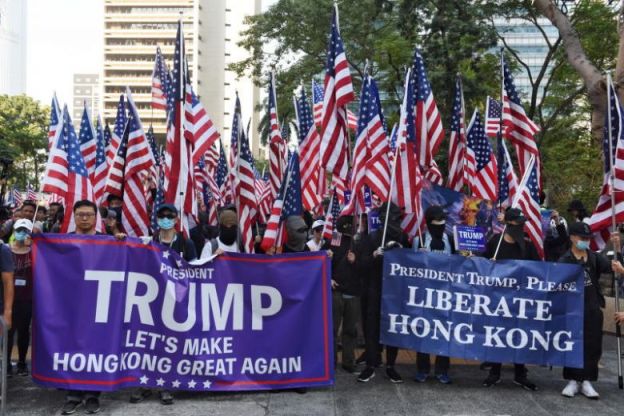
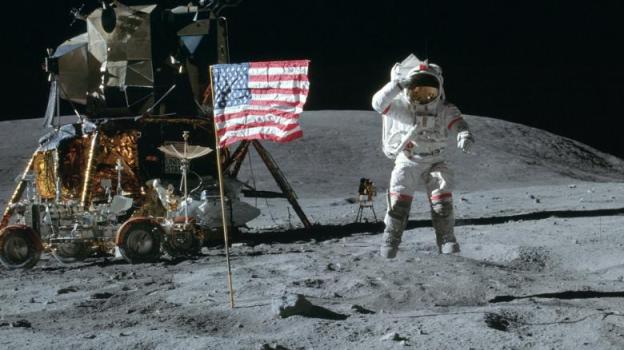
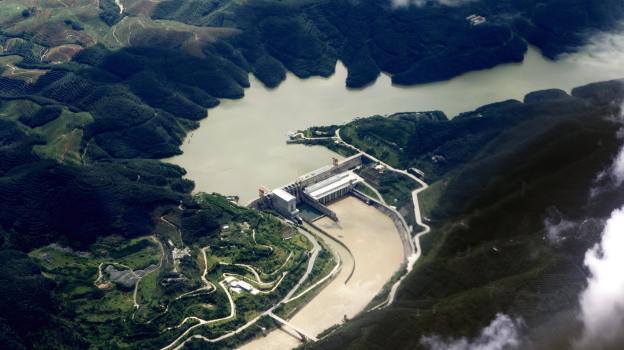
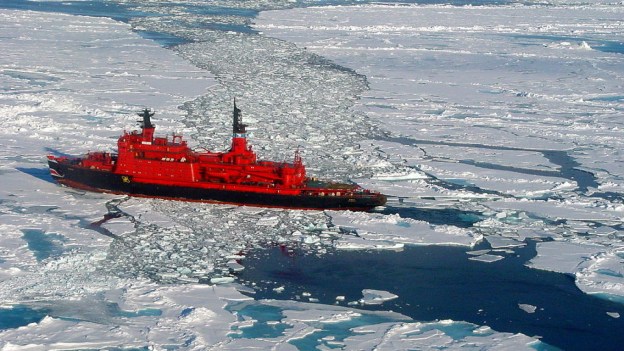
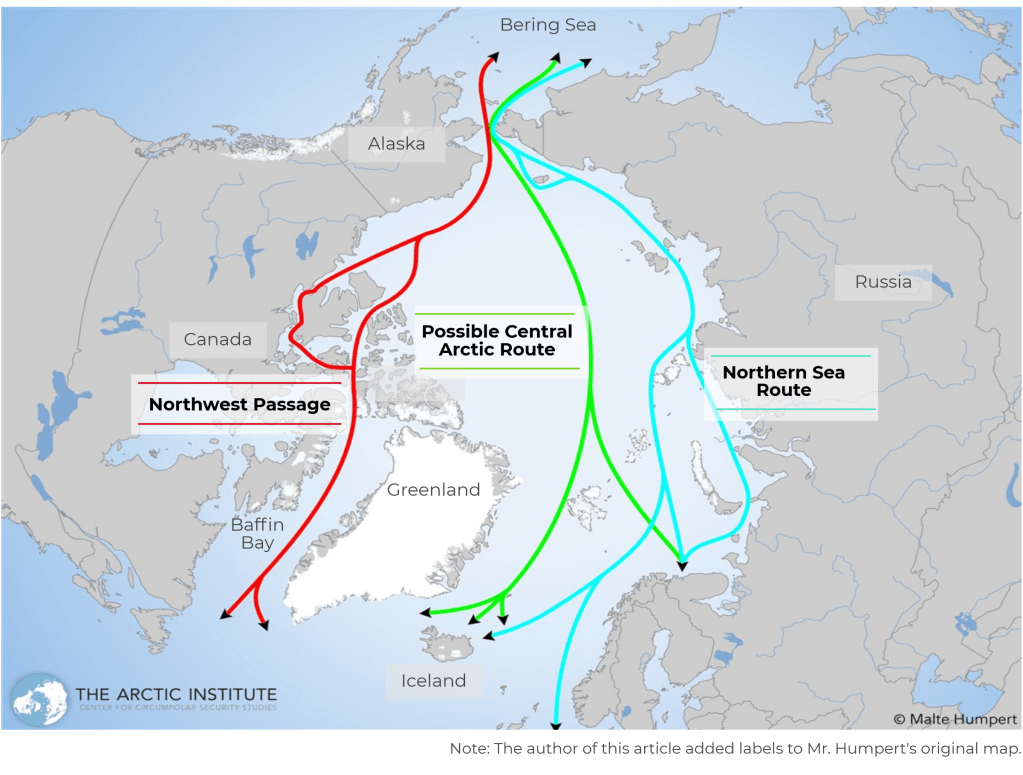
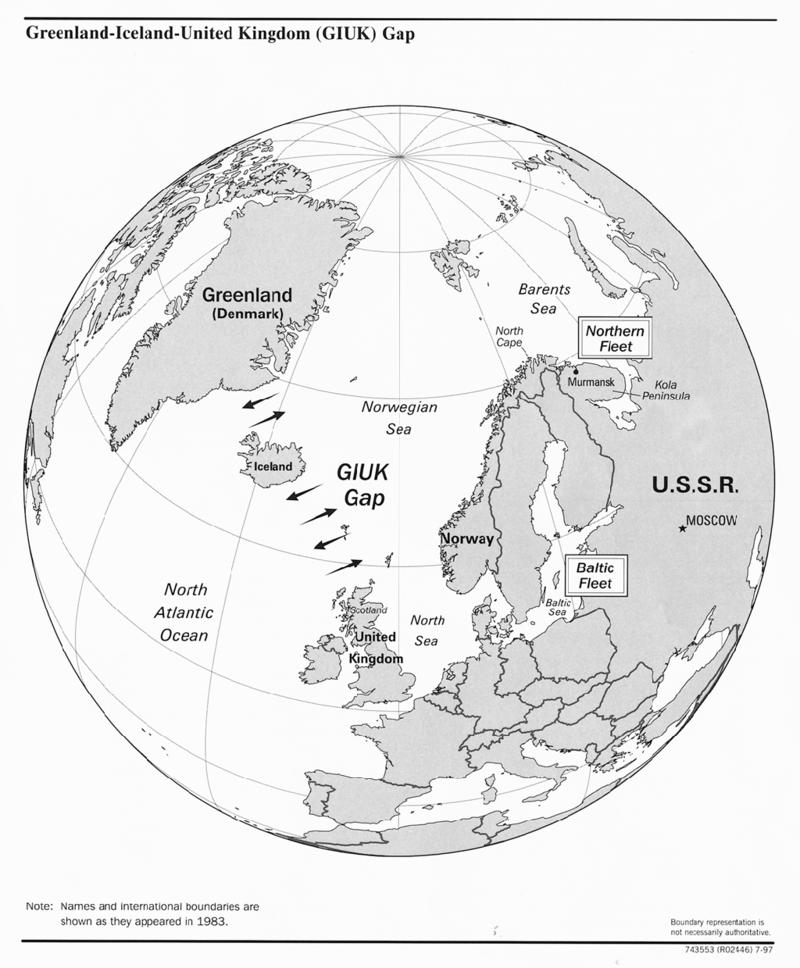
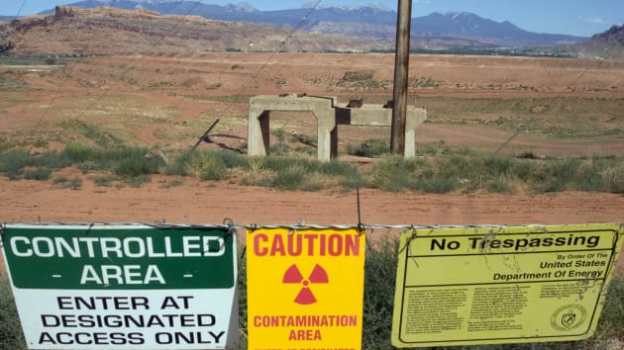




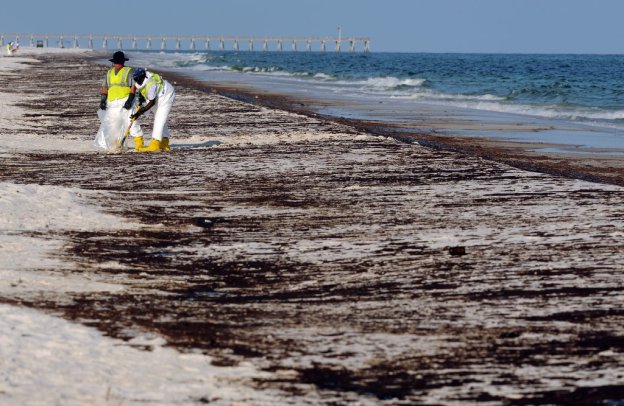

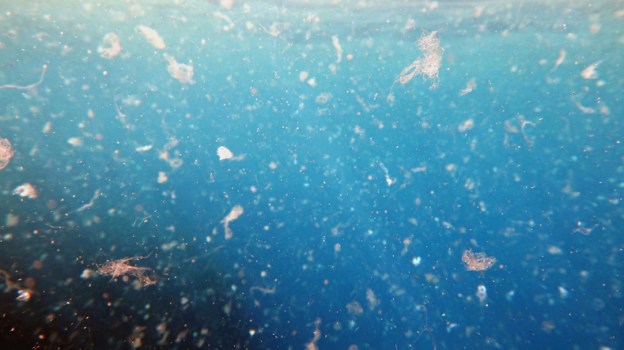
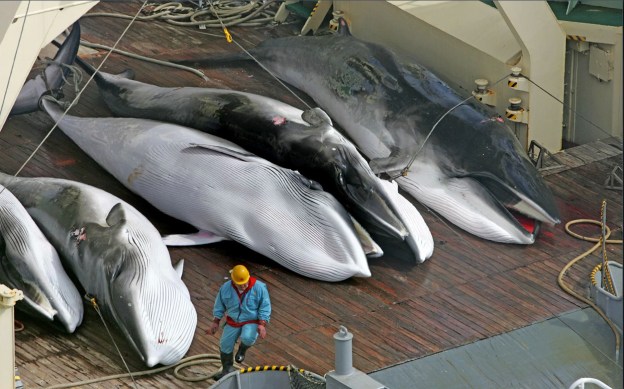
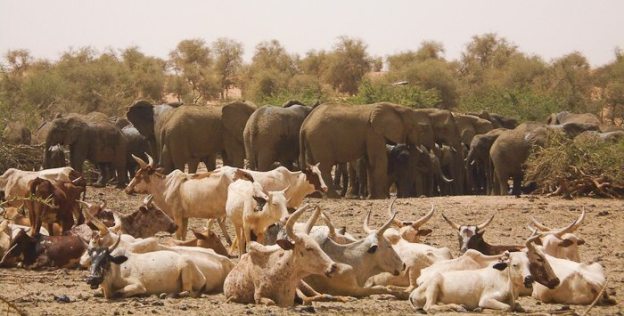
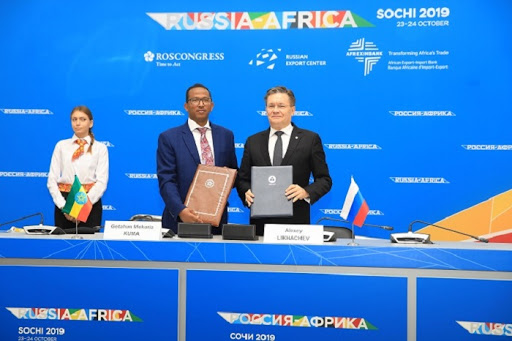
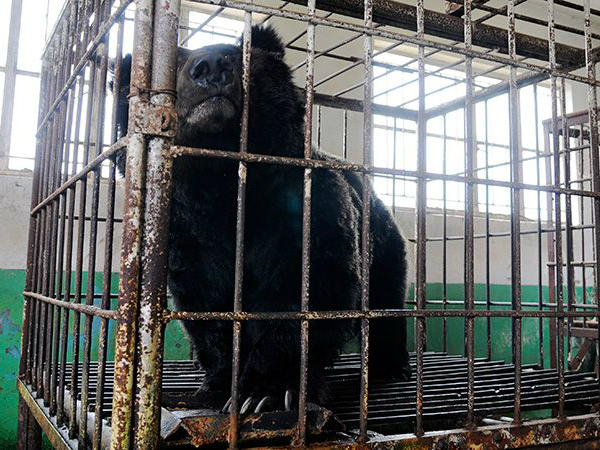
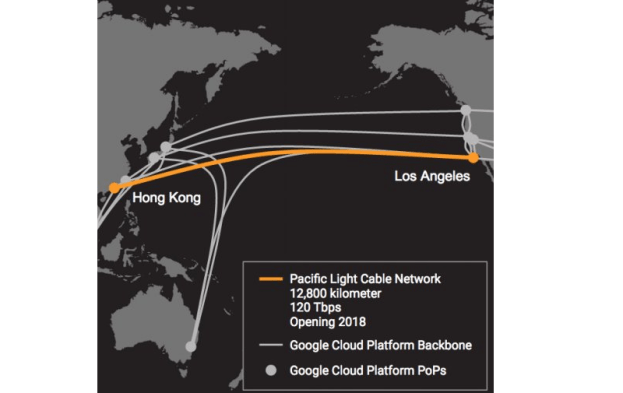

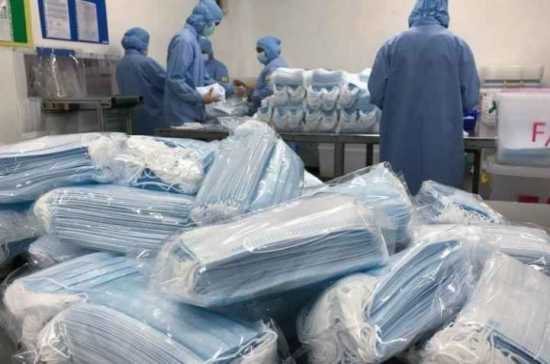
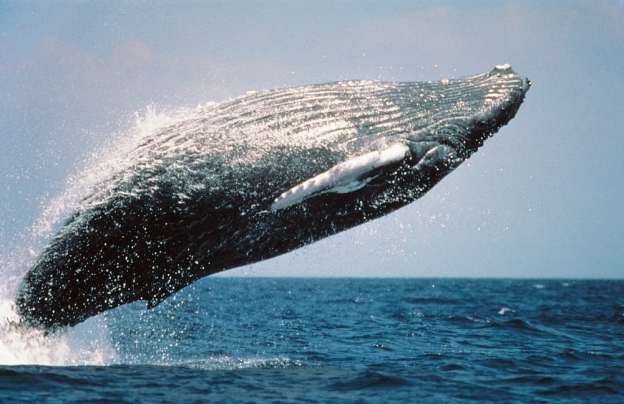
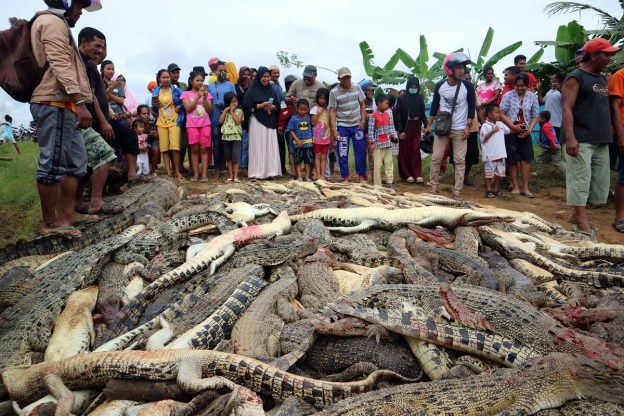
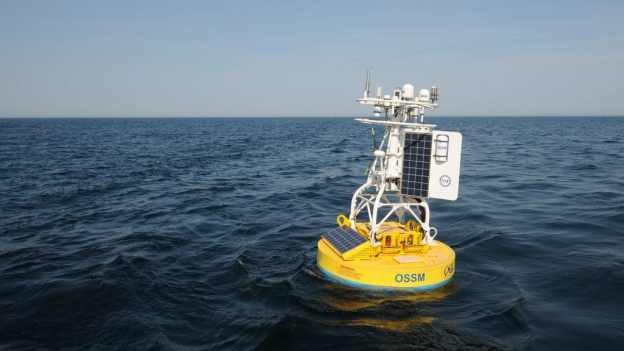


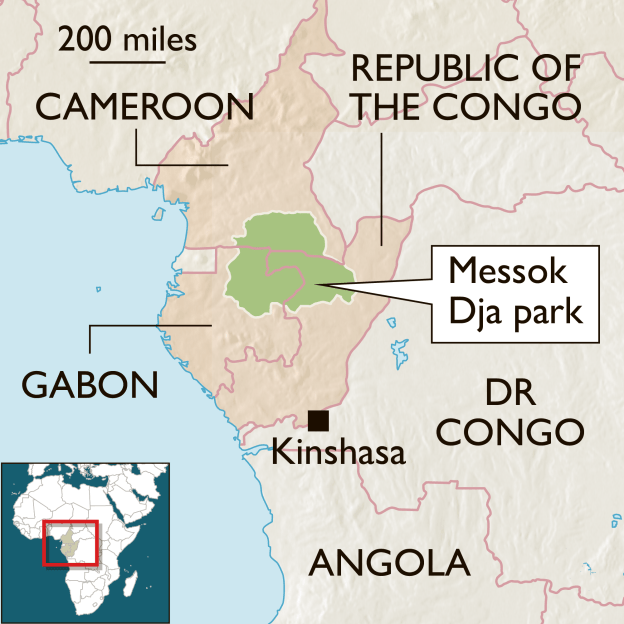
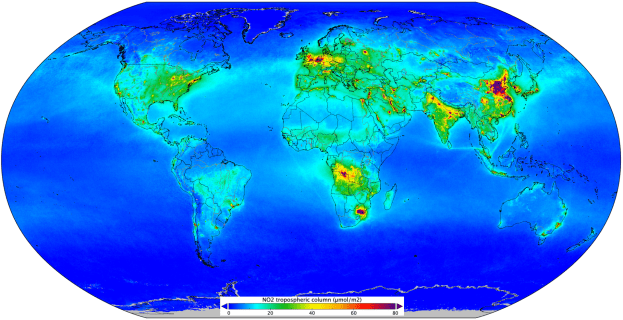
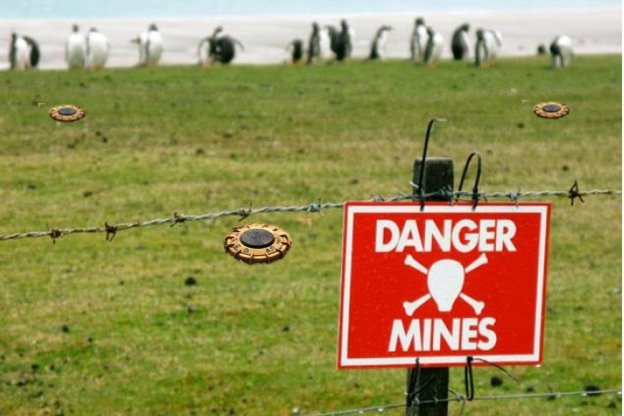

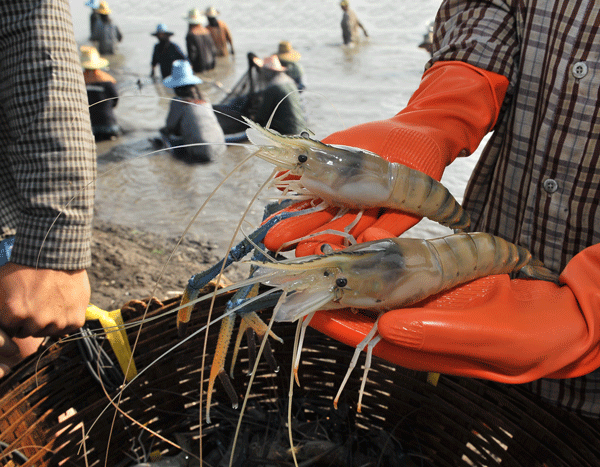
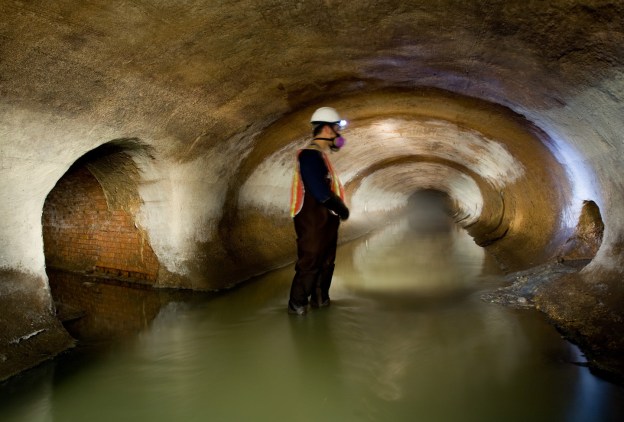

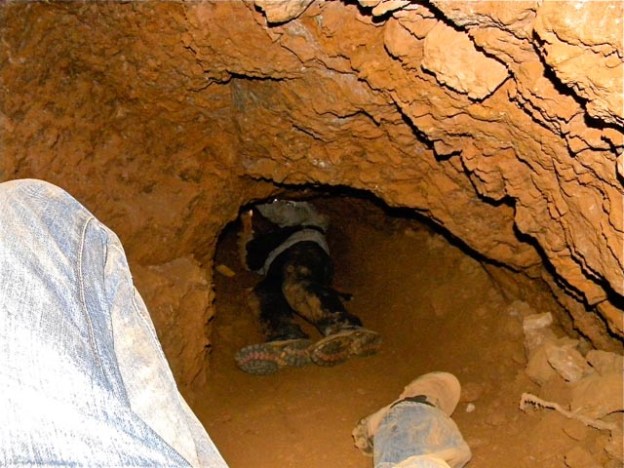
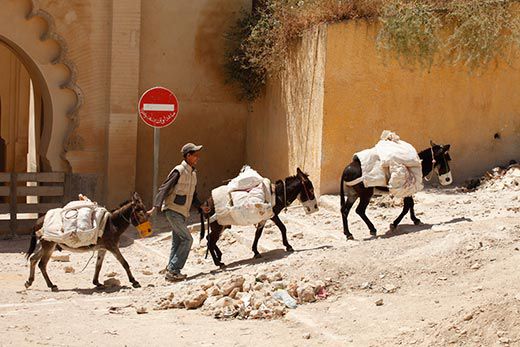

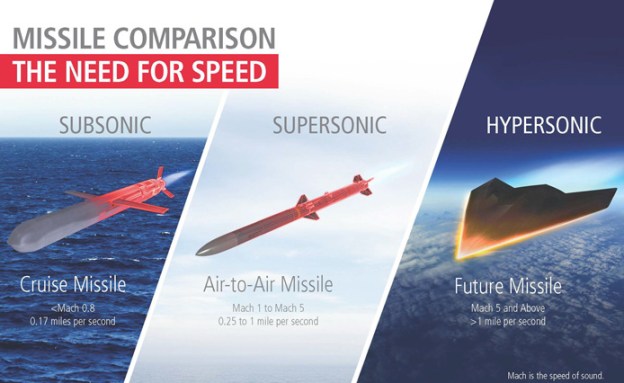

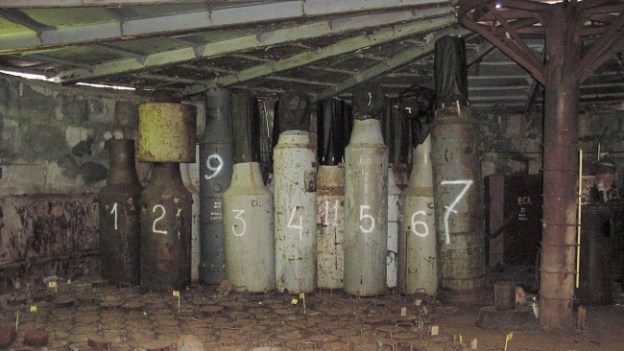
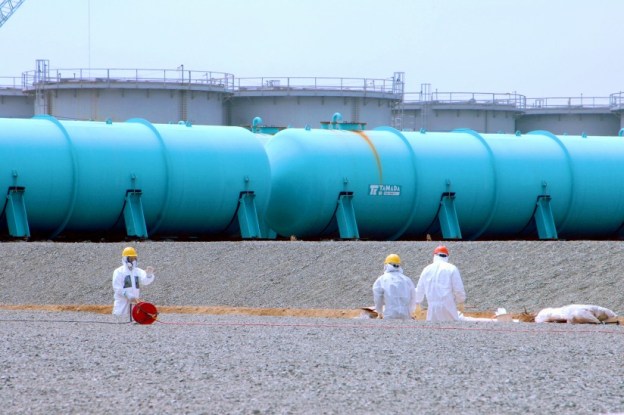
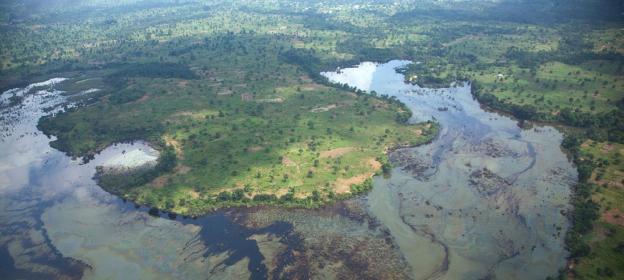
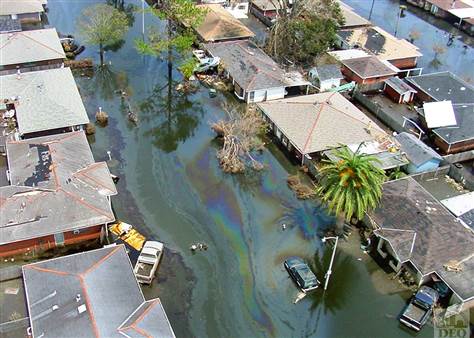
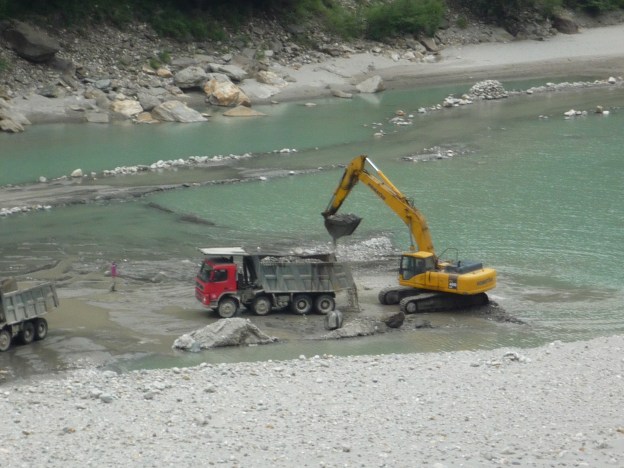
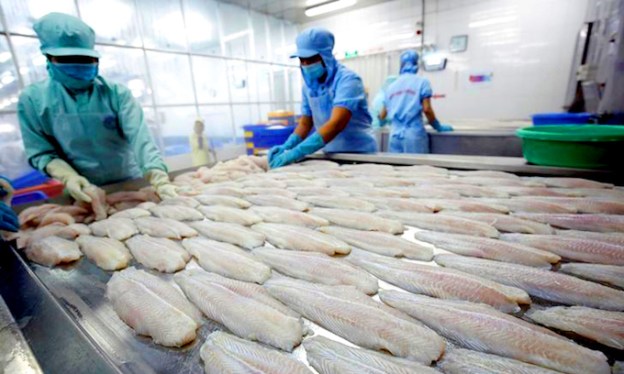

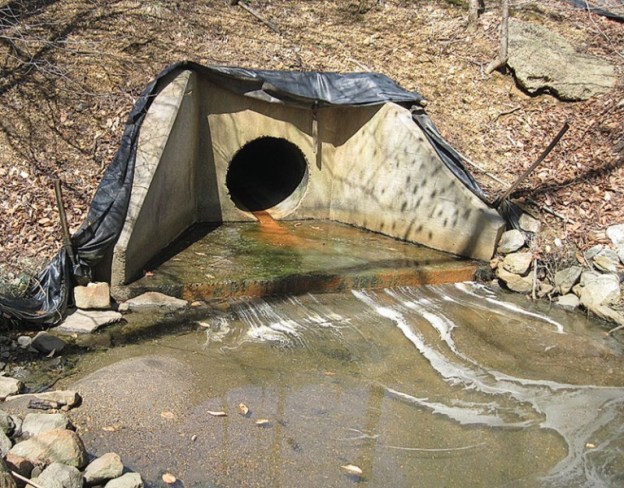
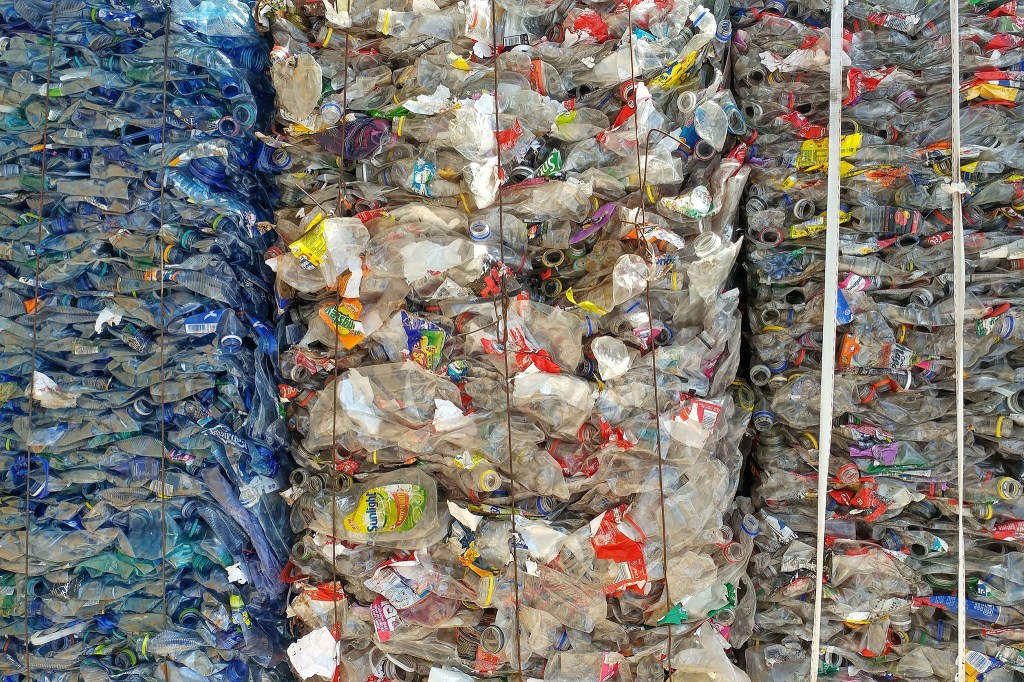

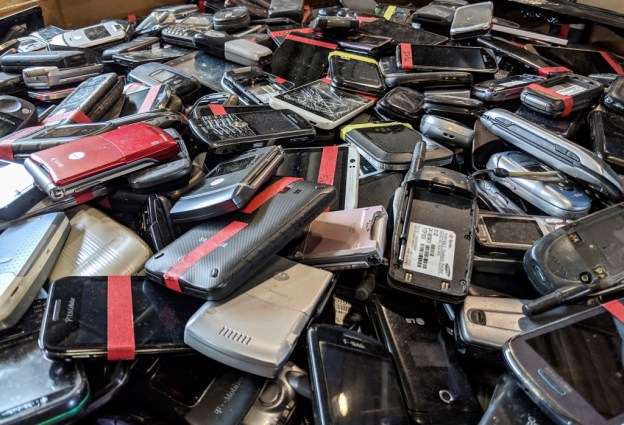

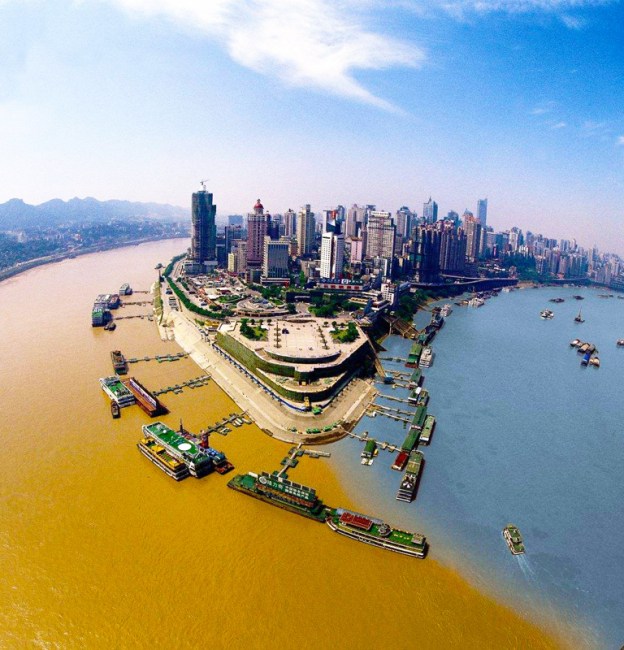
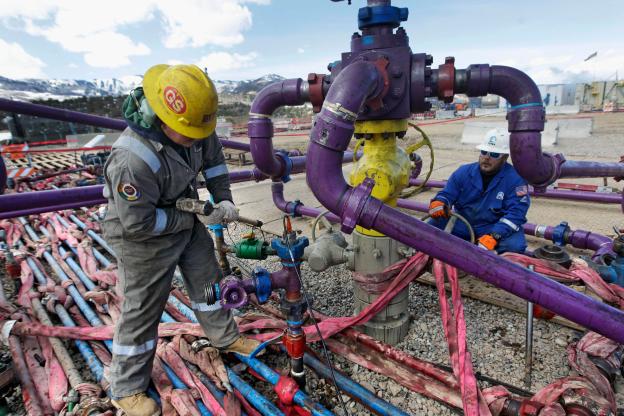
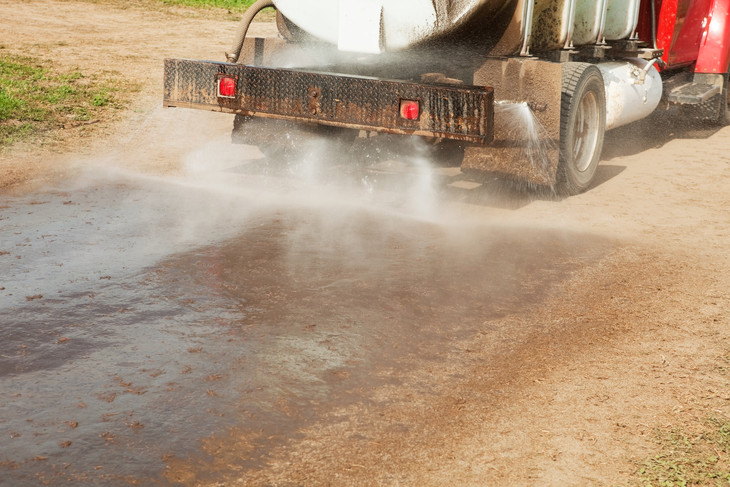




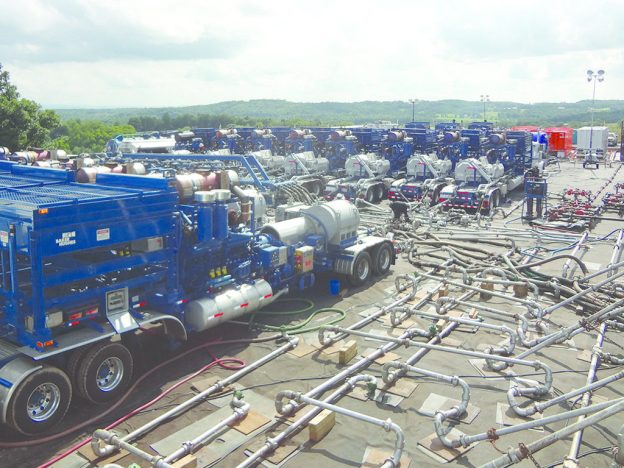
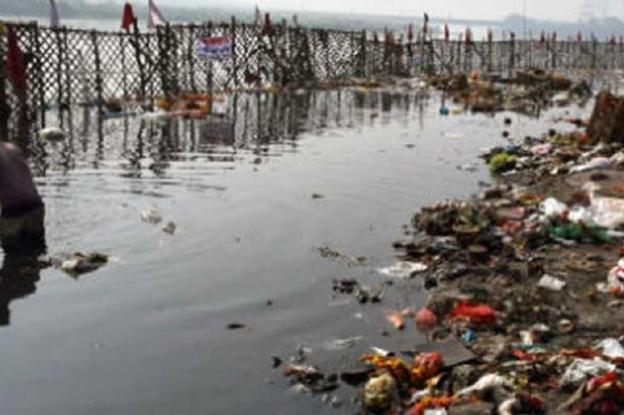

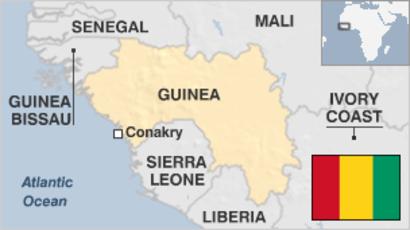

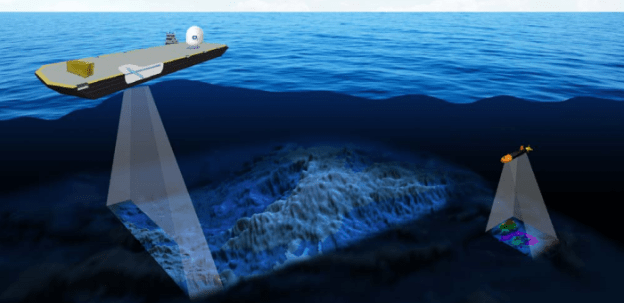
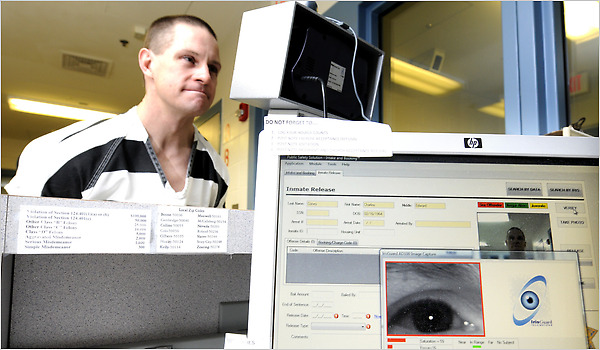
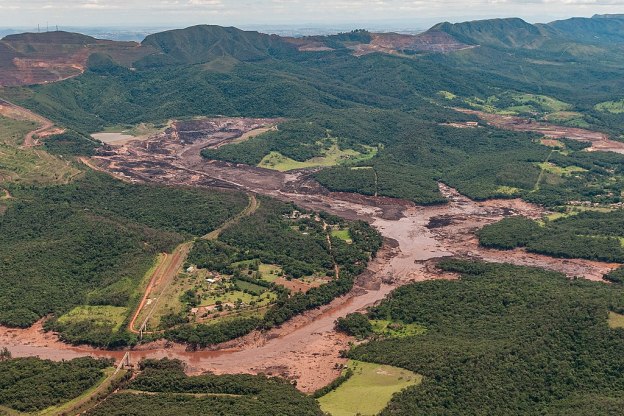
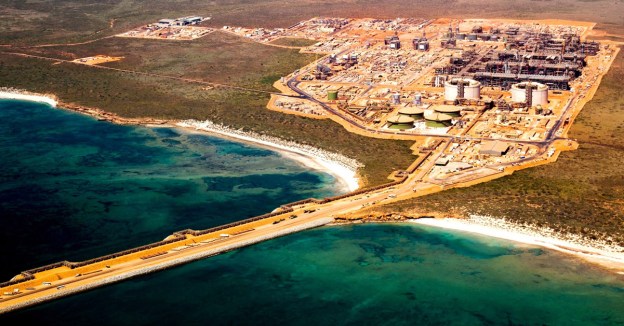




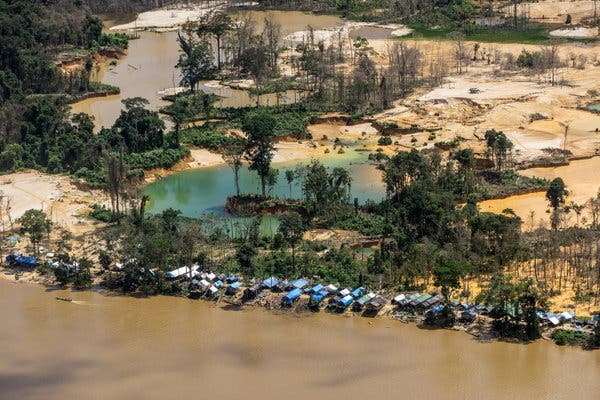
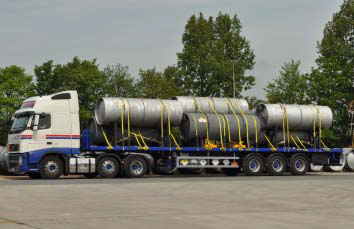
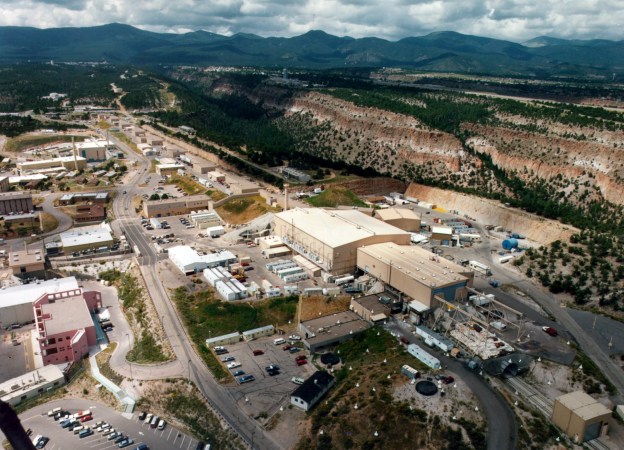
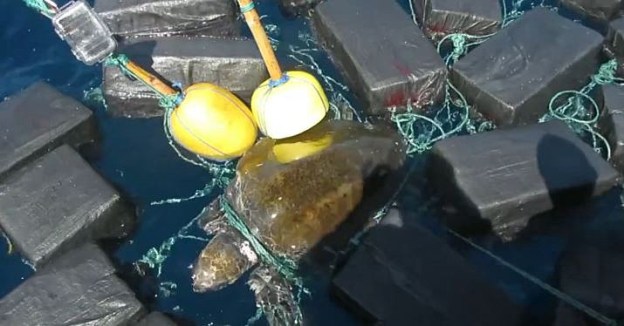
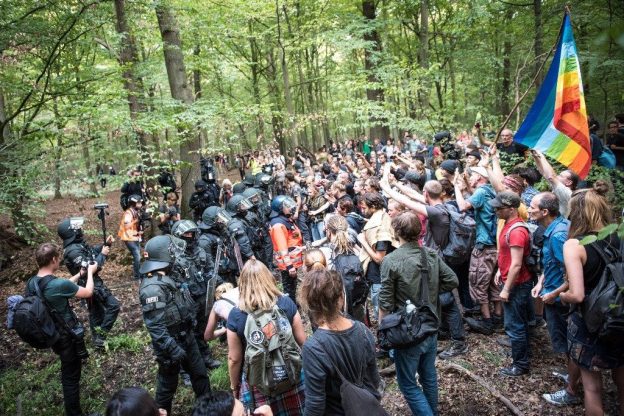
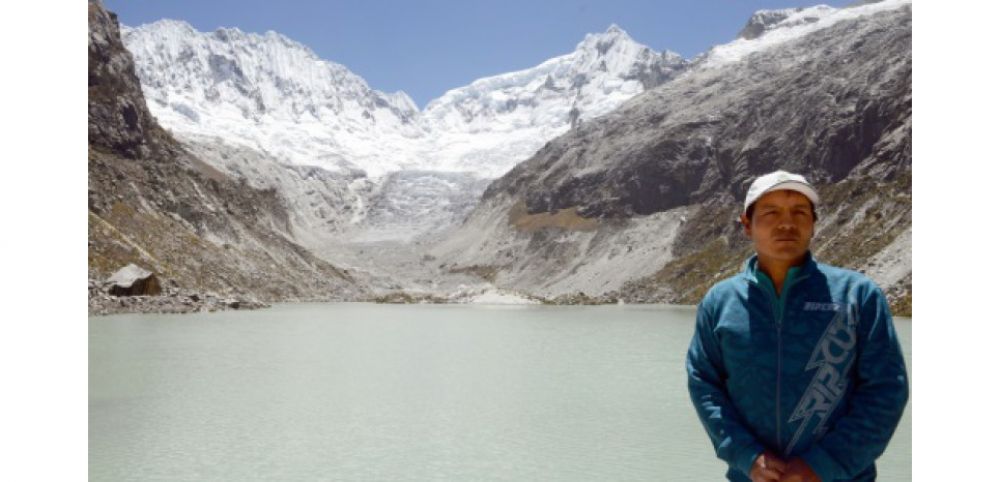
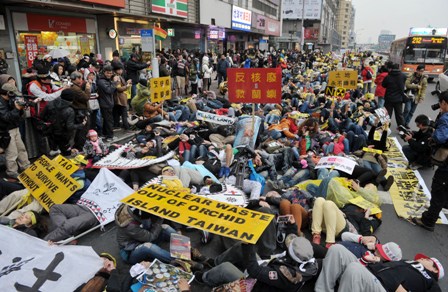
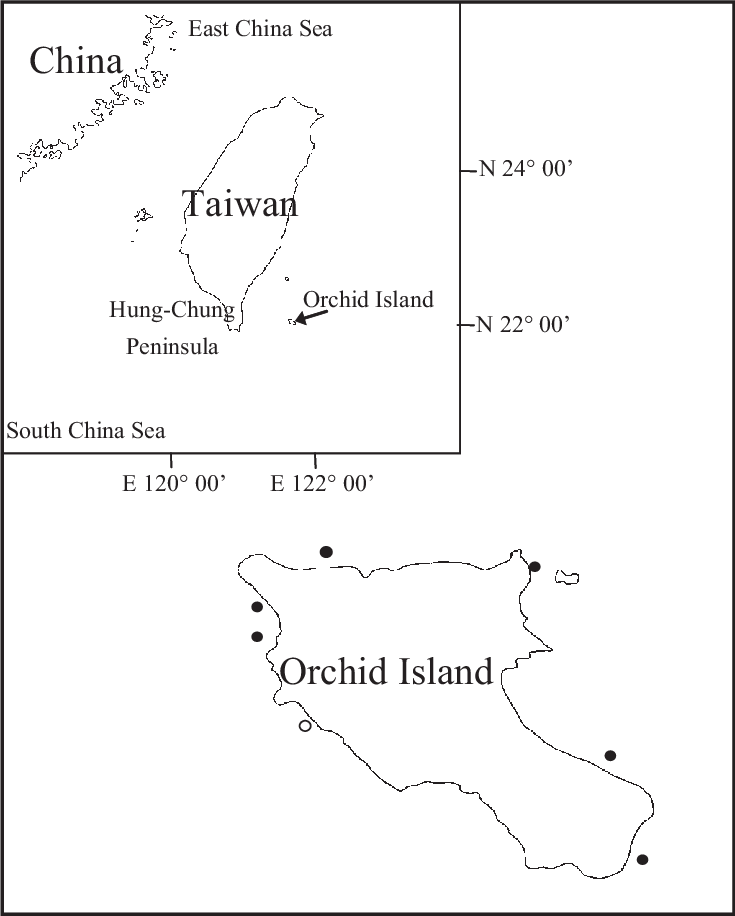
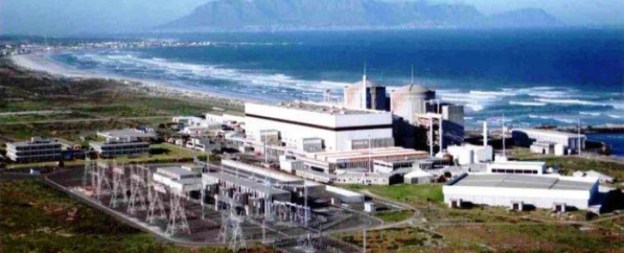
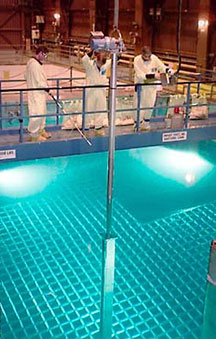
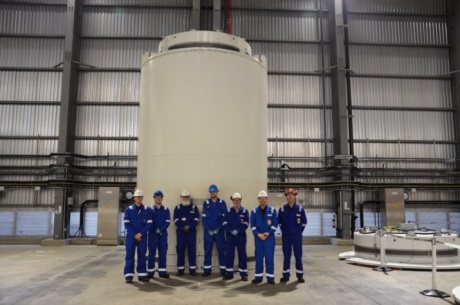

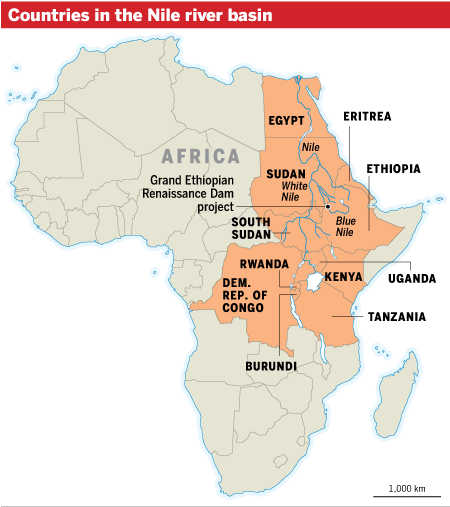
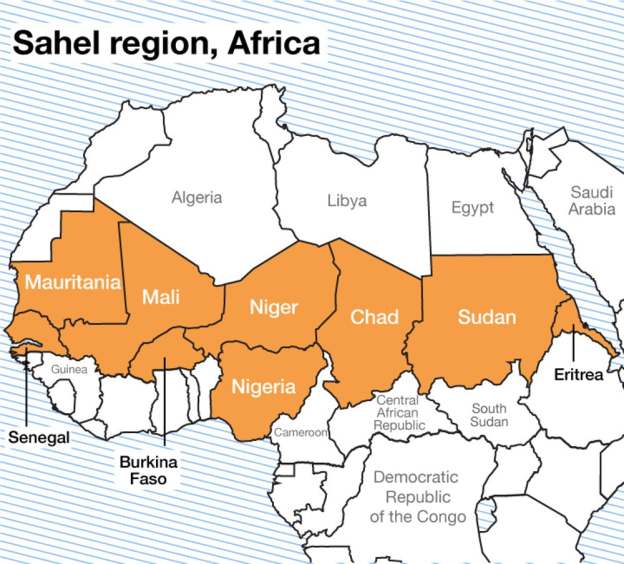
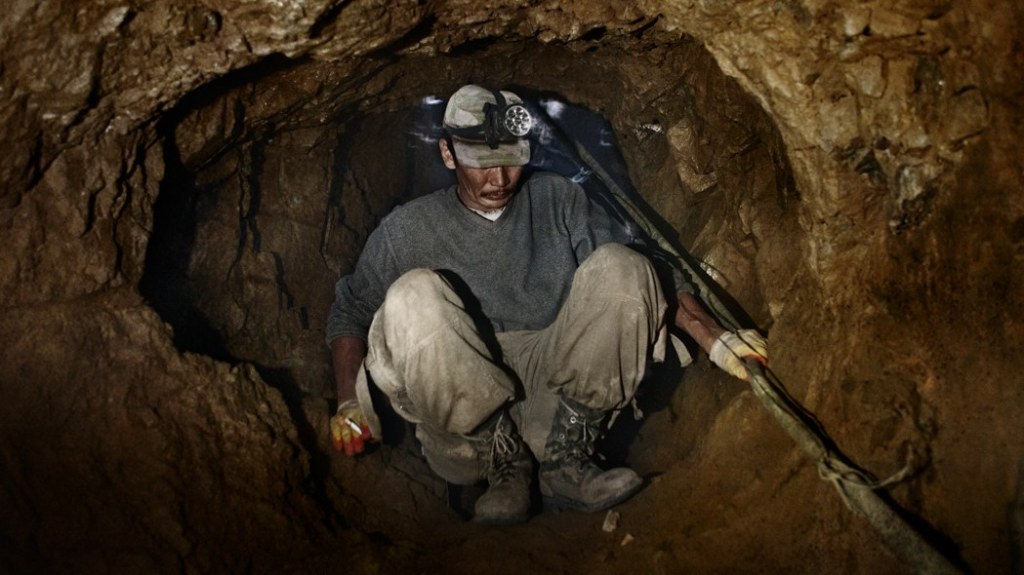
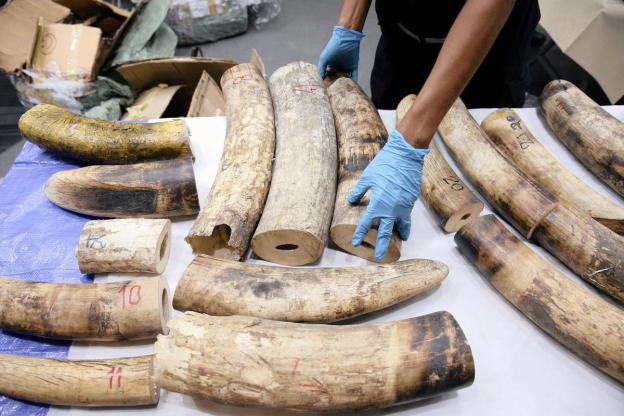

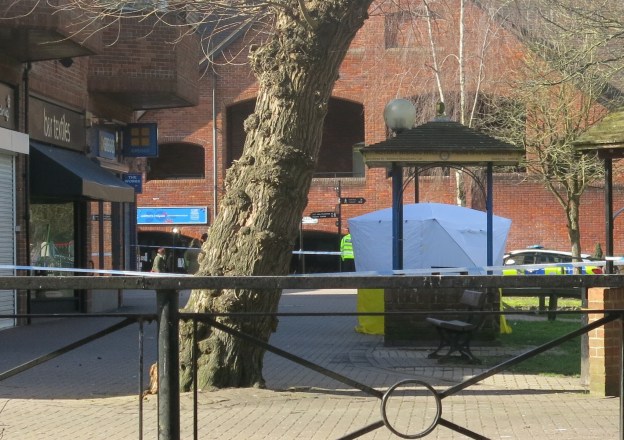
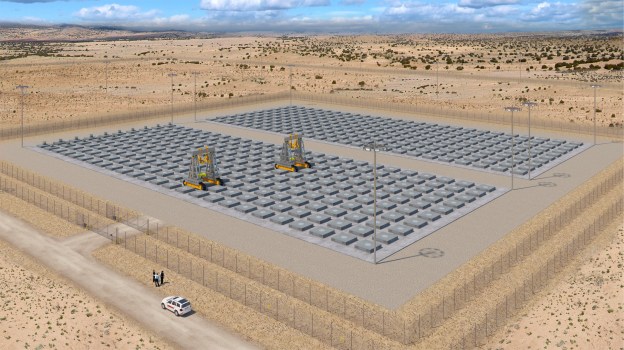
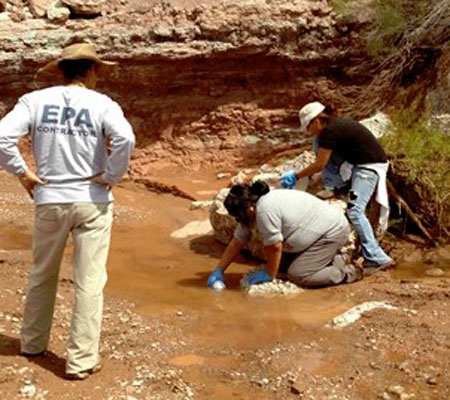
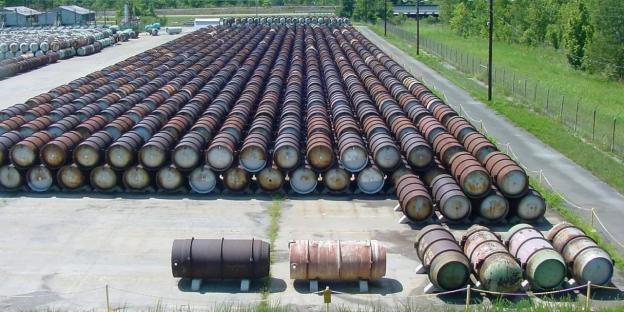



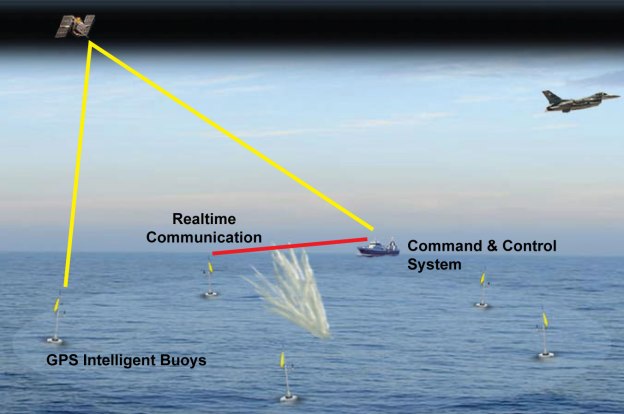
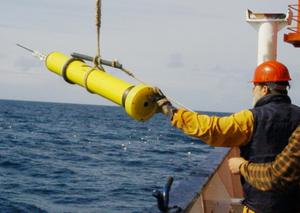
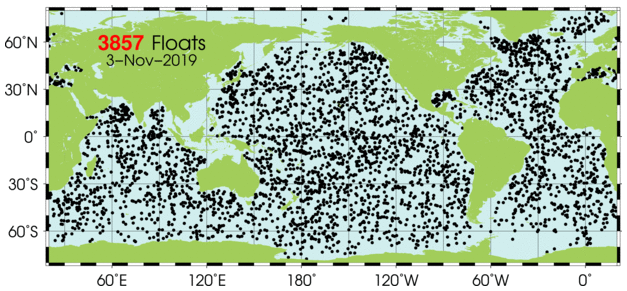

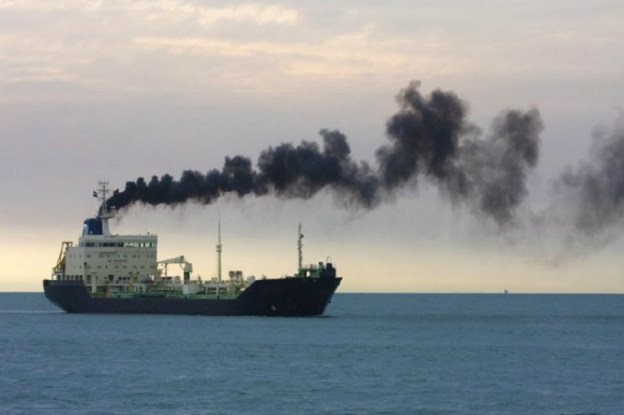
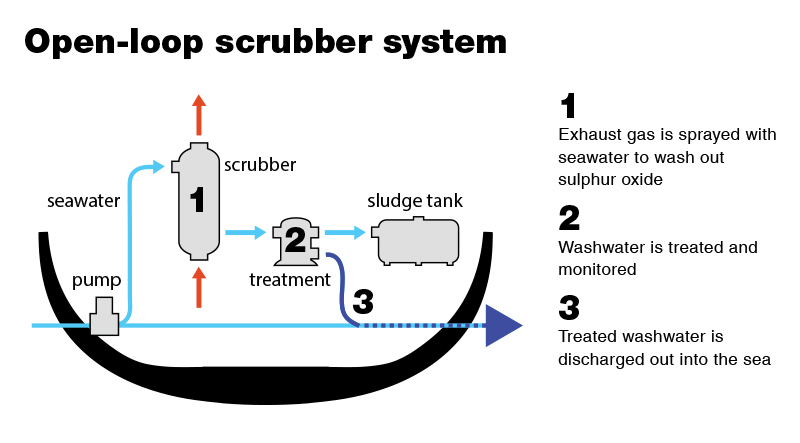


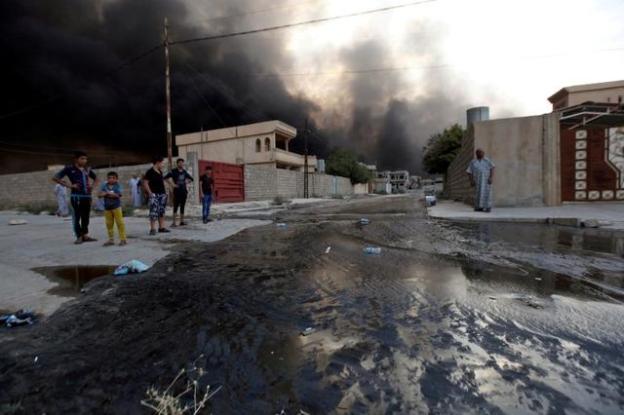
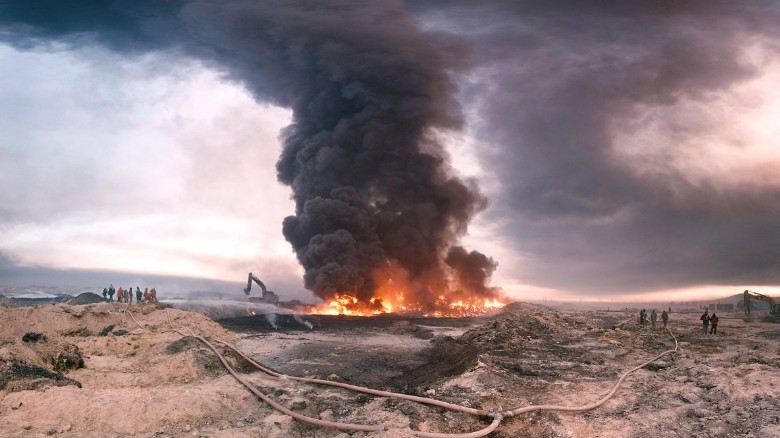
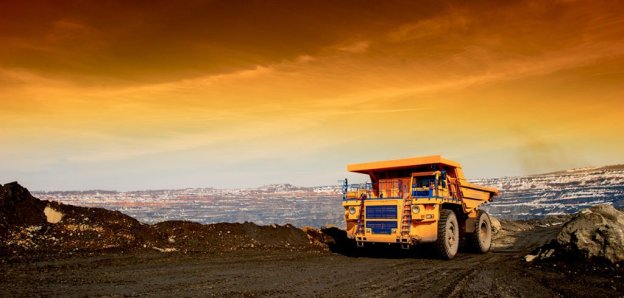
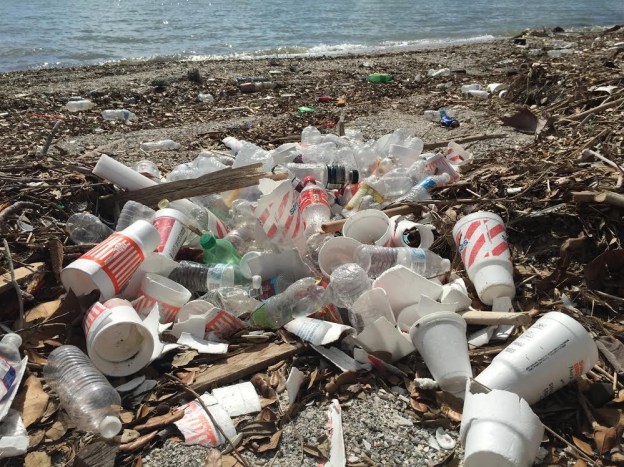
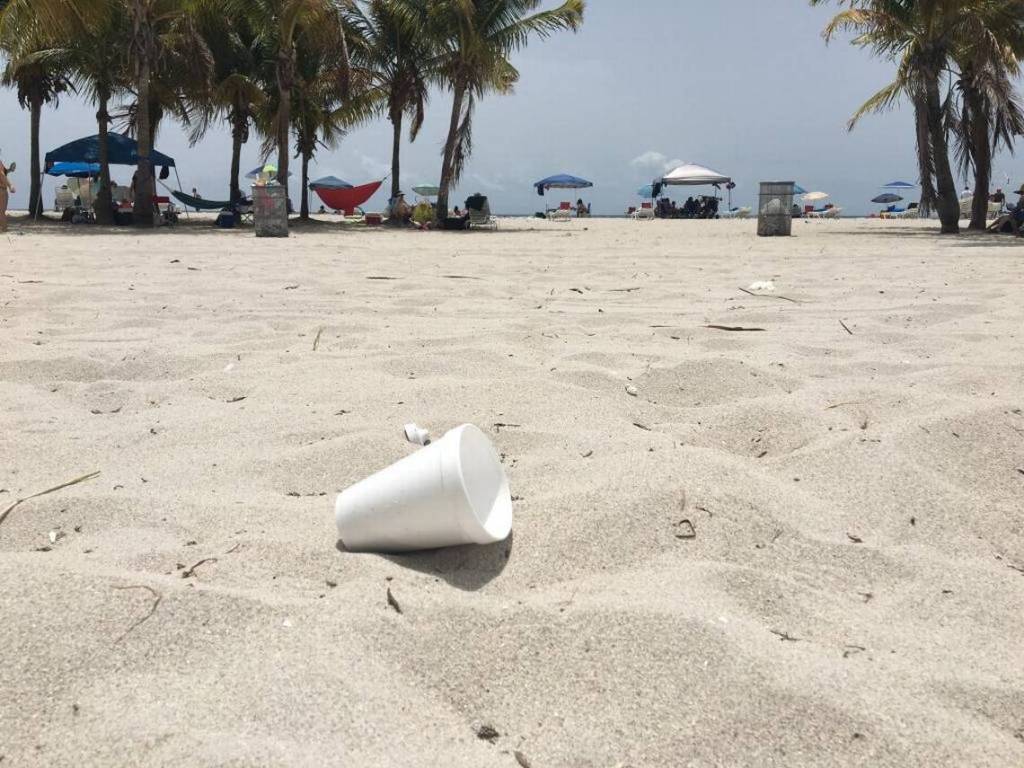


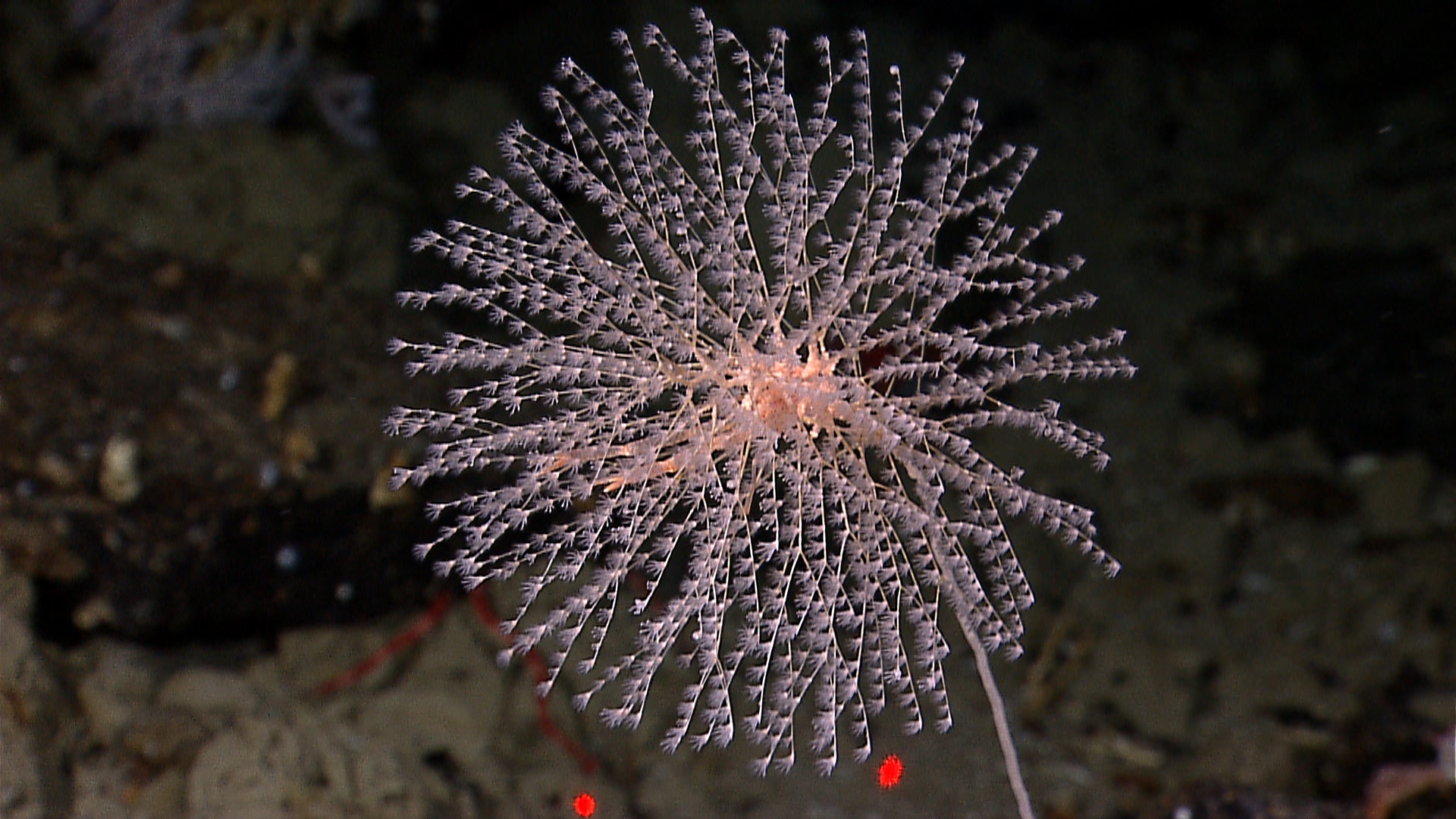
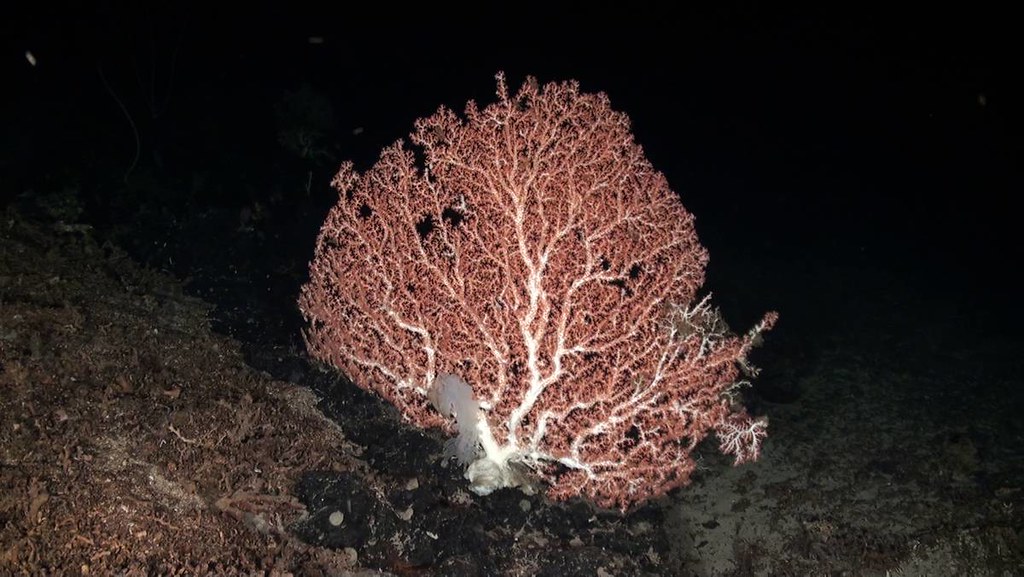
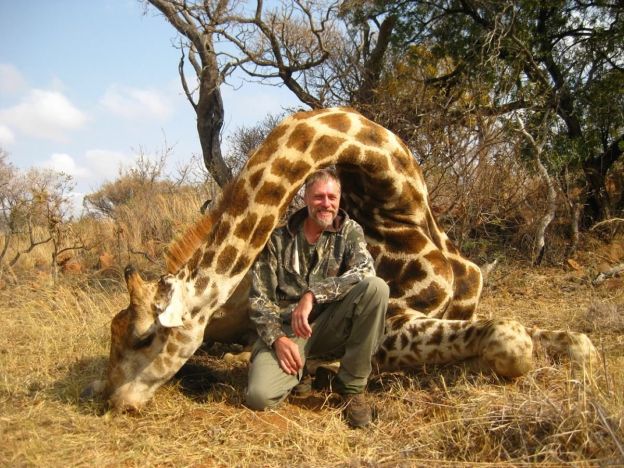
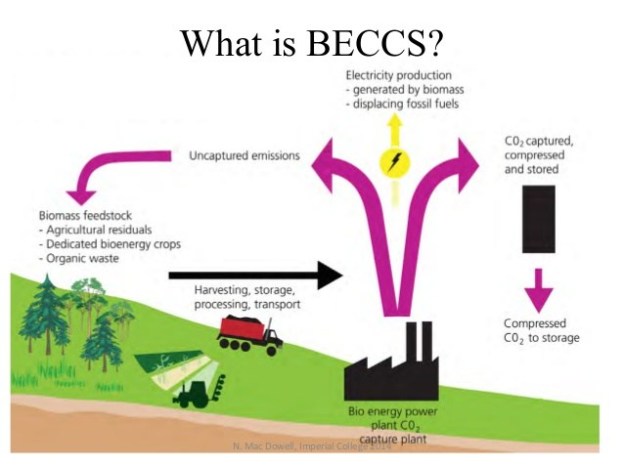

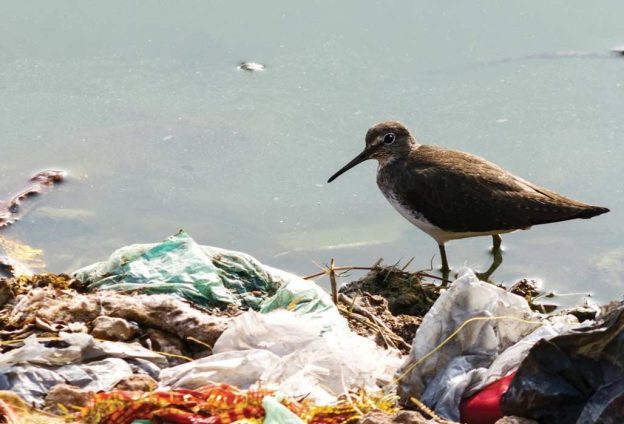
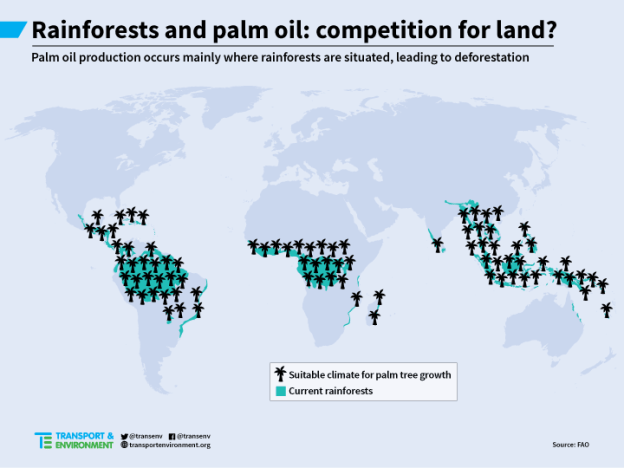
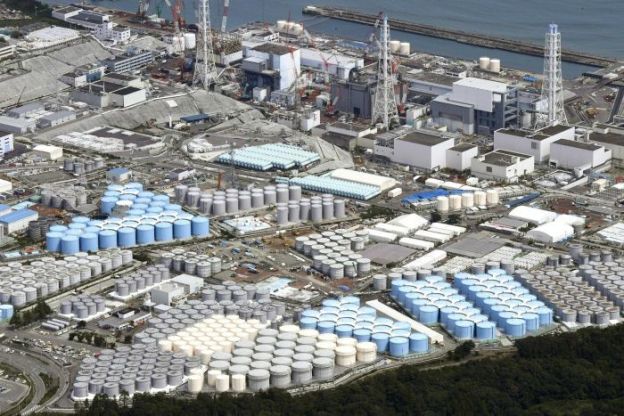
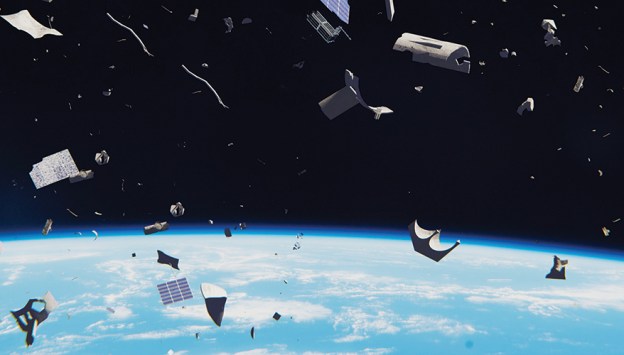
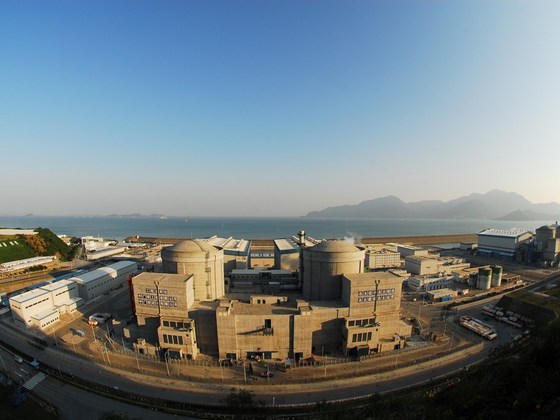

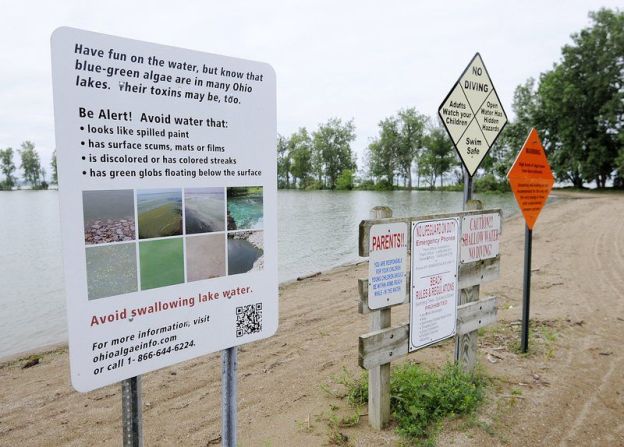
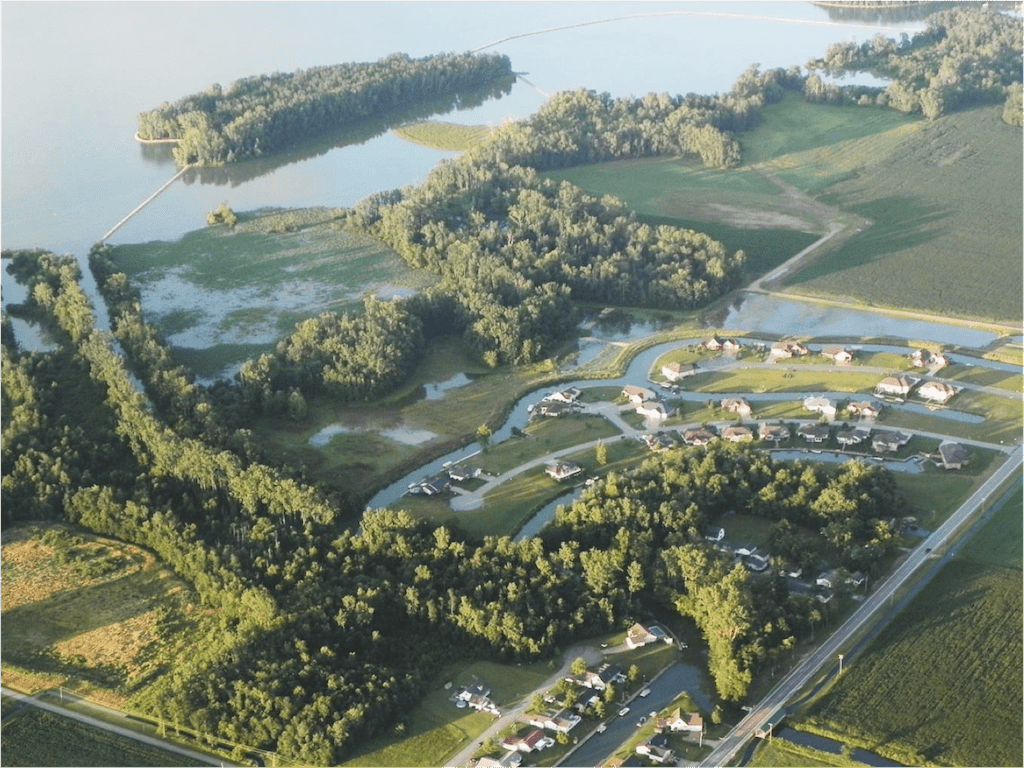
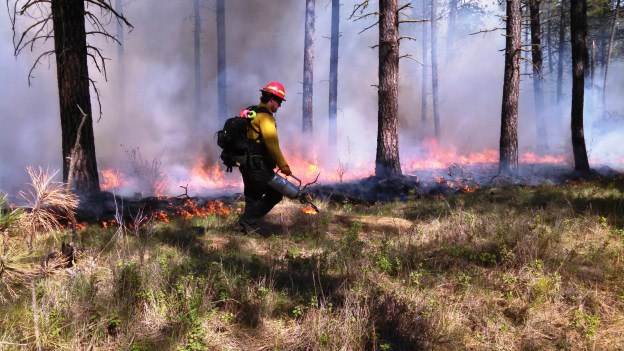







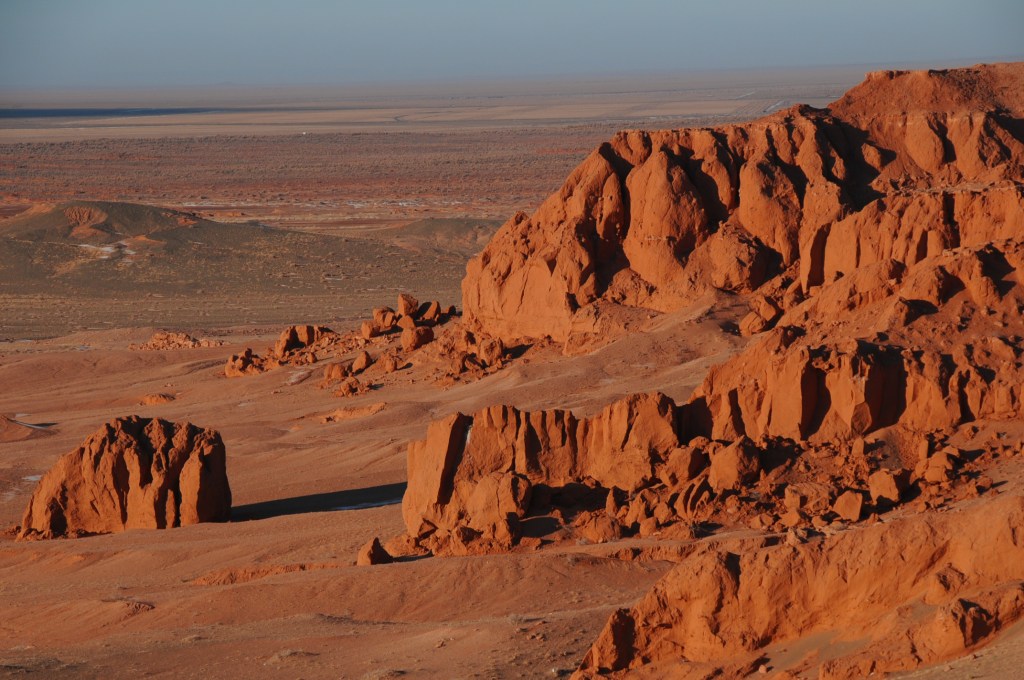
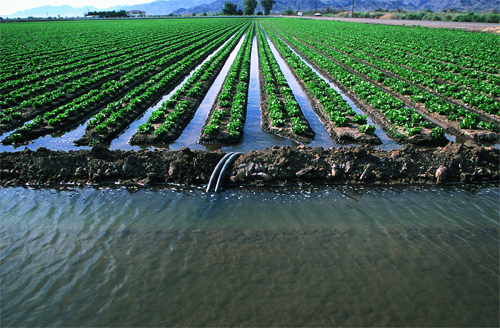

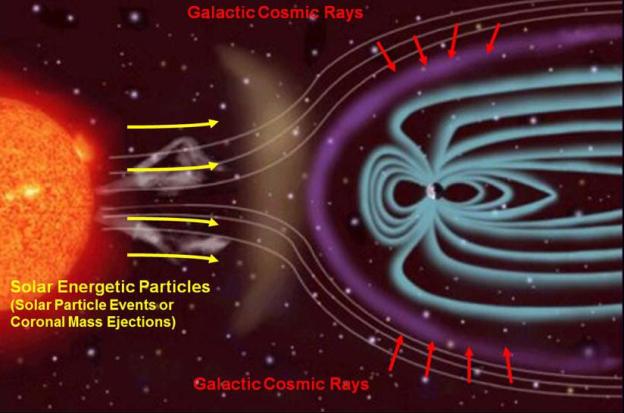


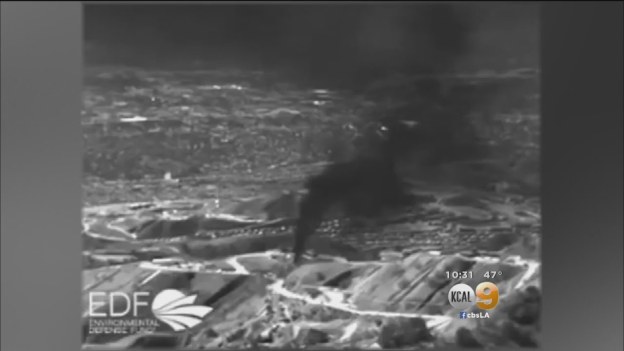




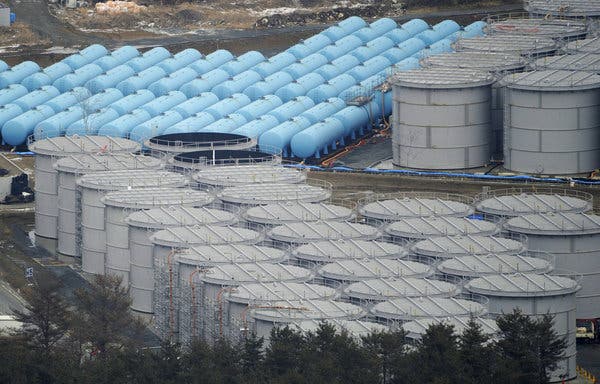
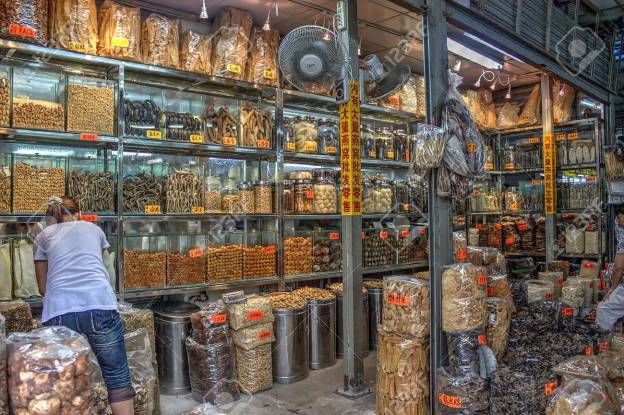
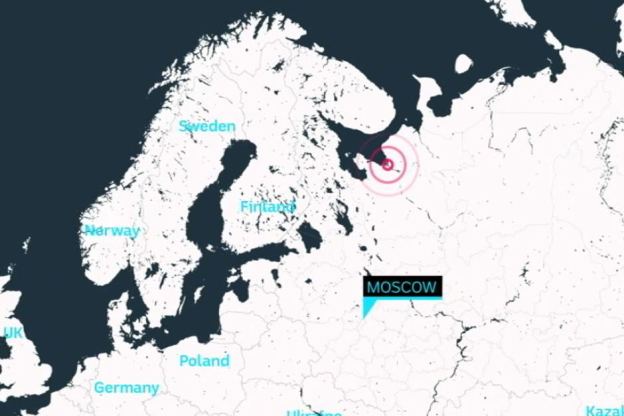


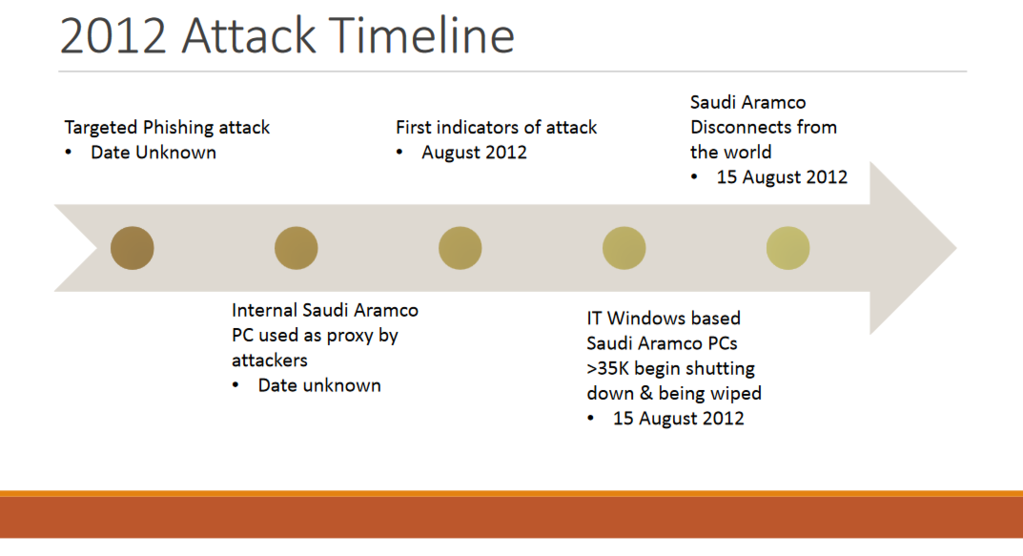
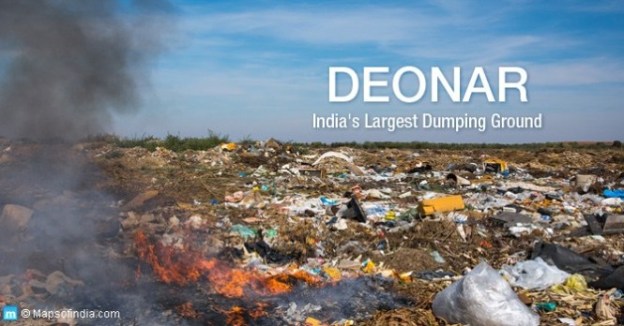
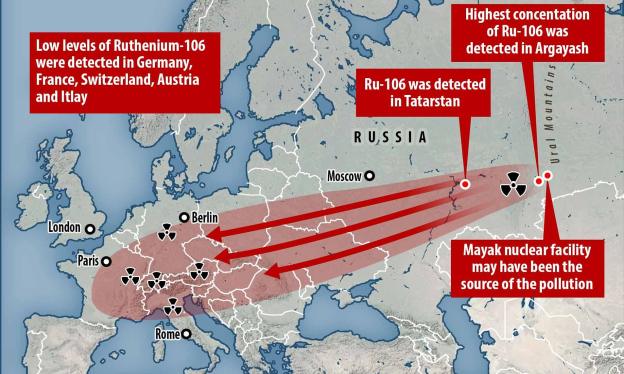
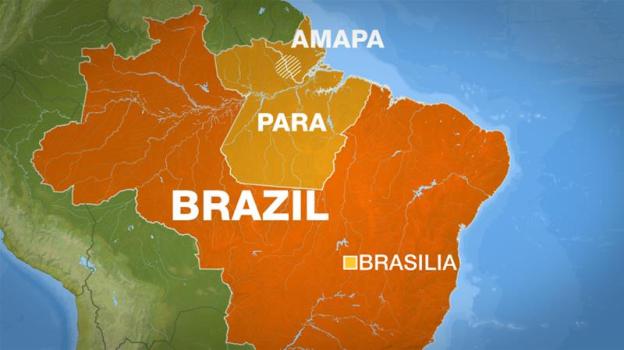

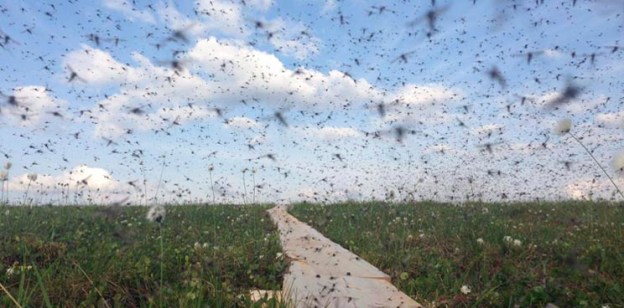
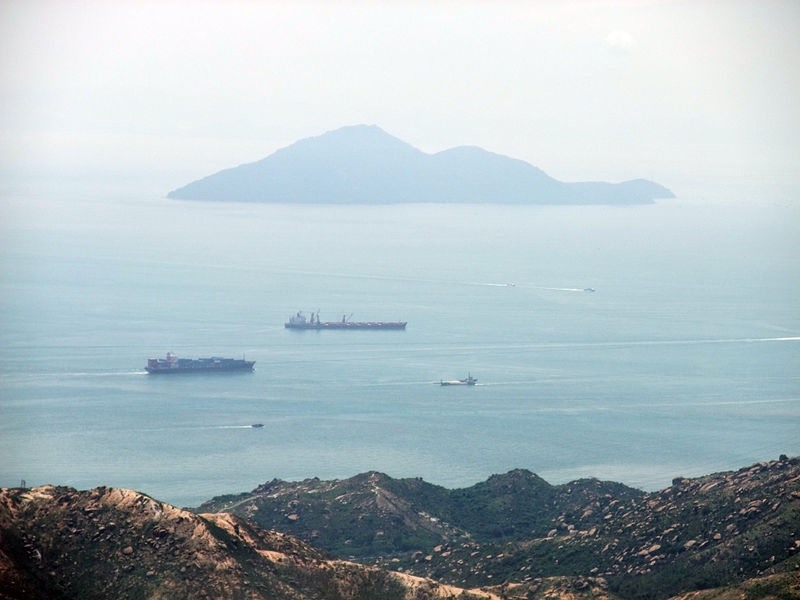
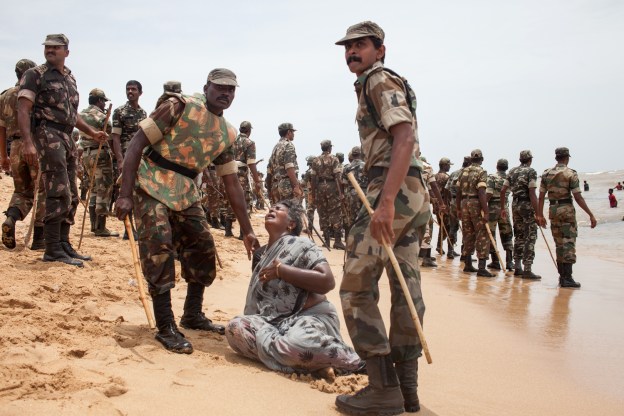

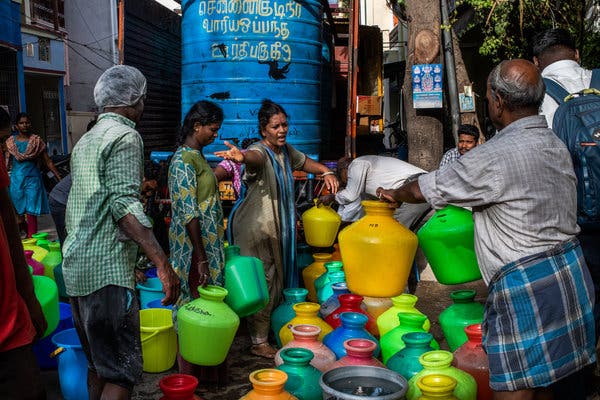

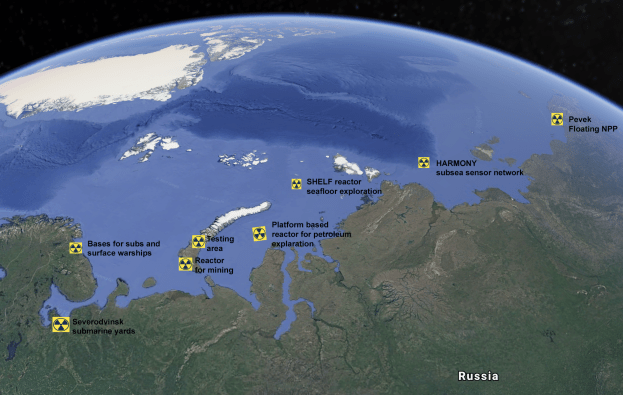
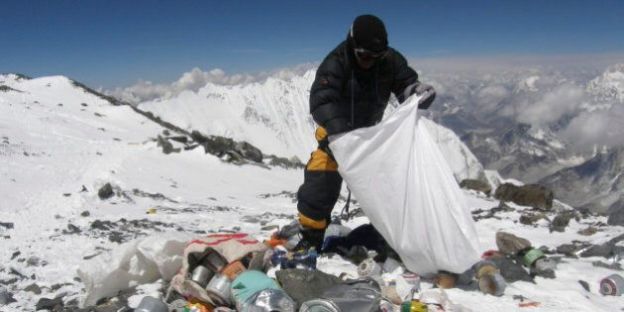

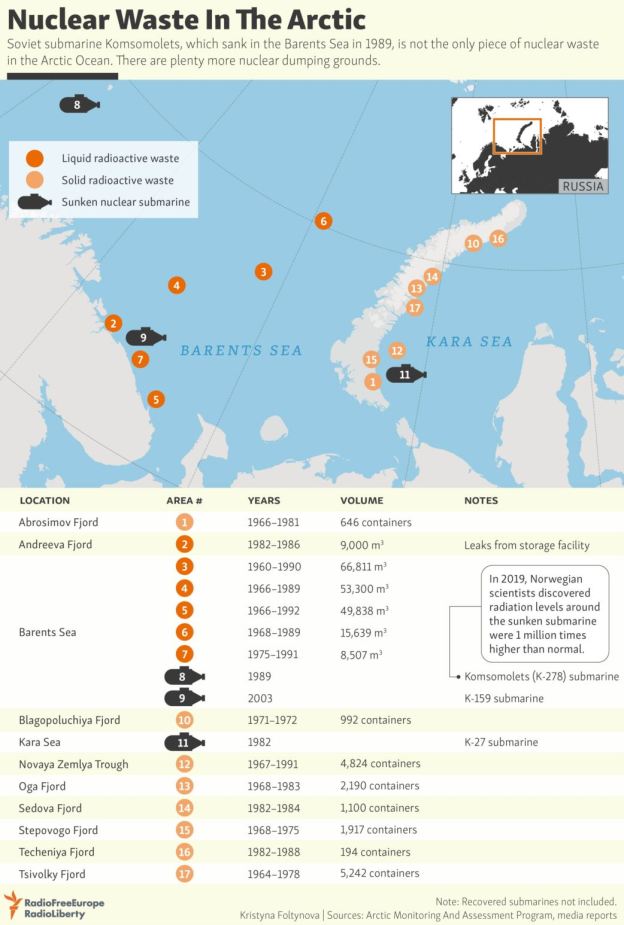
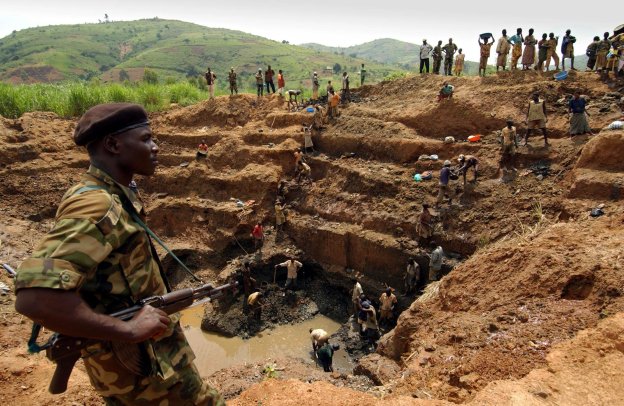
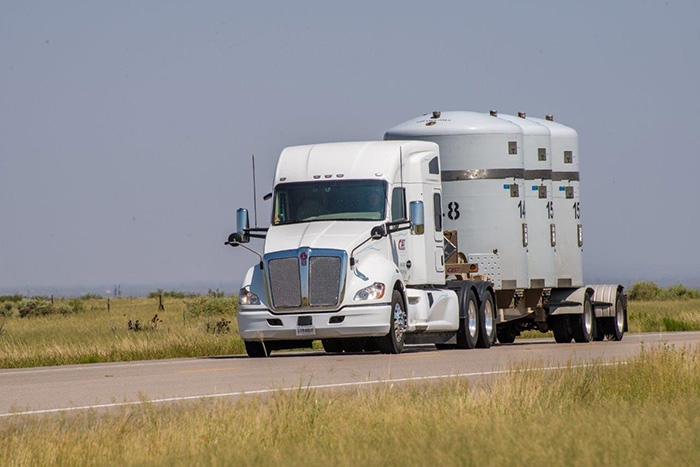
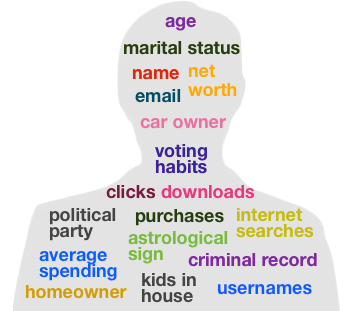
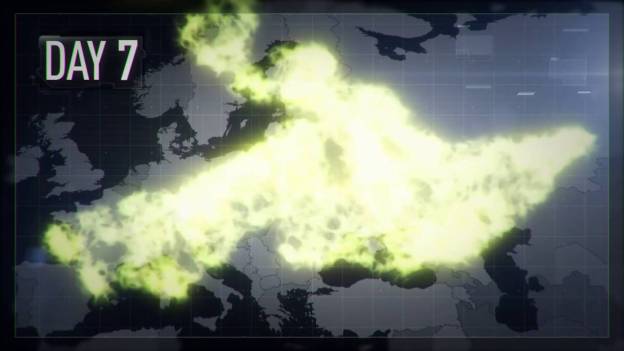

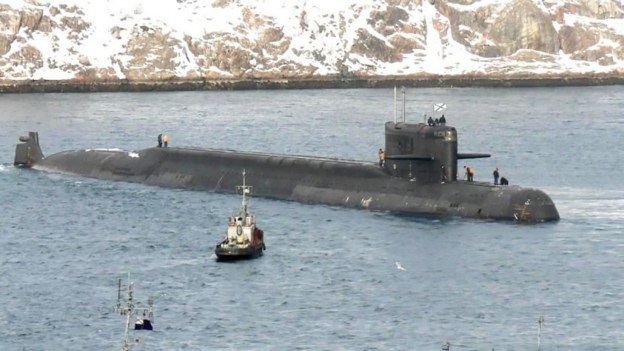
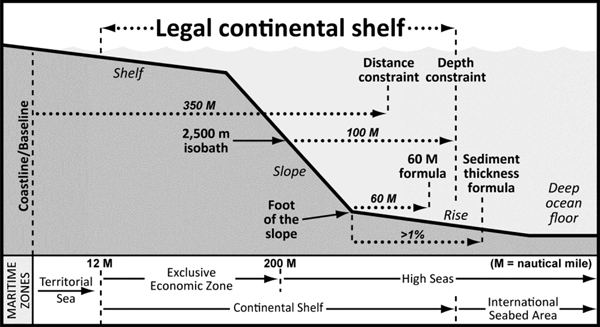
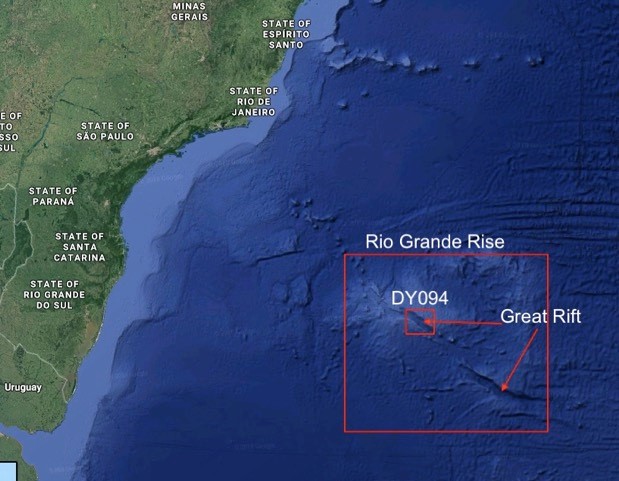
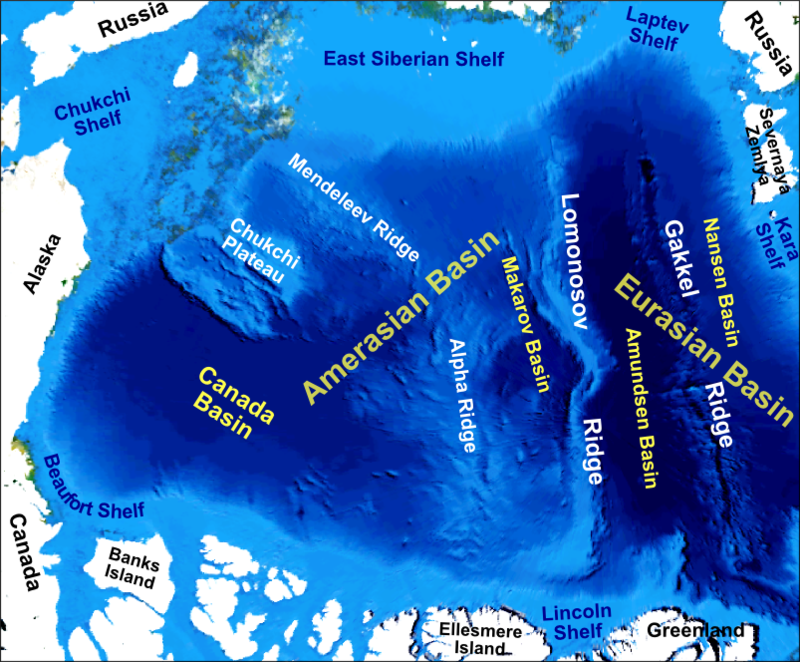
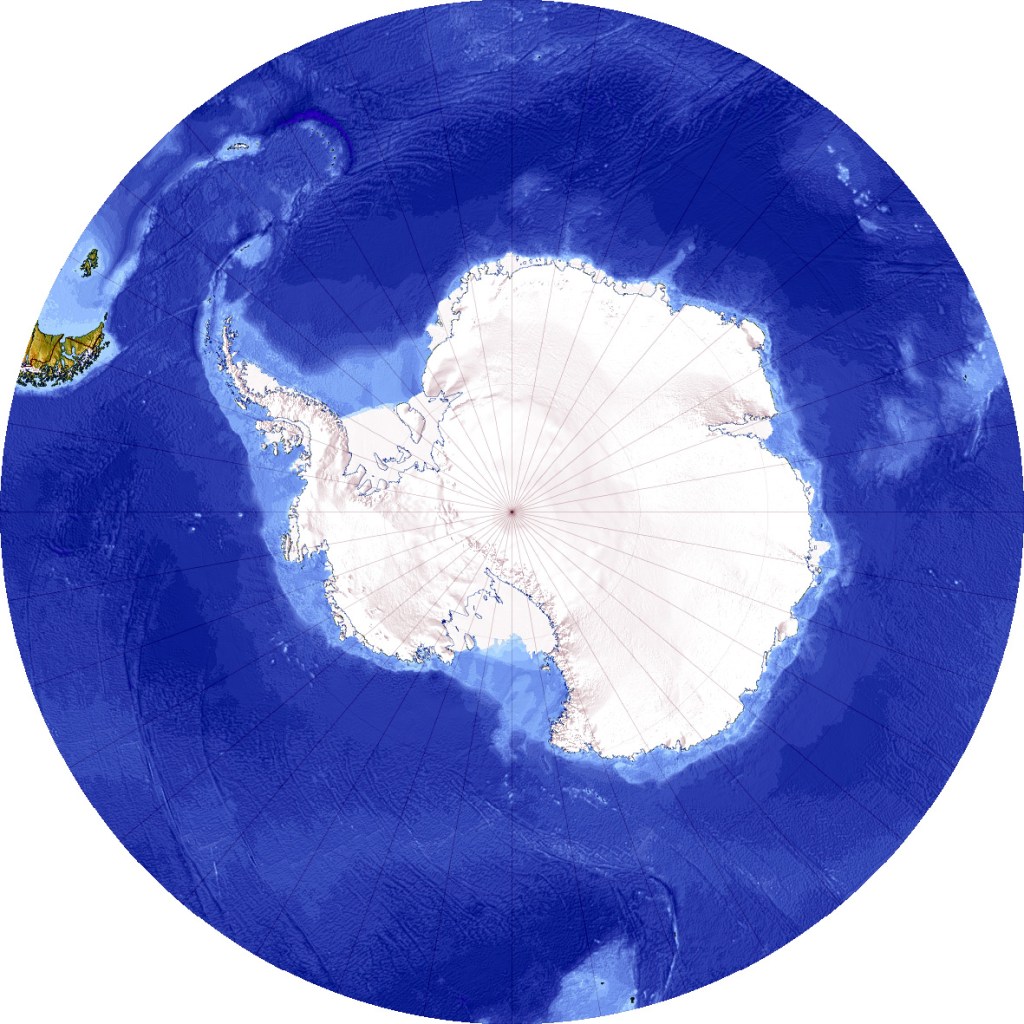
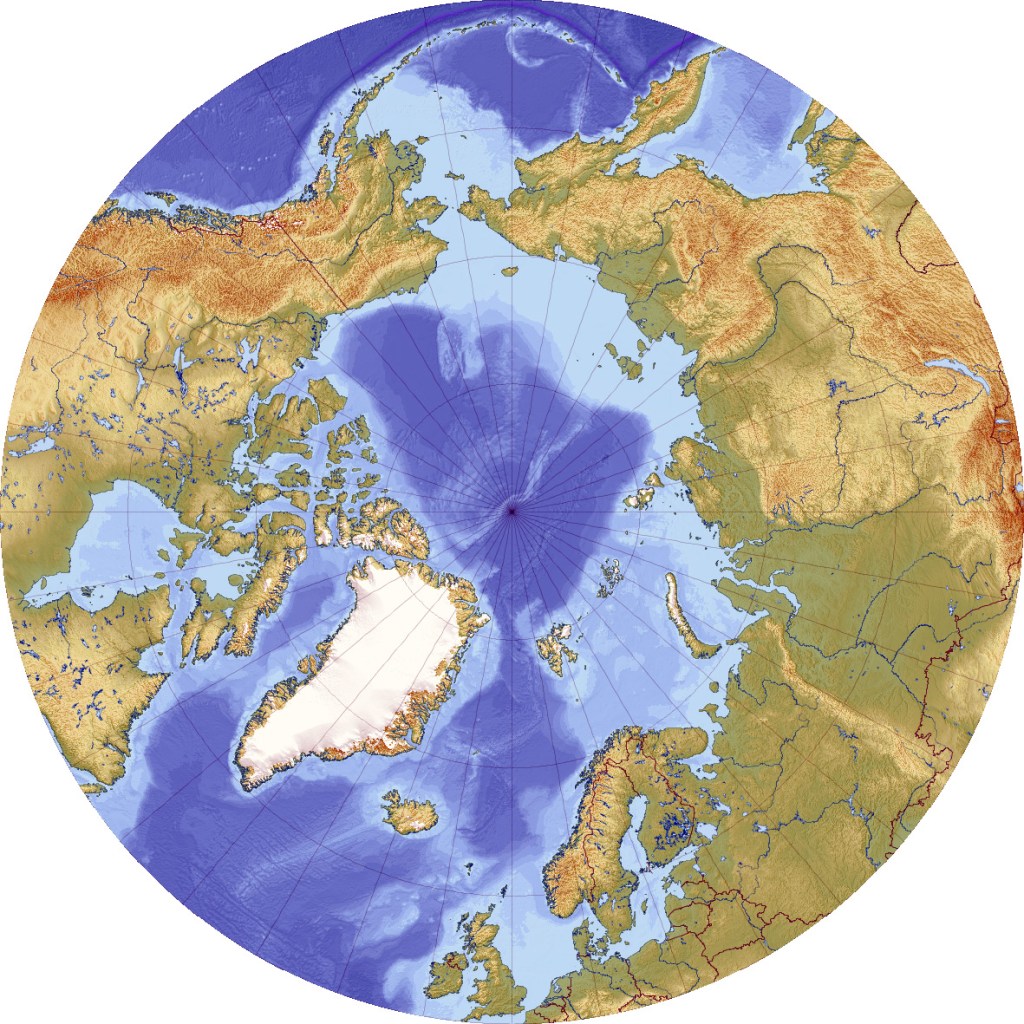


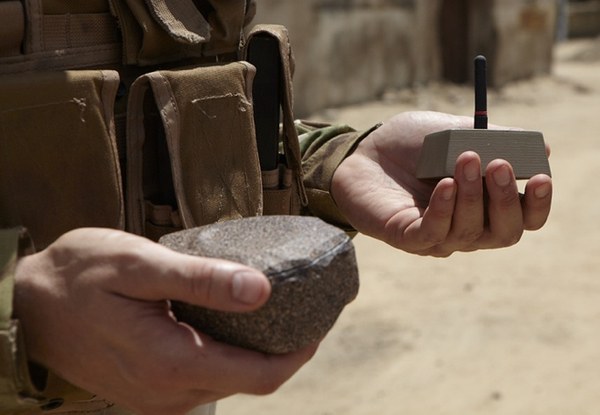
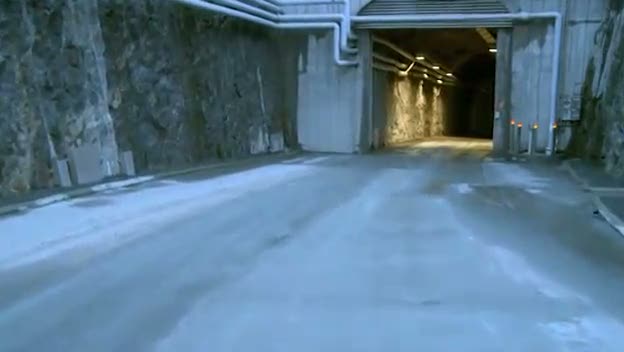
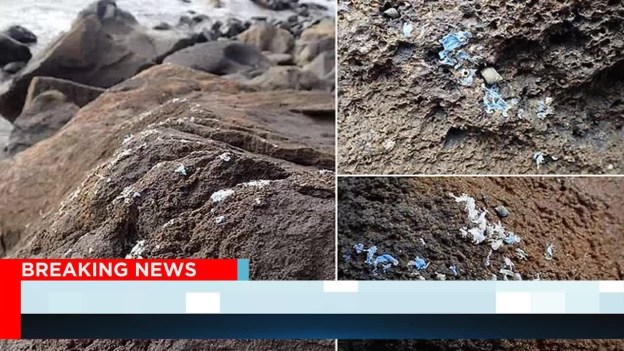
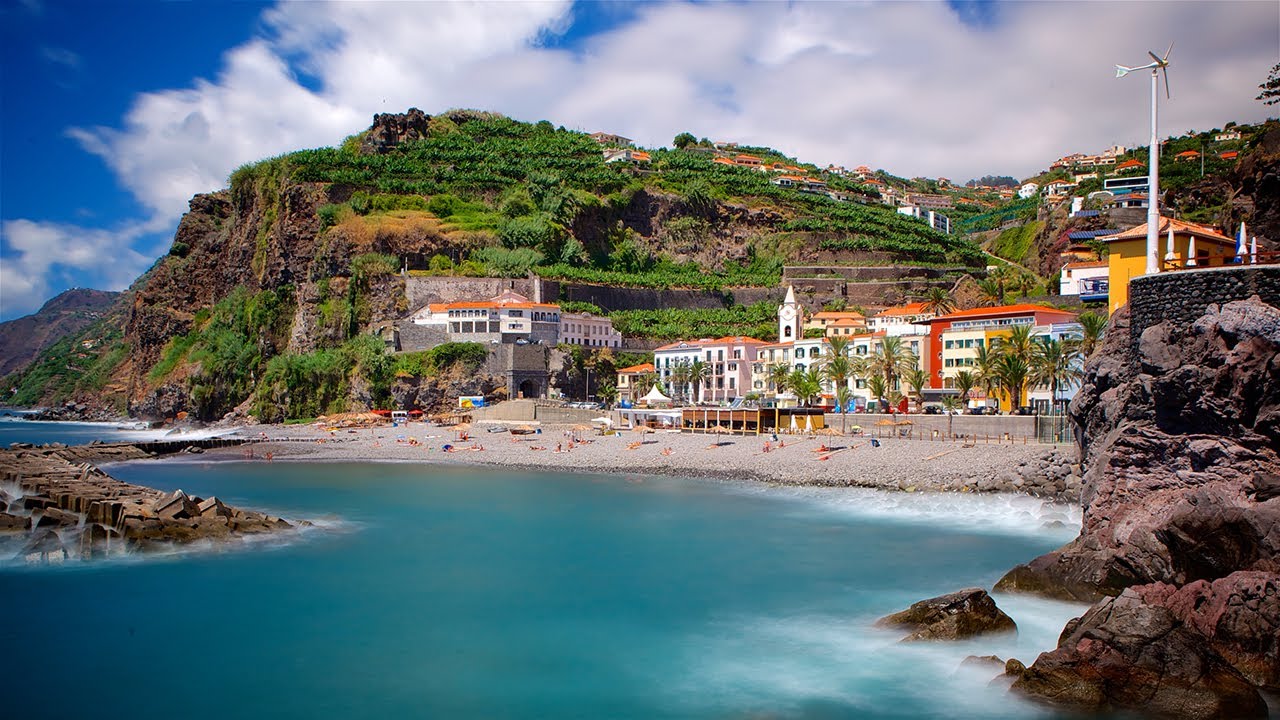

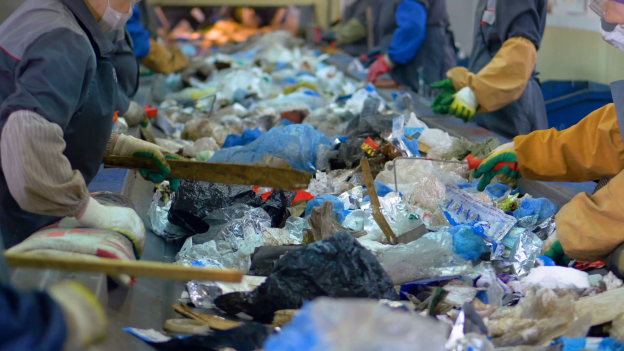

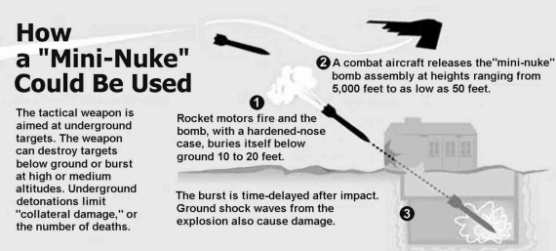
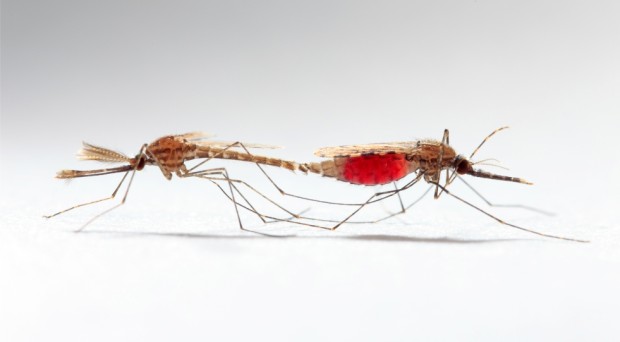

 Law-In-Action